
Muscle Cars
From the 1964 Pontiac GTO to the supercharged Challengers of the 2020s: American two-door cars with big V8s, sorted by era and brand. Power is in kW first; ratings before the 1972 model year are SAE gross, later ones SAE net — the two are not comparable.
Golden age (1964–1974)
View all: Golden age (1964–1974)The 1964 Pontiac GTO put a big V8 into a mid-size body, and every Detroit maker answered within a few years: Chevelle SS, 442, GTX, Road Runner, Super Bee, Torino Cobra. Pony cars such as the Mustang, Camaro, Firebird, Barracuda and Challenger joined with their V8 versions. Power was advertised in SAE gross horsepower up to the 1971 model year. 55 models
-
Chevrolet Chevelle
Classic- Years
- 1964–1973
- Body
- Sedan, Station wagon
- Fuel
- Petrol
- Power, SAE gross
- 336 kW (457 PS · 451 hp)
3 generations
- I
- II
- III
-
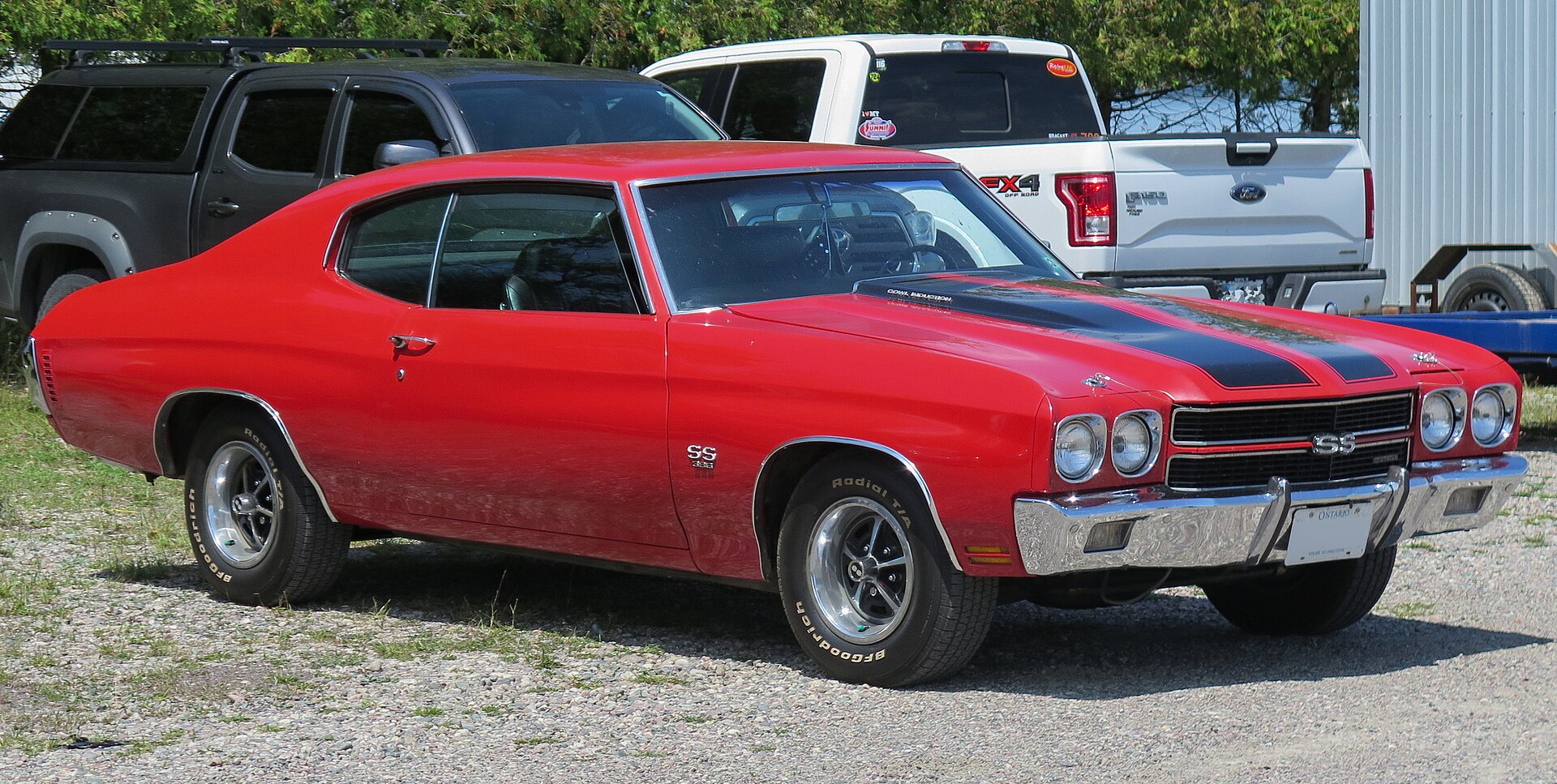
Chevrolet Chevelle SS
Classic- Years
- 1964–1973
- Body
- Coupe, Convertible
- Fuel
- Petrol
- Power, SAE gross
- 336 kW (457 PS · 451 hp)
3 generations
- I
- II
- III
-
Chevrolet Chevy II / Nova
Classic- Years
- 1964–1974
- Body
- Sedan, Station wagon
- Fuel
- Petrol
- Power, SAE gross
- 280 kW (381 PS · 375 hp)
3 of 4 generations
- Chevy II
- Chevy II
- Nova
-
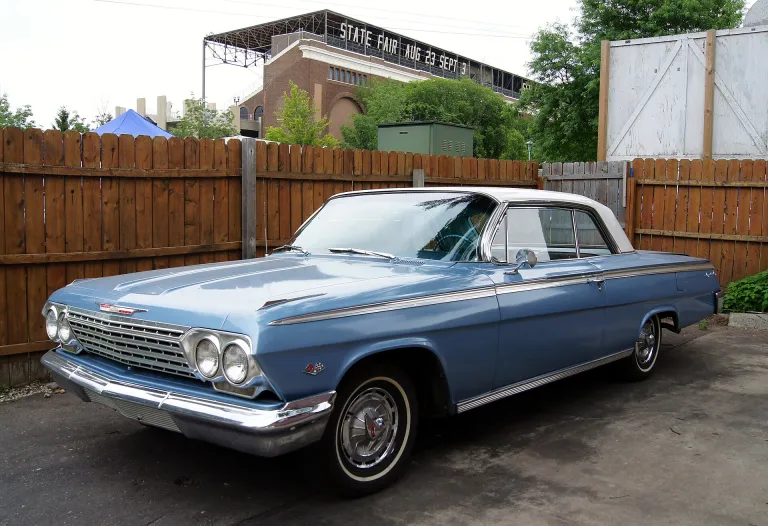
Chevrolet Impala SS
Classic- Years
- 1964–1969
- Body
- Coupe, Convertible
- Fuel
- Petrol
- Power, SAE gross
- 317 kW (431 PS · 425 hp)
2 of 4 generations
- I
- II
-
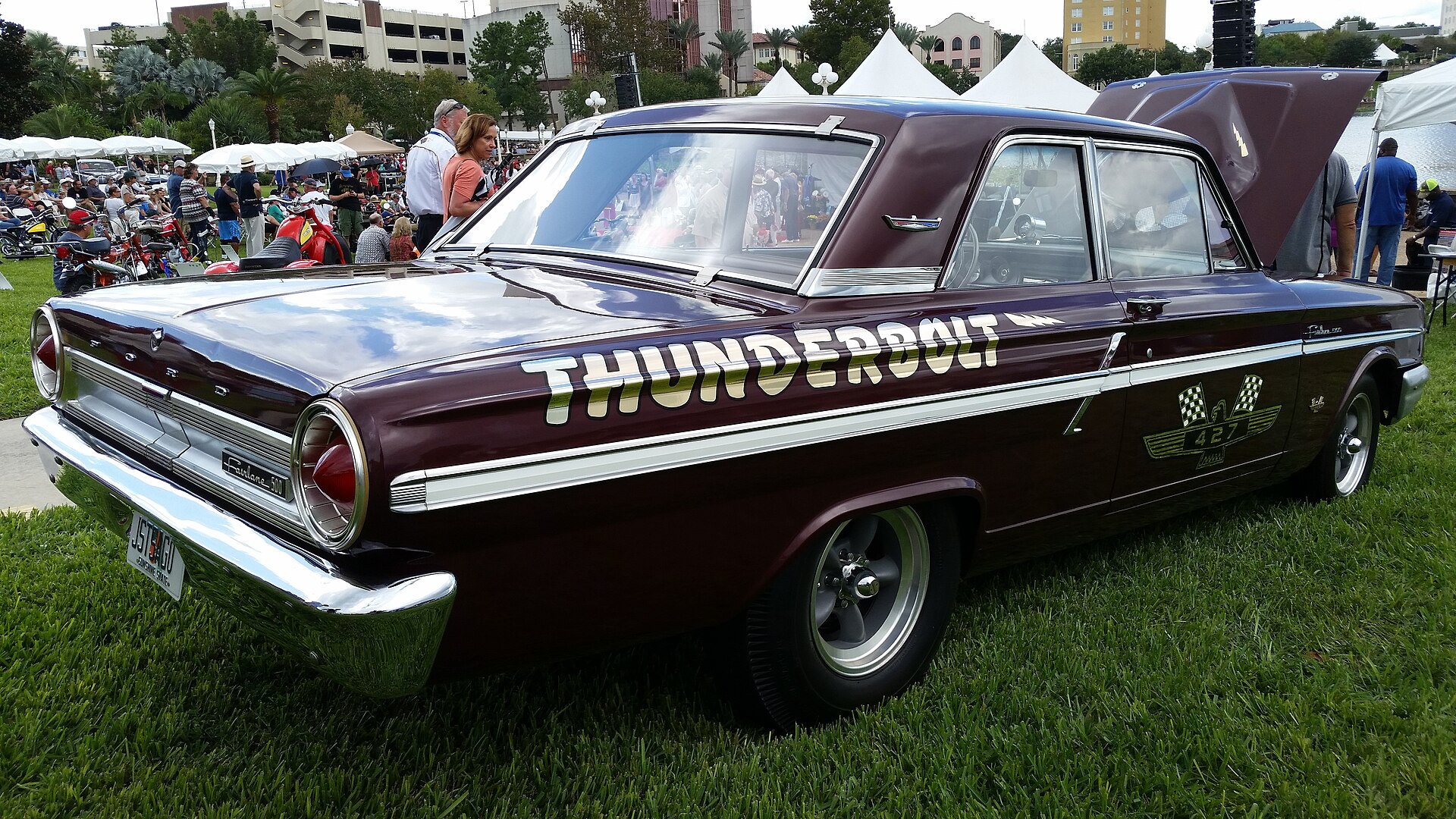
Ford Fairlane Thunderbolt
Classic- Years
- 1964
- Body
- Sedan
- Fuel
- Petrol
- Power, SAE gross
- 317 kW (431 PS · 425 hp)
-
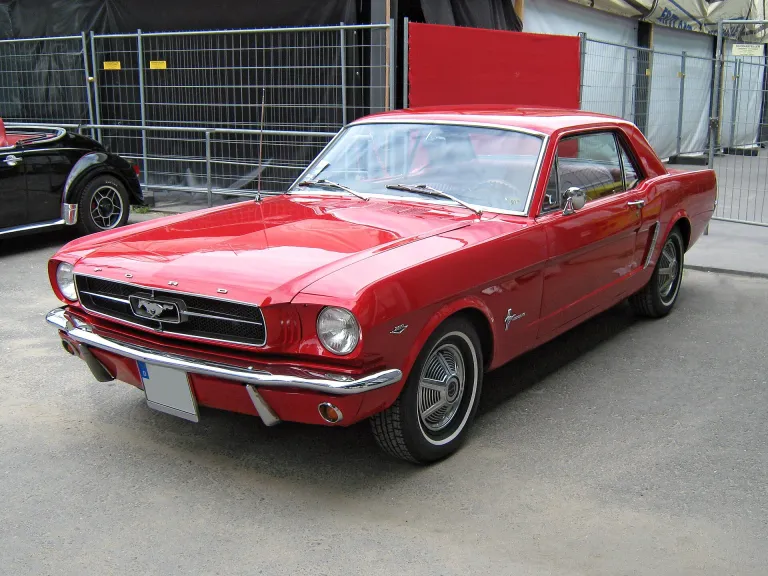
Ford Mustang
Classic- Years
- 1964–1973
- Body
- Coupe, Convertible
- Fuel
- Petrol
- Power, SAE gross
- 280 kW (381 PS · 375 hp)
1 of 7 generations
-
Ford Mustang Fastback
Classic- Years
- 1964
- Body
- Coupe
- Fuel
- Petrol
- Power, SAE gross
- 202 kW (275 PS · 271 hp)
-
Oldsmobile 442
Classic- Years
- 1964–1974
- Body
- Coupe, Convertible
- Fuel
- Petrol
- Power, SAE gross
- 276 kW (375 PS · 370 hp)
3 of 6 generations
- I
- II
- III




Malaise era and comeback (1975–2004)
View all: Malaise era and comeback (1975–2004)From 1972 power was quoted in SAE net, and emission rules, unleaded fuel, insurance surcharges and the 1973 oil crisis cut it further. The comeback began in the 1980s with the 5.0 Mustang GT, the IROC-Z Camaro and the turbocharged Buick Grand National and GNX. 15 models
-
Chevrolet Camaro
Ended 2002- Years
- 1970–2002
- Body
- Coupe, Hatchback
- Fuel
- Petrol
- Power, SAE net
- 246 kW (334 PS · 330 hp)
- 0–100 km/h
- 5.8 s
-
Pontiac Firebird
Ended 2002- Years
- 1970–2002
- Body
- Coupe, Hatchback
- Fuel
- Petrol
- Power, SAE net
- 186 kW (253 PS · 249 hp)
- 0–100 km/h
- 7.0 s
3 of 4 generations
- II
- III
- IV
-
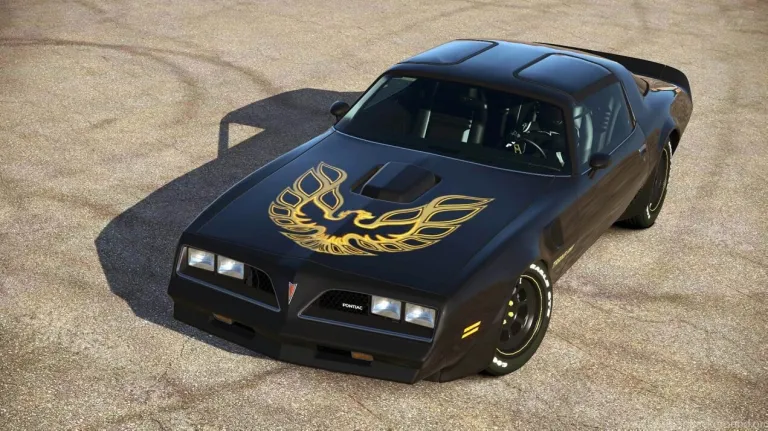
Pontiac Firebird Trans Am
Ended 2002- Years
- 1970–2002
- Body
- Coupe, Convertible
- Fuel
- Petrol
- Power, SAE net
- 231 kW (314 PS · 310 hp)
3 of 4 generations
- Trans Am II
- Trans Am III
- Trans Am IV
-
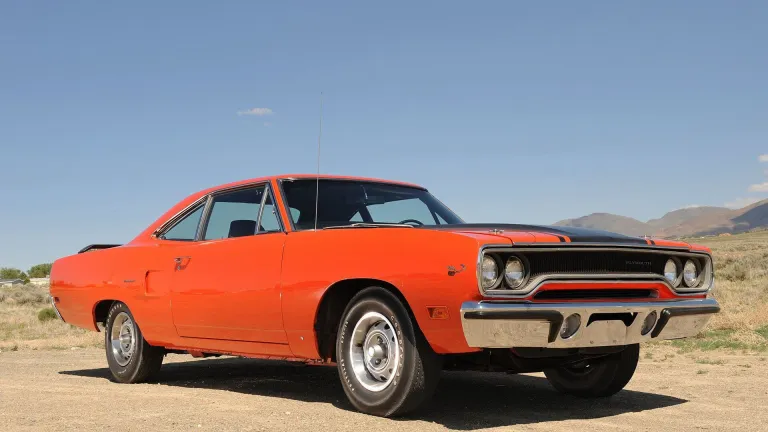
Plymouth Road Runner
Classic- Years
- 1975–1980
- Body
- Coupe
- Fuel
- Petrol
- Power, SAE net
- 190 kW (258 PS · 255 hp)
2 of 4 generations
- III
- IV
-
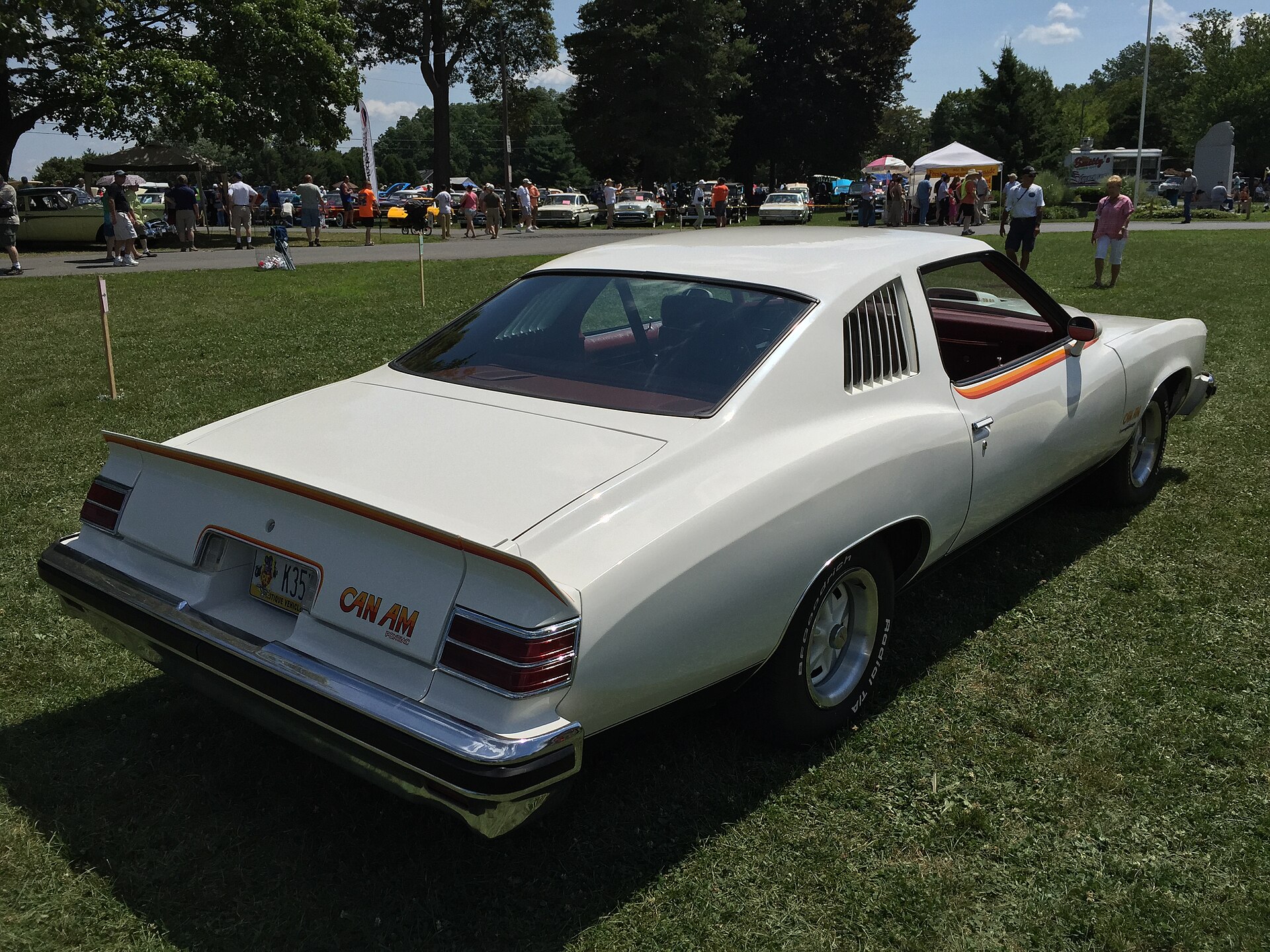
Pontiac Can Am
Classic- Years
- 1977
- Body
- Coupe
- Fuel
- Petrol
- Power, SAE net
- 149 kW (203 PS · 200 hp)
-
Ford Mustang
Ended 2004- Years
- 1979–2004
- Body
- Hatchback, Coupe
- Fuel
- Petrol
- Power, SAE net
- 291 kW (396 PS · 390 hp)
2 of 7 generations
- Fox
- SN95
-
Oldsmobile 442 Hurst
Classic- Years
- 1979–1984
- Body
- Coupe
- Fuel
- Petrol
2 of 4 generations
- Hurst/Olds Calais
- Hurst/Olds Anniversary
-
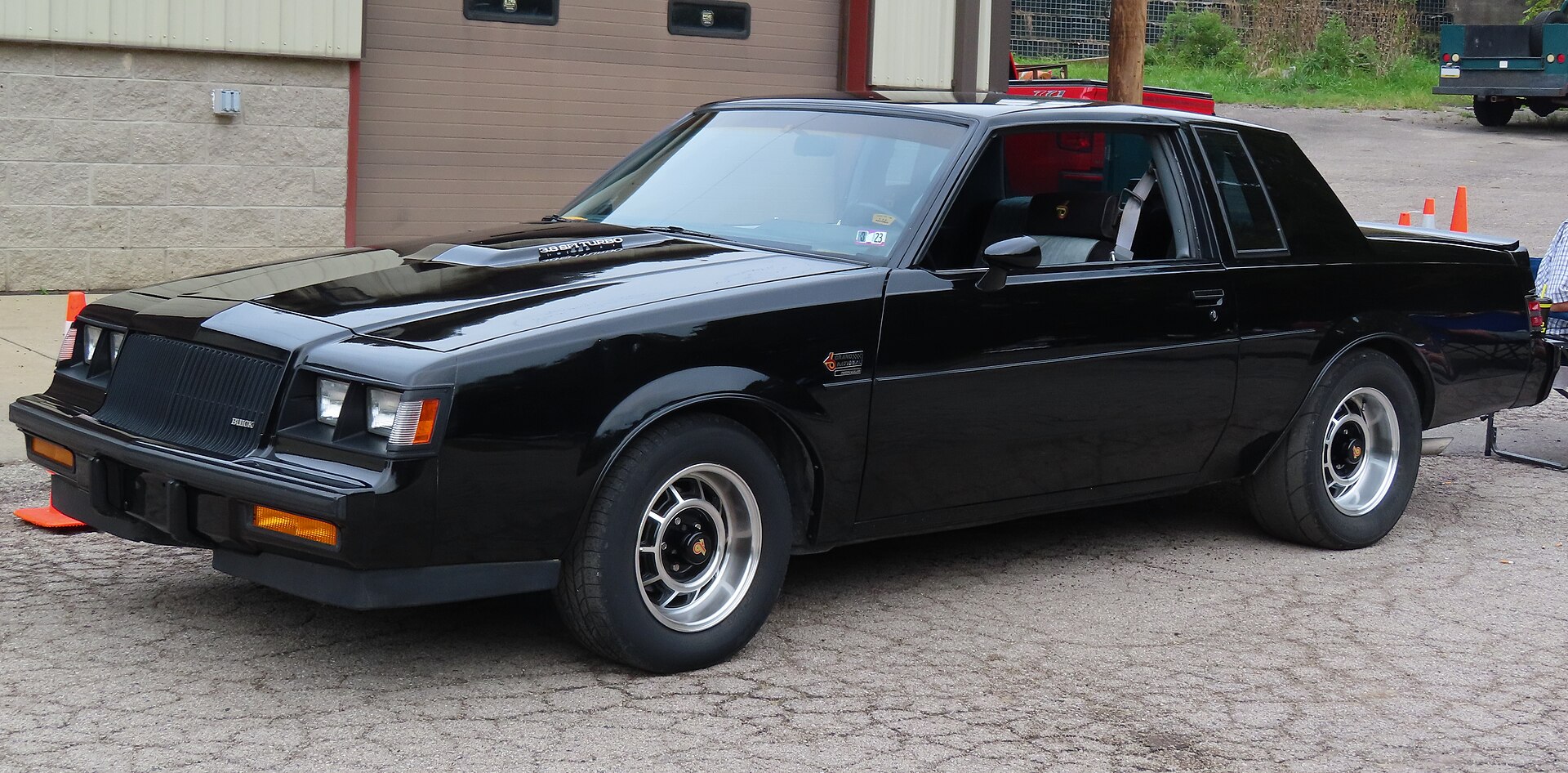
Buick Grand National
Classic- Years
- 1982–1987
- Body
- Coupe
- Fuel
- Petrol
- Power, SAE net
- 206 kW (280 PS · 276 hp)




Modern revival (2005 to today)
View all: Modern revival (2005 to today)The fifth-generation Mustang, the 2006 Charger sedan, the 2008 Challenger and the 2010 Camaro brought the classic formula back with modern V8s. Supercharged Hellcat and Demon versions passed 500 kW, and the 2024 Charger Daytona added an electric muscle car. 15 models
-
Ford Mustang
In production- Years
- 2004–present
- Body
- Coupe, Convertible
- Fuel
- Petrol
- Power, SAE net
- 608 kW (827 PS · 815 hp)
3 of 7 generations
- S197
- S550
- S650
-
Pontiac GTO
Ended 2006- Years
- 2004–2006
- Body
- Coupe
- Fuel
- Petrol
- Power, SAE net
- 298 kW (405 PS · 400 hp)
1 of 5 generations
-
EV version
Dodge Charger
In production- Years
- 2006–present
- Body
- Sedan, Liftback
- Fuel
- Petrol, Electric
- Power, SAE net
- 602 kW (818 PS · 807 hp)
3 of 8 generations
- LX
- LD
- VIII
-
Ford Mustang Shelby GT500
Ended 2022- Years
- 2007–2022
- Body
- Coupe, Convertible
- Fuel
- Petrol
- Power, SAE net
- 567 kW (771 PS · 760 hp)
2 of 3 generations
- Shelby GT500
- Shelby GT500
-
Dodge Challenger
Ended 2023- Years
- 2008–2023
- Body
- Coupe
- Fuel
- Petrol
- Power, SAE net
- 764 kW (1,039 PS · 1,025 hp)
1 of 3 generations
-
Ford Mustang Bullitt
Ended 2020- Years
- 2008–2020
- Body
- Coupe
- Fuel
- Petrol
- Power, SAE net
- 358 kW (487 PS · 480 hp)
2 of 3 generations
- Bullitt
- Bullitt
-
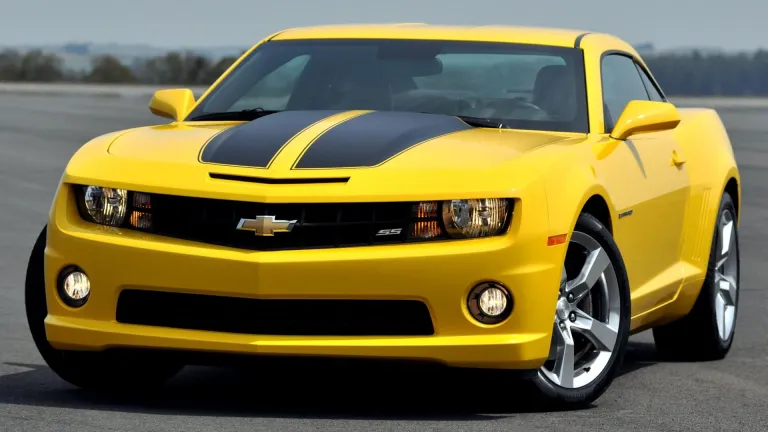
Chevrolet Camaro
Ended 2024- Years
- 2009–2024
- Body
- Coupe, Convertible
- Fuel
- Petrol
- Power, SAE net
- 485 kW (659 PS · 650 hp)
-
Ford Mustang Shelby GT350
Ended 2020- Years
- 2011–2020
- Body
- Coupe, Convertible
- Fuel
- Petrol
- Power, SAE net
- 392 kW (533 PS · 526 hp)
2 of 4 generations
- Shelby GT350
- Shelby GT350


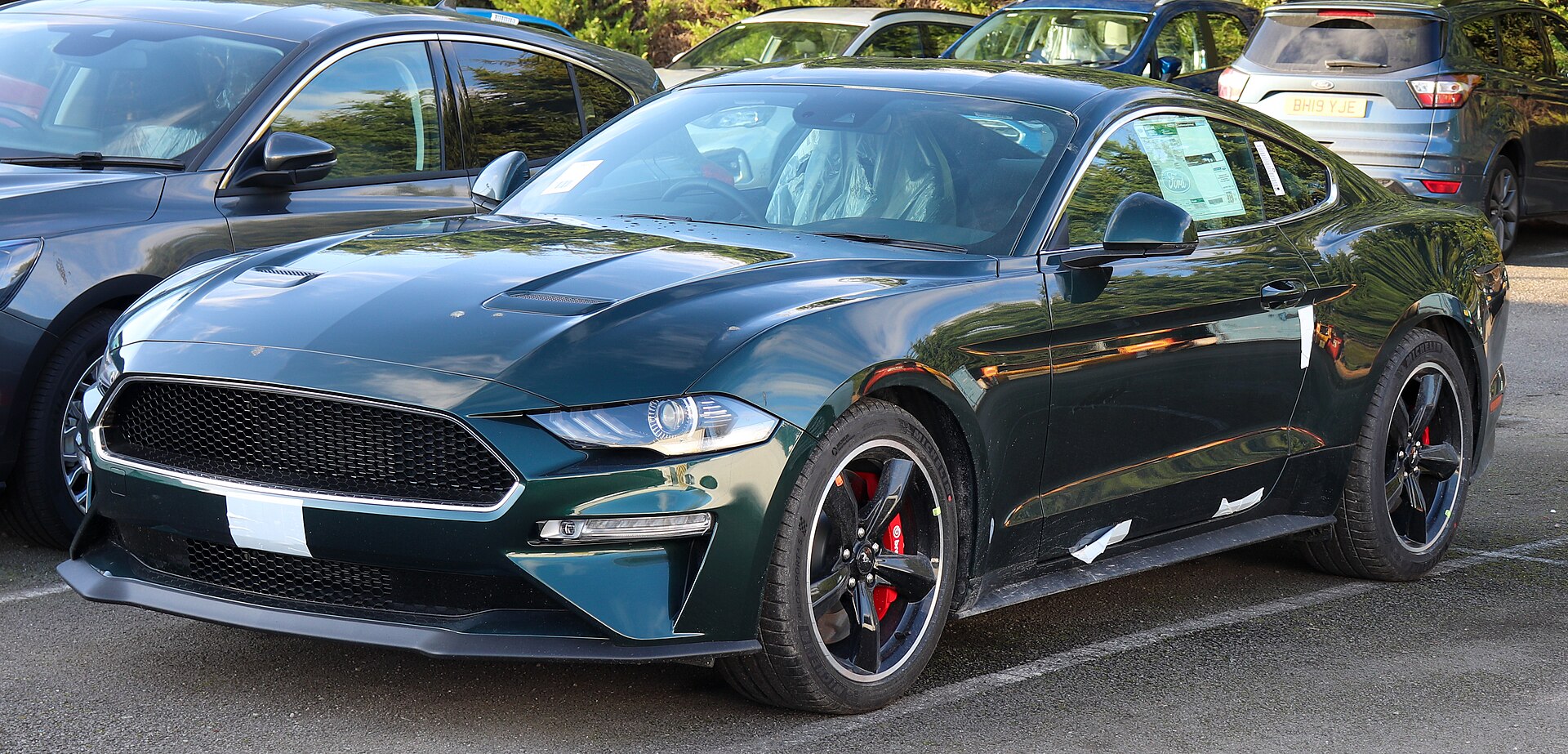

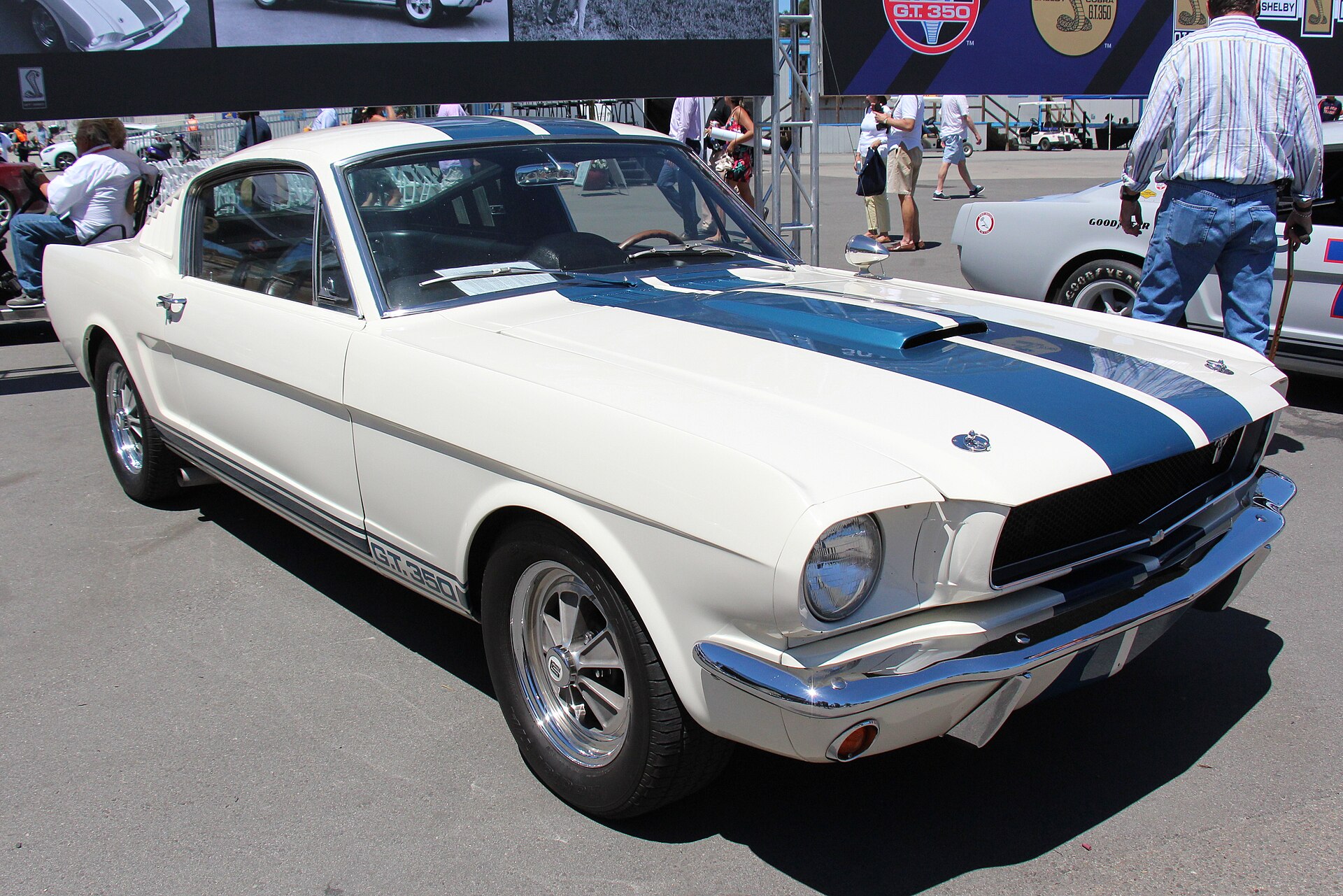
Australian muscle cars
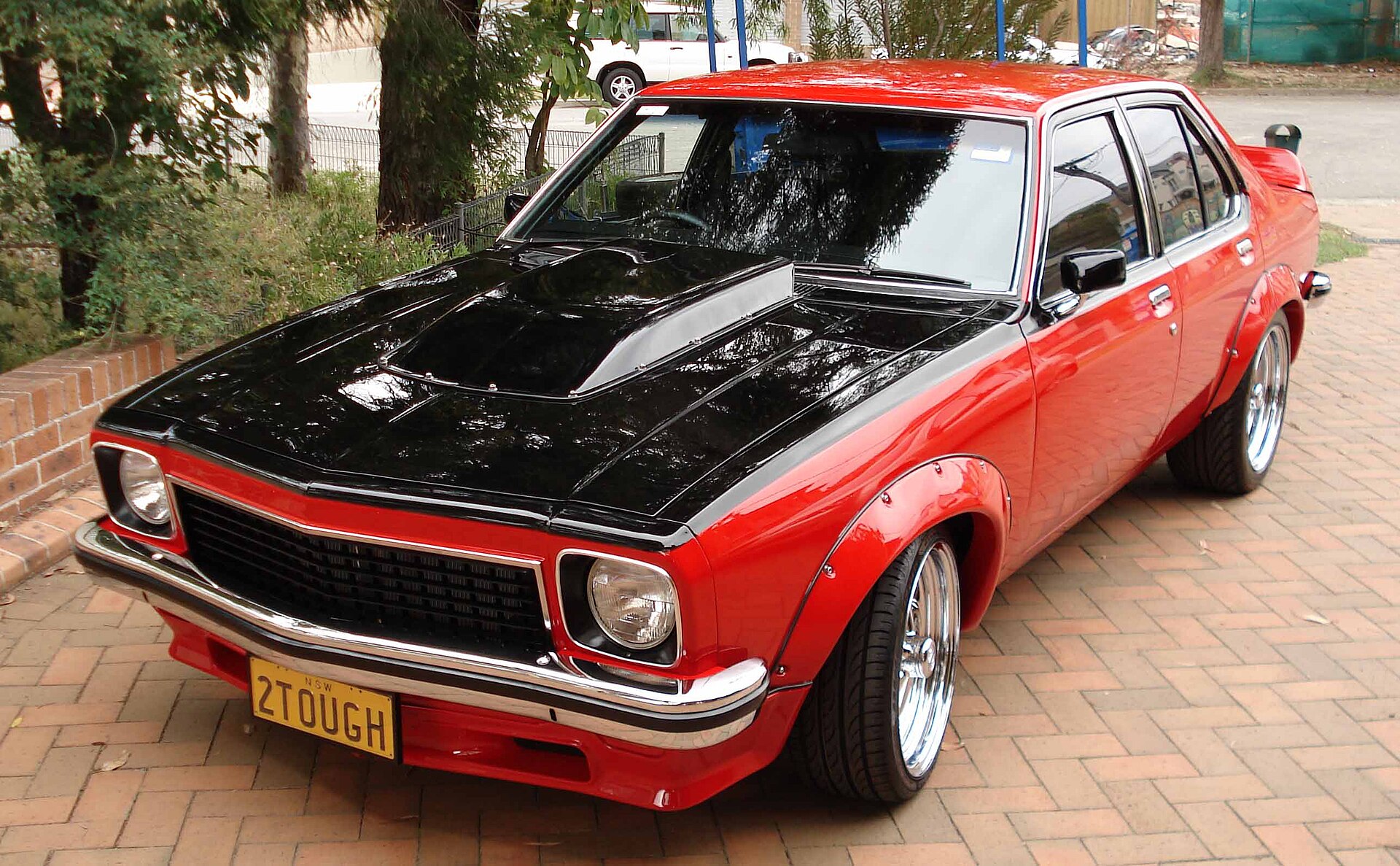
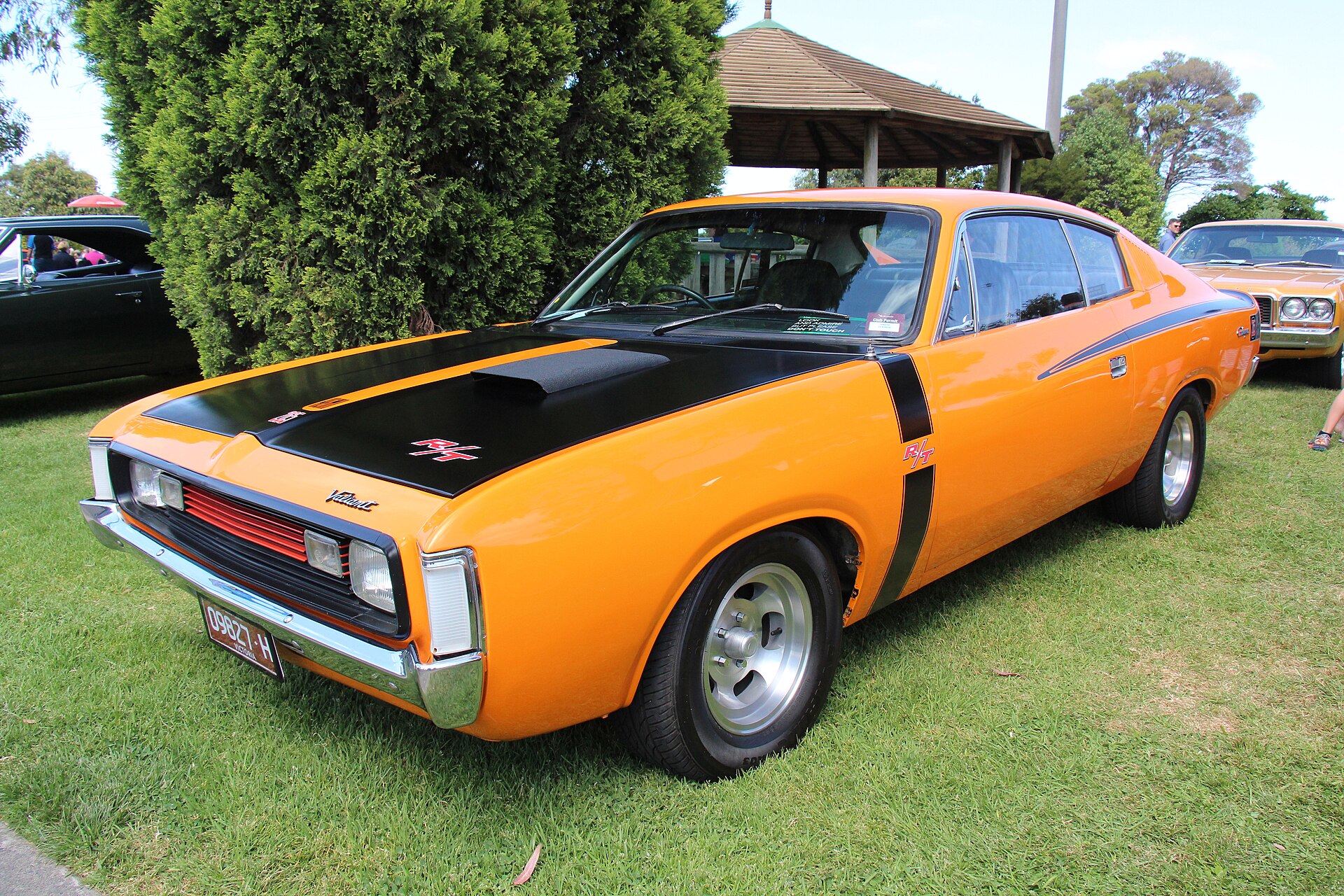
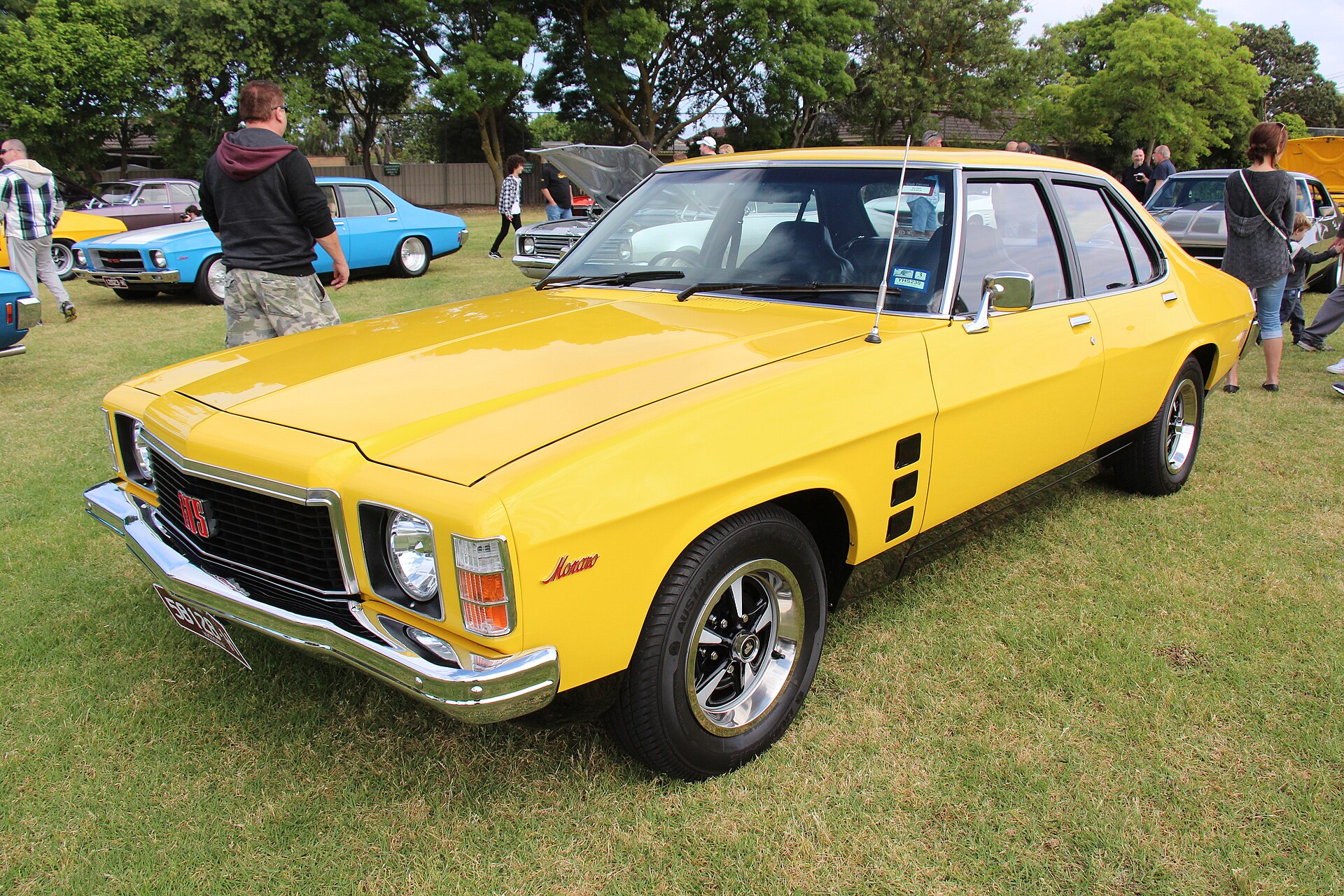
View all: Australian muscle carsFrom 1967 the Australian arms of Ford, General Motors (Holden) and Chrysler built high-performance versions of their local cars: the Falcon GT, the Monaro GTS, the Torana GTR XU-1 and the Valiant Charger R/T. The Hardie-Ferodo 500 at Bathurst was a race for series-production cars and required 200 road-going examples, so the winning cars were sold in showrooms. 5 models
-
Ford Falcon GT
Classic- Years
- 1967–1976
- Body
- Sedan, Coupe
- Fuel
- Petrol
- Power, advertised
- 224 kW (305 PS · 300 hp)
- 0–100 km/h
- 6.9 s
6 of 8 generations
- Falcon XR GT
- Falcon XT GT
- Falcon XW GT and GT-HO
- Falcon XY GT and GT-HO Phase III
- Falcon XA GT
- Falcon XB GT
-
Holden Monaro
Classic- Years
- 1968–1979
- Body
- Coupe, Sedan
- Fuel
- Petrol
- Power, advertised
- 224 kW (305 PS · 300 hp)
2 of 3 generations
- HK/HT/HG
- HQ/HJ/HX/HZ
-
Holden Torana
Classic- Years
- 1970–1977
- Body
- Sedan, Hatchback
- Fuel
- Petrol
- Power, advertised
- 179 kW (243 PS · 240 hp)
4 of 6 generations
- LC
- LJ
- LH
- LX
-
Chrysler Valiant Charger
Classic- Years
- 1971–1974
- Body
- Coupe
- Fuel
- Petrol
- Power, advertised
- 225 kW (306 PS · 302 hp)
2 of 4 generations
- VH
- VJ
-
Holden HJ Monaro GTS
Classic- Years
- 1974–1976
- Body
- Sedan, Coupe
- Fuel
- Petrol
- Power, advertised
- 179 kW (243 PS · 240 hp)
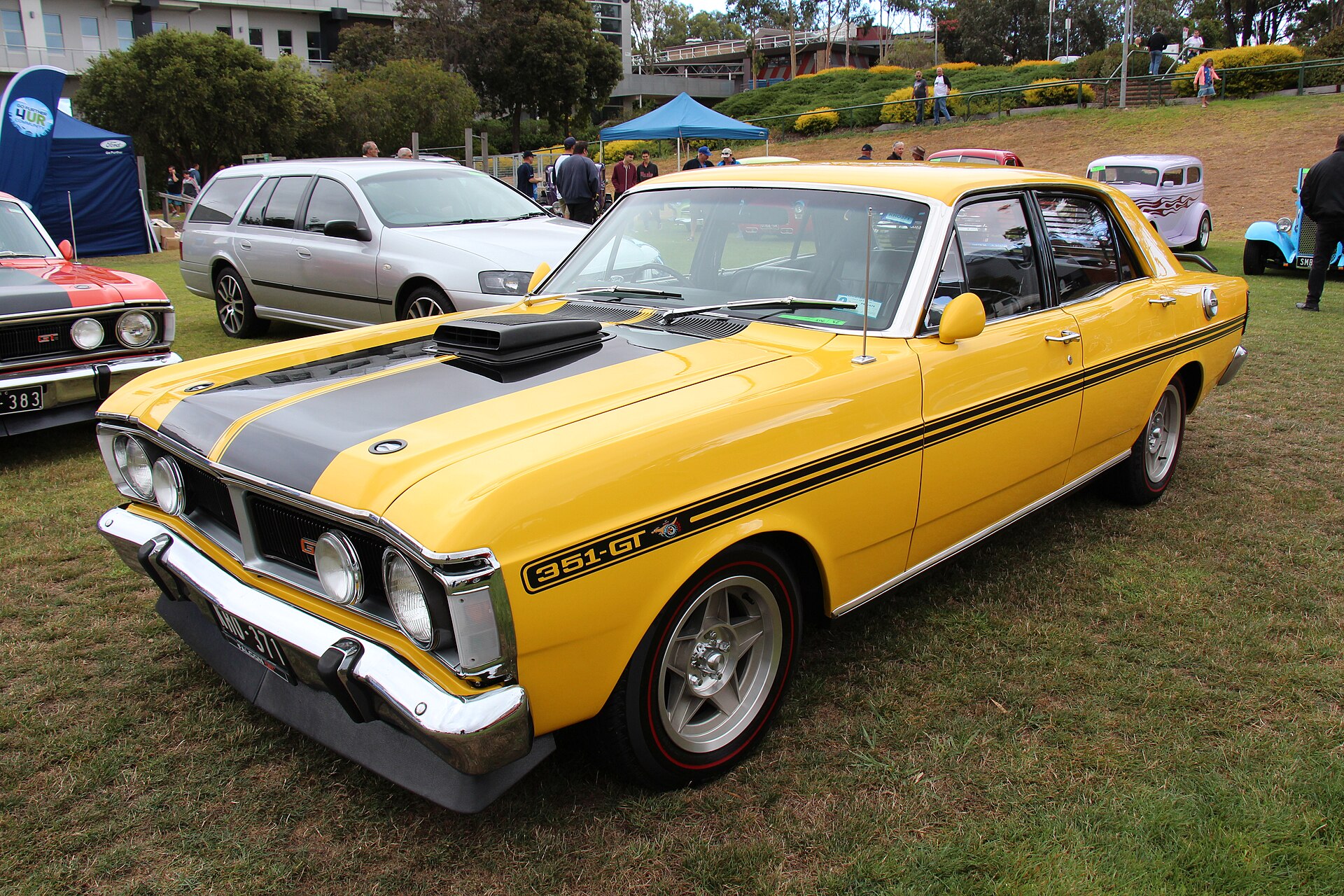
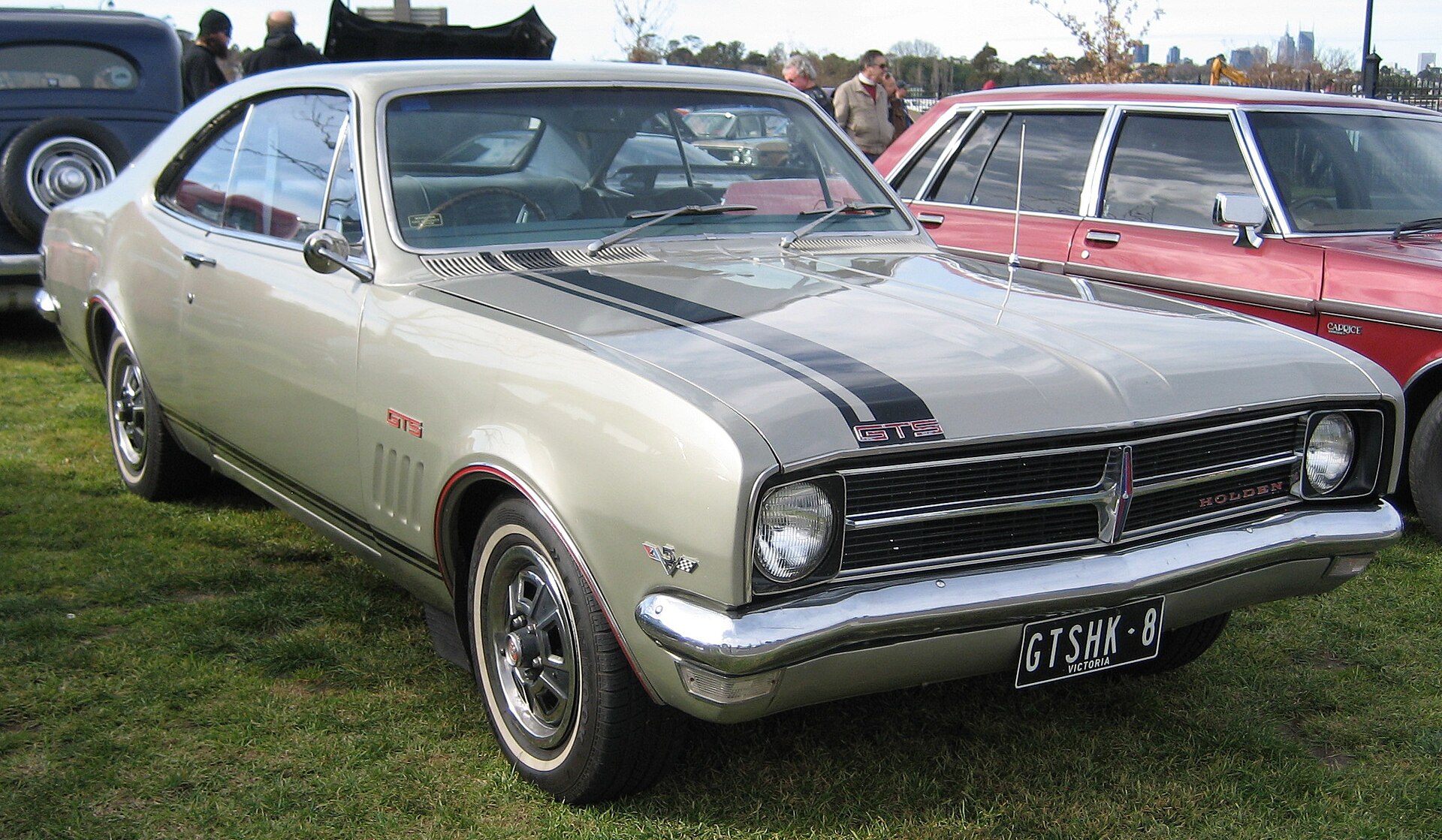
Muscle car rankings
Best figure of each model in the catalog. Gross and net horsepower are ranked separately: a gross figure was measured on an engine without accessories and reads higher than the net figure of the same engine.
Most powerful classic muscle cars (SAE gross, to 1971)
54 models-
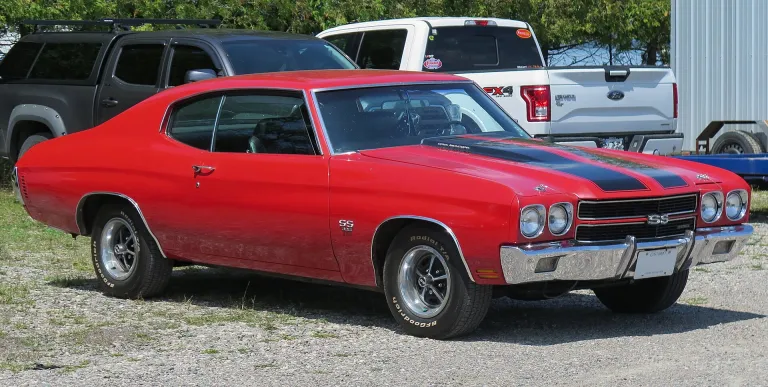
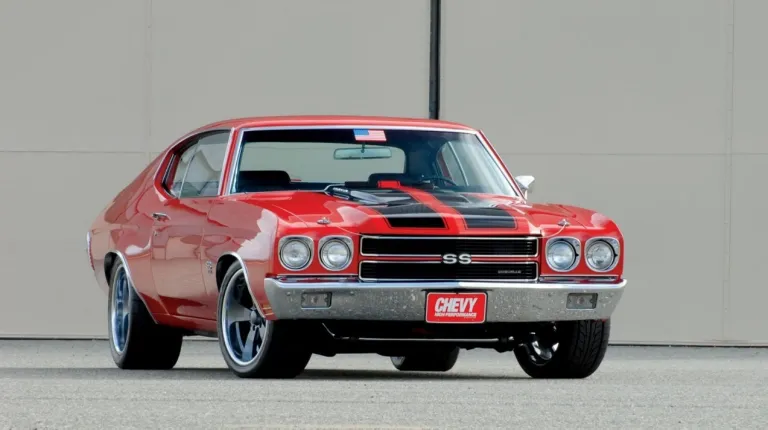
Chevrolet Chevelle
 1968–1972 · SAE gross
336 kW (457 PS · 451 hp)
Specs: Chevrolet Chevelle
-
Chevrolet Chevelle SS
1968–1972 · SAE gross
336 kW (457 PS · 451 hp)
Specs: Chevrolet Chevelle SS
-
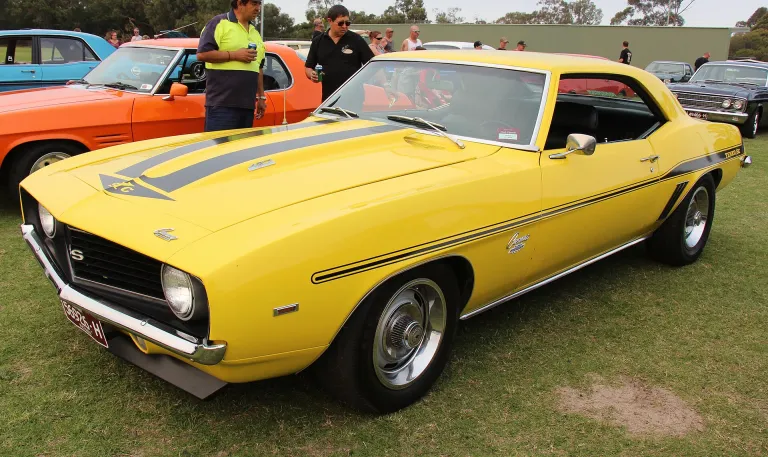
Chevrolet Yenko Camaro
1967–1968 · SAE gross
336 kW (457 PS · 451 hp)
-
Chevrolet Camaro
1966–1969 · SAE gross
321 kW (436 PS · 430 hp)
Specs: Chevrolet Camaro
-
Chevrolet Impala SS
1964 · SAE gross
317 kW (431 PS · 425 hp)
Specs: Chevrolet Impala SS
-
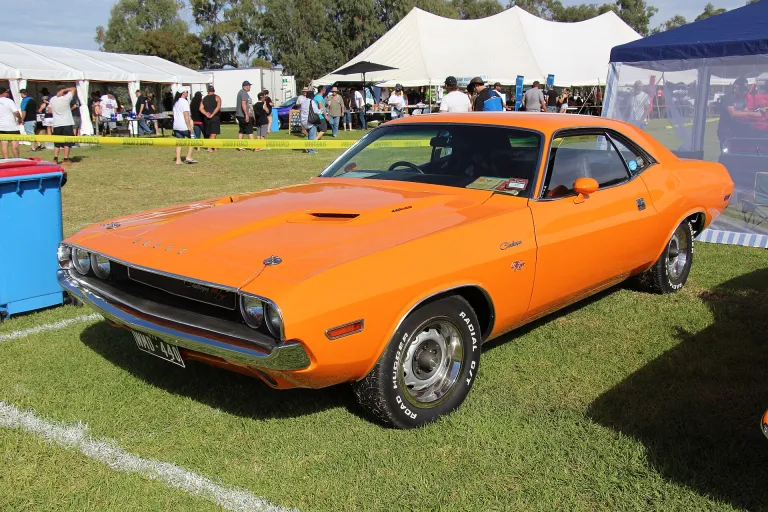
Dodge Challenger
 1970–1974 · SAE gross
317 kW (431 PS · 425 hp)
-
Dodge Charger
1966–1967 · SAE gross
317 kW (431 PS · 425 hp)
-
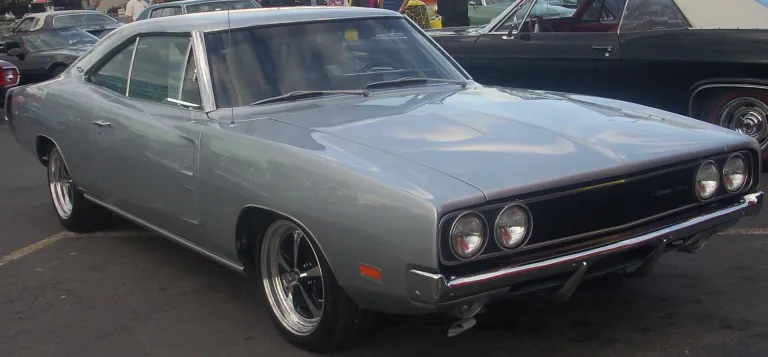
Dodge Charger 500
1968–1970 · SAE gross
317 kW (431 PS · 425 hp)
Specs: Dodge Charger 500
-
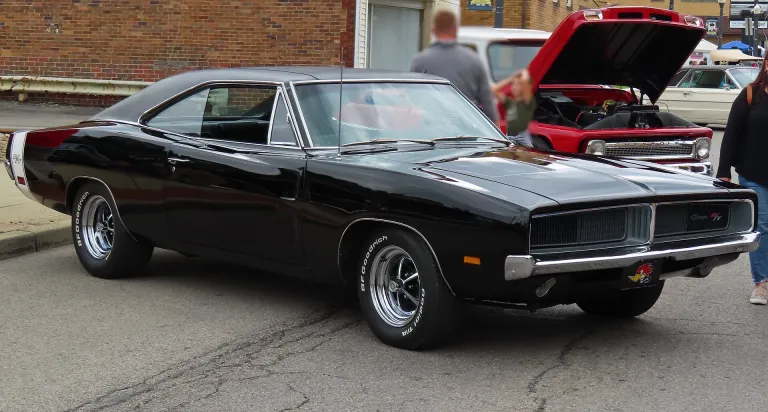
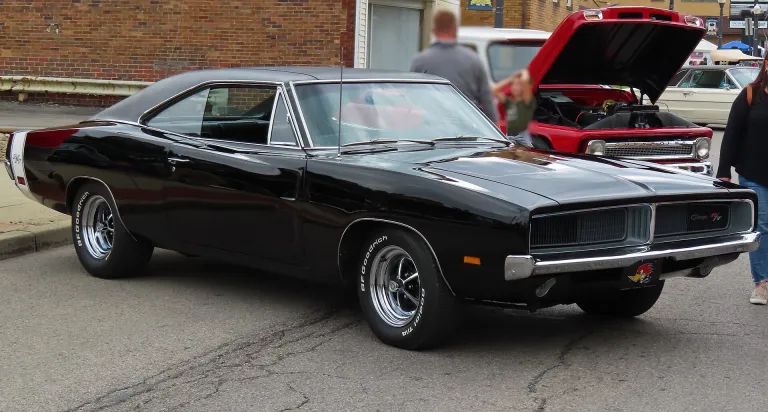
Dodge Charger R/T
1968–1970 · SAE gross
317 kW (431 PS · 425 hp)
Specs: Dodge Charger R/T
-
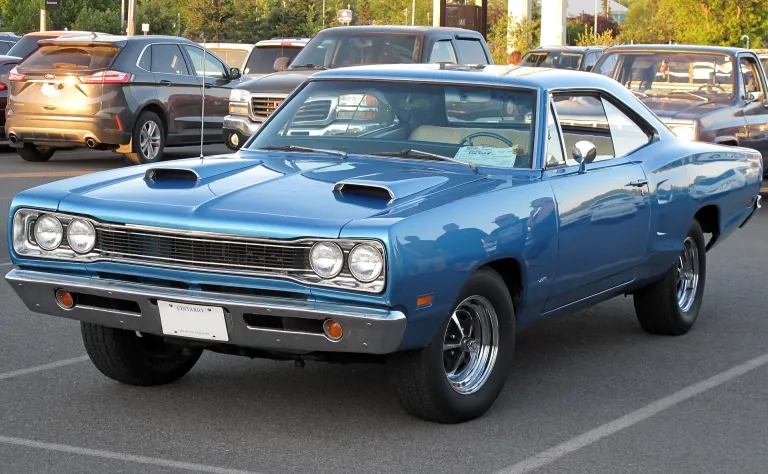
Dodge Coronet
1965–1970 · SAE gross
317 kW (431 PS · 425 hp)
Most powerful muscle cars since 1972 (SAE net)
28 models-
Dodge Challenger
2008–2023 · SAE net
764 kW (1,039 PS · 1,025 hp)
-
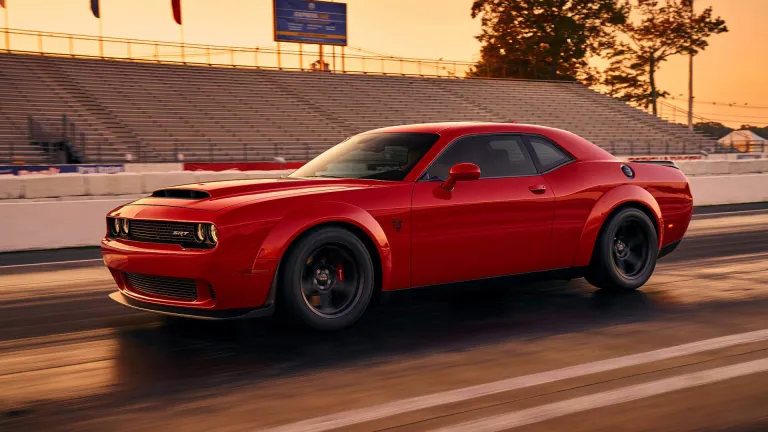
Dodge Challenger SRT Demon
2023 · SAE net
764 kW (1,039 PS · 1,025 hp)
Specs: Dodge Challenger SRT Demon
-
Ford Mustang
 2023–present · SAE net
608 kW (827 PS · 815 hp)
Specs: Ford Mustang
-
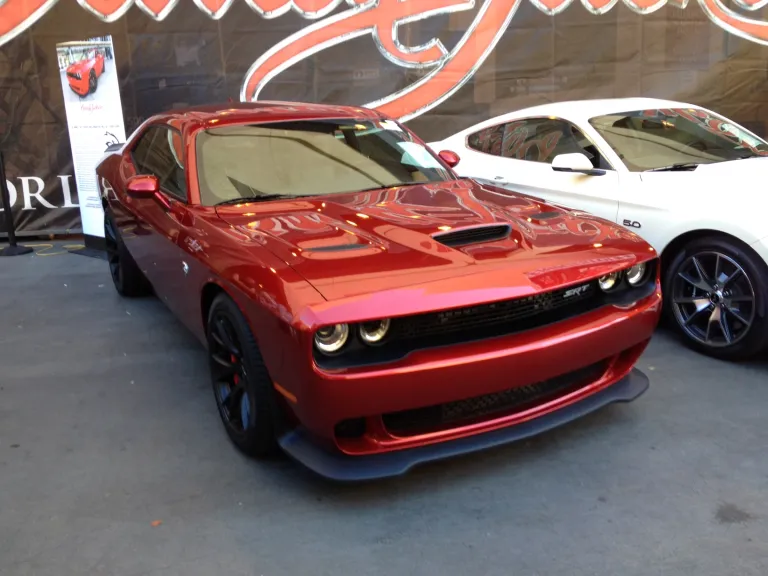
Dodge Challenger SRT Hellcat
2015–2023 · SAE net
602 kW (818 PS · 807 hp)
Specs: Dodge Challenger SRT Hellcat
-
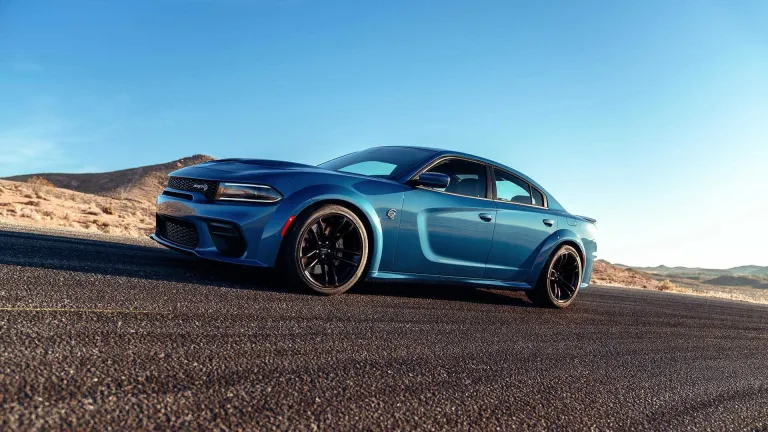
Dodge Charger
2011–2023 · SAE net
602 kW (818 PS · 807 hp)
-
Dodge Charger SRT Hellcat
2014–2023 · SAE net
594 kW (808 PS · 797 hp)
Specs: Dodge Charger SRT Hellcat
-
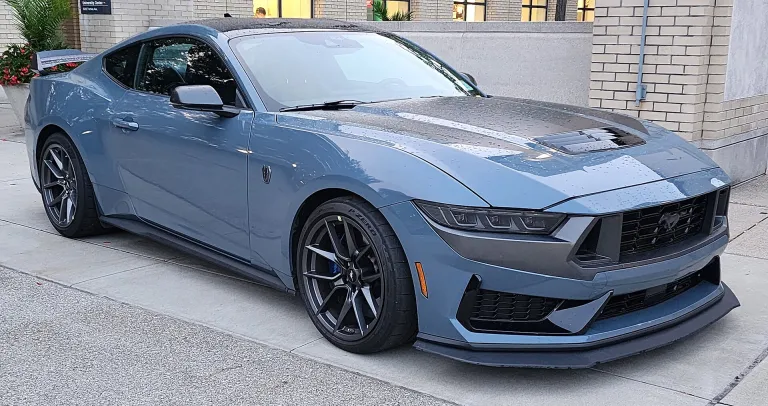
Ford Mustang Dark Horse
2024–present · SAE net
593 kW (806 PS · 795 hp)
Specs: Ford Mustang Dark Horse
-
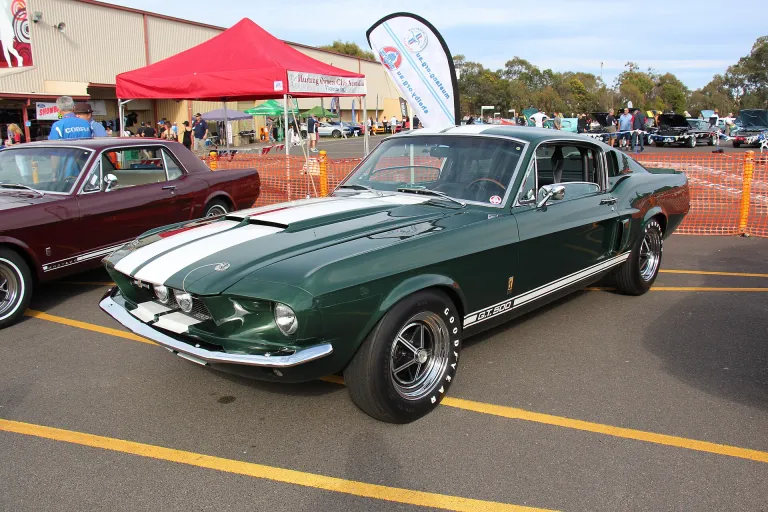
Ford Mustang Shelby GT500
2020–2022 · SAE net
567 kW (771 PS · 760 hp)
Specs: Ford Mustang Shelby GT500
-
Chevrolet Camaro
2016–2024 · SAE net
485 kW (659 PS · 650 hp)
Specs: Chevrolet Camaro
-
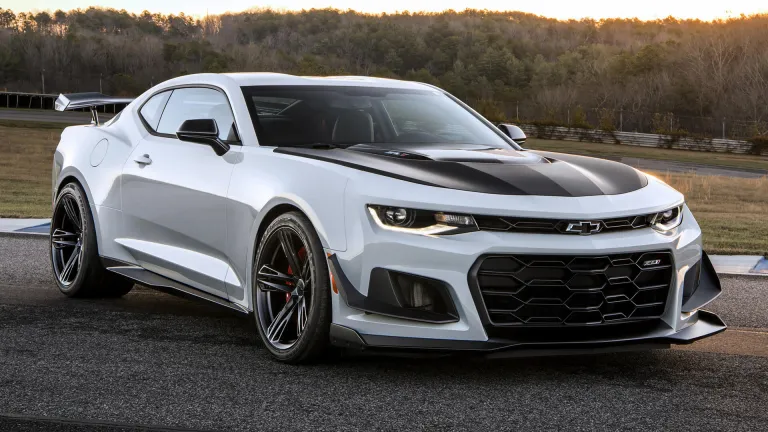
Chevrolet Camaro ZL1
2016–2024 · SAE net
485 kW (659 PS · 650 hp)
Specs: Chevrolet Camaro ZL1
Quickest muscle cars, 0–100 km/h
5 models-
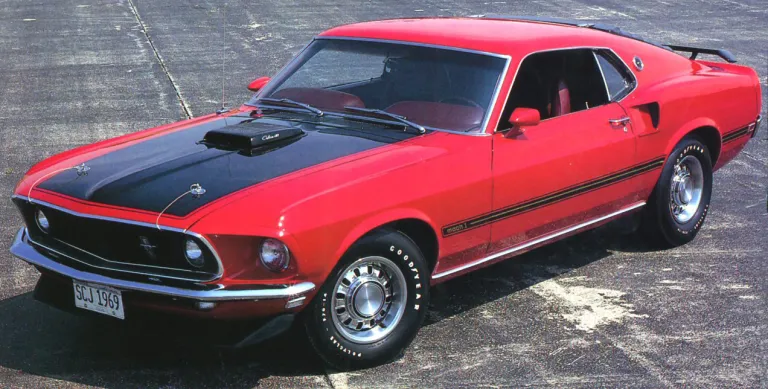
Ford Mustang Mach 1
2021–2023
4.4 s
Specs: Ford Mustang Mach 1
-
Plymouth Road Runner
 1968–1970
5.0 s
Specs: Plymouth Road Runner
-
Chevrolet Camaro
1982–1992
5.8 s
Specs: Chevrolet Camaro
-
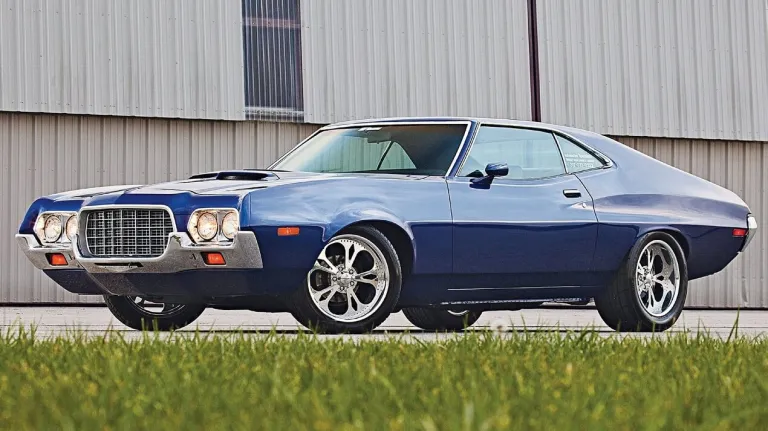
Ford Gran Torino
1972–1976
6.8 s
Specs: Ford Gran Torino
-
Pontiac Firebird
 1993–2002
7.0 s
Specs: Pontiac Firebird
Figures: catalog data of each model's best version (or generation). Power in kW, then PS and hp; gross or net as advertised for that model year.
Muscle car brands



Muscle car stories
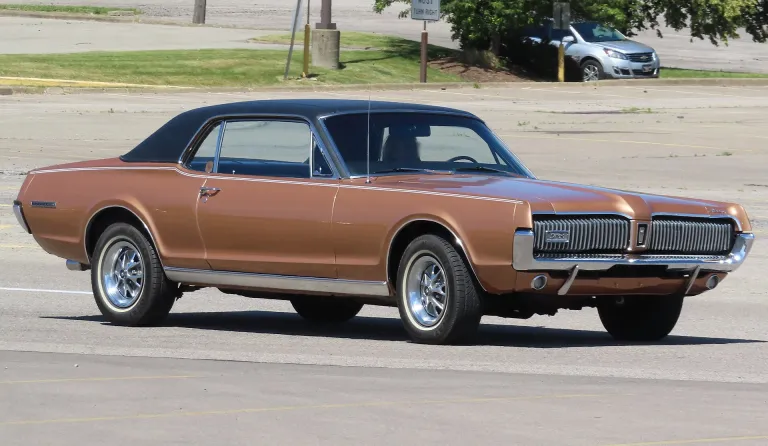
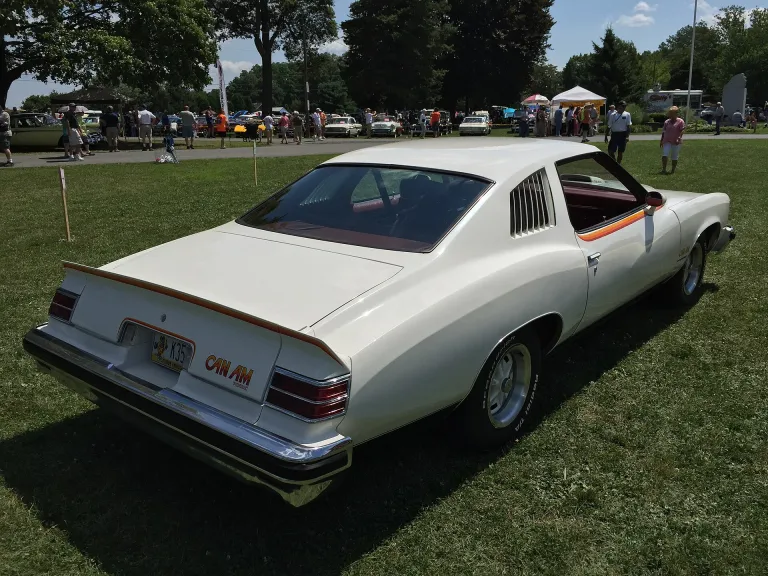
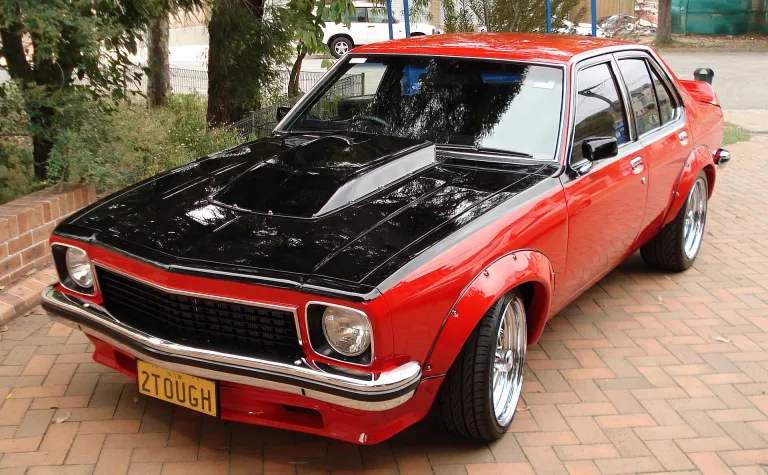
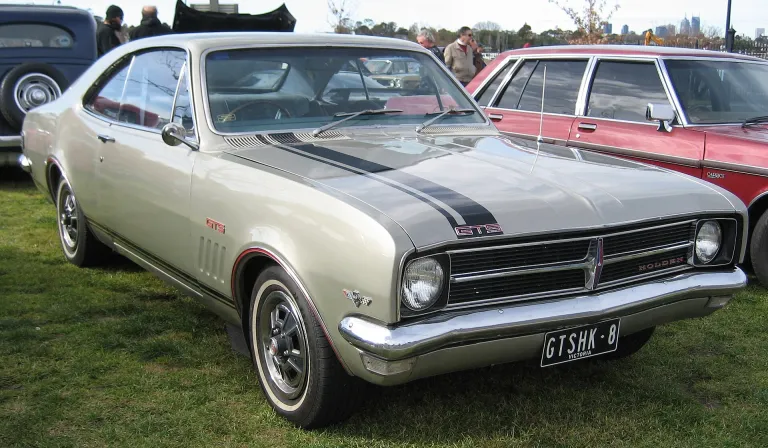
More to explore
Muscle cars: questions and answers
What is a muscle car?
On 1CARS a muscle car is an American-built two-door car with a big, high-output V8 on a mass-production intermediate, compact or pony-car platform, sold at a mainstream price — from the 1964 Pontiac GTO on. Pony cars such as the Mustang and Camaro count with their V8 performance versions. Two exceptions are listed because the market calls them muscle cars too: the four-door Dodge Charger (2006 on) and the Chevrolet Impala SS.
Is the Corvette a muscle car?
No. The Corvette is a two-seat sports car on its own platform, not a performance version of a family car, so it is not on this list. The same rule leaves out the Dodge Viper, the Shelby Cobra and the Ford GT. Our muscle car rule also excludes full-size sedans, utes such as the El Camino, pickups and cars built outside the USA. Australian performance cars of the same period have a block of their own, outside the American eras and rankings.
Which classic muscle car is the most powerful in the catalog?
The Chevrolet Chevelle (1968–1972), with 336 kW (457 PS · 451 hp) as advertised (SAE gross).
Which muscle car has the most power today?
The Dodge Challenger (2008–2023), with 764 kW (1,039 PS · 1,025 hp) (SAE net).
What was the first muscle car?
The 1964 Pontiac GTO is usually named as the car that started the muscle car era: a 389 cu in V8 in the mid-size Tempest/LeMans. Earlier cars such as the 1949 Oldsmobile Rocket 88 and the 1955 Chrysler C-300 are sometimes called the first, but the term itself appeared in the mid-1960s.
What is the difference between gross and net horsepower?
Until the 1971 model year American makers advertised SAE gross power, measured on an engine without accessories, air cleaner or full exhaust. From 1972 they switched to SAE net, measured as installed in the car. The same engine reads clearly lower in net, so 1960s and modern figures are not directly comparable — 1CARS ranks them separately.
Why did the golden age of muscle cars end?
Insurance companies put surcharges on high-powered cars, emission rules and the switch to unleaded fuel forced lower compression, and the 1973 oil crisis made big V8s expensive to run. By the mid-1970s most performance models were gone or had become appearance packages.
What is the difference between a muscle car and a pony car?
A pony car is a compact, sporty coupé built from family-car parts, named after the 1964 Ford Mustang; it was sold with engines from a six-cylinder up. A classic muscle car is a mid-size two-door with the biggest V8 as its reason to exist. High-powered pony cars — Boss 429 Mustang, Z/28 Camaro, Hemi 'Cuda — are counted as muscle cars.