 Chevrolet Camaro II (1970–1981)
Specs, engines, safety and known problems
Published Sources (4) Report an error
By Sarah Whitmore, Senior Automotive Writer Reviewed by Oleksandr Hnatiuk
- Power
- 89–280 kW (121–381 PS)
- Generation
- 2 of 6
Model timeline
Where the II sits in the Camaro story
Predecessor Camaro I (1966–1969) Successor Camaro III (1982–1992)
Newest first · 6 generations since 1966
-
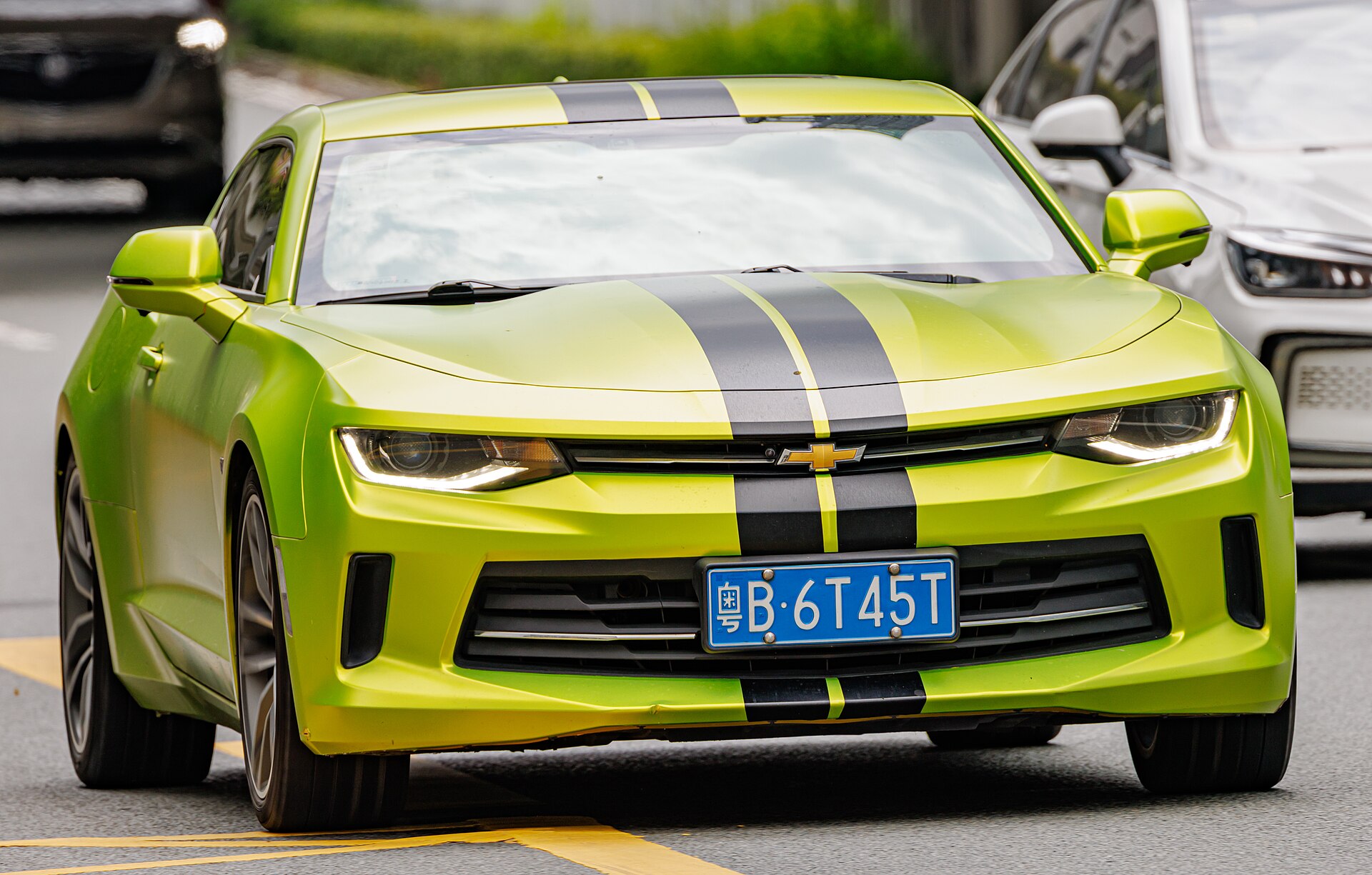
2016
-
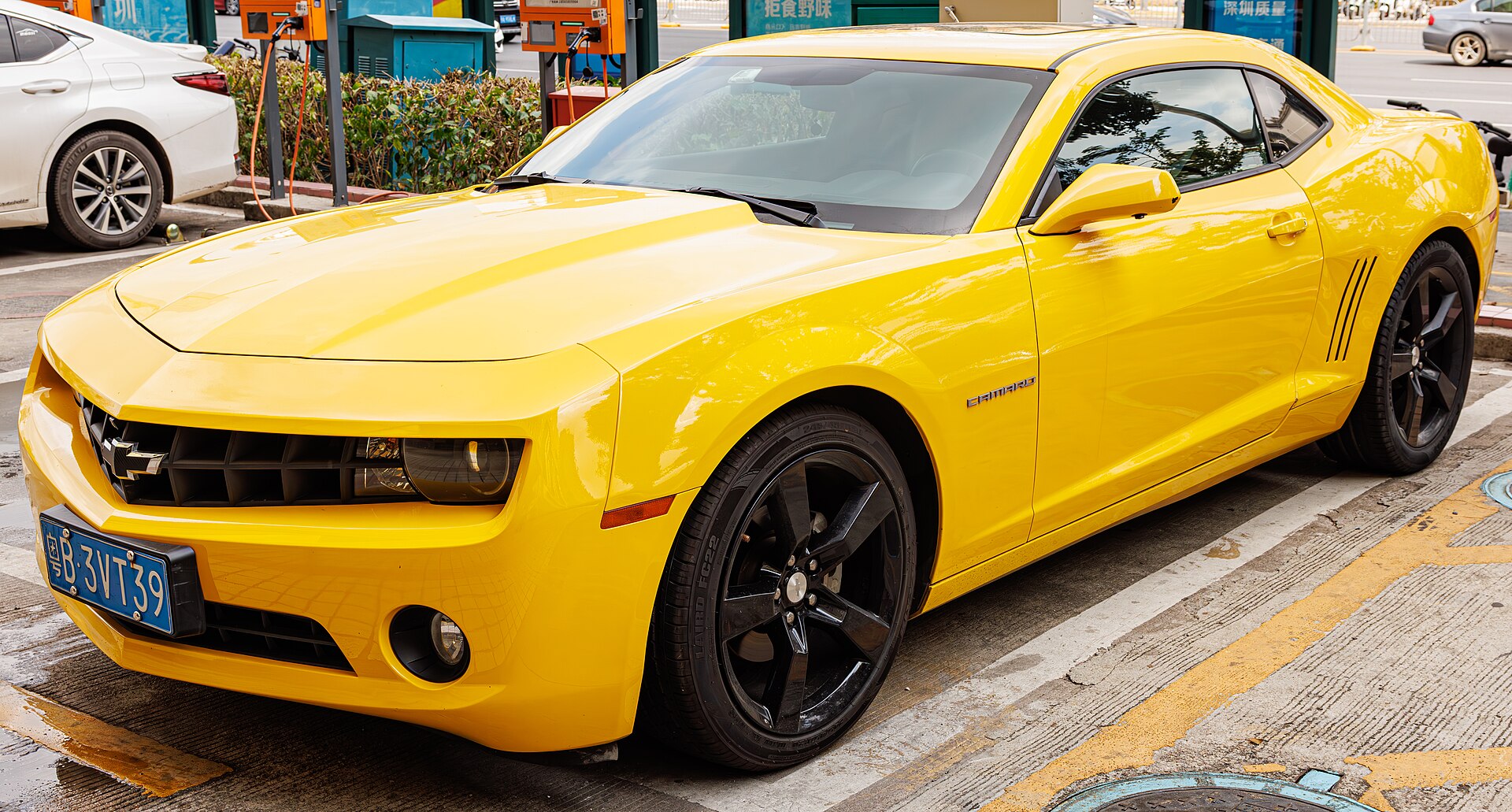
2009
-
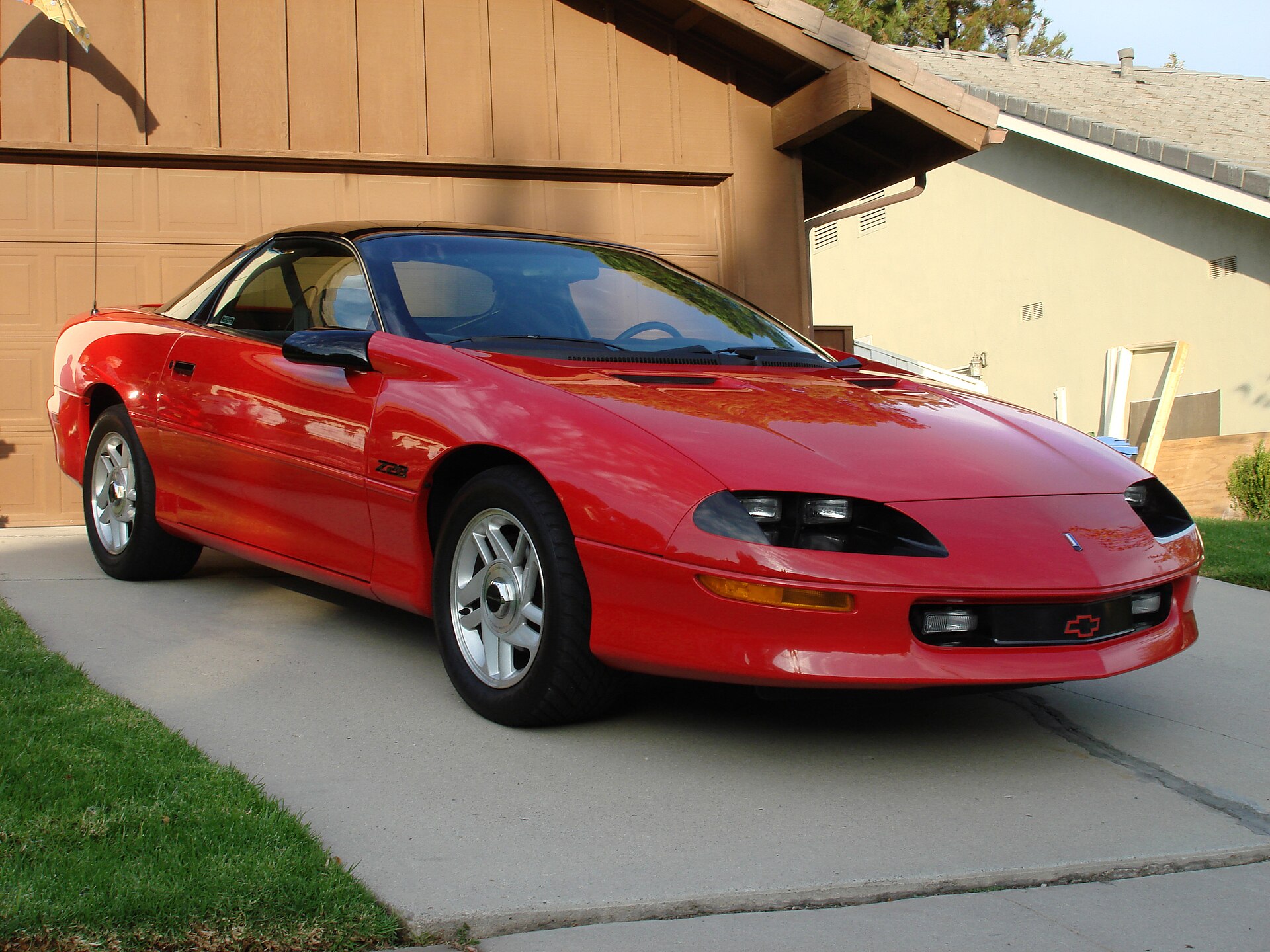
1993
-
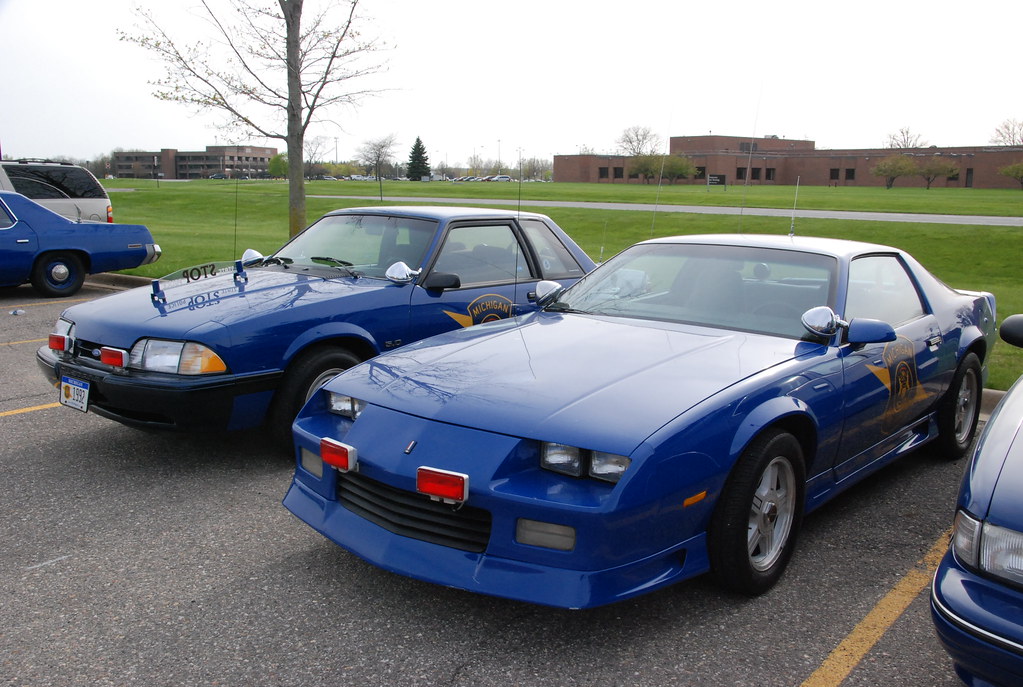
1982
-
1970
-
1966


All generations by year: Camaro VI (2016–2024) · Camaro V (2009–2015) · Camaro IV (1993–2002) · Camaro III (1982–1992) · Camaro II (1970–1981) · Camaro I (1966–1969)
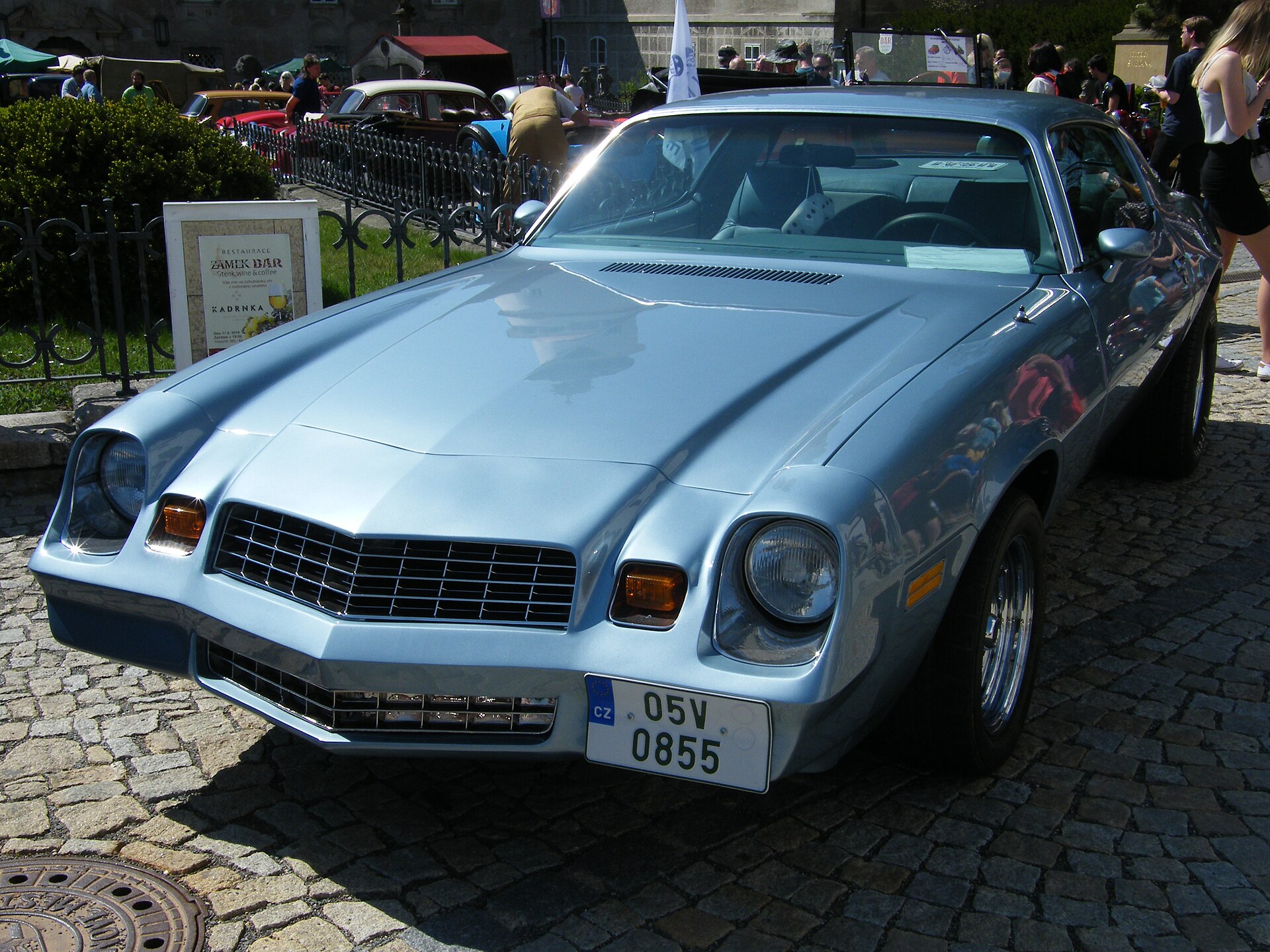
The second-generation Chevrolet Camaro is the fastback coupé Chevrolet sold from February 1970 to the end of the 1981 model year. Longer, lower and wider than the 1967–69 car, it lived through emissions rules, 5 mph bumpers and the move from gross to net horsepower, yet its strongest sales came late, when the 1979 model year passed 280,000 cars.
In short
- Introduced on 26 February 1970 as the "1970½" and built until 1981 at Van Nuys and Norwood, with a Venezuelan plant in Caracas adding cars until 1973.
- Coupé only: this is the one Camaro generation with no factory convertible, although T-tops became an option for 1978.
- Outputs ranged from 280 kW (375 hp gross) for the 1970 SS 396 down to 89 kW (120 hp net) for the 1980 267 V8.
- The Z28 left the range after 1974, returned in spring 1977 and stayed to the end; the Berlinetta arrived for 1979.
Size at a glance
Chevrolet Camaro I
The Chevrolet Camaro II is 84 mm longer, 48 mm wider and 33 mm lower than the Chevrolet Camaro I.
| Dimensions | Chevrolet Camaro II | Chevrolet Camaro I | Difference |
|---|---|---|---|
| Length | 4,775 mm188.0 in | 4,691 mm184.7 in | +84 mm+3.3 in |
| Width | 1,890 mm74.4 in | 1,842 mm72.5 in | +48 mm+1.9 in |
| Height | 1,273 mm50.1 in | 1,306 mm51.4 in | −33 mm−1.3 in |
| Wheelbase | 2,743 mm108.0 in | 2,743 mm108.0 in | Same |
Camaro II specs by version
Engines
| Version | Engine | Power | Drive |
|---|---|---|---|
| 267 V8 | 4.4 l · 8 cyl 4,400 cc | 89 kW 121 PS119 hp | Rear-wheel drive |
| 305 V8 | 5.0 l 5,000 cc | 108 kW 147 PS145 hp | Rear-wheel drive |
| 250 straight-six | 4.1 l · 6 cyl 4,100 cc | 116 kW 158 PS156 hp | Rear-wheel drive |
| 350 V8 | 5.7 l 5,700 cc | 116 kW 158 PS156 hp | Rear-wheel drive |
| 305 V8 (Z28, manual and California) | 5.0 l 5,000 cc | 123 kW 167 PS165 hp | Rear-wheel drive |
| 350 V8 (Z28, automatic) | 5.7 l 5,700 cc | 130 kW 177 PS174 hp | Rear-wheel drive |
| 350 LM1 V8 (Z28) | 5.7 l 5,700 cc | 138 kW 188 PS185 hp | Rear-wheel drive |
| 350 V8 (Z28) | 5.7 l 5,700 cc | 183 kW 249 PS245 hp | Rear-wheel drive |
| 350 LT-1 V8 | 5.7 l 5,700 cc | 190 kW 258 PS255 hp | Rear-wheel drive |
| 268 kW (364 PS) | — | 268 kW 364 PS359 hp | Rear-wheel drive |
| 396 V8 (L78, SS 396) | 6.6 l 6,600 cc | 280 kW 381 PS375 hp | Rear-wheel drive |
Performance
Show all 1 versions
| Version | 0–100 km/h |
|---|---|
| 268 kW (364 PS) | 6.5 s 0–62 mph |
Dimensions and weight
Show all 11 versions
| Version | Wheelbase |
|---|---|
| 267 V8 | 2,743 mm108.0 in |
| 305 V8 | 2,743 mm108.0 in |
| 250 straight-six | 2,743 mm108.0 in |
| 350 V8 | 2,743 mm108.0 in |
| 305 V8 (Z28, manual and California) | 2,743 mm108.0 in |
| 350 V8 (Z28, automatic) | 2,743 mm108.0 in |
| 350 LM1 V8 (Z28) | 2,743 mm108.0 in |
| 350 V8 (Z28) | 2,743 mm108.0 in |
| 350 LT-1 V8 | 2,743 mm108.0 in |
| 268 kW (364 PS) | 2,743 mm108.0 in |
| 396 V8 (L78, SS 396) | 2,743 mm108.0 in |
Verified Manufacturer and type-approval data from our catalog · Sources and methodology
From the 1969 car to the 1970½: what was new
The second Camaro brought an all-new body on a revised F-body structure, and it arrived months late. Because the new car was not ready, Chevrolet kept building the old one into November 1969 and launched the replacement as a mid-year model. Build information for the new coupé reached the assembly plants in February 1970, and the public introduction followed on 26 February.
The 230 cu in six was replaced by a 250 cu in (4.1 L) six of 116 kW (155 hp gross). This was the first Camaro with a rear anti-roll bar, while the rare four-wheel disc brake option of 1969 was dropped. The Turbo Hydramatic 400 three-speed automatic became available on the Z/28 for the first time. The 454 cu in LS6 and LS7 V8s appeared on early specification sheets, but neither was ever fitted to a production Camaro.
For how this car fits between the original and the 1980s hatchback, see the Chevrolet Camaro model overview.
Henry Haga's fastback and the F-body underneath
Henry Haga's studio drew the long-nose fastback, a shape that carried through twelve model years with only two major facelifts, for 1974 and 1978. Under the skin it kept the F-body layout: a unitary body with a bolted-on front subframe, A-arms and coil springs at the front, and a solid rear axle on leaf springs. The Pontiac Firebird shared the same structure.
For 1970 the range was the base coupé, Rally Sport, Super Sport and Z/28. The Z/28 package was the handling model, while the big-block SS 396 was the straight-line choice. Road & Track included the 1971 SS 350 in its list of the ten best cars in the world, published in August 1971. Big-engined rivals included the Plymouth Hemi 'Cuda, new for the same 1970 model year.
Emissions, bumpers and the net-horsepower switch, 1971–1975
The early 1970s reshaped the car more than any redesign. For 1971 GM lowered compression ratios so that its engines could run on lower-octane fuel. The LT-1 dropped from 11.0:1 to 10.3:1 and was quoted at 246 kW (330 hp gross), or 205 kW (275 hp) on the new net basis; the 396 fell to 8.5:1 and 224 kW (300 hp gross). A 67-day GM strike also cut output.
1972 was close to the end. A 174-day strike at the Norwood plant held up production, and about 1,100 unfinished cars were scrapped because they could not be brought up to the 1973 bumper rules. Fewer than 69,000 Camaros were built that year, and GM management considered dropping both the Camaro and the Firebird before their supporters won the argument. It was also the final year of the SS and of big-block engines, with 970 SS 396 cars, and the badge changed from "Z/28" to "Z28". Outputs were now published only as SAE net figures: 190 kW (255 hp) for the LT-1 and 179 kW (240 hp) for the 396.
From 1973 an impact-absorbing front bumper met the new 5 mph standard, the Type LT luxury model appeared and the Z28's 350 moved to hydraulic lifters, and air conditioning became available on it. The 1974 facelift added about 180 mm (7 in) of length and rectangular tail lights; it was also the last year of the flat rear window and, for a while, of the Z28. Catalytic converters arrived on every US-market Camaro for 1975, together with a wraparound rear window, and the 350 V8 was now rated at 108 or 116 kW (145 or 155 hp net).
Engine line-up from the LT-1 to the 267 V8
US engines were rated in SAE gross horsepower until 1971 and in SAE net horsepower from 1972, so the early and late figures in the table cannot be compared directly; every kW value here is a conversion of the hp figure.
| Engine | Years | Displacement | Power | Torque |
|---|---|---|---|---|
| 250 straight-six | 1970–79 | 4.1 L (250 cu in) | 116 kW (155 hp gross, 1970) | not quoted |
| 396 V8 (L78, SS 396) | 1970 | 6.6 L (402 cu in actual) | 280 kW (375 hp gross) at 5,600 rpm | 563 Nm (415 lb-ft) at 3,600 rpm |
| 350 LT-1 V8 (Z/28) | 1970 | 5.7 L (350 cu in) | 268 kW (360 hp gross) | 515 Nm (380 lb-ft) |
| 350 LT-1 V8 | 1971 | 5.7 L (350 cu in) | 246 kW (330 hp gross) or 205 kW (275 hp net) | not quoted |
| 350 LT-1 V8 | 1972 | 5.7 L (350 cu in) | 190 kW (255 hp net) | not quoted |
| 350 V8 (Z28) | 1973 | 5.7 L (350 cu in) | 183 kW (245 hp net) | not quoted |
| 350 V8 | 1975 | 5.7 L (350 cu in) | 108–116 kW (145–155 hp net) | not quoted |
| 305 V8 | 1976–77 | 5.0 L (305 cu in) | 104–108 kW (140–145 hp net) | not quoted |
| 350 LM1 V8 (Z28) | 1977½–79 | 5.7 L (350 cu in) | 138 kW (185 hp net) | 380 Nm (280 lb-ft) |
| 267 V8 | 1980–81 | 4.4 L (267 cu in) | 89 kW (120 hp net) | not quoted |
| 350 V8 (Z28, automatic) | 1981 | 5.7 L (350 cu in) | 130 kW (175 hp net) | not quoted |
| 305 V8 (Z28, manual and California) | 1981 | 5.0 L (305 cu in) | 123 kW (165 hp net) | not quoted |
A 229 cu in (3.8 L) V6 replaced the six for 1980, with a 231 cu in unit in California. The 1978 Z28 came with a four-speed manual or the Turbo Hydramatic 350 automatic. One account also gives 195 hp for the 1977½ Z28, but 185 hp is the figure most often quoted.
Z28 comeback, T-tops and the Berlinetta, 1976–1981
For 1976 the 305 V8 became standard in the Type LT and power brakes were standard on V8 cars. The Z28 came back in spring 1977 with the LM1 350, rated at 138 kW (185 hp), or 130 kW (175 hp) in California. That year Chevrolet built 218,853 coupés, and the Camaro outsold the Ford Mustang for the first time.
The 1978 facelift replaced the metal bumpers with body-coloured urethane ones and added amber rear indicators, the Rally Sport returned and removable T-top roof panels joined the options list. Sales reached 272,631, including 54,907 Z28s. For 1979 the Berlinetta took over from the Type LT as the comfort model, the Z28 gained a front spoiler, wheel-arch flares and decals, and an electric heated rear window replaced the old blower demister. With 282,571 sales, 1979 remains the best model year any Camaro generation has recorded.
The last two years brought small changes. The 1980 Z28 received a bonnet scoop with a solenoid-operated flap that opened at full throttle, the 350 was now reserved for the Z28, and the speedometer now read only to 85 mph (137 km/h) instead of 130 mph. The Rally Sport was dropped for 1981, and 126,139 cars were built in that final year. The broader corporate background of these years is covered in the history of General Motors.
Measurements of the 1970–81 coupé
The figures below are for the 1970 coupé. From 1974 the larger bumpers made the car about 180 mm (7 in) longer.
| Parameter | Metric | Imperial |
|---|---|---|
| Wheelbase | 2,743 mm | 108.0 in |
| Length (1970) | 4,775 mm | 188.0 in |
| Width | 1,890 mm | 74.4 in |
| Height | 1,273 mm | 50.1 in |
| Kerb weight (as quoted) | 1,501 kg | 3,310 lb |
| Seats | 4 (2+2) | |
| Layout | front engine, rear-wheel drive |
Safety equipment and crash data
No published crash-test result was found for any 1970–81 Camaro, and none is borrowed here from later cars. What can be traced is the hardware that changed during the run: the rear anti-roll bar of 1970, the impact-absorbing front bumper of 1973 built for the 5 mph rule, standard power brakes on V8 models from 1976 and the urethane bumpers of 1978. On any of these cars, brakes, steering and seat belts deserve as much attention as the engine.
Choosing a 1970–81 Camaro
No independent reliability survey covers these cars, so condition and paperwork matter more than the model year.
- Highest outputs: a 1970 Z/28 or SS 396, rated in gross horsepower; documents matter, because engines are easy to swap.
- Slim chrome bumpers: 1970–73 cars, before the larger 1974 bumpers.
- Easiest to live with: a 1978–81 Z28 or Berlinetta, with T-tops if wanted; 1975 and later cars were built with catalytic converters.
More American coupés of the period are collected under classic cars.
Did you know?
- The Camaro II is generation 2 of 6 of the Chevrolet Camaro in our catalog.
- The Camaro II offers up to 280 kW (381 PS) — 41 kW less than the Camaro I (1966–1969) (−13%).
- At up to 4,775 mm long, it is 84 mm longer than the Camaro I (1966–1969).
- Built for 11 years (1970–1981), it is the longest-running of the 6 generations in our catalog.
Image credits · Photos from Wikimedia Commons under free licences
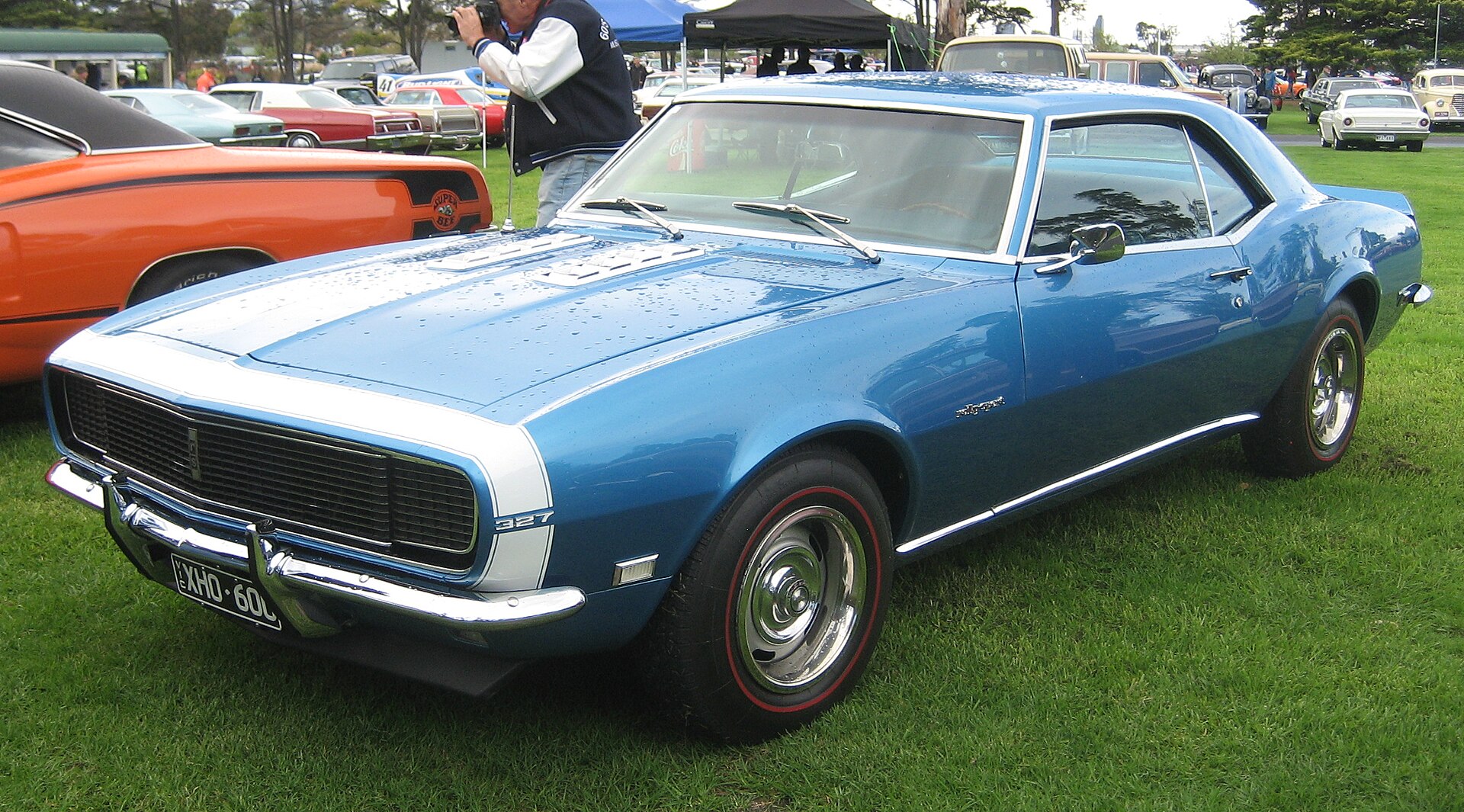
- Chevrolet Camaro I · Photo: Sicnag / Wikimedia Commons, CC BY 2.0
- Chevrolet Camaro II · Photo: Addvisor / Wikimedia Commons, CC BY-SA 4.0
- Chevrolet Camaro III · Photo: Corvair Owner / Flickr, CC BY-SA 2.0
- Chevrolet Camaro IV · Photo: Rich Niewiroski Jr. / Wikimedia Commons, CC BY 2.5
- Chevrolet Camaro V · Photo: Dinkun Chen / Wikimedia Commons, CC BY-SA 4.0
- Chevrolet Camaro VI · Photo: Dinkun Chen / Wikimedia Commons, CC BY-SA 4.0
Rivals
Compare with…
Compare Chevrolet Camaro with
- Ford Mustang Fastback quick spec comparison
- Ford Mustang GT500 quick spec comparison
- Dodge Challenger SRT Demon quick spec comparison
-
Classic
- Years
- 1964
- Body
- Coupe
- Fuel
- Petrol
- Power
- 202 kW (275 PS)
-
Classic
- Years
- 1967–1970
- Body
- Coupe
- Fuel
- Petrol
- Power
- 265 kW (360 PS)
-
Ended 2023
- Years
- 2018–2023
- Body
- Coupe
- Fuel
- Petrol
- Power
- 603–764 kW (820–1,039 PS)
2 generations
- LC
- 170
-
Classic
- Years
- 1964–1974
- Body
- Coupe, Convertible
- Fuel
- Petrol
- Power
- 75–317 kW (102–431 PS)
3 generations
- I
- II
- III


FAQ
When did the second-generation Camaro come out?
It was introduced on 26 February 1970. As a mid-year launch it is often called the "1970½" Camaro.
Why did Camaro horsepower fall in the early 1970s?
Three things came together: lower compression for lower-octane fuel in 1971, the switch from gross to net ratings in 1972 and catalytic converters in 1975.
Was there a second-generation Camaro convertible?
No. It is the only Camaro generation without a factory convertible. The nearest alternative is the T-top roof, optional from 1978.
Which year of the second-generation Camaro sold best?
The 1979 model year, with 282,571 cars. No later Camaro generation matched it.
Was the Z28 offered every year from 1970 to 1981?
No. The Z/28 (Z28 from 1972) was offered from 1970 to 1974, then dropped. It returned in spring 1977 with the LM1 350 V8 and stayed in the range until 1981.
Data sources
Data checked by an editor against the sources below.
- 1cars archive: Chevrolet Camaro: Six Generations, Specs and History
- The text of this article (1cars archive)
- Wikipedia — Chevrolet Camaro
- Wikipedia — Chevrolet Camaro (second generation)