 Chevrolet Camaro V (2009–2015)
Specs, engines, safety and known problems
Published Sources (5) Report an error
By Sarah Whitmore, Senior Automotive Writer Reviewed by Oleksandr Hnatiuk
- Power
- 227–433 kW (309–589 PS)
- New price
- from about €39,990 (2011)
- Generation
- 5 of 6
Model timeline
Where the V sits in the Camaro story
Predecessor Camaro IV (1993–2002) Successor Camaro VI (2016–2024)
Newest first · 6 generations since 1966
-
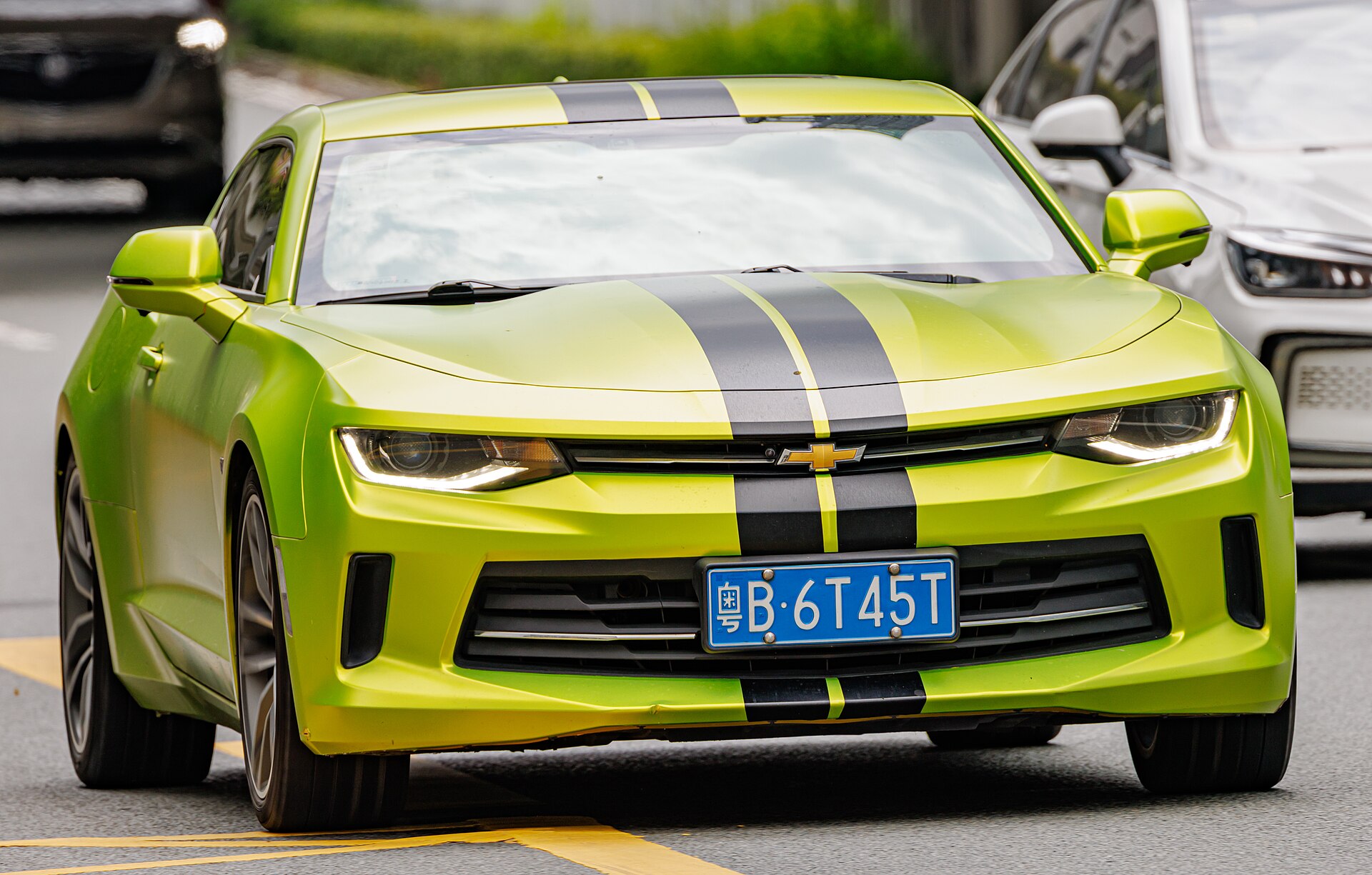
2016
-
2009
-
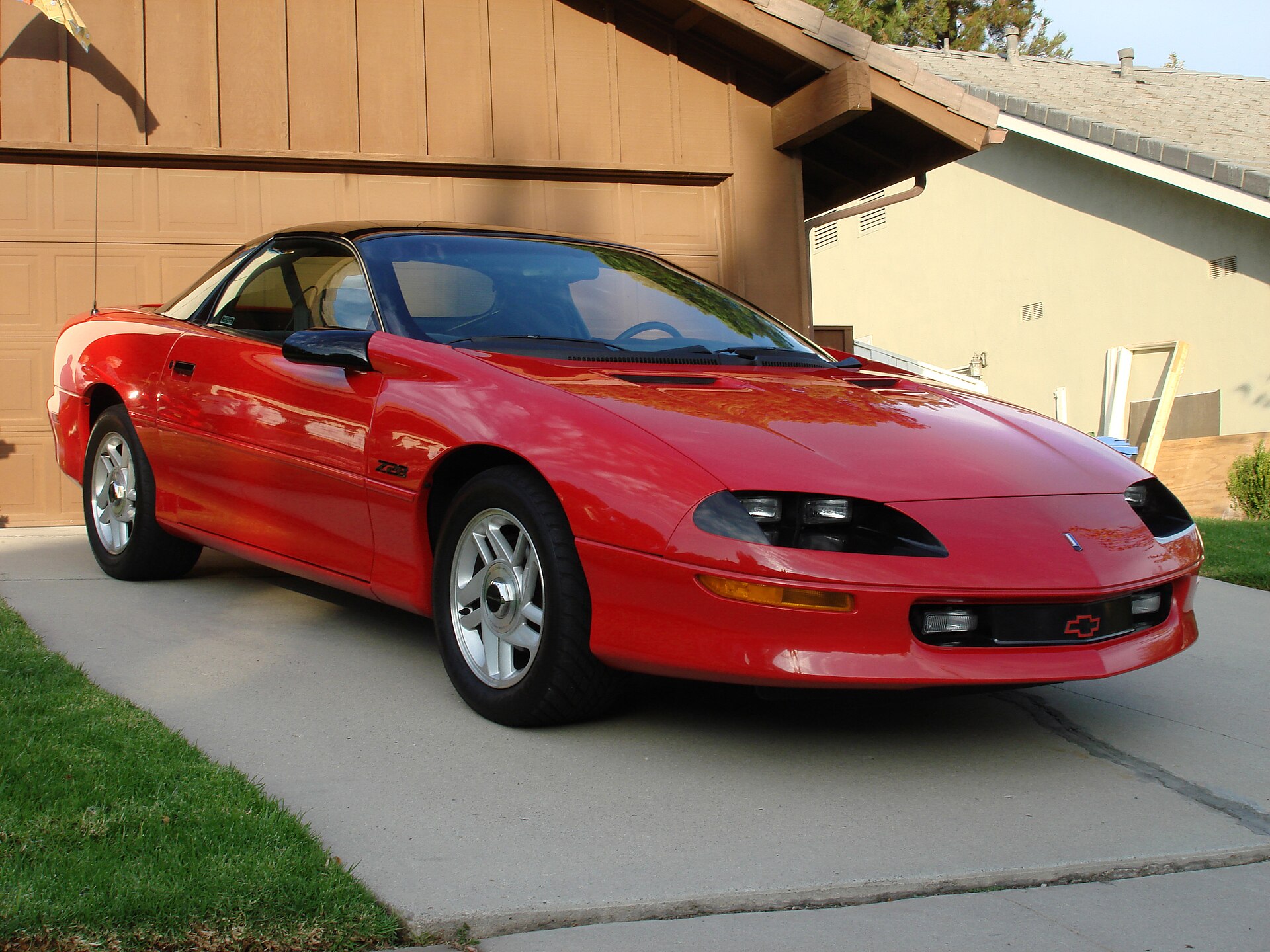
1993
-
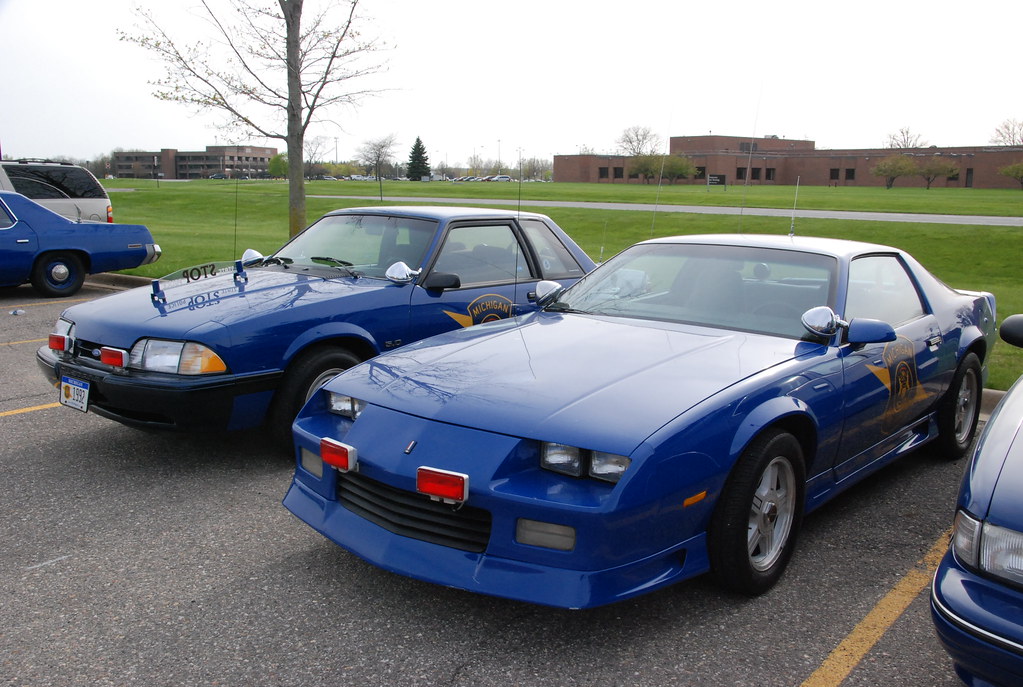
1982
-
1970
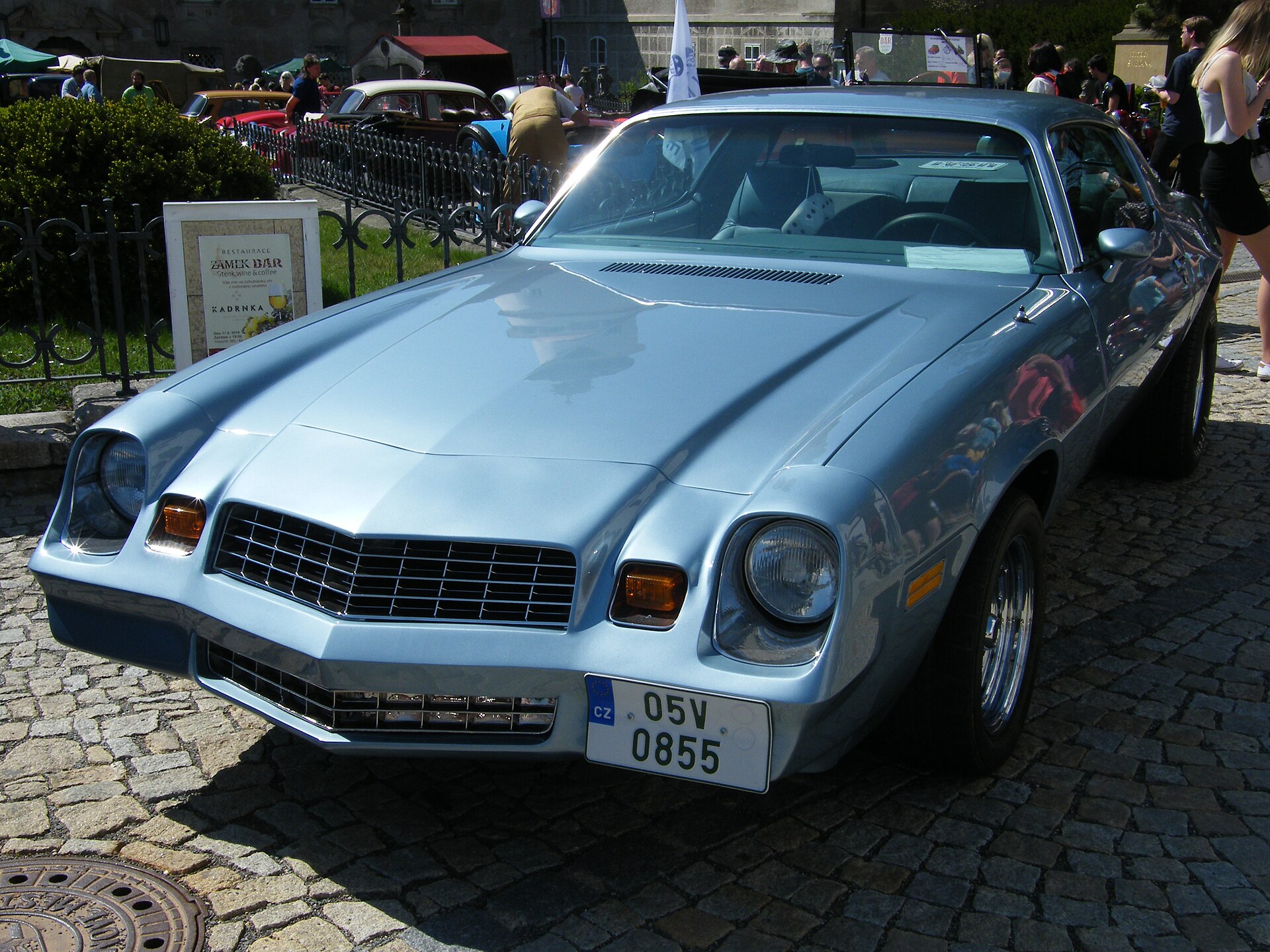
-
1966
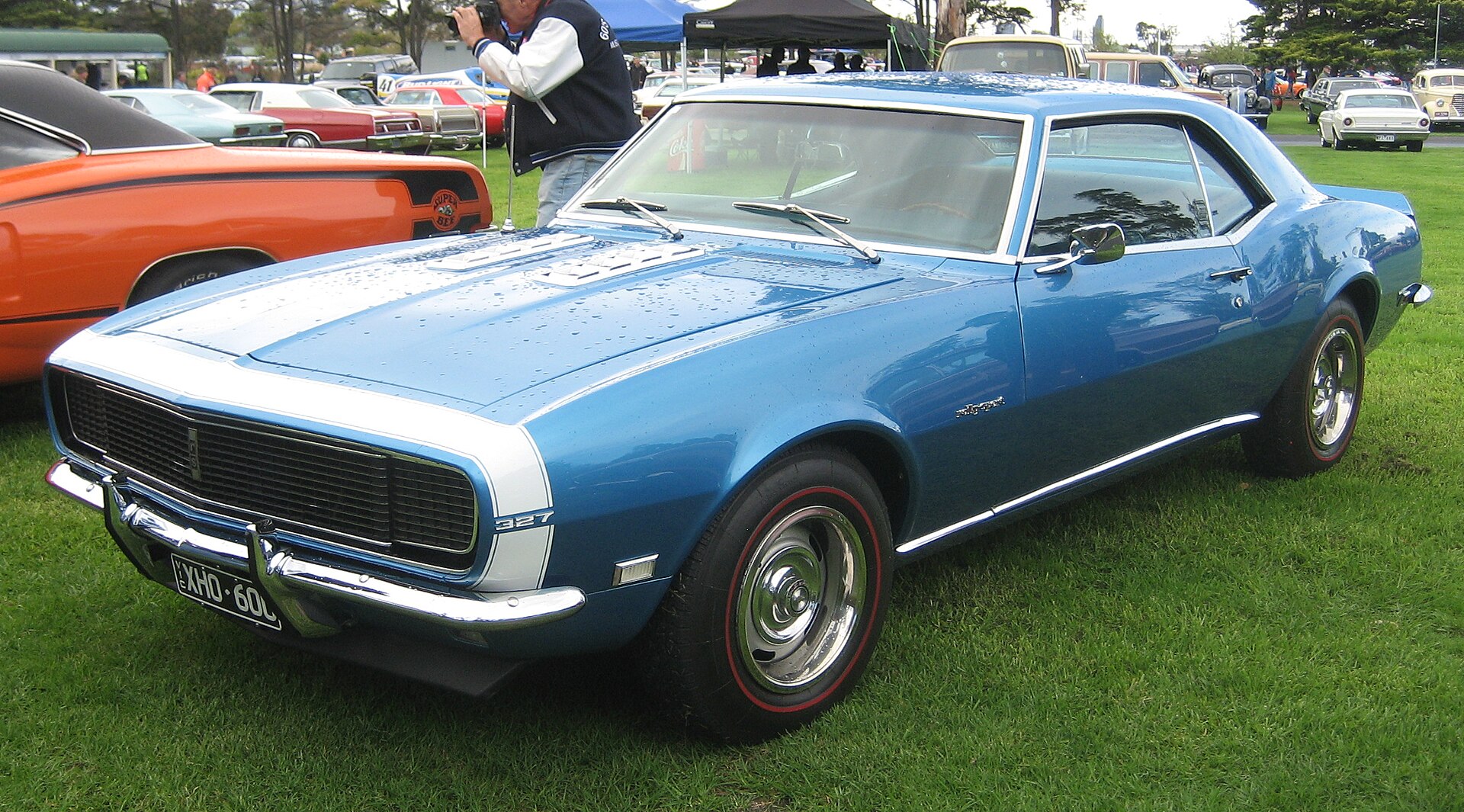


All generations by year: Camaro VI (2016–2024) · Camaro V (2009–2015) · Camaro IV (1993–2002) · Camaro III (1982–1992) · Camaro II (1970–1981) · Camaro I (1966–1969)
Which fifth-generation Camaro to buy
Our verdict · Sarah Whitmore
- Everyday use: a 2012-on LT with the LFX V6, which brought more power than the early LLT.
- V8 feel with a manual: an SS with the LS3, ideally a 2013-on 1LE for sharper handling.
- Most performance: a ZL1 with a full service history; check tyre and brake wear on cars used at the track.
- Collectible: a 2014–15 Z/28 or a documented special edition with known production numbers.
To compare, browse other American cars, the Chevrolet range or the history of General Motors.
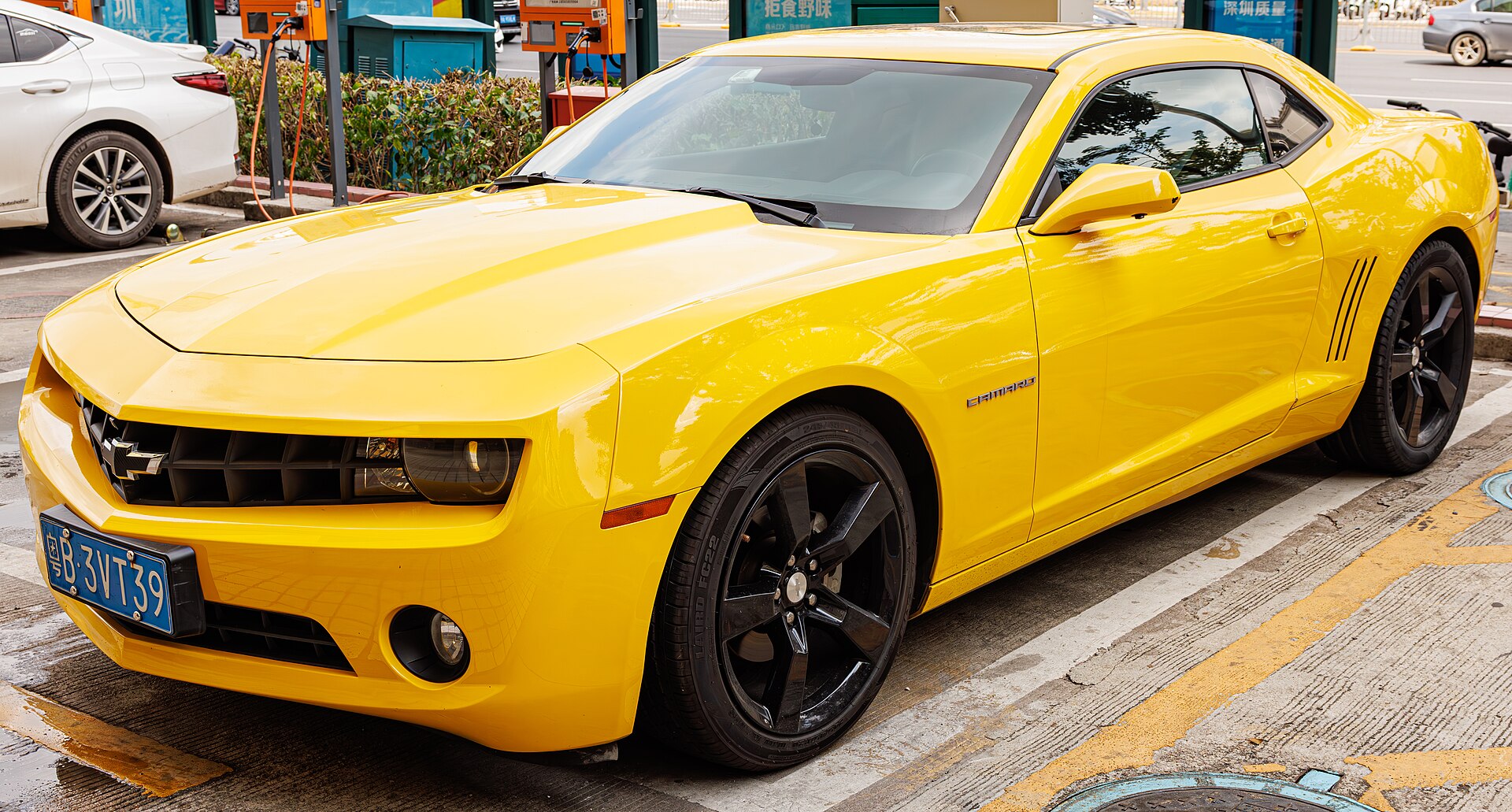
The fifth-generation Chevrolet Camaro brought the name back after a seven-year break. Production began at Oshawa, Ontario, on 16 March 2009 for the 2010 model year, which is why some catalogues date it 2009–2015, and ended in November 2015. Styled after the 2006 concept car, it used GM's Zeta platform and offered V6 and V8 engines, with the ZL1 and Z/28 at the top.
In short
- Model years 2010–2015, built in Oshawa, Canada; coupé from 2009, convertible from early 2011.
- Engines: 3.6 V6, 6.2 V8 (LS3 manual, L99 automatic), supercharged 6.2 ZL1 with 433 kW (580 hp) and 7.0 LS7 Z/28 with 377 kW (505 hp).
- Sold officially in Europe from November 2011, in V8 form and with left-hand drive.
- NHTSA gave the 2012–2015 coupé five stars overall; 2010–14 cars were recalled in 2014 over the ignition key.
Size at a glance
Chevrolet Camaro IV
The Chevrolet Camaro V is 71 mm shorter, 36 mm wider and 74 mm taller than the Chevrolet Camaro IV.
| Dimensions | Chevrolet Camaro V | Chevrolet Camaro IV | Difference |
|---|---|---|---|
| Length | 4,836 mm190.4 in | 4,907 mm193.2 in | −71 mm−2.8 in |
| Width | 1,918 mm75.5 in | 1,882 mm74.1 in | +36 mm+1.4 in |
| Height | 1,377 mm54.2 in | 1,303 mm51.3 in | +74 mm+2.9 in |
| Wheelbase | 2,852 mm112.3 in | 2,568 mm101.1 in | +284 mm+11.2 in |
Camaro V specs by version
Engines
| Version | Engine | Power | Torque | Drive |
|---|---|---|---|---|
| 3.6 V6 | — | 233 kW 317 PS312 hp | 370 Nm273 lb-ft | Rear-wheel drive |
| 3.6 241 kW (328 PS) | 3.6 l · 6 cyl 3,600 cc | 241 kW 328 PS323 hp | — | Rear-wheel drive |
| 6.2 V8 | 6.2 l · 6 cyl 6,200 cc | 298 kW 405 PS400 hp | 556 Nm410 lb-ft | Rear-wheel drive |
| 6.2 V8 | — | 318 kW 432 PS426 hp | 569 Nm420 lb-ft | Rear-wheel drive |
| 371 kW (504 PS) | 8 cyl | 371 kW 504 PS498 hp | — | Rear-wheel drive |
| 7.0 V8 | 7.0 l · 8 cyl 7,000 cc | 377 kW 513 PS506 hp | 652 Nm481 lb-ft | Rear-wheel drive |
| 6.2 supercharged V8 | — | 433 kW 589 PS581 hp | 754 Nm556 lb-ft | Rear-wheel drive |
Performance
Show all 1 versions
| Version | Fuel consumption |
|---|---|
| 6.2 V8 | 14.1 l/100 km16.7 mpg US · 20.0 mpg UK |
Dimensions and weight
Show all 7 versions
| Version | Length | Width | Height | Wheelbase |
|---|---|---|---|---|
| 3.6 V6 | 4,836 mm190.4 in | 1,918 mm75.5 in | 1,377 mm54.2 in | 2,852 mm112.3 in |
| 3.6 241 kW (328 PS) | 4,836 mm190.4 in | 1,918 mm75.5 in | 1,377 mm54.2 in | 2,852 mm112.3 in |
| 6.2 V8 | 4,836 mm190.4 in | 1,918 mm75.5 in | 1,377 mm54.2 in | 2,852 mm112.3 in |
| 6.2 V8 | 4,836 mm190.4 in | 1,918 mm75.5 in | 1,377 mm54.2 in | 2,852 mm112.3 in |
| 371 kW (504 PS) | 4,836 mm190.4 in | 1,918 mm75.5 in | 1,377 mm54.2 in | 2,852 mm112.3 in |
| 7.0 V8 | 4,836 mm190.4 in | 1,918 mm75.5 in | 1,377 mm54.2 in | 2,852 mm112.3 in |
| 6.2 supercharged V8 | 4,836 mm190.4 in | 1,918 mm75.5 in | 1,377 mm54.2 in | 2,852 mm112.3 in |
Verified Manufacturer and type-approval data from our catalog · Sources and methodology
Safety
-
NHTSA 2015
US NCAP (NHTSA)
Stars from different years and organisations are not directly comparable: test protocols change every few years.
How the 2006 concept became the 2010 Camaro
After production of the fourth generation ended in August 2002, Chevrolet had no Camaro for seven model years. The revival started as a concept car at the North American International Auto Show in Detroit in January 2006, styled by Sangyup Lee. Its retro shape, with a long bonnet and short rear deck, set the look of the production car.
GM's Australian division Holden is credited with leading the final design and engineering work on the rear-drive Zeta platform, coded GMX521 for the coupé and GMX511 for the convertible. Production was pushed back from 2008 and finally started in 2009 at the Oshawa Car Assembly plant in Ontario, which was converted for the car. The convertible followed, with production starting on 31 January 2011.
Compared with the last F-body Camaro, the new car was wider and at least 240 kg heavier, and even its base V6 out-powered the 205 kW (275 hp) LT1 V8 of the early fourth generation. Its main rival was again the Ford Mustang, and how it fits into the wider family is covered in the overview of all Camaro generations.
Trims, special editions and the 2014 facelift
The core range was LS, 1LT and 2LT with the V6, and 1SS and 2SS with the V8. Chevrolet added a long run of special editions, which matter for buyers because their numbers are known:
- 2010: Transformers Special Edition (about 1,916 built), Synergy Special Edition (2,425 sold) and 294 Indianapolis 500 pace car replicas based on the 2SS automatic.
- 2012: 45th Anniversary edition and the first ZL1; 69 COPO drag-race cars (67 coupés, two convertibles).
- 2013: the 1LE package for manual SS coupés, and a Hot Wheels Edition of 1,524 cars.
- 2014: a facelift with new front and rear ends and new lamps, a functional bonnet vent on the SS, a colour head-up display on 2LT, 2SS and ZL1, and the return of the Z/28.
Fifth-generation Camaro engines and gearboxes
The V6 changed from the LLT to the more powerful LFX for 2012. V8 buyers got different engines depending on the gearbox: the manual SS used the LS3, the automatic the L99 with Active Fuel Management cylinder deactivation.
| Engine | Code | Power | Torque | Used in |
|---|---|---|---|---|
| 3.6 V6 | LLT | 227–233 kW (304–312 hp; sources differ) | 370 Nm (273 lb-ft) at 5,200 rpm | LS, LT 2010–11 |
| 3.6 V6 | LFX | 241 kW (323 hp) | not confirmed | LS, LT from 2012 |
| 6.2 V8 | LS3 | 318 kW (426 hp) at 5,900 rpm | 569 Nm (420 lb-ft) at 4,600 rpm | SS manual |
| 6.2 V8 | L99 | 298 kW (400 hp) at 5,900 rpm | 556 Nm (410 lb-ft) at 4,300 rpm | SS automatic |
| 6.2 supercharged V8 | LSA | 433 kW (580 hp) at 6,000 rpm | 754 Nm (556 lb-ft) at 4,200 rpm | ZL1, 2012–15 |
| 7.0 V8 | LS7 | 377 kW (505 hp) at 6,100 rpm | 652 Nm (481 lb-ft) at 4,800 rpm | Z/28, 2014–15 |
Manual V6 cars used an Aisin AY6 six-speed, while the SS and ZL1 had a Tremec TR-6060 six-speed. The six-speed automatics were the Hydra-Matic 6L50 (V6), 6L80 (SS) and 6L90 (ZL1).
ZL1 and Z/28: two different flagships
The ZL1 was unveiled at the 2011 Chicago Auto Show and went on sale for 2012, with 1,971 built in its first model year. It combined the supercharged LSA V8, running about 0.48 bar (7 psi) of boost, with Magnetic Ride suspension. Chevrolet reported a Nürburgring Nordschleife lap of 7:41.27 in autumn 2011.
The 2014 Z/28 took the opposite approach. Revealed at the 2013 New York show, it used the naturally aspirated LS7 developed with Corvette Racing, Brembo carbon-ceramic brakes and an interior stripped down to the point that air conditioning became an option. evo quoted 1,732 kg (3,818 lb) and a Nordschleife lap of 7:37.47 set in less than ideal conditions. MotorTrend named it the Best Driver's Car of 2014. The name goes back to the original 1967–69 Camaro Z/28, built for Trans-Am racing.
Fifth-generation Camaro dimensions
Figures are for the US coupé; kerb weights varied from about 1,697 kg to 1,775 kg (3,741–3,913 lb) depending on trim.
| Parameter | Metric | Imperial |
|---|---|---|
| Length | 4,840 mm | 190.4 in |
| Width | 1,920 mm | 75.5 in |
| Height | 1,380 mm | 54.2 in |
| Wheelbase | 2,852 mm | 112.3 in |
| Typical kerb weight | 1,700 kg | 3,750 lb |
| Kerb weight, Z/28 (evo) | 1,732 kg | 3,818 lb |
The Camaro in Europe
An export version with European lighting and mirrors arrived in November 2011. UK buyers got the SS only, as a coupé or convertible with stiffer suspension. In its 2012 review, Auto Express quoted 426 bhp for the manual LS3, an average of 20 mpg (about 14.1 L/100 km) and 329 g/km of CO2. It praised the V8 and the looks but criticised the left-hand drive, the heavy manual clutch and thick pillars that limit visibility. European cars received the MyLink radio from late 2013.
Crash tests and the 2014 ignition-key recall
NHTSA results depend on the model year, because the agency changed its test programme for 2011:
| NHTSA (coupé) | 2010 | 2011 | 2012–2015 |
|---|---|---|---|
| Overall | not rated | not rated | 5 stars |
| Frontal crash | 4 stars driver and passenger (old programme) | not rated | 5 stars |
| Side crash | 5 stars driver (old programme) | not rated | 5 stars |
| Rollover | 5 stars | 5 stars | 5 stars |
The 2010 scores come from the pre-2011 programme and cannot be compared with later ones. No IIHS crash-test rating for the 2010–15 Camaro was found, and Euro NCAP never tested it; in Europe it came with stability control and six airbags as standard.
The best-documented fault is the June 2014 recall of 2010–14 cars: a driver's knee could knock the key fob and move the ignition out of the run position, cutting engine power. GM recalled 464,712 cars in the USA and 511,528 worldwide. The remedy separates the key from the fob, so check that the work has been done. No independent reliability survey for this generation was found.
Did you know?
- The Camaro V is generation 5 of 6 of the Chevrolet Camaro in our catalog.
- The Camaro V offers up to 433 kW (589 PS) — 187 kW more than the Camaro IV (1993–2002) (+76%).
- At up to 4,836 mm long, it is 71 mm shorter than the Camaro IV (1993–2002).
Image credits · Photos from Wikimedia Commons under free licences
- Chevrolet Camaro I · Photo: Sicnag / Wikimedia Commons, CC BY 2.0
- Chevrolet Camaro II · Photo: Addvisor / Wikimedia Commons, CC BY-SA 4.0
- Chevrolet Camaro III · Photo: Corvair Owner / Flickr, CC BY-SA 2.0
- Chevrolet Camaro IV · Photo: Rich Niewiroski Jr. / Wikimedia Commons, CC BY 2.5
- Chevrolet Camaro V · Photo: Dinkun Chen / Wikimedia Commons, CC BY-SA 4.0
- Chevrolet Camaro VI · Photo: Dinkun Chen / Wikimedia Commons, CC BY-SA 4.0
Rivals
Compare with…
Compare Chevrolet Camaro with
- Ford Mustang Fastback quick spec comparison
- Ford Mustang GT500 quick spec comparison
- Dodge Challenger SRT Demon quick spec comparison
-
Classic
- Years
- 1964
- Body
- Coupe
- Fuel
- Petrol
- Power
- 202 kW (275 PS)
-
Classic
- Years
- 1967–1970
- Body
- Coupe
- Fuel
- Petrol
- Power
- 265 kW (360 PS)
-
Ended 2023
- Years
- 2018–2023
- Body
- Coupe
- Fuel
- Petrol
- Power
- 603–764 kW (820–1,039 PS)
2 generations
- LC
- 170
-
Classic
- Years
- 1964–1974
- Body
- Coupe, Convertible
- Fuel
- Petrol
- Power
- 75–317 kW (102–431 PS)
3 generations
- I
- II
- III


FAQ
What years is the fifth-generation Camaro?
It covers the 2010 to 2015 model years. Production ran at Oshawa, Ontario, from 16 March 2009 to November 2015, so some sources list it as 2009–2015.
What engine is in the 2014 Camaro Z/28?
The 7.0-litre LS7 V8 with 377 kW (505 hp) at 6,100 rpm and 652 Nm (481 lb-ft) at 4,800 rpm, according to evo.
Is the ZL1 or the Z/28 more powerful?
The ZL1. Its supercharged 6.2-litre LSA produces 433 kW (580 hp), while the Z/28 focuses on lower weight, carbon-ceramic brakes and track handling.
How safe is the 2010–2015 Camaro?
NHTSA rated the 2012–2015 coupé five stars overall, frontal, side and rollover. The 2010 car was tested under the older programme, and no IIHS or Euro NCAP rating was found.
Which fifth-generation Camaros were recalled for the ignition key?
Model years 2010 to 2014. The June 2014 recall covered 464,712 cars in the USA; dealers separated the key from the fob.
Data sources
Data checked by an editor against the sources below.
- 1cars archive: Chevrolet Camaro: Six Generations, Specs and History
- The text of this article (1cars archive)
- Wikipedia — Chevrolet Camaro
- Wikipedia — Chevrolet Camaro (fifth generation)
- NHTSA 5-Star Safety Ratings (US NCAP) — U.S. Government work, public domain