
 Toyota Corolla
All generations, specs and history
Updated Published Sources (8) Report an error
By Felix Hartmann, Automotive Technology & EV Contributor Reviewed by Oleksandr Hnatiuk

- Built
- 1966–present
- Generations
- 12
- Top power
- 144 kW (196 PS)
- New price
- from about €20,987 (2019)
Timeline
Corolla generations
Click a generation for its own page
E90 and E100 overlapped in 1991–1992, so E100 sits on a second lane
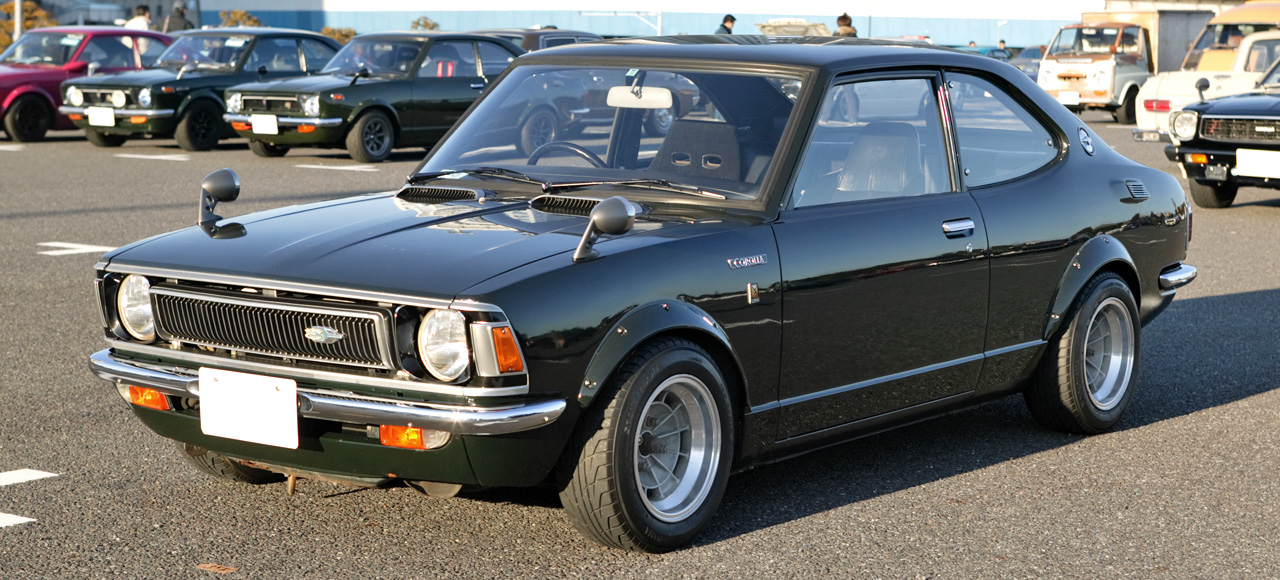
- Corolla E10 1966–1970 · Sedan, Station wagon
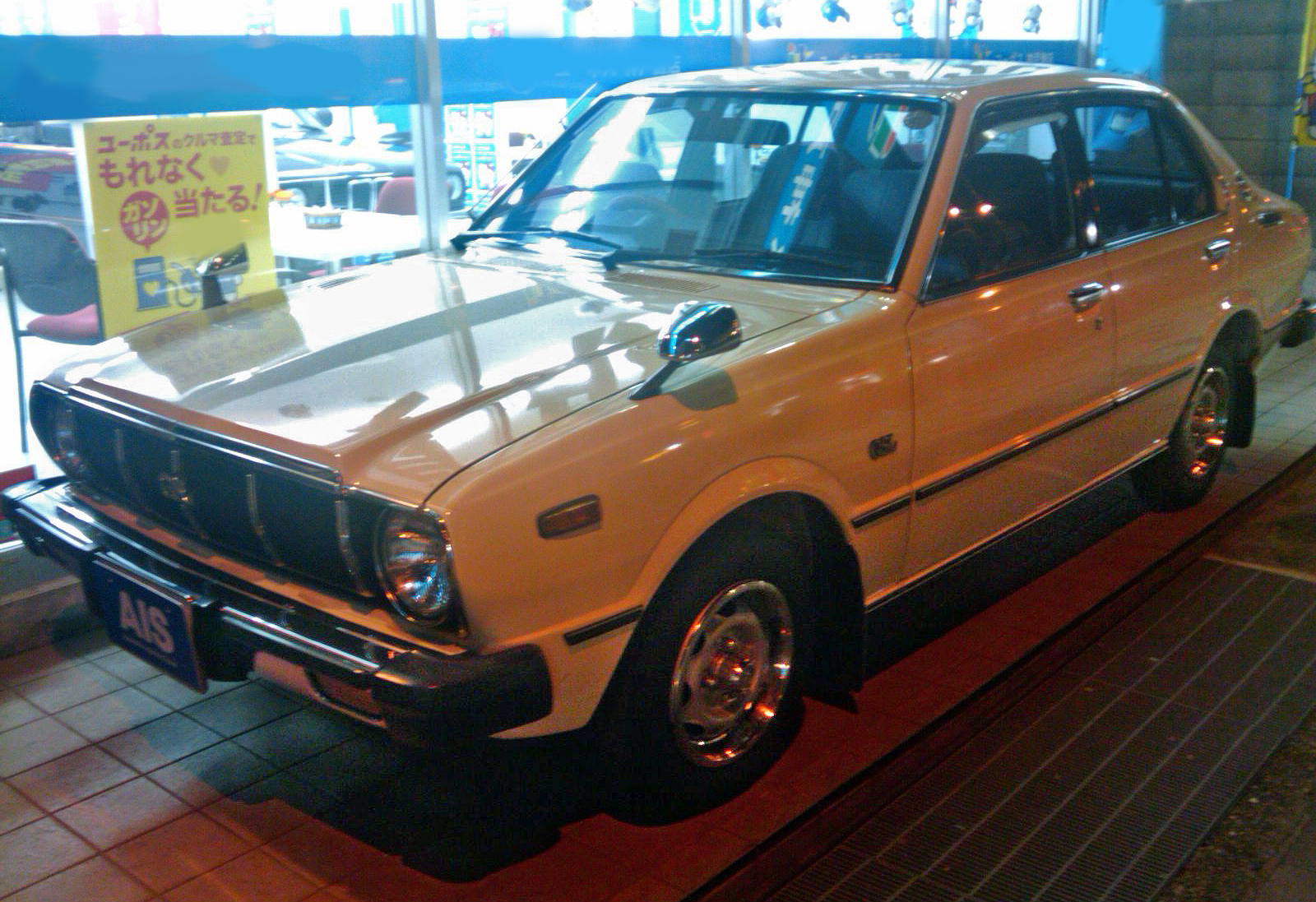
- Corolla E20 1970–1974 · Sedan, Station wagon
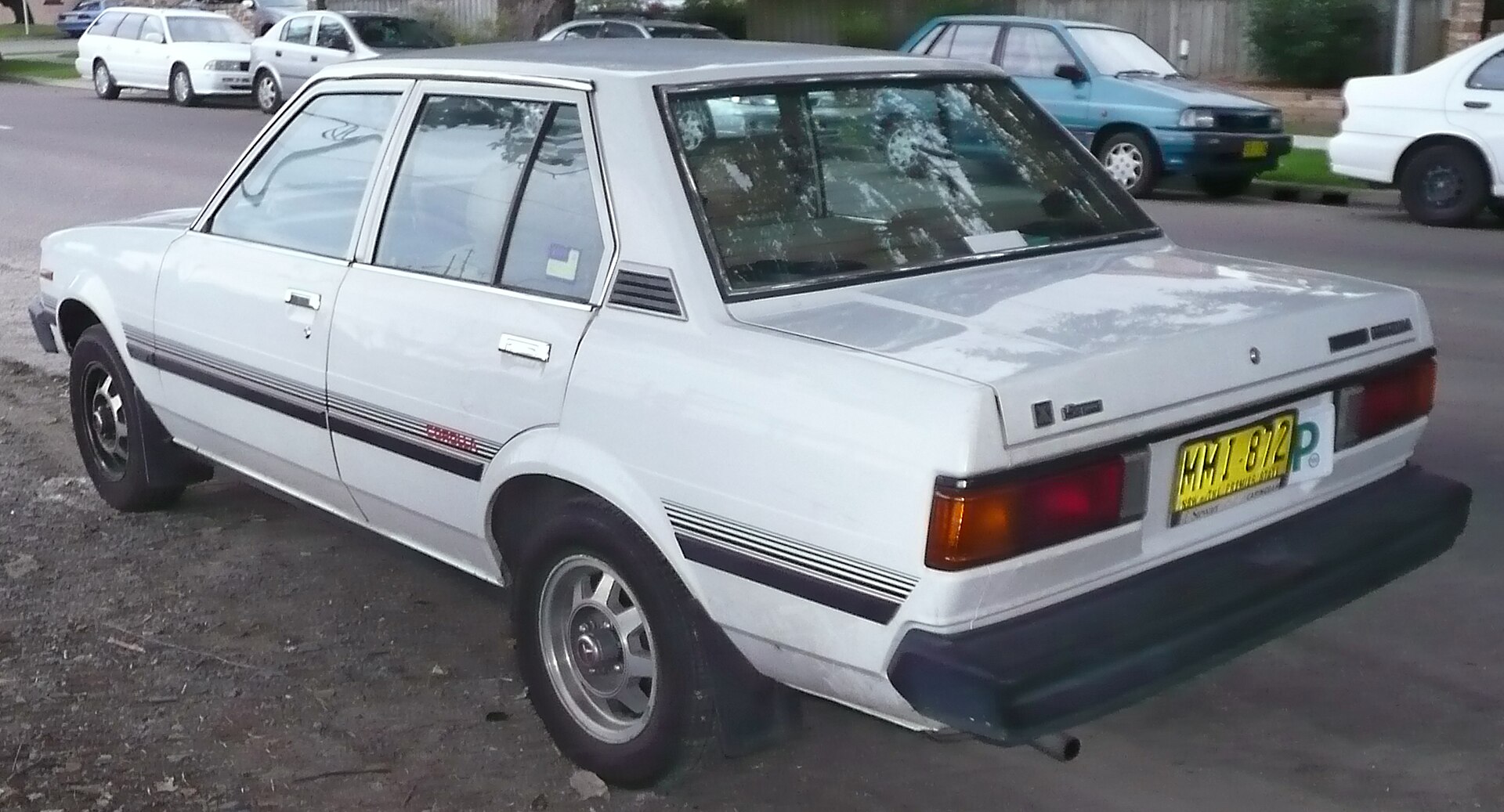
- Corolla E30 1974–1979 · Sedan, Liftback
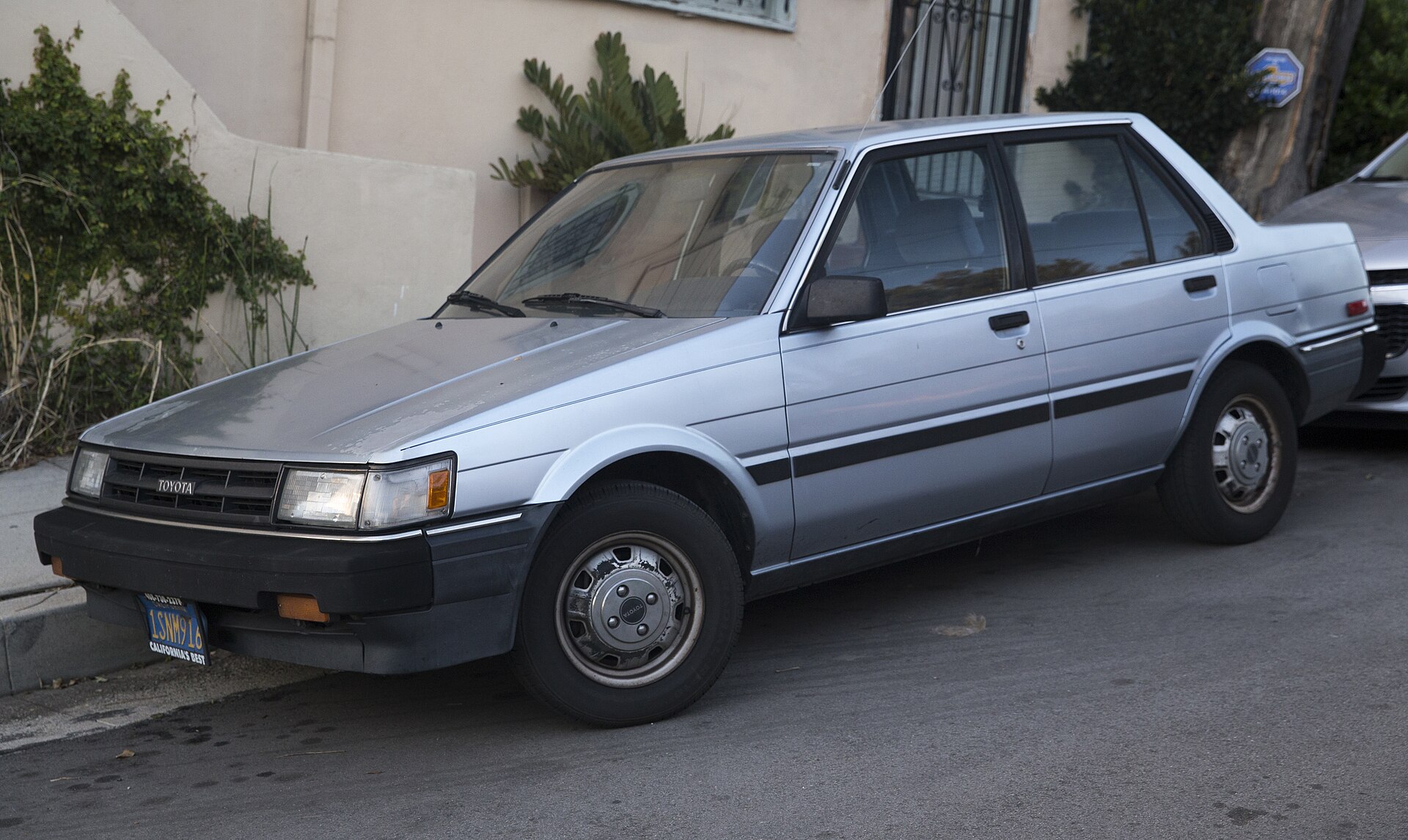
- Corolla E70 1979–1983 · Sedan, Station wagon
- Corolla E80 1983–1987 · Sedan, Hatchback
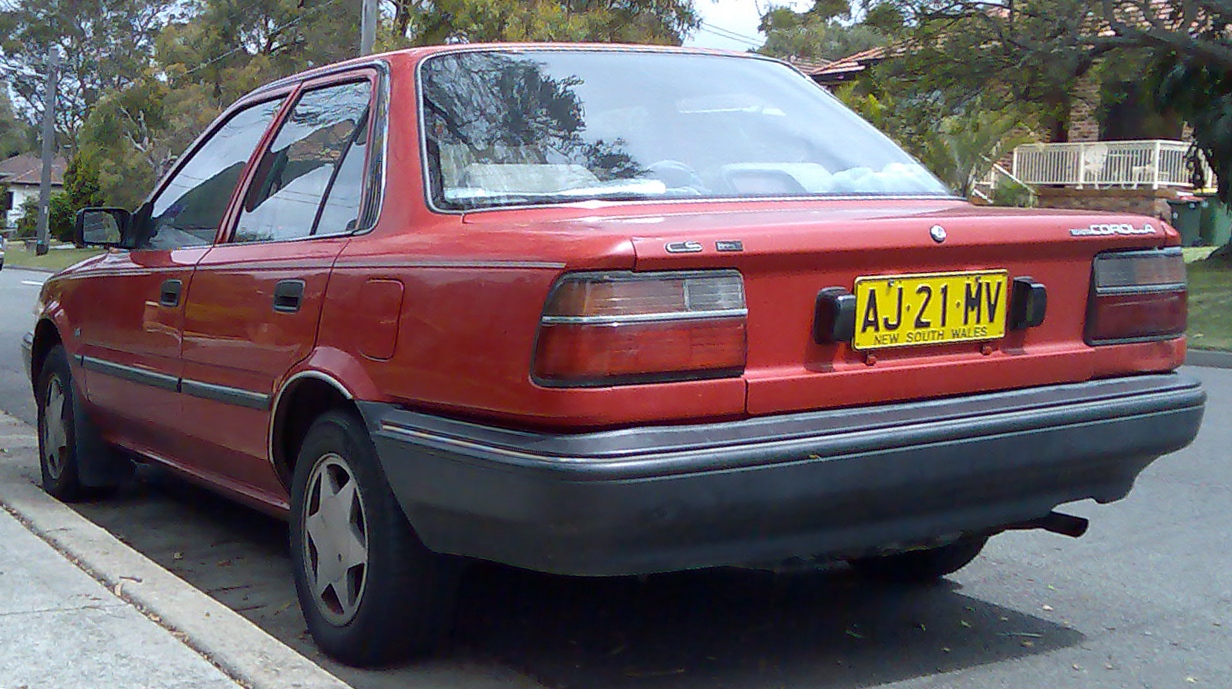
- Corolla E90 1987–1992 · Sedan, Hatchback
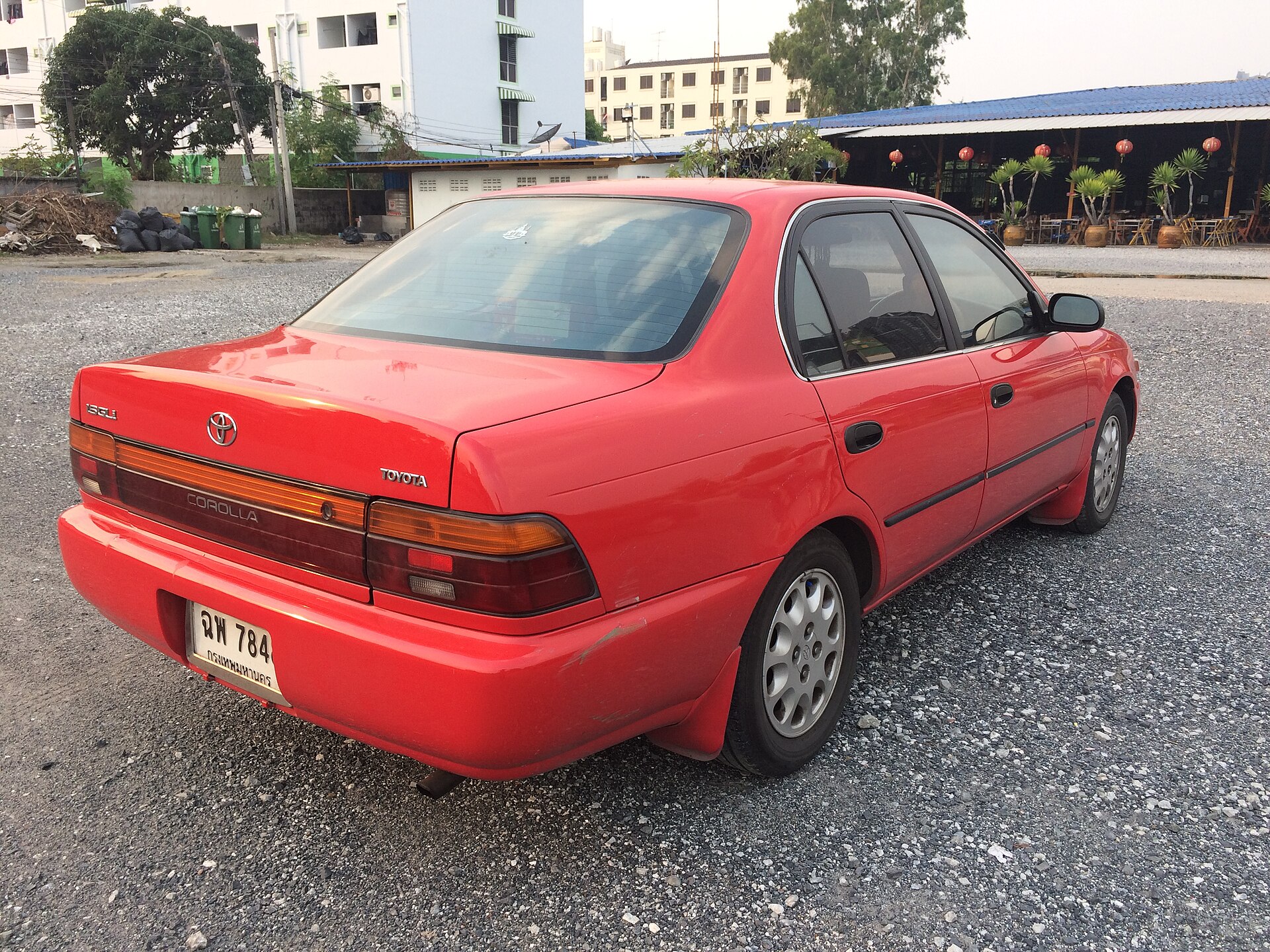
- Corolla E100 1991–1997 · Sedan, Hatchback
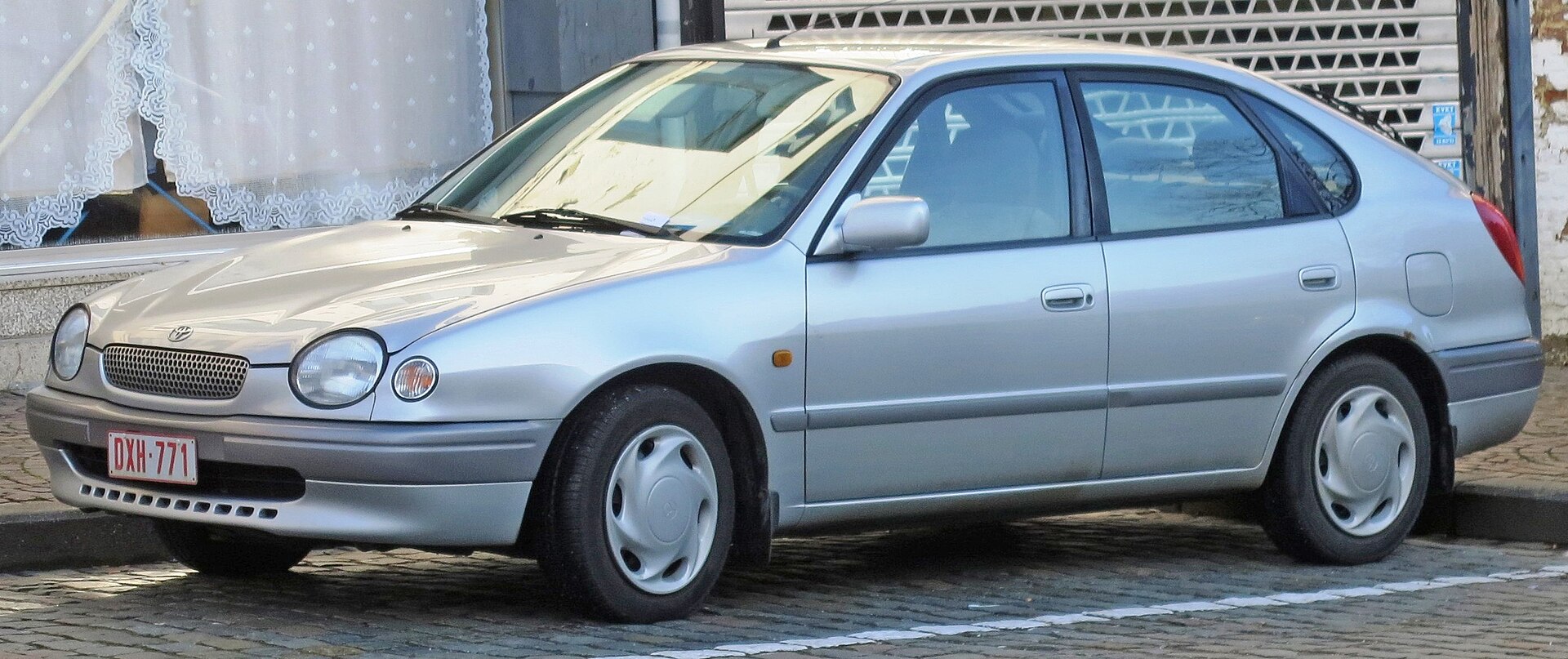
- Corolla E110 1995–2002 · Sedan, Hatchback
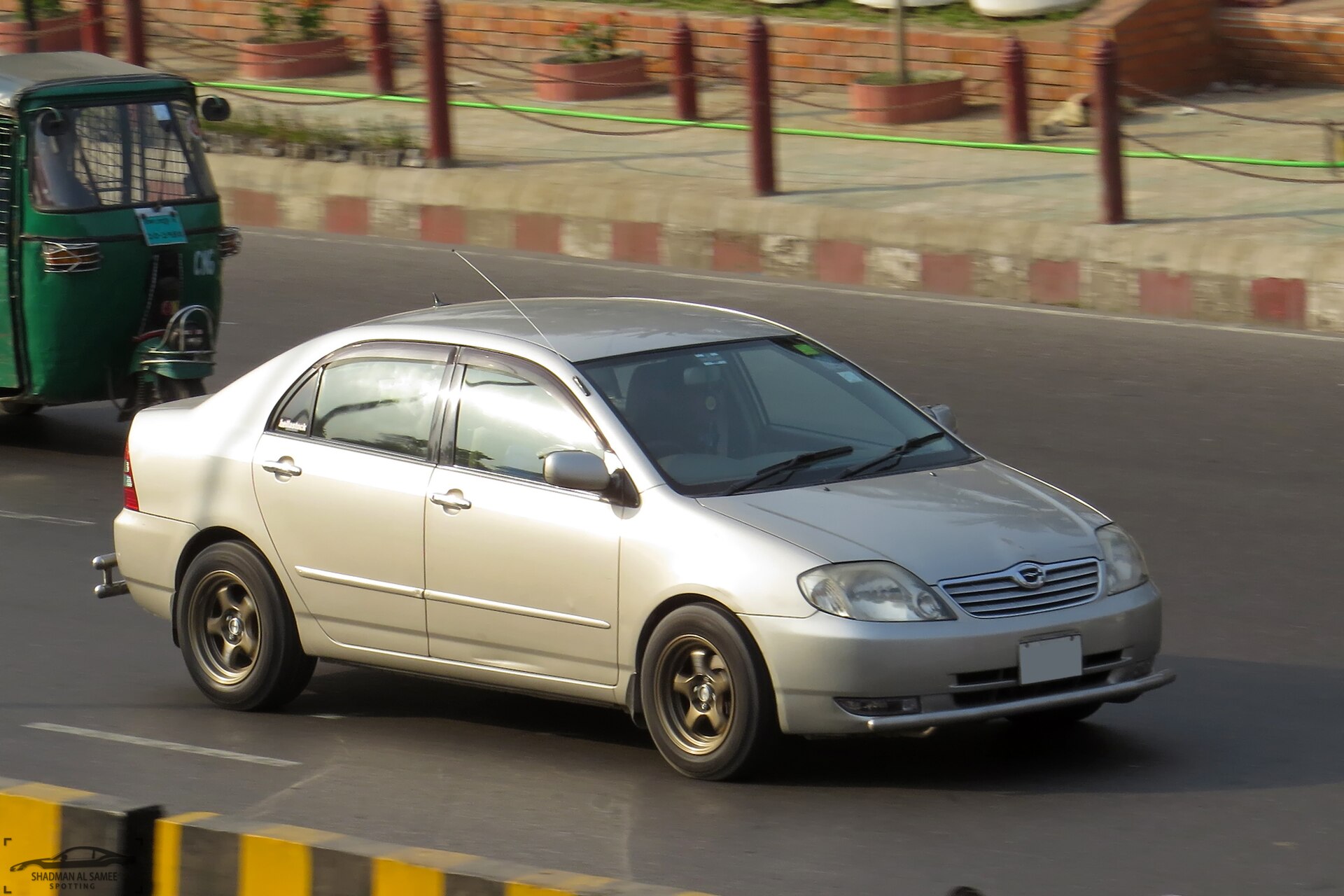
- Corolla E120 2000–2007 · Sedan, Hatchback
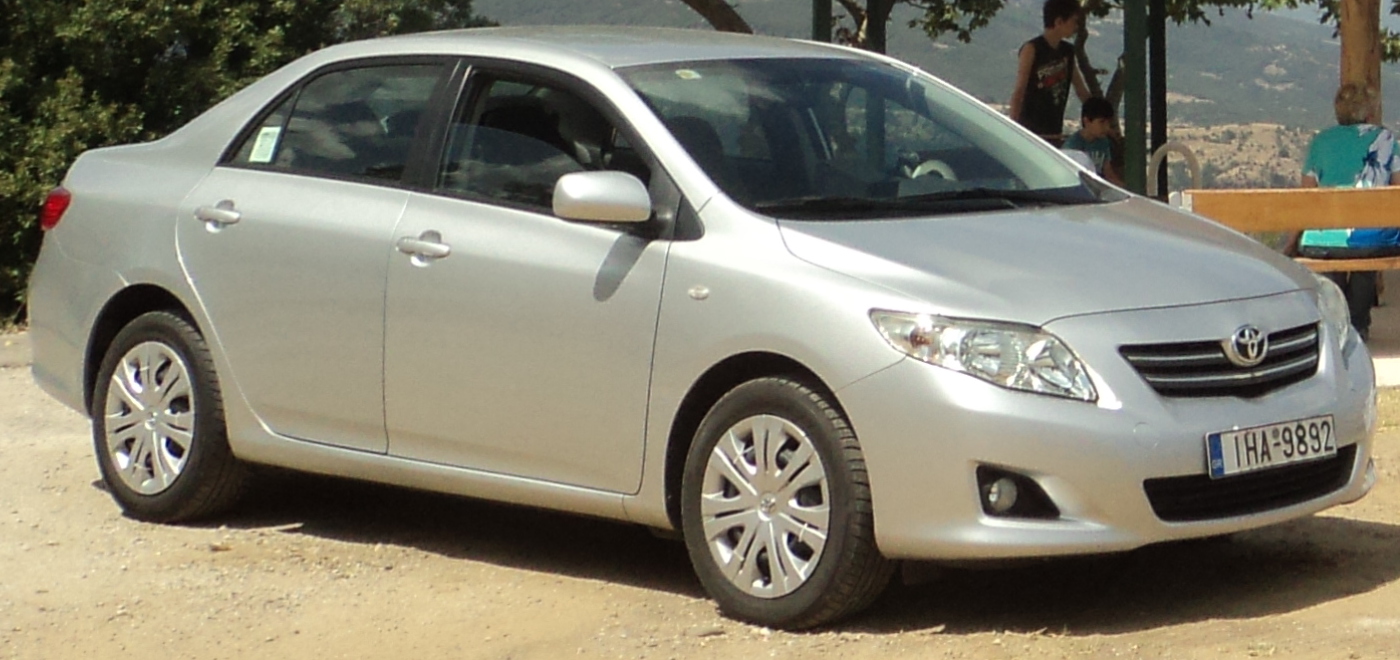
- Corolla E140/E150 2006–2013 · Sedan, Hatchback
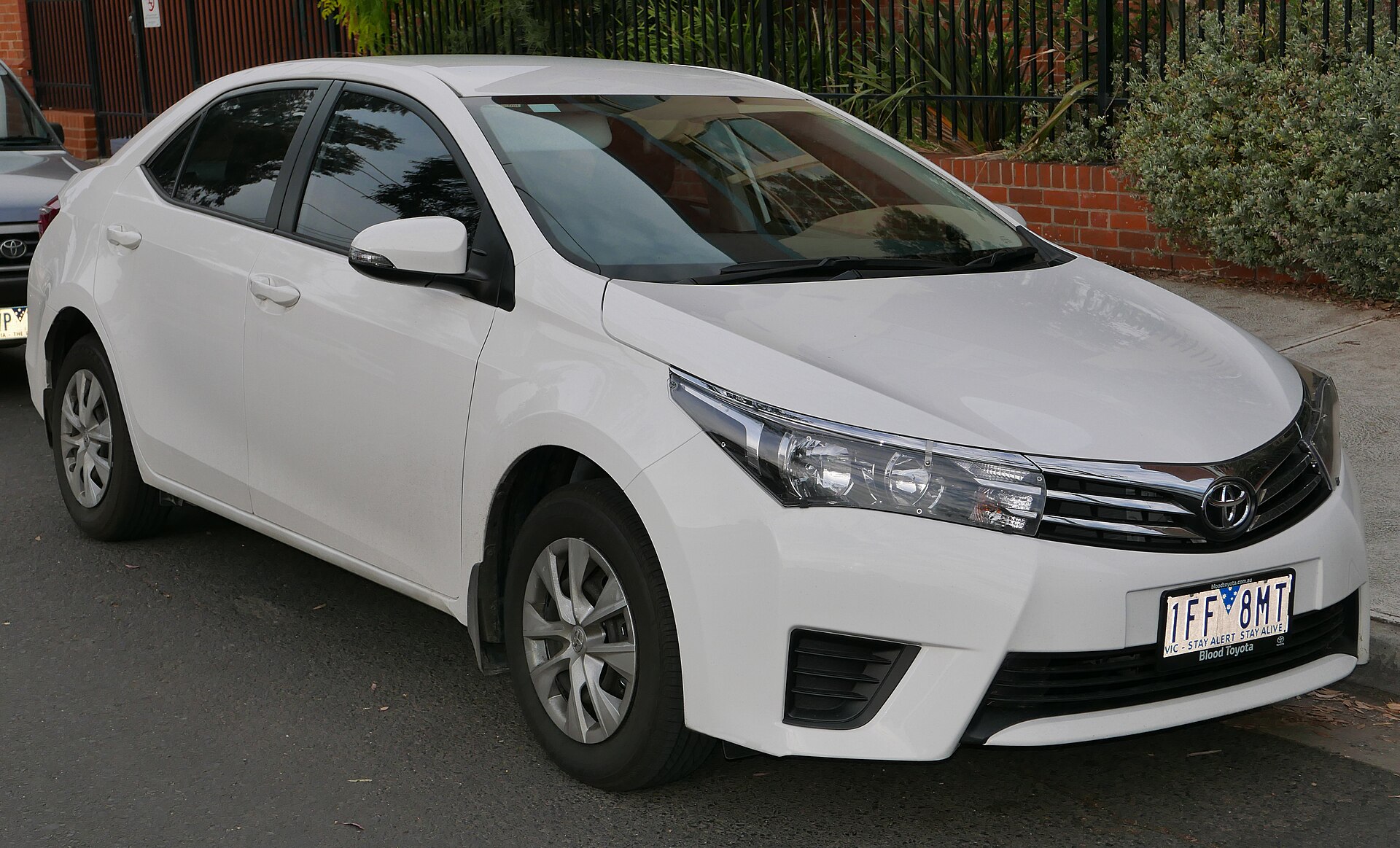
- Corolla XI 2013–2019 · Sedan · 73–103 kW (99–140 PS)
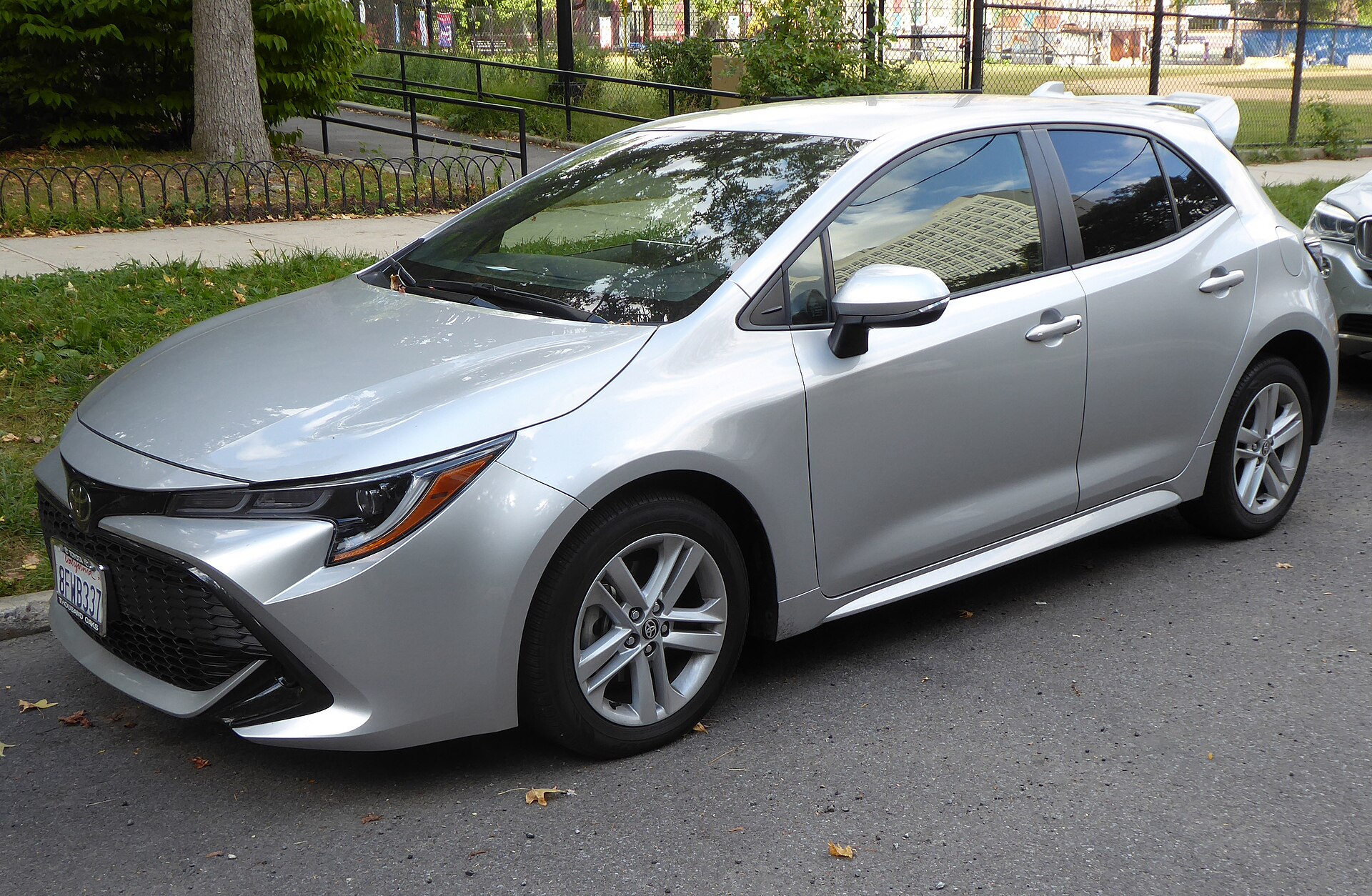
- Corolla E210 Current 2018–now · Sedan, Hatchback
Newest first · 12 generations since 1966
-
2018
-
2013
-
2006
-
2000
-
1995
-
1991
-
1987
-
1983
-
1979
-
1974
-
1970
-
1966
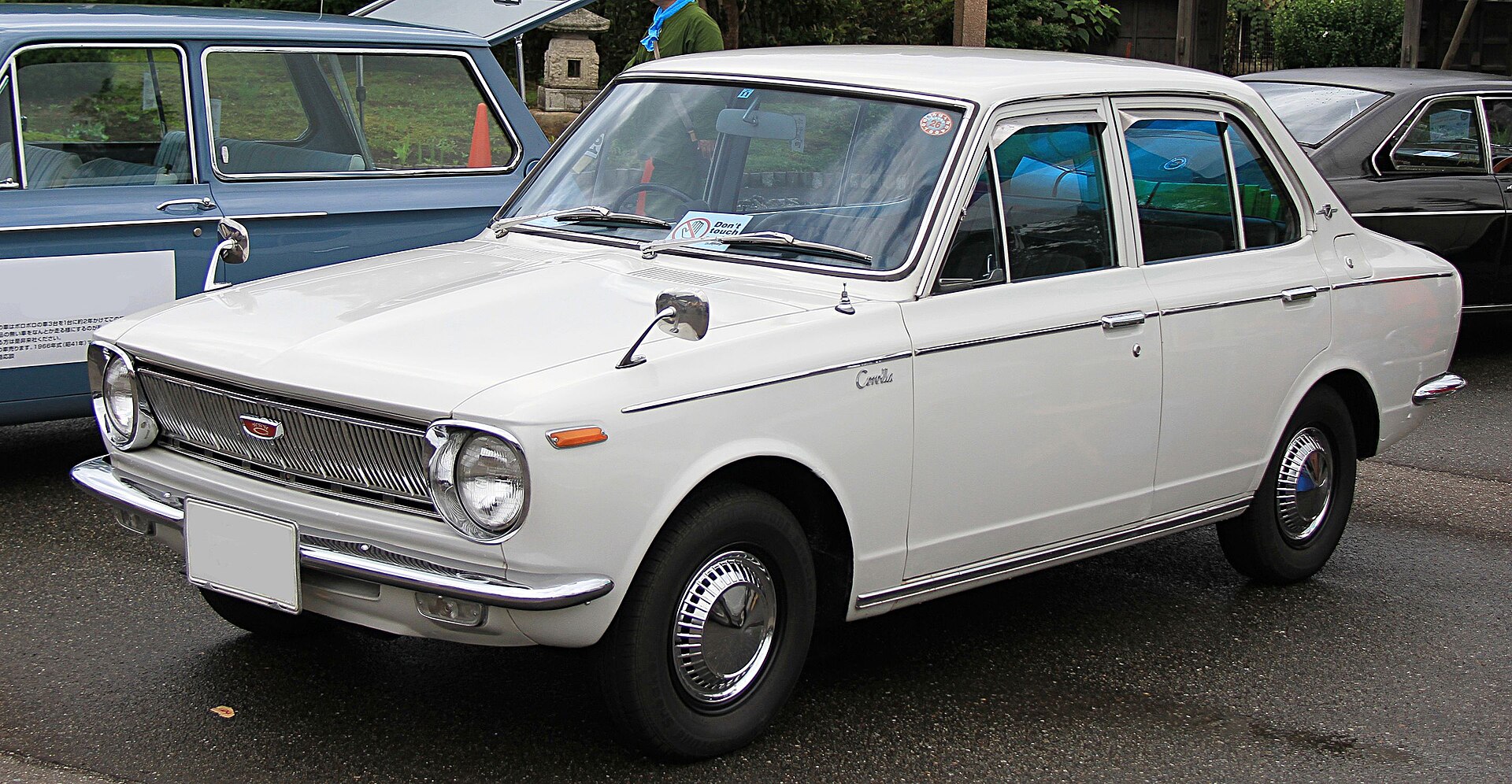


All generations by year: Corolla E210 (2018–now) · Corolla XI (2013–2019) · Corolla E140/E150 (2006–2013) · Corolla E120 (2000–2007) · Corolla E110 (1995–2002) · Corolla E100 (1991–1997) · Corolla E90 (1987–1992) · Corolla E80 (1983–1987) · Corolla E70 (1979–1983) · Corolla E30 (1974–1979) · Corolla E20 (1970–1974) · Corolla E10 (1966–1970)
Which one is mine?
Pick the year of first registration to see which generation it is.
- E210 2018–present
- Corolla XI 2013–2019
- E140/E150 2006–2013
- E120 2000–2007
- E110 1995–2002
- E100 1991–1997
- E90 1987–1992
- E80 1983–1987
- E70 1979–1983
- E30 1974–1979
- E20 1970–1974
- E10 1966–1970
Which Corolla 11 to buy
Our verdict · Felix Hartmann
The 1.6 with the six-speed manual is the best all-round choice for most drivers. The 1.8 with the CVT suits those who drive mainly in town and want an automatic, while the 1.33 is fine for light use but feels slow when loaded. Look for a post-2016 facelift car if you want Toyota Safety Sense. Owners mention thin paint that chips easily, limited wheel-arch insulation and seats with little side support. Bigger Toyotas include the Camry and the Prius hybrid, and the full range is in the Toyota catalogue.
Watch out
- Weak or flat 12-volt battery (hybrids, 2019-2022) (Corolla E210 (2018–present))
- High-pressure fuel pump weld can leak (built Nov 2017 to Apr 2021) (Corolla E210 (2018–present))
- Brake booster pump can fail (2019 model year) (Corolla E210 (2018–present))
- Corroded or seized brakes from light use (hybrids) (Corolla E210 (2018–present))
Watch-out points come from our verified ownership data, each with a source.
The eleventh-generation Toyota Corolla is a compact saloon announced on 6 June 2013 in North America and a day later for Europe. Known as the E170 in North America and the E180 in Europe and Asia, it uses the New MC platform with a 2,700 mm wheelbase, 100 mm longer than before. Engines ranged from a 73 kW 1.33 to a 103 kW 1.8.
In short
- Two front designs: a sharper European and Asian version and a separate North American one; Japan kept the smaller E160 Axio.
- Engines: 1.33 Dual VVT-i, 1.6, 1.8 Valvematic, a 1.2 turbo and a 1.4 D-4D diesel in Europe; 1.8 with 98–104 kW in North America.
- Six-speed manual or a CVT with simulated gears; a hybrid joined in China in October 2015.
- Euro NCAP 2013: five stars with 94% adult occupant protection; production in Europe ended in January 2019.

Size at a glance
Ford Focus IV
The Toyota Corolla E210 is 8 mm shorter, 35 mm narrower and 19 mm lower than the Ford Focus IV.
| Dimensions | Toyota Corolla E210 | Ford Focus IV | Difference |
|---|---|---|---|
| Length | 4,370 mm172.0 in | 4,378 mm172.4 in | −8 mm−0.3 in |
| Width | 1,790 mm70.5 in | 1,825 mm71.9 in | −35 mm−1.4 in |
| Height | 1,435 mm56.5 in | 1,454 mm57.2 in | −19 mm−0.7 in |
| Wheelbase | 2,640 mm103.9 in | 2,700 mm106.3 in | −60 mm−2.4 in |
| Boot | 361 L12.7 cu ft | 375 L13.2 cu ft | −14 L−0.5 cu ft |
Toyota Corolla XI
The Toyota Corolla E210 is 250 mm shorter, 15 mm wider and 20 mm lower than the Toyota Corolla XI.
| Dimensions | Toyota Corolla E210 | Toyota Corolla XI | Difference |
|---|---|---|---|
| Length | 4,370 mm172.0 in | 4,620 mm181.9 in | −250 mm−9.8 in |
| Width | 1,790 mm70.5 in | 1,775 mm69.9 in | +15 mm+0.6 in |
| Height | 1,435 mm56.5 in | 1,455 mm57.3 in | −20 mm−0.8 in |
| Wheelbase | 2,640 mm103.9 in | - | - |
| Boot | 361 L12.7 cu ft | 452 L16.0 cu ft | −91 L−3.2 cu ft |
Running cost
Fuel · Corolla E210 1.8 Hybrid
about 1,200 EUR fuel a year at 15,000 km
4.5 l/100 km · petrol at 1.75 EUR/l · change mileage, fuel price or version
Known problems
-
Medium Corolla E210 (2018–present)
Weak or flat 12-volt battery (hybrids, 2019-2022) 2019–2022
The car will not start or shows electrical warnings even though the traction battery is charged.
Fix: The garage tests and replaces the 12-volt battery and checks for a parasitic drain.
Verified Source: ADAC Pannenstatistik 2025 -
Critical Corolla E210 (2018–present)
High-pressure fuel pump weld can leak (built Nov 2017 to Apr 2021) 2019–2021
Fuel smell or leak in the engine bay; the recall cites a fire risk.
Fix: Recall 21SMD-041: the pump is checked and replaced free of charge.
Verified Source: Gebrauchtwagenberater: Toyota Corolla E21 (2018-) problems and weak points -
Critical Corolla E210 (2018–present)
Brake booster pump can fail (2019 model year) 2019
Hard brake pedal and longer stopping distances.
Fix: Recall work replaces the brake booster pump.
Verified Source: Gebrauchtwagenberater: Toyota Corolla E21 (2018-) problems and weak points -
Medium Corolla E210 (2018–present)
Corroded or seized brakes from light use (hybrids) all years
Grinding, pulling or a poor disc contact pattern at the TÜV test, mostly at the rear.
Fix: Discs and pads are replaced and the calipers cleaned or freed. Typical cost: €551–551
Verified Source: AUTO BILD: Toyota Corolla E21 used car test (5 March 2025) -
High Corolla E210 (2018–present)
Traction battery ageing after long standstill or heat all years
Hybrid system warning, shorter electric running and higher fuel use.
Fix: Battery health check; failed packs are replaced with new or reconditioned units. Typical cost: €2,100–2,100
Verified Source: AUTO BILD: Toyota Corolla E21 used car test (5 March 2025) -
Medium Corolla E210 (2018–present)
eCall emergency system may not work all years
eCall warning or no connection; the owner usually notices nothing.
Fix: Dealer checks the system and updates or replaces the DCM module.
Verified Source: What Car? Used Toyota Corolla 2019-present reliability -
Low Corolla E210 (2018–present)
Infotainment faults and frozen screen all years
Screen freezes, reboots or navigation errors.
Fix: Software update under warranty; failed screens are replaced. Typical cost: €1,982–1,982
Verified Source: AUTO BILD: Toyota Corolla E21 used car test (5 March 2025) -
Low Corolla E210 (2018–present)
Underbody rust at weld seams all years
Rust spots on seams and underbody from about four years old.
Fix: Rust is treated and the cavity protection renewed.
Verified Source: AUTO BILD: Toyota Corolla E21 used car test (5 March 2025) -
Medium Corolla E210 (2018–present)
Ignition coil failure (1.2 Turbo, early cars) 2019
Misfire, flashing engine light and loss of power.
Fix: Coils replaced; Gebrauchtwagenberater says Toyota fixed the fault at the end of 2018.
Verified Source: Gebrauchtwagenberater: Toyota Corolla E21 (2018-) problems and weak points -
Low Corolla XI (2013–2019)
Brake disc contact pattern faults at the TÜV test (Corolla 11/Auris) all years
Discs listed as defective at the inspection more often than average.
Fix: New discs and pads on the affected axle.
Verified Source: AUTO BILD: Toyota Auris and Corolla in the TÜV Report 2026
Specs by version
Engines
| Version | Engine | Gearbox | Drive | Production years |
|---|---|---|---|---|
| Hybrid · 4 versions | ||||
| E210 · 1.8 Hybrid | Hybrid 2ZR-FXE | CVT | Front-wheel drive | 2019–2022 |
| E210 · 1.8 Hybrid (2023 update) | Hybrid 2ZR-FXE | CVT | Front-wheel drive | 2023 |
| E210 · 2.0 Hybrid | Hybrid M20A-FXS | CVT | Front-wheel drive | 2019–2022 |
| E210 · 2.0 Hybrid (2023 update) | Hybrid M20A-FXS | CVT | Front-wheel drive | 2023 |
| Petrol · 1 version | ||||
| E210 · 1.2 Turbo | Petrol 8NR-FTS | - | Front-wheel drive | 2019 |
| Other · 24 versions | ||||
| Corolla XI · 103 kW (140 PS) Sedan | 4 cyl | - | - | - |
| E210 · 1.8 L 4 cyl Automatic (variable gear ratios) · 2022 (EPA) | 1.8 l · 4 cyl 1,800 cc | CVT | Front-wheel drive | 2022 |
| E210 · 1.8 L 4 cyl Manual 6-spd · 2022 (EPA) | 1.8 l · 4 cyl 1,800 cc | 6-sp Manual | Front-wheel drive | 2022 |
| E210 · 1.8 L 4 cyl Automatic (variable gear ratios) · 2021 (EPA) | 1.8 l · 4 cyl 1,800 cc | CVT | Front-wheel drive | 2021 |
| E210 · 1.8 L 4 cyl Manual 6-spd · 2021 (EPA) | 1.8 l · 4 cyl 1,800 cc | 6-sp Manual | Front-wheel drive | 2021 |
| E210 · 1.8 L 4 cyl Automatic (variable gear ratios) · 2020 (EPA) | 1.8 l · 4 cyl 1,800 cc | CVT | Front-wheel drive | 2020 |
| E210 · 1.8 L 4 cyl Manual 6-spd · 2020 (EPA) | 1.8 l · 4 cyl 1,800 cc | 6-sp Manual | Front-wheel drive | 2020 |
| E210 · 1.8 L 4 cyl Automatic (AV-S7) · 2019 (EPA) | 1.8 l · 4 cyl 1,800 cc | CVT | Front-wheel drive | 2019 |
| E210 · 1.8 L 4 cyl Automatic (variable gear ratios) · 2019 (EPA) | 1.8 l · 4 cyl 1,800 cc | CVT | Front-wheel drive | 2019 |
| E210 · 1.8 L 4 cyl Manual 6-spd · 2019 (EPA) | 1.8 l · 4 cyl 1,800 cc | 6-sp Manual | Front-wheel drive | 2019 |
| E210 · 2 L 4 cyl Automatic (AV-S10) · 2026 (EPA) | 2.0 l · 4 cyl 2,000 cc | CVT | Front-wheel drive | 2026 |
| E210 · 2 L 4 cyl Automatic (AV-S10) · 2025 (EPA) | 2.0 l · 4 cyl 2,000 cc | CVT | Front-wheel drive | 2025 |
| E210 · 2 L 4 cyl Automatic (variable gear ratios) · 2025 (EPA) | 2.0 l · 4 cyl 2,000 cc | CVT | Front-wheel drive | 2025 |
| E210 · 2 L 4 cyl Automatic (variable gear ratios) · 2025 (EPA) | 2.0 l · 4 cyl 2,000 cc | CVT | Front-wheel drive | 2025 |
| E210 · 2 L 4 cyl Automatic (AV-S10) · 2024 (EPA) | 2.0 l · 4 cyl 2,000 cc | CVT | Front-wheel drive | 2024 |
| E210 · 2 L 4 cyl Automatic (AV-S10) · 2024 (EPA) | 2.0 l · 4 cyl 2,000 cc | CVT | Front-wheel drive | 2024 |
| E210 · 2 L 4 cyl Automatic (AV-S10) · 2023 (EPA) | 2.0 l · 4 cyl 2,000 cc | CVT | Front-wheel drive | 2023 |
| E210 · 2 L 4 cyl Automatic (AV-S10) · 2023 (EPA) | 2.0 l · 4 cyl 2,000 cc | CVT | Front-wheel drive | 2023 |
| E210 · 2 L 4 cyl Automatic (AV-S10) · 2022 (EPA) | 2.0 l · 4 cyl 2,000 cc | CVT | Front-wheel drive | 2022 |
| E210 · 2 L 4 cyl Manual 6-spd · 2022 (EPA) | 2.0 l · 4 cyl 2,000 cc | 6-sp Manual | Front-wheel drive | 2022 |
| E210 · 2 L 4 cyl Automatic (AV-S10) · 2021 (EPA) | 2.0 l · 4 cyl 2,000 cc | CVT | Front-wheel drive | 2021 |
| E210 · 2 L 4 cyl Manual 6-spd · 2021 (EPA) | 2.0 l · 4 cyl 2,000 cc | 6-sp Manual | Front-wheel drive | 2021 |
| E210 · 2 L 4 cyl Automatic (AV-S10) · 2020 (EPA) | 2.0 l · 4 cyl 2,000 cc | CVT | Front-wheel drive | 2020 |
| E210 · 2 L 4 cyl Manual 6-spd · 2020 (EPA) | 2.0 l · 4 cyl 2,000 cc | 6-sp Manual | Front-wheel drive | 2020 |
Performance
Show all 29 versions
| Version | Fuel consumption |
|---|---|
| Hybrid · 4 versions | |
| E210 · 1.8 Hybrid | 4.5 l/100 km52.3 mpg US · 62.8 mpg UK |
| E210 · 1.8 Hybrid (2023 update) | 4.4 l/100 km53.5 mpg US · 64.2 mpg UK |
| E210 · 2.0 Hybrid | 4.9 l/100 km48.0 mpg US · 57.6 mpg UK |
| E210 · 2.0 Hybrid (2023 update) | 4.4 l/100 km53.5 mpg US · 64.2 mpg UK |
| Petrol · 1 version | |
| E210 · 1.2 Turbo | 6.2 l/100 km37.9 mpg US · 45.6 mpg UK |
| Other · 24 versions | |
| Corolla XI · 103 kW (140 PS) Sedan | 5.6 l/100 km42.0 mpg US · 50.4 mpg UK |
| E210 · 1.8 L 4 cyl Automatic (variable gear ratios) · 2022 (EPA) | 7.1 l/100 km33.1 mpg US · 39.8 mpg UK |
| E210 · 1.8 L 4 cyl Manual 6-spd · 2022 (EPA) | 7.1 l/100 km33.1 mpg US · 39.8 mpg UK |
| E210 · 1.8 L 4 cyl Automatic (variable gear ratios) · 2021 (EPA) | 7.1 l/100 km33.1 mpg US · 39.8 mpg UK |
| E210 · 1.8 L 4 cyl Manual 6-spd · 2021 (EPA) | 7.1 l/100 km33.1 mpg US · 39.8 mpg UK |
| E210 · 1.8 L 4 cyl Automatic (variable gear ratios) · 2020 (EPA) | 7.1 l/100 km33.1 mpg US · 39.8 mpg UK |
| E210 · 1.8 L 4 cyl Manual 6-spd · 2020 (EPA) | 7.1 l/100 km33.1 mpg US · 39.8 mpg UK |
| E210 · 1.8 L 4 cyl Automatic (AV-S7) · 2019 (EPA) | 7.6 l/100 km30.9 mpg US · 37.2 mpg UK |
| E210 · 1.8 L 4 cyl Automatic (variable gear ratios) · 2019 (EPA) | 7.4 l/100 km31.8 mpg US · 38.2 mpg UK |
| E210 · 1.8 L 4 cyl Manual 6-spd · 2019 (EPA) | 7.8 l/100 km30.2 mpg US · 36.2 mpg UK |
| E210 · 2 L 4 cyl Automatic (AV-S10) · 2026 (EPA) | 6.9 l/100 km34.1 mpg US · 40.9 mpg UK |
| E210 · 2 L 4 cyl Automatic (AV-S10) · 2025 (EPA) | 6.9 l/100 km34.1 mpg US · 40.9 mpg UK |
| E210 · 2 L 4 cyl Automatic (variable gear ratios) · 2025 (EPA) | 6.7 l/100 km35.1 mpg US · 42.2 mpg UK |
| E210 · 2 L 4 cyl Automatic (variable gear ratios) · 2025 (EPA) | 6.9 l/100 km34.1 mpg US · 40.9 mpg UK |
| E210 · 2 L 4 cyl Automatic (AV-S10) · 2024 (EPA) | 6.7 l/100 km35.1 mpg US · 42.2 mpg UK |
| E210 · 2 L 4 cyl Automatic (AV-S10) · 2024 (EPA) | 6.9 l/100 km34.1 mpg US · 40.9 mpg UK |
| E210 · 2 L 4 cyl Automatic (AV-S10) · 2023 (EPA) | 6.7 l/100 km35.1 mpg US · 42.2 mpg UK |
| E210 · 2 L 4 cyl Automatic (AV-S10) · 2023 (EPA) | 6.9 l/100 km34.1 mpg US · 40.9 mpg UK |
| E210 · 2 L 4 cyl Automatic (AV-S10) · 2022 (EPA) | 6.9 l/100 km34.1 mpg US · 40.9 mpg UK |
| E210 · 2 L 4 cyl Manual 6-spd · 2022 (EPA) | 7.4 l/100 km31.8 mpg US · 38.2 mpg UK |
| E210 · 2 L 4 cyl Automatic (AV-S10) · 2021 (EPA) | 6.9 l/100 km34.1 mpg US · 40.9 mpg UK |
| E210 · 2 L 4 cyl Manual 6-spd · 2021 (EPA) | 7.4 l/100 km31.8 mpg US · 38.2 mpg UK |
| E210 · 2 L 4 cyl Automatic (AV-S10) · 2020 (EPA) | 6.9 l/100 km34.1 mpg US · 40.9 mpg UK |
| E210 · 2 L 4 cyl Manual 6-spd · 2020 (EPA) | 7.4 l/100 km31.8 mpg US · 38.2 mpg UK |
Dimensions and weight
Show all 6 versions
| Version | Length | Width | Height | Kerb weight | Boot | Fuel tank |
|---|---|---|---|---|---|---|
| Hybrid · 4 versions | ||||||
| E210 · 1.8 Hybrid | 4,370 mm172.0 in | 1,790 mm70.5 in | - | 1,315 kg2,899 lb | 361 l12.7 cu ft | 43 l11.4 gal US |
| E210 · 1.8 Hybrid (2023 update) | 4,370 mm172.0 in | 1,790 mm70.5 in | - | 1,430 kg3,153 lb | 361 l12.7 cu ft | 43 l11.4 gal US |
| E210 · 2.0 Hybrid | 4,370 mm172.0 in | 1,790 mm70.5 in | - | 1,340 kg2,954 lb | 313 l11.1 cu ft | 43 l11.4 gal US |
| E210 · 2.0 Hybrid (2023 update) | 4,370 mm172.0 in | 1,790 mm70.5 in | - | 1,460 kg3,219 lb | 313 l11.1 cu ft | 43 l11.4 gal US |
| Petrol · 1 version | ||||||
| E210 · 1.2 Turbo | 4,370 mm172.0 in | 1,790 mm70.5 in | 1,435 mm56.5 in | 1,240 kg2,734 lb | 361 l12.7 cu ft | 50 l13.2 gal US |
| Other · 1 version | ||||||
| Corolla XI · 103 kW (140 PS) Sedan | 4,620 mm181.9 in | 1,775 mm69.9 in | 1,455 mm57.3 in | - | 452 l16.0 cu ft | - |
Verified Manufacturer and type-approval data from our catalog · Sources and methodology
Safety
-
E210 · NHTSA 2025
US NCAP (NHTSA)
Full NHTSA rating
-
Corolla XI · NHTSA 2017
US NCAP (NHTSA)
Full NHTSA rating
-
E140/E150 · NHTSA 2012
US NCAP (NHTSA)
Full NHTSA rating
Stars from different years and organisations are not directly comparable: test protocols change every few years.
Toyota Corolla 11 at a glance
The Corolla has been Toyota's global best-seller for decades, and the eleventh generation split the line in two. The Japanese market kept the E160 Corolla Axio on the smaller B platform, launched in May 2012, while export markets got the larger saloon described here. In Europe, the Corolla name was used only for the saloon; the hatchback was sold as the Auris. The Toyota story is told in the history of Toyota.

| Parameter | Metric | Imperial |
|---|---|---|
| Length | 4,620 mm (4,639 mm North America) | 181.9 (182.6) in |
| Width | 1,775 mm | 69.9 in |
| Height | 1,455–1,460 mm | 57.3–57.5 in |
| Wheelbase | 2,700 mm | 106.3 in |
| Kerb weight | 1,245–1,300 kg | 2,745–2,866 lb |
| Layout | Front engine, front-wheel drive, five seats | – |
The car was built in many countries, among them Adapazarı in Turkey for Europe, Blue Springs in Mississippi and Cambridge in Ontario for North America, and plants in China, India, Thailand, Taiwan, Pakistan, South Africa, Venezuela and Vietnam.
Dual VVT-i, Valvematic and diesel engines
| Engine | Market | Power | Notes |
|---|---|---|---|
| 1.33 Dual VVT-i (1NR-FE) | Europe | 73 kW (99 PS) | 0–100 km/h 12.6 s, 180 km/h |
| 1.6 Dual VVT-i / Valvematic | Europe, Asia | 90–97 kW (122–132 PS) | Depending on market |
| 1.8 Valvematic | Europe, Asia | 103 kW (140 PS) | 0–100 km/h 10.2 s, 195 km/h |
| 1.2 turbo (8NR-FTS) | Europe | 85 kW (116 PS) | Added later in the cycle |
| 1.4 D-4D (1ND-TV) | Europe | Diesel | Economy choice |
| 1.8 (2ZR-FE) | North America | 98 kW (132 hp) | Standard engine |
| 1.8 Valvematic (2ZR-FAE) | North America | 104 kW (140 hp) | LE Eco |
The performance figures are from the old 1cars data for the European versions. In Europe, the 1.8 came with the Multidrive S CVT, which simulates seven gears and has a sport mode, while the other engines had six-speed manual gearboxes. North America offered a four-speed automatic, a six-speed manual and the CVTi-S. With 103 kW, the 1.8 has 30 kW more than the 1.33. The old 1cars data gives about 5.6 l/100 km for the economical versions in the combined cycle.

Suspension is by MacPherson struts at the front and a torsion beam at the rear. The front brakes are ventilated discs of about 277–279 mm.
Cabin, space and boot
The dashboard is closely related to that of the second-generation Toyota Auris. The longer wheelbase gave the rear passengers about 10 cm more legroom, and thin front seat backs and a lower floor tunnel let three adults sit in the back. The rear seats fold 60:40. Toyota added a thicker windscreen and more sound insulation in the wheel arches, floor, bonnet and front bulkhead.

Equipment depended on trim. Most versions had seven airbags, stability control, air conditioning and a height- and reach-adjustable steering wheel. Higher trims added a 6.1-inch touchscreen with navigation, dual-zone climate control, keyless entry with push-button start, a reversing camera, parking assistance, LED daytime lights and 16- or 17-inch alloy wheels.
Economy and ownership costs
The Corolla 11 is one of the cheaper cars of its class to run. The combined figure of about 5.6 l/100 km applied to the economical petrol versions, and the 1.4 D-4D diesel was the most frugal choice in Europe. Toyota's reputation for reliability and low servicing costs carries over to this generation, and the naturally aspirated engines and torsion-beam rear axle are simple to maintain.

The 2016 facelift and the end of production
Toyota unveiled the facelift on 24 March 2016, with new bumpers, headlights and grille, and a refreshed interior; North America received its version for the 2017 model year. Production ended in Europe in January 2019, in the US in February 2019 and in China in September 2019, when the twelfth-generation E210 took over. Some markets kept the E170 for longer: South Africa until 2024.

Euro NCAP and ANCAP: five stars
Euro NCAP tested the Corolla in 2013 and awarded five stars. It scored 94% for adult occupants, 82% for children, 67% for pedestrians and 66% for safety assist. In Australia, ANCAP gave the Thai-built saloon five stars with 34.88 of 37 points. In 2014 the Corolla saloon and the Auris hatchback together were Australia's best-selling car line.

Rivals: how the Corolla 11 compares
| Model | Bodies offered | Strength against the Corolla |
|---|---|---|
| Toyota Corolla 11 | Saloon (hatchback sold as Auris) | Rear space, reliability reputation |
| Volkswagen Jetta | Saloon | Refinement, turbo engines |
| Honda Civic | Saloon, hatchback | Handling |
| Ford Focus | Saloon, hatchback, estate | Steering and ride |
| Hyundai Elantra | Saloon | Equipment and warranty |
Compared with the Focus and the Jetta, the Corolla is less sporty to drive but roomier in the back, and it has a stronger reputation for reliability. Set it against its rivals in the 1cars comparison tool or check the versions in the specifications section.

Toyota Corolla evolution in numbers
Did you know?
- The Toyota Corolla has been around for 60 years: 12 generations in our catalog since 1966.
- The longest-running generation is the Corolla E210 (2018–present): 8 years and counting.
Owning a Toyota Corolla
Common problems, best and worst years, maintenance and running costs - only data checked by our editors, with sources.
Best years
- 2021–2022 Corolla E210 (2018–present) - ADAC's 2025 statistics show about half the breakdown rate of 2019 cars, and cars built after April 2021 sit outside the fuel pump recall window. Verified Source: ADAC Pannenstatistik 2025
- 2023–2025 Corolla E210 (2018–present) - The facelift brought the fifth-generation hybrid with 103 kW (140 PS) or 144 kW (196 PS) system output. Verified Source: AUTO BILD: Toyota Auris and Corolla in the TÜV Report 2026
Years to avoid
- 2019–2020 Corolla E210 (2018–present) - Early cars have the highest ADAC breakdown figures, weak 12-volt batteries and the brake booster, eCall and fuel pump recalls; buy only with proof of the work. Verified Source: Gebrauchtwagenberater: Toyota Corolla E21 (2018-) problems and weak points
Questions and answers
What are the most common Toyota Corolla problems?
Weak or flat 12-volt battery (hybrids, 2019-2022) (2019–2022): The car will not start or shows electrical warnings even though the traction battery is charged.; High-pressure fuel pump weld can leak (built Nov 2017 to Apr 2021) (2019–2021): Fuel smell or leak in the engine bay; the recall cites a fire risk.; Brake booster pump can fail (2019 model year) (2019): Hard brake pedal and longer stopping distances.; Corroded or seized brakes from light use (hybrids) (all years): Grinding, pulling or a poor disc contact pattern at the TÜV test, mostly at the rear.; Traction battery ageing after long standstill or heat (all years): Hybrid system warning, shorter electric running and higher fuel use..
What are the best years for the Toyota Corolla?
2021–2022: ADAC's 2025 statistics show about half the breakdown rate of 2019 cars, and cars built after April 2021 sit outside the fuel pump recall window.; 2023–2025: The facelift brought the fifth-generation hybrid with 103 kW (140 PS) or 144 kW (196 PS) system output..
Which Toyota Corolla years should you avoid?
2019–2020: Early cars have the highest ADAC breakdown figures, weak 12-volt batteries and the brake booster, eCall and fuel pump recalls; buy only with proof of the work..
Data checked November 12, 2026 Used Toyota Corolla buying guide
Image credits · Photos from Wikimedia Commons under free licences
- Toyota Corolla E10 · Photo: マリオート / Wikimedia Commons, CC BY-SA 4.0
- Toyota Corolla E20 · Photo: Tennen-Gas / Wikimedia Commons, CC BY-SA 3.0
- Toyota Corolla E30 · Photo: Masahiko Ohkubo from Kobe, Japan;Cropped and digitally altered by uploader Mr.choppers / Wikimedia Commons, CC BY 2.0
- Toyota Corolla E70 · Photo: OSX / Wikimedia Commons, Public domain
- Toyota Corolla E80 · Photo: Mr.choppers / Wikimedia Commons, CC BY-SA 3.0
- Toyota Corolla E90 · Photo: OSX / Wikimedia Commons, Public domain
- Toyota Corolla E100 · Photo: Jirapat Chroenkeskij / Wikimedia Commons, CC0
- Toyota Corolla E110 · Photo: Charles01 / Wikimedia Commons, CC BY-SA 4.0
- Toyota Corolla E120 · Photo: Shadman Samee from Dhaka, Bangladesh / Wikimedia Commons, CC BY-SA 2.0
- Toyota Corolla E140/E150 · Photo: George Mitsouras / Wikimedia Commons, CC BY-SA 3.0
- Toyota Corolla XI · Photo: OSX / Wikimedia Commons, Public domain
- Toyota Corolla E210 · Photo: Mr.choppers / Wikimedia Commons, CC BY-SA 3.0
Rivals
Compare with…
Compare Toyota Corolla with
- Ford Focus quick spec comparison
-
EV version
Ended 2025
- Years
- 1998–2025
- Body
- Sedan, Hatchback
- Fuel
- Petrol, Diesel, Electric
- Power
- 63–257 kW (86–349 PS)
4 generations
- I
- II
- C346
- IV

Toyota Corolla in our rankings
- No. 1 of 530 · Cars with the most generations (12 generations)
- No. 5 of 504 · Oldest car models still on sale (60 years)
- No. 6 of 1344 · Longest-running car nameplates (60 years)
- No. 36 of 387 · Most economical cars (4.4 l/100 km · top 10%)
- No. 142 of 568 · Lightest cars (1,240 kg · top 25%)
- No. 17 of 66 · Most economical sedans (5.6 l/100 km · top 26%)
More generations than 99% of ranked nameplates in the 1CARS catalog (No. 1 of 530).
Toyota Corolla photos 16


Toyota Corolla videos 4

Toyota Corolla video 1

Toyota Corolla video 2

Test drive
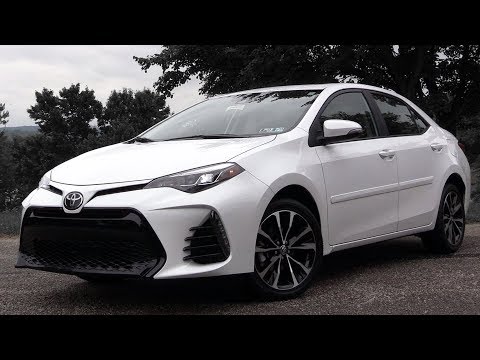
Video overview
FAQ
What is the fuel consumption of the Toyota Corolla 11?
The economical petrol versions use about 5.6 l/100 km in the combined cycle, and the 1.4 D-4D diesel uses less. Real-world figures depend mostly on the engine and on how much of the driving is done in town traffic.
Is the Toyota Corolla 11 available with all-wheel drive or as a hybrid?
The saloon is front-wheel drive only. A hybrid version was added in China in October 2015, and the Japanese-market E160 Axio offered a 1.5 hybrid from August 2013, but European and North American saloons had petrol and diesel engines.
What is the difference between the E170 and E180 Corolla?
Both belong to the eleventh generation and share the 2,700 mm wheelbase. The E170 is the North American version with its own front design, while the E180 is the version for Europe, Asia and other markets.
How safe is the Toyota Corolla 11?
Euro NCAP awarded it five stars in 2013, with 94% for adult occupants and 82% for children. Seven airbags and stability control were fitted in most markets, and the facelifted cars added Toyota Safety Sense.
What are the main rivals of the Toyota Corolla 11?
It competed with the Volkswagen Jetta, the Honda Civic, the Ford Focus saloon, the Hyundai Elantra and the Mazda3. The Corolla offered more rear space and a strong reliability record, while some rivals were sportier to drive.
Data sources
Data checked by an editor against the sources below.
- The text of this article (1cars archive)
- Wikipedia - Toyota Corolla
- Wikipedia - Toyota Corolla (E170)
- Euro NCAP - Euro Ncap Releases Latest Round Of Crash Tests
- Euro NCAP - Seven Earn The Highest Rating In Latest Safety Tests
- Wikipedia - Toyota Corolla (E210)
- EEA CO₂ monitoring (European Environment Agency, CC BY 4.0)
- NHTSA 5-Star Safety Ratings (US NCAP) — U.S. Government work, public domain


