
Australian Muscle Cars
From 1967 the Australian arms of Ford, General Motors (Holden) and Chrysler built high-performance versions of their local cars: the Falcon GT, the Monaro GTS, the Torana GTR XU-1 and the Valiant Charger R/T. The Hardie-Ferodo 500 at Bathurst was a race for series-production cars and required 200 road-going examples, so the winning cars were sold in showrooms.
These cars are listed apart from the American eras and rankings. Several are four-door sedans or use six-cylinder engines — the Torana XU-1 and the Charger R/T had straight-sixes — and their power is the maker's advertised figure of the period. In June 1972 a newspaper campaign against "160 mph" road cars, later called the Supercar scare, ended the Falcon GT-HO Phase IV, a V8 Torana XU-1 and the V8 performance Chargers.
All 5 Australian muscle cars
-
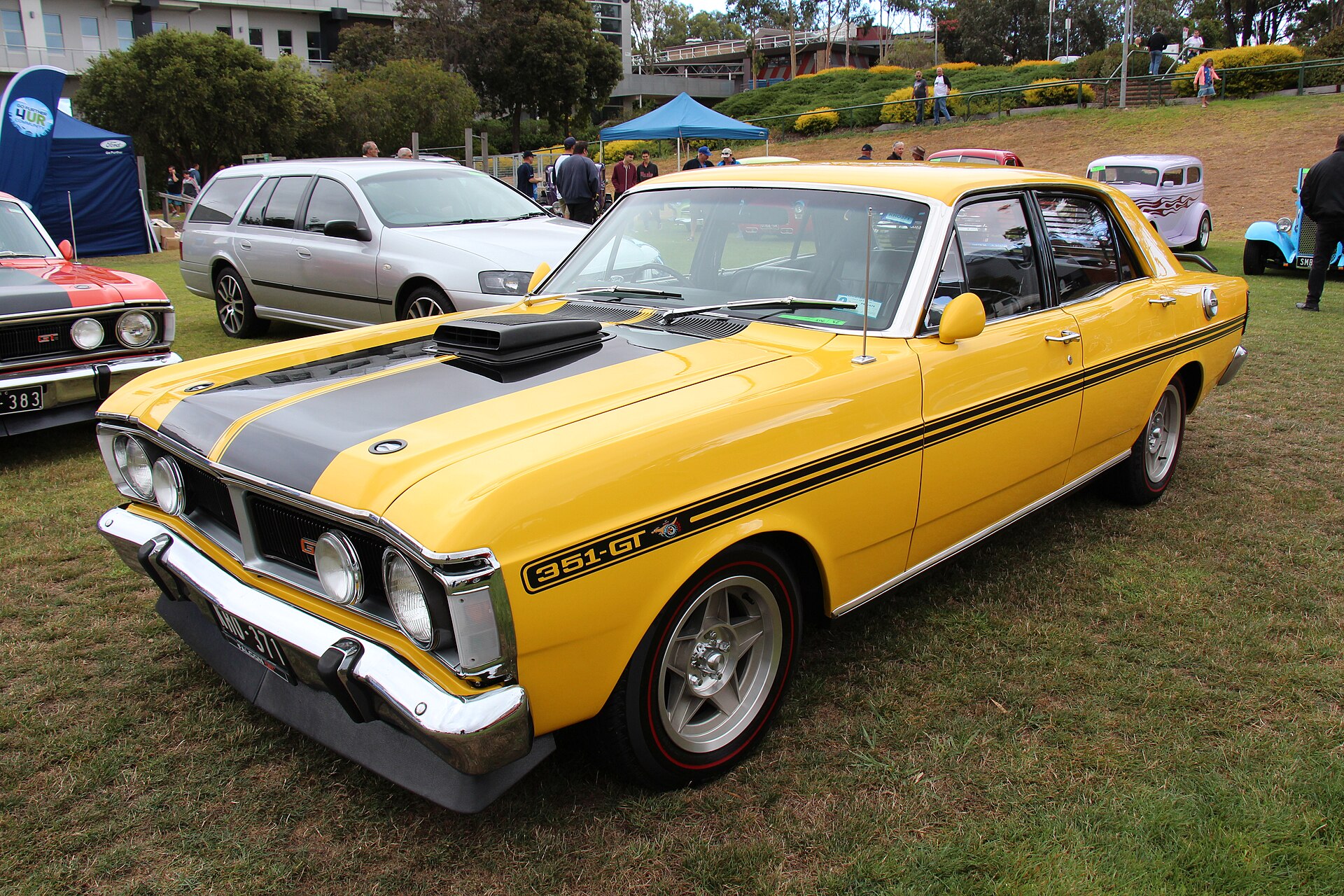
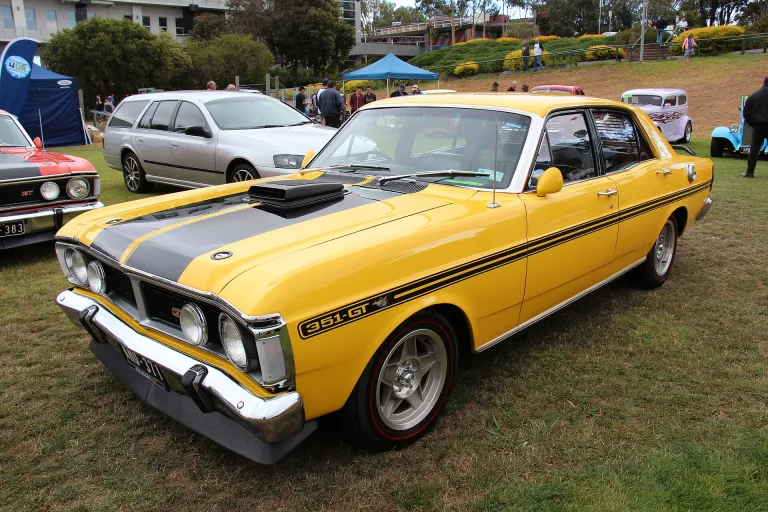
Ford Falcon GT
Classic- Years
- 1967–1976
- Body
- Sedan, Coupe
- Fuel
- Petrol
- Power, advertised
- 224 kW (305 PS · 300 hp)
- 0–100 km/h
- 6.9 s
6 of 8 generations
- Falcon XR GT
- Falcon XT GT
- Falcon XW GT and GT-HO
- Falcon XY GT and GT-HO Phase III
- Falcon XA GT
- Falcon XB GT
-
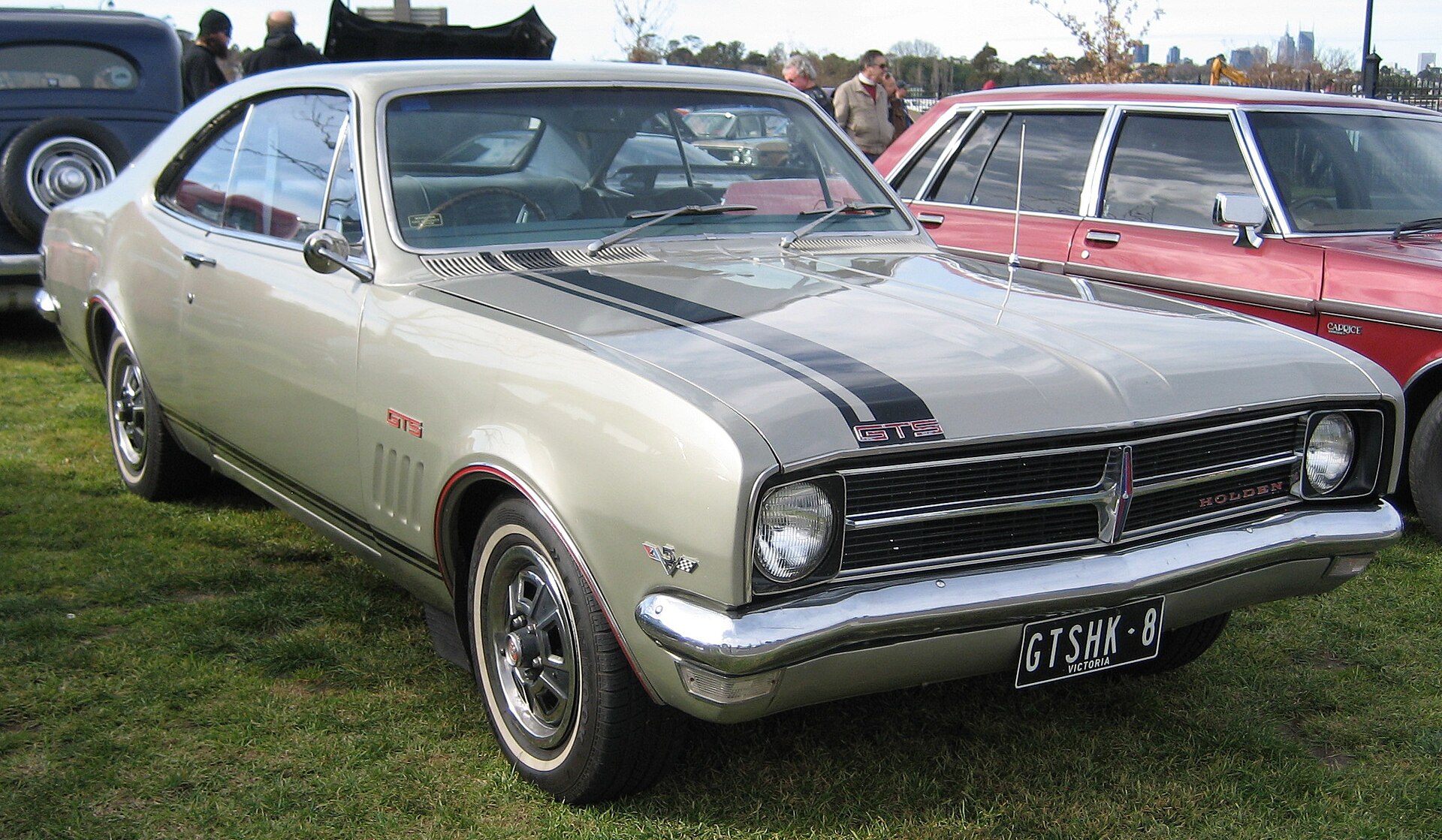
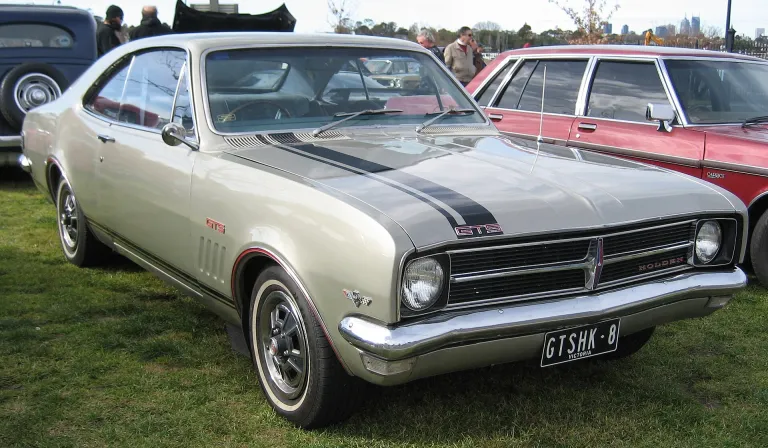
Holden Monaro
Classic- Years
- 1968–1979
- Body
- Coupe, Sedan
- Fuel
- Petrol
- Power, advertised
- 224 kW (305 PS · 300 hp)
2 of 3 generations
- HK/HT/HG
- HQ/HJ/HX/HZ
-
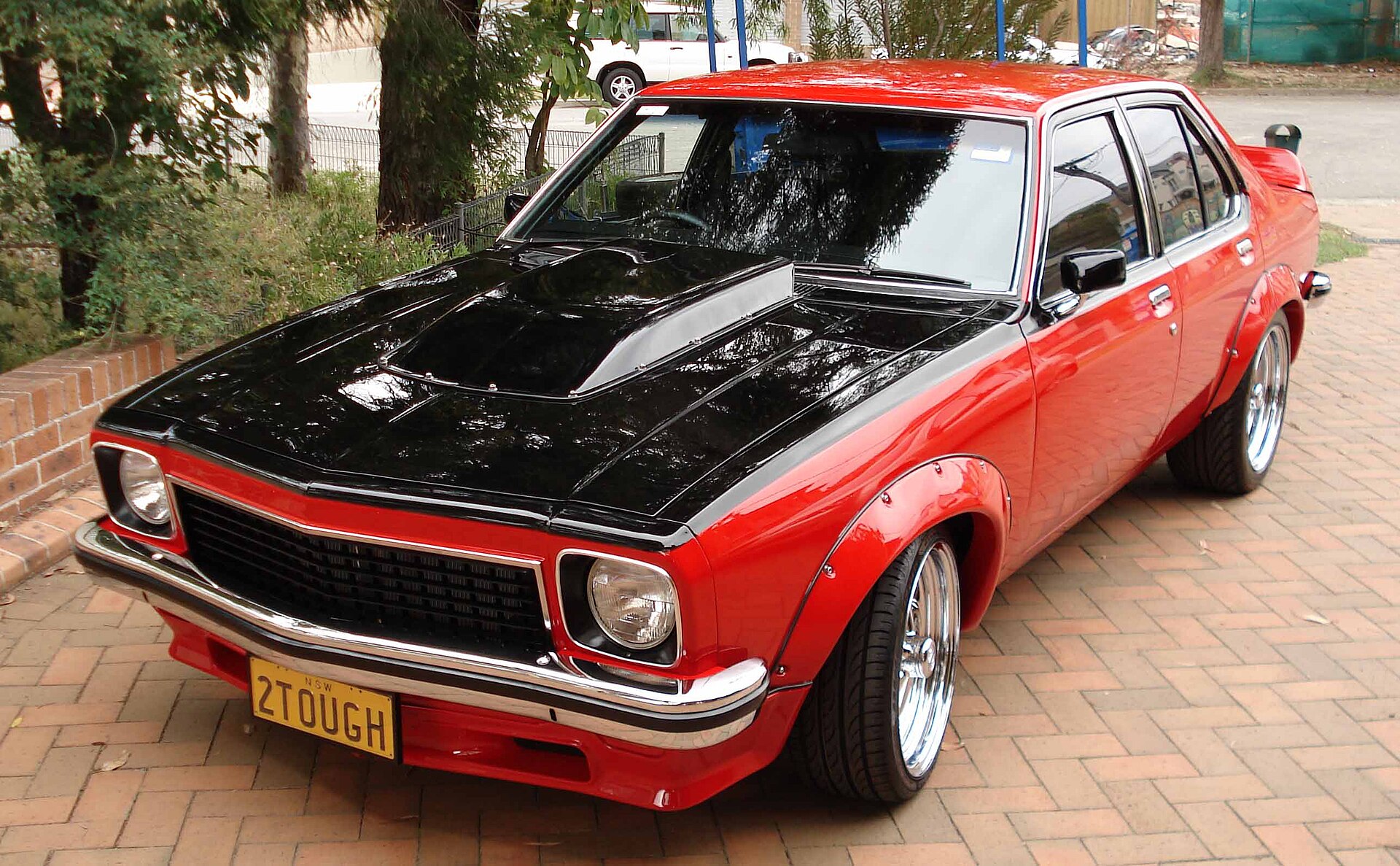
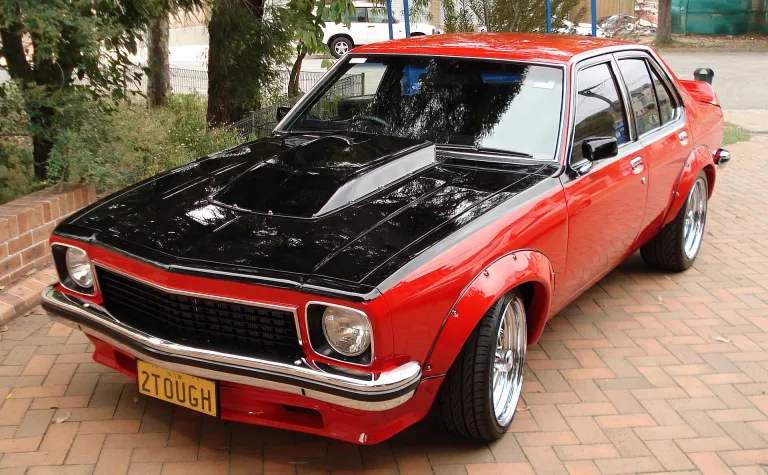
Holden Torana
Classic- Years
- 1970–1977
- Body
- Sedan, Hatchback
- Fuel
- Petrol
- Power, advertised
- 179 kW (243 PS · 240 hp)
4 of 6 generations
- LC
- LJ
- LH
- LX
-
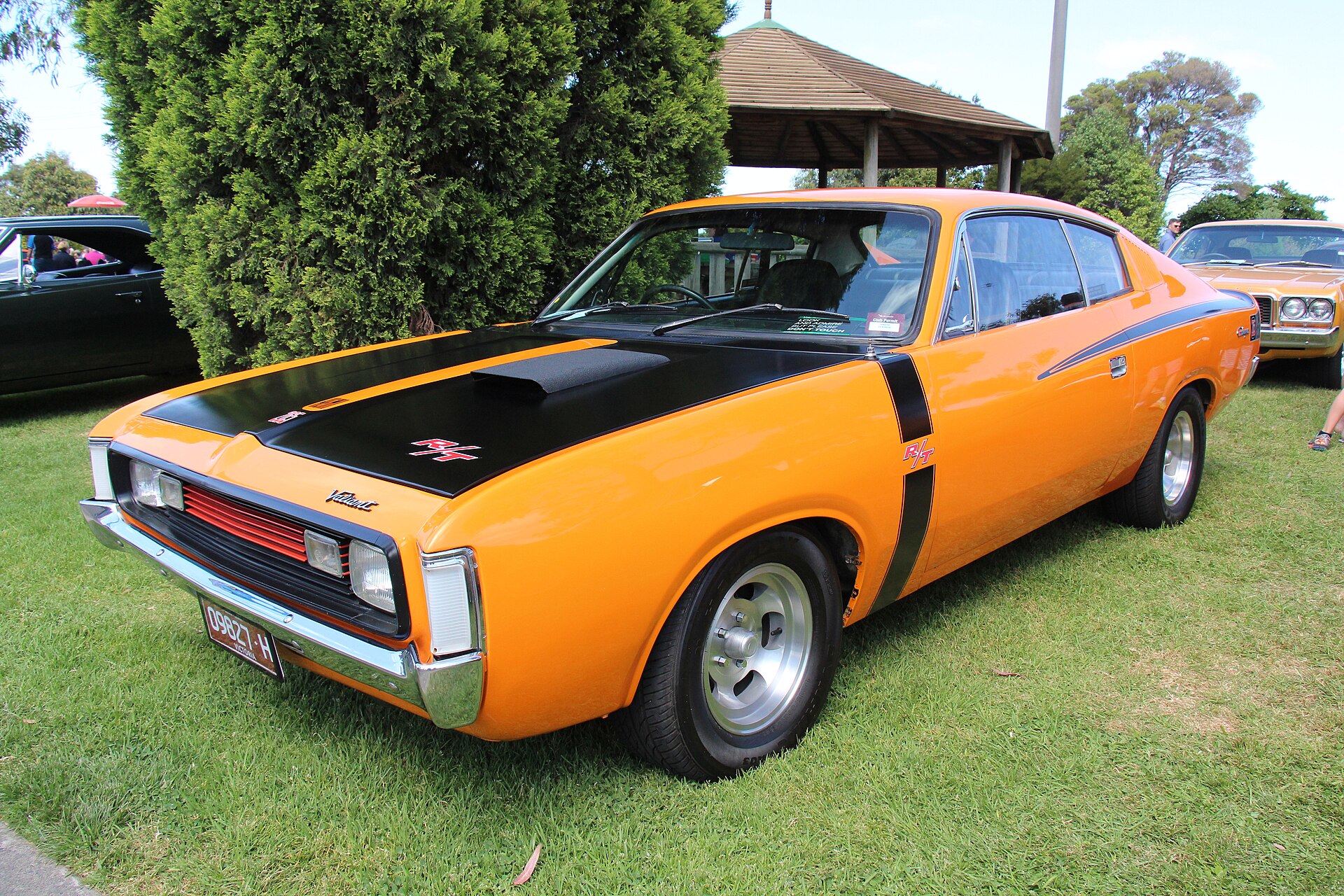
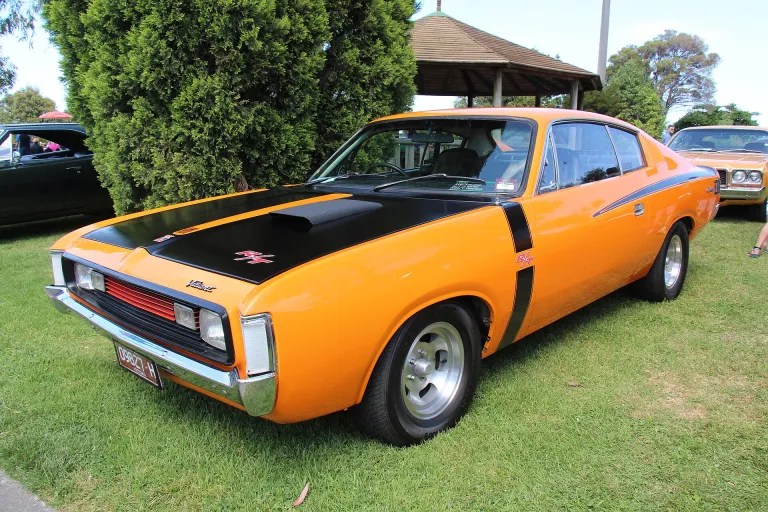
Chrysler Valiant Charger
Classic- Years
- 1971–1974
- Body
- Coupe
- Fuel
- Petrol
- Power, advertised
- 225 kW (306 PS · 302 hp)
2 of 4 generations
- VH
- VJ
-
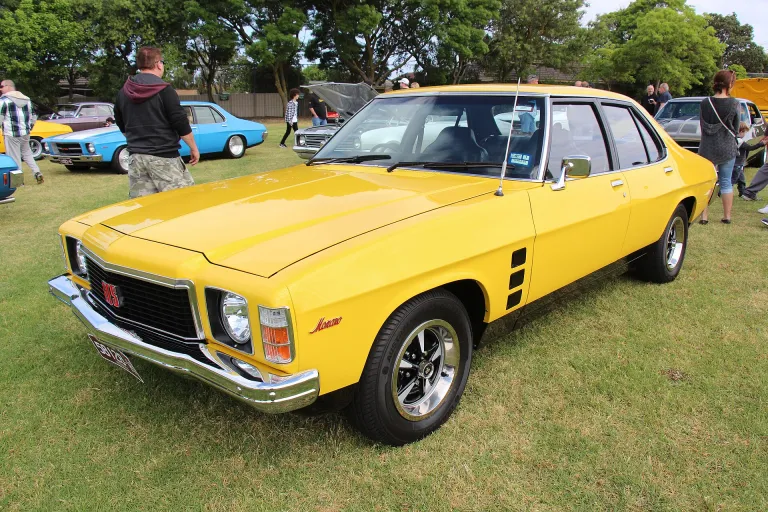
Holden HJ Monaro GTS
Classic- Years
- 1974–1976
- Body
- Sedan, Coupe
- Fuel
- Petrol
- Power, advertised
- 179 kW (243 PS · 240 hp)
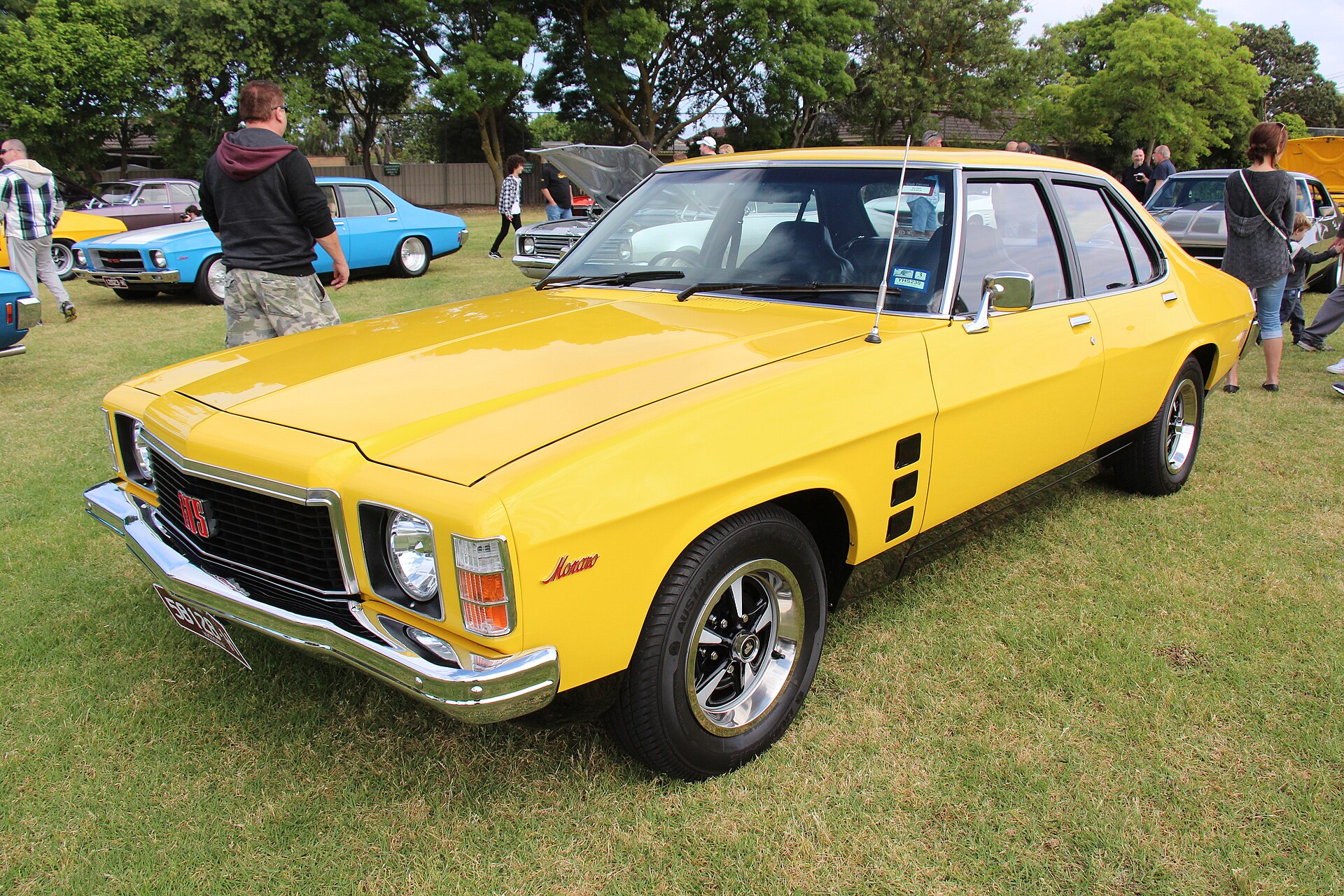
Australian muscle cars by power
Most powerful Australian muscle cars (advertised power)
5 models-
Chrysler Valiant Charger
 1971–1974
225 kW (306 PS · 302 hp)
-
Ford Falcon GT
 1967–1976
224 kW (305 PS · 300 hp)
-
Holden Monaro
 1968–1979
224 kW (305 PS · 300 hp)
-
Holden HJ Monaro GTS
1974–1976
179 kW (243 PS · 240 hp)
-
Holden Torana
1970–1977
179 kW (243 PS · 240 hp)
Figures: catalog data of each model's best version (or generation). Power in kW, then PS and hp, as advertised by the maker at the time; these figures are not ranked against the American SAE gross and net tables.
Australian Muscle Cars: questions and answers
What is an Australian muscle car?
A high-performance version of a car built in Australia by Holden, Ford Australia or Chrysler Australia in the late 1960s and the 1970s, with a big V8 or a tuned six: the Holden Monaro GTS, the Ford Falcon GT and GT-HO, the Holden Torana GTR XU-1, SL/R 5000 and A9X, and the Chrysler Valiant Charger R/T. Unlike the American list, four-door sedans count, because the Falcon GT-HO and the Torana SL/R 5000 were sedans.
Why did Australian makers build them?
Largely for racing. The Hardie-Ferodo 500 at Bathurst was run for series-production cars and required 200 road-going examples, so Ford, Holden and Chrysler sold homologation specials such as the Falcon GT-HO, the Torana XU-1 and the Charger R/T. Ford won Bathurst in 1970 and 1971 with the GT-HO Phase II and Phase III; its factory figure for the Phase III, 224 kW (300 bhp), is widely thought to understate the real output.
What was the 1972 Supercar scare?
On 25 June 1972 The Sun-Herald published Evan Green's article "160 MPH 'Super Cars' Soon" about the next Bathurst specials. Transport ministers called for a ban; Ford cancelled the Falcon GT-HO Phase IV with only four cars built, Holden dropped the V8 Torana XU-1 and Chrysler its V8 Charger performance versions, and for 1973 CAMS replaced Group E series-production racing with Group C.
Which Australian muscle car is the most powerful in the catalog?
The Chrysler Valiant Charger (1971–1974), with 225 kW (306 PS · 302 hp) as advertised by the maker.