 Chevrolet Bel Air
All generations, specs and history
Published Sources (1) Report an error
By Sarah Whitmore, Senior Automotive Writer
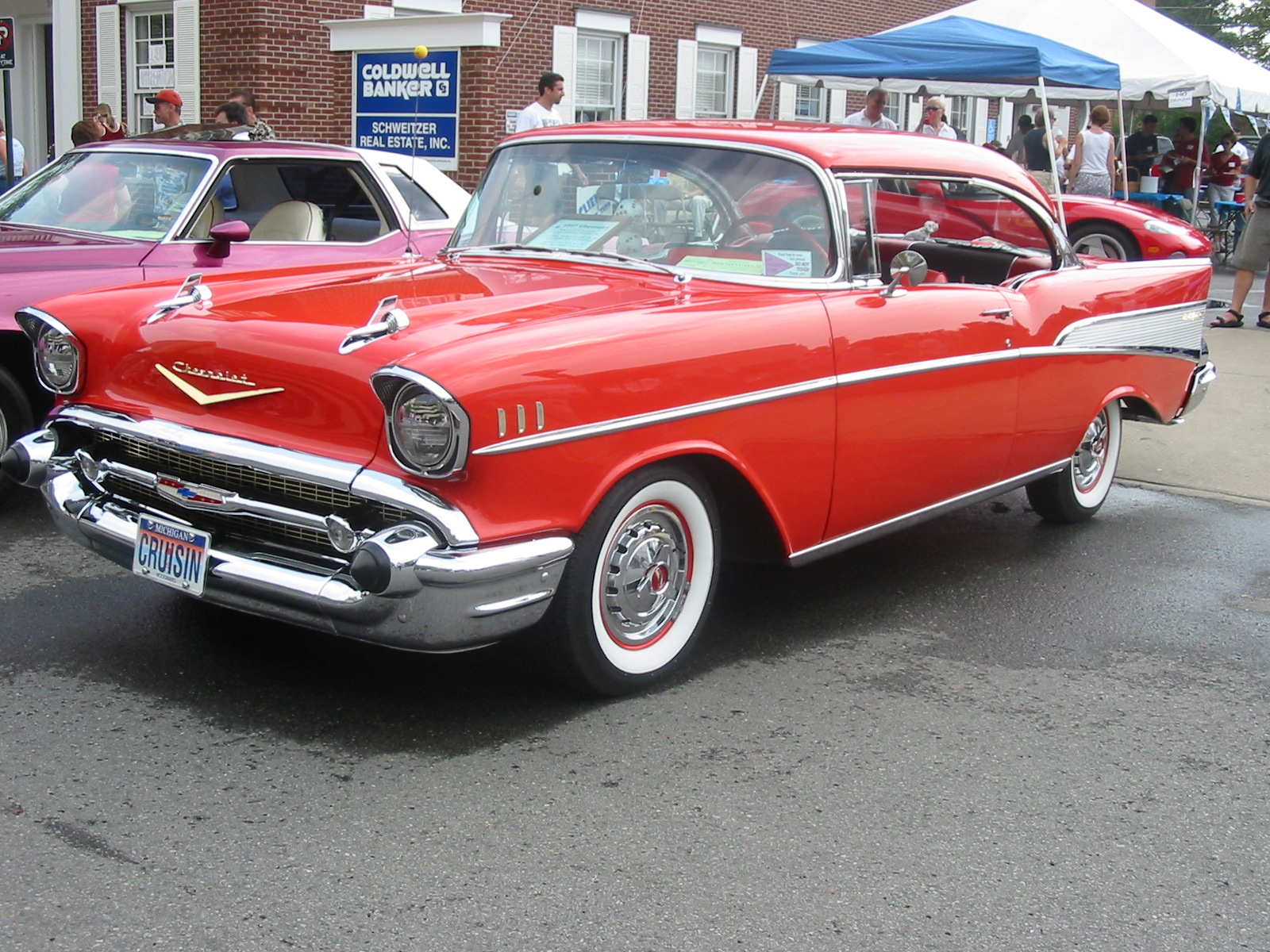
- Built
- 1950–1981
- Generations
- 9
- Top power
- 211 kW (287 PS)
Timeline
Bel Air generations
Click a generation for its own page
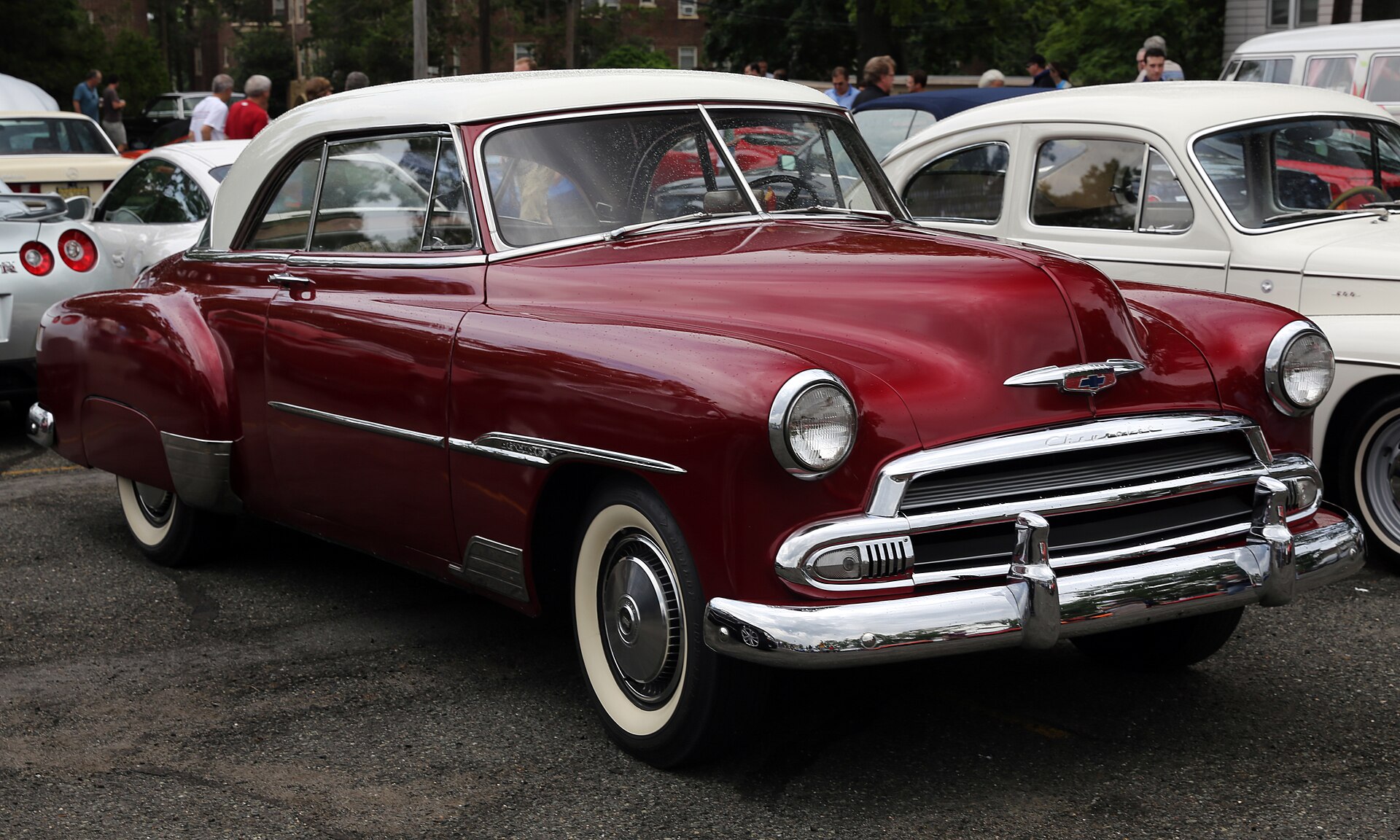
- Bel Air I 1950–1952
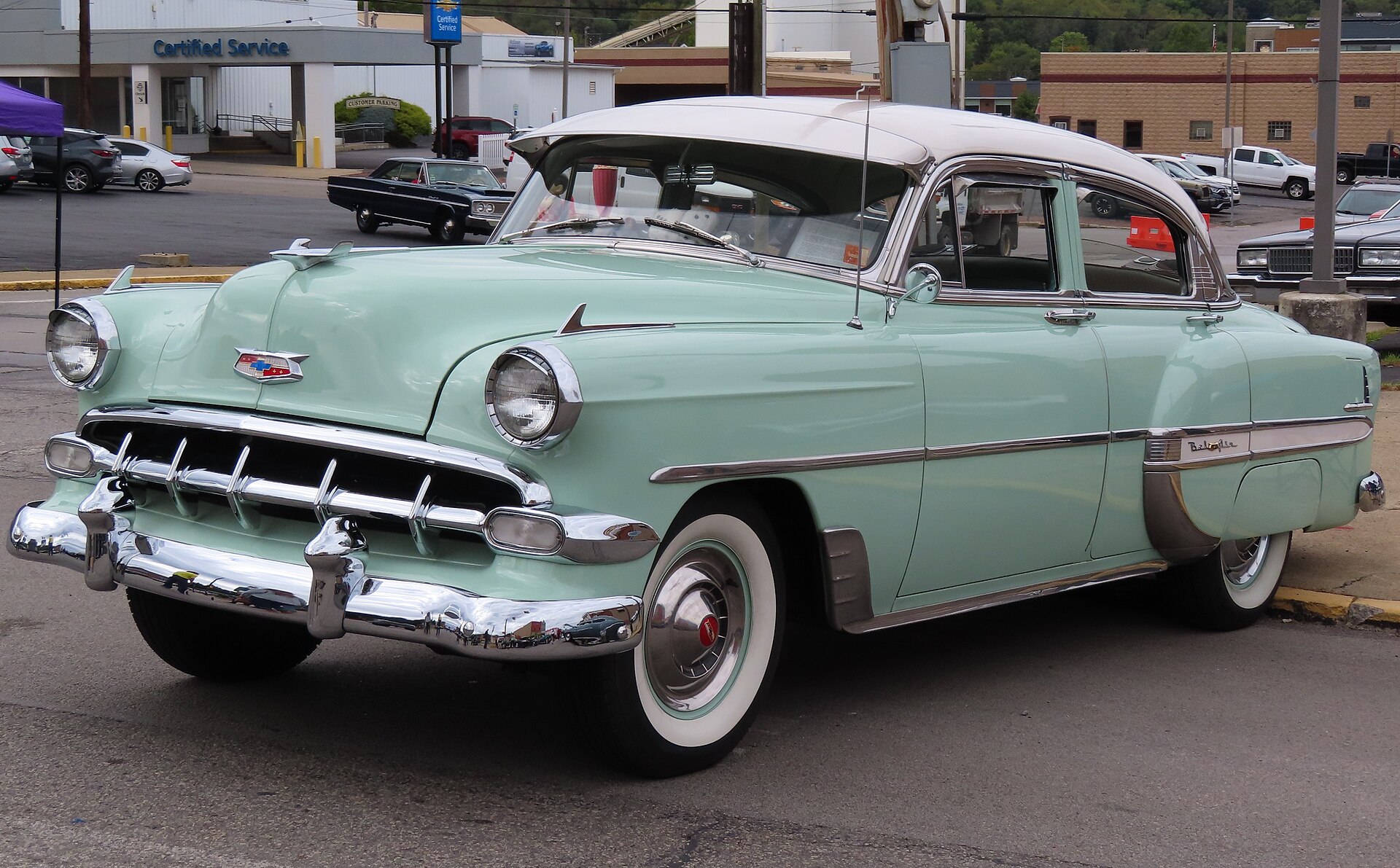
- Bel Air II 1953–1954
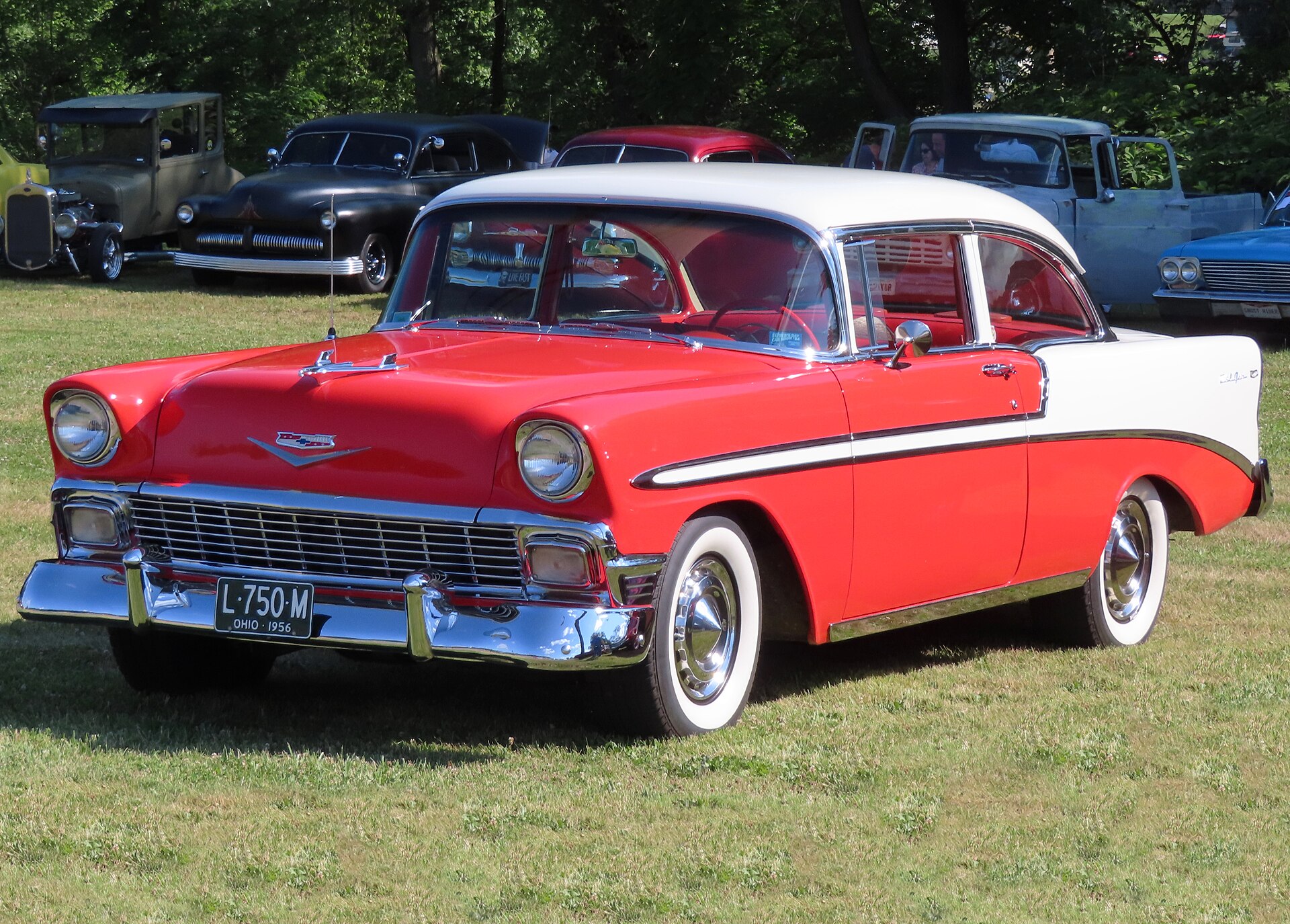
- Bel Air 'Tri-Five' 1955–1957
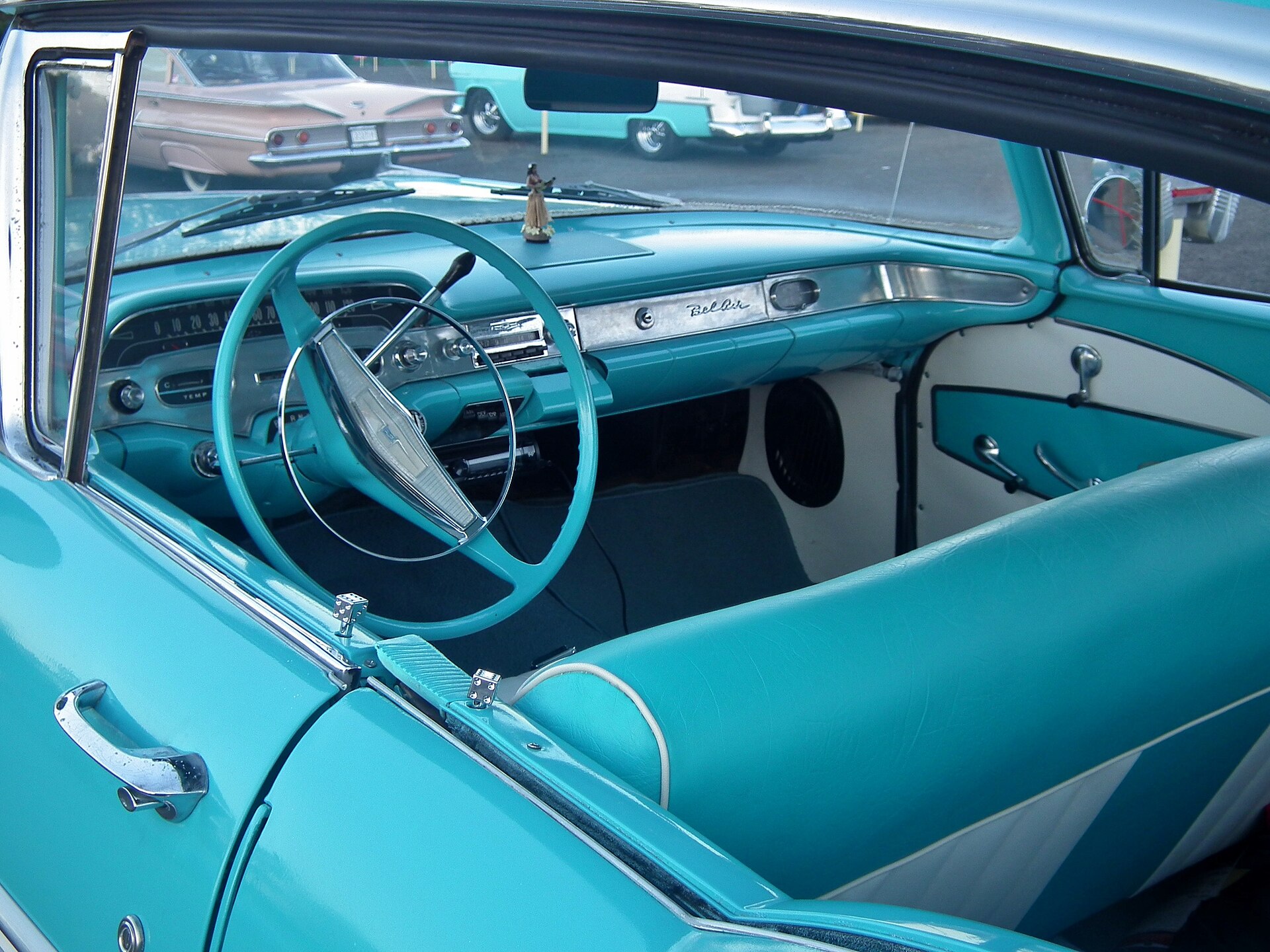
- Bel Air IV 1958
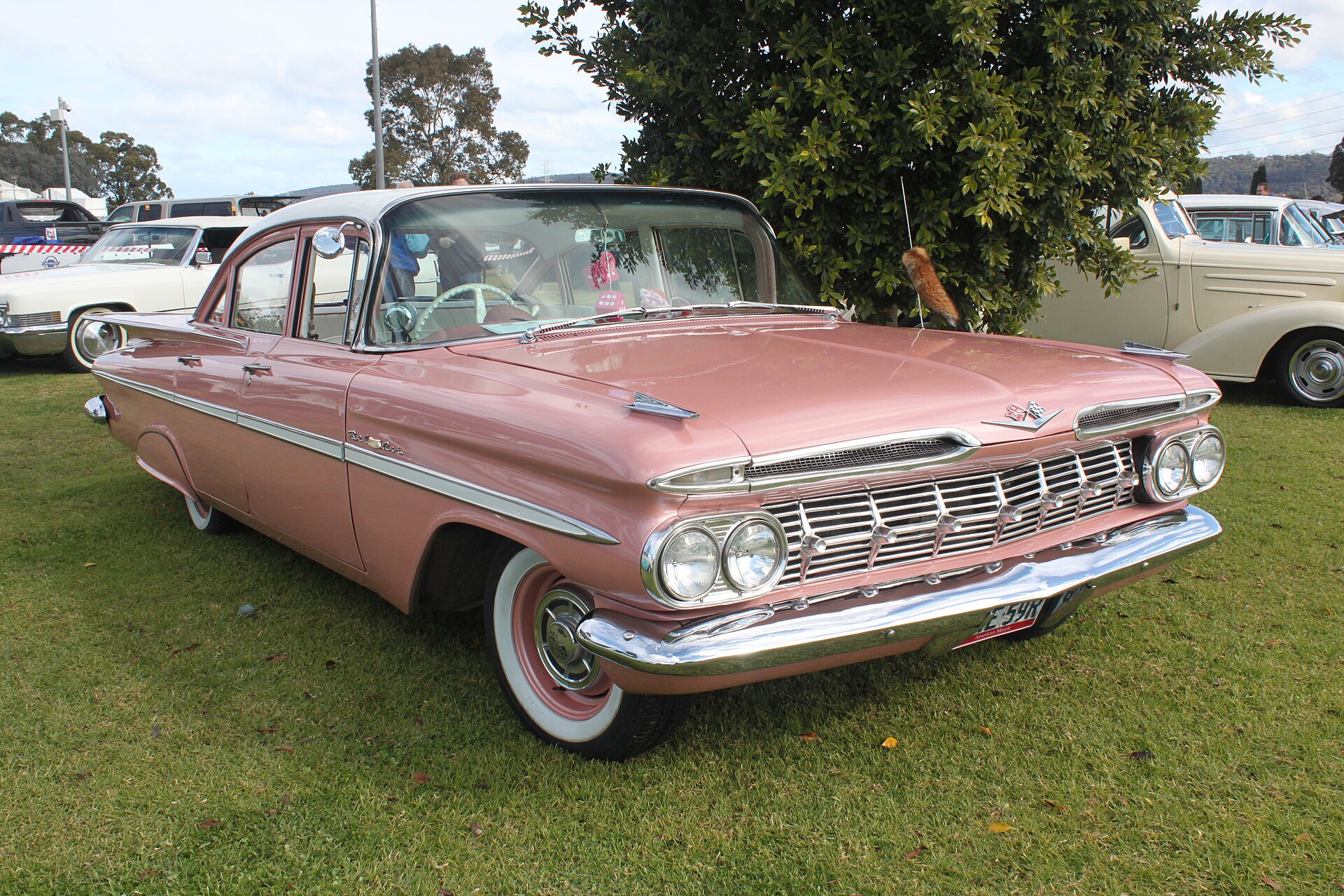
- Bel Air V 1959–1960
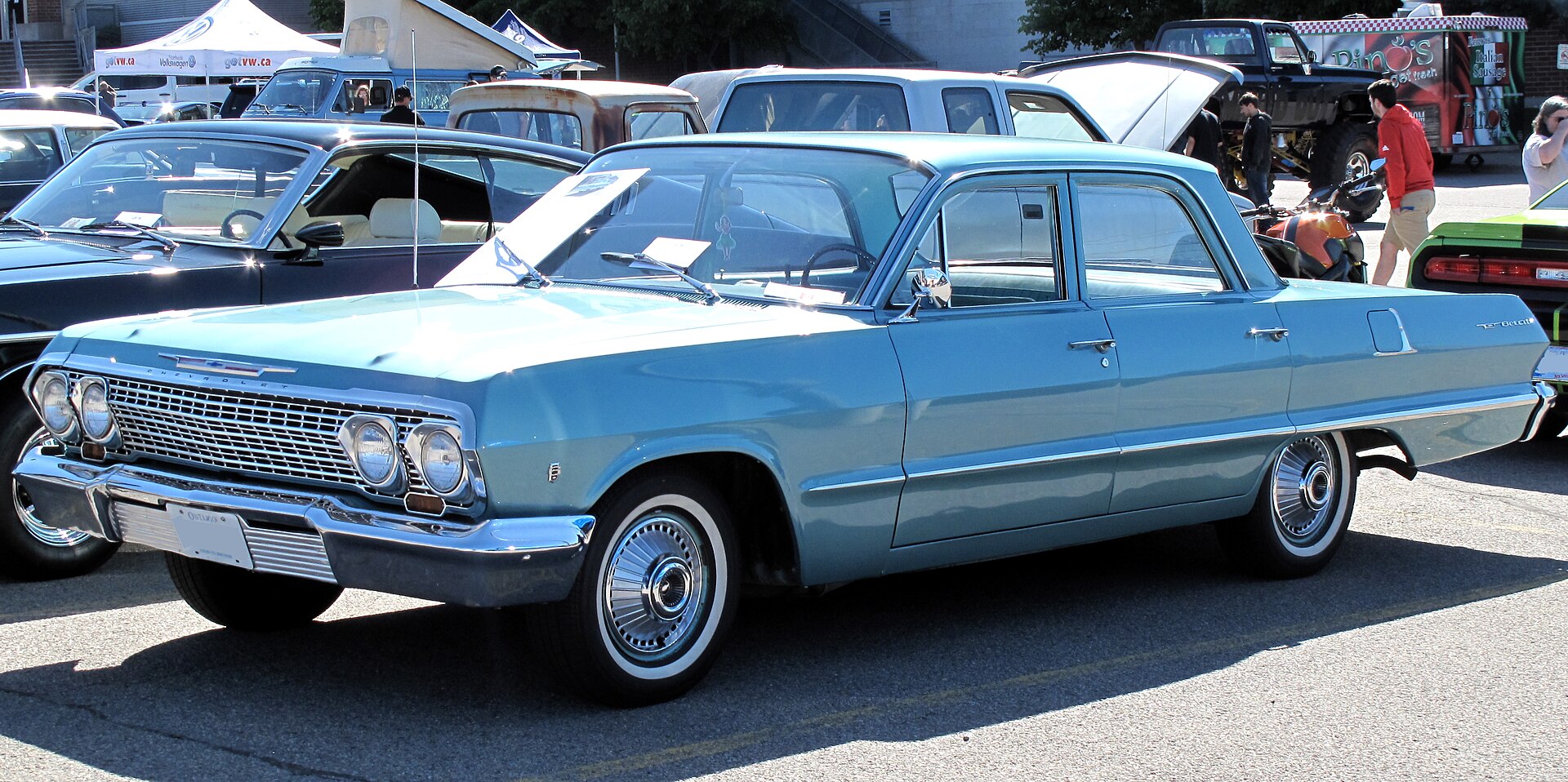
- Bel Air VI 1961–1964
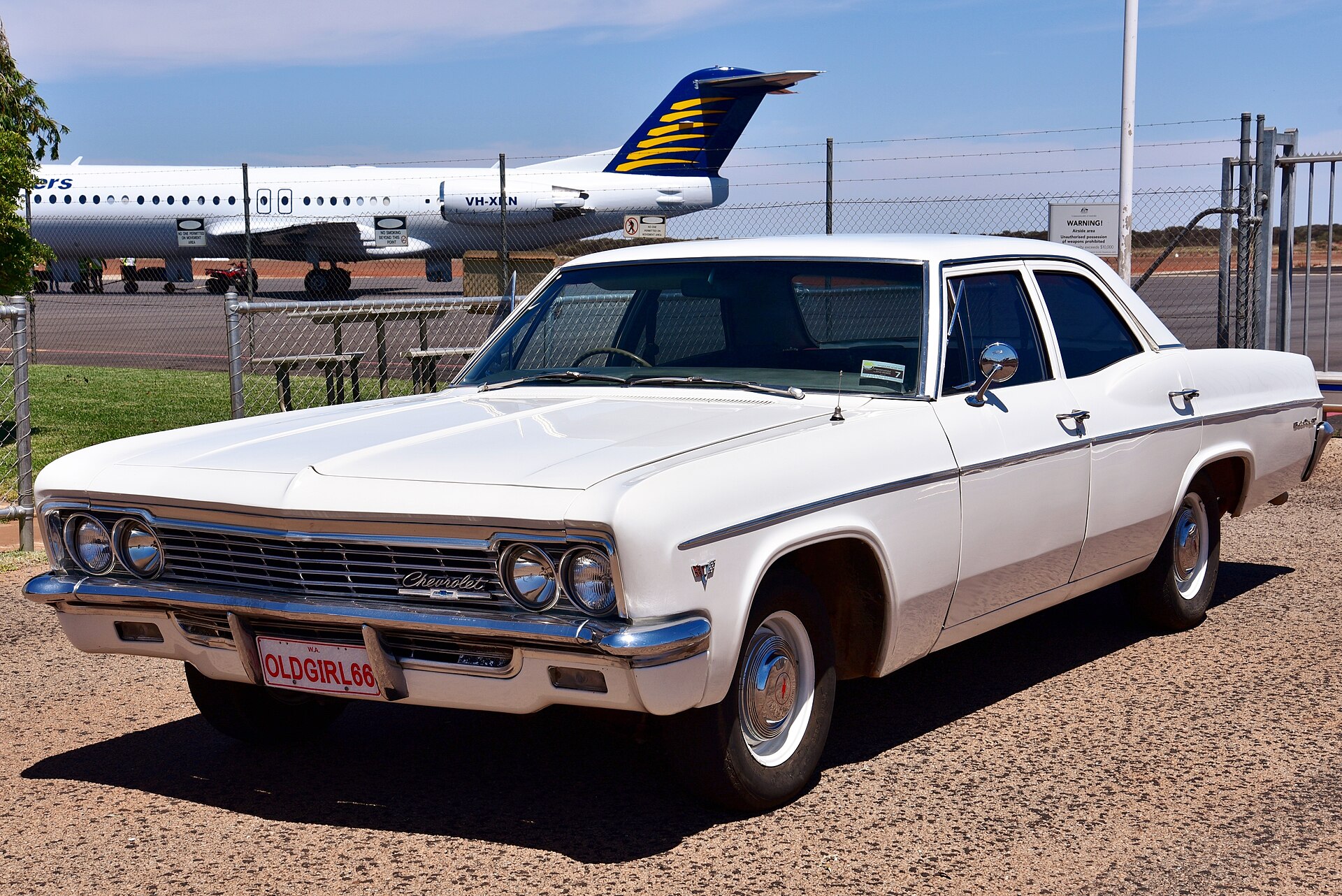
- Bel Air VII 1965–1970
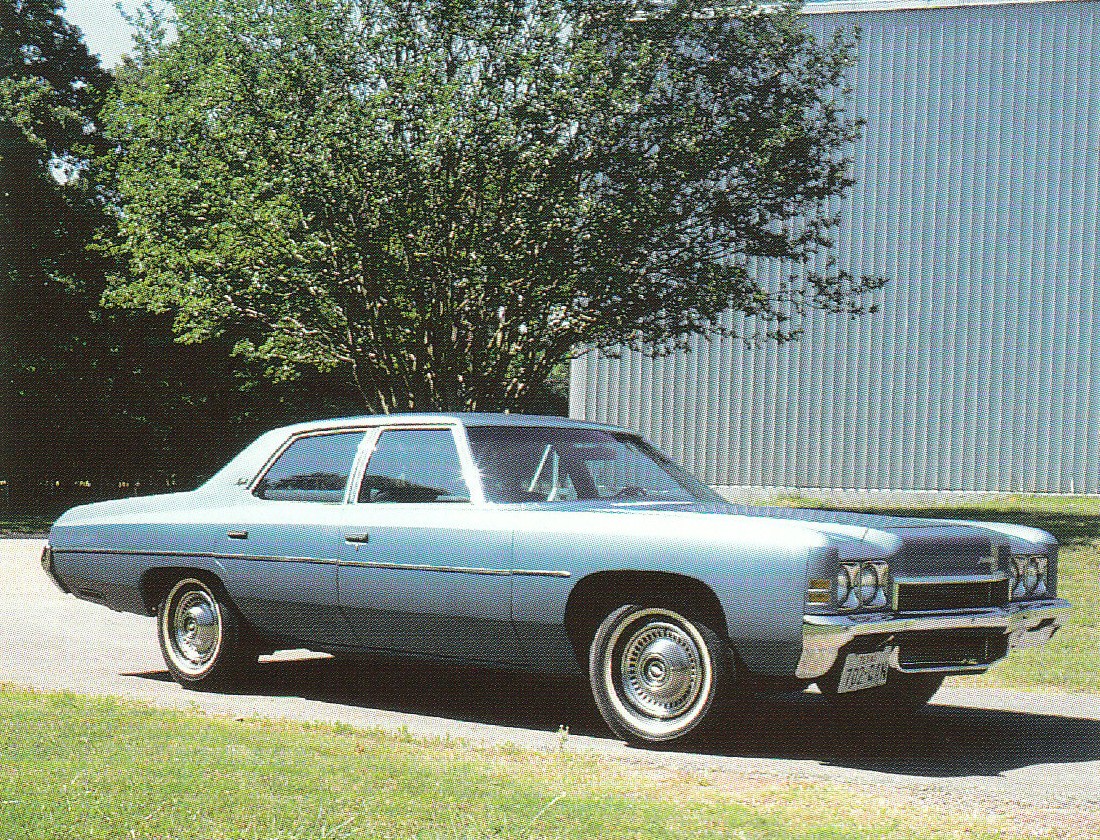
- Bel Air VIII 1971–1975
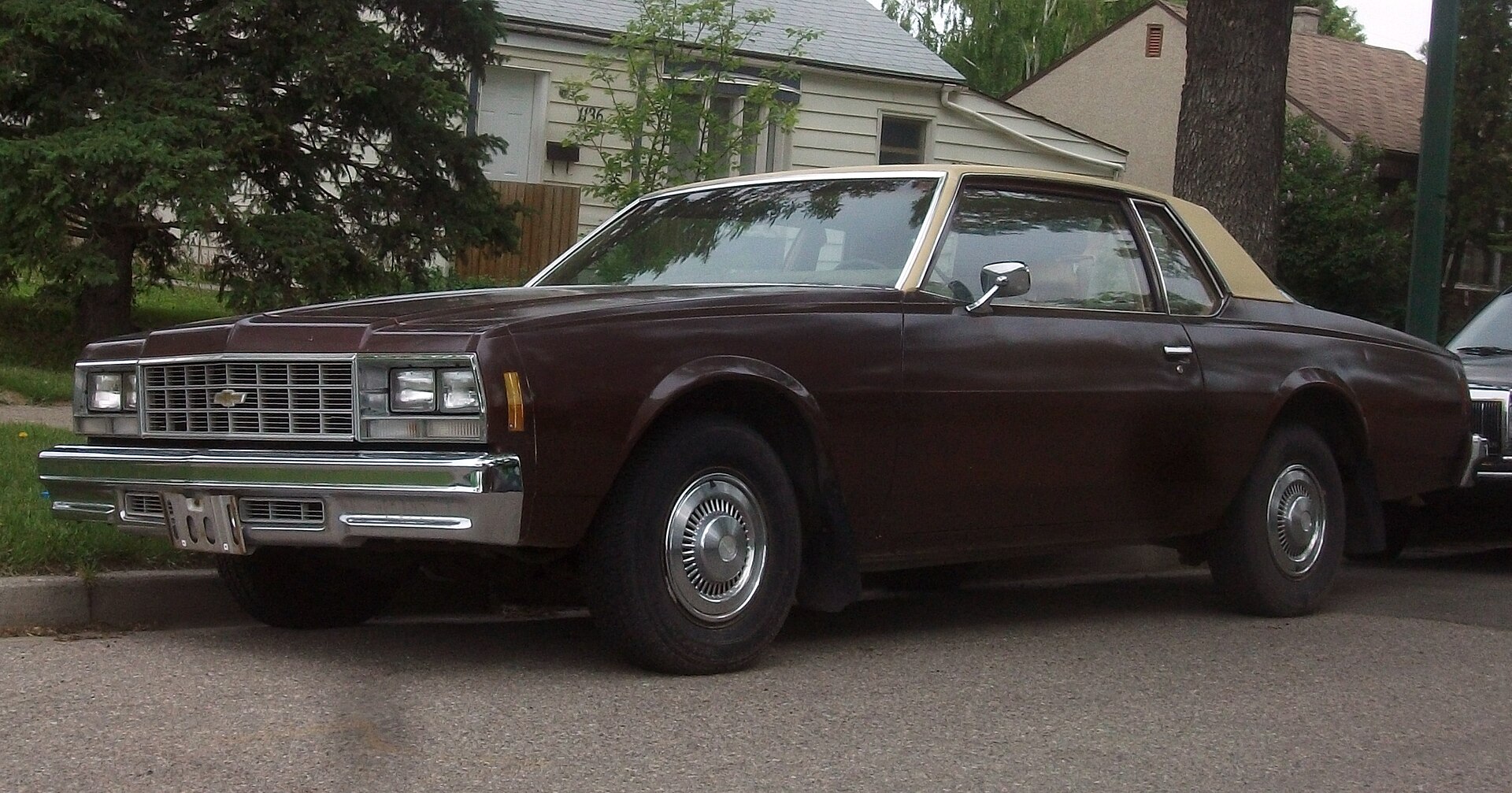
- Bel Air Canada 1977–1981
Newest first · 9 generations since 1950
-
1977
-
1971
-
1965
-
1961
-
1959
-
1958
-
1955
-
1953
-
1950


All generations by year: Bel Air Canada (1977–1981) · Bel Air VIII (1971–1975) · Bel Air VII (1965–1970) · Bel Air VI (1961–1964) · Bel Air V (1959–1960) · Bel Air IV (1958) · Bel Air 'Tri-Five' (1955–1957) · Bel Air II (1953–1954) · Bel Air I (1950–1952)
Which one is mine?
Pick the year of first registration to see which generation it is.
- Bel Air Canada 1977–1981
- Bel Air VIII 1971–1975
- Bel Air VII 1965–1970
- Bel Air VI 1961–1964
- Bel Air V 1959–1960
- Bel Air IV 1958
- Bel Air 'Tri-Five' 1955–1957
- Bel Air II 1953–1954
- Bel Air I 1950–1952
Which Bel Air to choose
Our verdict · Sarah Whitmore
- For the classic look: a 1955–1957 Tri-Five, ideally a 1957 hardtop or convertible.
- For performance: a 1957 car with the 283 cu in fuel-injected V8.
- For rarity: a Nomad two-door wagon of 1955–1957 (7,886 built in 1956).
- For an affordable entry: a 1960s Bel Air sedan or wagon.
Engine codes and trim should match the car's records. Other Chevrolet models are in the Chevrolet catalogue, and more cars of the decade under 1950s classics.
The Chevrolet Bel Air is the full-size Chevrolet that ran from 1950 to 1975 in the United States and until 1981 in Canada. It began as a two-door hardtop, became Chevrolet's top trim level across several body styles in 1953 and, with the 1955–1957 "Tri-Five" cars, introduced Chevrolet's first V8. The 1957 Bel Air, with the 283 cu in V8 and optional fuel injection, is described in English Wikipedia as an icon of its era and is highly sought after by collectors.
In short
- Named after the wealthy Bel Air district of Los Angeles; first offered in 1950 as a two-door hardtop "Sport Coupe".
- 1955: first Chevrolet V8, the 265 cu in small-block, with 121 kW (162 hp), or more with the Power Pack.
- 1957: 283 cu in V8 with Ramjet fuel injection rated at 211 kW (283 hp), one horsepower per cubic inch.
- From 1958 the Impala took the top position; the Bel Air moved down the range and ended as a fleet model.
Specs by version
Engines
| Version | Engine | Power | Drive | Production years |
|---|---|---|---|---|
| Bel Air I · 216.5 Thriftmaster I6 | 3.5 l · 6 cyl · Petrol 3,548 cc | 69 kW 94 PS93 hp | Rear-wheel drive | 1950 |
| Bel Air II · 235.5 Blue Flame I6 | 3.9 l · 6 cyl · Petrol 3,859 cc | 93 kW 126 PS125 hp | Rear-wheel drive | 1953–1954 |
| Bel Air 'Tri-Five' · 265 V8 | 4.3 l · 8 cyl · Petrol 4,343 cc | 121 kW 165 PS162 hp | Rear-wheel drive | 1955 |
| Bel Air 'Tri-Five' · 283 V8 Ramjet fuel injection | 4.6 l · 8 cyl · Petrol 4,638 cc | 211 kW 287 PS283 hp | Rear-wheel drive | 1957 |
Dimensions and weight
Show all 2 versions
| Version | Kerb weight |
|---|---|
| Bel Air I · 216.5 Thriftmaster I6 | 1,463 kg3,225 lb |
| Bel Air 'Tri-Five' · 265 V8 | 1,568 kg3,457 lb |
Verified Manufacturer and type-approval data from our catalog · Sources and methodology
Chevrolet Bel Air at a glance
| Parameter | Value |
|---|---|
| Maker | Chevrolet (General Motors) |
| Production | 1950–1975 (US); 1977–1981 (Canada) |
| Class | full-size car, front engine, rear-wheel drive |
| Body styles | hardtop coupé and sedan, sedans, convertible, station wagons incl. Nomad (1955–1957) |
| Engines | 216.5 and 235.5 cu in straight-sixes; 265, 283, 348 and later V8s |
| Power (1957 fuel injection) | 211 kW (283 hp) |
| Named after | Bel Air, Los Angeles |
Development and production history
The first Bel Air of 1950 was offered only as a two-door hardtop, marketed as the Sport Coupe. In its first year 76,662 were built, at US$1,741 (1950) and a weight of 1,463 kg (3,225 lb), with the 216.5 cu in "Thriftmaster" six of 69 kW (92 hp).
In 1953 the name became Chevrolet's top trim level and spread to the convertible, the hardtop, the sedans and, from 1954, the Beauville wagon. The 235.5 cu in "Blue Flame" six was rated at 81–93 kW (108–125 hp), the higher figure with the Powerglide automatic. In 1955 Chevrolet introduced its first V8, the 265 cu in small-block, and advertised the car as "the Hot One". The Tri-Five cars of 1955–1957 included the two-door Nomad wagon, assigned to the Bel Air series; 7,886 were built in 1956. The 1957 model offered the 283 cu in V8 with Ramjet fuel injection, rated at 211 kW (283 hp).
For 1958 the Bel Air moved to the new, longer, lower and heavier B-body, with a 348 cu in V8 option, and Chevrolet added the Impala above it as the new halo model. In 1959 the Bel Air reached 447,100 cars, but the Impala outsold it by about 20,000. From then on the Bel Air steadily moved down the range: by 1963 it had only two sedans, and in 1970 the US range consisted of a single four-door sedan.
After the Biscayne was dropped at the end of 1972, the Bel Air became the cheapest full-size Chevrolet, sold mostly to fleets, with the 350 V8 and the Turbo Hydramatic as standard. The last US Bel Airs were built for 1975; in Canada the name continued on downsized cars until 1981.
| Year | Event |
|---|---|
| 1950 | Bel Air Sport Coupe hardtop; 76,662 built |
| 1953 | Bel Air becomes the top trim line; Blue Flame six |
| 1954 | Beauville wagon |
| 1955 | First Chevrolet V8 (265 cu in); Nomad; "the Hot One" |
| 1957 | 283 cu in V8 with Ramjet fuel injection, 211 kW (283 hp) |
| 1958 | New B-body, 348 V8; Impala added above the Bel Air |
| 1959 | Tailfins; 447,100 Bel Airs built |
| 1961 | New body |
| 1965 | Full facelift |
| 1973 | Bel Air wagon returns |
| 1975 | Last US model year |
| 1977–1981 | Downsized Canadian Bel Air |


Design and engineering
The Bel Air is an American full-size car with a front engine and rear-wheel drive. The 1955 car weighed 1,568 kg (3,456 lb) and was about 4.9 m (16 ft) long, with 11-inch drum brakes and 43.1 in of front legroom. The 1959–1960 generation, with its tailfins, was much larger: 119 in (3,023 mm) of wheelbase and 211 in (5,359 mm) of length. From 1965 the Bel Air was distinguished by stainless belt mouldings and rear fender signatures.

Engines and drivetrain
| Engine | Years | Displacement | Power |
|---|---|---|---|
| Thriftmaster I6 | 1950 | 216.5 cu in (3.5 l) | 69 kW (92 hp) |
| Blue Flame I6 | 1953–1954 | 235.5 cu in (3.9 l) | 81–93 kW (108–125 hp) |
| Small-block V8 | 1955 | 265 cu in (4.3 l) | 121 kW (162 hp); 134 kW (180 hp) with Power Pack; 11 kW (15 hp) more with Super Power Pack |
| Small-block V8, Ramjet fuel injection | 1957 | 283 cu in (4.6 l) | 211 kW (283 hp) |
| V8 | from 1958 | 348 cu in (5.7 l) | — |
| I6 | from 1963 | 230 cu in (3.8 l) | — |
| Small-block V8 | 1971–1975 | 350 cu in (5.7 l) | standard with Turbo Hydramatic |
The 211 kW (283 hp) of the 1957 injected engine equals one horsepower per cubic inch of displacement. Our power converter translates the US horsepower figures into kW and PS.
Chevrolet Bel Air specifications (1955)
| Parameter | Metric | Imperial |
|---|---|---|
| Length | about 4,900 mm | about 16 ft |
| Kerb weight | 1,568 kg | 3,456 lb |
| Front legroom | 1,095 mm | 43.1 in |
| Brakes | 279 mm drums | 11 in |
| Engine | 4.3 l V8 or 3.9 l I6 | 265 / 235.5 cu in |
| Power | 121–134 kW | 162–180 hp |
Generations and variants
| Generation | Years | Notes |
|---|---|---|
| First | 1950–1952 | two-door hardtop (Sport Coupe) only |
| Second | 1953–1954 | top trim across body styles; Beauville wagon (1954) |
| Tri-Five | 1955–1957 | first V8; Nomad wagon; 1957 fuel injection |
| B-body | 1958 | longer and lower; Impala added above |
| Tailfin cars | 1959–1960 | 119 in wheelbase, 211 in length |
| Fifth | 1961–1964 | new body 1961; facelift 1963 |
| Sixth | 1965–1970 | full facelift; single sedan in 1970 (US) |
| Seventh | 1971–1975 | fleet-oriented sedans and wagons |
| Canada | 1977–1981 | downsized, sedan, coupé and wagon |
Prices also show how the model was positioned. In 1956 the cheapest Bel Air, the two-door sedan, cost US$2,025 (1956), and the Nomad US$2,608 (1956). In 1975 Consumer Reports placed the Bel Air second in a test of full-size cars and recommended the Impala for its better sound insulation and comfort.

The Bel Air in numbers
The figures in English Wikipedia show how quickly the car grew. From 76,662 hardtops in 1950 to 447,100 cars in 1959, Bel Air production rose almost six times, and even then the new Impala sold about 20,000 more. Power rose even faster: from 69 kW (92 hp) for the 1950 six to 211 kW (283 hp) for the 1957 fuel-injected V8, an increase of about three times in seven model years. The weight went up only from 1,463 kg in 1950 to 1,568 kg in 1955. The 1955 V8 car therefore had about 13 kg per kilowatt, against about 21 kg for the 1950 six.
Prices moved more slowly. The 1950 Sport Coupe cost US$1,741 (1950), the 1956 two-door sedan US$2,025 (1956), and the 1956 Nomad, at US$2,608 (1956), about 29% more than the cheapest Bel Air of that year. Our power-to-weight calculator applies the same kind of comparison to any modern car.
Legacy
The Tri-Five Bel Air, and the 1957 car in particular, is one of the best-known American cars of the 1950s and is highly sought after by collectors. English Wikipedia also mentions a Pikes Peak record run by a 1956 four-door hardtop. The car's maker is covered in our history of Chevrolet, its parent in the history of General Motors, and the model that took over the top position in the Chevrolet Impala SS article.
Photo gallery

Chevrolet Bel Air evolution in numbers
Did you know?
- The Chevrolet Bel Air ran for 31 years, from 1950 to 1981, over 9 generations in our catalog.
- The longest-running generation is the Bel Air VII (1965–1970): 5 years.
- The biggest jump in power came with the Bel Air 'Tri-Five': up to 211 kW (287 PS), 118 kW more than the Bel Air II.
Most powerful version, kW
Figures from the 1cars catalog: power is the strongest version of each generation; generations without the figure are left out.
Image credits · Photos from Wikimedia Commons under free licences
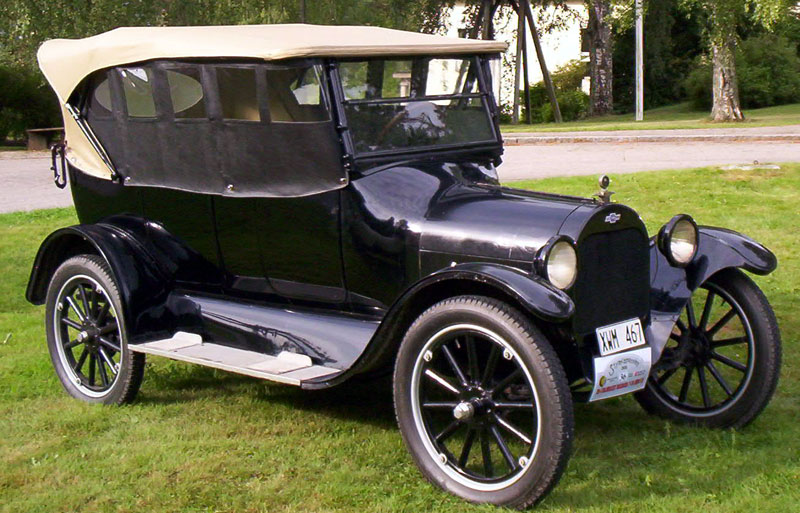
- Chevrolet Bel Air I · Photo: Mr.choppers / Wikimedia Commons, CC BY-SA 3.0
- Chevrolet Bel Air II · Photo: MercurySable99 / Wikimedia Commons, CC BY-SA 4.0
- Chevrolet Bel Air 'Tri-Five' · Photo: MercurySable99 / Wikimedia Commons, CC BY-SA 4.0
- Chevrolet Bel Air IV · Photo: sv1ambo / Wikimedia Commons, CC BY 2.0
- Chevrolet Bel Air V · Photo: Jeremy from Sydney, Australia / Wikimedia Commons, CC BY 2.0
- Chevrolet Bel Air VI · Photo: Elise240SX / Wikimedia Commons, CC BY-SA 4.0
- Chevrolet Bel Air VII · Photo: Bahnfrend / Wikimedia Commons, CC BY-SA 4.0
- Chevrolet Bel Air VIII · Photo: Chevrolet pre-1978 / Wikimedia Commons, Public domain
- Chevrolet Bel Air Canada · Photo: dave_7 from Lethbridge, Canada / Wikimedia Commons, CC BY 2.0
Chevrolet Bel Air in our rankings
- No. 6 of 345 · Cars with the most generations (9 generations)
- No. 60 of 912 · Longest-running car nameplates (31 years · top 7%)
- No. 39 of 131 · Biggest engines: sedans (3,859 cc · top 30%)
- No. 163 of 557 · Biggest engines: cars (4,638 cc · top 30%)
- No. 35 of 79 · Heaviest coupes (1,568 kg · top 45%)
- No. 142 of 304 · Lightest cars (1,463 kg · top 47%)
More generations than 97% of ranked nameplates in the 1CARS catalog (No. 6 of 345).
FAQ
When was the Chevrolet Bel Air produced?
From 1950 to 1975 in the United States and until 1981 in Canada.
What engine does the 1957 Chevrolet Bel Air have?
Sixes and V8s; the most famous is the 283 cu in V8 with Ramjet fuel injection, rated at 211 kW (283 hp).
What is a Tri-Five Chevrolet?
The 1955, 1956 and 1957 Chevrolets, including the Bel Air, which introduced the small-block V8.
What is the difference between the Bel Air and the Impala?
From 1958 the Impala was the higher-trim halo model and the Bel Air sat below it; in the early 1950s the Bel Air was the top model above the 150 and 210 series.
Why is it called Bel Air?
It was named after the wealthy Bel Air neighbourhood of Los Angeles.
Data sources
Data checked by an editor against the sources below.