
 Chevrolet Camaro
All generations, specs and history
Updated Published Sources (10) Report an error
By Sarah Whitmore, Senior Automotive Writer Reviewed by Oleksandr Hnatiuk

- Built
- 1966–2024
- Generations
- 6
- Top power
- 485 kW (659 PS)
- New price
- from about €40,400 (2016)
Timeline
Camaro generations
Click a generation for its own page
- Camaro I 1966–1969 · Coupe, Convertible · 104–321 kW (141–436 PS)
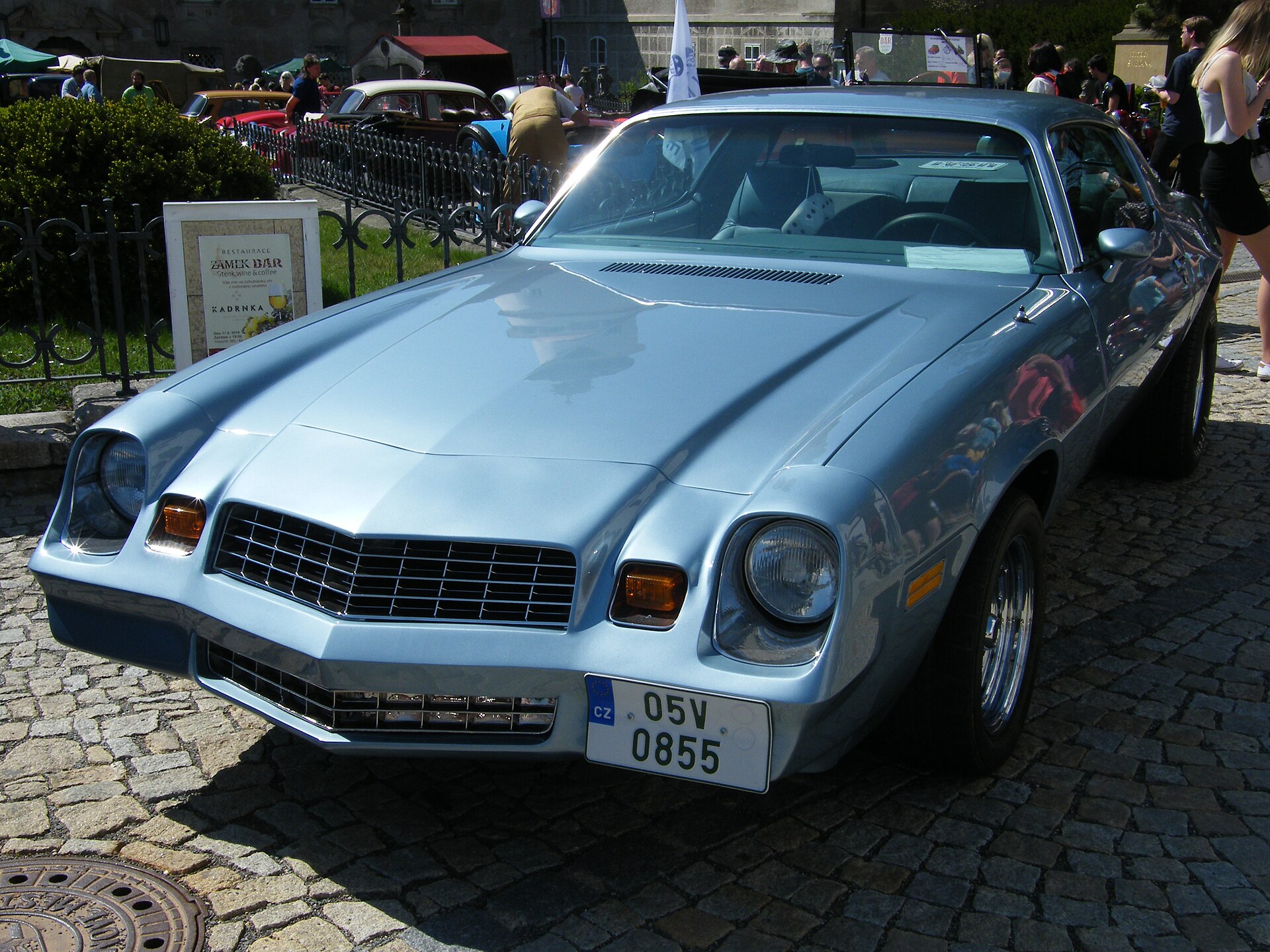
- Camaro II 1970–1981 · Coupe · 89–280 kW (121–381 PS)
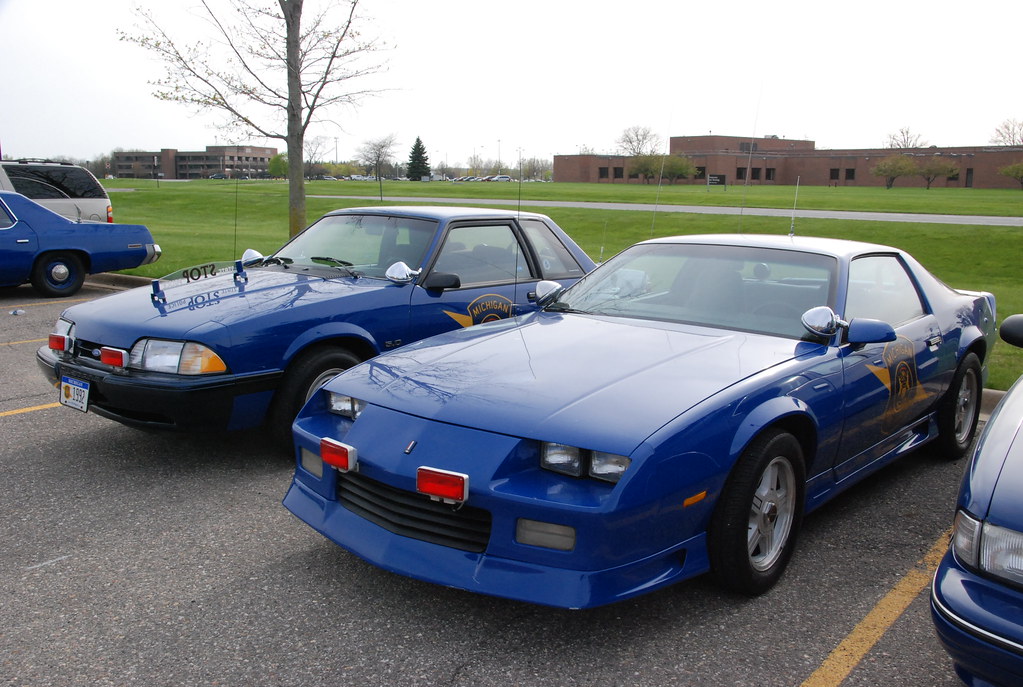
- Camaro III 1982–1992 · Hatchback, Convertible · 66–183 kW (90–249 PS)
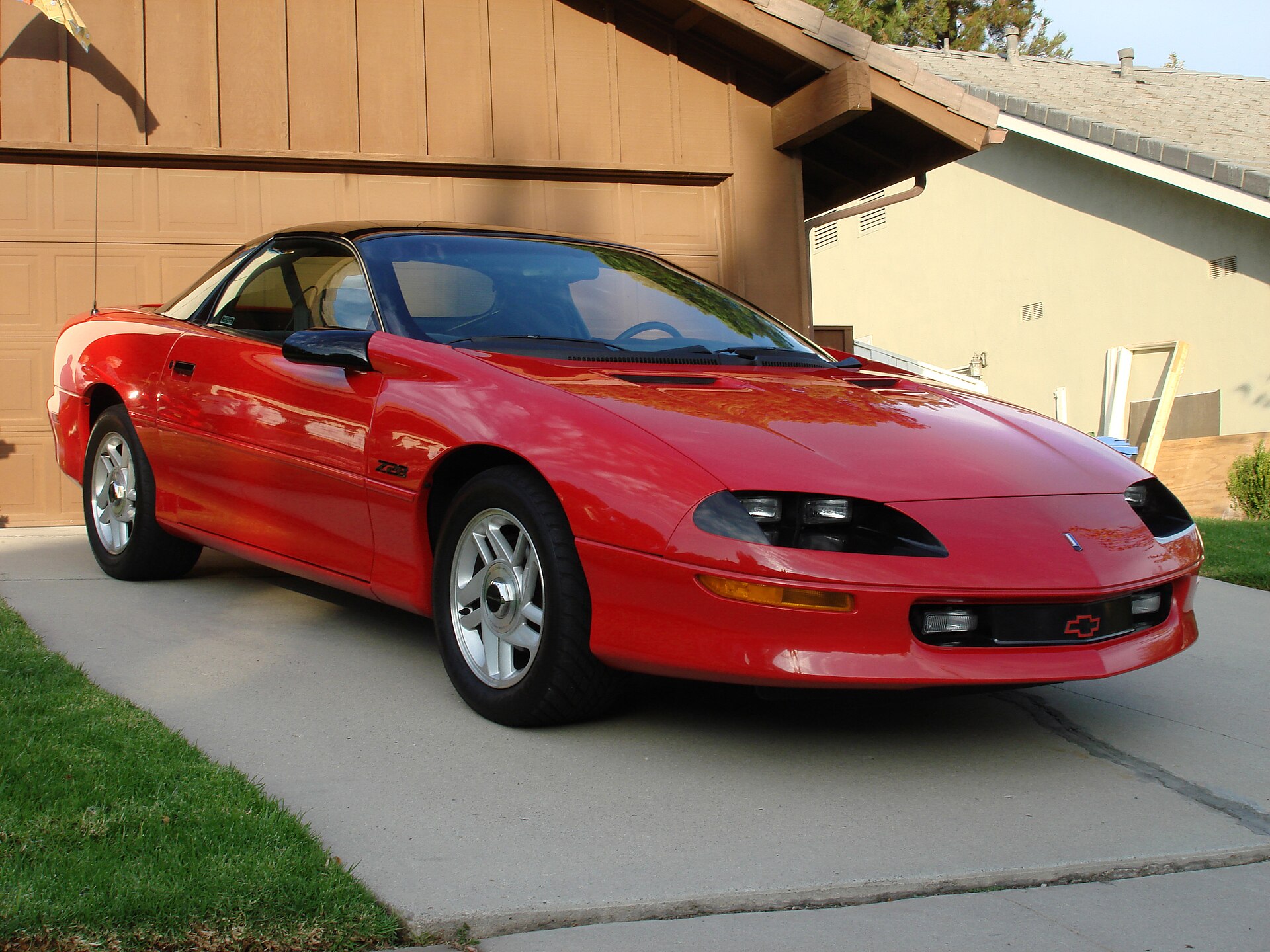
- Camaro IV 1993–2002 · Coupe, Convertible · 119–246 kW (162–334 PS)
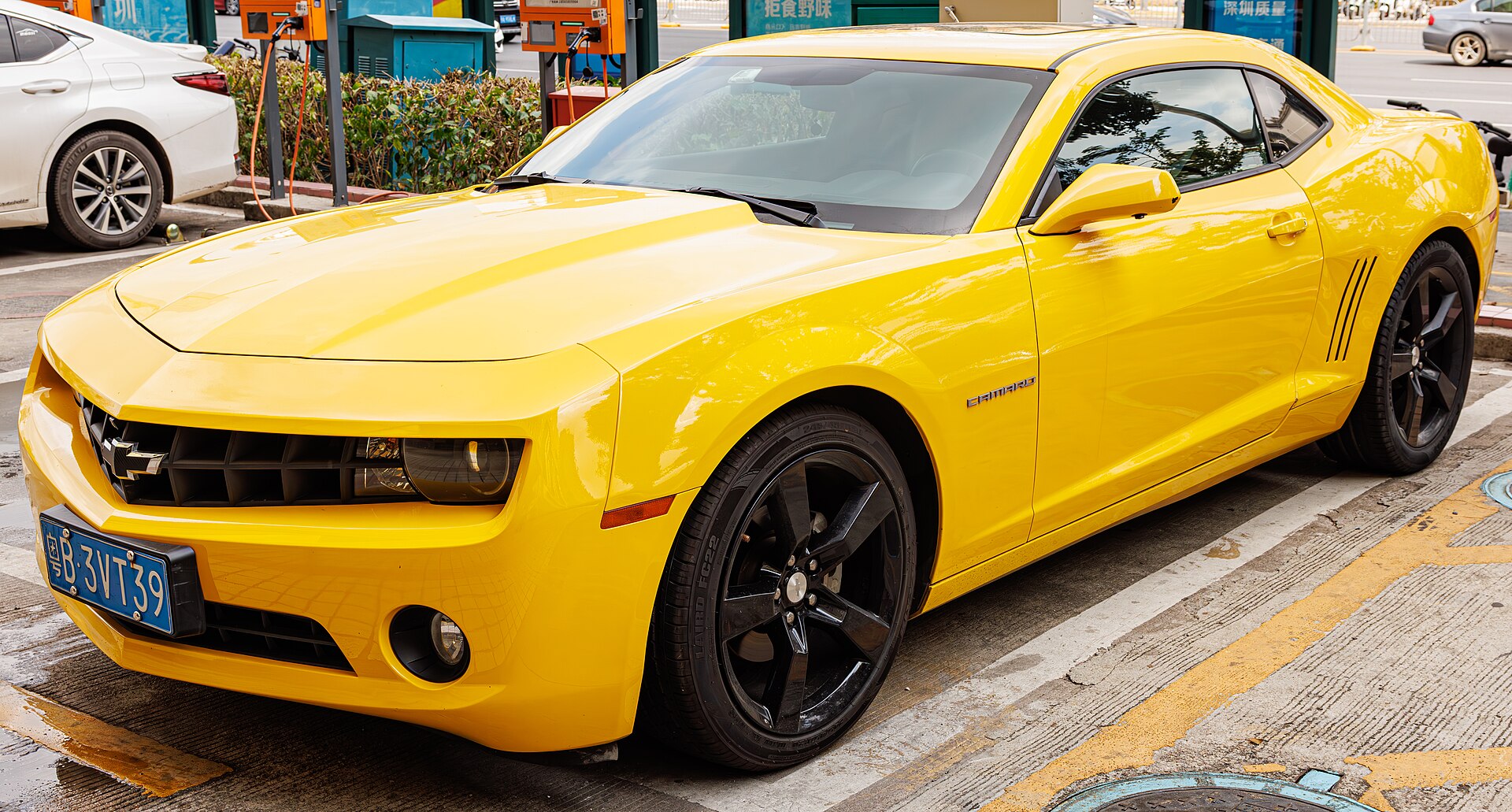
- Camaro V 2009–2015 · Coupe, Convertible · 227–433 kW (309–589 PS)
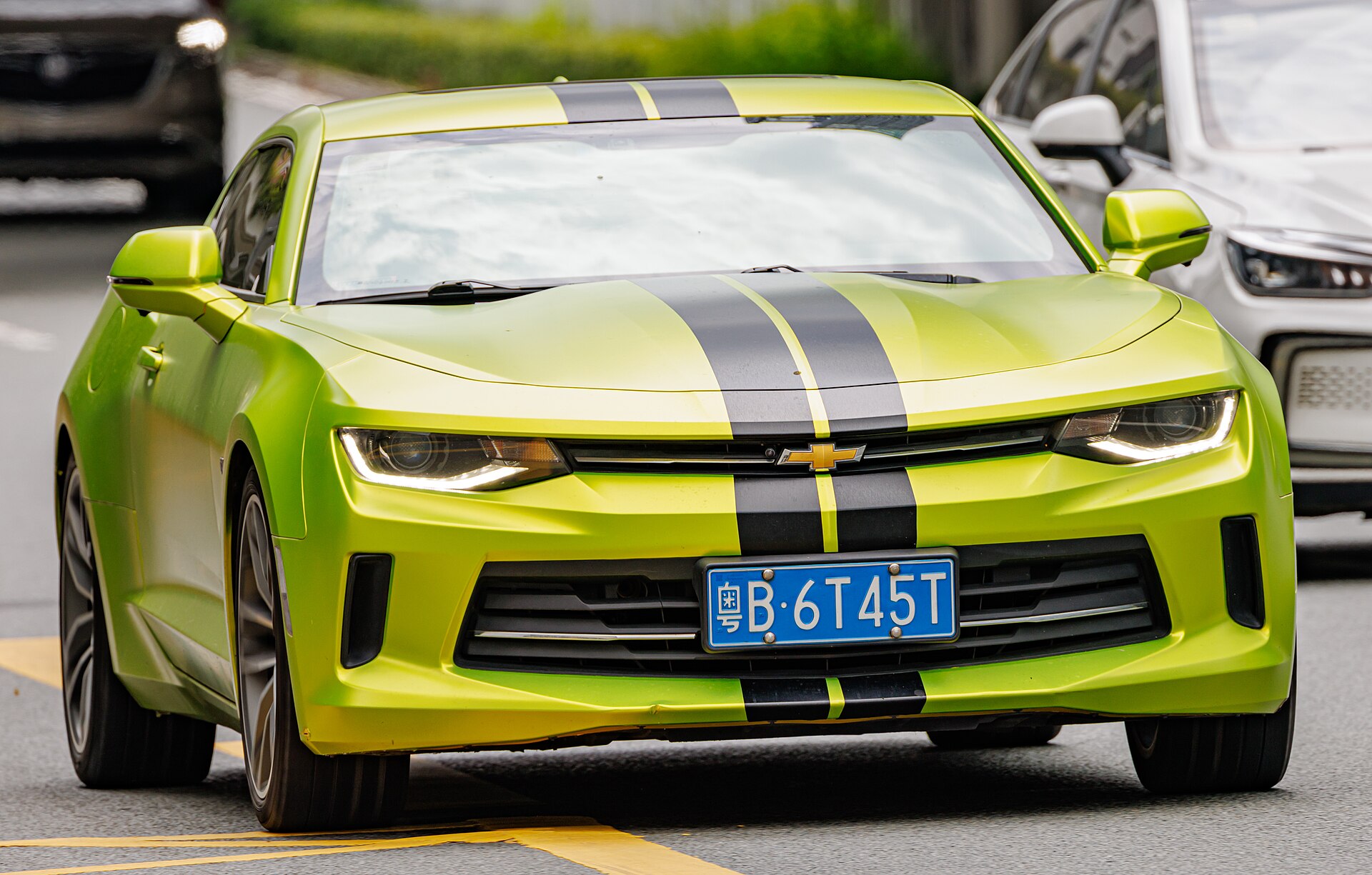
- Camaro VI 2016–2024 · Coupe, Convertible · 205–485 kW (279–659 PS)
Newest first · 6 generations since 1966
-
2016
-
2009
-
1993
-
1982
-
1970
-
1966
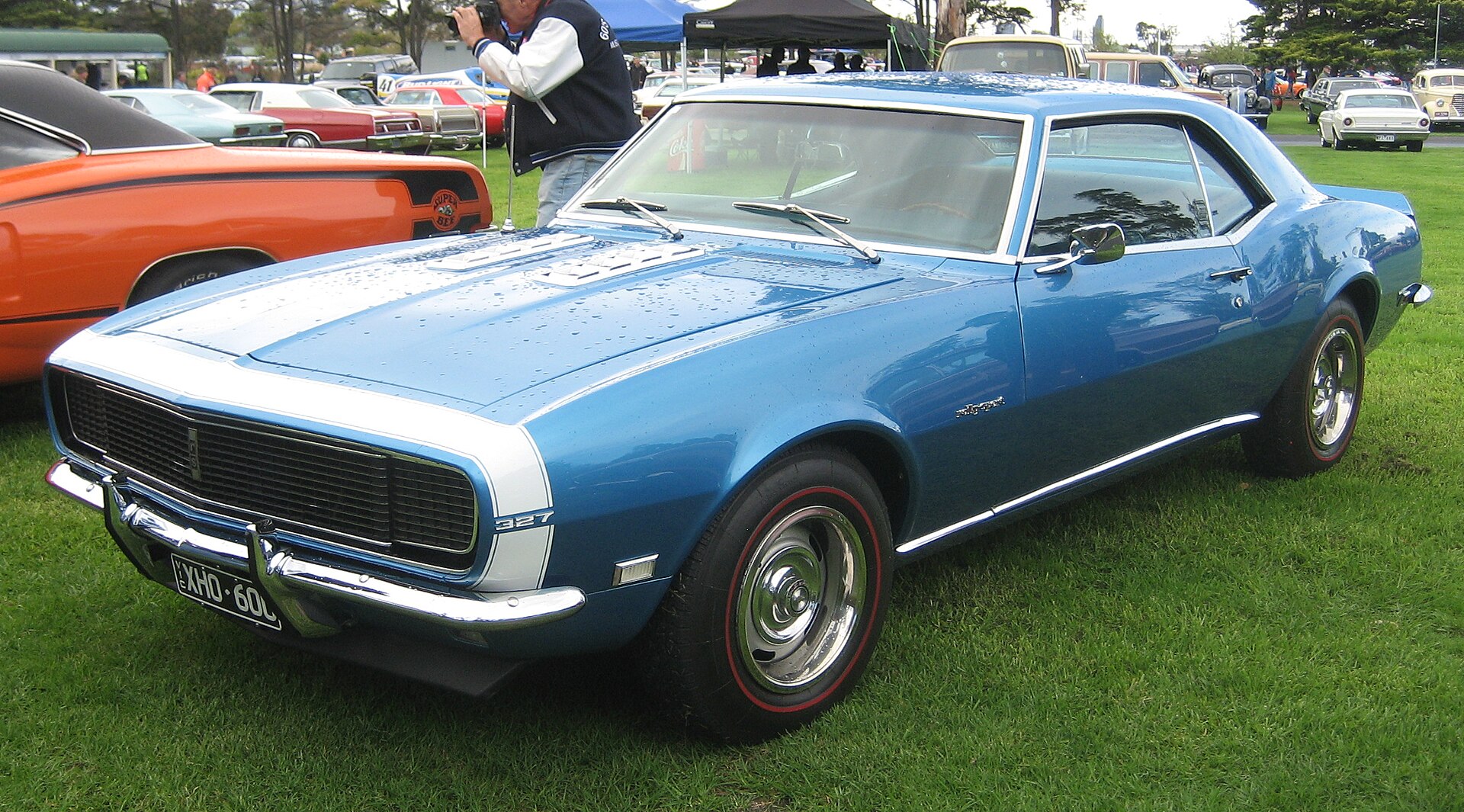


All generations by year: Camaro VI (2016–2024) · Camaro V (2009–2015) · Camaro IV (1993–2002) · Camaro III (1982–1992) · Camaro II (1970–1981) · Camaro I (1966–1969)
Which one is mine?
Pick the year of first registration to see which generation it is.
Check by VINWhich Chevrolet Camaro to buy
Our verdict · Sarah Whitmore
The right Camaro depends on how it will be used.
- Collector car: a documented first-generation SS, Z/28 or COPO; check what is genuine before paying a premium.
- Usable classic: a third- or fourth-generation V8.
- Modern daily: a sixth-generation V6 or SS, the only Camaro with a published IIHS result.
- Track use: a fifth- or sixth-generation 1LE or ZL1.
- Any 2010–14 car: confirm the key recall has been done.
The Chevrolet Camaro is a rear-wheel-drive coupé and convertible that Chevrolet built in six generations, from the 1967 model year to 2024, with a gap between 2002 and 2009. It was created to take on the Ford Mustang, and its engines ranged from a 2.0-litre turbo four to a supercharged 6.2-litre V8 with 485 kW (650 hp).
In short
- Six generations: 1967–69, 1970–81, 1982–92, 1993–2002, 2010–15 and 2016–24.
- The first car went on sale on 29 September 1966 as a 1967 model; the last one was built on 14 December 2023.
- Every Camaro is rear-wheel drive; the best-known versions are the RS, SS, Z/28 and ZL1.
- Only the sixth generation has a published IIHS crash-test result; no Euro NCAP rating exists.

Size at a glance
Chevrolet Camaro V
The Chevrolet Camaro VI is 53 mm shorter, 21 mm narrower and 28 mm lower than the Chevrolet Camaro V.
| Dimensions | Chevrolet Camaro VI | Chevrolet Camaro V | Difference |
|---|---|---|---|
| Length | 4,783 mm188.3 in | 4,836 mm190.4 in | −53 mm−2.1 in |
| Width | 1,897 mm74.7 in | 1,918 mm75.5 in | −21 mm−0.8 in |
| Height | 1,349 mm53.1 in | 1,377 mm54.2 in | −28 mm−1.1 in |
| Wheelbase | 2,812 mm110.7 in | 2,852 mm112.3 in | −40 mm−1.6 in |
| Boot | 258 L9.1 cu ft | - | - |
Specs by version
Engines
| Version | Engine | Power | Torque | Drive |
|---|---|---|---|---|
| Camaro I · 230 I6 | 3.8 l 3,800 cc | - | 298 Nm220 lb-ft | Rear-wheel drive |
| Camaro I · 283 V8 | 4.6 l 4,600 cc | - | 386 Nm285 lb-ft | Rear-wheel drive |
| Camaro I · 302 V8 | 4.9 l 4,900 cc | - | 393 Nm290 lb-ft | Rear-wheel drive |
| Camaro I · 350 V8 | 5.7 l 5,700 cc | - | 515 Nm380 lb-ft | Rear-wheel drive |
| Camaro I · 396 V8 | 6.5 l 6,500 cc | - | 563 Nm415 lb-ft | Rear-wheel drive |
| Camaro I · 427 V8 (L72) | 7.0 l 7,000 cc | - | 624 Nm460 lb-ft | Rear-wheel drive |
| Camaro I · 427 V8 (ZL1, aluminium) | 7.0 l 7,000 cc | - | 610 Nm450 lb-ft | Rear-wheel drive |
| Camaro I · 3.8 104 kW (141 PS) | 3.8 l · 6 cyl 3,800 cc | 104 kW 141 PS139 hp | - | Rear-wheel drive |
| Camaro I · 216 kW (294 PS) | 8 cyl · Petrol | 216 kW 294 PS290 hp | - | Rear-wheel drive |
| Camaro I · Z/28 302 (290 hp gross) | 4.9 l · 8 cyl 4,900 cc | 216 kW 294 PS290 hp | - | Rear-wheel drive |
| Camaro I · SS 350 (295 hp gross) | 5.7 l · 8 cyl · Petrol 5,700 cc | 220 kW 299 PS295 hp | - | Rear-wheel drive |
| Camaro I · SS 396 (325 hp gross) | 6.5 l · 8 cyl 6,500 cc | 242 kW 329 PS325 hp | - | Rear-wheel drive |
| Camaro I · SS 396 (350 hp gross) | 6.5 l · 8 cyl 6,500 cc | 261 kW 355 PS350 hp | - | Rear-wheel drive |
| Camaro I · SS 396 (375 hp gross) | 6.5 l · 8 cyl 6,500 cc | 280 kW 381 PS375 hp | - | Rear-wheel drive |
| Camaro I · 321 kW (436 PS) | 8 cyl | 321 kW 436 PS430 hp | - | Rear-wheel drive |
| Camaro II · 267 V8 | 4.4 l · 8 cyl 4,400 cc | 89 kW 121 PS119 hp | - | Rear-wheel drive |
| Camaro II · 305 V8 | 5.0 l 5,000 cc | 108 kW 147 PS145 hp | - | Rear-wheel drive |
| Camaro II · 250 straight-six | 4.1 l · 6 cyl 4,100 cc | 116 kW 158 PS156 hp | - | Rear-wheel drive |
| Camaro II · 350 V8 | 5.7 l 5,700 cc | 116 kW 158 PS156 hp | - | Rear-wheel drive |
| Camaro II · 305 V8 (Z28, manual and California) | 5.0 l 5,000 cc | 123 kW 167 PS165 hp | - | Rear-wheel drive |
| Camaro II · 350 V8 (Z28, automatic) | 5.7 l 5,700 cc | 130 kW 177 PS174 hp | - | Rear-wheel drive |
| Camaro II · 350 LM1 V8 (Z28) | 5.7 l 5,700 cc | 138 kW 188 PS185 hp | 380 Nm280 lb-ft | Rear-wheel drive |
| Camaro II · 350 V8 (Z28) | 5.7 l 5,700 cc | 183 kW 249 PS245 hp | - | Rear-wheel drive |
| Camaro II · 350 LT-1 V8 | 5.7 l 5,700 cc | 190 kW 258 PS255 hp | - | Rear-wheel drive |
| Camaro II · 268 kW (364 PS) | - | 268 kW 364 PS359 hp | - | Rear-wheel drive |
| Camaro II · 396 V8 (L78, SS 396) | 6.6 l 6,600 cc | 280 kW 381 PS375 hp | 563 Nm415 lb-ft | Rear-wheel drive |
| Camaro III · 2.5 L (151 cu in) I4 "Iron Duke" | - | 69 kW 94 PS93 hp | 179 Nm132 lb-ft | Rear-wheel drive |
| Camaro III · 2.8 L (173 cu in) V6, carburettor | - | 80 kW 109 PS107 hp | 193 Nm142 lb-ft | Rear-wheel drive |
| Camaro III · 2.8 L (173 cu in) V6, injection | - | 101 kW 137 PS135 hp | 224 Nm165 lb-ft | Rear-wheel drive |
| Camaro III · 3.1 L (191 cu in) V6 | - | 104 kW 141 PS139 hp | 244 Nm180 lb-ft | Rear-wheel drive |
| Camaro III · 5.0 L (305 cu in) V8, 4-barrel | - | 116 kW 158 PS156 hp | 325 Nm240 lb-ft | Rear-wheel drive |
| Camaro III · 5.0 L V8, throttle-body injection | - | 127 kW 173 PS170 hp | 346 Nm255 lb-ft | Rear-wheel drive |
| Camaro III · 5.0 L V8, Cross-Fire Injection | - | 130 kW 177 PS174 hp | 325 Nm240 lb-ft | Rear-wheel drive |
| Camaro III · 5.0 L V8 H.O., 4-barrel | - | 142 kW 193 PS190 hp | 325 Nm240 lb-ft | Rear-wheel drive |
| Camaro III · 169 kW (230 PS) | - | 169 kW 230 PS227 hp | - | Rear-wheel drive |
| Camaro III · 5.0 L V8, Tuned Port Injection | - | 172 kW 234 PS231 hp | 373 Nm275 lb-ft | Rear-wheel drive |
| Camaro III · 5.7 L (350 cu in) V8, Tuned Port Injection | 5.7 l · 8 cyl 5,700 cc | 183 kW 249 PS245 hp | 447 Nm330 lb-ft | Rear-wheel drive |
| Camaro IV · 3.4 119 kW (162 PS) | 3.4 l · 6 cyl 3,400 cc | 119 kW 162 PS160 hp | - | Rear-wheel drive |
| Camaro IV · 142 kW (193 PS) | 6 cyl | 142 kW 193 PS190 hp | - | Rear-wheel drive |
| Camaro IV · 3.8 147 kW (200 PS) | 3.8 l 3,800 cc | 147 kW 200 PS197 hp | - | Rear-wheel drive |
Performance
Show all 2 versions
| Version | 0–100 km/h |
|---|---|
| Camaro II · 268 kW (364 PS) | 6.5 s 0–62 mph |
| Camaro III · 169 kW (230 PS) | 5.8 s 0–62 mph |
Dimensions and weight
Show all 29 versions
| Version | Wheelbase |
|---|---|
| Camaro I · 230 I6 | 2,743 mm108.0 in |
| Camaro I · 283 V8 | 2,743 mm108.0 in |
| Camaro I · 302 V8 | 2,743 mm108.0 in |
| Camaro I · 350 V8 | 2,743 mm108.0 in |
| Camaro I · 396 V8 | 2,743 mm108.0 in |
| Camaro I · 427 V8 (L72) | 2,743 mm108.0 in |
| Camaro I · 427 V8 (ZL1, aluminium) | 2,743 mm108.0 in |
| Camaro I · 3.8 104 kW (141 PS) | 2,743 mm108.0 in |
| Camaro I · 216 kW (294 PS) | 2,743 mm108.0 in |
| Camaro I · Z/28 302 (290 hp gross) | 2,743 mm108.0 in |
| Camaro I · SS 396 (325 hp gross) | 2,743 mm108.0 in |
| Camaro I · SS 396 (350 hp gross) | 2,743 mm108.0 in |
| Camaro I · SS 396 (375 hp gross) | 2,743 mm108.0 in |
| Camaro I · 321 kW (436 PS) | 2,743 mm108.0 in |
| Camaro II · 267 V8 | 2,743 mm108.0 in |
| Camaro II · 305 V8 | 2,743 mm108.0 in |
| Camaro II · 250 straight-six | 2,743 mm108.0 in |
| Camaro II · 350 V8 | 2,743 mm108.0 in |
| Camaro II · 305 V8 (Z28, manual and California) | 2,743 mm108.0 in |
| Camaro II · 350 V8 (Z28, automatic) | 2,743 mm108.0 in |
| Camaro II · 350 LM1 V8 (Z28) | 2,743 mm108.0 in |
| Camaro II · 350 V8 (Z28) | 2,743 mm108.0 in |
| Camaro II · 350 LT-1 V8 | 2,743 mm108.0 in |
| Camaro II · 268 kW (364 PS) | 2,743 mm108.0 in |
| Camaro II · 396 V8 (L78, SS 396) | 2,743 mm108.0 in |
| Camaro III · 2.5 L (151 cu in) I4 "Iron Duke" | 2,565 mm101.0 in |
| Camaro IV · 3.4 119 kW (162 PS) | 2,568 mm101.1 in |
| Camaro IV · 142 kW (193 PS) | 2,568 mm101.1 in |
| Camaro IV · 3.8 147 kW (200 PS) | 2,568 mm101.1 in |
Verified Manufacturer and type-approval data from our catalog · Sources and methodology
Safety
-
Camaro VI · NHTSA 2022
US NCAP (NHTSA)
-
Camaro V · NHTSA 2015
US NCAP (NHTSA)
Stars from different years and organisations are not directly comparable: test protocols change every few years.
Chevrolet Camaro at a glance: segment, body styles, where it is built
The Camaro is a two-door pony car: a compact, sporty rear-drive coupé or convertible aimed at the same buyers as the Mustang. Chevrolet first presented it to the press on 28 June 1966, and the development project is usually quoted as XP-836, codenamed "Panther".
The Camaro moved between plants: the fourth generation was built at Sainte-Thérèse, Quebec, the fifth at Oshawa, Ontario, and the sixth at Lansing Grand River Assembly in Michigan. Its place in the brand's story is covered in the history of Chevrolet.
Chevrolet Camaro generations
Chevrolet built six Camaro generations on three platforms: the F-body from 1967 to 2002, shared with the Pontiac Firebird, the Zeta platform for 2010–15 and the Alpha platform, shared with the Cadillac ATS, for 2016–24. Some catalogues list seven, but that count is an error.
| Generation | Code | Years | Body styles | Engines | Power (kW / hp) |
|---|---|---|---|---|---|
| 1st | F-body | 1967–69 | hardtop coupé, convertible | 3.8–4.1 L I6; 4.9–7.0 L V8 | 104–321 kW (140–430 hp gross) |
| 2nd | F-body | 1970–81 | coupé | 3.8–4.1 L I6/V6; 4.4–6.5 L V8 | 89–268 kW (120–360 hp; gross to 1971, net from 1972) |
| 3rd | F-body | 1982–92 | hatchback coupé, convertible from 1987 | 2.5 L I4; 2.8 and 3.1 L V6; 5.0 and 5.7 L V8 | 66–183 kW (88–245 hp net) |
| 4th | F-body | 1993–2002 | coupé (T-top), convertible from 1994 | 3.4 and 3.8 L V6; 5.7 L V8 (LT1, LS1) | 119–246 kW (160–330 hp) |
| 5th | Zeta | 2010–15 | coupé, convertible from 2011 | 3.6 L V6; 6.2 L V8; 7.0 L V8 (Z/28) | 227–433 kW (304–580 hp) |
| 6th | Alpha | 2016–24 | coupé, convertible | 2.0 L turbo I4; 3.6 L V6; 6.2 L V8 | 205–485 kW (275–650 hp) |
US outputs were rated gross until 1971 and net from 1972, so early and later figures are not directly comparable.
First generation (1967–69)
Production ran from 29 September 1966 to November 1969. The base engine was a 3.8-litre (230 cu in) straight-six with 104 kW (140 hp), and buyers could choose V8s up to the 396. The Z/28 package arrived for 1967 with a 302 cu in V8 built for SCCA Trans-Am racing, rated at 216 kW (290 hp); only 602 were made that year, but more than 20,000 in 1969. The 69 COPO ZL1 cars had an aluminium 7.0-litre 427 rated at 321 kW (430 hp) gross. An RS/SS convertible paced the 1967 Indianapolis 500. Its contemporaries are collected under classic cars of the 1960s.
Second generation (1970–81)
The second Camaro arrived in early 1970 (the "1970½") as a coupé only. The 1970 Z/28 used the LT-1 350 V8 with 268 kW (360 hp) gross. Outputs then fell, partly through the 1972 switch to net ratings: a 1975 350 V8 made 108–116 kW (145–155 hp), and a 1980 267 V8 only 89 kW (120 hp). Sales still peaked in 1979 at 282,571 cars, the best year for any Camaro and the year the Berlinetta was added. The 1970 Camaro has its own article.
Third generation (1982–92)
The third generation went on sale in December 1981 as a hatchback about 227 kg (500 lb) lighter than its predecessor. Engines ranged from a 2.5-litre four of 66–69 kW (88–92 hp) to the 5.7-litre L98 V8 of 168–183 kW (225–245 hp). The 1985–90 IROC-Z added Delco-Bilstein dampers and optional tuned-port injection. Production totalled 1,567,657, including 31,439 convertibles.
Fourth generation (1993–2002)
The fourth generation arrived in January 1993. The 5.7-litre LT1 V8 gave 205 kW (275 hp) until 1997, and the LS1 that followed in 1998 is quoted at about 227–231 kW (305–310 hp). SLP Engineering built 108 cars in 1997 with the 246 kW (330 hp) LT4. Sales fell to 29,009 in 2001, and GM ended production on 27 August 2002, citing slow sales, a shrinking sports-coupé market and spare plant capacity.
Fifth generation (2010–15)
Fifth-generation production started at Oshawa on 16 March 2009, almost seven years after the fourth ended, for the 2010 model year. The SS used a 6.2-litre V8: the LS3 with 318 kW (426 hp) with the manual gearbox, or the L99 with 298 kW (400 hp) with the automatic. The supercharged ZL1 of 2012 reached 433 kW (580 hp) and 754 Nm (556 lb-ft). The 2014 Camaro Z28 used the 7.0-litre LS7 with 377 kW (505 hp).
Sixth generation (2016–24)
Unveiled on 16 May 2015 in Detroit, the sixth generation is quoted as about 91 kg (200 lb) lighter than the fifth. Updates included the 1LE track package for 2017, the ZL1 1LE for 2018 and a facelift with new LED lights for 2019. The Camaro ZL1 topped the range at 485 kW (650 hp). A Collector's Edition marked the final 2024 models, with the ZL1 version limited to 350 cars.
Engines, transmissions and performance
The sixth generation offered four engines, all driving the rear wheels:
- 2.0-litre LTG turbo four: 205 kW (275 hp), 400 Nm (295 lb-ft).
- 3.6-litre LGX V6: 250 kW (335 hp), 385 Nm (284 lb-ft).
- 6.2-litre LT1 V8 (SS): 339 kW (455 hp), 617 Nm (455 lb-ft).
- 6.2-litre supercharged LT4 V8 (ZL1): 485 kW (650 hp), 881 Nm (650 lb-ft).

Gearboxes were a 6-speed manual or an 8- or 10-speed automatic. Chevrolet quoted 0–60 mph in 4.0 seconds for the SS and 3.5 seconds for the ZL1, with a ZL1 top speed of 319 km/h (198 mph). These are manufacturer figures, as is the 7:16.04 Nordschleife lap claimed for the ZL1 1LE.
Dimensions and key specifications
The fifth generation was about 4.84 m long on a 2,852 mm (112.3 in) wheelbase and weighed about 1,700 kg (3,750 lb). The sixth is shorter and lighter, with kerb weights from about 1,515 kg (3,340 lb) for the 2.0 LT to about 1,760 kg (3,880 lb) for the ZL1.

Camaro SS (sixth generation) key specifications
| Parameter | Metric | Imperial |
|---|---|---|
| Engine | 6.2 L LT1 V8 | |
| Maximum power | 339 kW (455 hp) | |
| Maximum torque | 617 Nm | 455 lb-ft |
| Transmission | 6-speed manual; 8- or 10-speed automatic | |
| Drive | rear-wheel | |
| Length | 4,783 mm | 188.3 in |
| Width | 1,897 mm | 74.7 in |
| Height | 1,349 mm | 53.1 in |
| Wheelbase | 2,812 mm | 110.7 in |
| Kerb weight | about 1,671 kg | about 3,684 lb |
| 0–60 mph (claimed) | 4.0 s | |
| Assembly | Lansing Grand River, Michigan, USA |
Trims and equipment
Across six generations, RS has meant appearance, SS big-engine performance, Z/28 (later Z28) track-focused cars and ZL1 the top model. The fifth generation used LS and LT for the V6 cars, and the sixth added the 1LS entry trim (dropped, with the 2.0-litre engine, for 2024) and the 1LE package.

Safety ratings
Only the sixth generation has a published crash-test result: the IIHS tested a 2016 Camaro SS coupé and applies the ratings to 2016–23 cars.

| IIHS test (2016–23 Camaro coupé) | Rating |
|---|---|
| Small overlap front, driver side | Good |
| Moderate overlap front (original test) | Good |
| Side (original test) | Good |
| Roof strength | Acceptable |
| Head restraints and seats | Good |
| LATCH child-seat anchors, ease of use | Marginal |
| Front crash prevention | none in 2016; Basic for 2021–23 |
Basic means optional forward collision alert without automatic braking; no Top Safety Pick award was found. There is no Euro NCAP rating and no published result for the first five generations; Cadillac ATS results do not apply to the Camaro.
Reliability and recalls
No independent reliability survey covering the Camaro was found, so generations are not ranked here. The best-documented issue is a fifth-generation recall: on 13 June 2014 GM recalled 464,712 Camaros from the 2010–14 model years in the USA, or 511,528 including Canada, Mexico and exports. A driver's knee could hit the key fob and turn the key out of the "run" position, which could cut engine power.

GM knew of three crashes with four minor injuries and called the fault unrelated to its Cobalt ignition-switch recall. The fix separates the key from the fob, and a used 2010–14 car should have it recorded.
Rivals: how the Camaro compares
The Camaro was Chevrolet's answer to the Ford Mustang, a rivalry that ran through all six generations. In the late 1960s the class also included the Plymouth Barracuda and the Camaro's own F-body twin, the Firebird.

US sales of the sixth generation fell from 72,705 in 2016 to 21,893 in 2021 and 24,652 in 2022, before rising to 31,028 in 2023 as production wound down.
Chevrolet Camaro evolution in numbers
Did you know?
- The Chevrolet Camaro ran for 58 years, from 1966 to 2024, over 6 generations in our catalog.
- The longest-running generation is the Camaro II (1970–1981): 11 years.
- The biggest jump in power came with the Camaro V: up to 433 kW (589 PS), 187 kW more than the Camaro IV.
Most powerful version, kW
Length, mm
Figures from the 1cars catalog: power is the strongest version of each generation; generations without the figure are left out.
Chevrolet Camaro: first vs latest generation
| Spec | Camaro I | Camaro VI | Change |
|---|---|---|---|
| Years | 1966–1969 | 2016–2024 | 50 years apart |
| Most powerful version | 321 kW (436 PS) | 485 kW (659 PS) | +164 kW (+51%) |
| Length | 4,691 mm | 4,783 mm | +92 mm |
| Width | 1,842 mm | 1,897 mm | +55 mm |
| Wheelbase | 2,743 mm | 2,812 mm | +69 mm |
Oldest and newest generation in the 1cars catalog. Power is the strongest version of each; other rows are shown only when both generations have the figure.
Image credits · Photos from Wikimedia Commons under free licences
- Chevrolet Camaro I · Photo: Sicnag / Wikimedia Commons, CC BY 2.0
- Chevrolet Camaro II · Photo: Addvisor / Wikimedia Commons, CC BY-SA 4.0
- Chevrolet Camaro III · Photo: Corvair Owner / Flickr, CC BY-SA 2.0
- Chevrolet Camaro IV · Photo: Rich Niewiroski Jr. / Wikimedia Commons, CC BY 2.5
- Chevrolet Camaro V · Photo: Dinkun Chen / Wikimedia Commons, CC BY-SA 4.0
- Chevrolet Camaro VI · Photo: Dinkun Chen / Wikimedia Commons, CC BY-SA 4.0
Rivals
Compare with…
Compare Chevrolet Camaro with
- Ford Mustang Fastback quick spec comparison
- Ford Mustang GT500 quick spec comparison
- Dodge Challenger SRT Demon quick spec comparison
-
Classic
- Years
- 1964
- Body
- Coupe
- Fuel
- Petrol
- Power
- 202 kW (275 PS)
-
Classic
- Years
- 1967–1970
- Body
- Coupe
- Fuel
- Petrol
- Power
- 265 kW (360 PS)
-
Ended 2023
- Years
- 2018–2023
- Body
- Coupe
- Fuel
- Petrol
- Power
- 603–764 kW (820–1,039 PS)
2 generations
- LC
- 170
-
Classic
- Years
- 1964–1974
- Body
- Coupe, Convertible
- Fuel
- Petrol
- Power
- 75–317 kW (102–431 PS)
3 generations
- I
- II
- III


Chevrolet Camaro in our rankings
- No. 4 of 97 · Most powerful cars of the 1960s (321 kW)
- No. 8 of 25 · Quickest American cars, 0–100 (5.8 s)
- No. 40 of 627 · Biggest engines: cars (7,000 cc · top 7%)
- No. 35 of 485 · Most torque: cars (881 Nm · top 8%)
- No. 17 of 201 · Most powerful cars of the 2000s (433 kW · top 9%)
- No. 109 of 1011 · Most powerful cars (485 kW · top 11%)
More powerful than 95% of ranked cars of the 1960s in the 1CARS catalog (No. 4 of 97).
Chevrolet Camaro photos 41


Chevrolet Camaro videos 6

Chevrolet Camaro video 1

Chevrolet Camaro video 2

Chevrolet Camaro video 3

Chevrolet Camaro video 4

Chevrolet Camaro video 5

Chevrolet Camaro video 6
FAQ
How many generations of the Chevrolet Camaro are there?
There are six: 1967–69, 1970–81, 1982–92, 1993–2002, 2010–15 and 2016–24. Production stopped in August 2002 and restarted in March 2009, so there are no 2003–09 models.
What is the most powerful Camaro?
The sixth-generation ZL1, whose supercharged 6.2-litre LT4 V8 produces 485 kW (650 hp) and 881 Nm (650 lb-ft). The strongest first-generation car, the 1969 COPO ZL1, was rated at 430 hp gross.
Is the Camaro available with all-wheel drive or as a hybrid?
No. Every generation of the Camaro is rear-wheel drive, and no hybrid or all-wheel-drive version was offered. The smallest engine was the sixth generation's 2.0-litre turbo four.
Did the Camaro get a crash-test rating?
Only the sixth generation. The IIHS rated the 2016–23 coupé Good in the small overlap, moderate overlap and side tests, with Acceptable roof strength. No Euro NCAP rating was found for any Camaro.
Why did Camaro production end?
GM announced the end on 22 March 2023, after several years of falling US sales. The last car was built on 14 December 2023, and Chevrolet vice-president Scott Bell said it was "not the end of Camaro's story".
Was the Camaro sold in Europe?
Yes, the fifth generation from November 2011. Auto Express reported about 200 convertibles a year planned for the UK, all left-hand drive, with a 6.2-litre V8 rated at 298 kW (399 bhp).
Data sources
Data checked by an editor against the sources below.
- The text of this article (1cars archive)
- 1cars archive: First-Generation Chevrolet Camaro (1967–1969): History and Specs
- 1cars archive: Second-Generation Camaro (1970–1981): History, Engines, Buying
- 1cars archive: Third-Generation Camaro (1982–1992): The Hatchback Years
- 1cars archive: Fourth-Generation Camaro (1993–2002): Engines, Safety, Buying
- 1cars archive: Fifth-Generation Chevrolet Camaro (2010–2015): Revival, ZL1 and Z/28
- 1cars archive: Sixth-Generation Chevrolet Camaro (2016–2024) and the ZL1
- Wikipedia - Chevrolet Camaro
- Wikipedia - Chevrolet Camaro (first generation)
- Wikipedia - Chevrolet Camaro (second generation)


Comments 1
The car is a beast...)