
 Chevrolet Corvette C2 (1963–1967)
Specs, engines, safety and known problems
Updated Published Sources (4) Report an error
By Felix Hartmann, Automotive Technology & EV Contributor

- Power
- 186–324 kW (253–441 PS)
- Generation
- 2 of 8
Model timeline
Where the C2 sits in the Corvette story
Predecessor Corvette C1 (1953–1962) Successor Corvette C3 (1968–1982)
Newest first · 8 generations since 1953
-
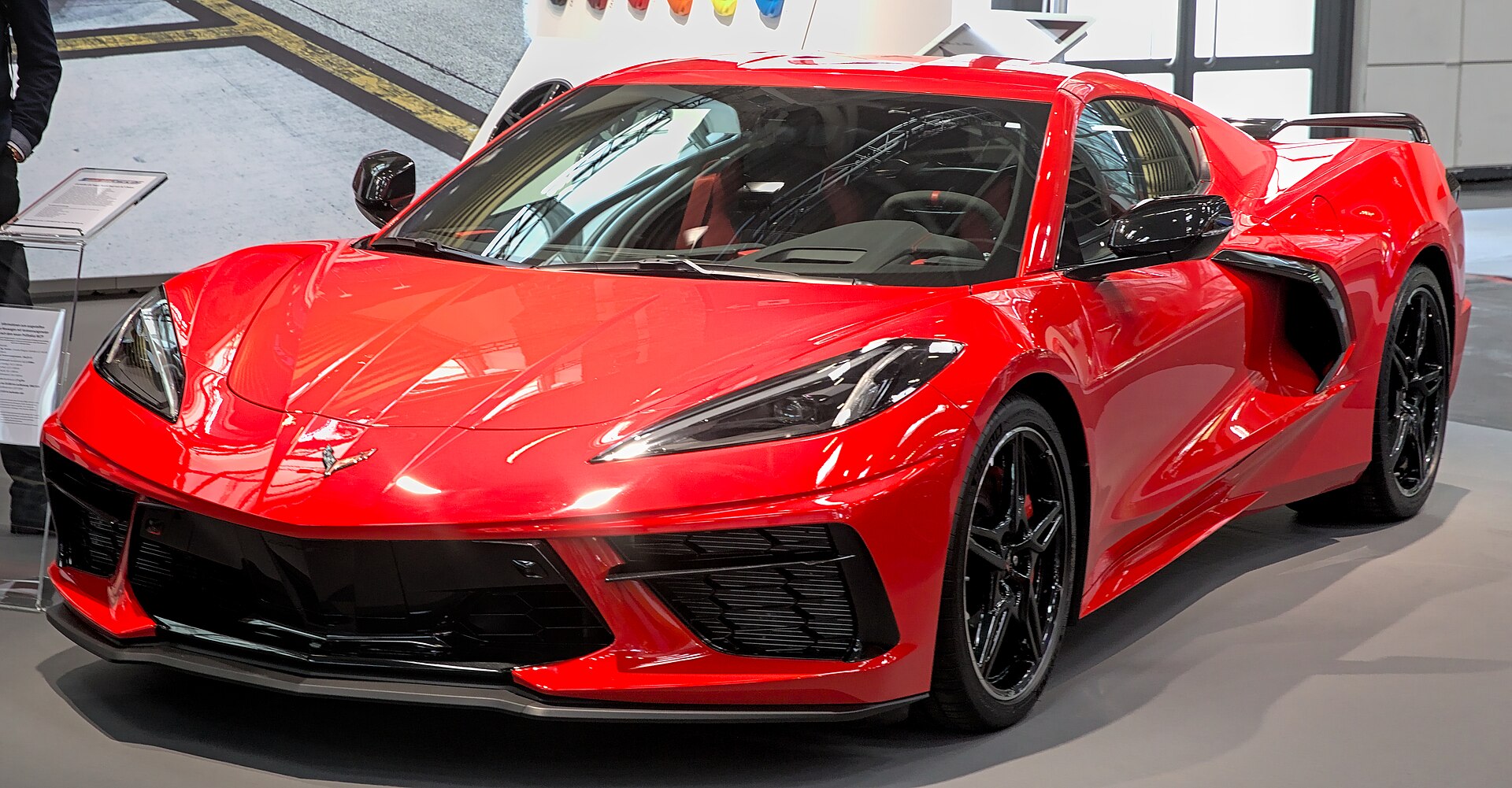
2020
-
2013

-
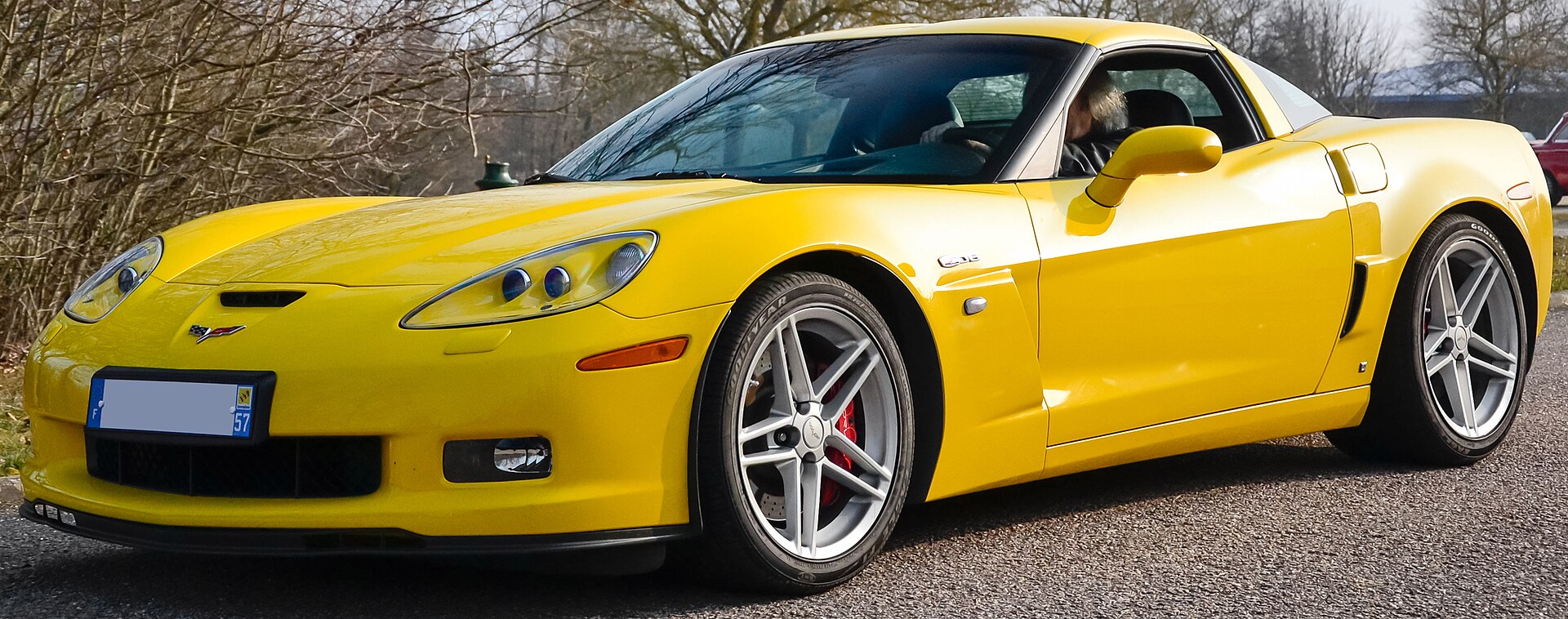
2005
-
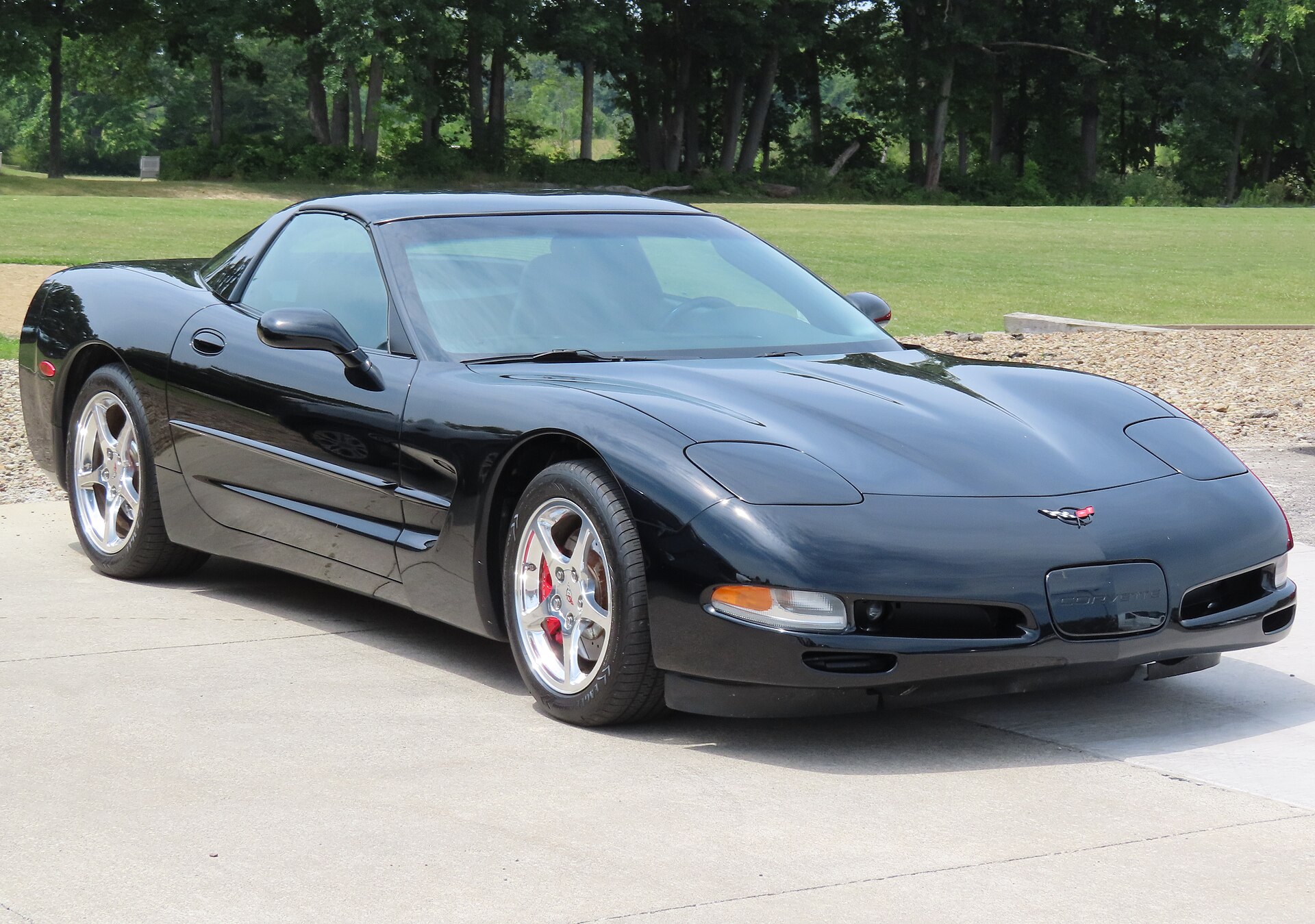
1997
-
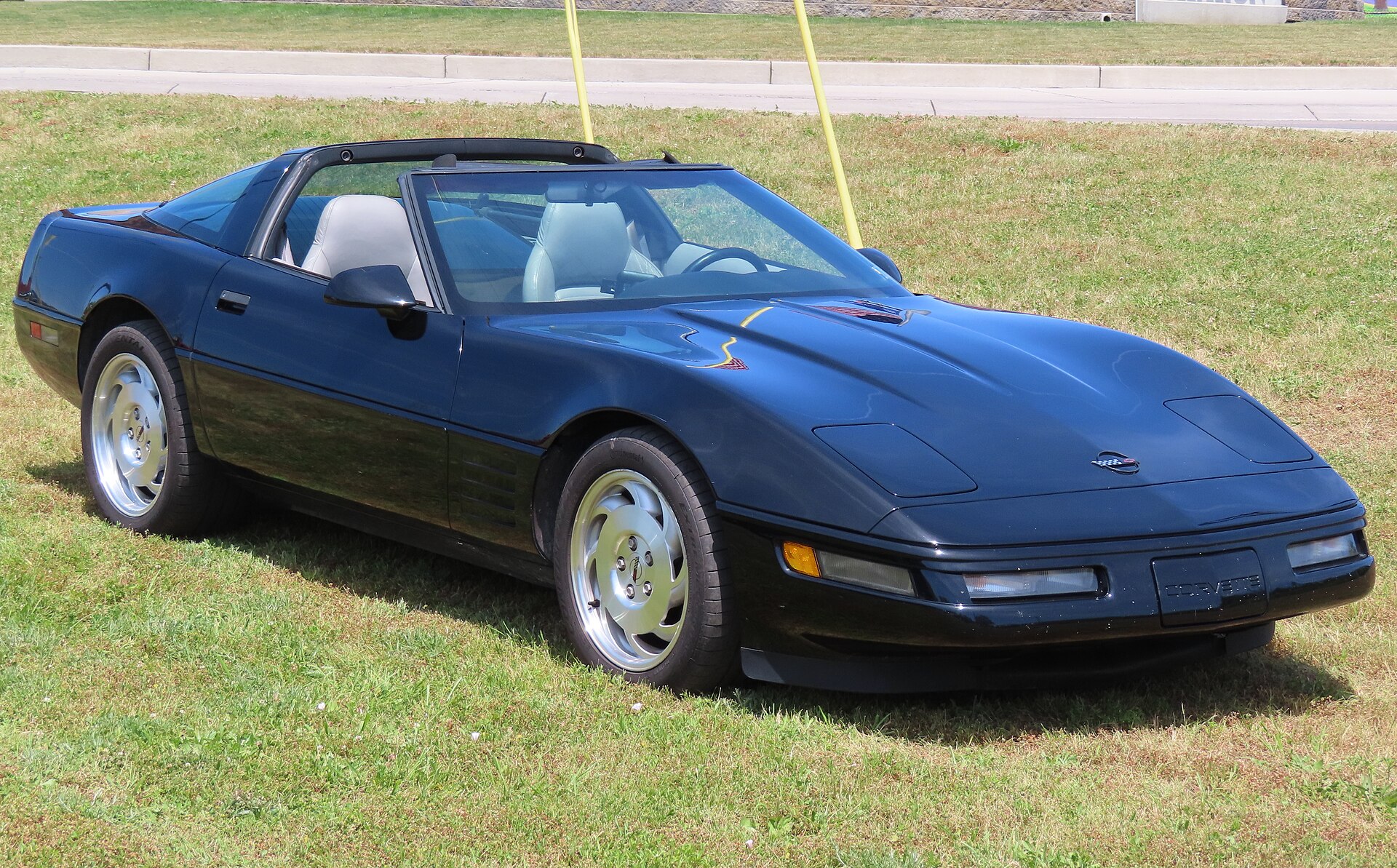
1984
-
1968
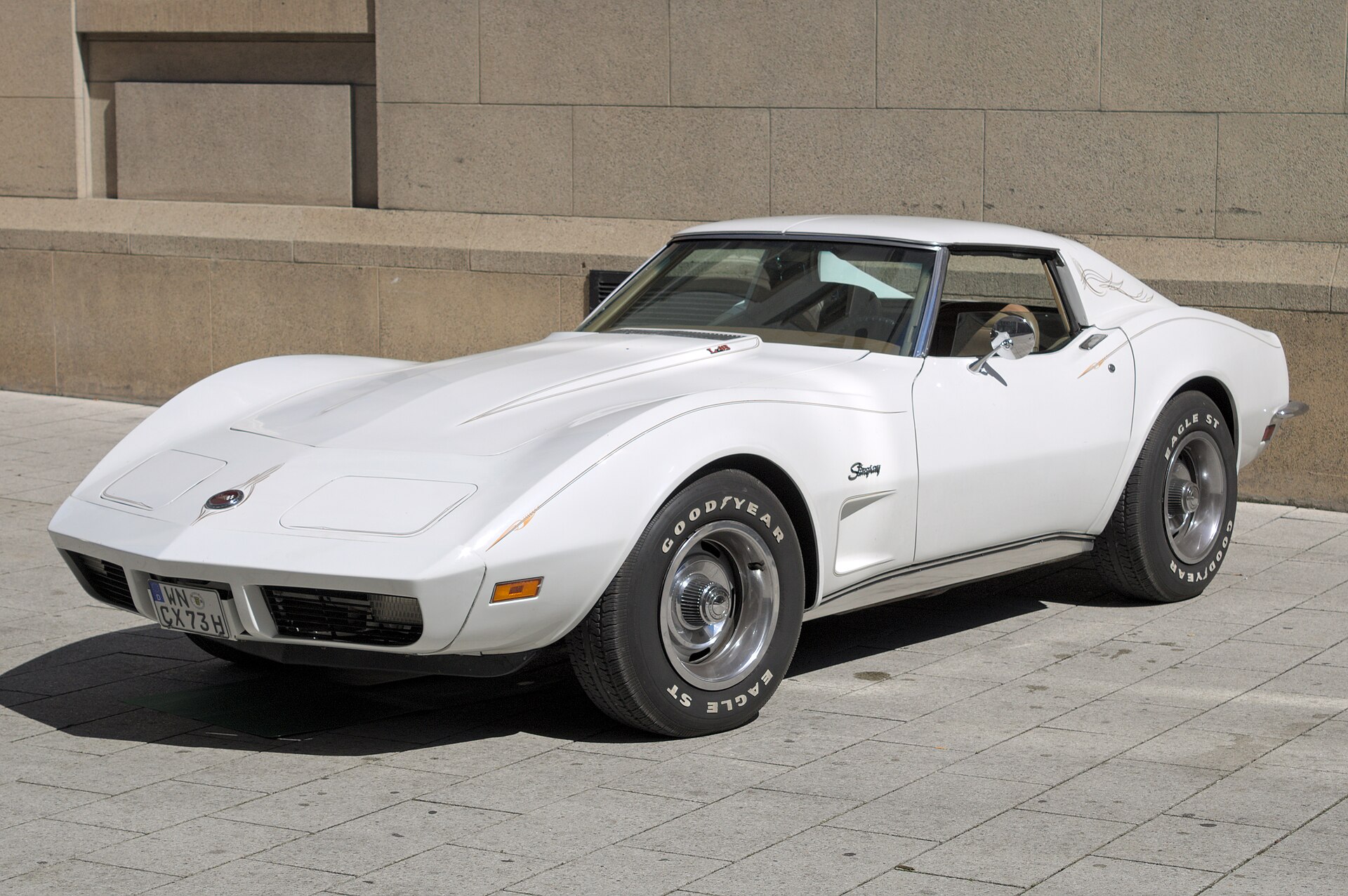
-
1963

-
1953


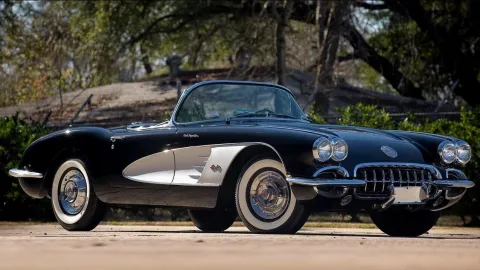
All generations by year: Corvette C8 (2020–now) · Corvette C7 (2013–2019) · Corvette C6 (2005–2013) · Corvette C5 (1997–2004) · Corvette C4 (1984–1996) · Corvette C3 (1968–1982) · Corvette C2 (1963–1967) · Corvette C1 (1953–1962)
Verdict: which Corvette C2 to choose today
Our verdict · Felix Hartmann
The C2 is one of the most collectable American sports cars. The 1963 split-window coupé is the design icon and the most sought-after body, while the 1965–1967 cars are easier to live with thanks to their disc brakes. A 327 with 224 or 261 kW (300 or 350 hp) suits buyers who want to drive the car regularly. The big-block 427s, and above all the L88, are investment pieces for specialists. Originality matters a great deal: matching engine numbers and documented options decide much of a car's value. Version-by-version data for later Corvettes is in the 1cars specs database.
Other American performance cars of the decade, such as the Pontiac GTO and the 1967 Shelby GT500, are in the best classic cars of the 1960s, and the Corvette C7 shows how the Stingray name returned in 2014.
The Corvette C2, better known as the Sting Ray, is the second generation of the Chevrolet Corvette, built for the 1963 to 1967 model years in St. Louis, Missouri. It introduced the coupé body with its 1963-only split rear window, independent rear suspension and, from 1965, disc brakes all round. Chevrolet built 117,964 cars with V8 engines from 186 to 324 kW (250 to 435 hp SAE gross).
In short
- Production ran from August 1962 to July 1967; styling by Larry Shinoda under Bill Mitchell, engineering led by Zora Arkus-Duntov.
- Engines: 327 small-block V8 (5.4 l) from 186 kW (250 hp), 396 and 427 big-blocks (6.5 and 7.0 l) up to 324 kW (435 hp), all SAE gross.
- First Corvette coupé, first with independent rear suspension; disc brakes all round from 1965.
- Rare versions: 199 Z06 cars in 1963, five Grand Sports and 20 L88s in 1967.

Size at a glance
Chevrolet Corvette C1
The Chevrolet Corvette C2 is 287 mm longer, 23 mm narrower and 48 mm lower than the Chevrolet Corvette C1.
| Dimensions | Chevrolet Corvette C2 | Chevrolet Corvette C1 | Difference |
|---|---|---|---|
| Length | 4,554 mm179.3 in | 4,267 mm168.0 in | +287 mm+11.3 in |
| Width | 1,768 mm69.6 in | 1,791 mm70.5 in | −23 mm−0.9 in |
| Height | 1,260 mm49.6 in | 1,308 mm51.5 in | −48 mm−1.9 in |
| Wheelbase | 2,489 mm98.0 in | 2,591 mm102.0 in | −102 mm−4.0 in |
Corvette C2 specs by version
Engines
| Version | Engine | Power | Torque | Drive | Production years |
|---|---|---|---|---|---|
| 327 V8 fuel injection (SAE gross) | 5.4 l · 8 cyl · Petrol 5,400 cc | 268 kW 364 PS359 hp | - | Rear-wheel drive | 1963 |
| 6.5 317 kW (431 PS) Coupe | 6.5 l · 8 cyl · Petrol 6,500 cc | 317 kW 431 PS425 hp | - | Rear-wheel drive | 1965 |
| 427 Tri-Power V8 (SAE gross) | 7.0 l · 8 cyl · Petrol 7,000 cc | 324 kW 441 PS434 hp | 624 Nm460 lb-ft | Rear-wheel drive | 1967 |
Dimensions and weight
Show all 3 versions
| Version | Length | Width | Height | Wheelbase | Kerb weight |
|---|---|---|---|---|---|
| 327 V8 fuel injection (SAE gross) | 4,554 mm179.3 in | 1,768 mm69.6 in | 1,260 mm49.6 in | 2,489 mm98.0 in | 1,525 kg3,362 lb |
| 6.5 317 kW (431 PS) Coupe | 4,554 mm179.3 in | - | 1,274 mm50.2 in | 2,489 mm98.0 in | 1,335 kg2,943 lb |
| 427 Tri-Power V8 (SAE gross) | 4,554 mm179.3 in | 1,768 mm69.6 in | 1,260 mm49.6 in | 2,489 mm98.0 in | 1,525 kg3,362 lb |
Verified Manufacturer and type-approval data from our catalog · Sources and methodology
Second-generation Corvette at a glance
| Fact | Value |
|---|---|
| Model years | 1963–1967 (built August 1962 – July 1967) |
| Plant | St. Louis, Missouri, USA |
| Bodies | 2-door coupé (fastback), 2-door convertible with optional hardtop |
| Layout | Front engine, rear-wheel drive, body-on-frame, fibreglass body |
| Engines | 327, 396 and 427 cu in V8s (5.4–7.0 l) |
| Power | 186–324 kW (250–435 hp SAE gross) |
| Wheelbase | 2,489 mm |
| Production | 117,964 |
The C2 sits between the Corvette C1 roadster of the 1950s and the C3 that followed in 1968. The whole line, up to the mid-engined cars, is covered in the history of the Chevrolet Corvette.

Design: from the Sting Ray racer to the split window
The C2's shape grew out of several GM projects. Bill Mitchell, GM's head of styling, had built the Sting Ray racer in 1959, and ideas from it and from the 1957 Q-Corvette study were merged into the XP-720 project in the autumn of 1959. Larry Shinoda drew the final car, with help from Pete Brock, and Mitchell gave it the Sting Ray name. Inspirations included a mako shark and the 1959 CERV I research car, and for the first time in Corvette history the wind tunnel influenced the final shape.

The result looked like nothing else on American roads: a sharp crease around the body, hidden headlamps that rotated into view, and on the coupé a fastback roof. The 1963 coupé had a two-piece rear window divided by a spine. Zora Arkus-Duntov disliked it because it blocked the view back, and for 1964 Chevrolet replaced it with a single pane. That one-year feature makes the 1963 split-window coupé the most recognisable C2 today.
Chassis: independent rear suspension and disc brakes
Under the fibreglass body sat a new ladder frame with nearly twice as much steel in its central structure as the 1958–1962 car, yet the complete car was slightly lighter. The biggest technical step was independent rear suspension, derived from the CERV I, with a transverse leaf spring and a frame-mounted differential. At the front, unequal-length wishbones with coil springs and an anti-roll bar did the work.
The recirculating-ball steering was quicker than before, at 19.6:1, and power steering became an option for the first time, except with the two most powerful engines. In 1965 Chevrolet fitted disc brakes with four-piston calipers on all four wheels. Their swept area was 461 square inches, against 328 for the old drums, and only 316 cars that year left the factory with drums.
Chevrolet Corvette C2 engines by year
| Engine | Model years | Power (SAE gross) |
|---|---|---|
| 327 V8 (5.4 l), carburettor | 1963–1965 | 186 kW (250 hp) |
| 327 V8 | 1963–1967 | 224 kW (300 hp) |
| 327 V8 | 1963 | 254 kW (340 hp) |
| 327 V8 | 1964–1965 | 272 kW (365 hp) |
| 327 V8 | 1965–1967 | 261 kW (350 hp) |
| 327 V8 fuel injection | 1963 | 268 kW (360 hp) |
| 327 V8 fuel injection | 1964–1965 | 280 kW (375 hp) |
| 396 V8 (6.5 l) L78 | 1965 | 317 kW (425 hp) |
| 427 V8 (7.0 l) | 1966–1967 | 291 kW (390 hp) |
| 427 V8 high-output | 1966 | 317 kW (425 hp) |
| 427 V8 Tri-Power L71 | 1967 | 324 kW (435 hp) |
| 427 V8 L88 | 1967 | 321 kW (430 hp) rated |
All ratings are SAE gross figures, which overstated the output of an engine as installed in the car. The L88 was rated at 430 hp but was estimated to make about 560 hp. It ran a 12.5:1 compression ratio, needed 103-octane fuel and came only with several compulsory racing options, so Chevrolet built just 20 in 1967. Fuel injection ended in 1965 after 771 cars and did not return to the Corvette until 1982.

Gearboxes were a three-speed manual, the popular four-speed manual (Borg-Warner, then Muncie) and the two-speed Powerglide automatic. Final-drive ratios ranged from 3.08 to 4.56:1.
Performance tests
| Test car | 0–60 mph | Quarter mile | Source |
|---|---|---|---|
| 1963 fuel-injected 327, four-speed, 3.70 axle | 5.8 s | 14.5 s at 102 mph | Motor Trend |
| 1964 fuel-injected 327 coupé, four-speed, 4.11 axle | 5.6 s | 14.2 s at 100 mph | Motor Trend |
| 1964 coupé, 300 hp, Powerglide | 8.0 s | 15.2 s at 85 mph | Road & Track |
Fuel use in the 1963 test was 14.1 mpg, or about 17 l/100 km.

Production by year
| Model year | Built | Notes |
|---|---|---|
| 1963 | 21,513 | 10,594 coupés, 10,919 convertibles |
| 1964 | 22,229 | 8,304 coupés, 13,925 convertibles |
| 1965 | 23,562 | Disc brakes; only 316 with drums |
| 1966 | 27,720 | Best year of the C2 |
| 1967 | 22,940 | Final Sting Ray year |
| Total | 117,964 |
Compared with 1963, output in 1966 was 29% higher, and convertibles outsold coupés in both 1963 and 1964.

Z06, Grand Sport and other rare C2s
The 1963 RPO Z06 package was Chevrolet's back-door racing kit. It combined the fuel-injected L84 327 with a 36.5-gallon "big tank" and other racing parts; 199 were built. Six Z06 cars were built for Le Mans, and another finished third in the 1963 Daytona 250 in the hands of Billy Krause.

Zora Arkus-Duntov's lightweight Grand Sport went further. About 125 were planned for homologation in GT racing, but GM management stopped the programme after five cars: three coupés and two roadsters. Dick Thompson won the Grand Sport's first race at Watkins Glen on 24 August 1963. In the same year Pininfarina built the Rondine concept on a C2 chassis for the Paris Motor Show.

Did you know?
- The Corvette C2 is generation 2 of 8 of the Chevrolet Corvette in our catalog.
- The Corvette C2 offers up to 324 kW (441 PS) - 54 kW more than the Corvette C1 (1953–1962) (+20%).
- At up to 4,554 mm long, it is 53 mm longer than the Corvette C1 (1953–1962).
- Its lightest version weighs 1,335 kg, 63 kg more than in the Corvette C1 (1953–1962).
- Built for only 4 years (1963–1967), it is the shortest-lived of the 8 generations in our catalog.
Popular comparisons
Chevrolet Corvette C2 photos 13


FAQ
What years is the Corvette C2?
The C2 covers the 1963 to 1967 model years. Production began in August 1962 and ended in July 1967 at the St. Louis plant, after which the C3 replaced it for 1968.
How many Corvette C2 Sting Rays were made?
Chevrolet built 117,964 C2 Corvettes over five model years. The best year was 1966 with 27,720 cars; the first year, 1963, produced 21,513, including 10,594 split-window coupés and 10,919 convertibles.
Why does the 1963 Corvette have a split rear window?
The divided rear window was part of Bill Mitchell's design. Duntov objected to the poor rearward view, so for 1964 a single pane took its place, which makes the split window unique to the first model year.
What was the most powerful Corvette C2?
On paper it was the 427 Tri-Power L71 with 324 kW (435 hp SAE gross). The racing-oriented 1967 L88 had a lower official rating, yet its real output was far higher; just 20 left the factory.
What is the difference between Sting Ray and Stingray?
Chevrolet used the two-word name Sting Ray for the C2 of 1963–1967. The C3 became the one-word Stingray from 1969, and the name returned on the C7 in 2014 and on today's C8.
Data sources
Data checked by an editor against the sources below.
- The text of this article (1cars archive)
- Wikipedia - Chevrolet Corvette
- Wikipedia - Chevrolet Corvette (C8)
- Wikipedia - Chevrolet Corvette (C2)


