 Chevrolet Corvette C1 (1953–1962)
Specs, engines, safety and known problems
Updated Published Sources (4) Report an error
By Felix Hartmann, Automotive Technology & EV Contributor

- Power
- 110–270 kW (150–367 PS)
- Generation
- 1 of 8
Model timeline
Where the C1 sits in the Corvette story
Successor Corvette C2 (1963–1967)
Newest first · 8 generations since 1953
-
2020
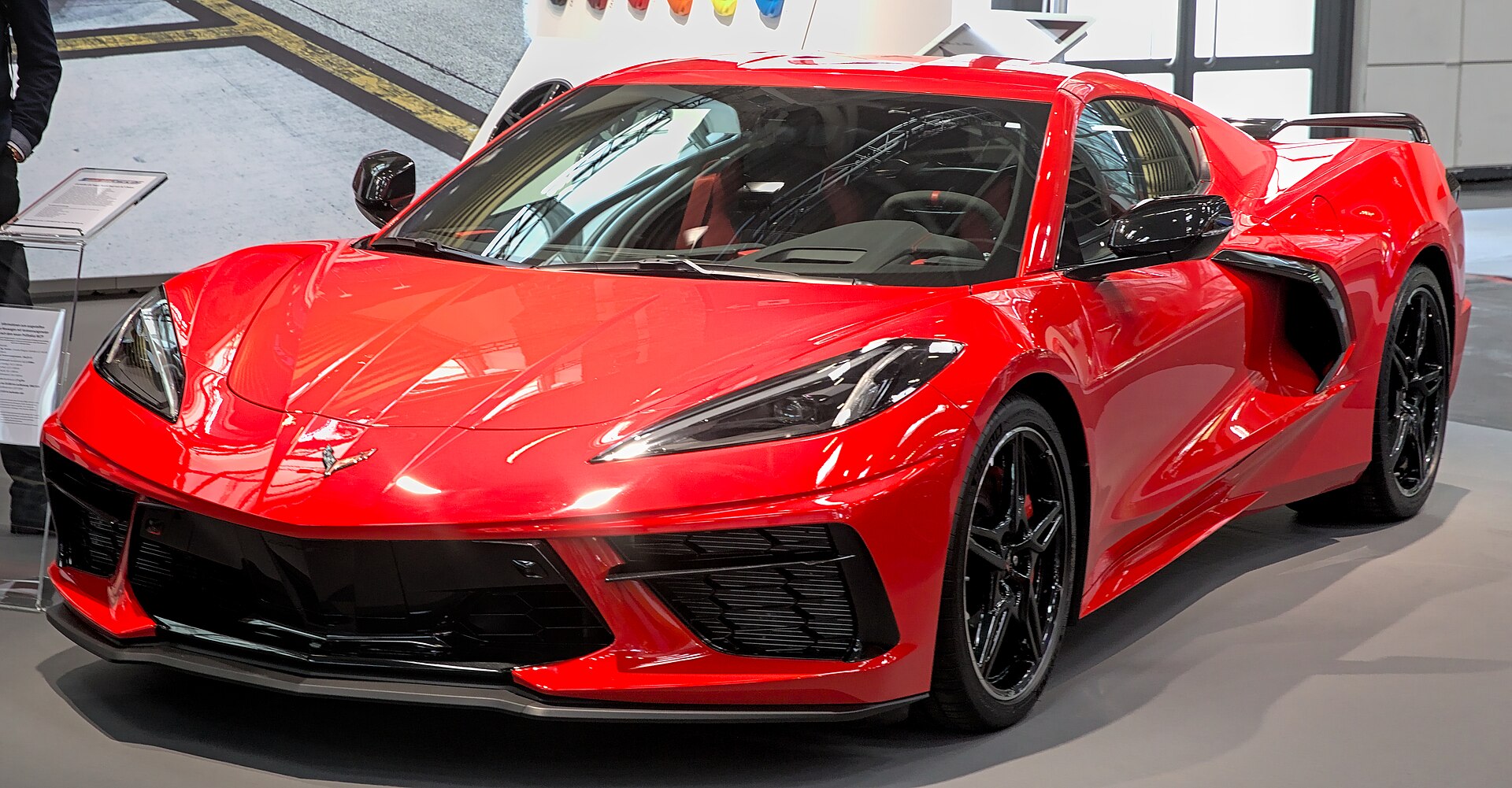
-
2013

-
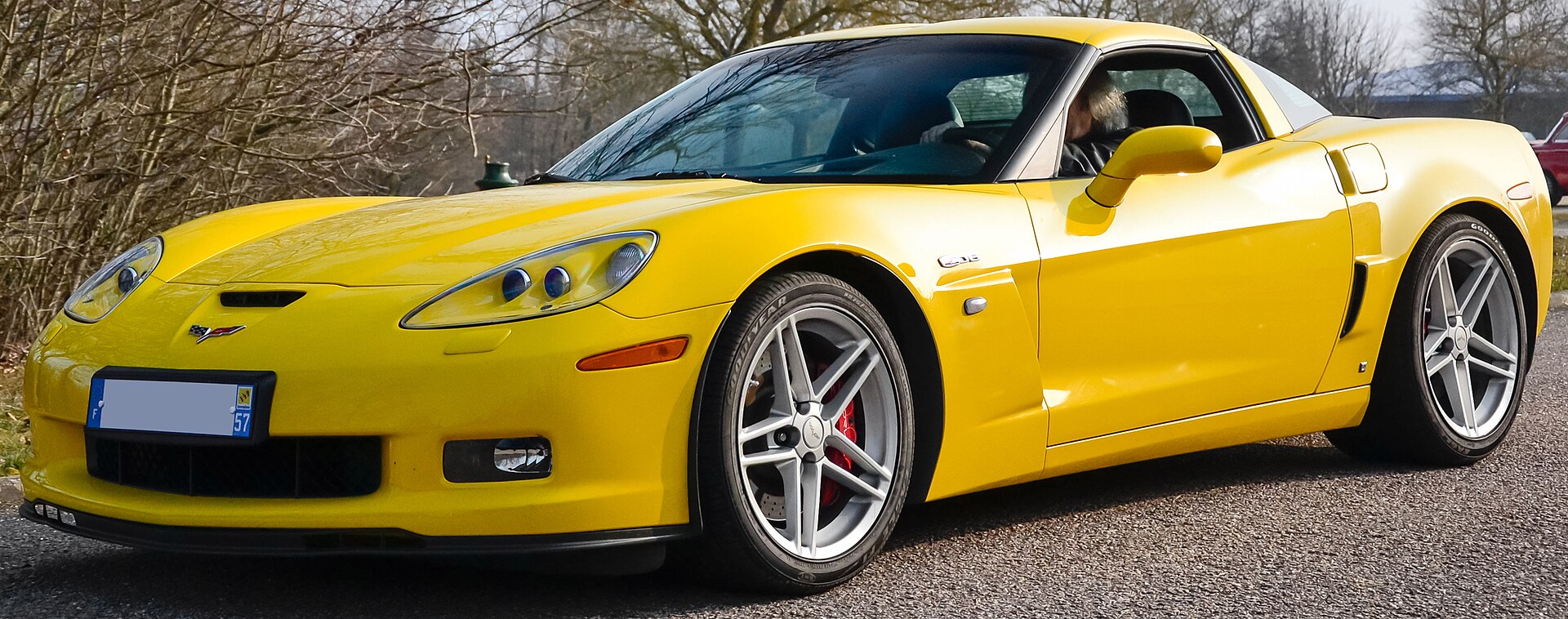
2005
-
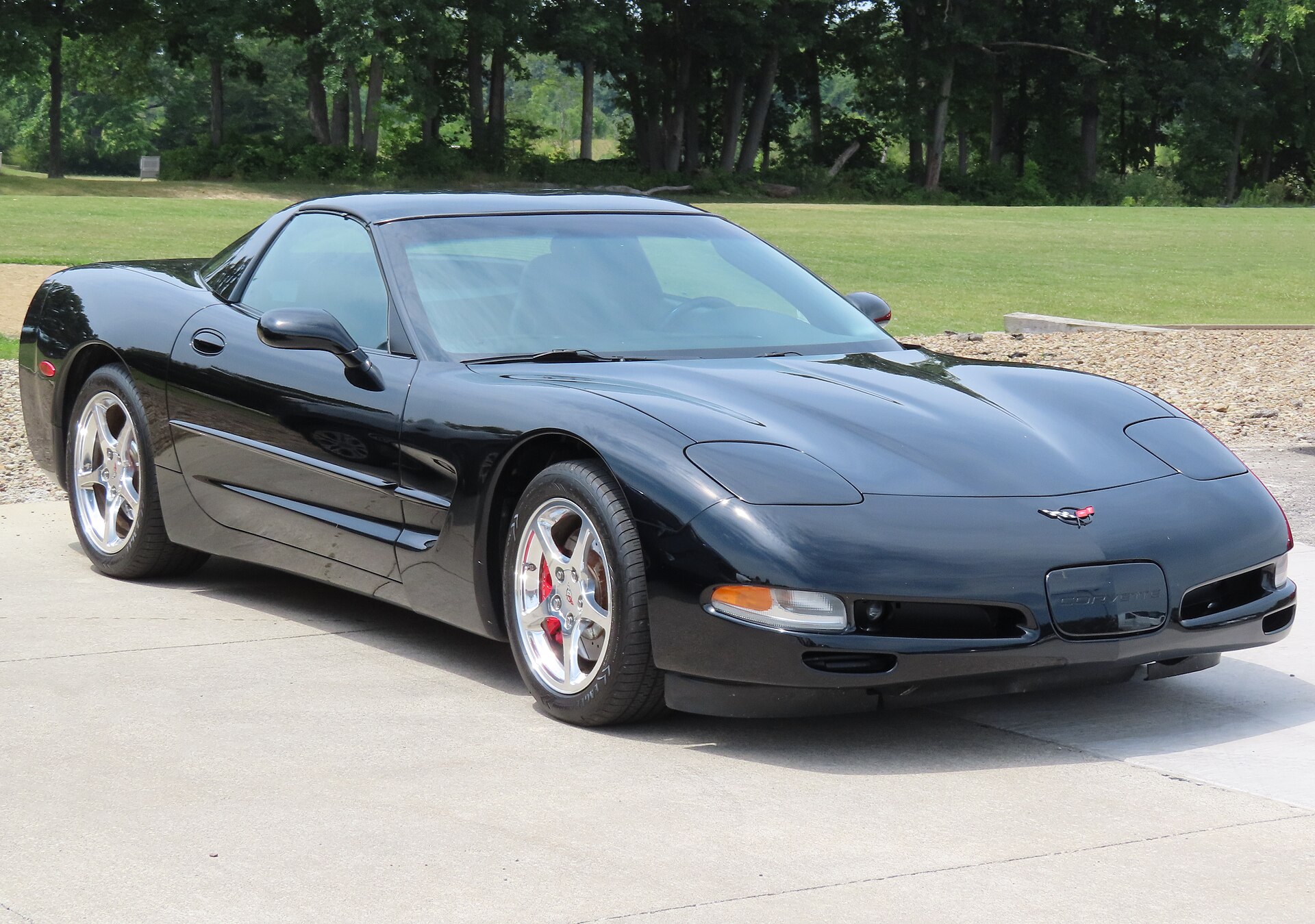
1997
-
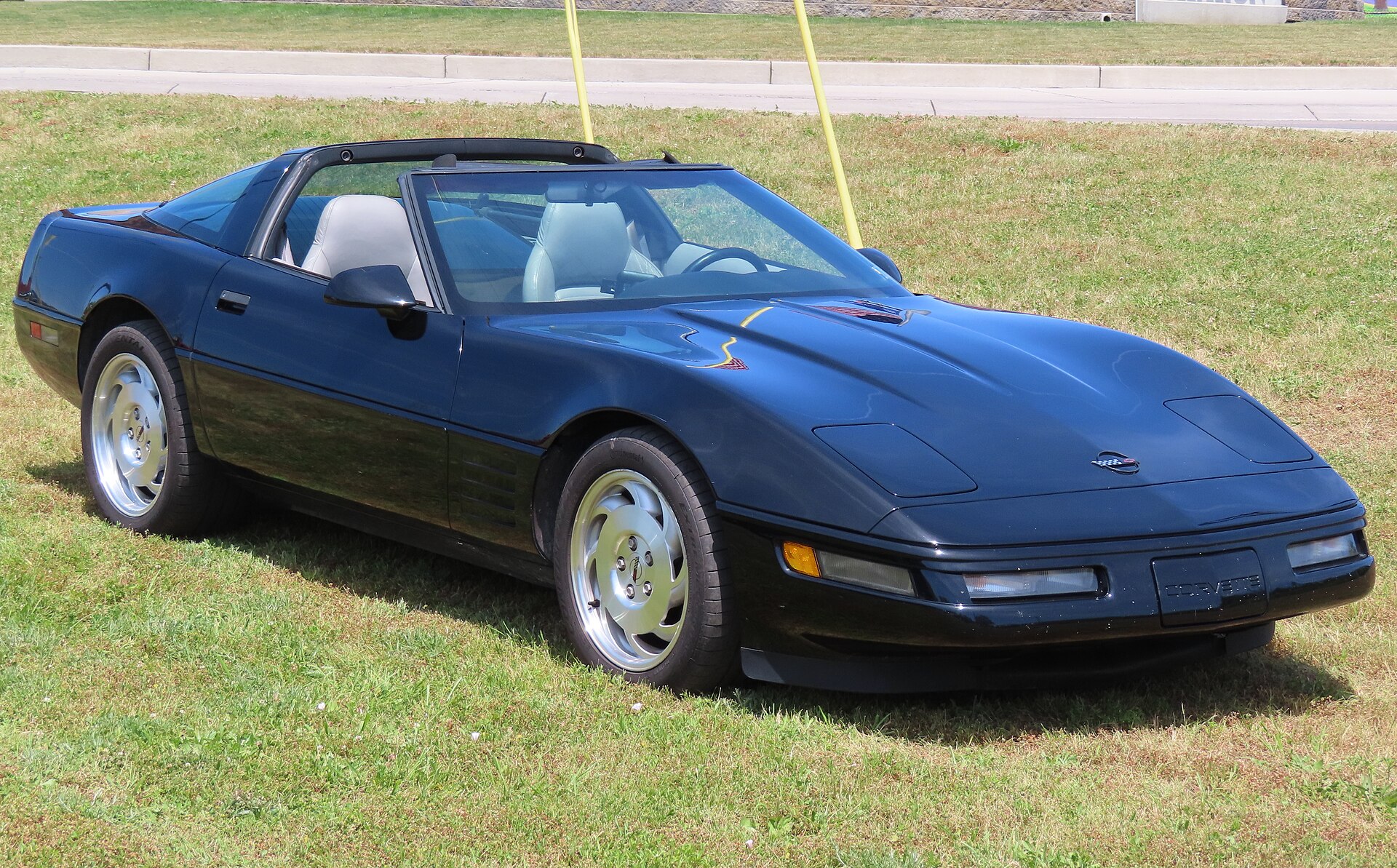
1984
-
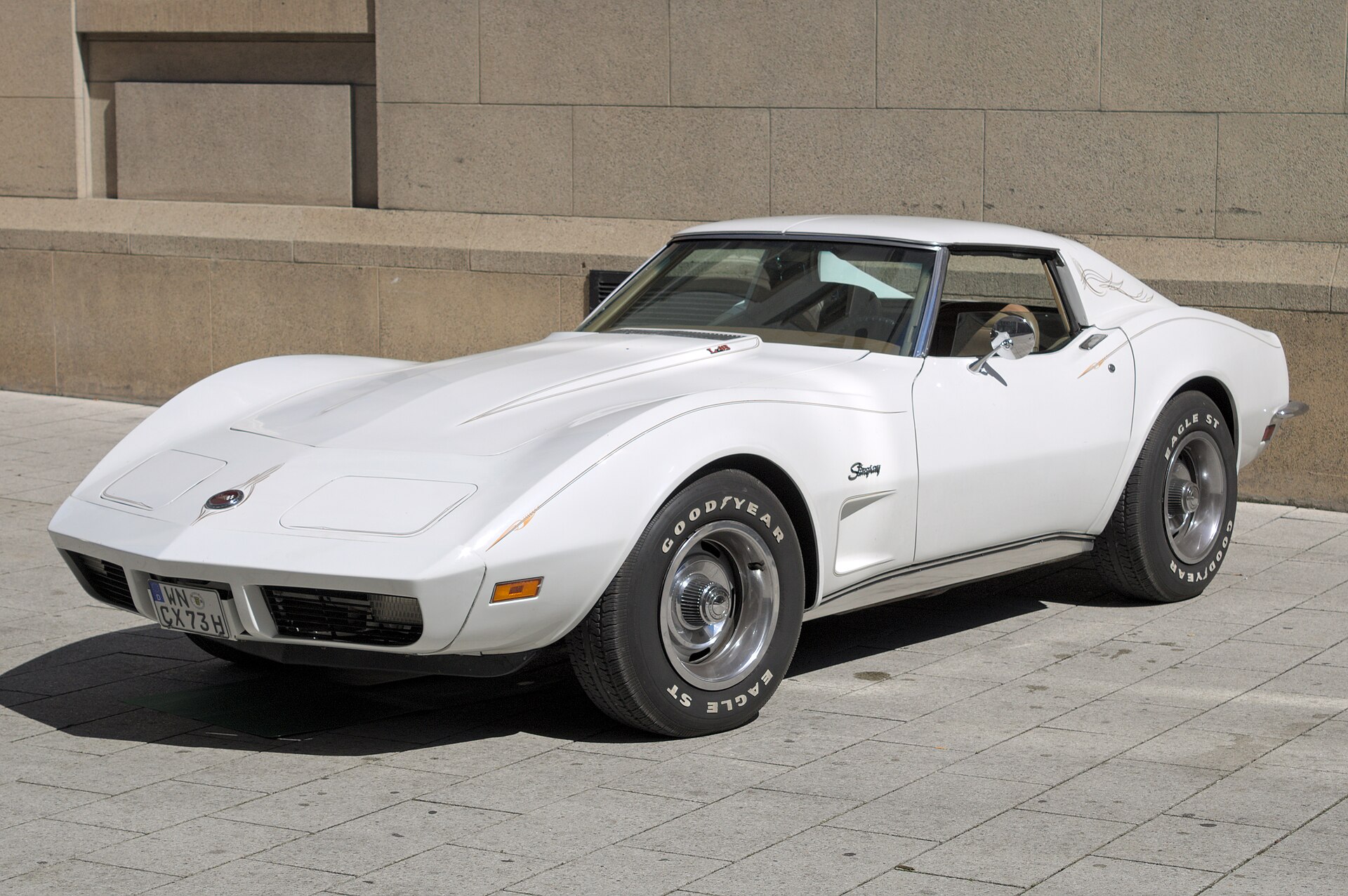
1968
-
1963

-
1953

All generations by year: Corvette C8 (2020–now) · Corvette C7 (2013–2019) · Corvette C6 (2005–2013) · Corvette C5 (1997–2004) · Corvette C4 (1984–1996) · Corvette C3 (1968–1982) · Corvette C2 (1963–1967) · Corvette C1 (1953–1962)
The Chevrolet Corvette C1 is the first generation of the Corvette, a two-seat convertible with a fibreglass body built from June 1953 to July 1962. It started with a 112 kW (150 hp) "Blue Flame" six, gained a V8 in 1955 and ended with a fuel-injected 5.4-litre V8 of 268 kW (360 hp). Chevrolet built 69,015 of them.
In short
- Shown as the EX-122 dream car at the GM Motorama in New York on 17 January 1953; production began in Flint, Michigan, on 30 June 1953 and moved to St. Louis in 1954.
- Harley Earl led the design, Robert McLean drew the chassis, and Zora Arkus-Duntov turned it into a true performance car from 1955.
- Key changes: V8 (1955), new body with wind-up windows (1956), fuel injection and four-speed (1957), quad headlamps (1958), boat-tail rear (1961), 327 V8 (1962).
- Sales grew from 300 cars in 1953 to 14,531 in 1962, the C1's best year.

Size at a glance
| Dimensions | Chevrolet Corvette C1 |
|---|---|
| Length | 4,267 mm168.0 in |
| Width | 1,791 mm70.5 in |
| Height | 1,308 mm51.5 in |
| Wheelbase | 2,591 mm102.0 in |
Corvette C1 specs by version
Engines
| Version | Engine | Power | Drive | Production years |
|---|---|---|---|---|
| Blue Flame 235 I6 (SAE gross) | 3.9 l · 6 cyl · Petrol 3,900 cc | 110 kW 150 PS148 hp | Rear-wheel drive | 1953–1954 |
| 265 V8 (SAE gross) | 4.3 l · 8 cyl · Petrol 4,300 cc | 145 kW 197 PS194 hp | Rear-wheel drive | 1955 |
| 4.6 211 kW (287 PS) Convertible | 4.6 l · 8 cyl · Petrol 4,600 cc | 211 kW 287 PS283 hp | Rear-wheel drive | 1957 |
| 327 V8 fuel injection (SAE gross) | 5.4 l · 8 cyl · Petrol 5,400 cc | 270 kW 367 PS362 hp | Rear-wheel drive | 1962 |
Dimensions and weight
Show all 4 versions
| Version | Length | Width | Height | Wheelbase | Kerb weight |
|---|---|---|---|---|---|
| Blue Flame 235 I6 (SAE gross) | 4,249 mm167.3 in | 1,773 mm69.8 in | 1,308 mm51.5 in | 2,591 mm102.0 in | 1,309 kg2,886 lb |
| 265 V8 (SAE gross) | 4,249 mm167.3 in | 1,773 mm69.8 in | 1,308 mm51.5 in | 2,591 mm102.0 in | 1,272 kg2,804 lb |
| 4.6 211 kW (287 PS) Convertible | 4,267 mm168.0 in | 1,791 mm70.5 in | 1,308 mm51.5 in | 2,591 mm102.0 in | 1,292 kg2,848 lb |
| 327 V8 fuel injection (SAE gross) | 4,501 mm177.2 in | 1,788 mm70.4 in | 1,295 mm51.0 in | 2,591 mm102.0 in | 1,390 kg3,064 lb |
Verified Manufacturer and type-approval data from our catalog · Sources and methodology
Corvette C1 at a glance: years, plants and purpose
The C1 was General Motors' answer to the European sports cars, such as the Jaguar XK120, that American servicemen had brought home after the war. It is a front-engined, rear-wheel-drive roadster with a separate steel frame, a glass-reinforced plastic body and a live rear axle, which is why enthusiasts call it the "solid-axle" Corvette.

| Fact | Detail |
|---|---|
| Model years | 1953–1962 |
| Plants | Flint, Michigan (1953); St. Louis, Missouri (1954–1962) |
| Body | two-door convertible, removable hardtop optional from 1956 |
| Layout | front engine, rear-wheel drive, live rear axle |
| Total built | 69,015 |
| Successor | Corvette C2 Sting Ray (1963) |
From Motorama show car to St. Louis production
Harley Earl's styling team began work in late 1951 under the code name "Project Opel". The show car, EX-122, appeared at the Waldorf-Astoria hotel during the 1953 Motorama, and the public reaction persuaded GM to build it. The first 300 cars of 1953 were assembled largely by hand in a temporary shop in Flint, all in Polo White with a red interior. In early 1954 production moved to St. Louis, which had space for 10,000 cars a year.

Early sales were weak. The car was expensive for a Chevrolet, had only an automatic gearbox and a six-cylinder engine, and in 1955 only 700 were built. The arrival of the Ford Thunderbird in 1955 and the work of engineer Zora Arkus-Duntov saved the model: Chevrolet gave it a V8, a manual gearbox and, in 1956, a new body.
| Model year | Built | Key change |
|---|---|---|
| 1953 | 300 | Blue Flame six, Powerglide, Polo White only |
| 1954 | 3,640 | St. Louis production, more colours |
| 1955 | 700 | 265 V8, three-speed manual late in the year |
| 1956 | 3,467 | new body, wind-up windows, optional hardtop |
| 1957 | 6,339 | 283 V8, fuel injection, four-speed from April |
| 1958 | 9,168 | quad headlamps, factory seat belts |
| 1959 | 9,670 | cleaner bonnet, turquoise top offered |
| 1960 | 10,261 | 315 hp fuel-injected 283 |
| 1961 | 10,939 | boat-tail rear with four round lamps |
| 1962 | 14,531 | 327 V8, last solid-axle car |
Fibreglass body and solid-axle chassis
Glass-fibre bodywork was the C1's big technical step. It was light, did not rust and suited small-volume production. The 1953–1955 cars had side curtains that clipped into the doors instead of glass windows, no outside door handles and a manually folding top. The 1956 redesign brought wind-up windows, the sculpted side "coves" and an optional removable hardtop; from 1958 the body grew longer, with four headlamps.

Robert McLean placed the engine far back in the frame for a 53/47 weight split. The wheelbase was 2,591 mm throughout. Brakes were drums on all four wheels, and suspension used coil springs at the front and leaf springs on a live axle at the rear. The interior had a wide, symmetrical dashboard; seat belts were fitted by dealers until 1958, when they became factory-installed.
Corvette C1 engines and drivetrain
| Engine | Years | Displacement | Power (gross) |
|---|---|---|---|
| Blue Flame I6 | 1953–1955 | 3.9 l (235 cu in) | 112–116 kW (150–155 hp) |
| Small-block V8 | 1955–1956 | 4.3 l (265 cu in) | 145–179 kW (195–240 hp) |
| Small-block V8, carburettor or fuel injection | 1957–1961 | 4.6 l (283 cu in) | 164–235 kW (220–315 hp) |
| Small-block V8, carburettor or fuel injection | 1962 | 5.4 l (327 cu in) | 186–268 kW (250–360 hp) |
The 1957 fuel-injected 283, using Rochester's constant-flow system, was advertised as "one horsepower per cubic inch": 283 hp from 283 cubic inches. Only 1,040 of the 6,339 cars of that year had it. Fuel injection stayed the top option until the end of the C1, reaching 268 kW (360 hp) with the 327 in 1962.

Gearboxes were a two-speed Powerglide automatic (standard at first and the only choice for the six), a three-speed manual (late 1955, standard from 1956) and a four-speed manual from 9 April 1957. A 1953 car took about 11.5 seconds to reach 60 mph; the fuel-injected V8 cars were far quicker. By our calculation, power per tonne more than doubled over the C1's life. A 1953 car (112 kW, 1,309 kg) has about 86 kW per tonne, and the 1962 fuel-injected 327 (268 kW, 1,390 kg) about 193 kW per tonne.
Corvette C1 specifications
| Parameter | Metric | Imperial |
|---|---|---|
| Wheelbase | 2,591 mm | 102.0 in |
| Length (1953–55 / 1956–57 / 1958–62) | 4,249 / 4,267 / 4,501 mm | 167.3 / 168.0 / 177.2 in |
| Width (1953–55 / 1958–61) | 1,773 / 1,849 mm | 69.8 / 72.8 in |
| Height (1953–57 / 1958–62) | 1,308 / 1,295 mm | 51.5 / 51.0 in |
| Kerb weight | 1,309–1,390 kg | 2,886–3,065 lb |
| Weight distribution | 53 / 47 front/rear | |
| Power range | 112–268 kW | 150–360 hp (gross) |
The old 1cars text quoted a 4.6-litre V8 with 283 hp as the C1 engine; that was the top 1957 option, and the full range ran from the six to the 327.

Sebring, Le Mans and the Scaglietti cars
Duntov raced in Europe and pushed the Corvette towards competition. The Corvette SS, a tubular-frame racer built for Le Mans, retired from the 1957 Sebring 12 Hours with a rear bushing failure. The project ended in April 1957, when the US manufacturers agreed to stay out of racing. Private teams carried on: in 1960 Briggs Cunningham's team took a C1 to a GT class win at Le Mans, a result widely reported in Corvette histories. Between 1959 and 1961, three chassis received lightweight aluminium bodies from Scaglietti in Italy, but the project stopped at the prototype stage.

What the C1 meant for the Corvette line
The C1 turned the Corvette from a show car into America's best-known sports car. Each update after 1955 made it faster and more usable, and by 1962 it sold almost 50 times as many cars as in its first year. Its boat-tail rear of 1961 and the 327 V8 passed straight to the Corvette C2 Sting Ray, which added independent rear suspension in 1963. The full line, through eight generations, is covered in the history of the Chevrolet Corvette.

Buying and collecting a C1 Corvette
C1 Corvettes are among the most collected American cars of the 1950s. Prices depend on year, engine and originality: the 1953 cars and fuel-injected models are the most valuable, and the record public auction result for a C1 was set at Barrett-Jackson in March 2021. The old article's single price figure is not useful, because values range from project cars to concours examples.

What to check:
- the frame, especially the rear kick-ups and the body mounts, for rust; the fibreglass body hides it;
- cracks, star fractures and poor repairs in the fibreglass;
- matching engine numbers, which matter a great deal for value on fuel-injected cars;
- the fuel-injection unit, which needs specialist set-up;
- correct trim and colour codes for the model year, because many cars were restored with mixed parts.
Compare the C1 with other cars of its time in the 1950s classics section, with its first rival, the Ford Thunderbird, or with any later sports car in the comparison tool. The C1 also appears among the most powerful convertibles in the 1cars catalogue.
Before and after: no predecessor, the C2 as successor
The C1 had no predecessor at Chevrolet; it was the brand's first sports car. It was replaced for the 1963 model year by the C2 Sting Ray, a coupé and convertible with independent rear suspension and the same small-block V8 family. Every later Corvette carries the name this car introduced, and the front-engined layout it set lasted until the mid-engined C8 of 2020.


Popular comparisons
Chevrolet Corvette C1 photos 16


FAQ
What years was the Corvette C1 made?
The first-generation Corvette was built for the 1953 to 1962 model years, from 30 June 1953 to July 1962. The first cars came from Flint, Michigan, and production moved to St. Louis, Missouri, in early 1954.
What engine does the Corvette C1 use?
The 1953–1955 cars used the 3.9-litre Blue Flame six with 112–116 kW. From 1955 the small-block V8 took over: 4.3 litres (1955–1956), 4.6 litres (1957–1961) and 5.4 litres in 1962, up to 268 kW with fuel injection.
How many Corvette C1 were built?
Chevrolet built 69,015 C1 Corvettes. Production started with 300 cars in 1953, fell to 700 in 1955 and grew every year after that, to 14,531 in 1962, the final model year.
What replaced the Corvette C1?
The C2 Corvette Sting Ray replaced it for the 1963 model year. The C2 brought a fixed-roof coupé alongside the convertible, independent rear suspension and the same 327 V8 that the last C1 used.
What should collectors check on a Corvette C1?
Check the steel frame for rust, the fibreglass for cracks and repairs, and the engine and body numbers for originality. Fuel-injected and 1953 cars carry the highest values, so their documents should be verified by a specialist before purchase.
Data sources
Data checked by an editor against the sources below.
- The text of this article (1cars archive)
- Wikipedia - Chevrolet Corvette
- Wikipedia - Chevrolet Corvette (C8)
- Wikipedia - Chevrolet Corvette (C1)