 Chevrolet Camaro IV (1993–2002)
Specs, engines, safety and known problems
Published Sources (4) Report an error
By Sarah Whitmore, Senior Automotive Writer Reviewed by Oleksandr Hnatiuk
- Power
- 119–246 kW (162–334 PS)
- Generation
- 4 of 6
Model timeline
Where the IV sits in the Camaro story
Predecessor Camaro III (1982–1992) Successor Camaro V (2009–2015)
Newest first · 6 generations since 1966
-
2016
-
2009
-
1993
-
1982
-
1970
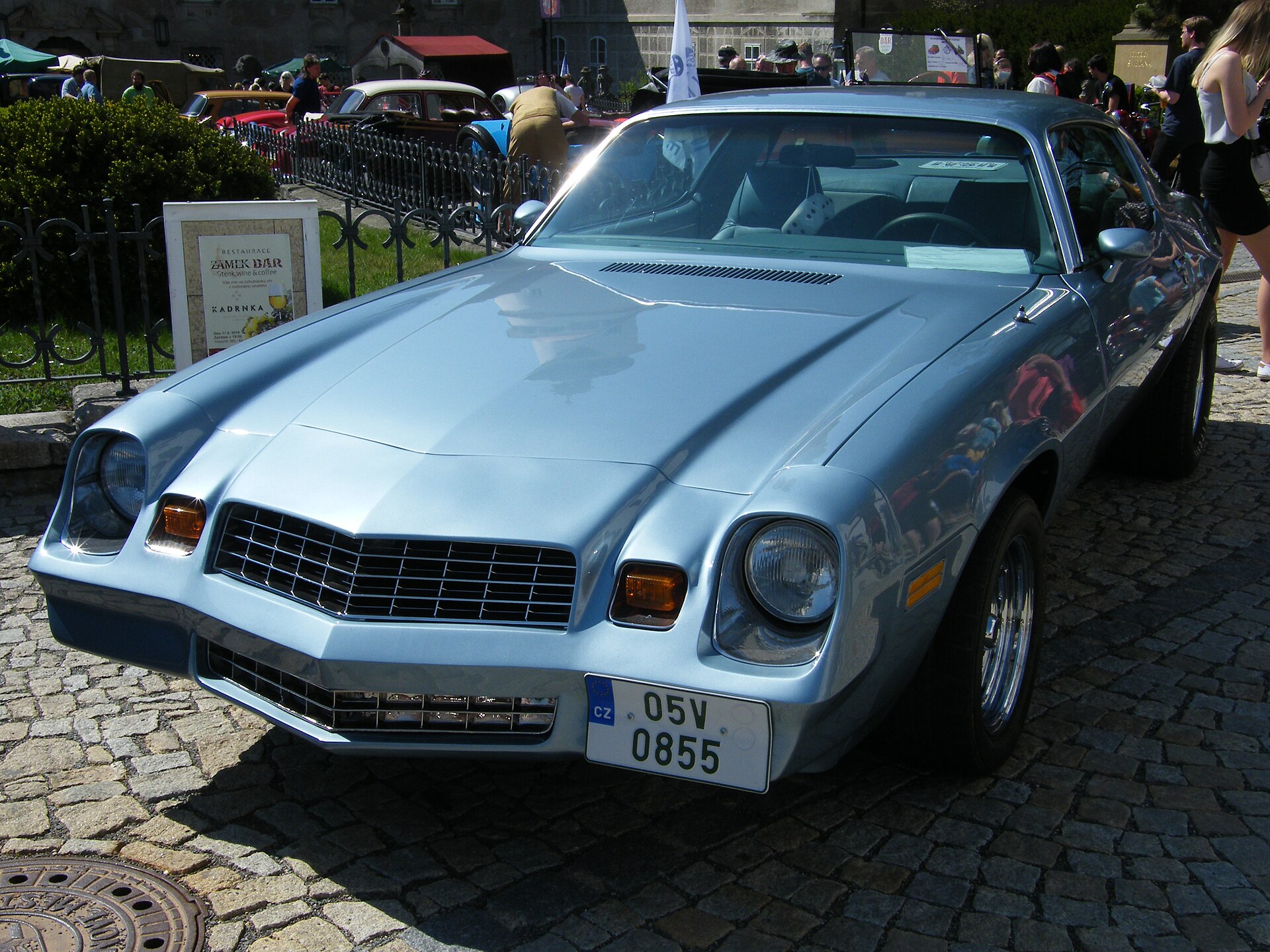
-
1966
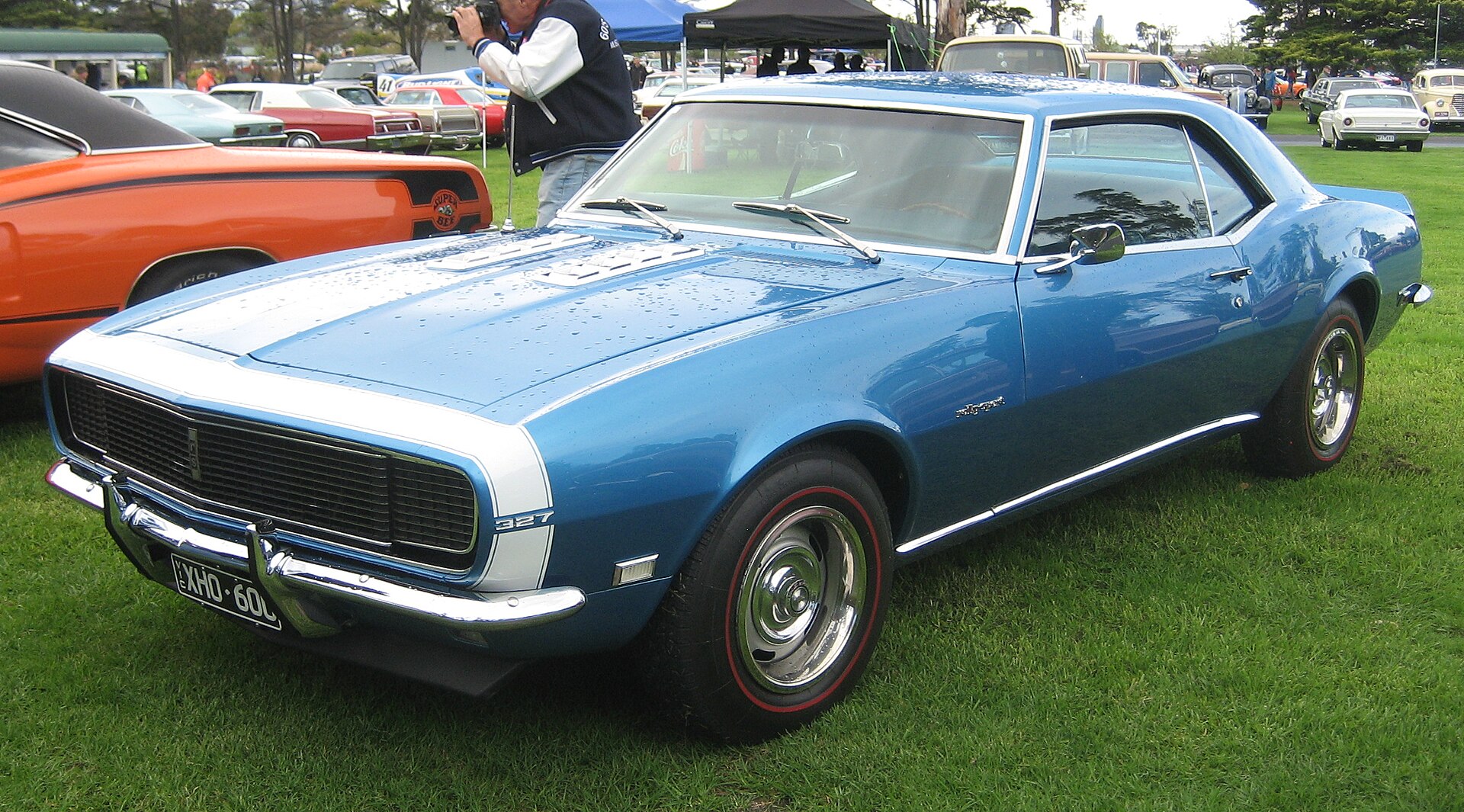


All generations by year: Camaro VI (2016–2024) · Camaro V (2009–2015) · Camaro IV (1993–2002) · Camaro III (1982–1992) · Camaro II (1970–1981) · Camaro I (1966–1969)
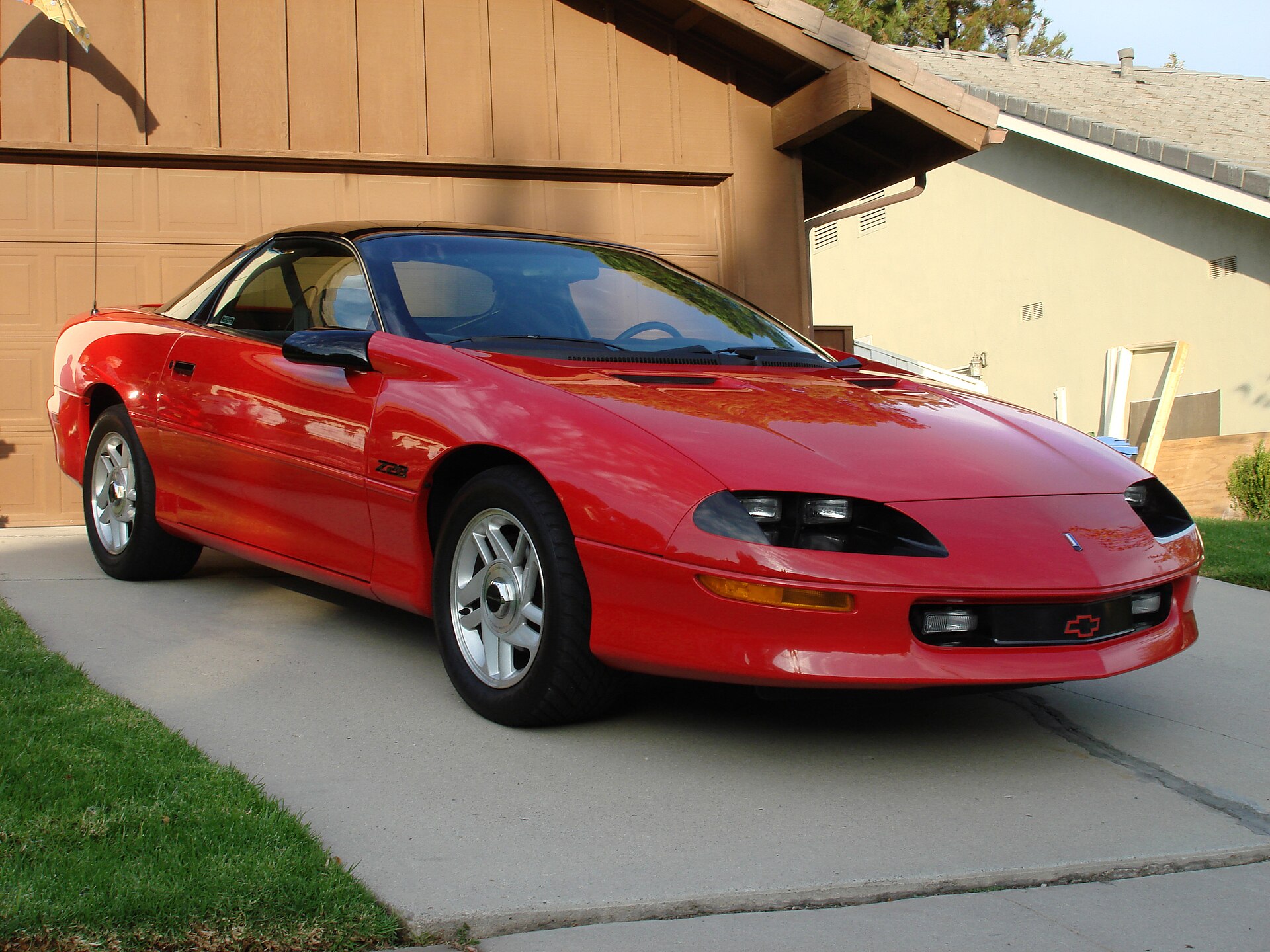
The fourth-generation Chevrolet Camaro was the last F-body Camaro, built at Sainte-Thérèse, Quebec, from November 1992 to 27 August 2002. Introduced in January 1993, it brought composite body panels, standard anti-lock brakes and Corvette-derived V8 engines: first the LT1 and, from 1998, the aluminium-block LS1. A convertible joined the coupé for 1994.
In short
- Model years 1993–2002, all built at one plant in Quebec, Canada; the last car left the line on 27 August 2002.
- Engines: 3.4 V6 with 119 kW (160 hp), 3.8 V6 with 149 kW (200 hp), LT1 V8 with 205 kW (275 hp) and LS1 V8 with about 227–231 kW (305–310 hp).
- NHTSA frontal ratings: five stars for driver and passenger on 1993, 1996 and 1997 cars; four for the driver and five for the passenger on 1998 and 2002 cars.
- GM sold it in Germany with a 3.8 V6 of 142 kW (193 PS) and a Z28 V8 of 212 kW (288 PS).
Size at a glance
Chevrolet Camaro III
The Chevrolet Camaro IV is 30 mm longer, 32 mm wider and 28 mm taller than the Chevrolet Camaro III.
| Dimensions | Chevrolet Camaro IV | Chevrolet Camaro III | Difference |
|---|---|---|---|
| Length | 4,907 mm193.2 in | 4,877 mm192.0 in | +30 mm+1.2 in |
| Width | 1,882 mm74.1 in | 1,850 mm72.8 in | +32 mm+1.3 in |
| Height | 1,303 mm51.3 in | 1,275 mm50.2 in | +28 mm+1.1 in |
| Wheelbase | 2,568 mm101.1 in | 2,565 mm101.0 in | +3 mm+0.1 in |
Camaro IV specs by version
Engines
| Version | Engine | Power | Drive | Production years |
|---|---|---|---|---|
| 3.4 119 kW (162 PS) | 3.4 l · 6 cyl 3,400 cc | 119 kW 162 PS160 hp | Rear-wheel drive | — |
| 142 kW (193 PS) | 6 cyl | 142 kW 193 PS190 hp | Rear-wheel drive | — |
| 3.8 147 kW (200 PS) | 3.8 l 3,800 cc | 147 kW 200 PS197 hp | Rear-wheel drive | — |
| 149 kW (203 PS) | 6 cyl | 149 kW 203 PS200 hp | Rear-wheel drive | — |
| 5.7 L (350 cu in) V8 | 8 cyl | 205 kW 279 PS275 hp | Rear-wheel drive | 1993–1997 |
| 212 kW (288 PS) | 8 cyl | 212 kW 288 PS284 hp | Rear-wheel drive | — |
| 239 kW (325 PS) | — | 239 kW 325 PS321 hp | Rear-wheel drive | 2001 |
| 5.7 L V8, SLP conversion | — | 246 kW 334 PS330 hp | Rear-wheel drive | 1996 |
Dimensions and weight
Show all 8 versions
| Version | Wheelbase | Fuel tank |
|---|---|---|
| 3.4 119 kW (162 PS) | 2,568 mm101.1 in | 64 l16.9 gal US |
| 142 kW (193 PS) | 2,568 mm101.1 in | 64 l16.9 gal US |
| 3.8 147 kW (200 PS) | 2,568 mm101.1 in | 64 l16.9 gal US |
| 149 kW (203 PS) | 2,568 mm101.1 in | 64 l16.9 gal US |
| 5.7 L (350 cu in) V8 | 2,568 mm101.1 in | 64 l16.9 gal US |
| 212 kW (288 PS) | 2,568 mm101.1 in | 64 l16.9 gal US |
| 239 kW (325 PS) | 2,568 mm101.1 in | 64 l16.9 gal US |
| 5.7 L V8, SLP conversion | 2,568 mm101.1 in | 64 l16.9 gal US |
Verified Manufacturer and type-approval data from our catalog · Sources and methodology
What the 1993 redesign brought over the 1992 car
The 1993 Camaro was a new body on an updated F-body platform, with almost the same wheelbase as before: 2,568 mm (101.1 in) against 2,565 mm (101.0 in). Production moved from Van Nuys, California, to Sainte-Thérèse in Quebec, and the layout stayed familiar: two doors, a 2+2 cabin, a lifting rear hatch and rear-wheel drive.
The changes were in materials, safety and drivetrains. Anti-lock brakes became standard on every model. The Z28 received the 5.7-litre LT1 V8 first used in the 1992 Corvette, with a four-speed automatic as standard and the Borg-Warner T-56 six-speed manual as a no-cost option. V6 cars came with a five-speed manual, the automatic being optional. A Z28 paced the 1993 Indianapolis 500, and 645 pace-car replicas were built.
The overview of every Camaro generation shows how this car closed the first, 36-year chapter of the model's history.
Composite panels, T-tops and the 1998 facelift
Sheet moulding compound, a mix of chopped glass fibre and polyester resin, was used for the roof, hatch, doors and rear spoiler. The coupé was offered with or without T-top roof panels, and the convertible returned for 1994. The Pontiac Firebird remained the Camaro's F-body twin to the end.
The interior was redesigned for 1997, when three-colour tail lights also appeared. For 1998 the car received a new front end, which enthusiasts nicknamed the "Catfish" Camaro, along with the LS1 engine. In 1999 a plastic fuel tank of 63.6 L (16.8 US gal) replaced the earlier 58.7 L (15.5 US gal) tank.
V6 to LS1: fourth-generation engines and gearboxes
All outputs are US SAE net figures; kW values are converted from the quoted hp. German-market cars were listed at slightly different metric figures, mentioned below the table.
| Engine | Code | Years | Power | Torque |
|---|---|---|---|---|
| 3.4 L (207 cu in) V6 | L32 | 1993–95 | 119 kW (160 hp) | not quoted |
| 3.8 L (231 cu in) V6, 3800 Series II | L36 | 1995–2002 | 149 kW (200 hp); 205 hp also quoted | not quoted |
| 5.7 L (350 cu in) V8 | LT1 | 1993–97 | 205 kW (275 hp) | 441 Nm (325 lb-ft) |
| 5.7 L V8, SLP-tuned (Z28 SS) | LT1 | 1996–97 | 227 kW (305 hp) | not quoted |
| 5.7 L V8, SLP conversion | LT4 | 1996–97 | 246 kW (330 hp) | 461 Nm (340 lb-ft) |
| 5.7 L (346 cu in) V8 | LS1 | 1998–2002 | 227–231 kW (305–310 hp) | not quoted |
| 5.7 L V8, SS from 2001 | LS1 | 2001–02 | 242 kW (325 hp) | not quoted |
The LS1 came from the C5 Corvette and was the first all-aluminium engine in a Camaro since the 1969 ZL1. From 2001 it used the intake of the Corvette's LS6, which brought the Z28 to 310 hp and the SS to 325 hp. In Germany the 3.8 V6 was listed at 142 kW (193 PS) for coupé and convertible, while the 5.7 V8 Z28 was sold only as a T-top coupé with 212 kW (288 PS).
The Z28's standard automatic was the mechanically controlled 4L60 in 1993 and the electronically controlled 4L60E from 1994, when engine management also switched from speed-density to mass-air-flow metering. OBD II diagnostics arrived for 1996. Traction control working at all speeds was an option on V8 cars and became available on the V6 for 1999, the year a Torsen limited-slip differential was fitted to the Z28 and SS. Contemporary testing of a 1994 Z28 recorded 0 to 60 mph in 5.7 seconds and the quarter mile in 14.2 seconds.
SS, anniversary editions and police cars
The SS name returned for 1996 on Z28s converted by the tuner SLP, with 227 kW (305 hp) from the LT1. A limited number of 1996–97 SS cars received the 246 kW (330 hp) LT4 instead. The 1997 30th Anniversary package was built 979 times, and the Y87 handling package and optional 17-inch wheels (from 1995) were further ways to improve a standard car.
The 1998–2002 SS was more than a badge: it had freer-breathing intake and exhaust, bigger wheels and tyres, revised suspension, an arched rear wing and different gearing from the Z28. SLP also revived the RS name in 2001, and the final 2002 SS could be ordered with a 35th Anniversary package. Through the whole generation GM offered the B4C Special Service package to police agencies, and the 1LE option was last listed for 1999.
Exterior sizes, weight and fuel tank
Length grew slightly with the 1998 nose, and height differs between coupé and convertible.
| Parameter | Metric | Imperial |
|---|---|---|
| Wheelbase | 2,568 mm | 101.1 in |
| Length (1993–97) | 4,907 mm | 193.2 in |
| Length (1998–2002) | 4,915 mm | 193.5 in |
| Width | 1,882 mm | 74.1 in |
| Height, coupé (1993–97 / 1998–2002) | 1,303 / 1,300 mm | 51.3 / 51.2 in |
| Height, convertible (1994–97 / 1998–2002) | 1,321 / 1,316 mm | 52.0 / 51.8 in |
| Kerb weight | 1,340–1,456 kg | 2,954–3,211 lb |
| Fuel tank (from 1999) | 63.6 L | 16.8 US gal |
NHTSA star ratings, 1993–2002
This is the first Camaro generation with crash ratings covering most of its life. NHTSA's database gives the following results for the two-door Camaro in the years we checked:
| Model year | Frontal, driver | Frontal, passenger | Side, driver | Side, passenger |
|---|---|---|---|---|
| 1993 | 5 stars | 5 stars | not rated | not rated |
| 1996 | 5 stars | 5 stars | not rated | not rated |
| 1997 | 5 stars | 5 stars | 3 stars | 4 stars |
| 1998 | 4 stars | 5 stars | 3 stars | 4 stars |
| 2002 | 4 stars | 5 stars | 3 stars | 4 stars |
The ratings come from NHTSA's programme of the time and cannot be compared with stars awarded since 2011. No IIHS rating was found for this generation, and the Camaro was never tested by Euro NCAP.
Sales slide and the end in 2002
US sales were strongest early on, with about 120,000 cars in each of the 1994 and 1995 model years, and fell to around 60,000 a year in 1996 and 1997. By 2001 they had dropped to 29,009. GM's stated reasons for ending F-body production were weak sales, a declining market for sports coupés and surplus factory capacity, and the Firebird ended with it. The corporate background is covered in the history of General Motors.
The rivalry with the Ford Mustang continued throughout, but the Mustang stayed in production while the Camaro took a break of almost seven years.
Choosing between an LT1 and an LS1 car
No independent reliability survey covers the fourth generation, so a careful inspection and service history count for more than the model year. The engine is the first decision.
- LS1 (1998–2002): the most power, an aluminium block and, from 1999, the Torsen differential and larger fuel tank; 2001–02 cars have the LS6-type intake.
- LT1 (1993–97): the earlier look; 1994–97 cars have the electronically controlled automatic, and 1996–97 cars OBD II diagnostics.
- V6: the 3.8 from 1995 offers 25 per cent more power than the 3.4 it replaced.
- SS and special editions: ask for SLP documentation and check anniversary-package details against the published production figures.
Convertibles exist from 1994 onwards. Browse more American cars or sports cars for alternatives from the same period.
Did you know?
- The Camaro IV is generation 4 of 6 of the Chevrolet Camaro in our catalog.
- The Camaro IV offers up to 246 kW (334 PS) — 63 kW more than the Camaro III (1982–1992) (+34%).
- At up to 4,907 mm long, it is 30 mm longer than the Camaro III (1982–1992).
Image credits · Photos from Wikimedia Commons under free licences
- Chevrolet Camaro I · Photo: Sicnag / Wikimedia Commons, CC BY 2.0
- Chevrolet Camaro II · Photo: Addvisor / Wikimedia Commons, CC BY-SA 4.0
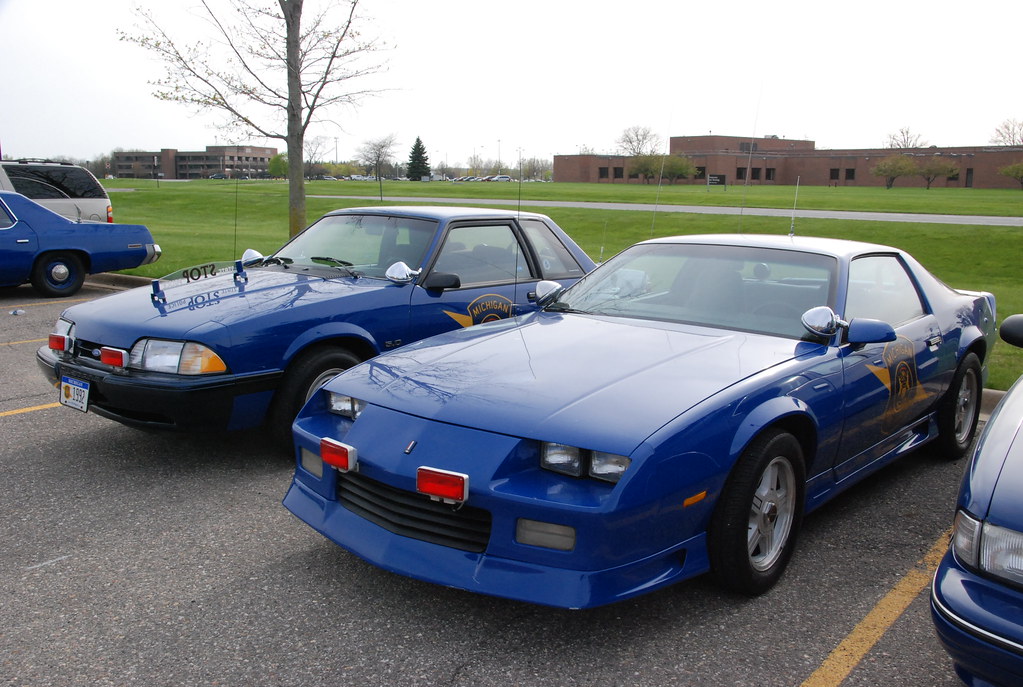
- Chevrolet Camaro III · Photo: Corvair Owner / Flickr, CC BY-SA 2.0
- Chevrolet Camaro IV · Photo: Rich Niewiroski Jr. / Wikimedia Commons, CC BY 2.5
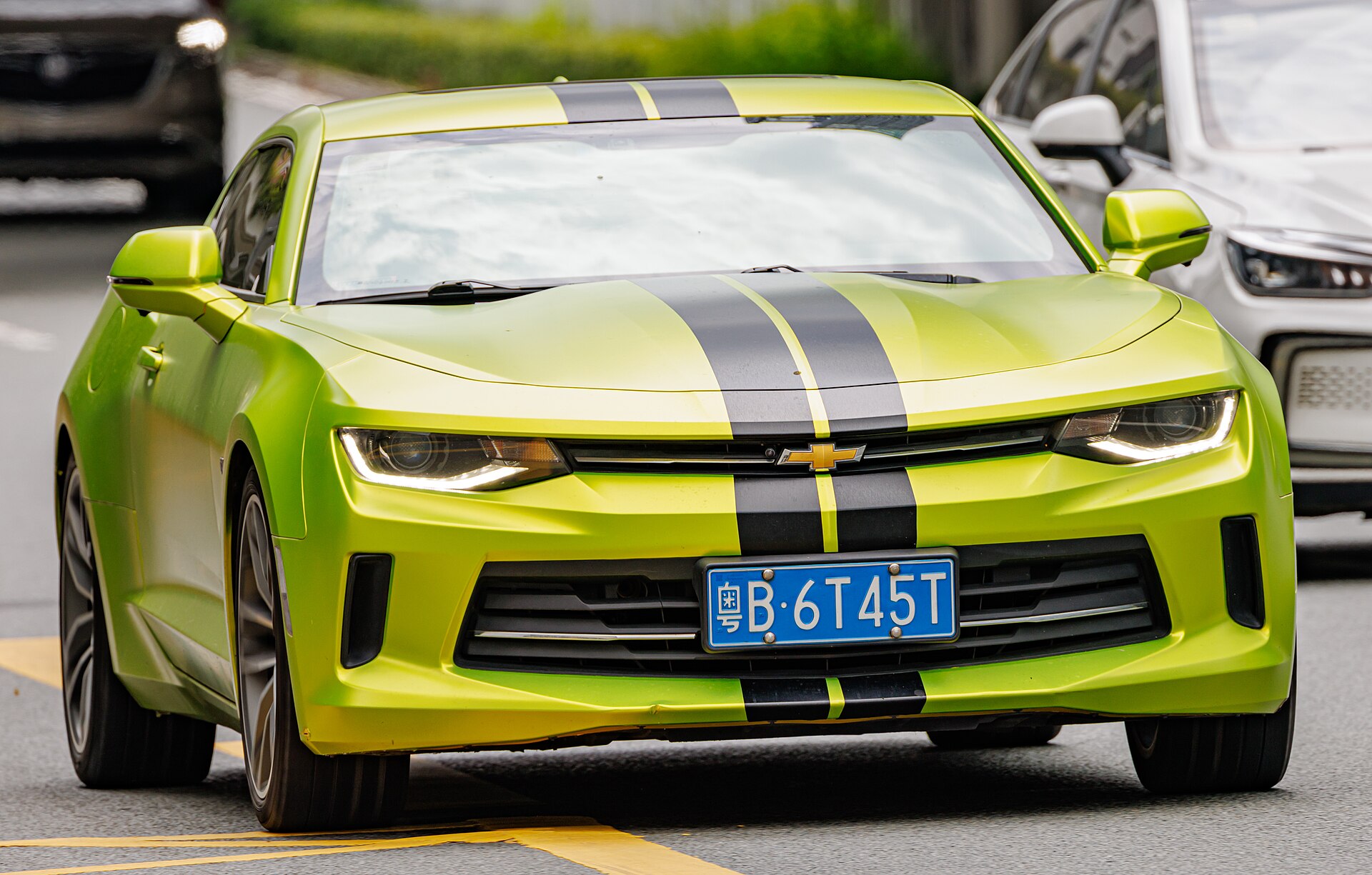
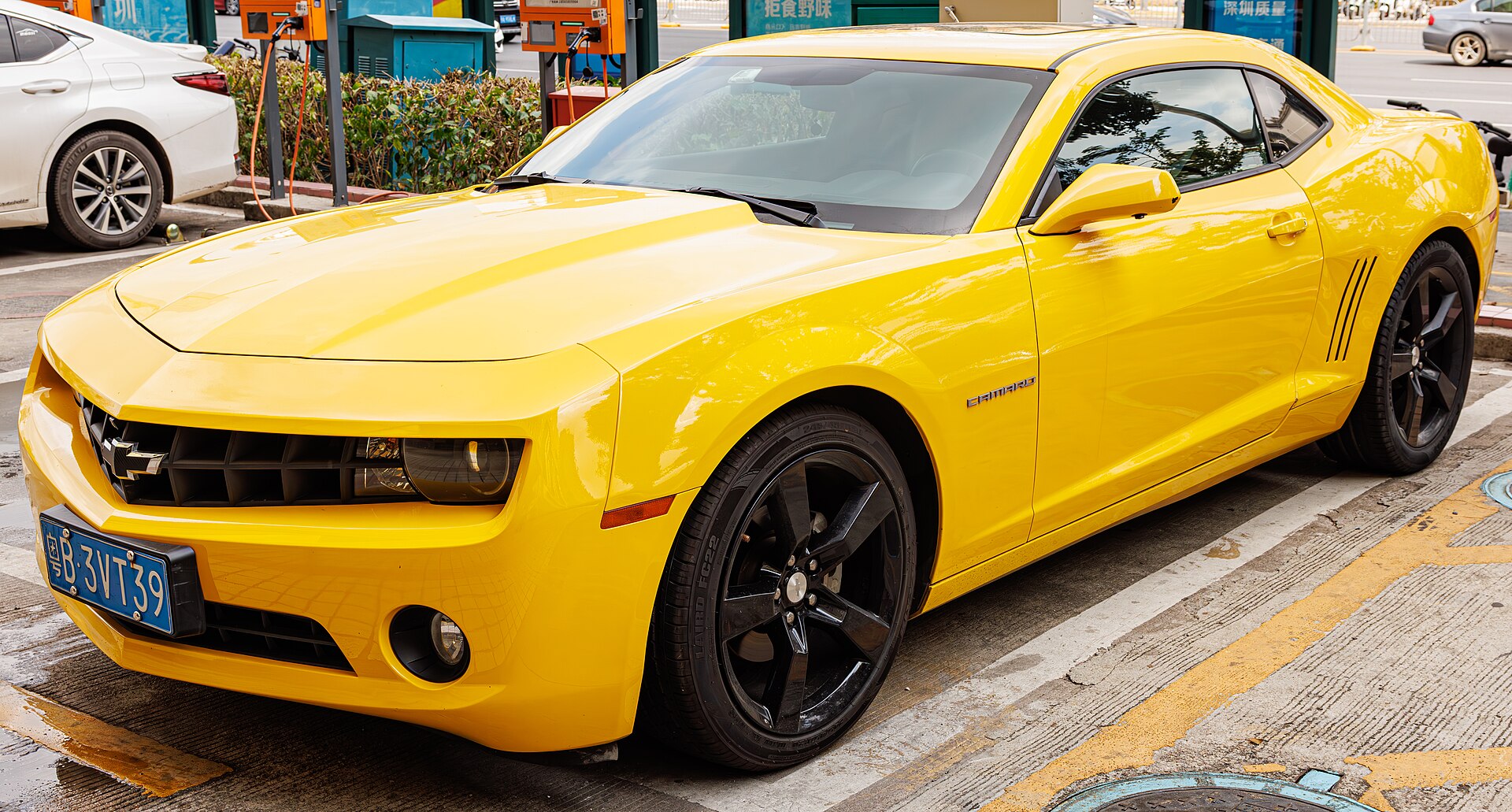
- Chevrolet Camaro V · Photo: Dinkun Chen / Wikimedia Commons, CC BY-SA 4.0
- Chevrolet Camaro VI · Photo: Dinkun Chen / Wikimedia Commons, CC BY-SA 4.0
Rivals
Compare with…
Compare Chevrolet Camaro with
- Ford Mustang Fastback quick spec comparison
- Ford Mustang GT500 quick spec comparison
- Dodge Challenger SRT Demon quick spec comparison
-
Classic
- Years
- 1964
- Body
- Coupe
- Fuel
- Petrol
- Power
- 202 kW (275 PS)
-
Classic
- Years
- 1967–1970
- Body
- Coupe
- Fuel
- Petrol
- Power
- 265 kW (360 PS)
-
Ended 2023
- Years
- 2018–2023
- Body
- Coupe
- Fuel
- Petrol
- Power
- 603–764 kW (820–1,039 PS)
2 generations
- LC
- 170
-
Classic
- Years
- 1964–1974
- Body
- Coupe, Convertible
- Fuel
- Petrol
- Power
- 75–317 kW (102–431 PS)
3 generations
- I
- II
- III


FAQ
What years is the fourth-generation Camaro?
The 1993 to 2002 model years. Production at Sainte-Thérèse, Quebec, ran from November 1992 to 27 August 2002, and the car was introduced to the public in January 1993.
What is the difference between the LT1 and LS1 Camaro?
The LT1 V8, used from 1993 to 1997, gave 205 kW (275 hp). The LS1 that replaced it for 1998 came from the C5 Corvette, had an aluminium block and was rated at about 305 to 310 hp, rising to 325 hp in the 2001–02 SS.
How fast is a fourth-generation Camaro Z28?
A 1994 Z28 with the LT1 was tested at 5.7 seconds from 0 to 60 mph and 14.2 seconds over the quarter mile. LS1 cars from 1998 have more power.
Was the fourth-generation Camaro sold in Europe?
Yes, at least in Germany. The 3.8 V6 was offered as a coupé or convertible with 142 kW (193 PS), and the Z28 came only as a T-top coupé with a 5.7 V8 of 212 kW (288 PS).
Why did Chevrolet stop making the Camaro in 2002?
In GM's words, the reasons were slow sales, a deteriorated sports-coupé market and plant overcapacity. Sales had fallen to 29,009 in 2001, and the next Camaro went into production only in March 2009.
Data sources
Data checked by an editor against the sources below.
- 1cars archive: Chevrolet Camaro: Six Generations, Specs and History
- The text of this article (1cars archive)
- Wikipedia — Chevrolet Camaro
- Wikipedia — Chevrolet Camaro (fourth generation)