 Chevrolet Impala
All generations, specs and history
Published Sources (6) Report an error
By Sarah Whitmore, Senior Automotive Writer
- Built
- 1958–2020
- Generations
- 10
Timeline
Impala generations
Click a generation for its own page
IX and X overlapped in 2014–2016, so X sits on a second lane
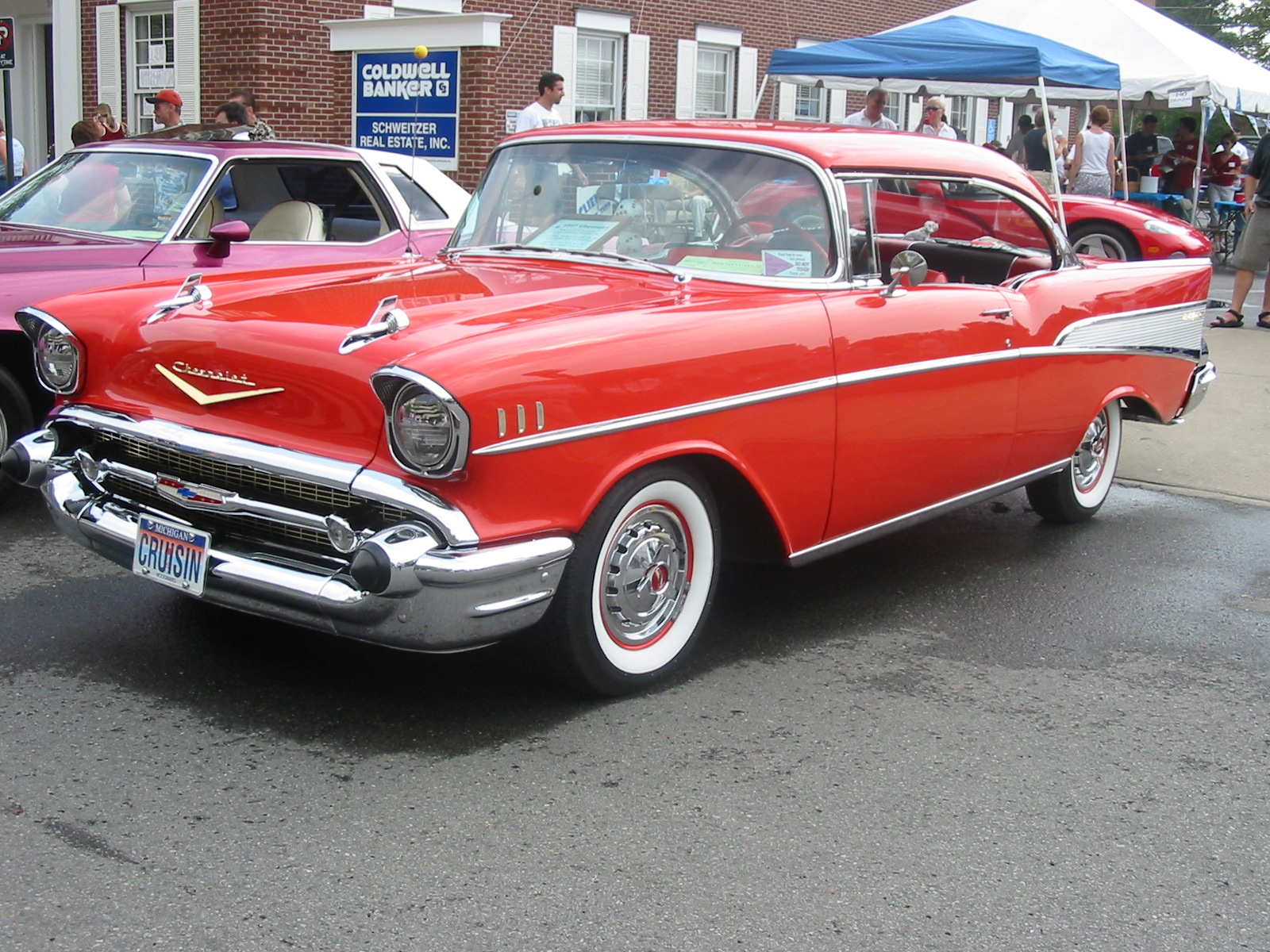
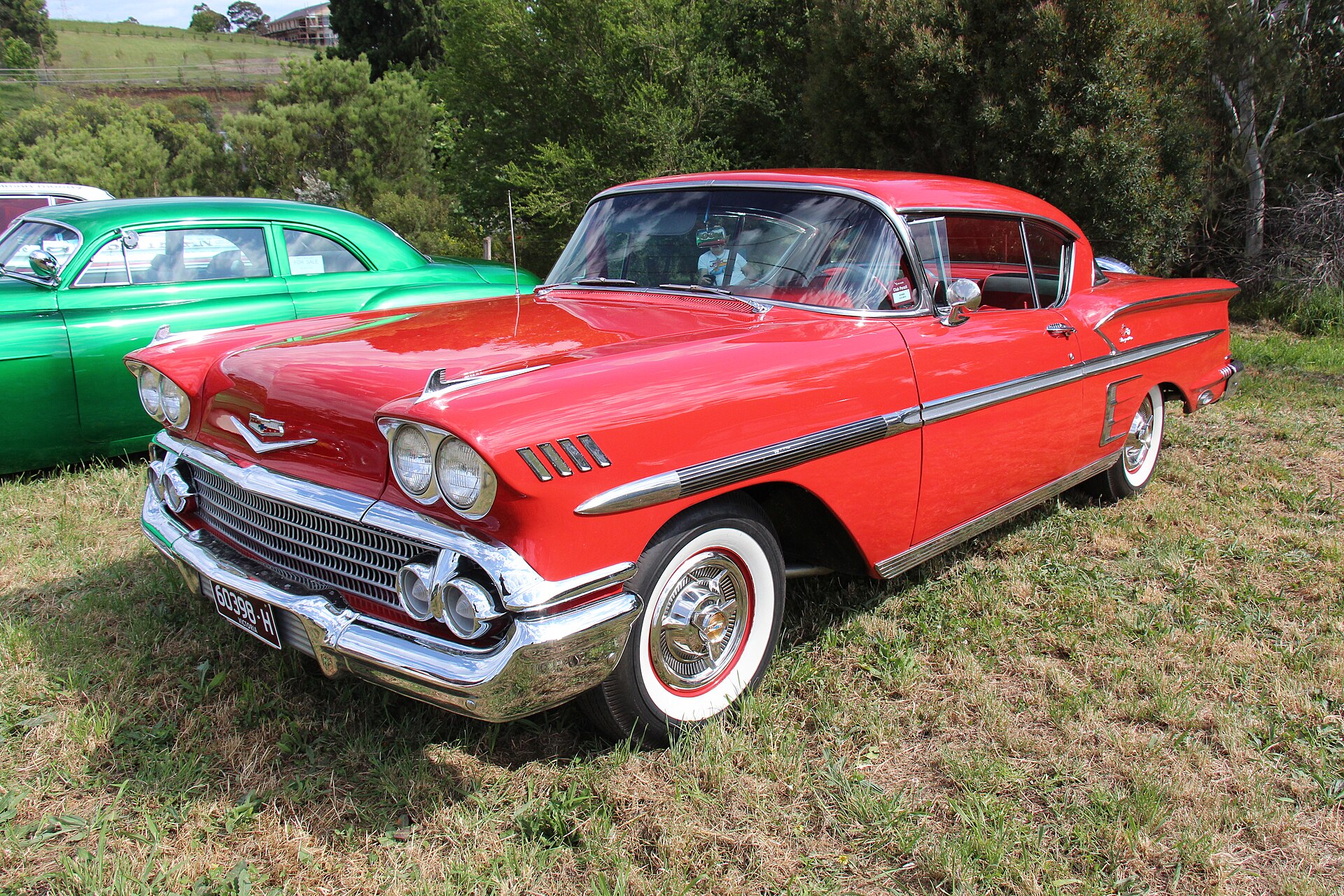
- Impala I 1958 · Coupe, Convertible
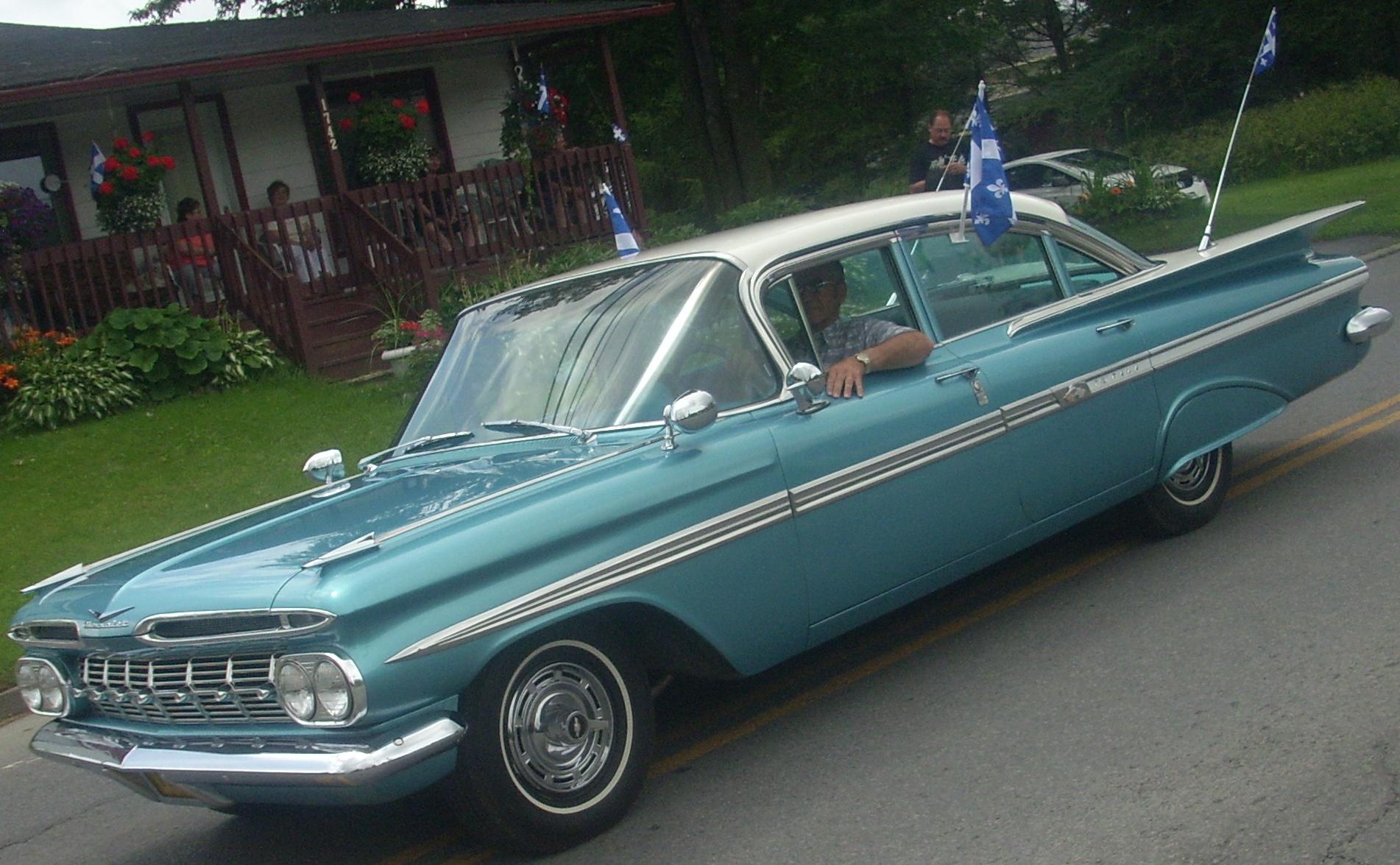
- Impala II 1959–1960 · Sedan, Station wagon
- Impala III 1961–1964 · Sedan, Station wagon
- Impala IV 1965–1970 · Sedan, Station wagon
- Impala V 1971–1976 · Sedan, Station wagon
- Impala VI 1977–1985 · Sedan, Station wagon
- Impala VII 1994–1996 · Sedan
- Impala VIII 2000–2005 · Sedan
- Impala IX 2006–2016 · Sedan
- Impala X 2014–2020 · Sedan
Newest first · 10 generations since 1958
-
2014
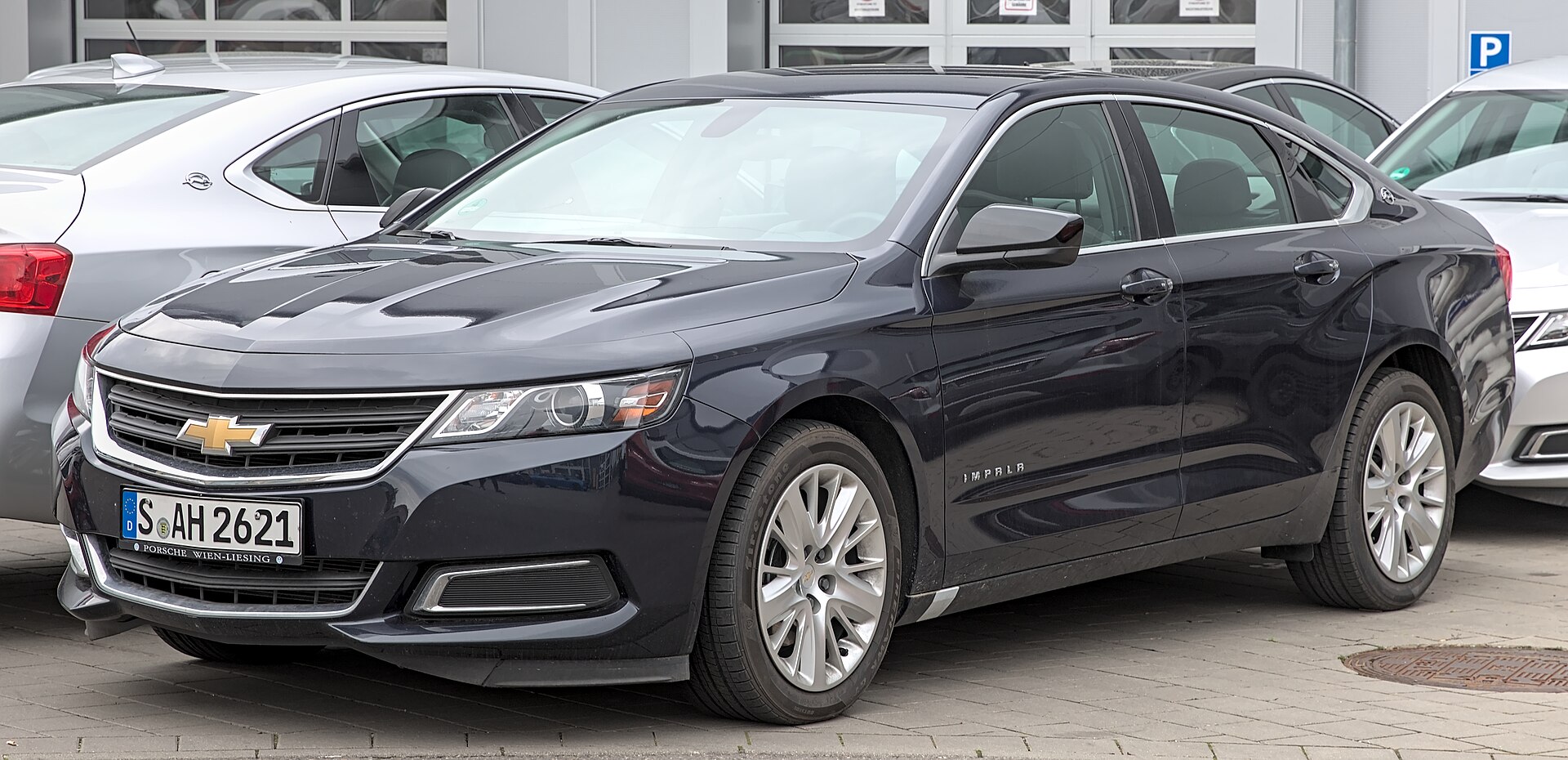
-
2006
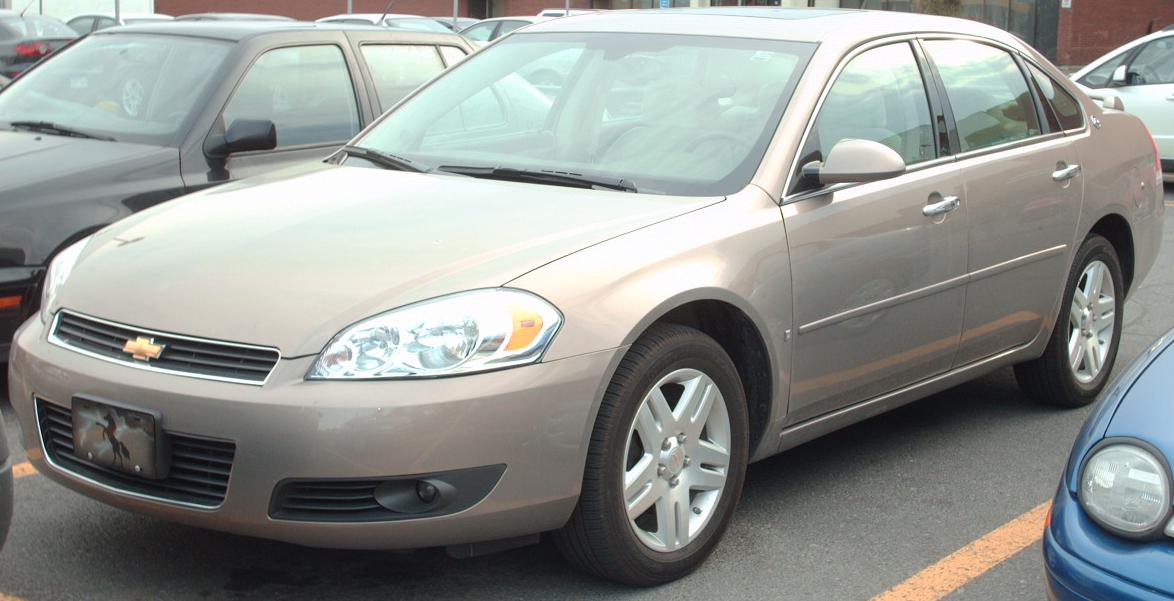
-
2000
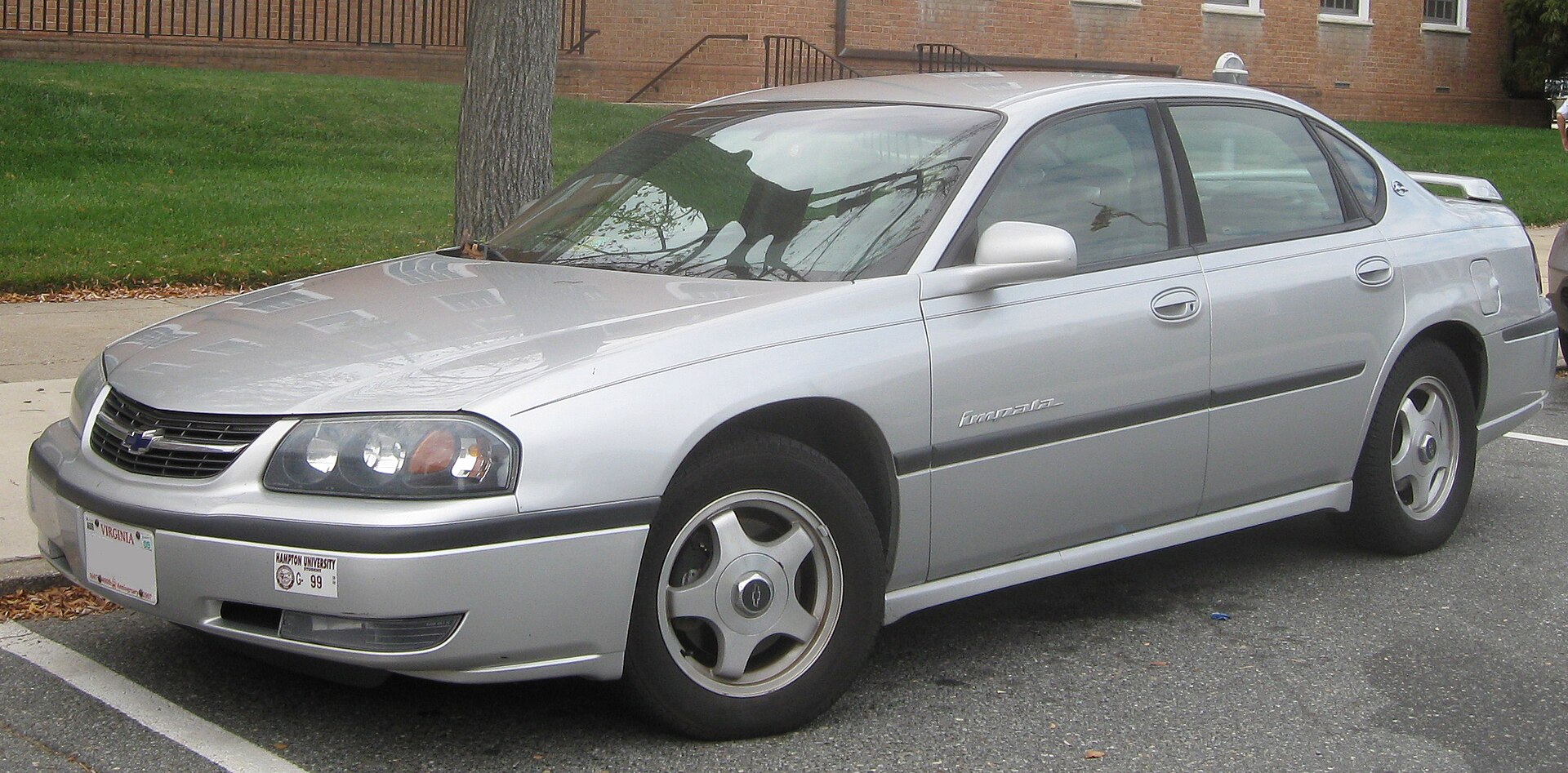
-
1994
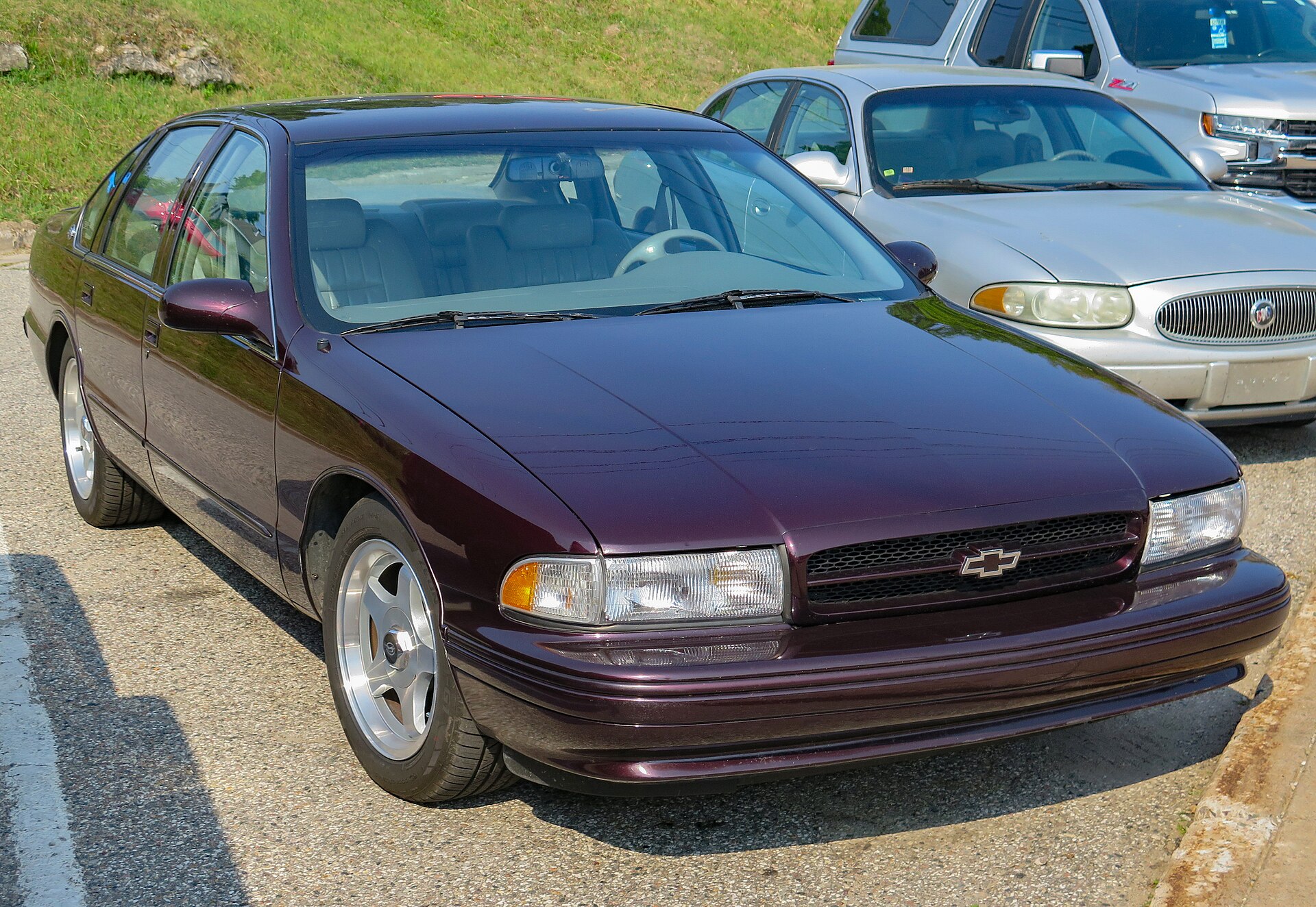
-
1977
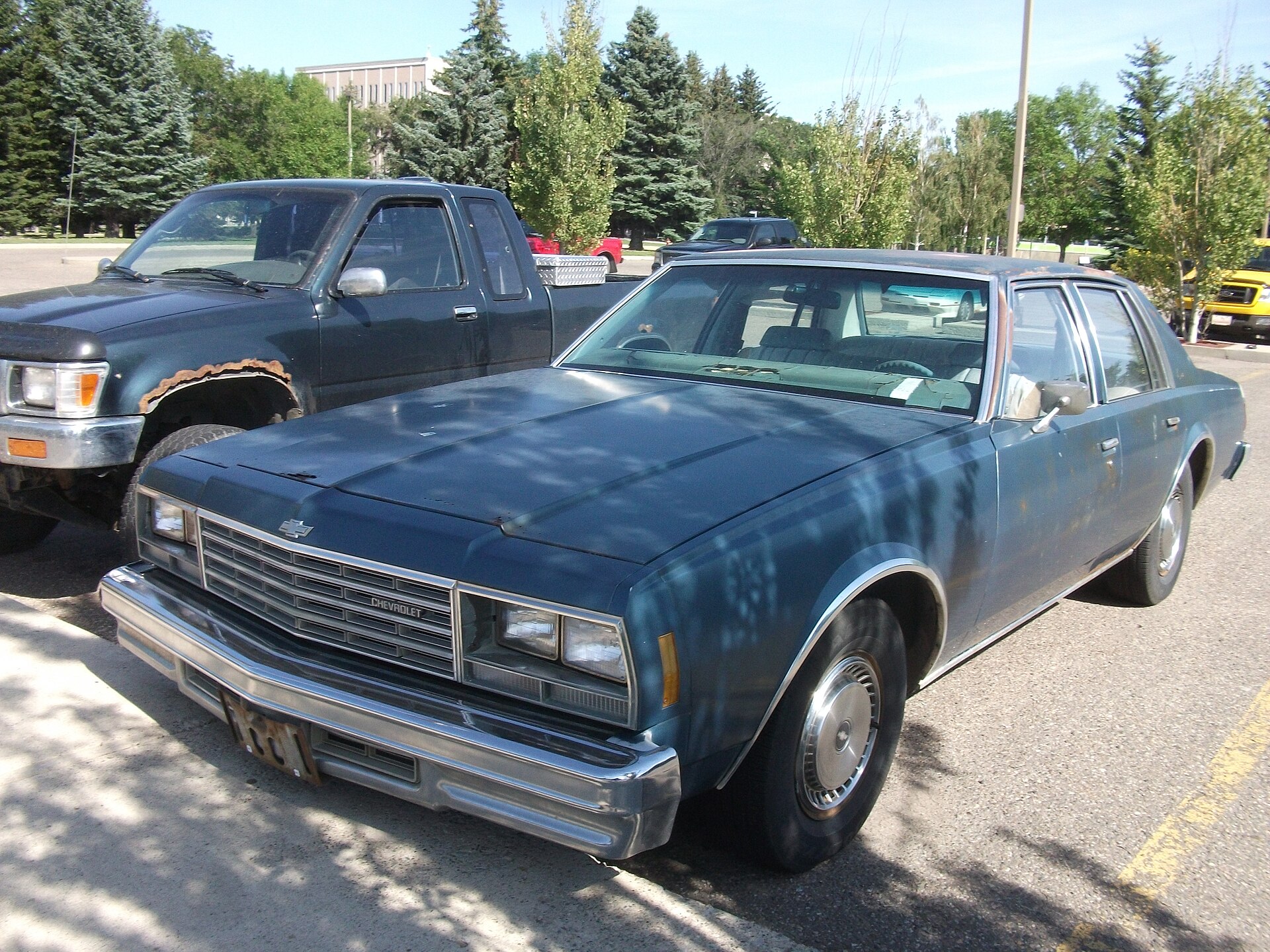
-
1971
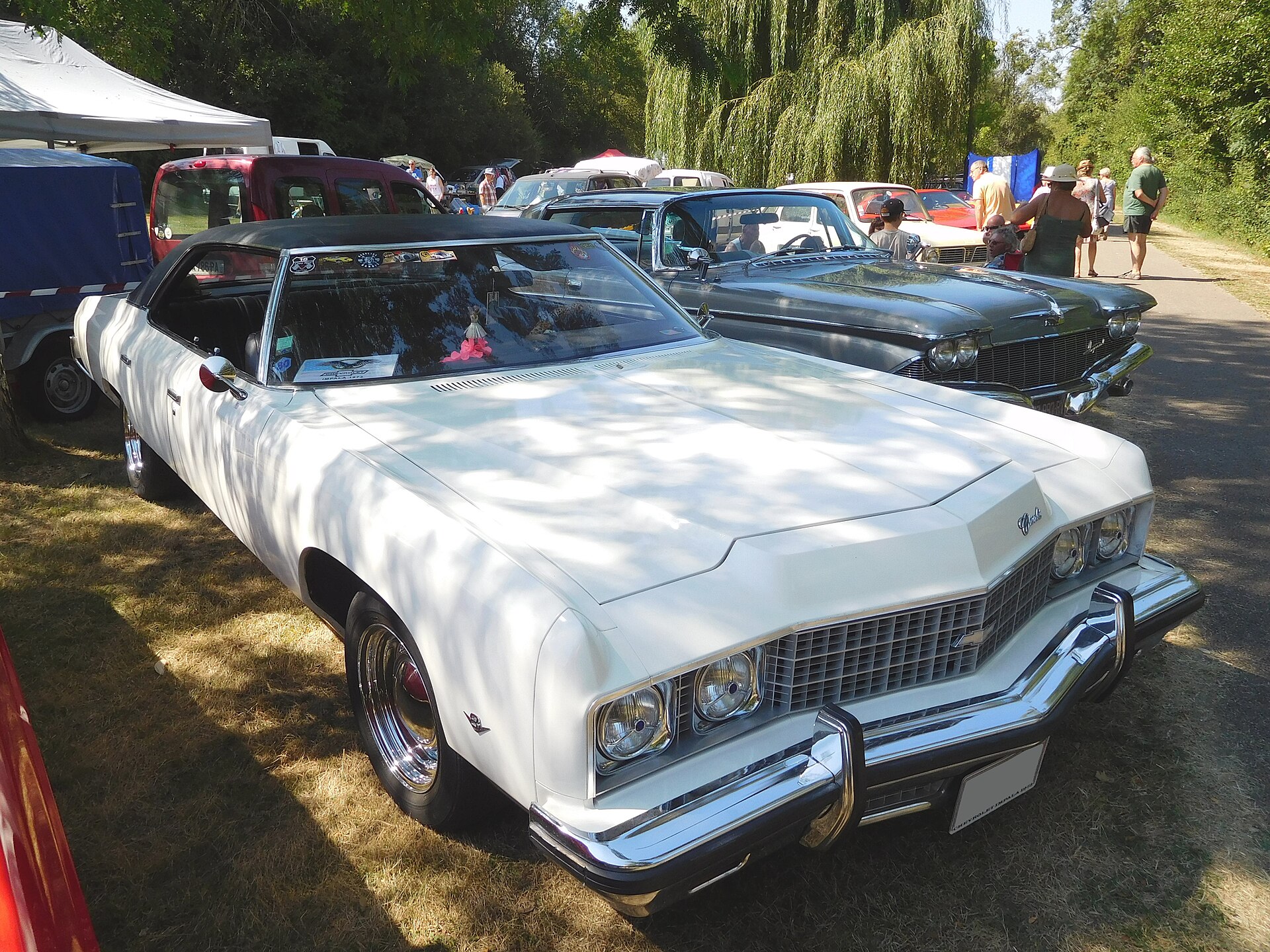
-
1965
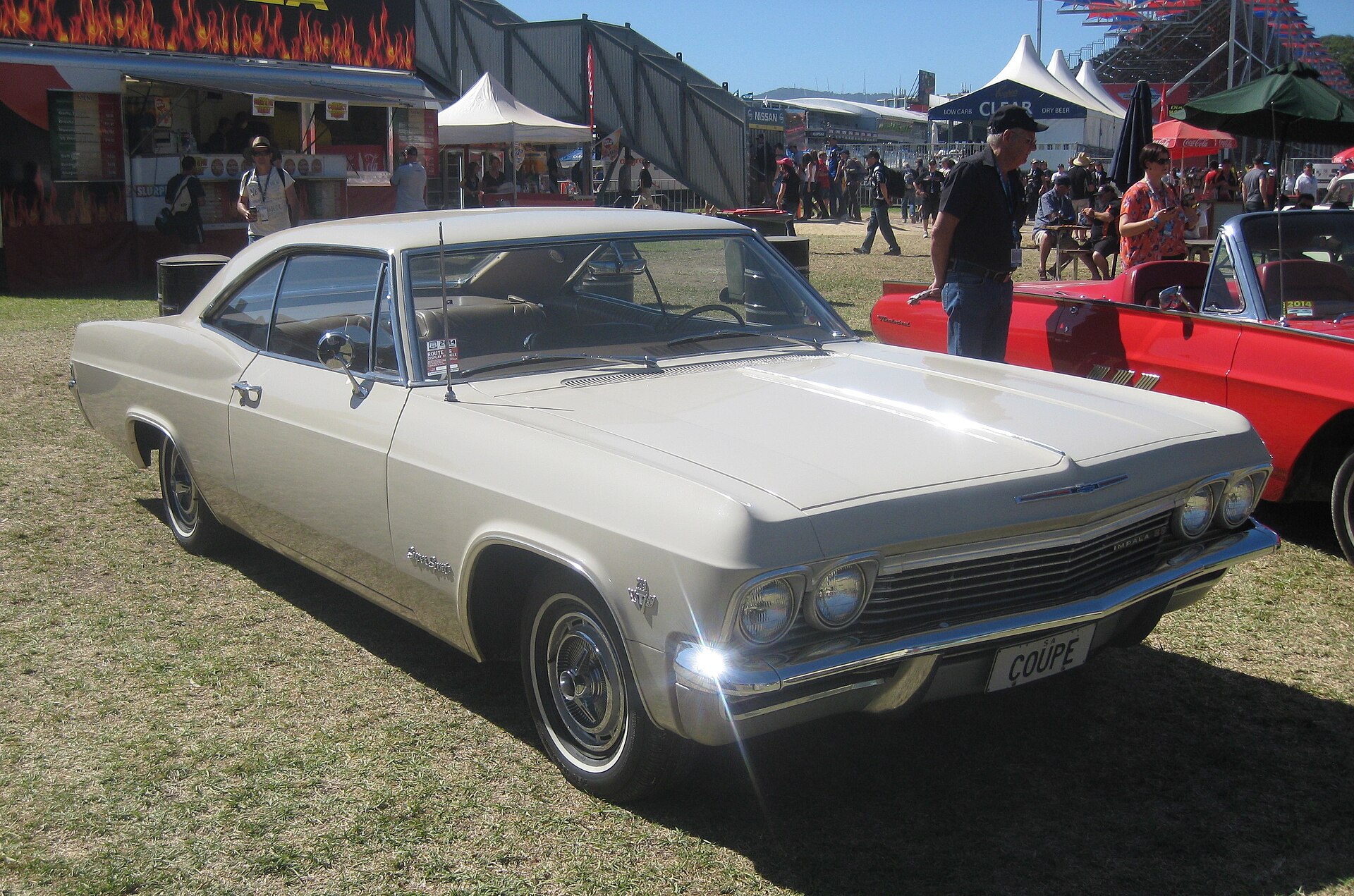
-
1961
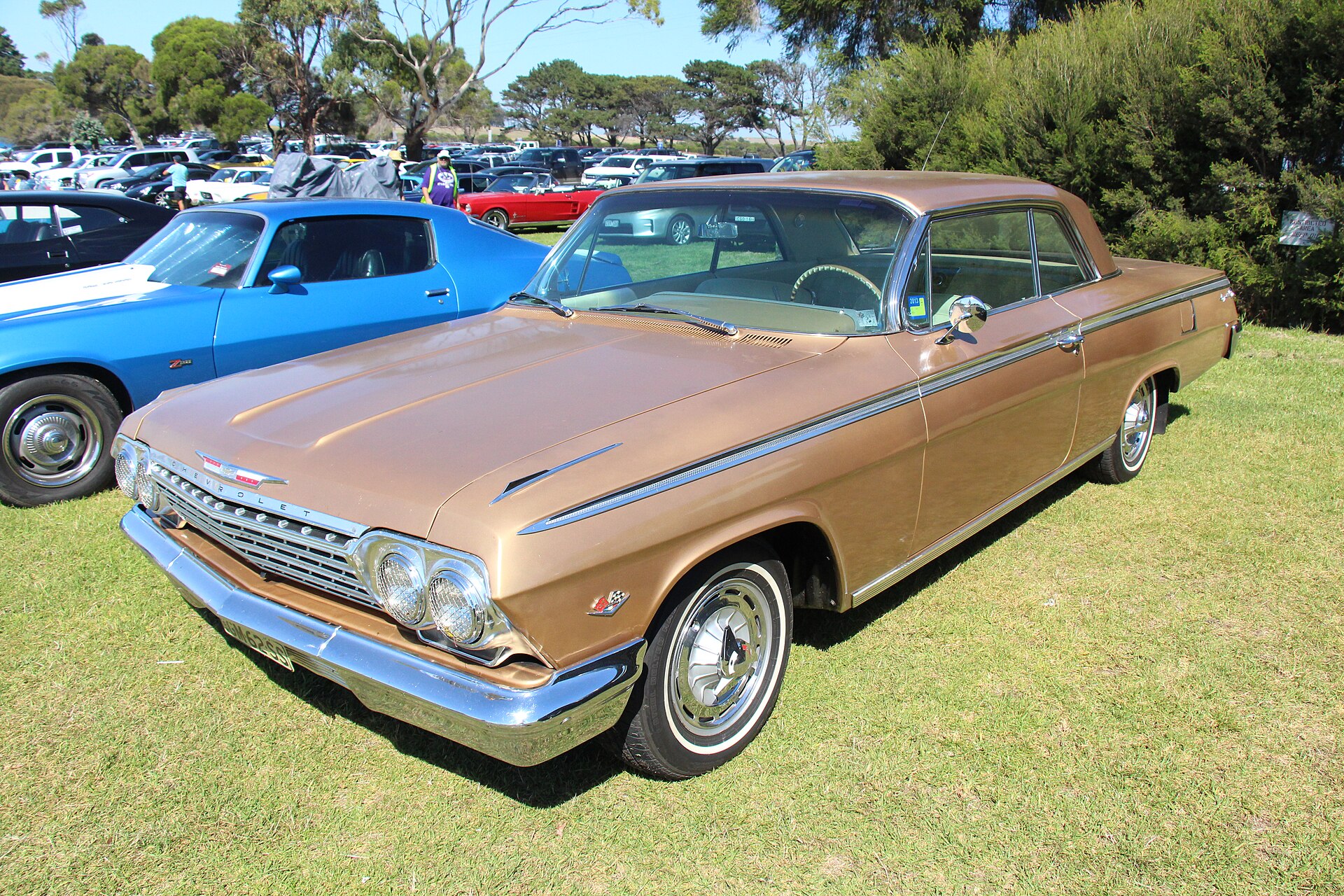
-
1959
-
1958


All generations by year: Impala X (2014–2020) · Impala IX (2006–2016) · Impala VIII (2000–2005) · Impala VII (1994–1996) · Impala VI (1977–1985) · Impala V (1971–1976) · Impala IV (1965–1970) · Impala III (1961–1964) · Impala II (1959–1960) · Impala I (1958)
Which one is mine?
Pick the year of first registration to see which generation it is.
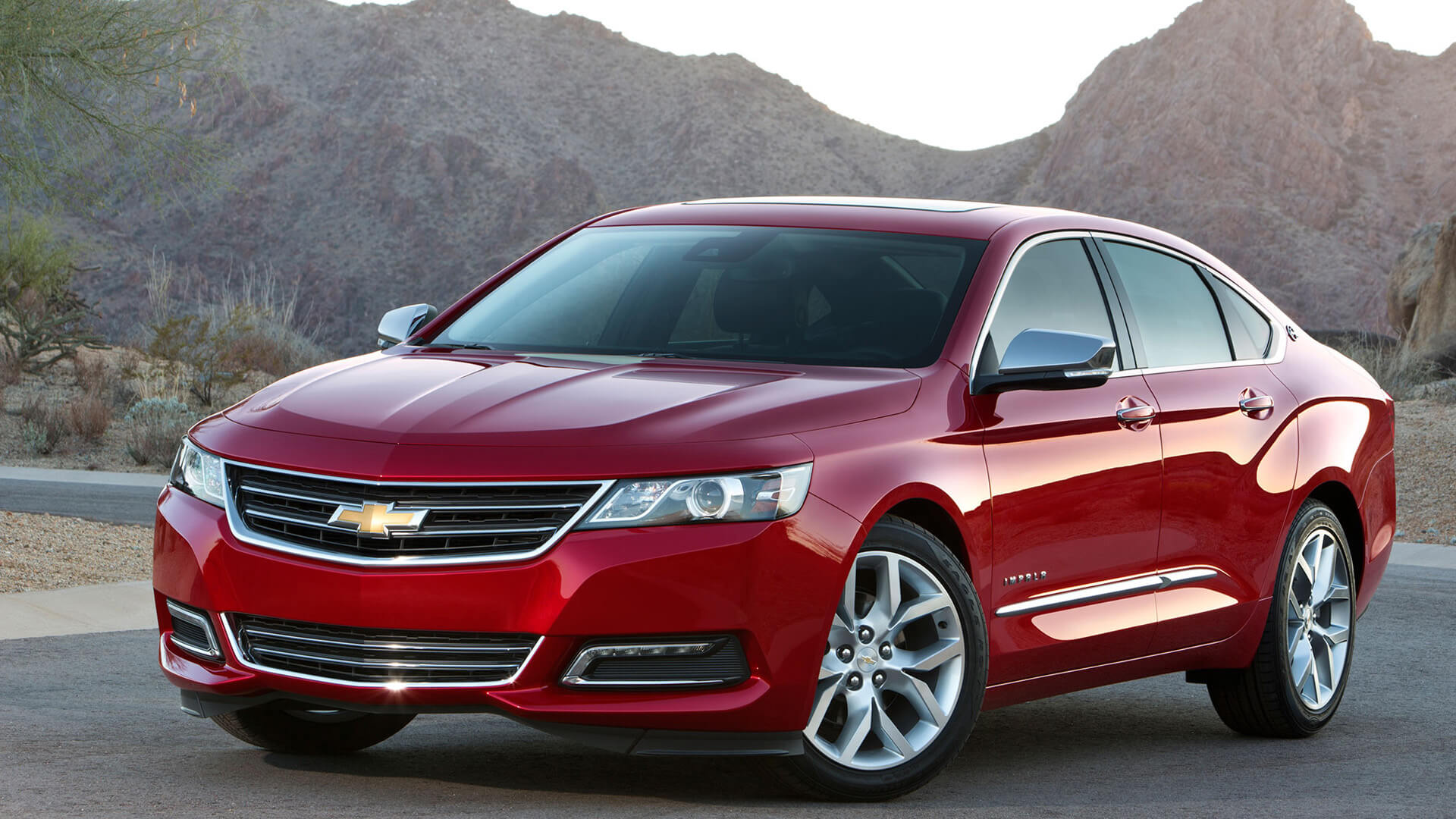
Check by VINThe Chevrolet Impala is one of America's best-known nameplates, first introduced for the 1958 model year. The tenth and final generation, revealed at the New York International Auto Show on 4 April 2012 and sold from the 2014 model year, was the brand's flagship sedan: larger, more grown-up and more refined than its predecessor. It moved the Impala away from its earlier "muscle sedan" image towards a comfortable, quiet and well-equipped full-size family car.
In short
- Ten generations since 1958; the tenth was built from 2013 (as the 2014 model) until 27 February 2020, when the Impala name was retired.
- Built in Detroit-Hamtramck (Michigan) and Oshawa (Ontario) on GM's long-wheelbase Epsilon II platform, shared with the Cadillac XTS.
- Engines: a 145 kW (195 hp) 2.5, a 136 kW (182 hp) 2.4 eAssist mild hybrid and a 226 kW (303 hp) 3.6 V6, all with a six-speed automatic and front-wheel drive.
- Ten airbags were standard, and the boot holds 532 litres.
Running cost
Fuel · Impala 3.6 L 6 cyl Automatic (S6) · 2017 (EPA)
about 2,800 EUR fuel a year at 15,000 km
10.7 l/100 km · petrol at 1.75 EUR/l · change mileage, fuel price or version
Specs by version
Engines
| Version | Engine | Gearbox | Drive | Production years |
|---|---|---|---|---|
| Impala IX · 3.6 L 6 cyl Automatic 6-spd · 2013 (EPA) | 3.6 l · 6 cyl 3,600 cc | 6-sp Automatic | Front-wheel drive | 2013 |
| Impala IX · 3.6 L 6 cyl Automatic 6-spd · 2013 (EPA) | 3.6 l · 6 cyl · Petrol 3,600 cc | 6-sp Automatic | Front-wheel drive | 2013 |
| Impala X · 2.5 L 4 cyl Automatic (S6) · 2019 (EPA) | 2.5 l · 4 cyl 2,500 cc | 6-sp Automatic | Front-wheel drive | 2019 |
| Impala X · 2.5 L 4 cyl Automatic (S6) · 2018 (EPA) | 2.5 l · 4 cyl 2,500 cc | 6-sp Automatic | Front-wheel drive | 2018 |
| Impala X · 2.5 L 4 cyl Automatic (S6) · 2017 (EPA) | 2.5 l · 4 cyl 2,500 cc | 6-sp Automatic | Front-wheel drive | 2017 |
| Impala X · 2.5 L 4 cyl Automatic (S6) · 2016 (EPA) | 2.5 l · 4 cyl 2,500 cc | 6-sp Automatic | Front-wheel drive | 2016 |
| Impala X · 2.5 L 4 cyl Automatic (S6) · 2015 (EPA) | 2.5 l · 4 cyl 2,500 cc | 6-sp Automatic | Front-wheel drive | 2015 |
| Impala X · 2.5 L 4 cyl Automatic (S6) · 2014 (EPA) | 2.5 l · 4 cyl 2,500 cc | 6-sp Automatic | Front-wheel drive | 2014 |
| Impala X · 3.6 L 6 cyl Automatic (S6) · 2020 (EPA) | 3.6 l · 6 cyl 3,600 cc | 6-sp Automatic | Front-wheel drive | 2020 |
| Impala X · 3.6 L 6 cyl Automatic (S6) · 2020 (EPA) | 3.6 l · 6 cyl · Petrol 3,600 cc | 6-sp Automatic | Front-wheel drive | 2020 |
| Impala X · 3.6 L 6 cyl Automatic (S6) · 2019 (EPA) | 3.6 l · 6 cyl 3,600 cc | 6-sp Automatic | Front-wheel drive | 2019 |
| Impala X · 3.6 L 6 cyl Automatic (S6) · 2019 (EPA) | 3.6 l · 6 cyl · Petrol 3,600 cc | 6-sp Automatic | Front-wheel drive | 2019 |
| Impala X · 3.6 L 6 cyl Automatic (S6) · 2018 (EPA) | 3.6 l · 6 cyl · Petrol 3,600 cc | 6-sp Automatic | Front-wheel drive | 2018 |
| Impala X · 3.6 L 6 cyl Automatic (S6) · 2018 (EPA) | 3.6 l · 6 cyl 3,600 cc | 6-sp Automatic | Front-wheel drive | 2018 |
| Impala X · 3.6 L 6 cyl Automatic (S6) · 2017 (EPA) | 3.6 l · 6 cyl 3,600 cc | 6-sp Automatic | Front-wheel drive | 2017 |
| Impala X · 3.6 L 6 cyl Automatic (S6) · 2017 (EPA) | 3.6 l · 6 cyl · Petrol 3,600 cc | 6-sp Automatic | Front-wheel drive | 2017 |
| Impala X · 3.6 L 6 cyl Automatic (S6) · 2016 (EPA) | 3.6 l · 6 cyl · Petrol 3,600 cc | 6-sp Automatic | Front-wheel drive | 2016 |
| Impala X · 3.6 L 6 cyl Automatic (S6) · 2016 (EPA) | 3.6 l · 6 cyl 3,600 cc | 6-sp Automatic | Front-wheel drive | 2016 |
| Impala X · 3.6 L 6 cyl Automatic (S6) · 2015 (EPA) | 3.6 l · 6 cyl 3,600 cc | 6-sp Automatic | Front-wheel drive | 2015 |
| Impala X · 3.6 L 6 cyl Automatic (S6) · 2015 (EPA) | 3.6 l · 6 cyl · Petrol 3,600 cc | 6-sp Automatic | Front-wheel drive | 2015 |
| Impala X · 3.6 L 6 cyl Automatic (S6) · 2014 (EPA) | 3.6 l · 6 cyl 3,600 cc | 6-sp Automatic | Front-wheel drive | 2014 |
| Impala X · 3.6 L 6 cyl Automatic (S6) · 2014 (EPA) | 3.6 l · 6 cyl · Petrol 3,600 cc | 6-sp Automatic | Front-wheel drive | 2014 |
Performance
Show all 22 versions
| Version | Fuel consumption |
|---|---|
| Impala IX · 3.6 L 6 cyl Automatic 6-spd · 2013 (EPA) | 10.7 l/100 km22.0 mpg US · 26.4 mpg UK |
| Impala IX · 3.6 L 6 cyl Automatic 6-spd · 2013 (EPA) | 10.7 l/100 km22.0 mpg US · 26.4 mpg UK |
| Impala X · 2.5 L 4 cyl Automatic (S6) · 2019 (EPA) | 9.4 l/100 km25.0 mpg US · 30.1 mpg UK |
| Impala X · 2.5 L 4 cyl Automatic (S6) · 2018 (EPA) | 9.4 l/100 km25.0 mpg US · 30.1 mpg UK |
| Impala X · 2.5 L 4 cyl Automatic (S6) · 2017 (EPA) | 9.4 l/100 km25.0 mpg US · 30.1 mpg UK |
| Impala X · 2.5 L 4 cyl Automatic (S6) · 2016 (EPA) | 9.4 l/100 km25.0 mpg US · 30.1 mpg UK |
| Impala X · 2.5 L 4 cyl Automatic (S6) · 2015 (EPA) | 9.4 l/100 km25.0 mpg US · 30.1 mpg UK |
| Impala X · 2.5 L 4 cyl Automatic (S6) · 2014 (EPA) | 9.8 l/100 km24.0 mpg US · 28.8 mpg UK |
| Impala X · 3.6 L 6 cyl Automatic (S6) · 2020 (EPA) | 10.7 l/100 km22.0 mpg US · 26.4 mpg UK |
| Impala X · 3.6 L 6 cyl Automatic (S6) · 2020 (EPA) | 10.7 l/100 km22.0 mpg US · 26.4 mpg UK |
| Impala X · 3.6 L 6 cyl Automatic (S6) · 2019 (EPA) | 10.7 l/100 km22.0 mpg US · 26.4 mpg UK |
| Impala X · 3.6 L 6 cyl Automatic (S6) · 2019 (EPA) | 10.7 l/100 km22.0 mpg US · 26.4 mpg UK |
| Impala X · 3.6 L 6 cyl Automatic (S6) · 2018 (EPA) | 10.7 l/100 km22.0 mpg US · 26.4 mpg UK |
| Impala X · 3.6 L 6 cyl Automatic (S6) · 2018 (EPA) | 10.7 l/100 km22.0 mpg US · 26.4 mpg UK |
| Impala X · 3.6 L 6 cyl Automatic (S6) · 2017 (EPA) | 10.7 l/100 km22.0 mpg US · 26.4 mpg UK |
| Impala X · 3.6 L 6 cyl Automatic (S6) · 2017 (EPA) | 10.7 l/100 km22.0 mpg US · 26.4 mpg UK |
| Impala X · 3.6 L 6 cyl Automatic (S6) · 2016 (EPA) | 10.7 l/100 km22.0 mpg US · 26.4 mpg UK |
| Impala X · 3.6 L 6 cyl Automatic (S6) · 2016 (EPA) | 11.2 l/100 km21.0 mpg US · 25.2 mpg UK |
| Impala X · 3.6 L 6 cyl Automatic (S6) · 2015 (EPA) | 11.2 l/100 km21.0 mpg US · 25.2 mpg UK |
| Impala X · 3.6 L 6 cyl Automatic (S6) · 2015 (EPA) | 10.7 l/100 km22.0 mpg US · 26.4 mpg UK |
| Impala X · 3.6 L 6 cyl Automatic (S6) · 2014 (EPA) | 11.2 l/100 km21.0 mpg US · 25.2 mpg UK |
| Impala X · 3.6 L 6 cyl Automatic (S6) · 2014 (EPA) | 10.7 l/100 km22.0 mpg US · 26.4 mpg UK |
Verified Manufacturer and type-approval data from our catalog · Sources and methodology
Safety
-
Impala X · NHTSA 2020
US NCAP (NHTSA)
-
Impala IX · NHTSA 2013
US NCAP (NHTSA)
Stars from different years and organisations are not directly comparable: test protocols change every few years.
Chevrolet Impala at a glance
Among fans of American cars, earlier Impalas were famous for their sporty character. The tenth generation was a radical change: it became an attractive, comfortable sedan rather than a "bold athlete", but one packed with useful features. Chevrolet added modern technology and options to widen its appeal, and the car was also sold in the Middle East and South Korea. More of the brand's range is in our Chevrolet catalogue.
Exterior
The styling follows Chevrolet's design language of the time and is generally considered a success: calm and elegant, but with a hint of aggression from some angles. The bonnet is strongly sculpted, the headlights are slim, and between them sits a compact chrome grille of distinctive shape. The muscular front bumper carries LED lights low down, similar in style to those on some premium European cars.
From the side, you notice plenty of chrome and deep creases. The wheel arches are only slightly flared, while pronounced sculpting runs low on the doors, along the waist and over the rear wheel arch. Chrome appears on a lower body strip, the mirrors and the large window surround. Wheels range from 18 to 20 inches depending on the version. The rear has slim, attractive tail lights, a wide chrome strip on the boot lid and a large integrated spoiler formed by the shape of the body, above a substantial bumper with large exhaust outlets.
Interior and practicality
The cabin is modern and uses good materials. Large leather front seats are comfortable, and electric adjustment lets every driver find an ideal position. There is plenty of space inside. The driver has a four-spoke leather steering wheel with an aluminium insert and a few buttons for the infotainment system, and an attractive instrument cluster with two large dials for speed and engine speed, a 4.2-inch colour trip-computer display and chrome-ringed fuel and temperature gauges.
On some versions the dashboard is trimmed in beige leather and wood. At the top of the centre stack is the 8-inch MyLink touchscreen for infotainment and navigation; it is not the best system available, but it is easy to live with. Below are a few buttons for key functions, a CD slot and the climate controls, all easy to get used to. The front seats can be heated and ventilated, and all five seats have headrests.
The centre tunnel is trimmed in dark wood and holds a large storage compartment, an armrest with a cool box, a large gear selector, two cupholders and infotainment controls. The leather rear bench has a large armrest and plenty of legroom, although the tunnel bothers the centre passenger. The boot holds 532 litres, an excellent figure for the class.
Engines and transmission
| Engine | Power (kW / hp) | Torque | Top speed | Consumption (city / highway) |
|---|---|---|---|---|
| 2.4 eAssist mild hybrid (4-cyl) | 136 kW / 182 hp | 233 Nm | 227 km/h | about 8 l/100 km in town |
| 2.5 Ecotec (4-cyl) | 145 kW / 195 hp | 252 Nm | 223 km/h | 9.9 / 6.3 l/100 km |
| 3.6 V6 | 226 kW / 303 hp | 358 Nm | 251 km/h | 11.1 / 6.9 l/100 km |
As a North American car, the Impala came only with petrol engines. The 2.4-litre eAssist combines a 16-valve four-cylinder with a small electric motor-generator for better economy. The naturally aspirated 2.5-litre four reaches 100 km/h in about 9.0 seconds. The 3.6-litre V6 with direct injection and variable valve timing is the choice for those who like brisk driving. Every engine is paired with a six-speed automatic transmission, and all versions drive the front wheels. In tests the sedan proved well suited to both city and highway driving.
Chassis
The tenth-generation Impala uses GM's long-wheelbase Epsilon II platform, also used by the Cadillac XTS. Suspension is fully independent, with MacPherson struts at the front and a four-link rear axle on coil springs. The chassis is tuned for comfort, so the car does not enjoy sharp bends: there is noticeable body roll and some float, but the soft, long-travel suspension rides very smoothly. Disc brakes are fitted on all four wheels.
Safety and equipment
The Impala is packed with electronic systems. Ten airbags are standard, along with stability control and OnStar. Available systems include full-speed-range adaptive cruise control that can stop and restart the car, collision-mitigation braking, camera-based forward collision alert, lane-departure warning, side blind-zone alert and rear cross-traffic alert.
The base LS version has keyless entry, a driver's seat with eight-way power adjustment, a reversing camera, Apple CarPlay and Android Auto and the 8-inch touchscreen; the LT adds dual-zone climate control, remote engine start and extra USB ports. Options included adaptive cruise control, driver's seat memory, ventilated front seats, a sunroof and an 11-speaker Bose audio system.
Strengths and weaknesses
The tenth-generation Impala is very different from the original models, both in concept and appearance: comfort and safety took priority over speed and agility. Even so, the strong engines provide a useful reserve of power when needed. Its strengths are a smooth ride, a spacious cabin, a large boot and a long list of safety equipment; its weaknesses are soft handling with noticeable body roll and an infotainment system that is merely adequate. Its natural rivals were large front-drive sedans such as the Ford Taurus, Toyota Avalon, Nissan Maxima and Hyundai Azera.
Chevrolet Impala evolution in numbers
Did you know?
- The Chevrolet Impala ran for 62 years, from 1958 to 2020, over 10 generations in our catalog.
- The longest-running generation is the Impala IX (2006–2016): 10 years.
Image credits · Photos from Wikimedia Commons under free licences
- Chevrolet Impala I · Photo: Sicnag / Wikimedia Commons, CC BY 2.0
- Chevrolet Impala II · Photo: Bull-Doser / Wikimedia Commons, Public domain
- Chevrolet Impala III · Photo: Sicnag / Wikimedia Commons, CC BY 2.0
- Chevrolet Impala IV · Photo: GTHO / Wikimedia Commons, CC BY-SA 4.0
- Chevrolet Impala V · Photo: Cjp24 / Wikimedia Commons, CC BY-SA 4.0
- Chevrolet Impala VI · Photo: dave_7 from Lethbridge, Canada / Wikimedia Commons, CC BY 2.0
- Chevrolet Impala VII · Photo: Elise240SX / Wikimedia Commons, CC BY-SA 4.0
- Chevrolet Impala VIII · Photo: IFCAR / Wikimedia Commons, Public domain
- Chevrolet Impala IX · Photo: Bull-Doser / Wikimedia Commons, Public domain
- Chevrolet Impala X · Photo: Alexander-93 / Wikimedia Commons, CC BY-SA 4.0
Chevrolet Impala in our rankings
- No. 5 of 345 · Cars with the most generations (10 generations)
- No. 94 of 912 · Longest-running car nameplates (26 years · top 12%)
- No. 43 of 131 · Biggest engines: sedans (3,600 cc · top 33%)
- No. 220 of 557 · Biggest engines: cars (3,600 cc · top 41%)
- No. 148 of 256 · Most economical cars (9.4 l/100 km · top 60%)
- No. 33 of 49 · Most economical sedans (9.4 l/100 km · top 68%)
More generations than 98% of ranked nameplates in the 1CARS catalog (No. 5 of 345).
FAQ
When was the tenth-generation Chevrolet Impala made?
It was revealed in New York on 4 April 2012, sold from the 2014 model year and built until 27 February 2020.
Is the 2014–2020 Chevrolet Impala front-wheel drive?
Yes. All tenth-generation Impalas are front-wheel drive with a six-speed automatic.
What engines does the tenth-generation Impala have?
A 2.5-litre four-cylinder, a 2.4-litre eAssist mild hybrid and a 3.6-litre V6 with up to 226 kW (303 hp).
How big is the Chevrolet Impala boot?
532 litres, which is excellent for the class.
How many generations of the Chevrolet Impala are there?
Ten, from the first model year of 1958 to the final 2020 model.
Data sources
Data checked by an editor against the sources below.
- Wikipedia — Chevrolet Impala
- US EPA fueleconomy.gov — 32723.shtml
- US EPA fueleconomy.gov — 32724.shtml
- US EPA fueleconomy.gov — 41745.shtml
- US EPA fueleconomy.gov — 41746.shtml
- NHTSA 5-Star Safety Ratings (US NCAP) — U.S. Government work, public domain