 Chevrolet Impala IV (1965–1970)
Specs, engines, safety and known problems
Published Sources (1) Report an error
By Sarah Whitmore, Senior Automotive Writer Reviewed by Oleksandr Hnatiuk
Model timeline
Where the IV sits in the Impala story
Predecessor Impala III (1961–1964) Successor Impala V (1971–1976)
IX and X overlapped in 2014–2016, so X sits on a second lane
Newest first · 10 generations since 1958
-
2014
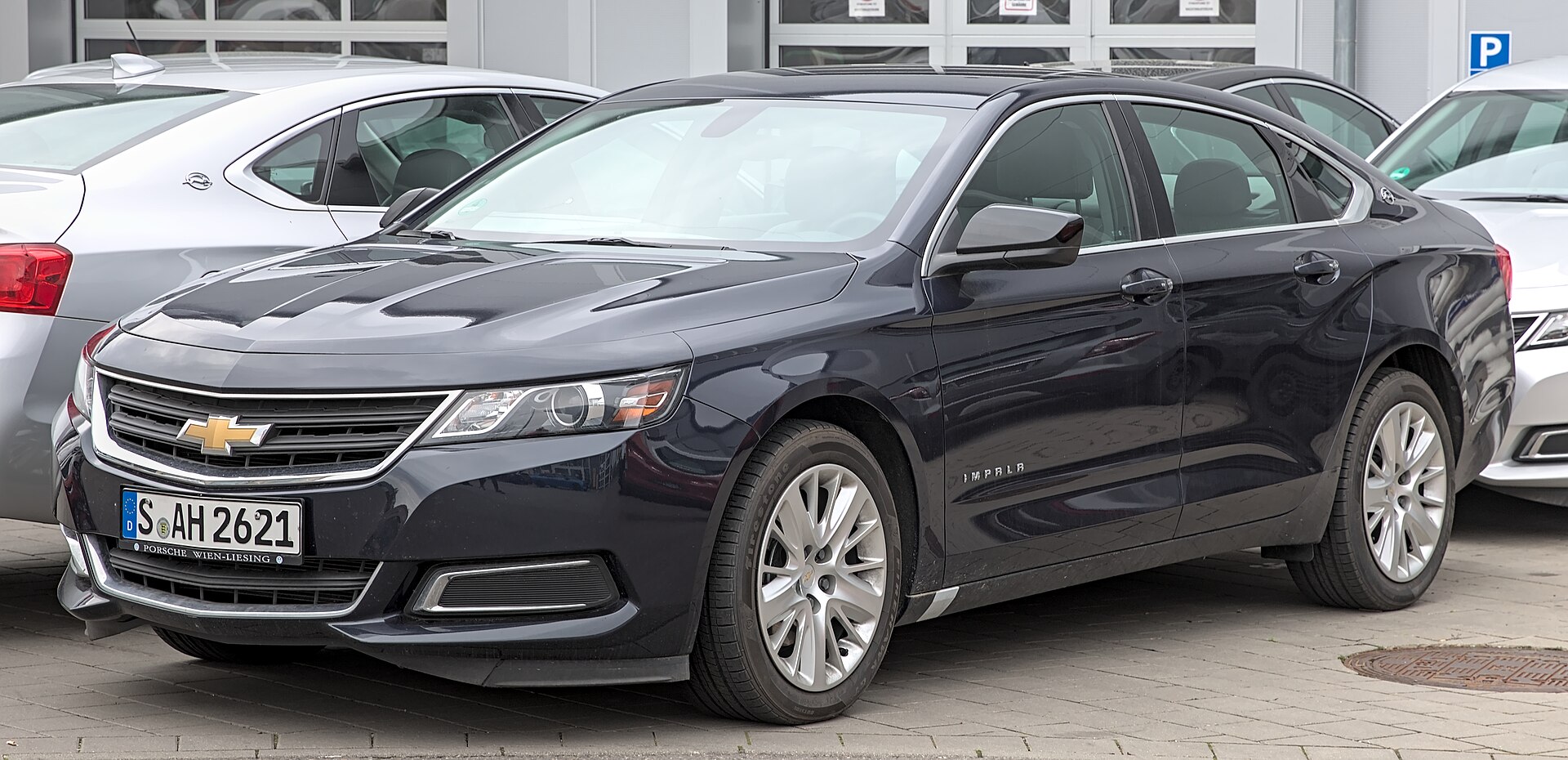
-
2006
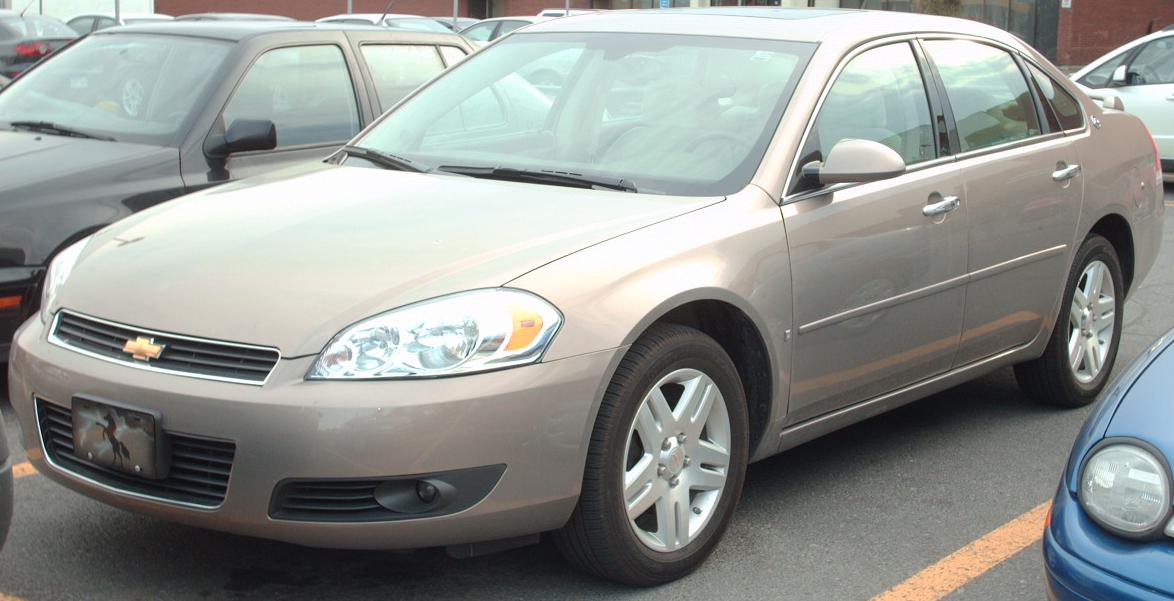
-
2000
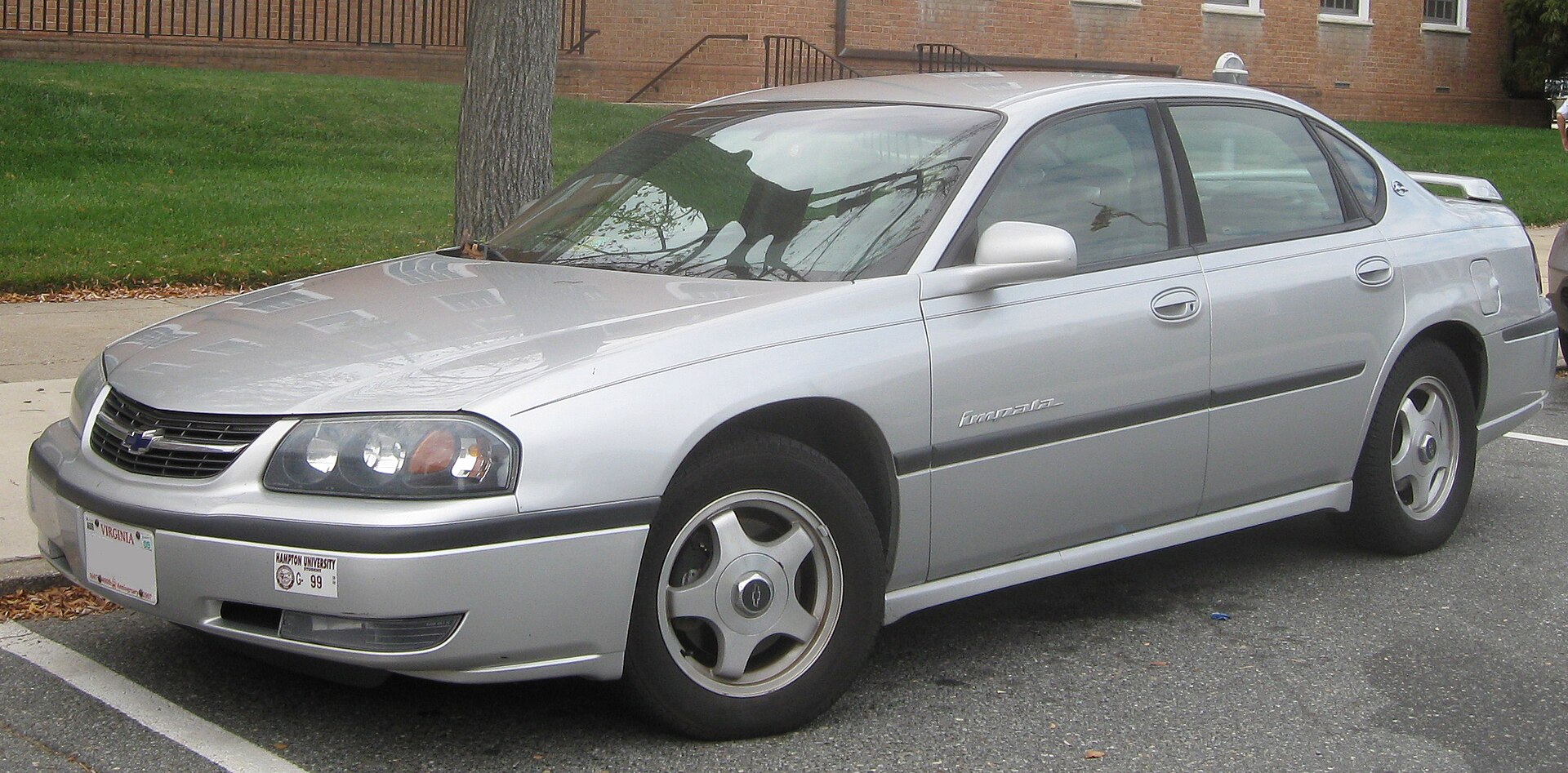
-
1994
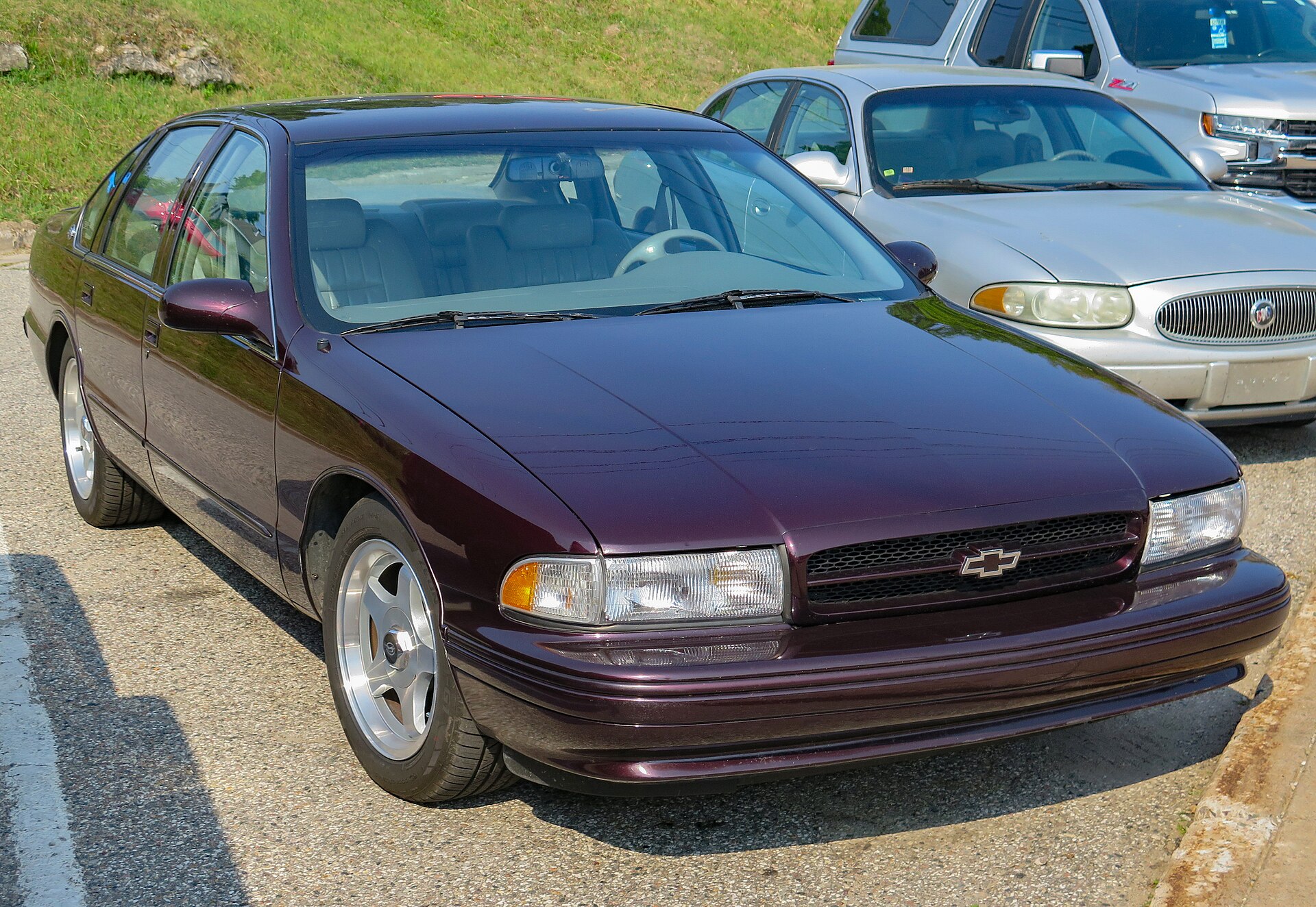
-
1977
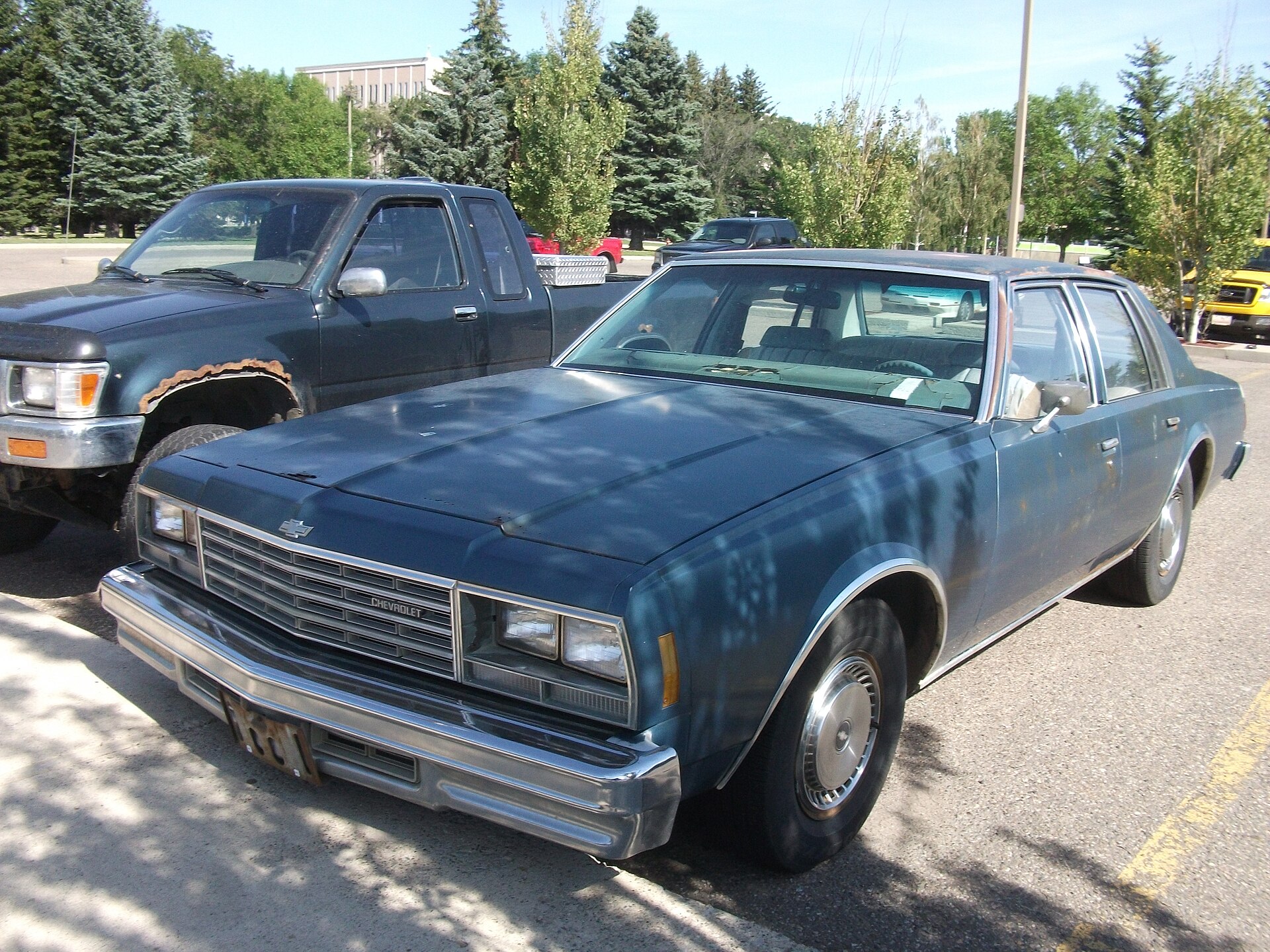
-
1971
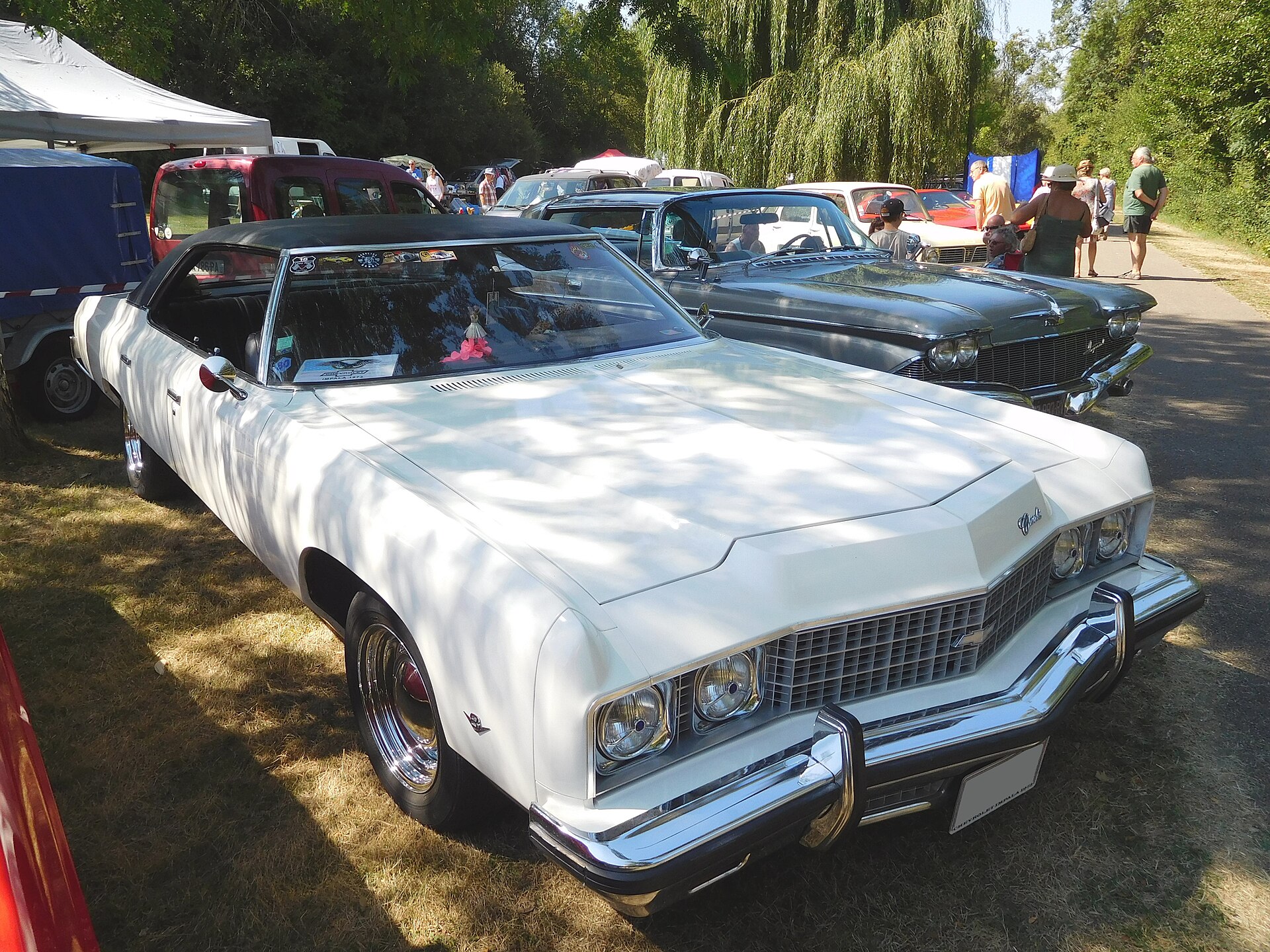
-
1965
-
1961
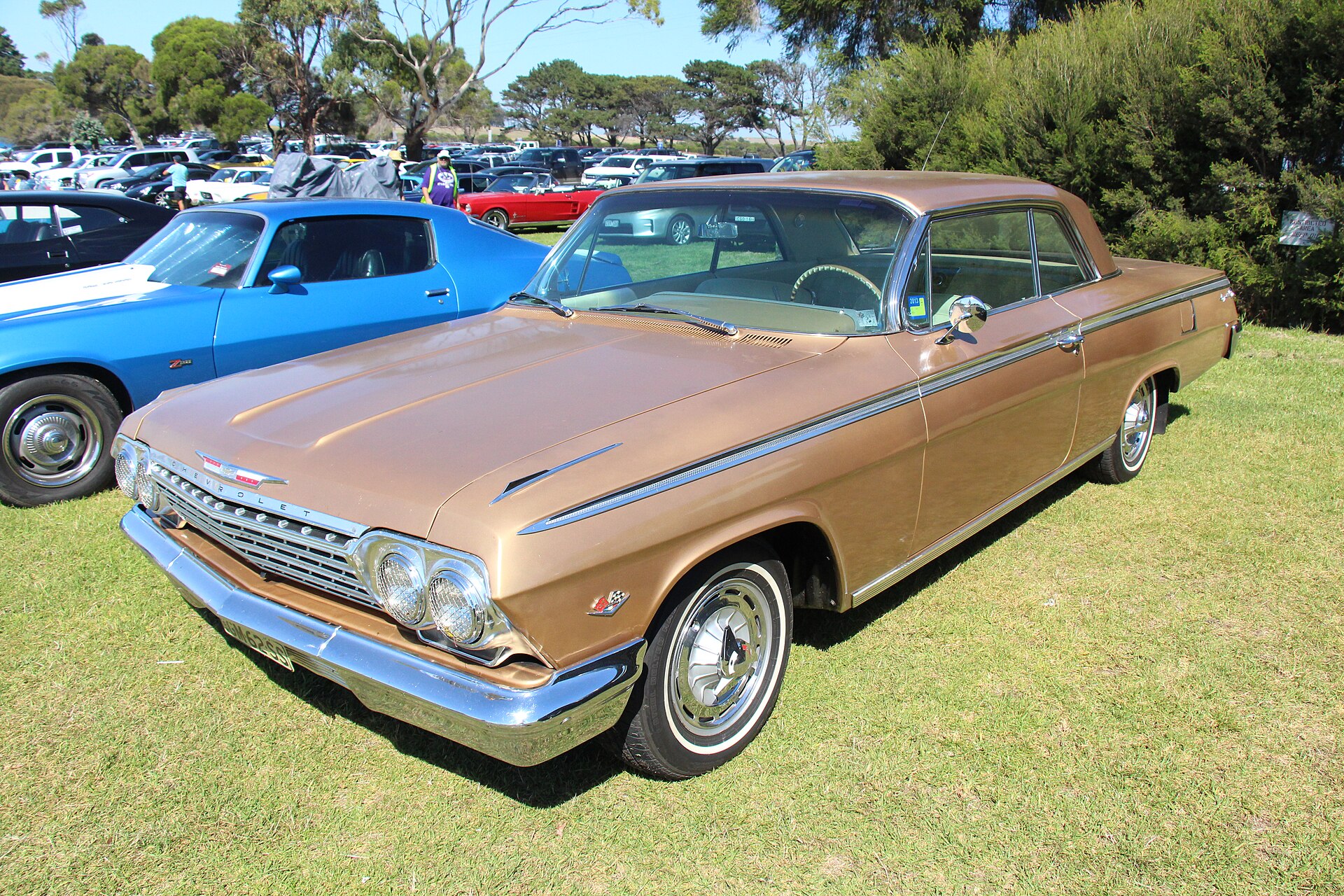
-
1959
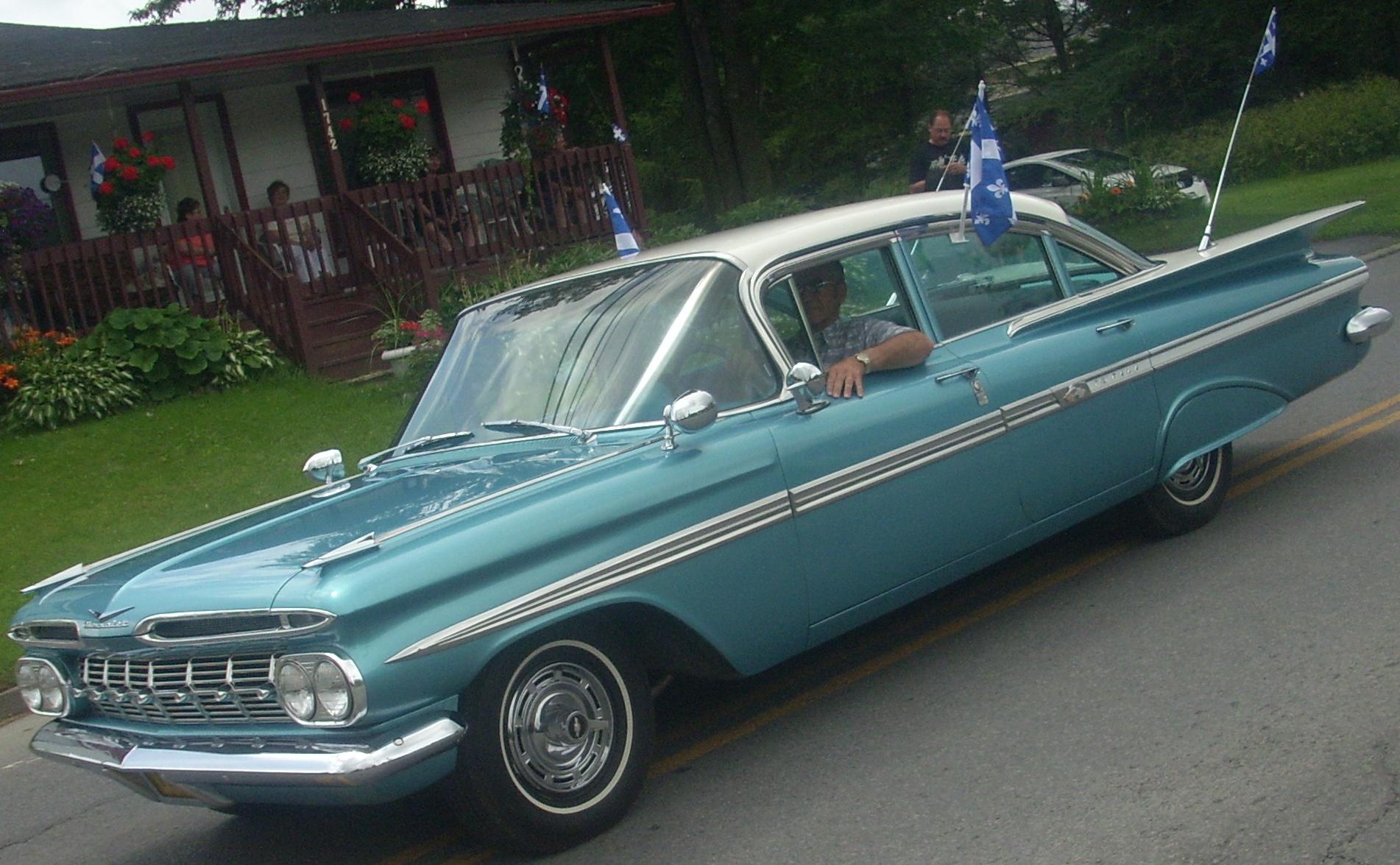
-
1958
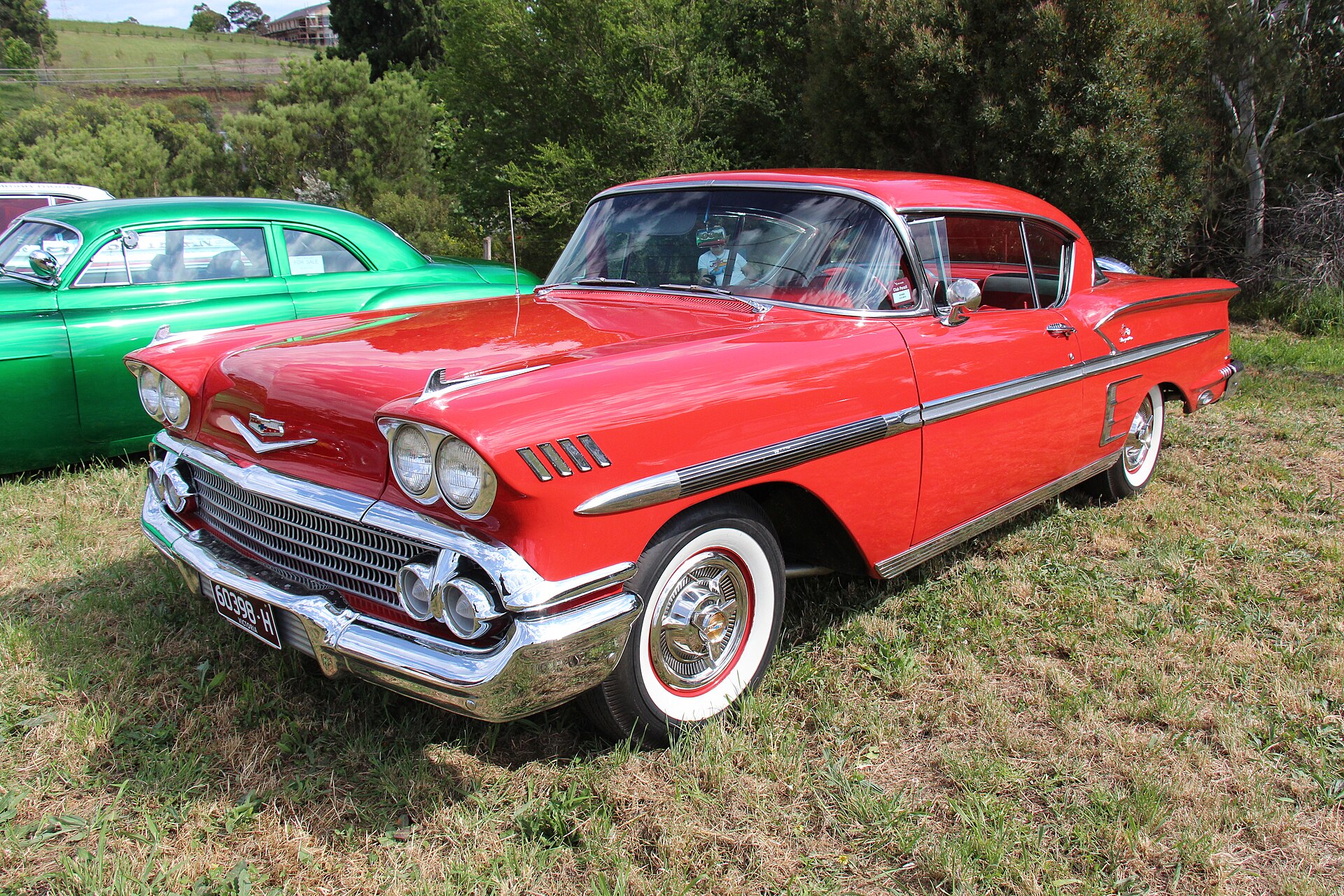


All generations by year: Impala X (2014–2020) · Impala IX (2006–2016) · Impala VIII (2000–2005) · Impala VII (1994–1996) · Impala VI (1977–1985) · Impala V (1971–1976) · Impala IV (1965–1970) · Impala III (1961–1964) · Impala II (1959–1960) · Impala I (1958)
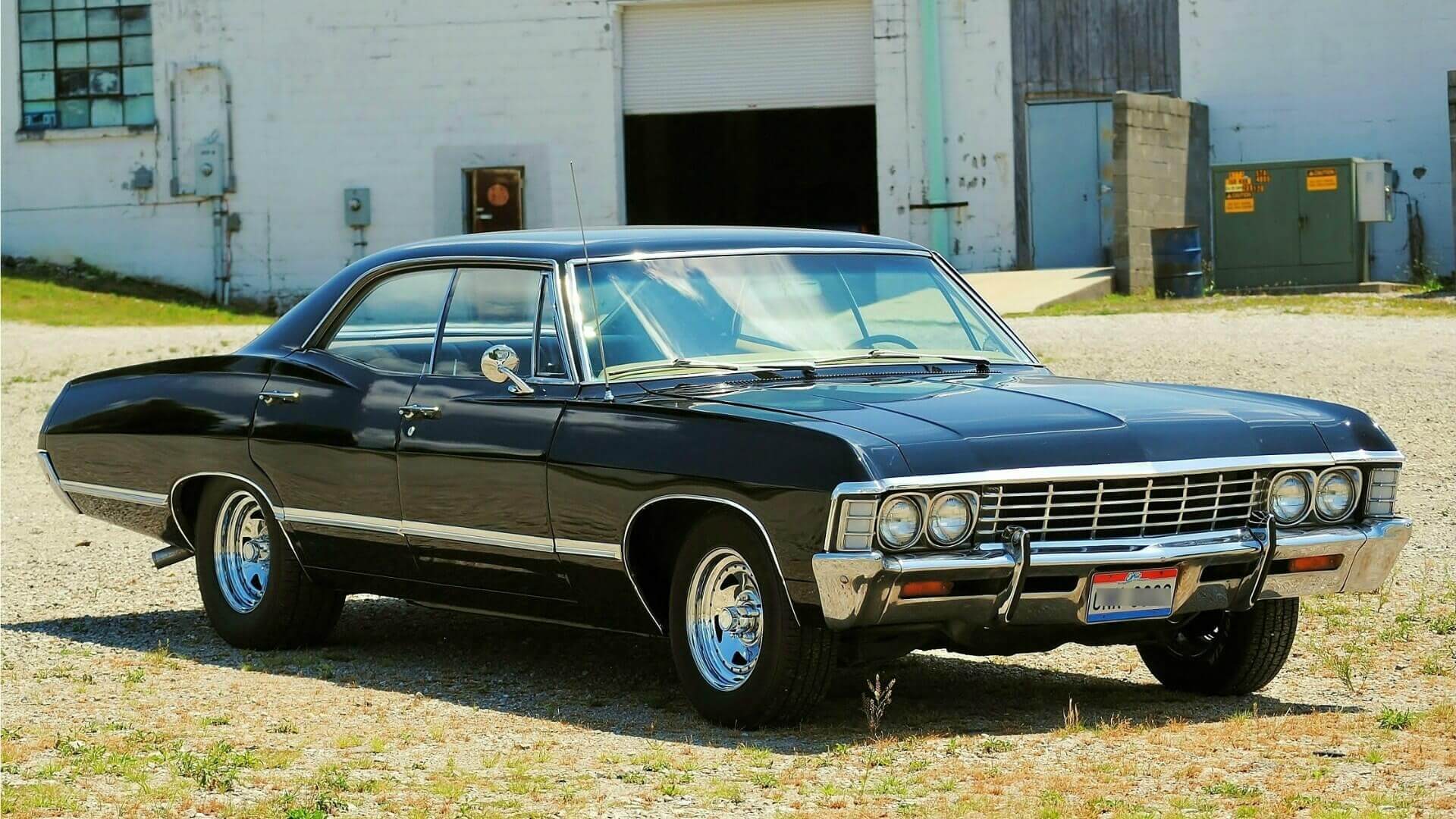
The 1967 Chevrolet Impala is the third model year of the fourth-generation Impala (1965–1970), the full-size Chevrolet that sold more than a million cars in 1965. For 1967 it received a new Coke-bottle body, a fastback roof on the Sport Coupe and engines from a 4.1-litre six to the 7.0-litre V8 of the SS 427. Today it is best known as "Baby", the black four-door in the TV series Supernatural.
In short
- Generation: fourth Impala generation, 1965–1970; 1967 brought new sheet metal on the same 119-inch (3,023 mm) wheelbase.
- Engines: 250 cu in six with 116 kW (155 hp gross) up to the 427 cu in L36 V8 with 287 kW (385 hp gross).
- Rarest version: the SS 427 package (RPO Z24), fitted to 2,124 cars in 1967.
- Fame: a black 1967 Impala four-door was the main car of Supernatural for all 15 seasons, 2005–2020.
The 1967 Impala at a glance
| Fact | Detail |
|---|---|
| Model year | 1967 (fourth generation, 1965–1970) |
| Maker | Chevrolet division of General Motors |
| Main plant | Flint, Michigan, plus about a dozen other US and Canadian plants |
| Body styles | 4-door sedan, 4-door hardtop (Sport Sedan), 2-door hardtop (Sport Coupe), convertible, 6- and 9-seat wagons |
| Wheelbase | 119 in (3,023 mm) |
| Length | 213.2 in (5,415 mm); wagon 212.4 in |
| Width | about 80 in (2,030 mm) |
| Engines | 4.1 l straight-six; 4.6, 5.4, 6.5 and 7.0 l V8s |
| Power (SAE gross) | 116 to 287 kW (155 to 385 hp) |
| Weight | about 1,550 to 1,810 kg (3,425 to 3,980 lb) by body and engine |
Where the 1967 car sits in Impala history
Chevrolet named the Impala after the African antelope, which also served as its emblem. The name first appeared on a 1956 Motorama show car, and the production Impala arrived for the 1958 model year as the top version of the Bel Air. Ten generations followed between 1958 and 2020, with gaps in 1986–1993 and 1997–1999, and the last car was built on 27 February 2020.
The fourth generation, launched for 1965, was the most successful. That year Impala sales in the United States passed one million units, an annual record for a single model that has not been beaten. The Impala was Chevrolet's most expensive full-size car until the Caprice, first an option package on the four-door hardtop in 1965, became a separate and more luxurious series for 1966. So by 1967 the Impala sat in the middle of the range, above the Biscayne and Bel Air and below the Caprice. The latest chapter of the name, the 2014–2020 front-drive saloon, has its own page on the tenth-generation Impala.
Styling: the 1967 redesign
For 1967 Chevrolet gave the full-size cars new outer panels while keeping the 1965 chassis. The sides took on a Coke-bottle shape, with bulges over the front and rear wheels inspired by the Corvette, and the Sport Coupe gained a long fastback roofline that ran into the boot lid. A formal-roof Custom Coupe, previously reserved for the Caprice, became available on the Impala the following year.
Inside and out, chrome still did much of the work: full-width bumpers, a wide grille, bright mouldings on the lower body sides and full wheel covers. Buyers could choose cloth, cloth-and-vinyl or all-vinyl interiors, and options included air conditioning, power steering and brakes, a vinyl roof, rear fender skirts, cruise control and a Positraction limited-slip axle.
The 1967 and 1968 cars also carried the first federal safety equipment. An energy-absorbing collapsible steering column, shoulder belts for closed models and side marker lights appeared, and GM changed its key and lock system for the first time since 1936.
1967 Chevrolet Impala engines and gearboxes
Every 1967 Impala used a front engine and rear-wheel drive. The power ratings below are the SAE gross figures Chevrolet published at the time; net figures measured with all accessories fitted would be lower. Metric conversions are ours.
| Engine | Displacement | Power (SAE gross) | Torque | Gearboxes offered |
|---|---|---|---|---|
| Turbo-Thrift six | 250 cu in (4.1 l) | 116 kW (155 hp) | 319 Nm (235 lb-ft) | 3-speed manual, Powerglide |
| Turbo-Fire V8 | 283 cu in (4.6 l) | 145 kW (195 hp) | 386 Nm (285 lb-ft) | 3- or 4-speed manual, Powerglide |
| Turbo-Fire V8 | 327 cu in (5.4 l) | 205 kW (275 hp) | 481 Nm (355 lb-ft) | manuals, Powerglide, Turbo Hydra-Matic |
| Turbo-Jet V8 | 396 cu in (6.5 l) | 242 kW (325 hp) | 556 Nm (410 lb-ft) | manuals, Powerglide, Turbo Hydra-Matic |
| Turbo-Jet V8 L36 | 427 cu in (7.0 l) | 287 kW (385 hp) | 624 Nm (460 lb-ft) | 3- or 4-speed manual, Turbo Hydra-Matic |
The 283 and 327 belonged to Chevrolet's small-block family, and the 396 and 427 to the big-block Mark IV family. The two-speed Powerglide automatic was the common choice in ordinary cars; the three-speed Turbo Hydra-Matic arrived with the bigger V8s. By our calculation, the six gave a 1,550 kg sedan about 13 kg per kW, while a 427 SS carried only about 5.7 kg per kW. You can convert other gross ratings with our power converter.
The 1967 Impala SS and SS 427
The Impala SS of 1967 was a trim package for the two-door hardtop and the convertible, with bucket seats and its own badging. Most SS cars had V8 engines; Chevrolet's figures list only about 400 with the six. Production records give 76,055 Impala SS cars for 1967.
The SS 427, regular production option Z24, was the serious one. It combined the 427 cu in L36 V8, rated at 287 kW (385 hp gross), with the F41 heavy-duty suspension and special SS 427 identification, and it was ordered on 2,124 cars in 1967. A 6.7-litre engine with 425 hp, sometimes quoted for this car, is a mix-up: the 425 hp L72 version of the 427 is not listed for the 1967 Impala in most references, and the L36 displaced 7.0 litres. The SS 427 package returned for 1968 and 1969. Chevrolet's mid-size performance cars of the same era are covered on our Chevrolet Chevelle page and in the Chevrolet muscle cars section.
Production and prices in 1967
Catalogue production figures list about 18,800 six-cylinder and 556,800 V8 Impalas for 1967, plus about 74,000 Impala SS cars, so total output was roughly 650,000 cars. Wagons alone accounted for more than 150,000. Compared with the record of more than one million cars in 1965, that was at least 35 % lower, and Impala output kept falling through the rest of the generation.
| Version (V8 unless stated) | Factory price, 1967 | Shipping weight |
|---|---|---|
| Impala 4-door sedan, six | 2,723 US dollars | 3,425 lb (1,554 kg) |
| Impala 4-door sedan, V8 | 2,829 US dollars | 3,575 lb (1,622 kg) |
| Impala 6-seat wagon, V8 | 3,234 US dollars | about 3,980 lb (1,805 kg) for the heaviest wagon |
| Impala SS Sport Coupe | 3,003 US dollars | 3,615 lb (1,640 kg) |
| Impala SS convertible | 3,253 US dollars | 3,650 lb (1,656 kg) |
At the 1967 exchange rate of about 4 Deutsche Mark to the dollar, a six-cylinder sedan cost the equivalent of about €5,600 at the fixed euro rate, by our calculation. That placed it in the middle of the American market, between the cheaper Biscayne and Bel Air and the Caprice.
Baby: the Supernatural Impala
For many people under 40 the 1967 Impala is simply "Baby", the black four-door driven by Dean and Sam Winchester in Supernatural. The car appears through all 15 seasons of the series, from 2005 to 2020, and in the story it is described as powered by a 327 cu in V8. Production used a number of 1967 Impalas for filming, with estimates ranging from nine to about twenty cars, some fitted with camera mounts.
The series gave the four-door 1967 Impala a following of its own, and lead actor Jensen Ackles kept one of the screen cars.
Owning a 1967 Impala today
Parts supply is good because the 1965–1970 full-size Chevrolets were built in large numbers and shared many components; reproduction trim, panels and interior kits are widely available. The main checks are rust in the floors, boot floor, rear wheel arches and lower front wings, the condition of chrome and stainless trim, and the brakes, suspension bushes and wiring. On SS and SS 427 cars, documentation matters most: a build sheet and correct engine codes separate a genuine car from a clone.
The body is long, at about 5.4 m, so measure your garage before you buy; our will it fit in my garage tool helps. Four-door sedans and Sport Sedans are the cheapest way in and suit owners who want a comfortable cruiser or a Supernatural tribute. Sport Coupes and convertibles hold their value better, and a documented SS 427 is the collector's choice. Other American cars from the decade are listed in our 1960s classics section, and the wider story of the brand is in our history of Chevrolet.
Image credits · Photos from Wikimedia Commons under free licences
- Chevrolet Impala I · Photo: Sicnag / Wikimedia Commons, CC BY 2.0
- Chevrolet Impala II · Photo: Bull-Doser / Wikimedia Commons, Public domain
- Chevrolet Impala III · Photo: Sicnag / Wikimedia Commons, CC BY 2.0
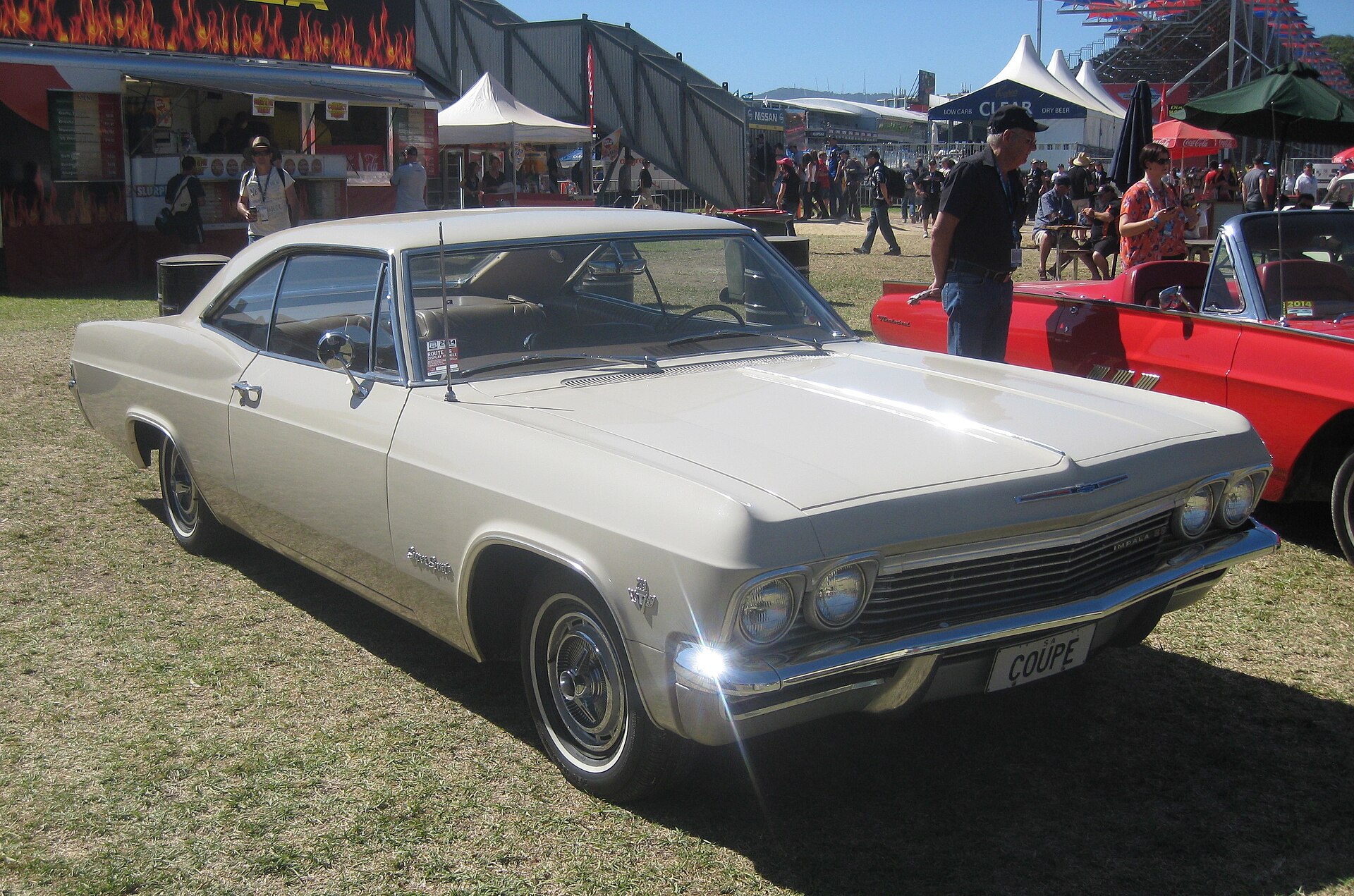
- Chevrolet Impala IV · Photo: GTHO / Wikimedia Commons, CC BY-SA 4.0
- Chevrolet Impala V · Photo: Cjp24 / Wikimedia Commons, CC BY-SA 4.0
- Chevrolet Impala VI · Photo: dave_7 from Lethbridge, Canada / Wikimedia Commons, CC BY 2.0
- Chevrolet Impala VII · Photo: Elise240SX / Wikimedia Commons, CC BY-SA 4.0
- Chevrolet Impala VIII · Photo: IFCAR / Wikimedia Commons, Public domain
- Chevrolet Impala IX · Photo: Bull-Doser / Wikimedia Commons, Public domain
- Chevrolet Impala X · Photo: Alexander-93 / Wikimedia Commons, CC BY-SA 4.0
FAQ
What generation is the 1967 Chevrolet Impala?
The 1967 Impala belongs to the fourth generation, built for the 1965 to 1970 model years. The 1967 car kept the 1965 chassis and 119-inch wheelbase but received new Coke-bottle bodywork, a sloping fastback on two-door Sport Coupes and the first federal safety equipment.
What engine did the 1967 Impala SS 427 have?
The SS 427 used the L36 version of Chevrolet's 427 cu in (7.0-litre) big-block V8, rated at 287 kW (385 hp SAE gross) and 624 Nm. The package, option code Z24, also included F41 heavy-duty suspension, and 2,124 cars were ordered with it in 1967.
How many 1967 Chevrolet Impalas were made?
Catalogue figures give about 575,600 regular Impalas, six-cylinder and V8 together, plus about 74,000 to 76,000 Impala SS models. That puts total 1967 production at roughly 650,000 cars, including more than 150,000 station wagons.
What kind of Impala is used in Supernatural?
The show's car, nicknamed Baby, is a black 1967 Chevrolet Impala four-door. In the story it has a 327 cu in V8. Several 1967 Impalas were used during filming over the 15 seasons, and Jensen Ackles, who played Dean, took one home.
How much did a 1967 Chevrolet Impala cost new?
Factory prices started at about 2,723 US dollars for the six-cylinder four-door sedan and 2,829 dollars with a V8. The Impala SS Sport Coupe cost 3,003 dollars and the SS convertible 3,253 dollars, before options such as air conditioning or the 427 engine.
Data sources
Data checked by an editor against the sources below.