 Chevrolet Caprice
All generations, specs and history
Published Sources (2) Report an error
By Sarah Whitmore, Senior Automotive Writer
- Built
- 1965–2017
- Generations
- 6
- Top power
- 317 kW (431 PS)
Timeline
Caprice generations
Click a generation for its own page
- Caprice I 1965–1970 · Sedan, Station wagon · 145–317 kW (197–431 PS)
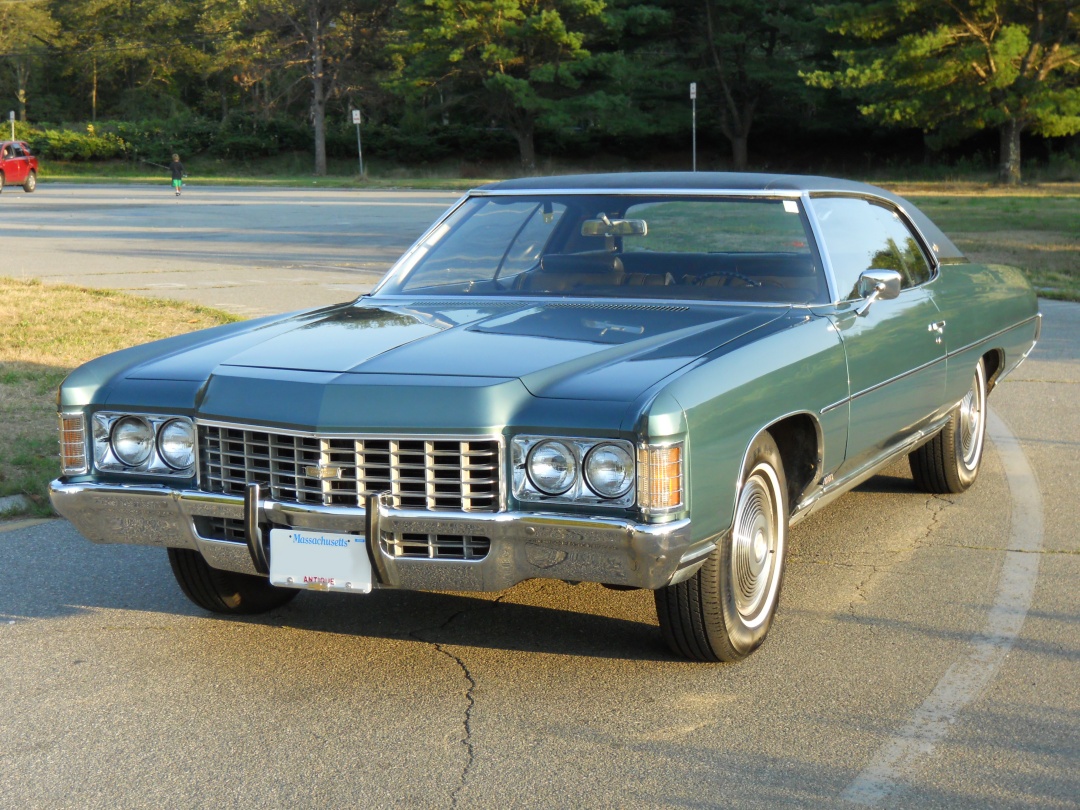
- Caprice II 1971–1976 · Sedan, Station wagon
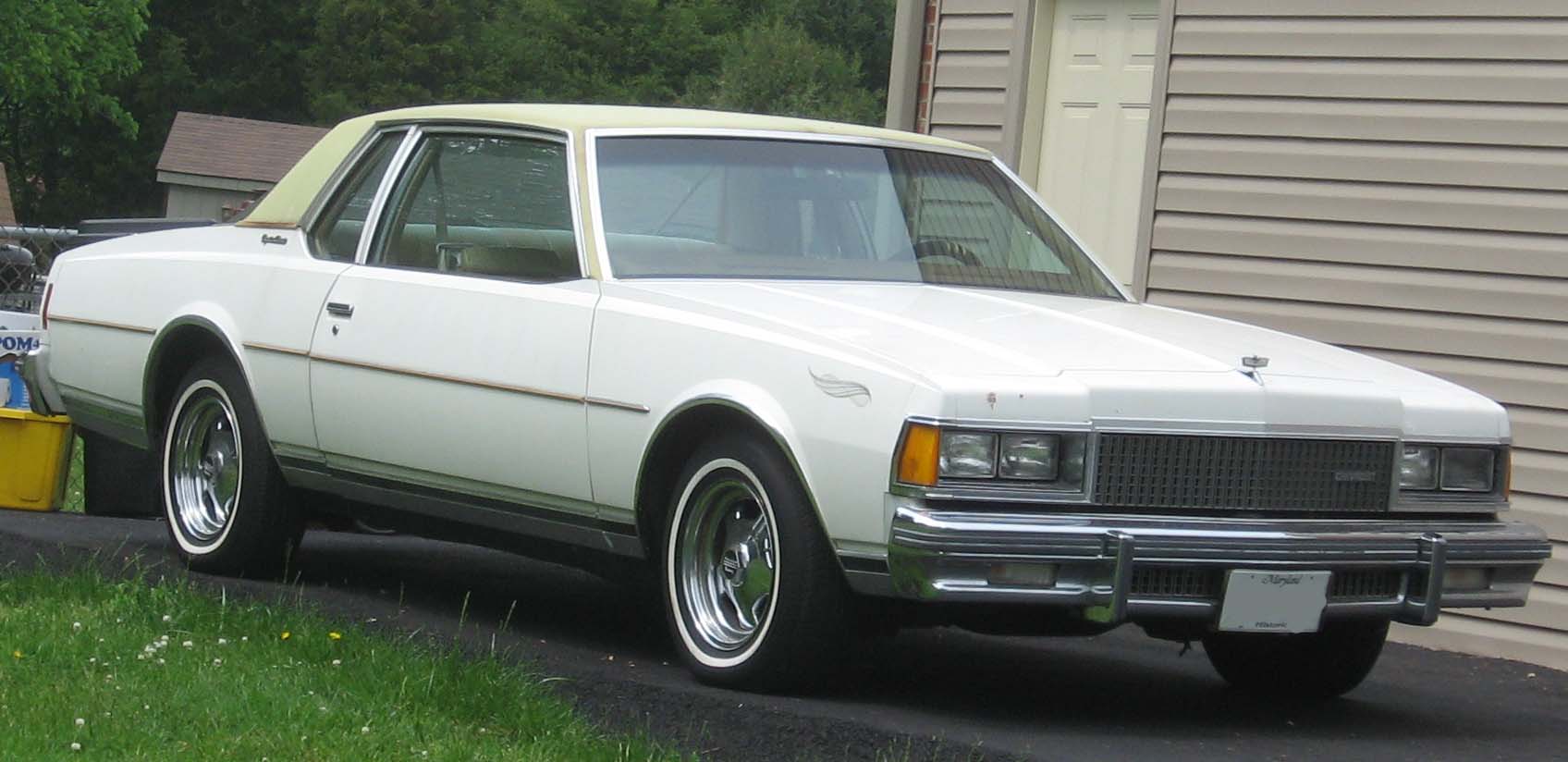
- Caprice III 1977–1990 · Sedan, Station wagon
- Caprice IV 1991–1996 · Sedan, Station wagon · 108–194 kW (147–264 PS)
- Caprice 2000–2006 · Sedan · 157–242 kW (213–329 PS)
- Caprice 2006–2017 · Sedan
Newest first · 6 generations since 1965
-
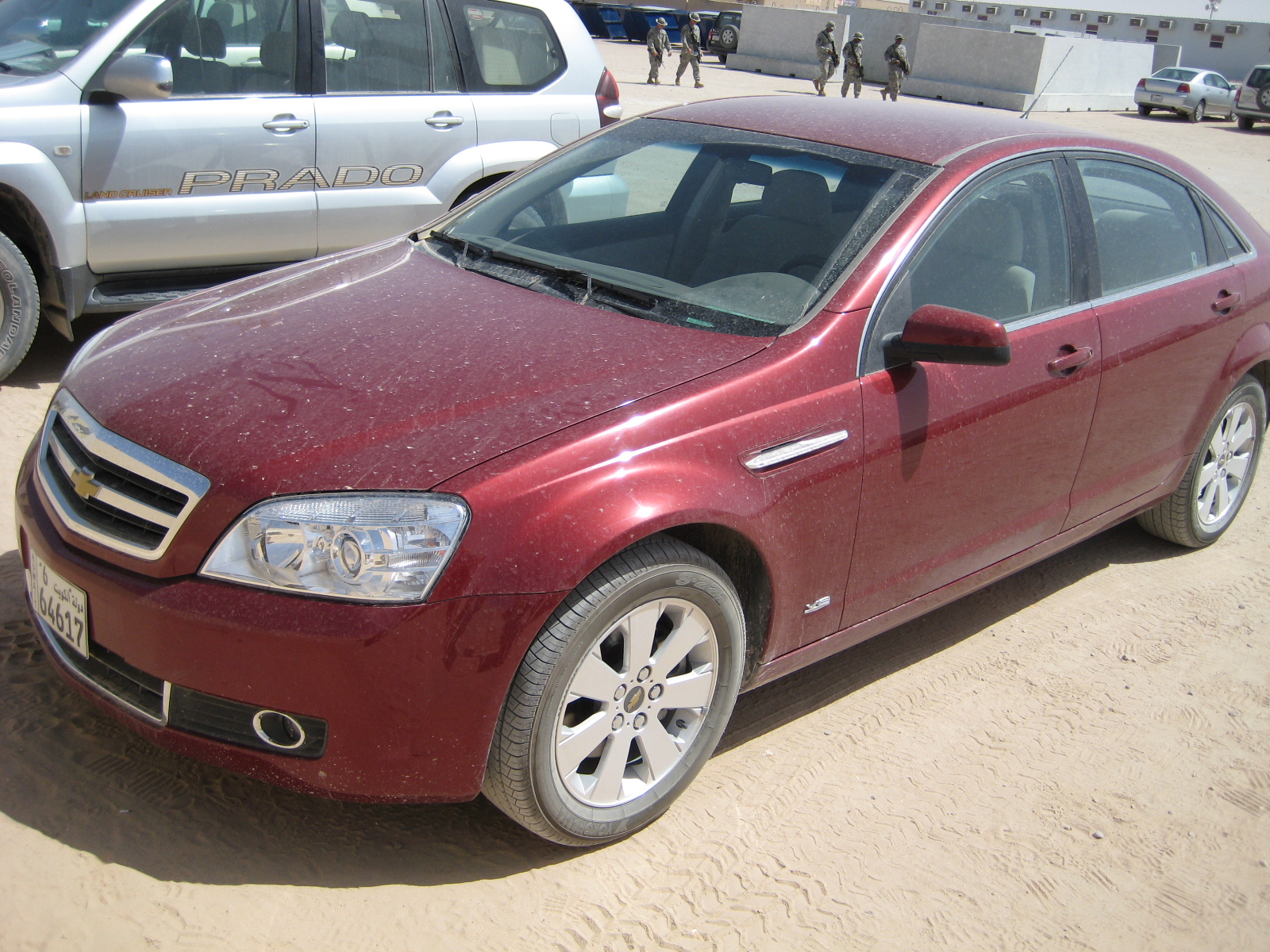
2006
-
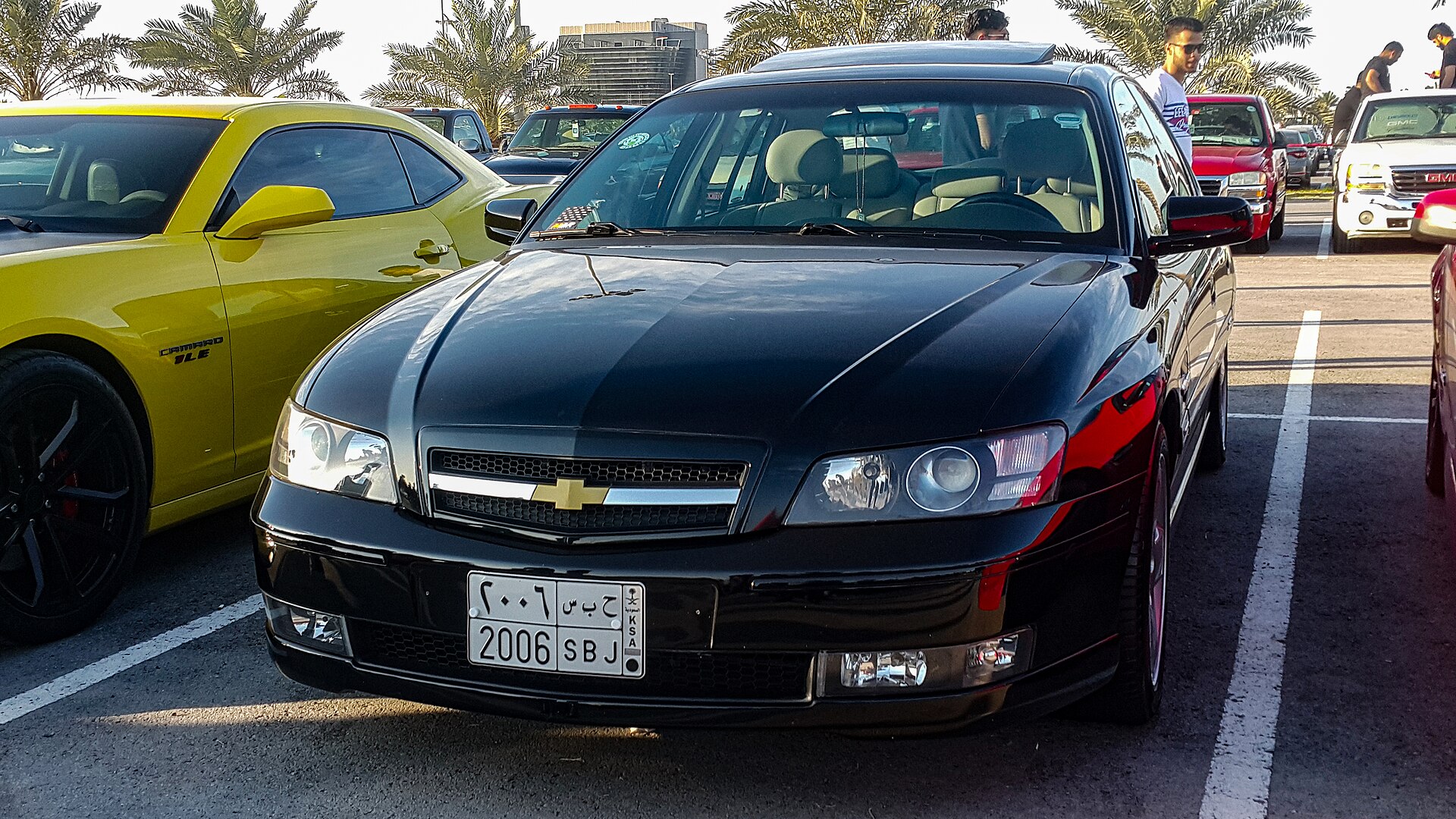
2000
-
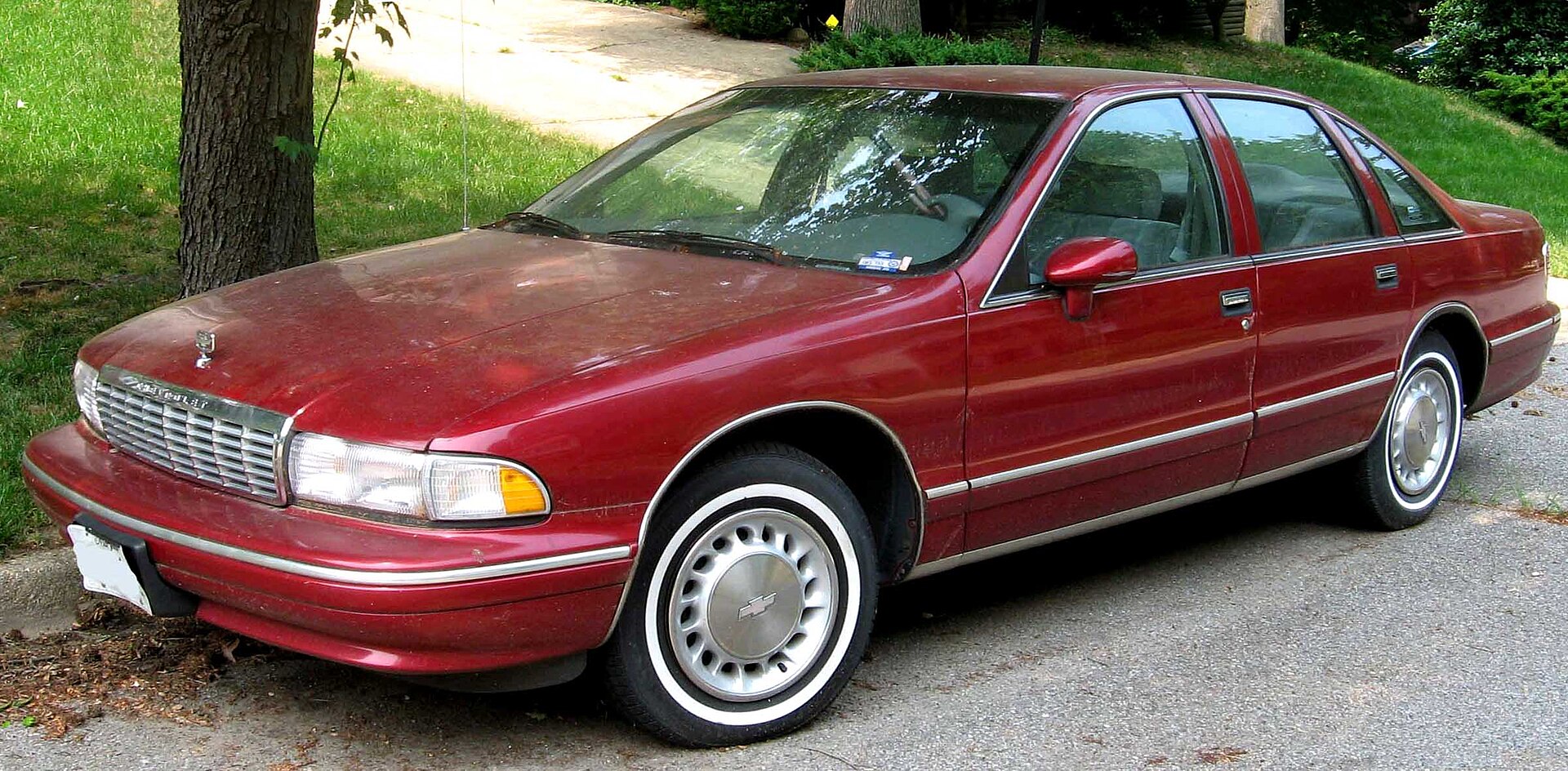
1991
-
1977
-
1971
-
1965
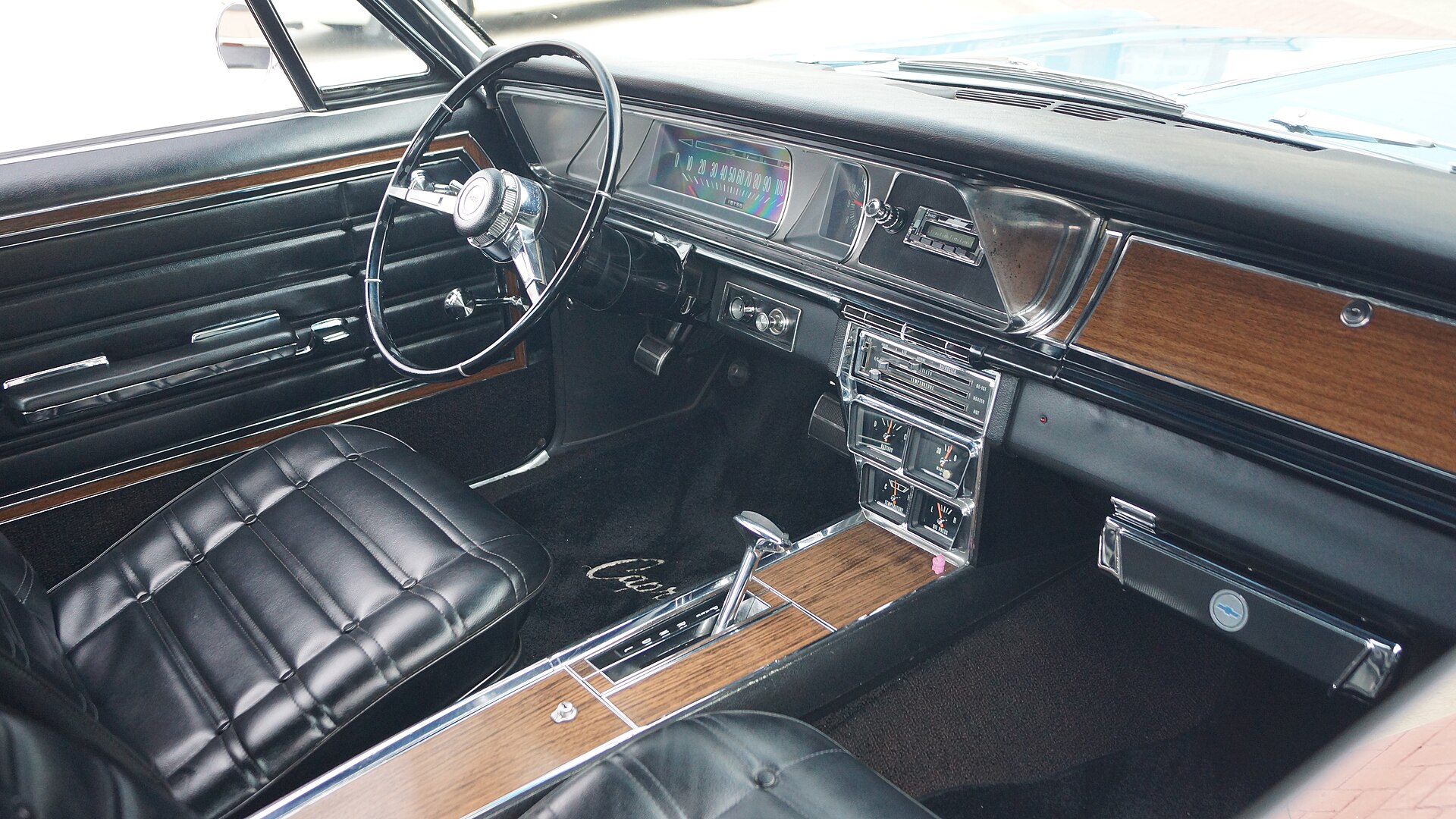


All generations by year: Caprice (2006–2017) · Caprice (2000–2006) · Caprice IV (1991–1996) · Caprice III (1977–1990) · Caprice II (1971–1976) · Caprice I (1965–1970)
Which one is mine?
Pick the year of first registration to see which generation it is.
- Caprice 2006–2017
- Caprice 2000–2006
- Caprice IV 1991–1996
- Caprice III 1977–1990
- Caprice II 1971–1976
- Caprice I 1965–1970
Which Caprice to choose
Our verdict · Sarah Whitmore
- For classic style: a 1966–1970 hardtop coupé or a 1973–1975 convertible; big-block cars carry the highest prices.
- For everyday classic use: a 1977–1990 sedan with the 305 or 350 V8; parts are plentiful because millions were built.
- For performance: a 1994–1996 car with the LT1, ideally an ex-police 9C1 or the closely related Impala SS.
- For comparison with rivals: our comparison tool sets any Caprice against other full-size sedans, such as the Ford LTD.
- For space: the 1991–1996 wagon, the last full-size rear-drive Chevrolet wagon with a standard LT1.
The last generation of the Impala, the car from which the Caprice grew, is covered in our tenth-generation Impala guide, and our Chevrolet history puts the Caprice into the context of the brand. Every Caprice generation is listed in the Chevrolet catalogue.
The Chevrolet Caprice was General Motors' top full-size Chevrolet for three decades. It began in 1965 as a luxury package for the Impala, became its own series a year later and ran in four American generations until December 1996. Holden in Australia then built Caprice sedans for the Middle East and, from 2011 to 2017, a police car for North America.
In short
- US production 1965–1996 on the rear-wheel-drive GM B-body; Holden-built versions 2000–2017.
- Engines from a 4.1-litre six to the 427 big-block with 317 kW (425 hp gross) in 1968; the 1994–1996 LT1 V8 gave 194 kW (260 hp net).
- The downsized 1977 model won Motor Trend's Car of the Year title, and no car sold better in the United States that year.
- From 1987 to 1996 the Caprice 9C1 held the Michigan State Police contract, and it became a standard police car across North America.
Size at a glance
| Dimensions | Chevrolet Caprice IV |
|---|---|
| Length | 5,438 mm214.1 in |
| Width | 1,956 mm77.0 in |
| Height | 1,415 mm55.7 in |
Specs by version
Engines
| Version | Engine | Power | Torque | Gearbox | Drive | Production years |
|---|---|---|---|---|---|---|
| Diesel · 1 version | ||||||
| Caprice III · 350 Oldsmobile diesel V8 | 5.7 l · 8 cyl · Diesel 5,737 cc | 78 kW 106 PS105 hp | 278 Nm205 lb-ft | — | Rear-wheel drive | 1980 |
| Petrol · 23 versions | ||||||
| Caprice I · 283 V8 | 4.6 l · 8 cyl · Petrol 4,638 cc | 145 kW 197 PS194 hp | — | — | Rear-wheel drive | 1965 |
| Caprice I · 350 V8 | 5.7 l · 8 cyl · Petrol 5,735 cc | 186 kW 253 PS249 hp | — | — | Rear-wheel drive | 1970 |
| Caprice I · 396 Turbo Jet V8 | 6.5 l · 8 cyl · Petrol 6,489 cc | 242 kW 329 PS325 hp | — | — | Rear-wheel drive | 1966 |
| Caprice I · 454 V8 | 7.4 l · 8 cyl · Petrol 7,440 cc | 291 kW 396 PS390 hp | — | — | Rear-wheel drive | 1970 |
| Caprice I · 427 L72 V8 | 7.0 l · 8 cyl · Petrol 6,997 cc | 317 kW 431 PS425 hp | — | — | Rear-wheel drive | 1968 |
| Caprice II · 350 V8 four-barrel | 5.7 l · 8 cyl · Petrol 5,735 cc | 123 kW 167 PS165 hp | — | — | Rear-wheel drive | 1976 |
| Caprice II · 454 V8 | 7.4 l · 8 cyl · Petrol 7,440 cc | 168 kW 228 PS225 hp | — | — | Rear-wheel drive | 1976 |
| Caprice II · 454 V8 (SAE net) | 7.4 l · 8 cyl · Petrol 7,440 cc | 201 kW 273 PS270 hp | — | — | Rear-wheel drive | 1972 |
| Caprice II · 402 Turbo Jet V8 (SAE gross) | 6.6 l · 8 cyl · Petrol 6,588 cc | 224 kW 305 PS300 hp | — | — | Rear-wheel drive | 1971 |
| Caprice II · 454 V8 (SAE gross) | 7.4 l · 8 cyl · Petrol 7,440 cc | 272 kW 370 PS365 hp | — | — | Rear-wheel drive | 1971 |
| Caprice III · 250 I6 | 4.1 l · 6 cyl · Petrol 4,093 cc | 82 kW 111 PS110 hp | — | — | Rear-wheel drive | 1977 |
| Caprice III · 4.3 V6 | 4.3 l · 6 cyl · Petrol 4,300 cc | 97 kW 132 PS130 hp | 285 Nm210 lb-ft | — | Rear-wheel drive | 1985 |
| Caprice III · 305 V8 | 5.0 l · 8 cyl · Petrol 4,999 cc | 108 kW 147 PS145 hp | — | — | Rear-wheel drive | 1977 |
| Caprice III · 305 V8 TBI | 5.0 l · 8 cyl · Petrol 4,999 cc | 127 kW 173 PS170 hp | 346 Nm255 lb-ft | — | Rear-wheel drive | 1989–1990 |
| Caprice III · 350 V8 four-barrel | 5.7 l · 8 cyl · Petrol 5,735 cc | 127 kW 173 PS170 hp | — | — | Rear-wheel drive | 1977 |
| Caprice IV · 5.0 L03 V8 | 5.0 l · 8 cyl · Petrol 5,002 cc | 127 kW 173 PS170 hp | 346 Nm255 lb-ft | 4-sp Automatic | Rear-wheel drive | 1991–1993 |
| Caprice IV · 5.7 L05 V8 | 5.7 l · 8 cyl · Petrol 5,733 cc | 134 kW 182 PS180 hp | 407 Nm300 lb-ft | 4-sp Automatic | Rear-wheel drive | 1992–1993 |
| Caprice IV · 4.3 L99 V8 | 4.3 l · 8 cyl · Petrol 4,346 cc | 149 kW 203 PS200 hp | 325 Nm240 lb-ft | 4-sp Automatic | Rear-wheel drive | 1994–1996 |
| Caprice IV · 5.7 LT1 V8 | 5.7 l · 8 cyl · Petrol 5,733 cc | 194 kW 264 PS260 hp | 447 Nm330 lb-ft | 4-sp Automatic | Rear-wheel drive | 1994–1996 |
| Caprice · 3.8 Ecotec V6 | 3.8 l · 6 cyl · Petrol 3,800 cc | 157 kW 213 PS211 hp | 310 Nm229 lb-ft | 4-sp Automatic | Rear-wheel drive | 2000–2003 |
| Caprice · 5.7 V8 (LTZ) | 5.7 l · 8 cyl · Petrol 5,700 cc | 220 kW 299 PS295 hp | — | 4-sp Automatic | Rear-wheel drive | 2000 |
| Caprice · 5.7 V8 (SS, Royale) | 5.7 l · 8 cyl · Petrol 5,700 cc | 242 kW 329 PS325 hp | — | 4-sp Automatic | Rear-wheel drive | 2000 |
| Caprice · 6.0 L77 V8 | 6.0 l · 8 cyl · Petrol 6,000 cc | 260 kW 354 PS349 hp | — | 6-sp Automatic | Rear-wheel drive | — |
Performance
Show all 1 versions
| Version | 0–100 km/h | Top speed |
|---|---|---|
| Caprice · 3.8 Ecotec V6 | 9.5 s 0–62 mph | 210 km/h130 mph |
Dimensions and weight
Show all 20 versions
| Version | Length | Wheelbase |
|---|---|---|
| Diesel · 1 version | ||
| Caprice III · 350 Oldsmobile diesel V8 | — | 2,946 mm116.0 in |
| Petrol · 19 versions | ||
| Caprice I · 283 V8 | 5,415 mm213.2 in | 3,023 mm119.0 in |
| Caprice I · 350 V8 | — | 3,023 mm119.0 in |
| Caprice I · 396 Turbo Jet V8 | 5,415 mm213.2 in | 3,023 mm119.0 in |
| Caprice I · 454 V8 | — | 3,023 mm119.0 in |
| Caprice I · 427 L72 V8 | — | 3,023 mm119.0 in |
| Caprice II · 350 V8 four-barrel | — | 3,086 mm121.5 in |
| Caprice II · 454 V8 | — | 3,086 mm121.5 in |
| Caprice II · 454 V8 (SAE net) | — | 3,086 mm121.5 in |
| Caprice II · 402 Turbo Jet V8 (SAE gross) | 5,507 mm216.8 in | 3,086 mm121.5 in |
| Caprice II · 454 V8 (SAE gross) | 5,507 mm216.8 in | 3,086 mm121.5 in |
| Caprice III · 250 I6 | 5,390 mm212.2 in | 2,946 mm116.0 in |
| Caprice III · 4.3 V6 | — | 2,946 mm116.0 in |
| Caprice III · 305 V8 | 5,390 mm212.2 in | 2,946 mm116.0 in |
| Caprice III · 305 V8 TBI | — | 2,946 mm116.0 in |
| Caprice III · 350 V8 four-barrel | 5,390 mm212.2 in | 2,946 mm116.0 in |
| Caprice IV · 5.0 L03 V8 | 5,438 mm214.1 in | — |
| Caprice IV · 5.7 L05 V8 | 5,438 mm214.1 in | — |
| Caprice IV · 4.3 L99 V8 | 5,438 mm214.1 in | — |
| Caprice IV · 5.7 LT1 V8 | 5,438 mm214.1 in | — |
Verified Manufacturer and type-approval data from our catalog · Sources and methodology
Chevrolet Caprice at a glance
| Parameter | Metric | Imperial / note |
|---|---|---|
| Production | 1965–1996 (USA, Canada), 2000–2017 (Australia) | model years 1966–1996 |
| Platform | GM B-body; later Holden V-body and Zeta | rear-wheel drive |
| Bodies | coupé, hardtop, sedan, convertible (1973–1975), wagon | — |
| Engines | 4.1 l six to 7.4 l V8; 5.7 l diesel (1980s) | 250 to 454 cu in |
| Power | 82 kW (1977 six) to 317 kW (1968 427) | 110 to 425 hp |
| Wheelbase | 3,023 mm (1966) / 3,086 mm (1971) / 2,946 mm (1977) | 119 / 121.5 / 116 in |
| Length | up to about 5,660 mm (1976 sedan) | 222.9 in |
| Built 1977–1990 | 2,881,871 | coupés, sedans and wagons |
| Predecessor / successor | Impala package / none in the USA | Tahoe took the Arlington plant |
Caprice generations and timeline
| Generation | Years | Key facts |
|---|---|---|
| I | 1965–1970 | Impala Caprice Custom package (mid-1965), own series from 1966 |
| II | 1971–1976 | longest Chevrolet sedan, convertible 1973–1975, last 454 V8 |
| III | 1977–1990 | downsized by up to 395 kg, Car of the Year, 9C1 police package |
| IV | 1991–1996 | rounded body, LT1 V8 from 1994, end on 13 December 1996 |
| Holden WH–WL | 2000–2006 | Australian long-wheelbase sedan for the Middle East |
| Holden WM/WN, PPV | 2006–2017 | Zeta platform; police car for North America 2011–2017 |
- Mid-1965: the Caprice Custom option (RPO Z18) adds US$200 (1965) to an Impala four-door hardtop priced at US$2,742 in 1965.
- 1967: GM's 100 millionth car, assembled on 21 April in Janesville, Wisconsin, is a light-blue Caprice coupé.
- 1977: the downsized Caprice wins Car of the Year and sells about 212,840 Caprice Classic sedans.
- 1986: the 9C1 police package arrives.
- 1996: the last Caprice leaves Arlington, Texas; the plant switches to SUVs.
- 2017: Holden ends Australian production, and with it the Caprice PPV.
First generation (1965–1970): the luxury Chevrolet
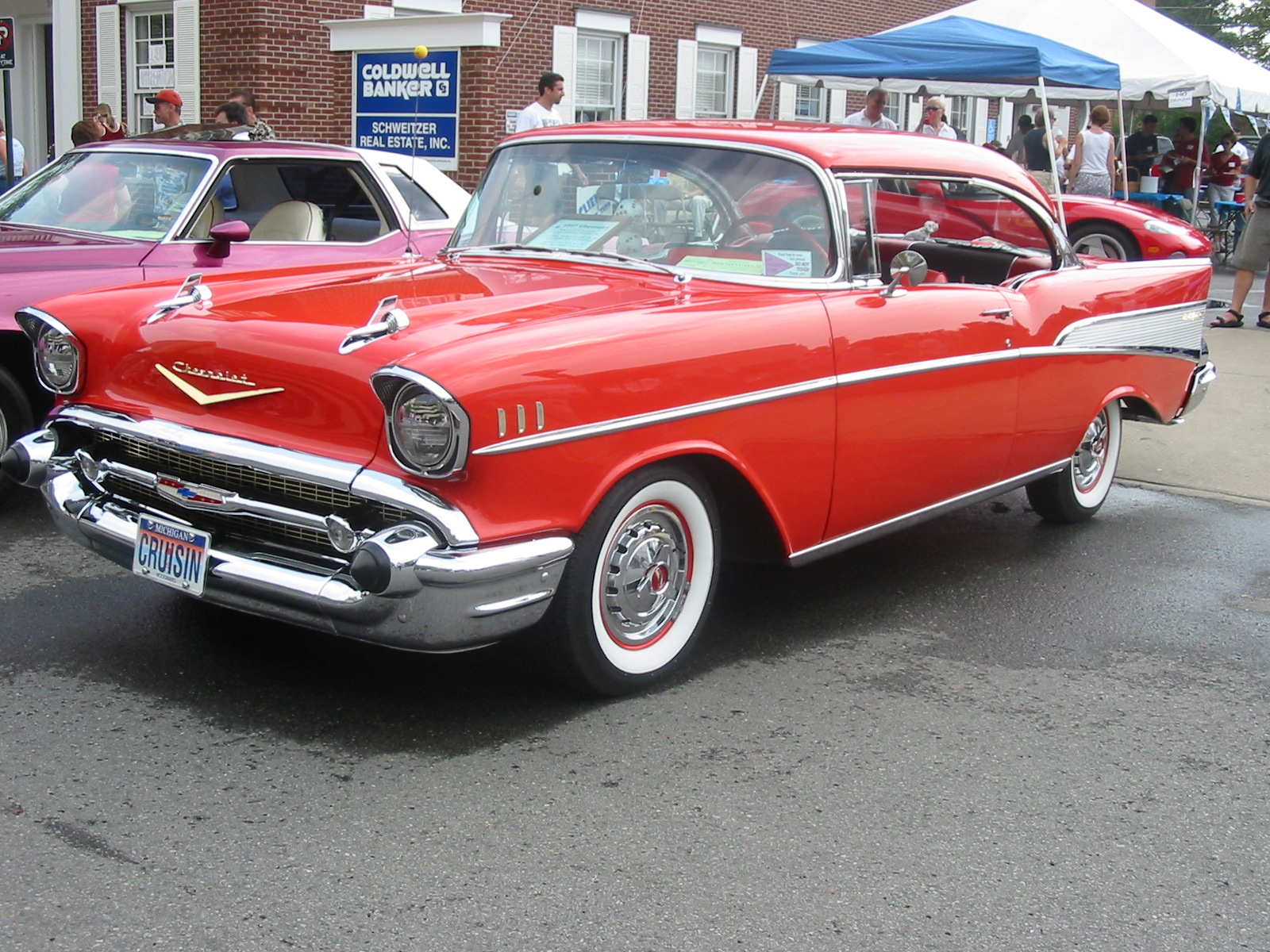
In the middle of the 1965 model year Chevrolet offered a dressed-up version of the Impala four-door hardtop. For 1966 the Caprice became a separate line with a four-door hardtop, a two-door formal-roof hardtop and six- or nine-seat wagons, all on a 3,023 mm (119 in) wheelbase. Base power came from the 283 V8 rated at 145 kW (195 hp gross).
The option list grew every year. The 396 Turbo Jet gave 242 kW (325 hp) in 1966, and the solid-lifter 427 L72 returned in 1968 with 317 kW (425 hp), the strongest engine any Caprice received. For 1970 the range ran from a 350 V8 with 186 kW (250 hp) to a 454 with 291 kW (390 hp). Buyers could choose a three- or four-speed manual, the two-speed Powerglide or the three-speed Turbo Hydra-Matic. The formal roofline proved so popular that the Impala Custom Coupé copied it and became the best-seller of its line in 1968.

Second generation (1971–1976): the largest Caprice
The 1971 redesign stretched the wheelbase to 3,086 mm (121.5 in) and the sedan to 5,507 mm, growing to 5,660 mm by 1976 as bumpers grew to meet new crash rules. A 1971 car weighed about 1,830 kg. From 1973 the line was called Caprice Classic, and the convertible moved over from the Impala; about 8,350 convertibles were sold in 1975, the final year for open Chevrolets of this size.
This generation also spans the switch from gross to net ratings. In 1971 the 454 was rated 272 kW (365 hp gross; 213 kW or 285 hp net). For 1972 it was quoted at 201 kW (270 hp net), and by 1976 it gave 168 kW (225 hp) before being dropped. Motor Trend compared a loaded Caprice coupé at US$5,550 with a Cadillac Sedan de Ville at US$9,081 in May 1971 and judged the Chevrolet the better value. The 1976 model was the last pillarless Chevrolet hardtop.

Third generation (1977–1990): the downsized best-seller
GM's "Project 77" cut the coupé by 277 kg (611 lb), the sedan by 289 kg and the wagon by 395 kg. The wheelbase dropped to 2,946 mm (116 in), and the body lost about 25 cm. Buyers rewarded the result: the 1977 Caprice took Motor Trend's annual award, and full-size Chevrolets topped the American sales chart with about 660,000 built.
| Engine (third generation) | Years | Power | Torque |
|---|---|---|---|
| 250 six (4.1 l) | 1977–1979 | 82 kW (110 hp) | — |
| 305 V8 (5.0 l) | from 1977 | 108 kW (145 hp) | — |
| 350 V8 (5.7 l) | 1977–1979 | 127 kW (170 hp) | — |
| 350 Oldsmobile diesel V8 | from 1980 | 78 kW (105 hp) | 278 Nm |
| 4.3 V6 | from 1985 | 97 kW (130 hp) | 285 Nm |
| 305 V8 TBI | 1989–1990 | 127 kW (170 hp) | 346 Nm |
A four-speed automatic with overdrive arrived in 1982, and Car and Driver put the Caprice Classic on its Ten Best list in 1983. With 2,946 mm between the axles, the downsized car had a wheelbase 140 mm shorter than its predecessor. In 1986 the Impala name was dropped from the sedan, so every full-size Chevrolet became a Caprice, and the 9C1 police package appeared. Between 1977 and 1990 Chevrolet built 2,881,871 cars of this generation: 2,034,787 sedans, 556,706 wagons and 290,378 coupés. In 1990 the police Caprice won all six categories of the Michigan State Police test, the first car to do so.

Fourth generation (1991–1996): LT1 and the police 9C1
The 1991 body kept the old frame but wrapped it in rounded panels. Motor Trend gave it its 1991 award for the best new car from a US maker, while critics mocked the shape as a "beached whale". At first the 5.0 L03 V8 gave 127 kW (170 hp); the 5.7 L05 followed with 134 kW (180 hp). For 1994 Chevrolet fitted two new sequential-injection V8s: a 4.3-litre L99 with 149 kW (200 hp) and the Corvette-derived 5.7 LT1 with 194 kW (260 hp) and 447 Nm. The LT1 was standard in the wagon and in the police car.
With the LT1 the 9C1 became a popular police car, and many departments kept them in service for years after production ended. The Impala SS of 1994–1996 used the same mechanicals, and in 1995–1996 it was exported to the Middle East as the Caprice SS.
Production counts disagree. The yearly table in English Wikipedia adds up to 506,414 cars (454,173 sedans and 52,241 wagons); the same article's text gives 689,257, and German Wikipedia counts 668,226 sedans and 51,350 wagons. In the 1996 model year the base sedan was listed at US$29,045, and the 9C1 package at US$29,190. The last car left Arlington on 13 December 1996, and GM turned the plant over to its full-size SUVs such as the Chevrolet Tahoe.

Holden-built Caprice and the PPV (2000–2017)
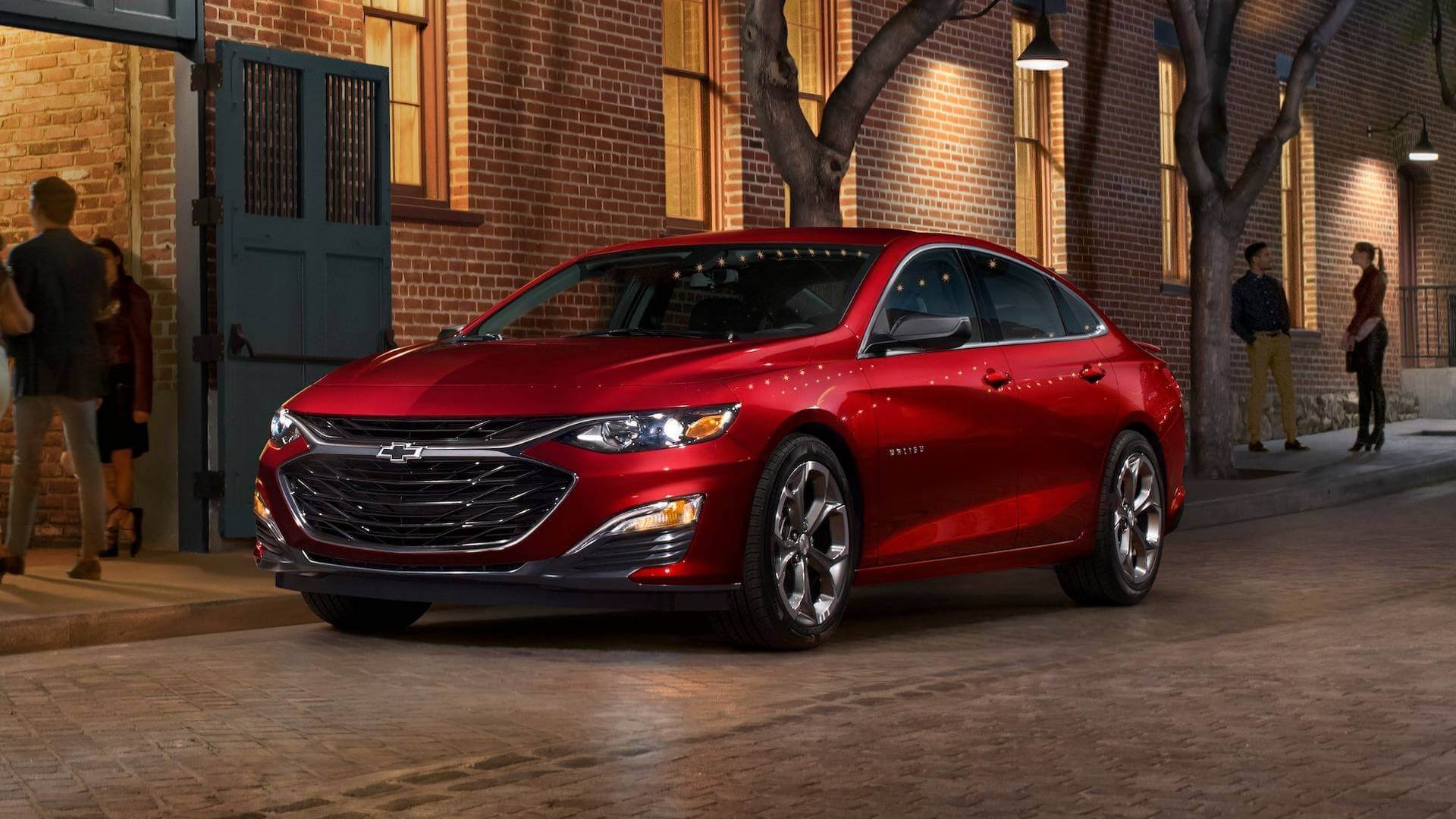
The name survived abroad. From model year 2000 Holden's long-wheelbase Statesman/Caprice (WH series) was sold in the Gulf states as the Chevrolet Caprice in LS, LTZ, SS and, from 2002, Royale trim. The 3.8 V6 gave 157 kW and 310 Nm, enough for 0–100 km/h in 9.5 s and 210 km/h. The 5.7 V8 gave 220 kW in the LTZ and 242 kW in the SS and Royale, always with a four-speed automatic.
The WM model of 2006 moved to the Zeta platform, and from 2011 a rebadged version returned to North America purely as a police patrol vehicle, the Caprice PPV. Its 6.0-litre V8 was rated 260 kW in the Holden WN with a six-speed automatic. Australian production of the Caprice ended in October 2017, and with it the last Chevrolet to carry the name.
Specifications by generation
| Parameter | 1966 (I) | 1971 (II) | 1977 (III) | 1994 (IV) |
|---|---|---|---|---|
| Wheelbase | 3,023 mm (119 in) | 3,086 mm (121.5 in) | 2,946 mm (116 in) | 2,946 mm (116 in) |
| Sedan length | 5,415 mm (213.2 in) | 5,507 mm (216.8 in) | 5,390 mm (212.2 in) | 5,438 mm (214.1 in) |
| Base V8 | 283, 145 kW gross | 400, 190 kW gross | 305, 108 kW net | 4.3 L99, 149 kW net |
| Top engine | 427, 317 kW (1968) | 454, 272 kW gross | 350, 127 kW | 5.7 LT1, 194 kW |
| Gearbox | 3/4-speed manual, 2- or 3-speed auto | manual or automatic | 3-speed auto | 4-speed auto |
Photo gallery

Chevrolet Caprice evolution in numbers
Did you know?
- The Chevrolet Caprice ran for 52 years, from 1965 to 2017, over 6 generations in our catalog.
- The longest-running generation is the Caprice III (1977–1990): 13 years.
- The biggest jump in power came with the Caprice IV: up to 194 kW (264 PS), 67 kW more than the Caprice III.
- The most powerful Chevrolet Caprice is not the newest: the Caprice I (1965–1970) offered up to 317 kW (431 PS), the Caprice up to 260 kW (354 PS).
Most powerful version, kW
Length, mm
Figures from the 1cars catalog: power is the strongest version of each generation; generations without the figure are left out.
Chevrolet Caprice: first vs latest generation
| Spec | Caprice I | Caprice | Change |
|---|---|---|---|
| Years | 1965–1970 | 2006–2017 | 41 years apart |
| Most powerful version | 317 kW (431 PS) | 260 kW (354 PS) | −57 kW (−18%) |
Oldest and newest generation in the 1cars catalog. Power is the strongest version of each; other rows are shown only when both generations have the figure.
Image credits · Photos from Wikimedia Commons under free licences
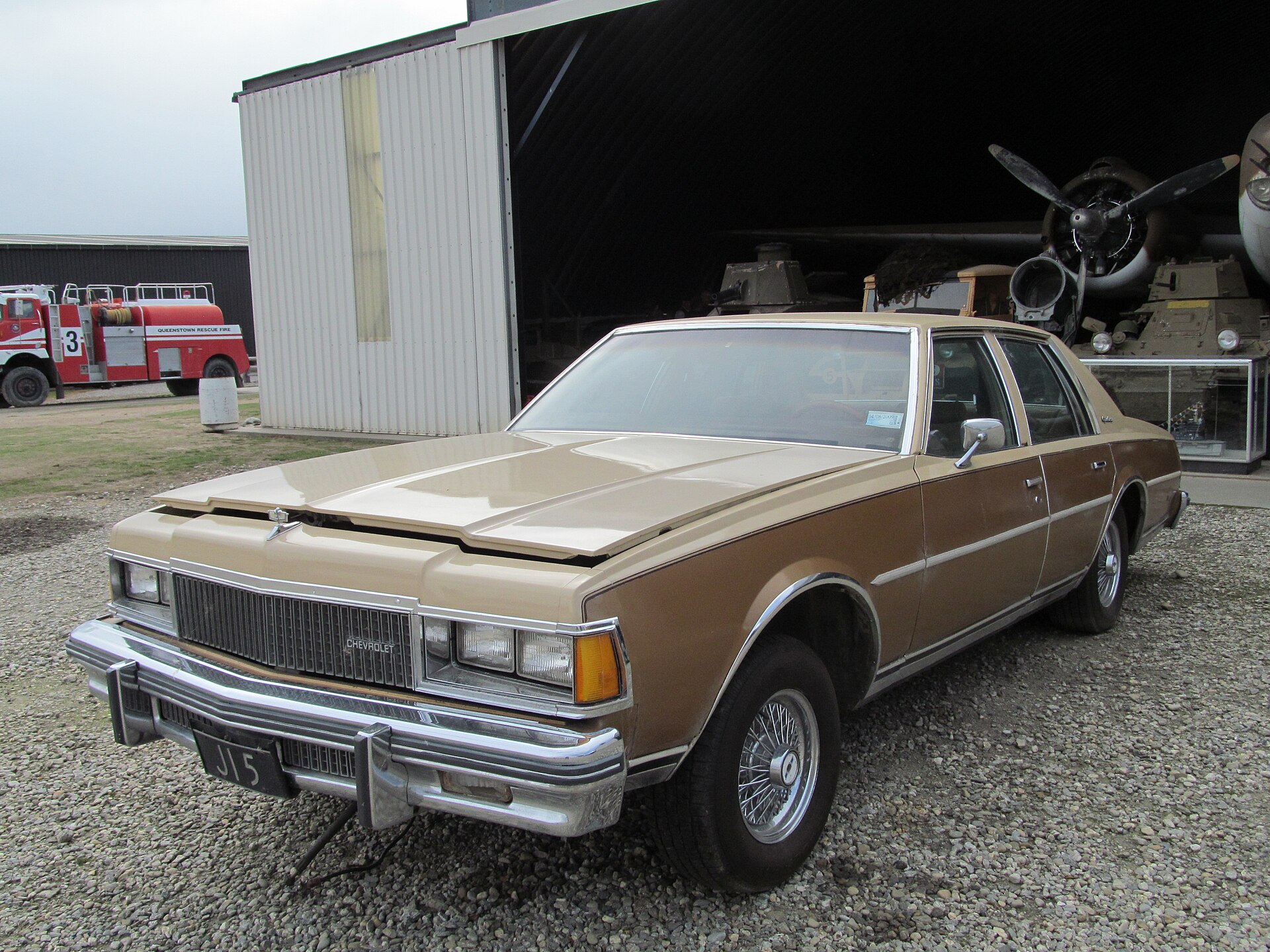
- Chevrolet Caprice IV · Photo: IFCAR / Wikimedia Commons, Public domain
- Chevrolet Caprice · Photo: Mohammed Hamad / Wikimedia Commons, CC BY-SA 4.0
- Chevrolet Caprice · Photo: ricco3411 / Wikimedia Commons, CC BY 2.0
Popular comparisons
Chevrolet Caprice in our rankings
- No. 3 of 131 · Biggest engines: sedans (7,440 cc)
- No. 3 of 86 · Longest sedans (5,507 mm)
- No. 5 of 80 · Widest sedans (1,956 mm)
- No. 6 of 94 · Most powerful cars of the 1960s (317 kW)
- No. 7 of 420 · Longest cars (5,507 mm)
- No. 9 of 88 · Most powerful cars of the 1970s (291 kW)
Longer than 98% of ranked cars in the 1CARS catalog (No. 7 of 420).
FAQ
What years was the Chevrolet Caprice made?
In North America from mid-1965 to December 1996. Holden in Australia built Caprice sedans for the Middle East from 2000 and the Caprice PPV police car for North America from 2011 to 2017.
What is the most powerful Chevrolet Caprice?
Among US cars, the 1968 Caprice with the 427 L72 V8 rated at 317 kW (425 hp gross). Of the net-rated cars, the Holden-built 6.0 V8 police car leads with 260 kW.
Why was the Caprice downsized in 1977?
GM's "Project 77" set out to cut exterior size and weight; the sedan lost 289 kg and about 25 cm in length while keeping its four-door body and rear-wheel drive.
Why was the Caprice discontinued in 1996?
Sales of large sedans had fallen, and GM needed the Arlington plant for its more profitable full-size SUVs.
What is a Caprice 9C1?
The factory police package, introduced in 1986. From 1994 it used the 194 kW LT1 V8, and the Caprice held the Michigan State Police contract from 1987 until 1996.
Data sources
Data checked by an editor against the sources below.
- Wikipedia — Chevrolet Caprice
- Wikipedia — Holden Caprice