 Chevrolet Camaro I (1966–1969)
Specs, engines, safety and known problems
Published Sources (4) Report an error
By Sarah Whitmore, Senior Automotive Writer Reviewed by Oleksandr Hnatiuk
- Power
- 104–321 kW (141–436 PS)
- Generation
- 1 of 6
Model timeline
Where the I sits in the Camaro story
Successor Camaro II (1970–1981)
Newest first · 6 generations since 1966
-
2016
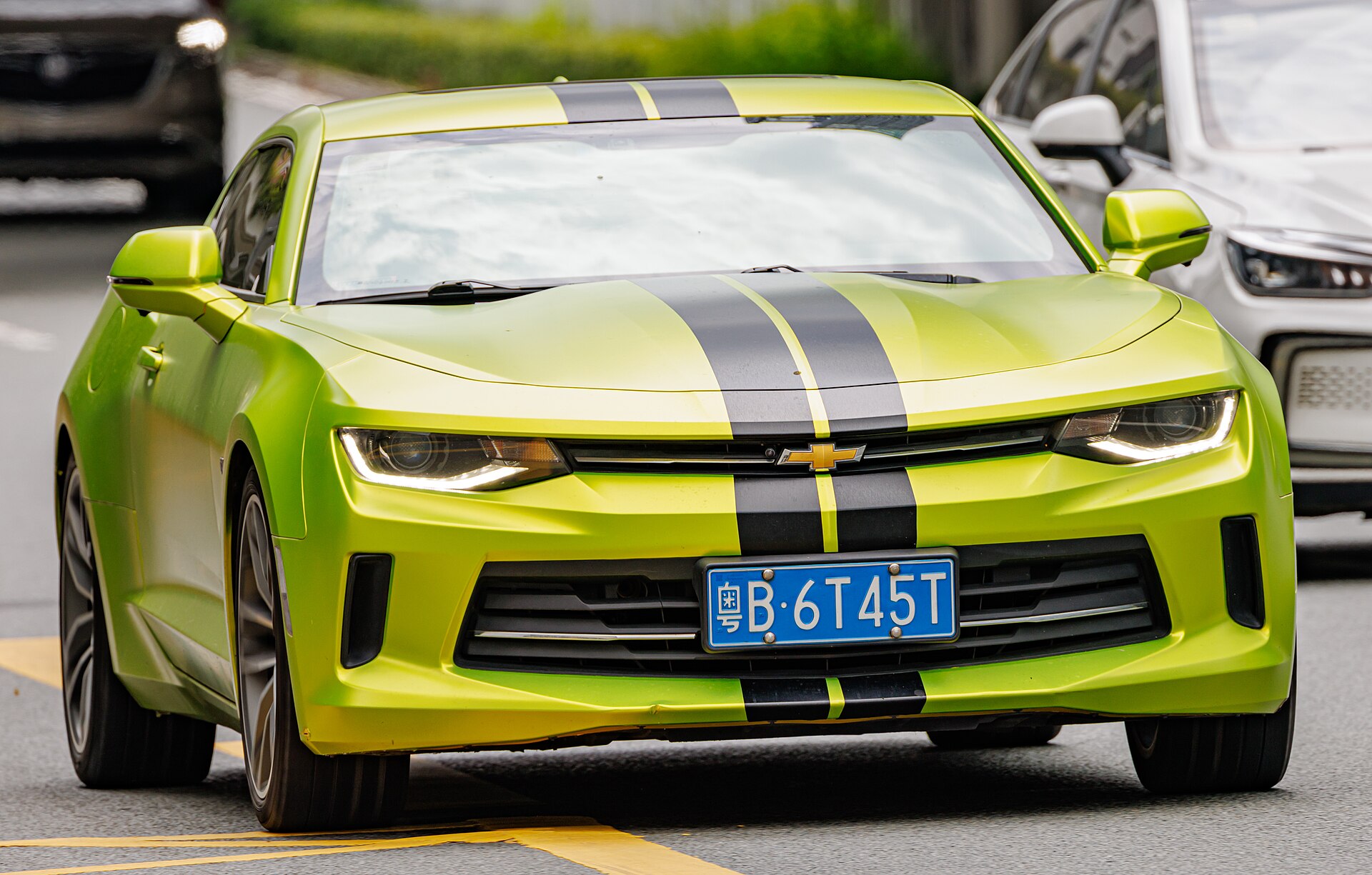
-
2009
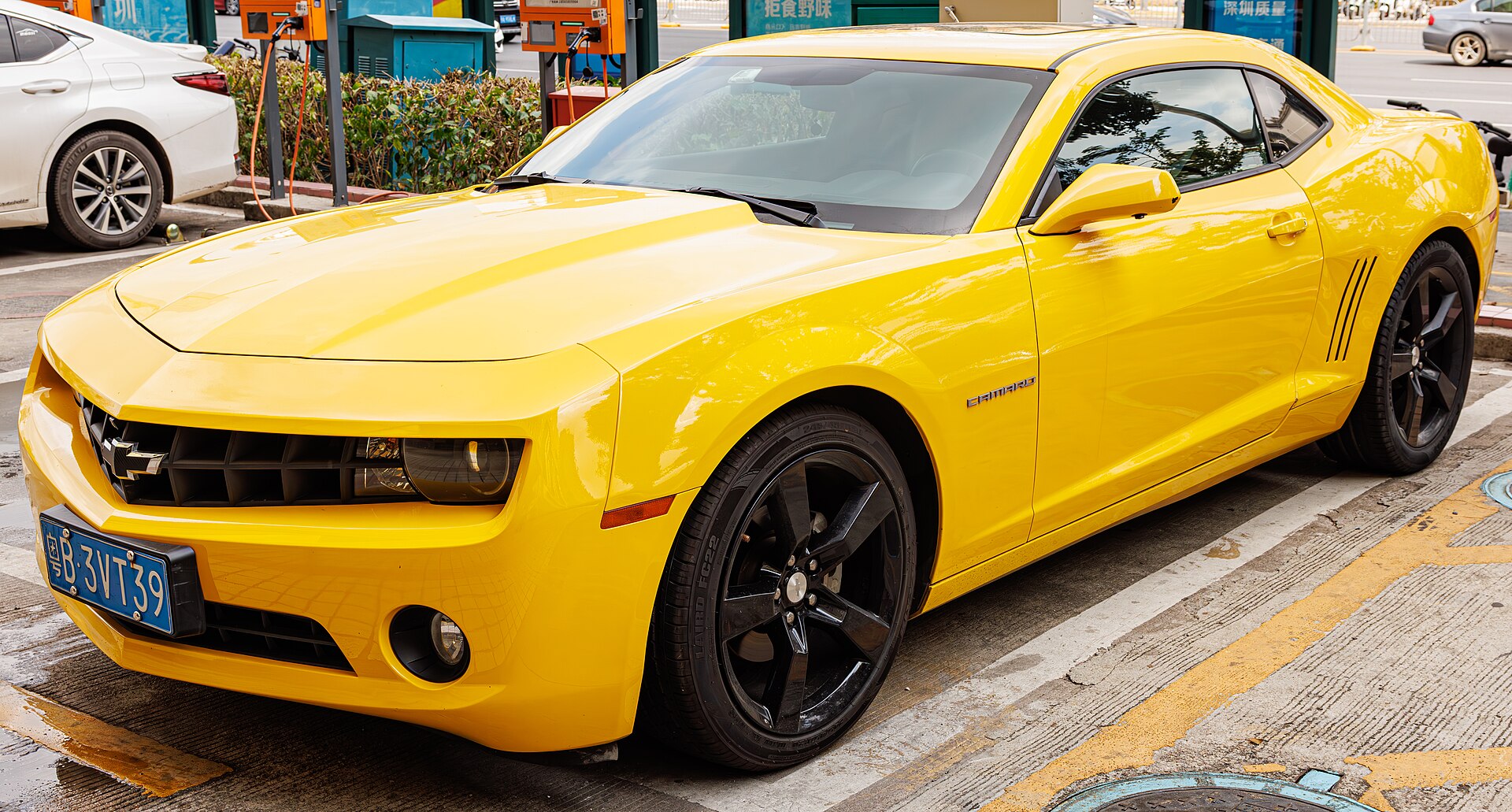
-
1993
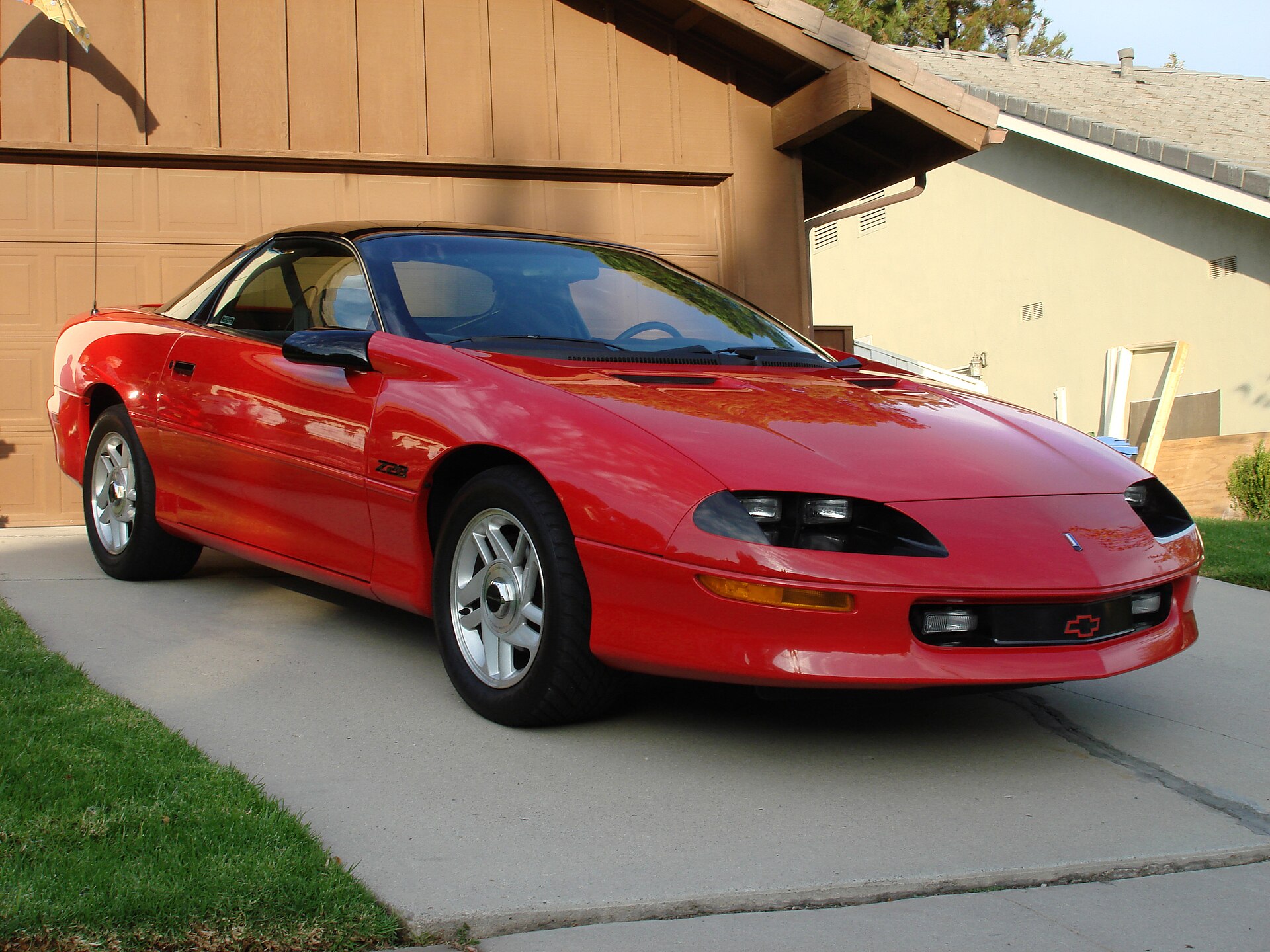
-
1982
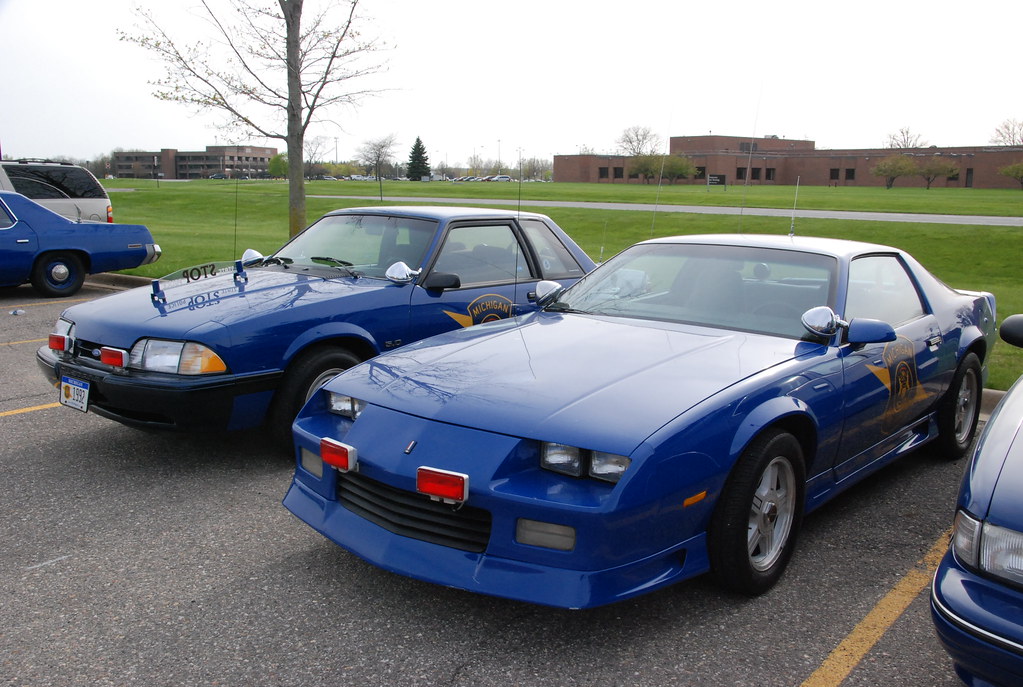
-
1970
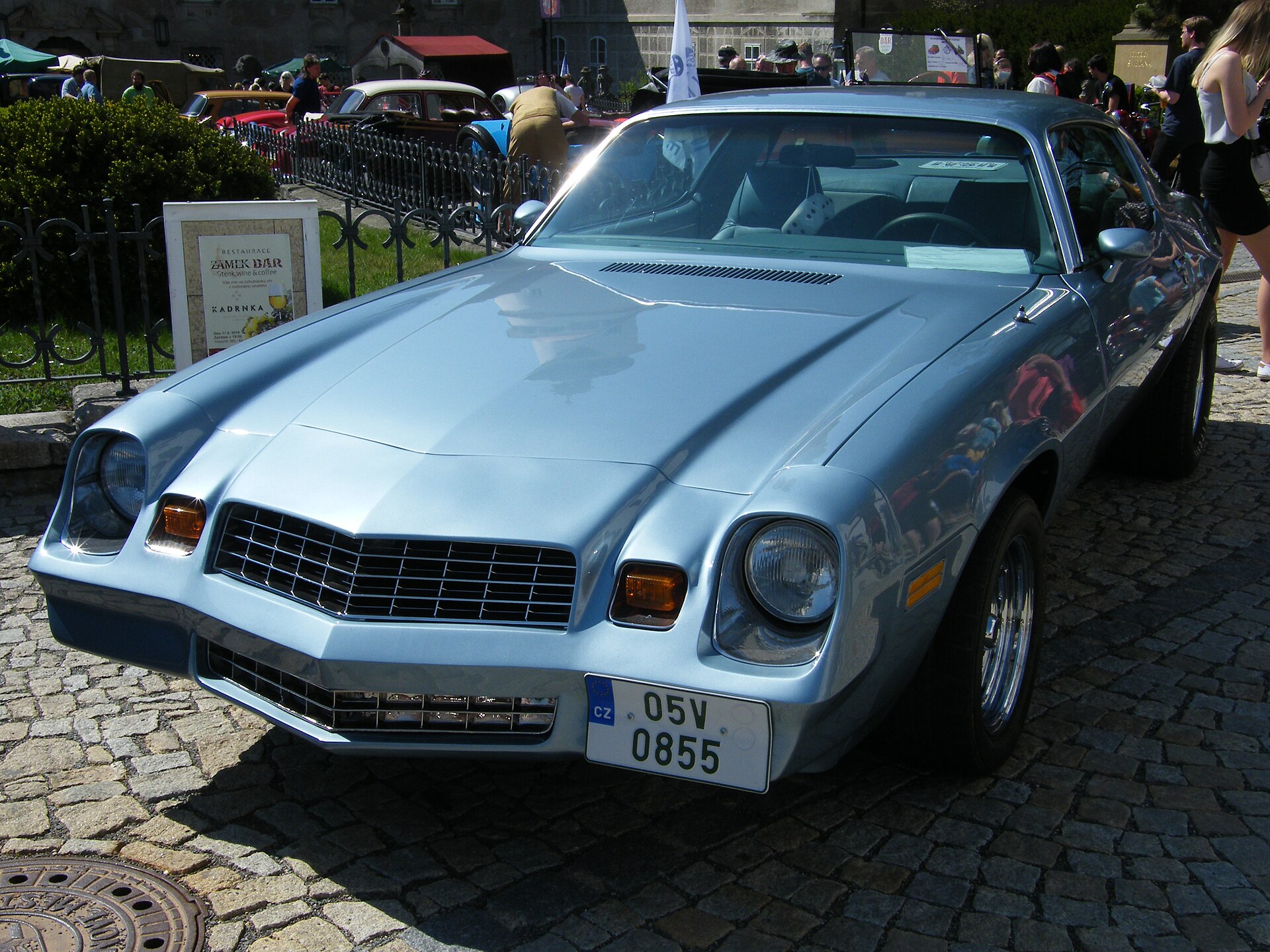
-
1966


All generations by year: Camaro VI (2016–2024) · Camaro V (2009–2015) · Camaro IV (1993–2002) · Camaro III (1982–1992) · Camaro II (1970–1981) · Camaro I (1966–1969)
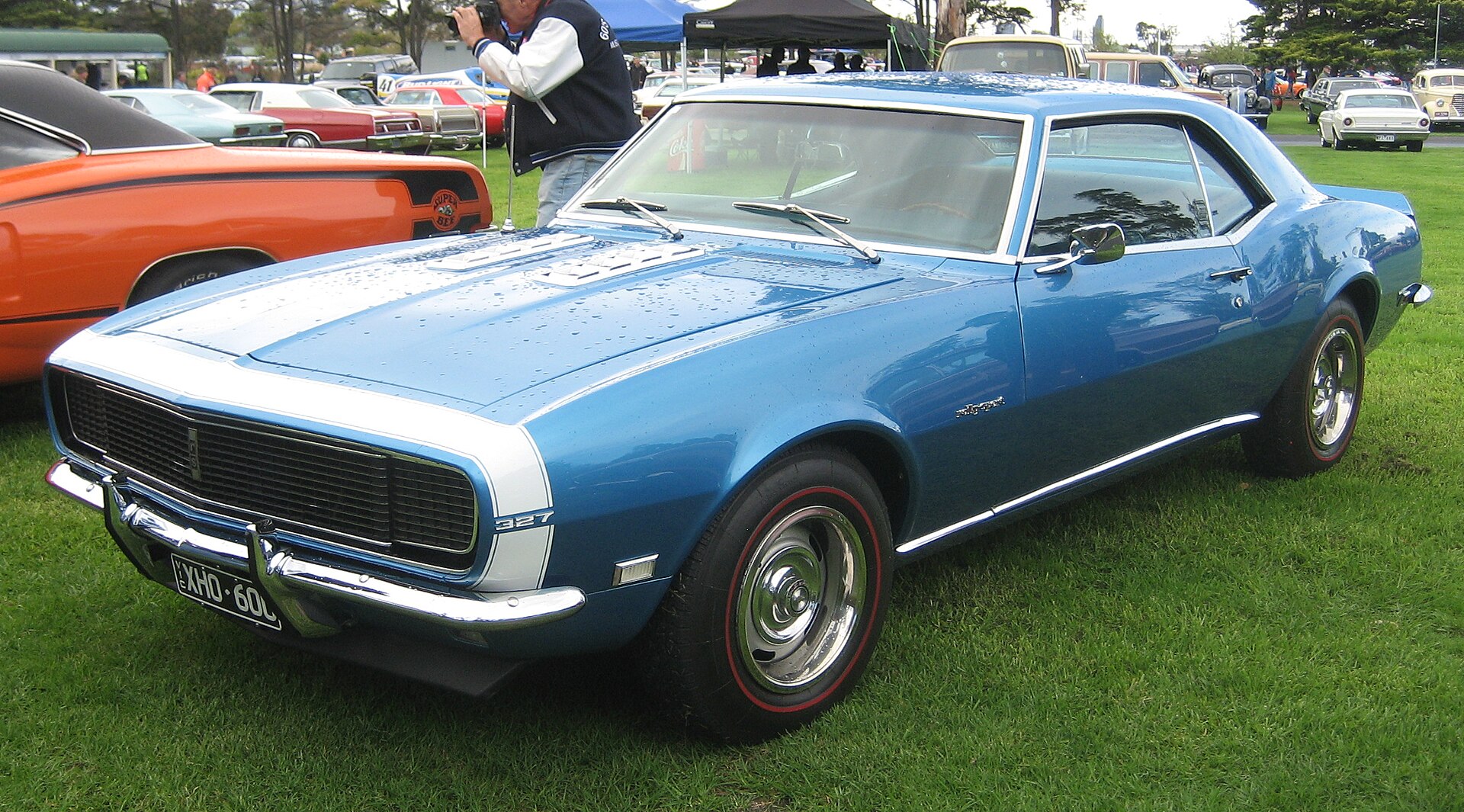
The first-generation Chevrolet Camaro was built from 29 September 1966 to November 1969 and sold as a 1967, 1968 and 1969 model. Chevrolet's answer to the Mustang came as a 2+2 hardtop coupé or convertible, with engines from a 3.8-litre six to the 7.0-litre aluminium V8 of the ZL1. Its RS, SS and Z/28 packages set the pattern for every later Camaro.
In short
- Model years 1967–1969 (production from September 1966, which is why some catalogues start it in 1966).
- F-body platform shared with the Pontiac Firebird; built mainly at Norwood, Ohio, and Van Nuys, California.
- Engines from 104 kW (140 hp) to 321 kW (430 hp), all quoted as SAE gross figures.
- The Z/28 won the Trans-Am championship in 1968 and 1969; only 69 COPO ZL1 cars were built.
Size at a glance
| Dimensions | Chevrolet Camaro I |
|---|---|
| Length | 4,691 mm184.7 in |
| Width | 1,842 mm72.5 in |
| Height | 1,306 mm51.4 in |
| Wheelbase | 2,743 mm108.0 in |
Camaro I specs by version
Engines
| Version | Engine | Power | Torque | Drive |
|---|---|---|---|---|
| 230 I6 | 3.8 l 3,800 cc | — | 298 Nm220 lb-ft | Rear-wheel drive |
| 283 V8 | 4.6 l 4,600 cc | — | 386 Nm285 lb-ft | Rear-wheel drive |
| 302 V8 | 4.9 l 4,900 cc | — | 393 Nm290 lb-ft | Rear-wheel drive |
| 350 V8 | 5.7 l 5,700 cc | — | 515 Nm380 lb-ft | Rear-wheel drive |
| 396 V8 | 6.5 l 6,500 cc | — | 563 Nm415 lb-ft | Rear-wheel drive |
| 427 V8 (L72) | 7.0 l 7,000 cc | — | 624 Nm460 lb-ft | Rear-wheel drive |
| 427 V8 (ZL1, aluminium) | 7.0 l 7,000 cc | — | 610 Nm450 lb-ft | Rear-wheel drive |
| 3.8 104 kW (141 PS) | 3.8 l · 6 cyl 3,800 cc | 104 kW 141 PS139 hp | — | Rear-wheel drive |
| 216 kW (294 PS) | 8 cyl · Petrol | 216 kW 294 PS290 hp | — | Rear-wheel drive |
| Z/28 302 (290 hp gross) | 4.9 l · 8 cyl 4,900 cc | 216 kW 294 PS290 hp | — | Rear-wheel drive |
| SS 350 (295 hp gross) | 5.7 l · 8 cyl · Petrol 5,700 cc | 220 kW 299 PS295 hp | — | Rear-wheel drive |
| SS 396 (325 hp gross) | 6.5 l · 8 cyl 6,500 cc | 242 kW 329 PS325 hp | — | Rear-wheel drive |
| SS 396 (350 hp gross) | 6.5 l · 8 cyl 6,500 cc | 261 kW 355 PS350 hp | — | Rear-wheel drive |
| SS 396 (375 hp gross) | 6.5 l · 8 cyl 6,500 cc | 280 kW 381 PS375 hp | — | Rear-wheel drive |
| 321 kW (436 PS) | 8 cyl | 321 kW 436 PS430 hp | — | Rear-wheel drive |
Dimensions and weight
Show all 14 versions
| Version | Wheelbase |
|---|---|
| 230 I6 | 2,743 mm108.0 in |
| 283 V8 | 2,743 mm108.0 in |
| 302 V8 | 2,743 mm108.0 in |
| 350 V8 | 2,743 mm108.0 in |
| 396 V8 | 2,743 mm108.0 in |
| 427 V8 (L72) | 2,743 mm108.0 in |
| 427 V8 (ZL1, aluminium) | 2,743 mm108.0 in |
| 3.8 104 kW (141 PS) | 2,743 mm108.0 in |
| 216 kW (294 PS) | 2,743 mm108.0 in |
| Z/28 302 (290 hp gross) | 2,743 mm108.0 in |
| SS 396 (325 hp gross) | 2,743 mm108.0 in |
| SS 396 (350 hp gross) | 2,743 mm108.0 in |
| SS 396 (375 hp gross) | 2,743 mm108.0 in |
| 321 kW (436 PS) | 2,743 mm108.0 in |
Verified Manufacturer and type-approval data from our catalog · Sources and methodology
Building a Mustang rival: XP-836 and the F-body
Chevrolet presented its new car to the press on 28 June 1966 under the project name XP-836; magazines had reported it before that under the code name "Panther". The styling came from a team led by Henry Haga, the same studio that had shaped the 1965 Corvair.
Underneath was the new F-body: a unitised body at the rear bolted to a separate front subframe that carried the engine and front suspension, an arrangement shared with the 1968 Chevy II Nova. The Pontiac Firebird used the same platform. Almost all US cars came from Norwood and Van Nuys, but the Camaro was also assembled in Antwerp in Belgium, Biel in Switzerland, Caracas, Lima and Manila.
There was no predecessor to improve on, so the real benchmark was the Ford Mustang, on sale since 1964. Model-year sales are usually quoted as 220,906 for 1967, 235,147 for 1968 and 243,085 for 1969. How this car fits into all six generations is explained in the Chevrolet Camaro overview.
RS, SS and Z/28: the three packages
The first Camaro was sold as a base car with a long options list, and three packages became famous:
- RS (Rally Sport): an appearance package with hidden headlamps behind the grille, revised tail lamps, RS badges and bright trim.
- SS (Super Sport): a 350 or 396 V8 with chassis upgrades and non-functional bonnet inlets. A 1967 RS/SS 396 convertible paced the Indianapolis 500, and 100 replicas were sold.
- Z/28: offered from December 1966 for SCCA Trans-Am racing, with a 302 cu in V8 of 4.0 in bore and 3.0 in stroke (101.6 x 76.2 mm), a 780 cfm Holley carburettor, Muncie four-speed, power front discs, a 12-bolt rear axle, 15-inch wheels and bonnet and boot stripes. Output was rated at 216 kW (290 hp). Production rose from 602 in 1967 to nearly 7,200 in 1968 and more than 20,000 in 1969, helped by Trans-Am titles in 1968 and 1969 for Roger Penske's team and driver Mark Donohue. The Camaro Z28 has its own page.
Year-by-year changes, 1967 to 1969
1967: the launch year, with front vent windows, the full range of sixes and V8s and the first Z/28s.
1968: the vent windows were deleted in favour of Astro Ventilation, side marker lights were added and the grille became more pointed. High-performance SS cars gained staggered rear dampers and multi-leaf rear springs.
1969: almost all-new sheet metal except the bonnet, boot lid and roof, with a new grille, door skins and rear quarter panels. Four-wheel disc brakes (RPO JL8) were added during the year, but only 206 cars got them. Because the second generation was delayed, 1969 production ran on until November 1969.
Engines and gearboxes of the 1967–69 Camaro
US power figures of the period were SAE gross ratings, which are higher than the net ratings used from 1972. kW figures are converted from the quoted hp.
| Engine | Displacement | Power (gross) | Torque | Notes |
|---|---|---|---|---|
| 230 I6 | 3.8 L | 104 kW (140 hp) at 4,400 rpm | 298 Nm (220 lb-ft) at 1,600 rpm | base engine |
| 250 I6 | 4.1 L | 116 kW (155 hp) | not confirmed | optional six |
| 283 V8 | 4.6 L | 145 kW (195 hp) at 4,800 rpm | 386 Nm (285 lb-ft) at 2,400 rpm | Swiss-built cars only |
| 302 V8 | 4.9 L | 216 kW (290 hp) | 393 Nm (290 lb-ft) at 4,200 rpm (1969) | Z/28 |
| 350 V8 | 5.7 L | 220 kW (295 hp) at 4,800 rpm | 515 Nm (380 lb-ft) at 3,200 rpm | SS |
| 396 V8 | 6.5 L | 242–280 kW (325–375 hp) | 563 Nm (415 lb-ft) | SS 396 |
| 427 V8 (L72) | 7.0 L | 317 kW (425 hp) at 5,600 rpm | 624 Nm (460 lb-ft) at 4,000 rpm | COPO 9561, 1969 |
| 427 V8 (ZL1, aluminium) | 7.0 L | 321 kW (430 hp) at 5,200 rpm | 610 Nm (450 lb-ft) at 4,400 rpm | COPO 9560, 1969 |
The six came with a three-speed manual as standard. Options were a four-speed manual, the two-speed Powerglide automatic, the three-speed Turbo Hydra-Matic 350 for most V8s from 1968 and the Turbo 400 for the SS 396. For 1969 six-cylinder cars could also have the two-speed Torque-Drive semi-automatic.
The 1969 COPO cars were special orders. About 1,000 Camaros received the L72 427, including 201 ordered by the dealer Yenko, and only 69 ZL1 cars were built.
Dimensions of the first-generation Camaro
| Parameter | Metric | Imperial |
|---|---|---|
| Wheelbase | 2,743 mm | 108.0 in |
| Length, 1967–68 | 4,691 mm | 184.7 in |
| Length, 1969 | 4,724 mm | 186.0 in |
| Width, 1967–68 | 1,842 mm | 72.5 in |
| Width, 1969 | 1,880 mm | 74.0 in |
| Height, 1967–68 | 1,306 mm | 51.4 in |
| Height, 1969 coupé | 1,298 mm | 51.1 in |
| Height, 1969 convertible | 1,293 mm | 50.9 in |
Safety: no crash ratings for 1967–69 cars
Neither NHTSA nor the IIHS has published a crash-test rating for any 1967, 1968 or 1969 Camaro; both organisations' rating programmes came later. Ratings for later Camaros do not apply to these cars. Safety equipment of the period was basic: the 1968 update added side marker lights, power front discs were part of the Z/28 package, and four-wheel discs reached only 206 cars in 1969.
Buying a first-generation Camaro today
No reliability survey covers cars of this age, so condition and documentation decide everything.
- RS, SS and Z/28 identity: packages can be added to a base car, so ask for documentation that proves the original specification.
- COPO and Yenko cars: with only 69 ZL1s and about 1,000 L72 cars, these are prime targets for replicas; expert verification is essential.
- Year choice: the 1969 has the most distinctive styling, while the 1967 is the only year with front vent windows.
- Usable classic: a small-block V8 car with power front discs is easier to live with than a big-block COPO.
For contemporaries, see the Plymouth Barracuda and other classic cars of the 1960s.
Did you know?
- The Camaro I is generation 1 of 6 of the Chevrolet Camaro in our catalog.
- Built for only 3 years (1966–1969), it is the shortest-lived of the 6 generations in our catalog.
Image credits · Photos from Wikimedia Commons under free licences
- Chevrolet Camaro I · Photo: Sicnag / Wikimedia Commons, CC BY 2.0
- Chevrolet Camaro II · Photo: Addvisor / Wikimedia Commons, CC BY-SA 4.0
- Chevrolet Camaro III · Photo: Corvair Owner / Flickr, CC BY-SA 2.0
- Chevrolet Camaro IV · Photo: Rich Niewiroski Jr. / Wikimedia Commons, CC BY 2.5
- Chevrolet Camaro V · Photo: Dinkun Chen / Wikimedia Commons, CC BY-SA 4.0
- Chevrolet Camaro VI · Photo: Dinkun Chen / Wikimedia Commons, CC BY-SA 4.0
Rivals
Compare with…
Compare Chevrolet Camaro with
- Ford Mustang Fastback quick spec comparison
- Ford Mustang GT500 quick spec comparison
- Dodge Challenger SRT Demon quick spec comparison
-
Classic
- Years
- 1964
- Body
- Coupe
- Fuel
- Petrol
- Power
- 202 kW (275 PS)
-
Classic
- Years
- 1967–1970
- Body
- Coupe
- Fuel
- Petrol
- Power
- 265 kW (360 PS)
-
Ended 2023
- Years
- 2018–2023
- Body
- Coupe
- Fuel
- Petrol
- Power
- 603–764 kW (820–1,039 PS)
2 generations
- LC
- 170
-
Classic
- Years
- 1964–1974
- Body
- Coupe, Convertible
- Fuel
- Petrol
- Power
- 75–317 kW (102–431 PS)
3 generations
- I
- II
- III


FAQ
What years is the first-generation Camaro?
It covers the 1967 to 1969 model years. Production started on 29 September 1966 and ended in November 1969.
How many 1967 Camaro Z/28s were made?
602. Production then grew to nearly 7,200 in 1968 and more than 20,000 in 1969.
What was the most powerful first-generation Camaro?
The 1969 COPO 9560 ZL1 with an aluminium 427 cu in V8 rated at 321 kW (430 hp) gross. Only 69 were built.
What is the difference between RS and SS on a 1967–69 Camaro?
RS was an appearance package with hidden headlamps and extra trim. SS was a performance package with a 350 or 396 V8 and chassis upgrades. A car could have both, as on the 1967 Indianapolis 500 pace car.
Does the first-generation Camaro have a crash-test rating?
No. No NHTSA or IIHS rating exists for 1967–69 Camaros, and results for later generations cannot be transferred.
Data sources
Data checked by an editor against the sources below.
- 1cars archive: Chevrolet Camaro: Six Generations, Specs and History
- The text of this article (1cars archive)
- Wikipedia — Chevrolet Camaro
- Wikipedia — Chevrolet Camaro (first generation)