 Dodge Charger 500
Specs, engines and history
Published Sources (3) Report an error
By Felix Hartmann, Automotive Technology & EV Contributor
- Built
- 1969
- Top power
- 317 kW (431 PS)
Which aero Mopar to choose
Our verdict · Felix Hartmann
- For the first step of the aero war: the Charger 500, built in smaller numbers than the Daytona.
- For the full NASCAR look: the Charger Daytona with nose and wing.
- For the 1970 season car: the Plymouth Superbird.
The 500's rivals from Ford were the Ford Torino Talladega and the Mercury Cyclone Spoiler II. All versions are in the Dodge catalogue, and the American muscle car guide and car rankings compare them with other golden-age cars.
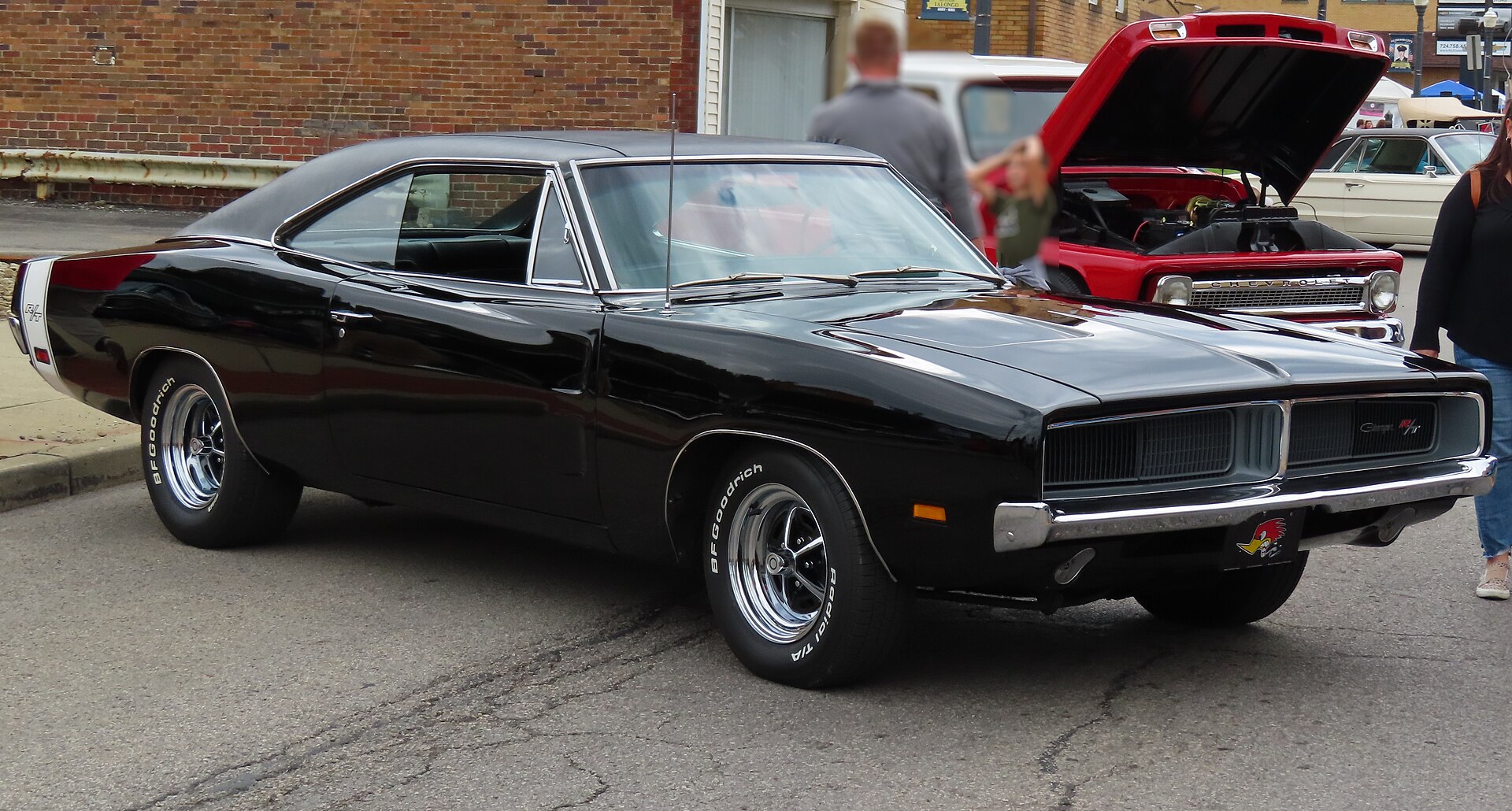
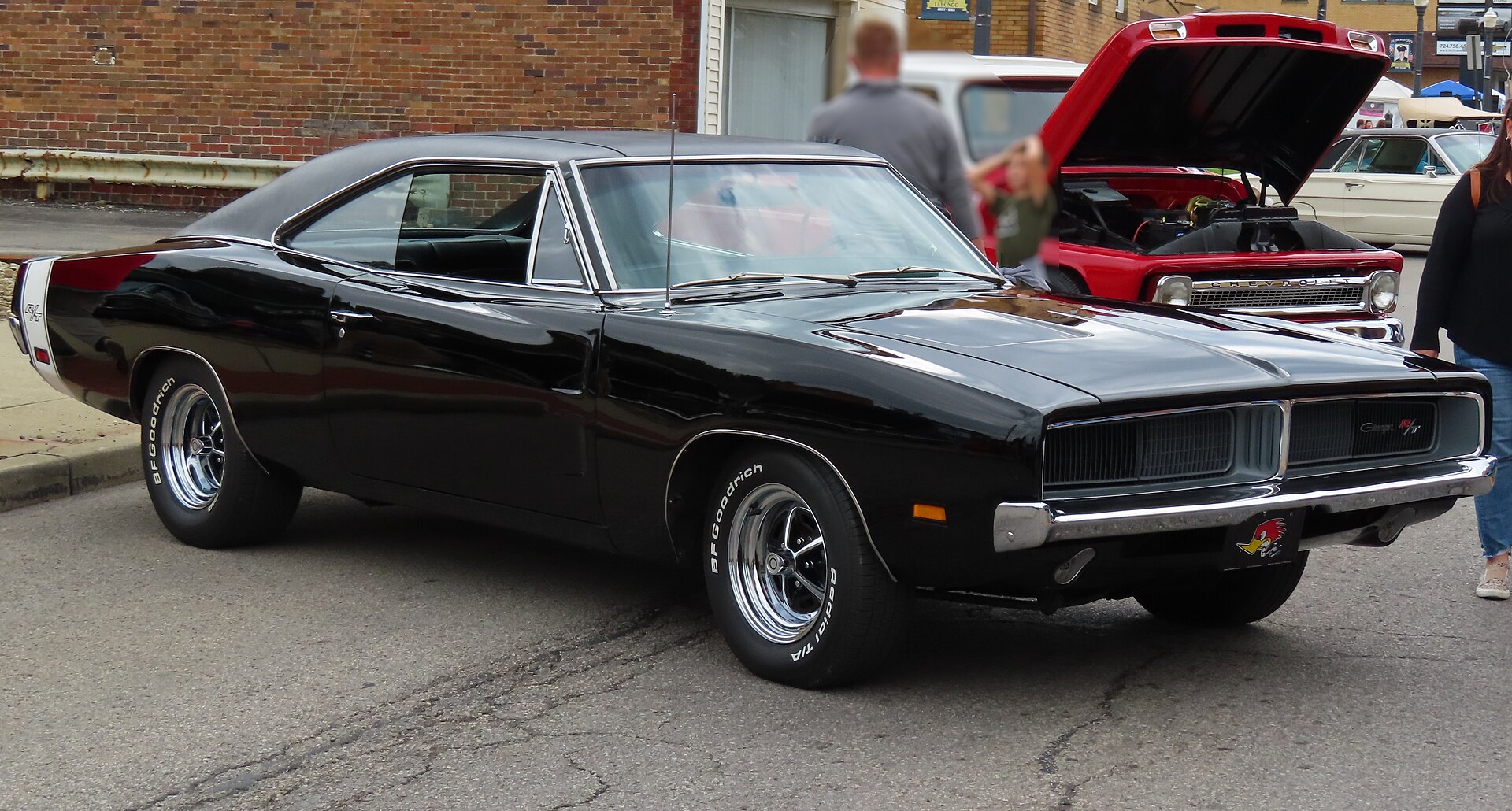
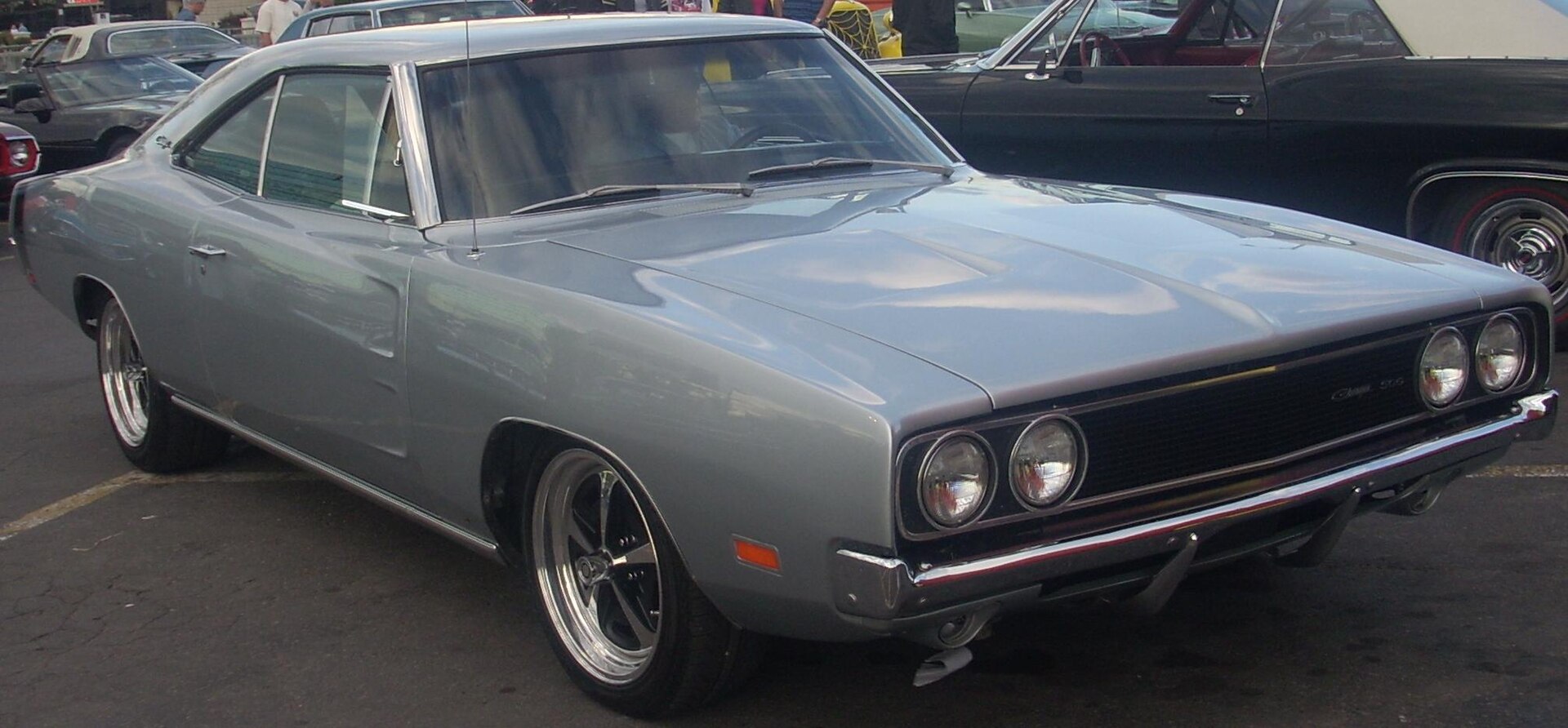
The Dodge Charger 500 was a limited-production aerodynamic version of the 1969 Charger, built so that Dodge could race a slipperier body in NASCAR. A flush rear window and a flush grille replaced the tunnelled roof and the recessed front of the regular car. Only 392 were made, fewer than the 500 the name promised, and within months the much more radical Charger Daytona took its place.
In short
- Built from Charger R/Ts by Creative Industries; standard engine the 440 Magnum with 280 kW (375 hp, SAE gross), option the 426 Hemi with 317 kW (425 hp).
- 392 cars in total; Wikipedia counts 67 with the Hemi, Mopar Connection Magazine 52.
- In the 1969 Grand National season the Charger 500 started 41 races and won nine, according to Mopar Connection Magazine.
- The name reflected the 500 cars NASCAR required for a body to race, not a race distance.
Specs by version
Verified Manufacturer and type-approval data from our catalog · Sources and methodology
Charger 500 at a glance
| Specification | Dodge Charger 500 |
|---|---|
| Model year | 1969 (dealers were told about it in a memo dated 18 July 1968) |
| Base car | second-generation Charger R/T, Chrysler B-body |
| Body changes | flush rear window and roof plug, flush 1968 Coronet grille |
| Converted by | Creative Industries, for Chrysler |
| Engines | 440 Magnum V8, 280 kW (375 hp); 426 Hemi V8, 317 kW (425 hp), SAE gross |
| Torque | 651 Nm (440) and 664 Nm (Hemi) |
| Gearboxes | TorqueFlite automatic or four-speed manual (106 cars, per Mopar Connection) |
| Built | 392 |
| Successor | Charger Daytona (1969) |
The 500 belongs to the second-generation Dodge Charger; the catalogue lists it separately because its body and racing role differ.
Why Dodge needed the Charger 500
In the late 1960s Detroit's makers followed the rule "win on Sunday, sell on Monday", and NASCAR's fastest tracks rewarded aerodynamics more and more as engines reached their limits. The 1968 Charger had a problem there. Wikipedia explains that the tunnel around its recessed rear window created lift, and the deep, open grille added drag. On the high-banked ovals the 1968 cars could not beat the Ford Torino Talladega and the Mercury Cyclone Spoiler II, which Ford and Mercury prepared for 1969.
Dodge's answer was to smooth both ends of the Charger. The rear window was brought flush with the roofline by a plug, and the front got the flat grille of the 1968 Coronet, mounted flush with the front of the body.

Building the 500
Chrysler commissioned Creative Industries to convert regular Charger R/Ts from the assembly line. Wikipedia describes the prototype as a 1968 R/T with a 426 Hemi and an automatic gearbox, painted B5 Blue with a white stripe, and gives September 1968 as the introduction.
According to Mopar Connection Magazine, a dealer memo of 18 July 1968 announced the car as a 1969 model with the 426 Hemi only; Dodge soon added the 440 as an option. Wikipedia adds that the 440 Magnum became the standard engine, even though factory literature still listed the Hemi as standard.

Engines and production
| Engine | Power (SAE gross) | Torque | Cars built |
|---|---|---|---|
| 440 Magnum V8 | 280 kW (375 hp) | 651 Nm (480 lb-ft) | 340 (Mopar Connection) or 325 (by subtraction from Wikipedia) |
| 426 Hemi V8 | 317 kW (425 hp) | 664 Nm (490 lb-ft) | 52 (Mopar Connection) or 67 (Wikipedia) |
| Total | - | - | 392 |
The two main sources agree on 392 cars but not on the engine split. Wikipedia lists 67 Hemi cars, 27 with a four-speed manual and 40 with an automatic. Mopar Connection Magazine gives 52 Hemis and 340 cars with the 440, and says 106 of the 392 had a four-speed manual.
NASCAR required at least 500 cars of a body style for it to race, and the name "500" was chosen for that target. With 392 cars the target was not reached, yet the Charger 500 still raced in 1969.

Racing in 1969
Mopar Connection Magazine counts 41 Grand National starts for the Charger 500 in 1969 and nine wins; Ford and Mercury won the rest of those races. The flush body was an improvement, but not enough. Wikipedia notes that Dodge judged the 500 insufficient and developed the Charger Daytona, introduced on 13 April 1969 with an 18-inch nose cone and a 23-inch rear wing. An engineering Daytona reached 205 mph (330 km/h) at Chelsea, Michigan, on 20 July 1969, and Plymouth followed with the Superbird for 1970.
Charger 500 and Daytona compared
| Specification | Charger 500 | Charger Daytona |
|---|---|---|
| Introduced | autumn 1968, 1969 model | 13 April 1969 |
| Front | flush 1968 Coronet grille | 18-inch nose cone |
| Rear | flush rear window | 23-inch rear wing |
| Standard engine | 440 Magnum | 440 Magnum |
| Option | 426 Hemi | 426 Hemi |
| Built | 392 | 503 for the US plus about 40 for Canada |
The full story of the winged car is told in our Charger Daytona article, and its Plymouth sister in Plymouth Superbird.

Spotting a real Charger 500
- Grille: a flush grille taken from the 1968 Coronet; a regular 1969 Charger has a recessed, divided grille with hidden headlights.
- Rear window: flush with the roof, without the tunnel of the regular car.
- Numbers: with 392 cars built, documents matter. Hemi cars are the rarest, between 52 and 67 depending on the source.
- Gearbox: Mopar Connection counts 106 four-speed cars; most 500s had the automatic.
- Base car: conversions started from Charger R/Ts, so a 500 should carry R/T-level equipment.
Photo gallery

Dodge Charger 500 in our rankings
- No. 9 of 94 · Most powerful cars of the 1960s (317 kW)
- No. 25 of 557 · Biggest engines: cars (7,210 cc · top 5%)
- No. 18 of 173 · Biggest engines: coupes (7,210 cc · top 11%)
- No. 92 of 368 · Most torque: cars (664 Nm · top 27%)
- No. 258 of 859 · Most powerful cars (317 kW · top 32%)
- No. 40 of 154 · Most powerful American cars (317 kW · top 34%)
Bigger engine than 95% of ranked cars in the 1CARS catalog (No. 25 of 557).
FAQ
How many Dodge Charger 500s were made?
392, according to Wikipedia and Mopar Connection Magazine.
Why is it called the Charger 500?
NASCAR required 500 cars of a body style to be built for it to race; the name refers to that number.
What engine did the Charger 500 have?
The 440 Magnum V8 with 280 kW (375 hp, gross) as standard and the 426 Hemi with 317 kW (425 hp) as an option.
How did the Charger 500 do in NASCAR?
It won nine of the 41 Grand National races it entered in 1969, according to Mopar Connection Magazine.
What replaced the Charger 500?
The Charger Daytona, introduced on 13 April 1969, with a nose cone and a tall rear wing.
Data sources
Data checked by an editor against the sources below.
- Wikipedia - Dodge Charger (B body)
- Moparconnectionmagazine - Win A Charger 500 From Dream Giveaway
- Wikipedia - Dodge Charger (1966)