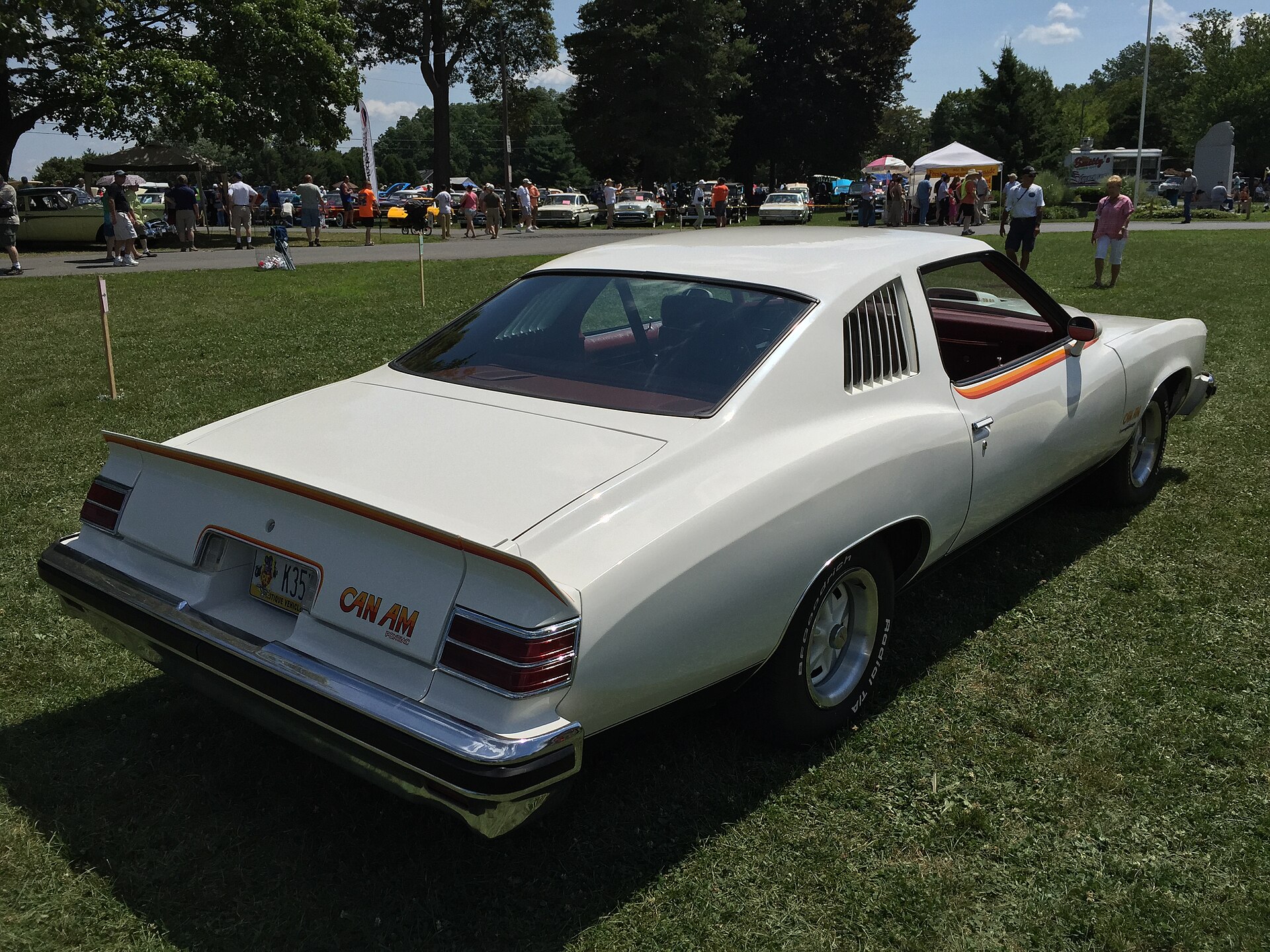
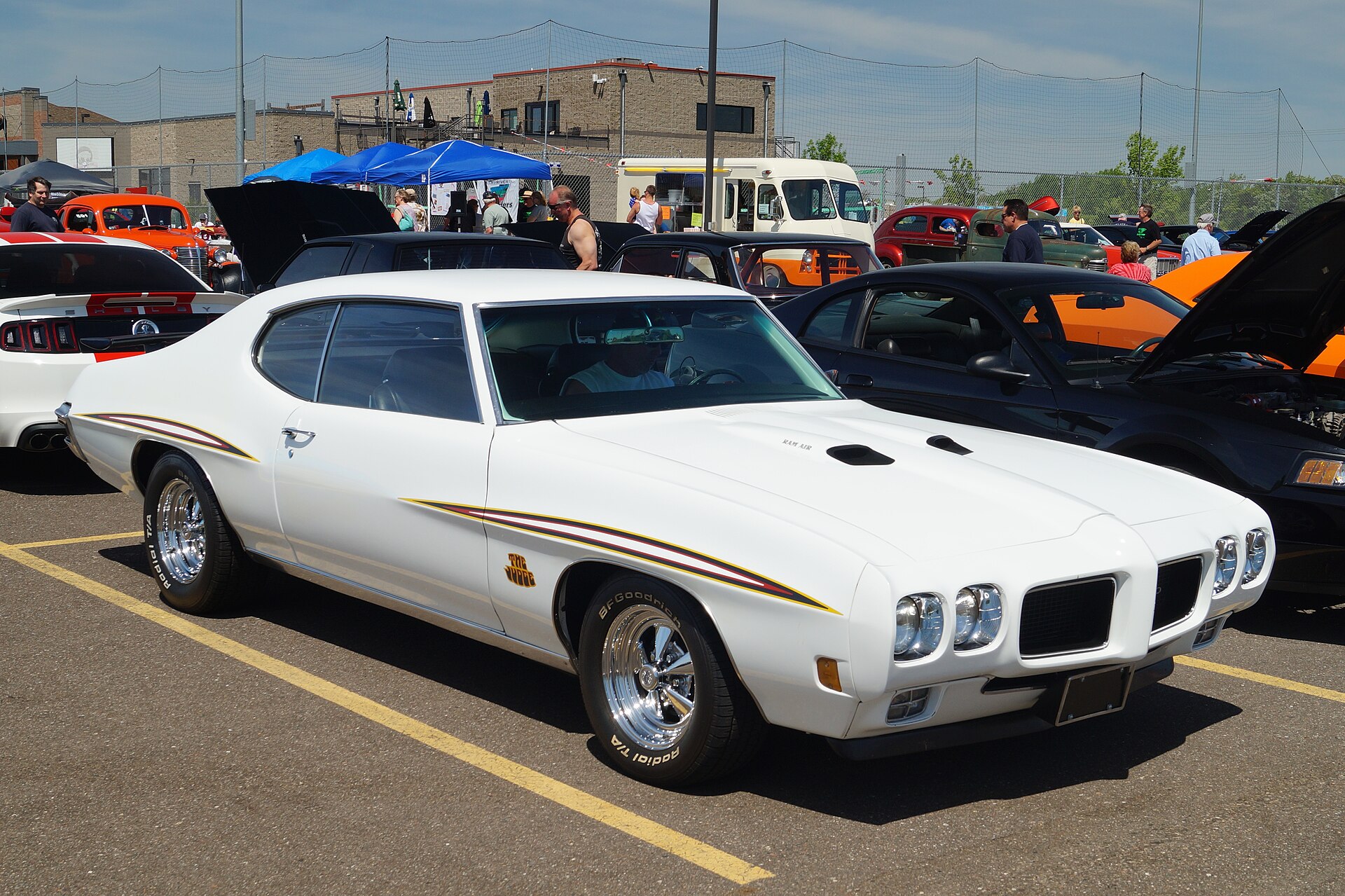
 Pontiac Firebird Trans Am
All generations, specs and history
Published Sources (1) Report an error
By Sarah Whitmore, Senior Automotive Writer
- Built
- 1969–2002
- Generations
- 4
- Top power
- 257 kW (349 PS)
Timeline
Firebird Trans Am generations
Click a generation for its own page
- Trans Am I 1969 · Coupe, Convertible · 250–257 kW (340–349 PS)
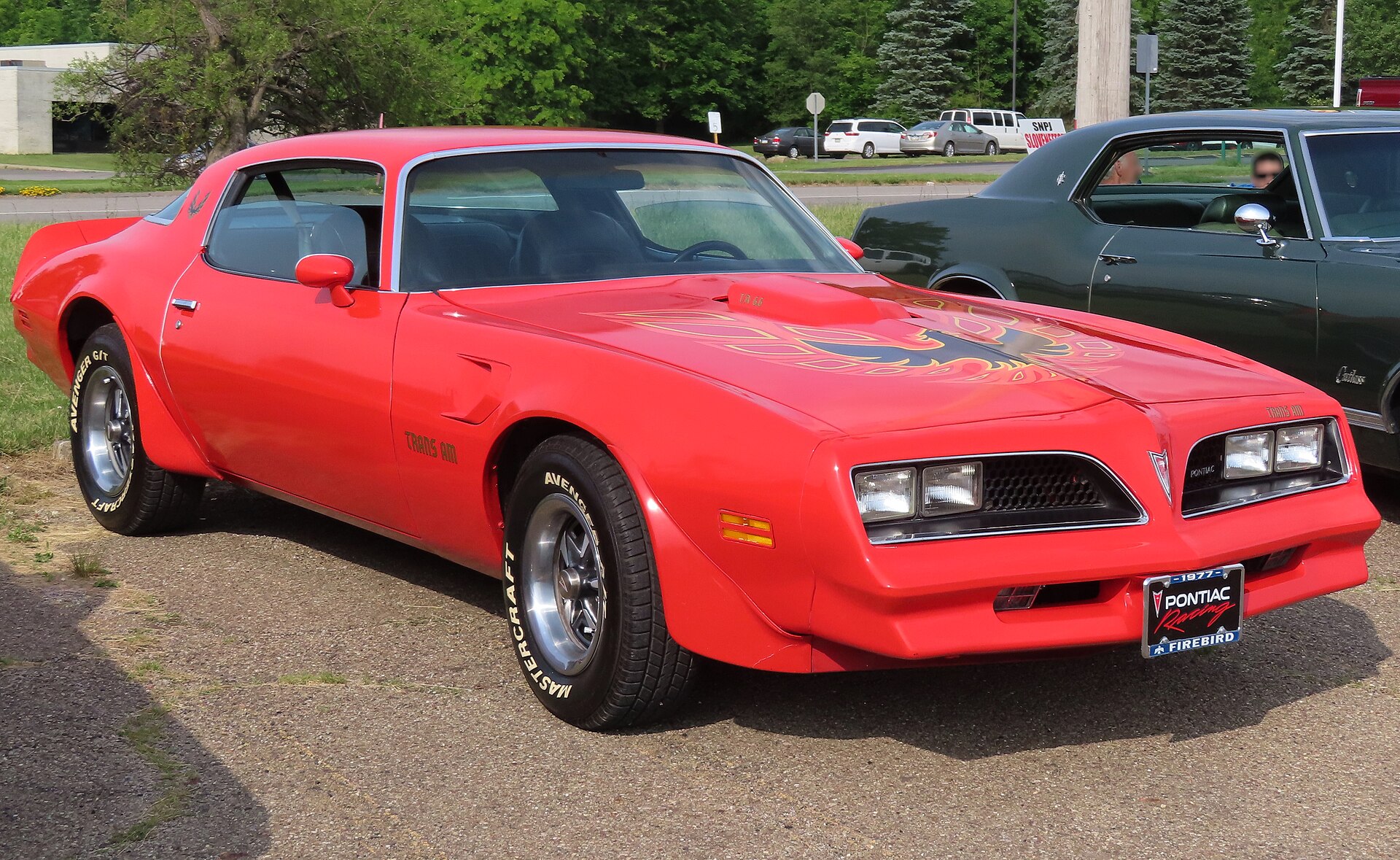
- Trans Am II 1970–1981 · Coupe · 257 kW (349 PS)
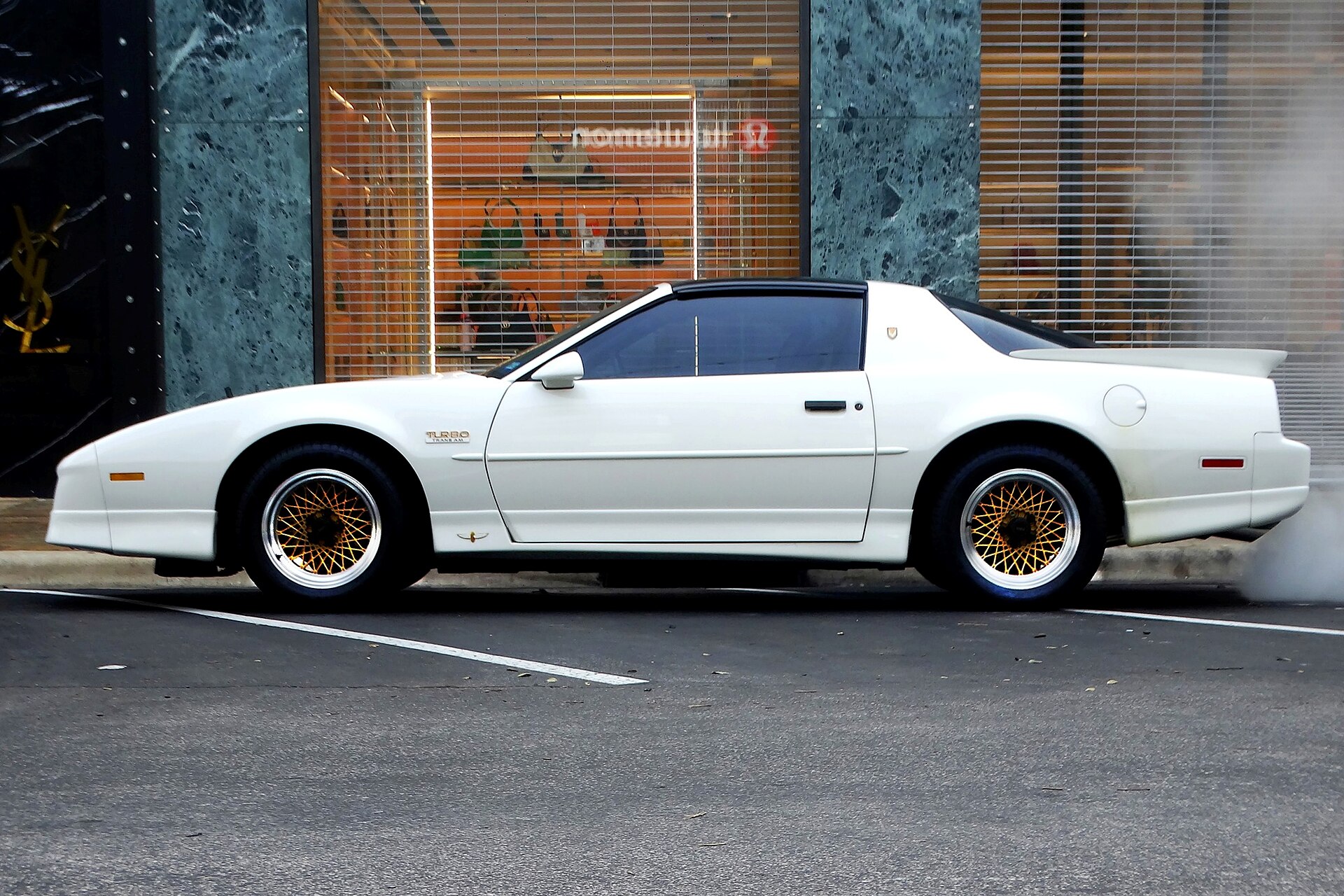
- Trans Am III 1982–1992 · Coupe, Convertible · 186 kW (253 PS)
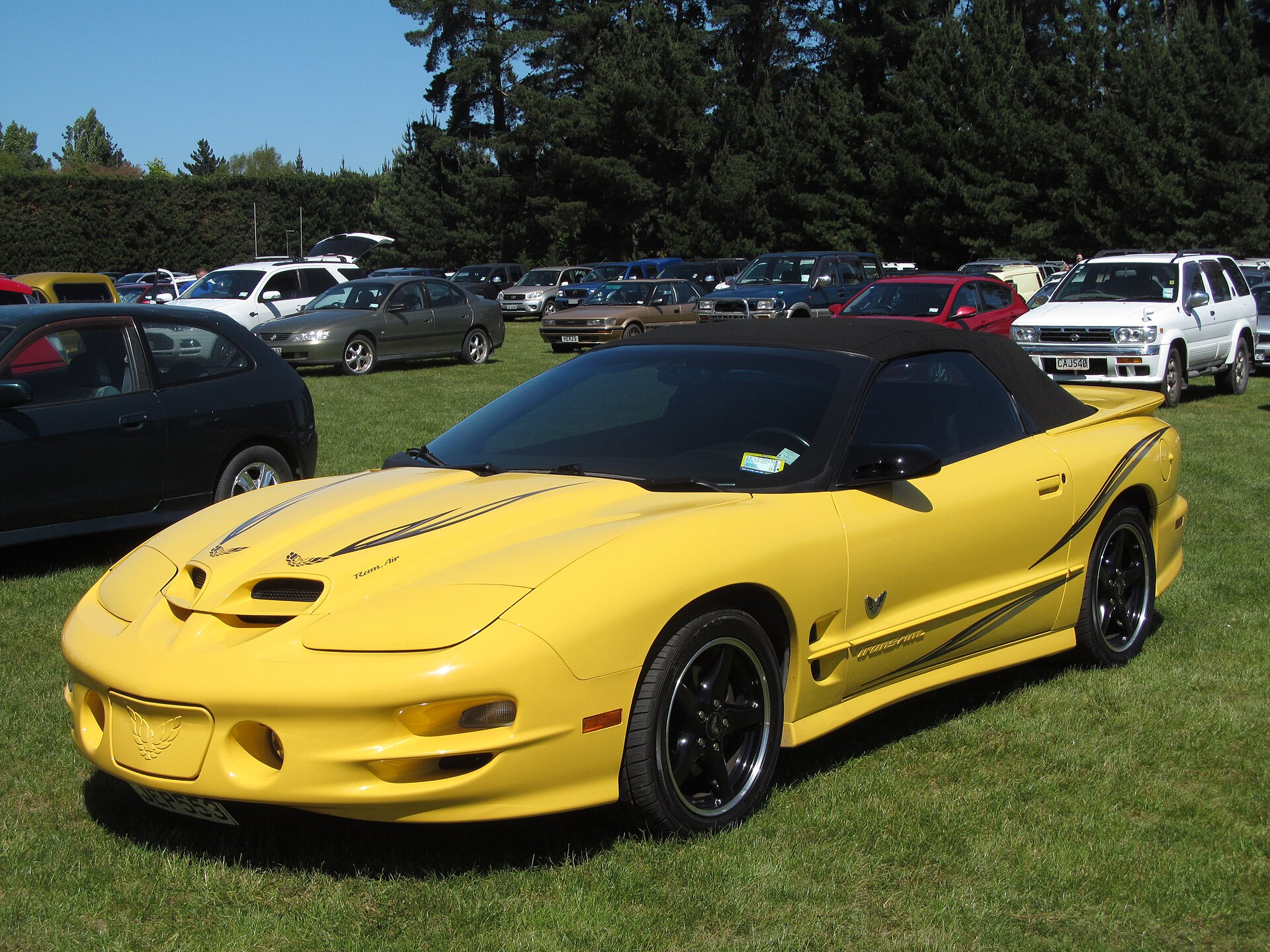
- Trans Am IV 1993–2002 · Coupe, Convertible · 231 kW (314 PS)
Newest first · 4 generations since 1969
-
1993
-
1982
-
1970
-
1969
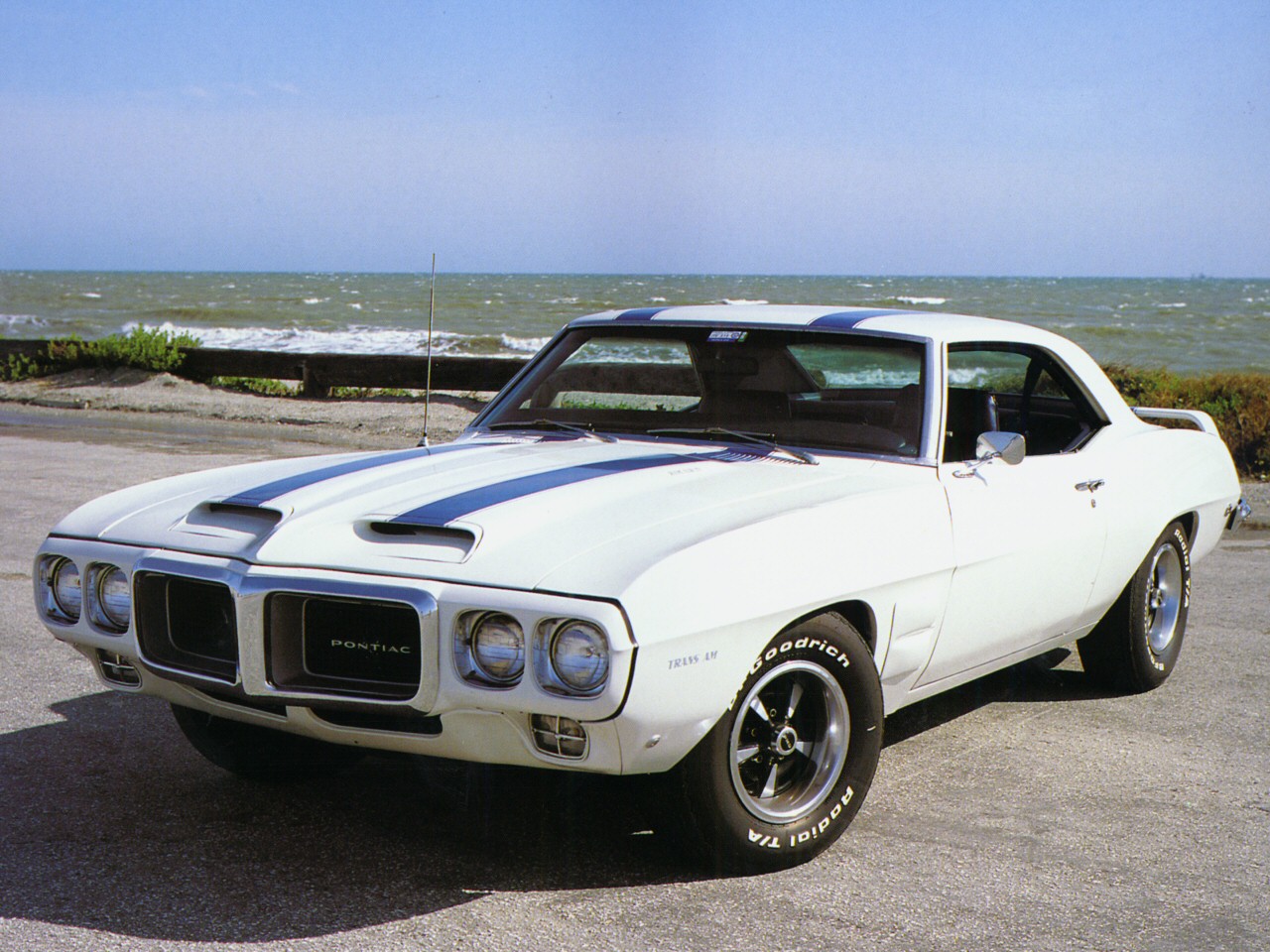


All generations by year: Trans Am IV (1993–2002) · Trans Am III (1982–1992) · Trans Am II (1970–1981) · Trans Am I (1969)
Which one is mine?
Pick the year of first registration to see which generation it is.
- Trans Am IV 1993–2002
- Trans Am III 1982–1992
- Trans Am II 1970–1981
- Trans Am I 1969
Which Trans Am to choose
Our verdict · Sarah Whitmore
- For the purist: a 1969–1970 Ram Air car or a 1973–1974 SD-455.
- For the film look: a 1977–1979 black Special Edition with the T/A 6.6.
- For 1980s performance: the 1989 Turbo Trans Am, a rival to the Buick Grand National.
- For regular driving: a 1998–2002 LS1 WS6, the most powerful net-rated Trans Am.
The Trans Am's older relative was the Pontiac GTO, the car that started the muscle-car era. You will find both in the American muscle car guide and in the Pontiac catalogue, while our comparison page lines up Trans Am figures against its rivals.
The Pontiac Firebird Trans Am was the top performance version of the Firebird pony car from 1969 to 2002. It began as a US$1,083 handling package, became the best-selling Firebird of all in 1979, and ended with the LS1 V8 and the WS6 package. Across four generations it kept big V8s in production through the years when most American muscle cars disappeared.
In short
- 1969: option code WS4, introduced in March 1969; only 697 built, eight of them convertibles.
- Strongest engines: 1969–1970 Ram Air IV 400 with 257 kW (345 hp, SAE gross), 1973–1974 Super Duty 455 with 216 kW (290 hp, SAE net).
- 1977: the black Special Edition in Smokey and the Bandit; in 1979 Pontiac sold 116,535 Trans Ams.
- 1989: the 20th Anniversary Turbo Trans Am with a 3.8 turbo V6, 186 kW (250 hp) and 461 Nm; 1,555 built.
Size at a glance
Pontiac Trans Am II
The Pontiac Trans Am III is 127 mm shorter, 25 mm narrower and 10 mm taller than the Pontiac Trans Am II.
| Dimensions | Pontiac Trans Am III | Pontiac Trans Am II | Difference |
|---|---|---|---|
| Length | 4,872 mm191.8 in | 4,999 mm196.8 in | −127 mm−5.0 in |
| Width | 1,839 mm72.4 in | 1,864 mm73.4 in | −25 mm−1.0 in |
| Height | 1,262 mm49.7 in | 1,252 mm49.3 in | +10 mm+0.4 in |
| Wheelbase | 2,565 mm101.0 in | 2,748 mm108.2 in | −183 mm−7.2 in |
Specs by version
Engines
| Version | Engine | Power | Torque | Drive | Production years |
|---|---|---|---|---|---|
| Trans Am I · 400 Ram Air III V8 (SAE gross) | 6.6 l · 8 cyl · Petrol 6,555 cc | 250 kW 340 PS335 hp | - | Rear-wheel drive | 1969 |
| Trans Am I · 400 Ram Air IV V8 (SAE gross) | 6.6 l · 8 cyl · Petrol 6,555 cc | 257 kW 349 PS345 hp | 583 Nm430 lb-ft | Rear-wheel drive | 1969 |
| Trans Am II · T/A 6.6 V8 | 6.6 l · 8 cyl · Petrol 6,555 cc | 149 kW 203 PS200 hp | 441 Nm325 lb-ft | Rear-wheel drive | 1977 |
| Trans Am II · T/A 6.6 V8 | 6.6 l · 8 cyl · Petrol 6,555 cc | 164 kW 223 PS220 hp | - | Rear-wheel drive | 1978–1979 |
| Trans Am II · 455 Super Duty V8 | 7.5 l · 8 cyl · Petrol 7,457 cc | 216 kW 294 PS290 hp | 536 Nm395 lb-ft | Rear-wheel drive | 1973–1974 |
| Trans Am II · 455 HO V8 (SAE gross) | 7.5 l · 8 cyl · Petrol 7,457 cc | 250 kW 340 PS335 hp | - | Rear-wheel drive | 1971 |
| Trans Am II · 400 Ram Air IV V8 (SAE gross) | 6.6 l · 8 cyl · Petrol 6,555 cc | 257 kW 349 PS345 hp | - | Rear-wheel drive | 1970 |
| Trans Am III · 3.8 V6 turbo | 3.8 l · 6 cyl · Petrol 3,791 cc | 186 kW 253 PS249 hp | 461 Nm340 lb-ft | Rear-wheel drive | 1989 |
| Trans Am IV · 5.7 LT1 V8 WS6 | 5.7 l · 8 cyl · Petrol 5,733 cc | 227 kW 309 PS304 hp | 454 Nm335 lb-ft | Rear-wheel drive | 1996–1997 |
| Trans Am IV · 5.7 LS1 V8 WS6 | 5.7 l · 8 cyl · Petrol 5,665 cc | 231 kW 314 PS310 hp | 461 Nm340 lb-ft | Rear-wheel drive | 2002 |
Performance
Show all 1 versions
| Version | Top speed |
|---|---|
| Trans Am III · 3.8 V6 turbo | 246 km/h153 mph |
Dimensions and weight
Show all 3 versions
| Version | Length | Width | Height | Wheelbase | Kerb weight |
|---|---|---|---|---|---|
| Trans Am II · T/A 6.6 V8 | 4,999 mm196.8 in | 1,864 mm73.4 in | 1,252 mm49.3 in | 2,748 mm108.2 in | - |
| Trans Am II · 455 Super Duty V8 | - | - | - | - | 1,746 kg3,849 lb |
| Trans Am III · 3.8 V6 turbo | 4,872 mm191.8 in | 1,839 mm72.4 in | 1,262 mm49.7 in | 2,565 mm101.0 in | - |
Verified Manufacturer and type-approval data from our catalog · Sources and methodology
Trans Am at a glance
| Specification | Pontiac Firebird Trans Am |
|---|---|
| Production | 1969–2002, four Firebird generations |
| Body | two-door coupé (T-tops available); convertible in 1969 and in the fourth generation |
| Layout | front engine, rear-wheel drive (GM F-body) |
| Engines | 400, 455, 301 turbo, 403, 5.0 and 5.7 V8s, 3.8 turbo V6 |
| Power range | 134 kW (1977 L78) to 257 kW (Ram Air IV) |
| Best year | 116,535 sold in 1979 |
| Price | WS4 package US$1,083 (1969); SD-455 option US$550 (1973) |
| Related | Pontiac Firebird, Chevrolet Camaro |
The Trans Am is part of the Pontiac Firebird story, which covers all Firebird versions from 1967 to 2002.
Timeline
| Year | Event |
|---|---|
| 1969 | Trans Am package (UPC WS4) introduced in March; 689 hardtops and 8 convertibles |
| 1970 | second-generation Firebird; Ram Air IV exclusive to the Trans Am |
| 1971 | 455 HO becomes the standard engine, 250 kW (335 hp, gross) |
| 1973 | Super Duty 455 option; optional large hood bird decal (RPO WW7, US$55) |
| 1976 | 50th Anniversary black and gold edition; last year of the 455 |
| 1977 | Smokey and the Bandit; T/A 6.6 engine |
| 1979 | record 116,535 sold; 10th Anniversary edition, 7,500 built |
| 1980 | 301 Turbo; Indianapolis 500 pace car replica, 5,700 built |
| 1982 | third generation |
| 1989 | 20th Anniversary Turbo Trans Am, Indianapolis 500 pace car |
| 1993 | fourth generation with the LT1 V8 |
| 2002 | last Trans Am, Collector's Edition in yellow |
1969: a handling package with a racing name
Pontiac introduced the Trans Am in March 1969 as an option for the Firebird, code WS4, at US$1,083. Only 689 hardtops and eight convertibles were built, 697 cars in all. The standard engine was the Ram Air 400 with 250 kW (335 hp); above it was the Ram Air IV, rated at 257 kW (345 hp) at 5,000 rpm and 583 Nm (430 lb-ft) at 3,400 rpm. These were gross ratings; GM moved to net figures at the start of the 1970s.

Second generation (1970–1981): from Ram Air to the Bandit
The new Firebird of 1970 gave the Trans Am its classic shape. The Ram Air III 400 had 250 kW (335 hp), and the Ram Air IV, still 257 kW (345 hp), was now exclusive to the Trans Am. For 1971 the 455 HO became standard, again with 250 kW (335 hp) gross.
From 1972 GM quoted SAE net figures. Pontiac advertised the 455 HO at 224 kW (300 hp), although the engine was unchanged from 1971; the lower number came from the new rating method, not from less power.
The Super Duty 455 arrived for 1973. Rated at 216 kW (290 hp, net) and 536 Nm (395 lb-ft), it cost US$550 extra. Only 252 Trans Ams received it in 1973, 180 with an automatic and 72 with a manual gearbox, while 4,550 had the regular L75 455 with 186 kW (250 hp); by our calculation the Super Duty went into just over 5 % of the 455 cars. High Performance Pontiac measured 189 kW (253 hp) at the wheels of a stock 1974 SD-455 on a chassis dyno; that car weighed 1,746 kg (3,850 lb).
After that came the lean years. The 455 returned briefly in 1975 with 149 kW (200 hp) and was dropped after 1976, the year of the black and gold 50th Anniversary edition; 110 of those cars with the 455 received Hurst T-tops. For 1977 the standard 400 had 134 kW (180 hp), the optional T/A 6.6 had 149 kW (200 hp) and 441 Nm, and an Oldsmobile 403 with 138 kW (185 hp) was also fitted.
A film then lifted sales. A black Special Edition Trans Am starred in Smokey and the Bandit in 1977, and Wikipedia credits it with a large rise in sales. The T/A 6.6 grew to 164 kW (220 hp) for 1978, when 28,239 cars, 23.1 %, had the new WS6 handling package. In 1979 Pontiac sold 116,535 Trans Ams, the highest figure for any Firebird model year; NHRA tests suggested the 164 kW (220 hp) engine really delivered 194–209 kW (260–280 hp, net). The 10th Anniversary model of that year was limited to 7,500 cars, 1,817 of them with the T/A 6.6 and a four-speed.
For 1980 and 1981 the 301 Turbo, with a Garrett TB305 turbocharger, replaced the big engines. Pontiac built 5,700 Indianapolis 500 pace car replicas in 1980 and 2,000 Daytona 500 pace cars with Recaro seats in 1981, the last year of the second generation.
Third generation (1982–1992): fuel injection and the turbo
The third generation arrived for 1982. From 1987 the GTA package offered the L98 5.7 or a 5.0 tuned-port V8, and it avoided the US gas-guzzler tax. A notchback roof option cost US$800 in 1988; 718 were built before it was cancelled.
The high point was the 20th Anniversary Turbo Trans Am of 1989. Its Buick-derived 3.8 turbo V6 was officially rated at 186 kW (250 hp) and 461 Nm (340 lb-ft), and dyno tests regularly recorded more than 224 kW (300 hp). Compared with the Buick GNX it ran a lower compression ratio of 8:1 against 9:1 and more boost, 16 psi against 14. Pontiac built 1,555, and one paced the 1989 Indianapolis 500. Hagerty found it 0.1 seconds quicker than the GNX to 60 mph and over the quarter mile.

Fourth generation (1993–2002): LT1, LS1 and WS6
The last Trans Am used the 5.7-litre LT1 from 1993 to 1997, rated at 213 kW (285 hp) by 1996. That year's WS6 Ram Air package raised it to 227 kW (305 hp) and 454 Nm (335 lb-ft); 463 WS6 Trans Am convertibles were built in 1996–1997. From 1998 the aluminium LS1 took over. In 2002 the WS6 Trans Am had 231 kW (310 hp) at 5,200 rpm and 461 Nm (340 lb-ft) at 4,000 rpm.
The 1999 30th Anniversary car was white with twin dark blue stripes. The final 2002 Collector's Edition came in yellow with black stripes, as a WS6 convertible or T-top coupé, and closed the Firebird line.

Engines by generation
| Engine | Years | Power | Torque | Rating |
|---|---|---|---|---|
| 400 Ram Air IV | 1969–1970 | 257 kW (345 hp) | 583 Nm | SAE gross |
| 455 HO | 1971 | 250 kW (335 hp) | - | SAE gross |
| 455 Super Duty | 1973–1974 | 216 kW (290 hp) | 536 Nm | SAE net |
| T/A 6.6 (400) | 1978–1979 | 164 kW (220 hp) | - | SAE net |
| 3.8 turbo V6 | 1989 | 186 kW (250 hp) | 461 Nm | SAE net |
| 5.7 LT1 WS6 | 1996–1997 | 227 kW (305 hp) | 454 Nm | SAE net |
| 5.7 LS1 WS6 | 2002 | 231 kW (310 hp) | 461 Nm | SAE net |
Trans Am buying guide
Pontiac built many special editions, and the production figures in this article help to check a car's claims:
- 1969: with 697 built, every car should be traceable; a 1969 convertible is one of eight.
- Super Duty 455: only 252 cars in 1973; a matching SD-455 should be supported by build documents.
- Smokey and the Bandit cars: the black and gold Special Edition is easy to copy; the 10th Anniversary of 1979 (7,500) and the 1980 Turbo pace car (5,700) have their own equipment.
- 1989 Turbo Trans Am: 1,555 built, all with the 3.8 turbo V6 and Indianapolis pace car equipment.
- WS6 convertibles: 463 in 1996–1997, a rare body for the fourth generation.
The sources used for this article do not give current market values.
Photo gallery

Pontiac Firebird Trans Am evolution in numbers
Did you know?
- The Pontiac Firebird Trans Am ran for 33 years, from 1969 to 2002, over 4 generations in our catalog.
- The longest-running generation is the Trans Am II (1970–1981): 11 years.
- The biggest jump in power came with the Trans Am IV: up to 231 kW (314 PS), 45 kW more than the Trans Am III.
- The most powerful Pontiac Firebird Trans Am is not the newest: the Trans Am I (1969) offered up to 257 kW (349 PS), the Trans Am IV up to 231 kW (314 PS).
Most powerful version, kW
Figures from the 1cars catalog: power is the strongest version of each generation; generations without the figure are left out.
Pontiac Firebird Trans Am: first vs latest generation
| Spec | Trans Am I | Trans Am IV | Change |
|---|---|---|---|
| Years | 1969 | 1993–2002 | 24 years apart |
| Most powerful version | 257 kW (349 PS) | 231 kW (314 PS) | −26 kW (−10%) |
Oldest and newest generation in the 1cars catalog. Power is the strongest version of each; other rows are shown only when both generations have the figure.
Image credits · Photos from Wikimedia Commons under free licences
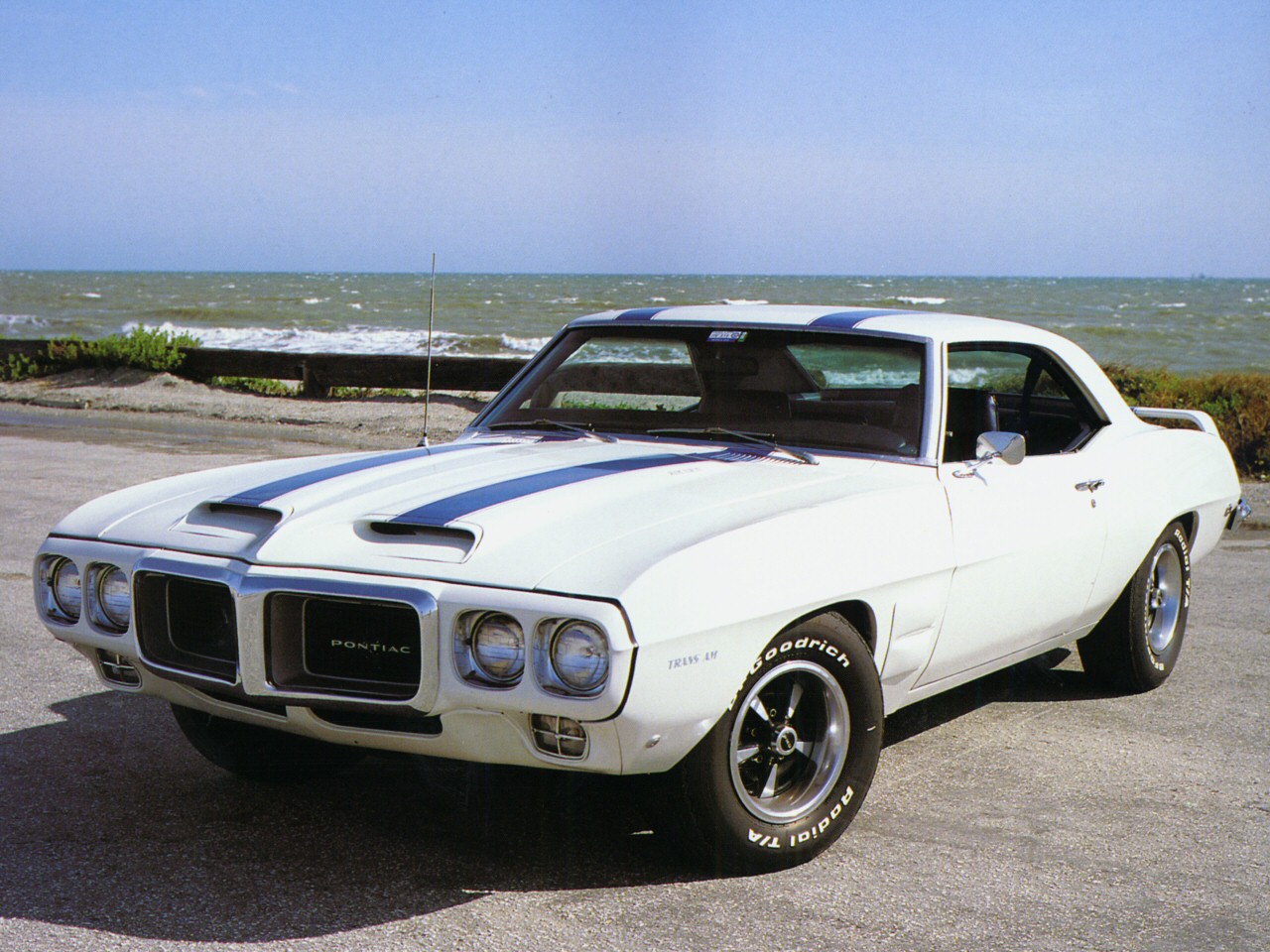
- Pontiac Trans Am I · Photo: Matt Morgan from Alameda / Wikimedia Commons, CC BY-SA 2.0
- Pontiac Trans Am II · Photo: MercurySable99 / Wikimedia Commons, CC BY-SA 4.0
Popular comparisons
Pontiac Firebird Trans Am in our rankings
- No. 6 of 16 · Fastest cars of the 1980s (246 km/h)
- No. 9 of 89 · Longest coupes (4,999 mm)
- No. 16 of 557 · Biggest engines: cars (7,457 cc · top 4%)
- No. 50 of 912 · Longest-running car nameplates (33 years · top 6%)
- No. 12 of 173 · Biggest engines: coupes (7,457 cc · top 8%)
- No. 41 of 420 · Longest cars (4,999 mm · top 10%)
Bigger engine than 96% of ranked cars in the 1CARS catalog (No. 16 of 557).
FAQ
When was the first Pontiac Trans Am made?
In March 1969, as option WS4 for the Firebird. Only 697 were built that year.
What is the most powerful Trans Am?
By rating, the 1969–1970 Ram Air IV with 257 kW (345 hp, gross). Among net-rated cars, the 2002 WS6 with 231 kW (310 hp).
What Trans Am was in Smokey and the Bandit?
A black and gold 1977 Special Edition (Y82).
How many Super Duty Trans Ams were built?
252 in 1973, 180 with an automatic and 72 with a manual gearbox.
When did Pontiac stop making the Trans Am?
After the 2002 model year, when the Firebird line ended.
Data sources
Data checked by an editor against the sources below.