 Kia Sportage JA (1993–2002)
Specs, engines, safety and known problems
Published Sources (3) Report an error
By Sarah Whitmore, Senior Automotive Writer Reviewed by Felix Hartmann
- Power
- 61–95 kW (83–129 PS)
- Boot
- 300 l
- Fuel, 2.0 70 kW (95 PS)
- ~2,900 EUR a year
- Generation
- 1 of 5
Model timeline
Where the JA sits in the Sportage story
Successor Sportage JE (2004–2010)


Newest first · 5 generations since 1993
-
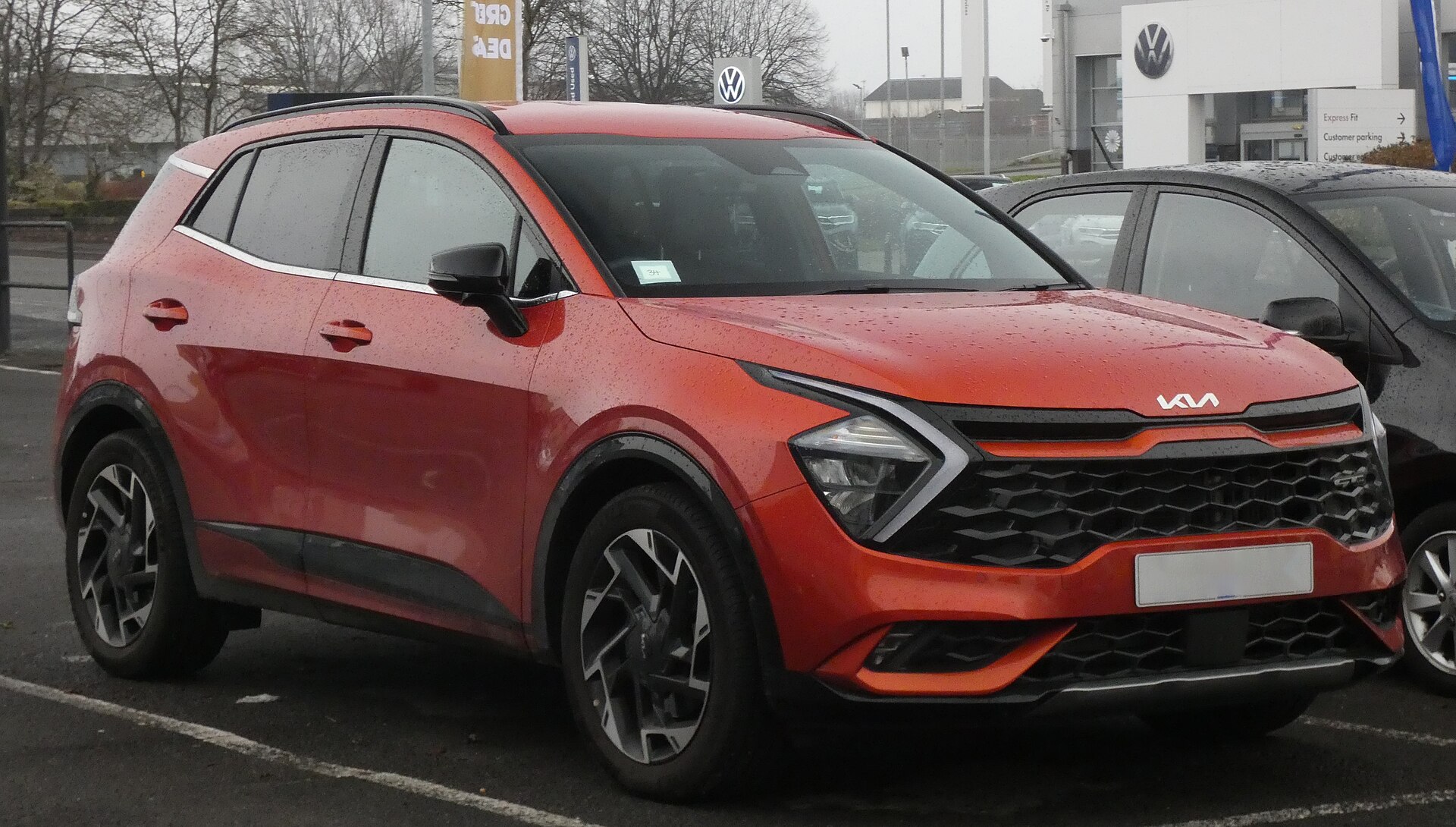
2021
-
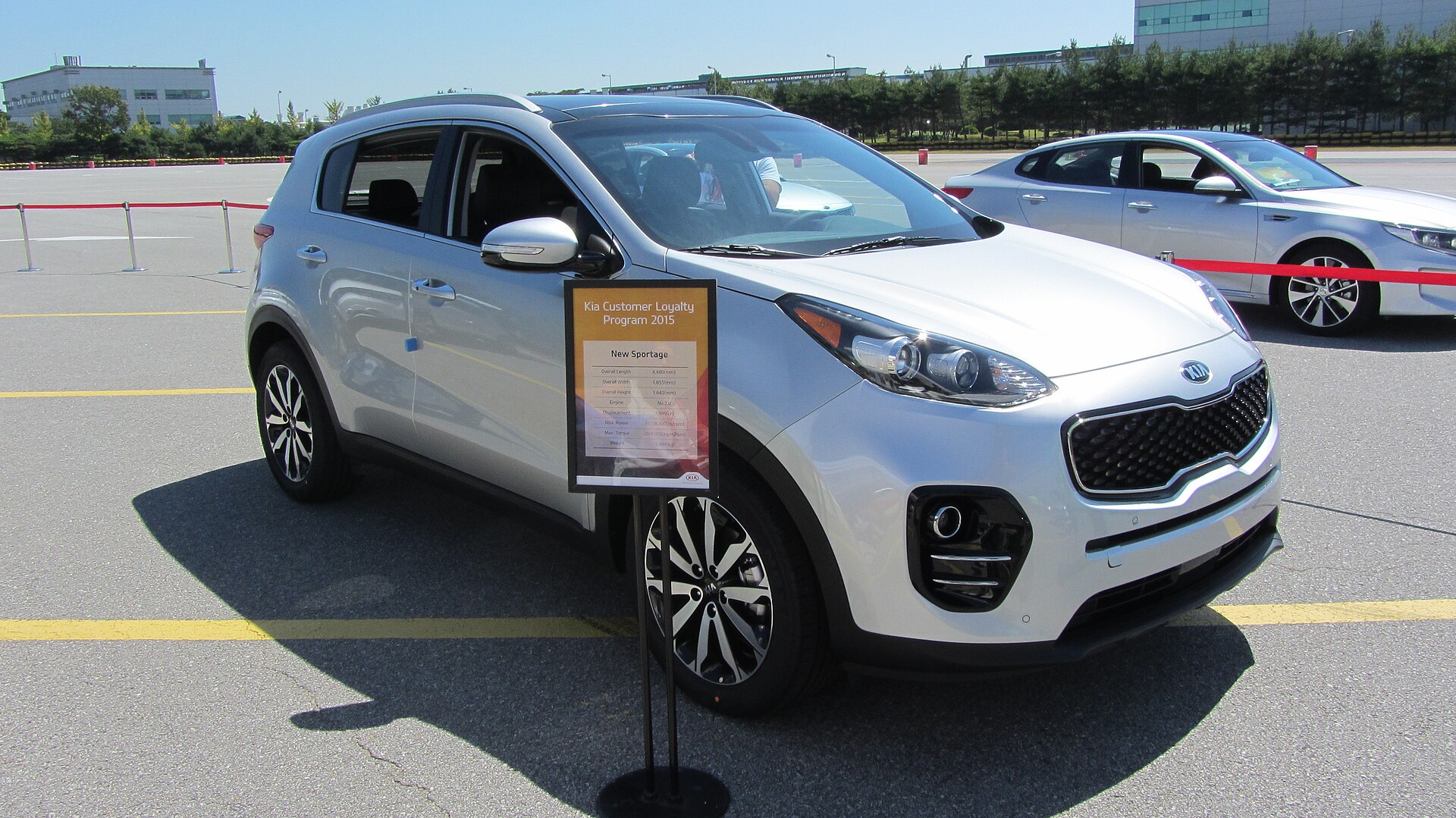
2015
-
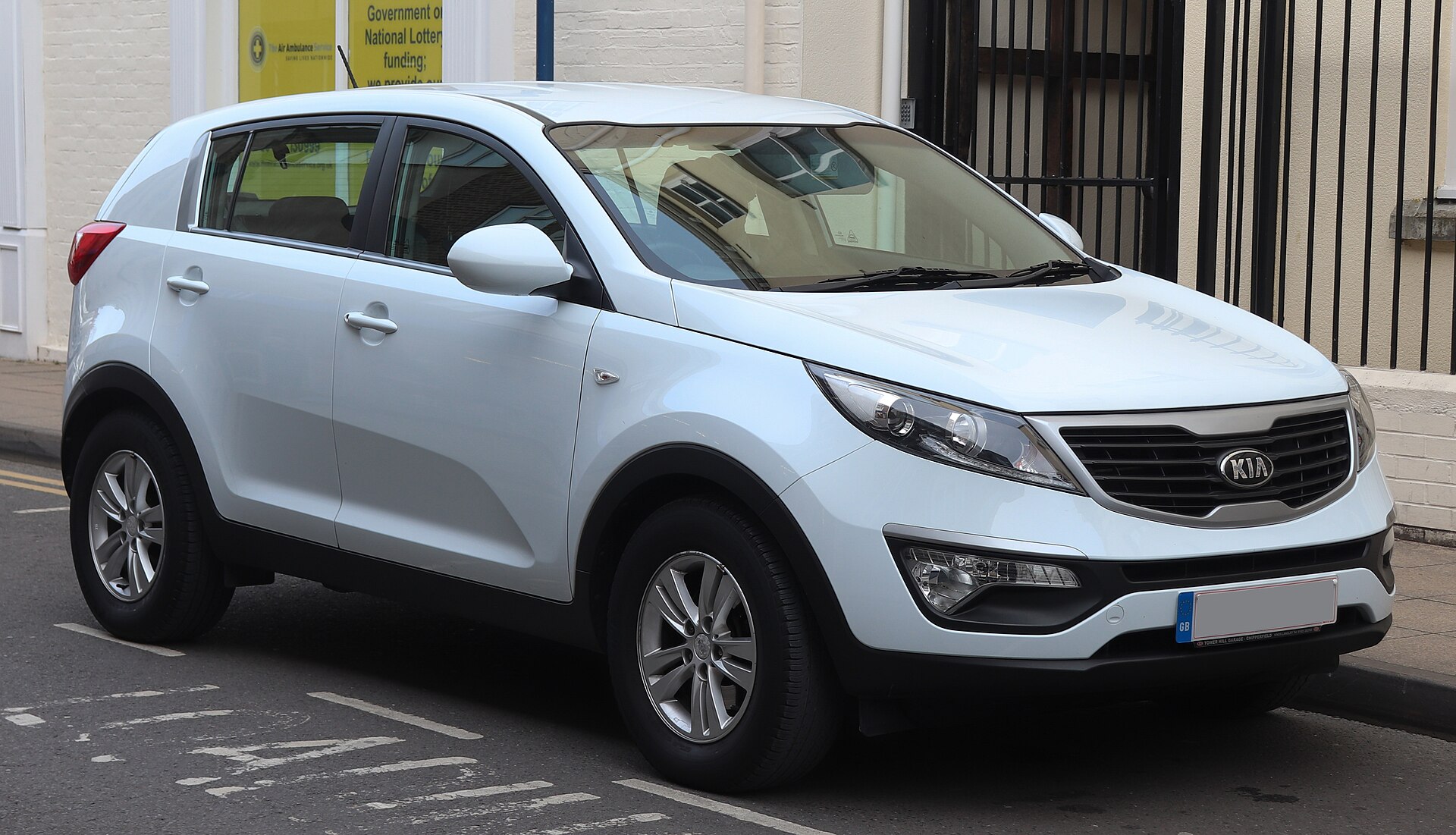
2010
-
2004
-
1993
All generations by year: Sportage NQ5 (2021–now) · Sportage QL (2015–2021) · Sportage SL (2010–2015) · Sportage JE (2004–2010) · Sportage JA (1993–2002)
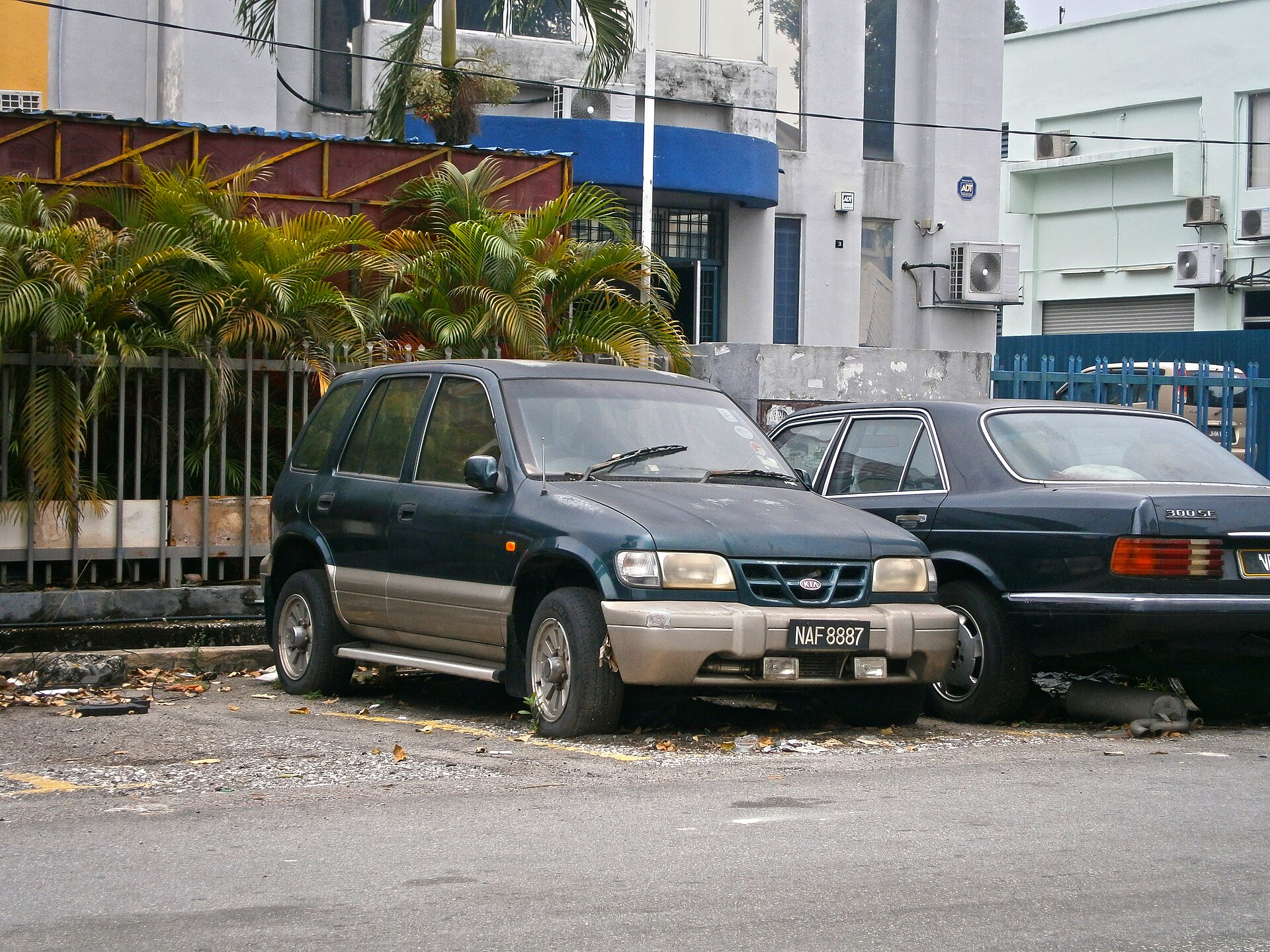
The JA is the original Kia Sportage, previewed as a concept at the 1991 Tokyo Motor Show and put into production in South Korea in July 1993. It was a compact body-on-frame off-roader with selectable four-wheel drive, built with engines and running gear from Mazda. Sold as a three-door, a five-door and the stretched Sportage Grand, it lasted until 2002 in Korea and Europe.
In short
- Engines were Mazda-derived 2.0-litre units: FE petrol from 70 kW (95 PS) to about 95 kW (128 PS) and an RF turbodiesel with 61 kW (83 PS).
- Karmann assembled the European cars in Germany from 1995 to 1998, the first Kias built in Europe.
- The longer Sportage Grand and the three-door Retona shared parts of the same engineering.
- ANCAP in Australia gave the 1997–1999 wagon one star out of five.
Size at a glance
Hyundai Tucson JM
The Kia Sportage JA is 80 mm shorter, 60 mm narrower and 80 mm lower than the Hyundai Tucson JM.
| Dimensions | Kia Sportage JA | Hyundai Tucson JM | Difference |
|---|---|---|---|
| Length | 4,245 mm167.1 in | 4,325 mm170.3 in | −80 mm−3.1 in |
| Width | 1,735 mm68.3 in | 1,795 mm70.7 in | −60 mm−2.4 in |
| Height | 1,650 mm65.0 in | 1,730 mm68.1 in | −80 mm−3.1 in |
| Wheelbase | 2,360 mm92.9 in | 2,630 mm103.5 in | −270 mm−10.6 in |
| Boot | 300 L10.6 cu ft | 540 L19.1 cu ft | −240 L−8.5 cu ft |
Nissan Qashqai J11
The Kia Sportage JA is 132 mm shorter, 71 mm narrower and 55 mm taller than the Nissan Qashqai J11.
| Dimensions | Kia Sportage JA | Nissan Qashqai J11 | Difference |
|---|---|---|---|
| Length | 4,245 mm167.1 in | 4,377 mm172.3 in | −132 mm−5.2 in |
| Width | 1,735 mm68.3 in | 1,806 mm71.1 in | −71 mm−2.8 in |
| Height | 1,650 mm65.0 in | 1,595 mm62.8 in | +55 mm+2.2 in |
| Wheelbase | 2,360 mm92.9 in | 2,646 mm104.2 in | −286 mm−11.3 in |
| Boot | 300 L10.6 cu ft | 430 L15.2 cu ft | −130 L−4.6 cu ft |
Running cost
Fuel · Sportage JA 2.0 70 kW (95 PS)
about 2,900 EUR fuel a year at 15,000 km
11.0 l/100 km · petrol at 1.75 EUR/l · change mileage, fuel price or version
Sportage JA specs by version
Engines
| Version | Engine | Power | Torque |
|---|---|---|---|
| Diesel · 2 versions | |||
| 2.0 RF turbodiesel | Diesel | 61 kW 83 PS82 hp | 190 Nm140 lb-ft |
| 95 kW (129 PS) | Diesel | 95 kW 129 PS127 hp | — |
| Petrol · 3 versions | |||
| 2.0 70 kW (95 PS) | 2.0 l · Petrol 2,000 cc | 70 kW 95 PS94 hp | — |
| 87 kW (118 PS) | 4 cyl · Petrol | 87 kW 118 PS117 hp | — |
| 2.0 FE DOHC 16V petrol | 4 cyl · Petrol | 94 kW 128 PS126 hp | 175 Nm129 lb-ft |
Performance
Show all 2 versions
| Version | 0–100 km/h | Fuel consumption |
|---|---|---|
| 2.0 70 kW (95 PS) | — | 11.0 l/100 km21.4 mpg US · 25.7 mpg UK |
| 2.0 FE DOHC 16V petrol | 14.7 s 0–62 mph | — |
Dimensions and weight
Show all 5 versions
| Version | Width | Height | Boot |
|---|---|---|---|
| Diesel · 2 versions | |||
| 2.0 RF turbodiesel | 1,735 mm68.3 in | 1,650 mm65.0 in | 300 l10.6 cu ft |
| 95 kW (129 PS) | 1,735 mm68.3 in | 1,650 mm65.0 in | 300 l10.6 cu ft |
| Petrol · 3 versions | |||
| 2.0 70 kW (95 PS) | 1,735 mm68.3 in | 1,650 mm65.0 in | 300 l10.6 cu ft |
| 87 kW (118 PS) | 1,735 mm68.3 in | 1,650 mm65.0 in | 300 l10.6 cu ft |
| 2.0 FE DOHC 16V petrol | 1,735 mm68.3 in | 1,650 mm65.0 in | 300 l10.6 cu ft |
Verified Manufacturer and type-approval data from our catalog · Sources and methodology
How Kia built its first SUV
In the early 1990s Kia was an independent carmaker allied with Ford and Mazda. The Sportage was developed in that partnership: the base engineering came from the Mazda Bongo, and the engine, early gearboxes and differentials were Mazda designs.
Sources describe the chassis in different ways. English-language accounts stress the Mazda link, while German Wikipedia says the frame was shared with Kia's military jeep, sold briefly in Germany as the Retona. Both agree on the essentials: a separate ladder frame, rear-wheel drive in normal use and a part-time four-wheel-drive system with a low-range transfer box. The wider story of the company in those years is told in our history of Kia Motors, and the Mazda side in the history of Mazda.
Body styles: five-door, soft-top and the long Grand
The five-door estate was the core model. It measured about 4,245 mm (167.1 in) long on a 2,650 mm (104.3 in) wheelbase and weighed around 1.4 tonnes. An ADAC test quoted by Motor1 criticised its small boot, given as 300 litres.
A three-door with a folding fabric roof followed. It was much shorter, at 4,030 mm (158.7 in), on a 2,360 mm (92.9 in) wheelbase, and a short convertible was sold in the United States from 1997.
From around 1996 Asian markets also received the Sportage Grand, or Grand Wagon. It kept the wheelbase of the five-door but added 305 mm (12.0 in) behind the rear wheels. The spare wheel moved from the tailgate to under the floor, and maximum luggage space grew from 1,570 to 2,220 litres. Italian sources say this version was presented in Europe at the Geneva Motor Show in 2000.
Mazda engines and the part-time 4x4
All European engines displaced 2.0 litres. The table gives outputs in kW first and the metric PS figures of German and Italian sources.
| Engine | Type | Power | Torque | Notes |
|---|---|---|---|---|
| 2.0 FE SOHC 8V petrol | Mazda FE | 70 kW (95 PS) | not confirmed | SOHC variant |
| 2.0 FE DOHC 16V petrol | Mazda FE | about 95 kW (128 PS) | 175 Nm (129 lb-ft) | main European petrol |
| 2.0 FE petrol (Euro 3, from 2000) | Mazda FE | about 87 kW (118 PS) | not confirmed | sources quote 117–119 PS |
| 2.0 RF turbodiesel | Mazda RF | 61 kW (83 PS) | 190 Nm (140 lb-ft) | mainly sold in Europe |
The North American DOHC engine was rated at 130 hp (SAE). Some databases list a 2.2-litre diesel for early cars, but we could not confirm it.
Gearboxes were a five-speed manual or, with the petrol engine, a four-speed automatic. The front suspension was independent, with wishbones and coil springs; the rear used a rigid axle on trailing arms. Front brakes were ventilated discs and rear brakes drums, with ABS on the options list.
Performance was modest. The ADAC measured 14.7 seconds from 0 to 100 km/h for the 128 PS petrol and 18.4 seconds for the 95 PS version, and Motor1 reports fuel use of about 11 litres per 100 km.
Karmann assembly and changes over the years
Kia began selling the Sportage in Asia in July 1993; German sales started in September 1994, and Motor1 dates wider European sales to about two years after the Asian launch. To supply Europe, Kia contracted Karmann in Germany, which built the car from 1995 to 1998. Italian Wikipedia puts Karmann's output at 25,984 vehicles, making the Sportage the first Kia assembled in Europe. From autumn 1998 all production returned to South Korea, and Pakistan assembled the car locally from 2000.
The main updates were:
- 1995: front airbags and wood-effect dashboard inserts, according to Italian sources.
- 1997: a knee airbag, which Kia presented as a first for a production vehicle.
- 1999: a revised body.
- 2000: the Euro 3 version of the petrol engine and, in Europe, the long Grand.
Sales grew late in the car's life. English Wikipedia lists US sales rising from 28,582 in 1998 to 62,350 in 2000, and European sales peaking at 18,320 in the same year. Production ended in 2002, though a few developing markets kept selling the JA until the second generation arrived in 2005. The guide to all five Kia Sportage generations shows how far the model moved on after the JA.
The Kia Retona connection
The Retona was a short three-door off-roader made in South Korea from 1998 to 2003. It used the platform of the Sportage soft-top, but it descended from Kia's military jeeps and was developed by Asia Motors, which Kia owned. It had the Mazda FE DOHC petrol engine or a turbodiesel, body-on-frame construction and four-wheel drive.
The Retona was about 4,000 mm (157.5 in) long and weighed 1,510 kg (3,329 lb). It was sold in Germany only briefly, and an Auto Bild owner survey of 2006, as reported by English Wikipedia, described it as very unreliable. It should be judged separately from the Sportage itself.
Specifications: five-door JA
| Parameter | Metric | Imperial |
|---|---|---|
| Length (5-door) | about 4,245 mm | 167.1 in |
| Length (3-door soft-top) | 4,030 mm | 158.7 in |
| Wheelbase (5-door / 3-door) | 2,650 / 2,360 mm | 104.3 / 92.9 in |
| Kerb weight (5-door) | about 1,400 kg | 3,086 lb |
| Fuel tank | 60 L | 13.2 UK gal |
| Power range | 61–95 kW (83–128 PS) | — |
| 0–100 km/h (128 PS petrol) | 14.7 s | 0–62 mph |
Width is quoted at between 1,735 mm and 1,760 mm, depending on source and year, so it is left out of the table.
One ANCAP star and two wheel recalls
We found no Euro NCAP result for the JA; the only published crash rating is Australian. ANCAP gave the 1997–1999 wagon one star out of five, the lowest result possible, noting failed seat belts and a collapse of the structure.
Cars from the 1997–2002 period, built after Hyundai's partial takeover of Kia in 1998, were also recalled twice because a rear wheel could come away while driving. If you are looking at a JA, ask for proof that this work was done.
Buying a JA today
The first Sportage is now a youngtimer. Its appeal lies in the simple ladder-frame layout, low-range gearbox and Mazda mechanicals, which many specialists know. It is listed with other classic cars of the 1990s, and it belongs to the same compact off-roader class as the early Suzuki Vitara.
- Karmann-built cars (1995–1998): the most interesting for European collectors.
- DOHC petrol: clearly quicker than the SOHC; the diesel is slower but more economical.
- Check: the frame and floor, as on any body-on-frame car of this age, the recall work on the rear wheels and the condition of the four-wheel-drive engagement.
- Do not expect: modern crash protection, given the ANCAP result.
Did you know?
- The Sportage JA is generation 1 of 5 of the Kia Sportage in our catalog.
- Built for 9 years (1993–2002), it is the longest-running of the 5 generations in our catalog.
Image credits · Photos from Wikimedia Commons under free licences
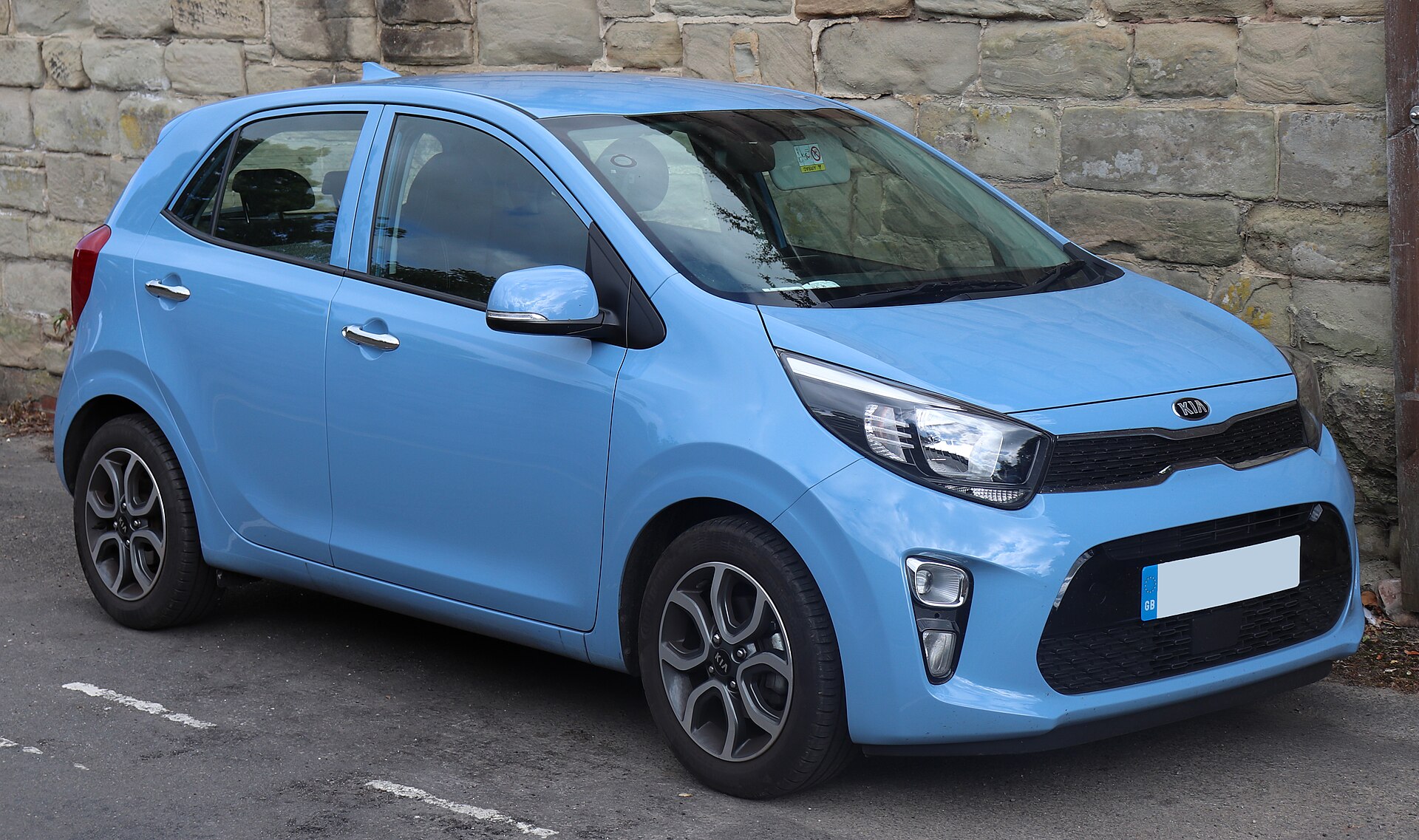
- Kia Sportage JA · Photo: Manoj Prasad from Kuala Lumpur, Malaysia / Wikimedia Commons, CC BY-SA 2.0
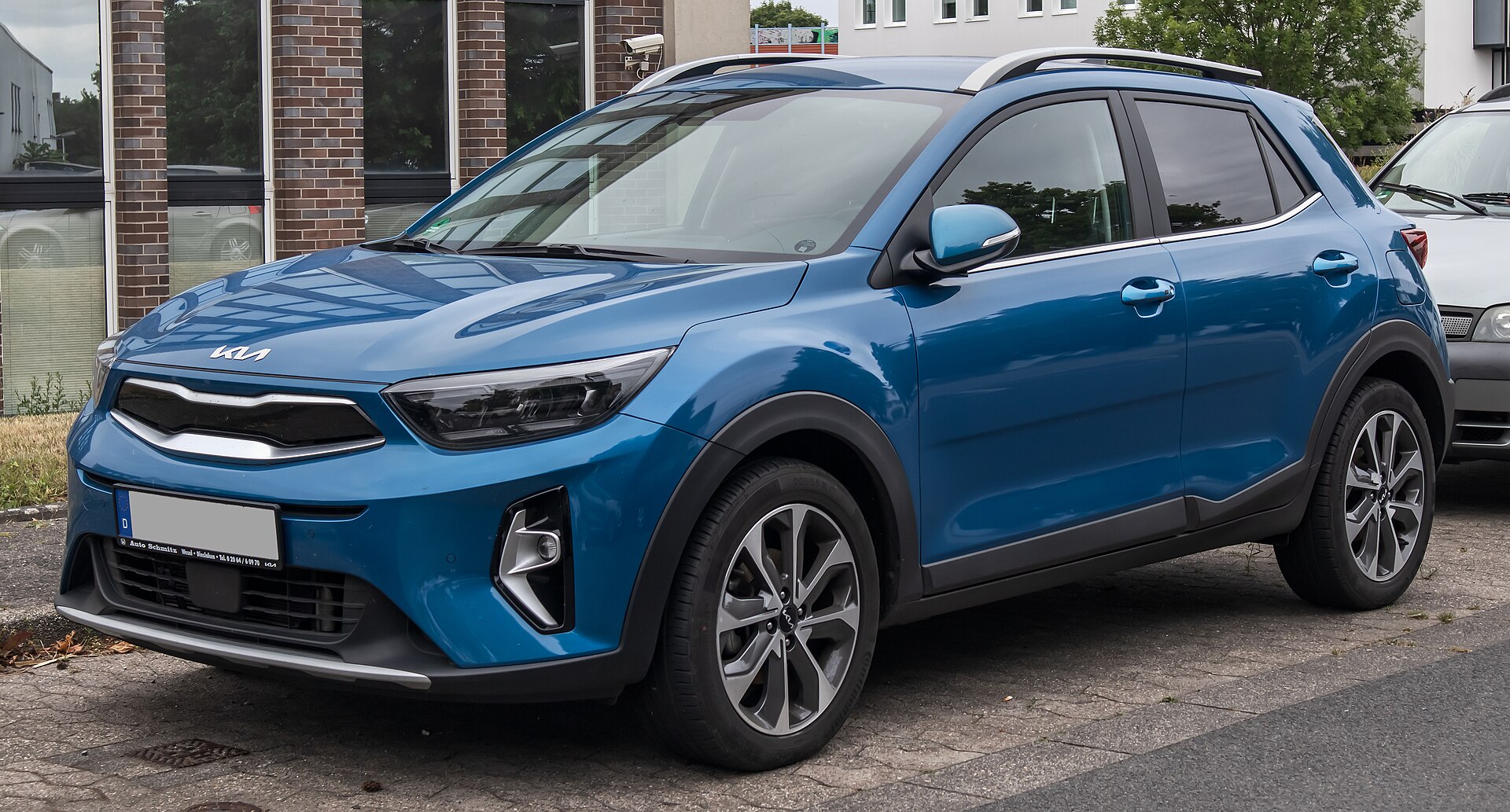
- Kia Sportage JE · Photo: Dinkun Chen / Wikimedia Commons, CC BY-SA 4.0
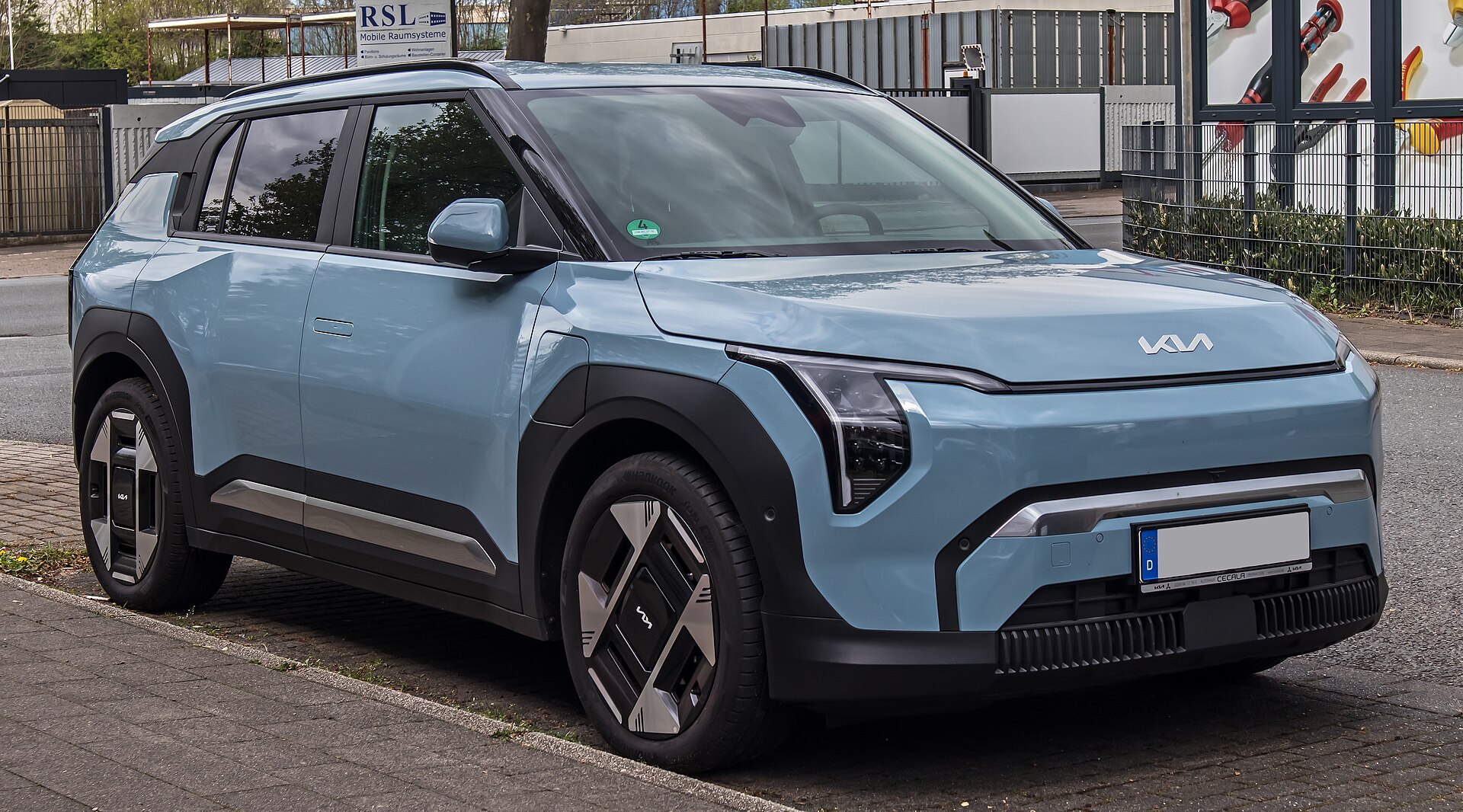
- Kia Sportage SL · Photo: Vauxford / Wikimedia Commons, CC BY-SA 4.0
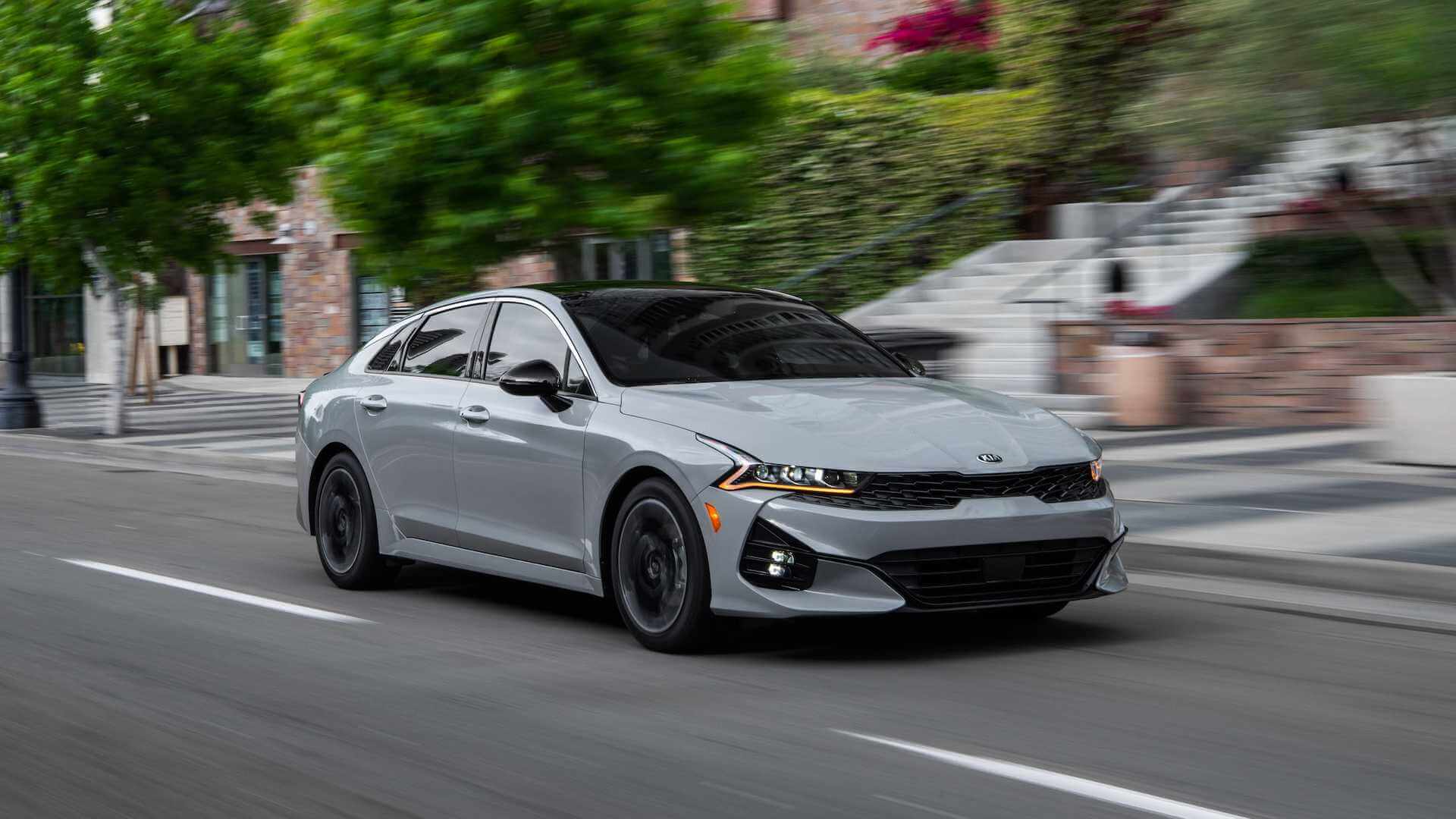
- Kia Sportage QL · Photo: Areaseven / Wikimedia Commons, CC BY-SA 4.0
- Kia Sportage NQ5 · Photo: Harvey Bold / Wikimedia Commons, CC0
JA rivals
-
Ended 2018
- Years
- 2004–2018
- Body
- SUV
- Fuel
- Petrol, Diesel
- Power
- 100–136 kW (136–185 PS)
4 generations
- JM
- LM
- III
- Tucson
-
In production
- Years
- 2006–present
- Body
- SUV
- Fuel
- Petrol, Diesel, Hybrid
- Power
- 81–139 kW (110–189 PS)
3 generations
- J10
- J11
- III
-
In production
- Years
- 2008–present
- Body
- SUV
- Fuel
- Petrol, Diesel, Hybrid
- Power
- 88–178 kW (120–242 PS)
3 generations
- I
- II
- III
-
In production
- Years
- 2000–present
- Body
- SUV
- Fuel
- Petrol, Diesel, Hybrid
- Power
- 84–206 kW (114–280 PS)


Popular comparisons
FAQ
What years is the first-generation Kia Sportage?
Production began in South Korea in July 1993; Germany received it in September 1994. It ended in 2002 in Korea and Europe, and in 2003 in most other markets.
Who made the engine in the first Kia Sportage?
The engines were Mazda designs: the 2.0 FE petrol in SOHC and DOHC form and the 2.0 RF turbodiesel, built under the Kia–Ford–Mazda partnership.
Was the Kia Sportage built in Germany?
Yes. Karmann assembled Sportages for European buyers in Germany from 1995 to 1998; after that, production returned to South Korea.
What is the Kia Sportage Grand?
A long version of the five-door, sold from around 1996 mainly in Asia. It was 305 mm longer on the same wheelbase, with up to 2,220 litres of luggage space.
Is the Kia Retona the same as the Sportage?
No. The Retona was a separate three-door off-roader of 1998–2003 that shared the platform of the Sportage soft-top but came from Kia's military jeep line.
Data sources
Data checked by an editor against the sources below.
- 1cars archive: Kia Sportage Generations: Specs, Safety and History
- The text of this article (1cars archive)
- Wikipedia — Kia Sportage