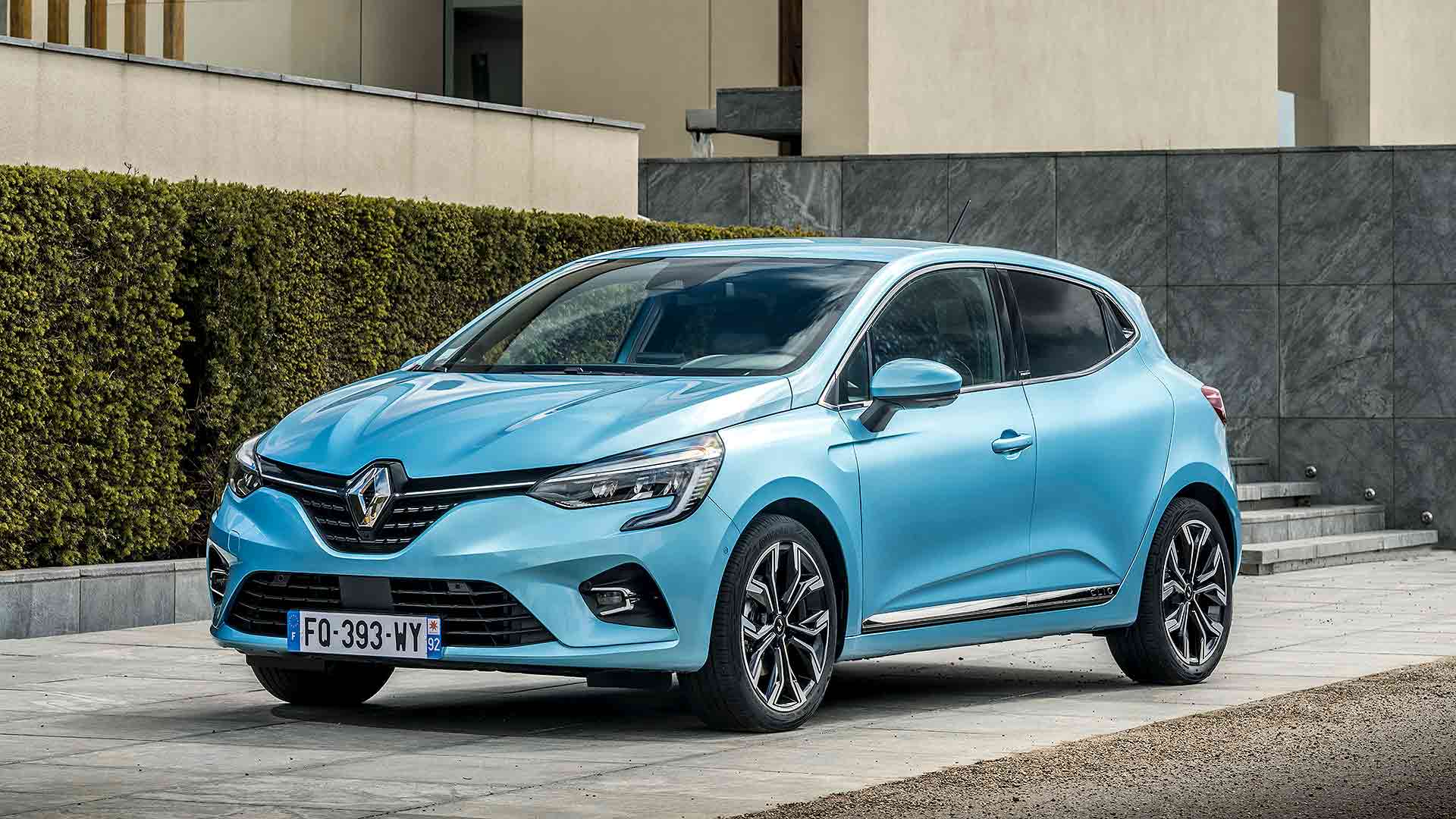
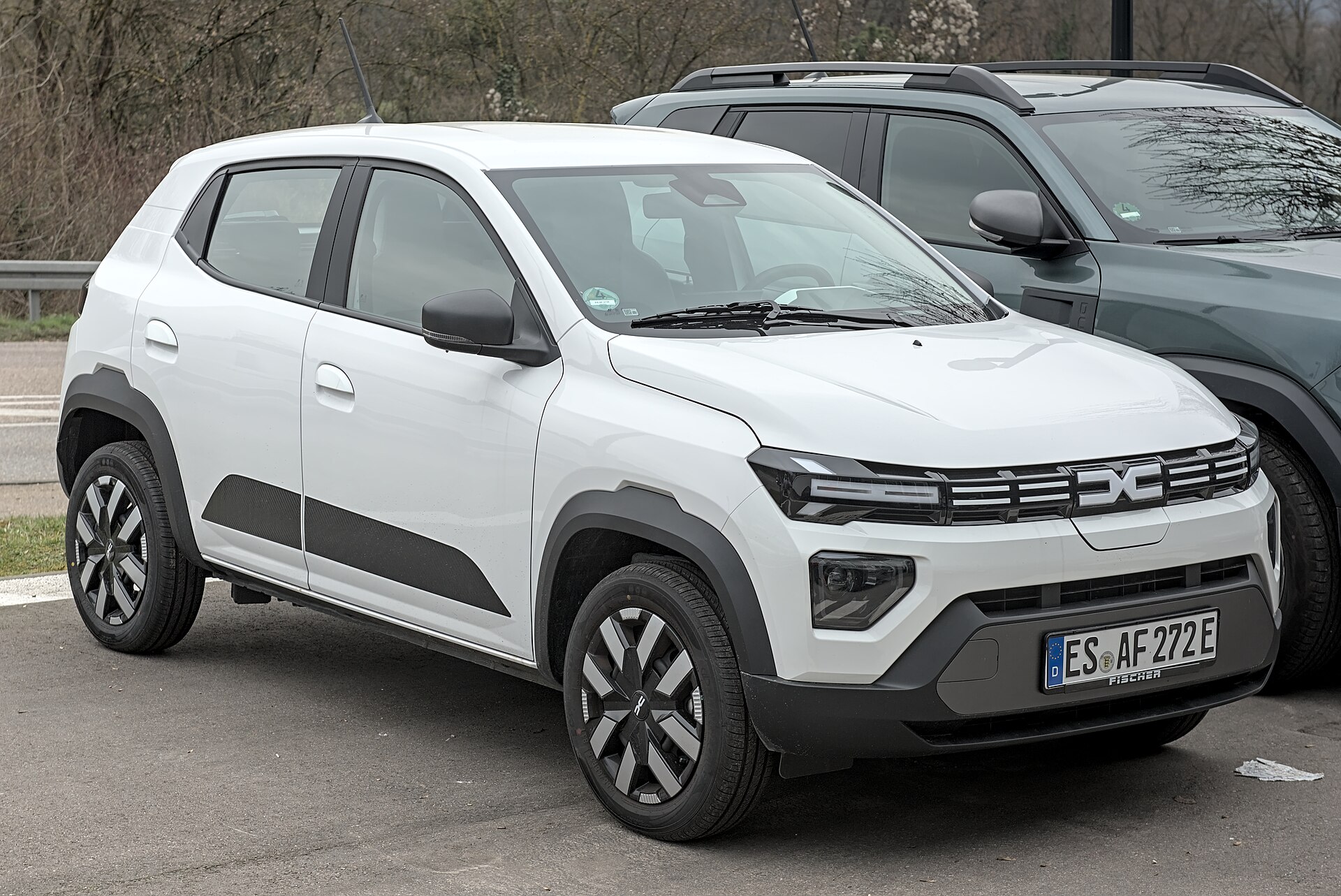
Best family SUVs 2026: eight mid-size picks compared
A family SUV has to carry four or five people and their luggage in comfort, keep running costs sensible and protect its occupants well. The eight models below are mid-size SUVs between 4.5 and 4.8 metres long, all on sale new in Europe in 2026, with petrol, diesel, hybrid or plug-in hybrid power. Every one of them has at least one electrified version, because that is where most buyers in this class now start.
Quick picks
- Best all-rounder: Kia Sportage – every powertrain type, five Euro NCAP stars and a seven-year warranty.
- Most space: Škoda Kodiaq – 910 litres with five seats, seven seats optional.
- Best plug-in hybrid: Volkswagen Tiguan eHybrid – about 120 km of electric range.
- Most economical hybrid: Toyota RAV4 – 4.9 l/100 km WLTP.
- Best for towing: Mazda CX-5 – 2,000 kg braked trailer load.
The table compares one representative version of each car with the figures listed by ADAC, Germany's motoring club, and the latest Euro NCAP result. Boot volumes are manufacturer figures, and makers do not all measure them the same way, so treat differences of 20–30 litres with caution.
| Model (version) | Length | Boot, 5 seats | Braked towing | Euro NCAP | List price from, Germany |
|---|---|---|---|---|---|
| Kia Sportage (1.6 T-GDI Hybrid) | 4,540 mm | 587 l | 1,510 kg | 5 stars, 2022 | €38,990 (2025) |
| Škoda Kodiaq (1.5 TSI mHEV) | 4,758 mm | 910 l | 1,800 kg | 5 stars, 2024 | €42,990 (2024) |
| Hyundai Tucson (1.6 T-GDI) | 4,525 mm | 620 l | 1,650 kg | 5 stars, 2021 | €36,490 (2025) |
| Volkswagen Tiguan (1.5 eTSI 96 kW) | 4,539 mm | 652 l | 1,600 kg | 5 stars, 2024 | €38,250 (2024) |
| Toyota RAV4 (2.5 Hybrid FWD) | 4,600 mm | 514 l | 800 kg | not yet tested | €43,990 (2026) |
| Nissan X-Trail (e-POWER e-4ORCE) | 4,690 mm | 575 l | 1,800 kg | 5 stars, 2021 | €46,390 (2026) |
| Mazda CX-5 (2.5 e-Skyactiv G) | 4,690 mm | 466 l | 2,000 kg | 5 stars, 2025 | €35,990 (2025) |
| Honda CR-V (e:HEV 2WD) | 4,706 mm | 587 l | 750 kg | 4 stars, 2024 | €46,900 (2025) |
For each car we explain why it earns its place, which version makes most sense and the honest drawback to weigh before you sign. Need a third row more than a big boot? See the seven-seat Volkswagen Tayron's model page. Prefer a long-legged diesel estate to a family SUV? Our used diesel estate picks cover that brief.
-
1. Kia Sportage NQ5
Best all-rounder
- Production years
- 2021–present
- Body type
- SUV
- Fuel
- Petrol, Diesel, Hybrid, Plug-in hybrid
- Power output
- 85–195 kW (116–265 PS)
The fifth-generation Sportage was unveiled in June 2021 and is built for Europe in Žilina, Slovakia, on a shorter body than the international model. Since the 2025 facelift the range starts with a 1.6 T-GDI petrol with 110 kW (150 PS). Above it sit a hybrid with 176 kW (239 PS), a plug-in hybrid with 212 kW (288 PS) and a 100 kW (136 PS) diesel. The hybrid is the sensible choice: 4,540 mm long, 587 litres of boot space and 5.8 l/100 km WLTP. Euro NCAP gave five stars in 2022, and Kia's warranty runs for seven years or 150,000 km. The drawback: the hybrid may tow only 1,510 kg braked.
Pros
- Petrol, diesel, hybrid and plug-in hybrid versions
- Five-star Euro NCAP (2022)
- Seven-year or 150,000 km warranty
Cons
- Hybrid limited to 1,510 kg braked towing
Spec sheet: Kia Sportage NQ5 1.6 l T-GDI 48V mild hybrid 110 kW (150 PS)
Full review: Kia Sportage NQ5 -
2. Skoda Kodiaq II
Most space
- Production years
- 2023–present
- Body type
- SUV
- Fuel
- Petrol, Diesel, Plug-in hybrid
- Power output
- 110–195 kW (150–265 PS)
The second Kodiaq was introduced in October 2023 and is built at Kvasiny in the Czech Republic. At 4,758 mm long, it has the largest boot of any family SUV here: 910 litres with five seats and 2,105 litres with the rear bench folded. An optional third row turns it into a seven-seater. Engines include a 1.5 TSI mild hybrid with 110 kW (150 PS) and 2.0 TDI diesels with 110 kW or 142 kW (193 PS). The plug-in hybrid has a 25.7 kWh battery and about 100 km of electric range. Euro NCAP awarded five stars in 2024. The drawback: it is the longest car here, which matters in narrow garages.
Pros
- 910-litre boot with five seats
- Optional third seat row
- Plug-in hybrid with a 25.7 kWh battery
Cons
- Longest car in the list at 4,758 mm
Spec sheet: Skoda Kodiaq II 1.5 TSI mHEV 110 kW (150 PS)
Full review: Skoda Kodiaq II -
3. Hyundai Tucson
Best twin to the Sportage
- Production years
- 2004–present
- Body type
- SUV
- Fuel
- Petrol, Diesel
- Power output
- 100–136 kW (136–185 PS)
Revealed in September 2020 and built for Europe at Nošovice in the Czech Republic, the fourth-generation Tucson shares its powertrains with the Kia Sportage. After the 2024 facelift, ADAC lists a 1.6 T-GDI petrol with 110 kW (150 PS) from €36,490 in Germany. A hybrid with 176 kW (239 PS), a plug-in hybrid with 212 kW (288 PS) and a 100 kW (136 PS) mild-hybrid diesel complete the range. The petrol is 4,525 mm long with a 620-litre boot, and Euro NCAP awarded five stars in 2021. Hybrid batteries are covered for eight years or 160,000 km. The drawback: ADAC already lists an all-new Tucson for 2027, so today's car will soon be the outgoing model.
Pros
- 620-litre boot in a 4,525 mm body
- Five-star Euro NCAP (2021)
- Eight-year cover for hybrid batteries
Cons
- Successor already announced for 2027
Spec sheet: Hyundai Tucson JM 2.7 l 129 kW (175 PS)
Full review: Hyundai Tucson -
4. Volkswagen Tiguan III
Best plug-in hybrid
- Production years
- 2024–present
- Body type
- SUV
- Fuel
- Petrol, Diesel, Plug-in hybrid
- Power output
- 96–200 kW (131–272 PS)
The third Tiguan was presented in September 2023 and delivered from early 2024. Its eHybrid versions have a 19.7 kWh (net) battery and about 120 km of electric range. They charge at 11 kW AC or 50 kW DC and offer 150 kW (204 PS) or 200 kW (272 PS). The rest of the range covers 1.5 eTSI mild hybrids with 96 kW or 110 kW, 2.0 TSI petrols and 2.0 TDI diesels with 110 kW or 142 kW. At 4,539 mm it offers a 652-litre boot, and Euro NCAP gave it five stars in 2024. The drawback: the eHybrid is expensive, with German list prices from €51,510.
Pros
- About 120 km of electric range (eHybrid)
- 652-litre boot
- Five-star Euro NCAP (2024)
Cons
- eHybrid from €51,510 in Germany (2024)
Spec sheet: Volkswagen Tiguan III 2.0 l TDI 4Motion 142 kW (193 PS)
Full review: Volkswagen Tiguan III -
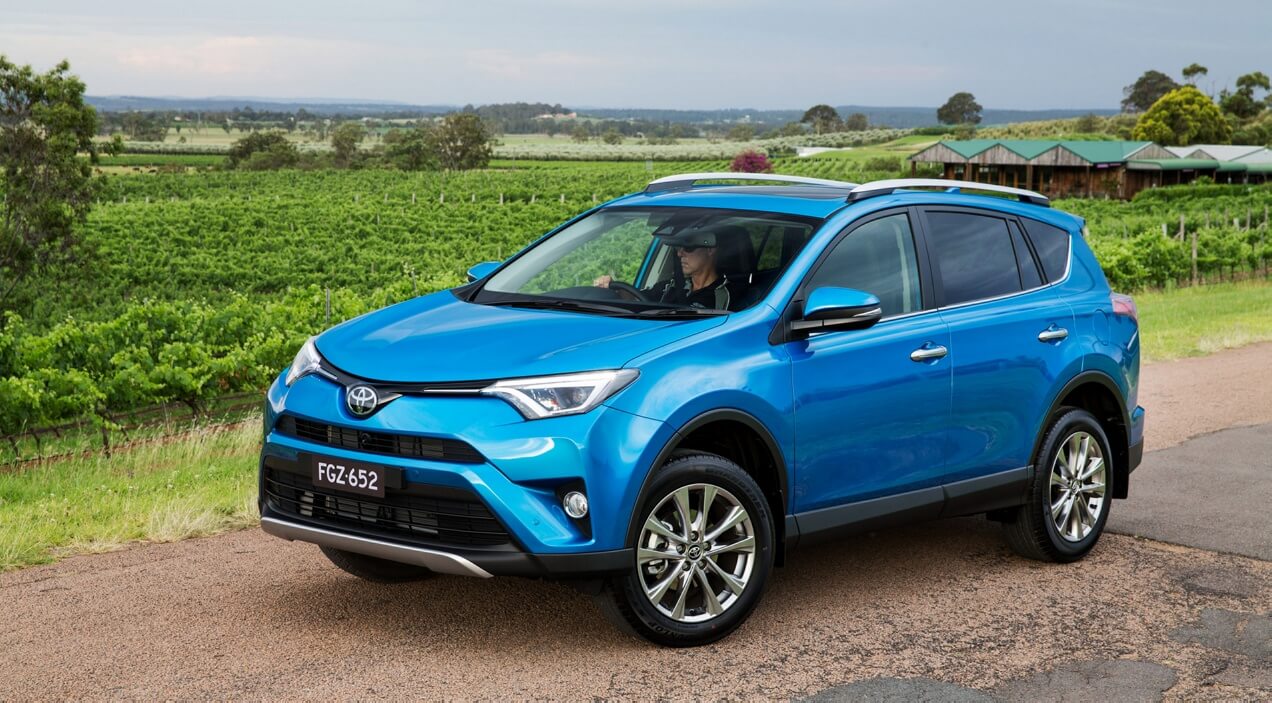
5. Toyota RAV4 XA60
Most economical hybrid
- Production years
- 2025–present
- Body type
- SUV
- Fuel
- Hybrid, Plug-in hybrid
- Power output
- 135–224 kW (184–305 PS)
The sixth-generation RAV4 was revealed in May 2025 and reaches German showrooms in June 2026. It keeps the GA-K platform and the previous car's footprint at 4,600 mm. ADAC lists the front-wheel-drive 2.5 Hybrid at 136 kW (185 PS) and 4.9 l/100 km WLTP, the lowest figure in this list, from €43,990 in Germany. The plug-in hybrid gets a 22.7 kWh battery with 100 km of WLTP electric range and up to 227 kW (309 PS) with all-wheel drive. The drawbacks: the boot holds a modest 514 litres and the base hybrid may tow only 800 kg. The new car also had no Euro NCAP result at the time of writing.
Pros
- 4.9 l/100 km WLTP (2.5 Hybrid)
- Plug-in hybrid with 100 km WLTP electric range
- Hybrid-only line-up
Cons
- 514-litre boot and 800 kg towing (FWD hybrid)
Spec sheet: Toyota RAV4 XA60 2.5 Hybrid FWD 135 kW (184 PS)
Full review: Toyota RAV4 XA60 -
6. Nissan X-Trail T33
Best for all-wheel drive and seven seats
- Production years
- 2020–present
- Body type
- SUV
- Fuel
- Petrol, Hybrid
- Power output
- 120–157 kW (163–213 PS)
The fourth X-Trail reached Europe in September 2022 and is built in Kyushu, Japan. Since the 2026 facelift ADAC lists only the e-POWER series hybrid. A 1.5-litre VC-Turbo petrol engine charges a battery, and electric motors drive the wheels: 150 kW (204 PS) with front-wheel drive or 157 kW (213 PS) as the twin-motor e-4ORCE. The e-4ORCE reaches 100 km/h in 7.0 s, may tow 1,800 kg and is the only version offered with seven seats. Euro NCAP awarded five stars in 2021. The drawback: there is no plug-in or diesel option, and the 1,883 kg e-4ORCE uses 6.1 l/100 km WLTP.
Pros
- Twin-motor e-4ORCE all-wheel drive
- Seven seats available
- 1,800 kg braked towing (e-4ORCE)
Cons
- No plug-in hybrid or diesel
Spec sheet: Nissan X-Trail T33 1.5 l e-POWER 150 kW (204 PS)
Full review: Nissan X-Trail T33 -
7. Mazda CX-5 III
Best for towing
- Production years
- 2025–present
- Body type
- SUV
- Fuel
- Petrol
- Power output
- 104–132 kW (141–179 PS)
Revealed in July 2025, the third CX-5 has a wheelbase 75 mm longer than before and a boot that is 50 mm longer and 25 mm taller. In Germany it has one engine, a 2.5-litre mild-hybrid petrol with 104 kW (141 PS), from €35,990 – the lowest starting price here. It may tow 2,000 kg braked, and Mazda's warranty runs for six years or 160,000 km. Euro NCAP awarded five stars in 2025, with 90 per cent for adult and 89 per cent for child occupant protection. The drawback: with 7.0 l/100 km WLTP and 10.5 s to 100 km/h, it is thirsty and slow; a full hybrid is not due until 2027.
Full review: Mazda CX-5 IIIPros
- 2,000 kg braked towing
- Six-year or 160,000 km warranty
- Lowest German list price in this list
Cons
- No full hybrid before 2027
-
8. Honda CR-V VI
Best electrified-only choice
- Production years
- 2022–present
- Body type
- SUV
- Fuel
- Hybrid, Plug-in hybrid
- Power output
- 135 kW (184 PS)
Unveiled in Germany in May 2023, the sixth CR-V is sold in Europe only as a hybrid or a plug-in hybrid. Both combine a 2.0-litre petrol engine with a 135 kW (184 PS) electric drive motor; the e:PHEV adds a 17.7 kWh battery and 82 km of electric range. European cars come from Honda's plant in Wuhan, China. At 4,706 mm the e:HEV has a 587-litre boot, and from January 2026 Honda extends cover to up to eight years or 160,000 km with dealer servicing. The drawbacks: Euro NCAP gave it four stars in 2024, and the two-wheel-drive hybrid may tow only 750 kg.
Pros
- Hybrid and plug-in hybrid only
- 82 km electric range (e:PHEV)
- Up to eight years of cover with dealer servicing
Cons
- Four-star Euro NCAP (2024) and 750 kg towing (e:HEV 2WD)
Spec sheet: Honda CR-V VI 2.0 e:PHEV 135 kW (184 PS)
Full review: Honda CR-V VI




Data ranking: Biggest boot: SUVs and crossovers — all 100 models in our catalog with a figure, ranked by the numbers.
Catalog: All SUVs in the catalog — every model with specs, not only our picks.
How we chose
Selection. We considered current SUVs and crossovers up to 250 kW in our catalogue and narrowed them to mid-size family SUVs of 4.5–4.8 m that are sold new in Europe in 2026 and have a published model page on 1cars. Compact crossovers such as the Nissan Juke and large three-row SUVs belong to other lists. The Nissan Qashqai was left out after its 2025 Euro NCAP re-test ended with four stars and 78 per cent for adult occupant protection. The Ford Kuga was left out because its 2019 rating is now old.
Data sources. Generation years, power ranges and Euro NCAP stars come from the 1cars catalogue, which records each rating with its test year. Dimensions, boot volumes, braked towing limits, WLTP consumption, warranty terms and list prices come from the ADAC Autokatalog pages for the named versions (accessed October 2026). Battery sizes and electric ranges come from manufacturer press releases (Kia, Volkswagen) or English- and German-language Wikipedia. Prices are German list prices with the month the version became available; prices in other markets differ.
Ranking. The order is editorial: it balances space, choice of powertrains, safety rating, towing ability and price. It is not a test score. Deeper data for two of the picks is on our generation pages for the Kia Sportage NQ5 and the Nissan X-Trail T33.
Frequently asked questions
Which family SUV has the biggest boot?
The Škoda Kodiaq: 910 litres with five seats and 2,105 litres with the rear bench folded, according to the figures listed by ADAC. The Volkswagen Tiguan (652 litres) and Hyundai Tucson (620 litres) come next in this list.
Should a family buy a hybrid or a plug-in hybrid SUV?
A self-charging hybrid such as the Toyota RAV4 (4.9 l/100 km WLTP) suits drivers without a home charger. A plug-in hybrid only pays off if you charge it regularly. The Tiguan eHybrid offers about 120 km of electric range and the Honda CR-V e:PHEV 82 km, enough for most daily trips.
Which family SUV is best for towing a caravan?
In this list the Mazda CX-5 may tow 2,000 kg braked, and the Škoda Kodiaq 1.5 TSI and Nissan X-Trail e-4ORCE 1,800 kg each. The Honda CR-V e:HEV 2WD (750 kg) and the front-wheel-drive Toyota RAV4 Hybrid (800 kg) are poor choices for towing.
Why is the Nissan Qashqai not in this list?
The facelifted Qashqai was re-tested by Euro NCAP in 2025 and received four stars, with 78 per cent for adult occupant protection. That is below every five-star car here, so we prefer the larger Nissan X-Trail, which scored five stars in 2021.
Are the prices in the table current?
They are German list prices for the named versions as published by ADAC, with the year the version went on sale. They are a guide to how the cars compare, not an offer: prices, discounts and equipment differ by country and change during the model year.