 Nissan X-Trail T32 (2013–2022)
Specs, engines, safety and known problems
Published Sources (5) Report an error
By Sarah Whitmore, Senior Automotive Writer Reviewed by Felix Hartmann
- Power
- 96–130 kW (131–177 PS)
- Boot
- 135–565 l
- Fuel, 1.7 dCi 110 kW (150 PS) 4x4i Xtronic
- ~1,500 EUR a year
- Generation
- 3 of 4
Model timeline
Where the T32 sits in the X-Trail story
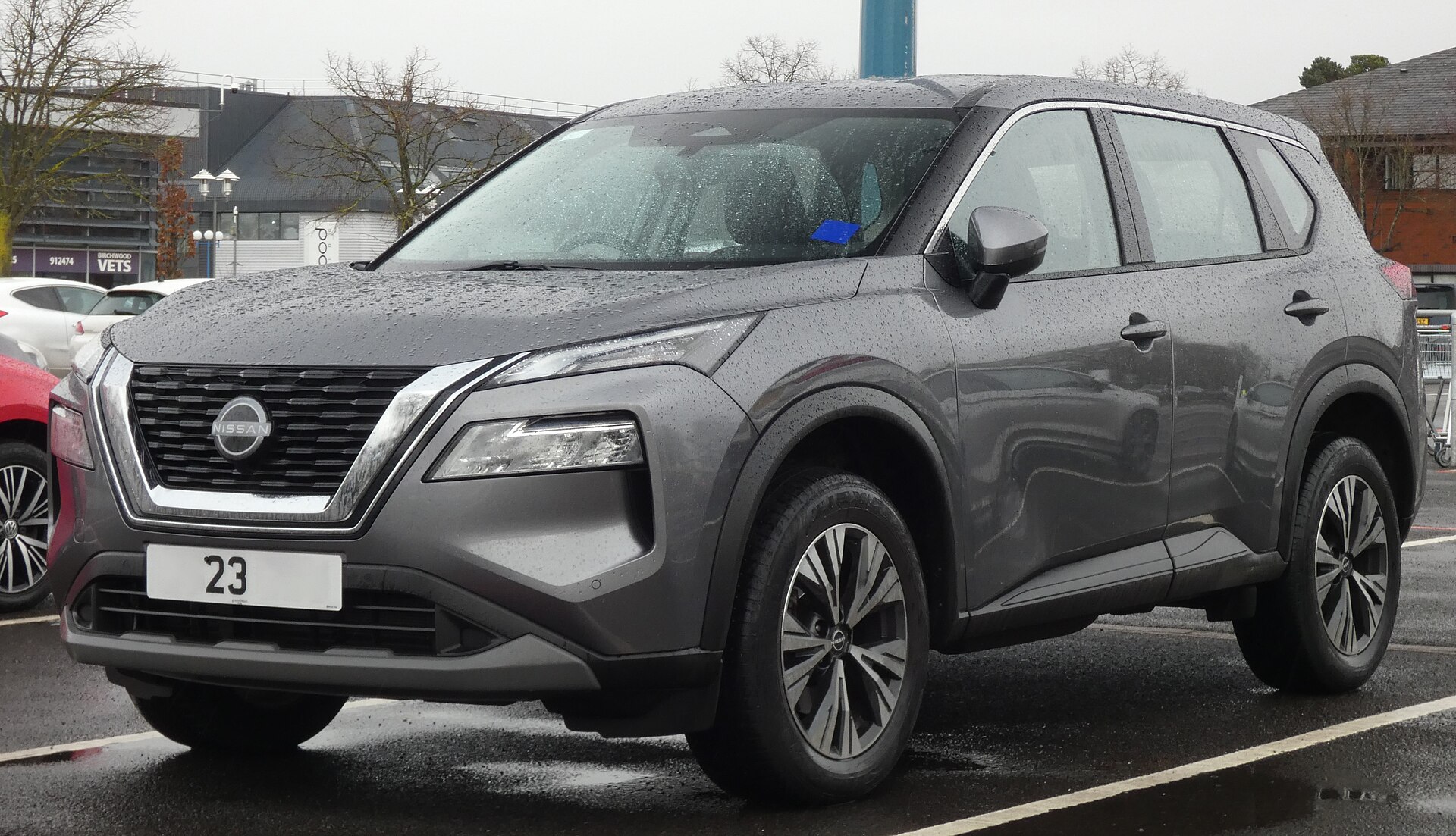
Predecessor X-Trail T31 (2007–2013) Successor X-Trail T33 (2020–present)


T32 and T33 overlapped in 2020–2022, so T33 sits on a second lane
Newest first · 4 generations since 2000
-
2020
-
2013
-
2007
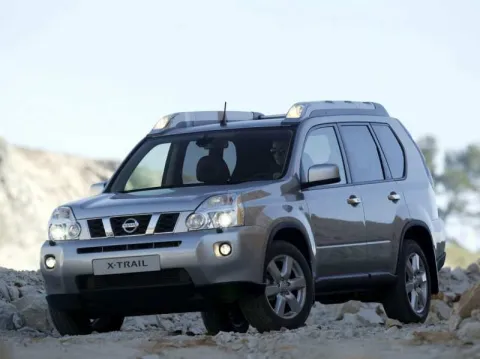 T31 2007–2013 · SUV · 104–127 kW (141–173 PS)
-
2000
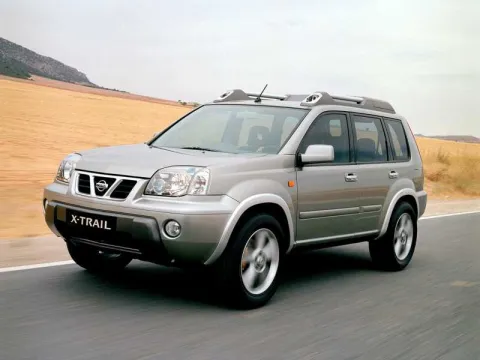 T30 2000–2007 · SUV · 84–206 kW (114–280 PS)
All generations by year: X-Trail T33 (2020–now) · X-Trail T32 (2013–2022) · X-Trail T31 (2007–2013) · X-Trail T30 (2000–2007)
Which T32 to buy
Our verdict · Sarah Whitmore
The right T32 depends mainly on mileage and whether you tow.
- High mileage or towing: the 2.0 dCi with a manual gearbox and 4WD, rated to tow 2,000 kg (4,409 lb) braked.
- Automatic with 4WD: only the 2.0 dCi Xtronic offers both, with a lower 1,650 kg (3,638 lb) towing limit.
- Short trips: a petrol, the 1.6 DIG-T or the later 1.3 DIG-T, avoids DPF problems.
- Newest tech: a 2019-on automatic with ProPILOT and the Euro 6d-Temp engines.
- Seven seats: fine for children; adults will find the third row tight, and boot space shrinks to 135 L (4.8 cu ft).
On any used car, check that the clutch bites cleanly, the brakes do not judder and the service history shows the DPF has been looked after. To compare with alternatives, browse Japanese SUVs, diesel SUVs or the full Nissan range.
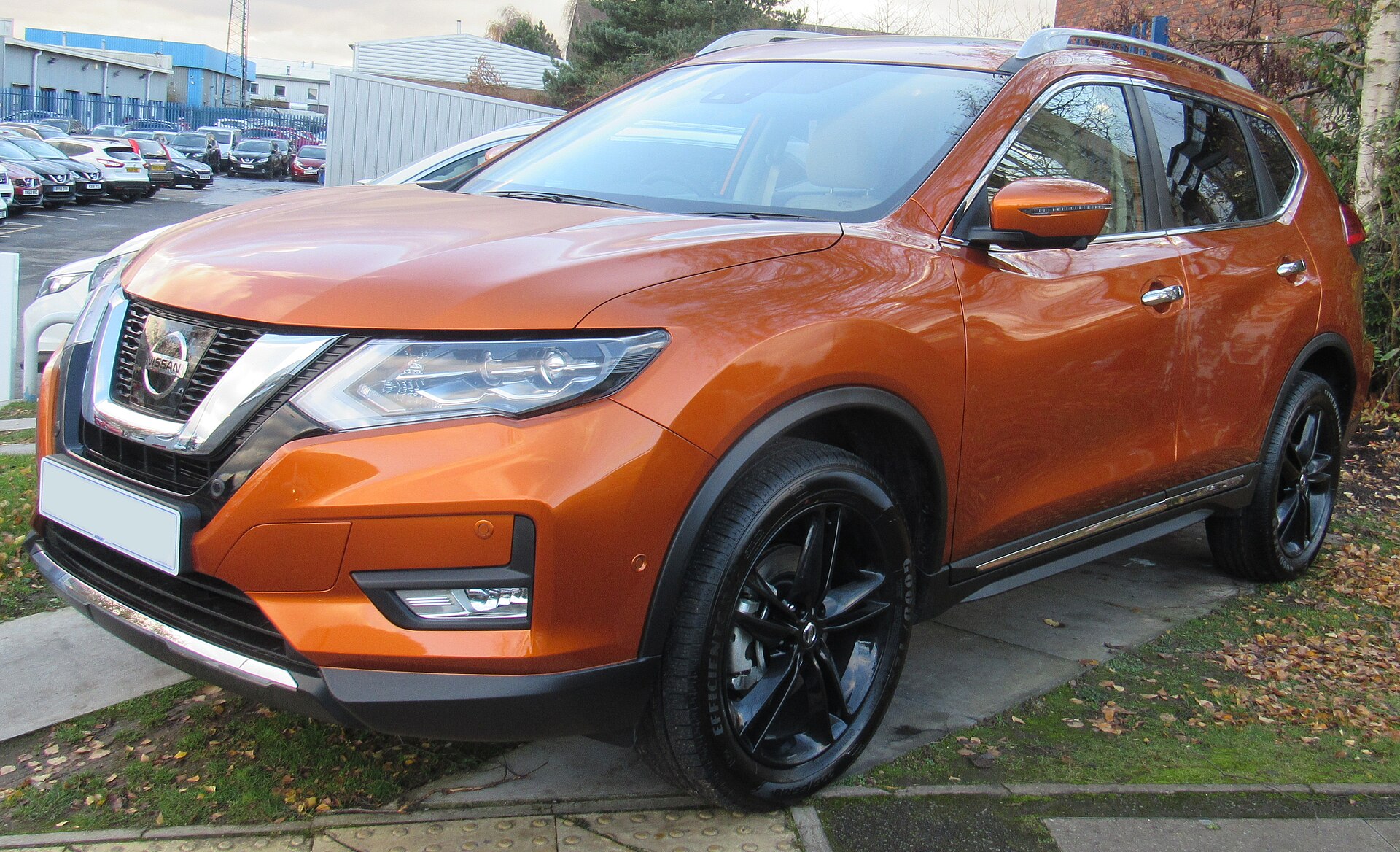
The Nissan X-Trail T32 is the third generation of the X-Trail, revealed at the 2013 Frankfurt Motor Show and sold in Europe from July 2014 until the T33 arrived in 2022. It swapped the boxy SUV shape for a crossover design, shares its platform with the Qashqai and added a seven-seat option. In North America the same car is the Nissan Rogue.
In short
- Nissan dates the T32 from 2013 to 2022; European sales began in July 2014.
- Five or seven seats; the third row is best kept for children, with 135 L (4.8 cu ft) of boot space behind it.
- European engines ran from the 1.6 dCi with 96 kW (130 PS) to the 2.0 dCi with 130 kW (177 PS), and were replaced in 2019 by a 1.7 dCi and a 1.3 DIG-T petrol.
- Euro NCAP awarded five stars in 2014.
Size at a glance
Toyota RAV4 XA40
The Nissan X-Trail T32 is 70 mm longer, 25 mm narrower and 40 mm taller than the Toyota RAV4 XA40.
| Dimensions | Nissan X-Trail T32 | Toyota RAV4 XA40 | Difference |
|---|---|---|---|
| Length | 4,640 mm182.7 in | 4,570 mm179.9 in | +70 mm+2.8 in |
| Width | 1,820 mm71.7 in | 1,845 mm72.6 in | −25 mm−1.0 in |
| Height | 1,710 mm67.3 in | 1,670 mm65.7 in | +40 mm+1.6 in |
| Wheelbase | 2,705 mm106.5 in | 2,660 mm104.7 in | +45 mm+1.8 in |
| Boot | 550 L19.4 cu ft | 506 L17.9 cu ft | +44 L+1.6 cu ft |
Mitsubishi Outlander GF
The Nissan X-Trail T32 is 15 mm shorter, 20 mm wider and 30 mm taller than the Mitsubishi Outlander GF.
| Dimensions | Nissan X-Trail T32 | Mitsubishi Outlander GF | Difference |
|---|---|---|---|
| Length | 4,640 mm182.7 in | 4,655 mm183.3 in | −15 mm−0.6 in |
| Width | 1,820 mm71.7 in | 1,800 mm70.9 in | +20 mm+0.8 in |
| Height | 1,710 mm67.3 in | 1,680 mm66.1 in | +30 mm+1.2 in |
| Wheelbase | 2,705 mm106.5 in | 2,670 mm105.1 in | +35 mm+1.4 in |
| Boot | 550 L19.4 cu ft | 591 L20.9 cu ft | −41 L−1.4 cu ft |
Nissan X-Trail T31
The Nissan X-Trail T32 is 30 mm wider and 10 mm taller than the Nissan X-Trail T31.
| Dimensions | Nissan X-Trail T32 | Nissan X-Trail T31 | Difference |
|---|---|---|---|
| Length | 4,640 mm182.7 in | 4,636 mm182.5 in | +4 mm+0.2 in |
| Width | 1,820 mm71.7 in | 1,790 mm70.5 in | +30 mm+1.2 in |
| Height | 1,710 mm67.3 in | 1,700 mm66.9 in | +10 mm+0.4 in |
| Wheelbase | 2,705 mm106.5 in | - | - |
| Boot | 550 L19.4 cu ft | - | - |
Running cost
Fuel · X-Trail T32 1.7 dCi 110 kW (150 PS) 4x4i Xtronic
about 1,500 EUR fuel a year at 15,000 km
6.0 l/100 km · diesel at 1.65 EUR/l · change mileage, fuel price or version
X-Trail T32 specs by version
Engines
| Version | Engine | Power | Torque | Gearbox | Drive | Production years |
|---|---|---|---|---|---|---|
| Diesel · 4 versions | ||||||
| 1.6 dCi 96 kW (130 PS) 2WD | 1.6 l · 4 cyl · Diesel R9M | 96 kW 131 PS129 hp | 320 Nm236 lb-ft | 6-sp Manual | Front-wheel drive | 2014–2017 |
| 1.6 dCi 96 kW (130 PS) 4x4i | 1.6 l · 4 cyl · Diesel R9M | 96 kW 131 PS129 hp | 320 Nm236 lb-ft | 6-sp Manual | All-wheel drive | 2014–2017 |
| 1.7 dCi 110 kW (150 PS) 4x4i Xtronic | 1.7 l · 4 cyl · Diesel R9N | 110 kW 150 PS148 hp | 340 Nm251 lb-ft | 6-sp CVT | All-wheel drive | 2019–2020 |
| 2.0 dCi 130 kW (177 PS) 4x4i Xtronic | 2.0 l · 4 cyl · Diesel M9R | 130 kW 177 PS174 hp | 380 Nm280 lb-ft | 6-sp CVT | All-wheel drive | 2016–2018 |
| Petrol · 3 versions | ||||||
| 1.3 DIG-T 116 kW (158 PS) DCT | 1.3 l · 4 cyl · Petrol HR13 | 116 kW 158 PS156 hp | 270 Nm199 lb-ft | 7-sp Dual-clutch | Front-wheel drive | 2021–2022 |
| 1.3 DIG-T 117 kW (160 PS) DCT | 1.3 l · 4 cyl · Petrol HR13 | 117 kW 159 PS157 hp | 270 Nm199 lb-ft | 7-sp Dual-clutch | Front-wheel drive | 2019–2020 |
| 1.6 DIG-T 120 kW (163 PS) | 1.6 l · 4 cyl · Petrol MR16 | 120 kW 163 PS161 hp | 240 Nm177 lb-ft | 6-sp Manual | Front-wheel drive | 2015–2018 |
| Other · 1 version | ||||||
| 1.3 DIG-T petrol | - | 118 kW 160 PS158 hp | - | Dual-clutch | Four-wheel drive (4×4) | - |
Performance
Show all 7 versions
| Version | 0–100 km/h | Top speed | Fuel consumption | CO₂ |
|---|---|---|---|---|
| Diesel · 4 versions | ||||
| 1.6 dCi 96 kW (130 PS) 2WD | 10.5 s 0–62 mph | 188 km/h117 mph | 4.9 l/100 km48.0 mpg US · 57.6 mpg UK | 129 g/km |
| 1.6 dCi 96 kW (130 PS) 4x4i | 11.0 s 0–62 mph | 186 km/h116 mph | 5.3 l/100 km44.4 mpg US · 53.3 mpg UK | 139 g/km |
| 1.7 dCi 110 kW (150 PS) 4x4i Xtronic | 12.7 s 0–62 mph | 190 km/h118 mph | 6.0 l/100 km39.2 mpg US · 47.1 mpg UK | 159 g/km |
| 2.0 dCi 130 kW (177 PS) 4x4i Xtronic | 10.0 s 0–62 mph | 196 km/h122 mph | 6.0 l/100 km39.2 mpg US · 47.1 mpg UK | 158 g/km |
| Petrol · 3 versions | ||||
| 1.3 DIG-T 116 kW (158 PS) DCT | 11.5 s 0–62 mph | 198 km/h123 mph | 6.4 l/100 km36.8 mpg US · 44.1 mpg UK | 145 g/km |
| 1.3 DIG-T 117 kW (160 PS) DCT | 11.5 s 0–62 mph | 198 km/h123 mph | 6.3 l/100 km37.3 mpg US · 44.8 mpg UK | 145 g/km |
| 1.6 DIG-T 120 kW (163 PS) | 9.7 s 0–62 mph | 200 km/h124 mph | 6.2 l/100 km37.9 mpg US · 45.6 mpg UK | 145 g/km |
Dimensions and weight
Show all 8 versions
| Version | Length | Width | Height | Wheelbase | Kerb weight | Boot | Fuel tank |
|---|---|---|---|---|---|---|---|
| Diesel · 4 versions | |||||||
| 1.6 dCi 96 kW (130 PS) 2WD | 4,640 mm182.7 in | 1,820 mm71.7 in | 1,710 mm67.3 in | 2,705 mm106.5 in | 1,580 kg3,483 lb | 550 l19.4 cu ft | 60 l15.9 gal US |
| 1.6 dCi 96 kW (130 PS) 4x4i | 4,640 mm182.7 in | 1,820 mm71.7 in | 1,710 mm67.3 in | 2,705 mm106.5 in | 1,655 kg3,649 lb | 550 l19.4 cu ft | 60 l15.9 gal US |
| 1.7 dCi 110 kW (150 PS) 4x4i Xtronic | 4,690 mm184.6 in | 1,820 mm71.7 in | 1,700 mm66.9 in | 2,705 mm106.5 in | 1,775 kg3,913 lb | 550 l19.4 cu ft | 60 l15.9 gal US |
| 2.0 dCi 130 kW (177 PS) 4x4i Xtronic | 4,640 mm182.7 in | 1,820 mm71.7 in | 1,710 mm67.3 in | 2,705 mm106.5 in | 1,665 kg3,671 lb | 550 l19.4 cu ft | 60 l15.9 gal US |
| Petrol · 3 versions | |||||||
| 1.3 DIG-T 116 kW (158 PS) DCT | 4,690 mm184.6 in | 1,820 mm71.7 in | 1,710 mm67.3 in | 2,705 mm106.5 in | 1,557 kg3,433 lb | 565 l20.0 cu ft | 60 l15.9 gal US |
| 1.3 DIG-T 117 kW (160 PS) DCT | 4,690 mm184.6 in | 1,820 mm71.7 in | 1,710 mm67.3 in | 2,705 mm106.5 in | 1,560 kg3,439 lb | 550 l19.4 cu ft | 60 l15.9 gal US |
| 1.6 DIG-T 120 kW (163 PS) | 4,640 mm182.7 in | 1,820 mm71.7 in | 1,710 mm67.3 in | 2,705 mm106.5 in | 1,505 kg3,318 lb | 550 l19.4 cu ft | 60 l15.9 gal US |
| Other · 1 version | |||||||
| 1.3 DIG-T petrol | - | - | - | - | - | 135 l4.8 cu ft | - |
Verified Manufacturer and type-approval data from our catalog · Sources and methodology
What changed from the T31
The T32 is a different kind of car from the square-rigged T31. Nissan moved the X-Trail towards an urban crossover look inspired by its Hi-Cross concept, and used it to replace two models at once: the old X-Trail and the seven-seat Qashqai+2. Since this generation, the X-Trail and the North American Rogue have been the same vehicle.
The platform changed to CMF-CD, shared with the Nissan Qashqai and the Renault Koleos. Unlike the Qashqai, every X-Trail has a multi-link rear suspension rather than a torsion beam. The body is lighter than its size suggests; the tailgate is largely plastic, which saves 7 kg, and UK reviewers reported that Nissan had taken around 90 kg out of the kerb weight compared with the old car.
Engines changed completely. The T31's 2.0 dCi gave way at launch to a smaller Renault-sourced 1.6 dCi, and automatic versions switched to the Xtronic CVT. The overview of all X-Trail generations sets the T32 against the T31 before it and the T33 after it.
Design, cabin and technology
UK road tests found the T32's cabin a clear step up in quality over the T31. The rear doors open to 80 degrees, the second row slides, and the boot has a split cargo area with an adjustable shelf. A powered tailgate was available.
Infotainment is NissanConnect, with a 7-inch touchscreen and a 5-inch display between the dials. Three chassis aids were offered:
- Active Ride Control applies small brake inputs to reduce body pitch over bumps.
- Active Trace Control brakes individual wheels to reduce understeer in corners.
- Active Engine Brake adds engine braking through the Xtronic gearbox, which helps when slowing down or towing.
In the UK, the launch trims were Visia, Acenta, Acenta+, N-Tec and Tekna; N-Connecta followed in mid-2017 alongside a mild facelift with small cosmetic changes inside and out. ProPILOT, Nissan's single-lane motorway assistant that can steer, accelerate and brake, became available on automatic cars with the 2019 engine update. Nissan also presented special versions of the Qashqai and X-Trail in 2016.
Engines and drivetrains
European T32s went through three engine line-ups: the 1.6 engines at launch, the 2.0 dCi added for 2017 and the 2019 update. Outputs are given in kW first, with the PS figure quoted by Nissan.
| Engine | Period | Power | Torque | Gearbox | Drive |
|---|---|---|---|---|---|
| 1.6 dCi (R9M) | from 2014 | 96 kW (130 PS) | 320 Nm (236 lb-ft) | 6-speed manual or Xtronic CVT | 2WD or 4WD |
| 1.6 DIG-T petrol (MR16DDT) | added after launch | 120 kW (163 PS) | 240 Nm (177 lb-ft) | 6-speed manual | 2WD |
| 2.0 dCi (M9R) | from early 2017 | 130 kW (177 PS) | 380 Nm (280 lb-ft) | 6-speed manual (4WD) or Xtronic CVT (2WD or 4WD) | 2WD or 4WD |
| 1.7 dCi | from 2019 | 110 kW (150 PS) | not stated by Nissan | 6-speed manual | 2WD or 4WD |
| 1.3 DIG-T petrol | from 2019 | 118 kW (160 PS) | not stated by Nissan | dual-clutch automatic (DCT) | 2WD |
The 2.0 dCi brought the first X-Trail combination of four-wheel drive and an automatic gearbox in this generation. Nissan quoted 5.6 L/100 km and 149 g/km for the manual 4WD and 6.0 L/100 km and 158 g/km for the CVT 4WD on 17-inch wheels (NEDC). The 1.6 dCi with CVT is listed at 0–100 km/h in 11.4 seconds and 5.1–5.3 L/100 km (44.4–46.1 mpg US), and the 1.6 DIG-T at 9.7 seconds and 200 km/h (124 mph).
The 2019 engines meet Euro 6d-Temp. On the WLTP cycle the 1.7 dCi is rated at 6.5–6.8 L/100 km with 2WD and 6.7–7.1 L/100 km with 4WD; the 1.3 DIG-T at 8.1–8.5 L/100 km.
All-Mode 4x4-i is selected with a rotary switch. In Auto mode the system sends torque to the rear wheels when it detects slip, up to about 80 km/h (50 mph). Lock mode holds a fixed split for low-speed driving on loose or slippery ground.
Dimensions and capacities
The table covers the European five- and seven-seat T32. Length, width and wheelbase agree across sources; the height is quoted as 1,710 or 1,715 mm.
| Parameter | Metric | Imperial |
|---|---|---|
| Length | 4,640 mm | 182.7 in |
| Width | 1,820 mm | 71.7 in |
| Height | 1,710–1,715 mm | 67.3–67.5 in |
| Wheelbase | 2,705 mm | 106.5 in |
| Boot, 5 seats | 550 L | 19.4 cu ft |
| Boot, 7 seats (third row folded) | 445 L | 15.7 cu ft |
| Boot, 7 seats (third row up) | 135 L | 4.8 cu ft |
| Maximum load space | 1,982 L | 70.0 cu ft |
| Kerb weight | 1,540–1,680 kg | 3,395–3,704 lb |
| Braked towing, 2.0 dCi manual | 2,000 kg | 4,409 lb |
| Braked towing, 2.0 dCi Xtronic | 1,650 kg | 3,638 lb |
Safety: Euro NCAP 2014
Euro NCAP gave the T32 five stars in 2014, testing a 1.6 dCi in Acenta trim. The category scores usually quoted are 86% for adult occupants, 83% for child occupants, 75% for pedestrians and 75% for safety assist. Nissan highlighted maximum points in the bumper and leg-impact tests.
The 2014 result predates several newer Euro NCAP tests, so it is not directly comparable with the T33's 2022 rating. Later T32s with ProPILOT add more driver assistance than the car that was tested.
Reliability and known issues
UK buying guides give the T32 a middling reliability reputation. The problems they report most often are:
- DPF clogging on diesels used mainly for short trips.
- Warped brake discs, felt as vibration under braking.
- Premature clutch failure on manual cars.
- Stalling caused by a faulty camshaft sensor.
The Xtronic CVT is criticised more for how it drives than for failures: road testers found it artificial at times, and the car itself understeers and rolls more than sharper rivals. No large independent survey ranks the T32 against other generations, so treat these as items to check rather than failure rates.
Did you know?
- The X-Trail T32 is generation 3 of 4 of the Nissan X-Trail in our catalog.
- The X-Trail T32 offers up to 130 kW (177 PS) - 3 kW more than the X-Trail T31 (2007–2013) (+2%).
- At up to 4,690 mm long, it is 54 mm longer than the X-Trail T31 (2007–2013).
- Built for 9 years (2013–2022), it is the longest-running of the 4 generations in our catalog.
Image credits · Photos from Wikimedia Commons under free licences
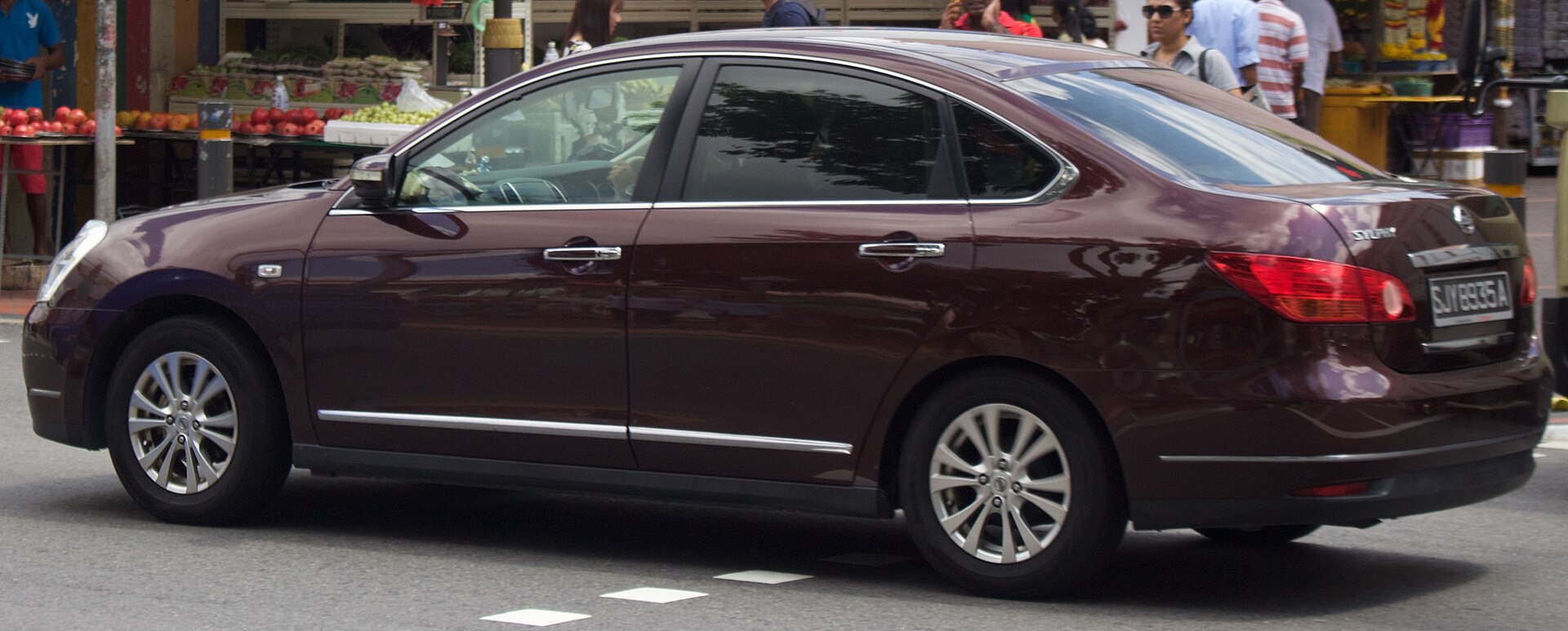
- Nissan X-Trail T30 · Photo: Vauxford / Wikimedia Commons, CC BY-SA 4.0
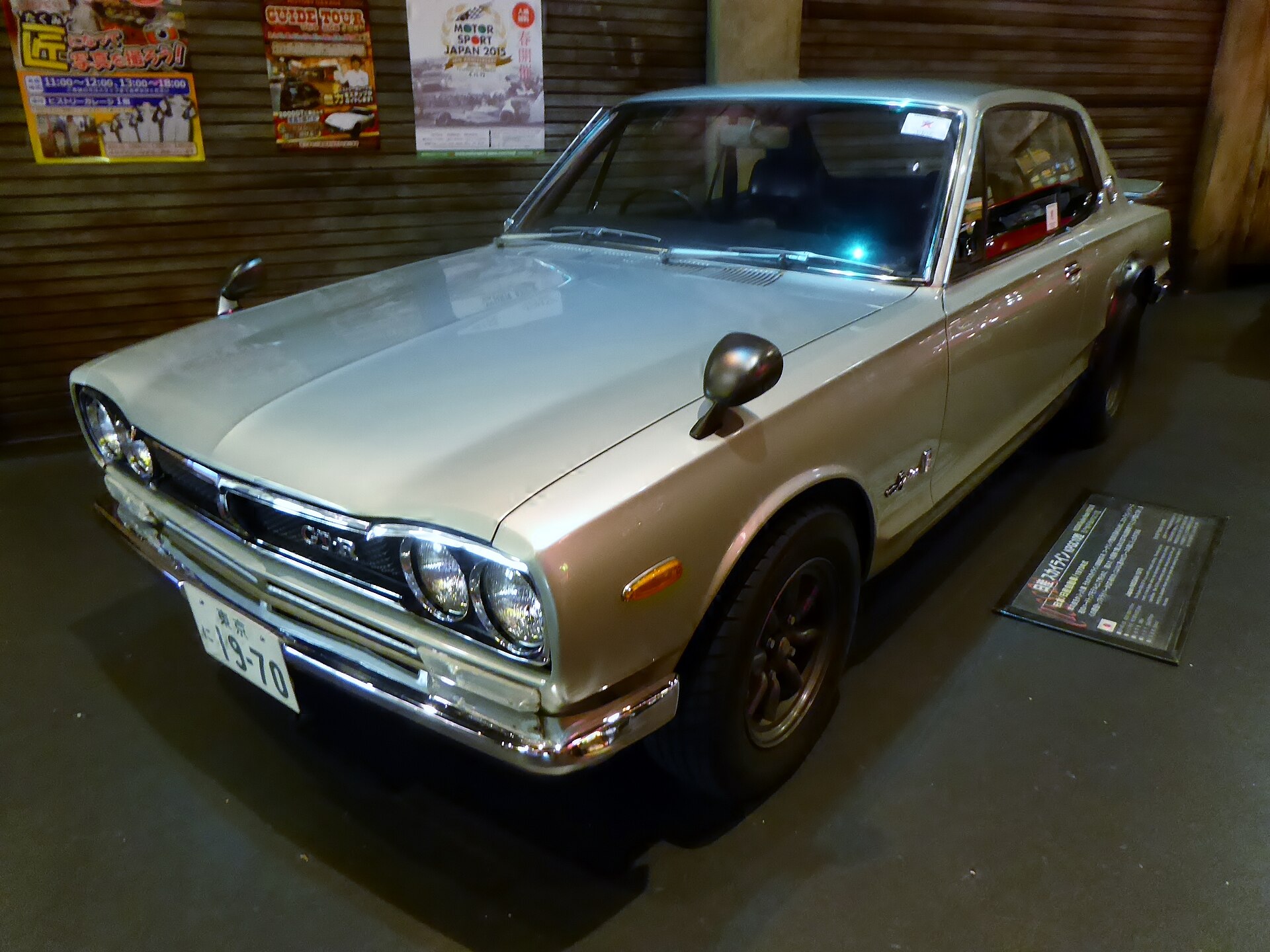
- Nissan X-Trail T31 · Photo: Hatsukari715 / Wikimedia Commons, Public domain
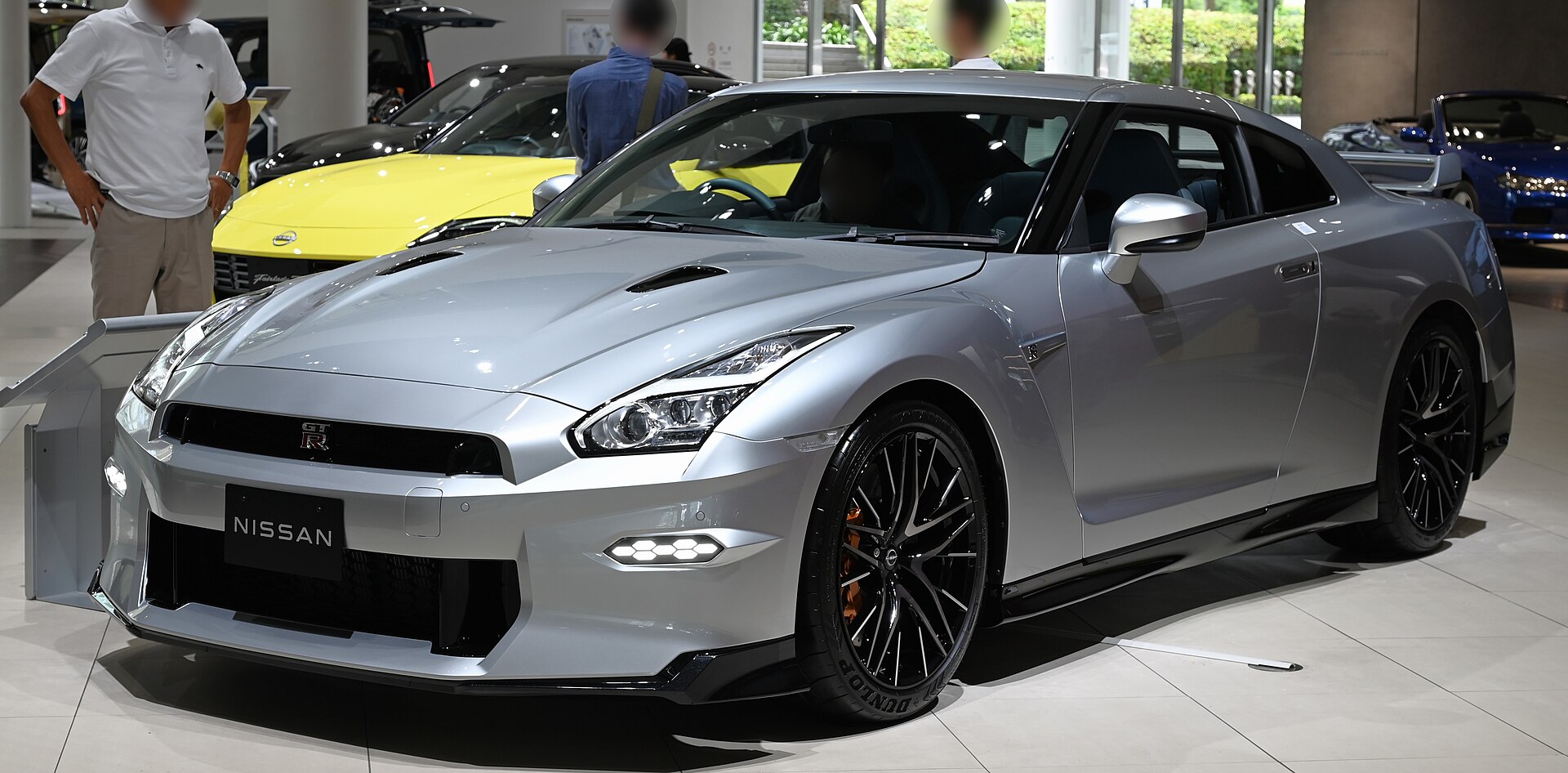
- Nissan X-Trail T32 · Photo: Vauxford / Wikimedia Commons, CC BY-SA 4.0
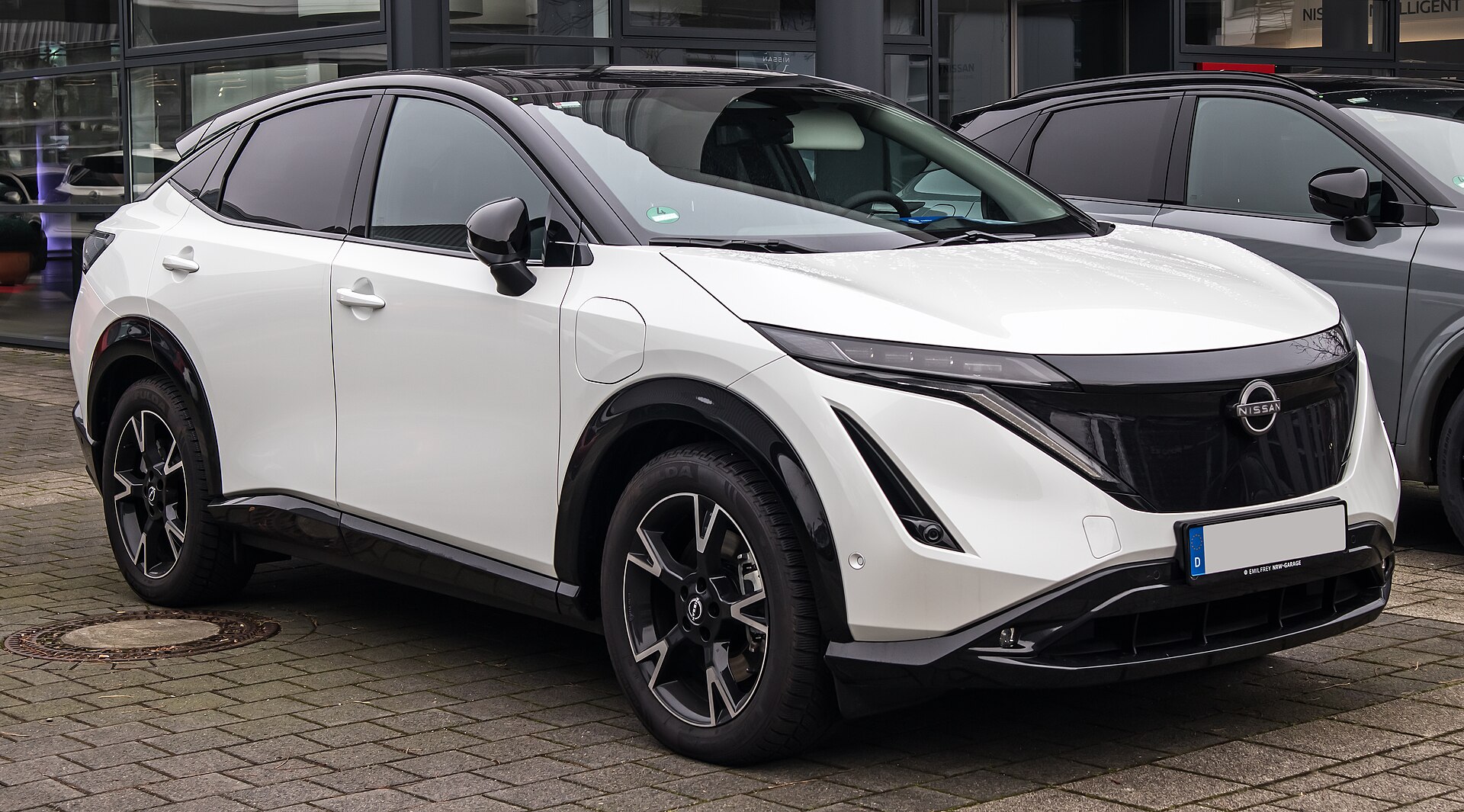
- Nissan X-Trail T33 · Photo: Harvey Bold / Wikimedia Commons, CC BY 4.0
T32 rivals
-
In production
- Years
- 1994–present
- Body
- Convertible, SUV
- Fuel
- Petrol, Diesel, Hybrid
- Power
- 91–145 kW (124–197 PS)
6 generations
- XA10
- XA20
- XA30
- XA40
- XA50
- XA60
-
In production
- Years
- 1995–present
- Body
- SUV
- Fuel
- Petrol, Diesel, Hybrid
- Power
- 88–140 kW (120–190 PS)
6 generations
- I
- II
- III
- IV
- CR-V
- VI
-
In production
- Years
- 2001–present
- Body
- SUV
- Fuel
- Petrol, Diesel, Plug-in hybrid
- Power
- 100–225 kW (136–306 PS)
-
In production
- Years
- 1993–present
- Body
- Convertible, SUV
- Fuel
- Petrol, Diesel, Hybrid
- Power
- 61–195 kW (83–265 PS)


FAQ
What years is the Nissan X-Trail T32?
Nissan dates the T32 from 2013 to 2022. It was revealed at Frankfurt in 2013, went on sale in Japan in December 2013 and in Europe in July 2014, and was replaced in Europe by the T33 in 2022.
Is the X-Trail T32 a 7-seater?
It is available with five or seven seats. The third row suits children best, and with it in use boot space is only 135 L (4.8 cu ft); with five seats the boot holds 550 L (19.4 cu ft).
Which engines are in the X-Trail T32?
In Europe: 1.6 dCi with 96 kW (130 PS), 1.6 DIG-T with 120 kW (163 PS) and 2.0 dCi with 130 kW (177 PS), then from 2019 a 1.7 dCi with 110 kW (150 PS) and a 1.3 DIG-T with 118 kW (160 PS).
Is the X-Trail T32 reliable?
UK buying guides rate it as average. Typical faults are DPF clogging on short-trip diesels, warped brake discs, clutch wear and stalling from a faulty camshaft sensor.
Is the Nissan X-Trail T32 the same as the Rogue?
Yes. From this generation the X-Trail and the North American Rogue are the same vehicle, although engines and equipment differ by market.
Data sources
Data checked by an editor against the sources below.
- The text of this article (1cars archive)
- Wikipedia - Nissan X Trail
- Motor1 - Nissan X Trail 2022 Vorstellung
- ADAC
- Euro NCAP - D1c3682e 20ce 4003 Bd02 1e7d08864387