 Mitsubishi Outlander PHEV (2013–2021)
Specs, engines, safety and known problems
Published Sources (5) Report an error
By Sarah Whitmore, Senior Automotive Writer Reviewed by Felix Hartmann
- Power
- 60–147 kW (82–200 PS)
- Euro NCAP
- 5 stars · 2013
- Boot
- 463 l
- Generation
- 4 of 5
Model timeline
Where the PHEV sits in the Outlander story
Predecessor Outlander GF (2012–2021) Successor Outlander GN (2021–present)
CU and CW overlapped in 2005–2006, so CW sits on a second lane
Newest first · 5 generations since 2001
-
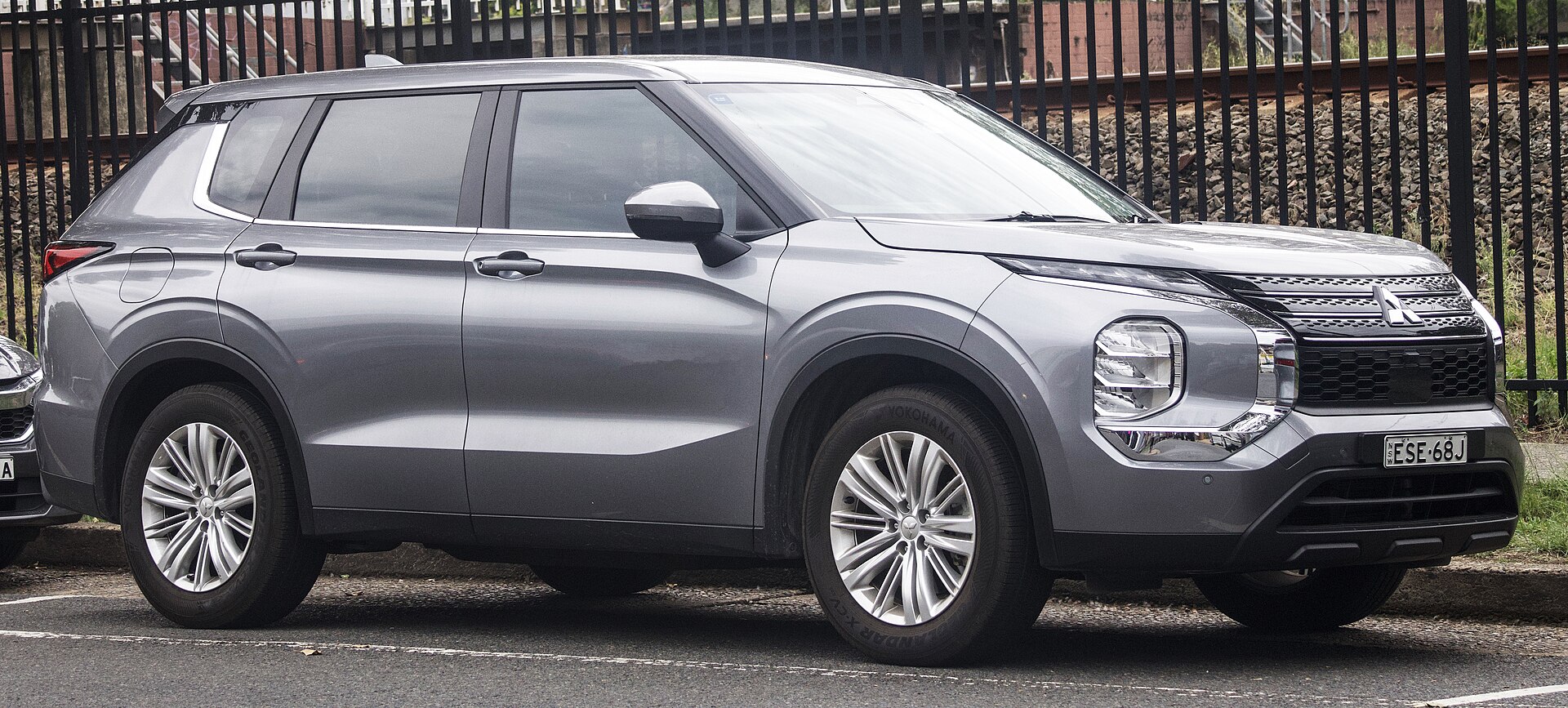
2021
-
2013
-
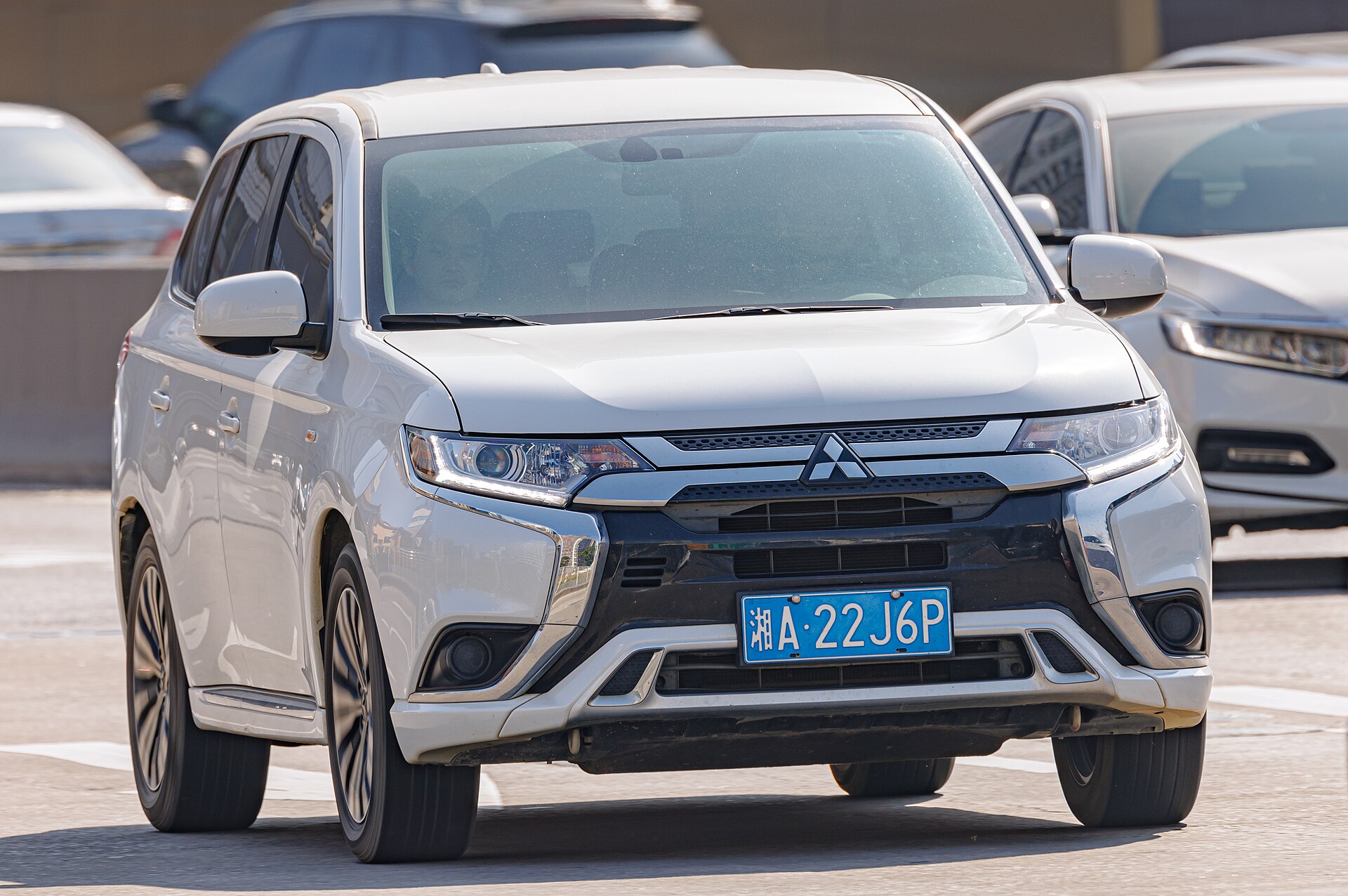
2012
-
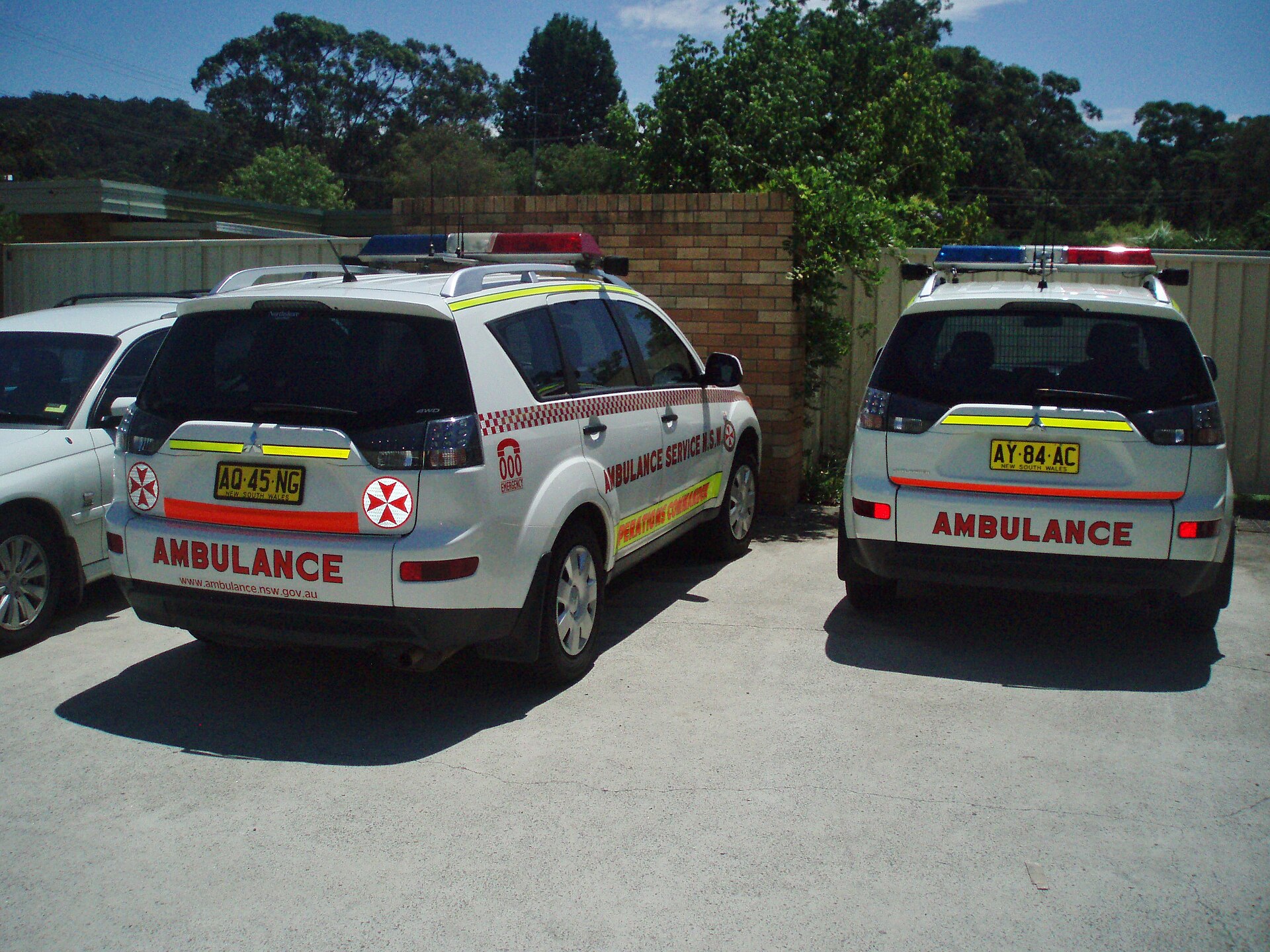
2005
-
2001
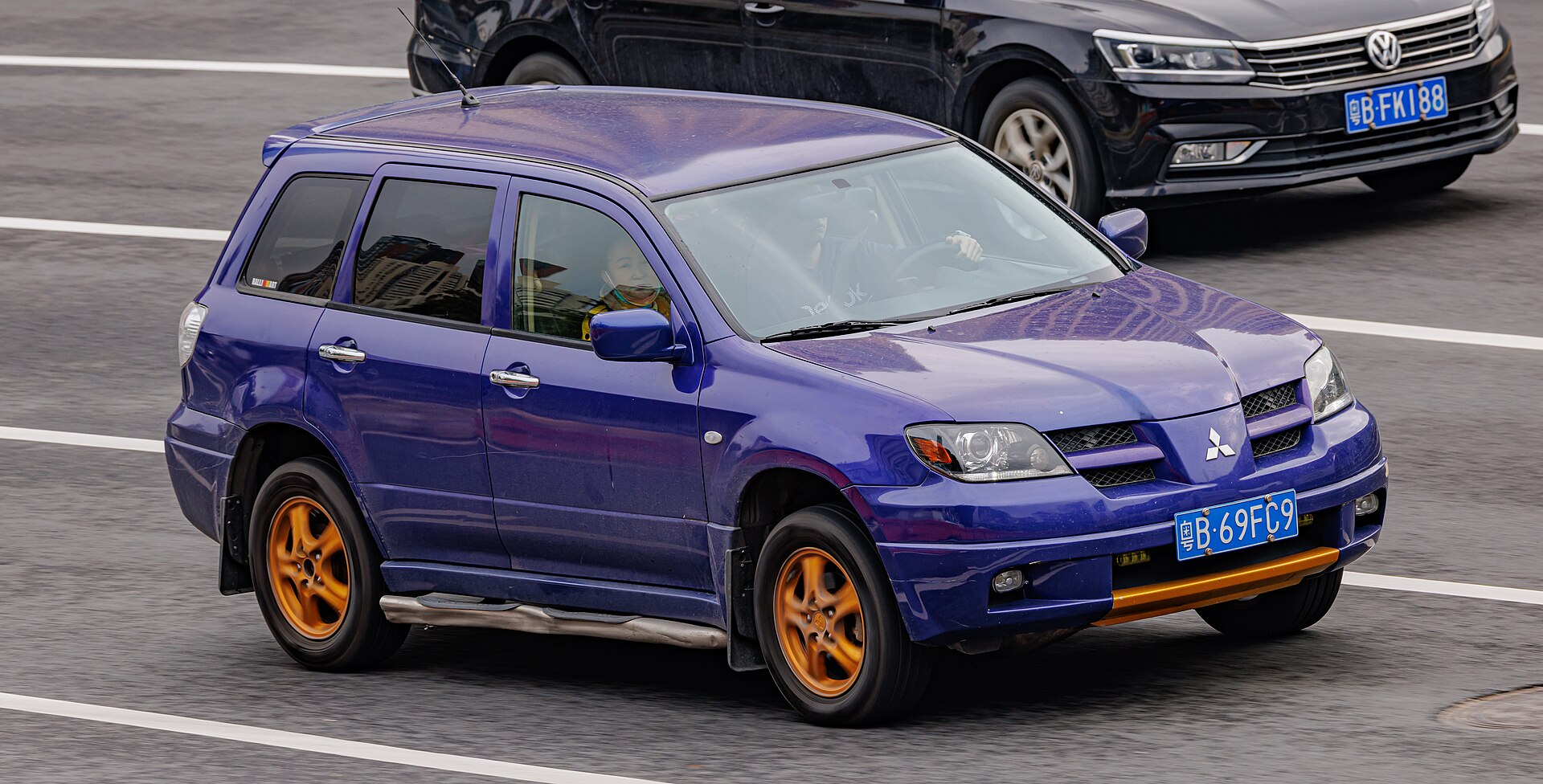


All generations by year: Outlander GN (2021–now) · Outlander PHEV (2013–2021) · Outlander GF (2012–2021) · Outlander CW (2005–2012) · Outlander CU (2001–2006)
The first Mitsubishi Outlander PHEV is the plug-in hybrid version of the third-generation Outlander, sold from January 2013 in Japan and from late 2013 in Europe. It pairs a petrol engine with two electric motors, one on each axle, and became the world's best-selling plug-in hybrid in 2014. A 2018 update brought a 2.4-litre engine and a larger battery.
In short
- Plug-in hybrid SUV with two 60 kW electric motors at launch, a 2.0 petrol engine and a 12 kWh battery.
- The 2018 update (2019 model year) moved to a 2.4 petrol, a 70 kW rear motor and a 13.8 kWh battery.
- Euro NCAP tested it in 2013 and awarded five stars: 88% adult, 84% child, 64% pedestrian, 81% safety assist.
- Five seats only, 463 L of boot space in UK data and a 1,500 kg (3,307 lb) braked towing limit.
Outlander PHEV specs by version
Engines
Performance
Dimensions and weight
Show all 4 versions
| Version | Kerb weight | Boot |
|---|---|---|
| Plug-in hybrid · 1 version | ||
| 2.0 PHEV | — | — |
| Petrol · 1 version | ||
| 70 kW (95 PS) SUV | 1,810 kg3,990 lb | 463 l16.4 cu ft |
| Other · 2 versions | ||
| 2013–2018 | 1,810 kg3,990 lb | 463 l16.4 cu ft |
| 2018–2021 | 1,810 kg3,990 lb | 463 l16.4 cu ft |
Verified Manufacturer and type-approval data from our catalog · Sources and methodology
Safety
-
Euro NCAP 2013
Older protocol · Full Euro NCAP result
-
NHTSA 2020
US NCAP (NHTSA)
Stars from different years and organisations are not directly comparable: test protocols change every few years.
Why the PHEV gets its own page
The PHEV shares its body with the regular GF Outlander, but it drives, charges and is bought for different reasons. Mitsubishi showed the production version at the 2012 Paris Motor Show and started Japanese sales in late January 2013. Europe saw the car at the Geneva show in March 2013, and Wikipedia records the first retail deliveries in October 2013 in the Netherlands, followed by the Nordic countries. German sources give spring 2014 for their market, so dates vary by country.
Other markets waited longer. Australian sales slipped from a planned June 2013 to 2014, and the US launch was pushed back several times, which Wikipedia links to California's rules on battery monitoring. Japanese production was at the Okazaki (Nagoya) plant, with a second source of PHEVs later in Thailand. The Outlander overview covers the petrol and diesel GF alongside the other three generations.
How the twin-motor plug-in system works
The system is built around two electric motors rather than one motor bolted to a gearbox. Each axle has its own 60 kW permanent-magnet motor; the front unit is a more powerful development of the motor used in the i-MiEV city car. There is no propshaft, so the rear wheels are always driven electrically, and four-wheel drive comes from the two motors working together.
The car switches between three operating states on its own:
- EV Drive: the battery powers both motors, and the engine stays off.
- Series Hybrid: the petrol engine runs a generator that feeds the motors and tops up the battery, without driving the wheels.
- Parallel Hybrid: the engine drives the front wheels directly through a fixed ratio, with the motors assisting.
Buttons labelled Battery Save and Battery Charge let the driver hold the charge for later or use the engine to rebuild it, and an ECO button softens the response. Regeneration strength is chosen with the steering-wheel paddles or the B position of the selector.
The original lithium-ion pack holds 12 kWh in 80 cells connected in series, supplied by GS Yuasa and fitted under the floor. Its NEDC electric range is 52.3 km (32.5 mi), while Japan's JC08 test gave 60 km (37 mi). Electric-only driving was possible up to 120 km/h (75 mph). Combined system output is quoted differently in English and German sources, so we leave it out.
Charging times
From a standard household socket a flat battery takes about five hours to fill, and a dedicated wallbox or public AC point cuts that to around 3.5 hours. The CHAdeMO rapid-charging socket takes the pack to 80% in roughly 25 minutes.
Powertrain versions, 2013 to 2021
Two versions of the PHEV system were sold. The table lists component outputs because the combined figures are not consistent between sources.
| Version | Petrol engine | Front motor | Rear motor | Battery | EV range | EV top speed |
|---|---|---|---|---|---|---|
| 2013–2018 | 2.0 MIVEC four-cylinder | 60 kW (82 PS) | 60 kW (82 PS) | 12 kWh | 52.3 km (32.5 mi) NEDC | 120 km/h (75 mph) |
| 2018–2021 | 2.4 four-cylinder, about 99 kW (135 PS), 211 Nm (156 lb-ft) | 60 kW (82 PS) | 70 kW (95 PS) | 13.8 kWh | 65 km (40 mi) NEDC; 45 km (28 mi) WLTP | 135 km/h (84 mph) |
German data puts the 2.4 version's system output at 165 kW (224 PS) and lists its build period as September 2018 to March 2022, slightly beyond the 2021 end date used in our catalogue.
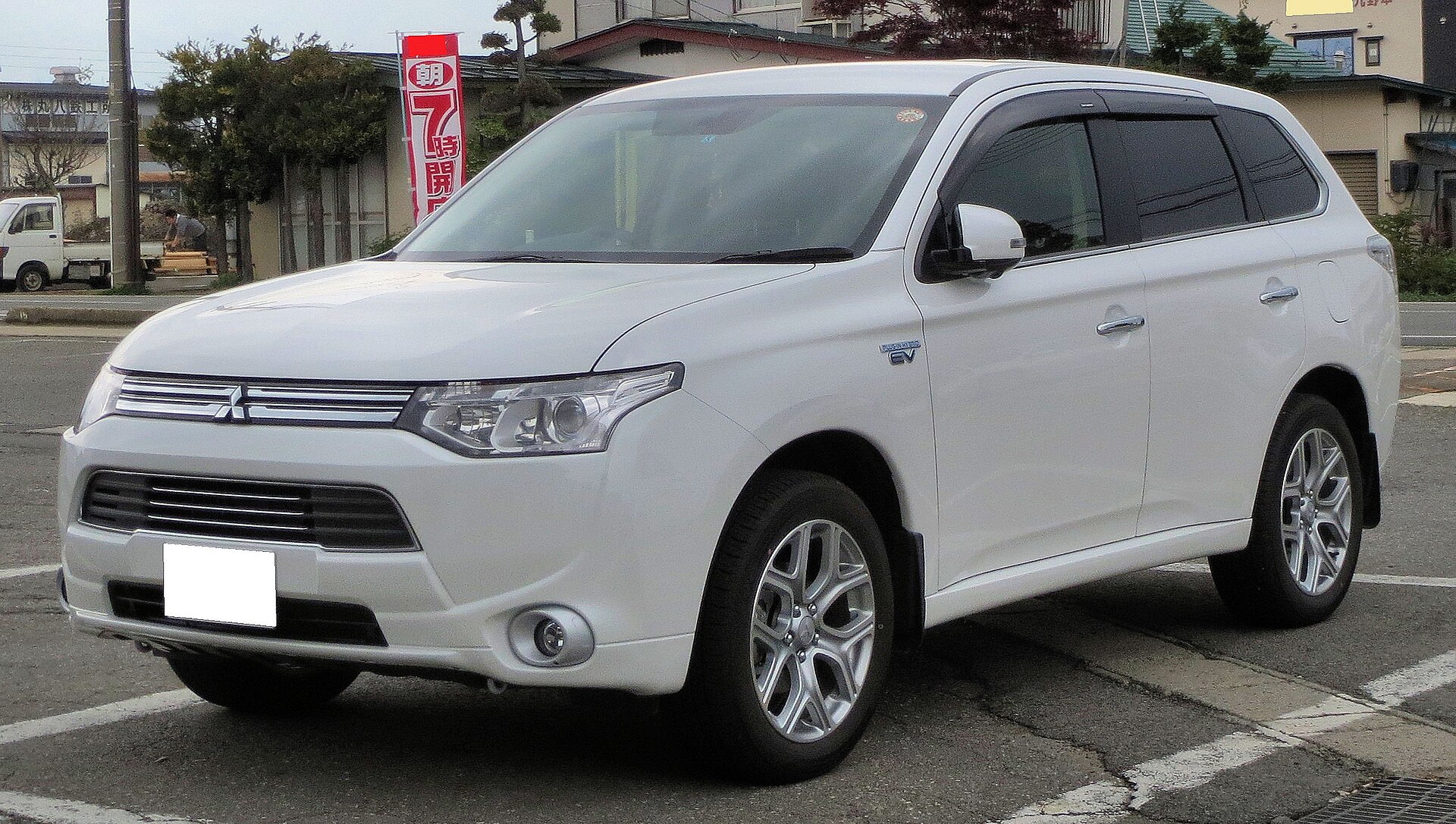
The 2018 update also added Sport and Snow drive modes, revised the suspension to improve the low-speed ride and changed the look with a honeycomb grille, new headlights, a roof spoiler and two-tone 18-inch wheels. Inside came better front seats and a revised instrument cluster. In the UK it was launched in 2018 in Juro, 4h and 4hs trims. Earlier, the 2015 facelift had given the PHEV the same Dynamic Shield front as the rest of the range.
Real-world economy
Official figures assume frequent charging. On WLTP the 2.4 is rated at 139 mpg (2.0 L/100 km), and UK sources quote 40 to 46 g/km of CO2. Auto Express warns that a PHEV driven on petrol alone often returns less than 30 mpg (9.4 L/100 km), so the car makes financial sense only for owners who plug in regularly.
Dimensions, weight and practicality
The PHEV uses the GF body, but the battery changes the packaging. It was sold with five seats only, and the boot is smaller than in petrol models.
| Parameter | Metric | Imperial |
|---|---|---|
| Length | 4,655 mm | 183.3 in |
| Width | 1,800 mm | 70.9 in |
| Wheelbase | 2,670 mm | 105.1 in |
| Kerb weight (2013 Euro NCAP test car) | 1,810 kg | 3,990 lb |
| Boot, seats up (UK data) | 463 L | 16.4 cu ft |
| Braked towing (UK data) | 1,500 kg | 3,307 lb |
| Battery, 2013–2018 / 2018–2021 | 12 / 13.8 kWh | 12 / 13.8 kWh |
| Seats | 5 | 5 |
The weight shows on the road. UK testers found the ride firm and unsettled over large bumps in town, and the engine noisy when worked hard. A van-style Outlander PHEV Commercial was also sold in the UK for business users.
Euro NCAP 2013 result for the PHEV
Euro NCAP rated the Outlander PHEV separately from the diesel GF and published its result in 2013. The test car was a left-hand-drive 2.0 PHEV Intense+ weighing 1,810 kg (3,990 lb), and it earned five stars.
| Area | Score | Points and details |
|---|---|---|
| Adult occupant | 88% | 32 points; 13.7 in the frontal offset test and the full 8 in the side barrier test |
| Child occupant | 84% | 41 points; 12 for the 18-month dummy and 10.3 for the 3-year dummy |
| Pedestrian | 64% | 23 points; 17.1 for the head area, 6 for the legs, 0 for the pelvis area |
| Safety assist | 81% | 7 points; stability control, seat-belt reminders and speed limiter all passed |
Frontal and side airbags for both front occupants, side curtain airbags and a driver's knee airbag were fitted, and the passenger airbag can be switched off for a rear-facing child seat. This 2013 rating applies to the PHEV of that year and is not comparable with scores under the stricter protocols Euro NCAP uses today.
Known issues, warranty and running costs
The PHEV's history includes two well-documented events, and neither points to a widespread mechanical weakness.
- Battery overheating, 2013: in March 2013 a pack overheated at a Yokohama dealership and some cells melted. Nobody was injured. There was no formal recall, but Mitsubishi stopped production and sales, advised about 4,000 owners to drive on petrol only and restarted on 19 August 2013 after changing a production process.
- Remote-control app, 2016: researchers found that the car's own Wi-Fi link to the phone app could be attacked; read how hackers targeted the Outlander for the details.
- Warranty (UK): five years or 62,500 miles for the car and eight years or 100,000 miles (161,000 km) for the battery.
- Servicing (UK): every 12 months or 12,500 miles (about 20,000 km).
Auto Express expected a PHEV to keep about 29–35% of its value after three years and 36,000 miles (58,000 km).
Which Outlander PHEV to look for
Sales were strong enough to give buyers real choice: about 31,136 worldwide in 2014 and around 42,400 in 2015, when the PHEV made up almost a quarter of all Outlander sales. Europe reached 100,000 by January 2018.
- Longest electric range: a 2018–2021 car with the 2.4 engine and 13.8 kWh battery.
- Lowest price: an early 2.0 car, but ask for battery health data and proof that the 2013 service actions were completed.
- Towing: stick to 1,500 kg (3,307 lb) braked; for heavier loads a diesel Outlander is the better fit.
- No home charging: consider a different car; petrol-only economy is poor.
Mitsubishi's later Eclipse Cross is the smaller alternative. Browse other Japanese SUVs or 4x4 and all-wheel-drive cars for a wider shortlist.
Did you know?
- The Outlander PHEV is generation 4 of 5 of the Mitsubishi Outlander in our catalog.
- The Outlander PHEV offers up to 147 kW (200 PS) — 18 kW less than the Outlander GF (2012–2021) (−11%).
- Its lightest version weighs 1,810 kg, 315 kg more than in the Outlander GF (2012–2021).
Image credits · Photos from Wikimedia Commons under free licences
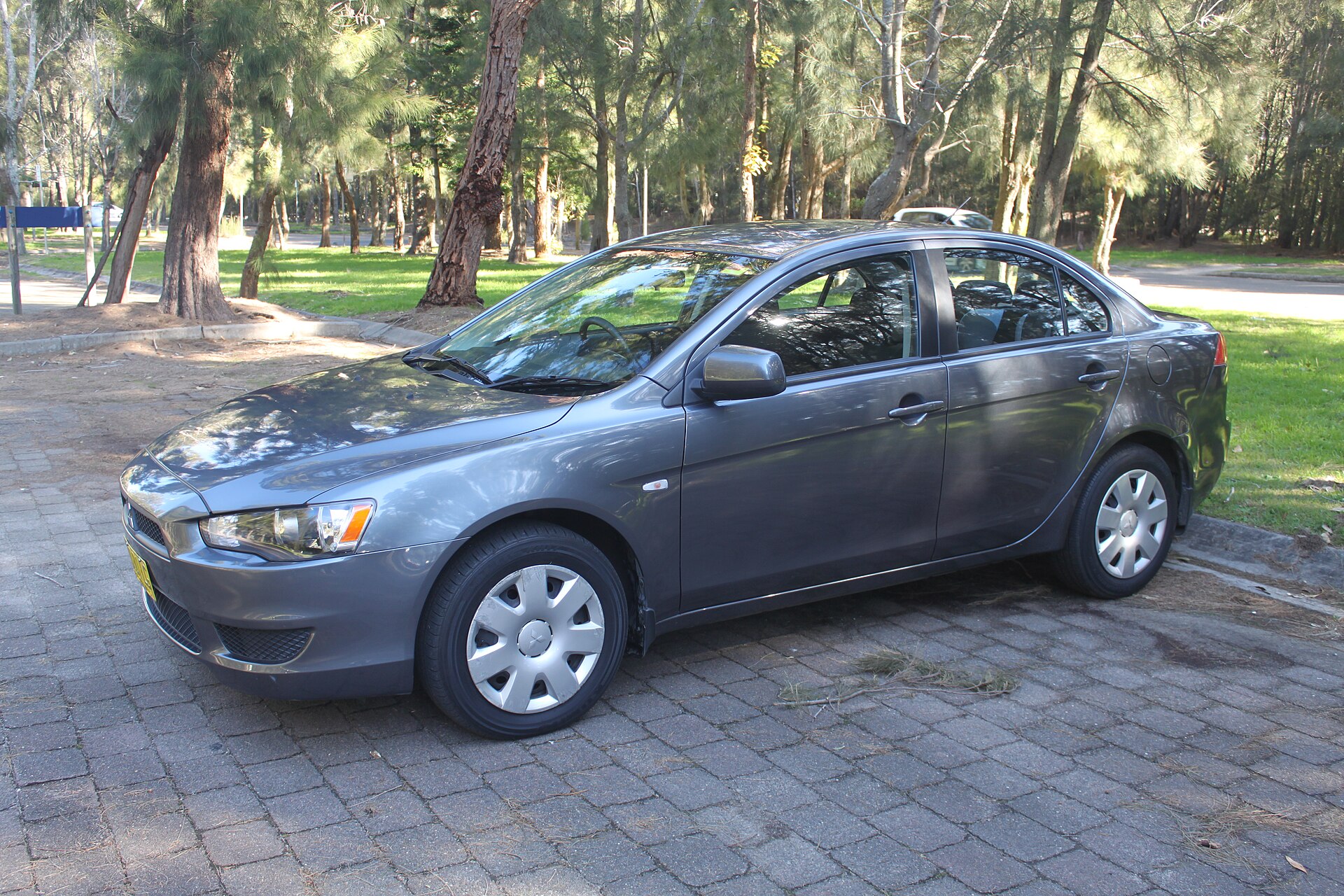
- Mitsubishi Outlander CU · Photo: Dinkun Chen / Wikimedia Commons, CC BY-SA 4.0
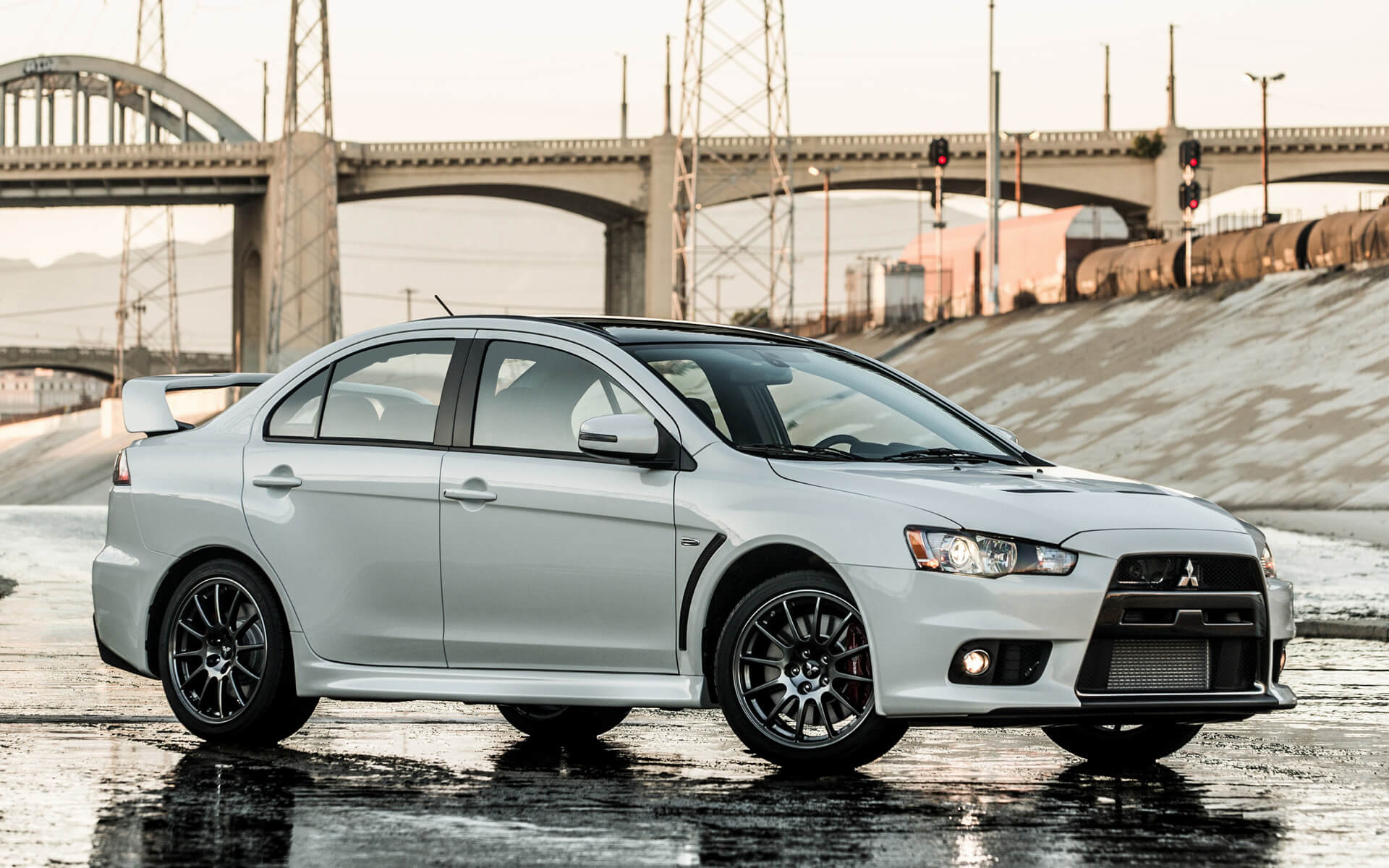
- Mitsubishi Outlander CW · Photo: sv1ambo / Wikimedia Commons, CC BY 2.0
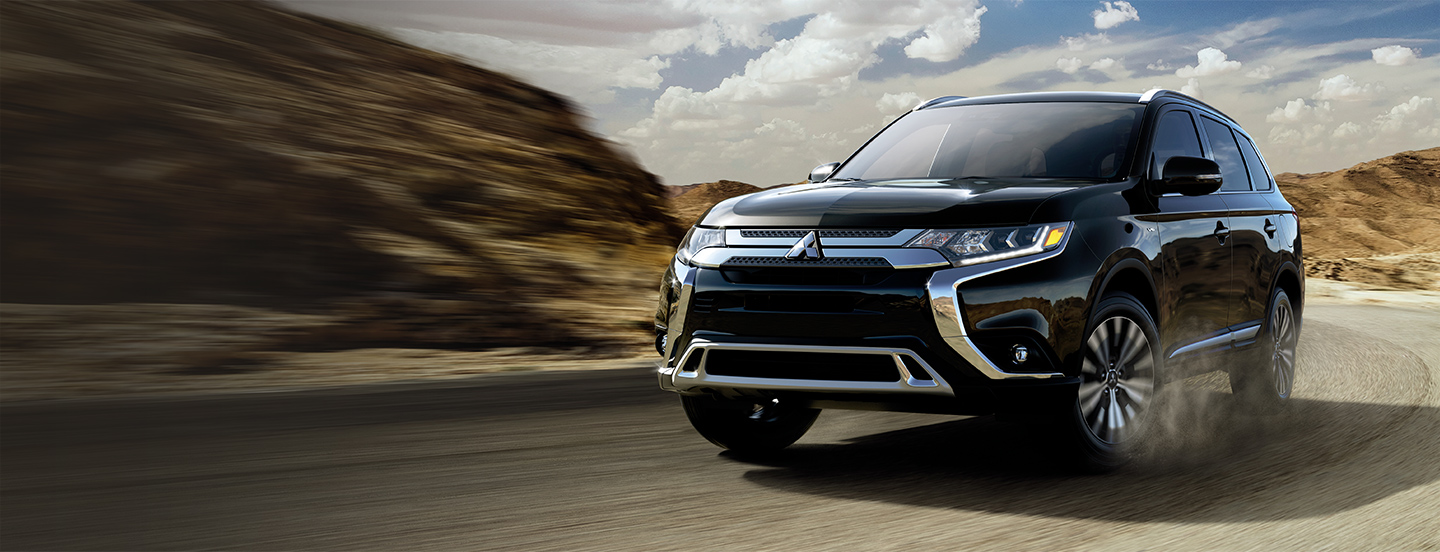
- Mitsubishi Outlander GF · Photo: Dinkun Chen / Wikimedia Commons, CC BY-SA 4.0
- Mitsubishi Outlander PHEV · Photo: DY5W-sport / Wikimedia Commons, CC BY-SA 3.0
- Mitsubishi Outlander GN · Photo: LuvsMG481 / Wikimedia Commons, CC BY-SA 4.0
Rivals
Compare with…
Compare Mitsubishi Outlander with
- Toyota RAV4 full comparison
- Honda CR-V quick spec comparison
- Nissan X-Trail quick spec comparison
-
In production
- Years
- 1994–present
- Body
- Convertible, SUV
- Fuel
- Petrol, Diesel, Hybrid
- Power
- 91–145 kW (124–197 PS)
6 generations
- XA10
- XA20
- XA30
- XA40
- XA50
- XA60
-
In production
- Years
- 1995–present
- Body
- SUV
- Fuel
- Petrol, Diesel, Hybrid
- Power
- 88–140 kW (120–190 PS)
6 generations
- I
- II
- III
- IV
- CR-V
- VI
-
In production
- Years
- 2000–present
- Body
- SUV
- Fuel
- Petrol, Diesel, Hybrid
- Power
- 84–206 kW (114–280 PS)
-
In production
- Years
- 2016–present
- Body
- SUV
- Fuel
- Petrol, Diesel, Plug-in hybrid
- Power
- 92–195 kW (125–265 PS)
2 generations
- NS7
- II


FAQ
How far can the 2013–2021 Outlander PHEV go on electricity?
The 12 kWh car is rated at 52.3 km (32.5 mi) on the NEDC cycle. The 13.8 kWh version from 2018 reaches 65 km (40 mi) on NEDC, or about 45 km (28 mi) on the more realistic WLTP test.
Is the Outlander PHEV four-wheel drive?
Yes. Each axle has its own electric motor, and the rear wheels are driven only electrically. Depending on speed and charge, the petrol unit either powers the front axle itself or works as a generator.
How safe is the Outlander PHEV?
Euro NCAP awarded it five stars in 2013, testing a 1,810 kg Intense+ model: 88% for adult occupants, 84% for children, 64% for pedestrians and 81% for safety assist.
Does the Outlander PHEV have seven seats?
No. The 2013–2021 PHEV is a five-seater because of the battery under the floor, and UK data lists the boot at 463 L.
Can the Outlander PHEV rapid charge?
Yes. It has a CHAdeMO socket that charges the battery to 80% in about 25 minutes. On a household socket a full charge takes about five hours, or around 3.5 hours with a dedicated charging point.
Data sources
Data checked by an editor against the sources below.
- The text of this article (1cars archive)
- Wikipedia — Mitsubishi Outlander
- Wikipedia — Mitsubishi Outlander PHEV
- Euro NCAP — Mitsubishi Outlander Phev 2013
- NHTSA 5-Star Safety Ratings (US NCAP) — U.S. Government work, public domain