 Mitsubishi Galant
All generations, specs and history
Published Sources (4) Report an error
By Felix Hartmann, Automotive Technology & EV Contributor
- Built
- 1969–2012
- Generations
- 9
- Top power
- 192 kW (261 PS)
Timeline
Galant generations
Click a generation for its own page
IV Sigma and E11A-E19A overlapped in 1983–1984, so E11A-E19A sits on a second lane
- Galant I 1969–1973 · Sedan, Station wagon · 85 kW (116 PS)
- Galant A11 1973–1976 · Sedan, Station wagon · 92 kW (125 PS)
- Galant III Sigma 1976–1980 · Sedan, Station wagon
- Galant IV Sigma 1980–1984 · Sedan, Station wagon · 62–115 kW (84–156 PS)
- Galant E11A-E19A 1983–1989 · Sedan · 147 kW (200 PS)
- Galant E30 1987–1992 · Sedan, Liftback · 66–107 kW (90–145 PS)
- Galant E50 1992–1996 · Sedan, Liftback · 66–125 kW (90–170 PS)
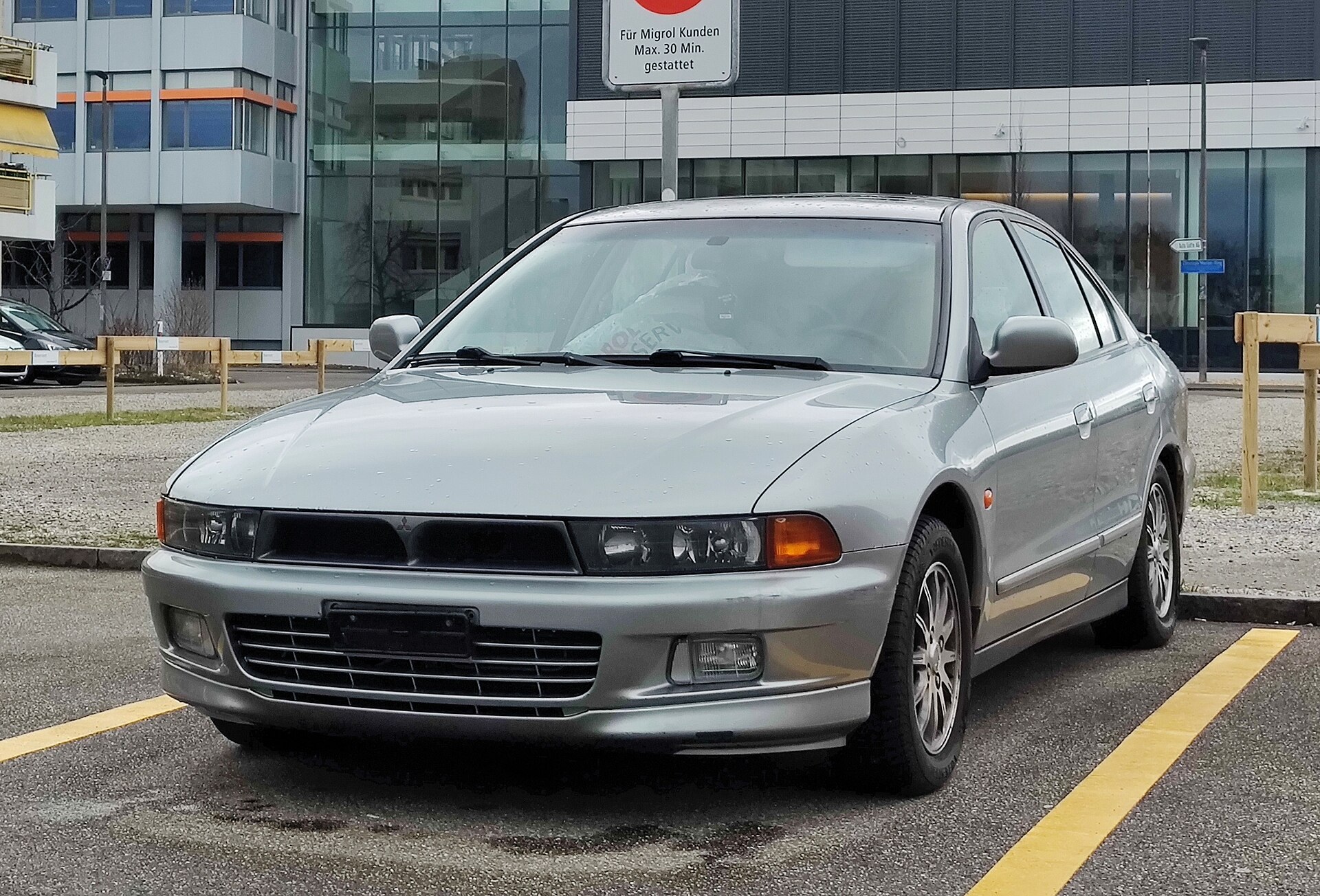
- Galant EA0 1996–2003 · Sedan, Station wagon · 98–120 kW (133–163 PS)
- Galant IX 2003–2012 · Sedan · 119–192 kW (162–261 PS)
Newest first · 9 generations since 1969
-
2003
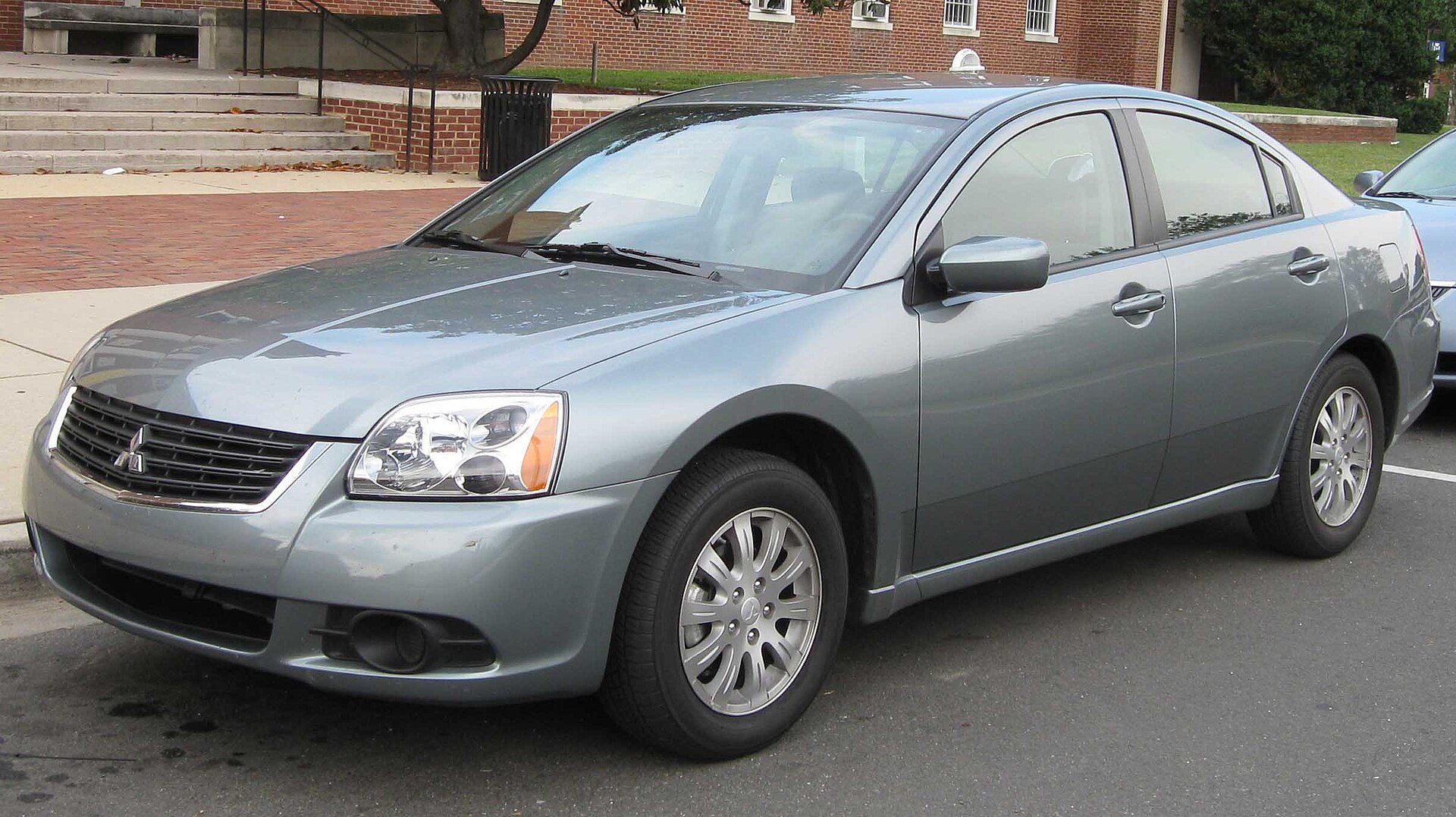
-
1996
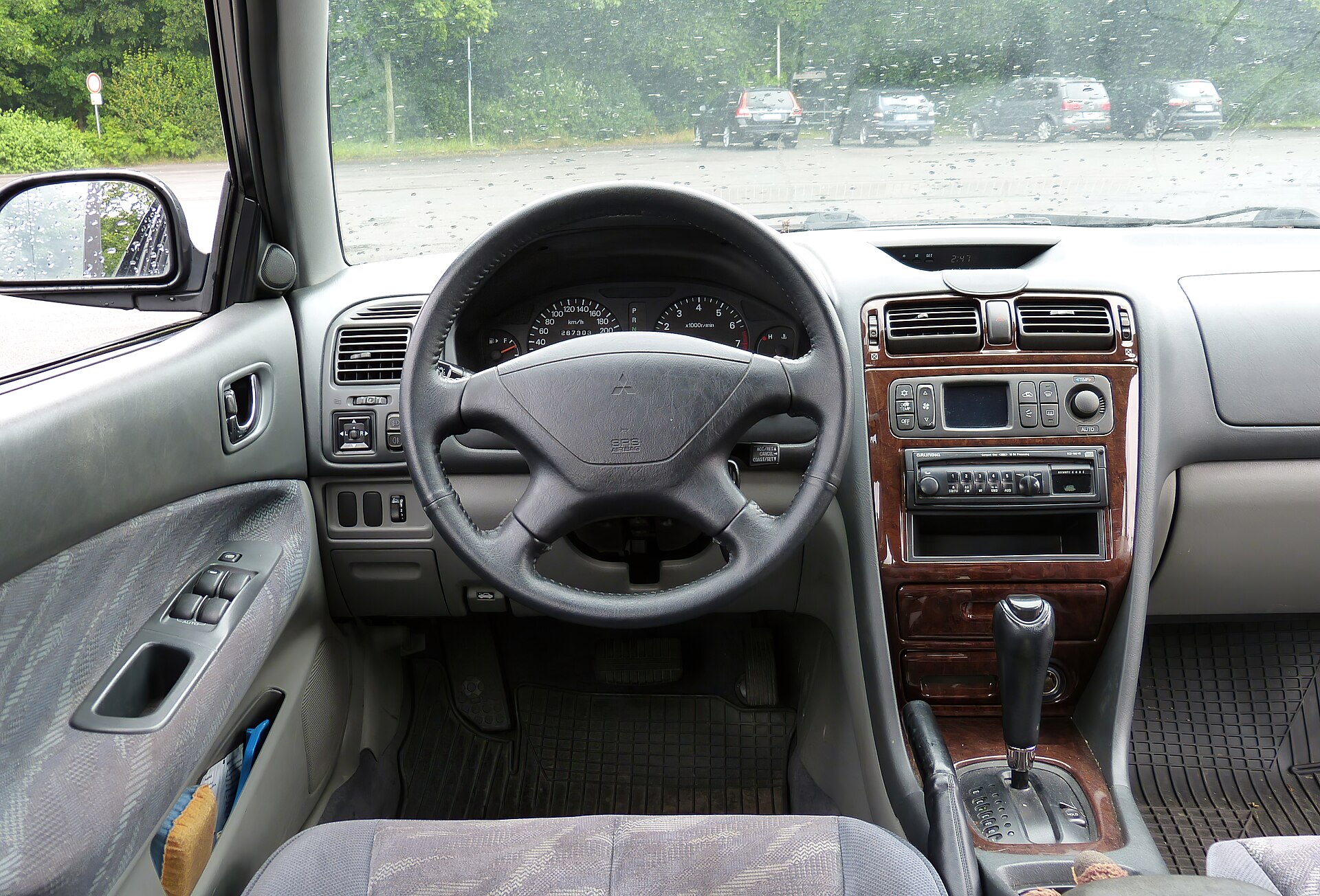
- 1992 E50 1992–1996 · Sedan, Liftback · 66–125 kW (90–170 PS)
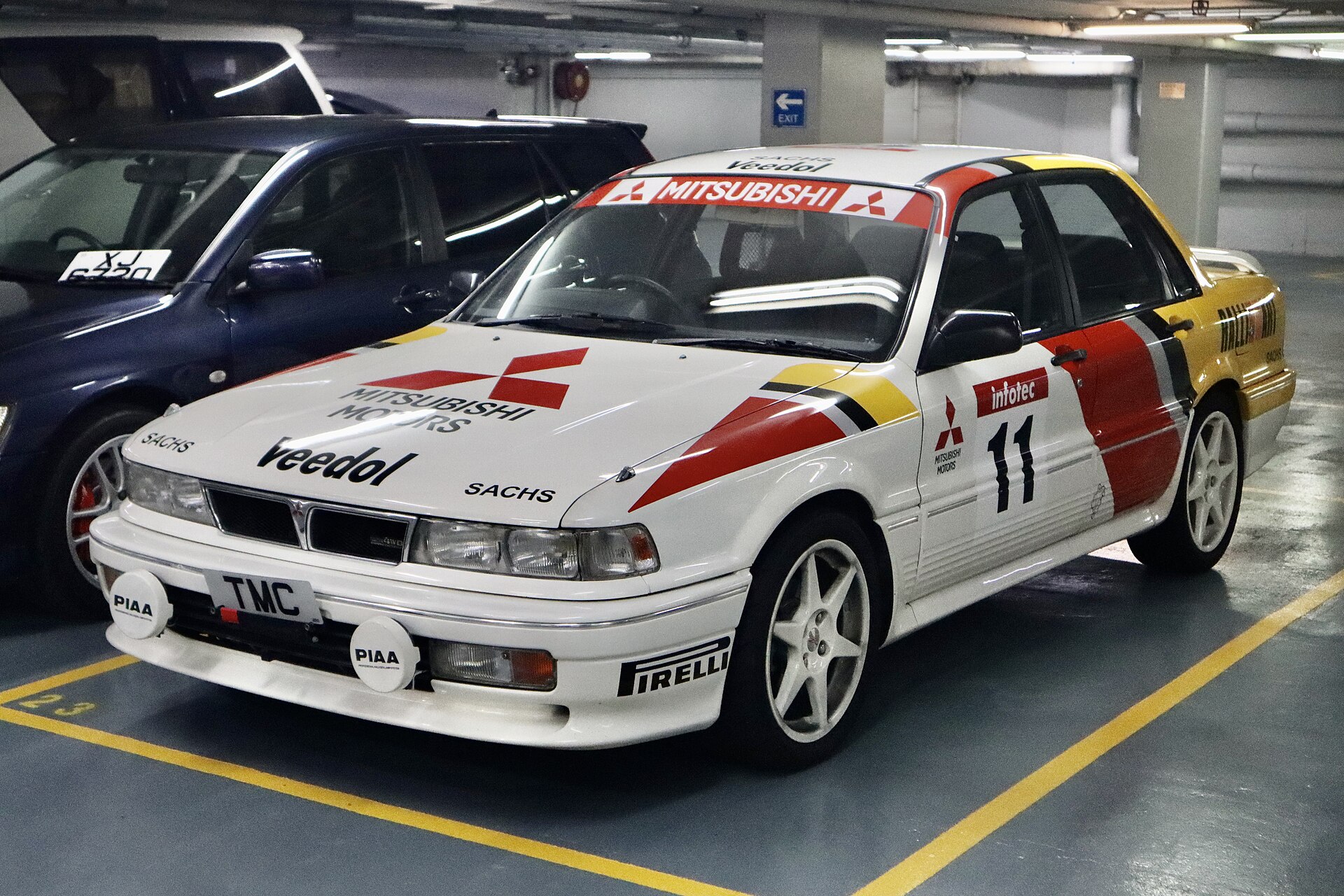
- 1987 E30 1987–1992 · Sedan, Liftback · 66–107 kW (90–145 PS)
-
1983
- 1980 IV Sigma 1980–1984 · Sedan, Station wagon · 62–115 kW (84–156 PS)
- 1976 III Sigma 1976–1980 · Sedan, Station wagon
- 1973 A11 1973–1976 · Sedan, Station wagon · 92 kW (125 PS)
-
1969
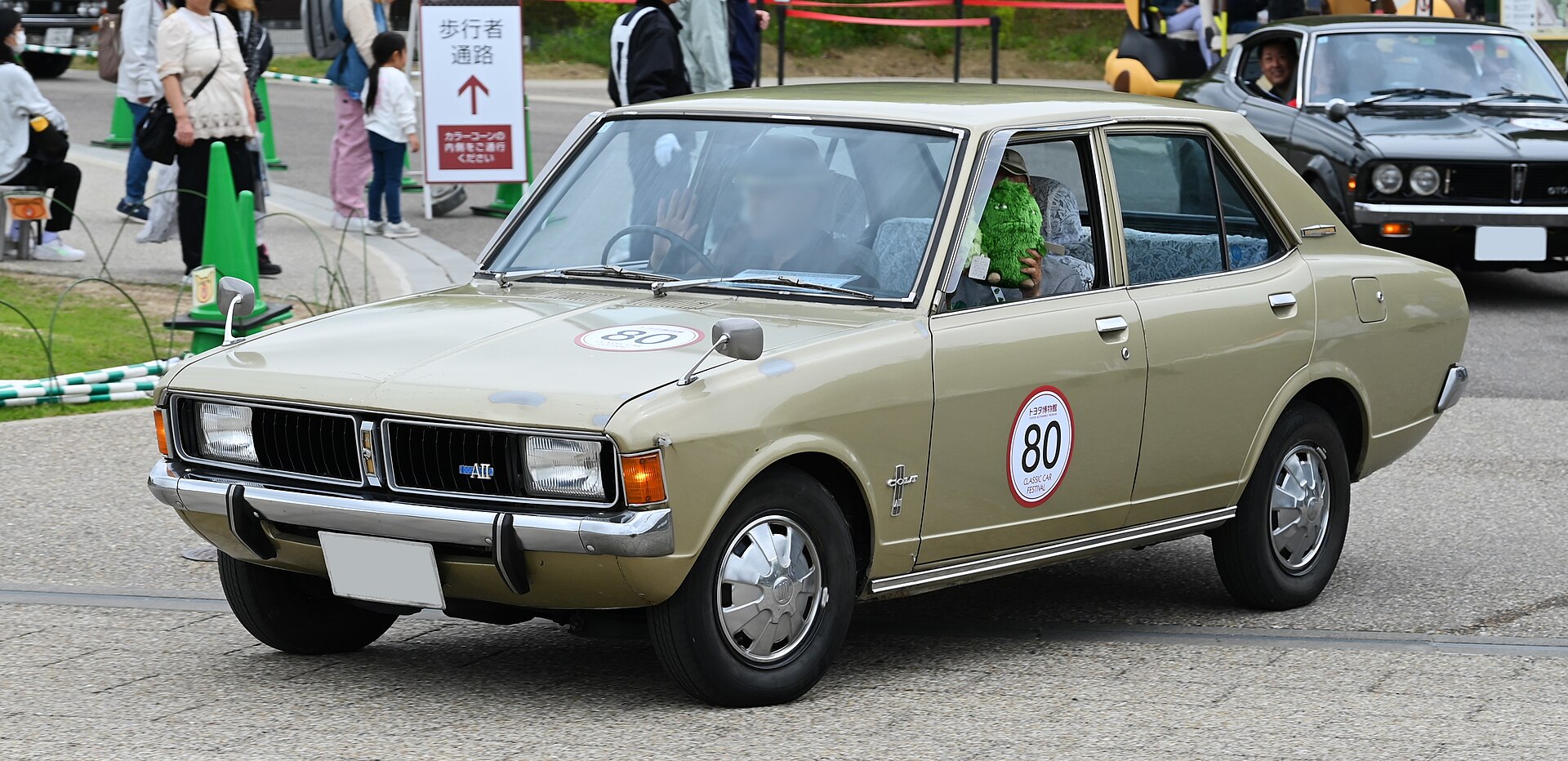


All generations by year: Galant IX (2003–2012) · Galant EA0 (1996–2003) · Galant E50 (1992–1996) · Galant E30 (1987–1992) · Galant E11A-E19A (1983–1989) · Galant IV Sigma (1980–1984) · Galant III Sigma (1976–1980) · Galant A11 (1973–1976) · Galant I (1969–1973)
Which one is mine?
Pick the year of first registration to see which generation it is.
Check by VINWhich Galant to buy: verdict
Our verdict · Felix Hartmann
- Everyday classic: an eighth-generation 2.5 V6-24 estate with 118-120 kW (161-163 PS).
- Collector's choice: a sixth-generation VR-4, the road car behind Mitsubishi's rally programme.
- Rarest in Europe: the seventh-generation 2500 V6-24 4WD, sold in Germany only from 1993 to 1995.
- Avoid if parts matter: a ninth-generation car, which was never sold officially in Europe.
The Mitsubishi Galant is the mid-size saloon Mitsubishi built in nine generations from 1969 to 2012. It began as the rear-wheel-drive Colt Galant, switched to front-wheel drive in 1983, gave Mitsubishi its VR-4 rally car and, in 1996, the world's first mass-produced petrol direct-injection engine. Europe received the Galant until the end of 2003; the last generation was built in Normal, Illinois, until 30 August 2012.
In short
- Nine generations: four rear-wheel-drive Galants (1969-1984), five with front-wheel drive or 4WD (1983-2012).
- German versions ranged from the 66 kW (90 PS) 1800 and 2000 Turbo D to the 2.5 V6-24 4WD with 125 kW (170 PS).
- The sixth generation was Japan Car of the Year 1987, and its VR-4 was Mitsubishi's World Rally Championship car from 1988 to 1992.
- The last German price lists (2000-2003) started at EUR 22,350 for the 2.0 Comfort with 98 kW (133 PS) (ADAC).
Mitsubishi Galant at a glance
| Specification | Mitsubishi Galant |
|---|---|
| Segment | D-segment family car |
| Years | 1969-2012; in Germany 1980-2003 (ADAC) |
| Body styles | saloon, estate, hatchback (liftback), two-door hardtop and coupe in early generations |
| Layout | rear-wheel drive to 1984; front-wheel drive from 1983; 4WD on VR-4 and some V6 models |
| Built | Japan (among others the Okazaki plant); also Normal, Illinois (USA), Australia, New Zealand, Venezuela, Taiwan and China |
Mitsubishi used the name on several spin-offs, such as the Galant GTO and FTO coupes and the Galant Lambda, which are listed separately on our Mitsubishi brand page.
Generations
| Generation | Code | Years | Body styles | Engines | Power (kW / hp) |
|---|---|---|---|---|---|
| Galant I (Colt Galant) | - | 1969-1973 | saloon, estate, hardtop | 1.3-1.7 petrol | up to 85 kW (115 PS) |
| Galant II | A11 | 1973-1976 | saloon, estate, hardtop, coupe | 1.6-2.0 petrol | up to 92 kW (125 PS) |
| Galant III (Galant Sigma) | - | 1976-1980 | saloon, estate | 1.6-2.6 petrol | not covered here |
| Galant IV (Galant Sigma) | - | 1980-1984 | saloon, estate | 1.6-2.0 petrol, 2.0 turbo, 2.3 turbodiesel | 62-115 kW (84-156 PS) |
| Galant V | E11A-E19A | 1983-1989 | saloon, hardtop | 1.6-2.4 petrol, 2.0 V6, 1.8 turbodiesel | up to 147 kW (200 PS) in Japan |
| Galant VI | E30 | 1987-1992 | saloon, liftback | 1.6-2.0 petrol, 2.0 turbo VR-4 | 66-107 kW (90-146 PS) in Germany |
| Galant VII | E50 | 1992-1996 | saloon, liftback | 1.8-2.5 petrol, 2.0 turbodiesel | 66-125 kW (90-170 PS) in Germany |
| Galant VIII | EA0 | 1996-2003 | saloon, estate | 2.0, 2.4 GDI, 2.5 V6 petrol | 98-120 kW (133-163 PS) in Germany |
| Galant IX | - | 2003-2012 | saloon | 2.4 petrol, 3.8 V6 | 119-192 kW (160-258 hp) |
Years follow the Japanese launch; the eighth generation stayed on sale outside Europe and North America until 2006. Chassis codes are given where Wikipedia or ADAC name them.
The rear-drive Galants (1969-1984)
The Colt Galant appeared in December 1969 as a four-door saloon with "Saturn" four-cylinder engines of 1.3 and 1.5 litres, followed by an estate, a two-door hardtop, the GTO fastback and the small FTO coupe. A 1.7-litre with 85 kW (115 PS) topped the range from January 1973. The second generation of 1973 added the Astron engines of up to 2.0 litres and 92 kW (125 PS).
The third and fourth generations were sold as the Galant Sigma, and in some markets as the Galant Eterna or Mitsubishi Sigma; Australia built its own with a 2.6-litre Astron four. The fourth generation of 1980 offered a Sirius turbo petrol with 107 kW (145 PS) in Japan and 115 kW (156 PS) for export, and a 2.3-litre turbodiesel with 62 kW (84 PS) that Wikipedia describes as Japan's first turbodiesel passenger-car engine.

Front-wheel drive and the VR-4 (1983-1996)
The fifth Galant of August 1983 was the first with front-wheel drive. Europe received it from 1984 as a saloon and hardtop with 1.6 to 2.0-litre petrol engines and a diesel; the 2.4-litre 4G64 version was sold in Europe as the Sapporo. In Japan a 2.0-litre V6, the Cyclone, arrived in October 1986.
The sixth generation of October 1987 was Japan Car of the Year 1987. Its Galant VR-4, with a 2.0-litre turbocharged 4G63 and four-wheel drive, was Mitsubishi's World Rally Championship car from 1988 to 1992, and the same engine and drivetrain went on to the Lancer Evolution. ADAC's German list for this generation runs from the 1800 GLi with 66 kW (90 PS) to the 2000 16V GTi with 107 kW (146 PS), including a 2000 GLSi 4WD.
The seventh generation of September 1992 brought a 2.0-litre V6 with 110 kW (150 PS) and a 2.5 V6-24 4WD with 125 kW (170 PS) to Germany. In Japan the VR-4 now had a twin-turbo 2.0-litre V6 and weighed 1,430 kg.

Eighth generation (1996-2003): GDI and the estate
The eighth Galant arrived in 1996, again won Japan Car of the Year (1996-97), and introduced the 1.8-litre 4G93 GDI, the first mass-produced car engine with petrol direct injection. Europe received a saloon and an estate. ADAC lists the 2000 GLS with 100 kW (136 PS), the GDI 2400 GLS with 110 kW (150 PS) and the 2500 V6-24 with 120 kW (163 PS) from January 1997. After the October 2000 facelift the range was the 2.0 with 98 kW (133 PS), the 2.4 GDI with 106 kW (144 PS) and the 2.5 V6-24 with 118 kW (161 PS). German sales ended in December 2003. Japan also had a twin-turbo 2.5 V6 VR-4 in saloon and Legnum estate form.

Ninth generation (2003-2012): built in Illinois
The final Galant was mainly a North American car, built in Normal, Illinois, from October 2003 and sold in a few other markets, but not in Europe. It used a 2.4-litre 4G69 four-cylinder with 119 kW (160 hp) or a 3.8-litre 6G75 V6 with 175 kW (235 hp); the Ralliart had 192 kW (258 hp) and weighed 1,696 kg. Australia built a related car as the Mitsubishi 380 with a 175 kW V6. The Concept-ZT of 2007 was expected to become a tenth Galant, but it never reached production.

Engines and performance
| Engine (Germany) | Generation | Fuel | Power |
|---|---|---|---|
| 1800 GLi / GLSi | VI | petrol | 66 kW (90 PS) |
| 2000 GLSi (also 4WD) | VI | petrol | 80 kW (109 PS) |
| 2000 16V GTi | VI | petrol | 106-107 kW (144-146 PS) |
| 2000 Turbo D / TD | VII | diesel | 66 kW (90 PS) |
| 2000 GLSi | VII | petrol | 101 kW (137 PS) |
| 2500 V6-24 4WD | VII | petrol | 125 kW (170 PS) |
| 2.4 GDI | VIII | petrol | 106-110 kW (144-150 PS) |
| 2.5 V6-24 | VIII | petrol | 118-120 kW (161-163 PS) |
Our power converter translates these figures into other units.
Dimensions and space
| Parameter (eighth generation) | Metric | Imperial |
|---|---|---|
| Length, estate | 4,670-4,740 mm | 183.9-186.6 in |
| Length, saloon (North America) | 4,770 mm | 187.8 in |
| Height | 1,460-1,510 mm | 57.5-59.4 in |
| Kerb weight, estate | 1,310-1,520 kg | 2,888-3,351 lb |
Our sources give no official boot volumes, so we leave them out. The figures show the class: the Galant was a typical D-segment family car of its time.
Running costs and prices
ADAC records these German starting prices (older figures converted from Deutsche Mark): EUR 12,501 for the 1800 GLi (1991), EUR 18,958 for the 1800 GLSi (1995), EUR 20,882 for the 2000 GLS (1997) and EUR 22,350 for the 2.0 Comfort (2000). The 2.5 V6-24 4WD of 1993 cost EUR 29,322. Today Galants are cheap used cars or, in VR-4 form, collector's cars. Calculate fuel costs with our fuel cost calculator.
Safety
Our sources contain no Euro NCAP result for any Galant sold in Europe. The US NHTSA tested the sixth, seventh and eighth generations, but the results are not included in the material we used, so we do not quote them.
Reliability and known issues
We found no reliable fault statistics or recall lists for the Galant in our sources and do not repeat forum claims. The GDI engine was new technology in 1996; on any used car, service history matters more than the badge.
Rivals
| Model | Engines | Power (hp) | Boot (l) | Price from (EUR) |
|---|---|---|---|---|
| Mitsubishi Galant (2000) | 2.0, 2.4 GDI, 2.5 V6 | 98-118 kW (133-161 PS) | not published | 22,350 (Germany, 2000) |
| Toyota Avensis | petrol, diesel | not verified | not verified | not verified |
| Honda Accord | petrol, diesel | not verified | not verified | not verified |
| Nissan Primera | petrol, diesel | not verified | not verified | not verified |
Compare versions side by side with our comparison tool.
Photo gallery

Mitsubishi Galant evolution in numbers
Did you know?
- The Mitsubishi Galant ran for 43 years, from 1969 to 2012, over 9 generations in our catalog.
- The longest-running generation is the Galant IX (2003–2012): 9 years.
- The biggest jump in power came with the Galant IX: up to 192 kW (261 PS), 72 kW more than the Galant EA0.
Most powerful version, kW
Figures from the 1cars catalog: power is the strongest version of each generation; generations without the figure are left out.
Mitsubishi Galant: first vs latest generation
| Spec | Galant I | Galant IX | Change |
|---|---|---|---|
| Years | 1969–1973 | 2003–2012 | 34 years apart |
| Most powerful version | 85 kW (116 PS) | 192 kW (261 PS) | +107 kW (+126%) |
Oldest and newest generation in the 1cars catalog. Power is the strongest version of each; other rows are shown only when both generations have the figure.
Mitsubishi Galant in our rankings
- No. 7 of 411 · Cars with the most generations (9 generations)
- No. 29 of 1082 · Longest-running car nameplates (43 years · top 3%)
- No. 72 of 174 · Most powerful sedans (192 kW · top 42%)
- No. 58 of 130 · Most powerful Japanese cars (192 kW · top 45%)
- No. 33 of 69 · Most powerful cars of the 1980s (147 kW · top 48%)
- No. 568 of 1011 · Most powerful cars (192 kW · top 57%)
More generations than 97% of ranked nameplates in the 1CARS catalog (No. 7 of 411).
FAQ
When did Mitsubishi stop making the Galant?
The last Galant was built in Normal, Illinois, on 30 August 2012. German sales had ended in December 2003.
What was the Galant VR-4?
The four-wheel-drive, turbocharged top model of the sixth generation, which Mitsubishi used in the World Rally Championship from 1988 to 1992. Later VR-4 versions had twin-turbo V6 engines and were mainly sold in Japan.
Was the Galant the first car with a GDI engine?
Yes. The Japanese eighth-generation Galant of 1996 was the first mass-produced car with a petrol direct-injection engine, the 1.8-litre 4G93 GDI.
Was there a Galant estate?
Yes. Several generations had an estate, including the European eighth generation; in Japan the eighth-generation estate was called the Legnum.
Data sources
Data checked by an editor against the sources below.
- Wikipedia - Mitsubishi Galant
- ADAC - 6generation
- ADAC - 7generation
- ADAC - 8generation