 Mitsubishi Eclipse
Specs, engines and history
Updated Published Sources (6) Report an error
By Sarah Whitmore, Senior Automotive Writer Reviewed by Oleksandr Hnatiuk
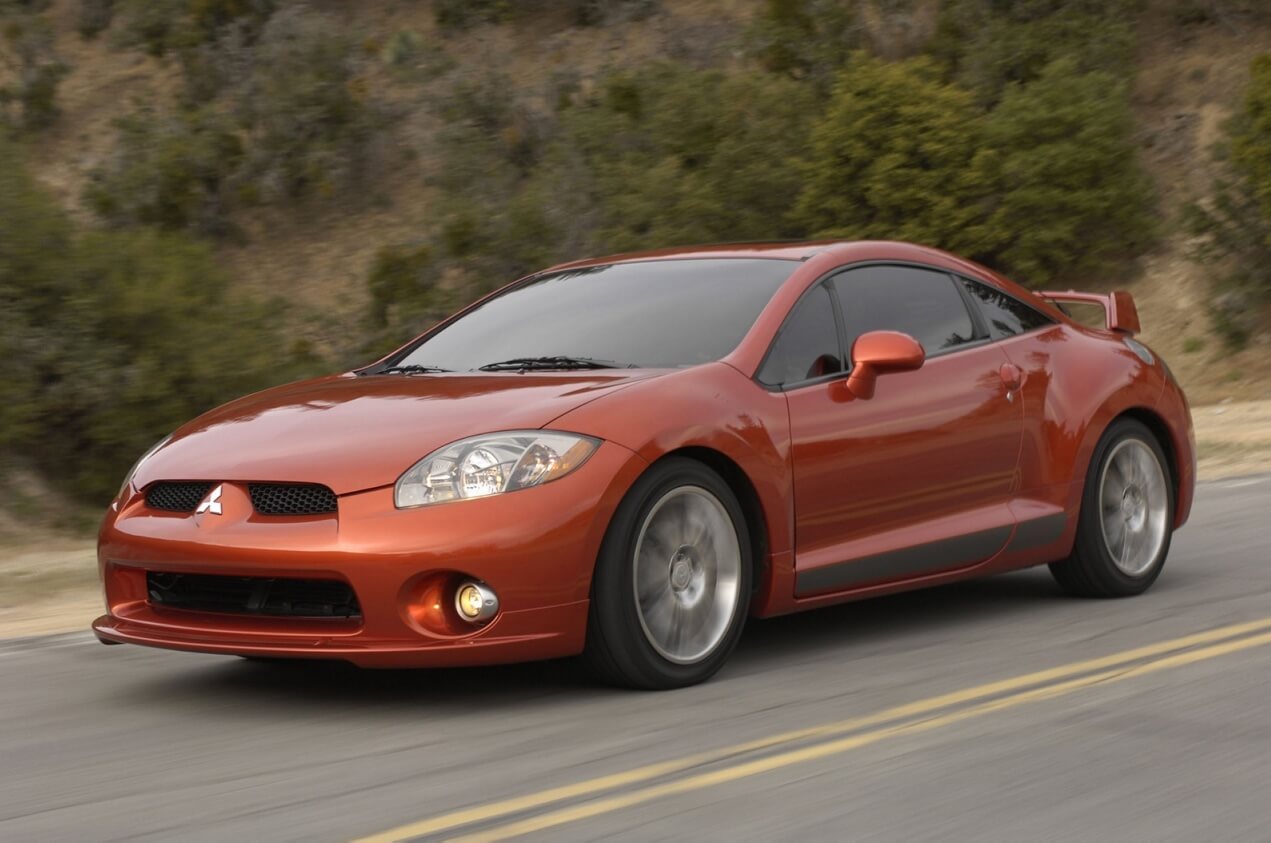
- Built
- 2005–2011
- Top power
- 198 kW (269 PS)
Which Mitsubishi Eclipse to buy
Our verdict · Sarah Whitmore
- For performance: a 2G GSX or GS-T with the 157 kW turbo. Look for unmodified cars with service records, because many were tuned hard.
- For a usable classic: an early 1G turbo with the six-bolt 4G63 block (built to April 1992), which enthusiasts prefer because some later seven-bolt engines suffered from crankshaft end-play ("crank walk").
- For daily use: a 2009–2012 4G GT. The V6 is smooth, the cabin is roomy for a coupé, and parts are easy to find.
- For open-air driving: a 4G Spyder GS, which is cheaper to run than the V6.
The 3G is the least sought-after and the cheapest way into an Eclipse. Mitsubishi's wider story is told in the history of Mitsubishi, and the badge continues on the Mitsubishi Eclipse Cross, a compact SUV with no engineering link to the coupé.
The Mitsubishi Eclipse is a two-door sports coupé, later also a Spyder convertible, built in Normal, Illinois, from 1989 to August 2011 across four generations and 906,876 cars. Early models offered the 4G63 turbo and all-wheel drive; the last, 2006–2012 Eclipse had front-wheel drive and up to a 198 kW (265 hp) 3.8-litre V6.
In short
- 1G (1990–1994 model years) and 2G (1995–1999): turbo 2.0 4G63 with up to 157 kW (210 hp) and a GSX all-wheel-drive version; twins sold as Plymouth Laser and Eagle Talon.
- 3G (2000–2005): Chrysler-based platform, 2.4 four-cylinder or 3.0 V6, front-wheel drive only.
- 4G (2006–2012 model years): 2.4 with 121 kW or 3.8 V6 with 196–198 kW, coupé and Spyder.
- The name now lives on in the Eclipse Cross crossover, launched in 2017.
Specs by version
Engines
| Version | Engine | Gearbox | Drive | Production years |
|---|---|---|---|---|
| 2.4 L 4 cyl Automatic (S4) · 2011 (EPA) | 2.4 l · 4 cyl 2,400 cc | 4-sp Automatic | Front-wheel drive | 2011 |
| 2.4 L 4 cyl Manual 5-spd · 2011 (EPA) | 2.4 l · 4 cyl 2,400 cc | 5-sp Manual | Front-wheel drive | 2011 |
| 2.4 L 4 cyl Automatic (S4) · 2010 (EPA) | 2.4 l · 4 cyl 2,400 cc | 4-sp Automatic | Front-wheel drive | 2010 |
| 2.4 L 4 cyl Manual 5-spd · 2010 (EPA) | 2.4 l · 4 cyl 2,400 cc | 5-sp Manual | Front-wheel drive | 2010 |
| 2.4 L 4 cyl Automatic (S4) · 2009 (EPA) | 2.4 l · 4 cyl 2,400 cc | 4-sp Automatic | Front-wheel drive | 2009 |
| 2.4 L 4 cyl Manual 5-spd · 2009 (EPA) | 2.4 l · 4 cyl 2,400 cc | 5-sp Manual | Front-wheel drive | 2009 |
| 2.4 L 4 cyl Automatic (S4) · 2008 (EPA) | 2.4 l · 4 cyl 2,400 cc | 4-sp Automatic | Front-wheel drive | 2008 |
| 2.4 L 4 cyl Manual 5-spd · 2008 (EPA) | 2.4 l · 4 cyl 2,400 cc | 5-sp Manual | Front-wheel drive | 2008 |
| 2.4 L 4 cyl Automatic (S4) · 2007 (EPA) | 2.4 l · 4 cyl 2,400 cc | 4-sp Automatic | Front-wheel drive | 2007 |
| 2.4 L 4 cyl Manual 5-spd · 2007 (EPA) | 2.4 l · 4 cyl 2,400 cc | 5-sp Manual | Front-wheel drive | 2007 |
| 2.4 L 4 cyl Automatic (S4) · 2006 (EPA) | 2.4 l · 4 cyl 2,400 cc | 4-sp Automatic | Front-wheel drive | 2006 |
| 2.4 L 4 cyl Manual 5-spd · 2006 (EPA) | 2.4 l · 4 cyl 2,400 cc | 5-sp Manual | Front-wheel drive | 2006 |
| 2.4 L 4 cyl Automatic (S4) · 2005 (EPA) | 2.4 l · 4 cyl 2,400 cc | 4-sp Automatic | Front-wheel drive | 2005 |
| 2.4 L 4 cyl Automatic 4-spd · 2005 (EPA) | 2.4 l · 4 cyl 2,400 cc | 4-sp Automatic | Front-wheel drive | 2005 |
| 2.4 L 4 cyl Manual 5-spd · 2005 (EPA) | 2.4 l · 4 cyl 2,400 cc | 5-sp Manual | Front-wheel drive | 2005 |
| 3 L 6 cyl Automatic (S4) · 2005 (EPA) | 3.0 l · 6 cyl 3,000 cc | 4-sp Automatic | Front-wheel drive | 2005 |
| 3 L 6 cyl Automatic (S4) · 2005 (EPA) | 3.0 l · 6 cyl 3,000 cc | 4-sp Automatic | Front-wheel drive | 2005 |
| 3 L 6 cyl Manual 5-spd · 2005 (EPA) | 3.0 l · 6 cyl 3,000 cc | 5-sp Manual | Front-wheel drive | 2005 |
| 3 L 6 cyl Manual 5-spd · 2005 (EPA) | 3.0 l · 6 cyl 3,000 cc | 5-sp Manual | Front-wheel drive | 2005 |
| 3.8 L 6 cyl Automatic (S5) · 2011 (EPA) | 3.8 l · 6 cyl 3,800 cc | 5-sp Automatic | Front-wheel drive | 2011 |
| 3.8 L 6 cyl Automatic (S5) · 2010 (EPA) | 3.8 l · 6 cyl 3,800 cc | 5-sp Automatic | Front-wheel drive | 2010 |
| 3.8 L 6 cyl Manual 6-spd · 2010 (EPA) | 3.8 l · 6 cyl 3,800 cc | 6-sp Manual | Front-wheel drive | 2010 |
| 3.8 L 6 cyl Automatic (S5) · 2009 (EPA) | 3.8 l · 6 cyl 3,800 cc | 5-sp Automatic | Front-wheel drive | 2009 |
| 3.8 L 6 cyl Manual 6-spd · 2009 (EPA) | 3.8 l · 6 cyl 3,800 cc | 6-sp Manual | Front-wheel drive | 2009 |
| 3.8 L 6 cyl Automatic (S5) · 2008 (EPA) | 3.8 l · 6 cyl 3,800 cc | 5-sp Automatic | Front-wheel drive | 2008 |
| 3.8 L 6 cyl Manual 6-spd · 2008 (EPA) | 3.8 l · 6 cyl 3,800 cc | 6-sp Manual | Front-wheel drive | 2008 |
| 3.8 L 6 cyl Automatic (S5) · 2007 (EPA) | 3.8 l · 6 cyl 3,800 cc | 5-sp Automatic | Front-wheel drive | 2007 |
| 3.8 L 6 cyl Manual 6-spd · 2007 (EPA) | 3.8 l · 6 cyl 3,800 cc | 6-sp Manual | Front-wheel drive | 2007 |
| 3.8 L 6 cyl Automatic (S5) · 2006 (EPA) | 3.8 l · 6 cyl 3,800 cc | 5-sp Automatic | Front-wheel drive | 2006 |
| 3.8 L 6 cyl Manual 6-spd · 2006 (EPA) | 3.8 l · 6 cyl 3,800 cc | 6-sp Manual | Front-wheel drive | 2006 |
| 3.8 193 kW (262 PS) Coupe | 3.8 l 3,800 cc | - | - | - |
Performance
Show all 30 versions
| Version | Fuel consumption |
|---|---|
| 2.4 L 4 cyl Automatic (S4) · 2011 (EPA) | 10.2 l/100 km23.1 mpg US · 27.7 mpg UK |
| 2.4 L 4 cyl Manual 5-spd · 2011 (EPA) | 10.2 l/100 km23.1 mpg US · 27.7 mpg UK |
| 2.4 L 4 cyl Automatic (S4) · 2010 (EPA) | 10.2 l/100 km23.1 mpg US · 27.7 mpg UK |
| 2.4 L 4 cyl Manual 5-spd · 2010 (EPA) | 10.2 l/100 km23.1 mpg US · 27.7 mpg UK |
| 2.4 L 4 cyl Automatic (S4) · 2009 (EPA) | 10.7 l/100 km22.0 mpg US · 26.4 mpg UK |
| 2.4 L 4 cyl Manual 5-spd · 2009 (EPA) | 10.2 l/100 km23.1 mpg US · 27.7 mpg UK |
| 2.4 L 4 cyl Automatic (S4) · 2008 (EPA) | 10.7 l/100 km22.0 mpg US · 26.4 mpg UK |
| 2.4 L 4 cyl Manual 5-spd · 2008 (EPA) | 10.2 l/100 km23.1 mpg US · 27.7 mpg UK |
| 2.4 L 4 cyl Automatic (S4) · 2007 (EPA) | 10.7 l/100 km22.0 mpg US · 26.4 mpg UK |
| 2.4 L 4 cyl Manual 5-spd · 2007 (EPA) | 10.2 l/100 km23.1 mpg US · 27.7 mpg UK |
| 2.4 L 4 cyl Automatic (S4) · 2006 (EPA) | 10.7 l/100 km22.0 mpg US · 26.4 mpg UK |
| 2.4 L 4 cyl Manual 5-spd · 2006 (EPA) | 10.2 l/100 km23.1 mpg US · 27.7 mpg UK |
| 2.4 L 4 cyl Automatic (S4) · 2005 (EPA) | 11.2 l/100 km21.0 mpg US · 25.2 mpg UK |
| 2.4 L 4 cyl Automatic 4-spd · 2005 (EPA) | 11.2 l/100 km21.0 mpg US · 25.2 mpg UK |
| 2.4 L 4 cyl Manual 5-spd · 2005 (EPA) | 10.2 l/100 km23.1 mpg US · 27.7 mpg UK |
| 3 L 6 cyl Automatic (S4) · 2005 (EPA) | 11.2 l/100 km21.0 mpg US · 25.2 mpg UK |
| 3 L 6 cyl Automatic (S4) · 2005 (EPA) | 11.2 l/100 km21.0 mpg US · 25.2 mpg UK |
| 3 L 6 cyl Manual 5-spd · 2005 (EPA) | 11.2 l/100 km21.0 mpg US · 25.2 mpg UK |
| 3 L 6 cyl Manual 5-spd · 2005 (EPA) | 11.2 l/100 km21.0 mpg US · 25.2 mpg UK |
| 3.8 L 6 cyl Automatic (S5) · 2011 (EPA) | 11.8 l/100 km19.9 mpg US · 23.9 mpg UK |
| 3.8 L 6 cyl Automatic (S5) · 2010 (EPA) | 12.4 l/100 km19.0 mpg US · 22.8 mpg UK |
| 3.8 L 6 cyl Manual 6-spd · 2010 (EPA) | 12.4 l/100 km19.0 mpg US · 22.8 mpg UK |
| 3.8 L 6 cyl Automatic (S5) · 2009 (EPA) | 12.4 l/100 km19.0 mpg US · 22.8 mpg UK |
| 3.8 L 6 cyl Manual 6-spd · 2009 (EPA) | 12.4 l/100 km19.0 mpg US · 22.8 mpg UK |
| 3.8 L 6 cyl Automatic (S5) · 2008 (EPA) | 11.8 l/100 km19.9 mpg US · 23.9 mpg UK |
| 3.8 L 6 cyl Manual 6-spd · 2008 (EPA) | 12.4 l/100 km19.0 mpg US · 22.8 mpg UK |
| 3.8 L 6 cyl Automatic (S5) · 2007 (EPA) | 11.8 l/100 km19.9 mpg US · 23.9 mpg UK |
| 3.8 L 6 cyl Manual 6-spd · 2007 (EPA) | 12.4 l/100 km19.0 mpg US · 22.8 mpg UK |
| 3.8 L 6 cyl Automatic (S5) · 2006 (EPA) | 11.8 l/100 km19.9 mpg US · 23.9 mpg UK |
| 3.8 L 6 cyl Manual 6-spd · 2006 (EPA) | 12.4 l/100 km19.0 mpg US · 22.8 mpg UK |
Dimensions and weight
Show all 1 versions
| Version | Kerb weight |
|---|---|
| 3.8 193 kW (262 PS) Coupe | 1,215 kg2,679 lb |
Verified Manufacturer and type-approval data from our catalog · Sources and methodology
Mitsubishi Eclipse at a glance
The Eclipse was Mitsubishi's affordable sports car for North America. It was developed with Chrysler and built at Diamond-Star Motors (later Mitsubishi Motors North America) in Normal, Illinois, which is why it shared its platform with the Plymouth Laser and the Eagle Talon. Mitsubishi says the name honours Eclipse, an unbeaten 18th-century English racehorse that won all 18 of its races; the old 1cars text gave 26 wins, which no source supports.

All four generations are four-seat 2+2 coupés with a hatchback, and the 2G, 3G and 4G also came as the Spyder convertible. Most cars were sold in the United States and Canada; Japan received the car from 1990, and Europe got limited numbers of the first two generations.
| Generation | Code | Model years | Body styles | Engines | Power (hp / kW) |
|---|---|---|---|---|---|
| First | 1G | 1990–1994 | coupé | 1.8 I4, 2.0 I4, 2.0 I4 turbo | 92–195 hp / 69–145 kW |
| Second | 2G | 1995–1999 | coupé, Spyder | 2.0 I4, 2.4 I4, 2.0 I4 turbo | 140–210 hp / 104–157 kW |
| Third | 3G | 2000–2005 | coupé, Spyder | 2.4 I4, 3.0 V6 | 147–210 hp / 110–157 kW |
| Fourth | 4G | 2006–2012 | coupé, Spyder | 2.4 I4, 3.8 V6 | 162–265 hp / 121–198 kW |
First and second generations: turbo and all-wheel drive
1G (1989–1994)
North American sales began in autumn 1989. The base car had a 1.8-litre SOHC 4G37 with 69 kW (92 hp), and the GS DOHC a 2.0 4G63 with 101 kW (135 hp). The GS Turbo and GSX used the turbocharged 4G63T with 134 to 145 kW (180–195 hp). The GSX added full-time all-wheel drive, and a European GS DOHC AWD had 112 kW (150 hp). Weights ran from 1,145 kg for the base car to 1,404 kg for the GSX. Car and Driver put the Eclipse Turbo on its 10Best list for 1989 to 1992.

2G (1994–1999)
The rounder second generation arrived for the 1995 model year. RS and GS models used Chrysler's 2.0 420A engine with 104 kW (140 hp), and the GS Spyder a 2.4 4G64 with 105 kW (141 hp). The GS-T and GSX had a revised 4G63 turbo with a Garrett T25 and 157 kW (210 hp), or 153 kW (205 hp) with the automatic. The Spyder joined in the 1996 model year. The 10th Anniversary edition with OZ Rally wheels closed the run in 1999. This is the Eclipse that became famous in the first Fast and the Furious film and in the tuning scene of the time.
Third generation: a front-wheel-drive cruiser (1999–2005)
The 3G moved to a stretched version of the platform used by the Chrysler Sebring and Dodge Stratus coupés. The turbo engine and the GSX disappeared, and with them all-wheel drive. Buyers chose a 2.4 4G64 with 110 kW (147 hp), later 115 kW (154 hp), or a 3.0 6G72 V6 with 153 kW (205 hp). The 2003 GTS raised the V6 to 157 kW (210 hp) with a variable intake. Weights grew to about 1,385 kg for a V6 coupé. In the United States the 3G scored five stars in NHTSA frontal and side tests for 2002–2003.

Fourth generation Eclipse (2005–2012) in detail
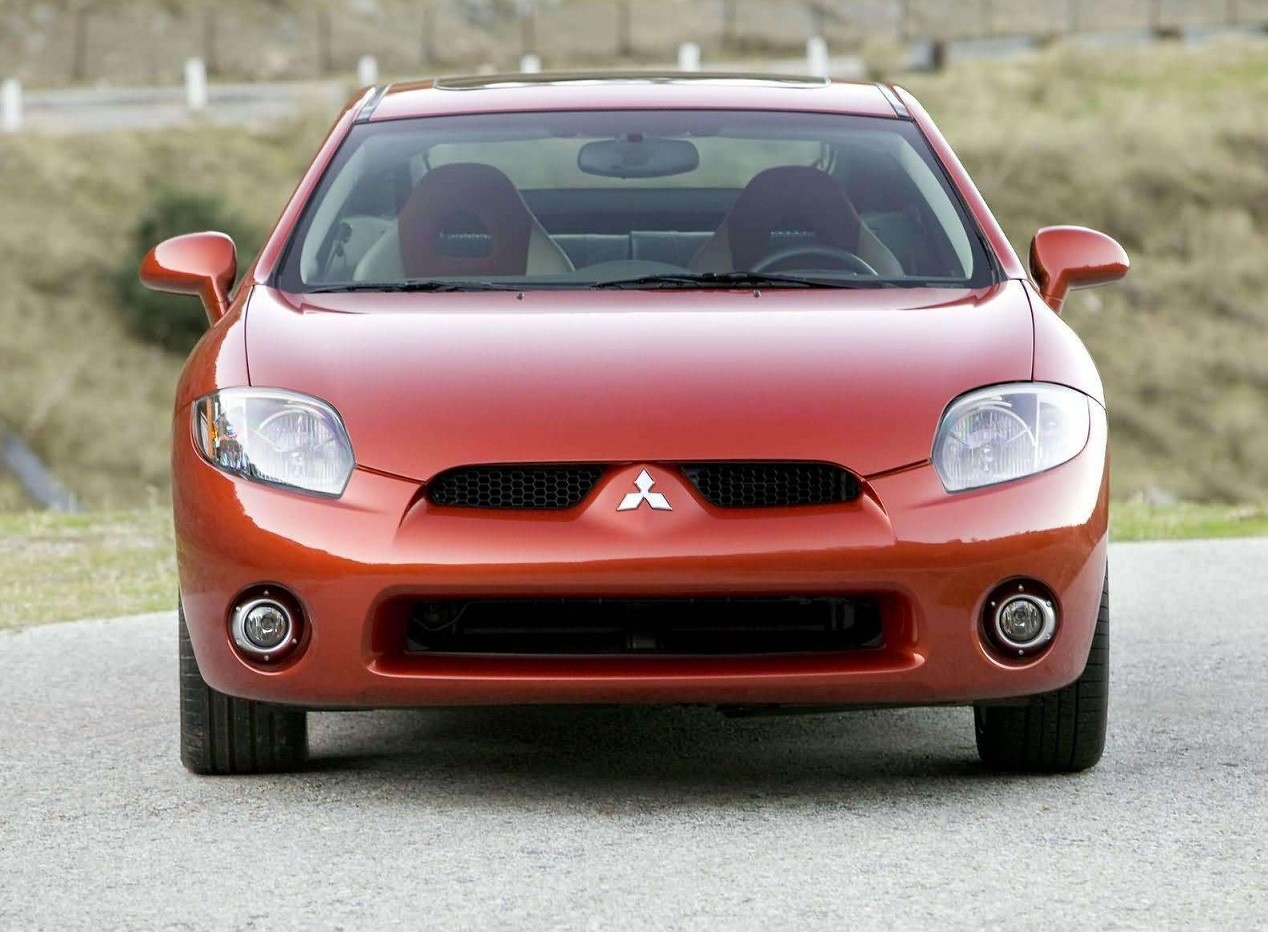
The fourth generation, the focus of the old 1cars article, was introduced in May 2005 for the 2006 model year, and the Spyder followed for 2007. It used Mitsubishi's PS platform, shared with the Galant of the time, and kept front-wheel drive.

| Engine | Code | Power | Torque | Gearboxes |
|---|---|---|---|---|
| 2.4 I4 (GS) | 4G69 | 121 kW (162 hp) | about 220 Nm | 5-speed manual, 4-speed automatic |
| 3.8 V6 (GT, to 2008) | 6G75 | 196 kW (263 hp) | 353 Nm | 6-speed manual, 5-speed automatic |
| 3.8 V6 (GT, from 2009) | 6G75 | 198 kW (265 hp) | 355 Nm | 6-speed manual, 5-speed automatic |
The 2.4 coupé weighs 1,485 kg and the V6 coupé 1,575 kg; the Spyder adds about 90 kg, with 1,665 kg for the V6 convertible. After the 2009 facelift the car was 4,583 mm long. The old article quoted about 7 seconds from 0 to 100 km/h for the manual V6, a figure in line with period US tests of the GT.
The Spyder's power-folding soft top takes about 19 seconds and has a heated glass rear window. Standard kit included 17-inch alloy wheels, fog lamps, keyless entry, air conditioning, ABS with electronic brake-force distribution, and heated mirrors. Higher trims added leather and heated seats and a 650-watt Rockford Fosgate audio system with a subwoofer; the cabin came in a choice of three colour schemes, with orange-lit, motorcycle-style instruments.
For 2011 the suspension was lowered by about half an inch (13 mm). The last Eclipse was built on 16 August 2011, and was later auctioned for charity in aid of the Japanese Red Cross after the 2011 earthquake.
Fuel use and running costs
Official US ratings for the 4G were modest for its size: the 2.4 manual returns about 10 l/100 km (23–24 mpg US) combined, and the V6 uses noticeably more, especially with the automatic. The 2G turbo cars need regular timing-belt changes, and a broken belt on the 4G63 damages the valves. Typical age-related issues across the range are worn clutches on modified cars, rust on early cars from salted regions and tired automatic gearboxes. You can estimate yearly fuel spend with the fuel cost calculator.
Recalls and safety
The 1G earned five stars in NHTSA frontal tests, and the 2G five stars frontal (1995–1997) and side (1998–1999). In March 1998 Mitsubishi recalled about 24,275 GSX cars from 1990 to 1998 for a transfer-case lock-up problem; check that this work was done on any GSX. The 4G was subject to several recalls between 2005 and 2015, so a VIN check with a Mitsubishi dealer is worthwhile. Euro NCAP never tested the Eclipse because it was not a regular European model.

Rivals: how the Eclipse compares
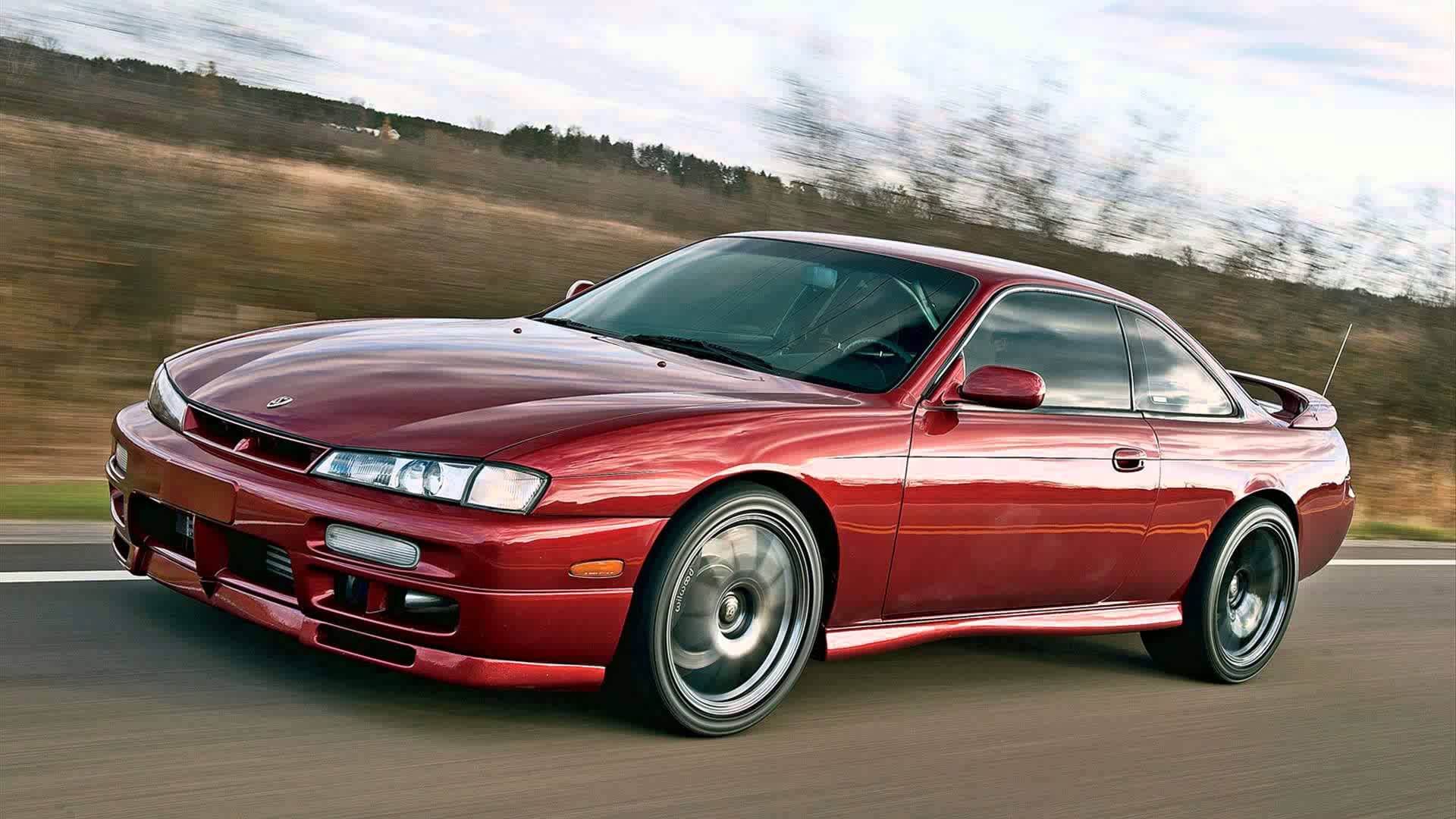
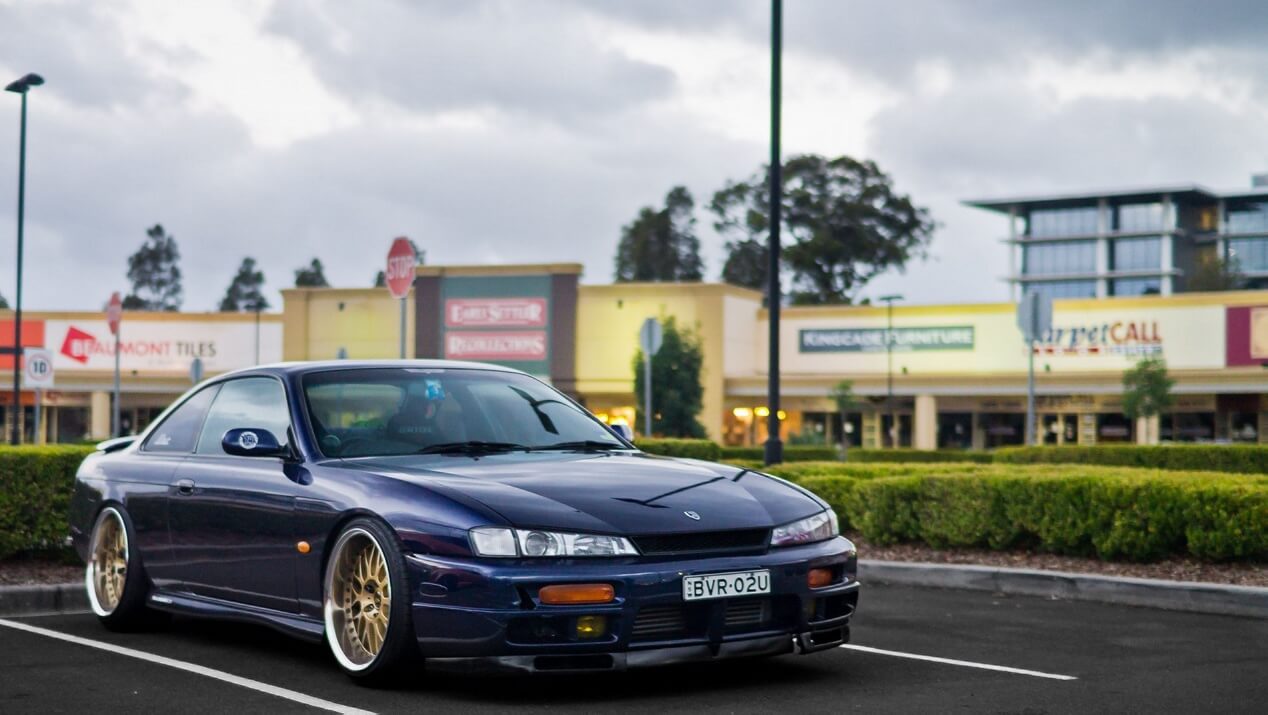
In the 1990s the turbo Eclipse competed with the Toyota Celica GT-Four, the Nissan 240SX and the Honda Prelude. The 4G GT fought the Ford Mustang V6, the Hyundai Tiburon and the Nissan 350Z. It was more comfortable and practical than the Nissan, but slower and less sharp, and it was front-wheel drive in a class of rear-drive coupés. Compared with the 2G GS-T, a 4G GT has 41 kW more but weighs about 270 kg more, so the gain in kW per tonne is small: about 126 against 120. To set the Eclipse against these cars side by side, use the 1cars comparison tool, or browse other coupés.

Rivals
Compare with…
Compare Mitsubishi Eclipse with
- Nissan 240SX quick spec comparison
- Nissan Silvia quick spec comparison
- Mazda RX-8 quick spec comparison
-
Classic
- Years
- 1989–1998
- Body
- Hatchback, Coupe
- Fuel
- Petrol
- Power
- 104–116 kW (141–158 PS)
2 generations
- S13
- S14
-
Ended 2012
- Years
- 2003–2012
- Body
- Coupe
- Fuel
- Petrol
- Power
- 141–177 kW (192–241 PS)

Mitsubishi Eclipse in our rankings
- No. 9 of 51 · Most economical coupes (10.2 l/100 km)
- No. 11 of 79 · Lightest coupes (1,215 kg · top 14%)
- No. 65 of 304 · Lightest cars (1,215 kg · top 22%)
- No. 85 of 301 · Power-to-weight: cars (159 kW/t · top 29%)
- No. 203 of 557 · Biggest engines: cars (3,800 cc · top 37%)
- No. 39 of 88 · Most powerful Japanese cars (198 kW · top 45%)
Lighter than 86% of ranked coupes in the 1CARS catalog (No. 11 of 79).
Mitsubishi Eclipse photos 14


Mitsubishi Eclipse videos 2

Mitsubishi Eclipse video 1
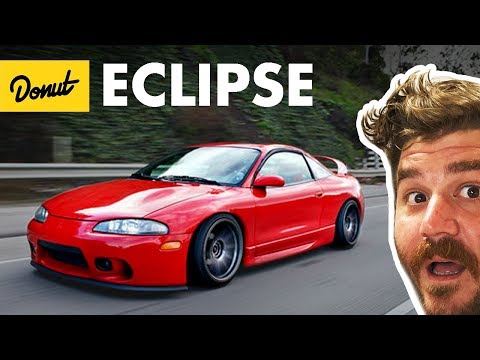
Video overview
FAQ
How many generations of the Mitsubishi Eclipse are there?
Four: the 1G (1990–1994 model years), the 2G (1995–1999), the 3G (2000–2005) and the 4G (2006–2012). All were built in Normal, Illinois, and production totalled 906,876 cars before it ended in August 2011.
Which Mitsubishi Eclipse has all-wheel drive?
Only the GSX versions of the first and second generations, with the 2.0 turbo 4G63 engine. From the third generation in 2000, every Eclipse was front-wheel drive, and Mitsubishi offered no hybrid or electric production version.
How much horsepower does the Mitsubishi Eclipse have?
Output ranges from 69 kW (92 hp) in the base 1990 car to 198 kW (265 hp) in the 2009–2012 GT V6. The strongest turbo car was the 2G GS-T and GSX, with 157 kW (210 hp).
Why did Mitsubishi stop making the Eclipse?
Sales of sports coupés fell in the late 2000s, and the 4G was heavier and slower to update than its rivals. Mitsubishi ended production in August 2011 and reused the name for the Eclipse Cross crossover in 2017.
What are the main rivals of the Mitsubishi Eclipse?
The 1990s cars competed with the Toyota Celica, Honda Prelude and Nissan 240SX. The 2006–2012 Eclipse faced the Ford Mustang V6, Hyundai Tiburon and Nissan 350Z, most of which were rear-wheel drive.
Data sources
Data checked by an editor against the sources below.
- The text of this article (1cars archive)
- Wikipedia - Mitsubishi Eclipse
- US EPA fueleconomy.gov - 30047.shtml
- US EPA fueleconomy.gov - 30048.shtml
- US EPA fueleconomy.gov - 30046.shtml
- US EPA fueleconomy.gov - 28562.shtml