 Nissan X-Trail T31 (2007–2013)
Specs, engines, safety and known problems
Published Sources (5) Report an error
By Sarah Whitmore, Senior Automotive Writer Reviewed by Felix Hartmann

- Power
- 104–127 kW (141–173 PS)
- Generation
- 2 of 4
Model timeline
Where the T31 sits in the X-Trail story
Predecessor X-Trail T30 (2000–2007) Successor X-Trail T32 (2013–2022)


T32 and T33 overlapped in 2020–2022, so T33 sits on a second lane
Newest first · 4 generations since 2000
-
2020
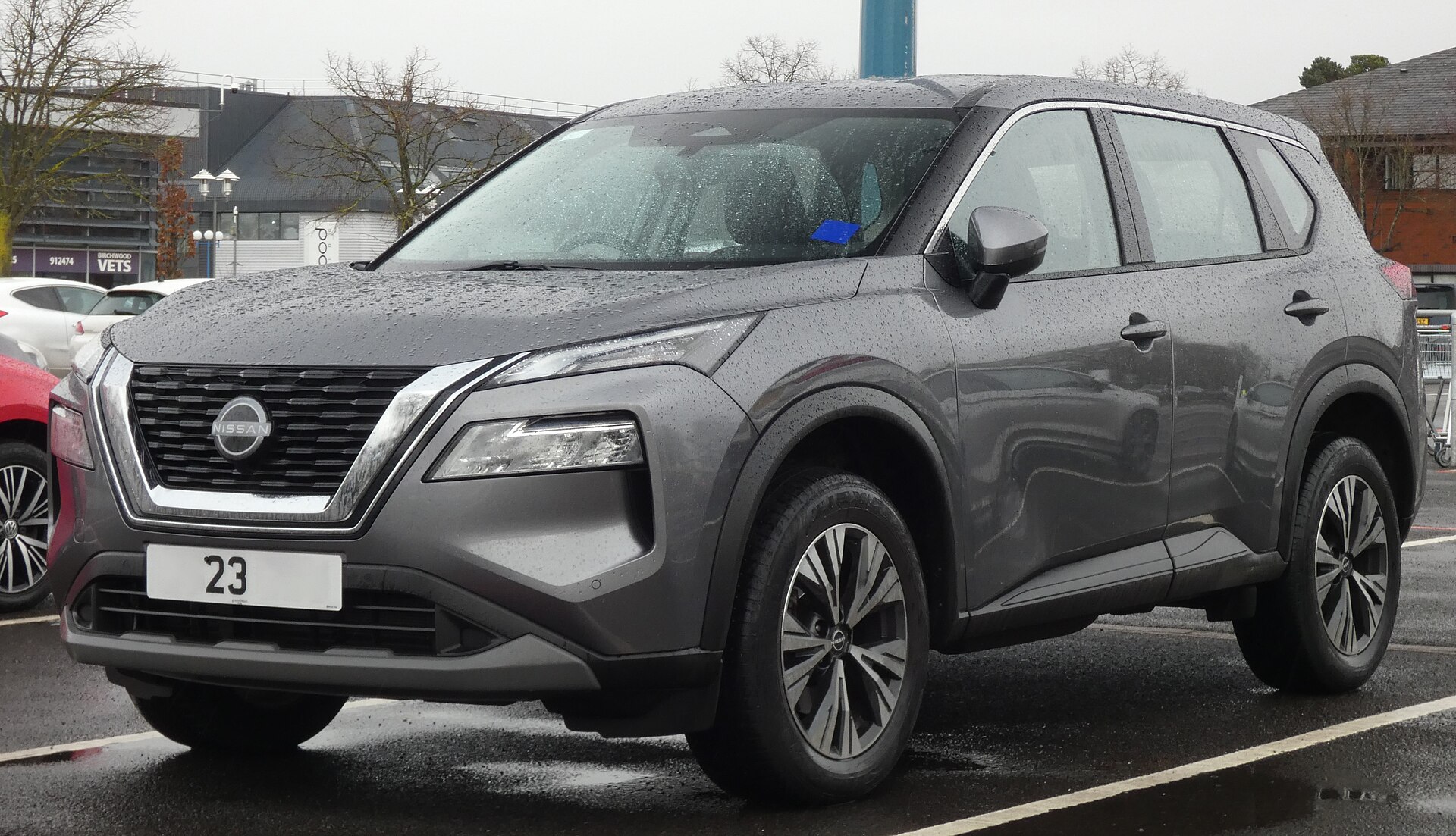
-
2013
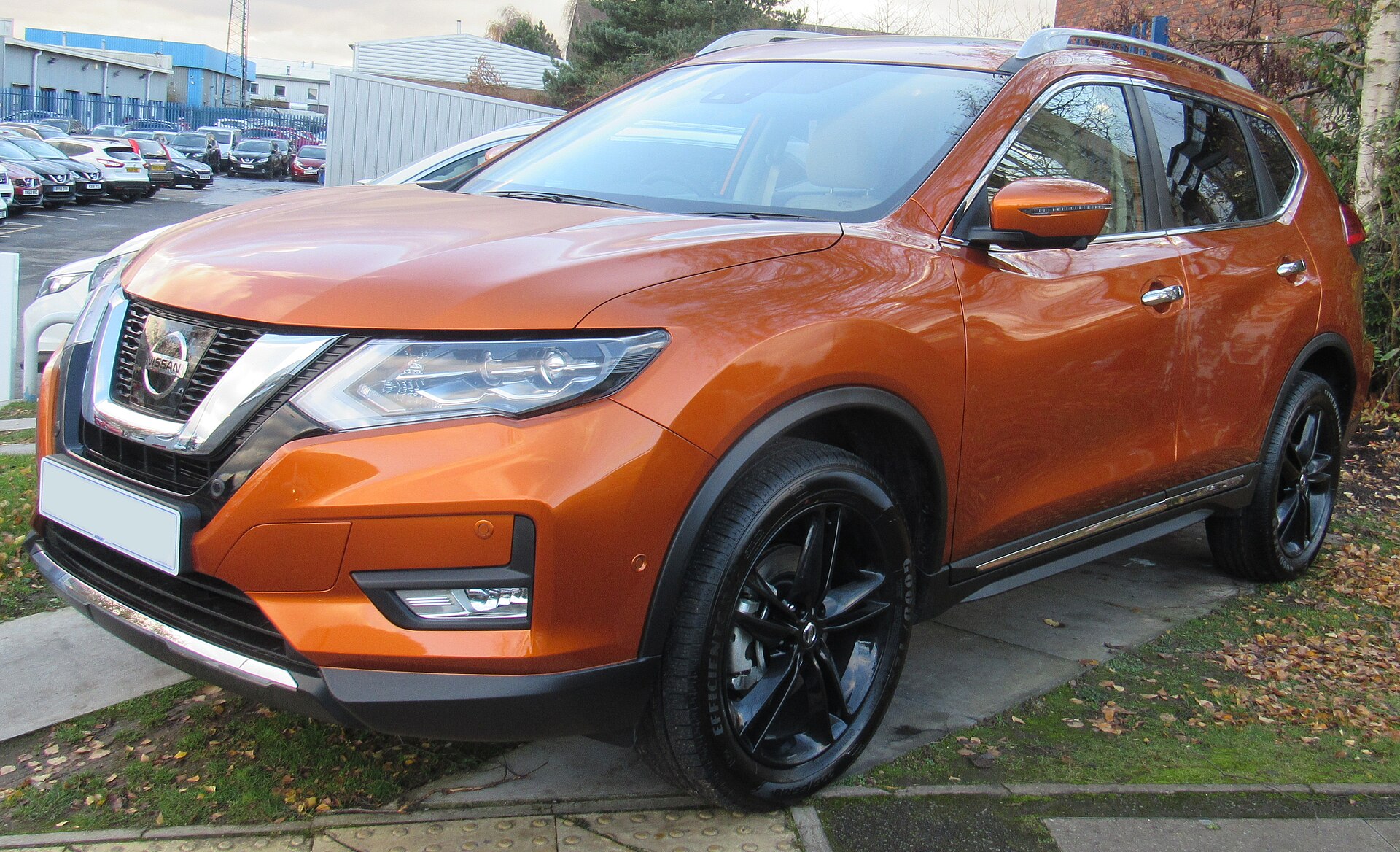
-
2007
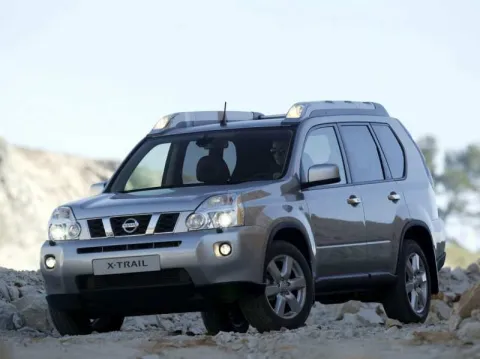 T31 You are here 2007–2013 · SUV · 104–127 kW (141–173 PS)
-
2000
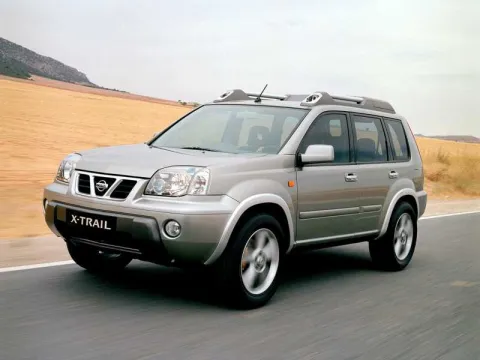 T30 2000–2007 · SUV · 84–206 kW (114–280 PS)
All generations by year: X-Trail T33 (2020–now) · X-Trail T32 (2013–2022) · X-Trail T31 (2007–2013) · X-Trail T30 (2000–2007)
Which T31 to buy
Our verdict · Sarah Whitmore
The best T31 depends on how the car will be used.
- Towing and long distances: the 2.0 dCi 150 or 173 with a manual gearbox, which keeps the 2,000 kg (4,409 lb) braked towing limit.
- Automatic: the 2.0 dCi 150 with the six-speed automatic, a conventional six-speed automatic rather than a CVT.
- Mostly short urban trips: a 2.0 petrol avoids the DPF issue, at the cost of higher fuel use.
- Comfort and kit: a post-2010 facelift car in Tekna or N-Tec+ trim, with better rear legroom and, on N-Tec+, Around View Monitor.
If you want a broader shortlist, browse diesel SUVs and other 4x4 and all-wheel-drive cars, or the full Nissan range.
The Nissan X-Trail T31 is the second generation of Nissan's compact SUV, shown at the Geneva Motor Show in March 2007 and sold in Europe from the third quarter of that year until the T32 replaced it in 2013–2014. It kept the boxy shape of the original but moved to a larger platform shared with the Qashqai. In Europe it is mainly a 2.0 dCi diesel with four-wheel drive.
In short
- Built from 2007 to 2013 in Japan; European sales started in Q3 2007, and the T32 took over from 2014.
- Main European engine: the Renault-developed 2.0 dCi (M9R) with 110 kW (150 PS) or 127 kW (173 PS); 2.0 and 2.5 petrol engines were also offered.
- ALL MODE 4x4-i added yaw control, hill-descent control and hill-start assist to the system of the first X-Trail.
- Euro NCAP awarded four stars in 2007, with a child-occupant score of 43 points, the highest it had recorded at the time.
Size at a glance
Toyota RAV4 XA40
The Nissan X-Trail T31 is 66 mm longer, 55 mm narrower and 30 mm taller than the Toyota RAV4 XA40.
| Dimensions | Nissan X-Trail T31 | Toyota RAV4 XA40 | Difference |
|---|---|---|---|
| Length | 4,636 mm182.5 in | 4,570 mm179.9 in | +66 mm+2.6 in |
| Width | 1,790 mm70.5 in | 1,845 mm72.6 in | −55 mm−2.2 in |
| Height | 1,700 mm66.9 in | 1,670 mm65.7 in | +30 mm+1.2 in |
| Wheelbase | — | 2,660 mm104.7 in | — |
| Boot | — | 506 L17.9 cu ft | — |
Mitsubishi Outlander GF
The Nissan X-Trail T31 is 19 mm shorter, 10 mm narrower and 20 mm taller than the Mitsubishi Outlander GF.
| Dimensions | Nissan X-Trail T31 | Mitsubishi Outlander GF | Difference |
|---|---|---|---|
| Length | 4,636 mm182.5 in | 4,655 mm183.3 in | −19 mm−0.7 in |
| Width | 1,790 mm70.5 in | 1,800 mm70.9 in | −10 mm−0.4 in |
| Height | 1,700 mm66.9 in | 1,680 mm66.1 in | +20 mm+0.8 in |
| Wheelbase | — | 2,670 mm105.1 in | — |
| Boot | — | 591 L20.9 cu ft | — |
X-Trail T31 specs by version
Engines
| Version | Engine | Power | Torque | Gearbox |
|---|---|---|---|---|
| Diesel · 1 version | ||||
| 2.0 dCi diesel | 2.0 l · Diesel M9R | 110 kW 150 PS148 hp | 320 Nm236 lb-ft | 6-sp Automatic |
| Petrol · 1 version | ||||
| 2.0 petrol | 2.0 l · Petrol MR20DE | 104 kW 141 PS139 hp | 196 Nm145 lb-ft | 6-sp CVT |
| Other · 2 versions | ||||
| 2.5 petrol | 2.5 l QR25DE | 124 kW 169 PS166 hp | 233 Nm172 lb-ft | 6-sp CVT |
| 2.0 dCi diesel | 2.0 l 1,995 cc | 127 kW 173 PS170 hp | — | 6-sp Manual |
Performance
Show all 1 versions
| Version | Fuel consumption |
|---|---|
| 2.0 dCi diesel | 7.4 l/100 km31.8 mpg US · 38.2 mpg UK |
Dimensions and weight
Show all 4 versions
| Version | Length | Width | Height |
|---|---|---|---|
| Diesel · 1 version | |||
| 2.0 dCi diesel | 4,636 mm182.5 in | 1,790 mm70.5 in | 1,700 mm66.9 in |
| Petrol · 1 version | |||
| 2.0 petrol | 4,636 mm182.5 in | 1,790 mm70.5 in | 1,700 mm66.9 in |
| Other · 2 versions | |||
| 2.5 petrol | 4,636 mm182.5 in | 1,790 mm70.5 in | 1,700 mm66.9 in |
| 2.0 dCi diesel | 4,636 mm182.5 in | 1,790 mm70.5 in | 1,700 mm66.9 in |
Verified Manufacturer and type-approval data from our catalog · Sources and methodology
What changed from the T30
The T31 is bigger and more practical than the first X-Trail, yet looks like a close relative. The upright, square-cut body stayed; most of the changes are underneath and inside.
The car moved from the FF-S platform of the T30 to the Renault–Nissan C platform, the same base as the Qashqai. It grew to about 4.63 m long, roughly 175 mm more than the European T30, and boot space rose to 603 L with the rear seats up. The biggest change for European buyers was under the bonnet. The 2.2 diesel of the first generation gave way to the 2.0 dCi developed with Renault, offered in two outputs and, in the 150 PS version, with a six-speed automatic.
The four-wheel-drive system also evolved. The T30 introduced ALL MODE 4x4 with AUTO, 2WD and LOCK settings; the T31's ALL MODE 4x4-i kept that logic and added yaw control, hill-descent control and hill-start assist. The T31 was not sold in the United States or Canada, where Nissan offered the Rogue instead.
For the bigger picture, the overview of all X-Trail generations compares the T31 with the T30 before it and the T32 and T33 that followed.
Design, platform and interior
The T31 is a conventional five-seat SUV with a high roofline, near-vertical tailgate and plenty of glass. Under the skin it shares its C platform with the Nissan Qashqai, which made the X-Trail the more rugged, more spacious of the two crossovers.
Practical touches were a strong point at launch. UK road tests noted a drawer under a washable, removable upper boot floor, a 40/20/40 split rear seat and a ski hatch. Moving the high-level brake light above the rear window allowed privacy glass on the tailgate as well. Higher trims had a panoramic sunroof, keyless entry and heated, power-adjusted front seats.
The 2010 facelift was mild: small exterior changes and redesigned front seats that freed up more legroom for rear passengers. In the UK, the launch trims Trek, Sport and Aventura were replaced in 2009 by Acenta and Tekna. A later N-Tec+ version added Around View Monitor, which shows a 360-degree view of the car on the centre display.
Engines and drivetrains
European T31s used one diesel family and two petrol engines. Spec databases list most European versions with four-wheel drive. The table gives outputs in kW first, with the metric PS figure the sources quote.
| Engine | Code | Displacement | Power | Torque | Gearbox |
|---|---|---|---|---|---|
| 2.0 petrol | MR20DE | 1,998 cm³ (121.9 cu in) | 104 kW (141 PS) at 6,000 rpm | 196 Nm (145 lb-ft) | 6-speed manual or CVT |
| 2.5 petrol | QR25DE | 2,488 cm³ (151.8 cu in) | 124 kW (169 PS) at 6,000 rpm | 233 Nm (172 lb-ft) | 6-speed manual or CVT |
| 2.0 dCi diesel | M9R | 1,995 cm³ (121.7 cu in) | 110 kW (150 PS) at 4,000 rpm | 320 Nm (236 lb-ft) | 6-speed manual or 6-speed automatic |
| 2.0 dCi diesel | M9R | 1,995 cm³ (121.7 cu in) | 127 kW (173 PS) at 3,750 rpm | sources differ | 6-speed manual |
Performance figures are taken from published spec data. The 2.0 dCi 150 with the automatic is quoted at 12.5 seconds from 0 to 100 km/h, a top speed of 181 km/h (112 mph) and 8.1 L/100 km (29 mpg US) on the NEDC combined cycle. The 173 PS manual is the quickest European version: 10.0 seconds, 200 km/h (124 mph), 7.4 L/100 km (31.8 mpg US) and 198 g/km of CO2. The 2.5 petrol with CVT needs about 9.3 L/100 km (25.3 mpg US).
ALL MODE 4x4-i is a part-time system. The driver chooses between front-wheel drive, an automatic mode that sends up to half of the drive to the rear axle when the front wheels slip, and a lock mode for low-speed work on loose surfaces. Japan's market received the 2.0 diesel in September 2008 as the 20GT, the first diesel X-Trail sold there.
Dimensions and capacities
The table shows a European 2.0 dCi 4x4 from the pre-facelift period. Sources differ slightly on the exact length; figures of 4,630 and 4,640 mm are both quoted.
| Parameter | Metric | Imperial |
|---|---|---|
| Length | 4,630 mm (4,640 mm also quoted) | 182.3 in (182.7 in) |
| Width | 1,785 mm | 70.3 in |
| Height | 1,685 mm | 66.3 in |
| Wheelbase | 2,630 mm | 103.5 in |
| Ground clearance | 200 mm | 7.9 in |
| Boot, rear seats up | 603 L | 21.3 cu ft |
| Boot, rear seats folded | 1,742–1,773 L (sources differ) | 61.5–62.6 cu ft |
| Kerb weight (2.0 dCi 150 automatic) | 1,637 kg | 3,609 lb |
| Fuel tank | 65 L | 17.2 US gal |
| Braked towing (2.0 dCi) | 2,000 kg | 4,409 lb |
| Turning circle | 10.8 m | 35.4 ft |
Towing limits depend on the engine. The 2.0 dCi is quoted at 2,000 kg (4,409 lb) braked, while the 2.5 petrol with CVT is listed at 1,350 kg (2,976 lb). Check the figure for the exact car before buying a caravan or horsebox to match.
Safety: Euro NCAP 2007
Euro NCAP rated the T31 four stars in late 2007, testing a left-hand-drive 2.0 dCi. The car scored 30 points for adult occupant protection, 43 points for child occupant protection and 12 points for pedestrian protection, which equalled two stars out of four on that scale.
The child score was the headline. At 43 points it was the highest child-occupant result Euro NCAP had recorded up to then. The adult score was held back by the frontal impact, where the car lost points for the front passenger's legs and the driver's neck.
Ratings from 2007 cannot be compared directly with today's five-star results, because the test programme has added new crashes and active-safety checks since then.
Reliability and known issues
UK buying guides describe the T31 as generally dependable and better than the first-generation X-Trail. The common warning concerns the diesel particulate filter (DPF).
- DPF clogging on 2.0 dCi cars that do mostly short trips, which can be costly to fix.
- Wear on early cars used for towing or real off-road work: check the 4x4 system, suspension and underbody.
- On any high-mileage diesel, look for a full service history and evidence of regular motorway driving.
No large independent survey gives the T31 a reliability score, so these points come from buying guides rather than failure statistics.
Did you know?
- The X-Trail T31 is generation 2 of 4 of the Nissan X-Trail in our catalog.
- The X-Trail T31 offers up to 127 kW (173 PS) — 79 kW less than the X-Trail T30 (2000–2007) (−38%).
- At up to 4,636 mm long, it is 126 mm longer than the X-Trail T30 (2000–2007).
Image credits · Photos from Wikimedia Commons under free licences
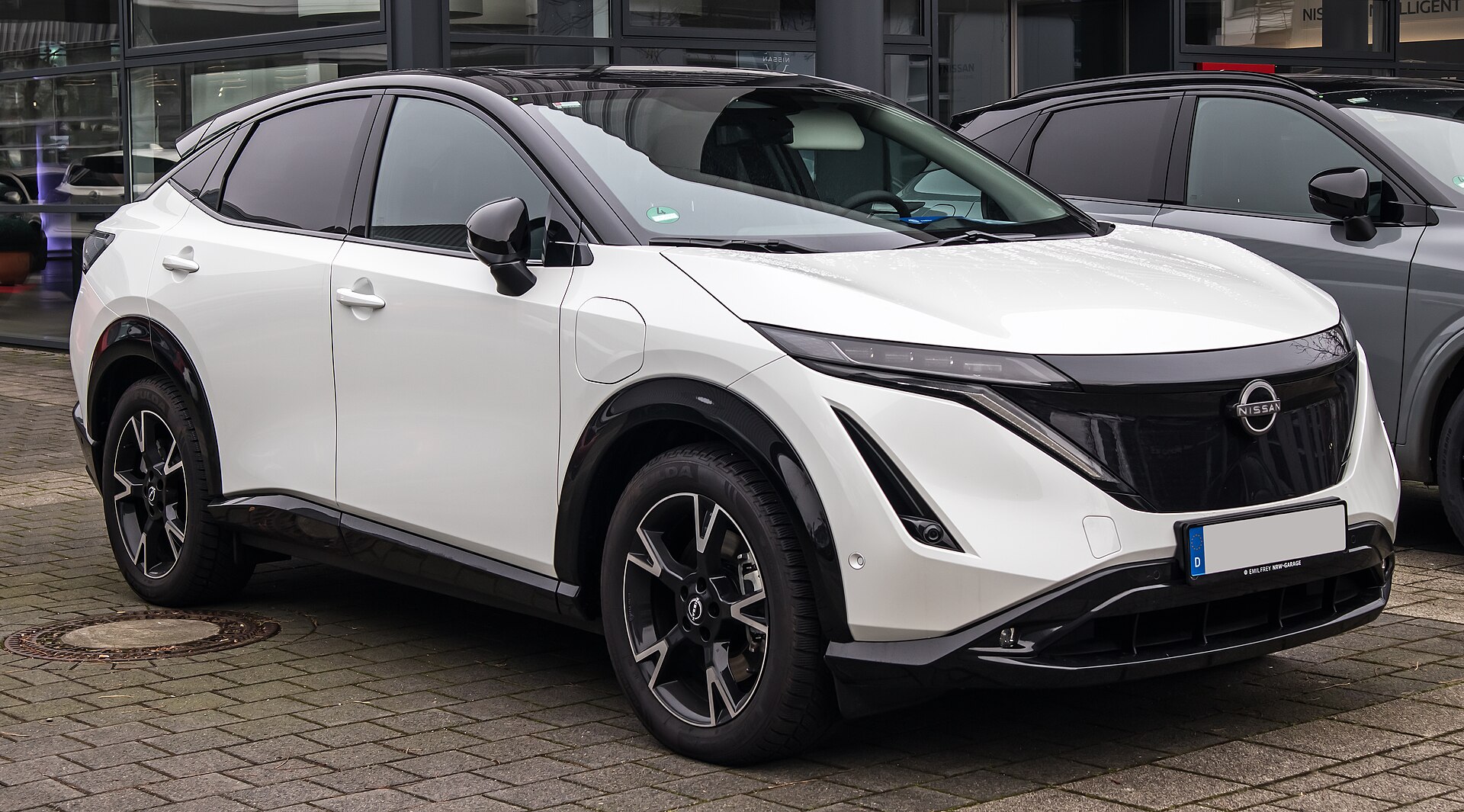
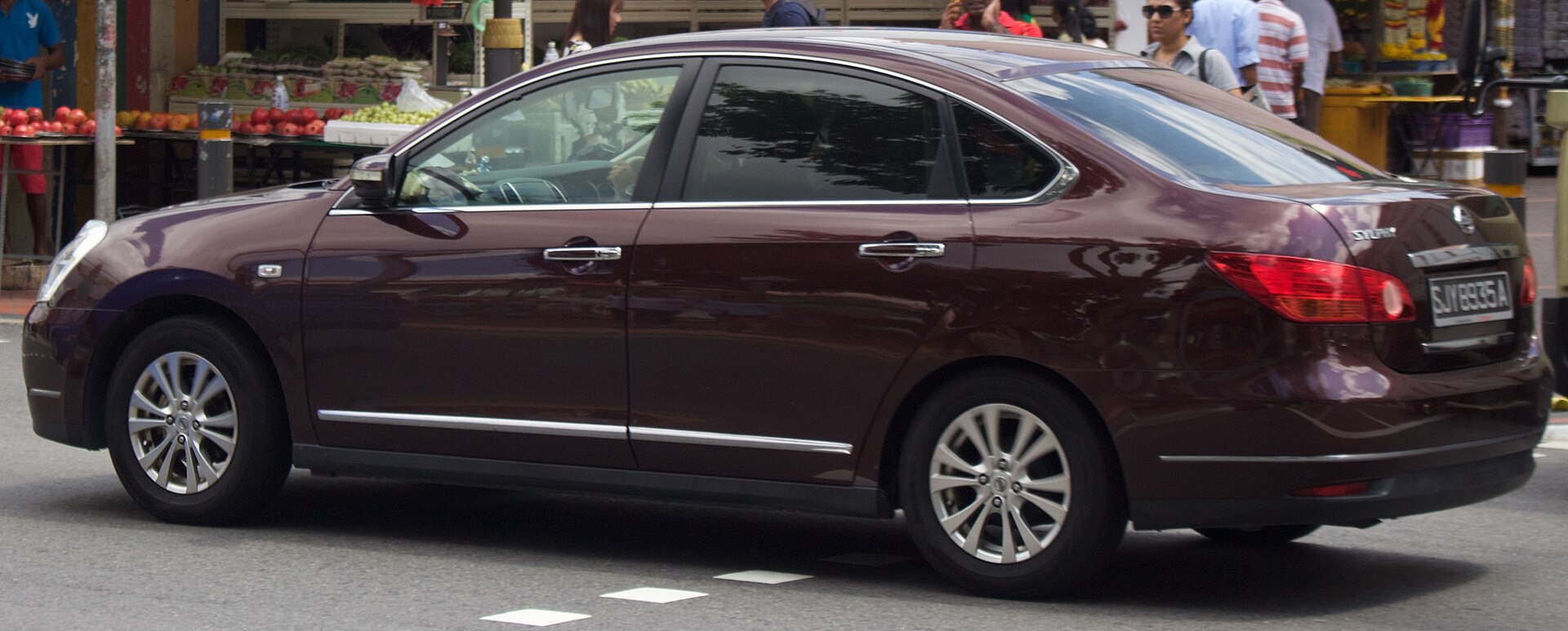
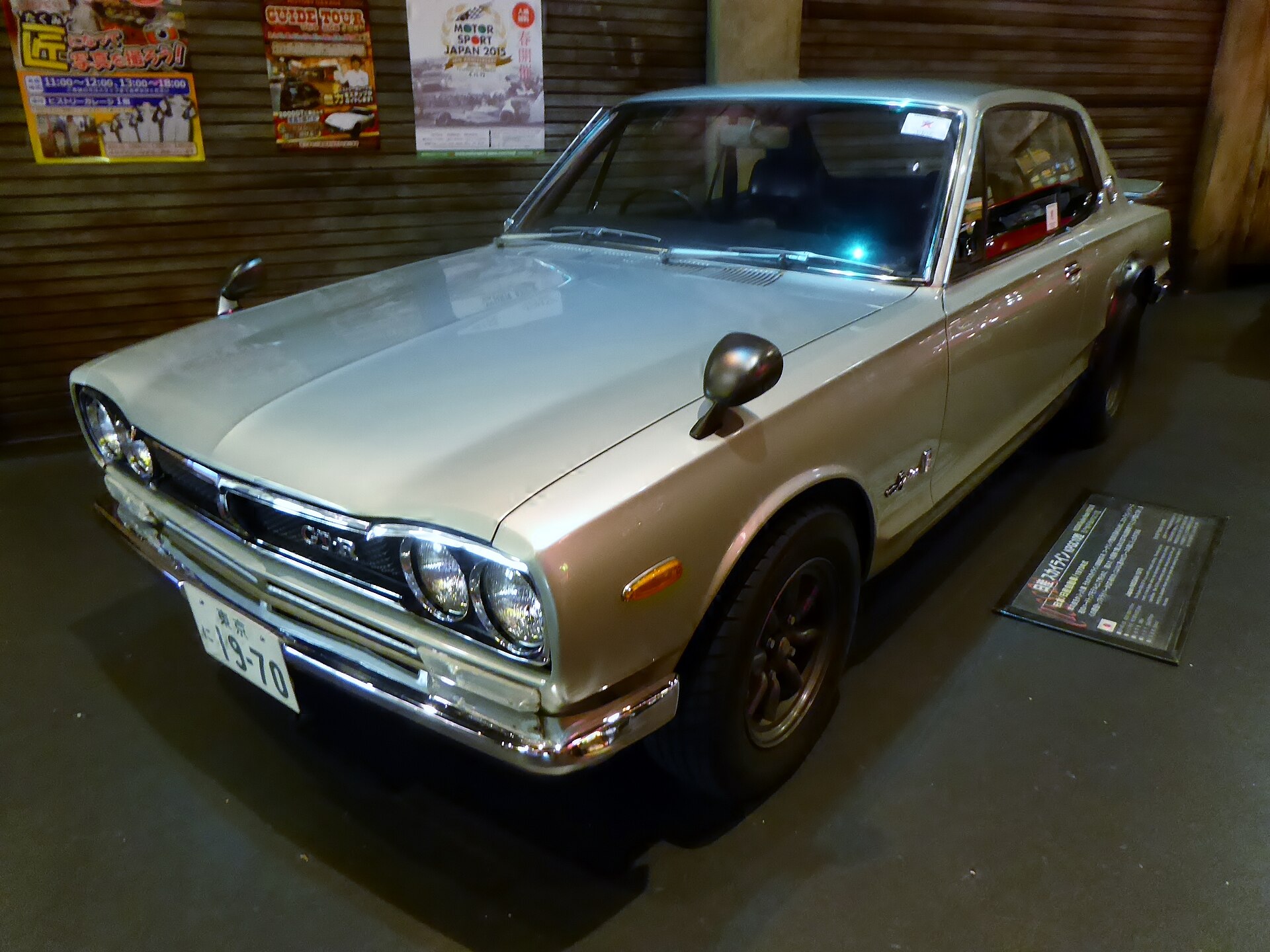
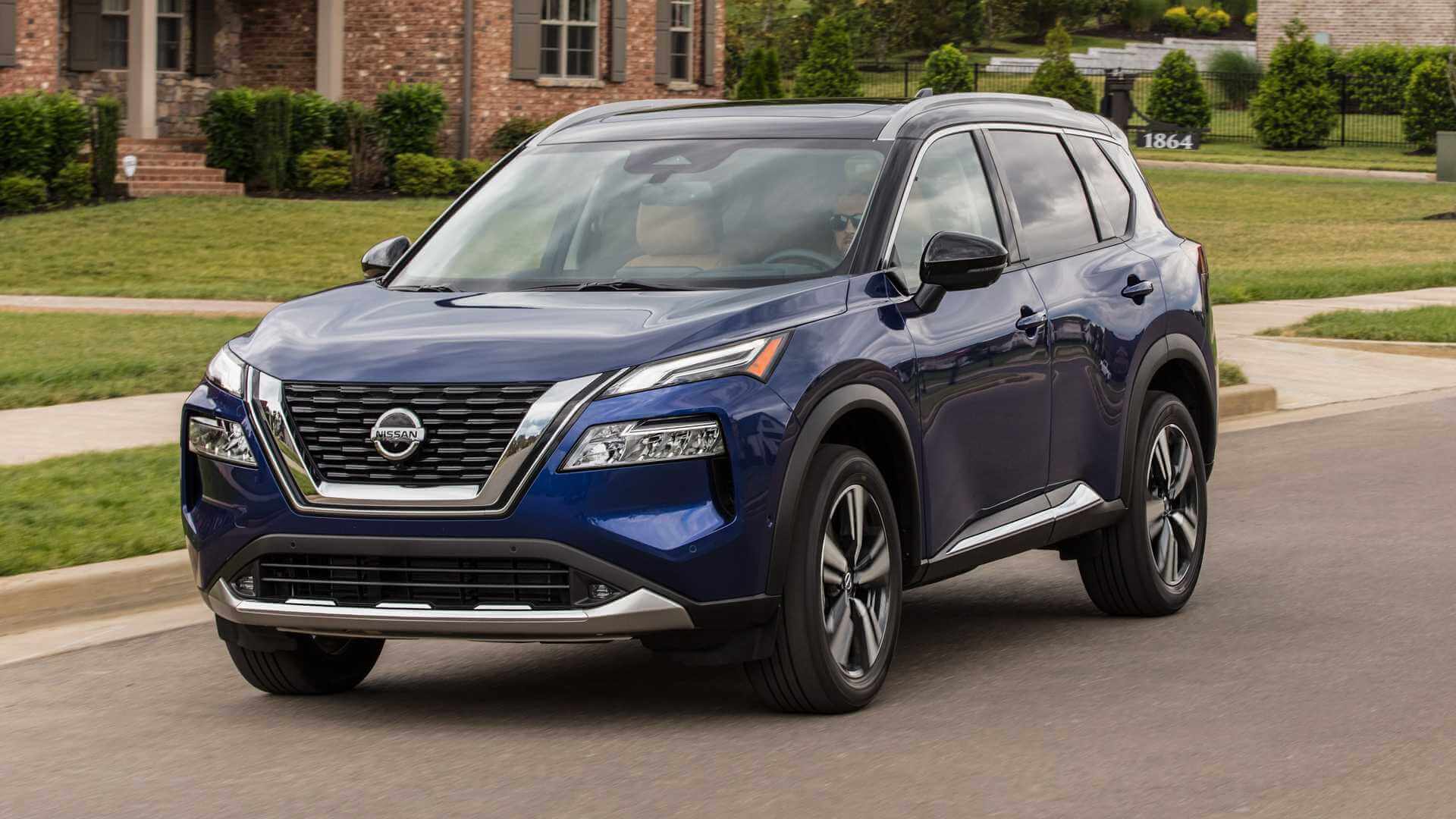
- Nissan X-Trail T30 · Photo: Vauxford / Wikimedia Commons, CC BY-SA 4.0
- Nissan X-Trail T31 · Photo: Hatsukari715 / Wikimedia Commons, Public domain
- Nissan X-Trail T32 · Photo: Vauxford / Wikimedia Commons, CC BY-SA 4.0
- Nissan X-Trail T33 · Photo: Harvey Bold / Wikimedia Commons, CC BY 4.0
T31 rivals
-
In production
- Years
- 1994–present
- Body
- Convertible, SUV
- Fuel
- Petrol, Diesel, Hybrid
- Power
- 91–145 kW (124–197 PS)
6 generations
- XA10
- XA20
- XA30
- XA40
- XA50
- XA60
-
In production
- Years
- 1995–present
- Body
- SUV
- Fuel
- Petrol, Diesel, Hybrid
- Power
- 88–140 kW (120–190 PS)
6 generations
- I
- II
- III
- IV
- CR-V
- VI
-
In production
- Years
- 2001–present
- Body
- SUV
- Fuel
- Petrol, Diesel, Plug-in hybrid
- Power
- 100–225 kW (136–306 PS)
-
In production
- Years
- 1993–present
- Body
- Convertible, SUV
- Fuel
- Petrol, Diesel, Hybrid
- Power
- 61–195 kW (83–265 PS)


FAQ
What years is the Nissan X-Trail T31?
Nissan dates the T31 from 2007 to 2013. It was revealed in March 2007, went on sale in Europe in the third quarter of 2007 and was replaced by the T32, which reached European showrooms in July 2014.
Is the X-Trail T31 a 7-seater?
No. The T31 has five seats. Seven seats arrived with the third-generation T32, which also replaced the Qashqai+2 in Nissan's range.
What engines does the T31 X-Trail have in Europe?
The main engine is the 2.0 dCi diesel (M9R) with 110 kW (150 PS) or 127 kW (173 PS). Petrol buyers could choose the 2.0 MR20DE with 104 kW (141 PS) or the 2.5 QR25DE with 124 kW (169 PS).
How safe is the X-Trail T31?
Euro NCAP gave it four stars in 2007, with 30 points for adults, 43 for children and 12 for pedestrians. The child score was the highest Euro NCAP had recorded at that time.
What are the common problems with the X-Trail T31?
UK buying guides call it generally dependable. The main known issue is DPF clogging on diesels used for short journeys; early cars used for towing or off-road driving can also show heavy wear.
Data sources
Data checked by an editor against the sources below.
- 1cars archive: Nissan X-Trail Generations (T30 to T33): Specs, Safety, Buying
- The text of this article (1cars archive)
- Wikipedia — Nissan X Trail
- Motor1 — Nissan X Trail 2022 Vorstellung
- Co