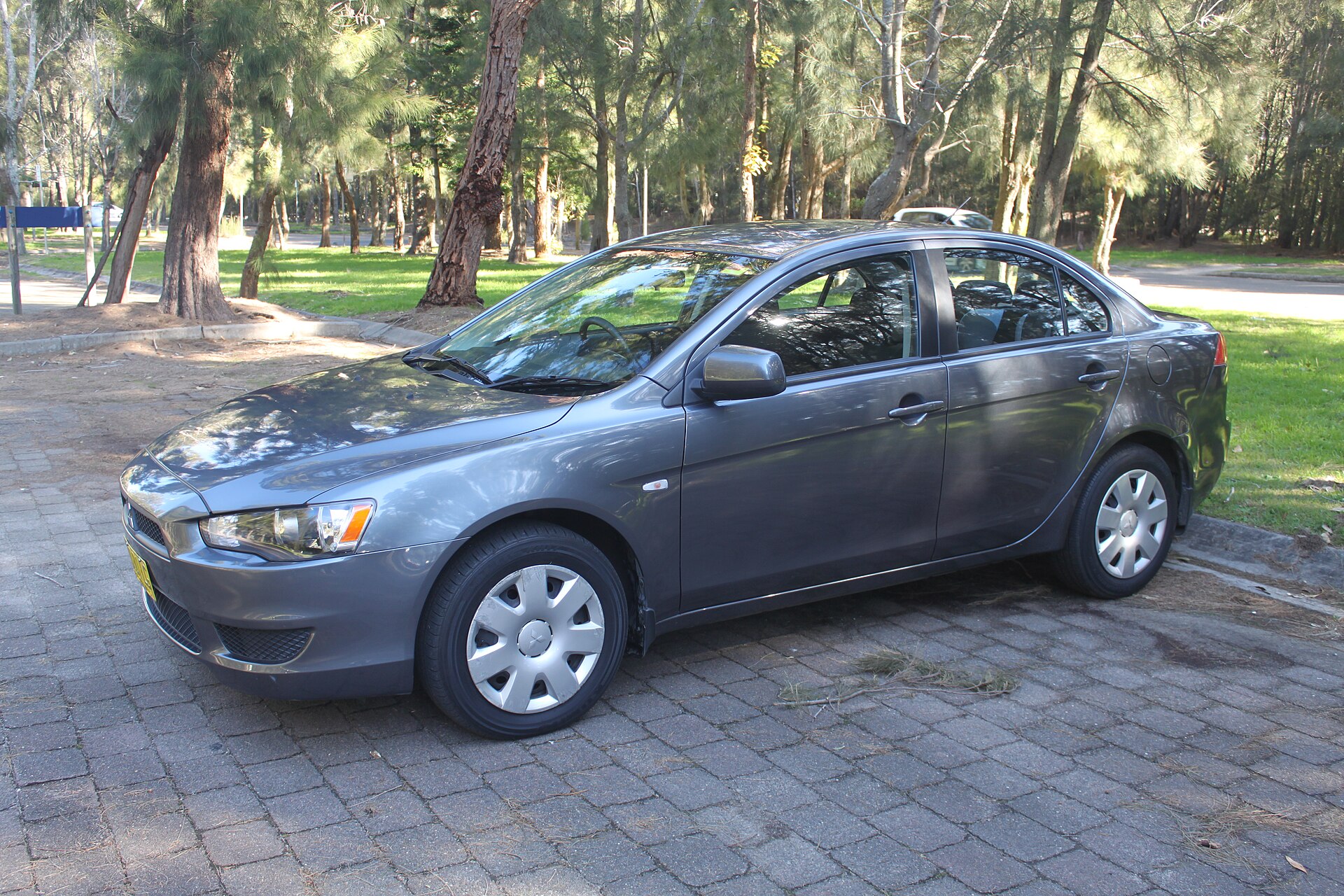
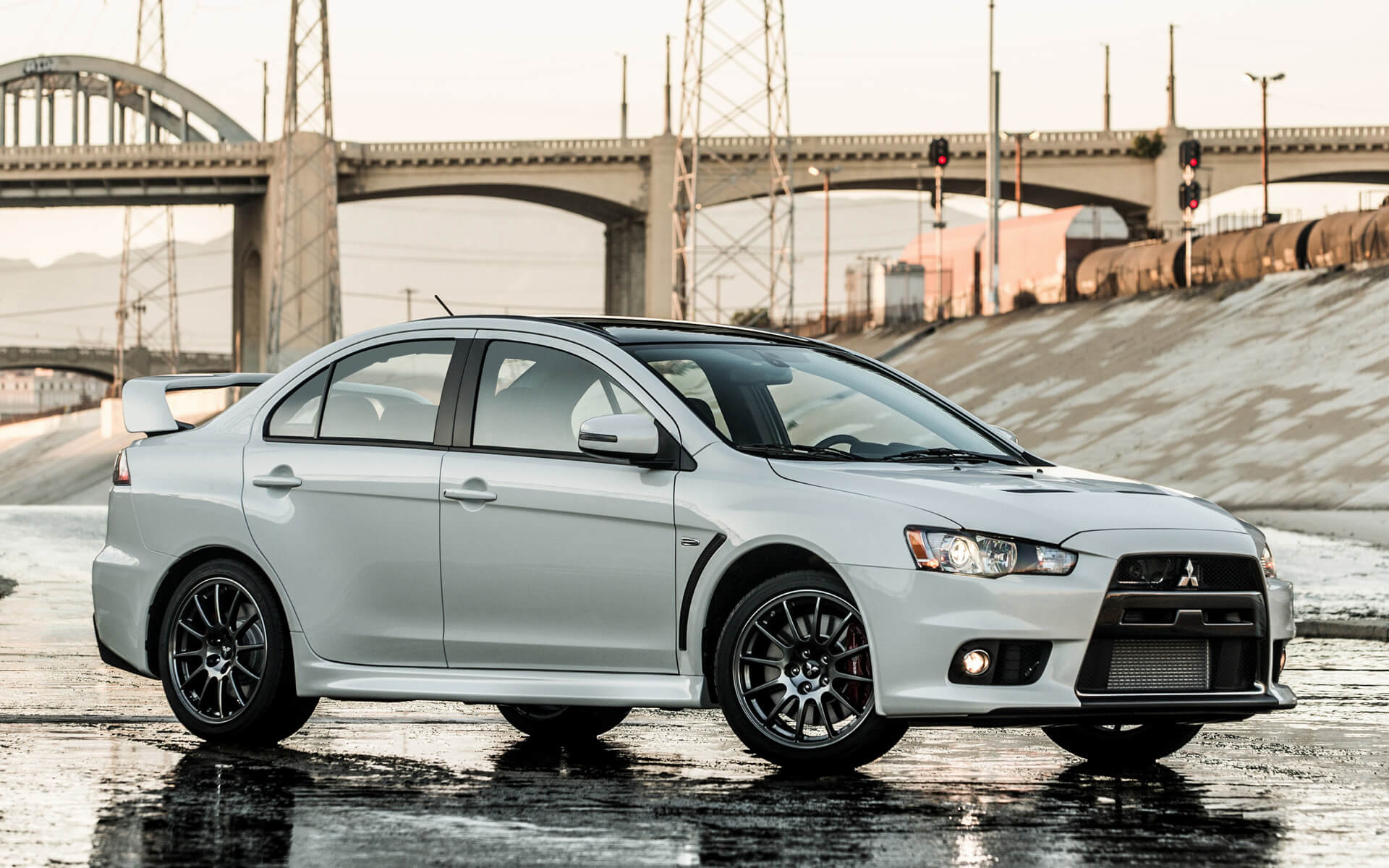
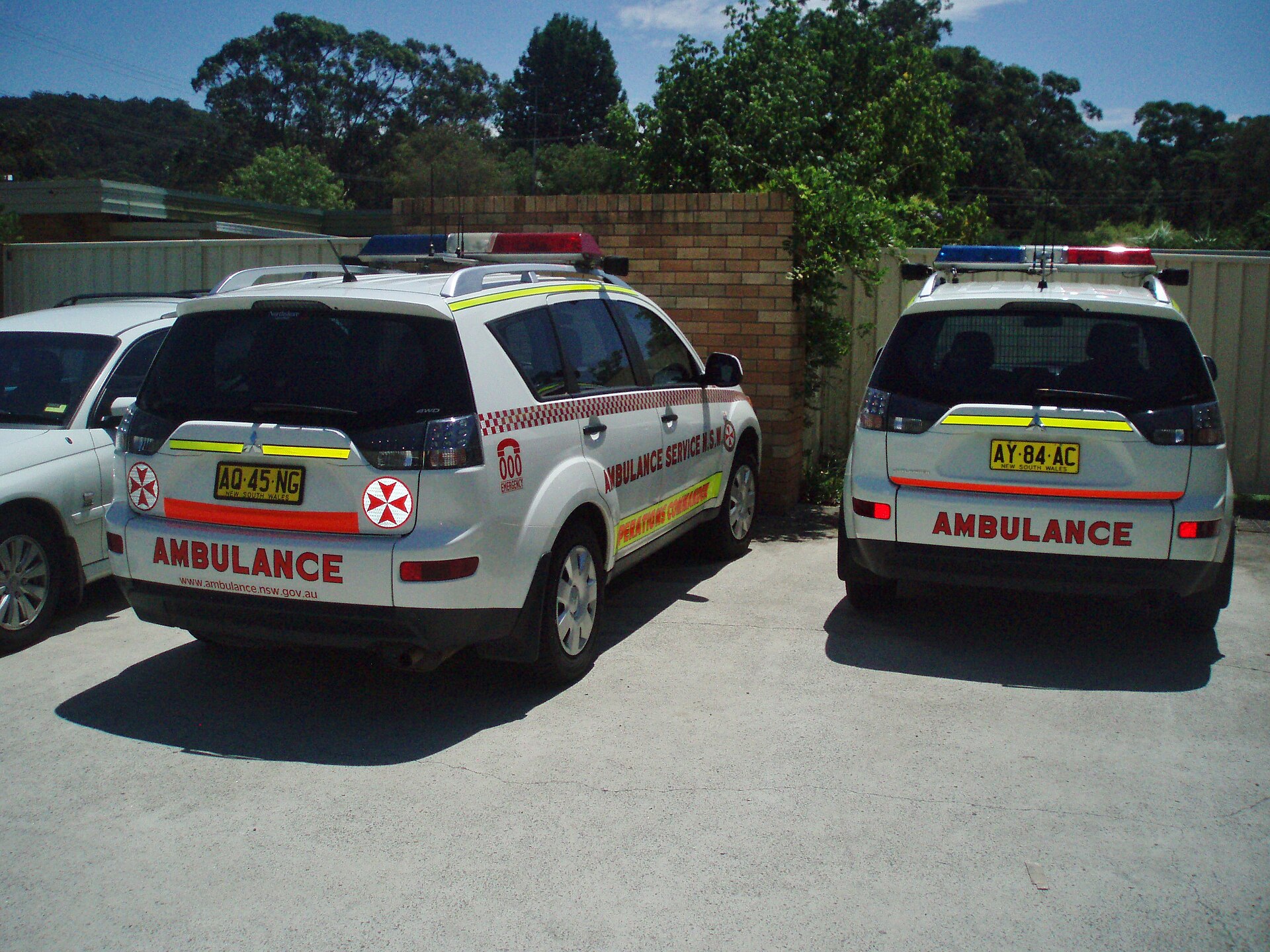
 Mitsubishi Outlander CW (2005–2012)
Specs, engines, safety and known problems
Published Sources (4) Report an error
By Sarah Whitmore, Senior Automotive Writer Reviewed by Felix Hartmann
- Power
- 103–130 kW (140–177 PS)
- Generation
- 2 of 5
Model timeline
Where the CW sits in the Outlander story
Predecessor Outlander CU (2001–2006) Successor Outlander GF (2012–2021)
CU and CW overlapped in 2005–2006, so CW sits on a second lane
Newest first · 5 generations since 2001
-
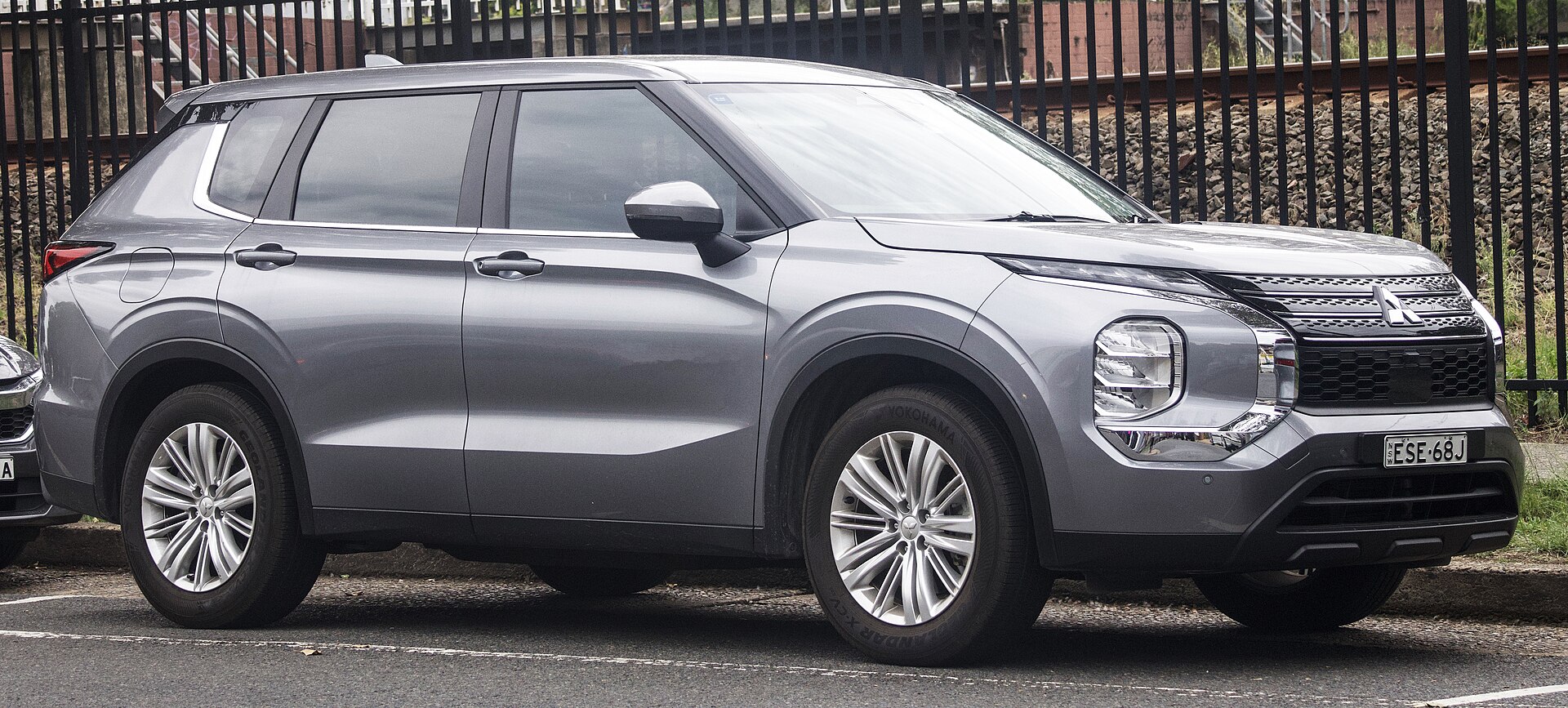
2021
-
2013
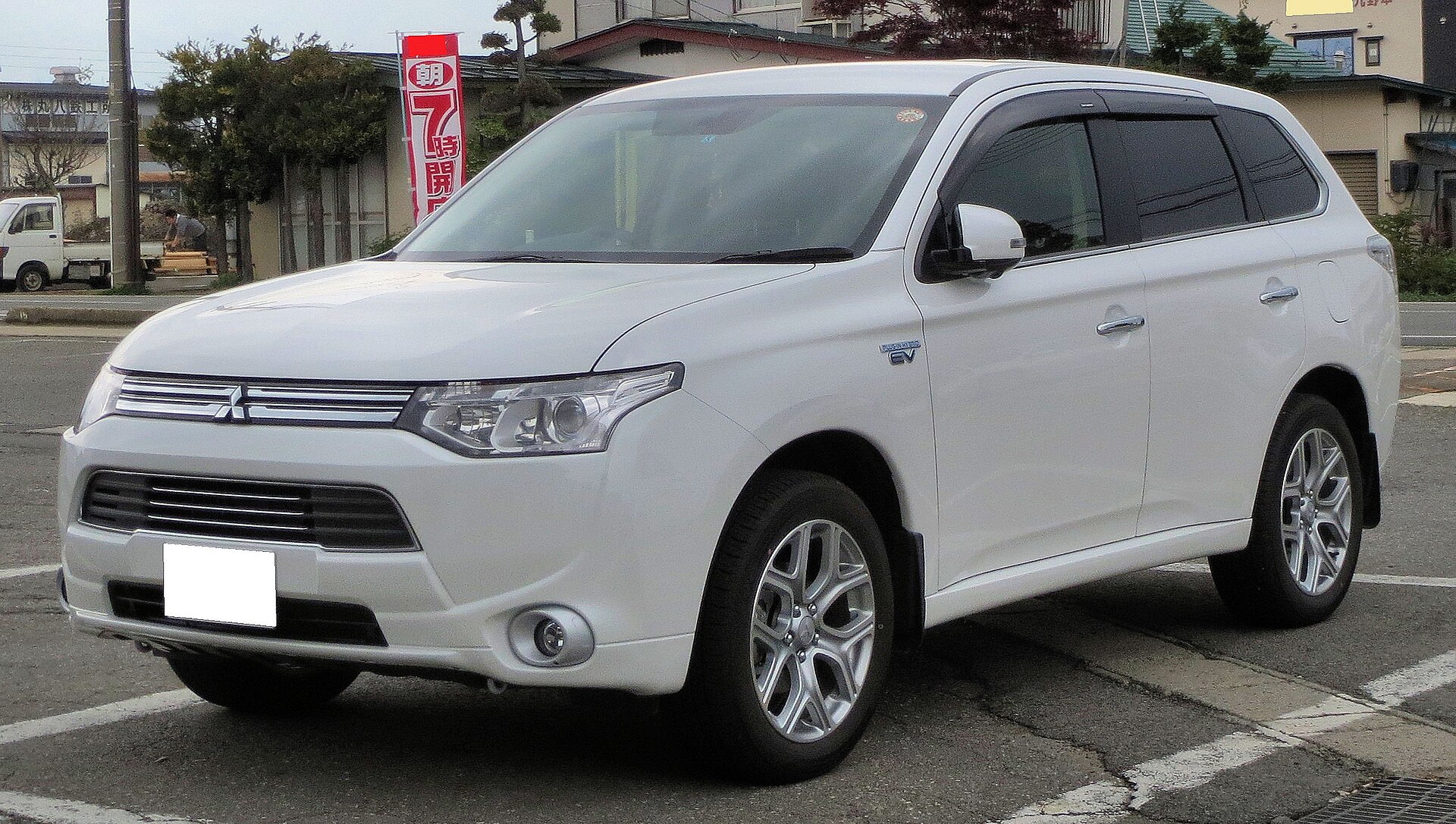
-
2012
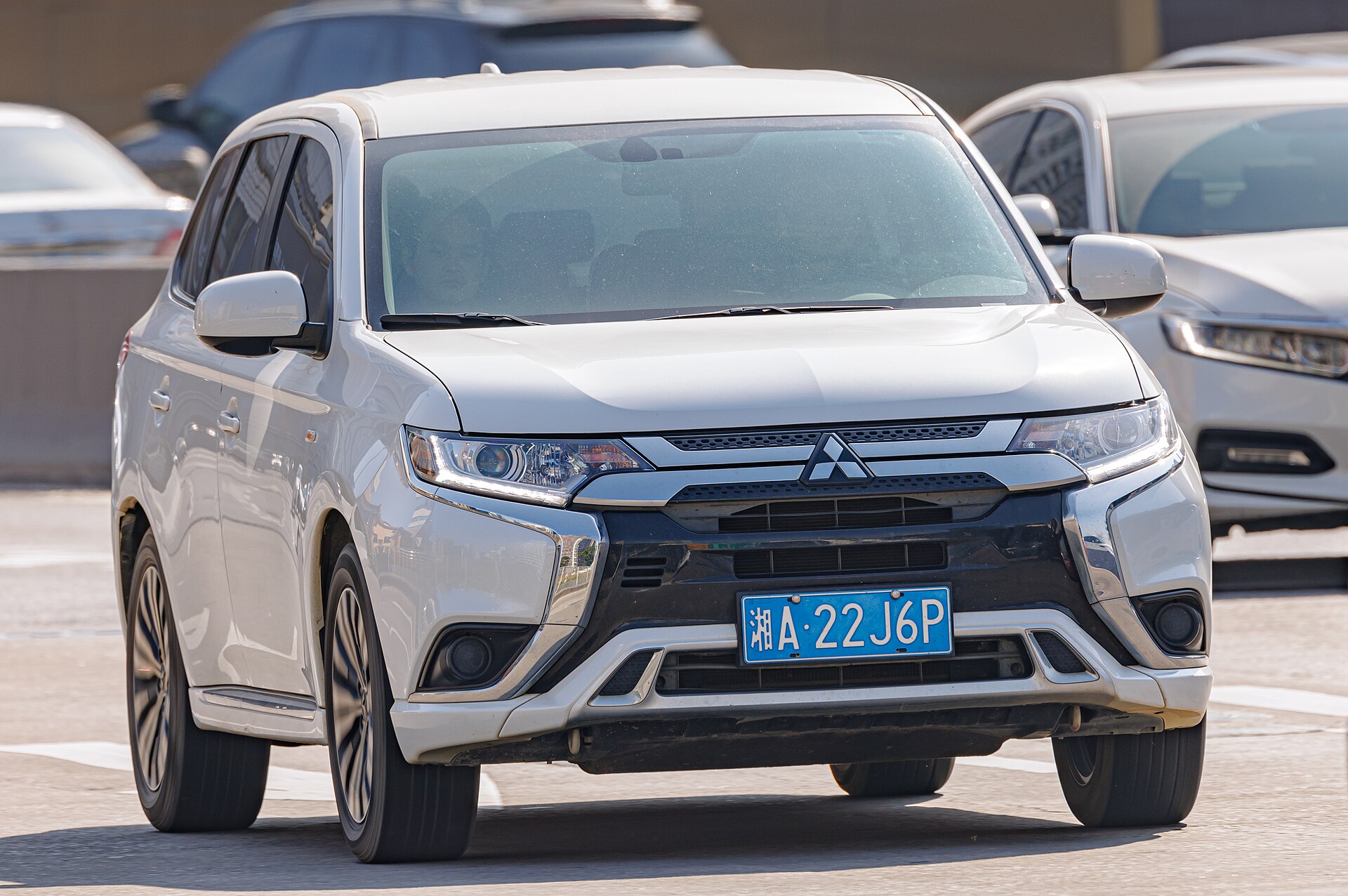
-
2005
-
2001
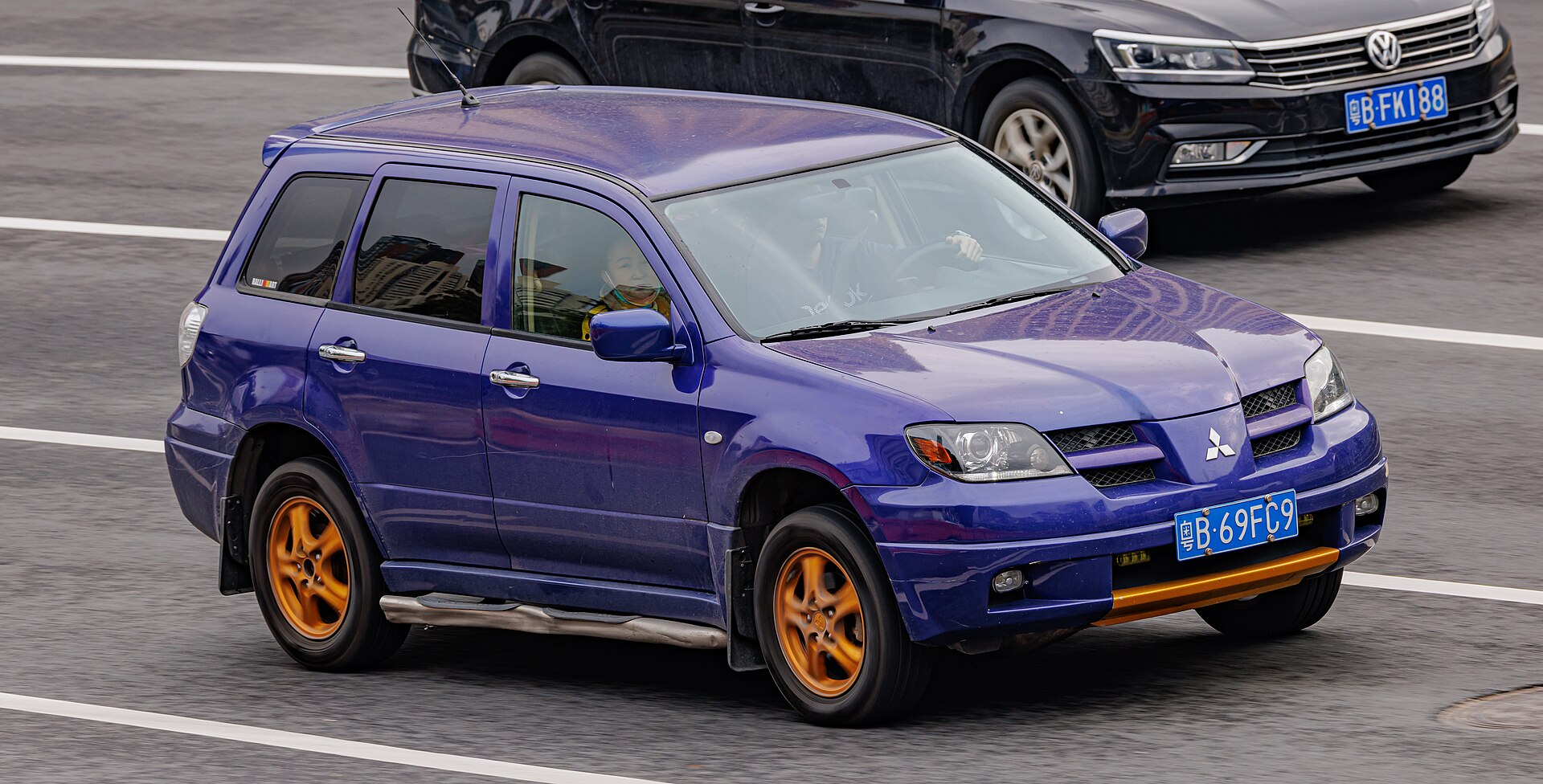


All generations by year: Outlander GN (2021–now) · Outlander PHEV (2013–2021) · Outlander GF (2012–2021) · Outlander CW (2005–2012) · Outlander CU (2001–2006)
The second-generation Mitsubishi Outlander, coded CW, went on sale in Japan in October 2005 and in Europe in February 2007, and it stayed in production until 2012. It was the first Outlander with diesel power and an optional third seat row. Peugeot and Citroën sold rebadged versions as the 4007 and C-Crosser, built by Mitsubishi in Japan.
In short
- Launch: Japan 17 October 2005, North America October 2006, Europe February 2007; production ran to 2012.
- European diesels came from three suppliers in turn: Volkswagen 2.0, PSA 2.2 and Mitsubishi's own 4N14.
- A "Jetfighter" grille facelift arrived for the 2010 model year, with S-AWC on the top versions.
- Euro NCAP tested it in 2007: four stars for adults, three for children and two for pedestrians.
Outlander CW specs by version
Engines
| Version | Engine | Power | Torque | Drive | Production years |
|---|---|---|---|---|---|
| Diesel · 2 versions | |||||
| 2.0 diesel (VW unit injector) | Diesel | 103 kW 140 PS138 hp | 310 Nm229 lb-ft | — | — |
| 2.2 DI-D (PSA DW12) | Diesel | 115 kW 156 PS154 hp | 380 Nm280 lb-ft | — | 2007 |
| Petrol · 2 versions | |||||
| 2.0 108 kW (147 PS) | 2.0 l · Petrol 2,000 cc | 108 kW 147 PS145 hp | — | All-wheel drive | — |
| 2.4 125 kW (170 PS) | 2.4 l · Petrol 2,400 cc | 125 kW 170 PS168 hp | — | All-wheel drive | — |
| Other · 1 version | |||||
| 130 kW (177 PS) SUV | — | 130 kW 177 PS174 hp | — | — | 2007 |
Dimensions and weight
Verified Manufacturer and type-approval data from our catalog · Sources and methodology
From Airtrek-based crossover to seven-seat SUV
The CW replaced a smaller, lower car. The first Outlander was a lower, lighter crossover with petrol engines only; its successor grew into a family SUV, and the Japanese Airtrek name was dropped in favour of Outlander when the new model arrived there in October 2005.
Three changes mattered most to European buyers. First, diesel engines, which the CU never offered. Second, a third row of two occasional seats that folded into the boot floor. Third, a wider choice of gearboxes, including a CVT for the petrol engines and, later, a dual-clutch unit for the diesel.
The North American version was previewed with a V6 at the New York show in April 2006 and reached dealers that October. For the full family tree, including the GF and GN that followed, see the overview of every Outlander generation.
Platform, plants and the Peugeot 4007 and Citroën C-Crosser
The CW sits on Mitsubishi's GS platform, an architecture that also served Jeep, Chrysler-group and PSA models of the period. Auto Express notes that the later Outlander's underpinnings still trace their roots to this Mk2 car.
Production started at the Nagoya plant at Okazaki in Japan. Sources agree that European Outlanders later moved to NedCar in Born, the Netherlands, but they differ on the year: English-language references say 2008, while German ones link the move to the 2010 facelift.
The PSA twins
PSA Peugeot Citroën needed a mid-size 4x4 quickly, so it bought one from Mitsubishi. The Peugeot 4007 and Citroën C-Crosser were shown at the Geneva Motor Show in March 2007 and launched in July 2007. They used their own front ends and badges but kept the Outlander's body, cabin layout and up to seven seats.
| Point | Outlander CW | Peugeot 4007 / Citroën C-Crosser |
|---|---|---|
| Built by | Mitsubishi, Japan, later also NedCar | Mitsubishi, Japan |
| Main European diesel | VW 2.0, then PSA 2.2, then 4N14 2.3 | PSA 2.2 HDi only, 115 kW (156 PS), 380 Nm (280 lb-ft) |
| Petrol | 2.0 and 2.4 MIVEC | 2.4 MIVEC in some markets |
| Gearboxes | manual, CVT, TC-SST dual-clutch | 6-speed manual or 6-speed dual-clutch |
| 4WD settings | 2WD, 4WD, Lock | 2WD, 4WD, Lock |
| Production end | 2012 | March to April 2012 |
The twins sold modestly. Peugeot planned 30,000 cars a year, yet its own annual sales peaked at 13,700 in 2008. Citroën replaced the C-Crosser with the C4 Aircross, while Peugeot moved to the 4008.
European engines: VW, PSA and Mitsubishi diesels
Europe received two petrol engines and three successive diesels; the V6 stayed in other markets. Outputs are given in kW first, followed by the PS figure the European sources quote.
| Engine | Market and years | Power | Torque | Gearbox |
|---|---|---|---|---|
| 2.0 diesel (VW unit injector) | Europe, 2007 to Sept 2010 | 103 kW (140 PS) | 310 Nm (229 lb-ft), as usually quoted | not confirmed |
| 2.2 DI-D (PSA DW12) | Europe, from Nov 2007 | 115 kW (156 PS) | 380 Nm (280 lb-ft) | 6-speed manual; TC-SST dual-clutch from 2010 |
| 2.3 DI-D (Mitsubishi 4N14) | Europe, from Sept 2010 | 130 kW (177 PS) | not confirmed | not confirmed |
| 2.0 MIVEC petrol | Europe, 2010–2012, 2WD | 108 kW (147 PS) | 199 Nm (147 lb-ft) | not confirmed |
| 2.4 MIVEC petrol | global | 125 kW (170 PS) | not confirmed | CVT |
| 3.0 V6 (6B31) | USA, Japan and others, not Europe | 162 kW (230 PS) | not confirmed | not confirmed |
German data quotes the 2.0 MIVEC at 10.8 seconds from 0 to 100 km/h and 190 km/h (118 mph). For the VW-engined diesel, a UK spec aggregator lists 10.8 seconds, 116 mph (187 km/h) and 42.2 mpg UK combined, which is about 6.7 L/100 km.
Mitsubishi had no suitable diesel of its own in 2007, so it borrowed the Volkswagen pump-injector engine, then switched to the PSA common-rail unit used in the Peugeot and Citroën twins. Only in autumn 2010 did its own 4N14 arrive, sold in some markets as a 2.2 DI-D even though it displaces 2.3 litres; German sources also mention a front-drive "ClearTec" version.
All-wheel-drive versions use AWC (All Wheel Control), an electronically controlled system; the mechanically identical PSA twins list 2WD, 4WD and Lock settings. After the 2010 facelift the top trims gained S-AWC (Super All Wheel Control). The INVECS-III CVT on the 2.4 petrol simulates six fixed ratios.
Dimensions and cabin
The CW is about 100 mm longer and 100 mm taller than the CU, and its wheelbase of 2,670 mm carried over unchanged to the GF. Length figures vary between sources and model years, so the table shows a range.
| Parameter | Metric | Imperial |
|---|---|---|
| Length (European, by year) | 4,640–4,665 mm | 182.7–183.7 in |
| Width | 1,800 mm | 70.9 in |
| Height | 1,720 mm | 67.7 in |
| Wheelbase | 2,670 mm | 105.1 in |
| Kerb weight (2.0 diesel manual) | 1,665 kg, as quoted | 3,671 lb |
| Boot, five-seat car, seats up / folded | 541 / 1,691 L, as quoted | 19.1 / 59.7 cu ft |
| Fuel tank | 60 L | 15.9 US gal |
| Seats | 5 or 7 | — |
Early international data also lists a length of 4,765 mm (187.6 in), which applies to other markets; treat it with caution. The Citroën C-Crosser is quoted at 4,645 mm (182.9 in) long and 1,750 kg (3,858 lb).
The third row suits children on short trips. Descriptions of the C-Crosser mention a sliding second row split 60:40, with the two rearmost seats folding under the floor, an arrangement shared with the Mitsubishi.
Crash tests of the CW
The CW was tested in Europe, Australia and the United States, and each test applies only to this generation and the year shown.
| Organisation, year | Result |
|---|---|
| Euro NCAP, 2007 | adult 4 stars (32 points), child 3 stars (35 points), pedestrian 2 stars (17 points) |
| ANCAP, 2007 | frontal offset 13.29 of 16, side 16 of 16, pedestrian "Marginal", stability control standard |
| ANCAP, 2008 (7-seat and VRX) | as 2007, plus pole test 2 of 2 |
| IIHS, 2007–2013 models (US) | moderate overlap front "Good", side "Good", roof strength "Acceptable" |
In the Euro NCAP frontal test the body and restraints worked well, but the driver's thighs could hit hard structures under the dashboard. The car scored full marks in the side and pole impacts. Weak points were the front edge of the bonnet in the pedestrian tests and the poorly signalled passenger-airbag switch. Results from 2007 should not be compared with modern five-star ratings, which use tougher tests.
Buying a CW today
The right car depends on the engine. No large independent reliability survey covers this generation, so the advice below is about matching a version to your needs rather than failure statistics.
- Towing and long trips: a 2.2 DI-D or the later 2.3 DI-D with a manual gearbox and all-wheel drive.
- Automatic: either the 2.4 petrol with the CVT, or a 2010-on 2.2 DI-D with the TC-SST dual-clutch; ask for proof of gearbox servicing.
- Lowest running complexity: the 2.0 MIVEC petrol of 2010–2012, though it is front-drive only.
- Seven seats: check that the third row is fitted; not every car has it, and in Australia, for example, the VRX was a five-seater.
- Peugeot 4007 or Citroën C-Crosser: mechanically the same as a PSA-engined Outlander, so parts and checks are similar.
On any diesel, look for a full service history and signs that the car has had regular longer runs. Smaller alternatives from the same maker include the Mitsubishi ASX, while the ladder-frame Pajero and Pajero Sport suit heavier off-road work. The wider Mitsubishi range and the story of Mitsubishi Motors give more context.
Did you know?
- The Outlander CW is generation 2 of 5 of the Mitsubishi Outlander in our catalog.
- The Outlander CW offers up to 130 kW (177 PS) — 19 kW less than the Outlander CU (2001–2006) (−13%).
- At up to 4,765 mm long, it is 215 mm longer than the Outlander CU (2001–2006).
Image credits · Photos from Wikimedia Commons under free licences
- Mitsubishi Outlander CU · Photo: Dinkun Chen / Wikimedia Commons, CC BY-SA 4.0
- Mitsubishi Outlander CW · Photo: sv1ambo / Wikimedia Commons, CC BY 2.0
- Mitsubishi Outlander GF · Photo: Dinkun Chen / Wikimedia Commons, CC BY-SA 4.0
- Mitsubishi Outlander PHEV · Photo: DY5W-sport / Wikimedia Commons, CC BY-SA 3.0
- Mitsubishi Outlander GN · Photo: LuvsMG481 / Wikimedia Commons, CC BY-SA 4.0
CW rivals
-
In production
- Years
- 1994–present
- Body
- Convertible, SUV
- Fuel
- Petrol, Diesel, Hybrid
- Power
- 91–145 kW (124–197 PS)
6 generations
- XA10
- XA20
- XA30
- XA40
- XA50
- XA60
-
In production
- Years
- 1995–present
- Body
- SUV
- Fuel
- Petrol, Diesel, Hybrid
- Power
- 88–140 kW (120–190 PS)
6 generations
- I
- II
- III
- IV
- CR-V
- VI
-
In production
- Years
- 2000–present
- Body
- SUV
- Fuel
- Petrol, Diesel, Hybrid
- Power
- 84–206 kW (114–280 PS)
-
In production
- Years
- 2016–present
- Body
- SUV
- Fuel
- Petrol, Diesel, Plug-in hybrid
- Power
- 92–195 kW (125–265 PS)
2 generations
- NS7
- II


FAQ
What years is the second-generation Outlander?
The CW was launched in Japan on 17 October 2005, in the US in October 2006 and in Europe in February 2007. Production ended in 2012, although North American cars continued into the 2013 model year.
Is the Peugeot 4007 the same car as the Outlander?
Yes, in engineering terms. The 4007 and the Citroën C-Crosser were built by Mitsubishi in Japan on the CW Outlander, with their own front ends. In Europe they used the PSA 2.2 HDi diesel with 115 kW (156 PS).
Which diesel engines does the Outlander CW have?
In Europe: a Volkswagen 2.0 unit-injector diesel with 103 kW (140 PS) until September 2010, the PSA 2.2 with 115 kW (156 PS) from November 2007, and Mitsubishi's 4N14 2.3 with 130 kW (177 PS) from September 2010.
Does the Outlander CW have seven seats?
It can. A third row of two seats was offered and folds into the boot floor, but some versions were five-seaters, so check the car itself.
How safe is the second-generation Outlander?
Euro NCAP gave it four adult stars, three child stars and two pedestrian stars in 2007. In the US, the IIHS rated 2007–2013 models "Good" for frontal and side impacts.
Data sources
Data checked by an editor against the sources below.
- 1cars archive: Mitsubishi Outlander Generations: Specs, Safety and PHEV
- The text of this article (1cars archive)
- Wikipedia — Mitsubishi Outlander
- Co