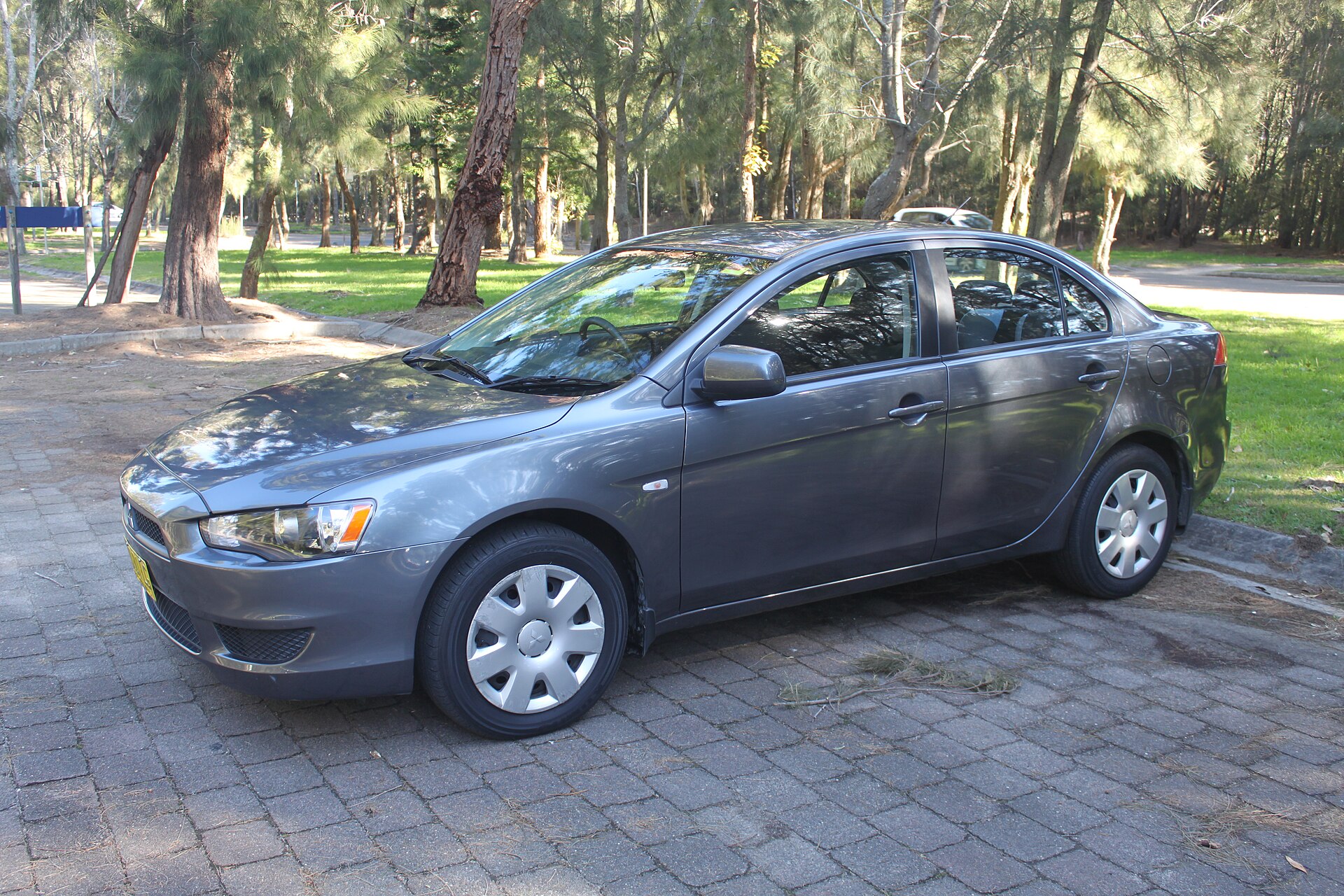
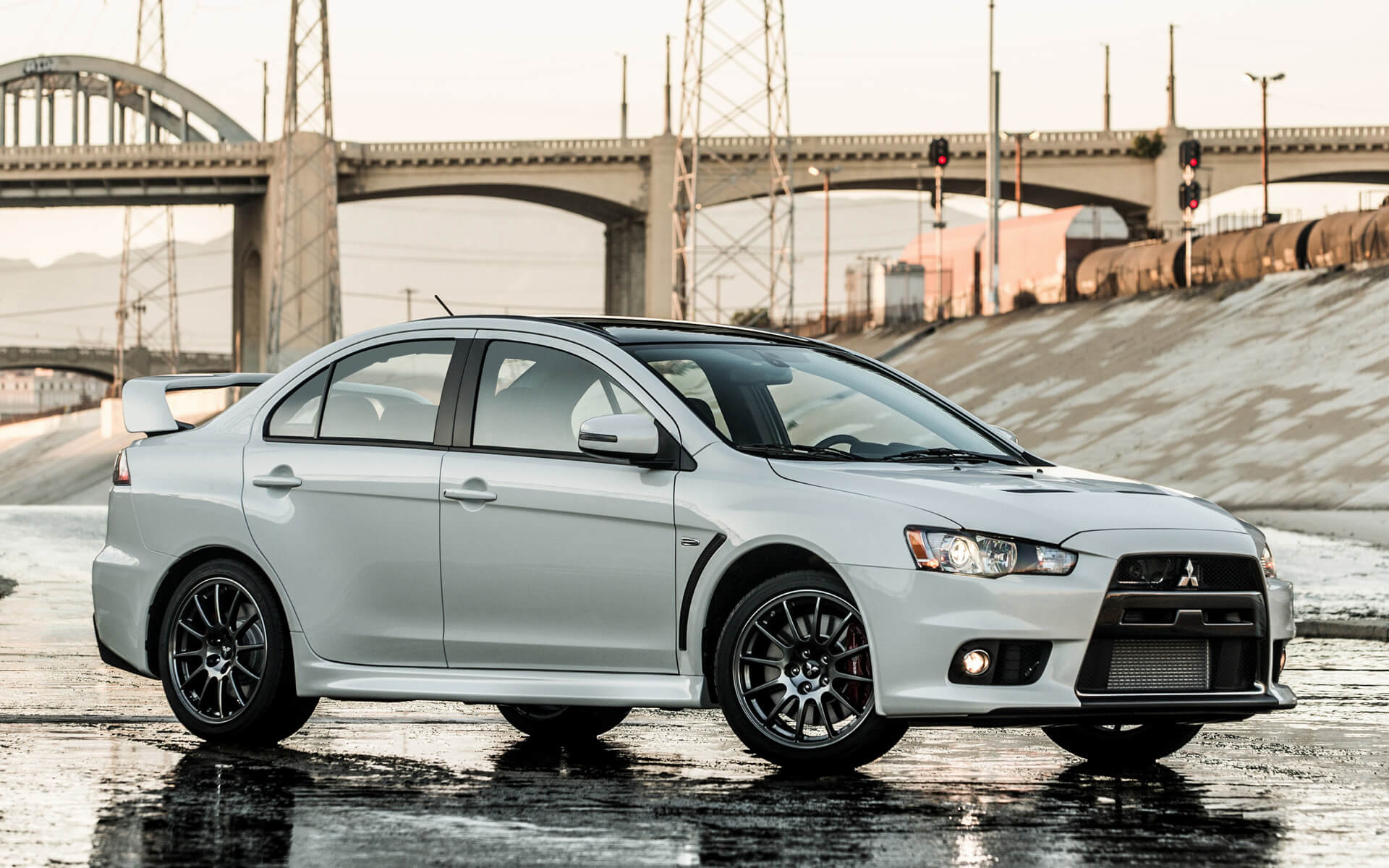
 Mitsubishi Outlander GF (2012–2021)
Specs, engines, safety and known problems
Published Sources (5) Report an error
By Sarah Whitmore, Senior Automotive Writer Reviewed by Felix Hartmann
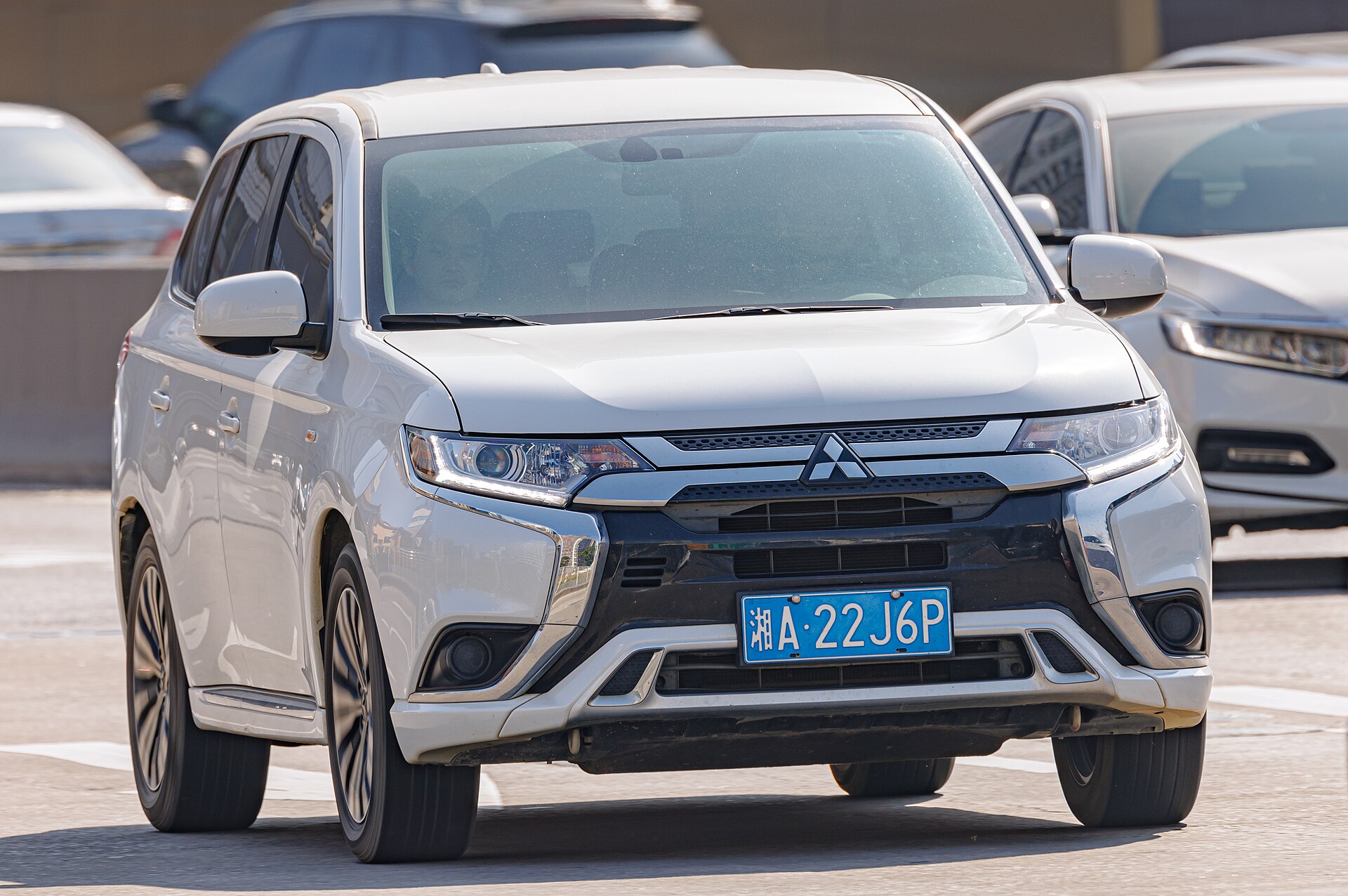
- Power
- 110–165 kW (150–224 PS)
- Euro NCAP
- 5 stars · 2012
- Boot
- 591 l
- Generation
- 3 of 5
Model timeline
Where the GF sits in the Outlander story
Predecessor Outlander CW (2005–2012) Successor Outlander PHEV (2013–2021)
CU and CW overlapped in 2005–2006, so CW sits on a second lane
Newest first · 5 generations since 2001
-
2021
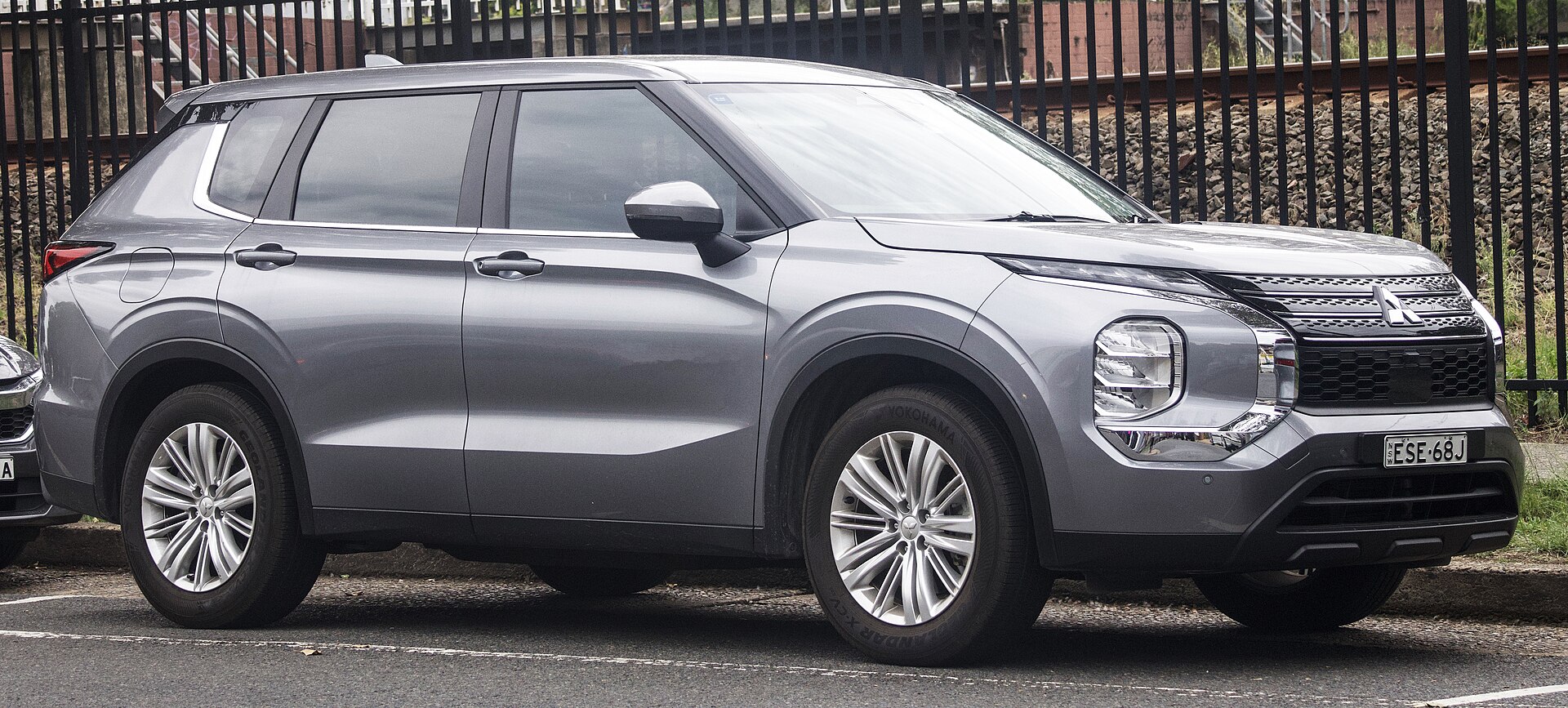
-
2013
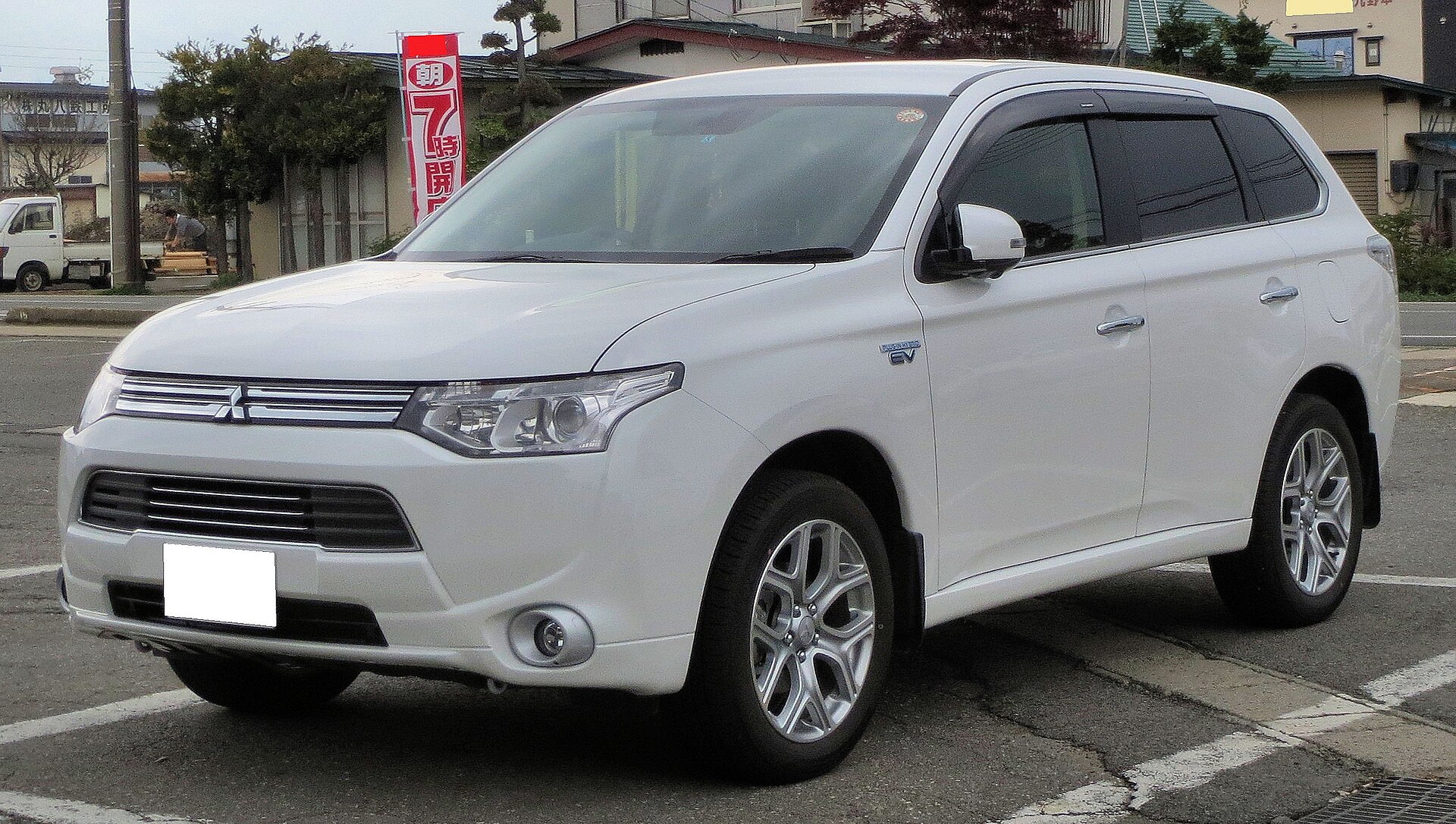
-
2012
-
2005
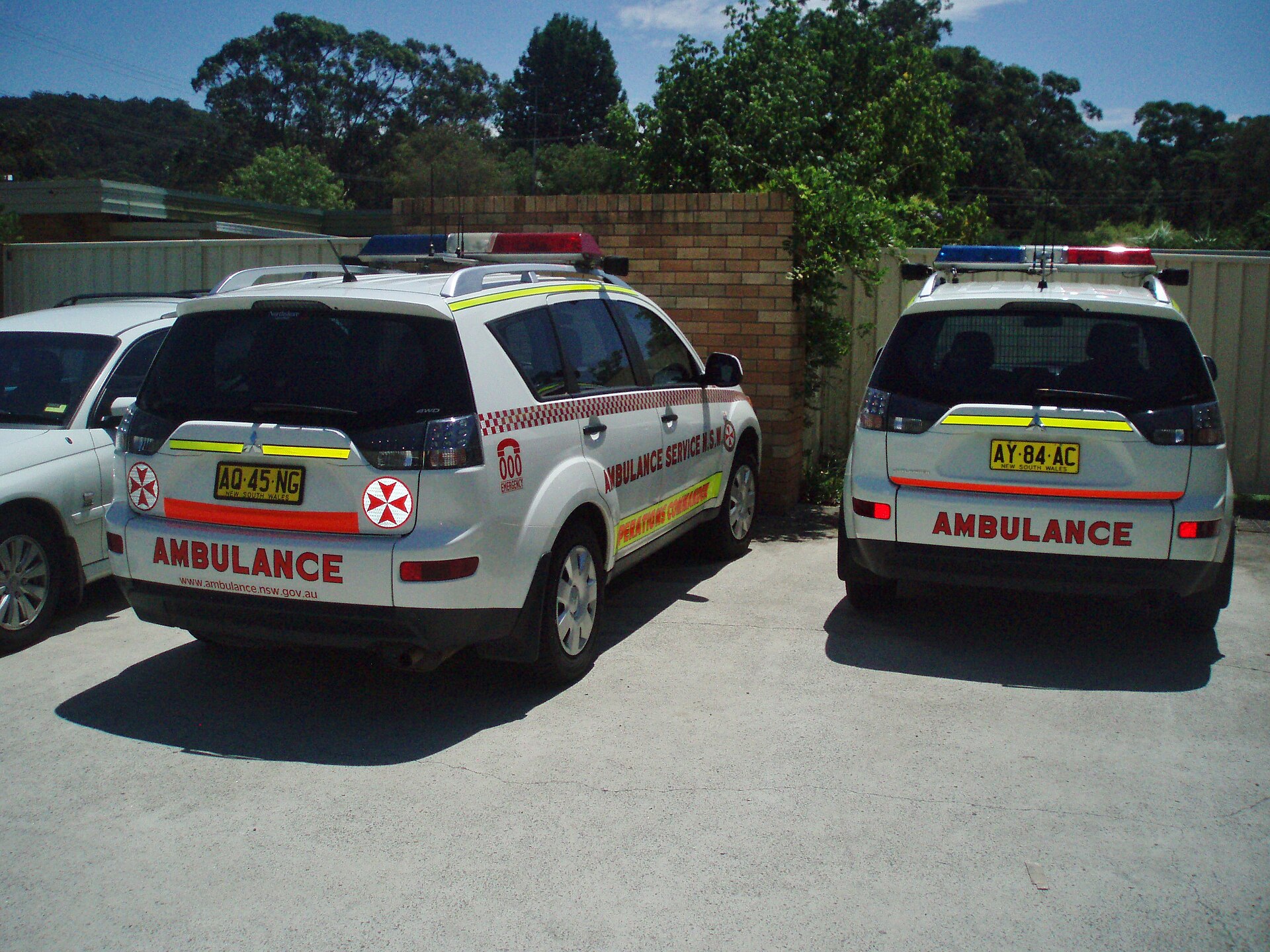
-
2001
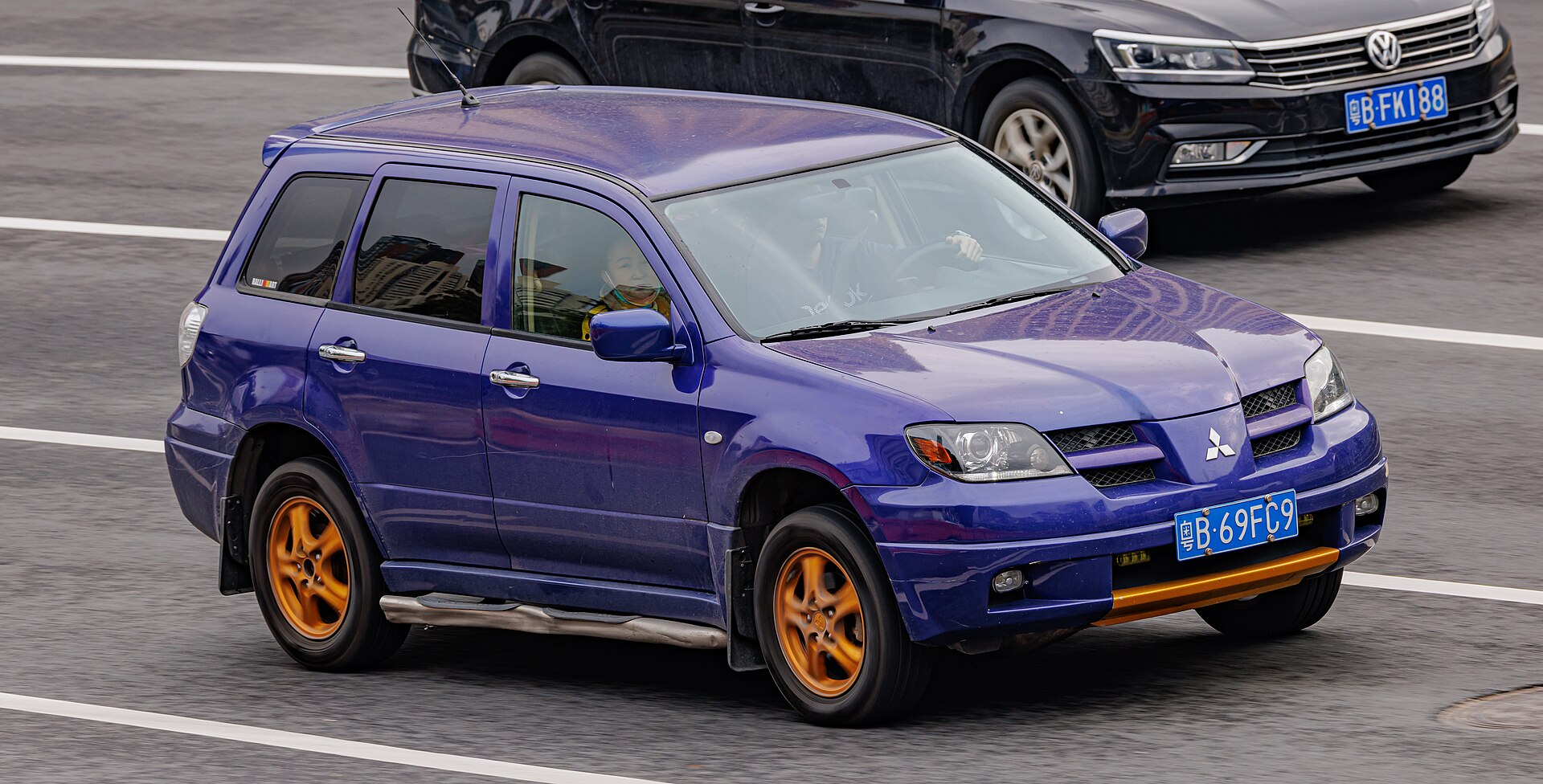


All generations by year: Outlander GN (2021–now) · Outlander PHEV (2013–2021) · Outlander GF (2012–2021) · Outlander CW (2005–2012) · Outlander CU (2001–2006)
Which GF Outlander to buy
Our verdict · Sarah Whitmore
The best GF depends on mileage, towing needs and access to charging.
- Towing and long distances: a 2.2 DI-D, ideally with 4WD, for the 2,000 kg (4,409 lb) braked limit and good motorway economy.
- Seven seats on a budget: a petrol or diesel with the third row; the PHEV never had seven seats.
- Short commutes with home charging: a PHEV, preferably from the 2019 model year with the 2.4 engine and 13.8 kWh battery.
- Mostly city use without charging: the 2.0 petrol with CVT, simpler than the PHEV but thirstier than the diesel.
If the GF feels too big, Mitsubishi's smaller ASX is the compact alternative, while the Pajero Sport is the tougher off-road choice. Browse the complete Mitsubishi catalogue for other models.
The third-generation Mitsubishi Outlander, code GF, made its debut at the Geneva Motor Show in March 2012 and stayed in production until the GN replaced it in 2021. In Europe it is best known as a 2.2 DI-D diesel and as the Outlander PHEV, one of the first mass-market plug-in hybrid SUVs. It was lighter than the CW it replaced and scored five Euro NCAP stars in 2012.
In short
- Built from 2012 to 2021; European sales began in September 2012 and North America followed in early 2014.
- European engines: a 2.2 DI-D diesel with 110 kW (150 PS), a 2.0 petrol and, from 2013, the PHEV.
- Facelifts for the 2016 model year (Dynamic Shield nose, CVT8 gearbox) and the 2019 model year.
- Euro NCAP awarded five stars in 2012: 94% adult, 83% child, 64% pedestrian and 100% safety assist.
Size at a glance
Toyota RAV4 XA40
The Mitsubishi Outlander GF is 85 mm longer, 45 mm narrower and 10 mm taller than the Toyota RAV4 XA40.
| Dimensions | Mitsubishi Outlander GF | Toyota RAV4 XA40 | Difference |
|---|---|---|---|
| Length | 4,655 mm183.3 in | 4,570 mm179.9 in | +85 mm+3.3 in |
| Width | 1,800 mm70.9 in | 1,845 mm72.6 in | −45 mm−1.8 in |
| Height | 1,680 mm66.1 in | 1,670 mm65.7 in | +10 mm+0.4 in |
| Wheelbase | 2,670 mm105.1 in | 2,660 mm104.7 in | +10 mm+0.4 in |
| Boot | 591 L20.9 cu ft | 506 L17.9 cu ft | +85 L+3.0 cu ft |
Honda CR-V
The Mitsubishi Outlander GF is 71 mm longer, 55 mm narrower and 23 mm taller than the Honda CR-V.
| Dimensions | Mitsubishi Outlander GF | Honda CR-V | Difference |
|---|---|---|---|
| Length | 4,655 mm183.3 in | 4,584 mm180.5 in | +71 mm+2.8 in |
| Width | 1,800 mm70.9 in | 1,855 mm73.0 in | −55 mm−2.2 in |
| Height | 1,680 mm66.1 in | 1,657 mm65.2 in | +23 mm+0.9 in |
| Wheelbase | 2,670 mm105.1 in | 2,660 mm104.7 in | +10 mm+0.4 in |
| Boot | 591 L20.9 cu ft | — | — |
Mitsubishi Outlander CU
The Mitsubishi Outlander GF is 105 mm longer, 50 mm wider and 10 mm taller than the Mitsubishi Outlander CU.
| Dimensions | Mitsubishi Outlander GF | Mitsubishi Outlander CU | Difference |
|---|---|---|---|
| Length | 4,655 mm183.3 in | 4,550 mm179.1 in | +105 mm+4.1 in |
| Width | 1,800 mm70.9 in | 1,750 mm68.9 in | +50 mm+2.0 in |
| Height | 1,680 mm66.1 in | 1,670 mm65.7 in | +10 mm+0.4 in |
| Wheelbase | 2,670 mm105.1 in | 2,625 mm103.3 in | +45 mm+1.8 in |
| Boot | 591 L20.9 cu ft | 402 L14.2 cu ft | +189 L+6.7 cu ft |
Outlander GF specs by version
Engines
| Version | Engine | Power | Torque | Gearbox | Drive |
|---|---|---|---|---|---|
| PHEV 2.0 (2013–2018) | 2.0 l 1,998 cc | — | — | — | Four-wheel drive (4×4) |
| 2.0 MIVEC petrol | 2.0 l 1,998 cc | 110 kW 150 PS148 hp | 195 Nm144 lb-ft | CVT | Four-wheel drive (4×4) |
| 2.2 DI-D diesel | 2.3 l · Diesel 2,268 cc | 110 kW 150 PS148 hp | 380 Nm280 lb-ft | 6-sp Automatic | Four-wheel drive (4×4) |
| PHEV 2.4 (2018–2021) | 2.4 l 2,400 cc | 165 kW 224 PS221 hp | — | — | Four-wheel drive (4×4) |
Dimensions and weight
Show all 4 versions
| Version | Wheelbase | Kerb weight |
|---|---|---|
| PHEV 2.0 (2013–2018) | 2,670 mm105.1 in | 1,495 kg3,296 lb |
| 2.0 MIVEC petrol | 2,670 mm105.1 in | 1,495 kg3,296 lb |
| 2.2 DI-D diesel | 2,670 mm105.1 in | 1,495 kg3,296 lb |
| PHEV 2.4 (2018–2021) | 2,670 mm105.1 in | 1,495 kg3,296 lb |
Verified Manufacturer and type-approval data from our catalog · Sources and methodology
Safety
-
Euro NCAP 2012
Older protocol · Full Euro NCAP result
Stars from different years and organisations are not directly comparable: test protocols change every few years.
What the GF did differently from the CW
The second-generation CW had been developed alongside the Peugeot 4007 and Citroën C-Crosser. The GF had no PSA twins, and its engineers concentrated on weight and efficiency. High-tensile steel made it about 90 kg (200 lb) lighter than the CW, and the body has a drag coefficient of 0.33. German sources also note a cabin 335 mm longer than before, with five or seven seats depending on the version.
The wheelbase stayed at 2,670 mm (105.1 in), but the engine line-up changed. The CW's diesels from Volkswagen and PSA disappeared, and European buyers got Mitsubishi's own DI-D diesel, offered with a six-speed automatic from November 2012. The headline arrival came a year later: a plug-in hybrid that could cover around 50 km on electricity. For context on the earlier and later cars, see the Outlander generations overview.
Body, cabin and the facelifts
The GF is a five-door SUV with a conventional suspension layout: MacPherson struts at the front and a multi-link rear axle, both with anti-roll bars. Petrol and diesel versions could have a third row, which UK reviewers judged best suited to children. The PHEV, with its battery under the floor, was sold with five seats only, and its boot is smaller at 463 L in UK data.
The car changed visibly over its life:
- 2015 (2016 model year): a new front with Mitsubishi's Dynamic Shield design, LED daytime running lights, the Jatco CVT8 gearbox for four-cylinder petrol models and less cabin noise. It was first shown at the 2015 New York motor show.
- 2017: extra equipment, including Apple CarPlay and Android Auto on the UK PHEV Juro.
- 2018/2019 (2019 model year): a twin-blade grille, revised bumpers, new 18-inch wheels, a new 2.0 petrol and a reworked PHEV with a 2.4-litre engine.
In the UK, the 2.2 diesel was dropped in favour of the 2.0 petrol, and the diesel's production for Europe is listed as ending in August 2018. Mitsubishi then left the UK market in 2021.
2.2 DI-D, 2.0 MIVEC and the plug-in hybrid
European GFs used one diesel, one petrol engine and the PHEV system. A 2.4 petrol and a 3.0 V6 were sold in other regions; their outputs are not listed here because they vary by market.
| Engine | Displacement | Power | Torque | Gearbox | Drive |
|---|---|---|---|---|---|
| 2.2 DI-D diesel | 2,268 cm³ (138.4 cu in) | 110 kW (150 PS) at 3,500 rpm | 380 Nm (280 lb-ft) manual; 360 Nm (266 lb-ft) automatic | 6-speed manual or 6-speed automatic | FWD or AWC 4WD |
| 2.0 MIVEC petrol | 1,998 cm³ (121.9 cu in) | 110 kW (150 PS) in German data; 107–110 kW (144–148 bhp) in UK listings | 195–196 Nm (144–145 lb-ft) | CVT | FWD or AWC 4WD |
| PHEV 2.0 (2013–2018) | 1,998 cm³ engine plus two 60 kW motors | system output: sources differ | — | single fixed ratio | twin-motor 4WD |
| PHEV 2.4 (2018–2021) | 2.4-litre engine plus front and rear motors | 165 kW (224 PS) system in German data | — | single fixed ratio | twin-motor 4WD |
Although badged 2.2, the diesel actually displaces 2,268 cm³. With a manual gearbox and front-wheel drive it was quoted at 10.3 seconds from 0 to 62 mph, 126 g/km of CO2 and 58.9 mpg (4.8 L/100 km) on the NEDC cycle. The four-wheel-drive automatic needs 11.7 seconds and is listed at 48.7 mpg (5.8 L/100 km) and 153 g/km. The 2.0 petrol with CVT is quoted at 11.5 seconds.
The PHEV deserves its own page, so only the essentials here. The 2013 car had a 12 kWh battery and an NEDC electric range of 52.3 km (32.5 mi); the petrol engine can drive the front wheels or act as a generator, while the rear axle is electric only. The 2018 update raised the battery to 13.8 kWh and the NEDC range to 65 km (40 mi), or 28 miles (45 km) on WLTP, and lifted top speed in EV mode from 120 to 135 km/h (84 mph). DC charging to 80% took about 25 minutes through a CHAdeMO socket.
AWC four-wheel drive
Diesel and petrol versions with four-wheel drive use AWC (All Wheel Control). The driver can select 4WD ECO, 4WD AUTO or 4WD LOCK, the last intended for slippery surfaces. It is an electronically controlled, road-biased system, so a GF is better suited to wet grass and snowy lanes than to rough tracks.
GF dimensions and towing
The table shows a European five-seat GF. Height, boot volume and fuel tank vary by version, so ranges are given where sources differ.
| Parameter | Metric | Imperial |
|---|---|---|
| Length | 4,655 mm | 183.3 in |
| Width | 1,800 mm | 70.9 in |
| Height | 1,680–1,720 mm (by version) | 66.1–67.7 in |
| Wheelbase | 2,670 mm | 105.1 in |
| Boot, 2.0 petrol, seats up / folded | 477 / 1,754 L | 16.8 / 61.9 cu ft |
| Boot, PHEV (UK data) | 463 L | 16.4 cu ft |
| Kerb weight | 1,415 kg (2.0 CVT FWD) to 1,610 kg (2.2 DI-D 4WD automatic) | 3,120–3,549 lb |
| Fuel tank | 60–63 L (sources differ) | 15.9–16.6 US gal |
| Braked towing, 2.2 DI-D | 2,000 kg | 4,409 lb |
| Braked towing, 2.0 petrol / PHEV (UK) | 1,600 / 1,500 kg | 3,527 / 3,307 lb |
The diesel is the best tow car of the range. UK reviewers described the petrol and PHEV limits as adequate but not class-leading.
Euro NCAP 2012 in detail, and the 2013 PHEV test
Euro NCAP published its GF result in November 2012, testing a left-hand-drive 2.2 diesel Intense weighing 1,495 kg. The car earned five stars and these scores:
- Adult occupant: 94% (33.7 points), with 15.6 points in the frontal offset test, 14.9 in the side impact and 3.3 for whiplash protection.
- Child occupant: 83% (40.6 points); the 18-month and 3-year-old dummies were both rated Adequate.
- Pedestrian: 64% (22.9 points), with 16.9 points for the head area, 6.0 for the legs and nothing for the pelvis area.
- Safety assist: 100% (7.0 points) for stability control, seat-belt reminders on all seats and speed assistance.
Euro NCAP tested the heavier PHEV separately in 2013 and gave it five stars too: 88% adult, 84% child, 64% pedestrian and 81% safety assist. Euro NCAP lists the 2012 rating as expired since January 2019, and it should not be compared directly with results under today's tougher protocols. Outside Europe, ANCAP's 2012 test gave 15.58 of 16 points in the frontal offset test and 16 of 16 in the side impact, and the IIHS made the US-market car a Top Safety Pick+ in 2014.
Ownership: documented problems and servicing
Independent reliability statistics for the GF are limited, so the list below covers documented events rather than owner anecdotes.
- PHEV battery, 2013: in March 2013 a battery pack overheated at a Japanese dealership after charging. Nobody was hurt, but Mitsubishi paused PHEV production and sales until 19 August 2013.
- PHEV Wi-Fi link, 2016: security researchers showed the app connection could be attacked; our report on the Outlander hacking case covers it. Unpairing devices in the app closes the gap.
- Owner satisfaction: the GF came 88th out of 100 cars in Driver Power 2019, a UK owner survey.
- Servicing: UK PHEVs are due a service annually or at 12,500-mile (roughly 20,000 km) intervals, whichever comes first.
Did you know?
- The Outlander GF is generation 3 of 5 of the Mitsubishi Outlander in our catalog.
- The Outlander GF offers up to 165 kW (224 PS) — 35 kW more than the Outlander CW (2005–2012) (+27%).
- At up to 4,655 mm long, it is 110 mm shorter than the Outlander CW (2005–2012).
Image credits · Photos from Wikimedia Commons under free licences
- Mitsubishi Outlander CU · Photo: Dinkun Chen / Wikimedia Commons, CC BY-SA 4.0
- Mitsubishi Outlander CW · Photo: sv1ambo / Wikimedia Commons, CC BY 2.0
- Mitsubishi Outlander GF · Photo: Dinkun Chen / Wikimedia Commons, CC BY-SA 4.0
- Mitsubishi Outlander PHEV · Photo: DY5W-sport / Wikimedia Commons, CC BY-SA 3.0
- Mitsubishi Outlander GN · Photo: LuvsMG481 / Wikimedia Commons, CC BY-SA 4.0
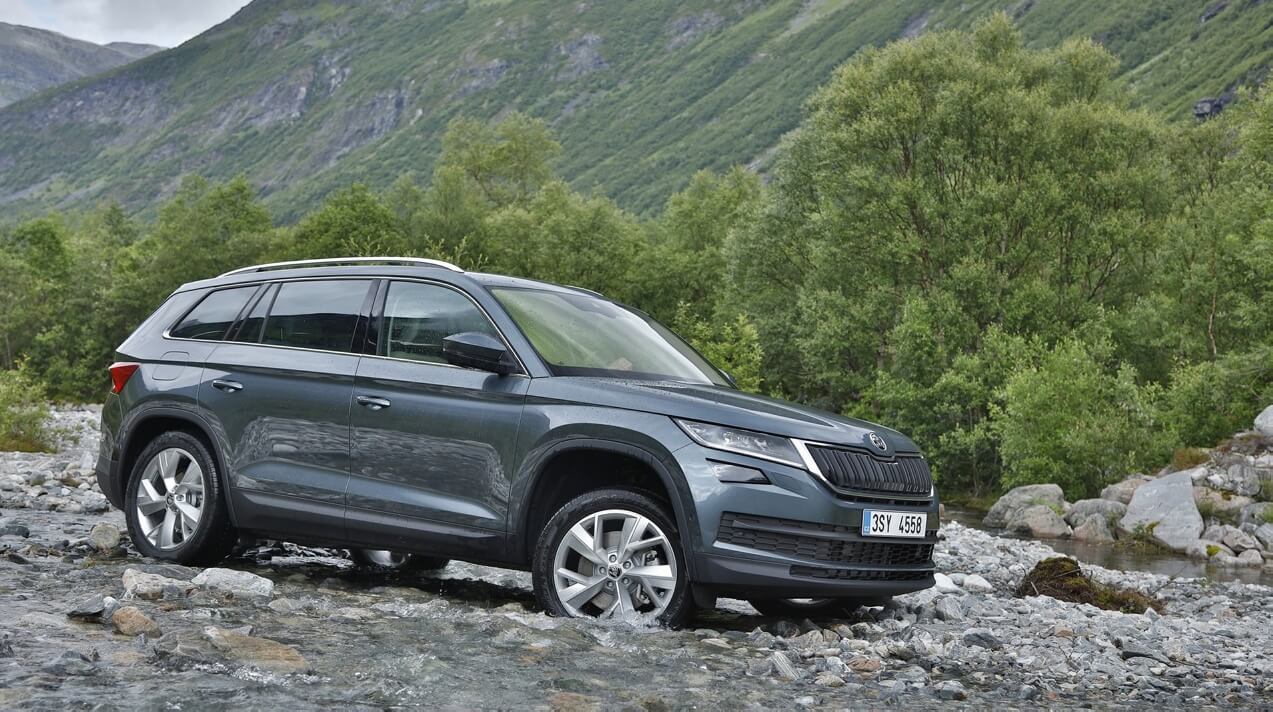
GF rivals
-
In production
- Years
- 1994–present
- Body
- Convertible, SUV
- Fuel
- Petrol, Diesel, Hybrid
- Power
- 91–145 kW (124–197 PS)
6 generations
- XA10
- XA20
- XA30
- XA40
- XA50
- XA60
-
In production
- Years
- 1995–present
- Body
- SUV
- Fuel
- Petrol, Diesel, Hybrid
- Power
- 88–140 kW (120–190 PS)
6 generations
- I
- II
- III
- IV
- CR-V
- VI
-
In production
- Years
- 2000–present
- Body
- SUV
- Fuel
- Petrol, Diesel, Hybrid
- Power
- 84–206 kW (114–280 PS)
-
In production
- Years
- 2016–present
- Body
- SUV
- Fuel
- Petrol, Diesel, Plug-in hybrid
- Power
- 92–195 kW (125–265 PS)
2 generations
- NS7
- II


FAQ
What years is the third-generation Outlander?
The GF was revealed in March 2012, reached European dealers in September 2012 and was built until 2021, when the GN replaced it. North American sales started in early 2014.
Is the 2.2 DI-D really a 2.2-litre engine?
It is sold as the 2.2 DI-D but displaces 2,268 cm³. It produces 110 kW (150 PS) and up to 380 Nm (280 lb-ft).
Does the GF Outlander have seven seats?
Petrol and diesel versions could have seven seats. The Outlander PHEV of this generation has five seats only, because the battery sits under the floor.
How safe is the 2012 Outlander?
Euro NCAP gave it five stars in 2012, with 94% for adults, 83% for children, 64% for pedestrians and 100% for safety assist. The PHEV earned five stars in 2013.
How much can a GF Outlander tow?
The 2.2 DI-D is listed at 2,000 kg (4,409 lb) braked. UK data gives 1,600 kg (3,527 lb) for the 2.0 petrol and 1,500 kg (3,307 lb) for the PHEV.
Data sources
Data checked by an editor against the sources below.
- The text of this article (1cars archive)
- Wikipedia — Mitsubishi Outlander
- Australiancar — Mk 3 2012 21
- Euro NCAP
- Carsized — Mitsubishi Outlander 2012 Suv