 Kia Cerato
All generations, specs and history
Published Sources (1) Report an error
By Sarah Whitmore, Senior Automotive Writer
- Built
- 2003–2024
- Generations
- 4
Timeline
Cerato generations
Click a generation for its own page


- Cerato I 2003–2008 · Sedan, Hatchback
- Cerato II 2008–2012 · Sedan, Hatchback
- Cerato III 2012–2018 · Sedan, Hatchback
- Cerato IV 2018–2024 · Sedan, Hatchback
Newest first · 4 generations since 2003
-
2018
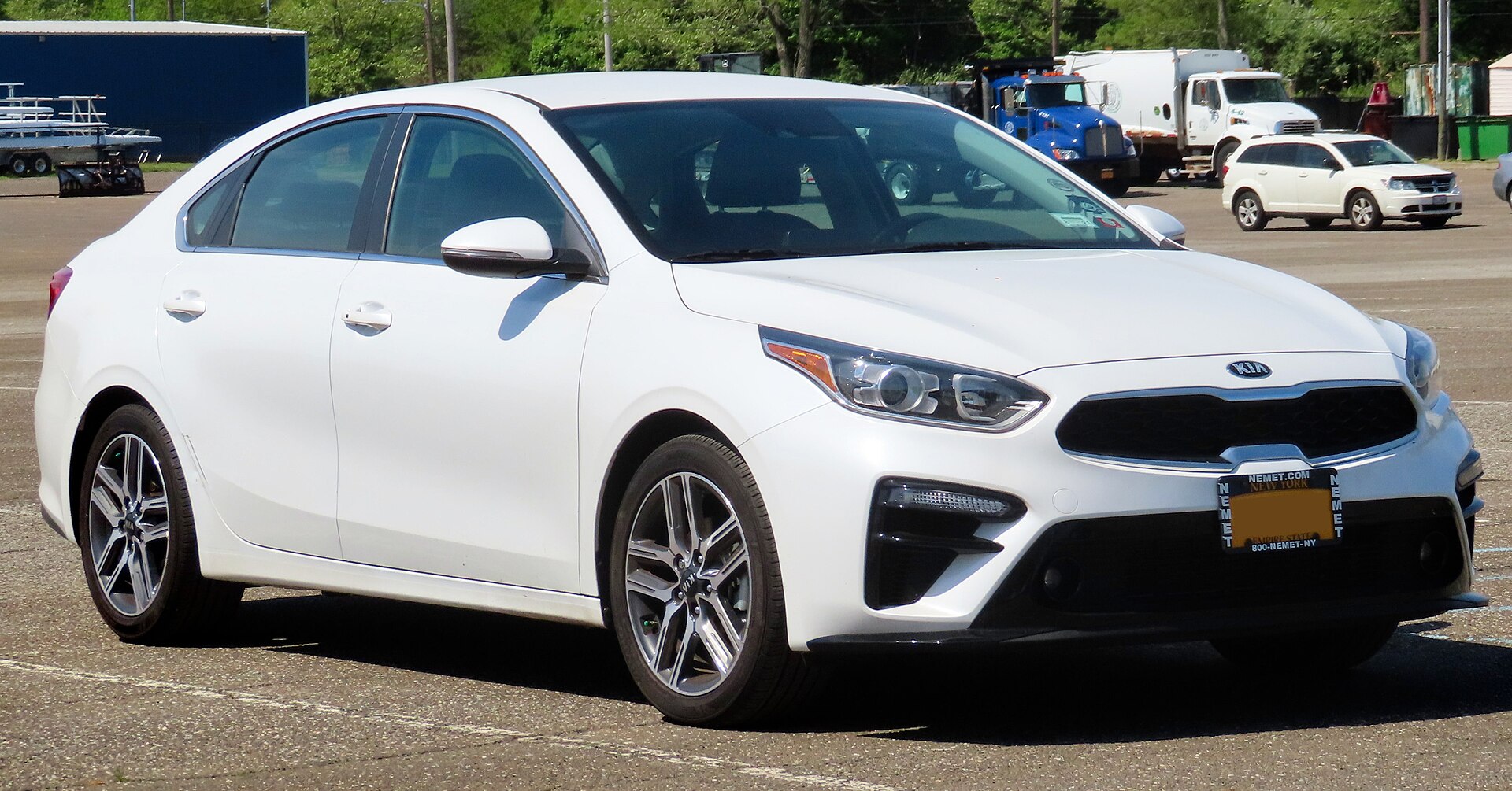
-
2012
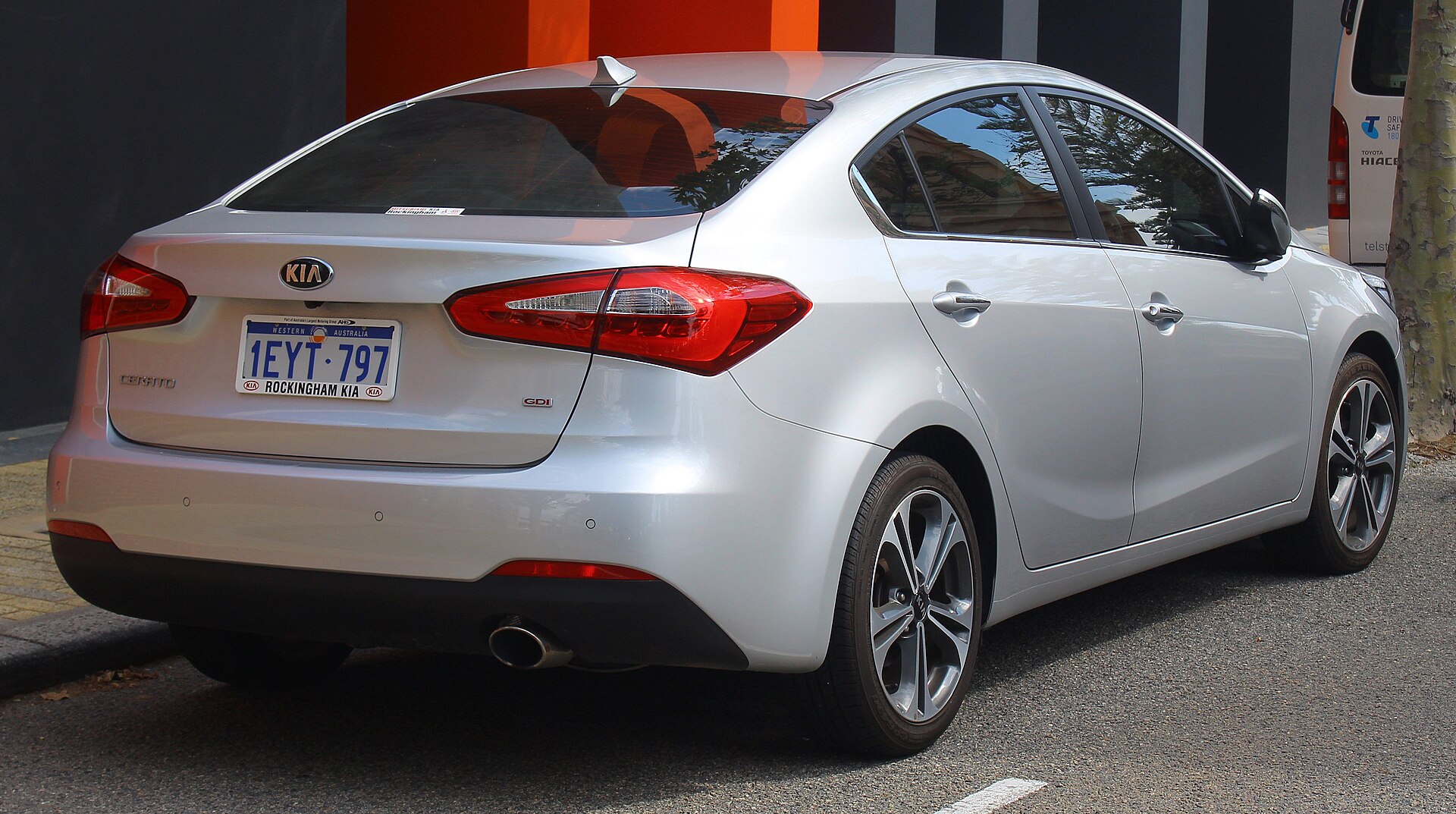
-
2008
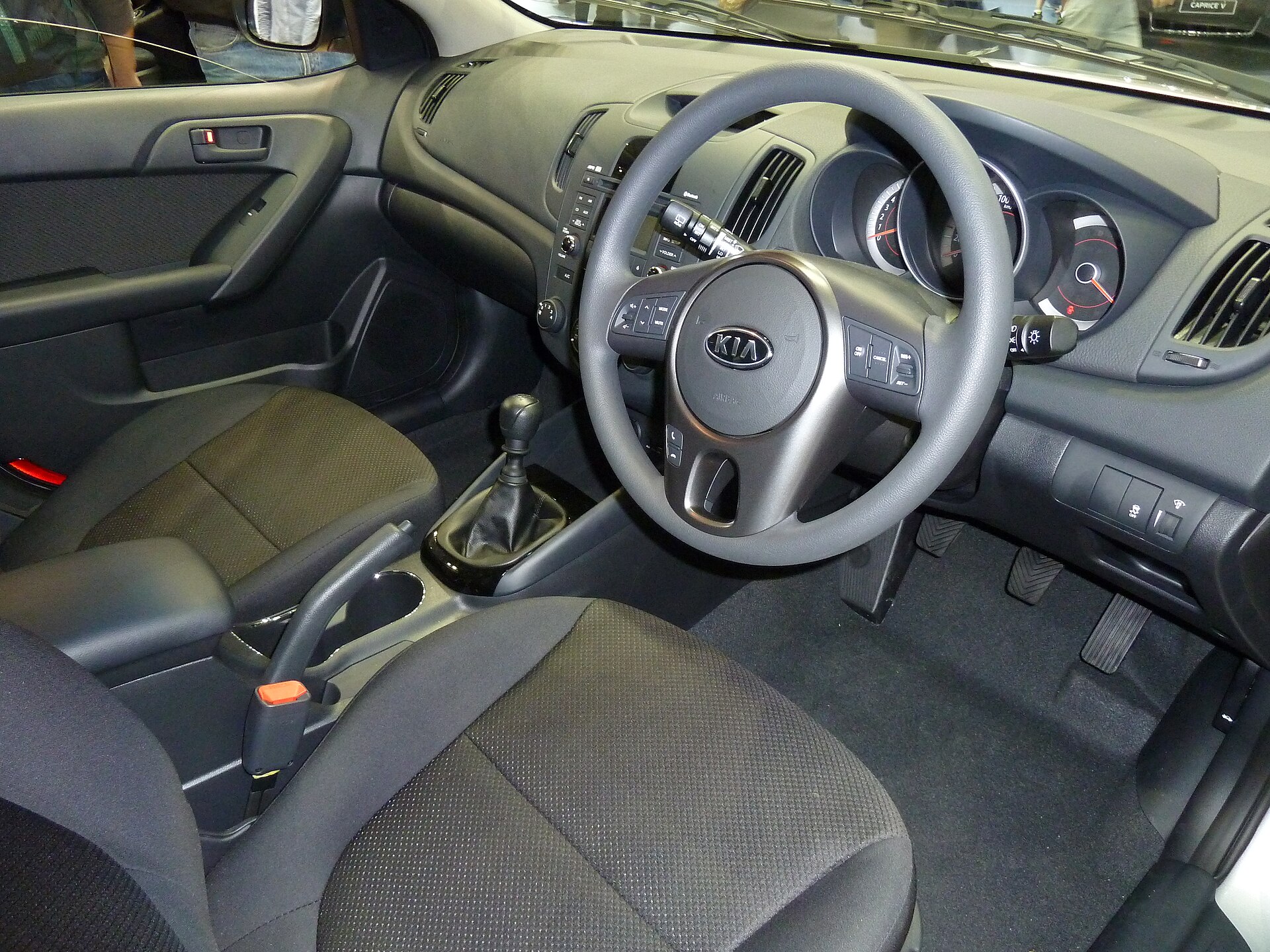
- 2003 I 2003–2008 · Sedan, Hatchback
All generations by year: Cerato IV (2018–2024) · Cerato III (2012–2018) · Cerato II (2008–2012) · Cerato I (2003–2008)
Which one is mine?
Pick the year of first registration to see which generation it is.
- Cerato IV 2018–2024
- Cerato III 2012–2018
- Cerato II 2008–2012
- Cerato I 2003–2008
The Kia Cerato is a compact car in the C segment, built by Kia as a saloon and a five-door hatchback and, in some generations, as a two-door coupé. It is a global model sold under several names: Cerato in most markets, Forte in North America and K3 in Korea, China and parts of Asia. The first Cerato was launched in Korea in 2003 to replace the Kia Sephia (also known as the Shuma, Mentor and Timor) and was exported under different names from the following year. Four generations were built; the latest, unveiled at the Detroit motor show in January 2018, was replaced by the Kia K4 in 2024.
In short
- Four generations: 2003, 2008, 2012 and 2018.
- Sold as Cerato, Forte, K3 and, in some markets, other names.
- The 2018 generation offers 1.6 and 2.0 MPi petrols with 90–110 kW (123–150 PS) and a 1.6 T-GDi with 150 kW (204 PS) in the GT.
- Front-wheel drive, with manual, automatic, dual-clutch and CVT (IVT) gearboxes.
Kia Cerato at a glance
The Cerato is a monocoque compact car with a transverse front engine and front-wheel drive. Its exterior design has been shaped by Kia's design studio in California. More Kia models are listed in our Kia catalogue.
Kia Cerato generations
| Generation | Years | Bodies | Main engines |
|---|---|---|---|
| First (LD) | 2003–2008 | Saloon, hatchback | Replaced the Kia Sephia |
| Second (TD) | 2008–2012 | Saloon, hatchback, Koup | 1.6, 2.0 and 2.4 petrol, 1.6 CRDi; 94–127 kW (128–173 PS) |
| Third (YD) | 2012–2018 | Saloon, hatchback, Koup | 1.6, 1.8 and 2.0 petrol; 1.6 turbo in the Koup |
| Fourth (BD) | 2018–2024 | Saloon, hatchback | 1.6 and 2.0 MPi, 1.6 T-GDi |
The second generation (Forte in North America) went on sale in Korea in August 2008 and shared its platform with the Hyundai Elantra. A Korean-market LPI hybrid combined an 85 kW LPG engine with a 15 kW electric motor. The third generation introduced the K3 name in its home market, and the Koup two-door followed for 2015. According to published figures, more than 2.5 million Ceratos had been sold worldwide by 2014.
Fourth generation (2018–2024)
The fourth Cerato grew in size and gained a more mature look, a new interior, updated technology and many new features. It was built in Korea, Mexico, China, Vietnam and elsewhere, and a facelift arrived in April 2021.
Exterior
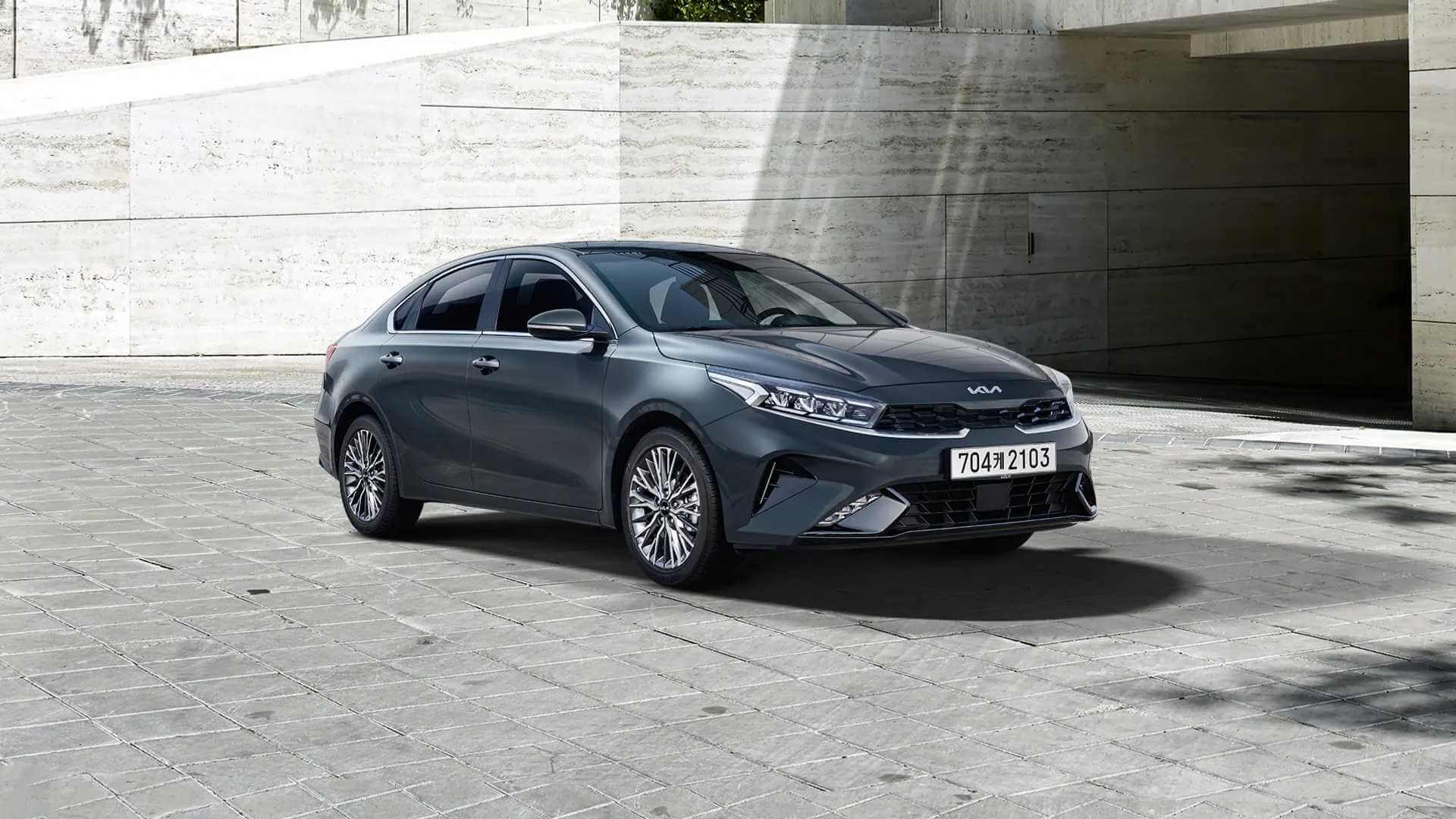
The fourth generation offers a striking design for its price, aimed especially at younger buyers who want to stand out in traffic. The front is more assertive and slightly raked, with a bonnet whose large central section is recessed between raised ribs. Beneath them sit stylish headlights, and in the middle is Kia's traditional "tiger nose" grille with a chrome surround and a coarse gloss-black mesh. The lower bumper is dominated by a large trapezoidal intake with gloss-black trim, flanked by round fog lights and side openings with black mesh and LED daytime running lights. The front design resembles that of the Kia Stinger, which was also designed under Peter Schreyer.
In profile the Cerato is stylish without much decoration: the window line has chrome or gloss-black trim, the pillars are always black, and the triangular mirrors have indicators even in base versions. The sides are sculpted, the wheel arches are flared, and wheels range from 15 to 17 inches. Ground clearance is about 150 mm, according to published figures. The short, high rear has a small decorative lip on the boot lid, aggressive tail lights, chrome badges and a sporty bumper with triangular fog lights, stepped surfaces, a gloss-black diffuser and a single chrome exhaust outlet.
Interior
While the exterior still resembles the previous model, the cabin is almost entirely new, with a different dashboard and seats. Cloth upholstery is standard and leather optional, though most other surfaces are plastic. Sound insulation is generally good, but noise rises at high revs. The driver faces a three-spoke steering wheel with chrome buttons on two spokes, a column adjustable for height and reach, and a largely analogue Supervision instrument cluster with a large trip-computer display. The front seats are mildly sporty with light support, a firm filling and a wide adjustment range; higher trims have power adjustment.
The main change is a free-standing 8-inch touchscreen with Android Auto and Apple CarPlay, with a row of physical buttons below it and duplicated controls on the steering wheel. Below are the climate controls with their own display and a shelf for wireless phone charging; the uncluttered tunnel holds USB and AUX ports, 12-volt sockets, the gear lever, seat-heating buttons and two cupholders. Carbon-look inserts, metal sill plates, round side vents and red illumination give the cabin a sporty feel. The rear bench is comfortably shaped and has a fold-down armrest, but it is best for two because of the raised transmission tunnel. The boot holds 502 litres and can be extended by folding the rear seats, and a full-size spare wheel is fitted under the floor.
Engines and transmissions (fourth generation)
| Engine | Power (kW / PS) | Torque | Gearbox |
|---|---|---|---|
| 1.6 MPi (Smartstream G1.6) | 90 kW / 123 PS | 154 Nm | CVT (IVT) |
| 1.6 MPi (Gamma) | 94 kW / 128 PS | 155 Nm | 6-speed manual or 6-speed automatic |
| 2.0 MPi (Nu) | 110 kW / 150 PS | 179–192 Nm | 6-speed automatic |
| 1.6 T-GDi (GT) | 150 kW / 204 PS | 265 Nm | 7-speed dual-clutch |
The naturally aspirated engines are in-line four-cylinders with aluminium blocks and heads, multi-point injection, a quiet timing chain, a variable-geometry plastic intake manifold and variable intake and exhaust valve timing. According to published figures, the 1.6 and 2.0 MPi reach 100 km/h in 9.8–10.6 seconds and 200–203 km/h, with urban consumption of about 9 and 10 l/100 km. All versions are front-wheel drive.
Chassis
The fourth Cerato uses an upgraded version of its predecessor's front-wheel-drive platform with a transverse engine; more than half of the body structure is high-strength steel. The front suspension uses MacPherson struts with an anti-roll bar, and the rear a torsion beam with hydraulic dampers. Rack-and-pinion steering has integrated electric assistance. Brakes are 280 mm ventilated discs at the front and 262 mm discs at the rear, according to published figures, with ABS, EBD and brake assist as standard.
Safety and equipment
The Cerato has six airbags, a strong body designed to resist high torsional loads and to distribute crash forces to protect occupants, hill-start assist, blind-spot monitoring, rear cross-traffic alert, parking sensors and integrated vehicle stability management. Base versions have air conditioning, cloth seats, heated front seats, power windows and mirrors, a basic audio system without the 8-inch screen, 15-inch wheels, six airbags and ABS. Higher trims add climate control, the 8-inch infotainment system, cruise control, keyless entry, a rear camera, leather, power seats with memory, heated rear seats, LED headlights, fog lights, 17-inch alloys and a hands-free boot opener.
Strengths and weaknesses
Owners praise the Cerato's attractive styling, responsive performance, size, price, reliability, roomy cabin for its class, economy, undemanding nature, good equipment and large boot. Complaints include low-hanging suspension components, build quality and sound insulation that could be better, and soft dampers that let the body roll. Rivals over its life included the Hyundai Elantra, Toyota Corolla, Volkswagen Jetta, Mazda3, Honda Civic, Skoda Octavia and Chevrolet Cruze.
Image credits · Photos from Wikimedia Commons under free licences
- Kia Cerato II · Photo: OSX / Wikimedia Commons, Public domain
- Kia Cerato III · Photo: EurovisionNim / Wikimedia Commons, CC BY-SA 4.0
- Kia Cerato IV · Photo: Kevauto / Wikimedia Commons, CC BY-SA 4.0
Kia Cerato in our rankings
- No. 153 of 912 · Longest-running car nameplates (21 years · top 18%)
- No. 133 of 345 · Cars with the most generations (4 generations · top 41%)
In production longer than 82% of ranked nameplates in the 1CARS catalog (No. 153 of 912).
FAQ
Is the Kia Cerato the same as the Kia Forte?
Yes, the Cerato is sold as the Forte in North America and as the K3 in Korea, China and parts of Asia.
What engines does the latest Kia Cerato have?
1.6 and 2.0 MPi petrols with 90–110 kW (123–150 PS) and, in the GT, a 1.6 T-GDi with 150 kW (204 PS).
How big is the Kia Cerato's boot?
The fourth-generation saloon has 502 litres.
What replaced the Kia Cerato?
The Kia K4 replaced the Forte and, in many markets, the Cerato from 2024.
Data sources
Data checked by an editor against the sources below.