 BMW X5
All generations, specs and history
Published Sources (7) Report an error
By Felix Hartmann, Automotive Technology & EV Contributor
- Built
- 1999–present
- Generations
- 5 · E53 to G65
- Top power
- 460 kW (625 PS)
Timeline
X5 generations
Click a generation for its own page
- X5 E53 1999–2006 · SUV · 135–265 kW (184–360 PS)
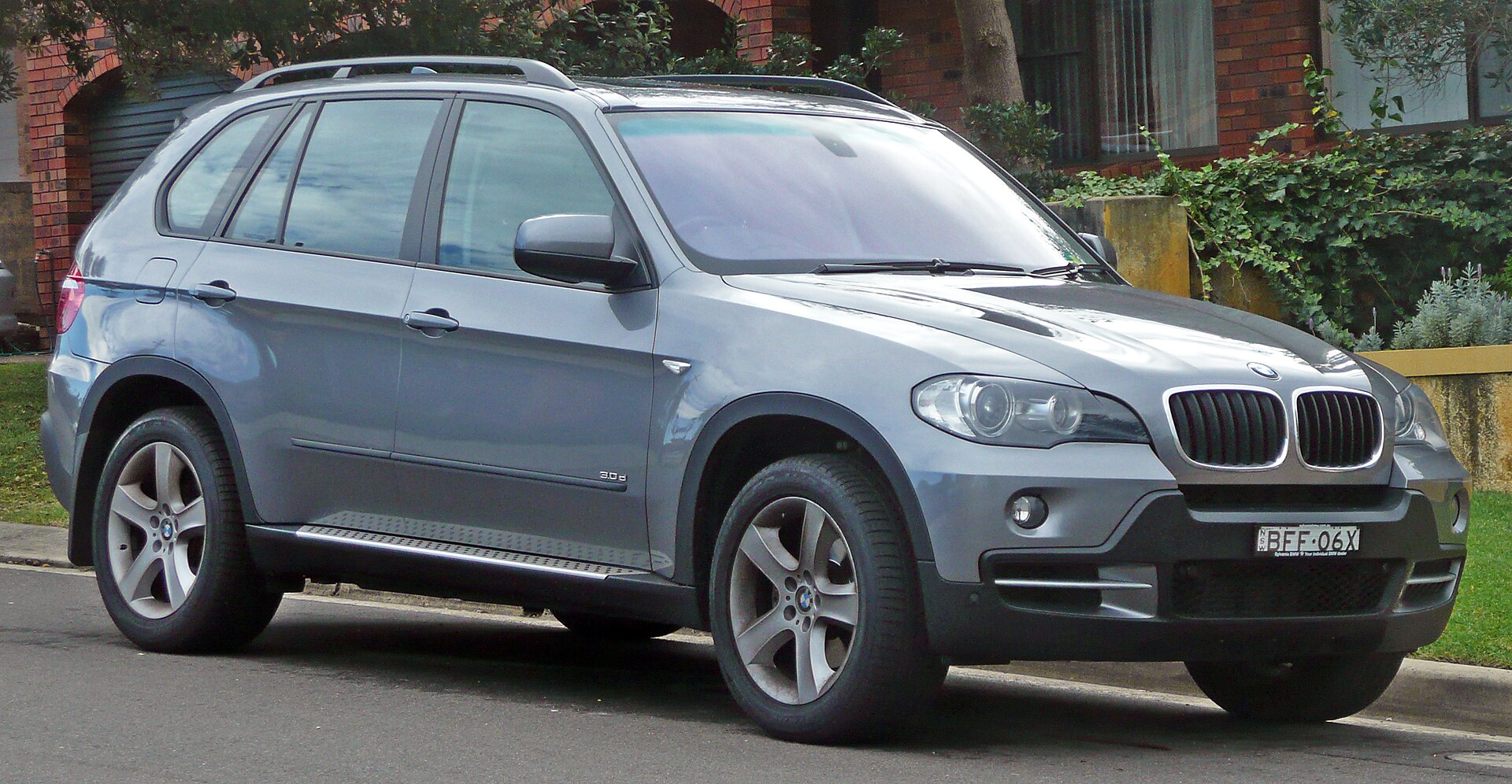
- X5 E70 2006–2013 · SUV · 180–408 kW (245–555 PS)
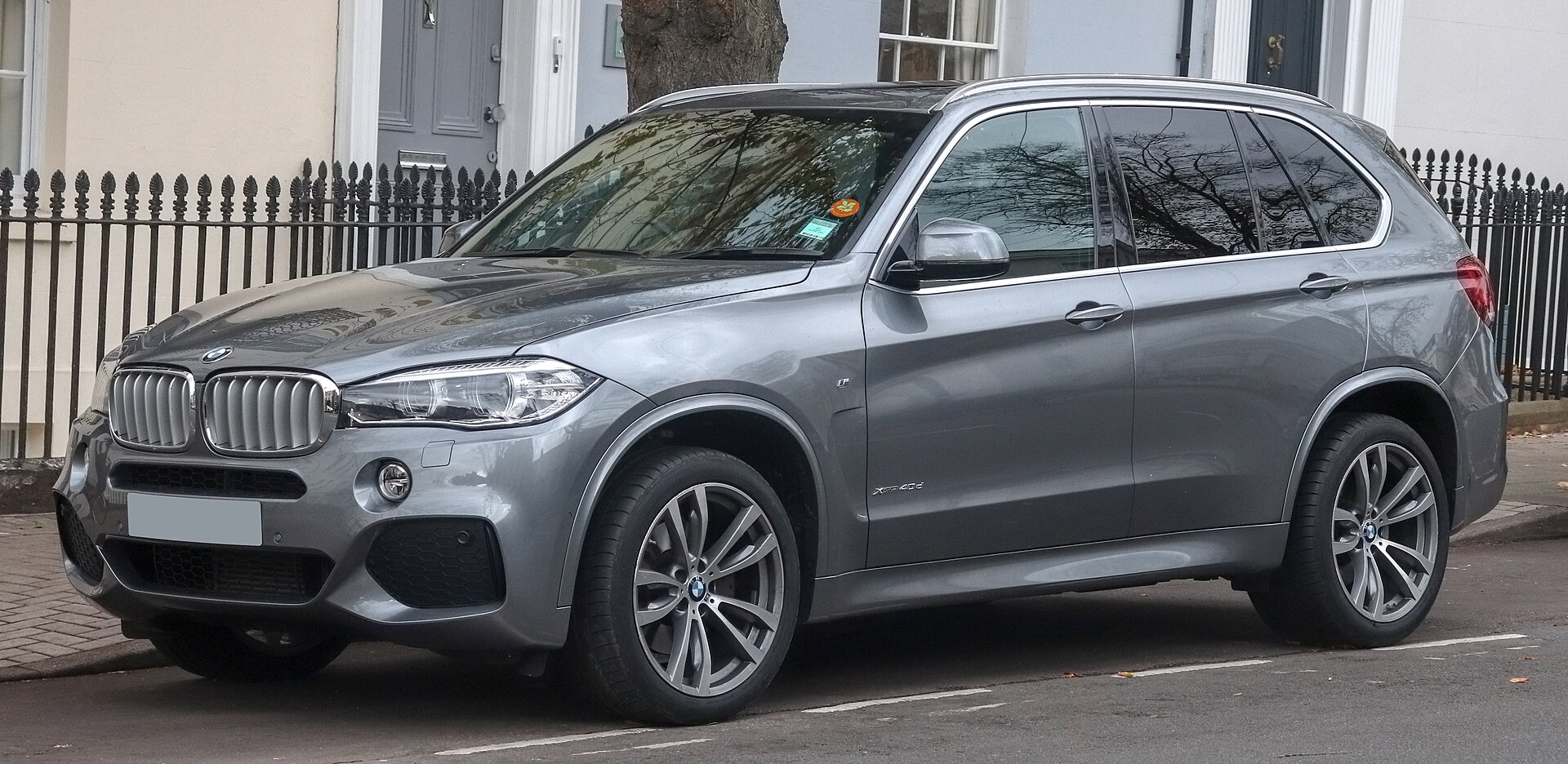
- X5 F15 2013–2018 · SUV · 160–423 kW (218–575 PS)
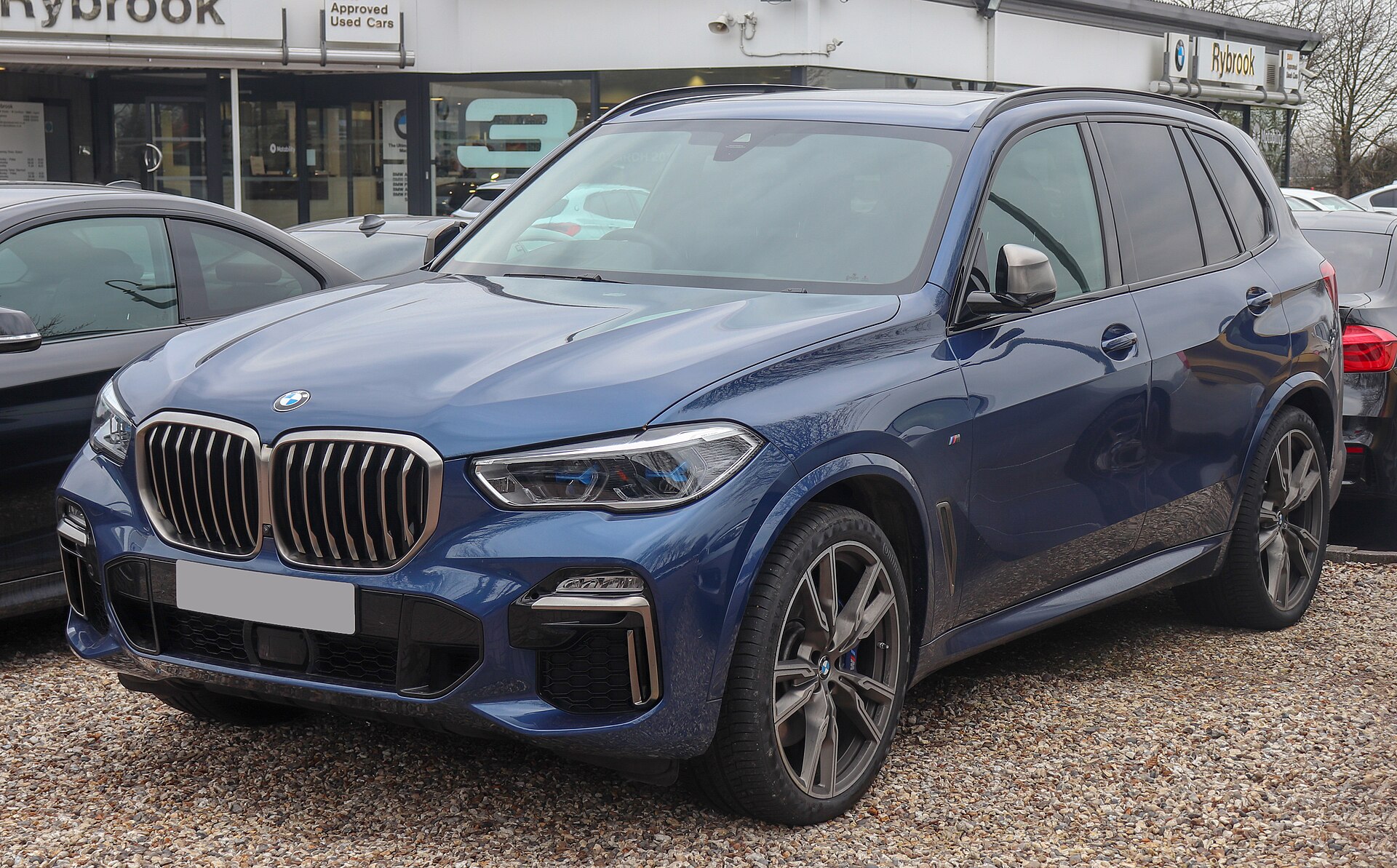
- X5 G05 2018–2026 · SUV · 195–460 kW (265–625 PS)
- X5 G65 Current 2026–now · SUV
Newest first · 5 generations since 1999
- 2026 G65 In production 2026–now · SUV
-
2018
-
2013
-
2006
-
1999
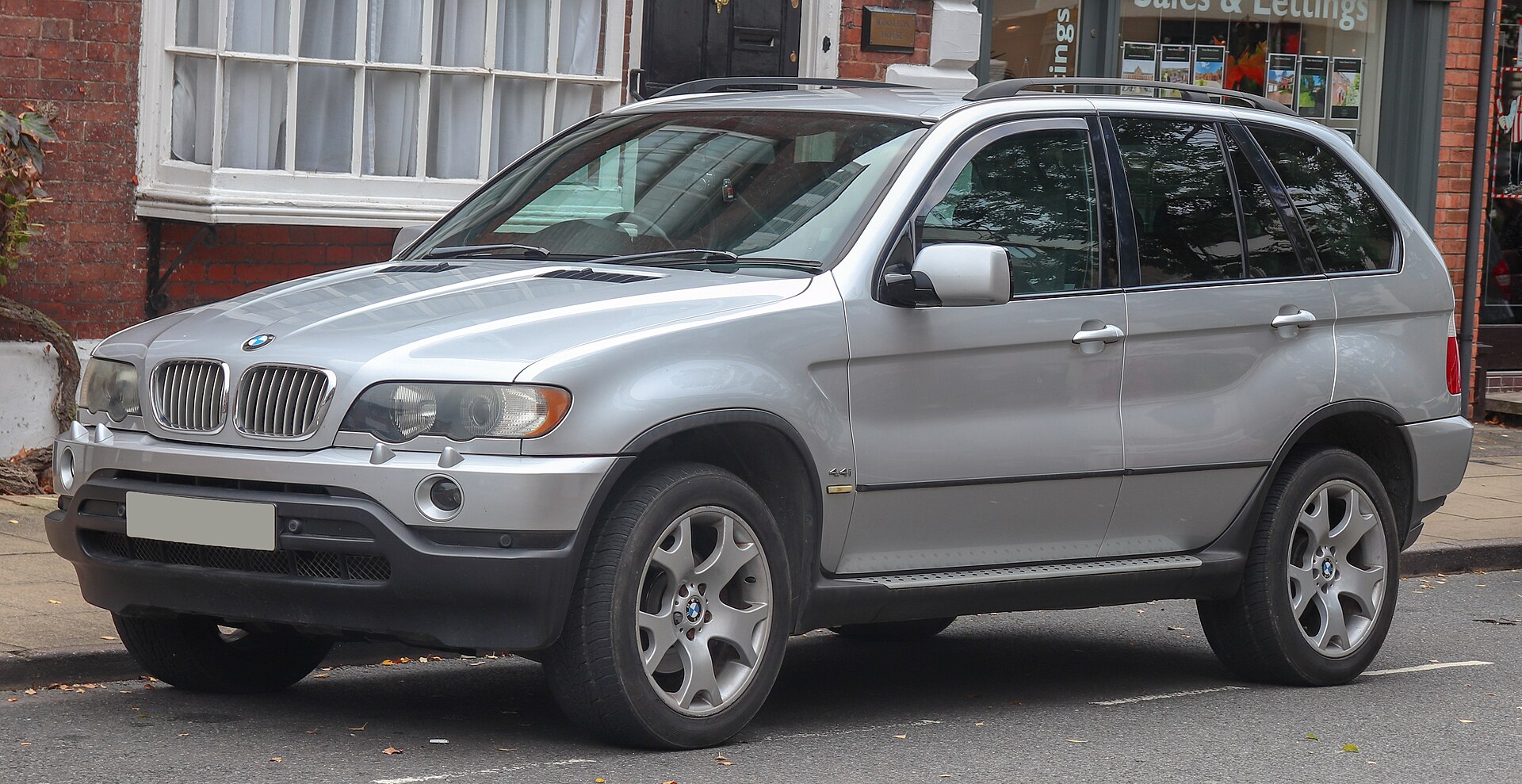


All generations by year: X5 G65 (2026–now) · X5 G05 (2018–2026) · X5 F15 (2013–2018) · X5 E70 (2006–2013) · X5 E53 (1999–2006)
Which one is mine?
Pick the year of first registration to see which generation it is.
Check by VINWhich X5 to buy
Our verdict · Felix Hartmann
For a modern family SUV with the lowest risk, a G05 with the B58 petrol six (xDrive40i) or the xDrive30d diesel is the logical choice. The facelifted cars from 2023 add the stronger 280 kW petrol engine and the longer-range xDrive50e. On a smaller budget the F15 is the most dependable older generation, ideally with a six-cylinder engine rather than the V8. E70 cars with V8 engines carry the highest repair risk according to the same guide, and an E53 suits enthusiasts who can look after an older car themselves.
Buyers who want an electric SUV of this size will find the iX5 in the G65 range from 2027. Rivals include the Audi Q7, the Volvo XC90 and the Mercedes-Benz GLE; the car finder filters large SUVs by drive, power and size.
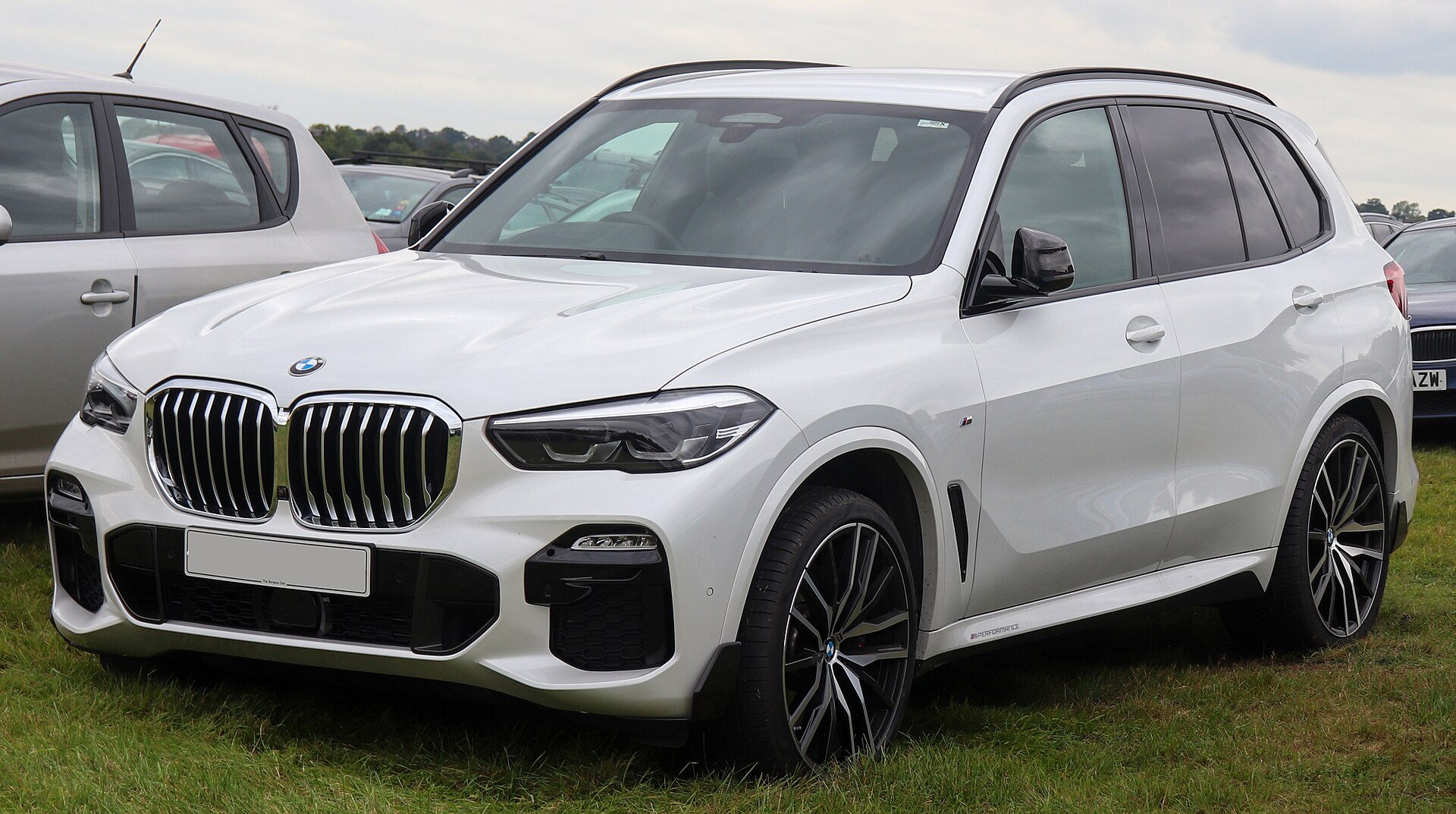
The BMW X5 is a large five-seat SUV, built mainly at BMW's plant in Spartanburg, South Carolina. It appeared in 1999 as BMW's first SUV and has since gone through five generations: E53, E70, F15, G05 and G65. The newest one, launched in 2026, adds a fully electric iX5 to the petrol, diesel and plug-in hybrid versions. This guide follows every generation, lists the engines with their outputs and explains which X5 makes sense to buy.
In short
- Five generations: E53 (1999–2006), E70 (2006–2013), F15 (2013–2018), G05 (2018–2026) and G65 (from 2026).
- Power in the catalogue ranges from 135 kW (184 PS) in the early E53 3.0d to 460 kW (625 PS) in the G05 X5 M Competition.
- Euro NCAP gave the E53 five stars in 2003 and the G05 five stars in 2018.
- At its German launch in 2018 the G05 started at €69,200 for the xDrive30d.
Size at a glance
BMW X5 F15
The BMW X5 G05 is 49 mm longer and 66 mm wider than the BMW X5 F15.
| Dimensions | BMW X5 G05 | BMW X5 F15 | Difference |
|---|---|---|---|
| Length | 4,935 mm194.3 in | 4,886 mm192.4 in | +49 mm+1.9 in |
| Width | 2,004 mm78.9 in | 1,938 mm76.3 in | +66 mm+2.6 in |
| Height | 1,765 mm69.5 in | 1,762 mm69.4 in | +3 mm+0.1 in |
| Wheelbase | 2,975 mm117.1 in | 2,933 mm115.5 in | +42 mm+1.7 in |
Running cost
Fuel · X5 G05 xDrive40i
about 2,000 EUR fuel a year at 15,000 km
7.7 l/100 km · petrol at 1.75 EUR/l · change mileage, fuel price or version
Specs by version
Engines
| Version | Engine | Power | Torque | Gearbox | Drive | Production years |
|---|---|---|---|---|---|---|
| Plug-in hybrid · 3 versions | ||||||
| G05 · xDrive45e | 3.0 l · 6 cyl · Plug-in hybrid B58 | 290 kW 394 PS389 hp | 600 Nm443 lb-ft | Automatic | All-wheel drive | 2019–2023 |
| G05 · xDrive50e | 3.0 l · 6 cyl · Plug-in hybrid B58 | 360 kW 489 PS483 hp | 700 Nm516 lb-ft | Automatic | All-wheel drive | 2023 |
| G65 · X5 50e xDrive | Plug-in hybrid | 360 kW 489 PS483 hp | 700 Nm516 lb-ft | Automatic | All-wheel drive | 2027 |
| Electric · 1 version | ||||||
| G65 · iX5 60 xDrive | Electric | 425 kW 578 PS570 hp | 804 Nm593 lb-ft | — | All-wheel drive | 2027 |
| Diesel · 10 versions | ||||||
| E53 · 3.0d | 3.0 l · 6 cyl · Diesel 3,000 cc | 160 kW 218 PS215 hp | — | — | All-wheel drive | 2003–2006 |
| E70 · xDrive30d | 3.0 l · 6 cyl · Diesel N57D30O0 | 180 kW 245 PS241 hp | 540 Nm398 lb-ft | Automatic | All-wheel drive | 2011–2013 |
| E70 · xDrive40d | 3.0 l · 6 cyl · Diesel N57D30T0 | 225 kW 306 PS302 hp | 600 Nm443 lb-ft | Automatic | All-wheel drive | 2010–2013 |
| E70 · M50d | 3.0 l · 6 cyl · Diesel N57S | 280 kW 381 PS375 hp | 740 Nm546 lb-ft | Automatic | All-wheel drive | 2012–2013 |
| F15 · xDrive25d | 2.0 l · 4 cyl · Diesel N47 | 160 kW 218 PS215 hp | 450 Nm332 lb-ft | Automatic | All-wheel drive | 2013–2018 |
| F15 · xDrive30d | 3.0 l · 6 cyl · Diesel N57 | 190 kW 258 PS255 hp | 560 Nm413 lb-ft | Automatic | All-wheel drive | 2013–2018 |
| F15 · xDrive40d | 3.0 l · 6 cyl · Diesel N57 | 230 kW 313 PS308 hp | 630 Nm465 lb-ft | Automatic | All-wheel drive | 2013–2018 |
| F15 · M50d | 3.0 l · 6 cyl · Diesel N57S | 280 kW 381 PS375 hp | 740 Nm546 lb-ft | Automatic | All-wheel drive | 2013–2018 |
| G05 · xDrive30d | 3.0 l · 6 cyl · Diesel B57 | 195 kW 265 PS261 hp | 620 Nm457 lb-ft | Automatic | All-wheel drive | 2018–2026 |
| G05 · M50d | 3.0 l · 6 cyl · Diesel B57 | 294 kW 400 PS394 hp | 760 Nm561 lb-ft | Automatic | All-wheel drive | 2018–2020 |
| Petrol · 14 versions | ||||||
| E53 · 3.0i | 3.0 l · 6 cyl · Petrol 3,000 cc | 170 kW 231 PS228 hp | — | — | All-wheel drive | 2000–2006 |
| E53 · 4.4i | 4.4 l · 8 cyl · Petrol 4,400 cc | 235 kW 320 PS315 hp | — | — | All-wheel drive | 2003–2006 |
| E53 · 4.8is | 4.8 l · 8 cyl · Petrol 4,800 cc | 265 kW 360 PS355 hp | — | — | All-wheel drive | 2004–2006 |
| E70 · xDrive35i | 3.0 l · 6 cyl · Petrol N55B30 | 225 kW 306 PS302 hp | 400 Nm295 lb-ft | Automatic | All-wheel drive | 2011–2013 |
| E70 · xDrive50i | 4.4 l · 8 cyl · Petrol N63B44 | 300 kW 408 PS402 hp | 610 Nm450 lb-ft | Automatic | All-wheel drive | 2011–2013 |
| E70 · X5 M | 4.4 l · 8 cyl · Petrol S63B44 | 408 kW 555 PS547 hp | 680 Nm502 lb-ft | Automatic | All-wheel drive | 2010–2013 |
| F15 · xDrive35i | 3.0 l · 6 cyl · Petrol N55 | 225 kW 306 PS302 hp | 400 Nm295 lb-ft | Automatic | All-wheel drive | 2013–2018 |
| F15 · xDrive50i | 4.4 l · 8 cyl · Petrol N63 | 331 kW 450 PS444 hp | 650 Nm479 lb-ft | Automatic | All-wheel drive | 2013–2018 |
| F15 · X5 M | 4.4 l · 8 cyl · Petrol S63B44T2 | 423 kW 575 PS567 hp | 750 Nm553 lb-ft | Automatic | All-wheel drive | 2015–2018 |
| G05 · xDrive40i | 3.0 l · 6 cyl · Petrol 3,000 cc | 245 kW 333 PS329 hp | 450 Nm332 lb-ft | Automatic | All-wheel drive | 2021–2023 |
| G05 · xDrive40i | 3.0 l · 6 cyl · Petrol 3,000 cc | 280 kW 381 PS375 hp | 520 Nm384 lb-ft | Automatic | All-wheel drive | 2023 |
| G05 · xDrive50i | 4.4 l · 8 cyl · Petrol N63 | 340 kW 462 PS456 hp | 650 Nm479 lb-ft | Automatic | All-wheel drive | 2018–2020 |
| G05 · M50i | 4.4 l · 8 cyl · Petrol N63 | 390 kW 530 PS523 hp | 750 Nm553 lb-ft | Automatic | All-wheel drive | 2020–2023 |
| G65 · X5 40 xDrive | 3.0 l · 6 cyl · Petrol 3,000 cc | 294 kW 400 PS394 hp | 580 Nm428 lb-ft | 8-sp Automatic | All-wheel drive | 2026 |
Performance
Show all 20 versions
| Version | 0–100 km/h | Top speed |
|---|---|---|
| Plug-in hybrid · 2 versions | ||
| G05 · xDrive45e | 5.6 s 0–62 mph | — |
| G05 · xDrive50e | 4.8 s 0–62 mph | — |
| Diesel · 8 versions | ||
| E70 · xDrive30d | 7.6 s 0–62 mph | 210 km/h130 mph |
| E70 · xDrive40d | 6.6 s 0–62 mph | 237 km/h147 mph |
| F15 · xDrive25d | 8.2 s 0–62 mph | 220 km/h137 mph |
| F15 · xDrive30d | 6.9 s 0–62 mph | 230 km/h143 mph |
| F15 · xDrive40d | 5.9 s 0–62 mph | 236 km/h147 mph |
| F15 · M50d | 5.3 s 0–62 mph | 250 km/h155 mph |
| G05 · xDrive30d | 6.5 s 0–62 mph | — |
| G05 · M50d | 5.2 s 0–62 mph | — |
| Petrol · 10 versions | ||
| E70 · xDrive35i | 6.8 s 0–62 mph | 242 km/h150 mph |
| E70 · xDrive50i | 5.5 s 0–62 mph | 250 km/h155 mph |
| E70 · X5 M | 4.7 s 0–62 mph | — |
| F15 · xDrive35i | 6.1 s 0–62 mph | 235 km/h146 mph |
| F15 · xDrive50i | 5.0 s 0–62 mph | 250 km/h155 mph |
| F15 · X5 M | 4.2 s 0–62 mph | — |
| G05 · xDrive40i | 5.7 s 0–62 mph | — |
| G05 · xDrive40i | 5.4 s 0–62 mph | — |
| G05 · xDrive50i | 4.7 s 0–62 mph | — |
| G05 · M50i | 4.3 s 0–62 mph | — |
Dimensions and weight
Show all 25 versions
| Version | Length | Width | Height | Wheelbase |
|---|---|---|---|---|
| Plug-in hybrid · 2 versions | ||||
| G05 · xDrive45e | 4,935 mm194.3 in | 2,004 mm78.9 in | 1,765 mm69.5 in | 2,975 mm117.1 in |
| G05 · xDrive50e | 4,935 mm194.3 in | 2,004 mm78.9 in | 1,765 mm69.5 in | 2,975 mm117.1 in |
| Diesel · 10 versions | ||||
| E53 · 3.0d | 4,666 mm183.7 in | 1,872 mm73.7 in | 1,707 mm67.2 in | 2,819 mm111.0 in |
| E70 · xDrive30d | 4,854 mm191.1 in | 1,933 mm76.1 in | 1,766 mm69.5 in | 2,933 mm115.5 in |
| E70 · xDrive40d | 4,854 mm191.1 in | 1,933 mm76.1 in | — | 2,933 mm115.5 in |
| E70 · M50d | 4,854 mm191.1 in | 1,933 mm76.1 in | — | 2,933 mm115.5 in |
| F15 · xDrive25d | 4,886 mm192.4 in | 1,938 mm76.3 in | 1,762 mm69.4 in | 2,933 mm115.5 in |
| F15 · xDrive30d | 4,886 mm192.4 in | 1,938 mm76.3 in | 1,762 mm69.4 in | 2,933 mm115.5 in |
| F15 · xDrive40d | 4,886 mm192.4 in | 1,938 mm76.3 in | 1,762 mm69.4 in | 2,933 mm115.5 in |
| F15 · M50d | 4,886 mm192.4 in | 1,938 mm76.3 in | 1,762 mm69.4 in | 2,933 mm115.5 in |
| G05 · xDrive30d | 4,935 mm194.3 in | 2,004 mm78.9 in | 1,765 mm69.5 in | 2,975 mm117.1 in |
| G05 · M50d | 4,935 mm194.3 in | 2,004 mm78.9 in | 1,765 mm69.5 in | 2,975 mm117.1 in |
| Petrol · 13 versions | ||||
| E53 · 3.0i | 4,666 mm183.7 in | 1,872 mm73.7 in | — | 2,819 mm111.0 in |
| E53 · 4.4i | 4,666 mm183.7 in | 1,872 mm73.7 in | — | 2,819 mm111.0 in |
| E53 · 4.8is | 4,666 mm183.7 in | 1,872 mm73.7 in | — | 2,819 mm111.0 in |
| E70 · xDrive35i | 4,854 mm191.1 in | 1,933 mm76.1 in | — | 2,933 mm115.5 in |
| E70 · xDrive50i | 4,854 mm191.1 in | 1,933 mm76.1 in | — | 2,933 mm115.5 in |
| E70 · X5 M | 4,851 mm191.0 in | 1,994 mm78.5 in | — | 2,933 mm115.5 in |
| F15 · xDrive35i | 4,886 mm192.4 in | 1,938 mm76.3 in | 1,762 mm69.4 in | 2,933 mm115.5 in |
| F15 · xDrive50i | 4,886 mm192.4 in | 1,938 mm76.3 in | 1,762 mm69.4 in | 2,933 mm115.5 in |
| F15 · X5 M | — | — | — | 2,933 mm115.5 in |
| G05 · xDrive40i | 4,935 mm194.3 in | 2,004 mm78.9 in | 1,765 mm69.5 in | 2,975 mm117.1 in |
| G05 · xDrive40i | 4,935 mm194.3 in | 2,004 mm78.9 in | 1,765 mm69.5 in | 2,975 mm117.1 in |
| G05 · xDrive50i | 4,935 mm194.3 in | 2,004 mm78.9 in | 1,765 mm69.5 in | 2,975 mm117.1 in |
| G05 · M50i | 4,935 mm194.3 in | 2,004 mm78.9 in | 1,765 mm69.5 in | 2,975 mm117.1 in |
Verified Manufacturer and type-approval data from our catalog · Sources and methodology
Safety
-
G05 · NHTSA 2025
US NCAP (NHTSA)
-
F15 · NHTSA 2017
US NCAP (NHTSA)
Stars from different years and organisations are not directly comparable: test protocols change every few years.
BMW X5 at a glance
| Specification | BMW X5 |
|---|---|
| Production | since 1999; main plant Spartanburg, South Carolina (USA) |
| Generations | E53, E70, F15, G05, G65 |
| Body | five-door SUV; third seat row optional on the E70 and, from 2019, the G05 |
| Drive | all-wheel drive (xDrive from the E70); rear-wheel drive versions in some markets |
| Engines | straight-six and V8 petrol, six- and four-cylinder diesel, plug-in hybrid, electric (iX5) |
| Most powerful | X5 M Competition (G05): 460 kW (625 PS) |
| Length (G05) | 4,935 mm; wheelbase 2,975 mm |
| Boot (G05) | 645 litres with five seats |
| Related models | X6 (coupé-style twin), X3 (smaller), X7 (larger) |
The X5 is the middle of three large BMW SUVs: the smaller BMW X3 sits below it, the three-row BMW X7 above it, and the BMW X6 uses the same technology under a sloping roof. All BMW models are listed in the BMW catalogue, and the company's background is told in the history of BMW.
First generation E53 (1999–2006): BMW's first SUV
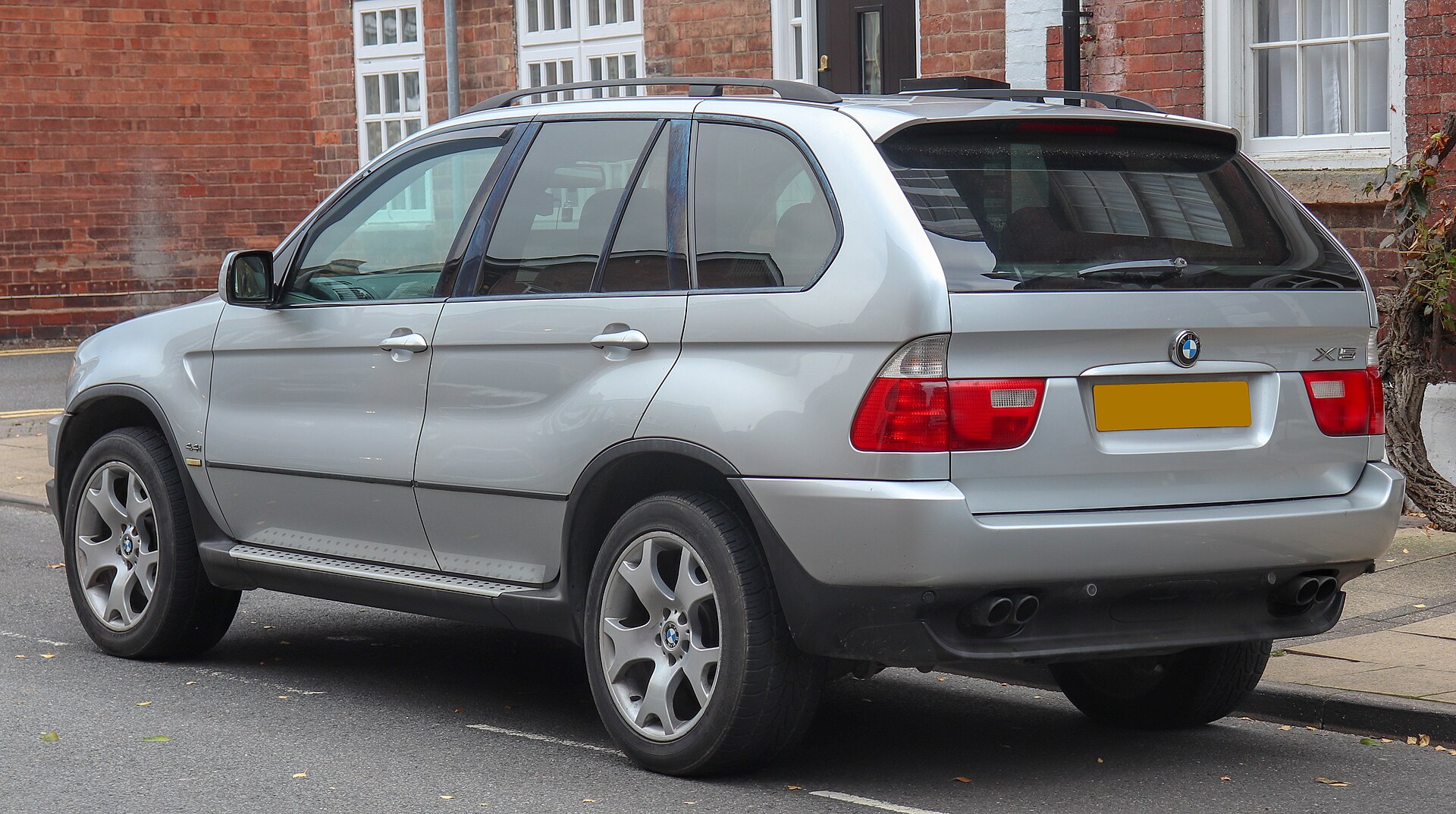
The E53 had close links to two other BMW Group cars. It shared hill descent control and its off-road engine management with the Range Rover of the L322 series, while its engines and much of its electronics came from the E39 5 Series. All versions had all-wheel drive, with a manual or an automatic gearbox.
Petrol versions ran from the 3.0i straight-six with 170 kW (231 PS) to V8s; from 2003 the 4.4i had 235 kW (320 PS), and the 4.8is of 2004–2006 reached 265 kW (360 PS). The 3.0d diesel had 160 kW (218 PS) in its final form. Production of the facelifted car began in late 2003. The body was 4,666 mm long on a 2,819 mm wheelbase.

Second generation E70 (2006–2013): seven seats and xDrive
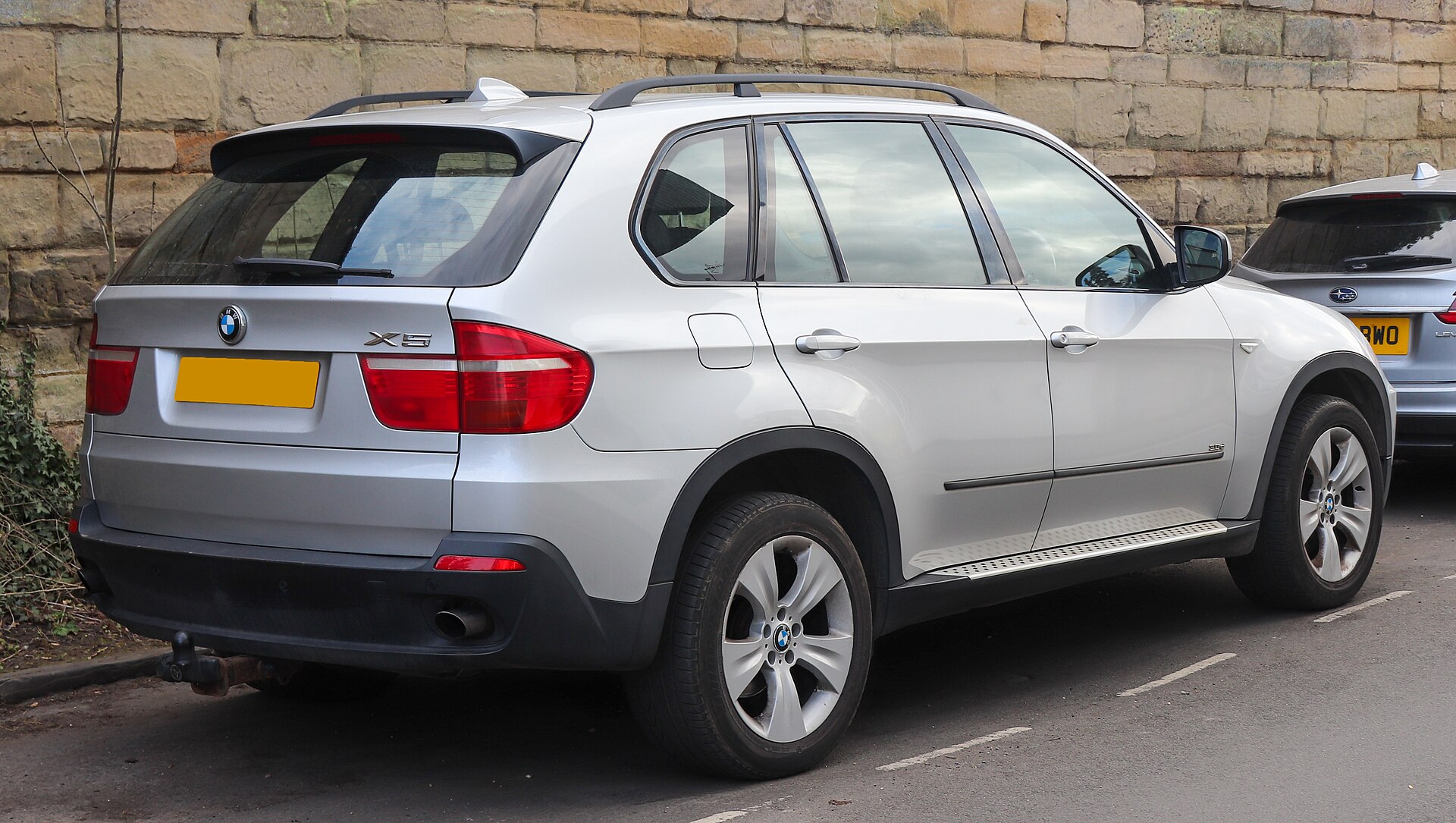
The E70 debuted in July 2006 as a 2007 model. It introduced the xDrive system, which varies the split of torque between the axles, and it came only with an automatic gearbox. iDrive became standard, and a third seat row made the X5 a seven-seater for the first time. The car grew to 4,854 mm, with a wheelbase of 2,933 mm.
The 2010 facelift (2011 model year) brought the xDrive35i with a turbocharged N55 six (225 kW, 400 Nm). The diesels were the xDrive30d with 180 kW and 540 Nm, the xDrive40d with 225 kW and 600 Nm, and the tri-turbo M50d with 280 kW (381 PS) and 740 Nm. The xDrive50i used a twin-turbo 4.4-litre V8 with 300 kW (408 PS). The first X5 M, a 2010 model, shared its 408 kW (555 PS) twin-turbo V8 and its drivetrain with the X6 M. In 2011 the X5 was BMW's third best-selling model.

Third generation F15 (2013–2018): the first plug-in hybrid
Unveiled on 30 May 2013 and launched in November that year, the F15 kept the chassis and the wheelbase of the E70 but received a new body and interior. The launch engines were the xDrive50i V8 (331 kW), the xDrive30d (190 kW) and the M50d (280 kW); the xDrive25d, xDrive35i, xDrive40d and a rear-wheel-drive sDrive25d followed in December 2013.
The most important addition was the xDrive40e, the first plug-in hybrid X5. It combined a four-cylinder petrol engine with an electric motor of 83 kW peak and 55 kW continuous output, fed by a 9 kWh battery. The X5 M of this generation (F85) delivered 423 kW (575 PS) and 750 Nm. The F15 measured 4,886 mm in length.

Fourth generation G05 (2018–2026): CLAR, V8s and plug-in power
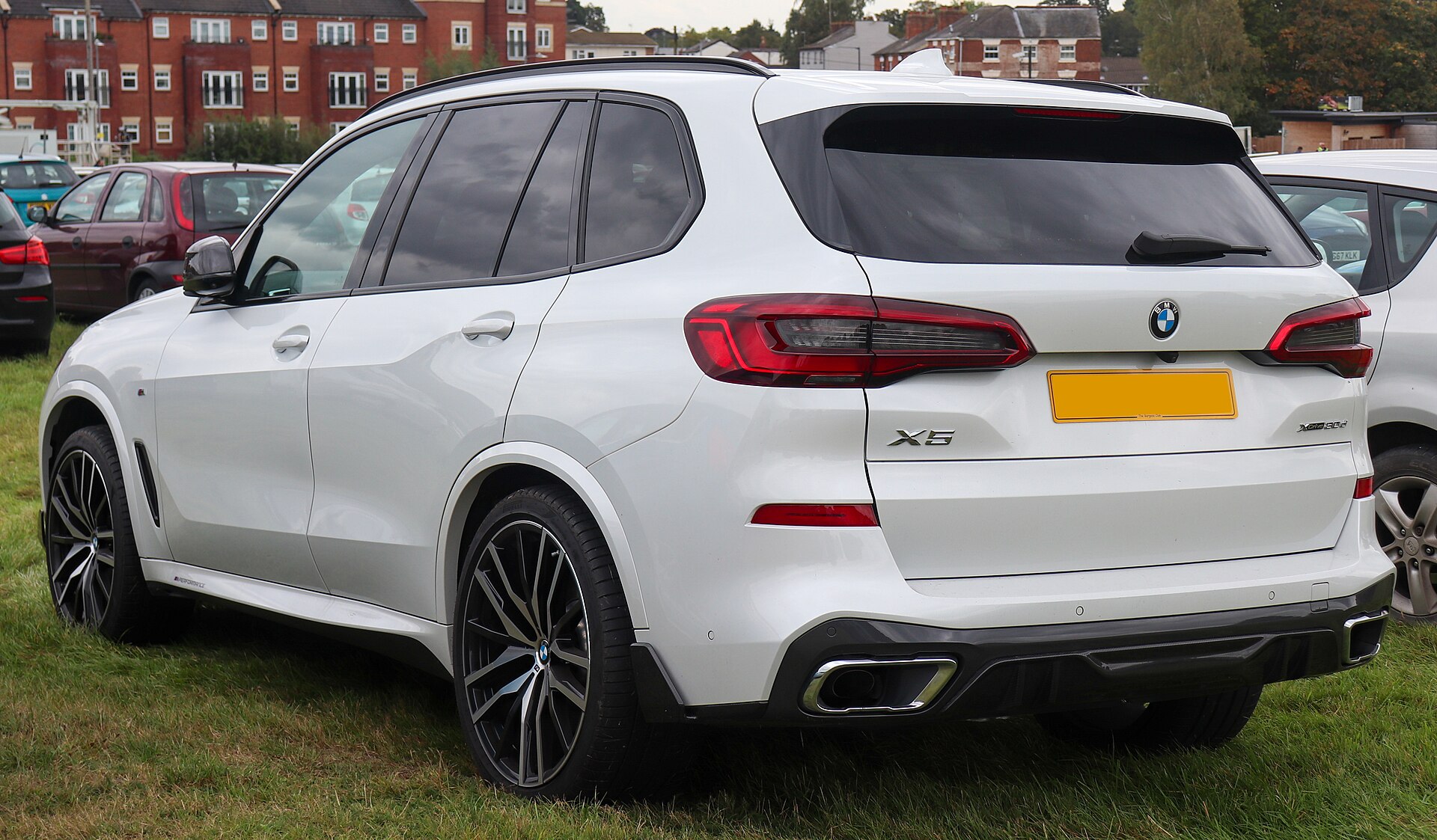
The G05 was shown online on 6 June 2018 and reached customers in November 2018. It is built on BMW's CLAR platform; the wheelbase grew by 42 mm to 2,975 mm and the car to 4,935 mm. A third row has been available since 2019, and the boot holds 645 litres with five seats. In Germany prices started at €69,200 for the xDrive30d, €70,700 for the xDrive40i and €92,900 for the M50d (June 2018 price list).
The range grew in steps. In the second half of 2019 BMW added the M50i with a 390 kW (530 PS) V8 and the plug-in xDrive45e with 290 kW system output and a 24 kWh battery. The X5 M and X5 M Competition, with 441 and 460 kW, followed in April 2020. The facelift was revealed in February 2023 and went on sale in April. The update introduced the xDrive50e plug-in hybrid with 360 kW (490 PS) and about 64 km (40 miles) of electric range on the American rating. It also brought a stronger xDrive40i with 280 kW and 520 Nm, and the M60i with the S68 mild-hybrid V8. A long-wheelbase version for China (G18), 13 cm longer, has been built in Shenyang since April 2022.
Fifth generation G65 (from 2026): the electric iX5 joins
BMW presented the fifth-generation X5 at Spartanburg; the press release is dated 30 June 2026, and production rollout begins in October 2026. For the first time the same car is offered with five types of drive. Petrol and diesel engines get 48-volt mild-hybrid support, and there are a plug-in hybrid and a battery-electric iX5. A hydrogen fuel-cell iX5, developed with Toyota, will follow later.
| Version (G65, US figures) | Drive | Power | Torque | Notes |
|---|---|---|---|---|
| X5 40 xDrive | 3.0 l six, mild hybrid | 294 kW (400 PS) | 580 Nm | first on sale, October 2026 |
| X5 50e xDrive | plug-in hybrid | 360 kW (490 PS) | 700 Nm | 26.5 kWh usable battery |
| iX5 60 xDrive | electric, two motors | 425 kW (578 PS) | 804 Nm | 144 kWh usable, up to 460 kW DC |
BMW gives a 10–80 percent charge in 22 minutes for the iX5. The rear-wheel-drive X5 40, the 50e and the iX5 follow in the first quarter of 2027. Wikipedia dates the hydrogen version to 2028.

Engines across the generations
| Generation | Typical versions | Power range |
|---|---|---|
| E53 (1999–2006) | 3.0i, 3.0d, 4.4i, 4.6is, 4.8is | 135–265 kW (184–360 PS) |
| E70 (2006–2013) | xDrive30d, 35i, 40d, M50d, 50i, X5 M | 180–408 kW (245–555 PS) |
| F15 (2013–2018) | xDrive25d, 30d, 35i, 40d, 40e, M50d, 50i, X5 M | 160–423 kW (218–575 PS) |
| G05 (2018–2026) | xDrive25d, 30d, 40i, 45e, 50e, M50d, M50i, X5 M | 170–460 kW (231–625 PS) |
| G65 (from 2026) | X5 40, X5 50e, iX5 60 | from 294 kW (400 PS) |
The figures follow the version tables in our catalogue, and each version can be compared — for example with the Audi Q7 — in the car comparison tool. The power-to-weight calculator shows how a 2.2-tonne SUV relates to its output.
Safety and Euro NCAP
In June 2003 BMW announced that the E53 had passed the Euro NCAP crash test with five stars, reaching 33 points. The G05 was tested in 2018 in the xDrive30d version and again received five stars, with 89 percent for adult occupant protection; the Euro NCAP datasheet now marks that rating as expired. In the US the G05 earned an IIHS Top Safety Pick+ for 2019.
Reliability by generation
The ADAC breakdown statistics show how the newest cars behave: 1.0 breakdowns per 1,000 cars for 2023 registrations, 2.4 for 2021, but 6.9 to 8.9 for cars registered between 2017 and 2020. Age and mileage matter more than the badge.
A reliability guide published by BMW Blog in April 2025 ranks the generations differently. For the E53 it prefers the M54 straight-six and the early M62 V8, and warns about the later N62 V8 (valve stem seals, leaks). In the E70 the naturally aspirated N52 six is the safe choice; charge-pipe failure on the N55 is called "a near guarantee", and the N63 V8 is linked to turbocharger failures and high oil consumption. The F15 is described as "about as safe of a bet as you can get", and in the G05 the B58 six-cylinder petrol engine is recommended without reservation. For plug-in hybrids the guide advises caution because battery parts are expensive.
Photo gallery


BMW X5 evolution in numbers
Did you know?
- The BMW X5 has been around for 27 years: 5 generations in our catalog since 1999.
- The longest-running generation is the X5 G05 (2018–2026): 8 years.
- The biggest jump in power came with the X5 E70: up to 408 kW (555 PS), 143 kW more than the X5 E53.
- The most powerful BMW X5 is not the newest: the X5 G05 (2018–2026) offered up to 460 kW (625 PS), the X5 G65 up to 425 kW (578 PS).
Most powerful version, kW
Length, mm
Figures from the 1cars catalog: power is the strongest version of each generation; generations without the figure are left out.
BMW X5: first vs latest generation
| Spec | X5 E53 | X5 G65 | Change |
|---|---|---|---|
| Years | 1999–2006 | 2026–present | 27 years apart |
| Most powerful version | 265 kW (360 PS) | 425 kW (578 PS) | +160 kW (+60%) |
Oldest and newest generation in the 1cars catalog. Power is the strongest version of each; other rows are shown only when both generations have the figure.
Image credits · Photos from Wikimedia Commons under free licences
- BMW X5 G05 · Photo: Dinkun Chen / Wikimedia Commons, CC BY-SA 4.0
Popular comparisons
BMW X5 in our rankings
- No. 2 of 143 · Most powerful diesel cars (294 kW)
- No. 2 of 99 · Heaviest SUVs and crossovers (3,275 kg)
- No. 2 of 51 · Quickest diesel cars, 0–100 (5.2 s)
- No. 3 of 81 · Most torque: diesel cars (760 Nm)
- No. 3 of 304 · Heaviest cars (3,275 kg)
- No. 10 of 81 · Quickest SUVs and crossovers, 0–100 (4.2 s)
Heavier than 99% of ranked cars in the 1CARS catalog (No. 3 of 304).
BMW X5 photos 7
FAQ
Which BMW X5 generation is the most reliable?
BMW Blog's 2025 guide calls the F15 (2013–2018) the safest bet, and recommends the B58 straight-six in the G05. The V8 engines of the E53 (late), E70 and early F15 need the most care.
When did the new BMW X5 come out?
The fifth generation (G65) was presented in June 2026; production rollout started in October 2026, with the X5 40 xDrive as the first version.
Does the BMW X5 have seven seats?
The E70 introduced an optional third row for seven seats, and the G05 has offered one since 2019. The first-generation E53 had five seats.
What is the most powerful BMW X5?
The G05 X5 M Competition with 460 kW (625 PS) from a 4.4-litre twin-turbo V8.
Where is the BMW X5 built?
Mainly at Spartanburg, South Carolina. Long-wheelbase cars for China come from Shenyang, armoured versions from Toluca in Mexico.
Data sources
Data checked by an editor against the sources below.
- Wikipedia — BMW X5
- Wikipedia — BMW X5 (E53)
- Wikipedia — BMW X5 (E70)
- Wikipedia — BMW X5 (F15)
- Wikipedia — BMW X5 (G05)
- EEA CO₂ monitoring (European Environment Agency, CC BY 4.0)
- NHTSA 5-Star Safety Ratings (US NCAP) — U.S. Government work, public domain