
 BMW 3-Series
All generations, specs and history
Updated Published Sources (7) Report an error
By Felix Hartmann, Automotive Technology & EV Contributor Reviewed by Oleksandr Hnatiuk

- Built
- 1975–present
- Generations
- 7 · E21 to G20
- Top power
- 317 kW (431 PS)
Timeline
3-Series generations
Click a generation for its own page
E21 and E30 overlapped in 1982–1983, so E30 sits on a second lane
- 3 Series E21 1975–1983 · Sedan
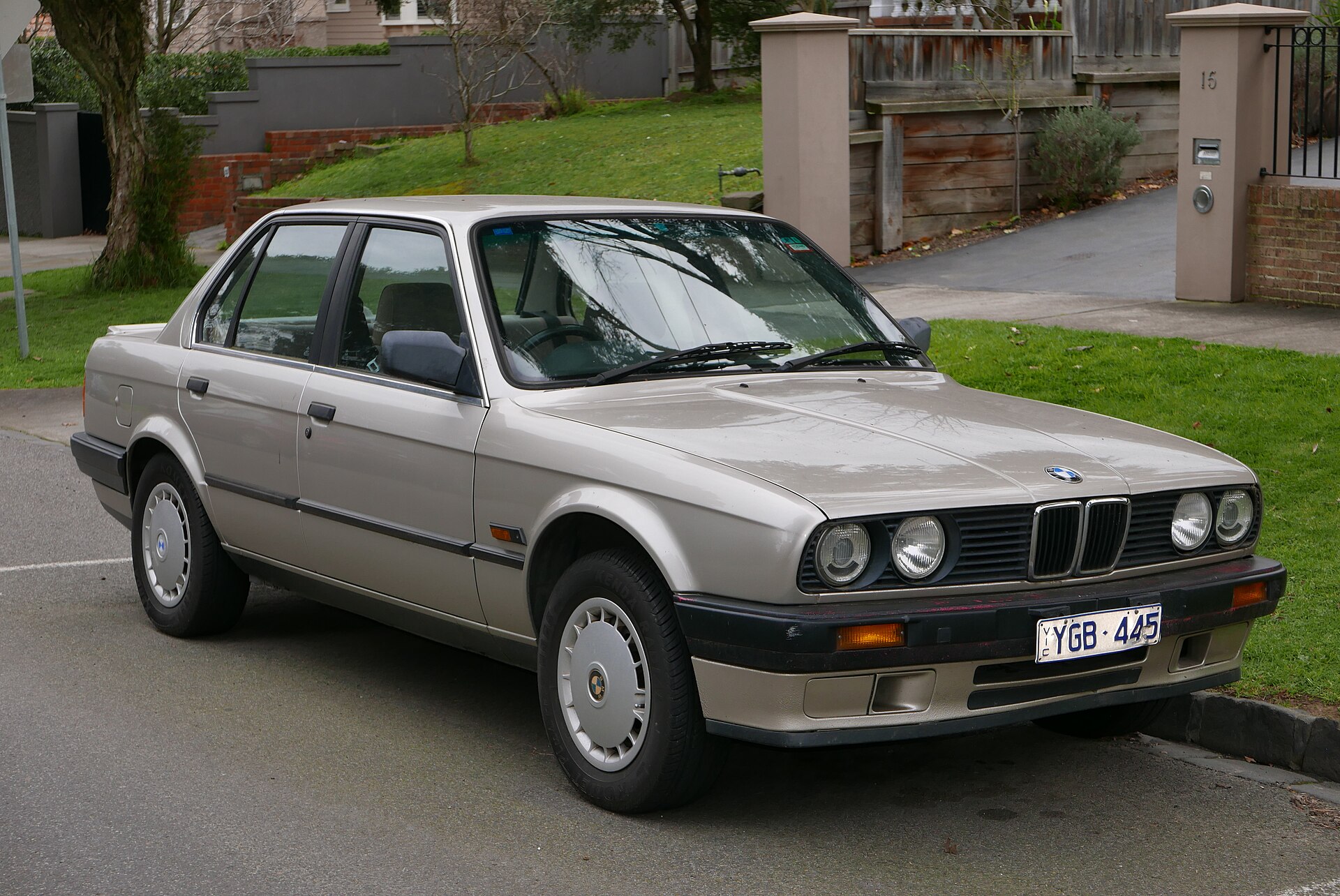
- 3 Series E30 1982–1994 · Sedan, Station wagon
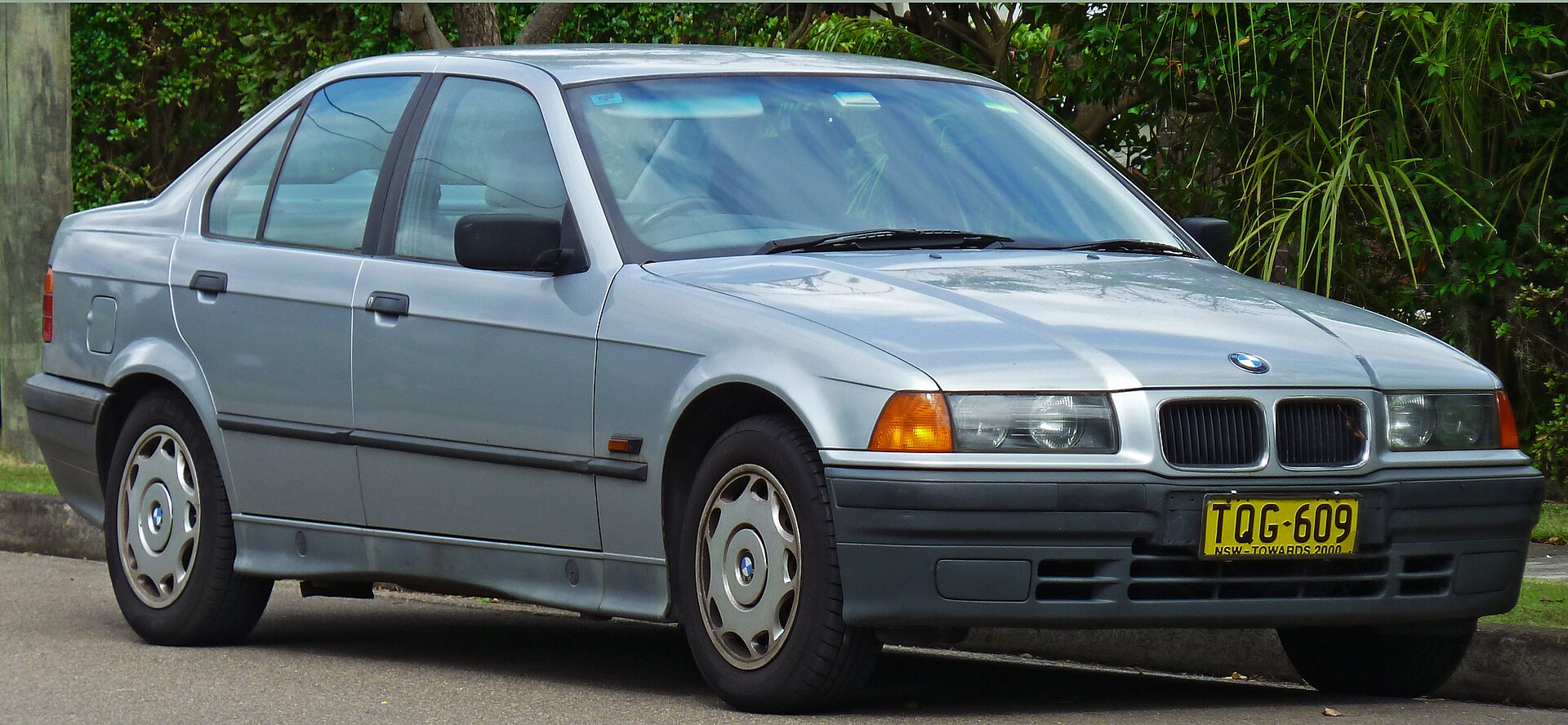
- 3 Series E36 1990–2000 · Sedan, Hatchback
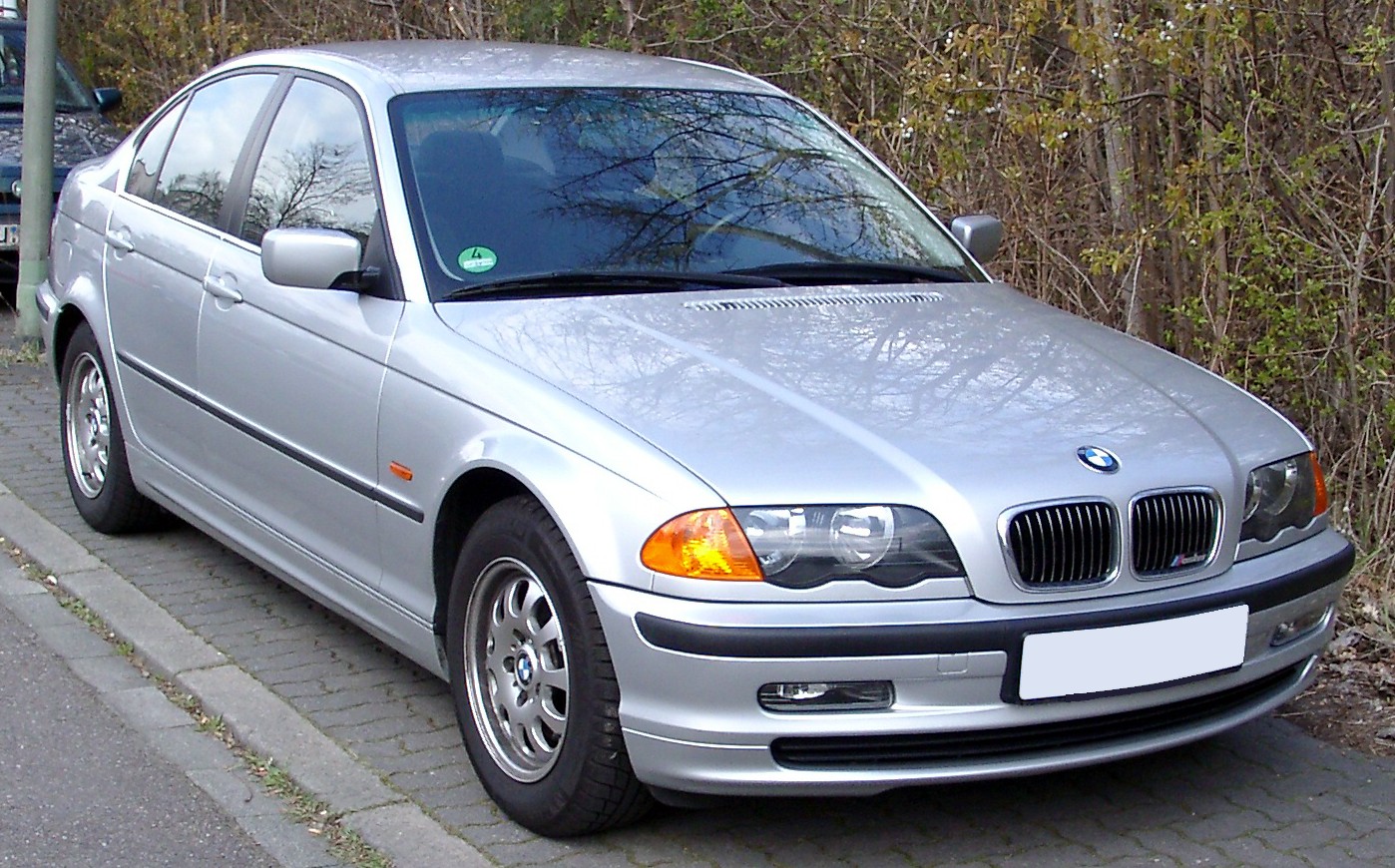
- 3 Series E46 1997–2006 · Sedan, Hatchback
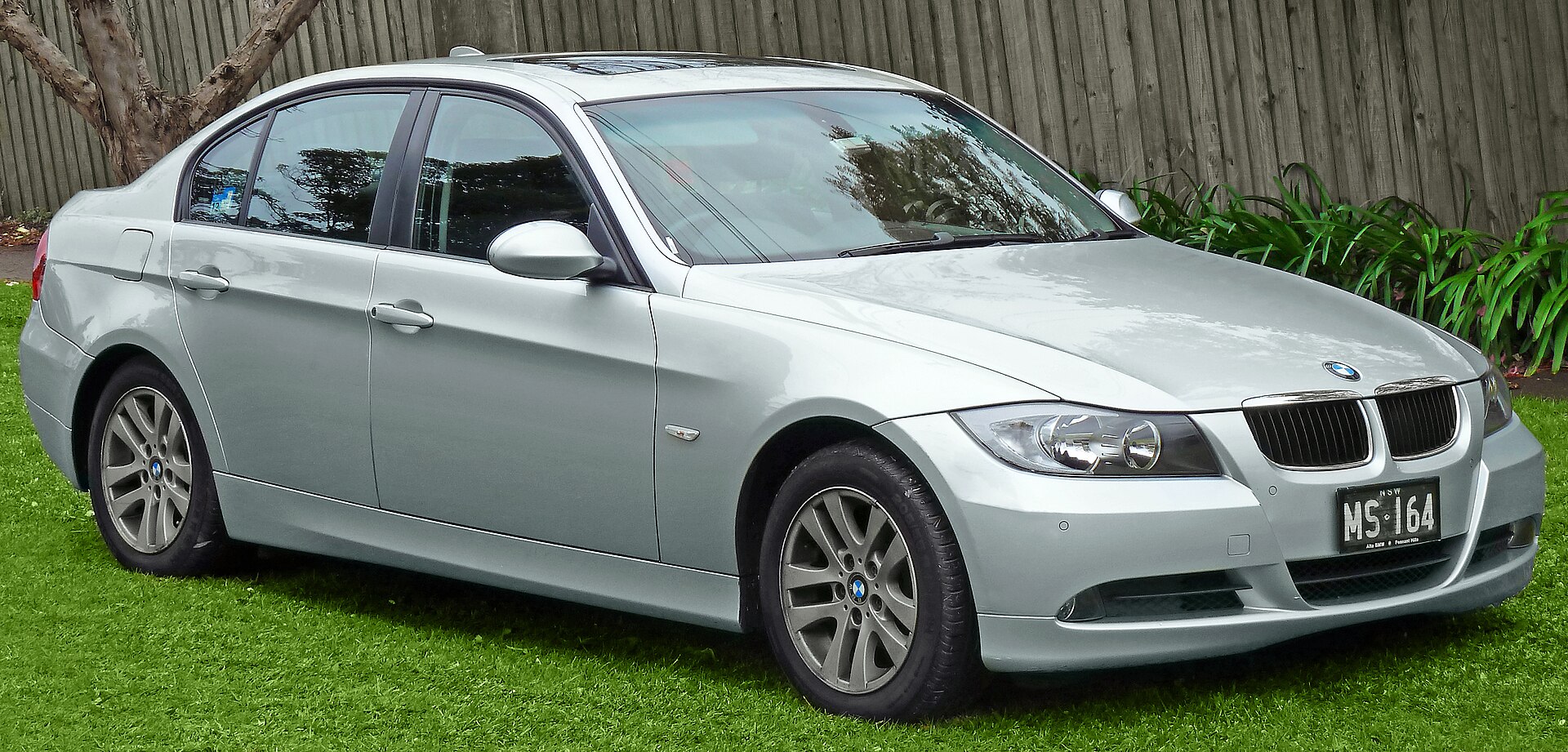
- 3 Series E90 2004–2014 · Sedan, Station wagon
- 3-Series F30 2011–2019 · Sedan · 85–317 kW (116–431 PS)
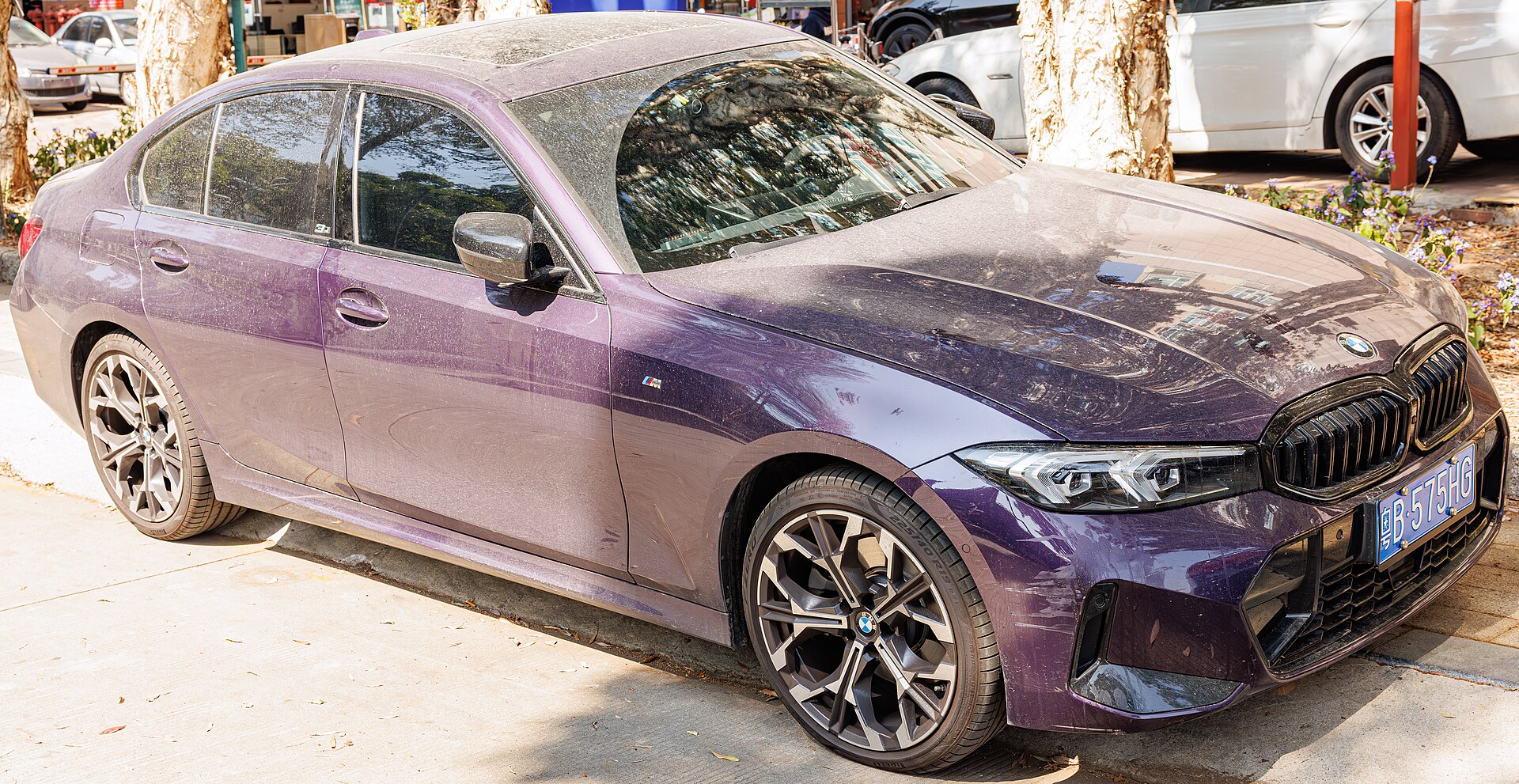
- 3 Series G20 Current 2018–now · Sedan, Station wagon
Newest first · 7 generations since 1975
-
2018
-
2011

-
2004
-
1997
-
1990
-
1982
-
1975
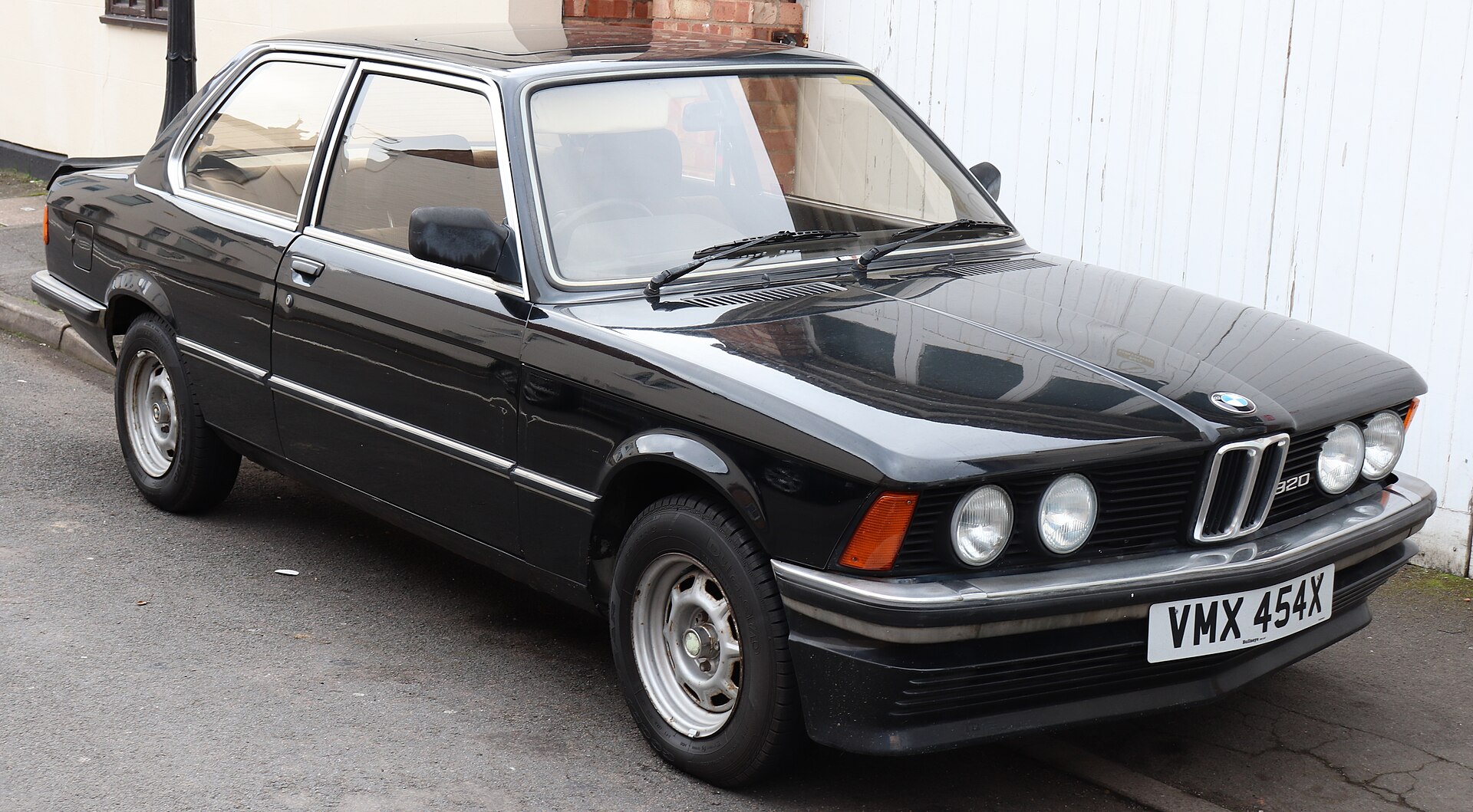


All generations by year: 3 Series G20 (2018–now) · 3-Series F30 (2011–2019) · 3 Series E90 (2004–2014) · 3 Series E46 (1997–2006) · 3 Series E36 (1990–2000) · 3 Series E30 (1982–1994) · 3 Series E21 (1975–1983)
Which one is mine?
Pick the year of first registration to see which generation it is.
Check by VINWhich 3 Series to buy
Our verdict · Felix Hartmann
For an F30, choose a car built after the 2015 facelift. The B-series engines are cleaner and avoid the earlier timing-chain worries, and LED lights and better connectivity came with them. A 320d is the best all-rounder, with low fuel use and strong torque; the 330i suits drivers who cover fewer miles, and the 340i is the enthusiast's pick short of an M3. Buyers with a bigger budget should look at a G20, which is roomier, has a 330e with a longer electric range and gained the Curved Display in 2022.
The BMW 3 Series is BMW's compact executive car, built since 1975 in seven generations, from the E21 to the G20. This page focuses on the sixth generation, the F30 of 2011–2019. It grew larger than the E90, moved to turbocharged three- and four-cylinder engines and scored five stars in Euro NCAP in 2012. An eighth generation arrives in 2026.
In short
- Seven generations: E21, E30, E36, E46, E90, F30 and G20; saloon, Touring estate, coupé, convertible, Compact and Gran Turismo bodies over the years.
- F30 (2011–2019): 4,624 mm long, 2,810 mm wheelbase, 480-litre boot, engines from 85 to 240 kW, six-speed manual or ZF eight-speed automatic.
- G20 (2019–2026): 4,709 mm long, 330e plug-in hybrid with 215 kW, M340i with up to 285 kW.
- About 2.65 million F30-family cars were sold from 2012 to 2017.

Size at a glance
BMW 3-Series F30
The BMW 3 Series G20 is 85 mm longer, 16 mm wider and 13 mm taller than the BMW 3-Series F30.
| Dimensions | BMW 3 Series G20 | BMW 3-Series F30 | Difference |
|---|---|---|---|
| Length | 4,709 mm185.4 in | 4,624 mm182.0 in | +85 mm+3.3 in |
| Width | 1,827 mm71.9 in | 1,811 mm71.3 in | +16 mm+0.6 in |
| Height | 1,442 mm56.8 in | 1,429 mm56.3 in | +13 mm+0.5 in |
| Wheelbase | 2,851 mm112.2 in | 2,810 mm110.6 in | +41 mm+1.6 in |
| Boot | 480 L17.0 cu ft | - | - |
Running cost
Fuel · 3-Series G20 318i
about 1,650 EUR fuel a year at 15,000 km
6.3 l/100 km · petrol at 1.75 EUR/l · change mileage, fuel price or version
Specs by version
Engines
| Version | Engine | Power | Production years |
|---|---|---|---|
| Plug-in hybrid · 1 version | |||
| G20 · 330e | 2.0 l · 4 cyl · Plug-in hybrid 1,998 cc | 215 kW 292 PS288 hp | 2019 |
| Diesel · 1 version | |||
| G20 · 320d | 2.0 l · 4 cyl · Diesel 1,995 cc | 140 kW 190 PS188 hp | 2019 |
| Petrol · 5 versions | |||
| F30 · 1.5 100 kW (136 PS) Sedan | 1.5 l · Petrol 1,500 cc | 100 kW 136 PS134 hp | - |
| F30 · 2.0 135 kW (184 PS) Sedan | 2.0 l · 4 cyl · Petrol 2,000 cc | 135 kW 184 PS181 hp | - |
| G20 · 318i | 2.0 l · 4 cyl · Petrol 1,998 cc | 115 kW 156 PS154 hp | 2019 |
| G20 · 330i | 2.0 l · 4 cyl · Petrol 1,998 cc | 190 kW 258 PS255 hp | 2019 |
| G20 · M340i | 3.0 l · 6 cyl · Petrol 2,998 cc | 285 kW 387 PS382 hp | 2019 |
| Other · 2 versions | |||
| F30 · 225 kW (306 PS) Sedan | - | 225 kW 306 PS302 hp | - |
| F30 · 3.0 240 kW (326 PS) Sedan | 3.0 l 3,000 cc | 240 kW 326 PS322 hp | - |
Performance
Show all 5 versions
| Version | 0–100 km/h | Top speed | Fuel consumption | CO₂ |
|---|---|---|---|---|
| Plug-in hybrid · 1 version | ||||
| G20 · 330e | - | - | - | - |
| Diesel · 1 version | ||||
| G20 · 320d | 7.1 s 0–62 mph | 240 km/h149 mph | 4.9 l/100 km48.0 mpg US · 57.6 mpg UK | 129 g/km |
| Petrol · 3 versions | ||||
| G20 · 318i | 8.4 s 0–62 mph | 223 km/h139 mph | 6.3 l/100 km37.3 mpg US · 44.8 mpg UK | 142 g/km |
| G20 · 330i | 5.8 s 0–62 mph | 250 km/h155 mph | 6.8 l/100 km34.6 mpg US · 41.5 mpg UK | 154 g/km |
| G20 · M340i | - | - | 8.1 l/100 km29.0 mpg US · 34.9 mpg UK | 183 g/km |
Dimensions and weight
Show all 6 versions
| Version | Length | Width | Height | Wheelbase | Kerb weight | Boot | Fuel tank |
|---|---|---|---|---|---|---|---|
| Plug-in hybrid · 1 version | |||||||
| G20 · 330e | 4,709 mm185.4 in | 1,827 mm71.9 in | 1,442 mm56.8 in | 2,851 mm112.2 in | - | - | - |
| Diesel · 1 version | |||||||
| G20 · 320d | 4,709 mm185.4 in | 1,827 mm71.9 in | 1,442 mm56.8 in | 2,851 mm112.2 in | 1,525 kg3,362 lb | 480 l17.0 cu ft | 40 l10.6 gal US |
| Petrol · 4 versions | |||||||
| F30 · 1.5 100 kW (136 PS) Sedan | 4,624 mm182.0 in | 1,811 mm71.3 in | 1,429 mm56.3 in | 2,810 mm110.6 in | - | - | - |
| G20 · 318i | 4,709 mm185.4 in | 1,827 mm71.9 in | 1,442 mm56.8 in | 2,851 mm112.2 in | 1,565 kg3,450 lb | 480 l17.0 cu ft | 59 l15.6 gal US |
| G20 · 330i | 4,709 mm185.4 in | 1,827 mm71.9 in | 1,442 mm56.8 in | 2,851 mm112.2 in | 1,545 kg3,406 lb | 480 l17.0 cu ft | 59 l15.6 gal US |
| G20 · M340i | 4,709 mm185.4 in | 1,827 mm71.9 in | 1,442 mm56.8 in | 2,851 mm112.2 in | 1,800 kg3,968 lb | 480 l17.0 cu ft | - |
Verified Manufacturer and type-approval data from our catalog · Sources and methodology
BMW 3 Series at a glance
The 3 Series replaced the BMW 02 series in spring 1975 as a two-door saloon and became BMW's best-selling model. It has always kept the same formula: a longitudinal engine, rear-wheel drive as standard and a near 50:50 weight distribution. All-wheel drive has been offered in most generations since the E30 325iX of the mid-1980s, today under the xDrive name. When the F30 was launched, BMW said the 3 Series accounted for about 40% of its sales. The coupé and convertible moved to the separate 4 Series in 2013, and the M3 has been the performance version since the E30.

| Generation | Code | Years | Body styles | Engines | Power (hp / kW) |
|---|---|---|---|---|---|
| First | E21 | 1975–1982 | 2-door saloon, Baur cabriolet | 4-cyl, 6-cyl from 1977 | – |
| Second | E30 | 1982–1994 | 2/4-door saloon, Touring, convertible | petrol, diesel, first M3 | – |
| Third | E36 | 1990–2000 | saloon, coupé, Touring, convertible, Compact | 4- and 6-cyl, M3 six | – |
| Fourth | E46 | 1998–2006 | saloon, coupé, Touring, convertible, Compact | Valvetronic petrol, diesel | – |
| Fifth | E90/E91/E92/E93 | 2005–2013 | saloon, Touring, coupé, convertible | first turbo six, M3 V8 | – |
| Sixth | F30/F31/F34/F35 | 2011–2019 | saloon, Touring, Gran Turismo, long saloon | 3-, 4- and 6-cyl, hybrid | 114–322 hp / 85–240 kW |
| Seventh | G20/G21/G28 | 2019–2026 | saloon, Touring, long saloon | 4- and 6-cyl, plug-in hybrid | 148–382 hp / 110–285 kW |
The F30 era also produced the BMW M3 Competition and the coupé-based BMW M4; the E46 era is remembered for the M3 CSL.
F30 engines, gearboxes and performance
BMW unveiled the F30 saloon in Munich on 14 October 2011; production started on 28 October and deliveries on 11 February 2012. At the 2015 facelift (LCI) the engines were replaced by the modular B-series family. The 318i received a 1.5-litre three-cylinder B38, the 320i and 330i the B48 four-cylinder, and the 340i the B58 six. The B47 diesel replaced the N47.

| Version | Engine | Power | Notes |
|---|---|---|---|
| 316d | 2.0 diesel | 85 kW (116 PS) | entry diesel |
| 318i (2015–) | 1.5 three-cylinder B38 | 100 kW (136 PS) | 0–100 km/h about 9 s |
| 318d | 2.0 diesel | 105–110 kW (143–150 PS) | economical diesel |
| 320i | 2.0 four-cylinder | 135 kW (184 PS) | 0–100 km/h 7.3 s, 235 km/h |
| 320d | 2.0 diesel | 135–140 kW (184–190 PS) | the core diesel |
| 328i / 330i | 2.0 four-cylinder | 180–185 kW (245–252 PS) | 330i from 2015 |
| 330d / 335d | 3.0 six-cylinder diesel | 190–230 kW (258–313 PS) | 335d with xDrive |
| 335i / 340i | 3.0 six-cylinder petrol | 225–240 kW (306–326 PS) | 340i from 2015, 0–100 km/h about 5 s |
| ActiveHybrid 3 | 3.0 petrol + electric motor | 250 kW (340 PS) system | 2012–2015 |
| 330e | 2.0 petrol plug-in hybrid | 185 kW (252 PS) system | from 2015 |
| M3 (F80) | 3.0 twin-turbo six | 317 kW (431 PS) | 2014–2018 |
Most versions had a six-speed manual as standard and the ZF eight-speed automatic as an option, often the more economical choice. The six-cylinder diesels and the hybrids came with the automatic only. Start-stop, brake-energy recovery and the Driving Experience Control switch with Eco Pro, Comfort, Sport and Sport+ modes were standard. Note that the 318i is a petrol car; the diesel equivalent is the 318d.
Dimensions, cabin and boot
Compared with the E90, the F30 is 93 mm longer, with a 50 mm longer wheelbase. BMW quoted a kerb weight up to 40 kg lower and a drag coefficient as low as 0.26. Rear legroom grew by about 15 mm.

| Parameter | Metric | Imperial |
|---|---|---|
| Length | 4,624–4,643 mm | 182.0–182.8 in |
| Width | 1,811 mm | 71.3 in |
| Height | 1,429–1,434 mm | 56.3–56.5 in |
| Wheelbase | 2,810 mm | 110.6 in |
| Boot (saloon) | 480 l | 17.0 cu ft |
| Kerb weight (saloon) | 1,385–1,769 kg | 3,053–3,900 lb |
| Ground clearance | about 140 mm | 5.5 in |
The dashboard is angled towards the driver, with an optional 8.8-inch iDrive screen that also shows the reversing camera and the navigation map. Run-flat tyres mean there is no spare wheel, and a hands-free boot opening by foot was optional. Owners praised the seats and criticised tyre noise at low speeds; the centre rear passenger has to straddle a tall transmission tunnel.
Running costs and fuel use
The diesels are the economical choice for long distances. Factory figures quoted at launch give about 5.4 l/100 km for the 318i and 6.4 l/100 km for the 320i in the old NEDC cycle. Real-world use is higher, and the six-cylinder petrol cars use noticeably more. Compare yearly costs for two engines in the fuel cost comparison, or browse all versions in the specifications section.

Trims and equipment
The F30 came in standard trim and as Sport Line, Luxury Line and Modern Line, with M Sport as the sporty top option. Options included adaptive LED headlights, a colour head-up display, Surround View cameras, Night Vision, blind-spot warning, lane departure and lane change warning, collision warning with braking, active cruise control and traffic-sign recognition. The F31 Touring arrived in May 2012, the F34 Gran Turismo in March 2013 and the long-wheelbase F35 for China in July 2012.

Euro NCAP and safety
Euro NCAP tested the F30 in 2012 and gave it five stars: 95% for adult occupants, 84% for children, 78% for pedestrians and 86% for safety assist. The G20 also received five stars in 2019.

Common F30 problems and buying checks

- Timing chain on N47 diesels and N20 petrols (pre-2015 cars): listen for rattling on a cold start and check that any chain work has been done.
- Electrics: owners report faults with lights and sensors after heavy rain, and occasional failures of electronic modules.
- Paint and trim: some owners mention weak paint and creaks from the steering wheel or trim.
- Service history: use the specified oil and keep to the intervals; the B-series engines after 2015 have a better record.
Rivals: how the 3 Series compares
| Model | Engines | Drive | Strength |
|---|---|---|---|
| BMW 3 Series (F30) | petrol, diesel, hybrid | RWD or AWD | steering and balance |
| Mercedes-Benz C-Class | petrol, diesel, hybrid | RWD or AWD | ride comfort, cabin |
| Jaguar XE | petrol, diesel | RWD or AWD | aluminium body, handling |
| Audi A4 (B9) | petrol, diesel | FWD or AWD | quattro traction, quality |
The 3 Series is usually the sharpest to drive of this group, the C-Class the most comfortable and the A4 the best for all-weather traction. Line them up in the 1cars comparison tool, and see the whole brand in the BMW catalogue.

Image credits · Photos from Wikimedia Commons under free licences
- BMW 3 Series E21 · Photo: Vauxford / Wikimedia Commons, CC BY-SA 4.0
- BMW 3 Series E30 · Photo: OSX / Wikimedia Commons, Public domain
- BMW 3 Series E36 · Photo: OSX / Wikimedia Commons, Public domain
- BMW 3 Series E46 · Photo: Rudolf Stricker / Wikimedia Commons, CC BY-SA 3.0
- BMW 3 Series E90 · Photo: OSX / Wikimedia Commons, Public domain
- BMW 3 Series G20 · Photo: Dinkun Chen / Wikimedia Commons, CC BY-SA 4.0
Rivals
Compare with…
Compare BMW 3-Series with
- Audi 80 quick spec comparison

BMW 3-Series in our rankings
- No. 6 of 49 · Most economical sedans (4.9 l/100 km)
- No. 8 of 60 · Fastest sedans (250 km/h)
- No. 17 of 1082 · Longest-running car nameplates (51 years · top 2%)
- No. 13 of 379 · Oldest car models still on sale (51 years · top 4%)
- No. 28 of 411 · Cars with the most generations (7 generations · top 9%)
- No. 11 of 60 · Power-to-weight: sedans (158 kW/t · top 19%)
In production longer than 98% of ranked nameplates in the 1CARS catalog (No. 17 of 1082).
BMW 3-Series photos 28


BMW 3-Series videos 3

BMW 3-Series video 1

Crash test

Video overview
FAQ
How many generations of the BMW 3 Series are there?
Seven so far: E21 (1975), E30 (1982), E36 (1990), E46 (1998), E90 (2005), F30 (2011) and G20 (2019). An eighth generation, offered with electric and combustion versions, arrives in 2026.
Which BMW 3 Series generation is the most reliable?
Among recent cars, the facelifted F30 (2015–2019) and the G20 use BMW's newer B-series engines. These avoid the timing-chain issues of the earlier N47 and N20 units. Whatever the generation, the condition and service record of the individual car count for more.
What is the fuel consumption of the BMW 3 Series F30?
Launch figures in the old NEDC cycle were about 5.4 l/100 km for the 318i and 6.4 l/100 km for the 320i. The diesels use less, the six-cylinder petrol engines more. Real-world use is usually higher, especially in town.
Is the BMW 3 Series available with all-wheel drive or as a hybrid?
Yes. xDrive all-wheel drive is offered on many versions. The F30 had the ActiveHybrid 3 (2012–2015) and the 330e plug-in hybrid from 2015; the G20 offers the 330e with 215 kW of system power.
What are the main rivals of the BMW 3 Series?
The Mercedes-Benz C-Class, Audi A4, Jaguar XE, Alfa Romeo Giulia, Volvo S60 and Lexus IS. The 3 Series is usually rated the most engaging to drive, while the C-Class leads on comfort.
Data sources
Data checked by an editor against the sources below.
- The text of this article (1cars archive)
- Wikipedia - BMW 3 Series
- Wikipedia - BMW 3 Series (E21)
- Wikipedia - BMW 3 Series (E30)
- Wikipedia - BMW 3 Series (E36)
- Wikipedia - BMW 3 Series (E46)
- EEA CO₂ monitoring (European Environment Agency, CC BY 4.0)


