 BMW 7 Series
All generations, specs and history
Published Sources (2) Report an error
By Felix Hartmann, Automotive Technology & EV Contributor
- Built
- 1977–present
- Generations
- 7 · E23 to G70
- Top power
- 400 kW (544 PS)
Timeline
7 Series generations
Click a generation for its own page
E23 and E32 overlapped in 1986–1987, so E32 sits on a second lane
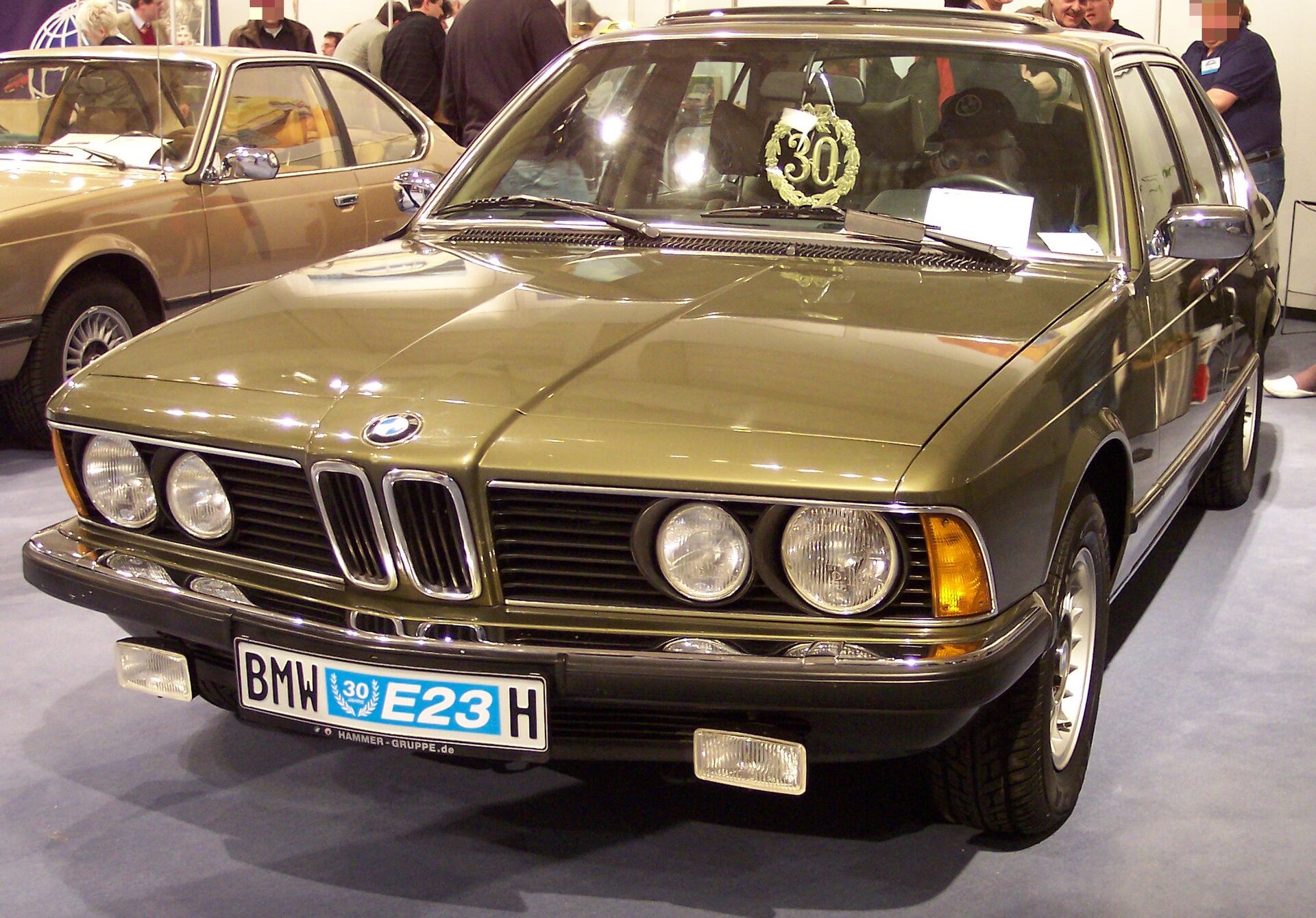
- 7 Series E23 1977–1987 · Sedan
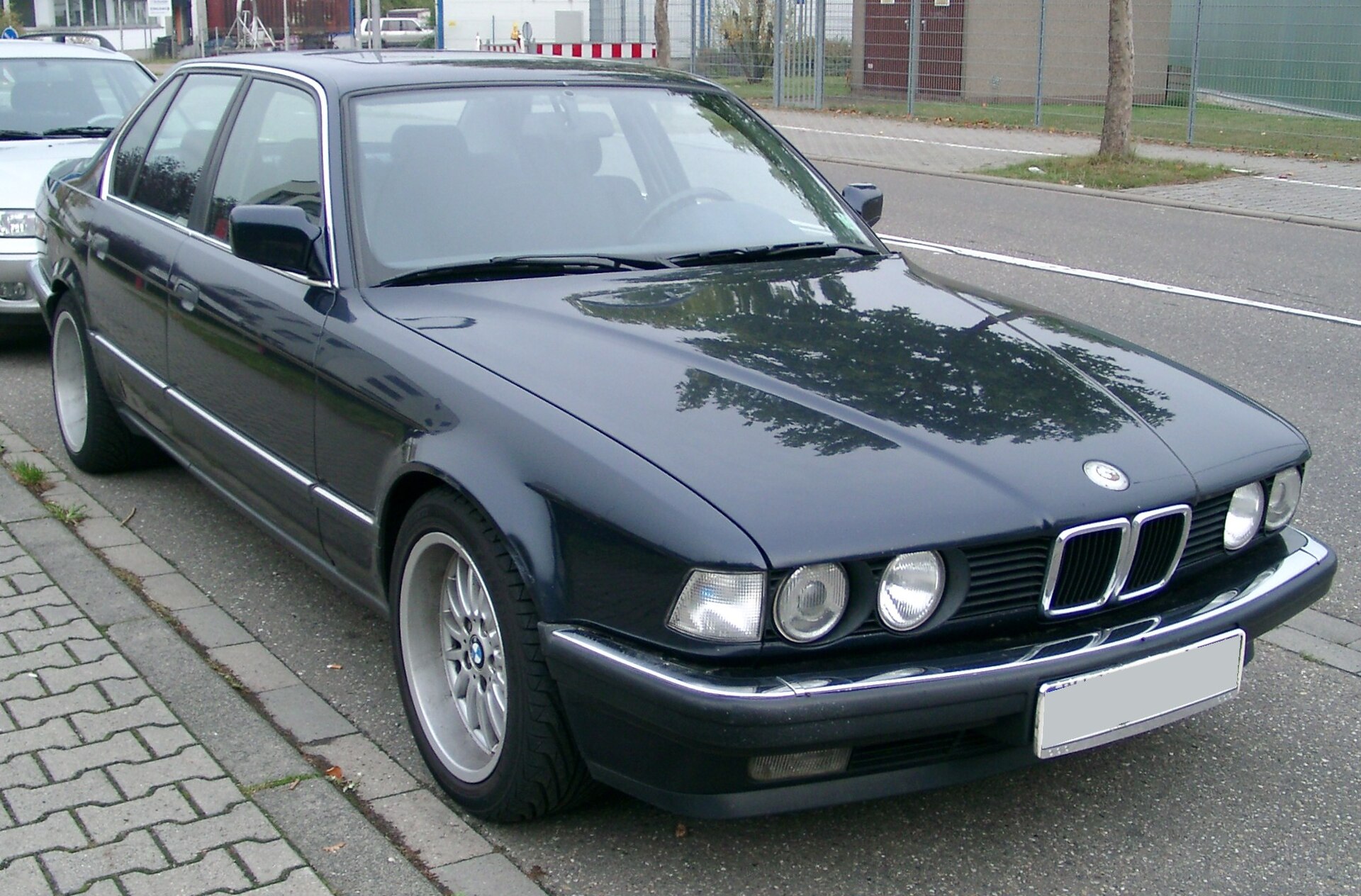
- 7 Series E32 1986–1994 · Sedan
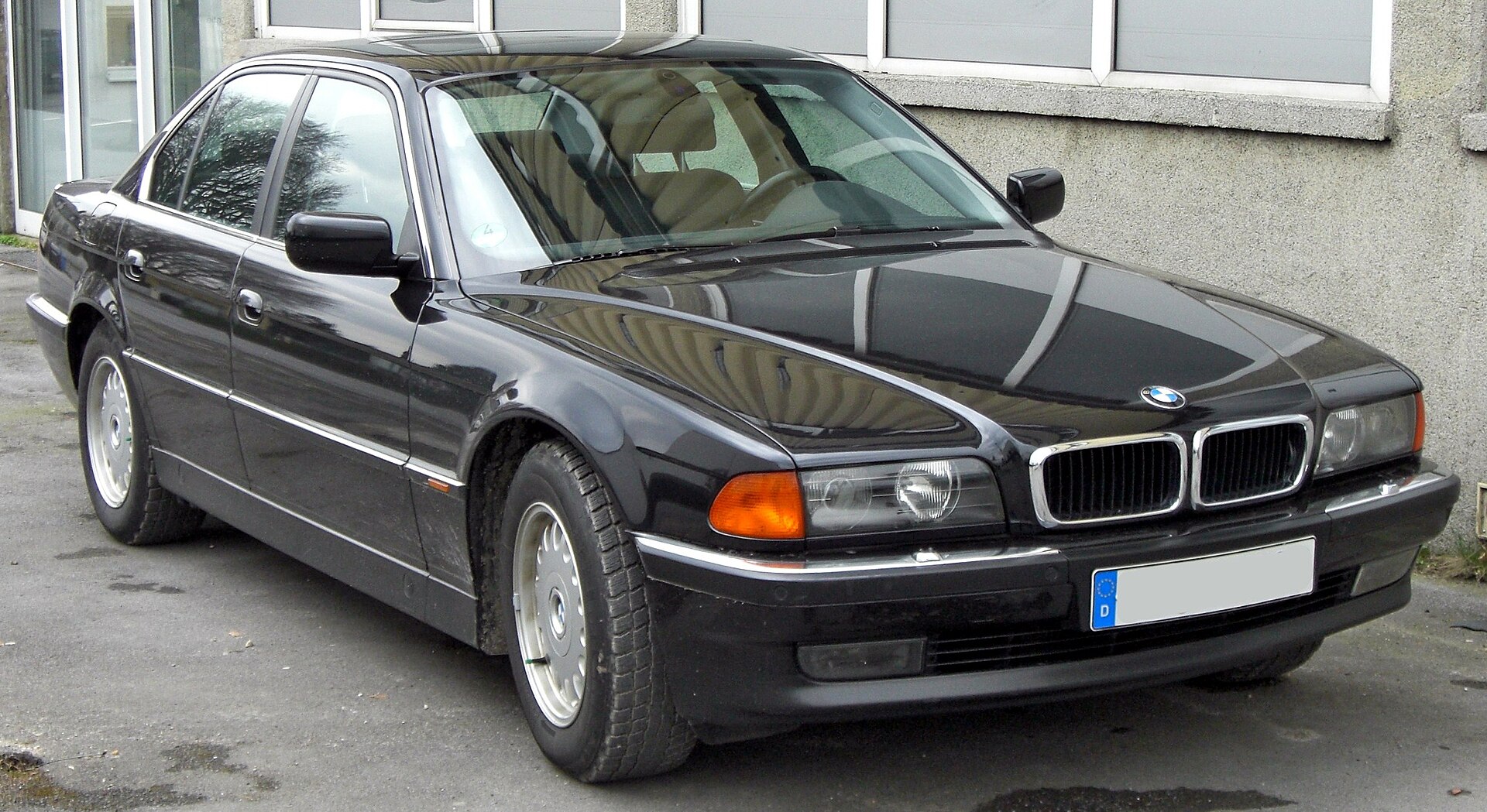
- 7 Series E38 1994–2001 · Sedan
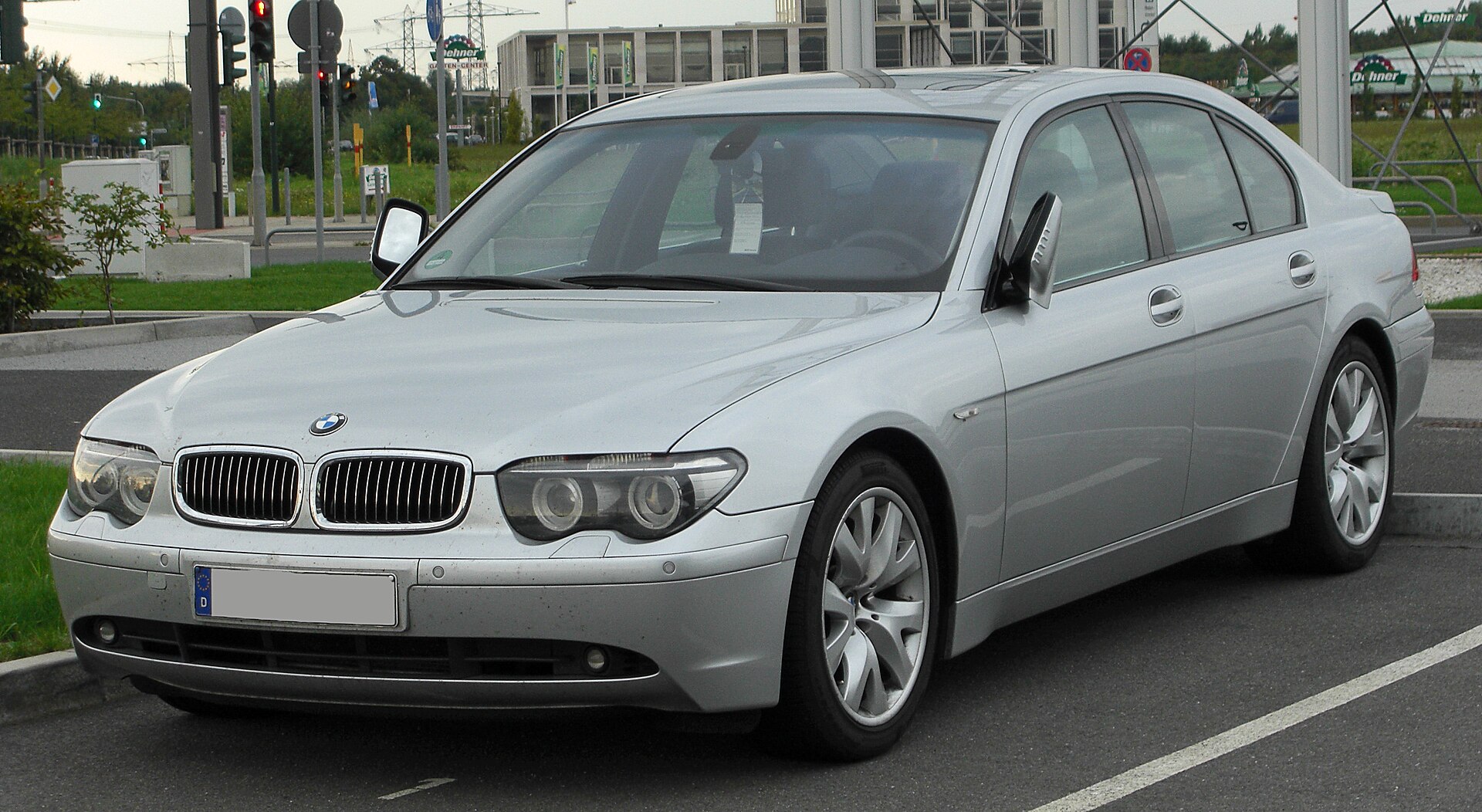
- 7 Series E65 2001–2008 · Sedan
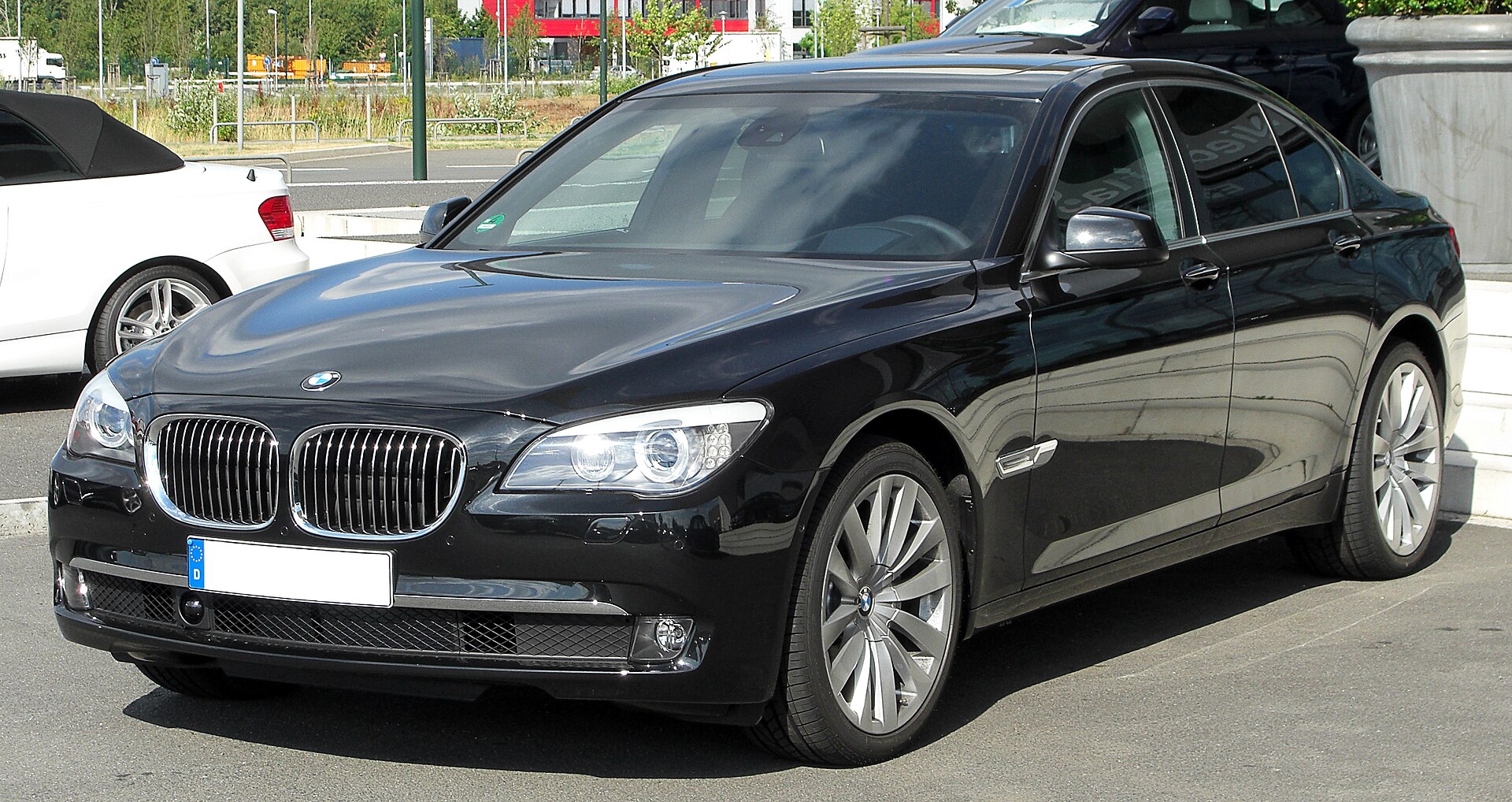
- 7 Series F01 2008–2015 · Sedan
- 7 Series G11 2015–2022 · Sedan
- 7 Series G70 Current 2022–now · Sedan
Newest first · 7 generations since 1977
-
2022
-
2015
-
2008
-
2001
-
1994
-
1986
-
1977


All generations by year: 7 Series G70 (2022–now) · 7 Series G11 (2015–2022) · 7 Series F01 (2008–2015) · 7 Series E65 (2001–2008) · 7 Series E38 (1994–2001) · 7 Series E32 (1986–1994) · 7 Series E23 (1977–1987)
Which one is mine?
Pick the year of first registration to see which generation it is.
Check by VINThe BMW 7 Series is BMW's flagship executive saloon and the brand's long-standing answer to the Mercedes-Benz S-Class. This article looks back at the first three generations — the E23, E32 and E38 — built between 1977 and 2001, which established the 7 Series as one of the defining luxury cars of its time.
In short
- The E23 (1977–1986) created the 7 Series and sold about 285,000 cars; the 745i added a turbocharged six.
- The E32 (1986–1994) introduced the 750i, the first German V12 car since the 1930s, and the first series-production xenon low beams.
- The E38 (1994–2001) was the first car with curtain airbags and the first European car with satellite navigation; 340,242 were built.
- Power ranged from about 135 kW (184 PS) in the six-cylinder cars to 240 kW (326 PS) in the E38 750i.
Size at a glance
| Dimensions | BMW 7 Series G70 |
|---|---|
| Length | 5,391 mm212.2 in |
| Width | 1,950 mm76.8 in |
| Height | 1,544 mm60.8 in |
| Wheelbase | 3,215 mm126.6 in |
Specs by version
Engines
| Version | Engine | Power | Torque | Gearbox | Drive | Production years |
|---|---|---|---|---|---|---|
| Plug-in hybrid · 1 version | ||||||
| G70 · 750e xDrive | Plug-in hybrid | 360 kW 489 PS483 hp | 700 Nm516 lb-ft | Automatic | All-wheel drive | — |
| Electric · 1 version | ||||||
| G70 · i7 xDrive60 | Electric | 400 kW 544 PS536 hp | 745 Nm549 lb-ft | Single-speed | All-wheel drive | 2022 |
Performance
Show all 2 versions
| Version | 0–100 km/h |
|---|---|
| Plug-in hybrid · 1 version | |
| G70 · 750e xDrive | 4.8 s 0–62 mph |
| Electric · 1 version | |
| G70 · i7 xDrive60 | 4.7 s 0–62 mph |
Dimensions and weight
Show all 2 versions
| Version | Length | Width | Height | Wheelbase |
|---|---|---|---|---|
| Plug-in hybrid · 1 version | ||||
| G70 · 750e xDrive | 5,391 mm212.2 in | 1,950 mm76.8 in | 1,544 mm60.8 in | 3,215 mm126.6 in |
| Electric · 1 version | ||||
| G70 · i7 xDrive60 | 5,391 mm212.2 in | 1,950 mm76.8 in | 1,544 mm60.8 in | 3,215 mm126.6 in |
Verified Manufacturer and type-approval data from our catalog · Sources and methodology
Before the 7 Series
BMW's first post-war attempt at a large luxury car was the BMW 501, built from 1952 to 1964. In the difficult economy of post-war Germany it sold so poorly that it almost ruined the company. It was later followed by the E3 saloons, which proved very successful: buyers liked the styling, and they could choose inline six-cylinder engines of 2.5 to 3.3 litres, with Bosch fuel injection on the more expensive versions. The E3 laid the groundwork for the 7 Series, from its engines to its design cues. More of the brand's models are in our BMW catalogue, and its long-time rival is covered in Mercedes-Benz S-Class.
First generation: E23 (1977–1986)
The E23 was presented and put into production in 1977 and was built until 1986, when the E32 replaced it; around 285,000 were sold. At the end of the 1970s BMW organised its range into series by size and equipment, and the 7 Series became the most luxurious, taking on the Mercedes-Benz S-Class directly.
Design and cabin
The E23's styling took account of crash tests, so safety was considered alongside driving qualities. Facelifted cars built from 1983 can be recognised by wider kidney grilles. The E23 had chrome trim around the windows, grille and mirrors, gently flared wheel arches and small rectangular fog lights in the front bumper, with large tail lights and a big boot lid at the rear.
Even in the late 1970s the cabin used fine leather upholstery and wood inserts on the centre console and doors. The driver had a large, thin-rimmed four-spoke steering wheel and clear instruments, including a check-control panel that reported faults and a service-interval indicator — remarkable for the time. The centre console was already angled towards the driver. There was plenty of space front and rear, and the boot held 481 litres.
Engines and chassis
The E23 used refined versions of BMW's M30 inline six with two valves per cylinder, carried over from the E3. Most were fuel-injected using Bosch electronics, though some early versions had carburettors. The most popular was the 3.4-litre with 160 kW (218 PS) and 310 Nm, which reached 100 km/h in about 8 seconds and 217 km/h; it used about 17 l/100 km in town and 8 l/100 km on the open road. From 1980 the BMW 745i added a turbocharged six. Gearboxes were manual or automatic, all cars were rear-wheel drive, and the E23 had fully independent coil-spring suspension, power steering and disc brakes all round with ABS available. It was soft, comfortable and smooth.
Second generation: E32 (1986–1994)
The E32 brought together BMW's latest technology. Production of the 735i began in June 1986, followed by the 730i in December. A long-wheelbase iL version added 114 mm of rear legroom. In total 311,068 E32s were built. Styled by Ercole Spada with Hans Kerschbaum under chief designer Claus Luthe, it was longer, more modern and full of advanced electronics, including dual-zone climate control, BMW's first traction control (ASC) and, in 1991 on the 750iL, the first series-production xenon low-beam headlights.
Design and cabin
The E32 kept a recognisable, purposeful face with four round headlights and a slim bumper with rectangular fog lights. Elegant multi-spoke wheels, flared arches, mouldings and chrome trim completed a restrained, stylish look. Ground clearance was 140 mm.
Build quality and materials improved noticeably. Electric front seats with memory and an electrically adjustable steering column were available on many versions, and some cars had four-zone climate control. Switches were spread more logically across the dashboard. Equipment included electric windows and mirrors, an on-board computer, BMW Bavaria cassette and CD audio systems, at least two airbags, and on luxury versions a BMW car phone. Sound insulation is excellent even by today's standards, the wood trim is real, and the leather rear seat is roomy; some cars had picnic tables, footrests and even a refrigerator. A second battery in the boot supported the electronics. The boot holds 500 litres, though the loading lip is high.
Engines and drivetrain
| Model | Engine | Power (kW / PS) | Years |
|---|---|---|---|
| 730i | 3.0 inline-6 (M30) | 135–138 kW / 184–188 PS | 1986–1994 |
| 735i | 3.4 inline-6 (M30) | 155 kW / 211 PS | 1986–1992 |
| 730i | 3.0 V8 (M60) | 160 kW / 218 PS | 1992–1994 |
| 740i | 4.0 V8 (M60) | 210 kW / 286 PS | 1992–1994 |
| 750i | 5.0 V12 (M70) | 220 kW / 300 PS | 1987–1994 |
According to published figures, the 740i reached 100 km/h in 7.4 seconds and 240 km/h, and the 750i offered similar performance with slightly higher consumption. Base versions had a five-speed manual, while others used four- or five-speed ZF automatics; all were rear-wheel drive. Suspension used a double-joint front axle and semi-trailing arms at the rear with anti-roll bars, and Servotronic speed-sensitive steering made parking almost effortless.
Third generation: E38 (1994–2001)
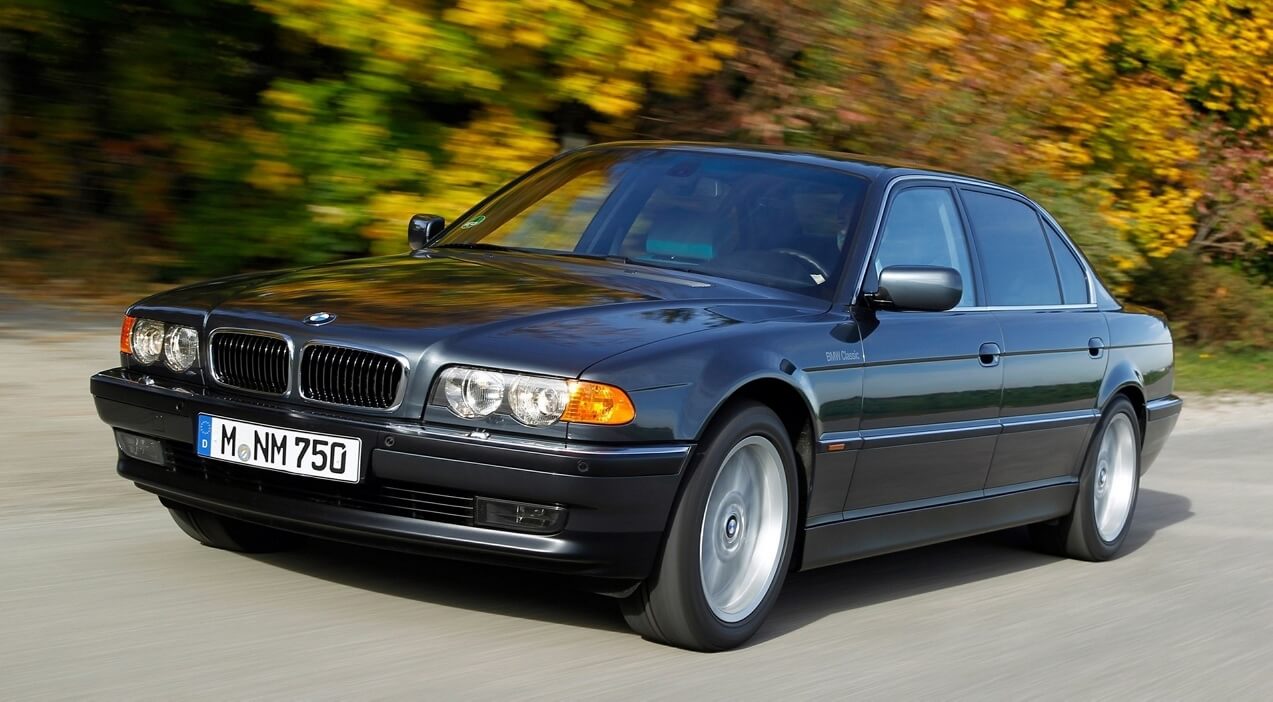
BMW unveiled the E38 on 18 February 1994, and it went on sale in Germany in June 1994. It was built until 27 July 2001, when the E65 replaced it, with 340,242 cars produced. Many enthusiasts consider it the last "classic" 7 Series, and it became a film star in the James Bond film Tomorrow Never Dies (1997).
Design and cabin
The E38 kept twin round headlights, now under a single glass cover, with a long bonnet incorporating the kidney grille, a bumper with plastic and chrome elements and fog lights. Gently flared arches, a chrome-topped side moulding and a large glass area gave it a sporty, taut look despite its size; ground clearance was 120 mm. The long boot lid sat above neat oval tail lights.
The cabin combined attractive design, carefully thought-out ergonomics and high-quality materials. A four-spoke multifunction steering wheel controlled the radio, cruise control and air recirculation, and the centre console, angled towards the driver, held the audio and dual-zone climate controls with micro and activated-carbon filters. The wide, firm front seats suit almost any build. The rear seats three, though it is best for two, and the long-wheelbase iL (140 mm longer) gives limousine-like legroom. The boot holds 500 litres. From 1997 BMW also built the L7, a stretched limousine based on the 750iL, 250 mm longer again; 899 were made.
Engines and drivetrain
| Model | Engine | Power (kW / PS) |
|---|---|---|
| 728i | 2.8 inline-6 | 142 kW / 193 PS |
| 730i | 3.0 V8 | 160 kW / 218 PS |
| 735i | 3.5 V8 | 173–175 kW / 235–238 PS |
| 740i | 4.0, later 4.4 V8 | 210 kW / 286 PS |
| 750i | 5.4 V12 | 240 kW / 326 PS |
| 725tds | 2.5 turbodiesel inline-6 | 105 kW / 143 PS |
| 730d | 2.9 turbodiesel inline-6 | 142 kW / 193 PS |
| 740d | 3.9 twin-turbo diesel V8 | 180 kW / 245 PS |
The E38 was the first 7 Series with a diesel engine and the last with a manual gearbox: five-speed manuals were offered on smaller engines and a six-speed on the 740i, with a five-speed automatic on all models. All versions were rear-wheel drive. According to published figures, the slowest version reached 100 km/h in 12.2 seconds and the fastest in 6.8 seconds, with top speeds of 202 to 250 km/h. Suspension was fully independent, and all four brakes were ventilated discs. The E38 was the first car with tubular curtain airbags and the first European car with satellite navigation, and armoured Protection versions were offered in 2000–2001.
BMW 7 Series evolution in numbers
Did you know?
- The BMW 7 Series has been around for 49 years: 7 generations in our catalog since 1977.
- The longest-running generation is the 7 Series E23 (1977–1987): 10 years.
Image credits · Photos from Wikimedia Commons under free licences
- BMW 7 Series E23 · Photo: Stahlkocher / Wikimedia Commons, CC BY-SA 3.0
- BMW 7 Series E32 · Photo: Rudolf Stricker / Wikimedia Commons, CC BY-SA 3.0
- BMW 7 Series E38 · Photo: M 93 / Wikimedia Commons, Public domain
- BMW 7 Series E65 · Photo: M 93 / Wikimedia Commons, Attribution
- BMW 7 Series F01 · Photo: M 93 / Wikimedia Commons, Attribution
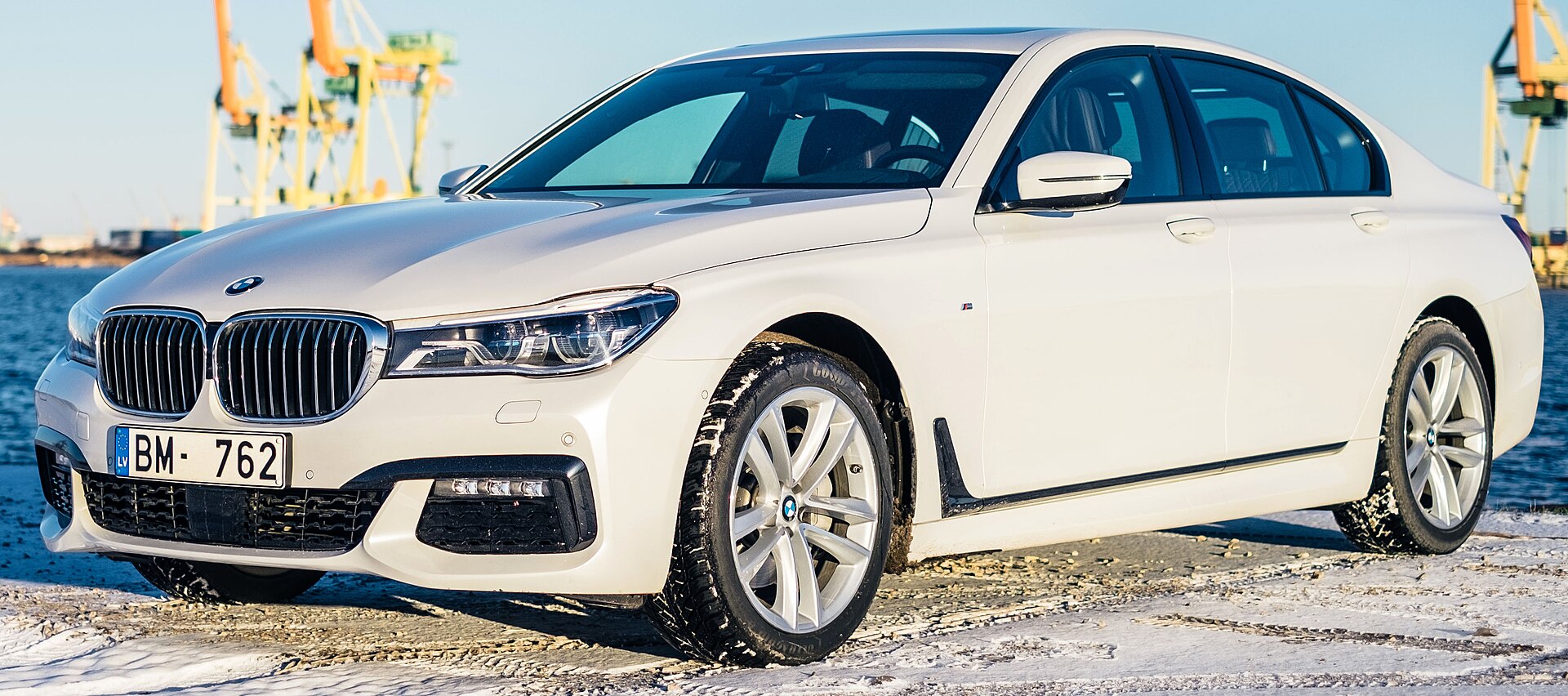
- BMW 7 Series G11 · Photo: Kārlis Dambrāns ;cropped, advertising undrawn and levels adjusted by uploader EurovisionNim / Wikimedia Commons, CC BY 2.0
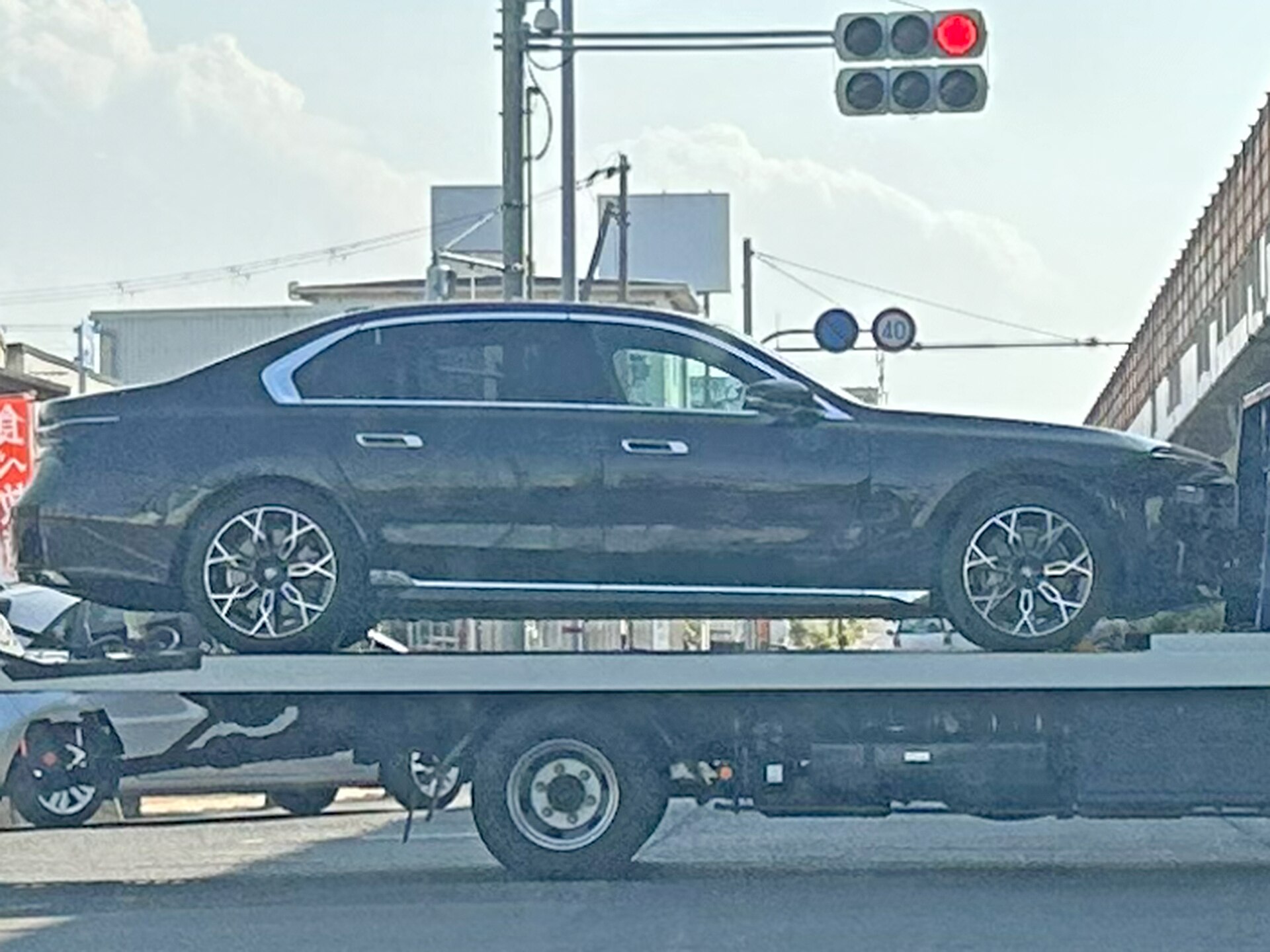
- BMW 7 Series G70 · Photo: Tokumeigakarinoaoshima / Wikimedia Commons, CC0
Popular comparisons
BMW 7 Series in our rankings
- No. 5 of 86 · Longest sedans (5,391 mm)
- No. 6 of 80 · Widest sedans (1,950 mm)
- No. 7 of 68 · Most torque: sedans (745 Nm)
- No. 7 of 36 · Quickest sedans, 0–100 (4.7 s)
- No. 10 of 420 · Longest cars (5,391 mm)
- No. 21 of 912 · Longest-running car nameplates (49 years · top 3%)
Longer than 97% of ranked cars in the 1CARS catalog (No. 10 of 420).
FAQ
When was the first BMW 7 Series made?
The first generation, the E23, was introduced in 1977 and built until 1986.
Which BMW 7 Series had the first V12?
The E32 750i, launched in 1987 with a 5.0-litre V12 of 220 kW (300 PS) — the first German V12 car since the 1930s.
How many BMW E38s were built?
340,242 between 1994 and 2001.
Was there a diesel BMW 7 Series in the 1990s?
Yes. The E38 was the first 7 Series with diesel engines: the 725tds, 730d and 740d.
What was the BMW L7?
A stretched limousine version of the E38 750iL, built from 1997 to 2001; 899 were made.
Data sources
Data checked by an editor against the sources below.
- Wikipedia — BMW 7 Series
- Wikipedia — BMW 7 Series (G70)