 BMW 5 Series
All generations, specs and history
Published Sources (6) Report an error
By Felix Hartmann, Automotive Technology & EV Contributor
- Built
- 1972–present
- Generations
- 8 · E12 to G60
- Top power
- 535 kW (727 PS)
- Euro NCAP
- 5 stars · G60
Timeline
5 Series generations
Click a generation for its own page
E34 and E39 overlapped in 1995–1996, so E39 sits on a second lane
- 5 Series E12 1972–1981 · Sedan · 66–160 kW (90–218 PS)
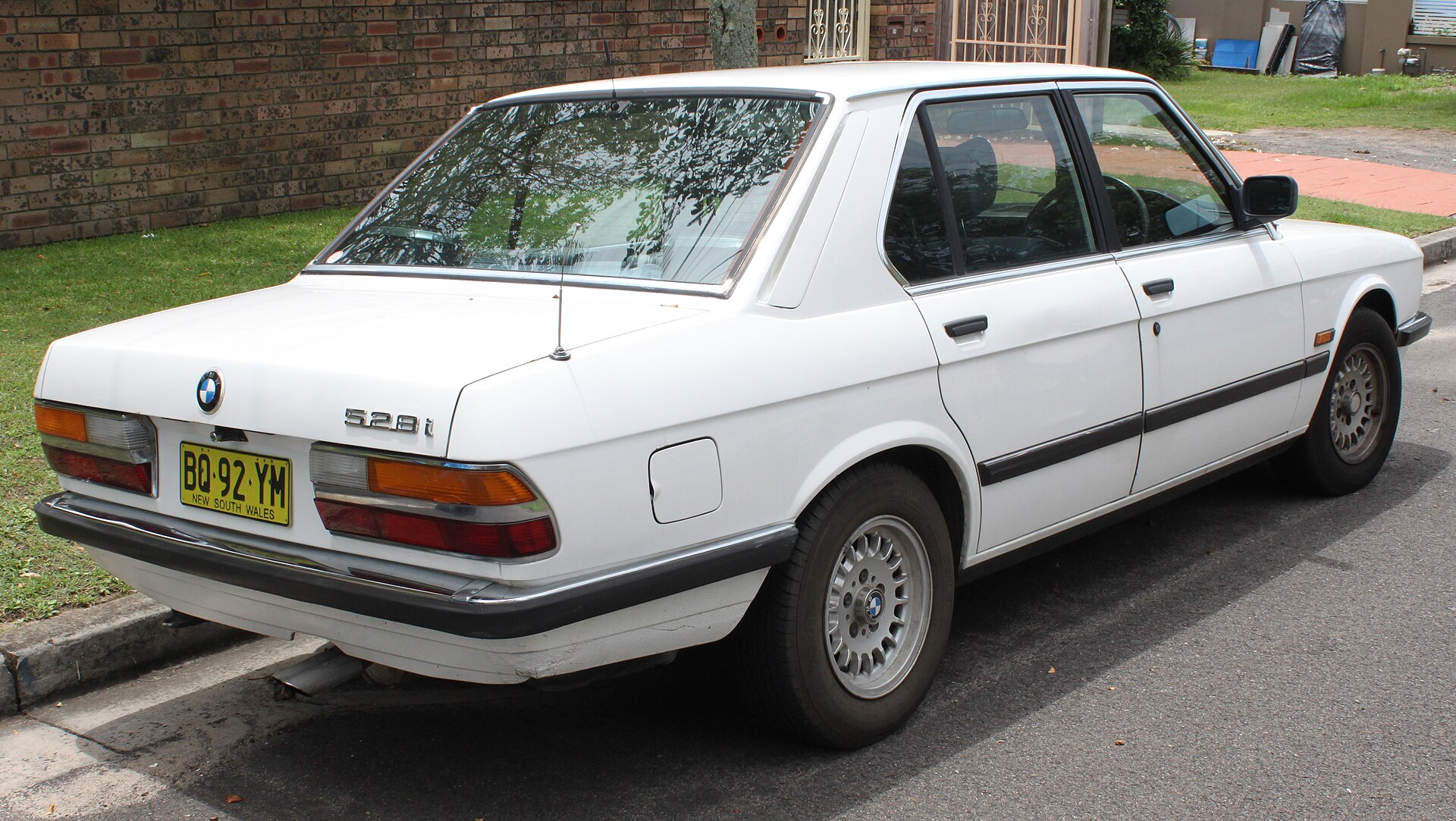
- 5 Series E28 1981–1987 · Sedan · 77–210 kW (105–286 PS)
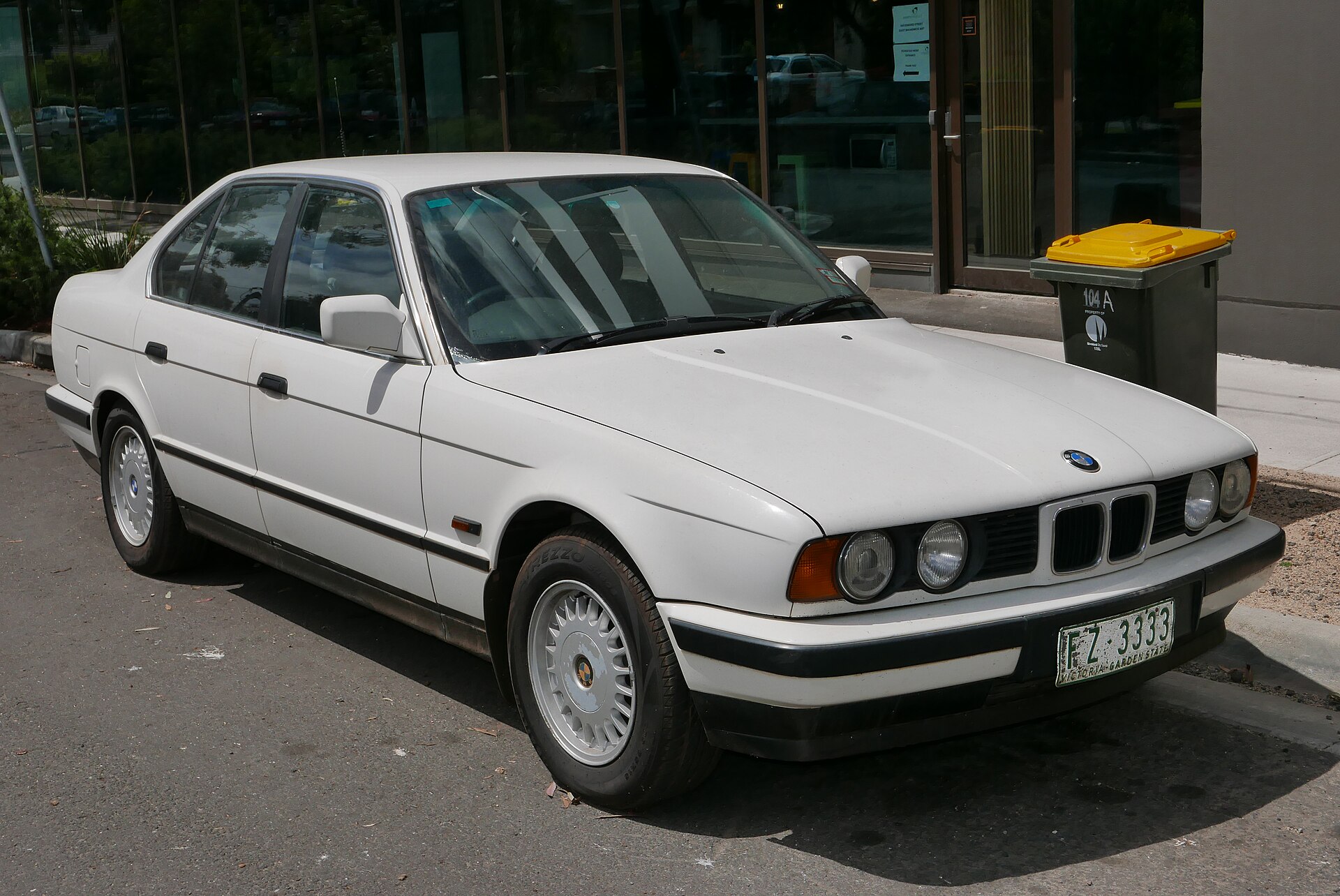
- 5 Series E34 1988–1996 · Sedan, Station wagon · 83–250 kW (113–340 PS)
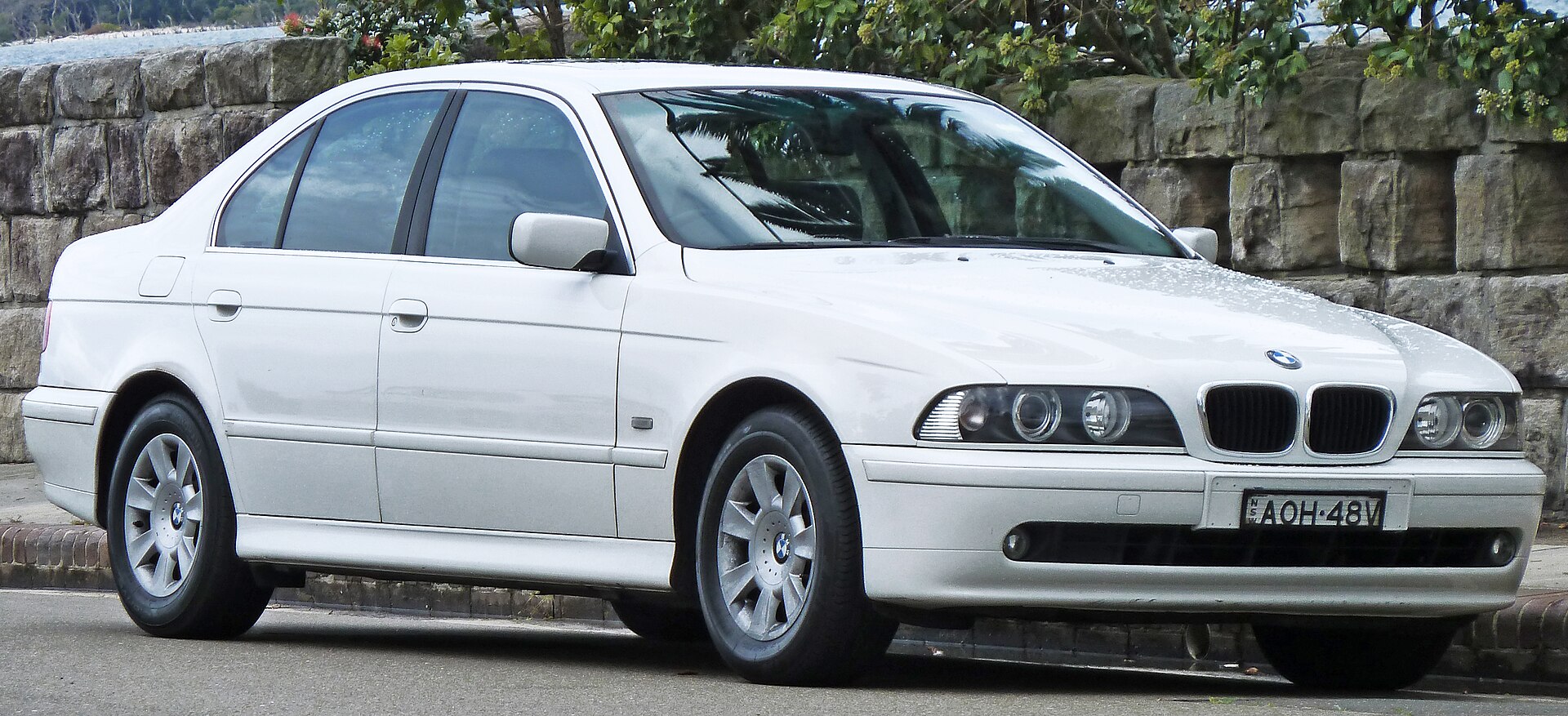
- 5 Series E39 1995–2004 · Sedan, Station wagon · 100–294 kW (136–400 PS)
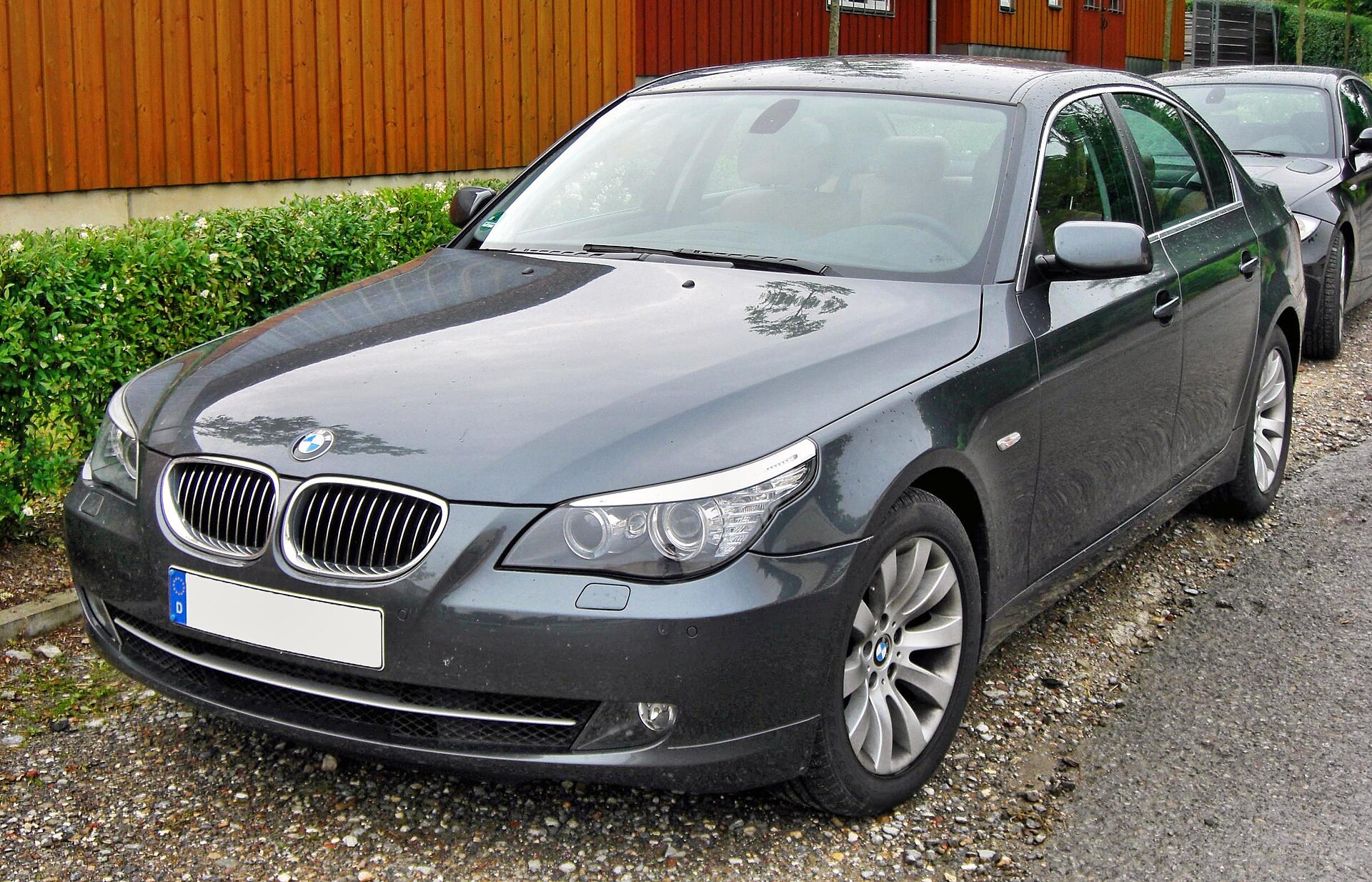
- 5 Series E60 2003–2010 · Sedan, Station wagon · 115–373 kW (156–507 PS)
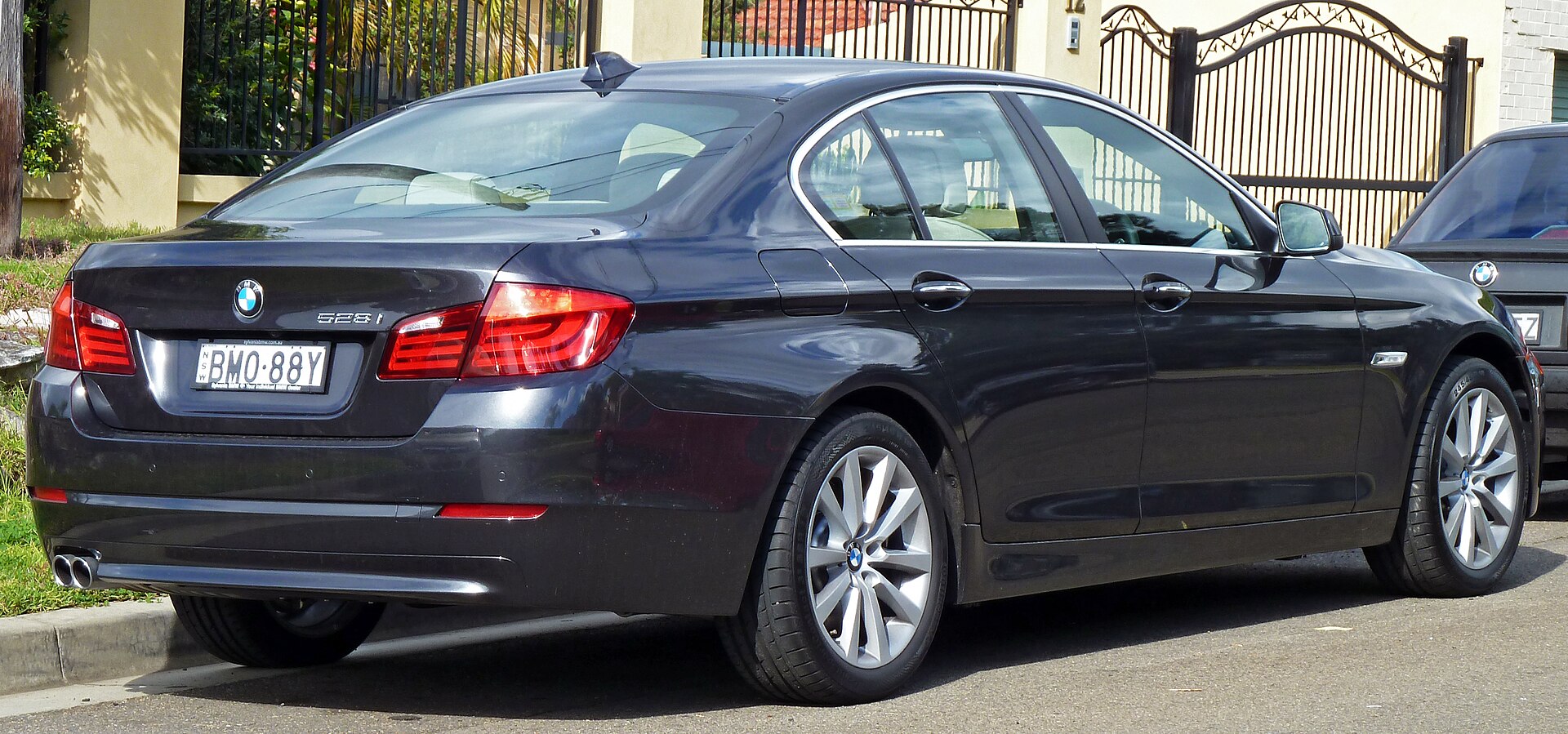
- 5 Series F10 2010–2017 · Sedan, Liftback · 135–412 kW (184–560 PS)
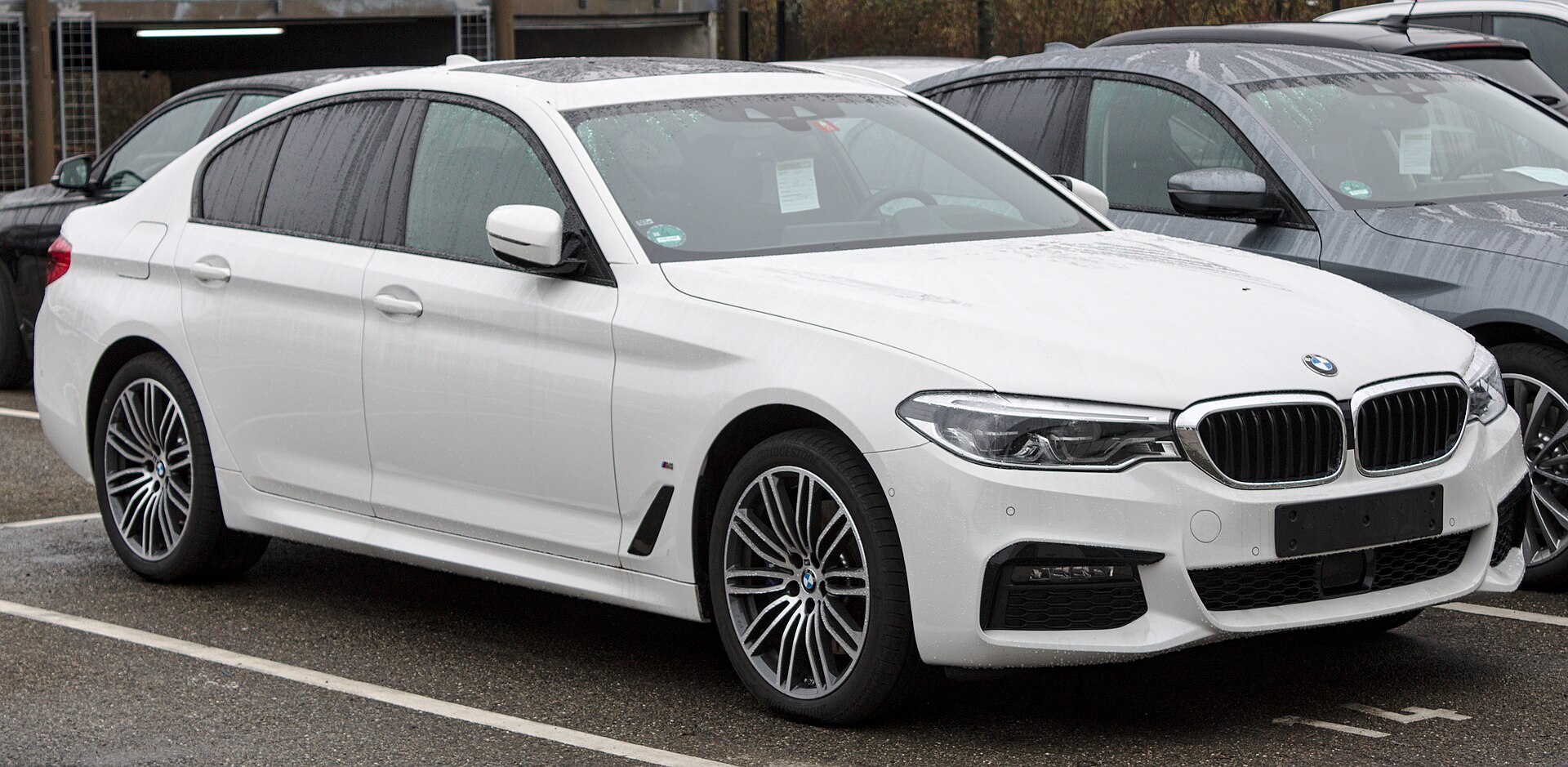
- 5 Series G30 2017–2023 · Sedan, Station wagon · 125–460 kW (170–625 PS)
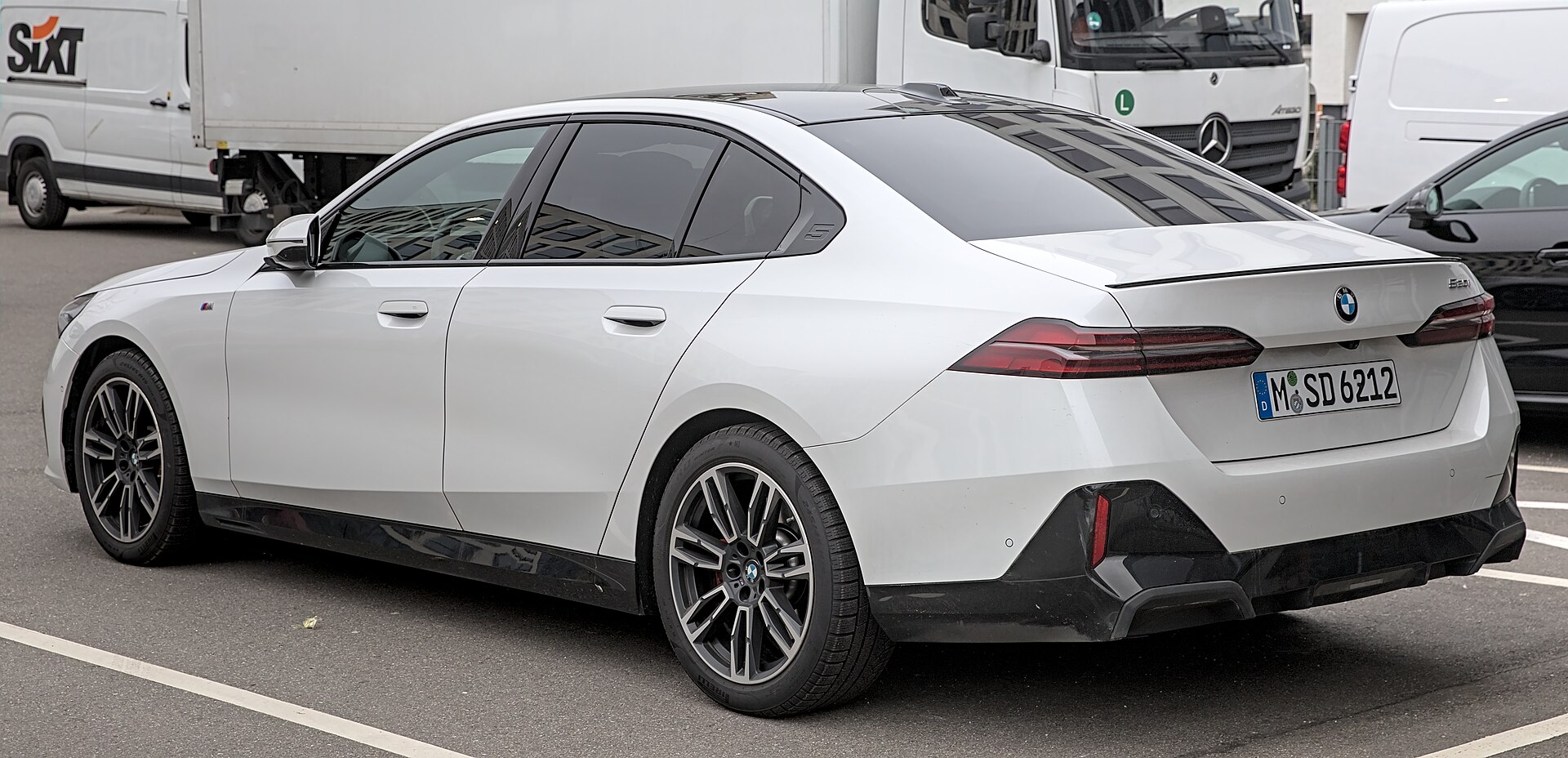
- 5 Series G60 Current 2023–now · Sedan, Station wagon · 145–535 kW (197–727 PS)
Newest first · 8 generations since 1972
-
2023
-
2017
-
2010
-
2003
-
1995
-
1988
-
1981
-
1972
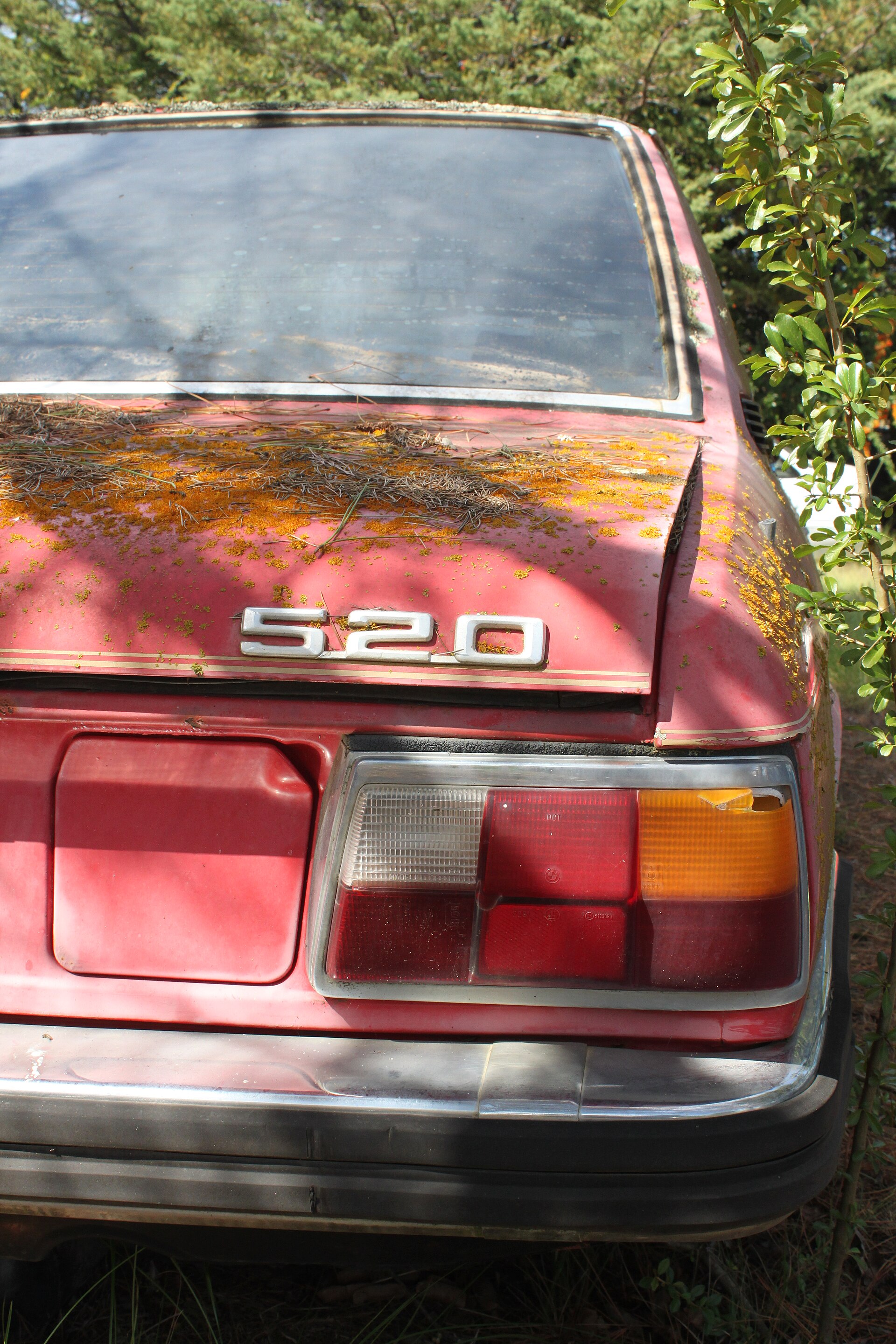


All generations by year: 5 Series G60 (2023–now) · 5 Series G30 (2017–2023) · 5 Series F10 (2010–2017) · 5 Series E60 (2003–2010) · 5 Series E39 (1995–2004) · 5 Series E34 (1988–1996) · 5 Series E28 (1981–1987) · 5 Series E12 (1972–1981)
Which one is mine?
Pick the year of first registration to see which generation it is.
Check by VINThe BMW 5 Series is BMW's executive car, built since 1972. The seventh generation, known internally as G30, was officially revealed on 13 October 2016, went on sale in early 2017, was facelifted in 2020 and gave way to the eighth-generation G60 in 2023. It follows the brand's traditional styling, has a luxurious interior and shares much of its engineering with the flagship 7 Series. With more than 7.6 million cars sold by the time the G30 arrived, the 5 Series is one of BMW's most successful models, second only to the 3 Series.
In short
- Revealed on 13 October 2016: G30 sedan, G31 Touring and the long-wheelbase G38 sedan.
- Built on BMW's modular CLAR platform, with aluminium panels and a drag coefficient of 0.22.
- Engines from the 520d with 140 kW (190 PS) to the M550i with 340 kW (462 PS); 530e plug-in hybrid with 185 kW (252 PS).
- Five stars in Euro NCAP crash tests; 530-litre boot.
Size at a glance
BMW 5 Series G30
The BMW 5 Series G60 is 124 mm longer, 32 mm wider and 36 mm taller than the BMW 5 Series G30.
| Dimensions | BMW 5 Series G60 | BMW 5 Series G30 | Difference |
|---|---|---|---|
| Length | 5,060 mm199.2 in | 4,936 mm194.3 in | +124 mm+4.9 in |
| Width | 1,900 mm74.8 in | 1,868 mm73.5 in | +32 mm+1.3 in |
| Height | 1,515 mm59.6 in | 1,479 mm58.2 in | +36 mm+1.4 in |
| Wheelbase | 2,995 mm117.9 in | 2,975 mm117.1 in | +20 mm+0.8 in |
| Boot | 520 L18.4 cu ft | 530 L18.7 cu ft | −10 L−0.4 cu ft |
Running cost
Fuel · 5 Series G60 520d
about 1,250 EUR fuel a year at 15,000 km
5.1 l/100 km · diesel at 1.65 EUR/l · change mileage, fuel price or version
Specs by version
Engines
| Version | Engine | Power | Torque | Drive | Production years |
|---|---|---|---|---|---|
| Plug-in hybrid · 3 versions | |||||
| G30 · 530e | 2.0 l · 4 cyl · Plug-in hybrid B48 | 185 kW 252 PS248 hp | 420 Nm310 lb-ft | — | 2017–2020 |
| G60 · 530e | Plug-in hybrid | 220 kW 299 PS295 hp | 450 Nm332 lb-ft | — | 2024 |
| G60 · M5 | Plug-in hybrid | 535 kW 727 PS717 hp | 1,000 Nm738 lb-ft | All-wheel drive | 2024 |
| Electric · 2 versions | |||||
| G60 · i5 eDrive40 | Electric | 250 kW 340 PS335 hp | 430 Nm317 lb-ft | Rear-wheel drive | 2023 |
| G60 · i5 M60 xDrive | Electric | 442 kW 601 PS593 hp | 820 Nm605 lb-ft | All-wheel drive | 2023 |
| Diesel · 9 versions | |||||
| E28 · 524td | 2.4 l · 6 cyl · Diesel M21 | 85 kW 116 PS114 hp | 210 Nm155 lb-ft | Rear-wheel drive | 1983–1988 |
| E34 · 525tds | 2.5 l · 6 cyl · Diesel M51D25 | 105 kW 143 PS141 hp | 260 Nm192 lb-ft | — | 1991–1996 |
| E39 · 530d | 2.9 l · 6 cyl · Diesel 2,926 cc | 142 kW 193 PS190 hp | 410 Nm302 lb-ft | Rear-wheel drive | 2000–2003 |
| E60 · 520d | 2.0 l · 4 cyl · Diesel N47D20 | 130 kW 177 PS174 hp | 350 Nm258 lb-ft | Rear-wheel drive | 2007–2010 |
| E60 · 535d | 3.0 l · 6 cyl · Diesel 3,000 cc | 210 kW 286 PS282 hp | 580 Nm428 lb-ft | Rear-wheel drive | 2007–2010 |
| F10 · 520d | 2.0 l · 4 cyl · Diesel B47D20 | 140 kW 190 PS188 hp | 400 Nm295 lb-ft | Rear-wheel drive | 2014–2017 |
| F10 · 530d | 3.0 l · 6 cyl · Diesel N57D30O1 | 190 kW 258 PS255 hp | 560 Nm413 lb-ft | Rear-wheel drive | 2011–2017 |
| G30 · 520d | 2.0 l · 4 cyl · Diesel B47 | 140 kW 190 PS188 hp | 400 Nm295 lb-ft | — | 2017–2023 |
| G60 · 520d | Diesel | 145 kW 197 PS194 hp | 400 Nm295 lb-ft | — | 2023 |
| Petrol · 19 versions | |||||
| E12 · 520i | 2.0 l · Petrol 2,000 cc | 96 kW 131 PS129 hp | 178 Nm131 lb-ft | Rear-wheel drive | 1972–1975 |
| E12 · 528i | 2.8 l · Petrol 2,800 cc | 135 kW 184 PS181 hp | 235 Nm173 lb-ft | Rear-wheel drive | 1978–1981 |
| E12 · M535i | 3.5 l · 6 cyl · Petrol M90 | 160 kW 218 PS215 hp | 310 Nm229 lb-ft | Rear-wheel drive | 1980–1981 |
| E28 · 518i | 1.8 l · Petrol 1,766 cc | 77 kW 105 PS103 hp | 145 Nm107 lb-ft | Rear-wheel drive | 1981–1987 |
| E28 · 528i | 2.8 l · 6 cyl · Petrol M30 | 135 kW 184 PS181 hp | 240 Nm177 lb-ft | Rear-wheel drive | 1981–1987 |
| E28 · M5 | 3.5 l · 6 cyl · Petrol M88/3 | 210 kW 286 PS282 hp | 340 Nm251 lb-ft | Rear-wheel drive | 1985–1988 |
| E34 · 520i | 2.0 l · 6 cyl · Petrol M50B20 | 110 kW 150 PS148 hp | 190 Nm140 lb-ft | — | 1989–1996 |
| E34 · 540i | 4.0 l · 8 cyl · Petrol M60B40 | 210 kW 286 PS282 hp | 400 Nm295 lb-ft | — | 1992–1996 |
| E34 · M5 3.8 | 3.8 l · 6 cyl · Petrol S38B38 | 250 kW 340 PS335 hp | 400 Nm295 lb-ft | — | 1992–1996 |
| E39 · 520i | 2.2 l · 6 cyl · Petrol M54B22 | 125 kW 170 PS168 hp | 210 Nm155 lb-ft | Rear-wheel drive | 2000–2003 |
| E39 · 540i | 4.4 l · 8 cyl · Petrol M62TÜB44 | 210 kW 286 PS282 hp | 440 Nm325 lb-ft | Rear-wheel drive | 1998–2003 |
| E39 · M5 | 4.9 l · 8 cyl · Petrol S62B50 | 294 kW 400 PS394 hp | 500 Nm369 lb-ft | Rear-wheel drive | 1998–2003 |
| E60 · 530i | 3.0 l · 6 cyl · Petrol N53B30 | 200 kW 272 PS268 hp | 320 Nm236 lb-ft | Rear-wheel drive | 2007–2010 |
| E60 · M5 | 5.0 l · 10 cyl · Petrol S85B50 | 373 kW 507 PS500 hp | 520 Nm384 lb-ft | Rear-wheel drive | 2005–2010 |
| F10 · 535i | 3.0 l · 6 cyl · Petrol N55B30 | 225 kW 306 PS302 hp | 400 Nm295 lb-ft | Rear-wheel drive | 2010–2017 |
| F10 · M5 | 4.4 l · 8 cyl · Petrol S63B44TU | 412 kW 560 PS553 hp | 680 Nm502 lb-ft | Rear-wheel drive | 2012–2016 |
| G30 · 540i | 3.0 l · 6 cyl · Petrol B58 | 250 kW 340 PS335 hp | 450 Nm332 lb-ft | — | 2017–2023 |
| G30 · M5 | 4.4 l · 8 cyl · Petrol S63 | 441 kW 600 PS591 hp | 750 Nm553 lb-ft | All-wheel drive | 2018–2023 |
| G60 · 520i | Petrol | 153 kW 208 PS205 hp | 330 Nm243 lb-ft | — | 2023 |
Performance
Show all 9 versions
| Version | 0–100 km/h | Top speed | Fuel consumption | CO₂ |
|---|---|---|---|---|
| Plug-in hybrid · 3 versions | ||||
| G30 · 530e | 6.2 s 0–62 mph | 235 km/h146 mph | — | — |
| G60 · 530e | 6.3 s 0–62 mph | 230 km/h143 mph | 0.9 l/100 km261.3 mpg US · 313.9 mpg UK | 21 g/km |
| G60 · M5 | 3.5 s 0–62 mph | — | — | — |
| Electric · 1 version | ||||
| G60 · i5 M60 xDrive | 3.8 s 0–62 mph | — | — | — |
| Diesel · 2 versions | ||||
| G30 · 520d | 7.3 s 0–62 mph | 238 km/h148 mph | 4.2 l/100 km56.0 mpg US · 67.3 mpg UK | 109 g/km |
| G60 · 520d | 7.5 s 0–62 mph | 233 km/h145 mph | 5.1 l/100 km46.1 mpg US · 55.4 mpg UK | 133 g/km |
| Petrol · 3 versions | ||||
| G30 · 540i | 5.1 s 0–62 mph | 250 km/h155 mph | 6.5 l/100 km36.2 mpg US · 43.5 mpg UK | 149 g/km |
| G30 · M5 | 3.1 s 0–62 mph | — | — | — |
| G60 · 520i | 7.5 s 0–62 mph | 230 km/h143 mph | 5.7 l/100 km41.3 mpg US · 49.6 mpg UK | 130 g/km |
Dimensions and weight
Show all 33 versions
| Version | Length | Width | Height | Wheelbase |
|---|---|---|---|---|
| Plug-in hybrid · 3 versions | ||||
| G30 · 530e | 4,936 mm194.3 in | 1,868 mm73.5 in | 1,479 mm58.2 in | 2,975 mm117.1 in |
| G60 · 530e | 5,060 mm199.2 in | 1,900 mm74.8 in | 1,515 mm59.6 in | 2,995 mm117.9 in |
| G60 · M5 | 5,060 mm199.2 in | 1,900 mm74.8 in | 1,515 mm59.6 in | 2,995 mm117.9 in |
| Electric · 2 versions | ||||
| G60 · i5 eDrive40 | 5,060 mm199.2 in | 1,900 mm74.8 in | 1,515 mm59.6 in | 2,995 mm117.9 in |
| G60 · i5 M60 xDrive | 5,060 mm199.2 in | 1,900 mm74.8 in | 1,515 mm59.6 in | 2,995 mm117.9 in |
| Diesel · 9 versions | ||||
| E28 · 524td | 4,620 mm181.9 in | 1,700 mm66.9 in | 1,415 mm55.7 in | 2,625 mm103.3 in |
| E34 · 525tds | 4,720 mm185.8 in | 1,750 mm68.9 in | 1,412 mm55.6 in | 2,760 mm108.7 in |
| E39 · 530d | 4,775 mm188.0 in | 1,800 mm70.9 in | 1,435 mm56.5 in | 2,830 mm111.4 in |
| E60 · 520d | 4,843 mm190.7 in | 1,850 mm72.8 in | 1,470 mm57.9 in | 2,890 mm113.8 in |
| E60 · 535d | 4,843 mm190.7 in | 1,850 mm72.8 in | 1,470 mm57.9 in | 2,890 mm113.8 in |
| F10 · 520d | 4,899 mm192.9 in | 1,860 mm73.2 in | 1,460 mm57.5 in | 2,968 mm116.9 in |
| F10 · 530d | 4,899 mm192.9 in | 1,860 mm73.2 in | 1,460 mm57.5 in | 2,968 mm116.9 in |
| G30 · 520d | 4,936 mm194.3 in | 1,868 mm73.5 in | 1,479 mm58.2 in | 2,975 mm117.1 in |
| G60 · 520d | 5,060 mm199.2 in | 1,900 mm74.8 in | 1,515 mm59.6 in | 2,995 mm117.9 in |
| Petrol · 19 versions | ||||
| E12 · 520i | 4,620 mm181.9 in | 1,690 mm66.5 in | 1,425 mm56.1 in | 2,636 mm103.8 in |
| E12 · 528i | 4,620 mm181.9 in | 1,690 mm66.5 in | 1,425 mm56.1 in | 2,636 mm103.8 in |
| E12 · M535i | 4,620 mm181.9 in | 1,690 mm66.5 in | 1,425 mm56.1 in | 2,636 mm103.8 in |
| E28 · 518i | 4,620 mm181.9 in | 1,700 mm66.9 in | 1,415 mm55.7 in | 2,625 mm103.3 in |
| E28 · 528i | 4,620 mm181.9 in | 1,700 mm66.9 in | 1,415 mm55.7 in | 2,625 mm103.3 in |
| E28 · M5 | 4,620 mm181.9 in | 1,700 mm66.9 in | 1,415 mm55.7 in | 2,625 mm103.3 in |
| E34 · 520i | 4,720 mm185.8 in | 1,750 mm68.9 in | 1,412 mm55.6 in | 2,760 mm108.7 in |
| E34 · 540i | 4,720 mm185.8 in | 1,750 mm68.9 in | 1,412 mm55.6 in | 2,760 mm108.7 in |
| E34 · M5 3.8 | 4,720 mm185.8 in | 1,750 mm68.9 in | 1,412 mm55.6 in | 2,760 mm108.7 in |
| E39 · 520i | 4,775 mm188.0 in | 1,800 mm70.9 in | 1,435 mm56.5 in | 2,830 mm111.4 in |
| E39 · 540i | 4,775 mm188.0 in | 1,800 mm70.9 in | 1,435 mm56.5 in | 2,830 mm111.4 in |
| E39 · M5 | 4,775 mm188.0 in | 1,800 mm70.9 in | 1,435 mm56.5 in | 2,830 mm111.4 in |
| E60 · 530i | 4,843 mm190.7 in | 1,850 mm72.8 in | 1,470 mm57.9 in | 2,890 mm113.8 in |
| E60 · M5 | 4,843 mm190.7 in | 1,850 mm72.8 in | 1,470 mm57.9 in | 2,890 mm113.8 in |
| F10 · 535i | 4,899 mm192.9 in | 1,860 mm73.2 in | 1,460 mm57.5 in | 2,968 mm116.9 in |
| F10 · M5 | 4,899 mm192.9 in | 1,860 mm73.2 in | 1,460 mm57.5 in | 2,968 mm116.9 in |
| G30 · 540i | 4,936 mm194.3 in | 1,868 mm73.5 in | 1,479 mm58.2 in | 2,975 mm117.1 in |
| G30 · M5 | 4,936 mm194.3 in | 1,868 mm73.5 in | 1,479 mm58.2 in | 2,975 mm117.1 in |
| G60 · 520i | 5,060 mm199.2 in | 1,900 mm74.8 in | 1,515 mm59.6 in | 2,995 mm117.9 in |
Verified Manufacturer and type-approval data from our catalog · Sources and methodology
Safety
-
G60 · Euro NCAP 2023
Stars from different years and organisations are not directly comparable: test protocols change every few years.
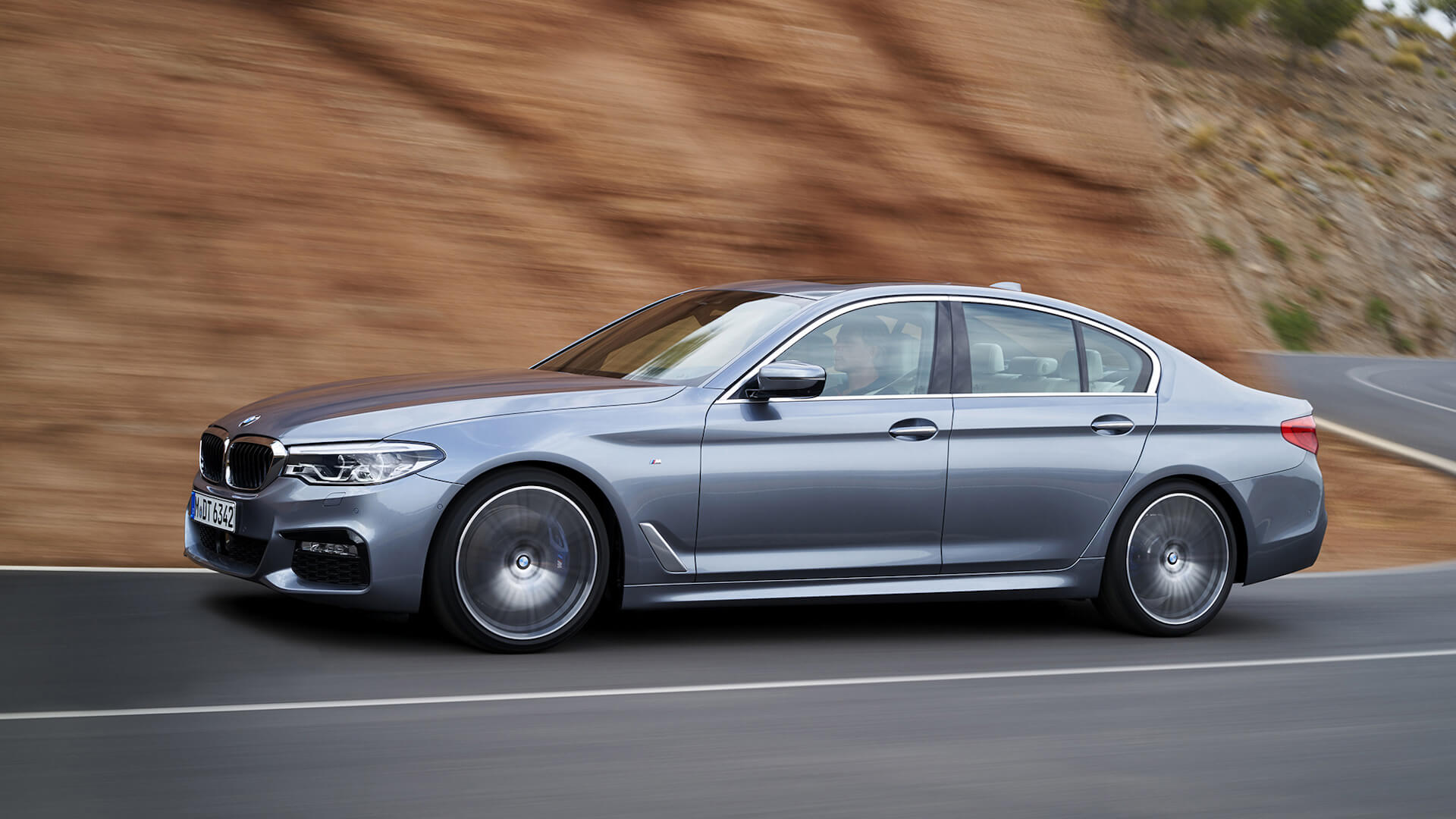
BMW 5 Series G30 at a glance
The G30 is a front-engined, rear-wheel-drive executive car with optional xDrive all-wheel drive. Compared with the F10 it replaced, it looks more aggressive and grown-up, with clear echoes of the 7 Series that make it feel even more upmarket. The fastback body of the previous generation moved to the separate BMW 6 Series range. More BMW models are in our BMW catalogue, and the flagship is covered in our BMW 7 Series section.
Body styles
The seventh-generation 5 Series is built in three body styles:
- four-door sedan (G30);
- five-door Touring wagon (G31);
- four-door sedan with a longer wheelbase (G38).
Exterior
The G30's carefully judged proportions hide plenty of power beneath a sharp "business suit". Like the 7 Series, it has larger kidney grilles, flanked by full-LED headlights, and a large bumper with effective aerodynamic elements and big air intakes. BMW says its drag coefficient of 0.22 is the lowest in its class, compared with 0.29 for the F10. Optional adaptive LED headlights include BMW Selective Beam anti-dazzle high beam with a range of up to 500 metres. The grille itself is active: its slats have four positions and open or close completely depending on how much cooling the engine needs.
In profile, strong wheel arches, crisp creases along the doors, a sloping roofline, chrome window surrounds and air breathers behind the front wheels help aerodynamics and make the 5 Series instantly recognisable. Seventeen wheel designs from 17 to 20 inches are offered, and ground clearance is 144 mm. At the rear, striking LED tail lights, a large bumper and exhaust outlets spread to each side, a low stance and wide lines give the car presence; the sculpted boot lid has a convenient handle. The exterior was designed by the Design BMW Automobiles studio under Karim Habib.
Interior
The cabin has changed significantly while remaining recognisably BMW. A new thick-rimmed three-spoke leather steering wheel is comfortable and slightly sporty, with many buttons. The instruments are a colour display with chrome-framed virtual dials that can show almost everything the infotainment screen can. The cabin balances driver-focused sportiness with elegance and is very well insulated.
The centre console carries a 12-inch ConnectedDrive touchscreen with voice and gesture control, as in the 7 Series, plus internet access, Apple CarPlay and navigation; it also shows the surround-view camera image. Below sit two rectangular vents, a CD slot and radio controls, then a dual-zone climate panel with a display, two knobs and buttons. The centre tunnel is trimmed almost entirely in wood with chrome accents and holds a storage tray with cupholders, the gear selector and controls for the iDrive controller, parking brake, stability control and automatic parking. An air ionisation function improves cabin air.
The front seats have modest side bolstering, leather upholstery and electric adjustment; massage and touch-sensitive adjustment are available. Ambient lighting with various colour combinations and a Bowers & Wilkins Surround Sound system with diamond tweeters (16 speakers, including aluminium-grilled door speakers) add atmosphere. The leather rear bench seats three, though two travel more comfortably because of the high transmission tunnel; there is an armrest and a separate climate zone, and space is generous in every direction. The boot holds 530 litres, and the 40:20:40 rear backrest folds to extend it. Nets, tool boxes, a first-aid kit box and two cupholders are fitted in the boot. Materials are of high quality and the fit and finish stand up to close scrutiny.
Engines and transmissions
All engines meet the Euro 6 standard. At launch two petrol and two diesel engines were offered, with more powerful versions and a plug-in hybrid added to the range.
| Version | Engine | Power (kW / PS) | Torque | 0–100 km/h | Consumption |
|---|---|---|---|---|---|
| 520d / 520d xDrive | 2.0 four-cylinder diesel, common rail, variable-geometry turbo | 140 kW / 190 PS | 400 Nm | 7.5–7.7 s | 4.1–4.9 l/100 km |
| 530i / 530i xDrive | 2.0 four-cylinder petrol turbo, direct injection, Valvetronic | 185 kW / 252 PS | 350 Nm | 6.0–6.2 s | 5.5–6.4 l/100 km |
| 530d / 530d xDrive | 3.0 six-cylinder diesel, twin-stage turbo, common rail | 195 kW / 265 PS | 620 Nm | 5.4–5.7 s | 4.5–5.4 l/100 km |
| 540i / 540i xDrive | 3.0 six-cylinder petrol turbo, direct injection, Valvetronic | 250 kW / 340 PS | 450 Nm | 4.8–5.1 s | 6.5–7.4 l/100 km |
| M550d xDrive | 3.0 six-cylinder diesel, twin-turbo | 294 kW / 400 PS | 760 Nm | — | — |
| M550i xDrive | 4.4 V8 N63TU twin-turbo | 340 kW / 462 PS | 650 Nm | 4.0 s | — |
| 530e | 2.0 four-cylinder turbo + electric motor (plug-in hybrid) | 185 kW / 252 PS (system) | — | — | — |
The 520d reaches 232–238 km/h; the other versions are electronically limited to 250 km/h. The base diesel can be ordered with a six-speed manual gearbox; every other engine uses the eight-speed Steptronic automatic. Drive goes to the rear wheels or, with xDrive, to all four, with an electronically controlled multi-plate clutch sending torque to the front axle.
Chassis
The G30 is built on BMW's modular CLAR platform, with double-wishbone front suspension and a five-link rear axle that uses separate links instead of a large lower arm. Options include electronically controlled adaptive dampers, Dynamic Drive active anti-roll bars and Integral Active Steering with rear-wheel steering. The body combines high-strength steel and aluminium (bonnet, boot lid, roof and rear rails), and the dashboard support is made of magnesium alloy. Variable-ratio rack-and-pinion steering with electromechanical assistance gives quick, precise handling, and ventilated disc brakes work with ABS, brake assist, EBD and further assistance systems.
Safety and equipment
The 5 Series earned the maximum five stars in Euro NCAP crash tests, and its safety technology is almost on a par with the 7 Series. It offers advanced ABS with DBC, DTC and ASC, light and rain sensors, active cruise control, tyre-pressure monitoring, front and side airbags, ventilated brakes, an automatic parking assistant, driver attention monitoring, blind-spot monitoring, pedestrian and cyclist detection, adaptive headlight control and lane monitoring.
Even the base car has many airbags, an 8-inch infotainment screen with six speakers, dual-zone climate control, navigation, LED lights front and rear, rear parking sensors, leather upholstery, ABS and ESP, the eight-speed automatic, stop-start, 17-inch alloys, heated front seats and steering wheel, active cruise control, keyless start and BMW Teleservice. Higher trims add four-zone climate control, memory seats with extended electric adjustment, a 10.25-inch Bowers & Wilkins system with 16 speakers, tablets built into the front headrests, adaptive sports suspension and brakes, and intelligent automatic braking if a frontal collision threatens.
Strengths and weaknesses
Owners praise the striking, sporty styling, which is clearly different from the F10, a roomy cabin with better materials, very comfortable front seats, attractive instruments and lighting, good visibility and traditionally strong sound insulation. The engine is barely audible, performance is ample in town and on the motorway, the suspension feels tight and absorbs large bumps, the car stays composed in corners and gear changes are almost imperceptible. The boot is large, and the diesels are economical with strong low-end pull. The glossy plastic trim, however, attracts fingerprints and dust. The main rivals are the Mercedes-Benz E-Class and Audi A6; against them, the G30 offers benchmark handling, a richer standard specification and a distinctive, status-conscious look.
BMW 5 Series evolution in numbers
Did you know?
- The BMW 5 Series has been around for 54 years: 8 generations in our catalog since 1972.
- The biggest jump in power came with the 5 Series E60: up to 373 kW (507 PS), 79 kW more than the 5 Series E39.
Most powerful version, kW
Length, mm
Figures from the 1cars catalog: power is the strongest version of each generation; generations without the figure are left out.
BMW 5 Series: first vs latest generation
| Spec | 5 Series E12 | 5 Series G60 | Change |
|---|---|---|---|
| Years | 1972–1981 | 2023–present | 51 years apart |
| Most powerful version | 160 kW (218 PS) | 535 kW (727 PS) | +375 kW (+234%) |
| Length | 4,620 mm | 5,060 mm | +440 mm |
| Width | 1,690 mm | 1,900 mm | +210 mm |
| Wheelbase | 2,636 mm | 2,995 mm | +359 mm |
Oldest and newest generation in the 1cars catalog. Power is the strongest version of each; other rows are shown only when both generations have the figure.
Image credits · Photos from Wikimedia Commons under free licences
- BMW 5 Series E12 · Photo: Jeremy from Sydney, Australia / Wikimedia Commons, CC BY 2.0
- BMW 5 Series E28 · Photo: Jeremy from Sydney, Australia / Wikimedia Commons, CC BY 2.0
- BMW 5 Series E34 · Photo: OSX / Wikimedia Commons, Public domain
- BMW 5 Series E39 · Photo: OSX / Wikimedia Commons, Public domain
- BMW 5 Series E60 · Photo: M 93 / Wikimedia Commons, Attribution
- BMW 5 Series F10 · Photo: OSX / Wikimedia Commons, Public domain
- BMW 5 Series G30 · Photo: Alexander Migl / Wikimedia Commons, CC BY-SA 4.0
- BMW 5 Series G60 · Photo: Alexander-93 / Wikimedia Commons, CC BY-SA 4.0
Popular comparisons
BMW 5 Series in our rankings
- No. 2 of 68 · Most torque: sedans (1,000 Nm)
- No. 2 of 36 · Quickest sedans, 0–100 (3.1 s)
- No. 3 of 49 · Most economical sedans (4.2 l/100 km)
- No. 4 of 70 · Quickest German cars, 0–100 (3.1 s)
- No. 7 of 149 · Most powerful sedans (535 kW)
- No. 7 of 53 · Heaviest sedans (2,080 kg)
More torque than 97% of ranked sedans in the 1CARS catalog (No. 2 of 68).
FAQ
When was the BMW 5 Series G30 launched?
It was revealed on 13 October 2016, went on sale in early 2017 and was replaced by the G60 in 2023.
What body styles does the G30 generation have?
A sedan (G30), a Touring wagon (G31) and a long-wheelbase sedan (G38).
What is the most powerful BMW 5 Series G30 in this range?
The M550i xDrive, with a 4.4-litre V8 producing 340 kW (462 PS) and 650 Nm, reaching 100 km/h in 4 seconds.
How big is the BMW 5 Series G30 boot?
530 litres, with a 40:20:40 folding rear backrest.
What is the drag coefficient of the BMW 5 Series G30?
0.22, according to BMW the lowest in its class, compared with 0.29 for the previous F10.
Data sources
Data checked by an editor against the sources below.
- Wikipedia — BMW 5 Series
- Wikipedia — BMW 5 Series (E12)
- Wikipedia — BMW 5 Series (E28)
- Wikipedia — BMW 5 Series (E34)
- Wikipedia — BMW 5 Series (E39)
- EEA CO₂ monitoring (European Environment Agency, CC BY 4.0)