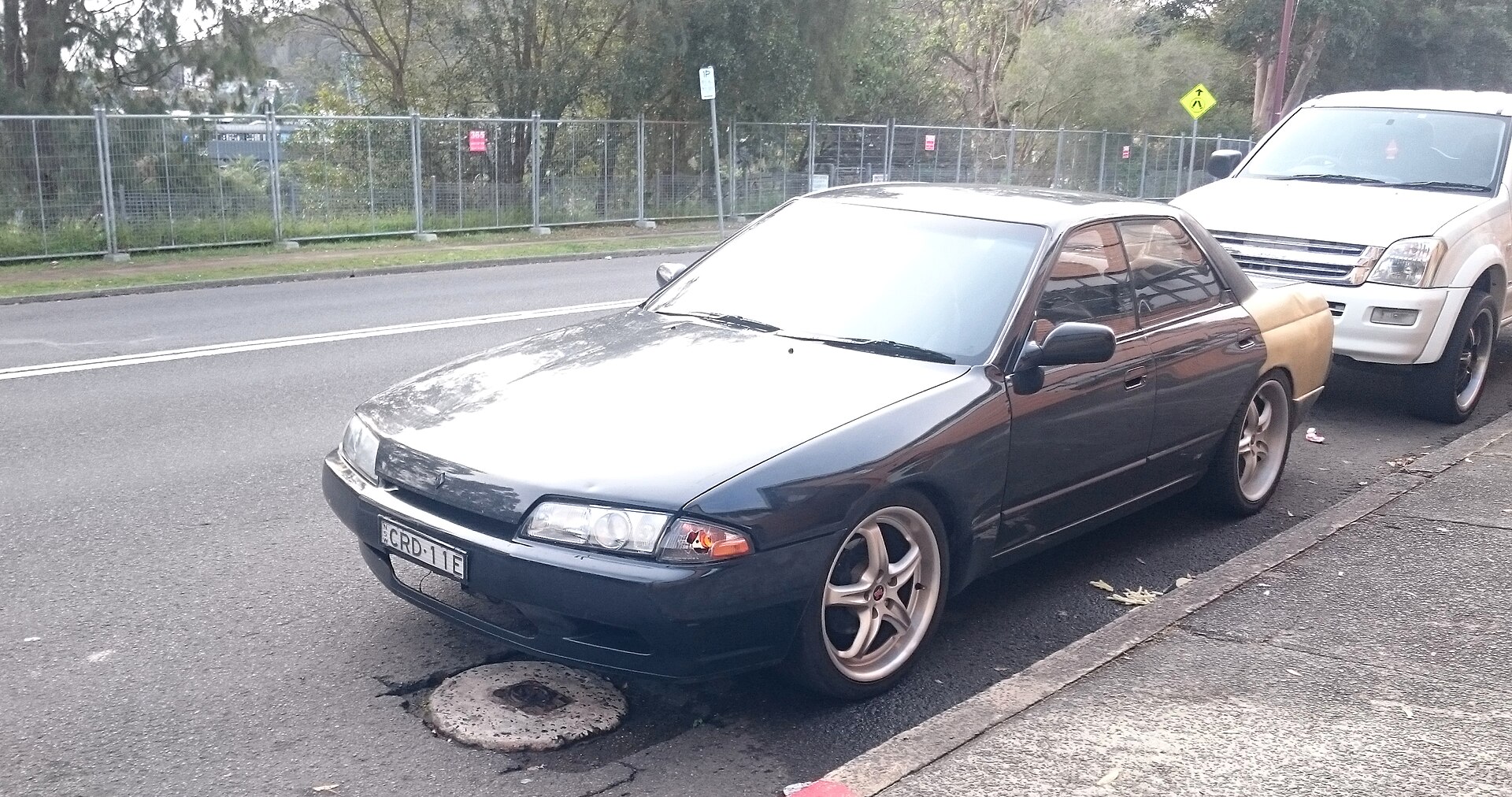
 Nissan Skyline R32 (1989–1993)
Specs, engines, safety and known problems
Published Sources (4) Report an error
By Sarah Whitmore, Senior Automotive Writer Reviewed by Felix Hartmann
- Power
- 67–206 kW (91–280 PS)
- Generation
- 8 of 13
Model timeline
Where the R32 sits in the Skyline story
Predecessor Skyline R31 (1985–1989) Successor Skyline R33 (1993–1998)
Newest first · 13 generations since 1957
-
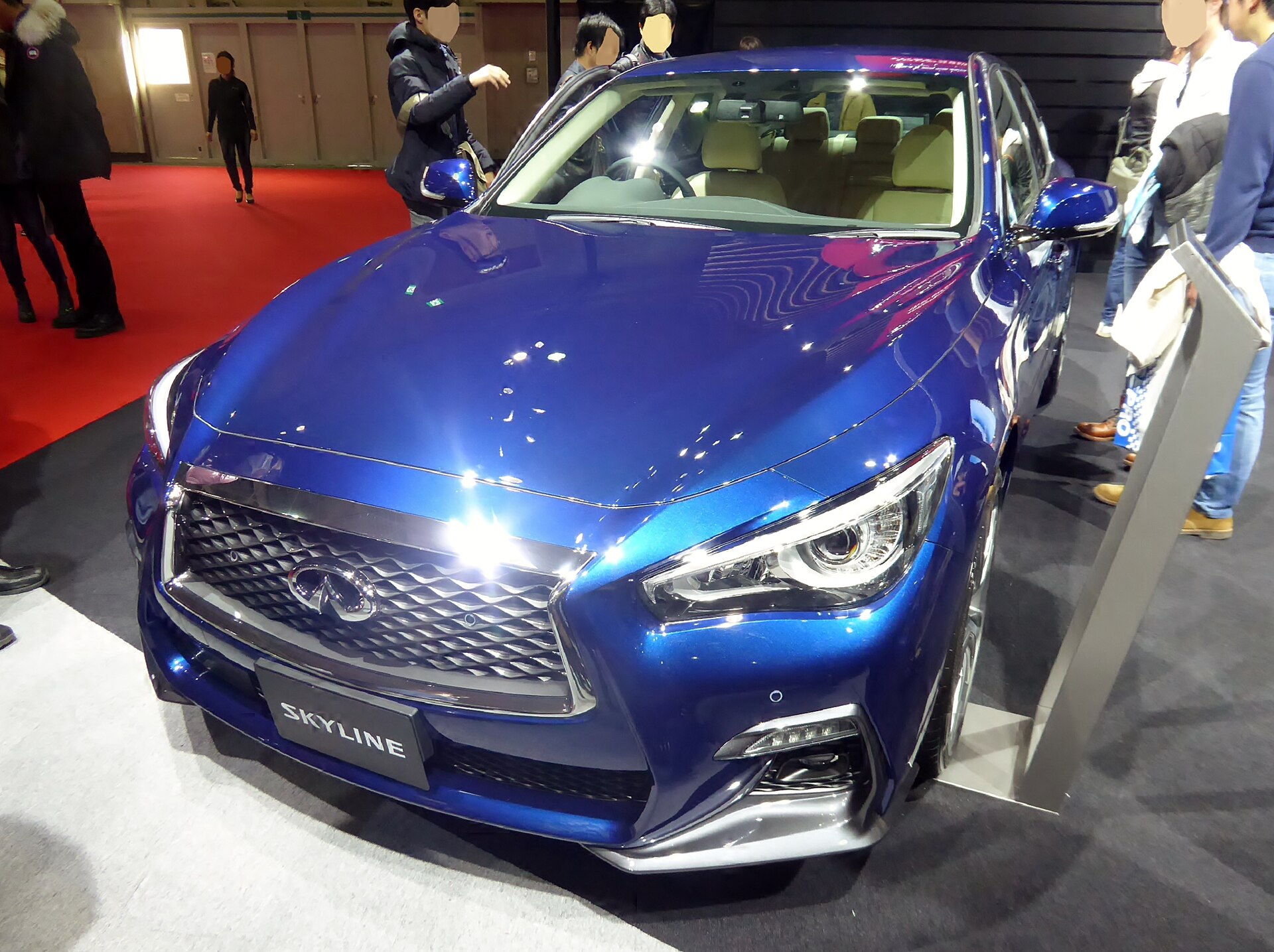
2014
-
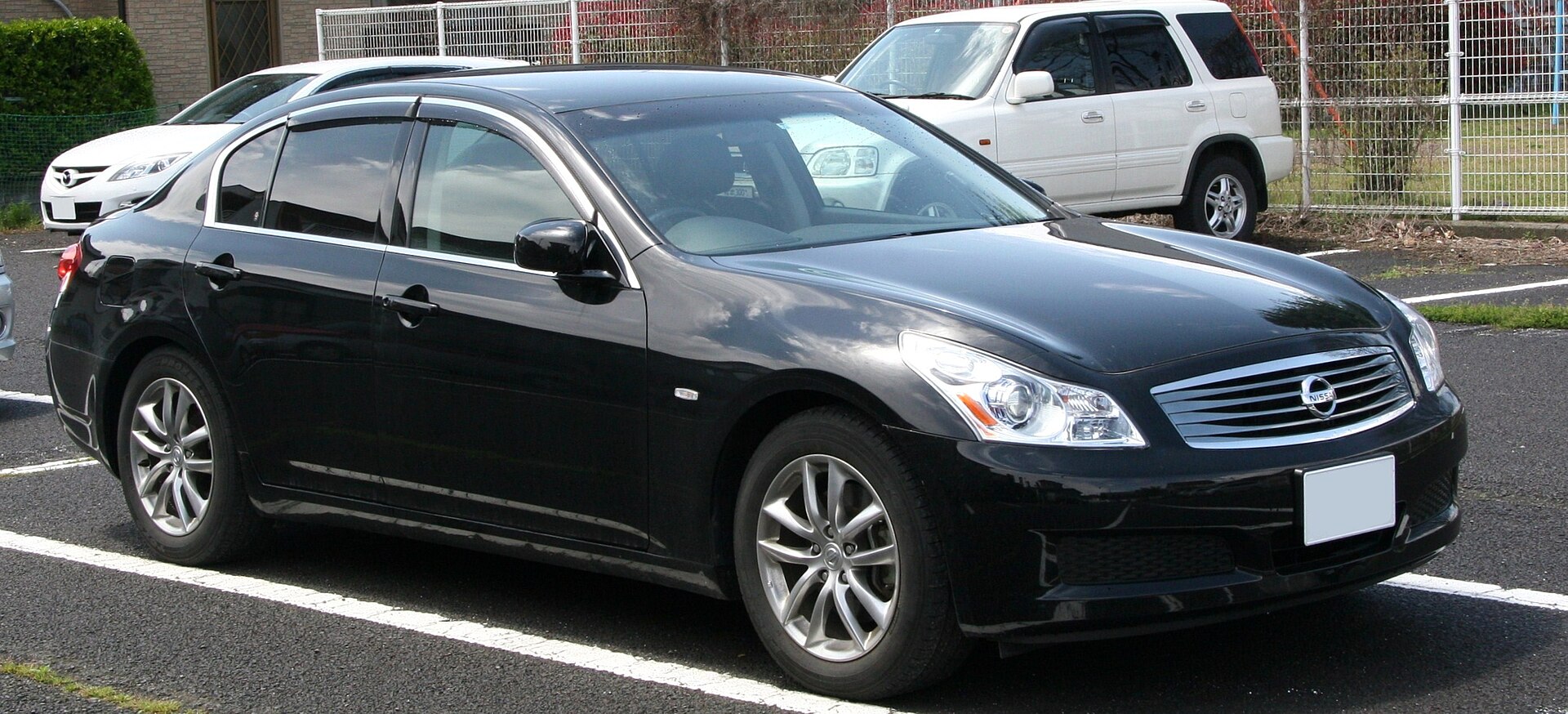
2006
-
2001
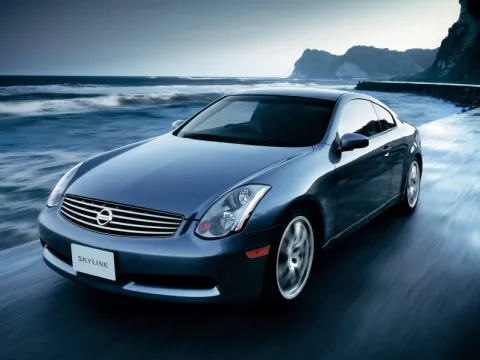 V35 2001–2006 · Sedan, Coupe · 158–206 kW (215–280 PS)
-
1998
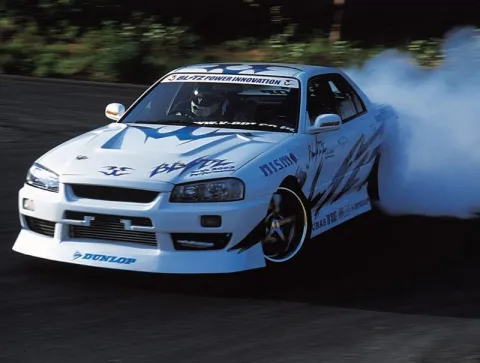 R34 1998–2001 · 114–206 kW (155–280 PS)
-
1993
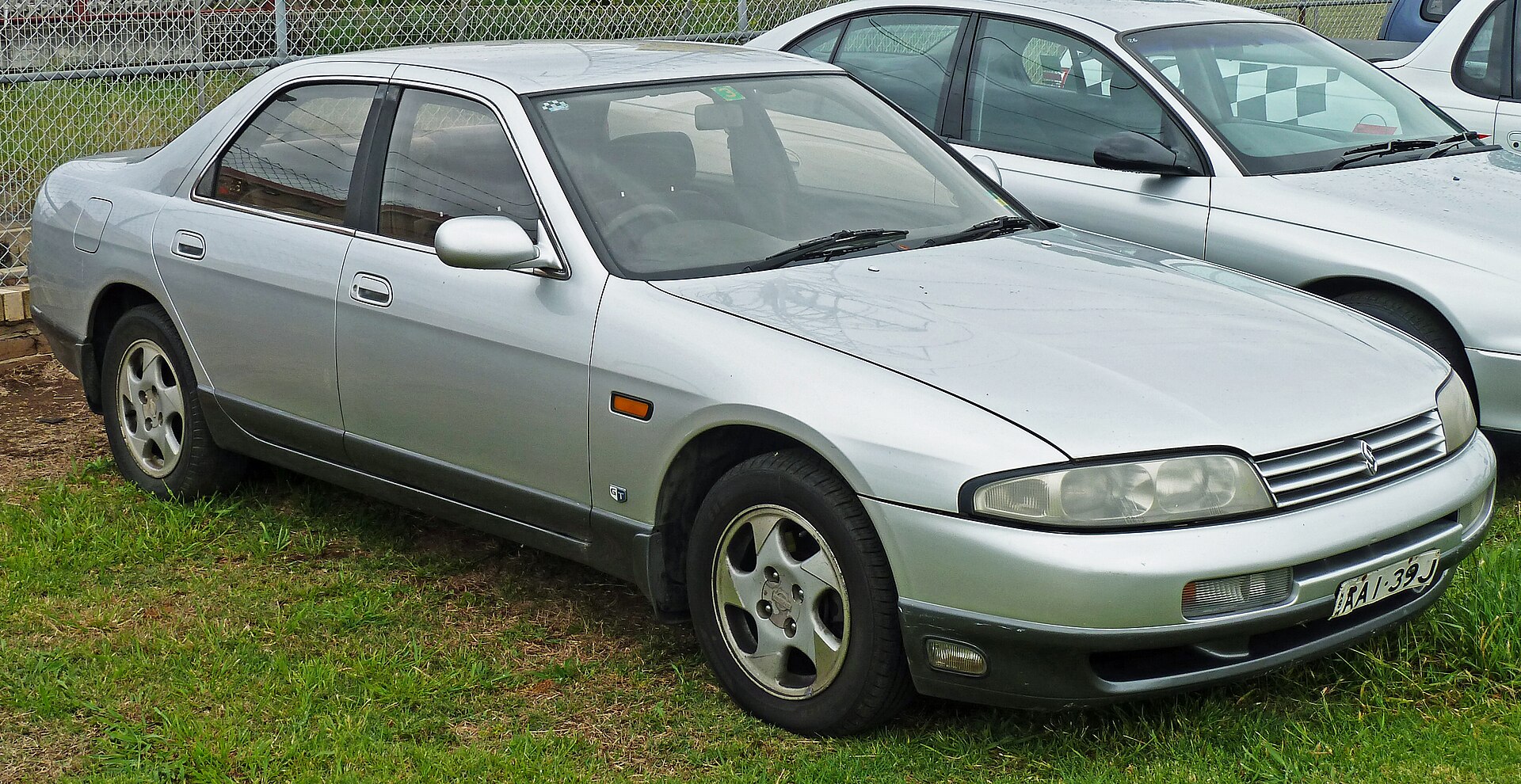
-
1989
-
1985
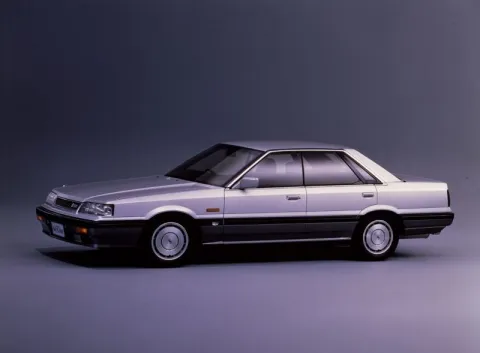 R31 1985–1989 · Sedan, Station wagon · 66–154 kW (90–209 PS)
-
1981
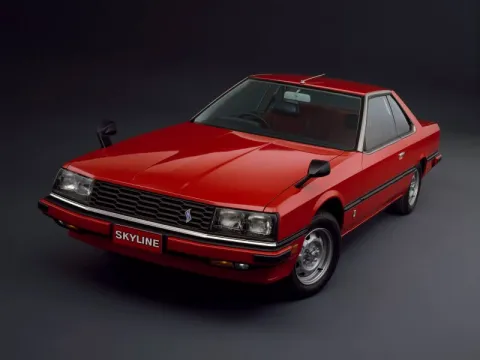 R30 1981–1985 · Sedan, Liftback · 77–151 kW (105–205 PS)
-
1977
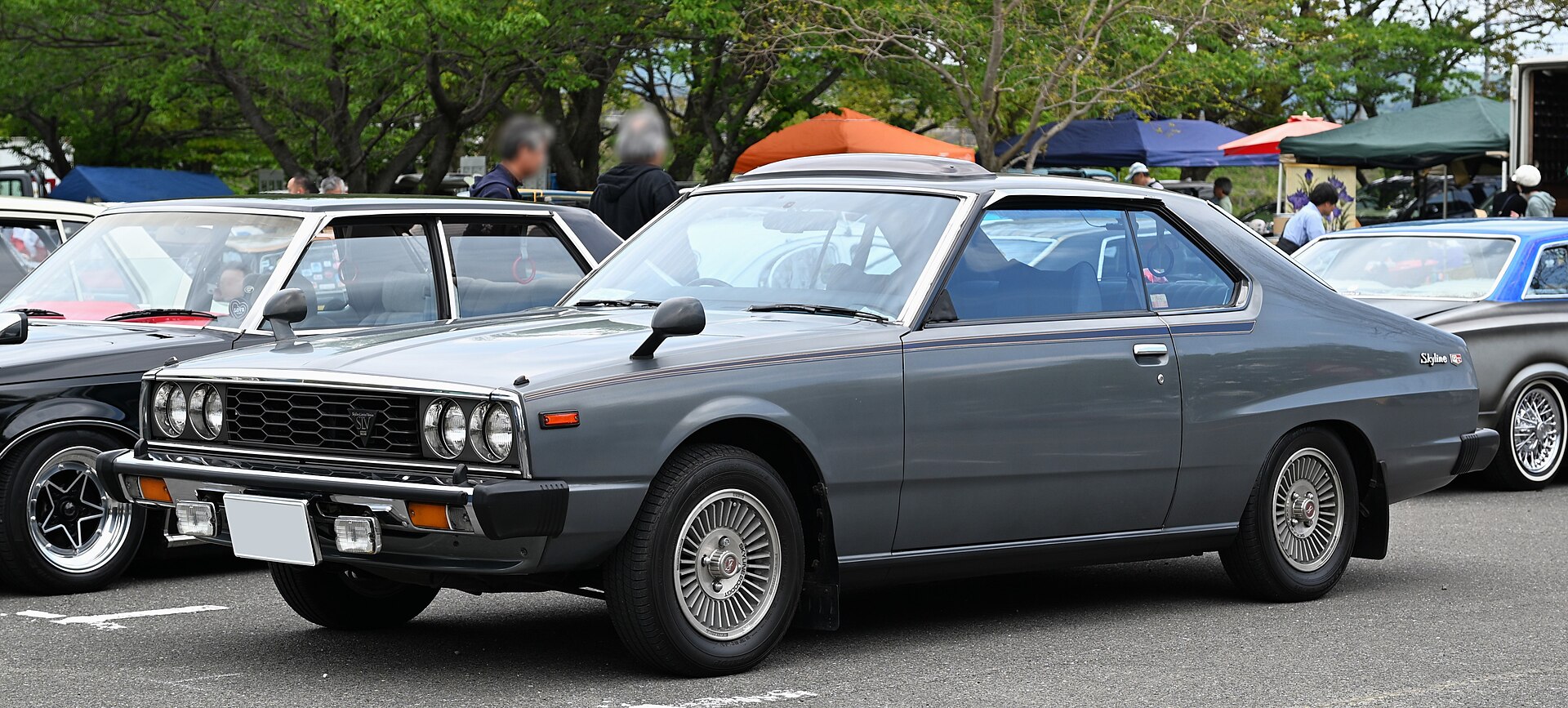
-
1972
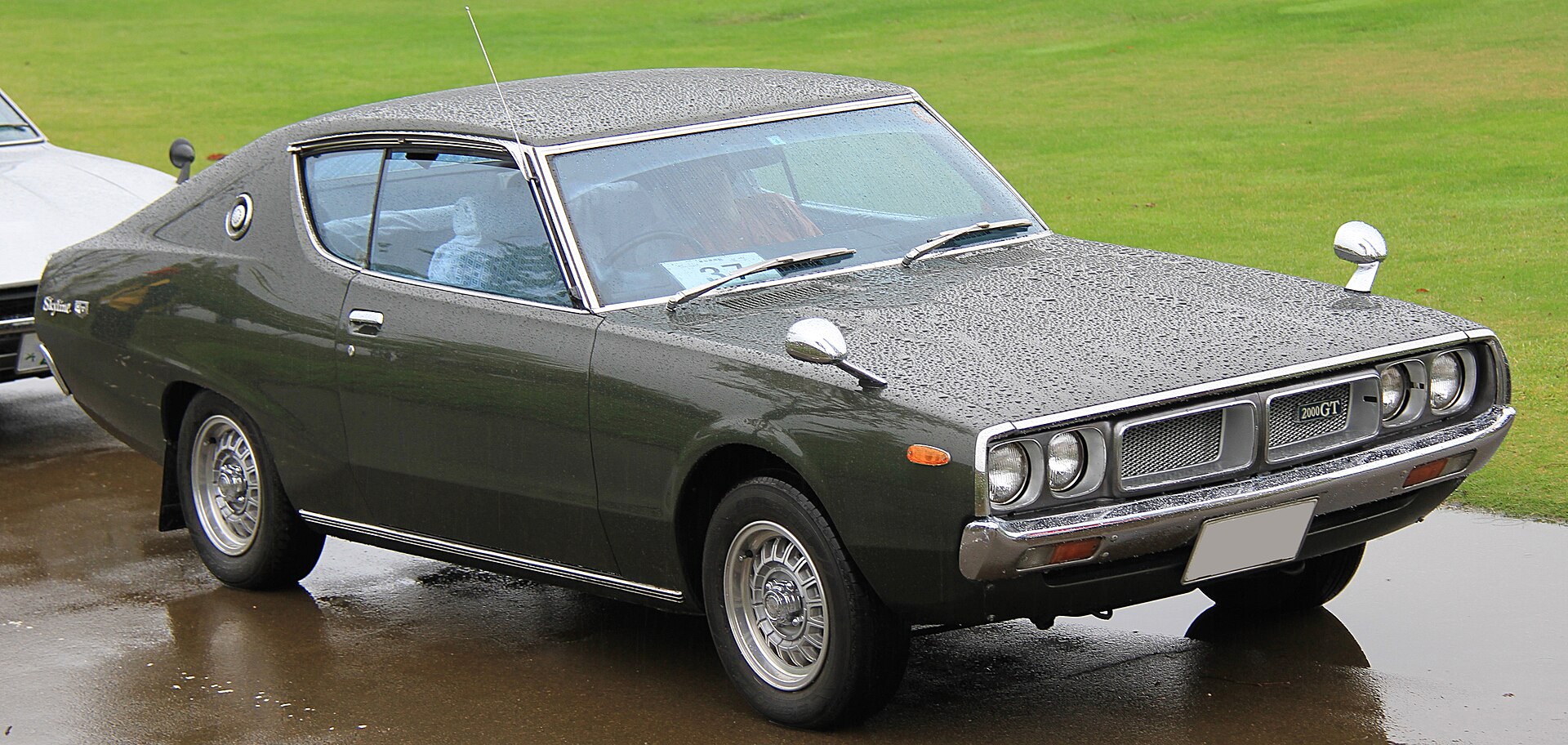
-
1968
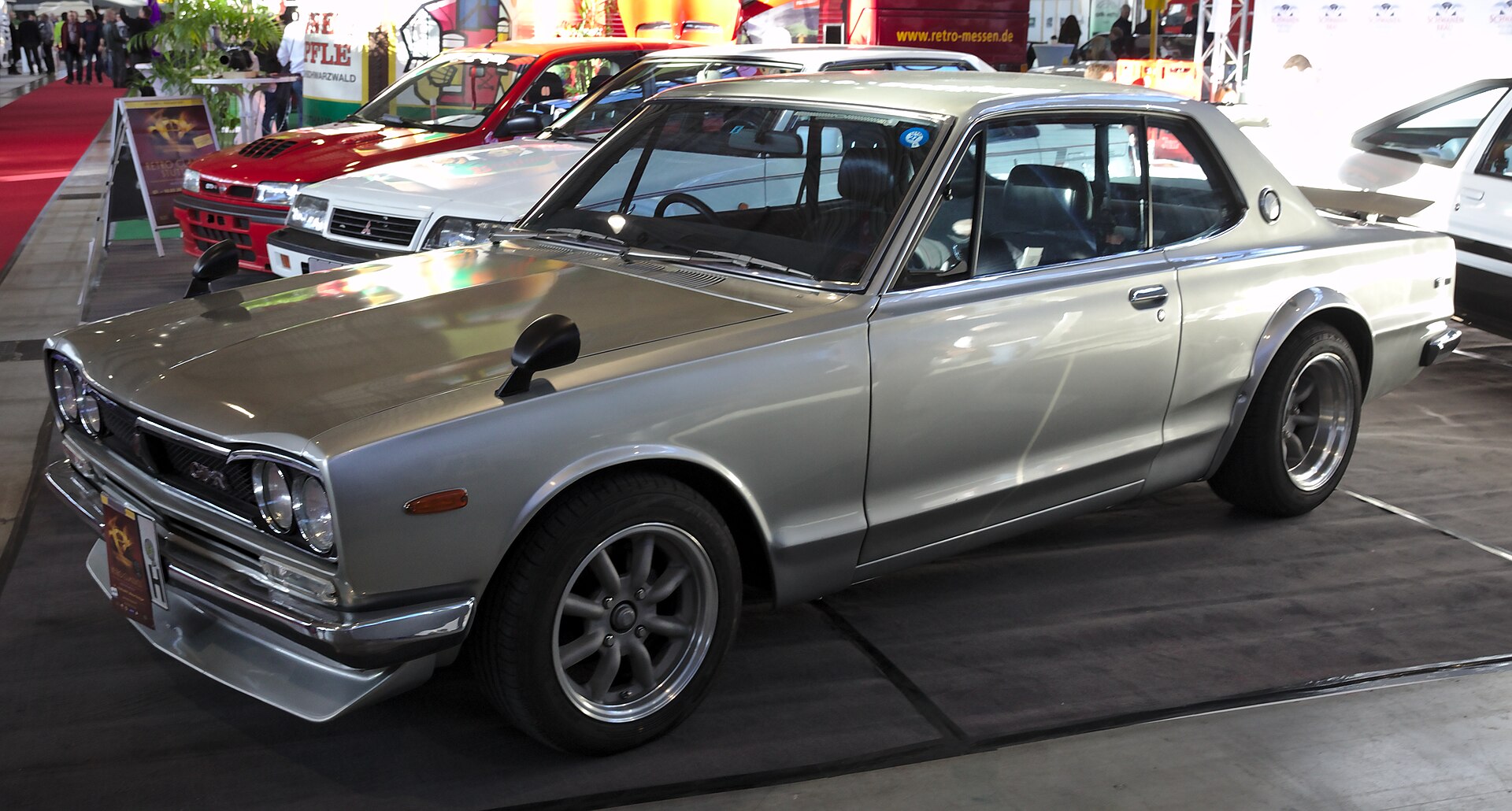
-
1963
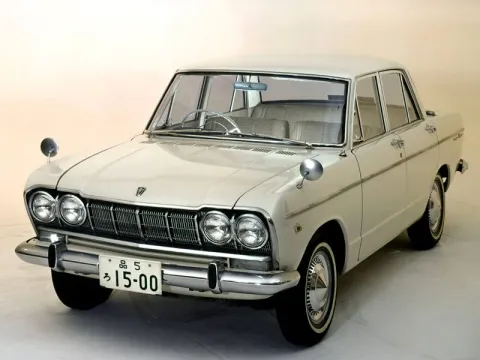 S50 1963–1968 · Sedan, Station wagon · 51–92 kW (69–125 PS)
-
1957


All generations by year: Skyline V37 (2014–now) · Skyline V36 (2006–2014) · Skyline V35 (2001–2006) · Skyline R34 (1998–2001) · Skyline R33 (1993–1998) · Skyline R32 (1989–1993) · Skyline R31 (1985–1989) · Skyline R30 (1981–1985) · Skyline C210 (1977–1981) · Skyline C110 (1972–1977) · Skyline C10 (1968–1972) · Skyline S50 (1963–1968) · Skyline ALSI (1957–1963)
The R32 is the eighth Nissan Skyline, introduced in May 1989 as a two-door coupé and a four-door hardtop saloon. Standard cars ended in 1993, but the GT-R it revived after 16 years stayed in production until November 1994. Most R32s are rear-wheel-drive RB-engined sports saloons; the GT-R added twin turbos, all-wheel drive and an unbeaten touring-car career.
In short
- Built in Japan from 1989; regular models ran to 1993 and the BNR32 GT-R to November 1994.
- Engines from a 1.8-litre CA18i four with 67 kW (91 PS) to the RB26DETT twin-turbo six rated at 206 kW (280 PS).
- The GT-R used ATTESA E-TS all-wheel drive and Super HICAS four-wheel steering, and weighed 1,430 kg (3,153 lb) in standard form.
- About 44,000 GT-Rs were built, including 560 Nismo homologation cars and the late V-spec and V-spec II.
Skyline R32 specs by version
Engines
| Version | Engine | Power | Torque | Drive |
|---|---|---|---|---|
| CA18i four | 1.8 l · 4 cyl · Petrol CA18i | 67 kW 91 PS90 hp | 142 Nm105 lb-ft | Rear-wheel drive |
| RB20E six | 2.0 l 2,000 cc | 92 kW 125 PS123 hp | 152 Nm112 lb-ft | Rear-wheel drive |
| 2.0 RB20DE 114 kW (155 PS) | 2.0 l · 6 cyl RB20DE | 114 kW 155 PS153 hp | — | Rear-wheel drive |
| 2.5 RB25DE 132 kW (179 PS) | 2.5 l RB25DE | 132 kW 179 PS177 hp | — | Rear-wheel drive |
| RB20DET 156 kW (212 PS) | RB20DET | 156 kW 212 PS209 hp | — | — |
| RB20DET turbo six | 2.0 l 2,000 cc | 158 kW 215 PS212 hp | 265 Nm195 lb-ft | All-wheel drive |
| RB26DE six | 2.6 l 2,600 cc | 162 kW 220 PS217 hp | — | All-wheel drive |
| RB26DETT twin-turbo six | 2.6 l · 6 cyl · Petrol RB26DETT | 206 kW 280 PS276 hp | 353 Nm260 lb-ft | All-wheel drive |
Dimensions and weight
Show all 6 versions
| Version | Length | Width | Kerb weight |
|---|---|---|---|
| CA18i four | 4,545 mm178.9 in | 1,755 mm69.1 in | 1,430 kg3,153 lb |
| RB20E six | 4,545 mm178.9 in | 1,755 mm69.1 in | 1,430 kg3,153 lb |
| RB20DET 156 kW (212 PS) | 4,545 mm178.9 in | 1,755 mm69.1 in | 1,430 kg3,153 lb |
| RB20DET turbo six | 4,545 mm178.9 in | 1,755 mm69.1 in | 1,430 kg3,153 lb |
| RB26DE six | 4,545 mm178.9 in | 1,755 mm69.1 in | 1,430 kg3,153 lb |
| RB26DETT twin-turbo six | 4,545 mm178.9 in | 1,755 mm69.1 in | 1,430 kg3,153 lb |
Verified Manufacturer and type-approval data from our catalog · Sources and methodology
What the R32 changed after the R31
The R31 had been offered as a saloon, hardtop, coupé and estate. The R32 cut that list down: the estate and the conventional four-door saloon were dropped, and only two bodies remained, a coupé and a four-door pillared hardtop. Wikipedia notes that an estate did not return until the separate Stagea of 1996.
The engine line-up was rationalised around the RB inline six, which the R31 had introduced. A 1.8-litre CA18i four stayed at the bottom of the range, but every other R32 had six cylinders. Most versions were sold with HICAS, Nissan's hydraulically linked rear-wheel steering, in the improved Super HICAS form on sportier trims.
The biggest news was the GT-R badge. The last one had been the C110 of 1973. Japanese Wikipedia describes the BNR32 as the culmination of Nissan's "901 activity", an internal development programme of the late 1980s. The GT-R was announced on 22 May 1989 and went on sale on 21 August 1989.
For the full 13-generation story, from the Prince original to the V37, see the complete Nissan Skyline overview.
Coupé, saloon and the wider GT-R body
The R32 coupé measured 4,530 mm (178.3 in) and the saloon 4,580 mm (180.3 in), both 1,695 mm (66.7 in) wide. Wikipedia notes that this kept them in Japan's "compact" class, where road tax depended on exterior dimensions. The GT-R stood apart with flared wings that took the width to 1,755 mm (69.1 in) and a length of 4,545 mm (178.9 in).
The GT-R ran on dedicated 16-inch forged alloy wheels, and Brembo brake calipers were reserved for the late V-spec models. A driver airbag became an option in the August 1991 update, according to the Japanese Wikipedia entry.
RB engines and the ATTESA E-TS GT-R
The table lists the main Japanese-market engines. Outputs are the manufacturer's rated figures in kW, followed by the metric PS figure used in Japan.
| Engine | Versions | Displacement | Power | Torque | Drive |
|---|---|---|---|---|---|
| CA18i four | GXi | 1.8 L | 67 kW (91 PS) | 142 Nm (105 lb-ft) | RWD |
| RB20E six | GTE | 2.0 L | 92 kW (125 PS) | 152 Nm (112 lb-ft) | RWD |
| RB20DE six | GTS | 2.0 L | 114 kW (155 PS) | 154 Nm (114 lb-ft) | RWD |
| RB20DET turbo six | GTS-t, GTS-4 | 2.0 L | 158 kW (215 PS) | 265 Nm (195 lb-ft) | RWD or AWD |
| RB25DE six | GTS-25 | 2.5 L | 132 kW (180 PS) | 231 Nm (170 lb-ft) | RWD |
| RB26DE six | Autech GTS-4 saloon | 2.6 L | 162 kW (220 PS) | — | AWD |
| RB26DETT twin-turbo six | GT-R | 2,568 cm³ (156.7 cu in) | 206 kW (280 PS) at 6,800 rpm | 353–368 Nm (sources differ) | AWD |
Gearboxes were a five-speed manual, a four-speed automatic and, on the 2.5-litre, a five-speed automatic. The rare Autech GTS-4 saloon was automatic only, and 201 were made.
The RB26DETT was developed for the GT-R. It has a bore and stroke of 86 × 73.7 mm and two parallel turbochargers with ceramic turbine wheels. Officially it gave 280 PS. Wikipedia says the real figure was about 320 PS, and that Nissan quoted the lower number because Japanese manufacturers had a "gentlemen's agreement" not to advertise more than 280 PS.
ATTESA E-TS is the other half of the story. In normal driving the GT-R is mainly rear-wheel drive; when the rear wheels start to slip, the system sends torque forward to the front axle. Super HICAS adds a small amount of rear-wheel steering. German Wikipedia lists a five-speed Getrag manual for the GT-R and quotes 0 to 100 km/h in 4.7 seconds.
R32 GT-R dimensions and weights
The table shows the BNR32 GT-R. Wheelbase is taken from the generation data on auto-data.net and matches the step to the R33 recorded on Japanese Wikipedia.
| Parameter | Metric | Imperial |
|---|---|---|
| Length | 4,545 mm | 178.9 in |
| Width | 1,755 mm | 69.1 in |
| Height | 1,340–1,355 mm | 52.8–53.3 in |
| Wheelbase | 2,615 mm | 103.0 in |
| Kerb weight, standard GT-R | 1,430 kg | 3,153 lb |
| Kerb weight, V-spec and V-spec II | 1,480 kg | 3,263 lb |
| Kerb weight, Nismo | 1,400 kg | 3,086 lb |
| Engine bore × stroke | 86 × 73.7 mm | 3.39 × 2.90 in |
For comparison, Wikipedia gives rear-wheel-drive R32s a weight range of 1,120 to 1,380 kg (2,469 to 3,042 lb).
Group A and the touring-car record
The GT-R was built to win Group A touring-car races, and it did. In the Japanese Touring Car Championship it won all 29 races it entered and took every title from 1990 to 1993. It won the Macau Guia Race in 1990, the Spa 24 Hours in 1991 and the Bathurst 1000 in Australia in 1991 and 1992. The Australian press gave it the nickname "Godzilla".
In the Japanese N1 Super Taikyu production series, the GT-R is credited with 50 wins from 50 starts between 1991 and 1997, with the R33 taking over in the later seasons. On the road, the Japanese magazine Best Motoring lapped the Nürburgring Nordschleife in 8:22.38 in a 1989 test on a partly wet track.
The car's four-wheel-drive twin-turbo layout invites comparison with the Porsche 959, which had used the same two ideas a few years earlier.
Safety equipment
The R32 predates modern crash testing. It was replaced before Euro NCAP published its first results in 1997, and no independent crash-test rating for it was found in the sources checked for this page. Safety equipment was basic by later standards: according to Japanese Wikipedia, a driver airbag was only an option from August 1991. The Nismo homologation car even had its ABS removed, because it was not allowed in Group A at the time.
Which R32 to look for
Skylines, and the GT-R in particular, make up a large share of used Japanese imports to Europe and North America, so the version and history of each car matter more than the trim name. In the United States, the R32 became eligible for import in August 2014 under the 25-year rule.
- GT-R (1989–1994): the standard car on 16-inch wheels, about 44,000 built in total.
- GT-R Nismo (1990): 560 homologation cars with an aluminium bonnet and front panels, all in Gun Grey Metallic.
- GT-R N1 (from 1991): 245 built as bases for production-car racing.
- GT-R V-spec (1993) and V-spec II (1994): Brembo brakes, retuned ATTESA E-TS and 17-inch BBS wheels; 1,396 and 1,306 built.
- GTS-t: the rear-wheel-drive turbo with 158 kW (215 PS), a lighter and simpler car than the GT-R.
- GTS-4: the same turbo engine with all-wheel drive, in coupé or saloon form.
To see the R32 alongside other Japanese cars, the Nissan model catalogue and the background in the history of Nissan are good starting points.
Did you know?
- The Skyline R32 is generation 8 of 13 of the Nissan Skyline in our catalog.
- The Skyline R32 offers up to 206 kW (280 PS) — 52 kW more than the Skyline R31 (1985–1989) (+34%).
Image credits · Photos from Wikimedia Commons under free licences
- Nissan Skyline ALSI · Photo: TTTNIS / Wikimedia Commons, CC0
- Nissan Skyline S50 · Photo: TTTNIS / Wikimedia Commons, CC0
- Nissan Skyline C10 · Photo: Alexander Migl / Wikimedia Commons, CC BY-SA 4.0
- Nissan Skyline C110 · Photo: TTTNIS / Wikimedia Commons, CC0
- Nissan Skyline C210 · Photo: TTTNIS / Wikimedia Commons, CC0
- Nissan Skyline R30 · Photo: 先従隗始 / Wikimedia Commons, CC0
- Nissan Skyline R31 · Photo: V-Hantarex / Wikimedia Commons, CC BY 4.0
- Nissan Skyline R32 · Photo: FotoSleuth / Wikimedia Commons, CC BY 2.0
- Nissan Skyline R33 · Photo: OSX / Wikimedia Commons, Public domain
- Nissan Skyline R34 · Photo: Timmie Ahl / Unsplash
- Nissan Skyline V35 · Photo: Guillaume Vachey from Chalon sur Saone, France / Wikimedia Commons, CC0
- Nissan Skyline V36 · Photo: TTTNIS / Wikimedia Commons, Public domain
- Nissan Skyline V37 · Photo: Tokumeigakarinoaoshima / Wikimedia Commons, CC BY-SA 4.0
R32 rivals
-
Ended 2026
- Years
- 1978–2026
- Body
- Liftback, Coupe
- Fuel
- Petrol
- Power
- 82–320 kW (111–435 PS)
5 generations
- A40/A50
- A60
- A70
- A80
- A90
-
Ended 2002
- Years
- 1978–2002
- Body
- Coupe, Convertible
- Fuel
- Petrol
- Power
- 75–206 kW (102–280 PS)
3 generations
- FB
- FC
- FD


Popular comparisons
FAQ
What years was the Nissan Skyline R32 made?
The R32 range was launched in May 1989 and regular models ended in 1993, when the R33 arrived. The GT-R went on sale on 21 August 1989 and stayed in production until November 1994.
How much power does the R32 GT-R have?
It was rated at 206 kW (280 PS) at 6,800 rpm. Wikipedia says the engine actually produced about 320 PS, but Nissan quoted 280 PS under the Japanese makers' gentlemen's agreement.
Is every R32 Skyline all-wheel drive?
No. Most R32s are rear-wheel drive. All-wheel drive was fitted to the GT-R, the GTS-4 and the Autech GTS-4 saloon.
How many R32 GT-Rs were made?
Sources give 43,937 or 43,661, so about 44,000. That includes 560 Nismo cars, 245 N1 cars, 1,396 V-spec and 1,306 V-spec II.
Why is the R32 GT-R called Godzilla?
The nickname came from the Australian press after the GT-R dominated touring-car racing there, including Bathurst 1000 wins in 1991 and 1992.
Data sources
Data checked by an editor against the sources below.
- 1cars archive: Nissan Skyline: Generations, Specs and History
- The text of this article (1cars archive)
- Wikipedia — Nissan Skyline
- Wikipedia — Nissan RB engine