 Nissan Skyline R30 (1981–1985)
Specs, engines, safety and known problems
Published Sources (4) Report an error
By Sarah Whitmore, Senior Automotive Writer Reviewed by Felix Hartmann

- Power
- 77–151 kW (105–205 PS)
- Generation
- 6 of 13
Model timeline
Where the R30 sits in the Skyline story
Predecessor Skyline C210 (1977–1981) Successor Skyline R31 (1985–1989)
Newest first · 13 generations since 1957
-
2014
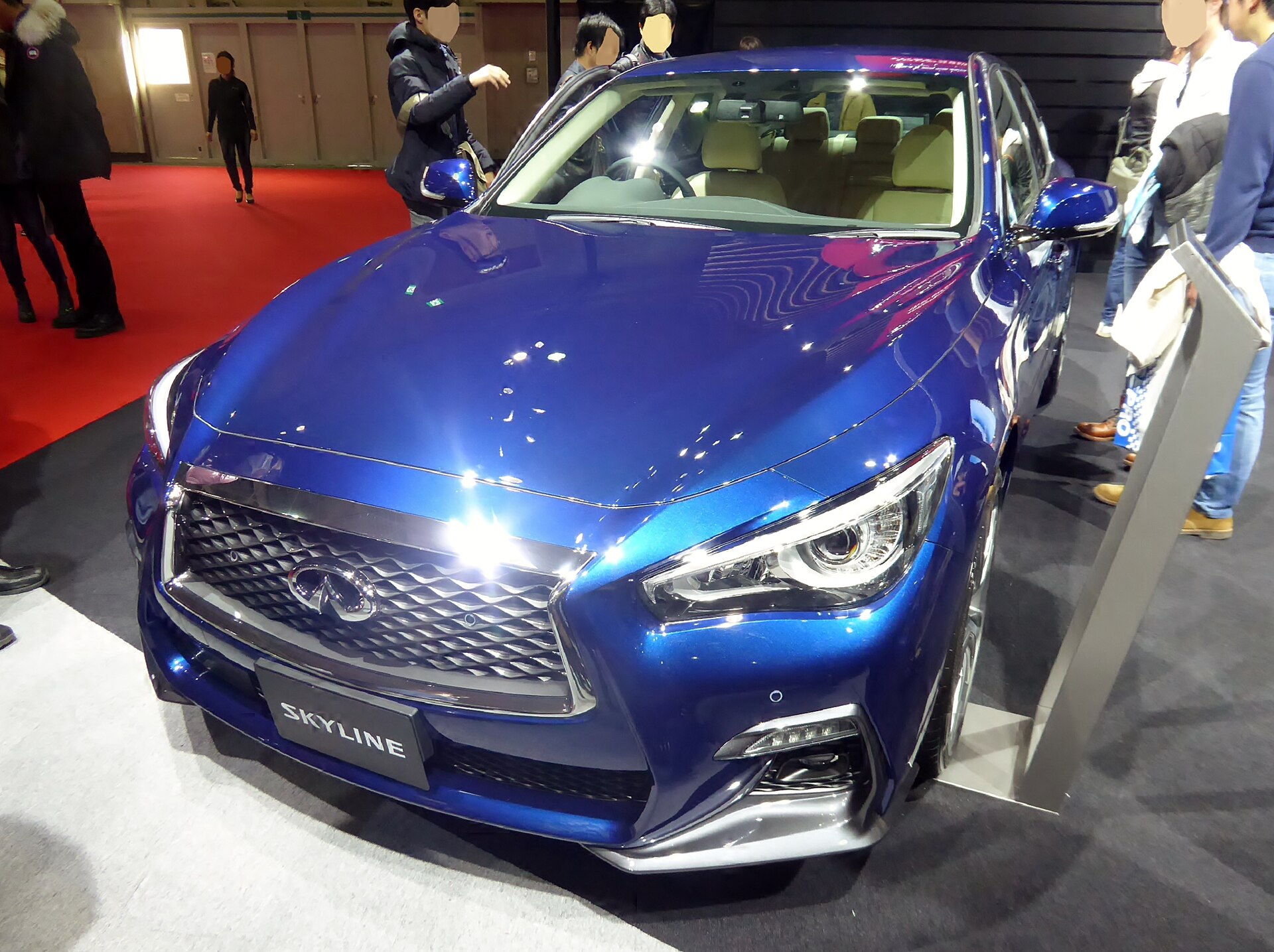
-
2006
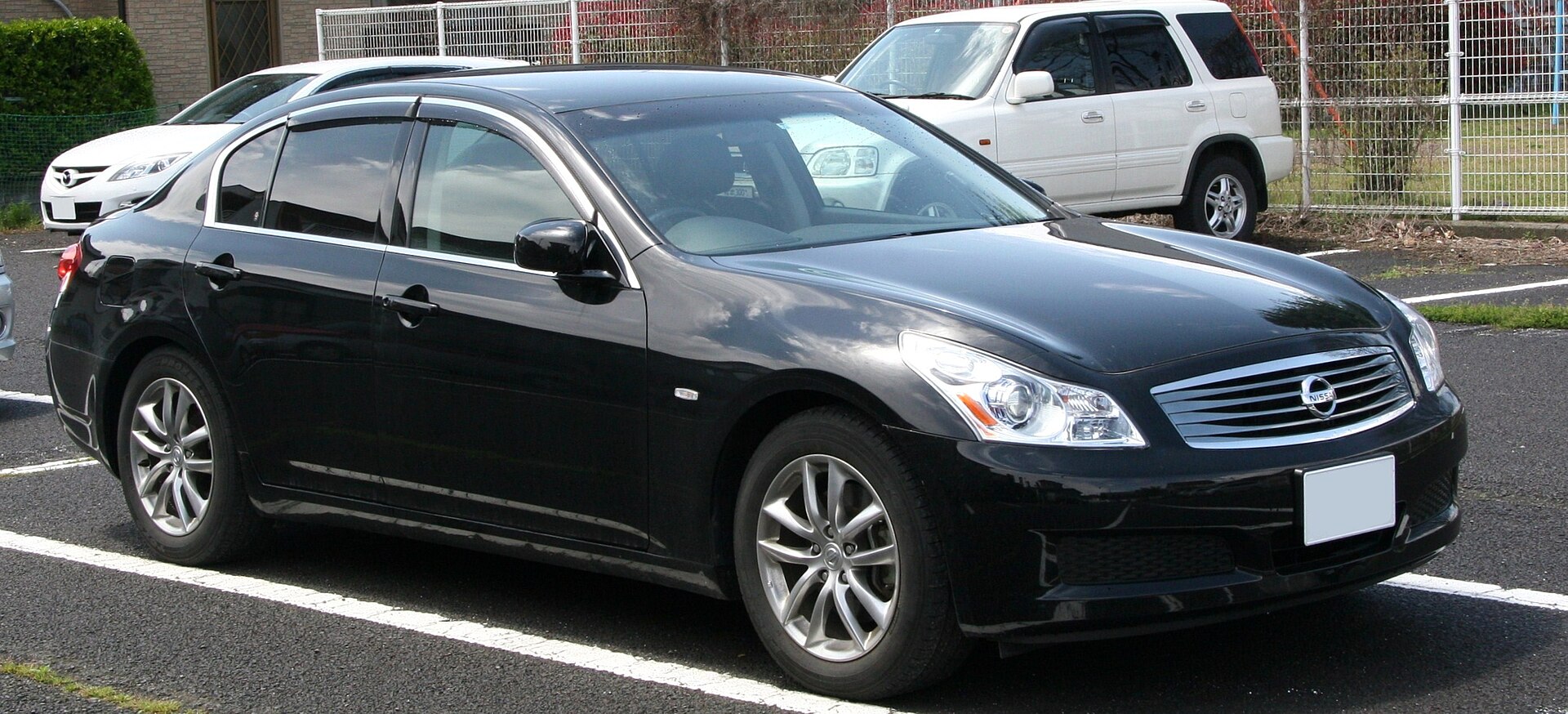
-
2001
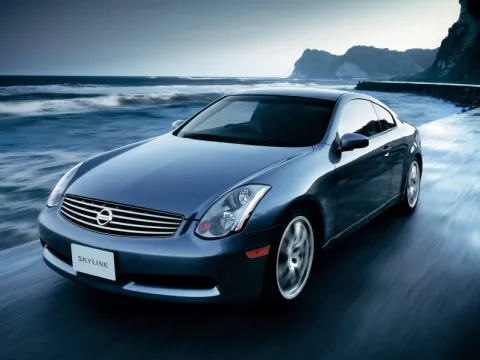 V35 2001–2006 · Sedan, Coupe · 158–206 kW (215–280 PS)
-
1998
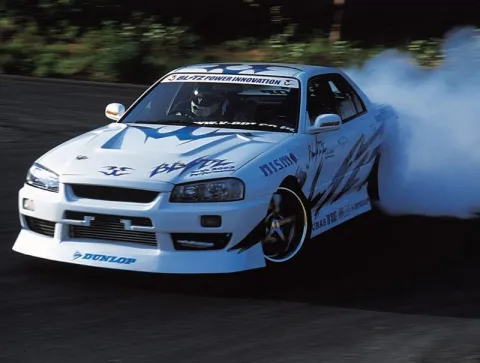 R34 1998–2001 · 114–206 kW (155–280 PS)
-
1993
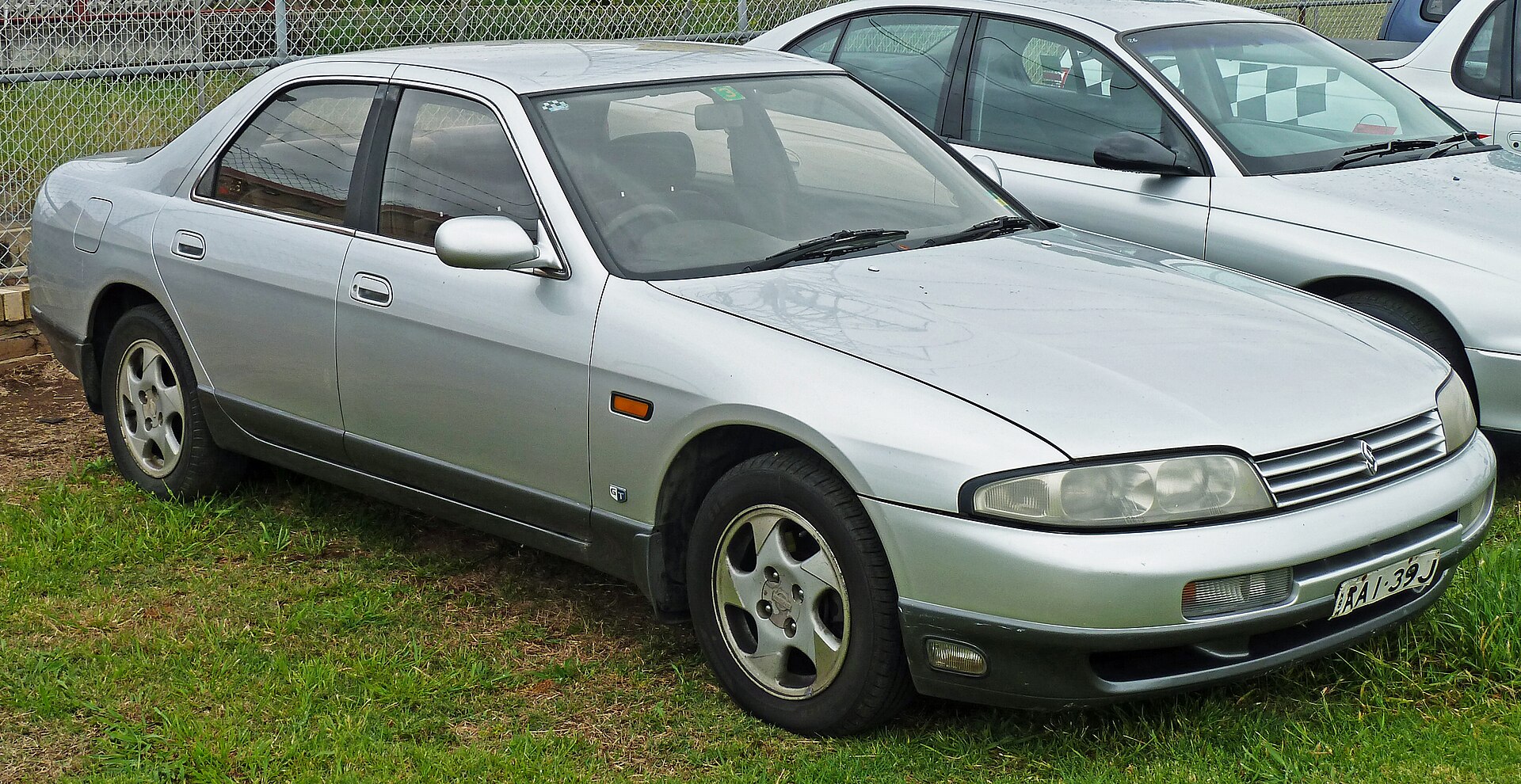
-
1989
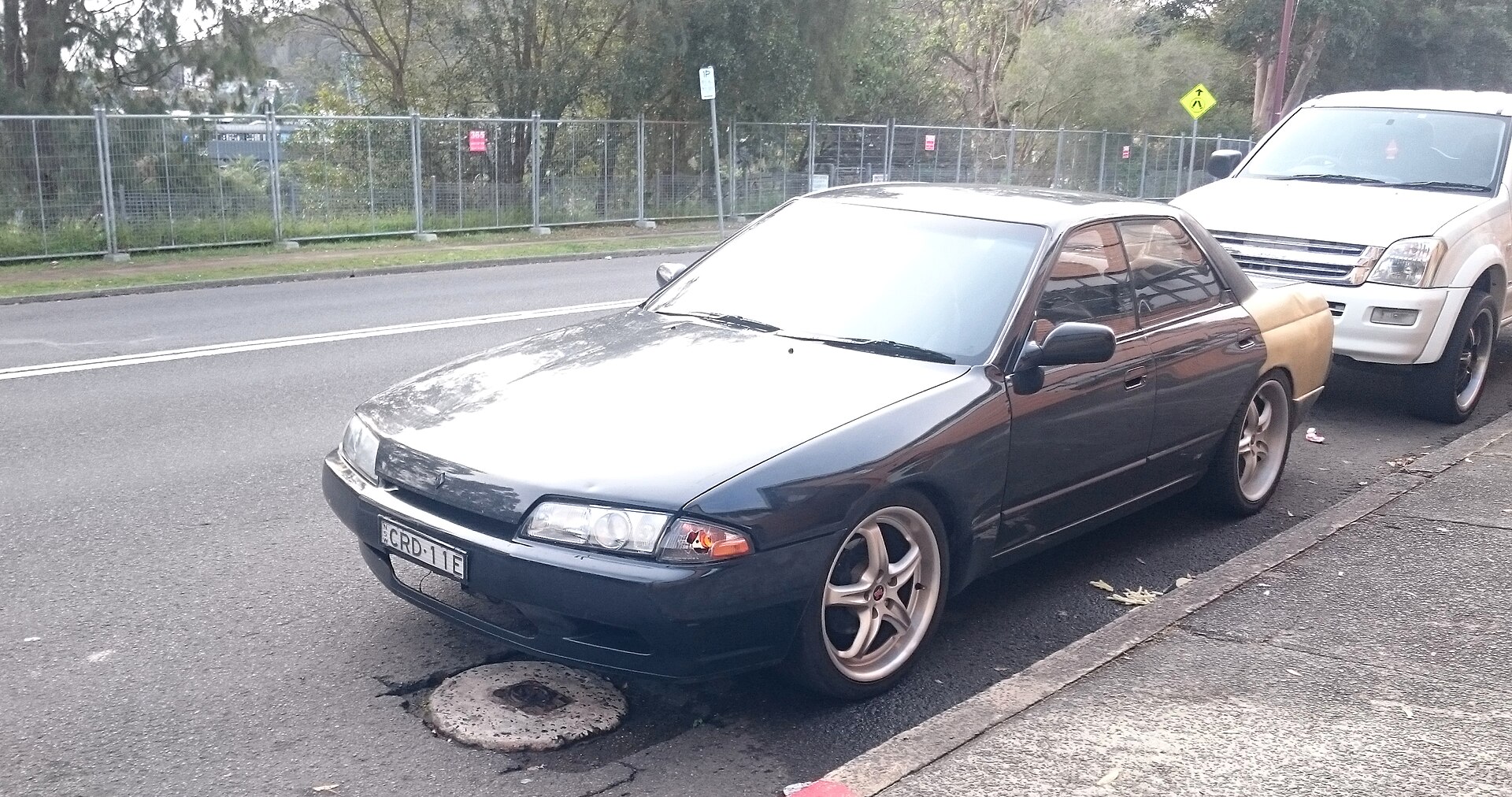
-
1985
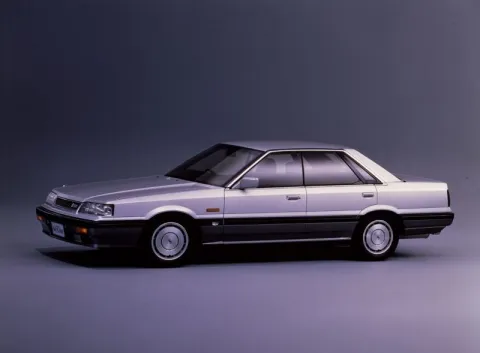 R31 1985–1989 · Sedan, Station wagon · 66–154 kW (90–209 PS)
-
1981
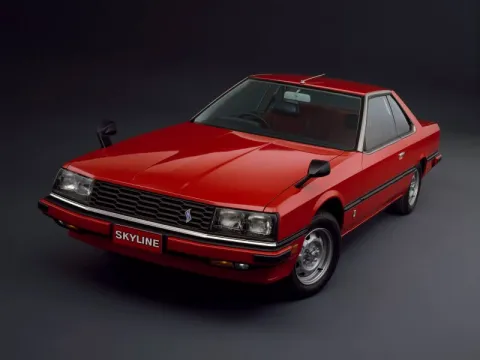 R30 You are here 1981–1985 · Sedan, Liftback · 77–151 kW (105–205 PS)
-
1977
-
1972
-
1968
-
1963
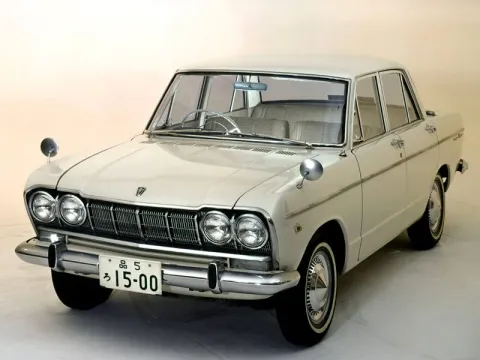 S50 1963–1968 · Sedan, Station wagon · 51–92 kW (69–125 PS)
-
1957


All generations by year: Skyline V37 (2014–now) · Skyline V36 (2006–2014) · Skyline V35 (2001–2006) · Skyline R34 (1998–2001) · Skyline R33 (1993–1998) · Skyline R32 (1989–1993) · Skyline R31 (1985–1989) · Skyline R30 (1981–1985) · Skyline C210 (1977–1981) · Skyline C110 (1972–1977) · Skyline C10 (1968–1972) · Skyline S50 (1963–1968) · Skyline ALSI (1957–1963)
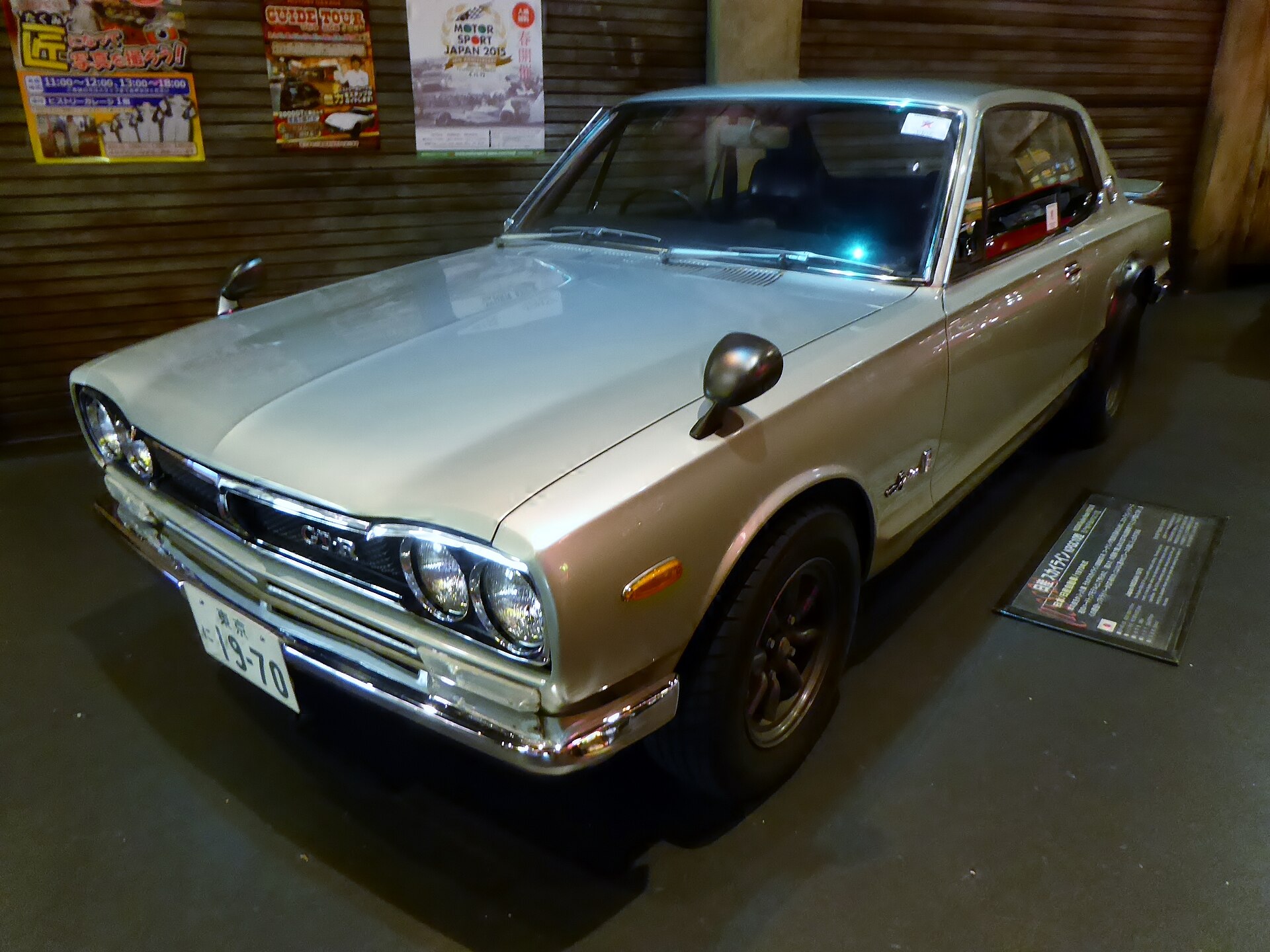
The R30 is the sixth Nissan Skyline, launched in Japan in August 1981 and sold there until 1985. Alongside familiar L-series sixes it offered the RS, powered by the FJ20 twin-cam 16-valve four, later turbocharged and intercooled. The 1983 facelift gave the RS-X its grille-less "Tekkamen" nose, and 406,432 R30s were built in Japan.
In short
- Built in Japan from August 1981 to 1985, and in South Africa from 1982 to 1987.
- Four bodies: two-door pillarless hardtop, four-door saloon, estate and a five-door liftback unique to the R30.
- The FJ20E RS had 110 kW (150 PS); the intercooled FJ20ET Turbo C of 1984 reached 151 kW (205 PS).
- The DR30 RS raced in Australian Group A, where Nissan won the 1986 manufacturers' title.
Skyline R30 specs by version
Engines
| Version | Engine | Power | Torque | Production years |
|---|---|---|---|---|
| Z18S four | 1.8 l 1,800 cc | 77 kW 105 PS103 hp | - | - |
| CA18E four | 1.8 l 1,800 cc | 85 kW 116 PS114 hp | - | - |
| 88 kW (120 PS) | Petrol | 88 kW 120 PS118 hp | - | - |
| L20ET turbo six | 2.0 l · 6 cyl · Petrol L20ET | 103 kW 140 PS138 hp | - | - |
| FJ20E four, 16 valves | 2.0 l · 4 cyl · Petrol FJ20E | 110 kW 150 PS148 hp | 181 Nm133 lb-ft | 1984 |
| FJ20ET turbo four | 2.0 l FJ20ET | 140 kW 190 PS188 hp | 225 Nm166 lb-ft | 1984 |
| FJ20ET turbo four, intercooled | 2.0 l FJ20ET | 151 kW 205 PS202 hp | 245 Nm181 lb-ft | 1984 |
Dimensions and weight
Show all 7 versions
| Version | Kerb weight |
|---|---|
| Z18S four | 1,130 kg2,491 lb |
| CA18E four | 1,130 kg2,491 lb |
| 88 kW (120 PS) | 1,130 kg2,491 lb |
| L20ET turbo six | 1,130 kg2,491 lb |
| FJ20E four, 16 valves | 1,130 kg2,491 lb |
| FJ20ET turbo four | 1,130 kg2,491 lb |
| FJ20ET turbo four, intercooled | 1,130 kg2,491 lb |
Verified Manufacturer and type-approval data from our catalog · Sources and methodology
From C210 to R30: a new code and a twin-cam
The C210 had brought turbocharging to the Skyline in 1980 with the L20ET six. The R30 kept that engine but looked for a sharper image with a new four-cylinder flagship. It was built on the C31 Laurel platform, and its code was changed to R30 to align the Japanese and export names. English Wikipedia notes that the four- and six-cylinder versions now shared a front end of the same length.
Styling moved away from the "surf line" crease over the rear wheels that had marked earlier Skylines, although most versions kept the four round tail lights. German Wikipedia records that the 1981 range was the first Skyline with electronically adjustable dampers. There were 26 variations in total.
The R30 is one chapter in a much longer story; our Nissan Skyline overview follows all 13 generations.
Hardtop, saloon, liftback and estate
The two-door hardtop had no B-pillar, with roll-down rear quarter windows. The four-door saloon used framed windows, and the five-door liftback was offered only in this generation. The estate had different lamps, no turbo or six-cylinder engines, and, as English Wikipedia puts it, looked more like a Nissan Sunny than a Skyline; German Wikipedia says it stayed in production until 1990. Buyers interested in this kind of body can browse our station wagons.
The August 1983 facelift made four-wheel disc brakes standard, replaced the wing-mounted "hockey stick" mirrors with door mirrors and added new bumpers and smoked tail lights. In November 1983 Nissan added a 50th-anniversary model based on the RS-X Turbo coupé, in grey and red two-tone paint.
FJ20 and L-series engines
The table lists the main Japanese petrol engines. Turbo outputs are gross ratings, given in kW followed by PS.
| Engine | Versions | Displacement | Power | Torque |
|---|---|---|---|---|
| Z18S four | 1800TI (to 1983) | 1.8 L | 77 kW (105 PS) | - |
| CA18E four | 1800 (from 1983) | 1.8 L | 85 kW (115 PS) | - |
| L20ET turbo six | 2000GT Turbo, Paul Newman Version | 2.0 L | 103 kW (140 PS) | - |
| FJ20E four, 16 valves | 2000RS | 1,990 cm³ (121.4 cu in) | 110 kW (150 PS) at 6,000 rpm | 181 Nm (133 lb-ft) at 4,800 rpm |
| FJ20ET turbo four | 2000RS-Turbo, RS-X | 1,990 cm³ | 140 kW (190 PS) at 6,400 rpm | 225 Nm (166 lb-ft) at 4,800 rpm |
| FJ20ET turbo four, intercooled | RS-X Turbo C | 1,990 cm³ | 151 kW (205 PS) at 6,400 rpm | 245 Nm (181 lb-ft) at 4,400 rpm |
The range also included a 2.0-litre L20E six without a turbo, a CA20E or Z20E four and two diesels, the LD20 four and the LD28 six. Sources differ on the diesel outputs, so they are not listed. Export markets received 2.4 and 2.8 sixes with twin Hitachi carburettors, rated at 88 kW (120 PS) and 102 kW (139 PS).
The RS, RS-X and the Tekkamen nose
English Wikipedia describes the FJ20 as the first four-cylinder engine from a Japanese maker with more than two valves per cylinder. It has a cast-iron block, an aluminium head and chain-driven twin camshafts, with a bore and stroke of 89 × 80 mm. Cars with this engine carry the chassis code DR30.
The 2000RS arrived on 2 October 1981 as a stripped, lightweight model weighing 1,130 kg (2,491 lb). The turbocharged 2000RS-Turbo followed in February 1983 with uprated front brakes. In August 1983 the RS-X added power steering, air conditioning, electric windows, fog lamps and anti-skid control, taking the weight to about 1,235 kg (2,723 lb). Its new nose, with slim headlamps and a bonnet sloping down to two narrow slits instead of a grille, earned it the name Tekkamen, or "iron mask".
From April 1984 the Turbo C added an air-to-air intercooler and a revised turbo housing, and compression rose from 8.0:1 to 8.5:1. This version also served as the basis for a Super Silhouette racing car sponsored by Tomica.
DR30 key figures
Sources checked for this page give no reliable overall length, width or wheelbase for the R30, so the table is limited to confirmed figures.
| Parameter | Metric | Imperial |
|---|---|---|
| Kerb weight, 2000RS (1981) | 1,130 kg | 2,491 lb |
| Kerb weight, RS-X (1983) | about 1,235 kg | about 2,723 lb |
| FJ20 displacement | 1,990 cm³ | 121.4 cu in |
| FJ20 bore × stroke | 89 × 80 mm | 3.50 × 3.15 in |
| Compression, FJ20ET / Turbo C | 8.0:1 / 8.5:1 | 8.0:1 / 8.5:1 |
| Group A DR30 output (Australia) | about 254 kW (345 PS) | 340 bhp |
Group A in Australia
The DR30 made its Group A debut at the opening round of the 1986 Australian Touring Car Championship. George Fury won four rounds and lost the title by only five points to Robbie Francevic's Volvo 240T. Nissan did take the 1986 Australian Manufacturers' Championship ahead of BMW, and shared that title with BMW in 1987, when Fury finished third in the drivers' standings. Privateers kept racing DR30s, with about 254 kW (345 PS), until 1989.
R30s outside Japan
Australia received the imported R30 saloon in November 1981, with air conditioning and a radio cassette as standard and a choice of five-speed manual or three-speed automatic. The liftback followed in August 1982. In South Africa the car was assembled at Rosslyn from 1982, first as the Datsun Skyline and about a year later as a Nissan, with 2.8-litre sixes; the GTX hardtop was the only coupé there. The R31 replaced it in mid-1987.
Brakes and safety kit on the R30
Crash-test programmes in Europe and Australia started long after the R30 went out of production, and we found no crash-test result for it. The 1983 facelift brought four-wheel disc brakes as standard, and the RS-X added anti-skid control to its equipment list.
Which R30 to look for
English Wikipedia calls the FJ20-powered R30 a cult car that revived the Skyline name in the early 1980s, so the RS models attract most collector interest.
- 2000RS (1981): the original lightweight FJ20E car with 110 kW (150 PS).
- 2000RS-Turbo and RS-X (1983): FJ20ET with 140 kW (190 PS); the RS-X brought the Tekkamen nose and more equipment.
- RS-X Turbo C (1984): the intercooled 151 kW (205 PS) version and the fastest road R30.
- 2000GT Turbo and Paul Newman Version: L20ET six with 103 kW (140 PS); the Newman car was a GT-ES turbo with signature decals.
- Liftback: unique to the R30 and now unusual.
The FJ20 engine was also used in the Silvia of the period; later generations of that car include the Nissan Silvia S14. Other period models are listed under classic cars, and the wider Nissan catalogue covers the brand.
Did you know?
- The Skyline R30 is generation 6 of 13 of the Nissan Skyline in our catalog.
- The Skyline R30 offers up to 151 kW (205 PS) - 44 kW more than the Skyline C210 (1977–1981) (+41%).
Image credits · Photos from Wikimedia Commons under free licences
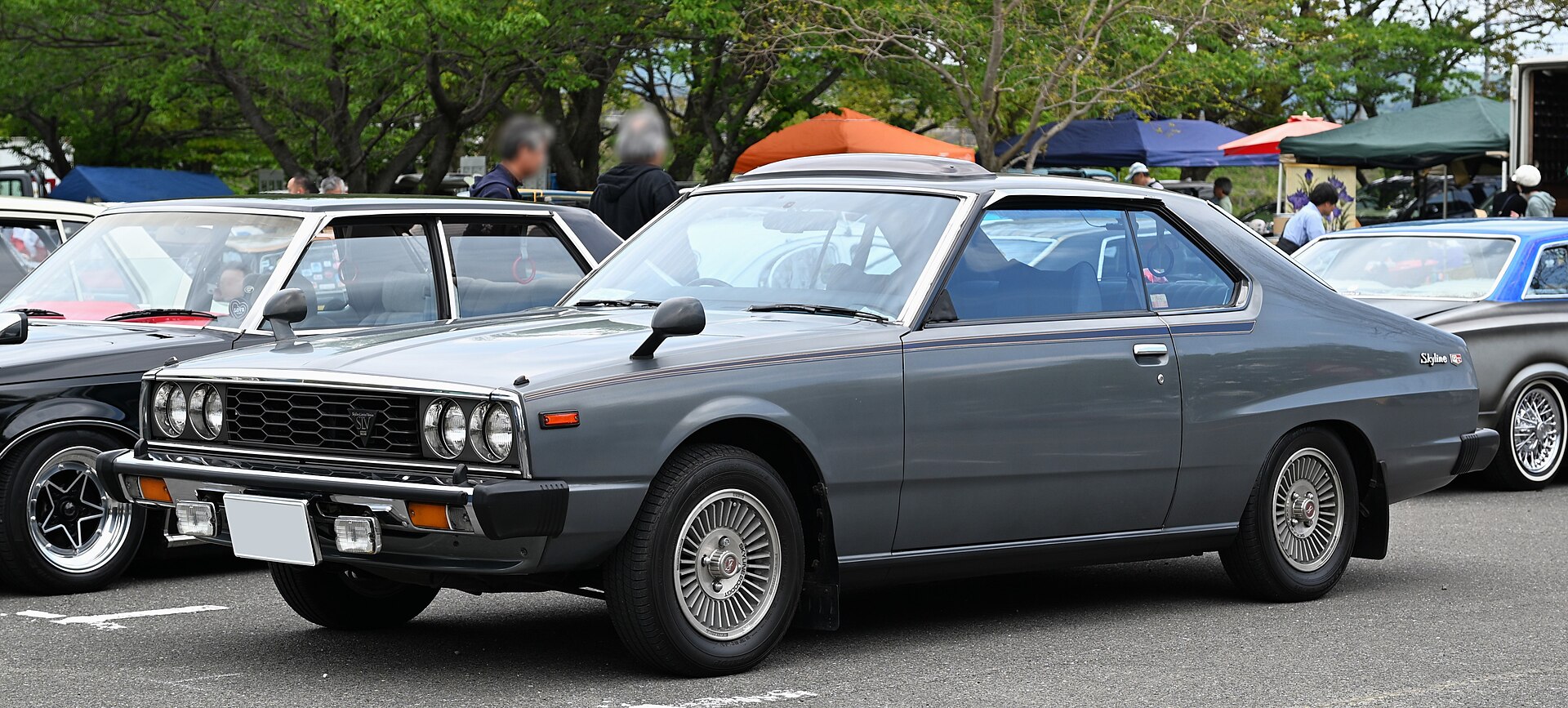
- Nissan Skyline ALSI · Photo: TTTNIS / Wikimedia Commons, CC0
- Nissan Skyline S50 · Photo: TTTNIS / Wikimedia Commons, CC0
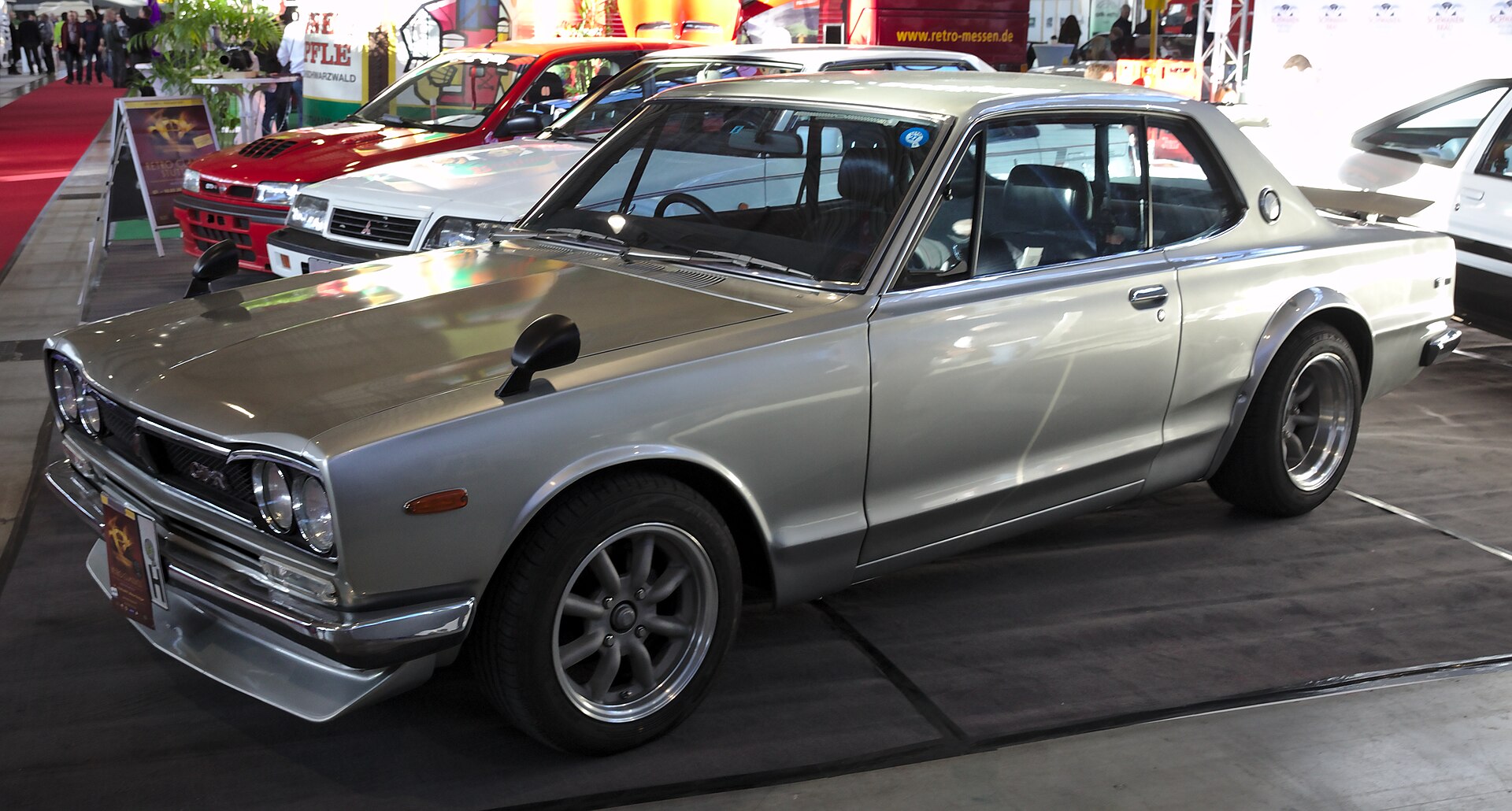
- Nissan Skyline C10 · Photo: Alexander Migl / Wikimedia Commons, CC BY-SA 4.0
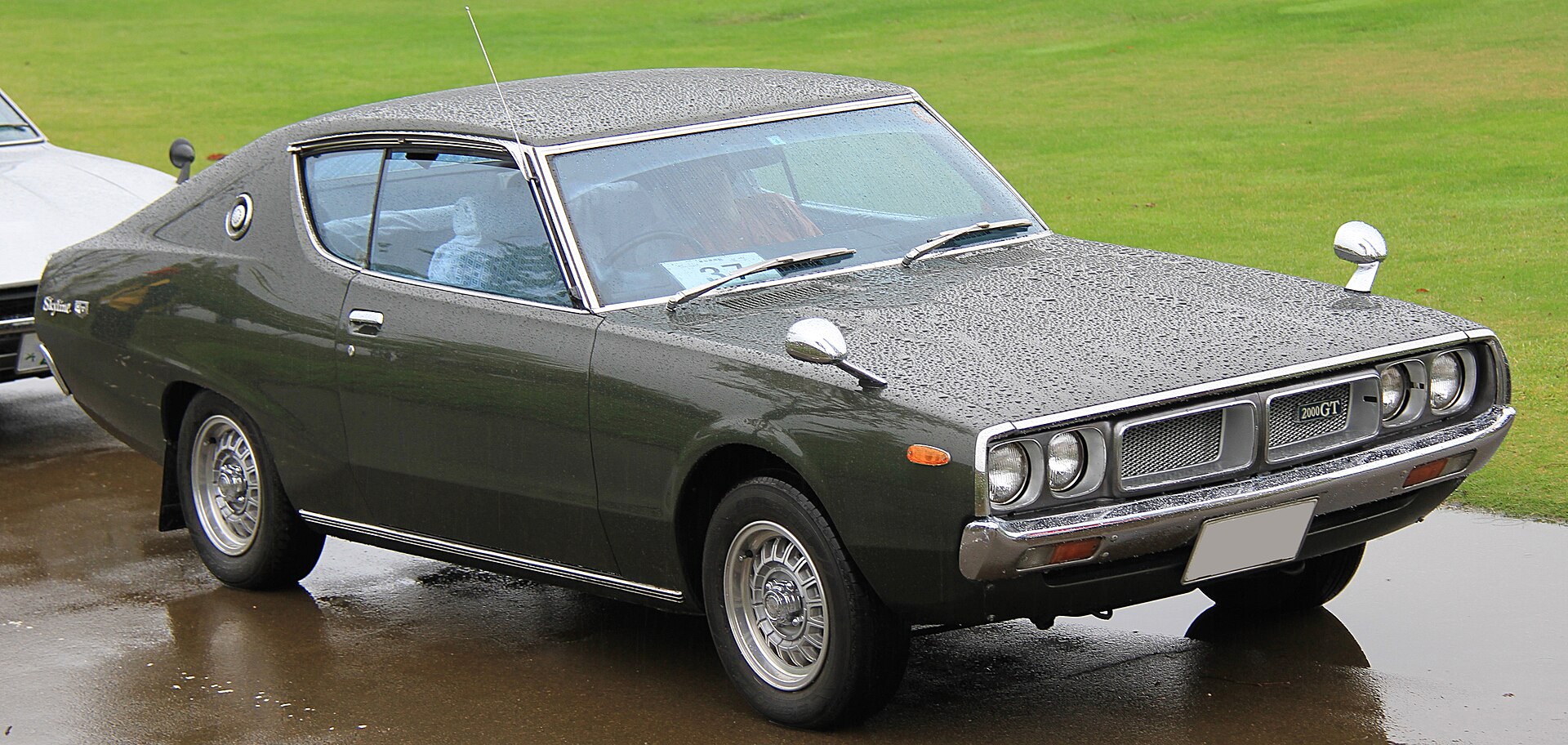
- Nissan Skyline C110 · Photo: TTTNIS / Wikimedia Commons, CC0
- Nissan Skyline C210 · Photo: TTTNIS / Wikimedia Commons, CC0
- Nissan Skyline R30 · Photo: 先従隗始 / Wikimedia Commons, CC0
- Nissan Skyline R31 · Photo: V-Hantarex / Wikimedia Commons, CC BY 4.0
- Nissan Skyline R32 · Photo: FotoSleuth / Wikimedia Commons, CC BY 2.0
- Nissan Skyline R33 · Photo: OSX / Wikimedia Commons, Public domain
- Nissan Skyline R34 · Photo: Timmie Ahl / Unsplash
- Nissan Skyline V35 · Photo: Guillaume Vachey from Chalon sur Saone, France / Wikimedia Commons, CC0
- Nissan Skyline V36 · Photo: TTTNIS / Wikimedia Commons, Public domain
- Nissan Skyline V37 · Photo: Tokumeigakarinoaoshima / Wikimedia Commons, CC BY-SA 4.0
R30 rivals
-
Ended 2026
- Years
- 1978–2026
- Body
- Liftback, Coupe
- Fuel
- Petrol
- Power
- 82–320 kW (111–435 PS)
5 generations
- A40/A50
- A60
- A70
- A80
- A90
-
Ended 2002
- Years
- 1978–2002
- Body
- Coupe, Convertible
- Fuel
- Petrol
- Power
- 75–206 kW (102–280 PS)
3 generations
- FB
- FC
- FD


Popular comparisons
FAQ
What does Tekkamen mean on the Skyline R30?
Tekkamen means "iron mask". It is the nickname for the RS-X front end introduced in August 1983, with slim headlamps and two narrow slits in place of a grille.
How much power does the R30 RS have?
The FJ20E 2000RS was rated at 110 kW (150 PS). The FJ20ET turbo gave 140 kW (190 PS), and the intercooled Turbo C of 1984 reached 151 kW (205 PS), all gross figures.
What does DR30 mean?
DR30 is the official chassis code for R30 Skylines with the FJ20 twin-cam four, the RS, RS-X and Turbo C models.
What years was the Nissan Skyline R30 made?
Japanese production ran from August 1981 to 1985, with 406,432 cars built. South African assembly continued from 1982 to 1987.
Did the R30 Skyline have a six-cylinder engine?
Yes. Six-cylinder versions used the L20E and the L20ET turbo, rated at 103 kW (140 PS), and export cars had 2.4 and 2.8 sixes. The sporting RS used a four.
Data sources
Data checked by an editor against the sources below.
- 1cars archive: Nissan Skyline: Generations, Specs and History
- The text of this article (1cars archive)
- Wikipedia - Nissan Skyline
- Nissan - Skyline H T