 Nissan Skyline R33 (1993–1998)
Specs, engines, safety and known problems
Published Sources (4) Report an error
By Sarah Whitmore, Senior Automotive Writer Reviewed by Felix Hartmann
- Power
- 96–206 kW (131–280 PS)
- Generation
- 9 of 13
Model timeline
Where the R33 sits in the Skyline story
Predecessor Skyline R32 (1989–1993) Successor Skyline R34 (1998–2001)
Newest first · 13 generations since 1957
-
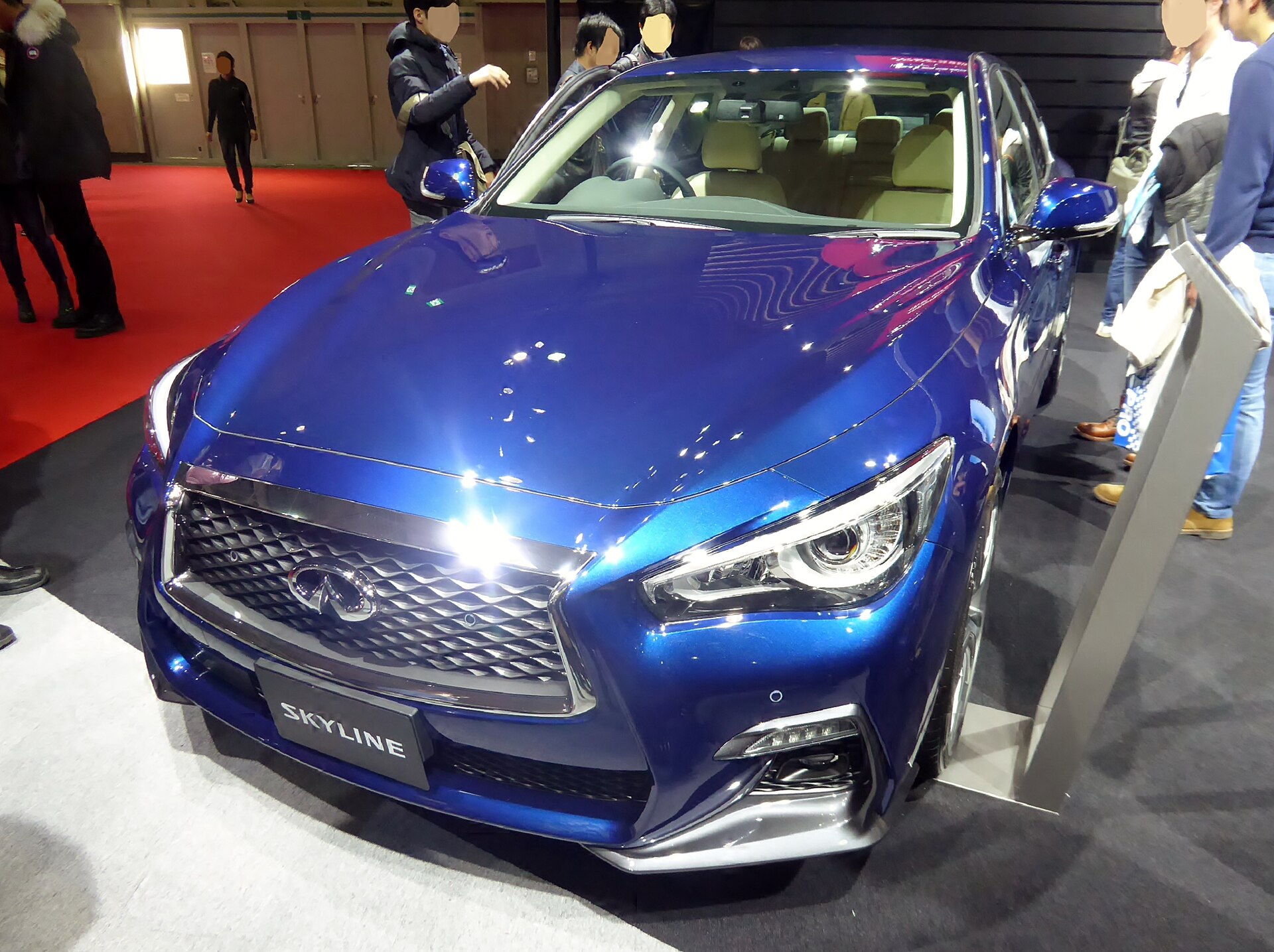
2014
-
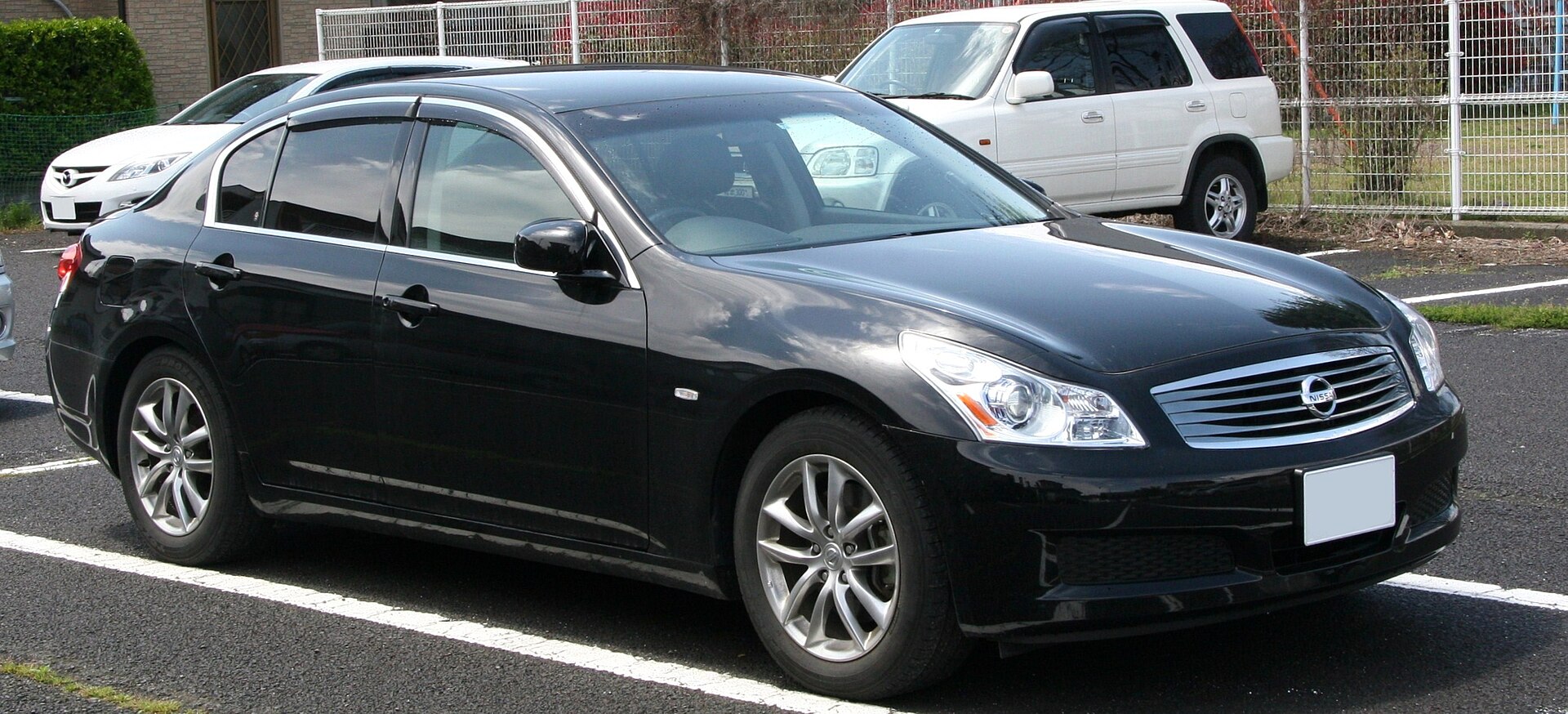
2006
-
2001
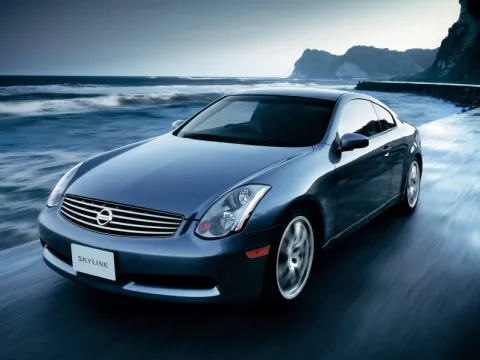 V35 2001–2006 · Sedan, Coupe · 158–206 kW (215–280 PS)
-
1998
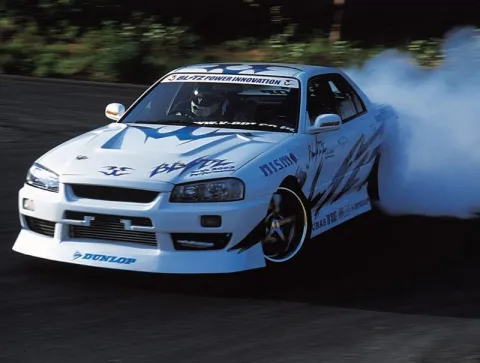 R34 1998–2001 · 114–206 kW (155–280 PS)
-
1993
-
1989
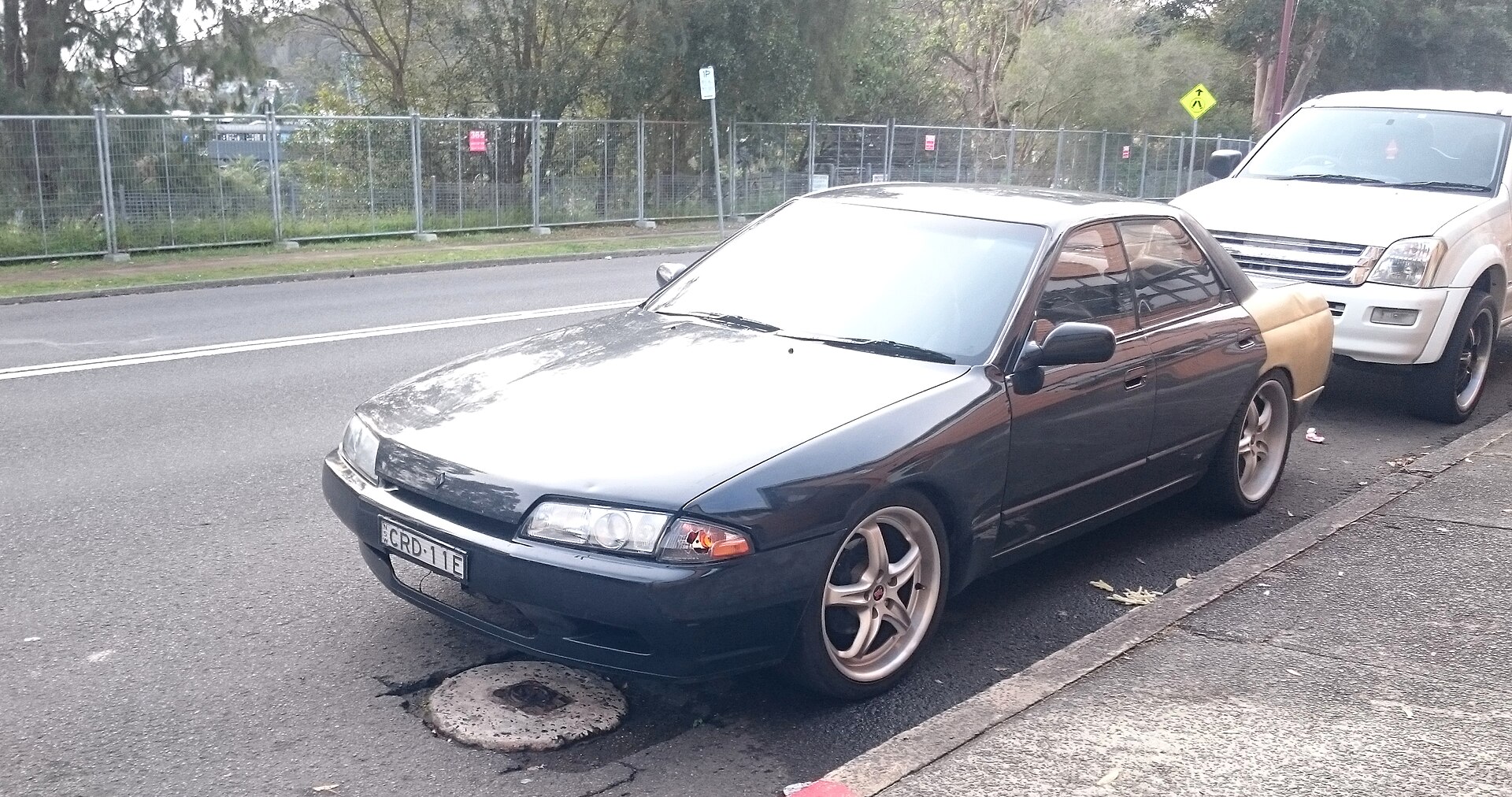
-
1985
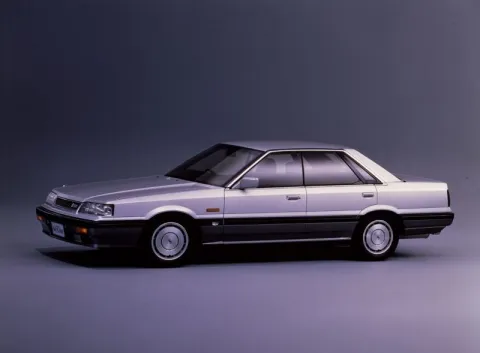 R31 1985–1989 · Sedan, Station wagon · 66–154 kW (90–209 PS)
-
1981
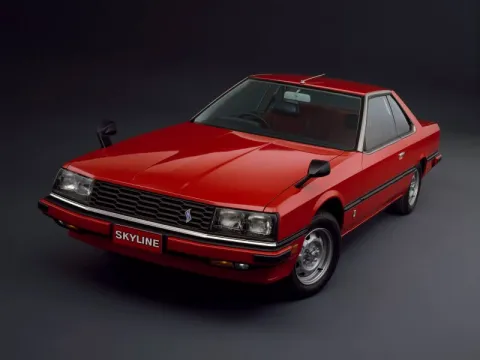 R30 1981–1985 · Sedan, Liftback · 77–151 kW (105–205 PS)
-
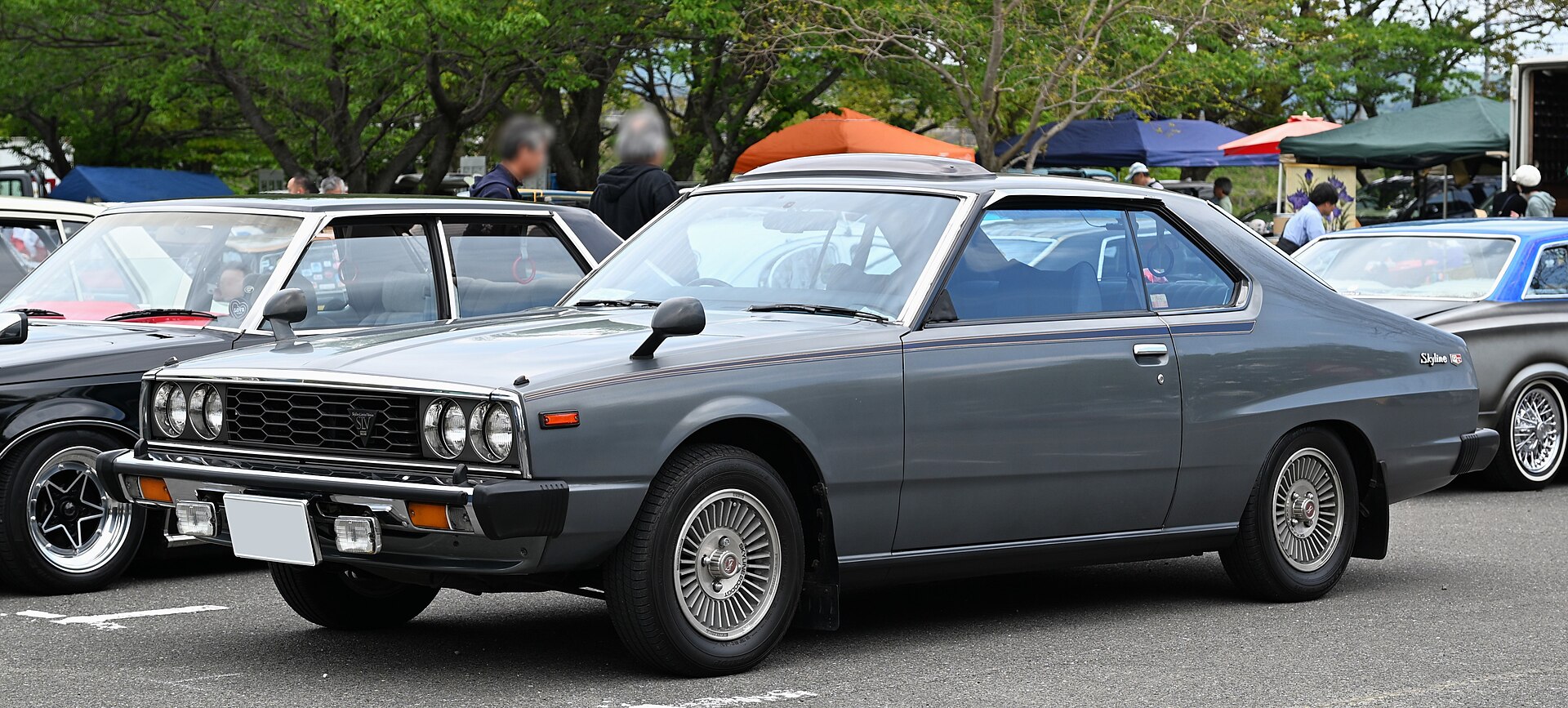
1977
-
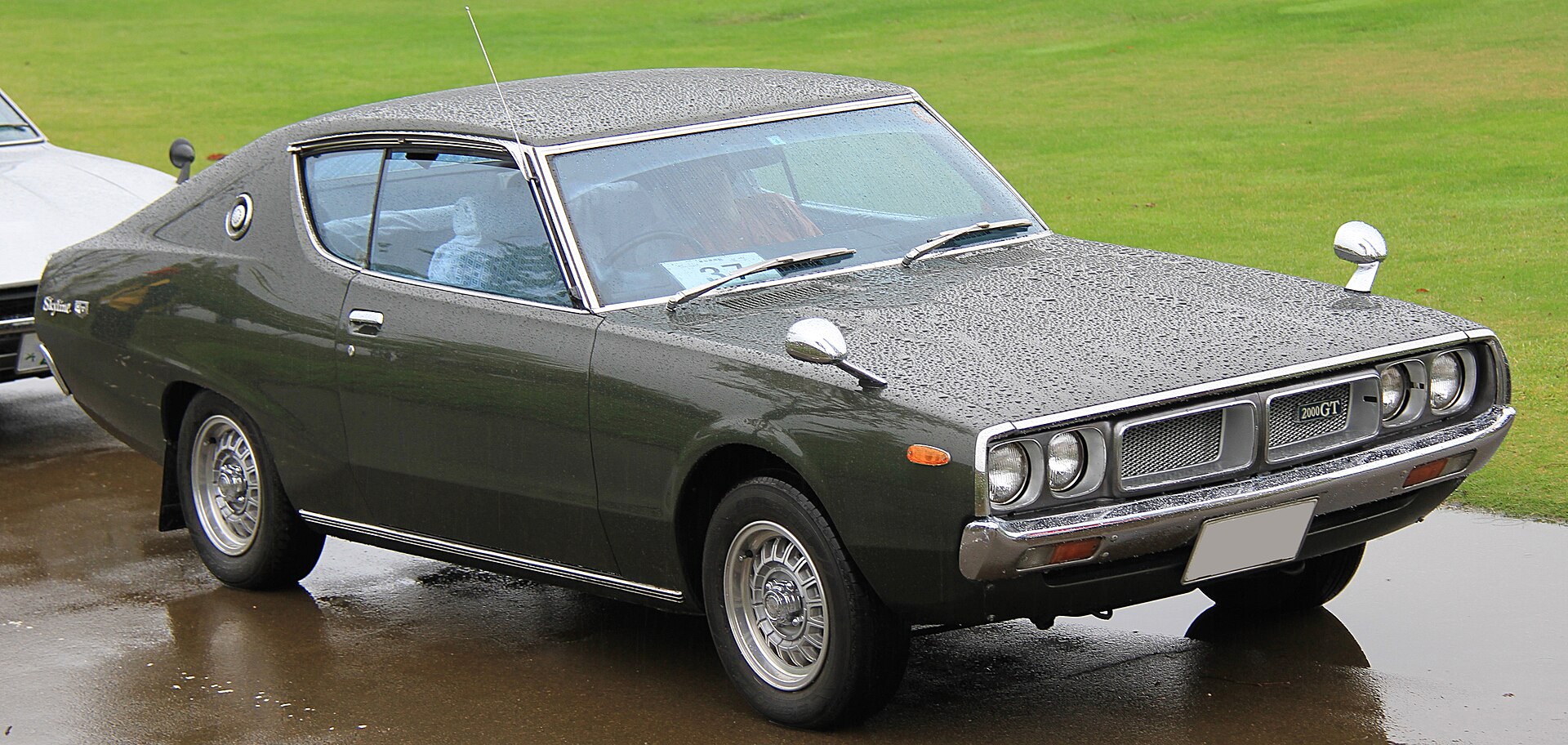
1972
-
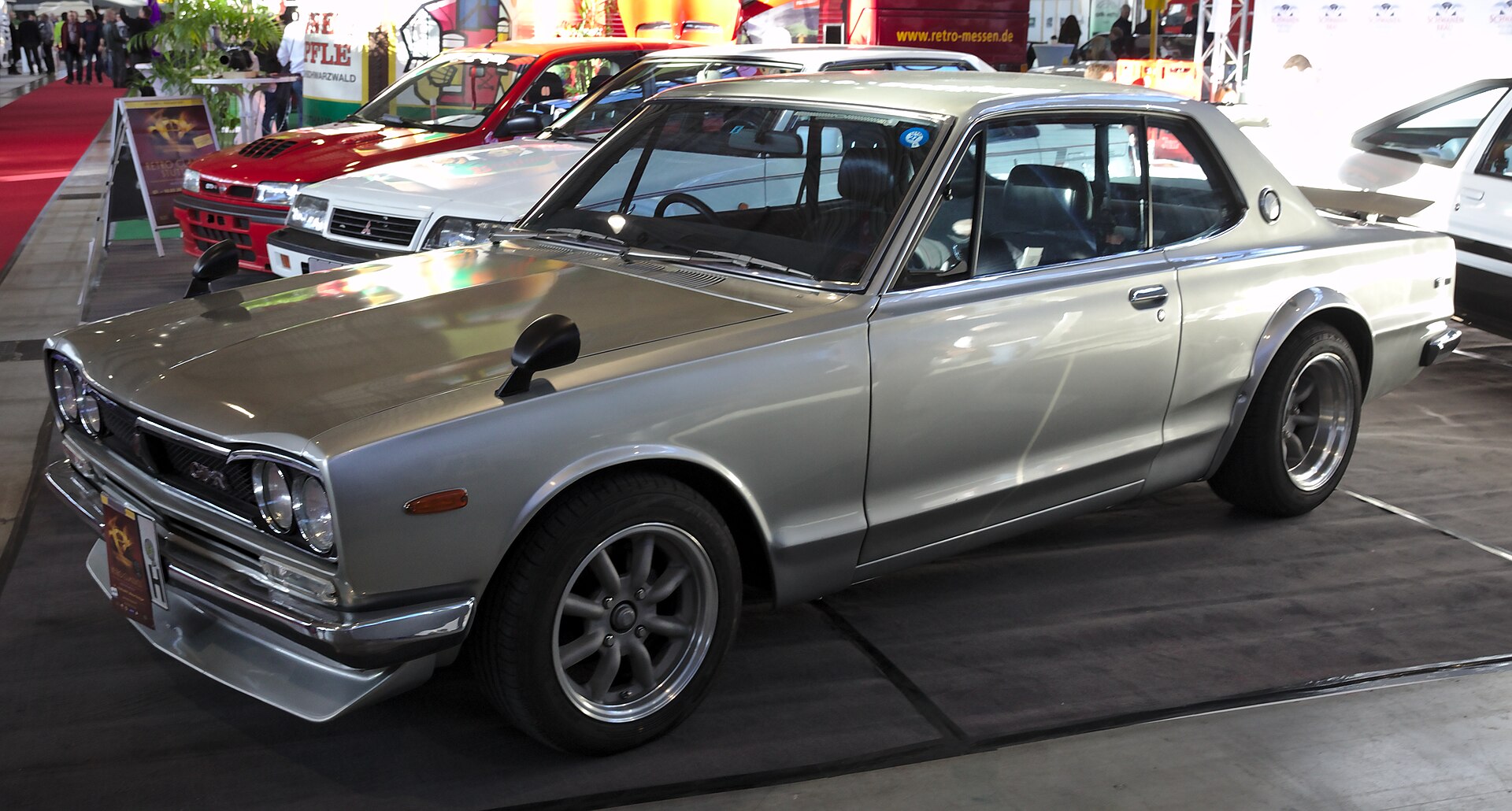
1968
-
1963
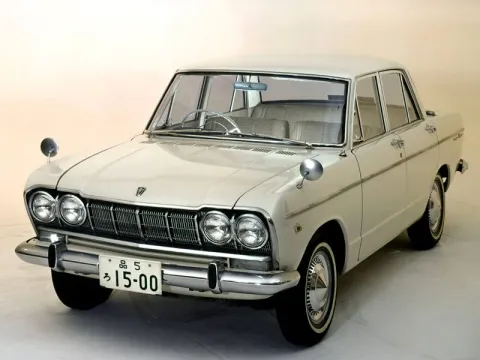 S50 1963–1968 · Sedan, Station wagon · 51–92 kW (69–125 PS)
-
1957


All generations by year: Skyline V37 (2014–now) · Skyline V36 (2006–2014) · Skyline V35 (2001–2006) · Skyline R34 (1998–2001) · Skyline R33 (1993–1998) · Skyline R32 (1989–1993) · Skyline R31 (1985–1989) · Skyline R30 (1981–1985) · Skyline C210 (1977–1981) · Skyline C110 (1972–1977) · Skyline C10 (1968–1972) · Skyline S50 (1963–1968) · Skyline ALSI (1957–1963)
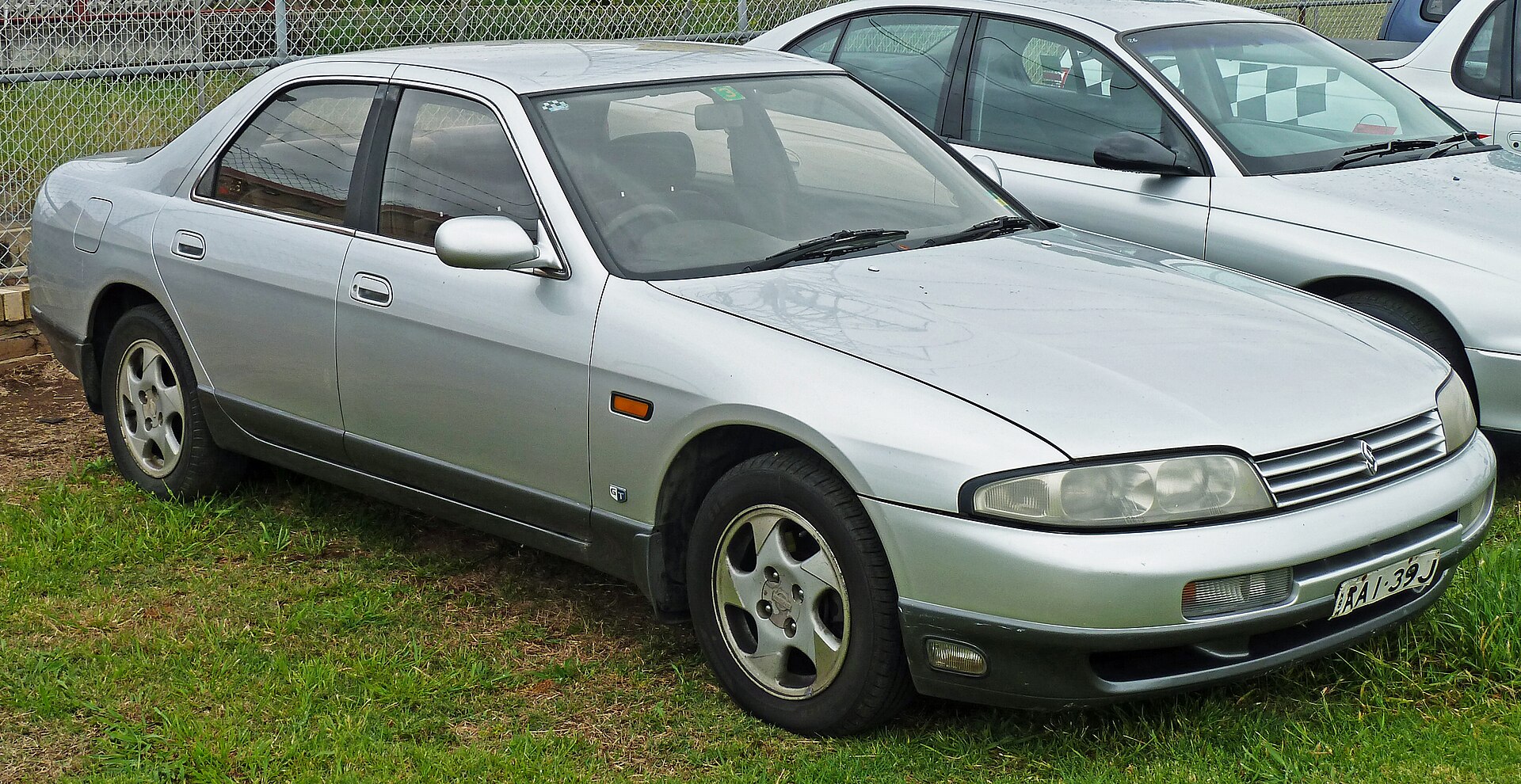
The R33 is the ninth Nissan Skyline, launched in August 1993 as a coupé and a four-door saloon. It was larger and heavier than the R32, and every version moved into Japan's wider registration class. The GT-R followed in January 1995 and was built until November 1998. Turbocharged RB25 engines with variable valve timing made the regular R33 noticeably quicker than its predecessor.
In short
- Regular models from August 1993 to 1998; the BCNR33 GT-R from 6 January 1995 to 9 November 1998.
- Engines range from the 2.0-litre RB20E with 96 kW (130 PS) to the RB26DETT GT-R rated at 206 kW (280 PS).
- A driver airbag became standard in January 1995, a passenger airbag in January 1996 and ABS in February 1997.
- About 16,500 GT-Rs were built, including the LM Limited, a four-door Autech GT-R and 44 Nismo 400Rs sold.
Skyline R33 specs by version
Engines
| Version | Engine | Power | Torque | Drive |
|---|---|---|---|---|
| RB20E six | 2.0 l · 6 cyl · Petrol RB20E | 96 kW 131 PS129 hp | 172 Nm127 lb-ft | Rear-wheel drive |
| 2.5 RB25 140 kW (190 PS) | 2.5 l · 6 cyl RB25 | 140 kW 190 PS188 hp | - | - |
| RB25DE six | 2.5 l 2,498 cc | 147 kW 200 PS197 hp | 230 Nm170 lb-ft | All-wheel drive |
| 2.5 RB25DET 184 kW (250 PS) | 2.5 l · 6 cyl · Petrol RB25DET | 184 kW 250 PS247 hp | - | - |
| RB25DET turbo six | 2.5 l 2,500 cc | 184 kW 250 PS247 hp | - | Rear-wheel drive |
| RB26DETT twin-turbo six | 2.6 l · 6 cyl · Petrol RB26DETT | 206 kW 280 PS276 hp | 368 Nm271 lb-ft | All-wheel drive |
Dimensions and weight
Show all 6 versions
| Version | Wheelbase | Kerb weight |
|---|---|---|
| RB20E six | 2,720 mm107.1 in | 1,540 kg3,395 lb |
| 2.5 RB25 140 kW (190 PS) | 2,720 mm107.1 in | 1,540 kg3,395 lb |
| RB25DE six | 2,720 mm107.1 in | 1,540 kg3,395 lb |
| 2.5 RB25DET 184 kW (250 PS) | 2,720 mm107.1 in | 1,540 kg3,395 lb |
| RB25DET turbo six | 2,720 mm107.1 in | 1,540 kg3,395 lb |
| RB26DETT twin-turbo six | 2,720 mm107.1 in | 1,540 kg3,395 lb |
Verified Manufacturer and type-approval data from our catalog · Sources and methodology
Where the R33 departs from the R32
German Wikipedia describes the R33 as larger, roomier and heavier than the R32. Japanese Wikipedia adds that the body grew enough for every R33 to move from the "compact" to the larger "3-number" registration class, and auto-data.net lists a 2,720 mm (107.1 in) wheelbase for the saloon, 105 mm (4.1 in) more than the R32.
The body choice stayed the same, a two-door coupé and a four-door saloon, but the saloon gained framed door windows in place of the sashless glass of the R32 hardtop. Customers who wanted an estate were pointed to the new Stagea of 1996, which German Wikipedia describes as a wagon on a similar platform.
Under the bonnet, the 2.5-litre RB25 replaced the 2.0-litre RB20 turbo as the main sporting engine. From launch in August 1993, the RB25DE and RB25DET used NVCS, Nissan's variable timing for the intake camshaft, which improved low-rev power and torque. The overview of every Skyline generation shows how the R33 sits between the R32 and the R34.
Kozo Watanabe's GT-R and its chassis
Japanese Wikipedia names Kozo Watanabe as development chief of the BCNR33 GT-R. Compared with the R32 GT-R, the car was 130 mm (5.1 in) longer, with a 105 mm (4.1 in) longer wheelbase and a wider, stiffened body. Brembo brake calipers became standard on every GT-R, where the R32 had reserved them for the V-spec.
The four-wheel-drive hardware evolved too. The standard car kept ATTESA E-TS and Super HICAS. The V-spec added ATTESA E-TS Pro, which pairs the all-wheel-drive system with a hydraulically controlled active limited-slip differential at the rear, together with lower suspension. The five-speed manual was carried over with stronger synchromesh.
Nissan claimed a lap of the Nürburgring Nordschleife in 7:59.887 with test driver Dirk Schoysman, described as the first sub-eight-minute lap by a production car. The Japanese magazine Best Motoring recorded 8:01.72 in its own 1995 test.
Engines from RB20E to RB26DETT
The table shows the main Japanese engines, with rated outputs in kW and the metric PS figure. Torque figures for the RB25DET differ noticeably between sources.
| Engine | Versions | Displacement | Power | Torque | Drive |
|---|---|---|---|---|---|
| RB20E six | GTS | 1,998 cm³ (121.9 cu in) | 96 kW (130 PS) | 172 Nm (127 lb-ft) | RWD |
| RB25DE six | GTS25, GTS-4 | 2,498 cm³ (152.4 cu in) | 140–147 kW (190–200 PS) | 230 Nm (170 lb-ft) | RWD or AWD |
| RB25DET turbo six | GTS25t | 2.5 L | 180–184 kW (245–250 PS) | sources differ | RWD |
| RB26DETT twin-turbo six | GT-R | 2,568 cm³ (156.7 cu in) | 206 kW (280 PS) at 6,800 rpm | 368 Nm (271 lb-ft) at 4,400 rpm | AWD |
Automatic gearboxes had four or five speeds, depending on the engine; Japanese Wikipedia notes the five-speed automatic was later replaced by a four-speed. Manual cars had five speeds.
The GT-R's rated 280 PS reflected the Japanese makers' agreement on advertised power. German Wikipedia puts the real output at about 220 kW and gives the GT-R 0 to 100 km/h in 5.7 seconds. Wikipedia lists a base GT-R kerb weight of 1,540 kg (3,395 lb), with the V-spec 10 kg (22 lb) heavier.
R33 size in numbers
The table combines the saloon dimensions published by auto-data.net with the GT-R length and wheelbase derived from the R32 GT-R and the differences recorded on Japanese Wikipedia. The two wheelbase figures agree.
| Parameter | Metric | Imperial |
|---|---|---|
| Length, saloon | 4,720 mm | 185.8 in |
| Length, GT-R | 4,675 mm | 184.1 in |
| Width, saloon | 1,720 mm | 67.7 in |
| Height, saloon | 1,360 mm | 53.5 in |
| Wheelbase | 2,720 mm | 107.1 in |
| Kerb weight, GT-R | 1,540 kg | 3,395 lb |
| Kerb weight, GT-R V-spec | 1,550 kg | 3,417 lb |
A GT-R width figure was not confirmed in the sources checked, so it is not given here.
Airbags and ABS: safety on the R33
Safety equipment improved during the R33's life. Japanese Wikipedia records a driver airbag as standard from January 1995, at the same time as the facelift that German Wikipedia dates to early 1995. A passenger airbag followed in January 1996, and ABS became standard in February 1997.
No Euro NCAP, IIHS or other independent crash-test rating for the R33 was found in the sources checked for this page, so no score is quoted. A late car is the better choice for anyone who wants both airbags and standard ABS.
Special GT-Rs and rare versions
The R33 produced more limited editions than the R32, many tied to racing.
- LM Limited (May 1996): a two-month run in Champion Blue; 188 made, split between the standard car and the V-spec. An R33-based GT-R LM finished 10th overall at Le Mans in 1995 and 15th in 1996.
- Nismo 400R (from 1995): a 2.8-litre RB-X GT2 engine of 2,771 cm³, rated at 294 or 298 kW (400 or 405 PS) depending on the source. Only 44 were sold.
- Autech 40th Anniversary (January 1998): a four-door GT-R saloon released for the Skyline's 40th anniversary; sources give 416 or 422 built.
- UK V-spec (1997): 97 cars imported officially into the United Kingdom.
- V-spec N1: a base car for endurance racing, with 87 built.
GT-R production figures differ slightly: Wikipedia gives 16,668 and German Wikipedia 16,435. German Wikipedia puts total R33 output at 217,133 cars.
Buying an R33 today
R33s are mainly found as used imports from Japan. In the United States, the 25-year import rule that opened the door to the R32 in 2014 applies to the R33 as each car reaches that age, which for the first GT-Rs meant 2020.
- GTS25t: the rear-wheel-drive turbo with up to 184 kW (250 PS) and NVCS valve timing.
- GTS-4: four-wheel drive with the naturally aspirated RB25DE.
- GT-R and GT-R V-spec: the V-spec has ATTESA E-TS Pro and the active rear differential.
- Post-1997 cars: standard driver and passenger airbags plus ABS.
The R33 competed with the Toyota Supra and the Mazda RX-7 among Japanese performance cars of the mid-1990s. In Nissan's own range it sat above the Silvia S14, and its GT-R line eventually led to the separate Nissan GT-R (R35). The Nissan catalogue lists the rest of the range.
Did you know?
- The Skyline R33 is generation 9 of 13 of the Nissan Skyline in our catalog.
- Its lightest version weighs 1,540 kg, 110 kg more than in the Skyline R32 (1989–1993).
Image credits · Photos from Wikimedia Commons under free licences
- Nissan Skyline ALSI · Photo: TTTNIS / Wikimedia Commons, CC0
- Nissan Skyline S50 · Photo: TTTNIS / Wikimedia Commons, CC0
- Nissan Skyline C10 · Photo: Alexander Migl / Wikimedia Commons, CC BY-SA 4.0
- Nissan Skyline C110 · Photo: TTTNIS / Wikimedia Commons, CC0
- Nissan Skyline C210 · Photo: TTTNIS / Wikimedia Commons, CC0
- Nissan Skyline R30 · Photo: 先従隗始 / Wikimedia Commons, CC0
- Nissan Skyline R31 · Photo: V-Hantarex / Wikimedia Commons, CC BY 4.0
- Nissan Skyline R32 · Photo: FotoSleuth / Wikimedia Commons, CC BY 2.0
- Nissan Skyline R33 · Photo: OSX / Wikimedia Commons, Public domain
- Nissan Skyline R34 · Photo: Timmie Ahl / Unsplash
- Nissan Skyline V35 · Photo: Guillaume Vachey from Chalon sur Saone, France / Wikimedia Commons, CC0
- Nissan Skyline V36 · Photo: TTTNIS / Wikimedia Commons, Public domain
- Nissan Skyline V37 · Photo: Tokumeigakarinoaoshima / Wikimedia Commons, CC BY-SA 4.0
R33 rivals
-
Ended 2026
- Years
- 1978–2026
- Body
- Liftback, Coupe
- Fuel
- Petrol
- Power
- 82–320 kW (111–435 PS)
5 generations
- A40/A50
- A60
- A70
- A80
- A90
-
Ended 2002
- Years
- 1978–2002
- Body
- Coupe, Convertible
- Fuel
- Petrol
- Power
- 75–206 kW (102–280 PS)
3 generations
- FB
- FC
- FD


Popular comparisons
FAQ
When was the Nissan Skyline R33 made?
The R33 range was launched in August 1993 and replaced by the R34 in 1998. The GT-R went on sale on 6 January 1995, and the last one was completed on 9 November 1998.
How much power does the R33 GT-R have?
The RB26DETT was rated at 206 kW (280 PS) at 6,800 rpm with 368 Nm of torque. German Wikipedia says the real output was about 220 kW.
Is the R33 bigger than the R32?
Yes. The GT-R is 130 mm longer, with a 105 mm longer wheelbase, and the saloon wheelbase is 2,720 mm. The R33 is also heavier, with the GT-R at about 1,540 kg.
Did the R33 Skyline have airbags and ABS?
A driver airbag was standard from January 1995 and a passenger airbag from January 1996. ABS became standard in February 1997.
What is the rarest R33 GT-R?
The Nismo 400R, with only 44 sold. The Autech four-door GT-R, the LM Limited and the 87 V-spec N1 cars are also rare.
Data sources
Data checked by an editor against the sources below.
- 1cars archive: Nissan Skyline: Generations, Specs and History
- The text of this article (1cars archive)
- Wikipedia - Nissan Skyline
- Wikipedia - Nissan RB engine