 Nissan Skyline R34 (1998–2001)
Specs, engines, safety and known problems
Published Sources (5) Report an error
By Sarah Whitmore, Senior Automotive Writer Reviewed by Felix Hartmann

- Power
- 114–206 kW (155–280 PS)
- Generation
- 10 of 13
Model timeline
Where the R34 sits in the Skyline story
Predecessor Skyline R33 (1993–1998) Successor Skyline V35 (2001–2006)
Newest first · 13 generations since 1957
-
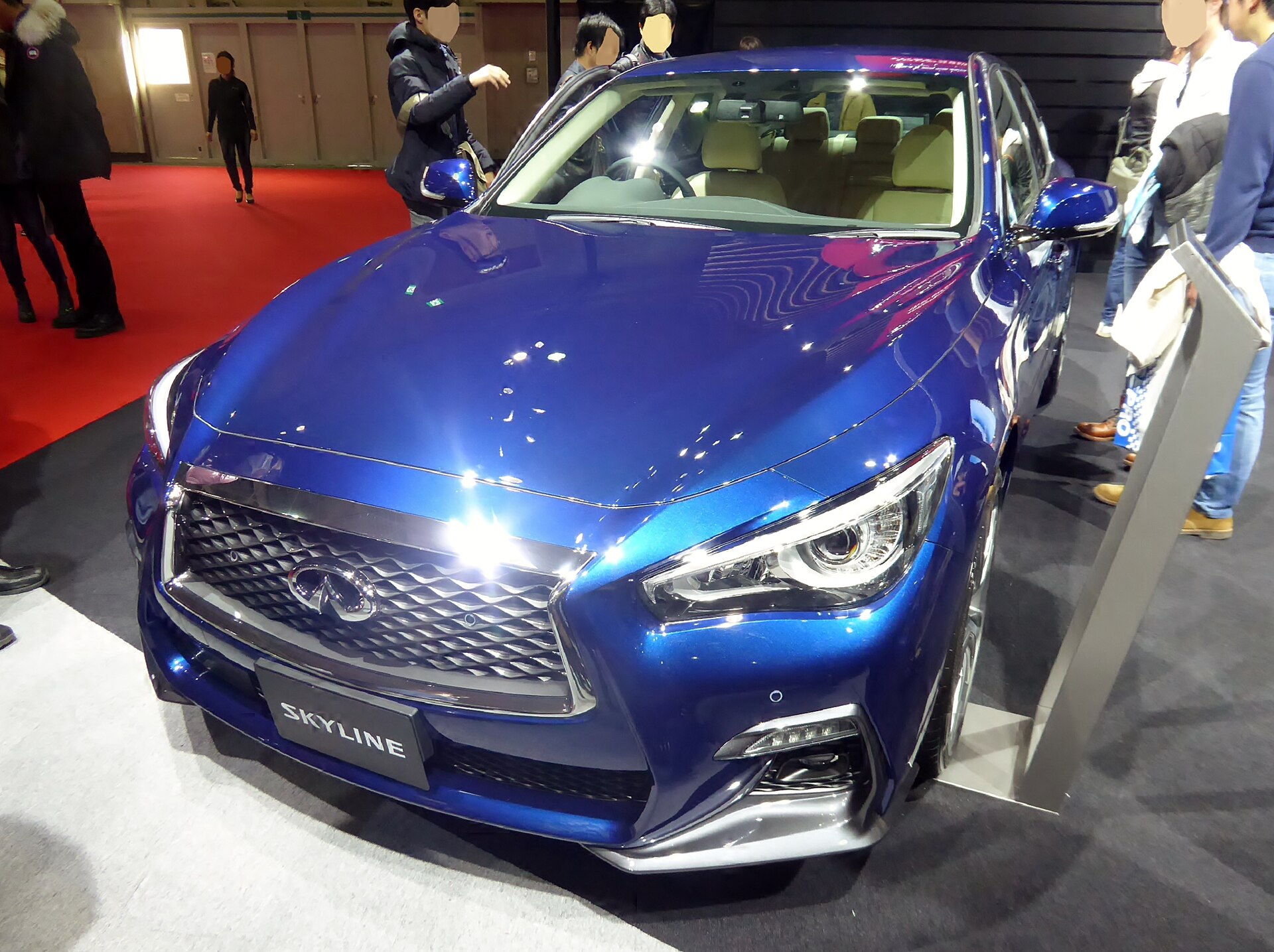
2014
-
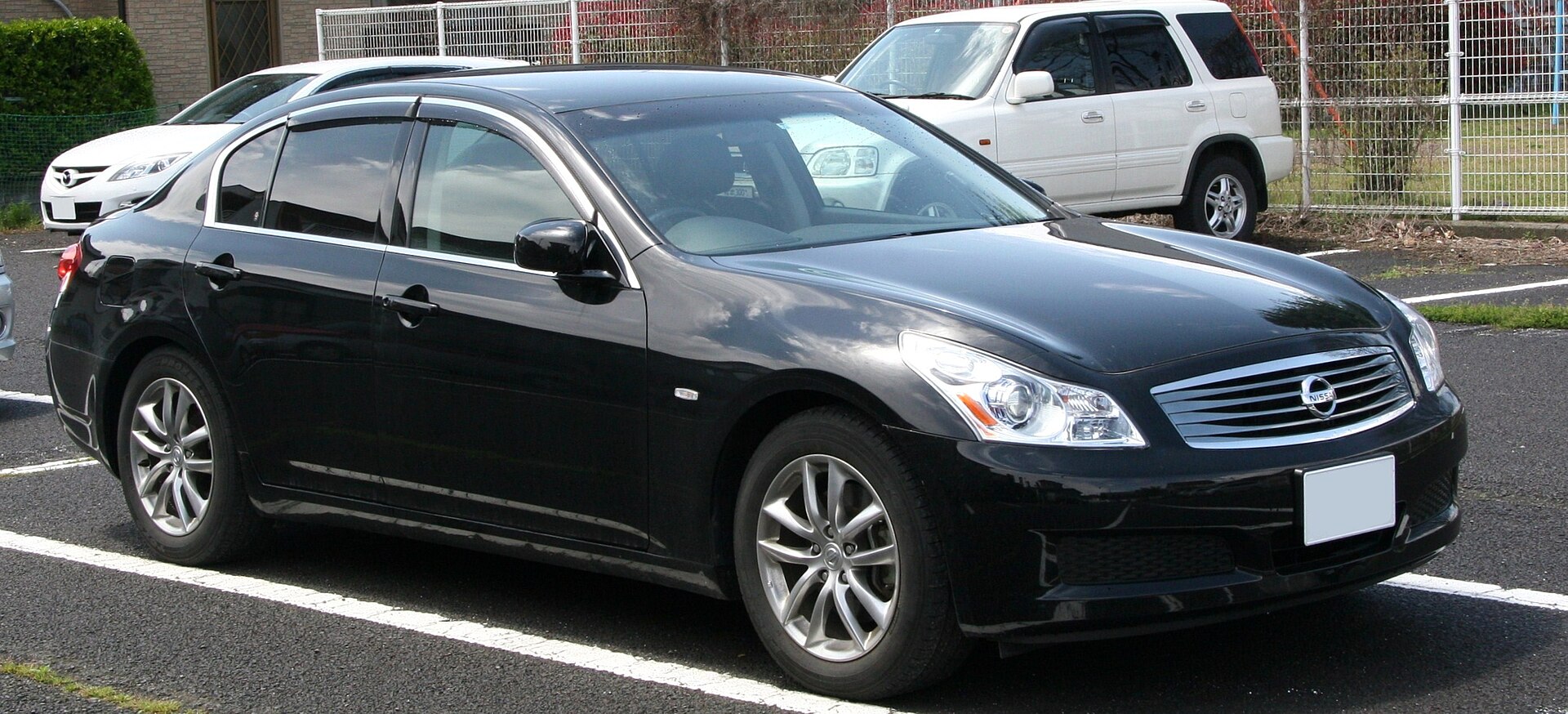
2006
-
2001
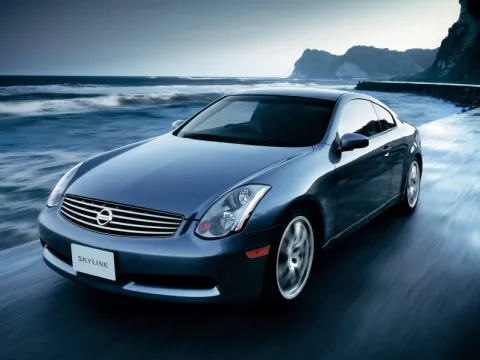 V35 2001–2006 · Sedan, Coupe · 158–206 kW (215–280 PS)
-
1998
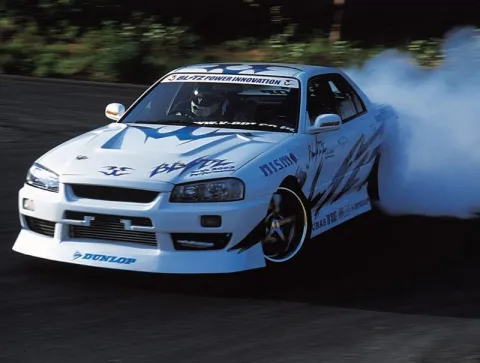 R34 You are here 1998–2001 · 114–206 kW (155–280 PS)
-
1993
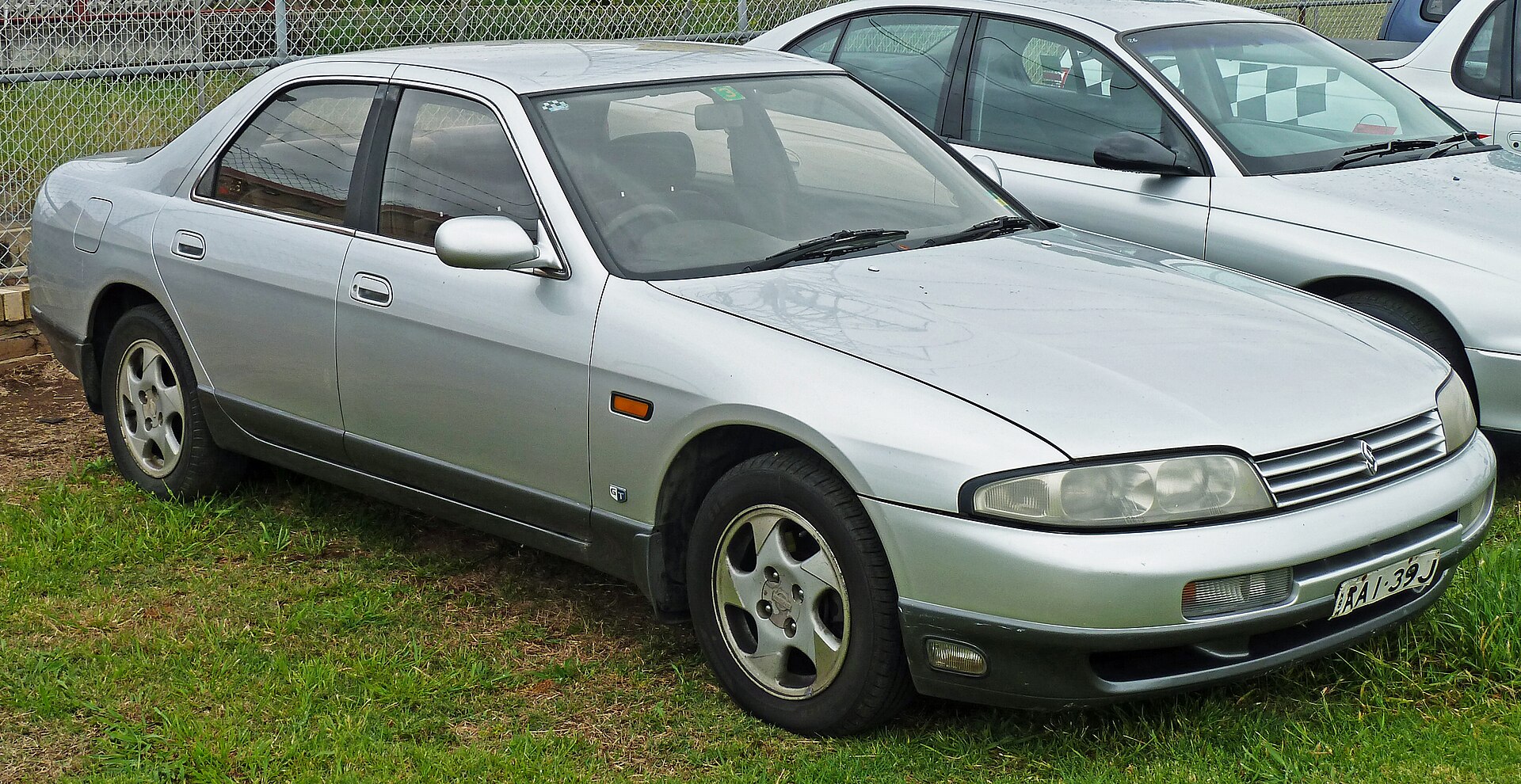
-
1989
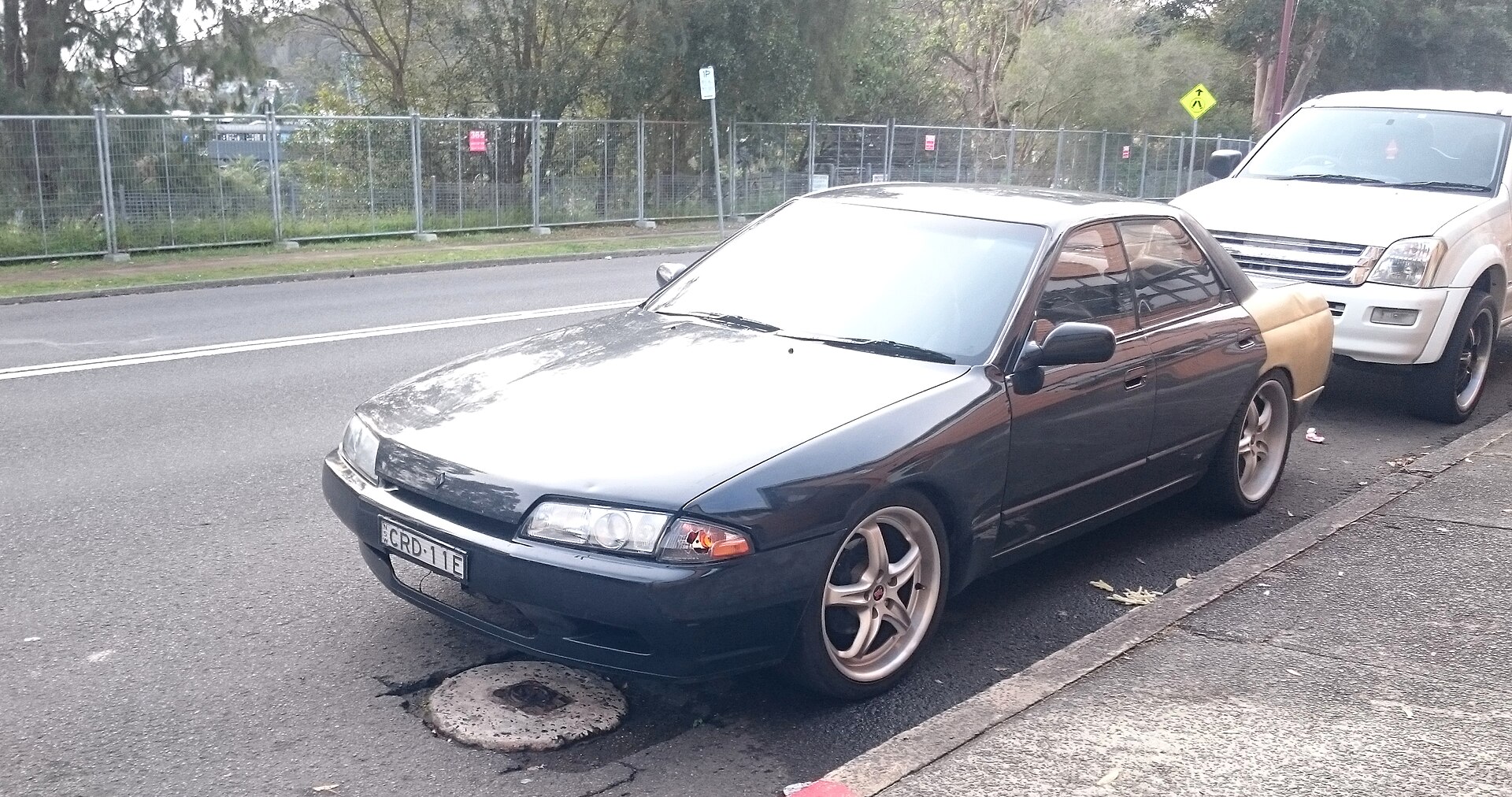
-
1985
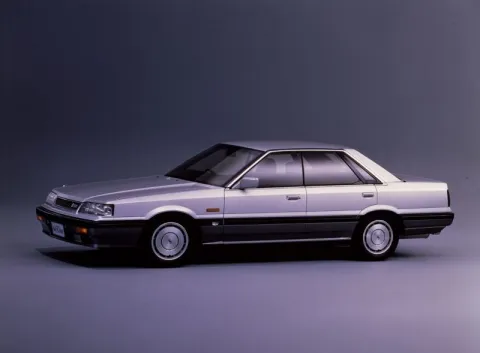 R31 1985–1989 · Sedan, Station wagon · 66–154 kW (90–209 PS)
-
1981
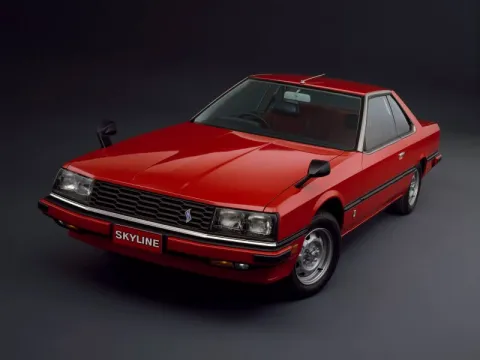 R30 1981–1985 · Sedan, Liftback · 77–151 kW (105–205 PS)
-
1977
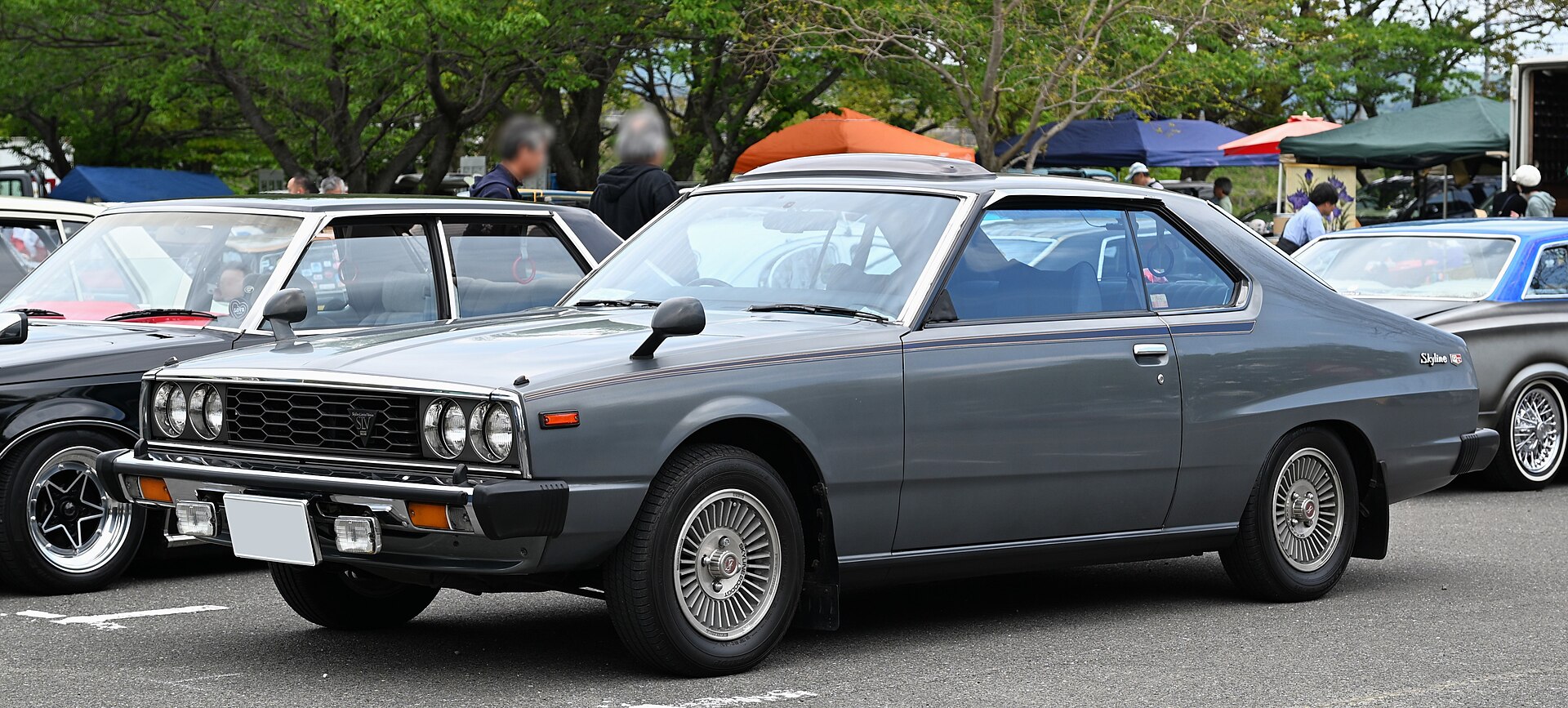
-
1972
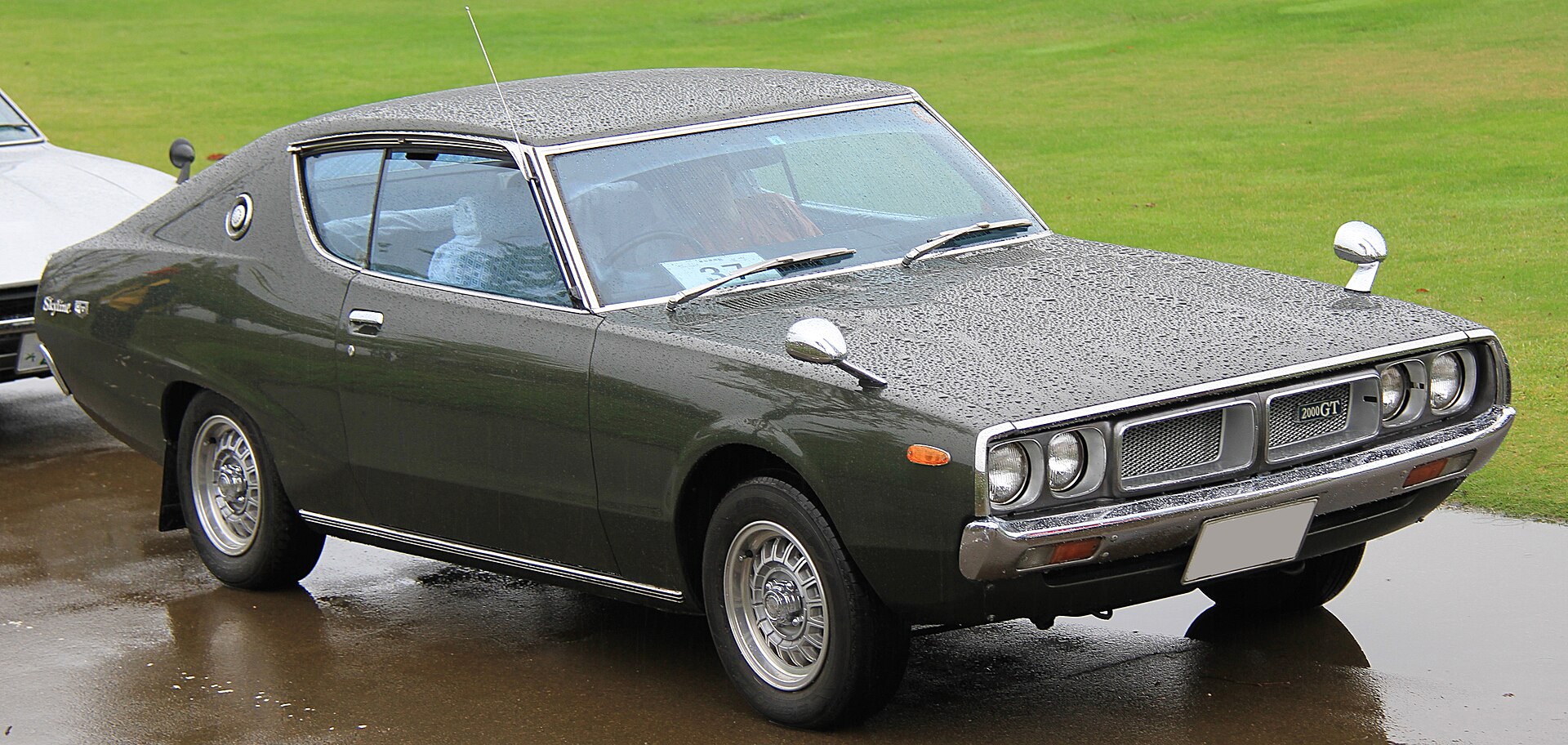
-
1968
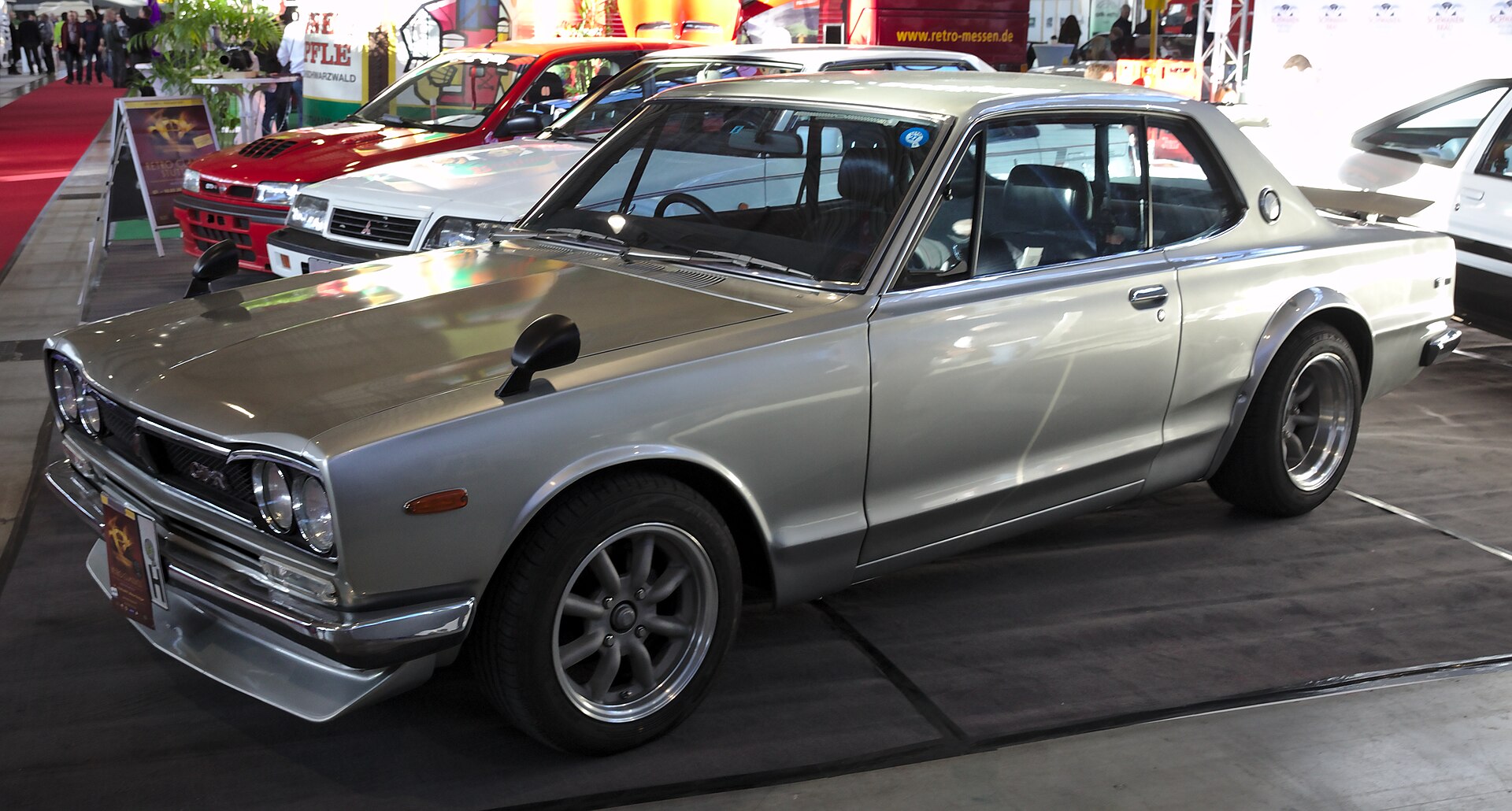
-
1963
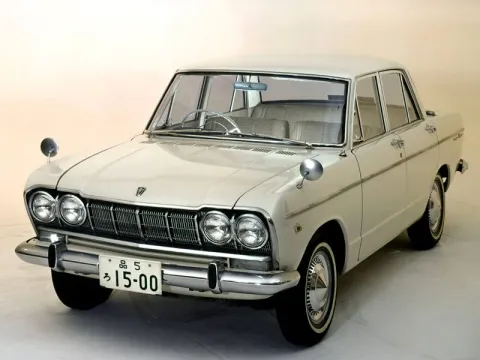 S50 1963–1968 · Sedan, Station wagon · 51–92 kW (69–125 PS)
-
1957


All generations by year: Skyline V37 (2014–now) · Skyline V36 (2006–2014) · Skyline V35 (2001–2006) · Skyline R34 (1998–2001) · Skyline R33 (1993–1998) · Skyline R32 (1989–1993) · Skyline R31 (1985–1989) · Skyline R30 (1981–1985) · Skyline C210 (1977–1981) · Skyline C110 (1972–1977) · Skyline C10 (1968–1972) · Skyline S50 (1963–1968) · Skyline ALSI (1957–1963)
The R34 is the tenth Nissan Skyline, launched in May 1998 as a coupé and a four-door saloon. It was shorter than the R33, used cleaner NEO versions of the RB six and, from January 1999, offered the final Skyline GT-R. Regular models were replaced by the V6 V35 in 2001, while the GT-R carried on until 2002 and ended with the Nür special editions.
In short
- Regular R34s from May 1998 to 2001; the BNR34 GT-R from 8 January 1999 until production ended in 2002.
- NEO RB engines from 114 kW (155 PS) to 206 kW (280 PS), with the RB26DETT GT-R also rated at 206 kW (280 PS).
- The GT-R gained a Getrag six-speed manual, 18-inch BBS wheels and a 5.8-inch multifunction display.
- About 11,500 GT-Rs were built; the rarest road versions are the M-spec, the Nür editions and the Nismo Z-tune.
Skyline R34 specs by version
Engines
| Version | Engine | Power | Torque | Drive |
|---|---|---|---|---|
| 2.0 RB20DE 114 kW (155 PS) | 2.0 l RB20DE | 114 kW 155 PS153 hp | — | Rear-wheel drive |
| RB25DE NEO | 2.5 l 2,498 cc | 147 kW 200 PS197 hp | 255 Nm188 lb-ft | Rear-wheel drive |
| RB26DETT | 2.6 l 2,568 cc | 206 kW 280 PS276 hp | 392 Nm289 lb-ft | All-wheel drive |
| GT-R | 2.6 l · 6 cyl · Petrol RB26DETT | 206 kW 280 PS276 hp | 392 Nm289 lb-ft | Rear-wheel drive |
Dimensions and weight
Show all 3 versions
| Version | Wheelbase | Kerb weight |
|---|---|---|
| RB25DE NEO | 2,665 mm104.9 in | 1,540 kg3,395 lb |
| RB26DETT | 2,665 mm104.9 in | 1,540 kg3,395 lb |
| GT-R | 2,665 mm104.9 in | 1,540 kg3,395 lb |
Verified Manufacturer and type-approval data from our catalog · Sources and methodology
A shorter, stiffer car than the R33
The R34 reversed part of the R33's growth. Japanese Wikipedia records the GT-R as 75 mm (3.0 in) shorter than the R33 GT-R, with a 55 mm (2.2 in) shorter wheelbase and a front-to-rear weight distribution of about 55:45. Auto-data.net lists the R34 wheelbase at 2,665 mm (104.9 in) for both the saloon and the GT-R.
Wikipedia adds that the shorter body came mainly from a reduced front overhang. The coupé and the four-door saloon were kept, but in Germany's Wikipedia entry the turbocharged GT-T is the only regular version noted as a saloon as well as a coupé.
The engines changed too. In May 1998 the RB range switched to the NEO cylinder head, with solid valve lifters, revised camshafts, smaller combustion chambers and lower emissions, which earned it Japan's low-emission vehicle (LEV) classification. The R34 was the last Skyline built around an inline six: its successor moved to V6 engines. The full guide to all Skyline generations traces that change.
Engines and the 280 PS ceiling
All R34 engines were 2.0 to 2.6-litre straight sixes. The table gives the rated outputs in kW, followed by the metric PS figure used in Japan.
| Engine | Versions | Displacement | Power | Torque | Drive |
|---|---|---|---|---|---|
| RB20DE NEO | GT | 1,998 cm³ (121.9 cu in) | 114 kW (155 PS) at 6,400 rpm | 186 Nm (137 lb-ft) | RWD |
| RB25DE NEO | 25GT | 2,498 cm³ (152.4 cu in) | 147 kW (200 PS) at 6,000 rpm | 255 Nm (188 lb-ft) at 4,000 rpm | RWD |
| RB25DET NEO | 25GT-t | 2.5 L turbo | 206 kW (280 PS) at 6,400 rpm | 343–362 Nm (sources differ) | RWD |
| RB26DETT | GT-R | 2,568 cm³ (156.7 cu in) twin-turbo | 206 kW (280 PS) at 6,800 rpm | 392 Nm (289 lb-ft) at 4,400 rpm | AWD |
The turbo 2.5-litre reached the same official 280 PS as the GT-R. That was the limit Japanese manufacturers had agreed not to exceed in published figures. Wikipedia says independent tests of the GT-R suggested about 244 kW (332 PS) at the flywheel, and that the Nür engine produced more than 246 kW (334 PS).
For the R34 GT-R, the RB26DETT's turbochargers moved to ball bearings while keeping ceramic exhaust wheels. Torque rose to 392 Nm, a figure that Japanese and German Wikipedia agree on.
Inside the BNR34 GT-R
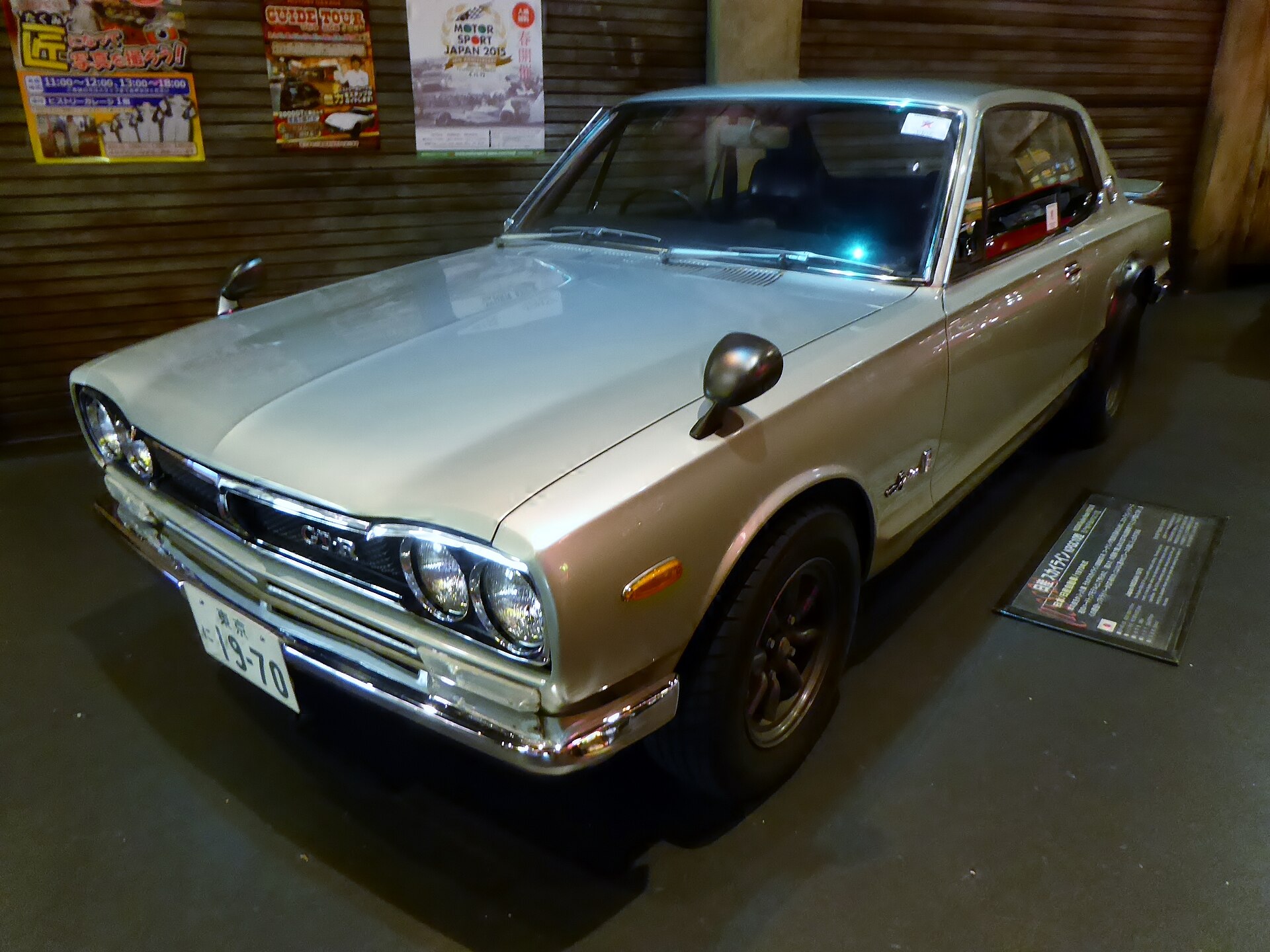
The GT-R was the car that defined the R34. Its six-speed manual was developed with the German company Getrag, replacing the five-speed of earlier GT-Rs. Brembo brakes stayed standard, now with gold calipers and larger mounting bolts, and the car ran on 245/40ZR18 tyres and forged 18 × 9J BBS wheels.
The most talked-about feature was the multifunction display. A 5.8-inch screen in the centre of the dashboard showed seven live readings, including boost pressure up to 1.2 bar; the V-spec added intake and exhaust gas temperatures. Nismo later sold an optional version with a lap timer and G-force meter.
ATTESA E-TS Pro, introduced on the R33 V-spec, appears in Wikipedia's account of the R34, although the page is inconsistent on whether base cars received it. Super HICAS was carried over with minor changes.
Performance claims vary. Wikipedia quotes 0 to 100 km/h in 4.4 seconds, while German Wikipedia gives about 4.9 seconds and a top speed limited to 180 km/h (112 mph). German Wikipedia lists a kerb weight of 1,540 kg (3,395 lb).
R34 dimensions
The table uses auto-data.net figures. GT-R length and wheelbase are consistent with the reductions from the R33 GT-R recorded on Japanese Wikipedia.
| Parameter | Metric | Imperial |
|---|---|---|
| Length, GT-R | 4,600 mm | 181.1 in |
| Length, saloon | 4,720 mm | 185.8 in |
| Width, GT-R | 1,785 mm | 70.3 in |
| Width, saloon | 1,725 mm | 67.9 in |
| Height, GT-R | 1,360 mm | 53.5 in |
| Height, saloon | 1,375 mm | 54.1 in |
| Wheelbase | 2,665 mm | 104.9 in |
| Kerb weight, GT-R | 1,540 kg | 3,395 lb |
Crash-test status
No Euro NCAP, IIHS or other independent crash-test result for the R34 was found in the sources checked for this page, so no rating is quoted. Without a published score, each imported example has to be judged on its condition, accident history and equipment.
From V-spec to Nür: R34 GT-R versions
German Wikipedia counts 64,623 R34s in total. GT-R figures are given as 11,578 by Wikipedia, excluding the Z-tune, and 11,344 by German Wikipedia.
- GT-R and V-spec (1999): the V-spec, with 4,193 built, has firmer suspension, lower ground clearance and a carbon rear diffuser. A Midnight Purple II colour was offered on 300 V-spec cars at launch, according to Japanese Wikipedia.
- V-spec II (2000): introduced with the 2000 update; 1,855 built, with a carbon-fibre bonnet and NACA duct, aluminium pedals and larger rear brake discs.
- M-spec (May 2001): 366 built, with ripple-control dampers, heated leather seats and an aluminium bonnet. The "M" refers to chief engineer Mizuno.
- V-spec II Nür and M-spec Nür (2002): announced on 24 January 2002 as a limited run of about 1,000 cars, with upgraded turbochargers, gold valve covers and a 300 km/h speedometer. Wikipedia counts 718 V-spec II Nür and 285 M-spec Nür.
- N1 versions: 38 V-spec N1 and 18 V-spec II N1, built as racing bases.
- Nismo Z-tune: Nismo rebuilt used GT-Rs with a 2.8-litre engine and Sachs suspension. Sources give about 368 or 373 kW (500 or 507 PS) and agree that fewer than 20 were completed.
Choosing an R34
Outside Japan, the R34 is mostly found as a used import. In the United States the 25-year import rule, which made the R32 eligible in 2014, reached the first R34 GT-Rs built in early 1999 in 2024.
- 25GT-t: rear-wheel drive with the same rated 206 kW (280 PS) as the GT-R, in coupé or saloon form.
- GT and 25GT: the naturally aspirated NEO sixes with 114 kW (155 PS) or 147 kW (200 PS), simpler cars without turbochargers.
- GT-R V-spec or V-spec II: the core performance versions, with V-spec chassis changes.
- M-spec and Nür: the rarest series-production GT-Rs and the most sought-after.
Among Japanese performance cars of its time, the R34 GT-R is usually set against the Toyota Supra and the Honda NSX. Its successor as Nissan's flagship performance car is the stand-alone Nissan GT-R (R35); other models are listed in the Nissan catalogue and among other Japanese cars.
Did you know?
- The Skyline R34 is generation 10 of 13 of the Nissan Skyline in our catalog.
- Built for only 3 years (1998–2001), it is the shortest-lived of the 13 generations in our catalog.
Image credits · Photos from Wikimedia Commons under free licences
- Nissan Skyline ALSI · Photo: TTTNIS / Wikimedia Commons, CC0
- Nissan Skyline S50 · Photo: TTTNIS / Wikimedia Commons, CC0
- Nissan Skyline C10 · Photo: Alexander Migl / Wikimedia Commons, CC BY-SA 4.0
- Nissan Skyline C110 · Photo: TTTNIS / Wikimedia Commons, CC0
- Nissan Skyline C210 · Photo: TTTNIS / Wikimedia Commons, CC0
- Nissan Skyline R30 · Photo: 先従隗始 / Wikimedia Commons, CC0
- Nissan Skyline R31 · Photo: V-Hantarex / Wikimedia Commons, CC BY 4.0
- Nissan Skyline R32 · Photo: FotoSleuth / Wikimedia Commons, CC BY 2.0
- Nissan Skyline R33 · Photo: OSX / Wikimedia Commons, Public domain
- Nissan Skyline R34 · Photo: Timmie Ahl / Unsplash
- Nissan Skyline V35 · Photo: Guillaume Vachey from Chalon sur Saone, France / Wikimedia Commons, CC0
- Nissan Skyline V36 · Photo: TTTNIS / Wikimedia Commons, Public domain
- Nissan Skyline V37 · Photo: Tokumeigakarinoaoshima / Wikimedia Commons, CC BY-SA 4.0
R34 rivals
-
Ended 2026
- Years
- 1978–2026
- Body
- Liftback, Coupe
- Fuel
- Petrol
- Power
- 82–320 kW (111–435 PS)
5 generations
- A40/A50
- A60
- A70
- A80
- A90
-
Ended 2002
- Years
- 1978–2002
- Body
- Coupe, Convertible
- Fuel
- Petrol
- Power
- 75–206 kW (102–280 PS)
3 generations
- FB
- FC
- FD


Popular comparisons
FAQ
When was the Nissan Skyline R34 produced?
Regular R34s were launched in May 1998 and replaced by the V35 in 2001. The GT-R was introduced on 8 January 1999 and built until 2002, with sources giving August or November 2002 as the end.
How much horsepower does the R34 GT-R really have?
It was rated at 206 kW (280 PS) under the Japanese makers' agreement on published power. Wikipedia says tests suggested about 244 kW (332 PS) at the flywheel.
What does NISMO mean on an R34?
Nismo is Nissan's motorsport and tuning division. For the R34 it supplied parts such as an extended multifunction display and built the Z-tune, a rebuilt GT-R with a 2.8-litre engine and about 368 kW (500 PS), of which fewer than 20 were made.
What is the difference between the R34 V-spec and V-spec II?
The V-spec has firmer suspension and aerodynamic parts including a carbon rear diffuser. The V-spec II, from 2000, adds a carbon-fibre bonnet with a NACA duct and larger rear brake discs.
How many R34 GT-Rs were made?
Sources give 11,578 or 11,344, so about 11,500, not counting the Nismo Z-tune. The Nür editions account for about 1,000 of them.
Data sources
Data checked by an editor against the sources below.
- 1cars archive: Nissan Skyline: Generations, Specs and History
- The text of this article (1cars archive)
- Wikipedia — Nissan Skyline
- Wikipedia — Nissan Skyline GT R
- Wikipedia — Nissan RB engine