 Nissan Skyline C210 (1977–1981)
Specs, engines, safety and known problems
Published Sources (4) Report an error
By Sarah Whitmore, Senior Automotive Writer Reviewed by Felix Hartmann
- Power
- 48–107 kW (65–145 PS)
- Generation
- 5 of 13
Model timeline
Where the C210 sits in the Skyline story
Predecessor Skyline C110 (1972–1977) Successor Skyline R30 (1981–1985)
Newest first · 13 generations since 1957
-
2014
-
2006
-
2001
 V35 2001–2006 · Sedan, Coupe · 158–206 kW (215–280 PS)
-
1998
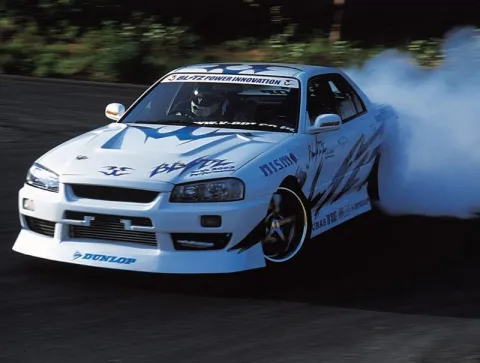 R34 1998–2001 · 114–206 kW (155–280 PS)
-
1993
-
1989
-
1985
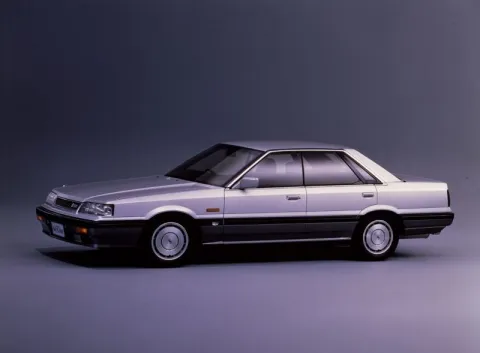 R31 1985–1989 · Sedan, Station wagon · 66–154 kW (90–209 PS)
-
1981
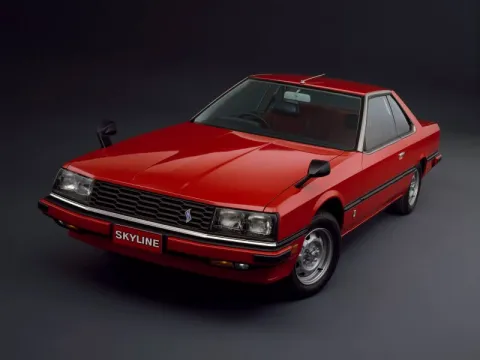 R30 1981–1985 · Sedan, Liftback · 77–151 kW (105–205 PS)
-
1977
-
1972
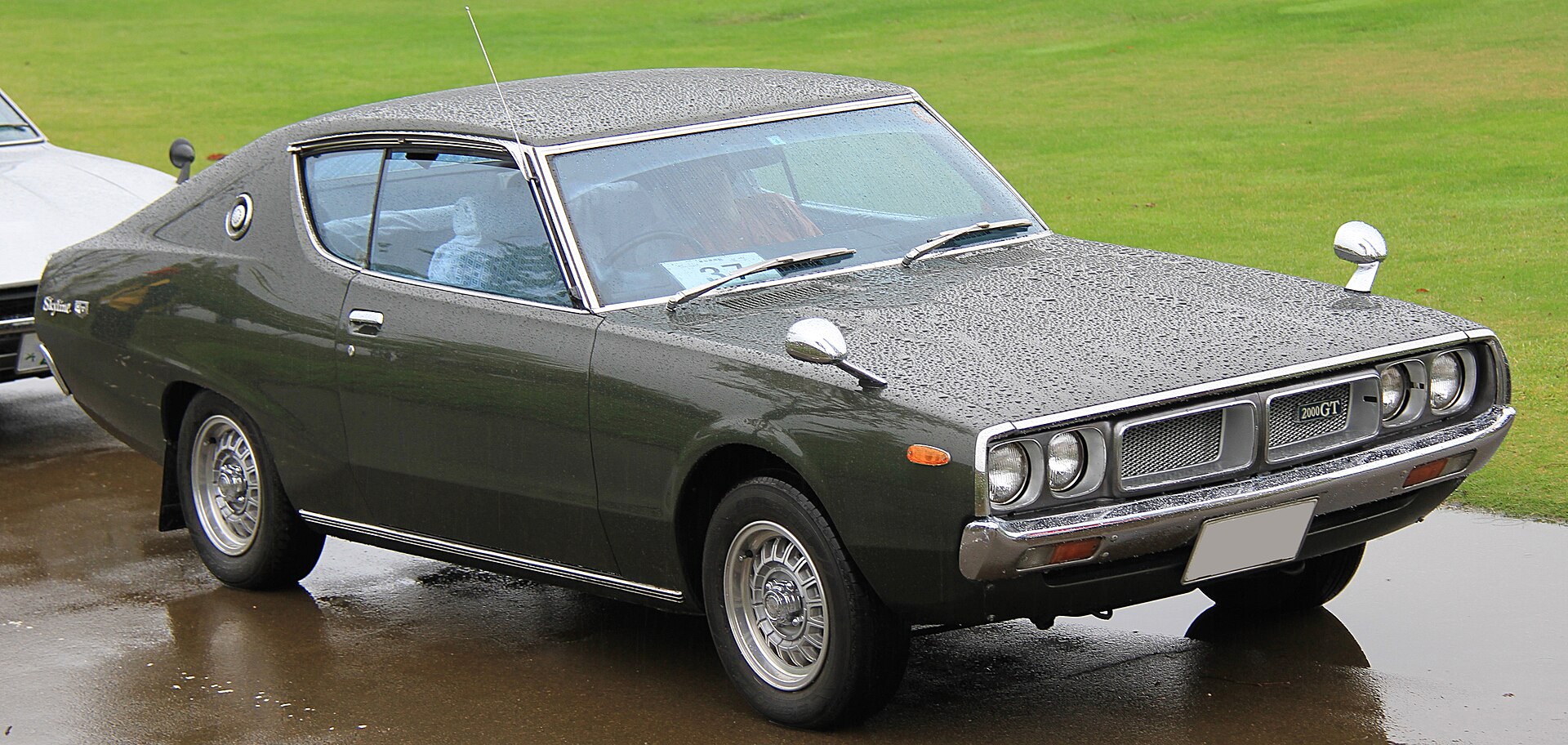
-
1968
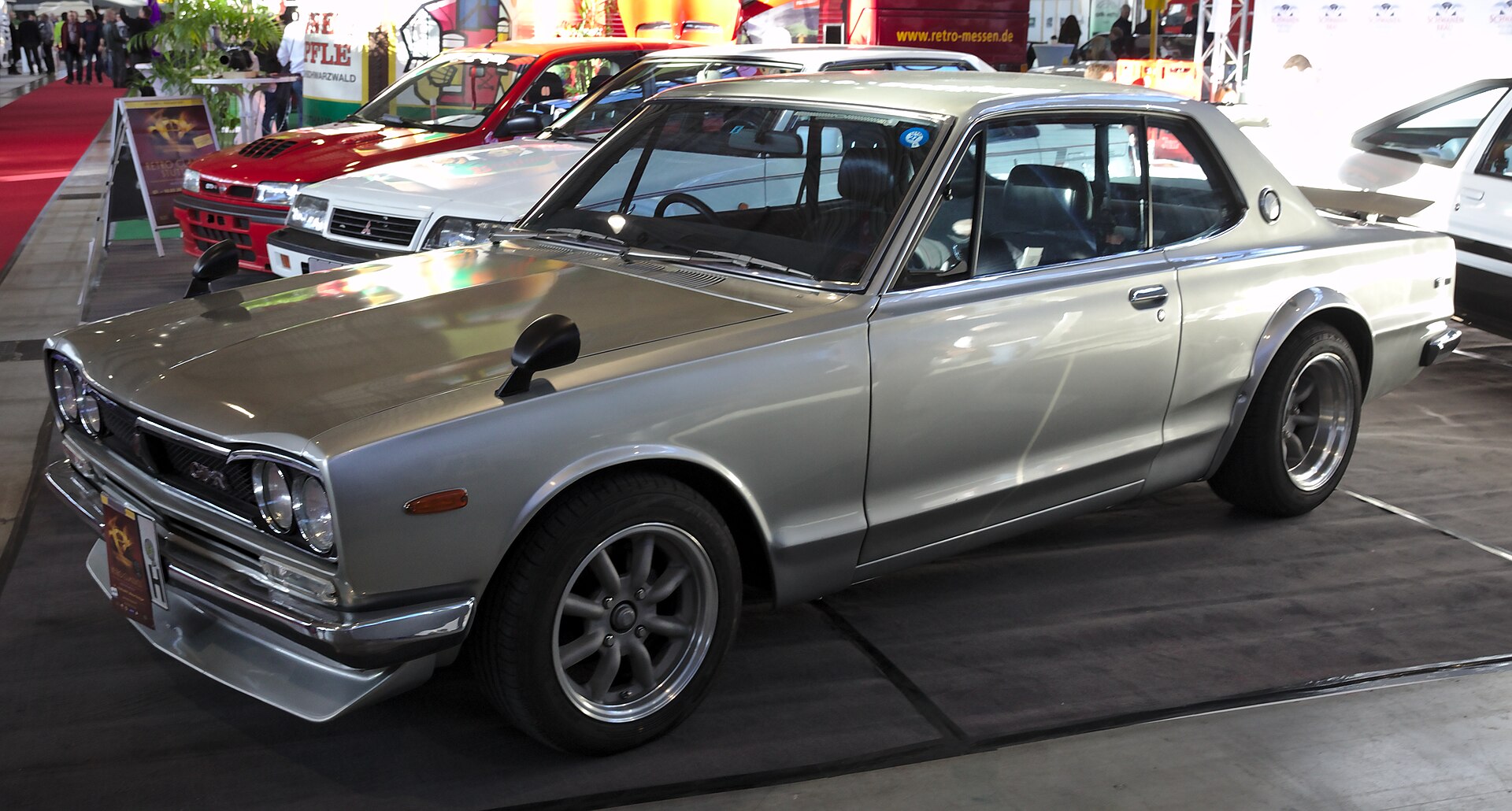
-
1963
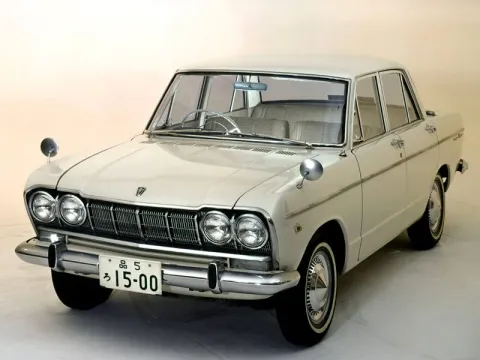 S50 1963–1968 · Sedan, Station wagon · 51–92 kW (69–125 PS)
-
1957


All generations by year: Skyline V37 (2014–now) · Skyline V36 (2006–2014) · Skyline V35 (2001–2006) · Skyline R34 (1998–2001) · Skyline R33 (1993–1998) · Skyline R32 (1989–1993) · Skyline R31 (1985–1989) · Skyline R30 (1981–1985) · Skyline C210 (1977–1981) · Skyline C110 (1972–1977) · Skyline C10 (1968–1972) · Skyline S50 (1963–1968) · Skyline ALSI (1957–1963)
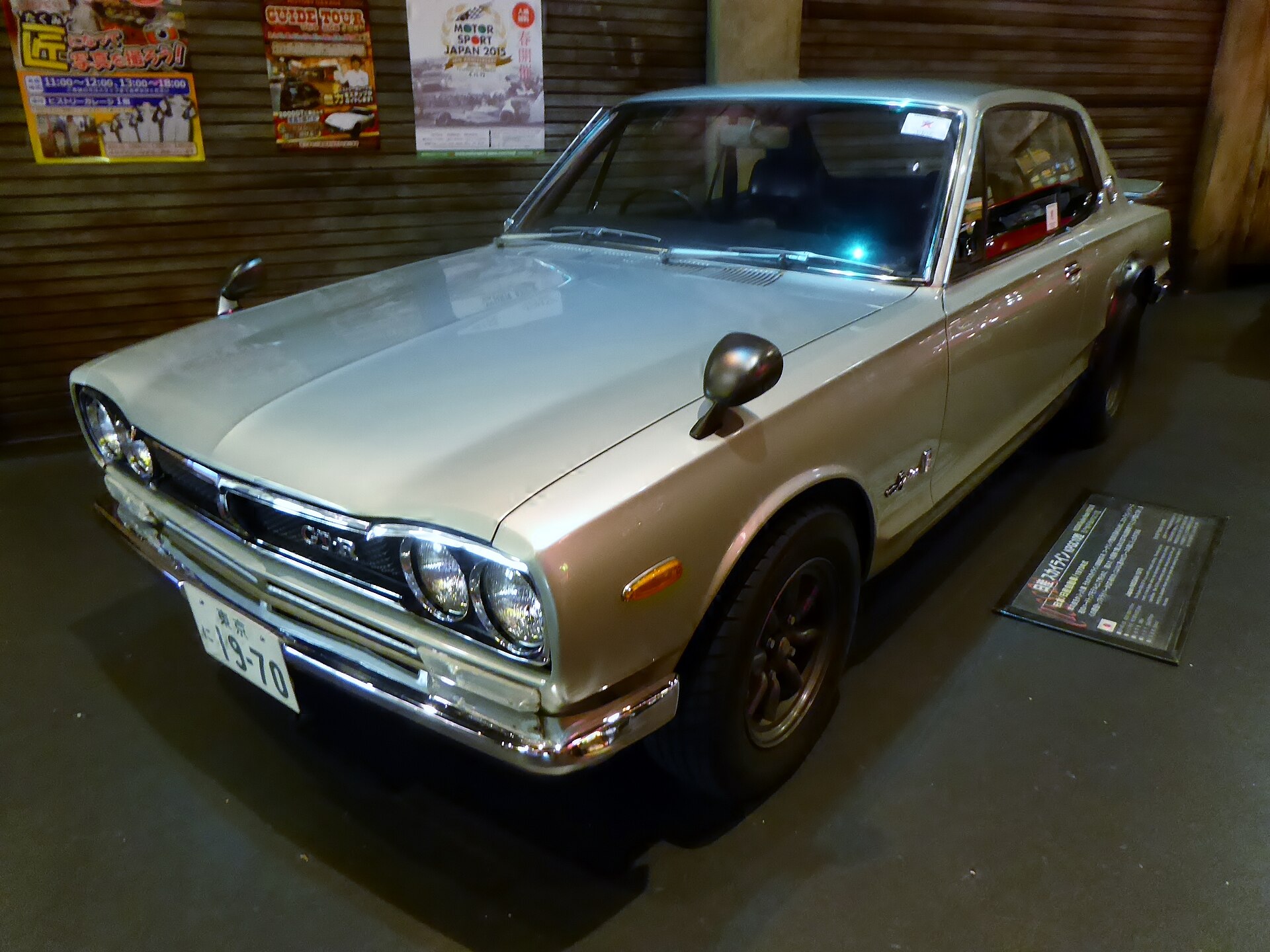
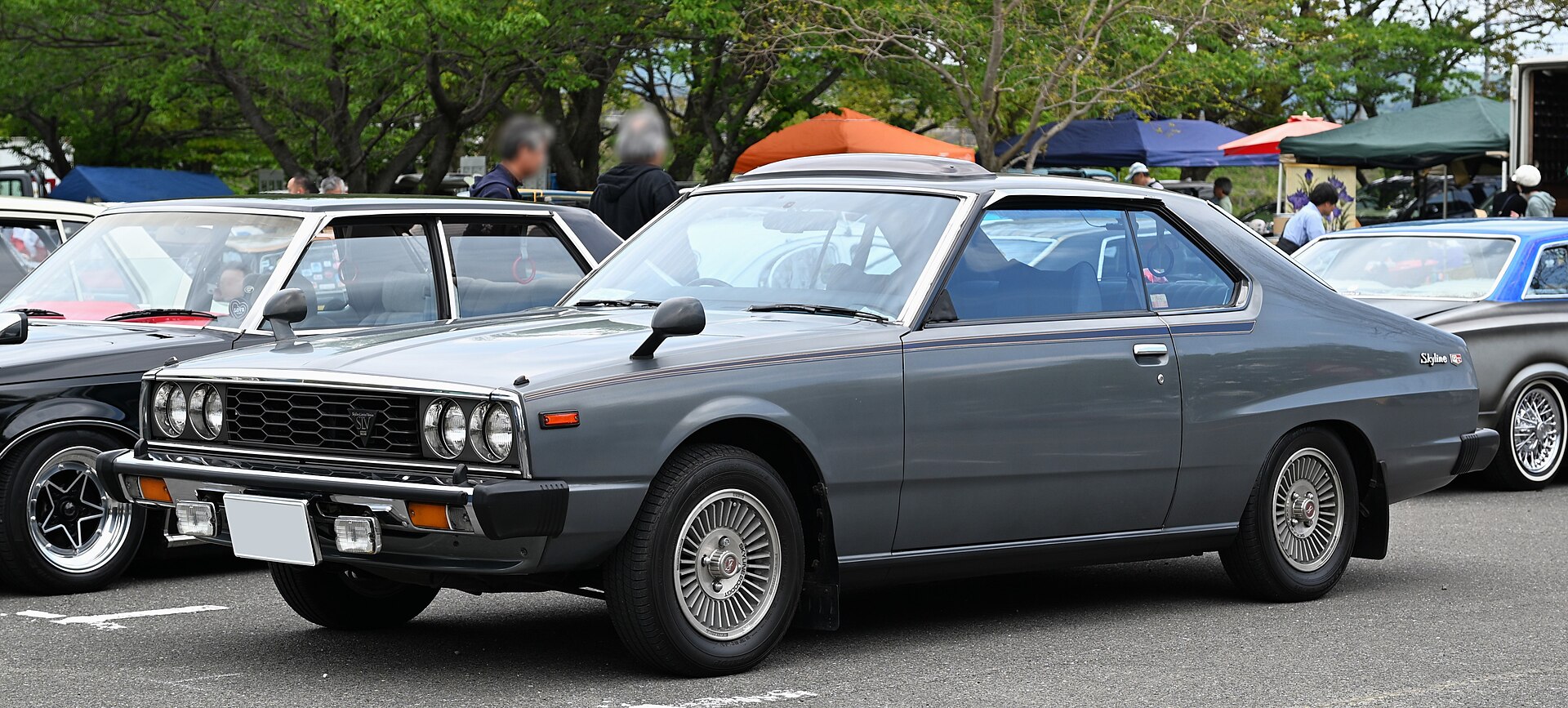
The C210 is the fifth-generation Nissan Skyline, built in Japan from August 1977 to August 1981. It brought back sharper lines after the rounded Kenmeri, split the range clearly into four-cylinder TI and six-cylinder GT models, and in April 1980 introduced the first turbocharged Skyline, the 2000GT with the L20ET. In Germany the coupé was sold as the Datsun Skyline.
In short
- Built from August 1977 to August 1981; 539,727 cars of the C210 and facelifted C211 were produced.
- Japanese engines ranged from 1.6-litre fours with 70–74 kW (95–100 PS) to the L20ET turbo six with 107 kW (145 PS); a 2.8-litre diesel six arrived in June 1980.
- There was no GT-R: emissions rules took priority, and the L20ET had neither an intercooler nor a blow-off valve.
- Germany received the coupé as the Datsun Skyline from October 1978 to July 1981, with a fuel-injected 2.4-litre six rated at 96 kW (130 PS).
Skyline C210 specs by version
Engines
| Version | Engine | Power | Torque | Production years |
|---|---|---|---|---|
| Diesel · 2 versions | ||||
| 2.0 LD20 48 kW (65 PS) | 2.0 l · Diesel LD20 | 48 kW 65 PS64 hp | — | — |
| LD28 diesel six | 2.8 l · Diesel LD28 | 67 kW 91 PS90 hp | — | 1980 |
| Petrol · 1 version | ||||
| L20ET six, turbo | 2.0 l · 6 cyl · Petrol L20ET | 107 kW 145 PS143 hp | 206 Nm152 lb-ft | 1980 |
| Other · 8 versions | ||||
| L16 / Z16 four | 1.6 l 1,600 cc | — | 132 Nm97 lb-ft | — |
| Z18 four | 1.8 l 1,800 cc | 77 kW 105 PS103 hp | 147 Nm108 lb-ft | — |
| 2.4 83 kW (113 PS) | 2.4 l 2,400 cc | 83 kW 113 PS111 hp | — | — |
| Z18E four, fuel injection | 1.8 l 1,800 cc | 85 kW 116 PS114 hp | 152 Nm112 lb-ft | — |
| L20 six | 2.0 l 1,998 cc | 85 kW 116 PS114 hp | 162 Nm119 lb-ft | — |
| L20E six, fuel injection | 2.0 l 1,998 cc | 96 kW 131 PS129 hp | 167 Nm123 lb-ft | 1978 |
| L24E six, fuel injection | 2.4 l 2,400 cc | 96 kW 131 PS129 hp | — | 1978 |
| L20ET 103 kW (140 PS) | L20ET | 103 kW 140 PS138 hp | — | — |
Performance
Show all 1 versions
| Version | 0–100 km/h |
|---|---|
| 2.4 83 kW (113 PS) | 13.5 s 0–62 mph |
Verified Manufacturer and type-approval data from our catalog · Sources and methodology
Back to sharp lines after the Kenmeri
Nissan's heritage notes say the C210 returned to the crisper styling of the C10 after the softer C110. It kept the four round tail lamps on the GT, and the Japanese market gave it the nickname "Japan", taken from the advertising slogan that called it a great car made in Japan.
The bigger change was the way the range was organised. The C110 had already used a longer nose for its sixes; the C210 made the split explicit. TI models had four-cylinder engines on a 2,515 mm (99.0 in) wheelbase, while GT models had straight-sixes, a longer front end and a 2,615 mm (103.0 in) wheelbase. German Wikipedia adds that the two lines had different grilles and tail lamps.
The C210 arrived when Japanese emissions limits were among the strictest in the world. Nissan's own description says performance gains stalled in this period, and the range was revised in 1978 to comply, with the model code changing to C211. That context explains why the C210 has no GT-R and why its most important engine was a turbo rather than a twin-cam.
For the full timeline, the Nissan Skyline overview of all generations shows the C210 between the C110 and the FJ20-powered R30.
Saloon, hardtop and estate bodies
The C210 came as a four-door saloon, a two-door hardtop coupé and a five-door estate or light van. Transmissions were four- and five-speed manuals, a three-speed automatic and, on basic models and vans, a column-shift three-speed manual.
Equipment rose with the trim letters. According to German Wikipedia, the top GT-E S and TI-E S had disc brakes on all four wheels, a rear wiper and headlamp washers, with the L and X trims below them. Nissan's data for the 2000GT-E L lists front discs, rear drums and 185/70HR14 tyres.
The C211 revision
Dates for the update vary between sources. Nissan's heritage pages and English Wikipedia place the change to C211 in 1978, when the four-cylinder L-series engines gave way to the cleaner Z-series. German Wikipedia records a facelift in July 1979 that gave the GT rectangular headlamps and a new grille, while the TI kept round twin lamps.
L20ET, L20E and the four-cylinder range
The table lists the main engines. Outputs are rated figures in kW, followed by the metric PS figure quoted by the source; Japanese figures of this period are usually gross ratings.
| Engine | Versions | Displacement | Power | Torque |
|---|---|---|---|---|
| L16 / Z16 four | 1600TI | 1.6 L | 74 kW (100 PS) / 70 kW (95 PS) | 132 Nm (97 lb-ft) |
| Z18 four | 1800TI | 1.8 L | 77 kW (105 PS) | 147 Nm (108 lb-ft) |
| Z18E four, fuel injection | 1800TI-E | 1.8 L | 85 kW (115 PS) | 152 Nm (112 lb-ft) |
| L20 six | 2000GT | 1,998 cm³ (121.9 cu in) | 85 kW (115 PS) at 5,600 rpm | 162 Nm (119 lb-ft) at 3,600 rpm |
| L20E six, fuel injection | 2000GT-E | 1,998 cm³ (121.9 cu in) | 96 kW (130 PS) at 6,000 rpm | 167 Nm (123 lb-ft) at 4,000 rpm |
| L20ET six, turbo | 2000GT-E Turbo (from April 1980) | 1,998 cm³ (121.9 cu in) | 107 kW (145 PS) | 206 Nm (152 lb-ft) |
| LD28 diesel six | 2800 GT-Diesel (from June 1980) | 2.8 L | 67 kW (91 PS) | — |
| L24E six, fuel injection | Datsun Skyline coupé (Germany) | 2.4 L | 96 kW (130 PS) | — |
Nissan's page on a 1980 2000GT lists the GT-E at 92 kW (125 PS) for the C211, while its 1979 car and Wikipedia give 96 kW (130 PS), so the GT-E output appears to have dropped with the later emissions update. A 2.0-litre Z20E four and an LD20 diesel for the van (48 kW, 65 PS) completed the line-up, according to English Wikipedia.
How the L20ET worked
The turbo version used the existing single-cam L20 six with fuel injection and a turbocharger, but no intercooler and no blow-off valve. The aim was more mid-range pull rather than a high peak: torque rose from 167 Nm (123 lb-ft) in the L20E to 206 Nm (152 lb-ft). English and German Wikipedia both record it as the first turbocharged Skyline, and Nissan's heritage data lists the Turbo GT-E at 145 PS. Its successor, the R30, kept the turbo idea and added an intercooler in later years.
Dimensions of the TI and GT
Figures for the six-cylinder 2000GT saloon (HGC211) come from the Nissan Heritage Collection; the four-cylinder values are from English Wikipedia.
| Parameter | Metric | Imperial |
|---|---|---|
| Length, 2000GT saloon | 4,600 mm | 181.1 in |
| Length, four-cylinder TI | 4,400 mm | 173.2 in |
| Width, 2000GT | 1,625 mm | 64.0 in |
| Height, 2000GT | 1,390 mm | 54.7 in |
| Wheelbase, GT / TI | 2,615 / 2,515 mm | 103.0 / 99.0 in |
| Track, 2000GT front / rear | 1,370 / 1,350 mm | 53.9 / 53.1 in |
| Kerb weight, 2000GT / 2000GT-E L | 1,185 / 1,190 kg | 2,612 / 2,623 lb |
| Kerb weight, TI range | 1,050–1,160 kg | 2,315–2,557 lb |
Brakes and equipment by trim
Formal crash testing did not exist for cars of this age, and no independent safety rating was found for the C210. The useful distinction is between trims: only the S versions had rear discs, and the lower L and X grades relied on rear drums. When comparing cars, the trim letter on the badge is therefore a reasonable guide to the braking hardware fitted at the factory.
The Datsun Skyline in Germany
The C210 is the generation that brought the Skyline name to German showrooms. German Wikipedia records the coupé as the top Datsun model there from October 1978 to July 1981, with a 2.4-litre six fitted with Bosch L-Jetronic injection, 96 kW (130 PS), and a five-speed manual or three-speed automatic. English Wikipedia lists a 240K-GT version with 83 kW (113 PS DIN), a claimed 180 km/h (112 mph) and 0 to 100 km/h in 13.5 seconds, and notes that the 2.4-litre six was never offered in Japan.
Which C210 versions to look for
- 2000GT-E Turbo (from April 1980): the historically significant one, as the first Skyline turbo. Its role in the Japanese police drama Seibu Keisatsu added to its fame, and replicas of those cars exist.
- 2000GT-E S: the best-equipped non-turbo GT, with four-wheel discs and the 130 PS fuel-injected six.
- 2000GT: the carburettor six with 85 kW (115 PS), simpler and lighter than the injected versions.
- Datsun Skyline coupé (Germany): the European-market car with the 2.4-litre injected six.
Buyers looking at period rivals might compare it with the first Toyota Supra, which also paired a straight-six with a sporting coupé body. The Nissan model catalogue and the overview of Japanese cars list related models, and the maker's story is in the history of Nissan.
Did you know?
- The Skyline C210 is generation 5 of 13 of the Nissan Skyline in our catalog.
- The Skyline C210 offers up to 107 kW (145 PS) — 11 kW less than the Skyline C110 (1972–1977) (−9%).
Image credits · Photos from Wikimedia Commons under free licences
- Nissan Skyline ALSI · Photo: TTTNIS / Wikimedia Commons, CC0
- Nissan Skyline S50 · Photo: TTTNIS / Wikimedia Commons, CC0
- Nissan Skyline C10 · Photo: Alexander Migl / Wikimedia Commons, CC BY-SA 4.0
- Nissan Skyline C110 · Photo: TTTNIS / Wikimedia Commons, CC0
- Nissan Skyline C210 · Photo: TTTNIS / Wikimedia Commons, CC0
- Nissan Skyline R30 · Photo: 先従隗始 / Wikimedia Commons, CC0
- Nissan Skyline R31 · Photo: V-Hantarex / Wikimedia Commons, CC BY 4.0
- Nissan Skyline R32 · Photo: FotoSleuth / Wikimedia Commons, CC BY 2.0
- Nissan Skyline R33 · Photo: OSX / Wikimedia Commons, Public domain
- Nissan Skyline R34 · Photo: Timmie Ahl / Unsplash
- Nissan Skyline V35 · Photo: Guillaume Vachey from Chalon sur Saone, France / Wikimedia Commons, CC0
- Nissan Skyline V36 · Photo: TTTNIS / Wikimedia Commons, Public domain
- Nissan Skyline V37 · Photo: Tokumeigakarinoaoshima / Wikimedia Commons, CC BY-SA 4.0
C210 rivals
-
Ended 2026
- Years
- 1978–2026
- Body
- Liftback, Coupe
- Fuel
- Petrol
- Power
- 82–320 kW (111–435 PS)
5 generations
- A40/A50
- A60
- A70
- A80
- A90
-
Ended 2002
- Years
- 1978–2002
- Body
- Coupe, Convertible
- Fuel
- Petrol
- Power
- 75–206 kW (102–280 PS)
3 generations
- FB
- FC
- FD


Popular comparisons
FAQ
Was the C210 the first turbocharged Skyline?
Yes. The 2000GT-E Turbo with the L20ET engine went on sale in April 1980, rated at 107 kW (145 PS) and 206 Nm (152 lb-ft).
Did the C210 Skyline have a GT-R?
No. After the KPGC110 of 1973 the GT-R name disappeared until the R32 of 1989. The C210's top model was the turbocharged 2000GT-E.
What is the difference between the C210 TI and GT?
TI models have four-cylinder engines and a 2,515 mm (99.0 in) wheelbase. GT models have straight-sixes, a longer nose and a 2,615 mm (103.0 in) wheelbase.
Was there a diesel C210 Skyline?
Yes. A 2.8-litre LD28 diesel six with 67 kW (91 PS) was added in June 1980, and vans could have a 2.0-litre LD20 diesel.
How many C210 Skylines were built?
Wikipedia gives 539,727 cars for the C210 and C211 between 1977 and 1981.
Data sources
Data checked by an editor against the sources below.
- 1cars archive: Nissan Skyline: Generations, Specs and History
- The text of this article (1cars archive)
- Wikipedia — Nissan Skyline
- Nissan — Skyline H T