 Nissan Skyline C110 (1972–1977)
Specs, engines, safety and known problems
Published Sources (2) Report an error
By Sarah Whitmore, Senior Automotive Writer Reviewed by Felix Hartmann
- Power
- 74–118 kW (101–160 PS)
- Generation
- 4 of 13
Model timeline
Where the C110 sits in the Skyline story
Predecessor Skyline C10 (1968–1972) Successor Skyline C210 (1977–1981)
Newest first · 13 generations since 1957
-
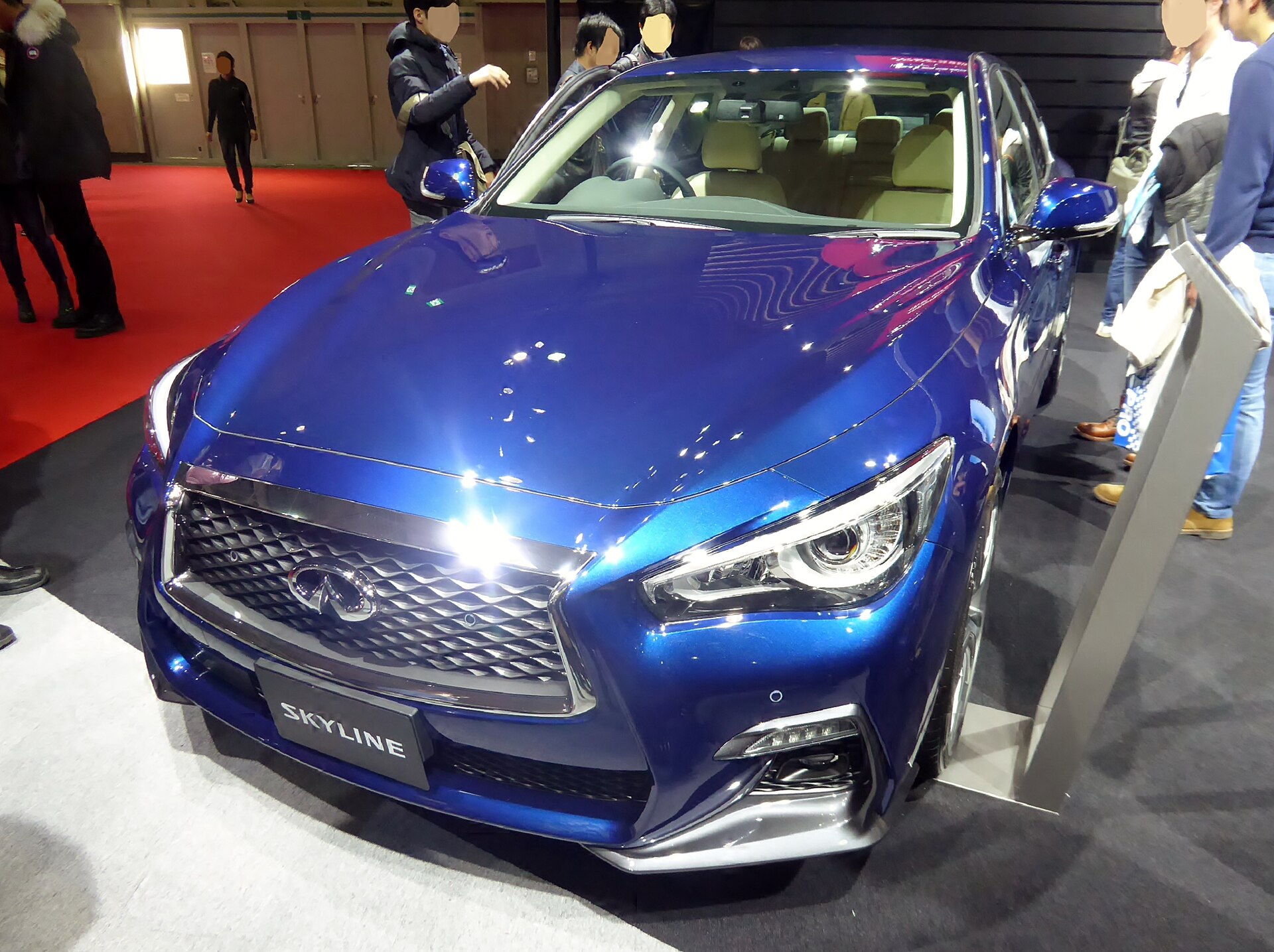
2014
-
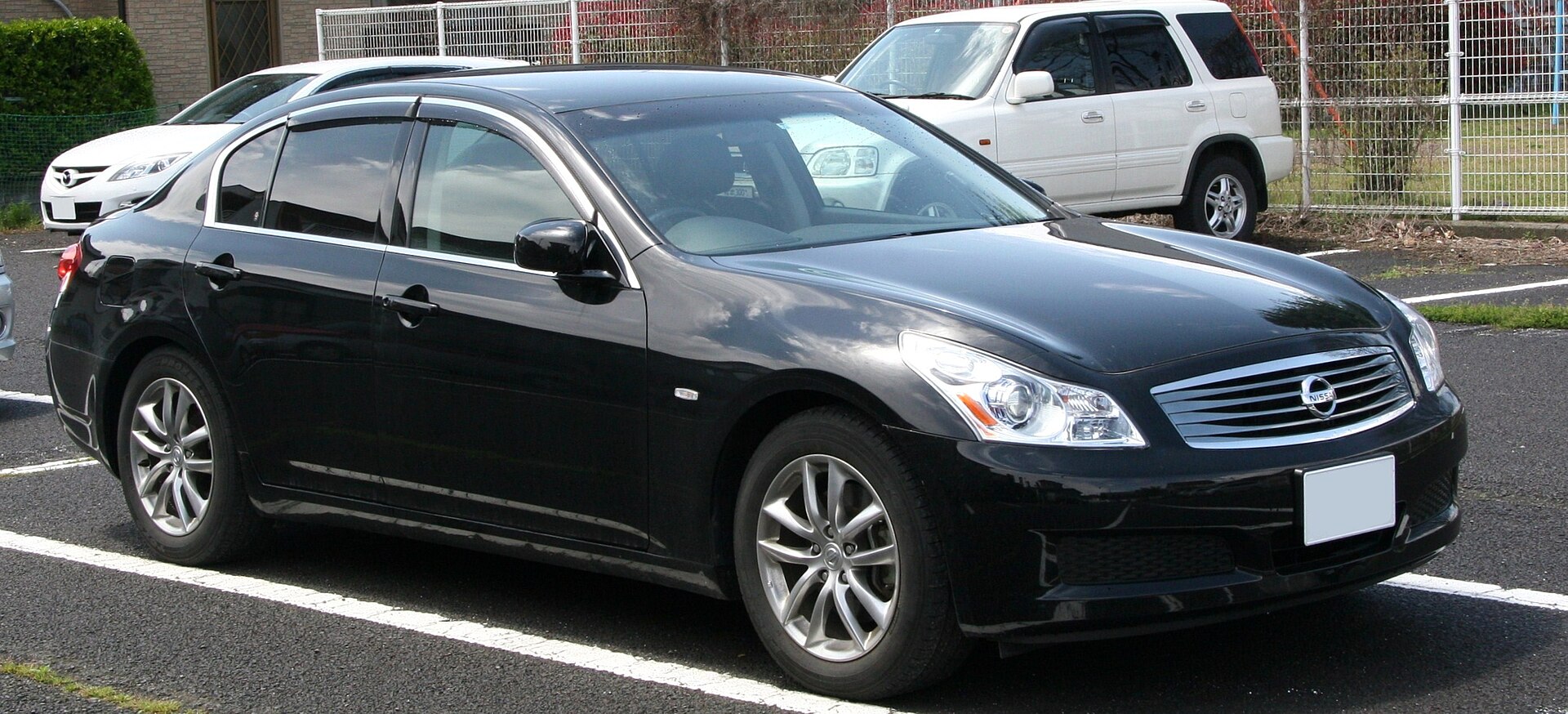
2006
-
2001
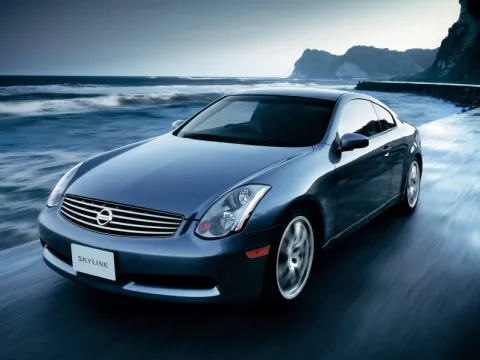 V35 2001–2006 · Sedan, Coupe · 158–206 kW (215–280 PS)
-
1998
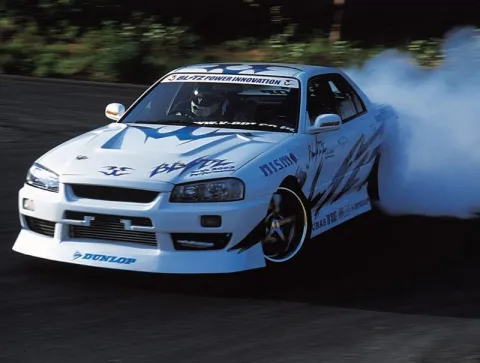 R34 1998–2001 · 114–206 kW (155–280 PS)
-
1993
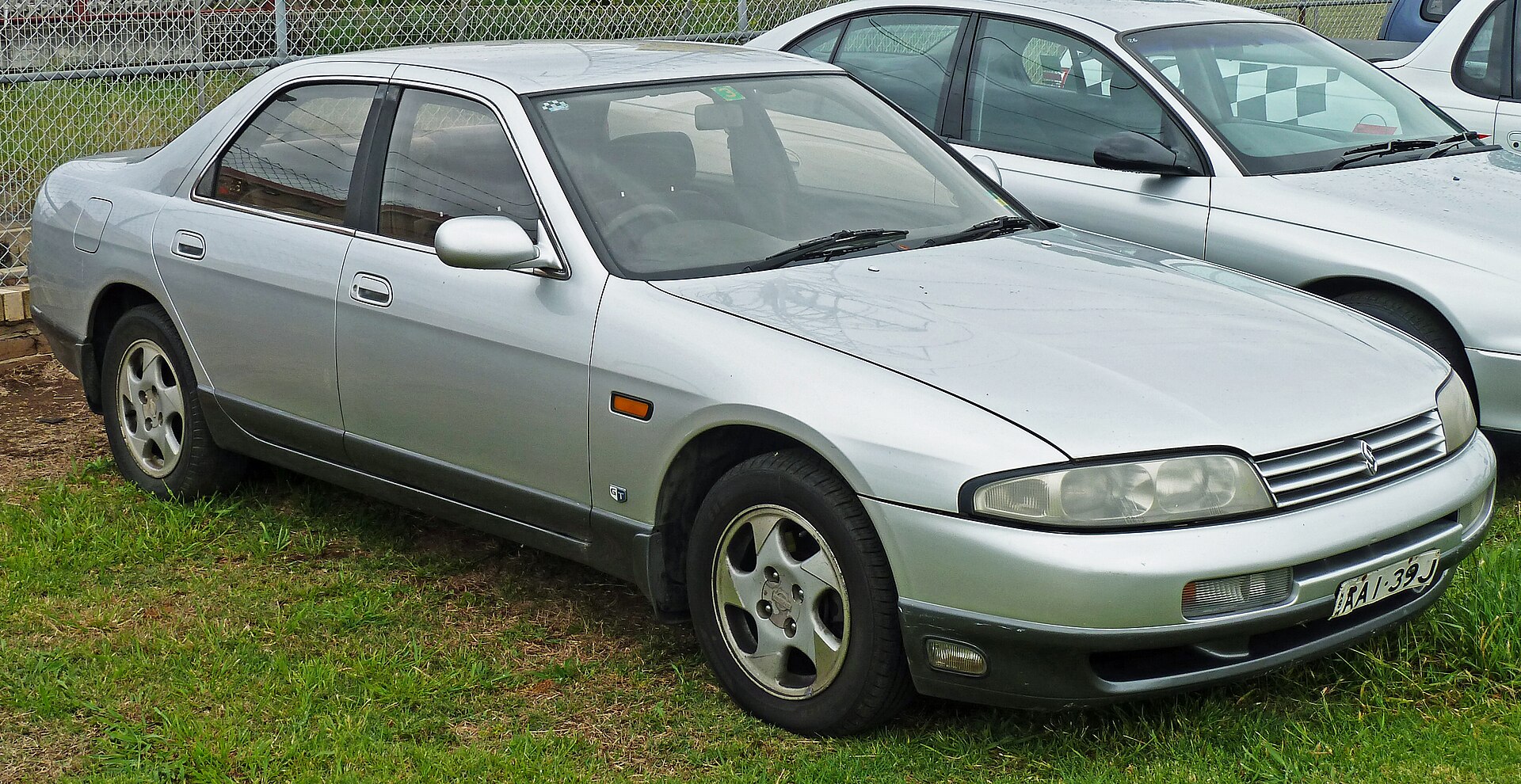
-
1989
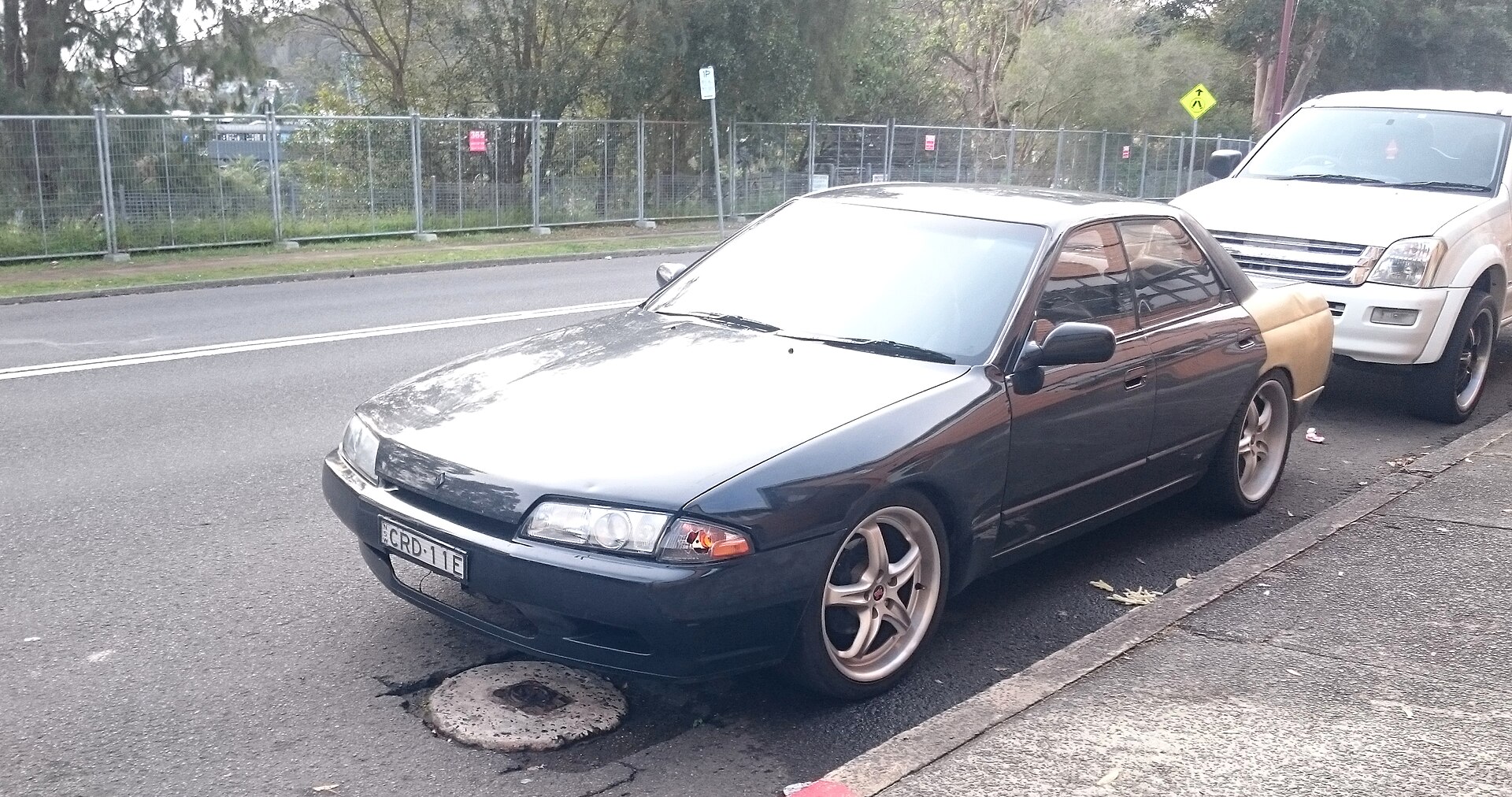
-
1985
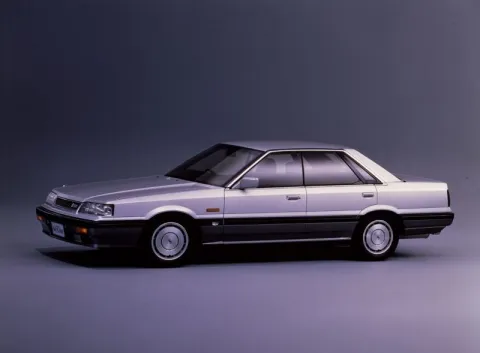 R31 1985–1989 · Sedan, Station wagon · 66–154 kW (90–209 PS)
-
1981
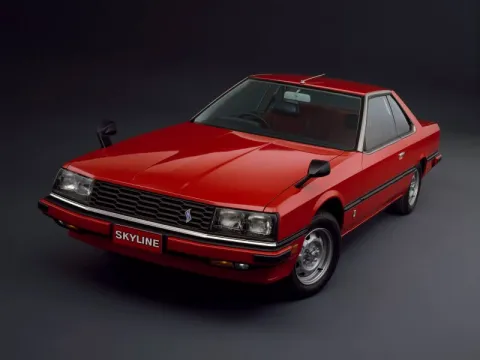 R30 1981–1985 · Sedan, Liftback · 77–151 kW (105–205 PS)
-
1977
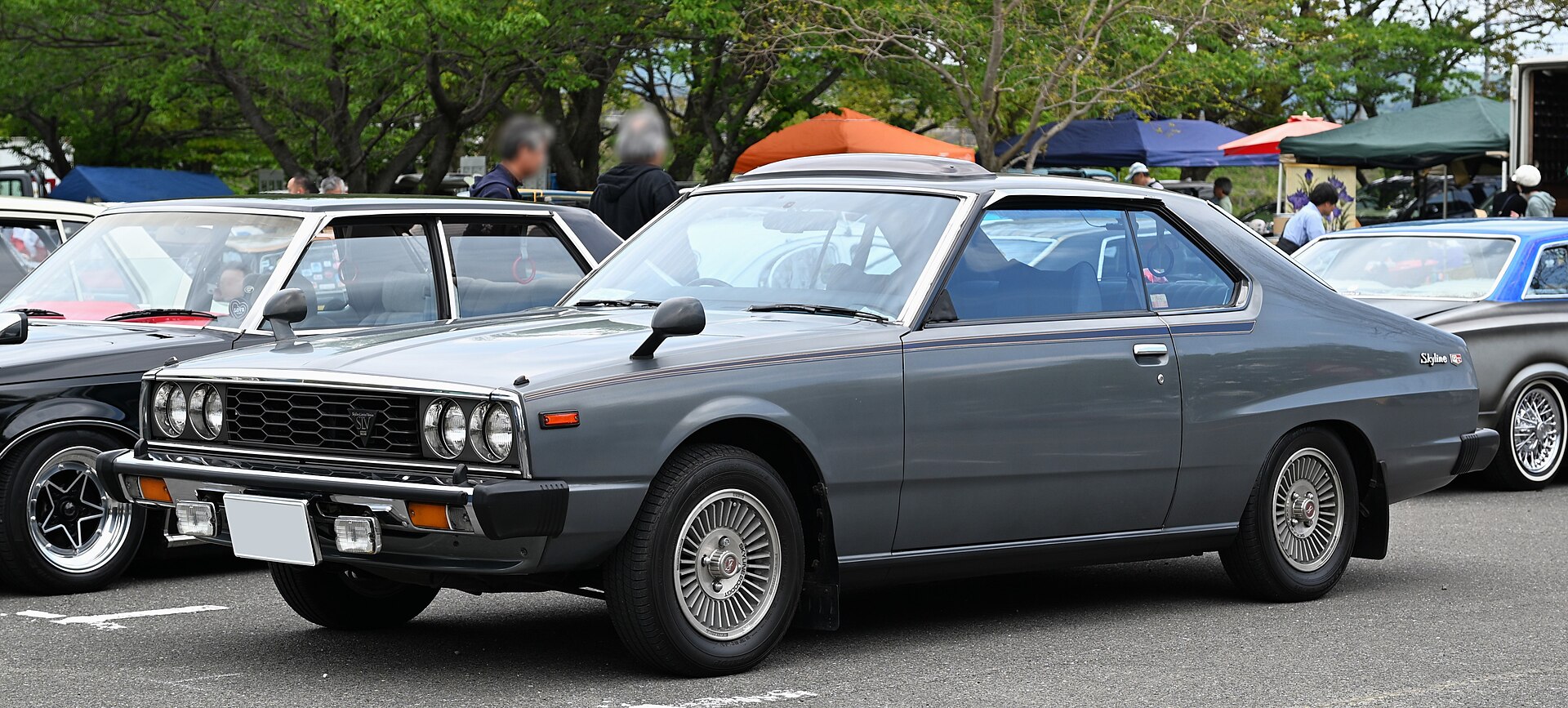
-
1972
-
1968
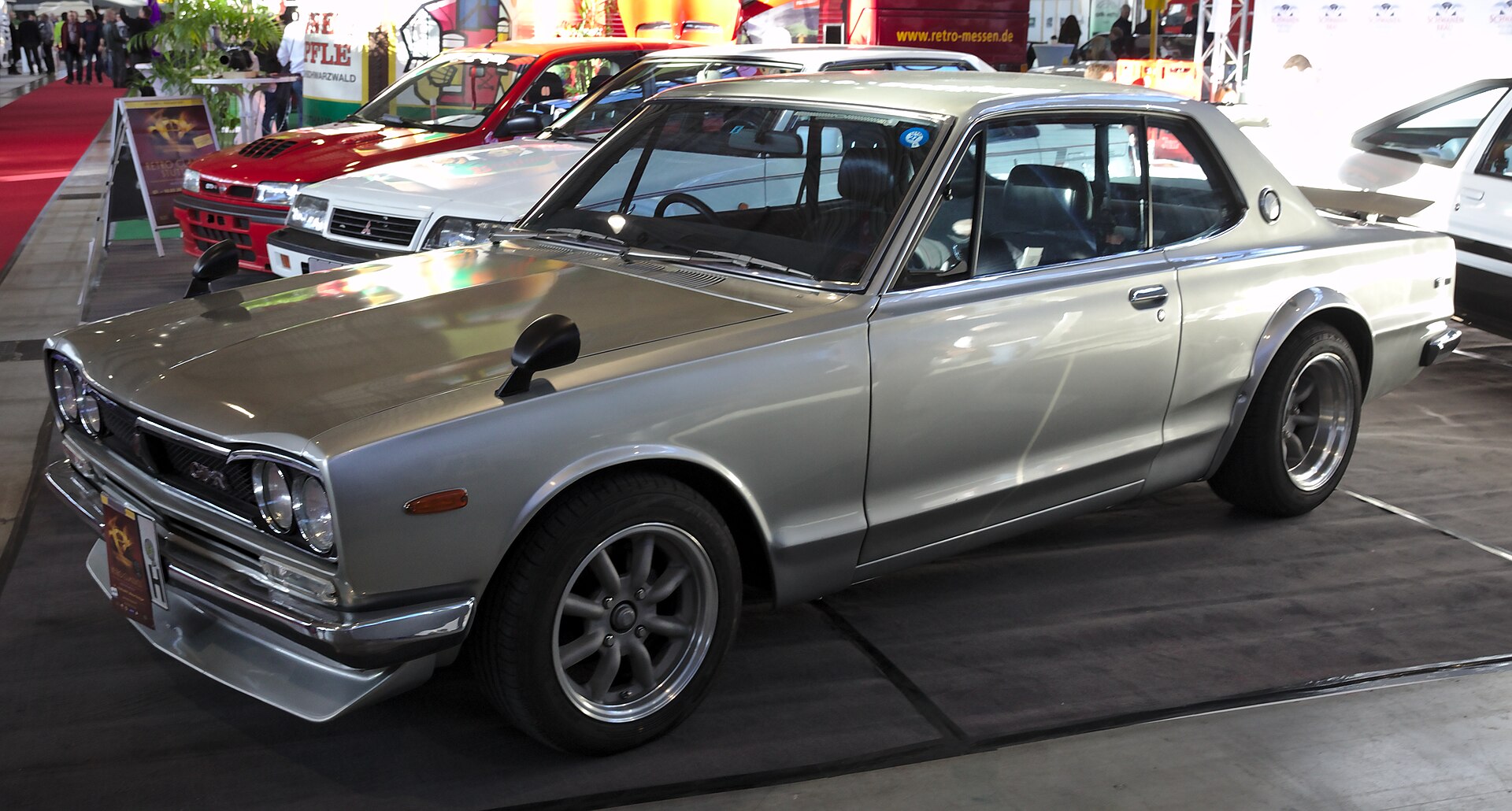
-
1963
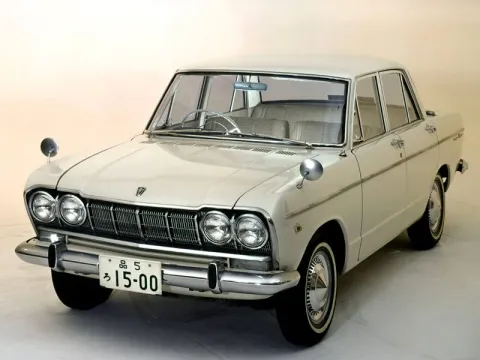 S50 1963–1968 · Sedan, Station wagon · 51–92 kW (69–125 PS)
-
1957


All generations by year: Skyline V37 (2014–now) · Skyline V36 (2006–2014) · Skyline V35 (2001–2006) · Skyline R34 (1998–2001) · Skyline R33 (1993–1998) · Skyline R32 (1989–1993) · Skyline R31 (1985–1989) · Skyline R30 (1981–1985) · Skyline C210 (1977–1981) · Skyline C110 (1972–1977) · Skyline C10 (1968–1972) · Skyline S50 (1963–1968) · Skyline ALSI (1957–1963)
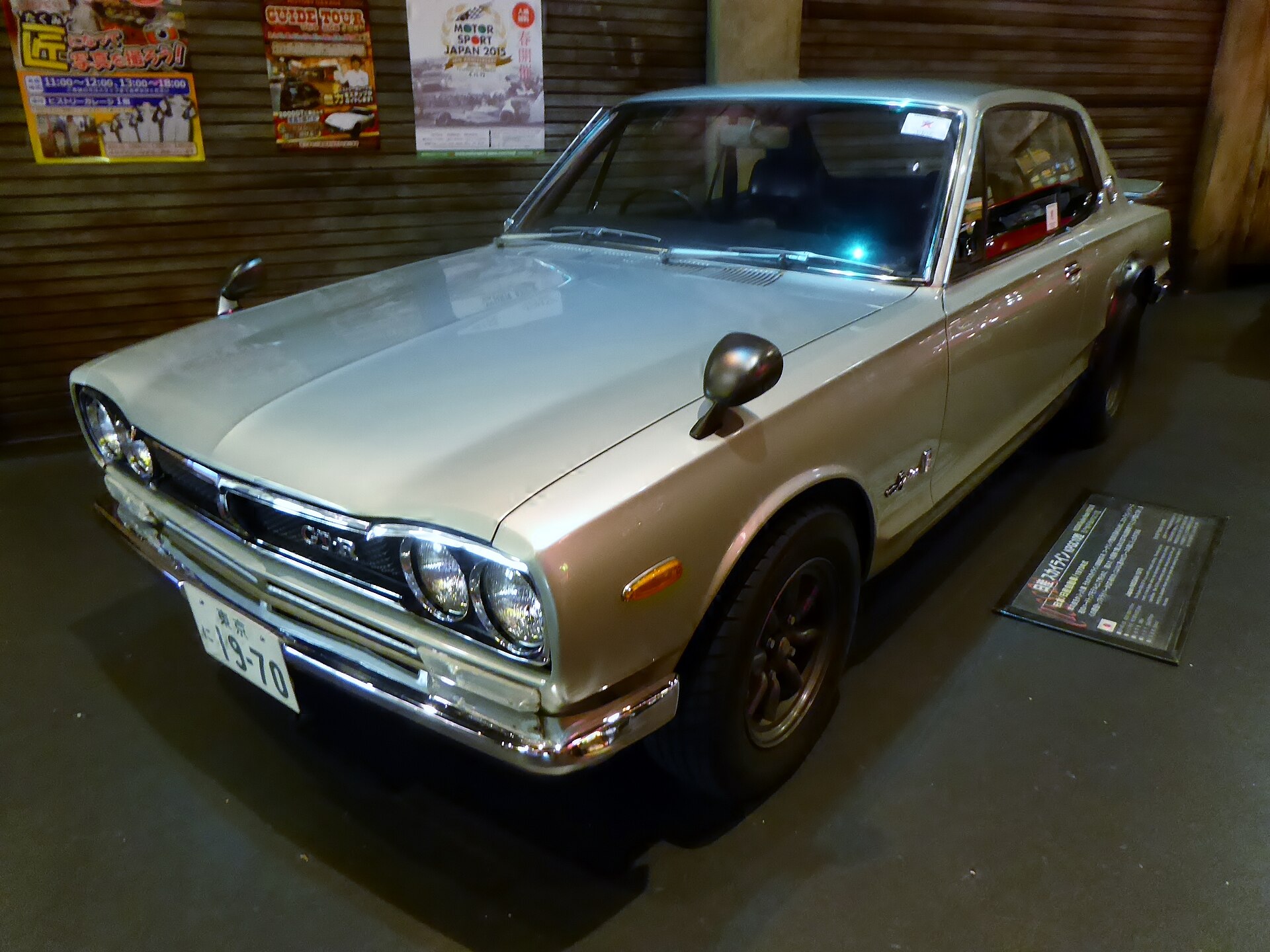
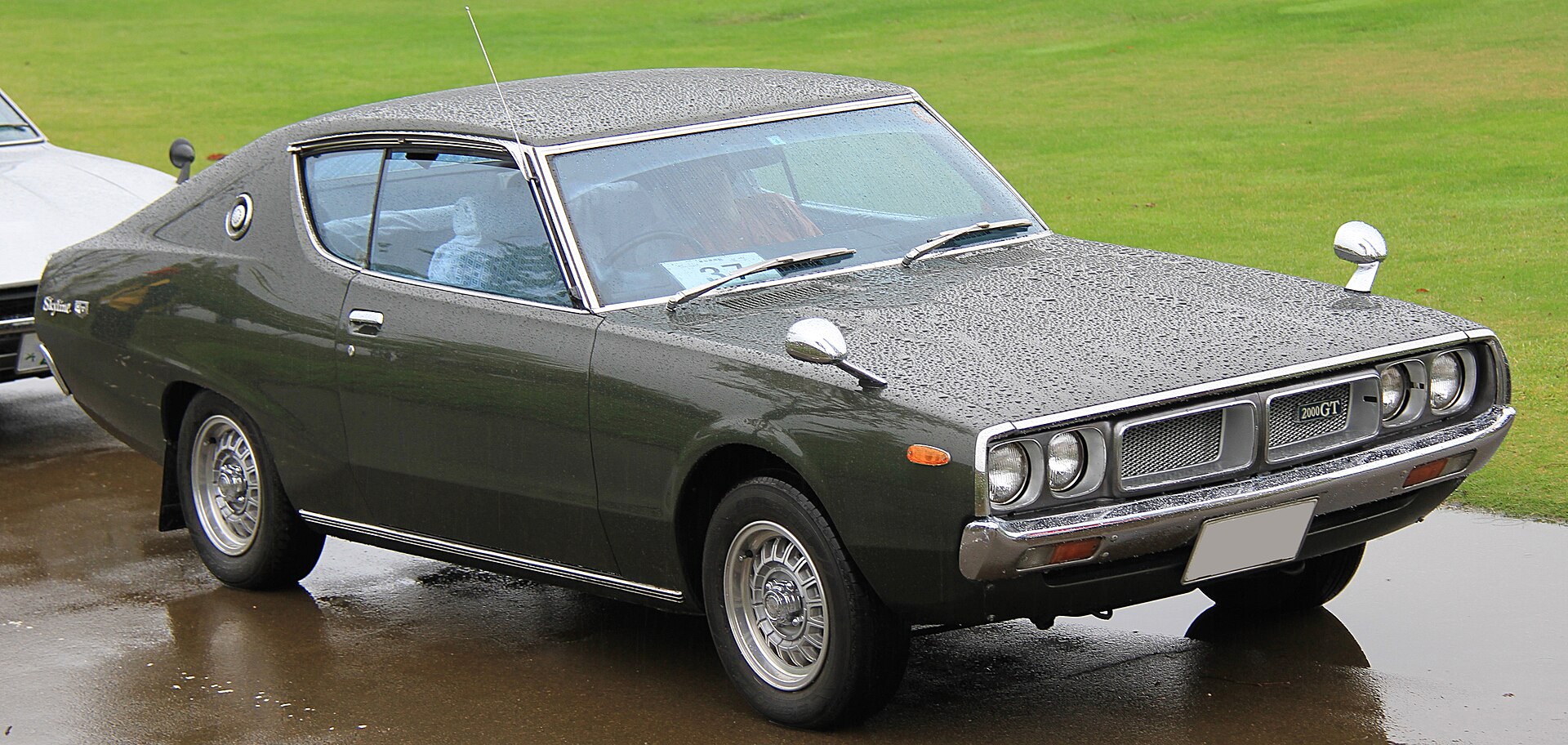
The C110 is the fourth-generation Skyline, sold from September 1972 to August 1977 and known in Japan as the Kenmeri, after a long-running "Ken and Mary" advertising campaign. It was larger and softer in style than the C10 and became the best-selling Skyline of all. Export markets knew it as the Datsun 160K, 180K and 240K, and only 197 GT-Rs were built.
In short
- Built in Japan from September 1972 to August 1977, with 670,562 cars produced; a facelifted C111 followed in 1975–1976.
- Japanese engines ran from the 1.6-litre G16 four with 74 kW (100 PS) to the L20E fuel-injected six with 96 kW (130 PS); the GT-R kept the 118 kW (160 PS) S20.
- The KPGC110 GT-R was built only from January to April 1973 and never raced, earning the nickname "Phantom GT-R".
- In Germany it was the Datsun 240K-GT, with a 2.4-litre six rated at 83 kW (113 PS DIN).
Skyline C110 specs by version
Engines
| Version | Engine | Power | Torque |
|---|---|---|---|
| L24 six | 2.4 l 2,393 cc | — | 177 Nm131 lb-ft |
| G16 four | 1.6 l 1,593 cc | 74 kW 101 PS99 hp | 135 Nm100 lb-ft |
| G18 four | 1.8 l 1,815 cc | 77 kW 105 PS103 hp | 150 Nm111 lb-ft |
| 2.4 83 kW (113 PS) | 2.4 l · 6 cyl 2,400 cc | 83 kW 113 PS111 hp | — |
| L20 six, single carburettor | 2.0 l 1,998 cc | 92 kW 125 PS123 hp | 162 Nm119 lb-ft |
| L20 six, twin carburettors | 2.0 l 1,998 cc | 96 kW 131 PS129 hp | 167 Nm123 lb-ft |
| S20 six, DOHC 24-valve | 2.0 l 1,989 cc | 118 kW 160 PS158 hp | 177 Nm131 lb-ft |
Performance
Show all 1 versions
| Version | Top speed |
|---|---|
| 2.4 83 kW (113 PS) | 180 km/h112 mph |
Dimensions and weight
Show all 7 versions
| Version | Kerb weight |
|---|---|
| L24 six | 1,150 kg2,535 lb |
| G16 four | 1,150 kg2,535 lb |
| G18 four | 1,150 kg2,535 lb |
| 2.4 83 kW (113 PS) | 1,150 kg2,535 lb |
| L20 six, single carburettor | 1,150 kg2,535 lb |
| L20 six, twin carburettors | 1,150 kg2,535 lb |
| S20 six, DOHC 24-valve | 1,150 kg2,535 lb |
Verified Manufacturer and type-approval data from our catalog · Sources and methodology
From Hakosuka to Kenmeri: what changed
The C110 moved away from the hard-edged C10 towards a rounder, heavier-looking car. It grew in every direction: a 2000GT hardtop measured 4,460 mm (175.6 in) long, against 4,330 mm (170.5 in) for the C10 hardtop, and weighed around 1,150 kg (2,535 lb). The platform was shared with the C130 Laurel, as the C10's had been with the first Laurel.
The most lasting change was at the back. Nissan says the C110 was the first Skyline with four round tail lamps, inspired by jet-engine nozzles; that detail stayed on Skylines for decades. The C10's "Surfin' Line" crease on the rear wing survived in a gentler form, and the hardtop adopted a fastback roofline.
The market also changed while the car was on sale. The first oil crisis and tougher Japanese emissions rules arrived within a year of launch, and Nissan withdrew its works Skyline racing programme to concentrate on cleaner engines. That decision shaped the rest of the C110's life, from the brief GT-R to the fuel-injected L20E.
The full Skyline history from 1957 to today shows how the C110 fits between the C10 and the C210.
The Ken and Mary campaign and the sales record
The nickname comes from television and print advertising built around a young couple, Ken and Mary, travelling in their Skyline. Nissan's heritage notes say the campaign followed the earlier "Ai no Skyline" adverts and that its T-shirts became a hit in their own right. The result was the highest production of any Skyline: 670,562 cars across the C110 and the facelifted C111, a figure that Nissan rounds to more than 660,000.
The range was wide. Saloons came as Standard, Deluxe, Sporty Deluxe, Sporty GL, GT and GT-X; the hardtop from Sporty Deluxe to GT-X; and the estate only as a Sporty GL, alongside commercial vans. Gearboxes were three-, four- or five-speed manuals or a three-speed automatic.
Four-cylinder and six-cylinder chassis
As on the C10, the six-cylinder saloons and hardtops used a longer wheelbase and a longer nose than the four-cylinder cars. German Wikipedia states that the fours kept a rigid rear axle, while the sixes had independent semi-trailing arms. All C110s used MacPherson struts at the front, and Nissan's specification sheets list front discs and rear drums for the 2000GT and GTX-E.
L-series sixes and the S20: C110 engines
The table shows the main engines. Outputs are rated figures in kW, followed by the PS figure the source quotes. Japanese sources often give two figures for the L20, depending on whether the car was set up for regular or high-octane fuel, and outputs fell as emissions equipment was added.
| Engine | Versions | Displacement | Power | Torque |
|---|---|---|---|---|
| G16 four | 1600, export 160K | 1,593 cm³ (97.2 cu in) | 74 kW (100 PS) | 135 Nm (100 lb-ft) |
| G18 four | 1800, export 180K | 1,815 cm³ (110.8 cu in) | 77 kW (105 PS) | 150 Nm (111 lb-ft) |
| L20 six, single carburettor | 2000GT | 1,998 cm³ (121.9 cu in) | 85–92 kW (115–125 PS) | 162–167 Nm (119–123 lb-ft) |
| L20 six, twin carburettors | 2000GT-X | 1,998 cm³ (121.9 cu in) | 92–96 kW (125–130 PS) | 167–172 Nm (123–127 lb-ft) |
| L20E six, fuel injection | 2000GT-E, GTX-E (from 1975) | 1,998 cm³ (121.9 cu in) | 96 kW (130 PS) at 6,000 rpm | 167 Nm (123 lb-ft) at 4,400 rpm |
| S20 six, DOHC 24-valve | 2000GT-R (KPGC110) | 1,989 cm³ (121.4 cu in) | 118 kW (160 PS) at 7,000 rpm | 177 Nm (131 lb-ft) at 5,600 rpm |
| L24 six | Datsun 240K (export) | 2,393 cm³ (146.0 cu in) | 83 kW (113 PS DIN) to 96 kW (130 PS) | 177–196 Nm (131–145 lb-ft) |
Nissan describes the switch from carburettors to Electronic Gasoline Injection, which turned the L20 into the L20E, as part of its response to the new emissions rules. Wikipedia dates fuel injection on the "E" models to October 1975, under Nissan's NAPS emissions programme, ahead of the 1976 limits. The export L24 was the same 2.4-litre six that powered the Datsun 240Z, the export version of the Fairlady Z.
KPGC110: the GT-R that never raced
A racing version of the new GT-R was shown at the October 1972 Tokyo Motor Show wearing the number 73, a hint at the 1973 season. Nissan restored that show car in 2007 and ran it at the NISMO Festival. The production car, a two-door hardtop coded KPGC110, carried the S20 engine and five-speed gearbox over from the C10 GT-R, added disc brakes on all four wheels and wore 175HR14 tyres.
It never got its season. The S20 could not meet the tightening emissions rules, the oil crisis hit demand, and the works team had already been stood down. Production ran only from January to April 1973, with 197 cars sold in Japan and none officially exported. Wikipedia says that rarity is behind the "Phantom GT-R" name. The next Skyline GT-R did not arrive until the R32 of 1989.
Datsun 240K and other export versions
Outside Japan the C110 used the Datsun K-series names: 160K, 180K and 240K, according to English Wikipedia. Australia received the 2.4-litre six as the Datsun 240K. In Germany, the 240K-GT was sold from June 1973 to July 1978 as a saloon and, until 1975, as a coupé. German Wikipedia gives it 83 kW (113 PS DIN), a five-speed gearbox, semi-trailing-arm rear suspension with gas dampers and a top speed of 180 km/h (112 mph).
The European cars therefore skipped the Japanese 2.0-litre range altogether and used a larger, lower-tuned six, closer in spirit to a touring saloon than to the high-revving GT-X.
C110 dimensions
The table uses Nissan Heritage Collection data for the 1974 2000GT hardtop (KGC110) and the KPGC110 GT-R production car.
| Parameter | Metric | Imperial |
|---|---|---|
| Length, 2000GT / GT-R | 4,460 / 4,460 mm | 175.6 / 175.6 in |
| Width, 2000GT / GT-R | 1,625 / 1,695 mm | 64.0 / 66.7 in |
| Height | 1,380 mm | 54.3 in |
| Wheelbase, six-cylinder | 2,610 mm | 102.8 in |
| Track, GT-R front / rear | 1,395 / 1,375 mm | 54.9 / 54.1 in |
| Kerb weight, 2000GT | 1,150 kg | 2,535 lb |
| Kerb weight, KPGC110 GT-R | 1,145 kg | 2,524 lb |
| Kerb weight, 2000GTX-E (1976) | 1,210 kg | 2,668 lb |
Safety equipment of the period
No independent crash test exists for the C110, which predates any formal rating programme. Braking was the main advance: the standard sixes used front discs, and the GT-R had discs front and rear. The heavier GTX-E shows how emissions and comfort equipment added weight during the car's life, a point worth remembering when judging the brakes of a well-optioned late car.
Choosing a Kenmeri today
- KPGC110 GT-R: with 197 built, examples rarely change hands, so documentation and chassis-plate checks matter more than anything else.
- 2000GT-X and GTX-E: the strongest regular sixes, with twin carburettors or fuel injection and 96 kW (130 PS) at best.
- 2000GT: the mainstream six-cylinder Kenmeri, and the version most often restored with the four round tail lamps that define the generation.
- Datsun 240K / 240K-GT: the European and Australian route into the C110, with the larger L24 engine that Japanese cars never received.
To compare the C110 with other classic cars and Japanese models, or to browse the rest of the Nissan catalogue, use the links in each section.
Image credits · Photos from Wikimedia Commons under free licences
- Nissan Skyline ALSI · Photo: TTTNIS / Wikimedia Commons, CC0
- Nissan Skyline S50 · Photo: TTTNIS / Wikimedia Commons, CC0
- Nissan Skyline C10 · Photo: Alexander Migl / Wikimedia Commons, CC BY-SA 4.0
- Nissan Skyline C110 · Photo: TTTNIS / Wikimedia Commons, CC0
- Nissan Skyline C210 · Photo: TTTNIS / Wikimedia Commons, CC0
- Nissan Skyline R30 · Photo: 先従隗始 / Wikimedia Commons, CC0
- Nissan Skyline R31 · Photo: V-Hantarex / Wikimedia Commons, CC BY 4.0
- Nissan Skyline R32 · Photo: FotoSleuth / Wikimedia Commons, CC BY 2.0
- Nissan Skyline R33 · Photo: OSX / Wikimedia Commons, Public domain
- Nissan Skyline R34 · Photo: Timmie Ahl / Unsplash
- Nissan Skyline V35 · Photo: Guillaume Vachey from Chalon sur Saone, France / Wikimedia Commons, CC0
- Nissan Skyline V36 · Photo: TTTNIS / Wikimedia Commons, Public domain
- Nissan Skyline V37 · Photo: Tokumeigakarinoaoshima / Wikimedia Commons, CC BY-SA 4.0
C110 rivals
-
Ended 2026
- Years
- 1978–2026
- Body
- Liftback, Coupe
- Fuel
- Petrol
- Power
- 82–320 kW (111–435 PS)
5 generations
- A40/A50
- A60
- A70
- A80
- A90
-
Ended 2002
- Years
- 1978–2002
- Body
- Coupe, Convertible
- Fuel
- Petrol
- Power
- 75–206 kW (102–280 PS)
3 generations
- FB
- FC
- FD


Popular comparisons
FAQ
What does Kenmeri mean?
It comes from "Ken and Mary", the couple in Nissan's advertising for the fourth-generation Skyline. The nickname covers both the C110 and the facelifted C111.
How many C110 Skyline GT-Rs were built?
Only 197, all sold in Japan between January and April 1973. Emissions rules and the oil crisis ended production before the car could race.
What engine is in the Datsun 240K?
The 2.4-litre L24 straight-six, the same engine family as the Datsun 240Z. In Germany it was rated at 83 kW (113 PS DIN).
Was the C110 the best-selling Skyline?
Yes. Wikipedia gives 670,562 cars for 1972–1977, and Nissan says the C110 and C111 together sold more than 660,000, the highest of any generation.
What replaced the C110 Skyline?
The C210 replaced it in August 1977, returning to sharper lines and adding the first turbocharged Skyline in 1980.
Data sources
Data checked by an editor against the sources below.
- The text of this article (1cars archive)
- Wikipedia — Nissan Skyline