 Nissan Skyline R31 (1985–1989)
Specs, engines, safety and known problems
Published Sources (3) Report an error
By Sarah Whitmore, Senior Automotive Writer Reviewed by Felix Hartmann

- Power
- 66–154 kW (90–209 PS)
- Generation
- 7 of 13
Model timeline
Where the R31 sits in the Skyline story
Predecessor Skyline R30 (1981–1985) Successor Skyline R32 (1989–1993)
Newest first · 13 generations since 1957
-
2014
-
2006
-
2001
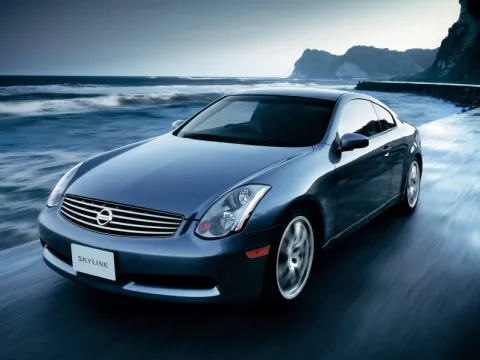 V35 2001–2006 · Sedan, Coupe · 158–206 kW (215–280 PS)
-
1998
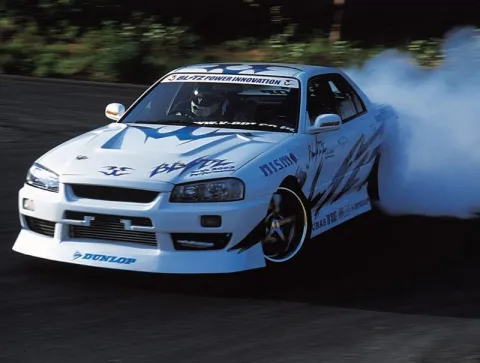 R34 1998–2001 · 114–206 kW (155–280 PS)
-
1993
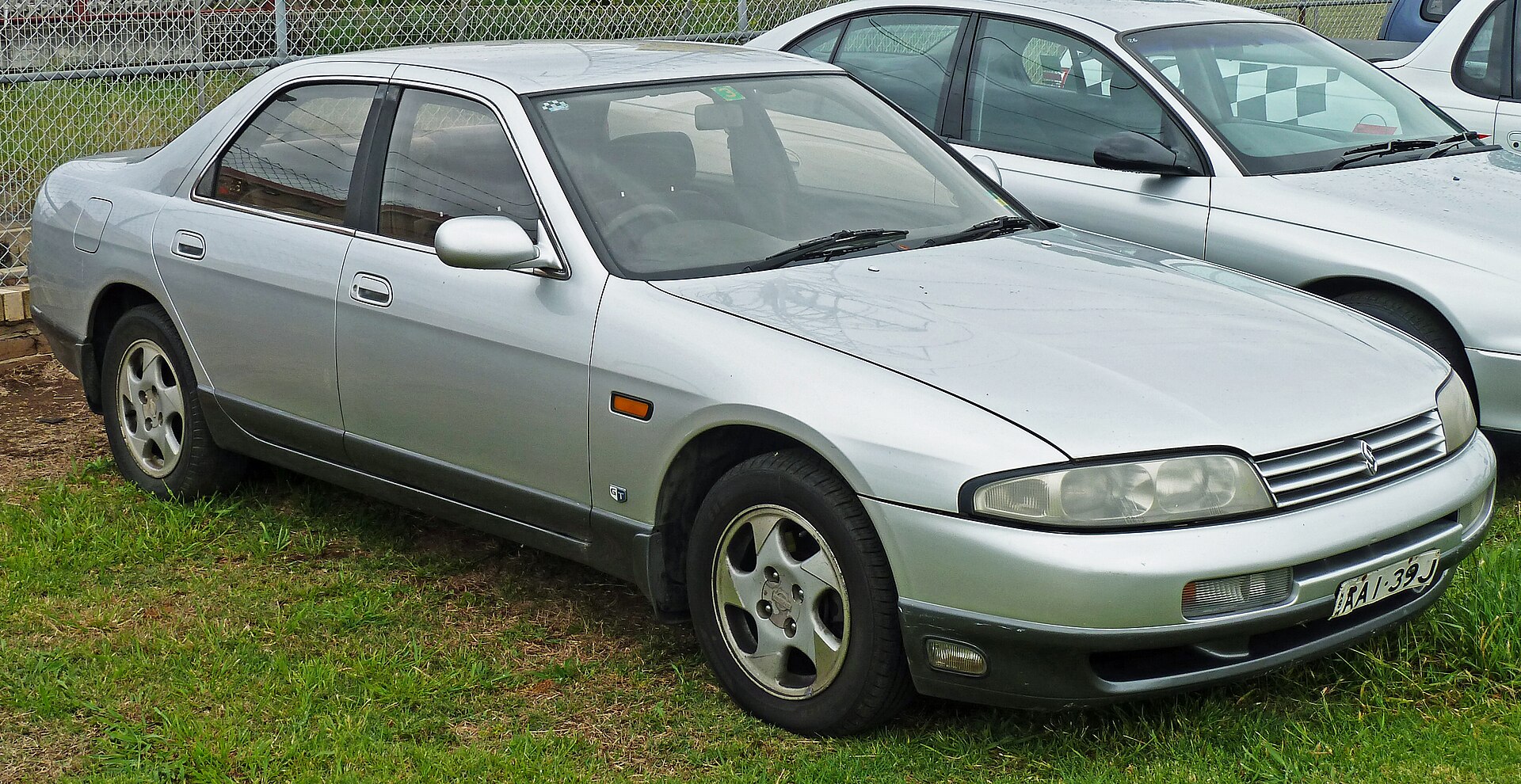
-
1989
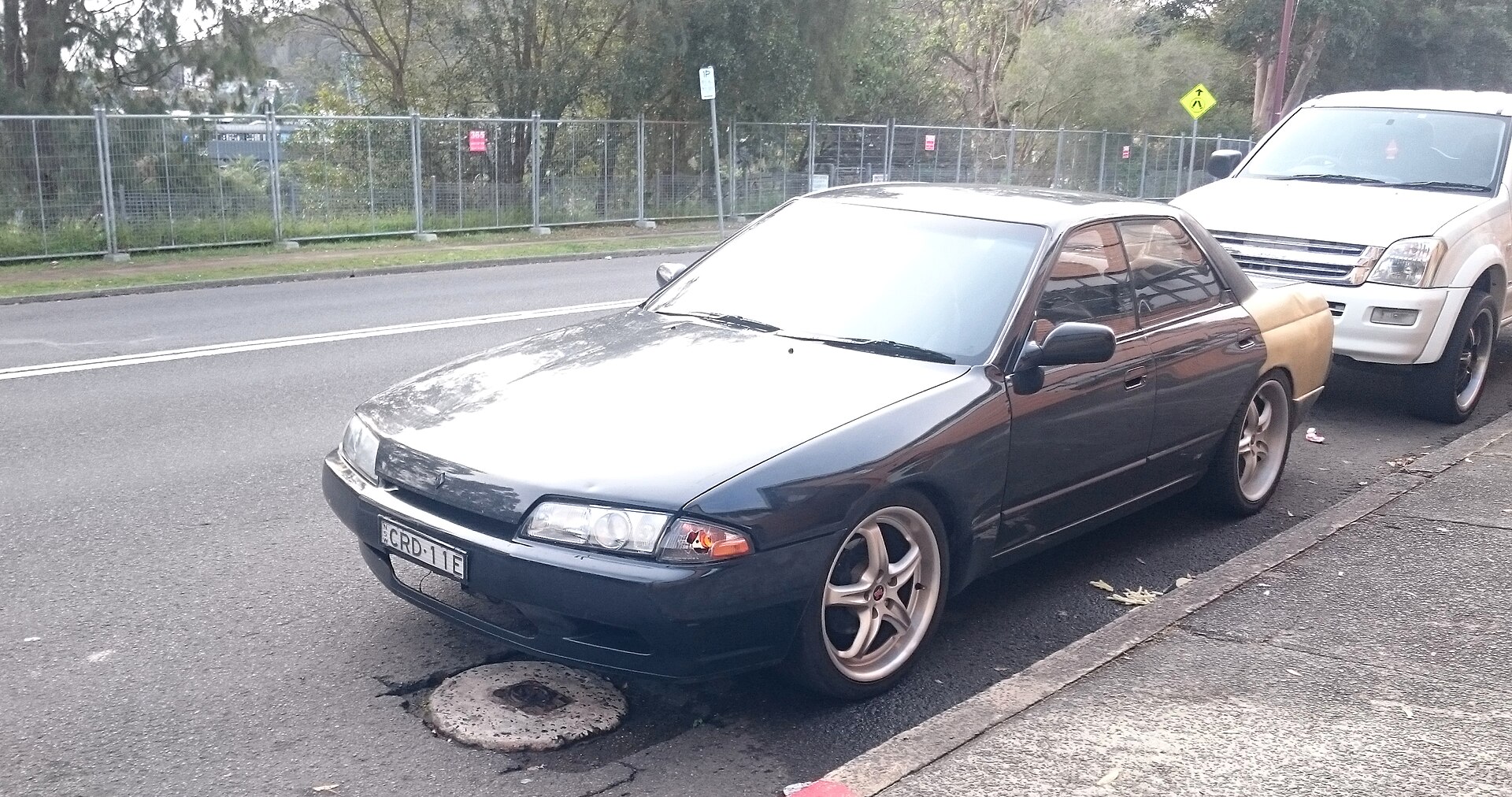
-
1985
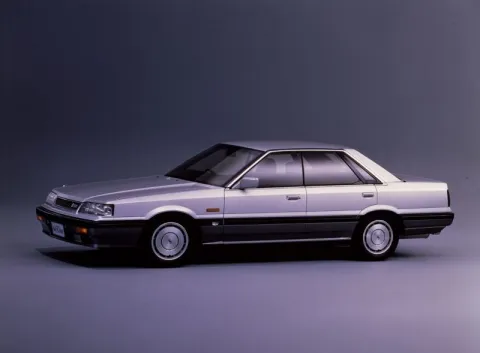 R31 You are here 1985–1989 · Sedan, Station wagon · 66–154 kW (90–209 PS)
-
1981
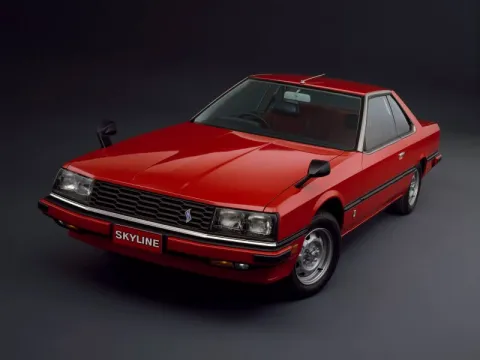 R30 1981–1985 · Sedan, Liftback · 77–151 kW (105–205 PS)
-
1977
-
1972
-
1968
-
1963
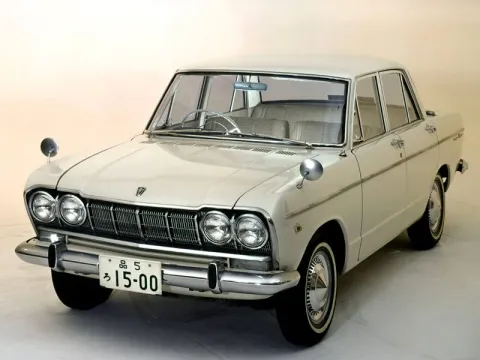 S50 1963–1968 · Sedan, Station wagon · 51–92 kW (69–125 PS)
-
1957


All generations by year: Skyline V37 (2014–now) · Skyline V36 (2006–2014) · Skyline V35 (2001–2006) · Skyline R34 (1998–2001) · Skyline R33 (1993–1998) · Skyline R32 (1989–1993) · Skyline R31 (1985–1989) · Skyline R30 (1981–1985) · Skyline C210 (1977–1981) · Skyline C110 (1972–1977) · Skyline C10 (1968–1972) · Skyline S50 (1963–1968) · Skyline ALSI (1957–1963)
The R31 is the seventh Nissan Skyline, built in Japan from 1985 to April 1989 and later in Australia and South Africa. It introduced the RB straight-six engine family and HICAS rear-wheel steering, two technologies that defined the Skylines that followed. Its rarest road version, the GTS-R coupé, was built to homologate the car for Group A touring-car racing.
In short
- 309,716 R31s were sold, as a saloon, a four-door hardtop, a coupé (from 1986) and an estate.
- First Skyline with RB engines; the 2.0-litre RB20DET turbo was rated at 132 kW (180 PS).
- The GTS-R coupé of October 1987 had 154 kW (210 PS); English Wikipedia counts 823 built.
- Australia built its own R31 with a 3.0-litre RB30E six until the end of 1990.
Skyline R31 specs by version
| Version | Engine | Power | Torque |
|---|---|---|---|
| CA18S four | 1.8 l 1,800 cc | 66 kW 90 PS89 hp | — |
| RD28 diesel six | 2.8 l 2,800 cc | 67 kW 91 PS90 hp | 173 Nm128 lb-ft |
| 1.8 74 kW (101 PS) | 1.8 l · 4 cyl 1,800 cc | 74 kW 101 PS99 hp | — |
| RB20E six | 2.0 l 1,998 cc | 96 kW 131 PS129 hp | 181 Nm133 lb-ft |
| RB20DE six, 24 valves | 2.0 l 1,998 cc | 114 kW 155 PS153 hp | 247 Nm182 lb-ft |
| RB20ET turbo six | 2.0 l 1,998 cc | 123 kW 167 PS165 hp | 206 Nm152 lb-ft |
| 130 kW (177 PS) | — | 130 kW 177 PS174 hp | 247 Nm182 lb-ft |
| RB20DET turbo six | 2.0 l RB20DET | 132 kW 179 PS177 hp | 225 Nm166 lb-ft |
| RB20DET turbo six | 2.0 l RB20DET | 140 kW 190 PS188 hp | 240 Nm177 lb-ft |
| RB20DET-R turbo six | 2.0 l RB20DET | 154 kW 209 PS207 hp | 245 Nm181 lb-ft |
Verified Manufacturer and type-approval data from our catalog · Sources and methodology
How the R31 moved on from the R30
The R30 had relied on four-cylinder engines for its sporting image, including the FJ20 twin-cam. The R31 switched the focus back to six cylinders. Its new RB engines were straight sixes with belt-driven camshafts, a cast-iron block and an aluminium head. English Wikipedia notes that the 2.0-litre RB20 shares its bore and stroke with the older L20 six, which it replaced.
The body grew slightly larger and squarer, on a platform loosely based on the C32 Laurel. The five-door liftback of the R30 was not continued, but a four-door pillarless hardtop, usually badged Passage GT, joined the saloon. It is the only Skyline sold with this body style. A two-door coupé and an estate were added in 1986. In Japan, owners nicknamed the car "Seventhsu", after its position as the seventh Skyline.
Our Nissan Skyline history covers all 13 generations, from the 1957 Prince Skyline to the V37.
Passage hardtop, GTS coupé and estate
Japanese R31 production began in the summer of 1985 at Nissan's Musashimurayama plant: English Wikipedia gives July, German Wikipedia August. The sporting GTS coupés arrived in May 1986, and in August 1987 the saloons adopted the coupé's front end. The estate was a practical choice for families and is now one of the rarer bodies; similar load carriers can be found among our station wagons.
Dimensions changed with the facelift. English Wikipedia lists the early saloon and estate at 4,590 mm (180.7 in) long and the early hardtop at 4,650 mm (183.1 in), while the coupé and the facelifted four-door models measured 4,660 mm (183.5 in).
RB20, RD28 and CA18 engines
The table shows the main Japanese engines. Many were rated in JIS gross terms, so outputs are given as kW followed by the PS figure from the source.
| Engine | Versions | Displacement | Power | Torque |
|---|---|---|---|---|
| CA18S four | 1800 | 1.8 L | 66 kW (90 PS) | — |
| RD28 diesel six | GT Passage D | 2.8 L | 67 kW (91 PS) | 173 Nm (128 lb-ft) |
| RB20E six | GT Passage, GT Excel | 1,998 cm³ (121.9 cu in) | 96 kW (130 PS) | 181 Nm (133 lb-ft) |
| RB20DE six, 24 valves | GTS, GT Passage Twin Cam | 1,998 cm³ | 114 kW (155 PS) | — |
| RB20ET turbo six | GT Passage Turbo | 1,998 cm³ | 123 kW (167 PS) | 206 Nm (152 lb-ft) |
| RB20DET turbo six | GTS Turbo | 1,998 cm³ | 132 kW (180 PS) | 225 Nm (166 lb-ft) |
| RB20DET turbo six | GTS-X | 1,998 cm³ | 140 kW (190 PS) | 240 Nm (177 lb-ft) |
| RB20DET-R turbo six | GTS-R, GTS Autech | 1,998 cm³ | 154 kW (210 PS) at 6,400 rpm | 245 Nm (181 lb-ft) at 4,800 rpm |
The early twin-cam engines used NICS induction with twelve small intake runners. Later versions switched to ECCS management, six larger runners and a bigger turbocharger. Their red cam covers gave them the "Red Top" nickname among owners.
HICAS: rear-wheel steering arrives
HICAS stands for High Capacity Actively Controlled Steering. Nissan showed it on the MID4 concept in 1985, and Wikipedia's HICAS article places its first production use on the R31 GTS coupés in 1986. The system was simple by later standards. Above 30 km/h (19 mph), hydraulic pressure from the power-steering pump moved the rear wheels by up to 0.5 degrees in the same direction as the fronts, by compressing the rear suspension bushes.
The aim was stability during fast lane changes rather than easier parking. Later versions, including Super HICAS on the R32, added counter-steering phases and electronic control.
GTS-R: the Group A homologation coupé
The HR31 GTS-R coupé was introduced in October 1987. It had a reworked RB20DET-R with a much larger turbocharger on a tubular steel manifold, a larger front-mounted intercooler and a bigger rear spoiler. English Wikipedia says 823 were built; German Wikipedia and the RB engine article give about 800.
In Group A form the engine produced more than 316 kW (430 PS), but the car was still at least 81 kW (110 PS) down on the Ford Sierra RS500. It nevertheless won. Jim Richards and Mark Skaife took the 1989 Sandown 500 in a Gibson Motorsport GTS-R, and Richards used the car in six of the eight rounds of the 1990 Australian Touring Car Championship, switching to the R32 GT-R only for the last two. That title was Nissan's first in the series.
R31 coupé dimensions and weights
German Wikipedia gives these figures, which match the coupé in English Wikipedia.
| Parameter | Metric | Imperial |
|---|---|---|
| Length | 4,660 mm | 183.5 in |
| Width | 1,690 mm | 66.5 in |
| Height | 1,365 mm | 53.7 in |
| Wheelbase | 2,615 mm | 103.0 in |
| Track, front / rear | 1,425 / 1,415–1,420 mm | 56.1 / 55.7–55.9 in |
| Kerb weight, RB20E | 1,270–1,290 kg | 2,800–2,844 lb |
| Kerb weight, RB20DET | 1,320–1,370 kg | 2,910–3,020 lb |
| RB20 bore × stroke | 78 × 69.7 mm | 3.07 × 2.74 in |
German Wikipedia gives a top speed of about 200 km/h (124 mph) for the RB20DET turbo.
Australian and South African R31s
Nissan Australia built the R31 at Clayton from 1986 to the end of 1990, as a saloon or estate with a locally fitted 3.0-litre RB30E six. Emissions rules cut its output to 114 kW (155 PS) and 247 Nm (182 lb-ft), and the Silhouette GTS1 and GTS2 versions raised that to 130 kW (177 PS) and 140 kW (190 PS). A four-cylinder sister car with a 2.0-litre CA20E was sold as the Nissan Pintara.
In South Africa, about 29,305 R31 saloons were built between 1987 and 1992, with RB30E, RB20E or four-cylinder engines. They were the last Skylines sold there. The R31 was also offered in Kuwait and Oman with RB30 sixes.
Crash-test status and active safety
The R31 was designed long before independent crash testing in Europe or Japan, and we found no crash-test result for it. Its contribution to active safety was HICAS, which aimed to keep the car stable during sudden steering inputs. Seat belts and the braking system are the main points to check on any car of this age before relying on it.
Which R31 to look for
Japanese imports, Australian RB30 cars and a few South African saloons all appear on the classic market, so the market of origin matters.
- GTS-R coupé (1987): the homologation special with 154 kW (210 PS), the most collectable R31.
- GTS Autech: an Autech-developed version that shares the GTS-R engine and its 154 kW (210 PS) rating.
- GTS Turbo and GTS-X coupé: RB20DET with 132 or 140 kW (180 or 190 PS) and, on many cars, HICAS.
- GT Passage hardtop: the unique pillarless four-door, often with the RB20 or diesel engines.
- Australian Silhouette GTS2: the most powerful local RB30E version.
Rivals of the period included the Toyota Supra, and the Nissan catalogue lists the later Skylines and other models. More background is in the history of Nissan.
Did you know?
- The Skyline R31 is generation 7 of 13 of the Nissan Skyline in our catalog.
- The Skyline R31 offers up to 154 kW (209 PS) — 3 kW more than the Skyline R30 (1981–1985) (+2%).
Image credits · Photos from Wikimedia Commons under free licences
- Nissan Skyline ALSI · Photo: TTTNIS / Wikimedia Commons, CC0
- Nissan Skyline S50 · Photo: TTTNIS / Wikimedia Commons, CC0
- Nissan Skyline C10 · Photo: Alexander Migl / Wikimedia Commons, CC BY-SA 4.0
- Nissan Skyline C110 · Photo: TTTNIS / Wikimedia Commons, CC0
- Nissan Skyline C210 · Photo: TTTNIS / Wikimedia Commons, CC0
- Nissan Skyline R30 · Photo: 先従隗始 / Wikimedia Commons, CC0
- Nissan Skyline R31 · Photo: V-Hantarex / Wikimedia Commons, CC BY 4.0
- Nissan Skyline R32 · Photo: FotoSleuth / Wikimedia Commons, CC BY 2.0
- Nissan Skyline R33 · Photo: OSX / Wikimedia Commons, Public domain
- Nissan Skyline R34 · Photo: Timmie Ahl / Unsplash
- Nissan Skyline V35 · Photo: Guillaume Vachey from Chalon sur Saone, France / Wikimedia Commons, CC0
- Nissan Skyline V36 · Photo: TTTNIS / Wikimedia Commons, Public domain
- Nissan Skyline V37 · Photo: Tokumeigakarinoaoshima / Wikimedia Commons, CC BY-SA 4.0
R31 rivals
-
Ended 2026
- Years
- 1978–2026
- Body
- Liftback, Coupe
- Fuel
- Petrol
- Power
- 82–320 kW (111–435 PS)
5 generations
- A40/A50
- A60
- A70
- A80
- A90
-
Ended 2002
- Years
- 1978–2002
- Body
- Coupe, Convertible
- Fuel
- Petrol
- Power
- 75–206 kW (102–280 PS)
3 generations
- FB
- FC
- FD

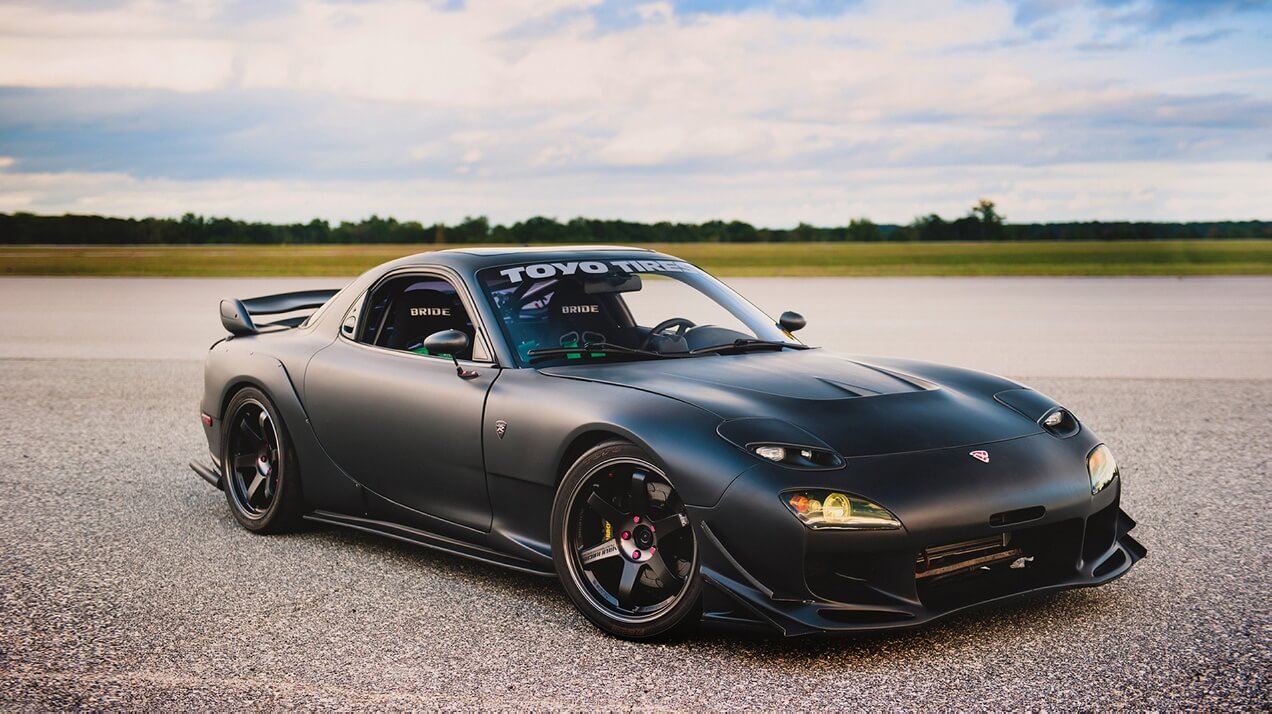

Popular comparisons
FAQ
What years was the Nissan Skyline R31 made?
Japanese production ran from summer 1985 to April 1989. Australia built R31s from 1986 to the end of 1990, and South Africa from 1987 to 1992.
What engine does the R31 GTS-R have?
It uses the RB20DET-R, a 2.0-litre twin-cam turbocharged straight six rated at 154 kW (210 PS) at 6,400 rpm and 245 Nm (181 lb-ft).
How many R31 GTS-Rs were built?
English Wikipedia gives 823 cars, built to homologate the coupé for Group A. Other sources round this to about 800.
Does the R31 have four-wheel steering?
Many sporty R31s have HICAS, which steers the rear wheels by up to 0.5 degrees in the same direction as the fronts above 30 km/h.
Was there a GT-R version of the R31?
No. The sportiest R31 was the GTS-R. The GT-R name returned with the R32 in 1989.
Data sources
Data checked by an editor against the sources below.
- 1cars archive: Nissan Skyline: Generations, Specs and History
- The text of this article (1cars archive)
- Wikipedia — Nissan Skyline