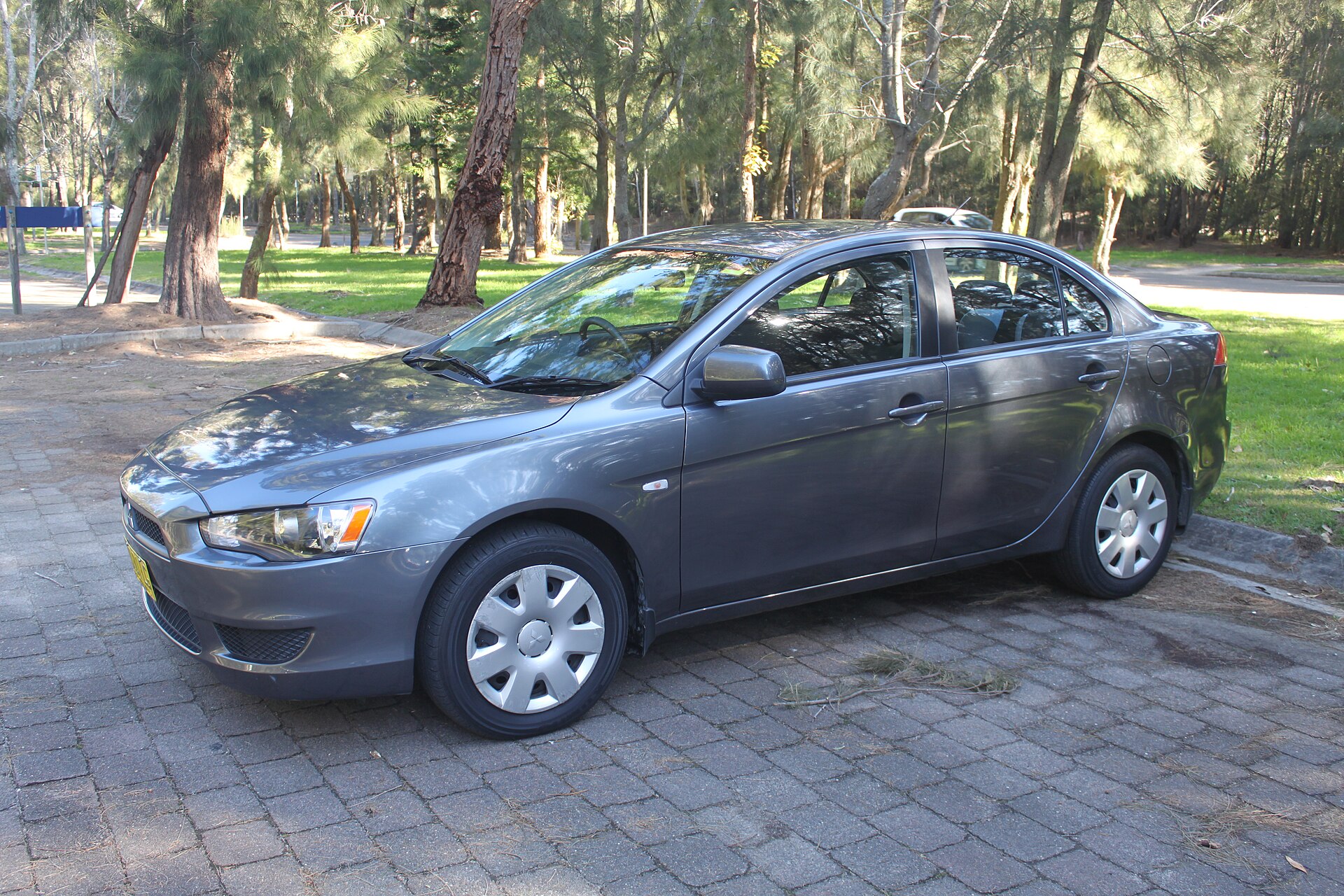
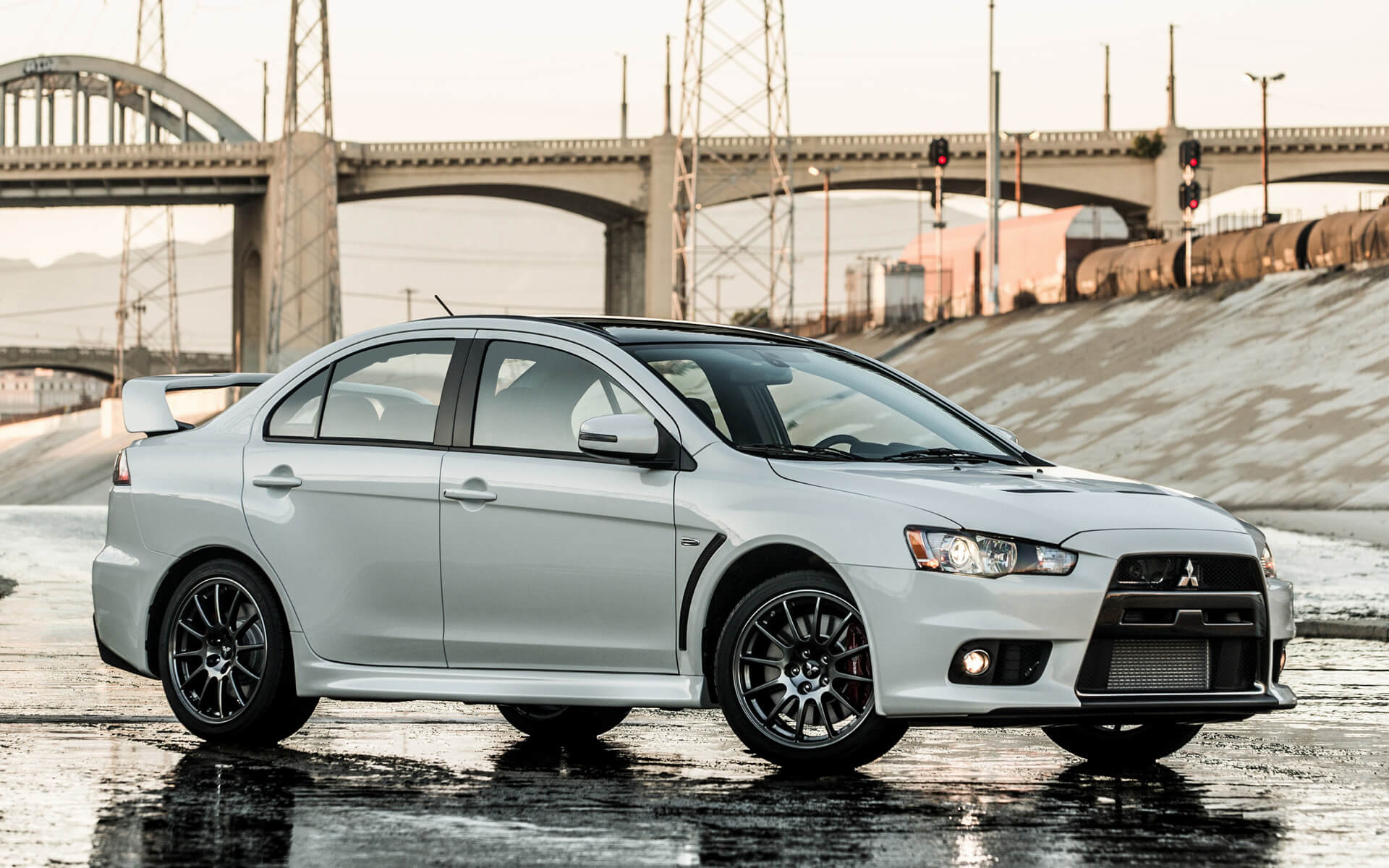
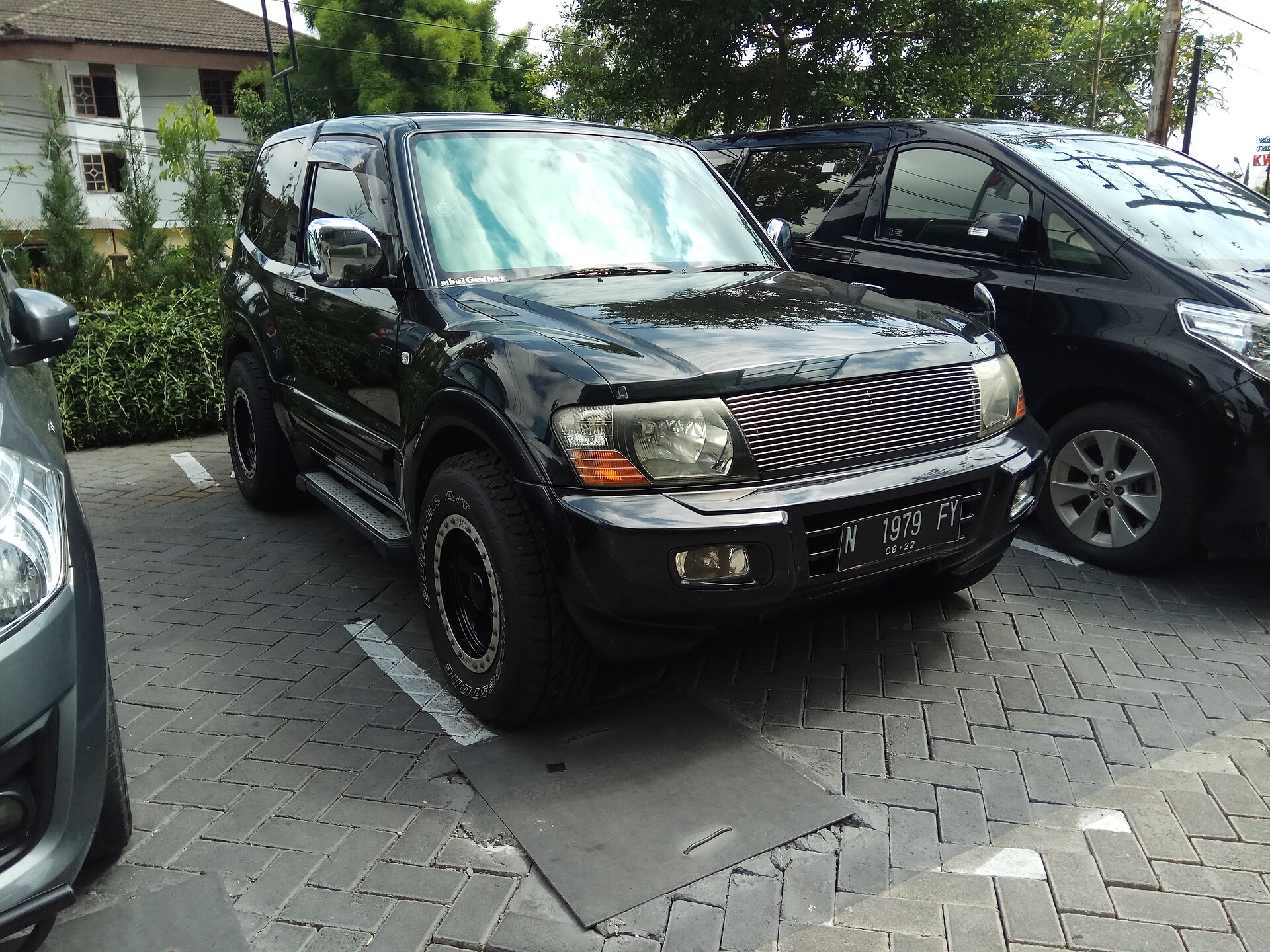
 Mitsubishi Pajero V60/V70 (1999–2006)
Specs, engines, safety and known problems
Published Sources (4) Report an error
By Sarah Whitmore, Senior Automotive Writer Reviewed by Oleksandr Hnatiuk
- Power
- 118–162 kW (160–220 PS)
- Generation
- 3 of 5
Model timeline
Where the V60/V70 sits in the Pajero story
Predecessor Pajero V20/V30 (1991–1999) Successor Pajero V80/V90 (2006–2021)
Newest first · 5 generations since 1982
- 2026 V In production 2026–now · SUV · 150 kW (204 PS)
-
2006
-
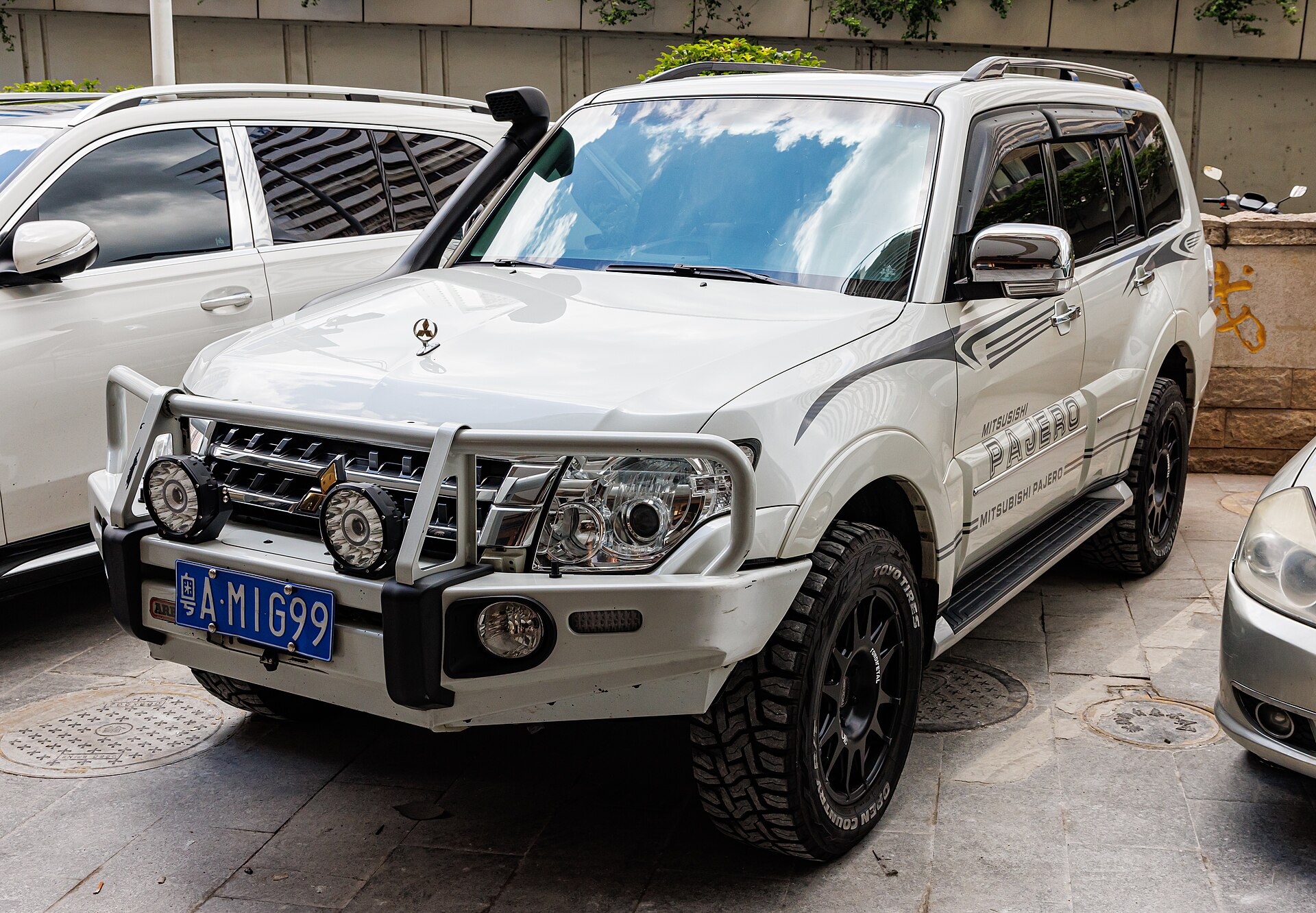
1999
-
1991
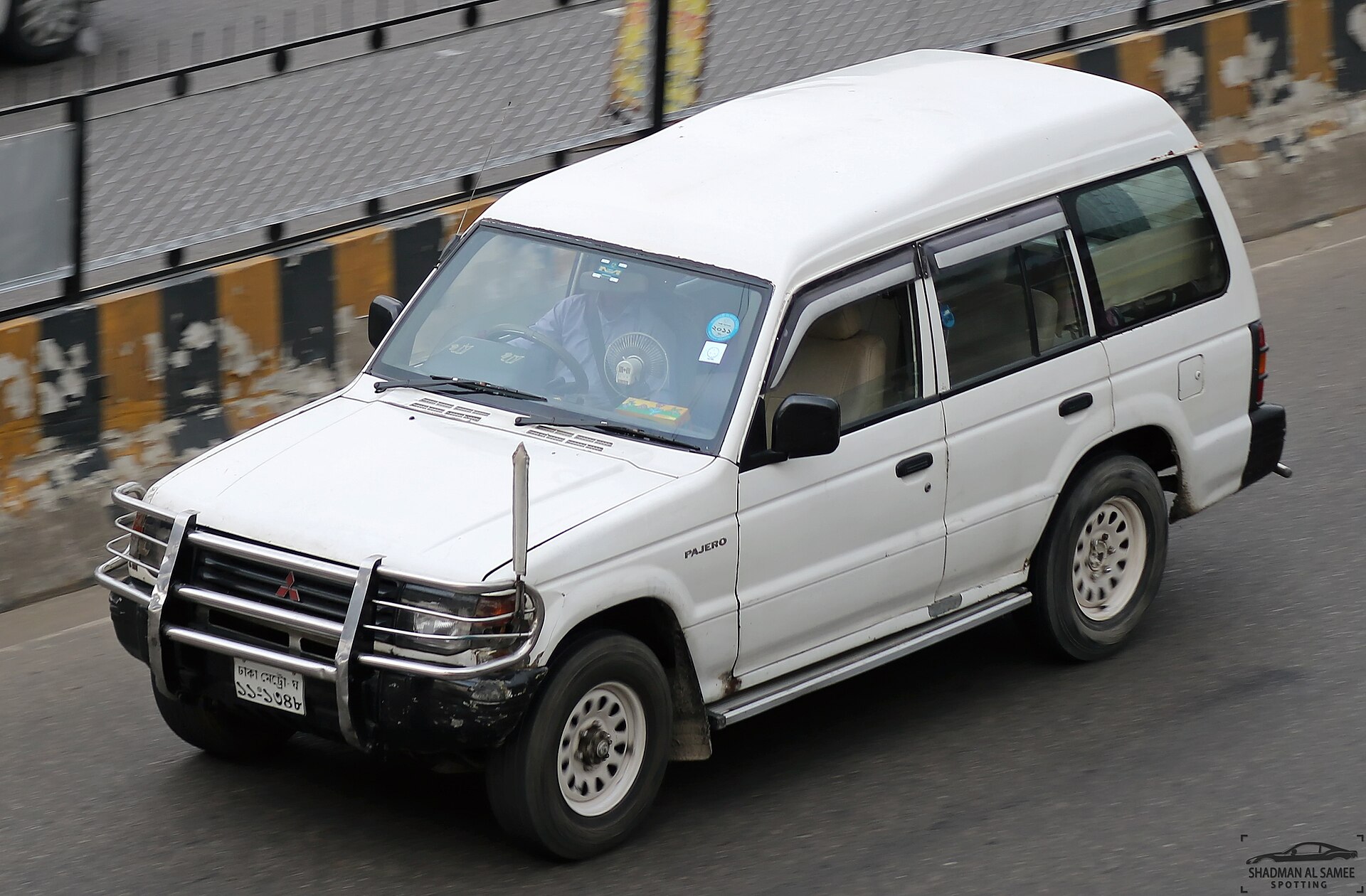
-
1982
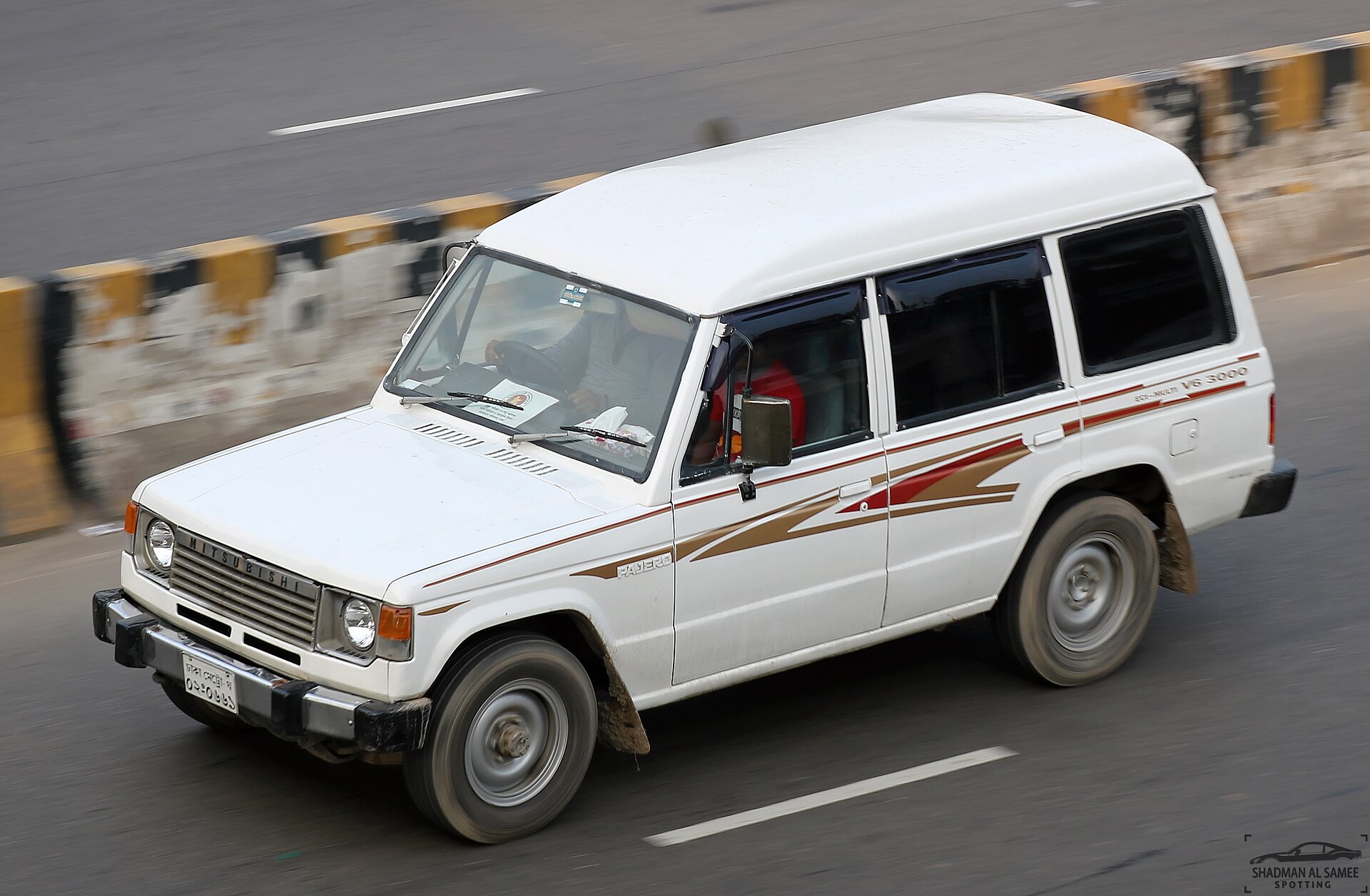


All generations by year: Pajero V (2026–now) · Pajero V80/V90 (2006–2021) · Pajero V60/V70 (1999–2006) · Pajero V20/V30 (1991–1999) · Pajero I (L040) (1982–1991)
Which Pajero III to buy
Our verdict · Sarah Whitmore
The V60 was the first Pajero built like a modern SUV, with a monocoque body and independent suspension.
- Best all-rounder: a post-2003 3.2 DI-D five-door, with seven seats and a 3,300 kg (7,275 lb) braked towing limit.
- Lower running costs: the 3.2 DI-D three-door manual, the most economical version ADAC lists.
- Smooth petrol: the 3.5 GDI V6, if fuel bills of around 14 L/100 km do not worry you.
- Check: a documented service history for the diesel, the Super Select II modes, and suspension wear on cars used off-road.
No independent survey rates the third generation's reliability, so condition and paperwork matter more than model year. Buyers who never leave tarmac may find Mitsubishi's lighter, car-based Outlander a better fit. For newer alternatives, see diesel SUVs, Japanese SUVs or the Mitsubishi catalogue.
The third-generation Mitsubishi Pajero, coded V60 and V70, was launched in Japan in 1999 and reached Europe in spring 2000, staying on sale until the fourth generation took over in 2006. It abandoned the separate chassis for a monocoque body with a built-in ladder frame and independent suspension at every corner. In Europe it was sold mainly with the 3.2 DI-D diesel.
In short
- Japanese launch in 1999; German catalogue data lists versions from May 2000 to February 2007.
- Monocoque body with integrated ladder frame, all-round independent suspension and rack-and-pinion steering.
- Main European engine: the 3.2 DI-D (4M41) with 121 kW (165 PS), then 118 kW (160 PS), and 373 Nm (275 lb-ft).
- The Dakar winning streak that began in 2001 ran through this generation's production years.
Size at a glance
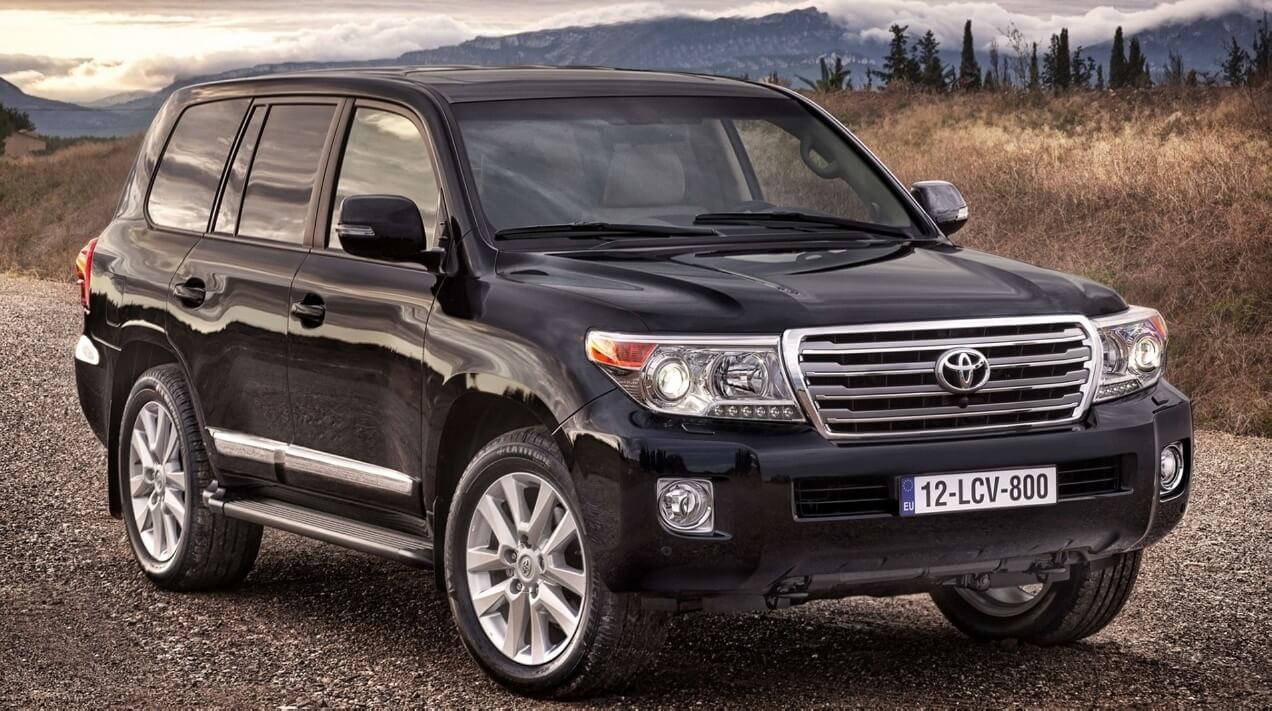
Toyota Land Cruiser J200
The Mitsubishi Pajero V60/V70 is 771 mm shorter, 105 mm narrower and 126 mm lower than the Toyota Land Cruiser J200.
| Dimensions | Mitsubishi Pajero V60/V70 | Toyota Land Cruiser J200 | Difference |
|---|---|---|---|
| Length | 4,219 mm166.1 in | 4,990 mm196.5 in | −771 mm−30.4 in |
| Width | 1,875 mm73.8 in | 1,980 mm78.0 in | −105 mm−4.1 in |
| Height | 1,844 mm72.6 in | 1,970 mm77.6 in | −126 mm−5.0 in |
| Wheelbase | 2,545 mm100.2 in | 2,850 mm112.2 in | −305 mm−12.0 in |
| Boot | — | 655 L23.1 cu ft | — |
Nissan Patrol Y61
The Mitsubishi Pajero V60/V70 is 826 mm shorter, 35 mm wider and 11 mm lower than the Nissan Patrol Y61.
| Dimensions | Mitsubishi Pajero V60/V70 | Nissan Patrol Y61 | Difference |
|---|---|---|---|
| Length | 4,219 mm166.1 in | 5,045 mm198.6 in | −826 mm−32.5 in |
| Width | 1,875 mm73.8 in | 1,840 mm72.4 in | +35 mm+1.4 in |
| Height | 1,844 mm72.6 in | 1,855 mm73.0 in | −11 mm−0.4 in |
| Wheelbase | 2,545 mm100.2 in | 2,970 mm116.9 in | −425 mm−16.7 in |
| Boot | — | 810 L28.6 cu ft | — |
Pajero V60/V70 specs by version
Engines
| Version | Engine | Power | Torque | Production years |
|---|---|---|---|---|
| Diesel · 3 versions | ||||
| 3.2 DI-D diesel | 3.2 l · Diesel 3,200 cc | 118 kW 160 PS158 hp | 372 Nm274 lb-ft | 2005 |
| 3.2 DI-D diesel | Diesel | 121 kW 165 PS162 hp | 373 Nm275 lb-ft | 2001 |
| 157 kW (213 PS) SUV | Diesel | 157 kW 213 PS211 hp | — | — |
| Petrol · 4 versions | ||||
| 118 kW (160 PS) SUV | 6 cyl · Petrol | 118 kW 160 PS158 hp | 373 Nm275 lb-ft | 2001 |
| 3.5 V6 GDI petrol | 6 cyl · Petrol | 149 kW 203 PS200 hp | 318 Nm235 lb-ft | — |
| 3.8 160 kW (218 PS) SUV | 3.8 l · Petrol 3,800 cc | 160 kW 218 PS215 hp | — | — |
| 162 kW (220 PS) SUV | 6 cyl · Petrol | 162 kW 220 PS217 hp | — | — |
| Other · 1 version | ||||
| 154 kW (209 PS) SUV | 6 cyl | 154 kW 209 PS207 hp | — | 2003 |
Dimensions and weight
Show all 8 versions
| Version | Wheelbase |
|---|---|
| Diesel · 3 versions | |
| 3.2 DI-D diesel | 2,545 mm100.2 in |
| 3.2 DI-D diesel | 2,545 mm100.2 in |
| 157 kW (213 PS) SUV | 2,545 mm100.2 in |
| Petrol · 4 versions | |
| 118 kW (160 PS) SUV | 2,545 mm100.2 in |
| 3.5 V6 GDI petrol | 2,545 mm100.2 in |
| 3.8 160 kW (218 PS) SUV | 2,545 mm100.2 in |
| 162 kW (220 PS) SUV | 2,545 mm100.2 in |
| Other · 1 version | |
| 154 kW (209 PS) SUV | 2,545 mm100.2 in |
Verified Manufacturer and type-approval data from our catalog · Sources and methodology
Why the V60 broke with tradition
The third Pajero was the biggest technical change in the model's history. Mitsubishi's own history describes it as a "monocoque body with built-in ladder frame", replacing the body-on-frame layout of the first two generations. Mitsubishi Australia sums up the aim as better on-road comfort without giving up off-road ability.
The details changed as much as the concept. The body sits lower and wider, and the fuel tank moved to a protected position between the axles. Recirculating-ball steering gave way to rack and pinion. The new long-travel independent rear suspension came from the Pajero Evolution homologation car, so the road car inherited hardware first developed for the Dakar.
Mitsubishi gives October 1999 as the Japanese launch, although some references quote 2 August 1999. Europe followed in spring 2000, and North America received the car as the 2001 Montero. The complete Pajero model history shows how this layout carried on into the fourth generation.
Super Select 4WD II on the third Pajero
Super Select 4WD II, introduced with this generation, is a rework of the original system rather than a new idea. The centre differential now uses planetary gears instead of bevel gears, and in full-time mode it splits torque 33:67 between the front and rear axles.
Mode changes are controlled electronically, so the driver does not have to put the car into gear to change mode. The four positions stayed familiar: rear-wheel drive, full-time four-wheel drive, locked centre differential and locked low range. German cars also came with Mitsubishi Active Stability Control, Mitsubishi's name for electronic stability control, as standard equipment.
3.2 DI-D, 3.5 GDI and other V60 engines
In Europe the choice was simple: a four-cylinder diesel or a V6 petrol. The 3.2 DI-D direct-injection diesel lost 3 kW in a 2001 revision, while torque stayed the same. Figures are from German catalogue data.
| Engine | Code | Power | Torque | Years (Germany) |
|---|---|---|---|---|
| 3.2 DI-D diesel | 4M41 | 121 kW (165 PS) at 3,800 rpm | 373 Nm (275 lb-ft) at 2,000 rpm | 2000–2001 |
| 3.2 DI-D diesel | 4M41 | 118 kW (160 PS) at 3,800 rpm | 373 Nm (275 lb-ft) at 2,000 rpm | 2001–2007 |
| 3.5 V6 GDI petrol | 6G74 | 149 kW (202 PS) at 5,000 rpm | 318 Nm (235 lb-ft) at 4,000 rpm | 2000–2005 |
Other markets had different engines. Japan's 3.5 GDI was quoted at 162 kW (220 PS), and a 3.0 V6 was sold in several export markets. North America received a 3.8 V6 from the 2003 model year, rated at 210 hp (SAE), about 157 kW, while developing markets kept a 2.8 diesel. Gearboxes were a five-speed manual or an INVECS-II automatic with four or five speeds; German data lists the five-speed automatic from late 2001.
ADAC lists the 3.2 DI-D five-door automatic at 13.8 seconds from 0 to 100 km/h, 170 km/h (106 mph) and 10.5 L/100 km (26.9 mpg UK), with 278 g/km of CO2. The 3.5 GDI five-door automatic is quicker at 12.5 seconds and 185 km/h (115 mph), but uses 14.2 L/100 km (19.9 mpg UK).
Three-door and five-door V60 dimensions
The table shows German-market cars: a 3.2 DI-D automatic five-door with seven seats (2001–2005) and a 3.2 DI-D manual three-door (2005–2007).
| Parameter | Metric | Imperial |
|---|---|---|
| Length, 3-door / 5-door | 4,315 / 4,830 mm | 169.9 / 190.2 in |
| Width | 1,895 mm | 74.6 in |
| Height, 3-door / 5-door | 1,845 / 1,855 mm | 72.6 / 73.0 in |
| Wheelbase, 3-door / 5-door | 2,545 / 2,780 mm | 100.2 / 109.4 in |
| Kerb weight, 3-door / 5-door | 1,995 / 2,130 kg | 4,398 / 4,696 lb |
| Gross weight, 5-door | 2,810 kg | 6,195 lb |
| Boot, 5-door (seven seats) | 358 L, up to 1,700 L | 12.6 / 60.0 cu ft |
| Braked towing, 3-door / 5-door | 2,800 / 3,300 kg | 6,173 / 7,275 lb |
| Unbraked towing | 750 kg | 1,653 lb |
| Fuel tank, 3-door / 5-door | 71 / 90 L | 15.6 / 19.8 UK gal |
| Seats, 3-door / 5-door | 5 / 7 | – |
The three-door manual is lighter and more economical: ADAC quotes 11.5 seconds to 100 km/h and 9.5 L/100 km (29.7 mpg UK) combined.
Crash tests: IIHS and ANCAP
Euro NCAP never tested the third-generation Pajero, so the published crash results come from the United States and Australia.
The IIHS tested a 2001 Montero Limited in its moderate-overlap frontal test and rated it Acceptable overall, a result that applies to 2001–2006 models. The structure scored Good, but the dummy's head hit the B-pillar on rebound and the steering wheel moved far upward. The front seats and head restraints were rated Poor for rear-impact protection.
In Australia, ANCAP's 2004 test of a Pajero Exceed is reported as a one-star result, with 9.88 of 16 points in the frontal offset test and 16 of 16 in the side test; the steering column was reported to have come loose from its mounts. German-market cars had driver, passenger and front side airbags, ABS and stability control as standard, but no curtain airbags.
Facelift, Pajero Classic and the V60 Dakar years
A minor facelift arrived in 2003; in Germany the most visible change was round fog lamps in place of the square ones. In North America the width grew from 1,877 to 1,900 mm (73.9 to 74.8 in) with the update. From May 2005, Mitsubishi Germany also sold a basic Pajero Classic based on the V60, with the 118 kW (160 PS) diesel, a manual gearbox, steel wheels and unpainted bumpers.
The Pajero's most famous rally run happened while this generation was in showrooms. Jutta Kleinschmidt and Andreas Schulz won the 2001 Dakar, and Kleinschmidt became the first woman to win the event outright. Hiroshi Masuoka won in 2002 and 2003, Stéphane Peterhansel in 2004 and 2005, and Luc Alphand in 2006. A seventh win in a row followed in 2007, after the fourth generation had arrived. The rally cars were purpose-built prototypes using the Pajero name, not modified V60s.
Did you know?
- The Pajero V60/V70 is generation 3 of 5 of the Mitsubishi Pajero in our catalog.
- The Pajero V60/V70 offers up to 162 kW (220 PS) — 9 kW more than the Pajero V20/V30 (1991–1999) (+6%).
Image credits · Photos from Wikimedia Commons under free licences
- Mitsubishi Pajero I (L040) · Photo: Shadman Samee from Dhaka, Bangladesh / Wikimedia Commons, CC BY-SA 2.0
- Mitsubishi Pajero V20/V30 · Photo: Shadman Samee from Dhaka, Bangladesh / Wikimedia Commons, CC BY-SA 2.0
- Mitsubishi Pajero V60/V70 · Photo: Alex Neman / Wikimedia Commons, CC BY-SA 4.0
- Mitsubishi Pajero V80/V90 · Photo: Dinkun Chen / Wikimedia Commons, CC BY-SA 4.0
V60/V70 rivals
-
Ended 2021
- Years
- 2007–2021
- Body
- SUV
- Fuel
- Petrol, Diesel
- Power
- 173–286 kW (235–389 PS)
-
In production
- Years
- 1951–present
- Body
- SUV, Pickup
- Fuel
- Petrol, Diesel
- Power
- 55–369 kW (75–502 PS)
7 generations
- II
- III
- Y60
- Y61
- Y62
- Y63
- +1 earlier
-
Ended 2017
- Years
- 2012–2017
- Body
- SUV
- Fuel
- Diesel
- Power
- 137 kW (186 PS)
-
Ended 2010
- Years
- 2005–2010
- Body
- SUV
- Fuel
- Petrol, Diesel
- Power
- 160–224 kW (218–305 PS)


FAQ
What years is the third-generation Mitsubishi Pajero?
It was launched in Japan in 1999 and in Europe in spring 2000. It was replaced by the fourth generation in 2006; German catalogue data lists the last diesel versions to February 2007.
Is the Pajero III a monocoque or body-on-frame?
It uses a monocoque body with a built-in ladder frame. This replaced the separate chassis of the first two generations and allowed independent suspension front and rear.
What engines does the Pajero III have in Europe?
The 3.2 DI-D diesel with 121 kW (165 PS) or, from 2001, 118 kW (160 PS) and 373 Nm (275 lb-ft), and the 3.5 V6 GDI petrol with 149 kW (202 PS).
How safe is the third-generation Pajero?
There is no Euro NCAP rating. The IIHS rated the 2001–2006 Montero Acceptable in its frontal test, and ANCAP's 2004 test of a Pajero Exceed is reported as one star.
How much can the Pajero III tow?
German data lists 3,300 kg (7,275 lb) braked for the five-door and 2,800 kg (6,173 lb) for the three-door, with 750 kg (1,653 lb) unbraked.
Data sources
Data checked by an editor against the sources below.
- 1cars archive: Mitsubishi Pajero: Generations, Specs and History
- The text of this article (1cars archive)
- Wikipedia — Mitsubishi Pajero
- Carsized — Mitsubishi Pajero 1999 3 Door Suv