 Skoda Octavia
All generations, specs and history
Published Sources (6) Report an error
By Felix Hartmann, Automotive Technology & EV Contributor
- Built
- 1996–present
- Generations
- 4 · Mk1 to Mk4
- Top power
- 195 kW (265 PS)
- Euro NCAP
- 5 stars · Mk4
Timeline
Octavia generations
Click a generation for its own page


Mk1 and Mk2 overlapped in 2004–2010, so Mk2 sits on a second lane
- Octavia Mk1 1996–2010 · Liftback, Station wagon · 44–142 kW (60–193 PS)
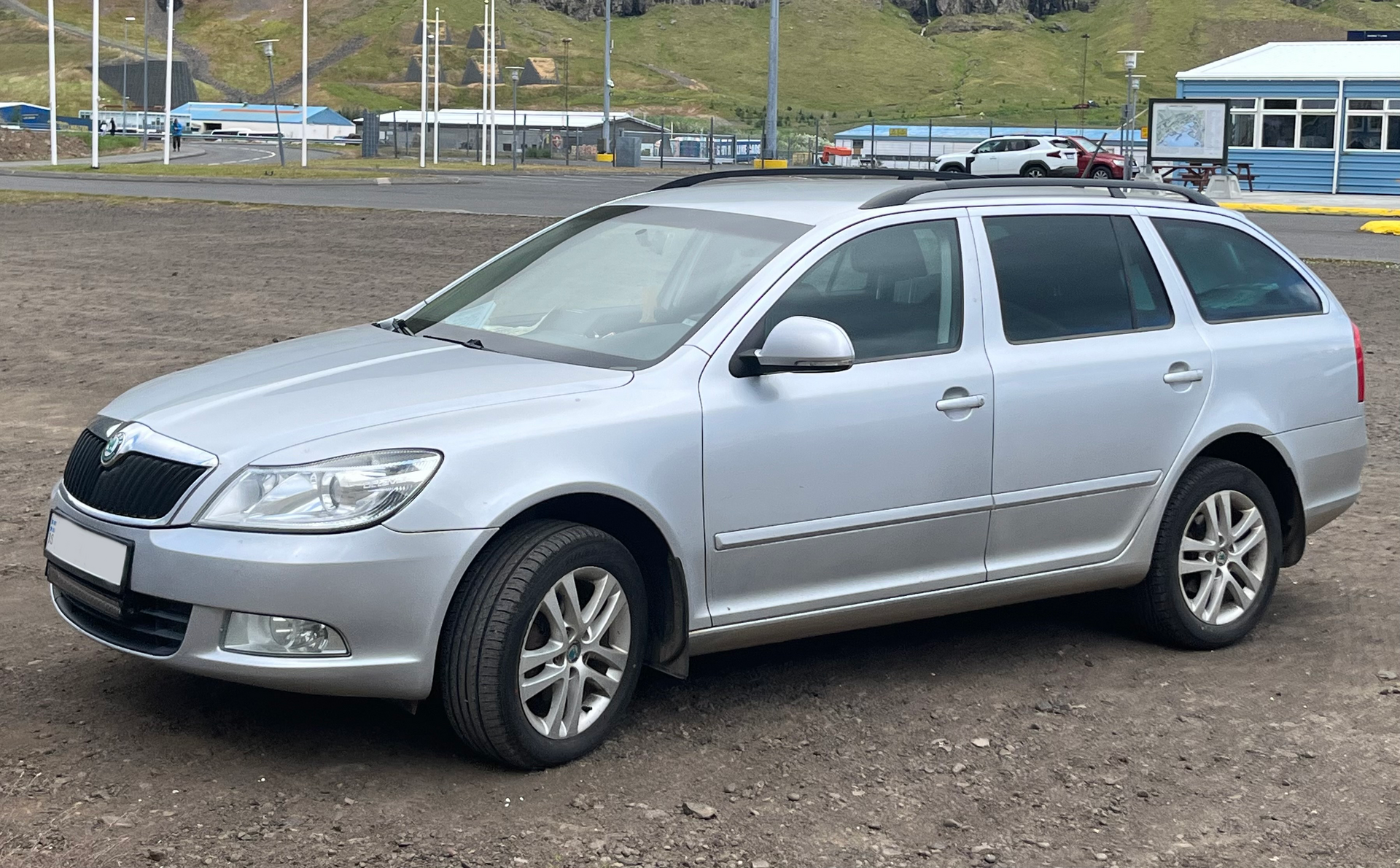
- Octavia Mk2 2004–2013 · Liftback, Station wagon · 59–147 kW (80–200 PS)
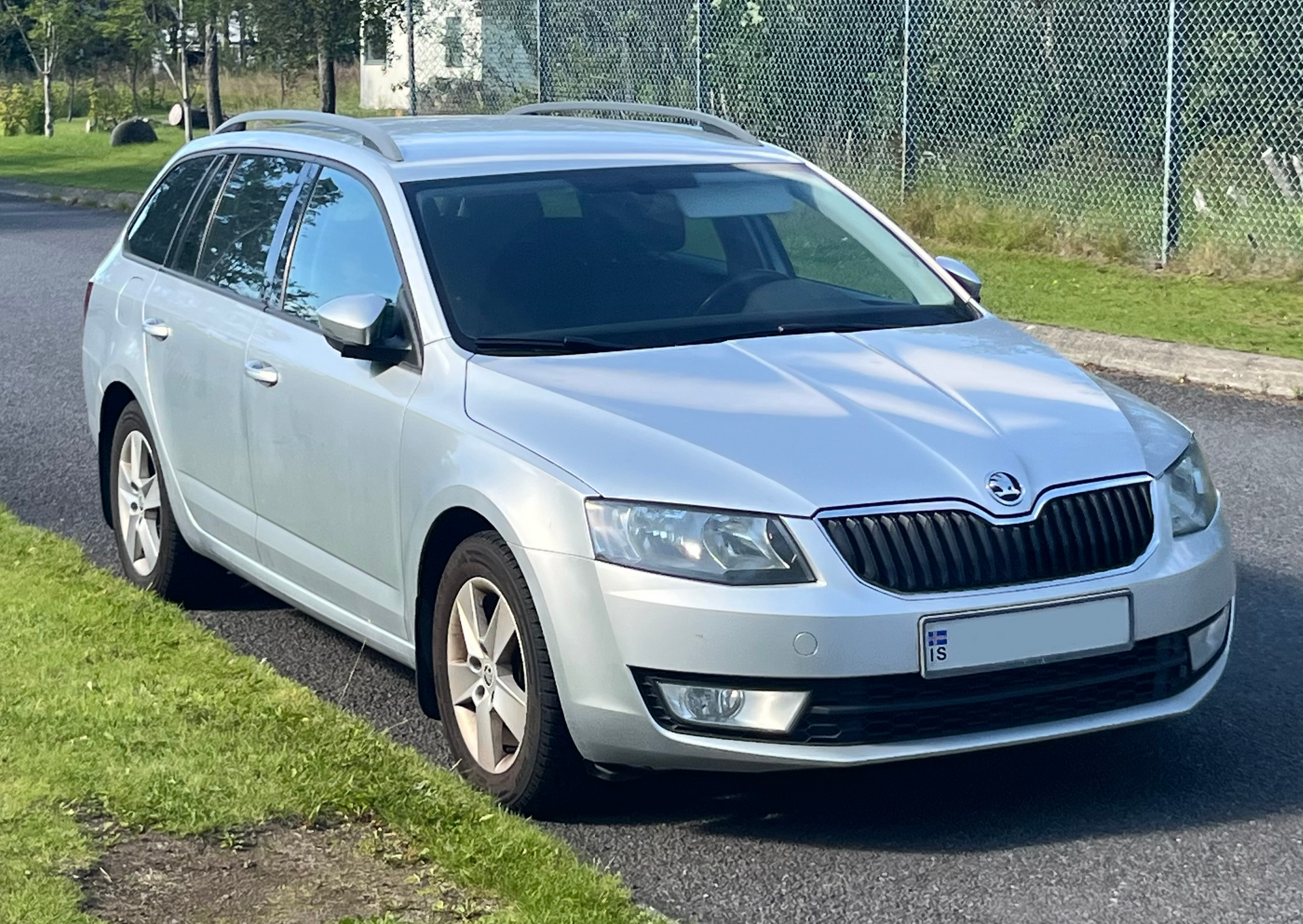
- Octavia Mk3 2012–2020 · Liftback, Station wagon · 77–180 kW (105–245 PS)
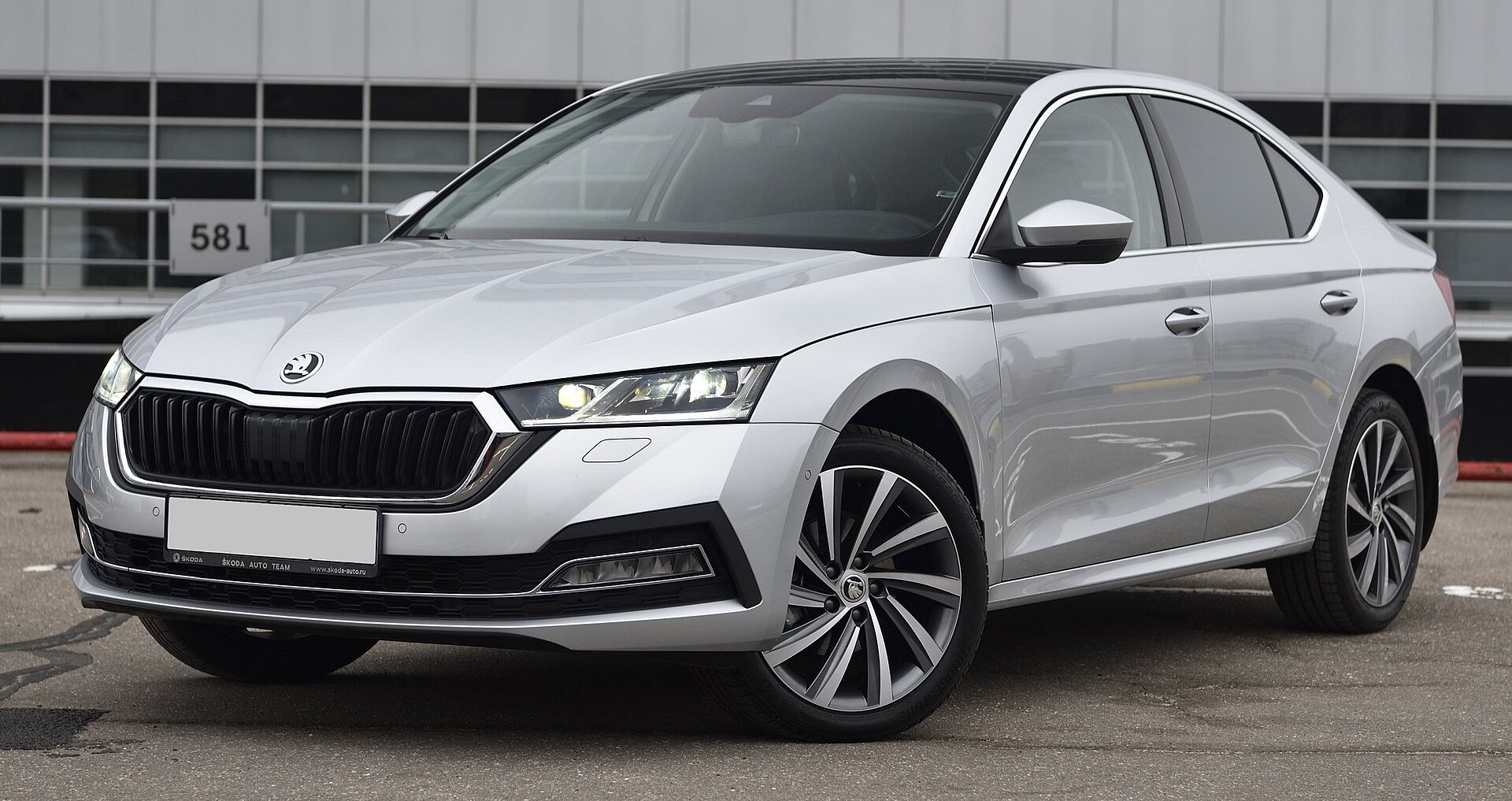
- Octavia Mk4 Current 2019–now · Liftback, Station wagon · 81–180 kW (110–245 PS)
Newest first · 4 generations since 1996
-
2019
-
2012
-
2004
-
1996
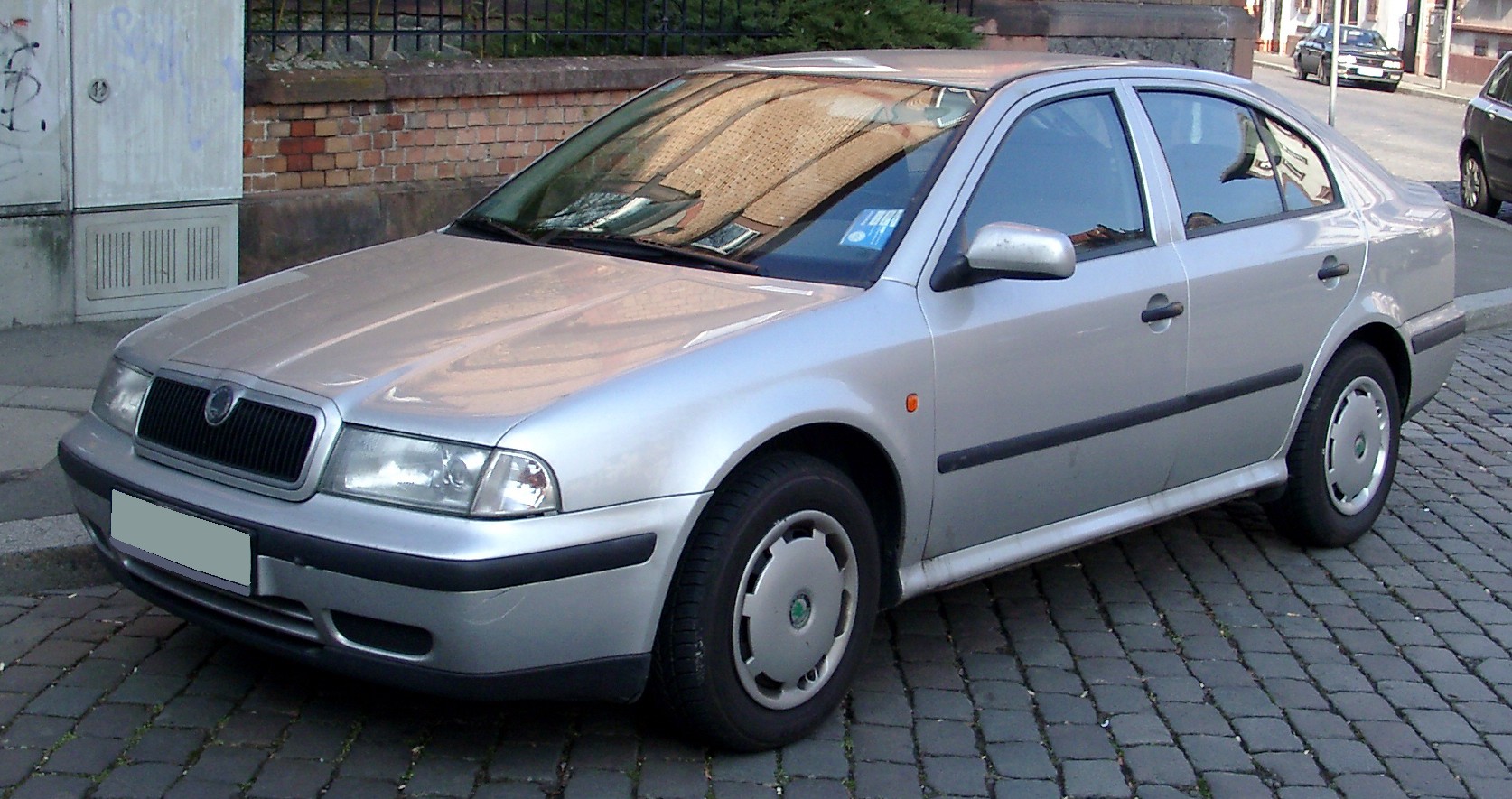
All generations by year: Octavia Mk4 (2019–now) · Octavia Mk3 (2012–2020) · Octavia Mk2 (2004–2013) · Octavia Mk1 (1996–2010)
Which one is mine?
Pick the year of first registration to see which generation it is.
Check by VINWhich Octavia to choose
Our verdict · Felix Hartmann
- For the lowest price: a second-generation car; CarGurus calls it roomy and comfortable and notes that these sell for very little today.
- For space and safety on a budget: a facelifted third-generation Combi (2017–2020) with the 610-litre boot.
- For the latest technology: a fourth-generation car, ideally after the 2024 facelift; CarGurus rates it the best Octavia but also the most expensive.
- For low running costs on short trips: the iV plug-in hybrid with up to 55 km on electricity.
- For performance: the 2024 RS with 195 kW. Our comparison tool helps to set it against other compact estates.
The Škoda Octavia is a compact family car built by Škoda Auto since 1996 as a five-door liftback and a Combi estate. It was developed after Škoda joined the Volkswagen Group in 1991, and with almost 7.9 million cars produced by August 2026 it is the brand's best-selling model. The name goes back to an earlier Octavia built from 1959 to 1971, and the current fourth generation was facelifted in 2024.
In short
- Four modern generations: 1996–2010, 2004–2013, 2012–2020 and since 2019, all built mainly in Mladá Boleslav.
- Engines from a 1.4 with 44 kW (60 PS) to the 2.0 TSI of the 2024 RS with 195 kW (265 PS); natural-gas, plug-in hybrid and mild-hybrid versions in later generations.
- Every generation offers a liftback with a large tailgate and a Combi estate; the RS and the raised Scout are the best-known variants.
- Production peaked at 445,415 cars in 2016.
Size at a glance
Skoda Octavia Mk3
The Skoda Octavia Mk4 is 30 mm longer, 15 mm wider and 9 mm taller than the Skoda Octavia Mk3.
| Dimensions | Skoda Octavia Mk4 | Skoda Octavia Mk3 | Difference |
|---|---|---|---|
| Length | 4,689 mm184.6 in | 4,659 mm183.4 in | +30 mm+1.2 in |
| Width | 1,829 mm72.0 in | 1,814 mm71.4 in | +15 mm+0.6 in |
| Height | 1,470 mm57.9 in | 1,461 mm57.5 in | +9 mm+0.4 in |
| Wheelbase | 2,686 mm105.7 in | 2,667 mm105.0 in | +19 mm+0.7 in |
| Boot | 600 L21.2 cu ft | 590 L20.8 cu ft | +10 L+0.4 cu ft |
Running cost
Fuel · Octavia Mk4 RS 2.0 TDI (200 PS)
about 1,400 EUR fuel a year at 15,000 km
5.7 l/100 km · diesel at 1.65 EUR/l · change mileage, fuel price or version
Specs by version
Engines
| Version | Engine | Power | Torque | Drive | Production years |
|---|---|---|---|---|---|
| Plug-in hybrid · 2 versions | |||||
| Mk4 · 1.4 TSI iV (plug-in hybrid) | 1.4 l · 4 cyl · Plug-in hybrid 1,400 cc | 150 kW 204 PS201 hp | 250 Nm184 lb-ft | Front-wheel drive | 2020 |
| Mk4 · RS iV (plug-in hybrid) | 1.4 l · 4 cyl · Plug-in hybrid 1,400 cc | 180 kW 245 PS241 hp | 400 Nm295 lb-ft | Front-wheel drive | 2020–2024 |
| Diesel · 12 versions | |||||
| Mk1 · 1.9 TDI (90 PS) | 1.9 l · 4 cyl · Diesel 1,900 cc | 66 kW 90 PS89 hp | — | Front-wheel drive | 1996 |
| Mk1 · 1.9 TDI-PD (130 PS) | 1.9 l · 4 cyl · Diesel 1,900 cc | 96 kW 131 PS129 hp | 310 Nm229 lb-ft | Front-wheel drive | — |
| Mk2 · 1.9 TDI (105 PS) | 1.9 l · 4 cyl · Diesel 1,900 cc | 77 kW 105 PS103 hp | 250 Nm184 lb-ft | Front-wheel drive | — |
| Mk2 · 2.0 TDI (140 PS) | 2.0 l · 4 cyl · Diesel 2,000 cc | 103 kW 140 PS138 hp | 320 Nm236 lb-ft | Front-wheel drive | — |
| Mk2 · RS 2.0 TDI | 2.0 l · 4 cyl · Diesel 2,000 cc | 125 kW 170 PS168 hp | 350 Nm258 lb-ft | — | 2006–2008 |
| Mk3 · 1.6 TDI GreenLine | 1.6 l · 4 cyl · Diesel 1,600 cc | 81 kW 110 PS109 hp | 250 Nm184 lb-ft | Front-wheel drive | — |
| Mk3 · 2.0 TDI (150 PS) | 2.0 l · 4 cyl · Diesel 1,968 cc | 110 kW 150 PS148 hp | 320 Nm236 lb-ft | Front-wheel drive | — |
| Mk3 · Scout 2.0 TDI 4×4 | 2.0 l · 4 cyl · Diesel 2,000 cc | 110 kW 150 PS148 hp | 340 Nm251 lb-ft | All-wheel drive | 2017 |
| Mk3 · RS 2.0 TDI | 2.0 l · 4 cyl · Diesel 2,000 cc | 135 kW 184 PS181 hp | 380 Nm280 lb-ft | — | 2013–2019 |
| Mk3 · Scout 2.0 TDI 4×4 | 2.0 l · 4 cyl · Diesel 2,000 cc | 135 kW 184 PS181 hp | 380 Nm280 lb-ft | All-wheel drive | 2017 |
| Mk4 · 2.0 TDI (115 PS) | 2.0 l · 4 cyl · Diesel 2,000 cc | 85 kW 116 PS114 hp | 300 Nm221 lb-ft | Front-wheel drive | 2020 |
| Mk4 · RS 2.0 TDI (200 PS) | 2.0 l · 4 cyl · Diesel 2,000 cc | 147 kW 200 PS197 hp | 400 Nm295 lb-ft | Front-wheel drive | 2020–2024 |
| Petrol · 18 versions | |||||
| Mk1 · 1.4 8V (60 PS) | 1.4 l · 4 cyl · Petrol 1,400 cc | 44 kW 60 PS59 hp | 120 Nm89 lb-ft | Front-wheel drive | 1999–2000 |
| Mk1 · 1.8 20V Turbo (150 PS) | 1.8 l · 4 cyl · Petrol 1,800 cc | 110 kW 150 PS148 hp | 210 Nm155 lb-ft | Front-wheel drive | — |
| Mk1 · RS 1.8 20V Turbo | 1.8 l · 4 cyl · Petrol 1,800 cc | 132 kW 179 PS177 hp | 235 Nm173 lb-ft | — | 2001–2005 |
| Mk2 · 1.2 TSI (105 PS) | 1.2 l · 4 cyl · Petrol 1,200 cc | 77 kW 105 PS103 hp | 175 Nm129 lb-ft | Front-wheel drive | 2010–2013 |
| Mk2 · 2.0 FSI (150 PS) | 2.0 l · 4 cyl · Petrol 2,000 cc | 110 kW 150 PS148 hp | 200 Nm148 lb-ft | Front-wheel drive | — |
| Mk2 · 1.8 TSI (160 PS) | 1.8 l · 4 cyl · Petrol 1,800 cc | 118 kW 160 PS158 hp | 250 Nm184 lb-ft | Front-wheel drive | — |
| Mk2 · RS 2.0 TFSI | 2.0 l · 4 cyl · Petrol 2,000 cc | 147 kW 200 PS197 hp | 280 Nm207 lb-ft | — | 2005–2008 |
| Mk3 · 1.2 TSI (86 PS) | 1.2 l · 4 cyl · Petrol 1,200 cc | 63 kW 86 PS84 hp | 160 Nm118 lb-ft | Front-wheel drive | — |
| Mk3 · 1.4 TSI (150 PS) | 1.4 l · 4 cyl · Petrol 1,400 cc | 110 kW 150 PS148 hp | 250 Nm184 lb-ft | Front-wheel drive | — |
| Mk3 · Scout 1.8 TSI 4×4 | 1.8 l · 4 cyl · Petrol 1,800 cc | 132 kW 179 PS177 hp | 280 Nm207 lb-ft | All-wheel drive | 2017 |
| Mk3 · RS 2.0 TSI | 2.0 l · 4 cyl · Petrol 2,000 cc | 162 kW 220 PS217 hp | 350 Nm258 lb-ft | — | 2013–2019 |
| Mk3 · RS 230 2.0 TSI | 2.0 l · 4 cyl · Petrol 2,000 cc | 169 kW 230 PS227 hp | 350 Nm258 lb-ft | — | 2015 |
| Mk3 · RS 245 2.0 TSI | 2.0 l · 4 cyl · Petrol 2,000 cc | 180 kW 245 PS241 hp | 370 Nm273 lb-ft | — | 2017 |
| Mk4 · 1.0 TSI (110 PS) | 1.0 l · 3 cyl · Petrol 1,000 cc | 81 kW 110 PS109 hp | 200 Nm148 lb-ft | Front-wheel drive | 2020–2023 |
| Mk4 · 1.5 TSI (150 PS) | 1.5 l · 4 cyl · Petrol 1,500 cc | 110 kW 150 PS148 hp | 250 Nm184 lb-ft | Front-wheel drive | 2020 |
| Mk4 · 2.0 TSI 4×4 (190 PS) | 2.0 l · 4 cyl · Petrol 2,000 cc | 140 kW 190 PS188 hp | 320 Nm236 lb-ft | All-wheel drive | 2020 |
| Mk4 · RS 2.0 TSI (245 PS) | 2.0 l · 4 cyl · Petrol 2,000 cc | 180 kW 245 PS241 hp | 370 Nm273 lb-ft | Front-wheel drive | 2020–2024 |
| Mk4 · RS 2.0 TSI (265 PS) | 2.0 l · 4 cyl · Petrol 2,000 cc | 195 kW 265 PS261 hp | — | Front-wheel drive | 2024 |
| LPG / CNG · 2 versions | |||||
| Mk3 · 1.4 TSI G-TEC (CNG) | 1.4 l · 4 cyl · LPG / CNG 1,400 cc | 81 kW 110 PS109 hp | 200 Nm148 lb-ft | Front-wheel drive | — |
| Mk4 · 1.5 TGI G-TEC | 1.5 l · 4 cyl · LPG / CNG 1,500 cc | 96 kW 131 PS129 hp | 200 Nm148 lb-ft | Front-wheel drive | 2020 |
Performance
Show all 25 versions
| Version | 0–100 km/h | Top speed | Fuel consumption | CO₂ |
|---|---|---|---|---|
| Plug-in hybrid · 2 versions | ||||
| Mk4 · 1.4 TSI iV (plug-in hybrid) | 7.7 s 0–62 mph | 220 km/h137 mph | — | — |
| Mk4 · RS iV (plug-in hybrid) | 7.3 s 0–62 mph | 225 km/h140 mph | — | — |
| Diesel · 8 versions | ||||
| Mk2 · 1.9 TDI (105 PS) | 11.8 s 0–62 mph | 192 km/h119 mph | 4.9 l/100 km48.0 mpg US · 57.6 mpg UK | 130 g/km |
| Mk2 · 2.0 TDI (140 PS) | 9.6 s 0–62 mph | 208 km/h129 mph | 5.5 l/100 km42.8 mpg US · 51.4 mpg UK | 145 g/km |
| Mk3 · 1.6 TDI GreenLine | 10.6 s 0–62 mph | 206 km/h128 mph | 3.2 l/100 km73.5 mpg US · 88.3 mpg UK | 85 g/km |
| Mk3 · Scout 2.0 TDI 4×4 | 9.1 s 0–62 mph | 207 km/h129 mph | — | — |
| Mk3 · RS 2.0 TDI | 8.1 s 0–62 mph | 232 km/h144 mph | — | — |
| Mk3 · Scout 2.0 TDI 4×4 | 7.8 s 0–62 mph | 219 km/h136 mph | — | — |
| Mk4 · 2.0 TDI (115 PS) | 10.4 s 0–62 mph | 205 km/h127 mph | 4.2 l/100 km56.0 mpg US · 67.3 mpg UK | 111 g/km |
| Mk4 · RS 2.0 TDI (200 PS) | — | — | 5.7 l/100 km41.3 mpg US · 49.6 mpg UK | 149 g/km |
| Petrol · 13 versions | ||||
| Mk2 · 1.2 TSI (105 PS) | 10.8 s 0–62 mph | 192 km/h119 mph | 5.7 l/100 km41.3 mpg US · 49.6 mpg UK | 134 g/km |
| Mk2 · 2.0 FSI (150 PS) | 9.4 s 0–62 mph | 212 km/h132 mph | 7.6 l/100 km30.9 mpg US · 37.2 mpg UK | 181 g/km |
| Mk2 · 1.8 TSI (160 PS) | 8.1 s 0–62 mph | 223 km/h139 mph | 7.4 l/100 km31.8 mpg US · 38.2 mpg UK | 176 g/km |
| Mk3 · 1.2 TSI (86 PS) | 12.0 s 0–62 mph | 181 km/h112 mph | 5.2 l/100 km45.2 mpg US · 54.3 mpg UK | 119 g/km |
| Mk3 · 1.4 TSI (150 PS) | 8.1 s 0–62 mph | 219 km/h136 mph | 5.1 l/100 km46.1 mpg US · 55.4 mpg UK | 117 g/km |
| Mk3 · Scout 1.8 TSI 4×4 | 7.8 s 0–62 mph | 216 km/h134 mph | — | — |
| Mk3 · RS 2.0 TSI | 6.8 s 0–62 mph | 248 km/h154 mph | — | — |
| Mk3 · RS 230 2.0 TSI | 6.7 s 0–62 mph | 250 km/h155 mph | — | — |
| Mk3 · RS 245 2.0 TSI | 6.6 s 0–62 mph | 250 km/h155 mph | — | — |
| Mk4 · 1.0 TSI (110 PS) | 10.8 s 0–62 mph | 208 km/h129 mph | 5.1 l/100 km46.1 mpg US · 55.4 mpg UK | 115 g/km |
| Mk4 · 1.5 TSI (150 PS) | 8.2 s 0–62 mph | 230 km/h143 mph | 5.6 l/100 km42.0 mpg US · 50.4 mpg UK | 127 g/km |
| Mk4 · 2.0 TSI 4×4 (190 PS) | 6.8 s 0–62 mph | 239 km/h149 mph | 7.1 l/100 km33.1 mpg US · 39.8 mpg UK | 161 g/km |
| Mk4 · RS 2.0 TSI (245 PS) | — | — | 6.9 l/100 km34.1 mpg US · 40.9 mpg UK | 157 g/km |
| LPG / CNG · 2 versions | ||||
| Mk3 · 1.4 TSI G-TEC (CNG) | 10.9 s 0–62 mph | 195 km/h121 mph | — | 94 g/km |
| Mk4 · 1.5 TGI G-TEC | 9.5 s 0–62 mph | 218 km/h135 mph | 6.8 l/100 km34.6 mpg US · 41.5 mpg UK | 98 g/km |
Dimensions and weight
Show all 21 versions
| Version | Kerb weight | Boot | Fuel tank |
|---|---|---|---|
| Plug-in hybrid · 2 versions | |||
| Mk4 · 1.4 TSI iV (plug-in hybrid) | 1,608 kg3,545 lb | 450 l15.9 cu ft | 40 l10.6 gal US |
| Mk4 · RS iV (plug-in hybrid) | — | — | — |
| Diesel · 7 versions | |||
| Mk2 · 1.9 TDI (105 PS) | 1,395 kg3,075 lb | 560 l19.8 cu ft | 55 l14.5 gal US |
| Mk2 · 2.0 TDI (140 PS) | 1,410 kg3,109 lb | 560 l19.8 cu ft | 55 l14.5 gal US |
| Mk3 · 1.6 TDI GreenLine | 1,280 kg2,822 lb | 590 l20.8 cu ft | 50 l13.2 gal US |
| Mk3 · Scout 2.0 TDI 4×4 | — | — | — |
| Mk3 · Scout 2.0 TDI 4×4 | — | — | — |
| Mk4 · 2.0 TDI (115 PS) | 1,445 kg3,186 lb | 600 l21.2 cu ft | 45 l11.9 gal US |
| Mk4 · RS 2.0 TDI (200 PS) | 1,607 kg3,543 lb | — | — |
| Petrol · 10 versions | |||
| Mk2 · 1.2 TSI (105 PS) | 1,270 kg2,800 lb | 560 l19.8 cu ft | 55 l14.5 gal US |
| Mk2 · 2.0 FSI (150 PS) | 1,385 kg3,053 lb | 560 l19.8 cu ft | 55 l14.5 gal US |
| Mk2 · 1.8 TSI (160 PS) | 1,400 kg3,086 lb | 560 l19.8 cu ft | 55 l14.5 gal US |
| Mk3 · 1.2 TSI (86 PS) | 1,218 kg2,685 lb | 590 l20.8 cu ft | 50 l13.2 gal US |
| Mk3 · 1.4 TSI (150 PS) | 1,255 kg2,767 lb | 590 l20.8 cu ft | 50 l13.2 gal US |
| Mk3 · Scout 1.8 TSI 4×4 | — | — | — |
| Mk4 · 1.0 TSI (110 PS) | 1,301 kg2,868 lb | 600 l21.2 cu ft | 45 l11.9 gal US |
| Mk4 · 1.5 TSI (150 PS) | 1,338 kg2,950 lb | 600 l21.2 cu ft | 45 l11.9 gal US |
| Mk4 · 2.0 TSI 4×4 (190 PS) | 1,524 kg3,360 lb | 600 l21.2 cu ft | 55 l14.5 gal US |
| Mk4 · RS 2.0 TSI (245 PS) | 1,540 kg3,395 lb | — | — |
| LPG / CNG · 2 versions | |||
| Mk3 · 1.4 TSI G-TEC (CNG) | 1,394 kg3,073 lb | 460 l16.2 cu ft | — |
| Mk4 · 1.5 TGI G-TEC | 1,397 kg3,080 lb | 455 l16.1 cu ft | — |
Verified Manufacturer and type-approval data from our catalog · Sources and methodology
Safety
-
Mk4 · Euro NCAP 2025
Stars from different years and organisations are not directly comparable: test protocols change every few years.
Škoda Octavia at a glance
| Parameter | Value |
|---|---|
| Production | since 1996 (start of series production 3 September 1996) |
| Generations | 4 (plus the original Octavia of 1959–1971) |
| Bodies | five-door liftback, Combi estate |
| Engines | 1.0–2.0 l petrol, 1.6–2.0 l diesel, CNG, mild hybrid, plug-in hybrid |
| Power | 44–195 kW (60–265 PS) |
| Drive | front-wheel drive; 4×4 since 1999 |
| Plants | Mladá Boleslav, Vrchlabí and Kvasiny (Czech Republic); also Bratislava, India, China and Kazakhstan at times |
| Built | almost 7.9 million (to August 2026) |
| Variants | RS since 2000, Scout since 2006 |
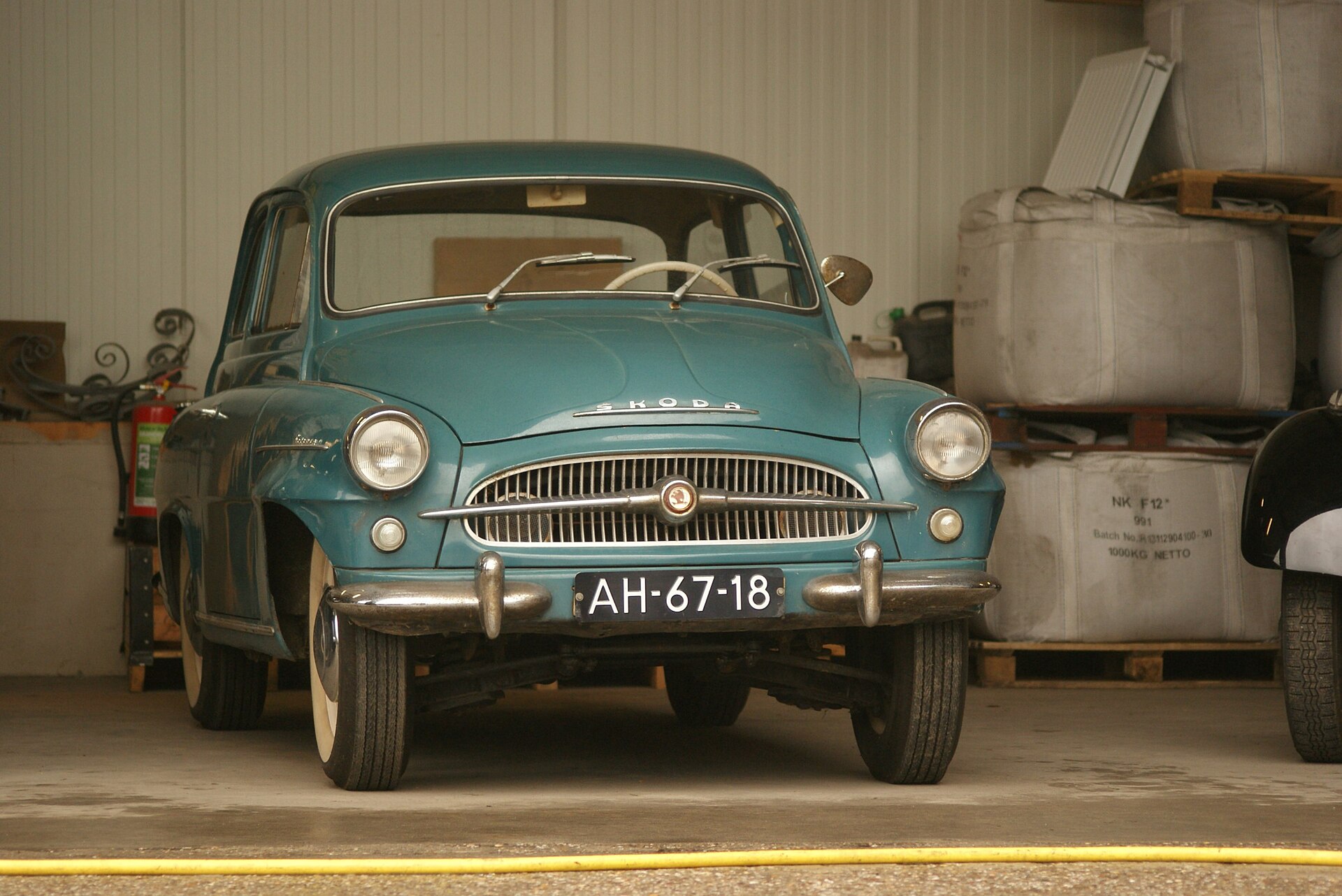
The first Octavia (1959–1971)
The name first appeared in January 1959 on a small saloon built at Mladá Boleslav. Its 1.1-litre engine gave 29.4 kW (40 PS), and with four gears it reached 110 km/h. The Octavia Super had a 1.2-litre with 33 kW (45 PS). The sporty TS, shown at Geneva on 10 March 1960, had 37 kW (50 PS) and did 130 km/h. The TS won its class at the Monte Carlo Rally in 1961, 1962 and 1963. The saloon ended in April 1964, but the Combi estate stayed in production at Kvasiny until 21 December 1971. Škoda built about 360,000 of these cars, more than 54,000 of them estates. The brand's longer story is in our history of Škoda.

Octavia generations compared
| Generation | Years | Platform | Engines | Built |
|---|---|---|---|---|
| I (1U) | 1996–2010 | — | 1.4–2.0 petrol, 1.9 TDI | 1.44 million |
| II (1Z) | 2004–2013 | Volkswagen A5 (PQ35) | 1.2–2.0 petrol, 1.9–2.0 TDI | 2.6 million |
| III (5E) | 2012–2020 | — | 1.2–2.0 petrol, CNG, 1.6–2.0 TDI | more than 2.5 million |
| IV (NX) | since 2019 | — | 1.0–2.0 petrol, mild hybrid, plug-in, CNG, 2.0 TDI | in production |
The second and third generations each reached roughly twice the volume of the first. Every version with its data is listed in our Škoda catalogue.
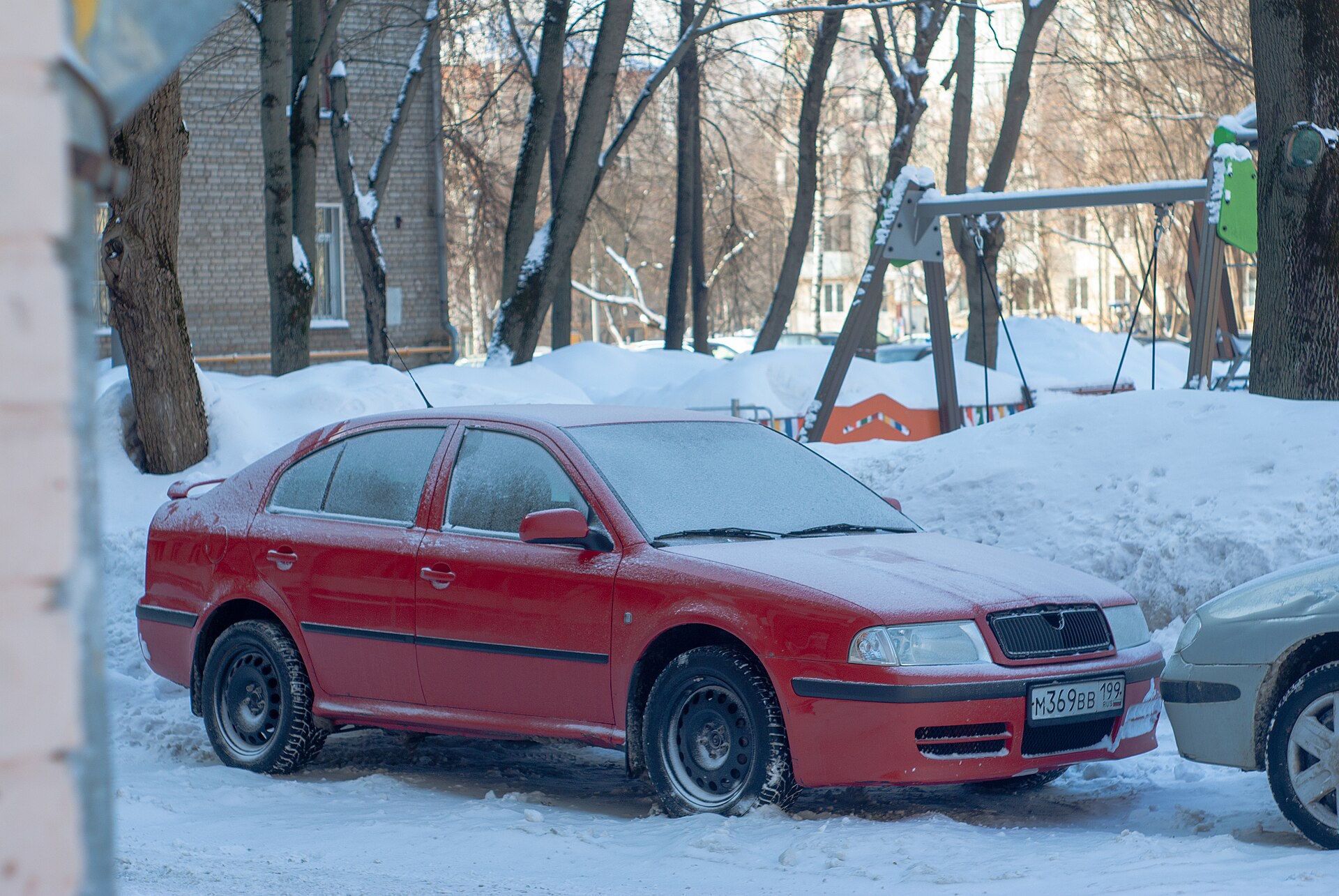
First generation (1996–2010): the Volkswagen era begins
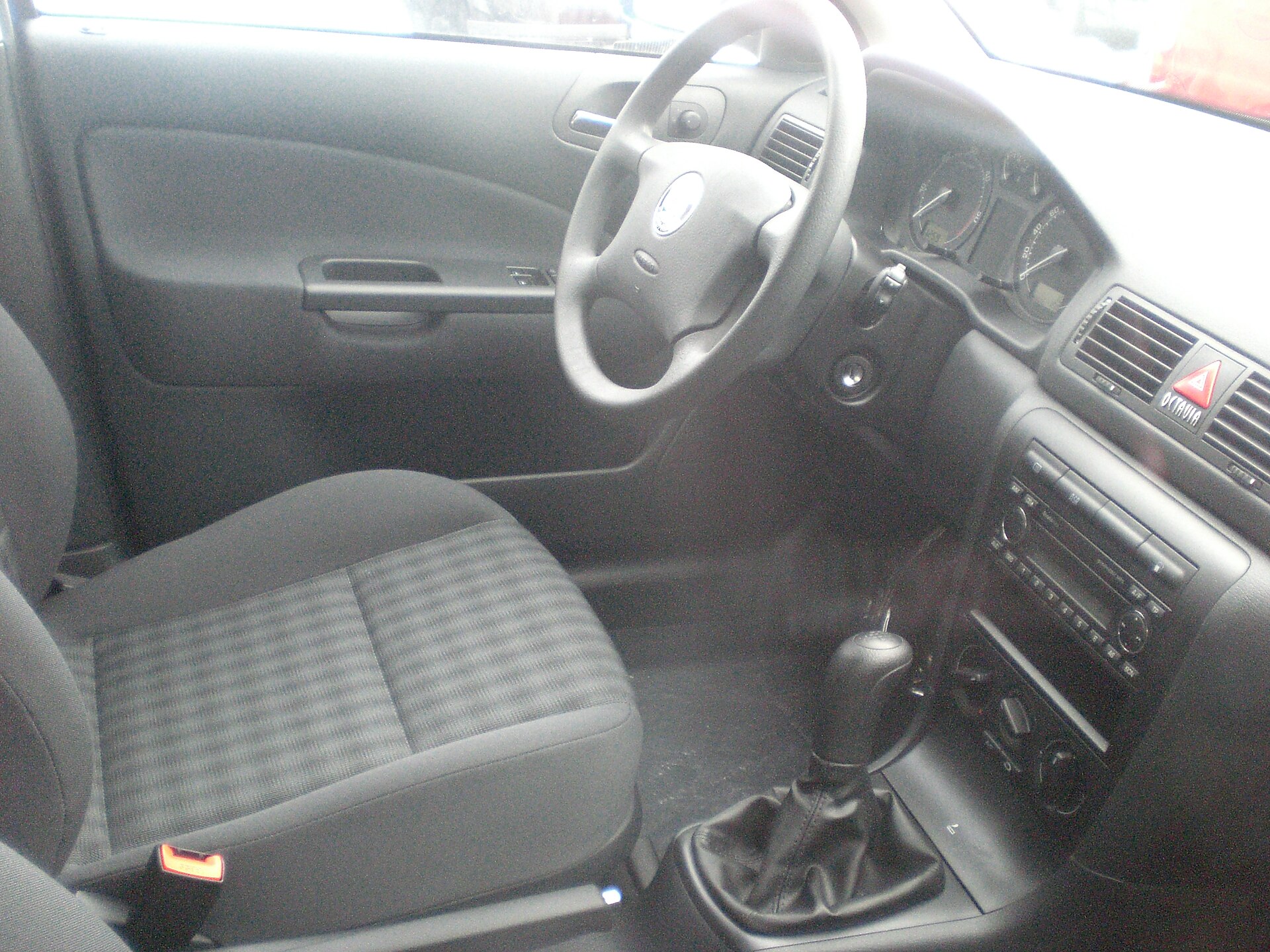
Development started in 1992, a year after Škoda joined the Volkswagen Group, and a new plant raised Mladá Boleslav's annual capacity from 90,000 to 350,000 cars. The liftback was unveiled on 4 April 1996 with a 528-litre boot, and series production began on 3 September 1996. The Combi followed in March 1998 and four-wheel drive, with a Haldex coupling, in 1999. In Germany and some other markets the car was later sold as the Octavia Tour.
Launch engines were a 1.6, a 1.8 20-valve petrol and a 1.9 TDI diesel with 66 kW (90 PS). A 1.4 entry model with 44 kW (60 PS) came in 1999, mostly for Czech buyers. Later a 1.9 TDI-PD with 96 kW (130 PS) and a six-speed manual was added. The 2000 facelift revised the interior and the rear suspension. The first Octavia RS of 2000 used a 1.8 turbo with 132 kW (180 PS); its full story is told in our Octavia RS article. Some first-generation models stayed in production until 2010, overlapping with their successor.


Second generation (2004–2013): DSG, TSI and the Scout
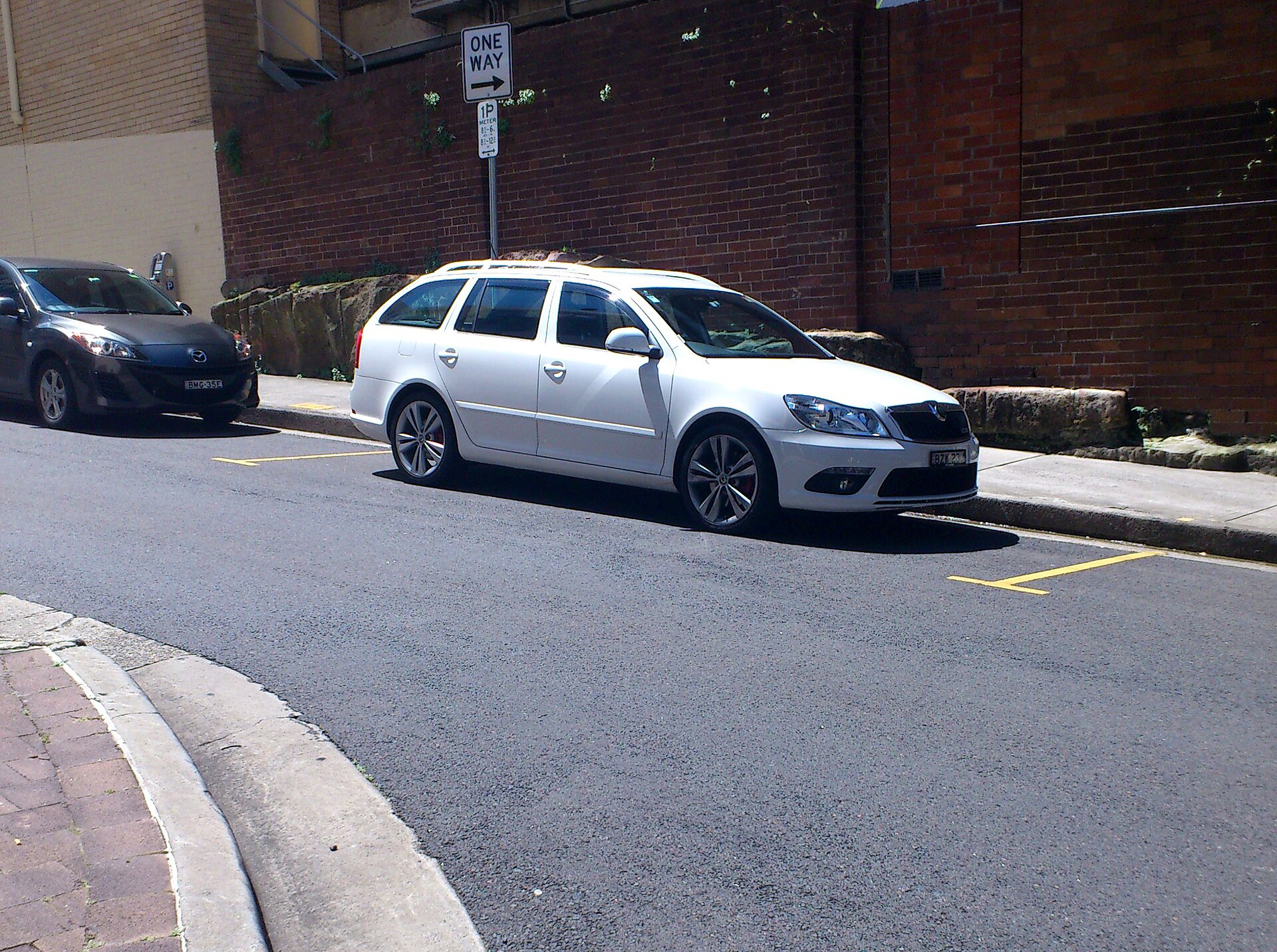
The second Octavia arrived in March 2004 on the Volkswagen Group A5 (PQ35) platform shared with the fifth Golf, the Audi A3 and the SEAT León. Thomas Ingenlath and Peter Wouda designed it, and it gave rear passengers more legroom; Škoda puts the boot gain over the first generation at 32 litres. Direct-injection engines and the DSG dual-clutch gearbox appeared here for the first time in an Octavia. The RS used the 2.0 TFSI from the Golf GTI with 147 kW (200 PS), and a diesel RS with 125 kW (170 PS) joined it.
A facelift, first seen in Paris in 2008, introduced the 1.4 TSI, 1.8 TSI and a seven-speed DSG. A 1.2 TSI with 77 kW (105 PS) followed in 2010. The Scout of 2006 was a raised Combi with 40 mm more ground clearance and four-wheel drive, described in our Octavia Scout article. At Bonneville in August 2011 a modified Octavia RS set 365.43 km/h, the fastest ever recorded for a car of two litres or less. Production grew to 2.6 million, and the car was assembled in Mladá Boleslav, Vrchlabí, Bratislava and Shanghai and sold in India as the Laura.

Third generation (2012–2020): bigger, lighter and assisted
Škoda revealed the third Octavia on 11 December 2012 at its museum in Mladá Boleslav, and it reached showrooms in February 2013. Designed by Jozef Kabaň, it was 9 cm longer and 4.5 cm wider than before, with an 8 cm longer wheelbase, yet up to 102 kg lighter. The liftback's boot grew to 590 litres and the Combi's to 610 litres. It was also the first Škoda with a front radar and camera for adaptive cruise control and lane assistance.
| Version | Engine | Power | Torque |
|---|---|---|---|
| 1.2 TSI | petrol | 63 kW (86 PS) | 160 Nm |
| 1.4 TSI | petrol | 103–110 kW (140–150 PS) | 250 Nm |
| 1.4 G-TEC | compressed natural gas | 81 kW (110 PS) | 200 Nm |
| 1.6 TDI GreenLine | diesel | 81 kW (110 PS) | 250 Nm |
| 2.0 TDI | diesel | 105–135 kW (143–184 PS) | 320–380 Nm |
| RS 245 | 2.0 TSI | 180 kW (245 PS) | 370 Nm |
The RS appeared at Goodwood in 2013 with 162 kW (220 PS), rose to 169 kW (230 PS) in 2015 and to 180 kW (245 PS) in 2017. In the 2013 Euro NCAP test the Octavia scored 93 % for adult occupants. A facelift presented in Vienna on 10 January 2017 brought the split headlights, and the one-millionth third-generation car was announced in 2016.


Fourth generation (since 2019): hybrids and a head-up display
The current Octavia was presented in Prague on 11 November 2019 and delivered from June 2020. It was the first Škoda with a head-up display and has two 10-inch screens, wireless charging and a small gear selector instead of a lever. New to the range were mild hybrids with 81 and 110 kW and a 1.5 TGI natural-gas engine with 96 kW. Two plug-in hybrids joined them: the iV with 150 kW and the RS iV with 180 kW. Both use a 13 kWh battery and cover up to 55 or 60 km on electricity.
The facelift unveiled on 14 February 2024 made the car 9 mm longer and added a 13-inch infotainment screen. The 1.0 TSI gave way to a 1.5 TSI. The RS lost its diesel and plug-in versions, and the petrol RS rose to 195 kW (265 PS). In the 2025 Euro NCAP test the Combi scored 85 % for adults and 81 % for pedestrians, against 92 % and 73 % in 2019. In the UK the facelifted car cost £27,115 to £38,550 at the end of October 2024 (about €32,000–45,500). Current production is in Mladá Boleslav, Kvasiny and Kostanay in Kazakhstan; China receives a longer Octavia Pro.
Production by year
| Year | Production | Year | Production |
|---|---|---|---|
| 1997 | 60,488 | 2013 | 356,471 |
| 2001 | 169,807 | 2016 | 445,415 |
| 2005 | 246,781 | 2019 | 358,356 |
| 2008 | 355,037 | 2021 | 172,077 |
| 2011 | 402,281 | 2025 | 186,971 |
Output passed 400,000 a year in 2011 and peaked in 2016. It then fell to 172,077 in 2021, the lowest figure since 2000.
Photo gallery

Skoda Octavia evolution in numbers
Did you know?
- The Skoda Octavia has been around for 30 years: 4 generations in our catalog since 1996.
- The biggest jump in power came with the Octavia Mk3: up to 180 kW (245 PS), 33 kW more than the Octavia Mk2.
Most powerful version, kW
Figures from the 1cars catalog: power is the strongest version of each generation; generations without the figure are left out.
Skoda Octavia: first vs latest generation
| Spec | Octavia Mk1 | Octavia Mk4 | Change |
|---|---|---|---|
| Years | 1996–2010 | 2019–present | 23 years apart |
| Most powerful version | 142 kW (193 PS) | 180 kW (245 PS) | +38 kW (+27%) |
Oldest and newest generation in the 1cars catalog. Power is the strongest version of each; other rows are shown only when both generations have the figure.
Image credits · Photos from Wikimedia Commons under free licences
- Skoda Octavia Mk4 · Photo: Mike-fiesta / Wikimedia Commons, CC BY-SA 4.0
Popular comparisons
Skoda Octavia in our rankings
- No. 1 of 49 · Biggest boot: hatchbacks (600 l)
- No. 2 of 42 · Most economical hatchbacks (3.2 l/100 km)
- No. 2 of 256 · Most economical cars (3.2 l/100 km)
- No. 8 of 67 · Longest hatchbacks (4,689 mm)
- No. 8 of 16 · Biggest engines: station wagons (2,000 cc)
- No. 9 of 66 · Widest hatchbacks (1,829 mm)
More economical than 99% of ranked cars in the 1CARS catalog (No. 2 of 256).
Skoda Octavia photos 6
FAQ
How many generations of the Škoda Octavia are there?
Four modern generations (1996, 2004, 2012 and 2019), plus the original Octavia built from 1959 to 1971.
How many Škoda Octavias have been built?
Almost 7.9 million modern Octavias by August 2026, which makes it Škoda's best-selling model.
How big is the Octavia's boot?
The first generation had 528 litres; the third generation offered 590 litres in the liftback and 610 litres in the Combi.
What engines does the current Octavia have?
Petrol 1.5 TSI (also as a mild hybrid), 2.0 TSI and 2.0 TDI diesels. Since the 2024 facelift the RS has a 2.0 TSI with 195 kW (265 PS).
Where is the Škoda Octavia built?
Mainly in Mladá Boleslav in the Czech Republic; the fourth generation is also built in Kvasiny and in Kostanay, Kazakhstan.
Data sources
Data checked by an editor against the sources below.
- Wikipedia — Škoda Octavia
- Škoda Storyboard — Skoda Octavia Turns 30 Three Decades Of A Brand Icon
- Am-online
- Newsmarket — Fe3d02d0 E7ad 4cad 90b9 9617d39f8f2f
- Euro NCAP
- EEA CO₂ monitoring (European Environment Agency, CC BY 4.0)