 Toyota Vitz
All generations, specs and history
Published Sources (5) Report an error
By Sarah Whitmore, Senior Automotive Writer
- Built
- 1998–2020
- Generations
- 3 · XP10 to XP130
- Top power
- 156 kW (212 PS)
Timeline
Vitz generations
Click a generation for its own page


- Vitz XP10 1999–2005 · Hatchback · 51–81 kW (69–110 PS)
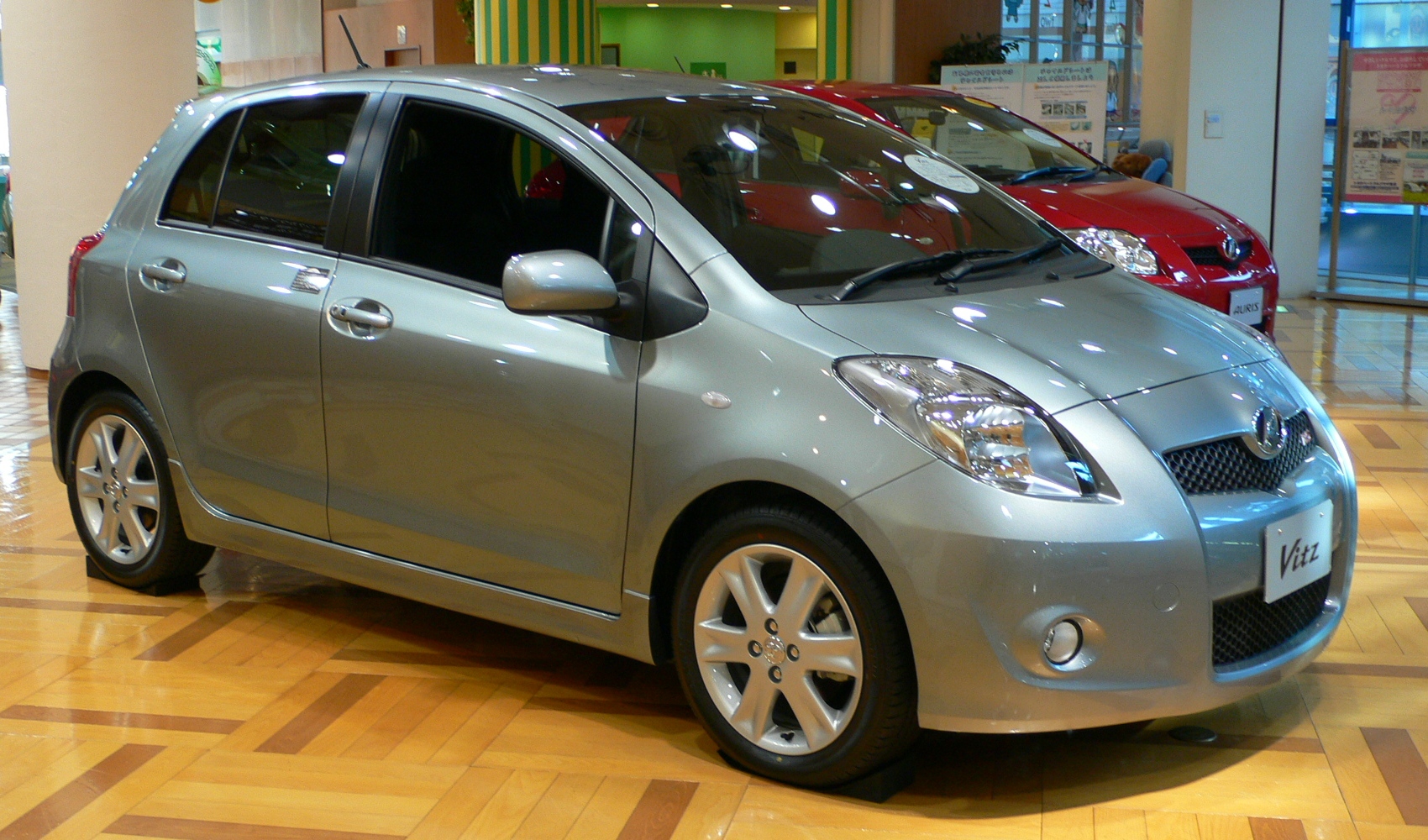
- Vitz XP90 2005–2010 · Hatchback · 64–81 kW (87–110 PS)
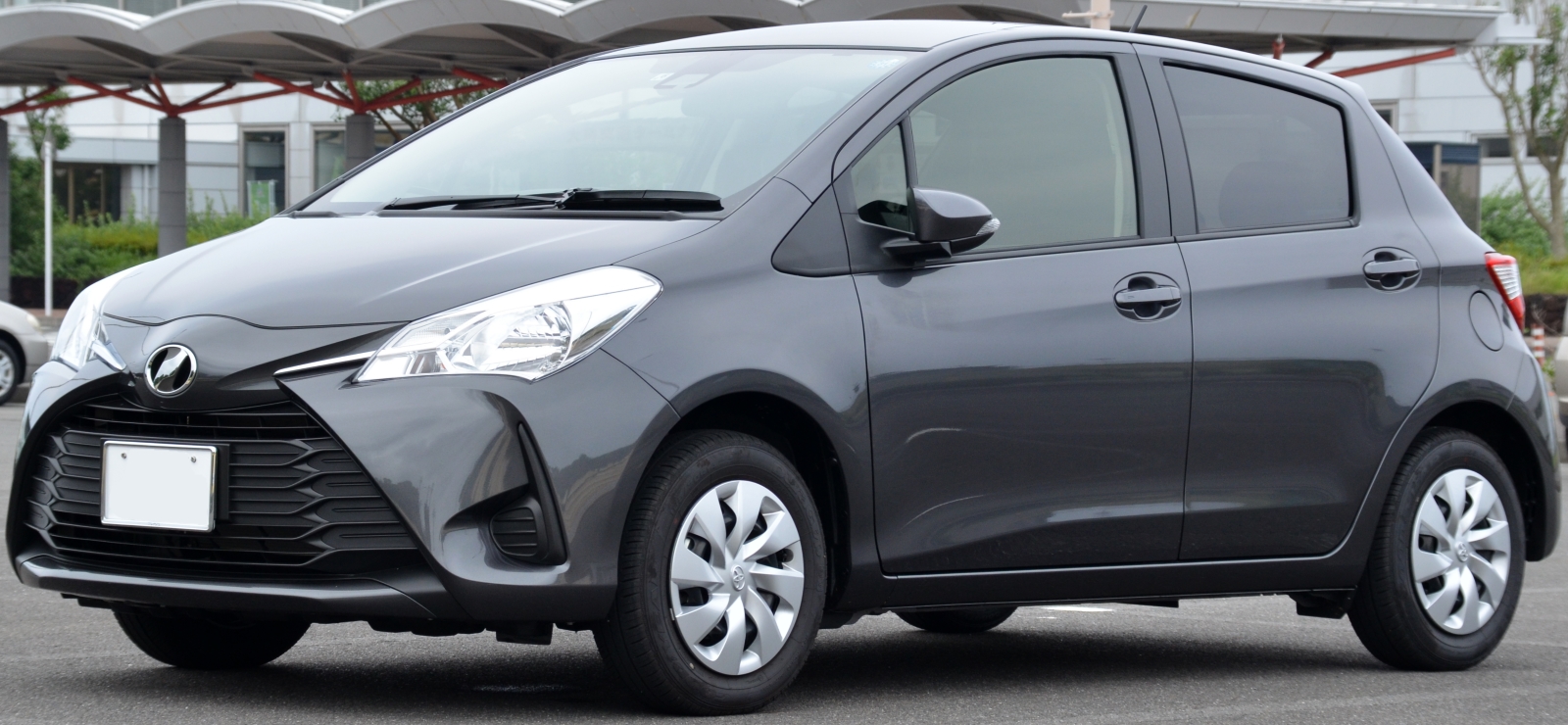
- Vitz XP130 2010–2020 · Hatchback · 70–156 kW (95–212 PS)
Newest first · 3 generations since 1999
-
2010
-
2005
-
1999
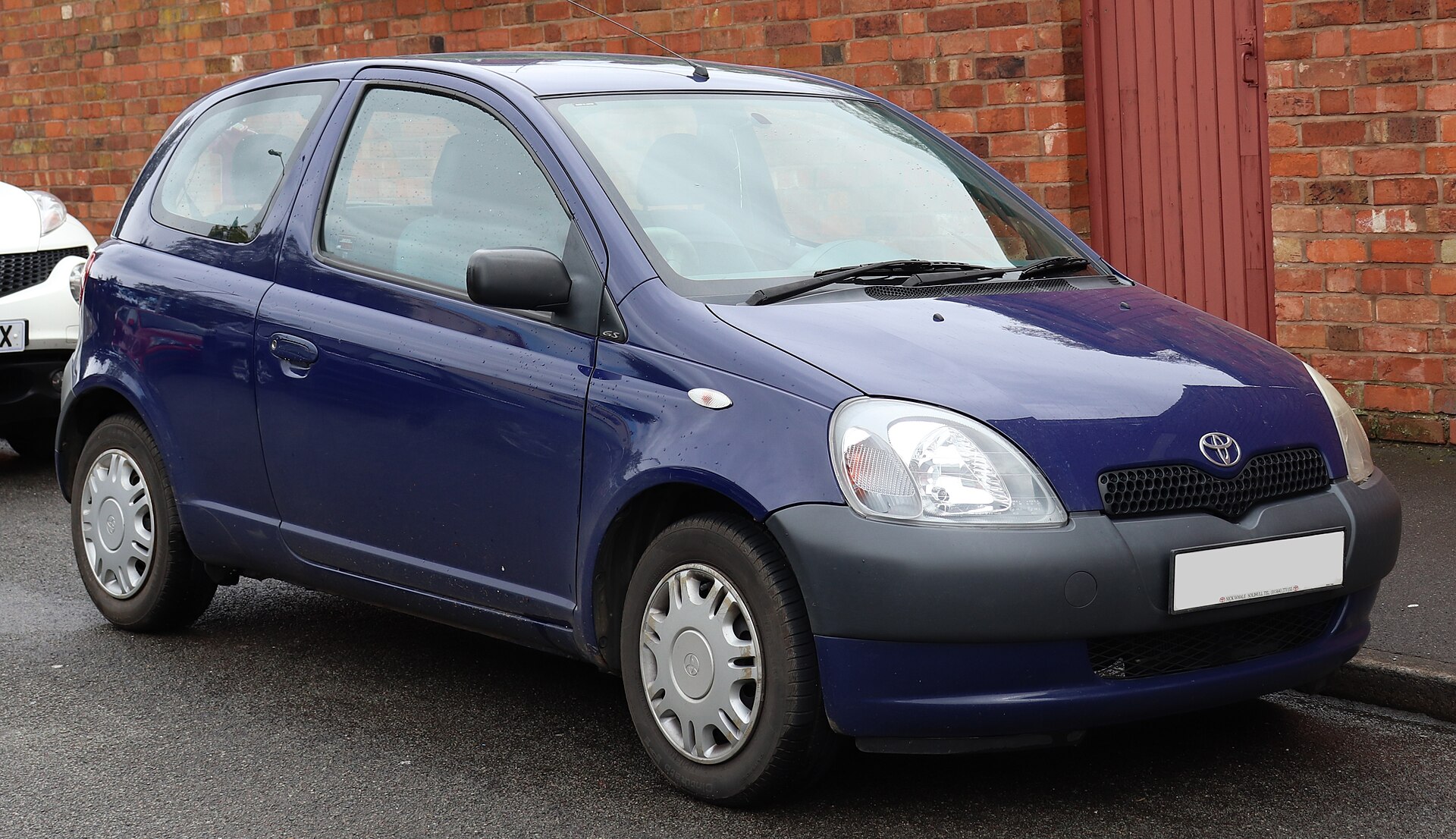
All generations by year: Vitz XP130 (2010–2020) · Vitz XP90 (2005–2010) · Vitz XP10 (1999–2005)
Which one is mine?
Pick the year of first registration to see which generation it is.
Check by VINWhich Vitz to choose
Our verdict · Sarah Whitmore
For a used import, the third-generation Vitz is the most modern choice: the 1.3 with 70 kW and a CVT suits town driving, and the hybrid from 2017 is the most economical. The XP90 RS with 81 kW and a manual gearbox is the lively budget option. Enthusiasts look for the GRMN models, which are rare. Similar small cars include the Honda Jazz and the Kia Picanto; the current Toyota range is on the Toyota catalogue page.
Vitz was Toyota's name in Japan for the small hatchback sold abroad as the Toyota Yaris, built in three generations from 1999 to 2020. The first Vitz, styled by the Greek designer Sotiris Kovos, took the main car awards in Japan and Europe. Engines ranged from a 51 kW 1.0-litre to the 156 kW supercharged GRMN of 2017. In February 2020 Toyota dropped the Vitz name, and the fourth generation is sold in Japan as the Yaris.
In short
- Three Vitz generations: XP10 (1999–2005), XP90 (2005–2010) and XP130 (2010–2020).
- Japan Car of the Year 1999–2000; the Yaris version was European Car of the Year 2000.
- Engines from a 1.0-litre with 51 kW (70 PS) to the 1.8-litre supercharged GRMN with 156 kW (212 PS), plus a hybrid from 2017.
- Replaced in Japan by the fourth-generation Yaris, on sale from 10 February 2020.
Running cost
Fuel · Vitz XP130 1.5
about 1,600 EUR fuel a year at 15,000 km
6.0 l/100 km · petrol at 1.75 EUR/l · change mileage, fuel price or version
Specs by version
Engines
| Version | Engine | Power | Torque | Gearbox | Production years |
|---|---|---|---|---|---|
| XP10 · 1999–2005 | |||||
| XP10 · 1.0 | 4 cyl · Petrol 1SZ-FE | 51 kW 69 PS68 hp | - | - | - |
| XP10 · 1.3 | Petrol | 64 kW 87 PS86 hp | 116 Nm86 lb-ft | - | - |
| XP10 · RS 1.5 | Petrol 1NZ-FE | 81 kW 110 PS109 hp | - | - | 2000 |
| XP90 · 2005–2010 | |||||
| XP90 · 1.3 | Petrol 2SZ-FE | 64 kW 87 PS86 hp | 116 Nm86 lb-ft | CVT | - |
| XP90 · RS 1.5 | Petrol 1NZ-FE | 81 kW 110 PS109 hp | 141 Nm104 lb-ft | 5-sp Manual | - |
| XP130 · 2010–2020 | |||||
| XP130 · 1.3 | Petrol 1NR-FE | 70 kW 95 PS94 hp | - | CVT | 2010–2014 |
| XP130 · 1.3 (1NR-FKE) | Petrol 1NR-FKE | 70 kW 95 PS94 hp | 121 Nm89 lb-ft | CVT | 2014 |
| XP130 · 1.5 | Petrol 1NZ-FE | 80 kW 109 PS107 hp | 138 Nm102 lb-ft | - | - |
| XP130 · GRMN Turbo | Petrol 1NZ-FTE | 112 kW 152 PS150 hp | 206 Nm152 lb-ft | - | 2013 |
| XP130 · GRMN | Petrol 2ZR-FE | 156 kW 212 PS209 hp | 250 Nm184 lb-ft | 6-sp Manual | 2017 |
Performance
Show all 2 versions
| Version | 0–100 km/h | Top speed | Fuel consumption | CO₂ |
|---|---|---|---|---|
| XP130 · 2010–2020 | ||||
| XP130 · 1.5 | - | - | 6.0 l/100 km39.2 mpg US · 47.1 mpg UK | 135 g/km |
| XP130 · GRMN | 6.3 s 0–62 mph | 230 km/h143 mph | - | - |
Dimensions and weight
Show all 1 versions
| Version | Kerb weight |
|---|---|
| XP130 · 2010–2020 | |
| XP130 · 1.5 | 1,115 kg2,458 lb |
Verified Manufacturer and type-approval data from our catalog · Sources and methodology
Toyota Vitz at a glance
| Generation | Japanese launch | Engines (Japan) | Export name |
|---|---|---|---|
| XP10 | 1999 | 1.0 1SZ-FE, 1.3, 1.5 1NZ-FE (RS) | Yaris; Echo in North America and Australia |
| XP90 | 1 February 2005 | 1.0 1KR-FE three-cylinder, 1.3 2SZ-FE and 2NZ-FE, 1.5 1NZ-FE | Yaris |
| XP130 | 22 December 2010 | 1.0 1KR-FE, 1.3 1NR-FE/1NR-FKE, 1.5 1NZ-FE, 1.5 hybrid, GRMN 1.8 supercharged | Yaris |
Vitz and Yaris: one car, two names
Toyota developed the small hatchback mainly for Europe; Wikipedia EN credits its design to Toyota's ED2 studio in France. In Japan it was sold as the Vitz, in Europe as the Yaris and in North America and Australia, in its first generation, as the Echo. The first generation sat on the NBC platform, shared with the Platz saloon and the Funcargo, which Europe knew as the Yaris Verso. In China, Tianjin FAW Xiali built the first generation as the Vizi until June 2012.
The whole family sold 8.71 million cars worldwide by March 2020, according to Wikipedia EN. Wikipedia JA gives 520,000 global sales in 2017 alone, about 90 per cent of them in Japan and Europe. The carmaker's own past is told in our Toyota history.
First generation: XP10 (1999–2005)
The first Vitz arrived in 1999 with a 1.0-litre 1SZ-FE four-cylinder of 51 kW (70 PS). A 1.3-litre followed with 64 kW (87 PS) and 116 Nm, and in October 2000 the sporty RS got the 1.5-litre 1NZ-FE with 81 kW (110 PS). In Europe the 1.5 was sold from 2001 as the Yaris T Sport.
The car collected awards on both sides of the world. The 1999–2000 Car of the Year title in Japan went to the Vitz together with the Platz and Funcargo, and European jurors chose the Yaris as their car of 2000. Toyota UK later recalled that Euro NCAP had named the original Yaris the safest car in its class in 2000.

Second generation: XP90 (2005–2010)
The second Vitz went on sale in Japan on 1 February 2005. It was 1,695 mm wide, just inside the width limit for Japan's compact "5-number" plate class. Toyota aimed for 10,000 sales a month.
| Engine | Type | Power | Torque |
|---|---|---|---|
| 1KR-FE | 1.0 three-cylinder (Daihatsu) | - | - |
| 2SZ-FE | 1.3 four-cylinder | 64 kW (87 PS) | 116 Nm |
| 2NZ-FE (4WD) | 1.3 four-cylinder | 64 kW (87 PS) | - |
| 1NZ-FE (RS) | 1.5 four-cylinder | 81 kW (110 PS) | 141 Nm |
Most versions used a CVT with a torque converter; the RS had a five-speed manual and the four-wheel-drive cars a four-speed automatic. In Europe the Yaris of this generation was also offered with a 1.4 diesel and a 1.8-litre petrol. The Yaris of this generation earned five Euro NCAP stars in 2005.
Third generation: XP130 (2010–2020)
The third Vitz was launched in Yokohama on 22 December 2010. Japanese production was split between Kanegasaki in Iwate (Toyota Motor East Japan) and Ōbu in Aichi (Toyota Industries); the European Yaris came from Onnaing in France from June 2011.
| Engine | Type | Power | Torque |
|---|---|---|---|
| 1KR-FE | 1.0 three-cylinder | - | - |
| 1NR-FE / 1NR-FKE (from 2014) | 1.3 four-cylinder | 70 kW (95 PS) | 121 Nm (1NR-FKE) |
| 1NZ-FE | 1.5 four-cylinder | 80 kW (109 PS) | 138 Nm |
| 1.5 hybrid (from January 2017) | petrol 54 kW plus 45 kW motor | 54 kW (74 PS) engine | 111 Nm engine, 169 Nm motor |
| 1NZ-FTE (GRMN Turbo, 2013) | 1.5 turbo | 112 kW (152 PS) | 206 Nm |
| 2ZR-FE (GRMN, 2017) | 1.8 supercharged | 156 kW (212 PS) | 250 Nm |
Japanese versions used a CVT, except the RS with a five-speed manual, and four-wheel drive was offered only with the 1.3 and a four-speed automatic. Facelifts followed on 21 April 2014 and 12 January 2017; the second added the hybrid, which Europe had sold as the Yaris Hybrid since 2012. Toyota Safety Sense C brought lane departure alert, automatic high beam and a pre-crash system that brakes automatically between 10 and 80 km/h. Converting these outputs between PS, kW and hp is easy with the power converter.

Sporty versions: RS, GR and GRMN
The RS was the sporty trim of all three generations; an RS "G's" appeared on 6 September 2011, and the RS was dropped in January 2017. GR Sport versions followed on 19 September 2017, with a six-speed manual in the GR version. The rarest Vitz are the GRMN models. The GRMN Turbo of 2013 used a 1.5 turbo with 112 kW; Toyota built 200, all for Japan. At 1,070 kg it carried about 9.6 kg per kW. The 2017 GRMN combined a supercharged 1.8 with 156 kW, a six-speed manual and 0–100 km/h in about 6.3 seconds; 150 were built for Japan and 400 for Europe. Its 156 kW are three times the output of the first Vitz 1.0 with 51 kW.
Safety
Euro NCAP tested the third generation as the Yaris in 2011 and awarded five stars. It scored 89 per cent for adult occupants, 81 per cent for children, 60 per cent for pedestrians and 86 per cent for safety assistance. Toyota UK pointed out that the car met the stricter five-star threshold planned for 2012, with seven airbags including a knee airbag for the driver.

From Vitz to Yaris
Japanese Vitz sales had fallen from about 160,000 a year to 87,000, and Toyota decided to use the global name at home as well. The fourth generation, on the GA-B platform, reached Japanese dealers on 10 February 2020 under the Yaris name; the last third-generation Vitz was sold on 24 April 2020, according to Wikipedia JA. The new Yaris was European Car of the Year again in 2021. Wikipedia EN dates the end of the Vitz name to December 2019.
The name did not disappear entirely. In 2023 Toyota South Africa revived it for a different car: a badge-engineered Suzuki Celerio with a 1.0-litre three-cylinder of 49 kW and 89 Nm, priced from R189,900, according to cars.co.za.

Toyota Vitz evolution in numbers
Did you know?
- The Toyota Vitz ran for 22 years, from 1998 to 2020, over 3 generations in our catalog.
- The longest-running generation is the Vitz XP130 (2010–2020): 10 years.
- The biggest jump in power came with the Vitz XP130: up to 156 kW (212 PS), 75 kW more than the Vitz XP90.
Most powerful version, kW
Figures from the 1cars catalog: power is the strongest version of each generation; generations without the figure are left out.
Toyota Vitz: first vs latest generation
| Spec | Vitz XP10 | Vitz XP130 | Change |
|---|---|---|---|
| Years | 1999–2005 | 2010–2020 | 11 years apart |
| Most powerful version | 81 kW (110 PS) | 156 kW (212 PS) | +75 kW (+93%) |
Oldest and newest generation in the 1cars catalog. Power is the strongest version of each; other rows are shown only when both generations have the figure.
Image credits · Photos from Wikimedia Commons under free licences
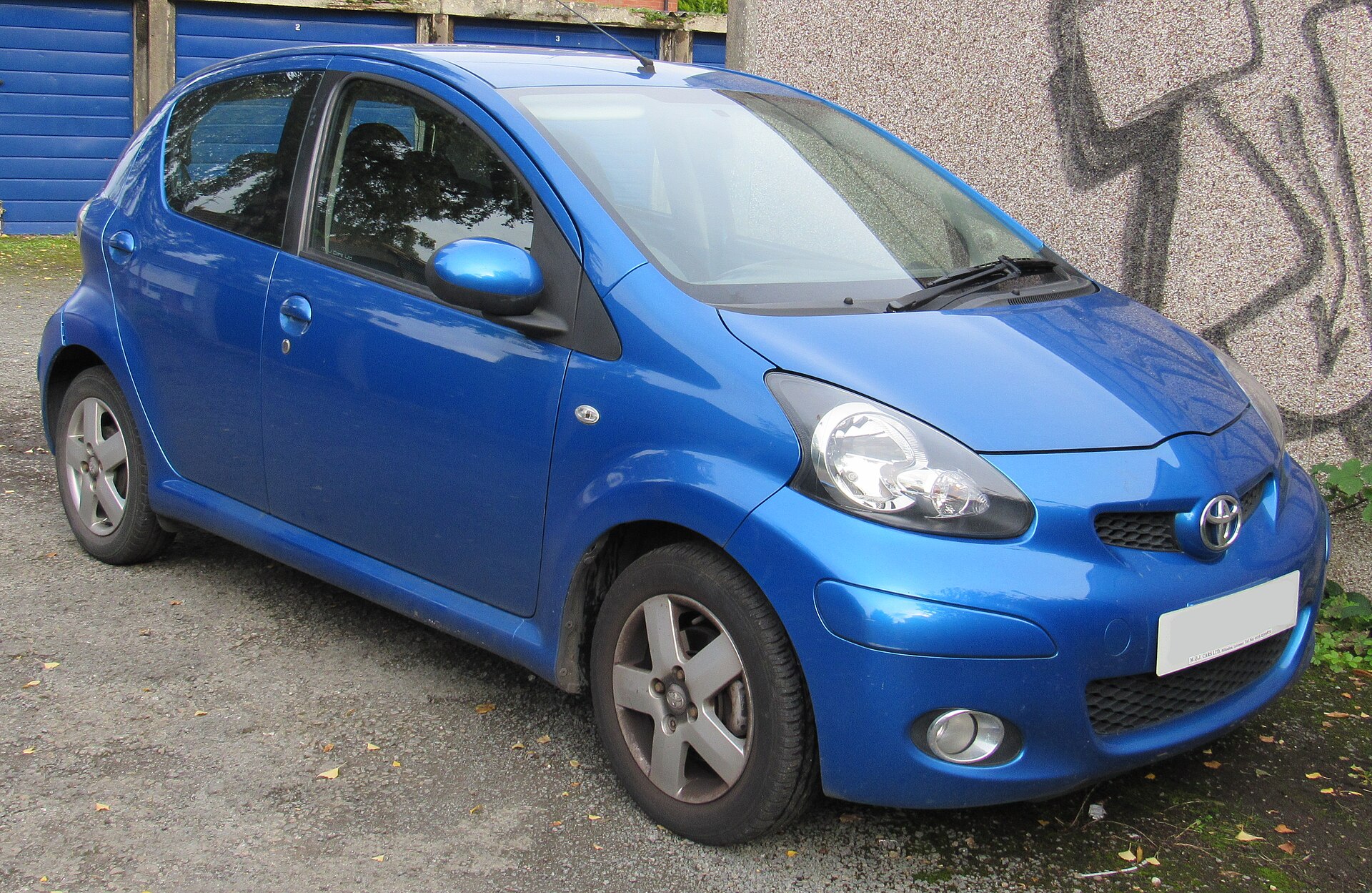
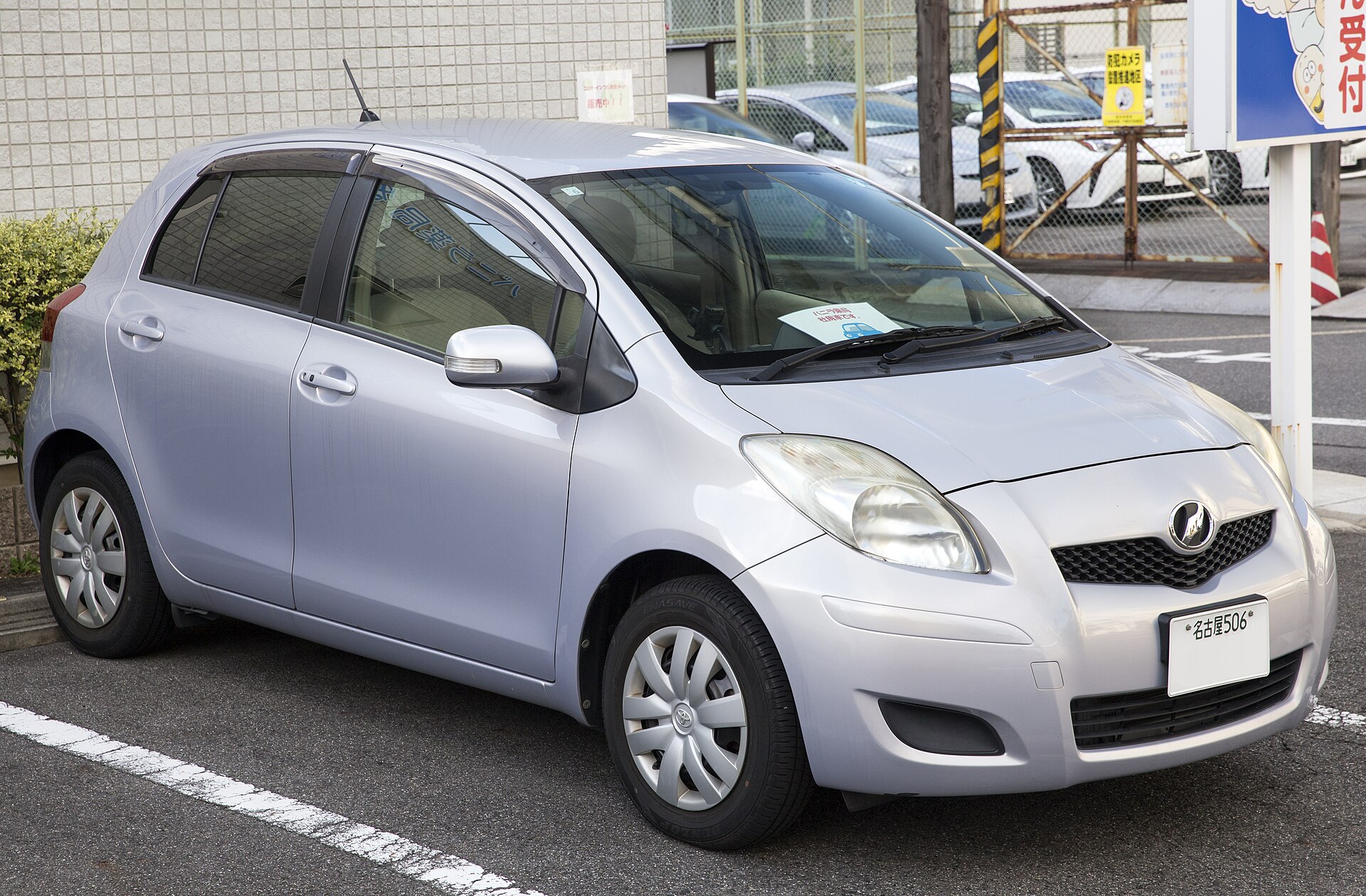
- Toyota Vitz XP90 · Photo: Mytho88 / Wikimedia Commons, CC BY-SA 3.0
Toyota Vitz in our rankings
- No. 6 of 25 · Quickest Japanese cars, 0–100 (6.3 s)
- No. 7 of 33 · Fastest Japanese cars (230 km/h)
- No. 38 of 304 · Lightest cars (1,115 kg · top 13%)
- No. 150 of 912 · Longest-running car nameplates (21 years · top 18%)
- No. 13 of 53 · Lightest hatchbacks (1,115 kg · top 25%)
- No. 12 of 46 · Fastest hatchbacks (230 km/h · top 27%)
Lighter than 87% of ranked cars in the 1CARS catalog (No. 38 of 304).
FAQ
Is the Toyota Vitz the same as the Yaris?
Yes. In Japan the Yaris hatchback was called Vitz from 1999 to 2020; since the fourth generation the car is called Yaris in Japan too.
How many generations of the Vitz are there?
Three, launched in 1999, 2005 and 2010; the last one was sold until 2020.
What engine does the Toyota Vitz have?
Mostly petrol four-cylinders of 1.3 and 1.5 litres and a 1.0-litre three-cylinder; the third generation also had a 1.5 hybrid and the GRMN a supercharged 1.8.
Why did Toyota stop using the Vitz name?
Japanese sales had fallen to about 87,000 a year, and Toyota moved to the global Yaris name with the fourth generation in February 2020.
Did the Vitz win any awards?
Yes: the first generation was Japan's Car of the Year for 1999–2000, and the Yaris twin won the European award for 2000.
Data sources
Data checked by an editor against the sources below.
- Wikipedia - Toyota Yaris
- Wikipedia - トヨタ・ヴィッツ
- Co - New Toyota Yaris Makes It Three Generations Of Five Star Safety
- Wikipedia - Toyota Yaris (XP130)
- EEA CO₂ monitoring (European Environment Agency, CC BY 4.0)