Best small cars with big boots 2026: most litres per metre
A big boot is easy in a long car. The real test is how much luggage space a maker can fit into a short body that is still easy to park. This list ranks small cars under 4.4 metres by litres of boot space per metre of length, a simple measure that rewards clever packaging rather than sheer size. All eight are sold new in Europe in 2026 and have a model page on 1cars.
The ranking shows a clear pattern. The small SUVs here offer up to 150 litres more than the superminis, while the best superminis manage about 350 litres in bodies close to four metres long.
Quick picks
- Most space per metre: Citroën C3 Aircross – 500 litres in 4,395 mm.
- Best warranty: Hyundai Kona – 466 litres and five years of cover.
- Most space with the seats folded: Peugeot 2008 – 1,467 litres.
- Best supermini: SEAT Ibiza – 355 litres in 4,059 mm.
| Model (version) | Length | Boot, 5 seats | Seats folded | Litres per metre | Germany, from |
|---|---|---|---|---|---|
| Citroën C3 Aircross (Turbo 100) | 4,395 mm | 500 l | 1,800 l | 114 | €19,190 (11/2025) |
| Hyundai Kona (1.0 T-GDI) | 4,350 mm | 466 l | 1,300 l | 107 | €27,950 (08/2025) |
| Peugeot 2008 (1.2 Turbo 100) | 4,304 mm | 434 l | 1,467 l | 101 | €28,890 (02/2026) |
| Nissan Juke (1.0 DIG-T 114 DCT) | 4,210 mm | 422 l | 1,305 l | 100 | €27,850 (07/2025) |
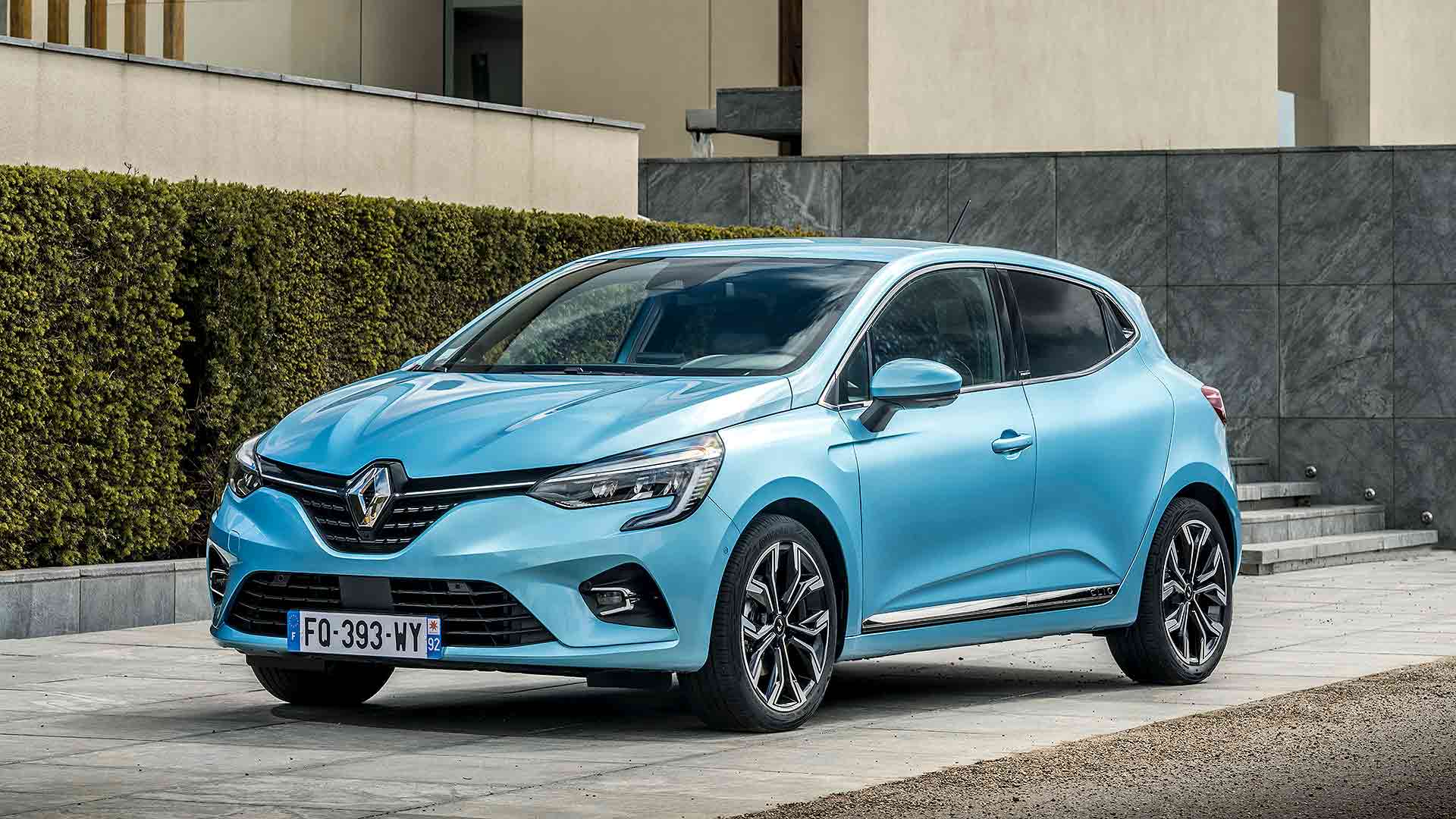
| Renault Captur (Mild Hybrid 140) | 4,239 mm | 422 l | 1,363 l | 100 | €27,450 (09/2025) |
| Suzuki Vitara (1.4 Hybrid AT) | 4,185 mm | 375 l | 1,120 l | 90 | €31,300 (08/2025) |
| SEAT Ibiza (1.0 TSI 115 DSG) | 4,059 mm | 355 l | 1,165 l | 87 | €25,600 (11/2025) |
| Peugeot 208 (Hybrid 110) | 4,055 mm | 352 l | 1,163 l | 87 | €27,365 (03/2025) |
For comparison, ADAC lists 327 litres for the new Renault Clio (79 litres per metre), 309 litres for the Opel Corsa (76) and 231 litres for the Toyota Aygo X (61). For the shortest bodies, see the best small city cars.
-
1. Citroen C3 Aircross II
Most boot per metre
- Production years
- 2024–present
- Body type
- SUV
- Fuel
- Petrol, Electric
- Power output
- 74–107 kW (101–145 PS)
The second C3 Aircross, launched in 2024, fits a 500-litre boot into a body 4,395 mm long: 114 litres per metre, the best ratio in this list. With the rear seats folded, ADAC lists 1,800 litres to the roof, more than some family SUVs. It is also the cheapest car here, from €19,190 in Germany for the Turbo 100 with 74 kW (101 PS). Ground clearance is 200 mm. The drawbacks: the petrol uses 6.6 l/100 km on the WLTP motorway phase, and the warranty runs for two years.
Pros
- 500-litre boot in 4,395 mm
- 1,800 litres with the seats folded
- From €19,190 in Germany (2025)
Cons
- 6.6 l/100 km WLTP motorway (Turbo 100)
Spec sheet: Citroen C3 Aircross II 1.2 Turbo 100 74 kW (101 PS)
Full review: Citroen C3 Aircross II -
2. Hyundai Kona II (SX2)
Best all-rounder
- Production years
- 2023–present
- Body type
- SUV
- Fuel
- Petrol, Hybrid, Electric
The second-generation Kona, on sale since May 2023, is 4,350 mm long and has a 466-litre boot: 107 litres per metre. The 1.0 T-GDI with 85 kW (115 PS) costs from €27,950 in Germany, and the same body is offered as a full hybrid and as the Kona Elektro. Hyundai's five-year warranty is the longest among the cars here, and the petrol may tow 1,210 kg braked. The drawbacks: Euro NCAP awarded four stars in December 2023, with 60 per cent for safety assist, and the petrol needs 11.9 s to 100 km/h.
Full review: Hyundai Kona II (SX2)Pros
- 466-litre boot
- Five-year warranty
- Petrol, hybrid and electric versions
Cons
- Four-star Euro NCAP (2023), 60 per cent for safety assist
-
3. Peugeot 2008 II
Most space with the seats folded
- Production years
- 2019–present
- Body type
- SUV
- Fuel
- Petrol, Diesel, Electric
- Power output
- 74–115 kW (101–156 PS)
The second-generation 2008 arrived in 2019 and was facelifted in 2023. ADAC lists 434 litres with five seats and 1,467 litres to the roof with the rear bench folded, the second-biggest folded volume in this list. At 4,304 mm that gives 101 litres per metre. The 1.2 Turbo 100 with 74 kW (101 PS) and a six-speed manual costs from €28,890 in Germany. The drawbacks: that is a high price for a 101 PS car, and the hybrid starts at €32,160.
Pros
- 1,467 litres with the seats folded
- 434-litre boot
- 1,200 kg braked trailer load
Cons
- From €28,890 in Germany (2026) for 74 kW
Spec sheet: Peugeot 2008 II PureTech 100 74 kW (101 PS)
Full review: Peugeot 2008 II -
4. Nissan Juke F16
Most space in a short SUV
- Production years
- 2019–present
- Body type
- SUV
- Fuel
- Petrol, Hybrid
- Power output
- 86–105 kW (117–143 PS)
The second Juke is 4,210 mm long, yet ADAC lists a 422-litre boot for the 1.0 DIG-T 114: 100 litres per metre and 67 litres more than the shorter SEAT Ibiza. With the seats folded it holds 1,305 litres. The petrol has 84 kW (114 PS) and comes with a seven-speed dual-clutch gearbox from €27,850 in Germany, or as a manual from €25,990. It may tow 1,250 kg braked. The drawbacks: 6.0 l/100 km WLTP combined and 11.8 s to 100 km/h with the DCT.
Pros
- 422 litres in 4,210 mm
- 1,250 kg braked trailer load
- Manual or dual-clutch gearbox
Cons
- 6.0 l/100 km WLTP combined (DCT)
Spec sheet: Nissan Juke F16 1.0 DIG-T 86 kW (117 PS)
Full review: Nissan Juke F16 -
5. Renault Captur II
Best for towing
- Production years
- 2019–present
- Body type
- Crossover
- Fuel
- Petrol, Diesel, Hybrid, Plug-in hybrid, LPG / CNG
- Power output
- 67–116 kW (91–158 PS)
The facelifted Captur matches the Juke with 422 litres and adds 1,363 litres when the seats are folded, in a body 4,239 mm long. The Mild Hybrid 140 with 103 kW (140 PS) and a seven-speed EDC gearbox reaches 100 km/h in 9.3 s, the quickest time ADAC lists for these cars, and may tow 1,500 kg braked. It costs from €27,450 in Germany; the TCe 115 manual starts at €24,950. The drawbacks: Euro NCAP awarded four stars in September 2024, and the warranty runs for two years.
Pros
- 1,500 kg braked trailer load
- 1,363 litres with the seats folded
- 0–100 km/h in 9.3 s (Mild Hybrid 140)
Cons
- Four-star Euro NCAP (2024)
Spec sheet: Renault Captur II TCe 90 67 kW (91 PS)
Full review: Renault Captur II -
6. Suzuki Vitara LY
Best small car with all-wheel drive
- Production years
- 2015–present
- Body type
- SUV
- Fuel
- Petrol, Diesel
- Power output
- 82–103 kW (111–140 PS)
At 4,185 mm the Vitara is the shortest SUV in this list, and it still holds 375 litres, 90 litres per metre. Folded, ADAC lists 1,120 litres. Its main advantage over the rest is the option of ALLGRIP all-wheel drive, combined with 175 mm of ground clearance. The 1.4 Boosterjet Hybrid has 81 kW (110 PS) and starts at €27,500 in Germany with a manual gearbox. The drawbacks: the folded volume is the smallest among the SUVs here, and the design dates from 2015.
Full review: Suzuki Vitara LYPros
- All-wheel drive available
- 375 litres in 4,185 mm
- 175 mm ground clearance
Cons
- 1,120 litres folded, least of the SUVs here
-
7. SEAT Ibiza 6F
Best supermini
- Production years
- 2017–present
- Body type
- Hatchback
- Fuel
- Petrol, Diesel, LPG / CNG
No supermini in this comparison beats the Ibiza's 355 litres. It achieves that in a body 4,059 mm long, 87 litres per metre, and folds to 1,165 litres. It is also the cheapest way into this list among the hatchbacks: the 1.0 MPI with 59 kW (80 PS) costs from €19,910 in Germany, and the 1.0 TSI 115 DSG €25,600. A low body keeps WLTP consumption at 5.3 l/100 km for the DSG. The drawbacks: the boot is 145 litres smaller than the C3 Aircross's, and the warranty is two years.
Full review: SEAT Ibiza 6FPros
- 355 litres, best supermini here
- From €19,910 in Germany (2025)
- 5.3 l/100 km WLTP (1.0 TSI 115 DSG)
Cons
- Two-year warranty
-
8. Peugeot 208 II
Most economical
- Production years
- 2019–present
- Body type
- Hatchback
- Fuel
- Petrol, Diesel, Electric
- Power output
- 55–115 kW (75–156 PS)
The 208 is only 4,055 mm long and holds 352 litres, 87 litres per metre, and 1,163 litres to the roof with the seats folded. The Hybrid 110 combines 81 kW (110 PS) with a six-speed dual-clutch gearbox and uses 4.5 l/100 km WLTP, the lowest figure in this list, on both the combined cycle and the motorway phase. It costs from €27,365 in Germany; the 1.2 Turbo 100 manual starts at €24,480. The drawbacks: the hybrid is expensive for a supermini, and its Euro NCAP rating dates from 2019.
Pros
- 4.5 l/100 km WLTP (Hybrid 110)
- 352 litres in 4,055 mm
- 1,200 kg braked trailer load
Cons
- Hybrid from €27,365 in Germany (2025)
Spec sheet: Peugeot 208 II PureTech 75 55 kW (75 PS)
Full review: Peugeot 208 II


Data ranking: Biggest boot: hatchbacks - all 49 models in our catalog with a figure, ranked by the numbers.
How we chose
Selection. The list covers superminis and small SUVs up to 4.4 metres long that are sold new in Europe in 2026 and have a published model page on 1cars. Models without a page could not be ranked, among them the Dacia Sandero, which ADAC lists with 372 litres in a 4,102 mm body (91 litres per metre), the Škoda Fabia and the Škoda Kamiq.
Data sources. Lengths, boot volumes with five seats, volumes to the roof with the rear seats folded, prices, consumption, trailer loads and warranties come from the ADAC Autokatalog pages for the named versions, accessed in October 2026. Boot volumes are manufacturer figures, and makers do not all measure them the same way, so treat differences of 10–20 litres with caution. Hybrid versions of some models have a smaller boot because of the battery. Euro NCAP results come from the ADAC pages or the 1cars catalogue.
Ranking. The order follows litres per metre: the boot volume with five seats in use divided by the body length. Prices are German list prices with the month the version went on sale. More detail is on the 1cars pages for the Citroën C3 Aircross and the Hyundai Kona.
Frequently asked questions
Which small car has the biggest boot?
In this list, the Citroën C3 Aircross: 500 litres with five seats and 1,800 litres to the roof with the rear seats folded, in a body 4,395 mm long. Among superminis under 4.1 metres, the SEAT Ibiza leads with 355 litres.
What counts as a big boot for a small car?
For a supermini about four metres long, 350 litres is a good figure: the Ibiza, Peugeot 208, Hyundai i20 and Volkswagen Polo all reach 351–355 litres. Small SUVs of 4.2–4.4 metres reach 420–500 litres.
Are small SUVs more practical than superminis?
Usually, yes. The Juke and Captur offer 422 litres in bodies 4,210 and 4,239 mm long, about 70 litres more than the Ibiza, which is 151 mm shorter than the Juke. The cost is weight and fuel: the Juke DCT uses 6.0 l/100 km WLTP against 5.3 for the Ibiza DSG.
Why is litres per metre a fair measure?
Because it separates packaging from size. A long car will always have a bigger boot; dividing by length shows how well each design uses its footprint. It does not capture boot shape, the height of the load sill or a flat floor, so look at the car with your own luggage too.
Which of these small cars can tow?
Most of them. ADAC lists 1,500 kg braked for the Captur Mild Hybrid 140, 1,250 kg for the Juke DCT, 1,210 kg for the Kona 1.0 T-GDI and 1,200 kg for the 2008, 208 Hybrid and Vitara AT.