 Renault Clio
All generations, specs and history
Published Sources (6) Report an error
By Felix Hartmann, Automotive Technology & EV Contributor
- Built
- 1990–present
- Generations
- 6
- Top power
- 103 kW (140 PS)
Timeline
Clio generations
Click a generation for its own page
I and II overlapped in 1998–1999, so II sits on a second lane
- Clio I 1990–1999
- Clio II 1998–2005
- Clio III 2005–2012
- Clio IV 2012–2019
- Clio V 2019–2025
- Clio VI Current 2025–now · Hatchback
Newest first · 6 generations since 1990
- 2025 VI In production 2025–now · Hatchback
-
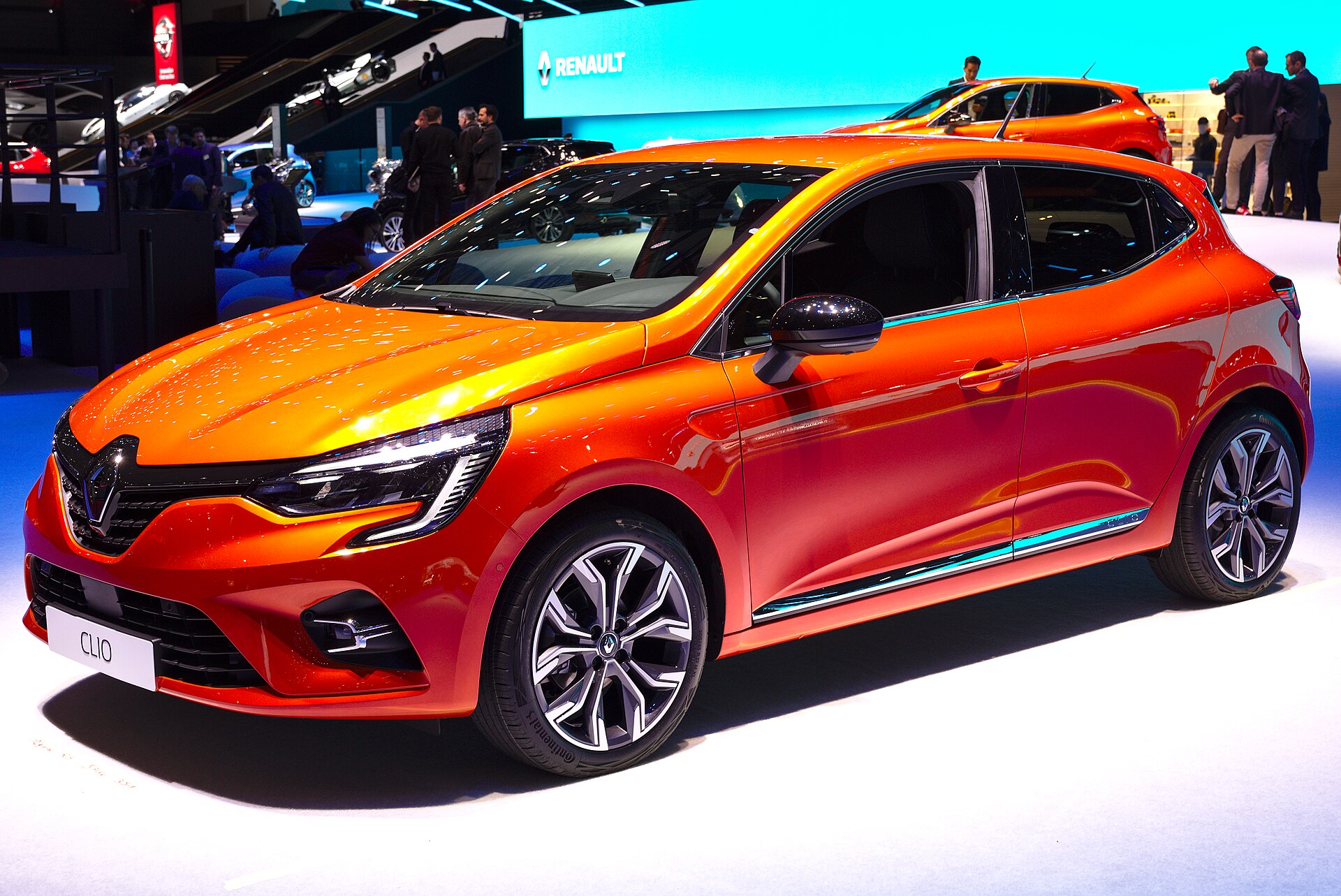
2019
-
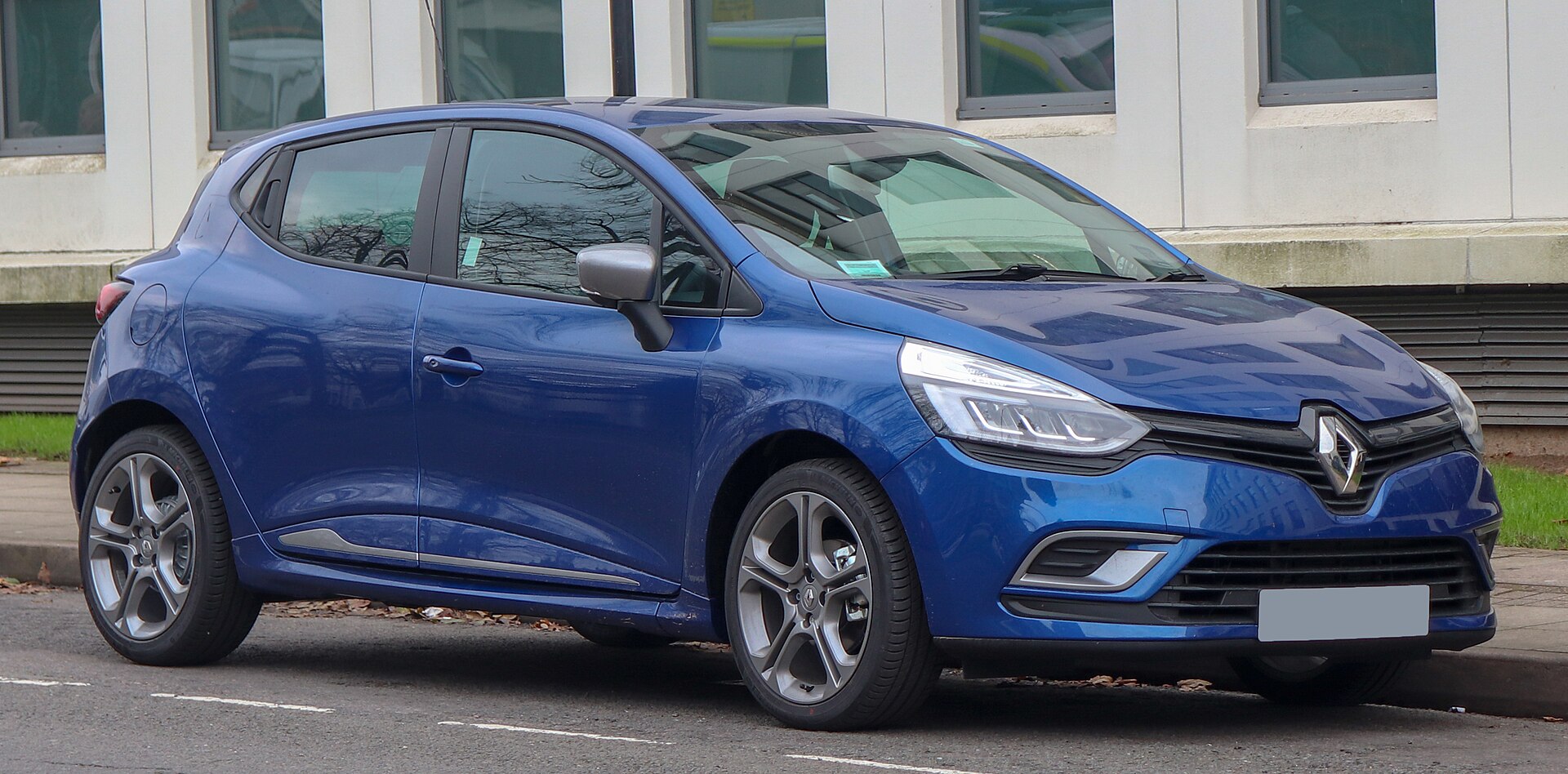
2012
-
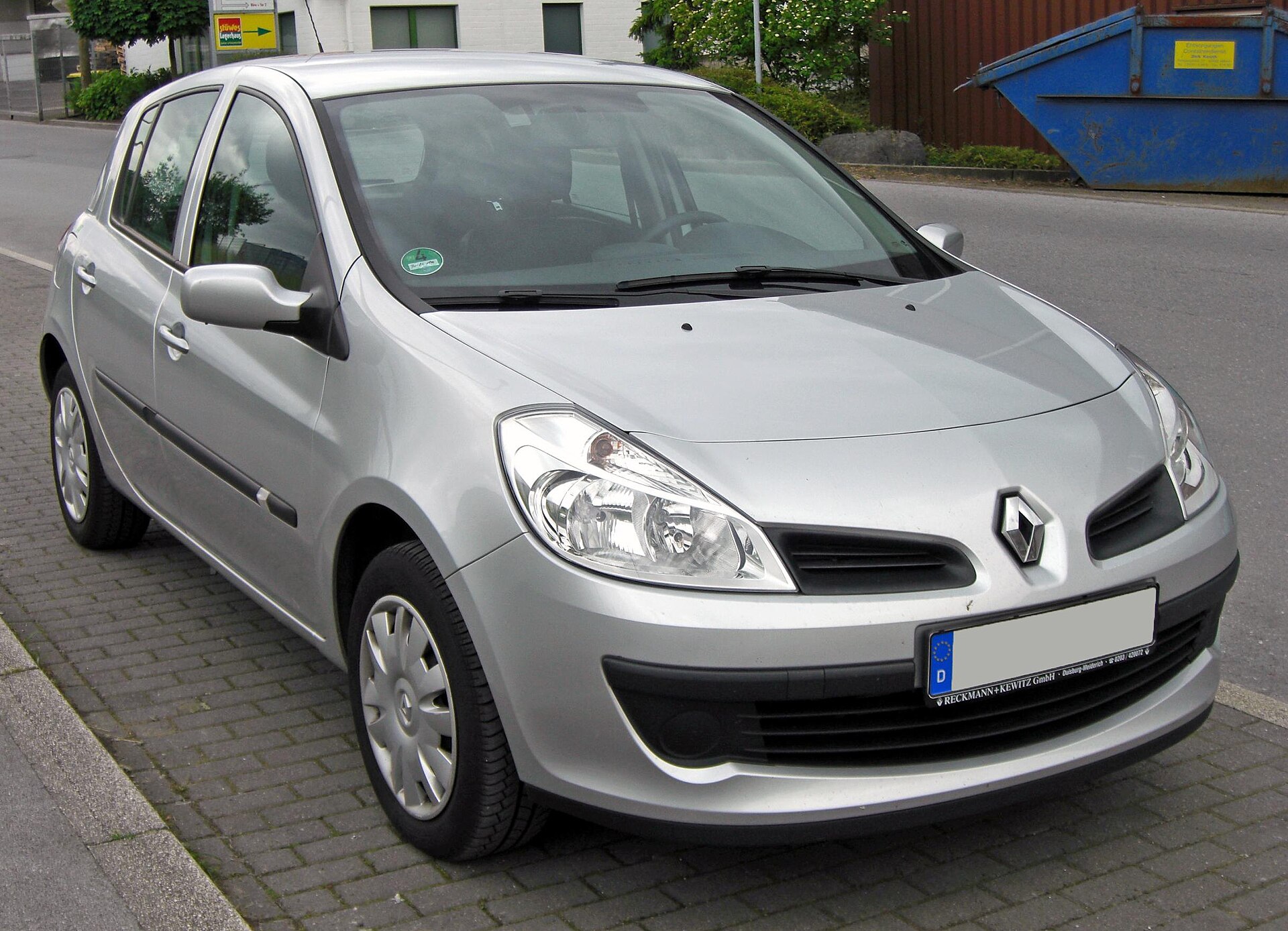
2005
-
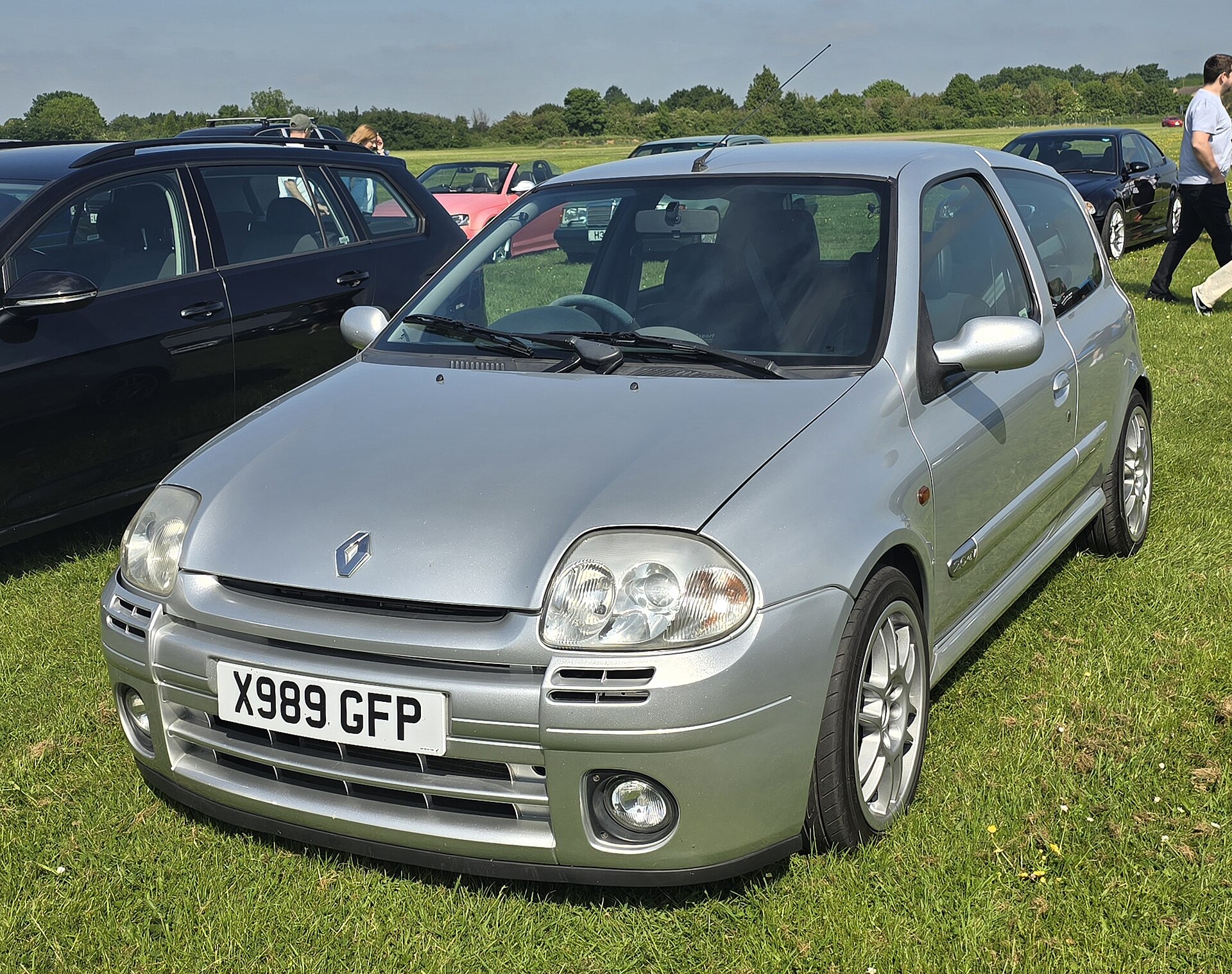
1998
-
1990
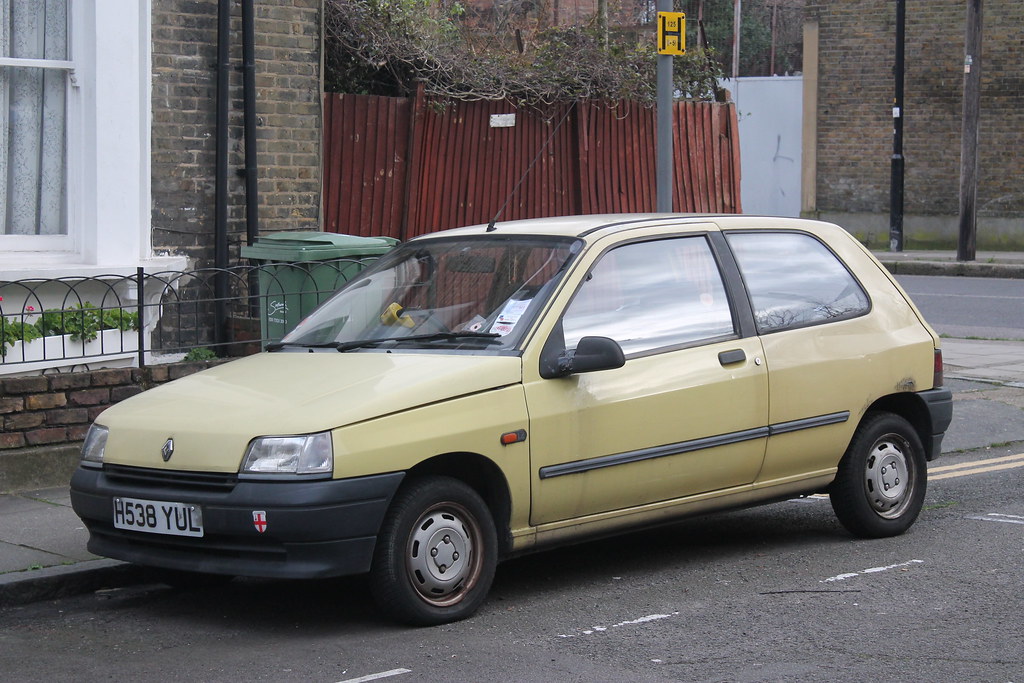


All generations by year: Clio VI (2025–now) · Clio V (2019–2025) · Clio IV (2012–2019) · Clio III (2005–2012) · Clio II (1998–2005) · Clio I (1990–1999)
Which one is mine?
Pick the year of first registration to see which generation it is.
- Clio VI 2025–present
- Clio V 2019–2025
- Clio IV 2012
- Clio III 2005
- Clio II 1998
- Clio I 1990–1999
The Renault Clio is a front-wheel-drive supermini — a B-segment car in European terms — that Renault has built since 1990. Over five generations it has been one of Europe's best-selling small cars, valued for attractive styling, a sound design and a wide choice of engines. The Clio is named after Clio, the muse of history in Greek mythology, and it is one of very few cars to have won European Car of the Year twice, in 1991 and 2006.
In short
- Five generations were built between 1990 and 2025: Clio I (1990), II (1998), III (2005), IV (2012) and V (2019); a sixth generation was revealed in September 2025.
- The Clio V uses the CMF-B platform and was launched at the Geneva motor show in March 2019, with a facelift in 2023.
- Engines range from a 48 kW (65 PS) 1.0 SCe to the 96 kW (130 PS) 1.3 TCe, plus 1.5 Blue dCi diesels and the E-Tech full hybrid from 2020.
- The boot holds about 390 litres, or 1,069 litres with the rear seats folded.
Size at a glance
| Dimensions | Renault Clio V |
|---|---|
| Length | 4,050 mm159.4 in |
| Width | 1,798 mm70.8 in |
| Height | 1,440 mm56.7 in |
| Wheelbase | 2,583 mm101.7 in |
| Boot | 340 L12.0 cu ft |
Running cost
Fuel · Clio TCe 100
about 1,150 EUR fuel a year at 15,000 km
4.4 l/100 km · petrol at 1.75 EUR/l · change mileage, fuel price or version
Specs by version
Engines
| Version | Engine | Power | Torque | Gearbox | Drive | Production years |
|---|---|---|---|---|---|---|
| Hybrid · 1 version | ||||||
| Clio V · E-Tech hybrid | Hybrid | 103 kW 140 PS138 hp | — | Automatic | Front-wheel drive | 2020 |
| Diesel · 1 version | ||||||
| Clio V · Blue dCi 85 | Diesel | 63 kW 86 PS84 hp | 220 Nm162 lb-ft | Manual | Front-wheel drive | 2019 |
| Petrol · 3 versions | ||||||
| Clio V · SCe 65 | Petrol | 48 kW 65 PS64 hp | 95 Nm70 lb-ft | Manual | Front-wheel drive | 2019 |
| Clio V · TCe 100 | Petrol | 74 kW 101 PS99 hp | 160 Nm118 lb-ft | Manual | Front-wheel drive | 2019 |
| Clio V · TCe 130 EDC | Petrol | 96 kW 131 PS129 hp | 240 Nm177 lb-ft | Dual-clutch | Front-wheel drive | 2019 |
Performance
Show all 4 versions
| Version | 0–100 km/h | Top speed | Fuel consumption | CO₂ |
|---|---|---|---|---|
| Diesel · 1 version | ||||
| Clio V · Blue dCi 85 | 14.7 s 0–62 mph | 178 km/h111 mph | 3.6 l/100 km65.3 mpg US · 78.5 mpg UK | 109 g/km |
| Petrol · 3 versions | ||||
| Clio V · SCe 65 | 17.1 s 0–62 mph | 160 km/h99 mph | 4.9 l/100 km48.0 mpg US · 57.6 mpg UK | 120 g/km |
| Clio V · TCe 100 | 11.8 s 0–62 mph | 187 km/h116 mph | 4.4 l/100 km53.5 mpg US · 64.2 mpg UK | 116 g/km |
| Clio V · TCe 130 EDC | 9.0 s 0–62 mph | 200 km/h124 mph | 5.2 l/100 km45.2 mpg US · 54.3 mpg UK | 129 g/km |
Dimensions and weight
Show all 5 versions
| Version | Length | Width | Height | Wheelbase | Kerb weight | Boot | Fuel tank |
|---|---|---|---|---|---|---|---|
| Hybrid · 1 version | |||||||
| Clio V · E-Tech hybrid | 4,050 mm159.4 in | 1,798 mm70.8 in | — | 2,583 mm101.7 in | 1,313 kg2,895 lb | 246 l8.7 cu ft | 39 l10.3 gal US |
| Diesel · 1 version | |||||||
| Clio V · Blue dCi 85 | 4,050 mm159.4 in | 1,798 mm70.8 in | 1,440 mm56.7 in | 2,583 mm101.7 in | 1,264 kg2,787 lb | 340 l12.0 cu ft | 39 l10.3 gal US |
| Petrol · 3 versions | |||||||
| Clio V · SCe 65 | 4,050 mm159.4 in | 1,798 mm70.8 in | 1,440 mm56.7 in | 2,583 mm101.7 in | 1,117 kg2,463 lb | 340 l12.0 cu ft | 42 l11.1 gal US |
| Clio V · TCe 100 | 4,050 mm159.4 in | 1,798 mm70.8 in | 1,440 mm56.7 in | 2,583 mm101.7 in | 1,165 kg2,568 lb | 340 l12.0 cu ft | 42 l11.1 gal US |
| Clio V · TCe 130 EDC | 4,050 mm159.4 in | 1,798 mm70.8 in | 1,440 mm56.7 in | 2,583 mm101.7 in | 1,233 kg2,718 lb | 340 l12.0 cu ft | 42 l11.1 gal US |
Verified Manufacturer and type-approval data from our catalog · Sources and methodology
Renault Clio at a glance
The first Clio was revealed at the Paris motor show in June 1990 and soon became very popular across Europe. The second generation was launched in April 1998 and went through several updates, notably in 2001 and 2004. The third generation was unveiled at the Frankfurt motor show in 2005 and won European Car of the Year for 2006; an estate followed in 2007, and a facelift in 2009 noticeably improved its looks. The fourth generation appeared at the Paris motor show in autumn 2012, gained an estate in 2013 and received a light update in 2016 that refreshed the styling and the engine range.
The fifth generation was revealed in stages: Renault showed the interior on 28 January 2019 and the exterior, with some technical details, online the next day, before the full public debut at the Geneva motor show in March 2019. It brought stylish design, a more grown-up cabin, modern technology and a wide choice of petrol, diesel and hybrid powertrains. This article focuses on the Clio V. More models are in our Renault catalogue; for a sporty relative, see the Renault Megane R.S.
Generations
| Generation | Years | Notes |
|---|---|---|
| Clio I | 1990–1998 | European Car of the Year 1991 |
| Clio II | 1998–2005 (built longer in some markets) | Updated in 2001 and 2004 |
| Clio III | 2005–2012 | European Car of the Year 2006; estate from 2007; facelift 2009 |
| Clio IV | 2012–2019 | Estate from 2013; facelift 2016 |
| Clio V | 2019–2025 | CMF-B platform; E-Tech hybrid; facelift 2023 |
Clio V exterior
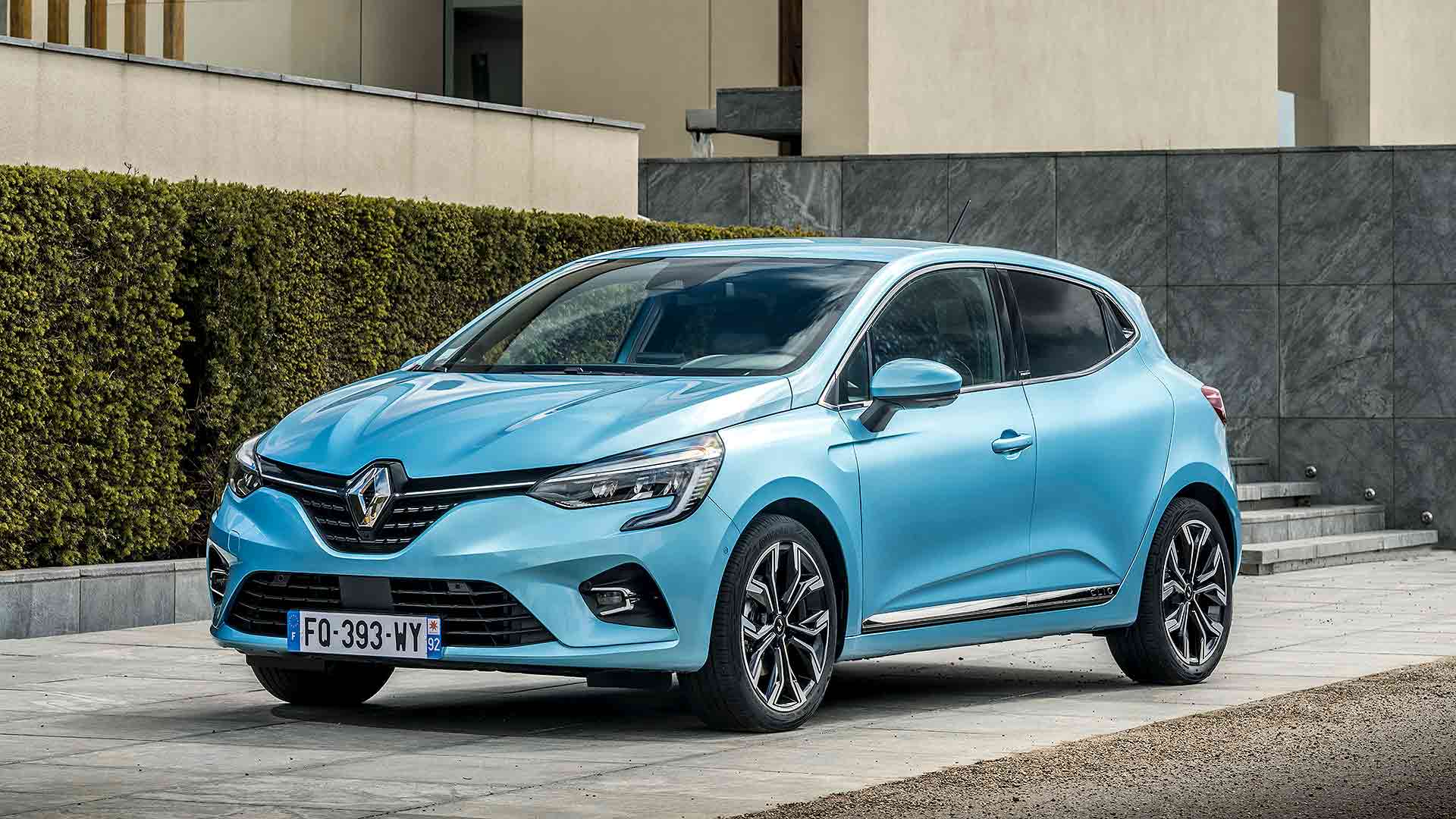
At first glance the fifth Clio looks like an evolution rather than a revolution. Some design elements are new, though many come from other Renault models, so the brand's fans will not be surprised. Even so, the hatchback looks smart and more expensive than it is.
The front end is compact, steeply raked and sporty, which helps both visibility and aerodynamics. The bonnet has subtle sculpting, the headlights have a distinctive shape, and the C-shaped LED daytime running lights that drop down below them catch the eye. The grille keeps the familiar Renault shape, with a thin chrome strip at the top and the badge in the centre. Much of the aggression is in the bumper: a large lower grille feeds air to the engine, and two side openings help cool the brakes and hold the fog lights on better-equipped versions.
The sides are heavily sculpted, almost like a hot hatch, with chrome highlighting around the windows. The larger door mirrors include indicator repeaters and are always finished in gloss black. A chrome strip runs along the lower doors. Base versions have 16-inch alloy wheels; the sporty R.S. Line has a more aggressive body kit and 17-inch wheels of its own design, while the upmarket Initiale Paris adds extra chrome. Ground clearance is only 135 mm, which is fine for town driving but not much more.
The rear matches the sporty theme. The upper half is narrower than the lower, starting with a spoiler that continues the roofline and carries the brake light, above a polygonal rear window and slim, angled tail lights. The tailgate and bumper are sculpted, and there is a diffuser-style insert and a single compact exhaust tip.
Interior and practicality
Renault calls the new cabin layout the Smart Cockpit. The materials are similar in type but look more expensive, and the seats were redesigned with better lateral support for the class, upholstered in a mix of leather and microfibre. The headrest design divides opinion. The R.S. Line has sports seats with extra side support, a steering wheel with perforated grips and an R.S. badge, carbon-look trim, aluminium pedal covers and red stitching on the seats, armrests and gear lever.
A new three-spoke multifunction steering wheel with chrome inserts replaces the old one, and the instruments are now digital, on a 7-inch or 10-inch screen depending on the version; the larger one can show navigation. The centre console carries a vertical 7-inch or 9.3-inch Easy Link touchscreen, a redesigned climate panel with three rotary controls that have built-in displays, two USB ports, an AUX socket and the gear lever. A Bose premium audio system is available, as is LED ambient lighting with eight colours. Renault kept its personalisation theme: the dashboard, door panels and seat upholstery can be ordered in eight colour options.
Space is adequate in both rows, and the rear bench is comfortably shaped. The boot grew by about 90 litres compared with its predecessor, to around 390 litres, and with the 60/40 split rear seat folded it holds 1,069 litres. A space-saver spare and tools sit under the floor.
Engines and transmissions (Clio V)
| Engine | Power (kW / PS) | Torque | Gearbox |
|---|---|---|---|
| 1.0 SCe (3-cyl, naturally aspirated) | 48 kW / 65 PS | 95 Nm | 5-speed manual |
| 1.0 SCe (3-cyl, naturally aspirated) | 55 kW / 75 PS | 95 Nm | 5-speed manual |
| 1.0 TCe 100 (3-cyl turbo) | 74 kW / 100 PS | 160 Nm | 5-speed manual |
| 1.3 TCe 130 (4-cyl turbo) | 96 kW / 130 PS | 240 Nm | 7-speed EDC dual-clutch |
| 1.5 Blue dCi (4-cyl diesel) | 63 kW / 85 PS | 220 Nm | 6-speed manual |
| 1.5 Blue dCi (4-cyl diesel) | 85 kW / 115 PS | 260 Nm | 6-speed manual |
| E-Tech hybrid (1.6 + two electric motors) | 103–105 kW / 140–145 PS (system) | — | multi-mode automatic |
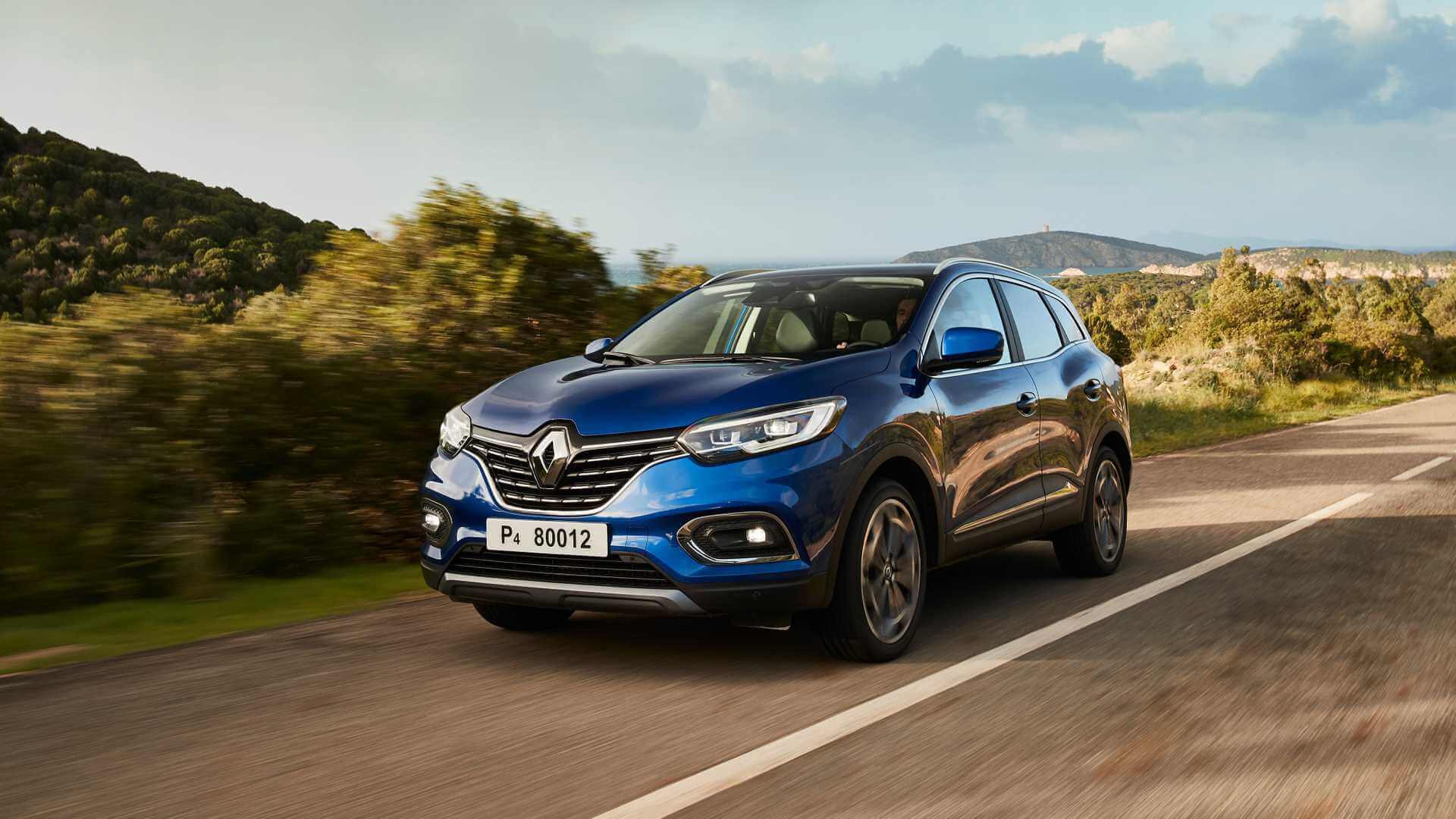
The entry-level SCe engines are naturally aspirated 1.0-litre three-cylinders with 12 valves and variable valve timing, using about 5.6 l/100 km in town according to published figures. The TCe turbo petrol engines have electrically actuated wastegates, plasma-coated cylinder bores, direct injection, exhaust manifolds integrated into the head and optimised cooling. With them, combined consumption is around 6.7 l/100 km and 0–100 km/h takes about 9 seconds. The 1.3 TCe is also used by Mercedes-Benz, Nissan and in the Renault Kadjar.
The 1.5 Blue dCi diesels have a turbocharger, common-rail injection and eight valves, and are the most economical at about 4.3 l/100 km. From 2020 Renault added the E-Tech full hybrid, which combines a new 1.6-litre petrol engine with two electric motors and a 1.2 kWh battery under the boot floor. Power reaches the front wheels through a clutchless multi-mode gearbox. The battery is charged only while driving, so the car cannot cover long distances on electricity alone; the aim is to reduce fuel consumption.
All Clios are front-wheel drive. The five-speed manual is reserved for the three-cylinder engines, the diesels use a six-speed manual, and the four-cylinder 1.3 TCe has a seven-speed EDC dual-clutch transmission.
Chassis
The Clio V was the first Renault on the CMF-B platform, later shared with the second-generation Captur and the Nissan Juke. It has a transversely mounted engine and a monocoque body with a high proportion of high-strength steel. The front suspension uses MacPherson struts and the rear a semi-independent twist beam, with passive dampers and anti-roll bars. Steering is rack-and-pinion with electric assistance. Brakes are ventilated discs at the front and drums at the rear, but versions with more than 74 kW (100 PS) get rear discs.
Safety and equipment
The CMF-B structure made the body stronger in a crash. Safety equipment includes front and side airbags, automatic emergency braking with pedestrian detection, adaptive cruise control, a speed limiter, blind-spot monitoring, lane-departure warning, traffic-sign recognition and LED daytime running lights. Depending on the market, base versions include front and side airbags, ABS, EBD and ESC, LED running lights, air conditioning, a 7-inch infotainment system, 16-inch alloy wheels, electric windows all round and heated front seats.
Strengths and weaknesses
Owners of earlier Clios praise its low running costs, neat styling and suitability for the city thanks to its compact size, as well as its economy and a boot that is generous for the class; the suspension and equipment also get good marks. Complaints include limited rear visibility, the behaviour of the automatic gearboxes, low ground clearance, modest performance and some hard plastics. The Clio V answers several of these with a fresher cabin, digital instruments and a larger boot, but it keeps low ground clearance and rear drum brakes on base versions. Rivals include the Volkswagen Polo, Peugeot 208, Opel Corsa, Toyota Yaris, SEAT Ibiza, Skoda Fabia and, until 2023, the Ford Fiesta.
Renault Clio evolution in numbers
Did you know?
- The Renault Clio has been around for 36 years: 6 generations in our catalog since 1990.
- The longest-running generation is the Clio I (1990–1999): 9 years.
Image credits · Photos from Wikimedia Commons under free licences
- Renault Clio I · Photo: charles cars / Flickr, CC BY 2.0
- Renault Clio II · Photo: Calreyn88 / Wikimedia Commons, CC BY-SA 4.0
- Renault Clio III · Photo: M 93 / Wikimedia Commons, Public domain
- Renault Clio IV · Photo: Vauxford / Wikimedia Commons, CC BY-SA 4.0
- Renault Clio V · Photo: Alexander Migl / Wikimedia Commons, CC BY-SA 4.0
Popular comparisons
Renault Clio in our rankings
- No. 6 of 42 · Most economical hatchbacks (3.6 l/100 km)
- No. 7 of 256 · Most economical cars (3.6 l/100 km)
- No. 47 of 420 · Smallest cars (4,050 mm · top 12%)
- No. 39 of 304 · Lightest cars (1,117 kg · top 13%)
- No. 51 of 345 · Cars with the most generations (6 generations · top 16%)
- No. 14 of 53 · Lightest hatchbacks (1,117 kg · top 27%)
More economical than 97% of ranked cars in the 1CARS catalog (No. 7 of 256).
FAQ
How many generations of the Renault Clio are there?
Five were built between 1990 and 2025 (Clio I to Clio V). A sixth generation was revealed at the Munich motor show in September 2025.
When did the fifth-generation Clio come out?
It was revealed online in January 2019 and made its public debut at the Geneva motor show in March 2019.
Is the Renault Clio available as a hybrid?
Yes. From 2020 the Clio V was offered as the E-Tech full hybrid with a 1.6-litre petrol engine, two electric motors and a 1.2 kWh battery.
How big is the Renault Clio V boot?
About 390 litres, rising to 1,069 litres with the 60/40 split rear seat folded.
Why is the car called Clio?
It is named after Clio, the muse of history in Greek mythology.
Data sources
Data checked by an editor against the sources below.
- Wikipedia — Renault Clio
- Wikipedia — Renault Clio V
- Automoto — Euro Ncap 2025 Alpine A390 E Renault Clio Si Fermano A 4 Stelle
- Autonotizen — Renault Clio Haendler Start Preise Ausstattung 2019
- Mobile — Peugeot 208 Und Renault Clio 2019 Vergleichstest 16510
- EEA CO₂ monitoring (European Environment Agency, CC BY 4.0)