Best new cars under €20,000 in 2026: seven picks that still fit the budget
A brand-new car for less than €20,000 is becoming rare. In August 2026 ADAC, Germany's motoring club, counted only 16 models whose cheapest version stayed below that line in Germany, and the cheapest German-brand car, the Volkswagen Polo, had just moved above it at €20,380. The seven cars below are the best of those 16 that have a 1cars model page, ranked by what the money buys: safety rating, space, running costs and how usable the base version is.
Base versions are basic. Most have a manual gearbox, small petrol engines between 48 and 90 kW, steel wheels and a short equipment list, and four of the seven carry only the legal two-year vehicle warranty. Two of them are not five-seaters: the Fiat Pandina, the Fiat 500 and the Dacia Spring have four seats. If an automatic matters more than the price, see the best cheap automatic cars; for the lowest total bill over several years, see the cheapest cars to run.
Quick picks
- Best all-rounder: Renault Clio – four Euro NCAP stars (2025) for €19,900.
- Most space: Citroën C3 Aircross – 500-litre boot and 1,500 kg braked towing.
- Cheapest seven-seater: Dacia Jogger – seven seats for €18,990.
- Cheapest electric car: Dacia Spring – from €16,900.
- Lowest price here: Fiat Pandina – €16,490.
| Model (base version) | Power | 0–100 km/h | WLTP combined | Boot | Seats | Germany, from |
|---|---|---|---|---|---|---|
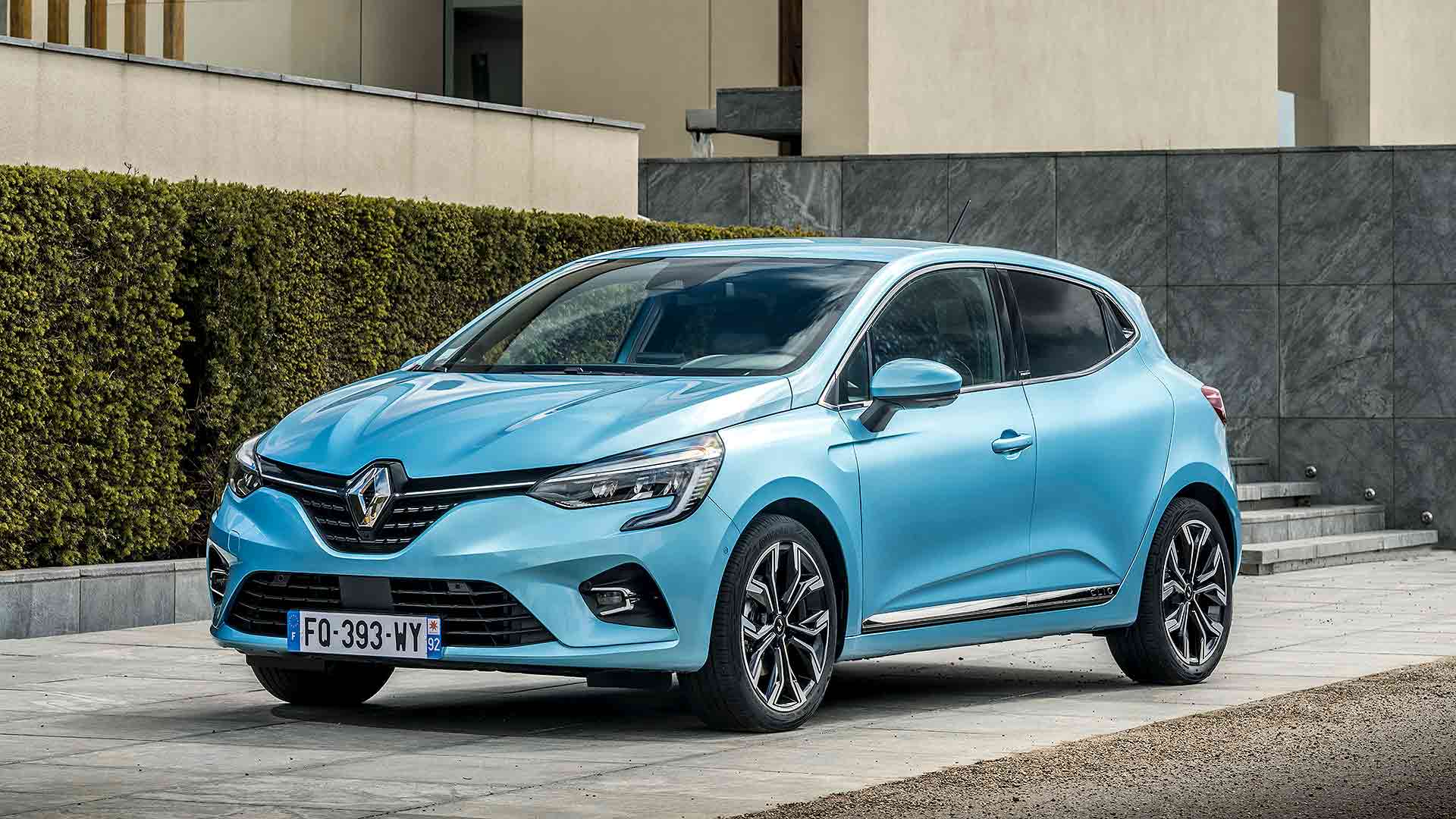
| Renault Clio TCe 115 Evolution | 84 kW (115 PS) | 10.3 s | 5.1 l/100 km | 327 l | 5 | €19,900 (01/2026) |
| Citroën C3 Aircross Turbo 100 You | 74 kW (101 PS) | – | 5.9 l/100 km | 500 l | 5 | €19,190 (11/2025) |
| Dacia Jogger ECO-G 120 Essential | 90 kW (122 PS) on LPG | 11.0 s | 7.4 l/100 km LPG | 160 l (7 seats) | 7 | €18,990 (12/2025) |
| SEAT Ibiza 1.0 MPI | 59 kW (80 PS) | 15.3 s | 5.2 l/100 km | 355 l | 5 | €19,910 (11/2025) |
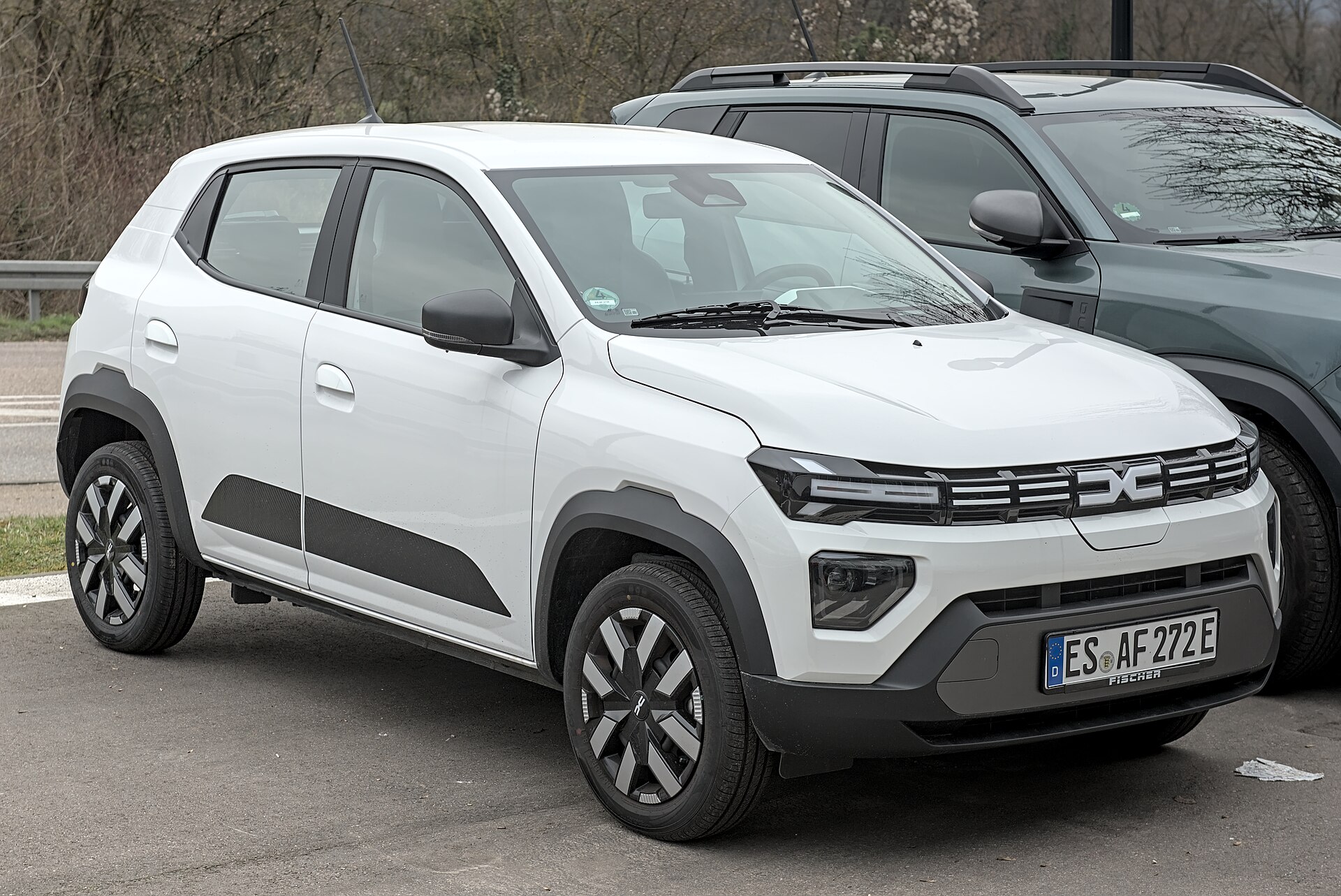
| Dacia Spring Electric 70 Essential | 52 kW (70 PS) | 12.3 s | 12.7 kWh/100 km, 221 km range | 308 l | 4 | €16,900 (12/2025) |
| Fiat Pandina 1.0 GSE Hybrid Pop | 48 kW (65 PS) | 14.1 s | 5.0 l/100 km | 225 l | 4 | €16,490 (10/2025) |
| Fiat 500 Hybrid 1.0 Firefly Pop | 48 kW (65 PS) | 16.2 s | 5.2 l/100 km | 183 l | 4 | €19,990 (11/2025) |
Prices are German list prices without discounts, with the month the version went on sale. A dash means ADAC lists no figure. Before signing, it is worth reading how to negotiate a new car price and whether a nearly new car would give more for the same money.
-
1. Renault Clio VI
Best all-rounder
- Production years
- 2025–present
- Body type
- Hatchback
- Fuel
- Petrol, Diesel, Hybrid
The sixth-generation Clio is the only car here with a four-star Euro NCAP result from the current test protocol: ADAC lists four stars from December 2025. The TCe 115 Evolution costs €19,900 in Germany and has an 84 kW (115 PS) turbo petrol with a six-speed manual. It reaches 100 km/h in 10.3 s, the quickest time in this list, and ADAC gives 5.1 l/100 km WLTP combined and 5.0 l/100 km on the motorway phase. The drawbacks: the vehicle warranty is two years, and the boot holds 327 litres.
Full review: Renault Clio VIPros
- Four-star Euro NCAP (December 2025)
- 0–100 km/h in 10.3 s
- 5.0 l/100 km WLTP motorway
Cons
- Two-year vehicle warranty and a 327-litre boot
-
2. Citroen C3 Aircross II
Most space for the money
- Production years
- 2024–present
- Body type
- SUV
- Fuel
- Petrol, Electric
- Power output
- 74–107 kW (101–145 PS)
The second-generation C3 Aircross is 4,395 mm long and offers the biggest boot here: 500 litres, and 1,800 litres to the roof with the rear bench folded. The Turbo 100 You costs €19,190 in Germany with a 74 kW (101 PS) petrol engine and a six-speed manual. ADAC lists 200 mm of ground clearance and a braked trailer load of 1,500 kg, the highest in this list. Consumption is 5.9 l/100 km WLTP combined and 6.6 l/100 km on the motorway phase. The drawbacks: a two-year vehicle warranty, and ADAC shows no Euro NCAP result for this version.
Pros
- 500-litre boot, 1,800 litres maximum
- 1,500 kg braked trailer load
- 200 mm ground clearance
Cons
- 6.6 l/100 km WLTP motorway and a two-year warranty
Spec sheet: Citroen C3 Aircross II 1.2 Turbo 100 74 kW (101 PS)
Full review: Citroen C3 Aircross II -
3. Dacia Jogger I
Cheapest seven-seater
- Production years
- 2021–present
- Body type
- Station wagon
- Fuel
- Petrol, Hybrid, LPG / CNG
- Power output
- 74–116 kW (101–158 PS)
The facelifted Jogger is the only seven-seater below €20,000. The ECO-G 120 Essential with seven seats costs €18,990 in Germany. It runs on LPG with 90 kW (122 PS) or on petrol with 84 kW (114 PS), and ADAC lists 7.4 l/100 km of LPG in the WLTP cycle. The car is 4,550 mm long, may tow 1,200 kg braked and has a three-year warranty. The drawbacks: with all seats up the boot holds only 160 litres, and Euro NCAP gave the Jogger one star, mainly because of missing driver-assistance systems.
Pros
- Seven seats for €18,990
- LPG and petrol tanks
- Three-year/100,000 km warranty
Cons
- One-star Euro NCAP rating
Spec sheet: Dacia Jogger I Hybrid 155 116 kW (158 PS)
Full review: Dacia Jogger I -
4. SEAT Ibiza 6F
Roomiest small hatchback
- Production years
- 2017–present
- Body type
- Hatchback
- Fuel
- Petrol, Diesel, LPG / CNG
SEAT updated the fifth-generation Ibiza in November 2025, and the base 1.0 MPI stays just under the line at €19,910. Its 59 kW (80 PS) three-cylinder engine has no turbo and drives a five-speed manual. ADAC lists 5.2 l/100 km WLTP combined, a 355-litre boot that grows to 1,165 litres, and a braked trailer load of 800 kg. At 4,059 mm the Ibiza is one of the shorter five-seaters here. The drawbacks: 15.3 s from 0 to 100 km/h, a two-year warranty, and ADAC shows no Euro NCAP result for the current version.
Full review: SEAT Ibiza 6FPros
- 355-litre boot
- 5.2 l/100 km WLTP combined
- Five seats in a 4.06-metre car
Cons
- 15.3 s from 0 to 100 km/h
-
5. Dacia Spring I
Cheapest electric car
- Production years
- 2021–2026
- Body type
- Hatchback
- Fuel
- Electric
- Power output
- 33–48 kW (45–65 PS)
The Spring Electric 70 Essential cost €16,900 in Germany until September 2026, which made it the cheapest electric car in ADAC's list. Its 52 kW (70 PS) motor and 24.3 kWh battery give a WLTP range of 221 km at 12.7 kWh/100 km, and the boot holds 308 litres. Dacia gives three years on the car and eight years or 120,000 km on the battery. The drawbacks: four seats, a 125 km/h top speed, AC charging at up to 3.7 kW in this version, and a one-star Euro NCAP rating from 2021. The second generation follows in December 2026 from €17,900.
Pros
- ��16,900 for an electric car
- 12.7 kWh/100 km WLTP
- Eight-year battery warranty
Cons
- One-star Euro NCAP (2021) and four seats
Spec sheet: Dacia Spring I Electric 65 Extreme 48 kW (65 PS)
Full review: Dacia Spring I -
6. Fiat Panda III
Lowest price here
- Production years
- 2011–present
- Body type
- Hatchback
- Fuel
- Petrol, Diesel, Hybrid, LPG / CNG
The Pandina is the current name of the third-generation Panda, built in Pomigliano d'Arco in Italy. At €16,490 for the 1.0 GSE Hybrid Pop it is the cheapest car in this list. The mild-hybrid 48 kW (65 PS) engine has a six-speed manual, and ADAC lists 5.0 l/100 km WLTP combined and 14.1 s to 100 km/h. The boot holds 225 litres, or 870 litres with the rear seat folded, and the low insurance classes help running costs. The drawbacks: four seats, a two-year warranty and zero stars in Euro NCAP's 2018 re-test of a design launched in 2011.
Full review: Fiat Panda IIIPros
- ��16,490 in Germany (2025)
- 5.0 l/100 km WLTP combined
- Low German insurance classes
Cons
- Zero stars in the 2018 Euro NCAP re-test
-
7. Fiat 500
Cheapest style choice
- Production years
- 1957–present
- Body type
- Sedan, Station wagon, Hatchback
- Fuel
- Petrol, Diesel, Hybrid, Electric
- Power output
- 10–147 kW (14–200 PS)
Fiat brought back a petrol 500 in late 2025: the 500 Hybrid shares its body with the electric 500 and uses a 1.0-litre mild-hybrid three-cylinder with 48 kW (65 PS) and a six-speed manual. The Pop version costs €19,990 in Germany. ADAC lists 5.2 l/100 km WLTP combined, a length of 3,631 mm and a 183-litre boot that grows to 440 litres. It is the most compact car here and easy to park in town. The drawbacks: 16.2 s to 100 km/h, four seats, a two-year warranty, and ADAC shows no Euro NCAP result.
Pros
- 3.63 metres long
- 5.2 l/100 km WLTP combined
- Petrol 500 again from €19,990
Cons
- 183-litre boot and 16.2 s from 0 to 100 km/h
Spec sheet: Fiat 500 Hybrid 1.0 l Firefly Hybrid 48 kW (65 PS)
Full review: Fiat 500


How we chose
Selection. The starting point is ADAC's list of new cars with a German base price below €20,000 (article of 14 August 2026, prices as of August 2026). Of its 16 models, nine have no 1cars model page yet and are not ranked: the Dacia Sandero (from €13,590, the cheapest car on the list), Dacia Duster, Kia Picanto, MG3, Leapmotor T03, Fiat Grande Panda, Citroën C3, KGM Tivoli and the new Renault Twingo E-Tech Electric (€19,990), whose generation is not yet in the 1cars catalogue.
Data sources. Power, acceleration, WLTP consumption, boot volumes, seats, trailer loads, warranties and prices come from the ADAC Autokatalog page of each named version, accessed in October 2026. Euro NCAP results come from Euro NCAP press releases, ADAC and Wikipedia; where no source gives a result for the current version, the text says so instead of guessing.
Ranking. The order is editorial. It weighs safety rating, space and practicality, running costs and price, in that order. Prices change often: Dacia ended the Spring Electric 70 in September 2026 and lists the second-generation Spring from December 2026 at €17,900, so check the current price list before buying. For more on the leading picks, see the 1cars pages for the Renault Clio and the Citroën C3 Aircross.
Frequently asked questions
What is the cheapest new car in Germany in 2026?
In ADAC's August 2026 list it is the Dacia Sandero TCe 100 Essential at €13,590. Among the cars ranked here, the Fiat Pandina 1.0 GSE Hybrid Pop is cheapest at €16,490, followed by the Dacia Spring Electric 70 Essential at €16,900.
How many new cars cost less than €20,000?
ADAC counted 16 models with a German base price below €20,000 in August 2026. Three of them are electric: the Dacia Spring (€16,900), the Leapmotor T03 (€18,900) and the Renault Twingo E-Tech Electric (€19,990).
Is there a seven-seater under €20,000?
Yes, the Dacia Jogger. The seven-seat ECO-G 120 Essential, which runs on LPG or petrol, costs €18,990 in Germany. With all seven seats in use the boot holds 160 litres, and the Jogger received only one star from Euro NCAP.
Which car under €20,000 has the best safety rating?
Among the cars here, the Renault Clio VI, with four Euro NCAP stars from its December 2025 test. The Dacia Spring's first generation received one star in 2021, the Jogger one star, and the Fiat Panda zero stars in its 2018 re-test.
Which cheap new car has the biggest boot?
The Citroën C3 Aircross, with 500 litres and up to 1,800 litres with the rear bench folded. The Dacia Jogger with five seats in use offers more, but the cheapest version below €20,000 is the seven-seater.