How to Negotiate a New Car Price (and the Best Time to Buy)
To negotiate a new car price, work in a fixed order. Decide the exact specification, get written quotes from three or more dealers, and agree the cash price of the car first. Only then discuss your trade-in, finance and extras. The best moments to buy are the last weeks of a quarter, when dealers chase sales targets, and the run-out of a model before a facelift or a new generation. Compare offers on the total amount you will pay, because a discount won on the price can easily be lost on the finance.
Key takeaways
- Dealers work to monthly and quarterly targets, and carwow says they may negotiate harder in late March, June, September and December.
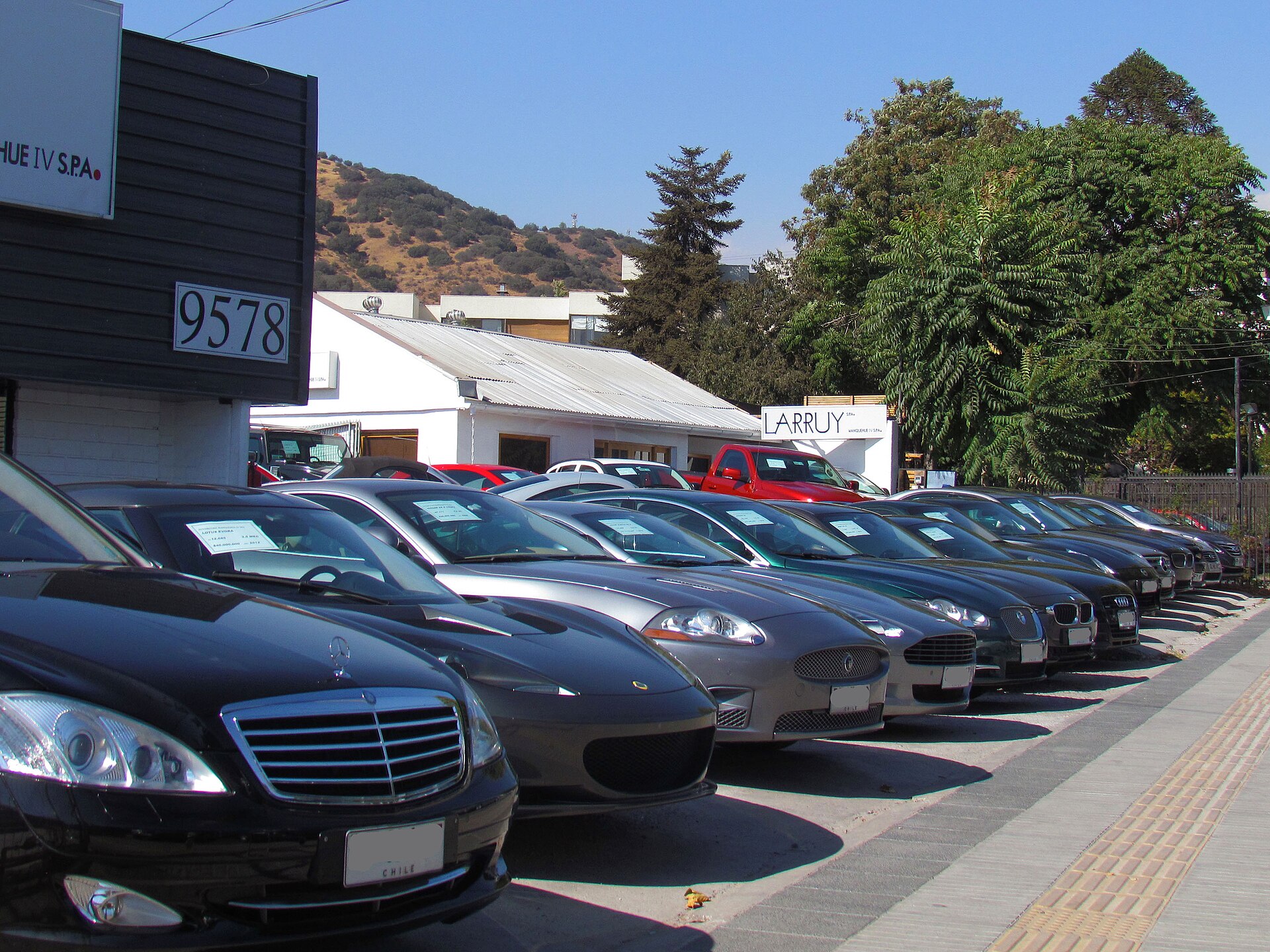
- Pre-registered cars can sell for 5% to 25% below the official list price, according to carwow, if you accept a car already in stock.
- Settle the price of the car before part-exchange, finance or add-ons, so figures cannot be shifted between them.
- In our 2026 example, a 0% finance deal with no discount beats a €2,500 cash discount paid for with a 7.5% bank loan.
Before you talk to a dealer
Most of a good deal is done before the first conversation.
- Fix the specification. Decide the engine, trim, gearbox and options you need, and do not accept a lower trim to reach a price. Check the list price on the manufacturer's website and the exact data on our specs pages; to choose between two finalists, use the compare tool.
- Value your current car separately. Start Rescue points out that a high trade-in value leaves less room to haggle on the new car, so know what your car is worth on its own.
- Get a finance quote from your own bank. It is your benchmark against the dealer's offer. Check the monthly payment and total interest in our car loan calculator.
- Set your maximum and keep it to yourself. Your first offer should be below it, so you have room to move.
The 10-step negotiation
- Email several dealers. Give the exact model and specification and ask for their best price. Start Rescue warns that follow-up calls will come; the written answers are your leverage. carwow also suggests asking brokers and comparison sites for quotes.
- Test drive the exact version. Kelley Blue Book notes that small differences in engines, tyres, seats or suspension change how a car feels, so drive the one you will buy.
- Ask the direct question. "What discount will you give me?" works better than waiting for an offer. Say you can complete straight away for the right price.
- Open below your limit. Leave room to meet in the middle.
- Make an offer, then wait. Start Rescue's advice is not to add to or revise your offer during the silence that follows.
- Agree the car price first. carwow recommends settling the lowest price for the car before part-exchange, finance or add-ons are discussed.
- Keep the payment method open until then. Salespeople often prefer finance because it earns them more, Start Rescue notes. carwow adds that dealers can earn commission on finance, which can also affect the discount offered.
- Negotiate the part-exchange as a separate deal, with your independent valuation in hand.
- Price every extra separately: paint protection, extended warranty, service plans and GAP insurance. Anything financed inside the loan collects interest for the whole term.
- Get the final offer in writing, including delivery, registration and number plates, the delivery date and the exact specification.
Walking away still works, but less than it used to: Start Rescue notes that online price information has made it a weaker threat. A competing written quote is usually more persuasive.
The best time to buy a new car
| When | Why it can help | What to watch |
|---|---|---|
| Last weeks of a quarter (late March, June, September, December) | Quarterly targets matter most to dealers | Popular models may already be sold out |
| Late June and December | Buyers are distracted by holidays, Carbuyer notes, so dealers may be keener | Delivery dates over the holidays |
| Model run-out, before a facelift or new generation | Dealers clear stock, often with extra manufacturer incentives | Older design; check the replacement's changes |
| After a UK plate change (March and September) | Pre-registered stock is discounted | An older plate can mean a lower resale value |
| Bank holidays and dealer sale events | Dealers run promotions to attract visitors | Compare against your email quotes |
Carbuyer gives a useful rule for timing a purchase: manufacturers usually replace a model about every seven years, with a facelift roughly halfway through. Run-out special editions near the end of a model's life often include equipment that is normally optional. List prices, on the other hand, rarely fall: updated models usually cost more than the ones they replace.
Pre-registered, ex-demo and run-out cars
- Pre-registered cars are registered by the dealer before sale, usually to meet manufacturer targets. carwow puts the discounts at 5% to 25% below list price. The trade-off is choice: you take the trim, options and colour in stock. Carbuyer warns that a car registered just before a plate change can be worth less at resale than one registered a week later.
- Ex-demonstrators have been used for test drives. Check the mileage, condition and remaining warranty as you would on a used car.
- Run-out models are still new and keep the full warranty. They suit buyers who do not need the latest styling.
carwow notes that the biggest discounts are often found on premium brands, family SUVs, electric cars and outgoing models. There, discounts and manufacturer incentives can exceed 15% to 20% off the recommended price. For electric models, our electric cars hub lists battery and range data to compare before you negotiate.
When finance cancels the discount: a worked example
A €30,000 car in a 2026 example, with a €3,000 deposit and a 36-month term. Payments are calculated with the same formula as our car loan calculator.
| Offer, 2026 example | Price | Borrowed | Monthly | Interest | Total paid |
|---|---|---|---|---|---|
| A: dealer 0% finance, no discount | €30,000 | €27,000 | €750 | €0 | €30,000 |
| B: €2,500 cash discount, bank loan at 7.5% | €27,500 | €24,500 | €762 | €2,936 | €30,436 |
Offer A wins by €436 in this 2026 example, even though B looks like the better deal on the price tag. At 7.5%, the cash discount in this 2026 example would need to be about €2,900 before a loan-funded cash purchase beats the 0% offer. Change the rate or term and the answer changes, which is exactly why you should compare the total amount payable, not the discount or the monthly payment.
Common mistakes to avoid
- Negotiating the monthly payment. A lower payment can simply mean a longer term or a bigger balloon.
- Mixing everything into one figure. Price, trade-in, finance and extras should each be settled separately.
- Accepting a lower specification to hit a budget, then paying for options one by one.
- Signing on the first visit under time pressure. A genuine offer will still stand tomorrow.
- Forgetting delivery and registration charges, which can turn a good price into an average one.
- Ignoring the order date. On a factory order, write the expected delivery date and what happens if it slips.
Buying a new car in another EU country
If the same model is cheaper in another EU country, you can buy it there: Your Europe confirms that you are free to buy a car anywhere in the EU. VAT on a new car is paid in the country where you register it, so tell the foreign dealer the car is for registration abroad to avoid paying VAT twice. Add transport, temporary plates and your own country's registration tax before you count the saving.
Which approach suits you
- Flexible on colour and options: target pre-registered or stock cars at the end of a quarter.
- Exact specification required: order at the end of a quarter, with two or three written quotes and a broker price as a benchmark.
- Buying on finance: compare the total amount payable for at least two finance offers and a cash-plus-loan route.
- Still choosing the model: start with our car finder, or browse the best small city cars and the best sports cars.
Try our calculator
Car loan calculatorFAQ
How much discount can you get on a new car?
It depends on the model, the market and the timing. In carwow's experience the largest savings, sometimes above 15–20% including incentives, come on outgoing models and in crowded segments; stock cars that are already registered can sell 5–25% under list. Popular new models in short supply may carry little or no discount.
When is the best time of year to buy a new car?
The last weeks of a quarter, especially late June and December, when dealers chase quarterly targets and fewer buyers are in showrooms. The run-out period before a facelift or new generation is another good moment, because dealers want to clear stock.
Should I tell the dealer I am paying cash?
Not at the start. Agree the price of the car first and keep the payment method open, because finance can earn the dealer commission and affect the discount. Once the price is fixed, compare the dealer's finance offer with paying cash or using your own loan.
Is it better to negotiate a new car price by email?
For the first round, yes. Written quotes for the exact specification let you compare dealers calmly and give you evidence to ask your preferred dealer to match the best price.
Do dealers really have monthly and quarterly targets?
Yes. carwow and Carbuyer both describe monthly and quarterly sales targets, and Carbuyer notes that quarterly targets matter most. Pre-registering cars is one way dealers reach them, which is why pre-registered stock appears at discounted prices.
Sources
- carwow: 7 ways to save thousands on your next car (accessed 22 Oct 2026)
- Carbuyer: When's the best time to buy a new car? (5 October 2022) (accessed 22 Oct 2026)
- Start Rescue: 12 tips for haggling down a car's price (accessed 22 Oct 2026)
- Kelley Blue Book: Test-driving a car, a checklist (accessed 22 Oct 2026)
- Your Europe (European Union): VAT when buying or selling a car (accessed 22 Oct 2026)
- Your Europe (European Union): Buying and leasing a car in another EU country (accessed 22 Oct 2026)
Found a mistake? Report an error