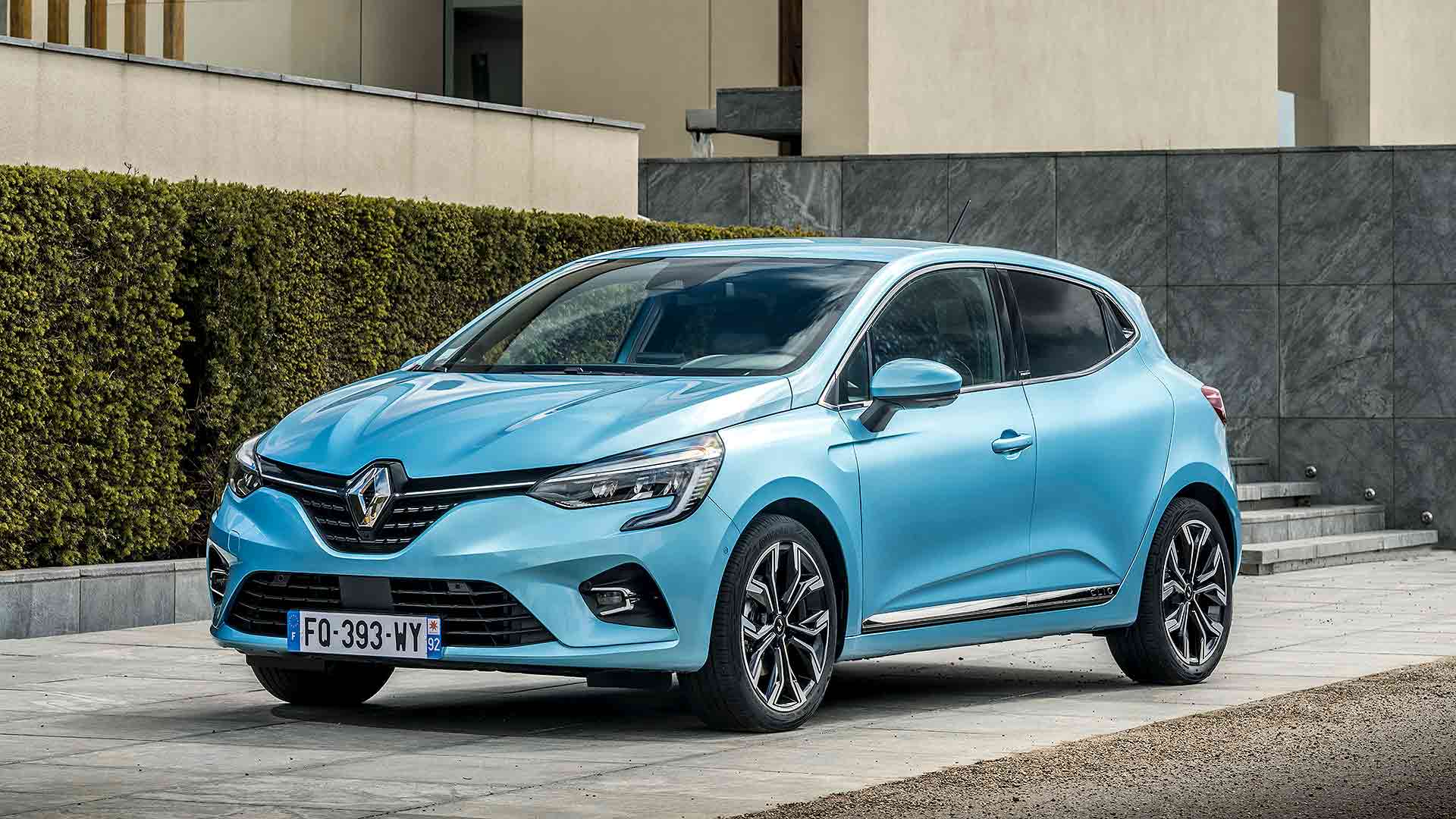
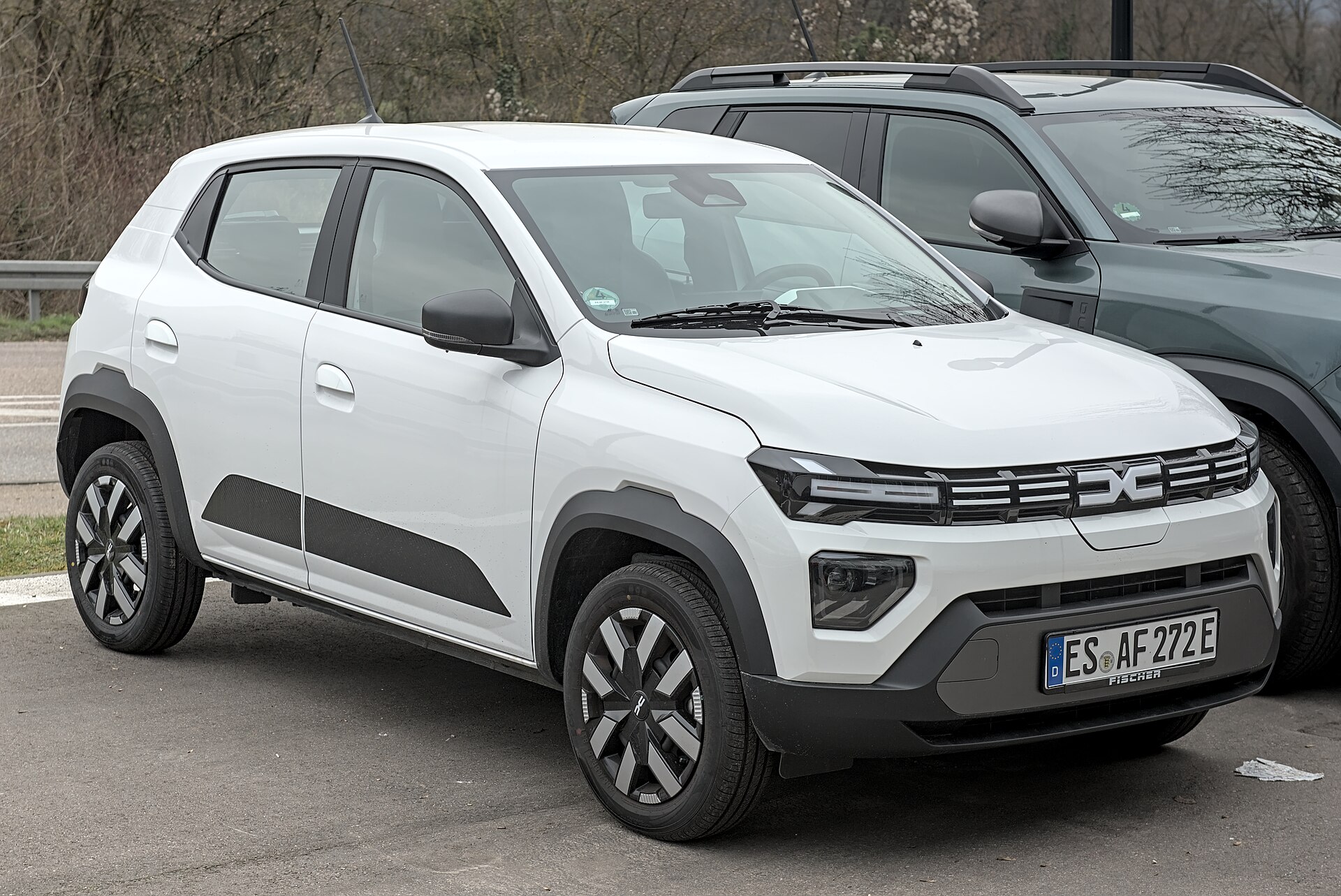
Best sports cars: eight driver's cars worth seeking out
A sports car is not just a fast car. What matters is how it feels: steering that tells you what the front tyres are doing, a chassis that rewards precision, an engine that responds eagerly and a driving position that puts you at the centre of things. Raw power alone does not qualify a car for this list – our separate list of the most powerful supercars covers that.
We chose road-going sports cars that can be bought and used, from lightweight two-seaters to four-seat coupés, and only models with a published model page on 1cars whose engines and power could be confirmed by independent sources such as manufacturer data reported by Wikipedia. One-off concepts, racing homologation specials and cars whose catalogue data we could not verify were left out.
The eight cars below range from the featherweight Lotus Elise to the BMW M4 Competition. For each one we explain why it earns its place, who it suits best and the one drawback you should weigh before buying.
-
1. Porsche Cayman
Best all-round driver's car
- Production years
- 2005–2025
- Body type
- Coupe
- Fuel
- Petrol
- Power output
- 180–368 kW (245–500 PS)
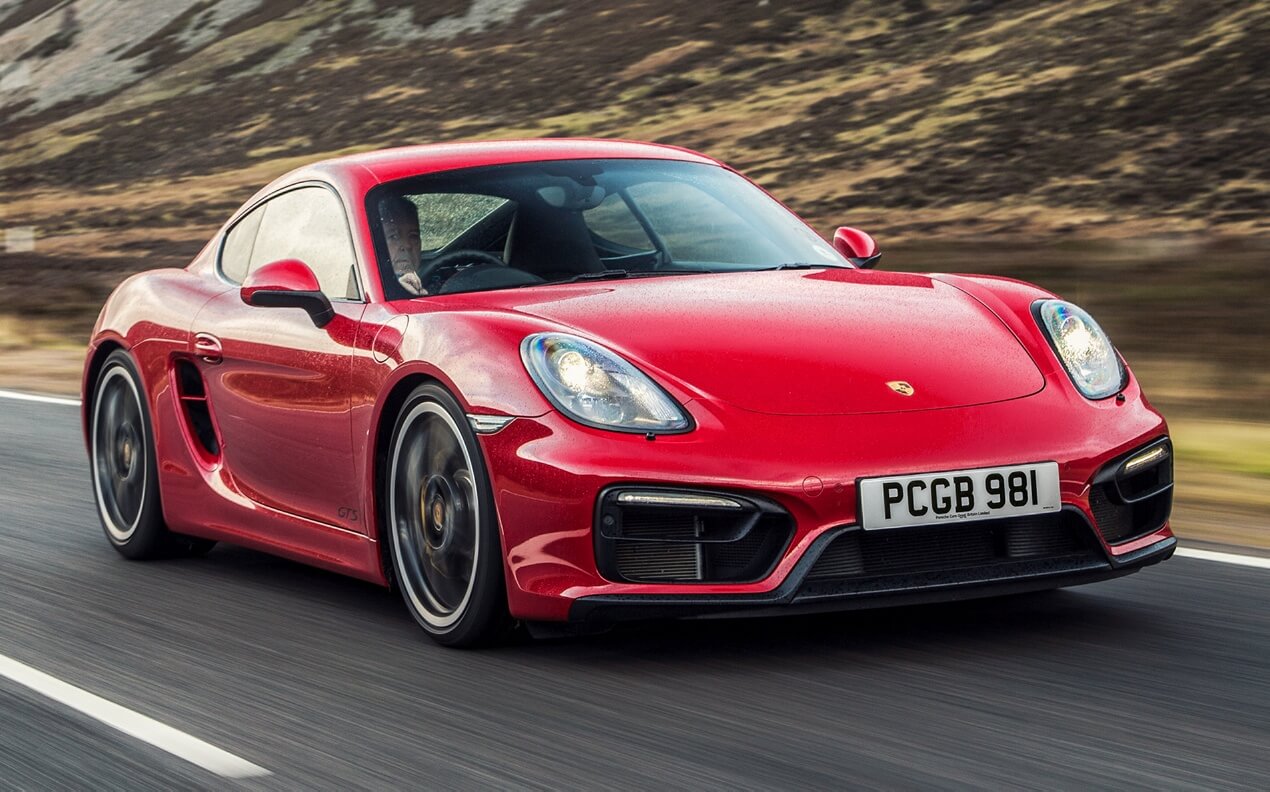
The 981 Cayman, sold from spring 2013 as a 2014 model, is a mid-engined two-seater with a flat-six behind the seats: 2.7 litres in the base car and 3.4 litres in the S. The GTS of 2014 has 254 kW (345 PS), and the 2015 GT4 uses the 3.8-litre engine from the 911 Carrera S with 283 kW (385 PS). Mid-engine balance and precise steering make it one of the most rewarding road cars of its time. It suits keen drivers who want a mid-engined Porsche for road and occasional track use. The drawback: it is strictly a two-seater, with luggage split between a front and a rear boot.
Full review: Porsche CaymanPros
- Mid-engine balance
- From 2.7-litre flat-six to the 283 kW (385 PS) GT4
- Usable front and rear luggage space
Cons
- Strictly two seats
-
2. Porsche 911 Carrera Cabriolet
Best everyday sports car
- Production years
- 2012–2019
- Body type
- Convertible
- Fuel
- Petrol
- Power output
- 257–316 kW (349–430 PS)
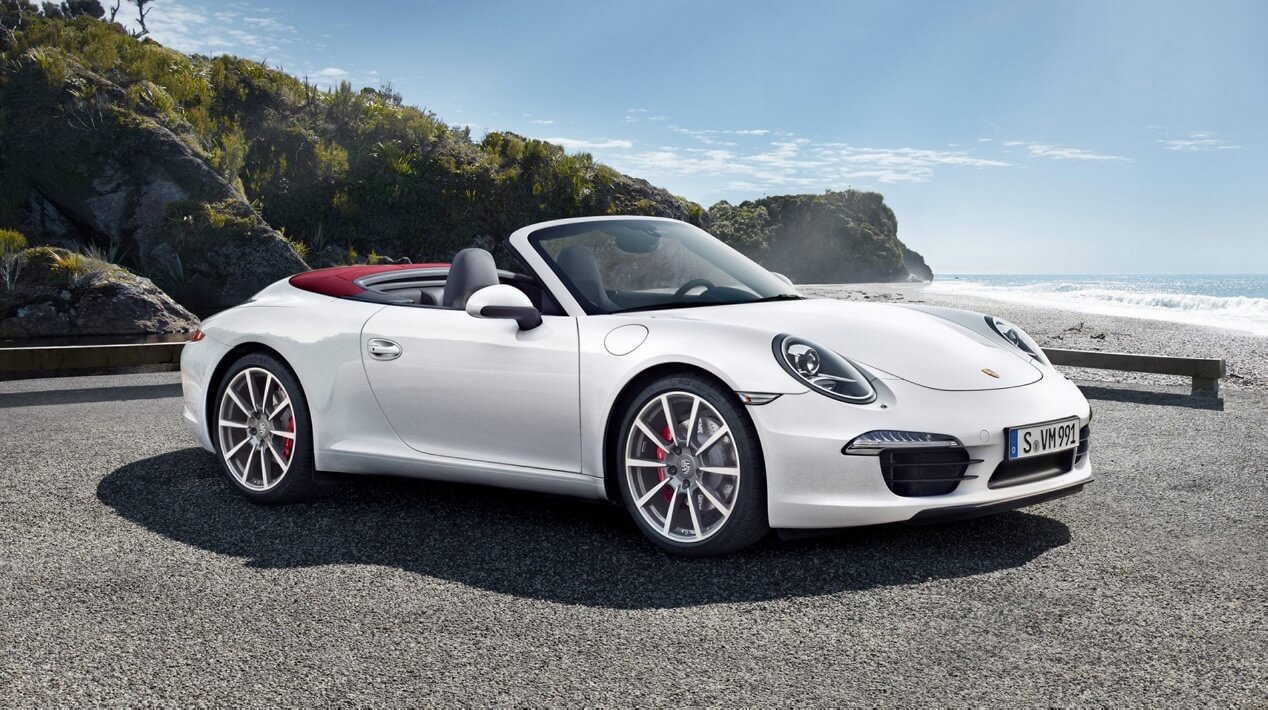
The 991-generation 911, built from 2011 to 2019, is the all-rounder of the sports-car world: a rear-mounted flat-six, 2+2 seats and coupé or cabriolet bodies. The 991.1 Carrera has a 3.4-litre engine with 257 kW (350 PS) and the Carrera S a 3.8-litre with 294 kW (400 PS); from late 2015 the 991.2 switched to a 3.0-litre twin-turbo with 272–309 kW (370–420 PS). Buyers could choose a seven-speed manual or the PDK dual-clutch gearbox. It suits drivers who want one car for daily use and weekend drives. The drawback: the rear seats only suit children or bags.
Full review: Porsche 911 Carrera CabrioletPros
- 2+2 seating for everyday use
- Naturally aspirated 991.1 flat-sixes
- Seven-speed manual or PDK
Cons
- Rear seats suit children only
-
3. Honda S2000
Best high-revving roadster
- Production years
- 1999–2009
- Body type
- Roadster
- Fuel
- Petrol
- Power output
- 177–184 kW (241–250 PS)
Honda built the S2000 from 1999 to 2009, about 113,900 in total. Its 2.0-litre F20C engine revved to 8,800 rpm and produced 177–184 kW (241–250 PS) depending on market, about 92 kW per litre without turbocharging. The engine sits behind the front axle, giving the early car a 50:50 weight distribution, and later North American cars got a 2.2-litre with 177 kW (241 PS). It suits purists who enjoy a high-revving engine, a manual gearbox and an open roof. The drawback: it is a strict two-seater roadster with little room for luggage.
Full review: Honda S2000Pros
- 8,800 rpm redline (2.0-litre)
- 50:50 weight distribution
- About 92 kW per litre
Cons
- Two seats and little luggage space
-
4. Lotus Elise
Best lightweight
- Production years
- 1996–2021
- Body type
- Roadster
- Fuel
- Petrol
- Power output
- 88–186 kW (120–253 PS)
Lotus built the Elise at Hethel from 1996 to 2021, 35,124 in total. Its secret is weight: a bonded, extruded aluminium chassis under a fibreglass body kept the first cars at 725 kg, and even later versions weigh well under a tonne. Toyota engines powered later cars, from 100 kW (136 PS) up to the supercharged Cup 260 with 186 kW (253 PS). With so little mass to manage, the steering and brakes feel unusually direct. It suits drivers who value feedback above comfort. The drawback: refinement, noise insulation and luggage space are minimal, so it is a weekend car for most owners.
Pros
- Bonded aluminium chassis
- 725 kg Series 1; under a tonne later
- Toyota engines in later cars
Cons
- Minimal comfort and refinement
Spec sheet: Lotus Elise S2 1.8 l R / Elise S (2ZZ-GE) 141 kW (192 PS)
Full review: Lotus Elise -
5. BMW M4 Competition
Most practical
- Production years
- 2020–present
- Body type
- Coupe
- Fuel
- Petrol
- Power output
- 375–390 kW (510–530 PS)
The G82 M4 reached customers in 2021 with a 3.0-litre twin-turbo straight-six: 353 kW (480 PS) in the M4 and 375 kW (510 PS) in the Competition, which from August 2021 was also offered with xDrive all-wheel drive. With four proper seats and a usable boot, it is the car on this list you can use every day in every season. It suits drivers who want very high performance without giving up practicality. The drawbacks: the Competition is only available with an eight-speed automatic – the six-speed manual is reserved for the standard M4 – and the large grille divides opinion.
Pros
- 375 kW (510 PS) straight-six
- Optional xDrive all-wheel drive
- Four seats
Cons
- Competition available only with an automatic
Spec sheet: BMW M4 Competition G82 3.0 l Coupé (510 PS) 375 kW (510 PS)
Full review: BMW M4 Competition -
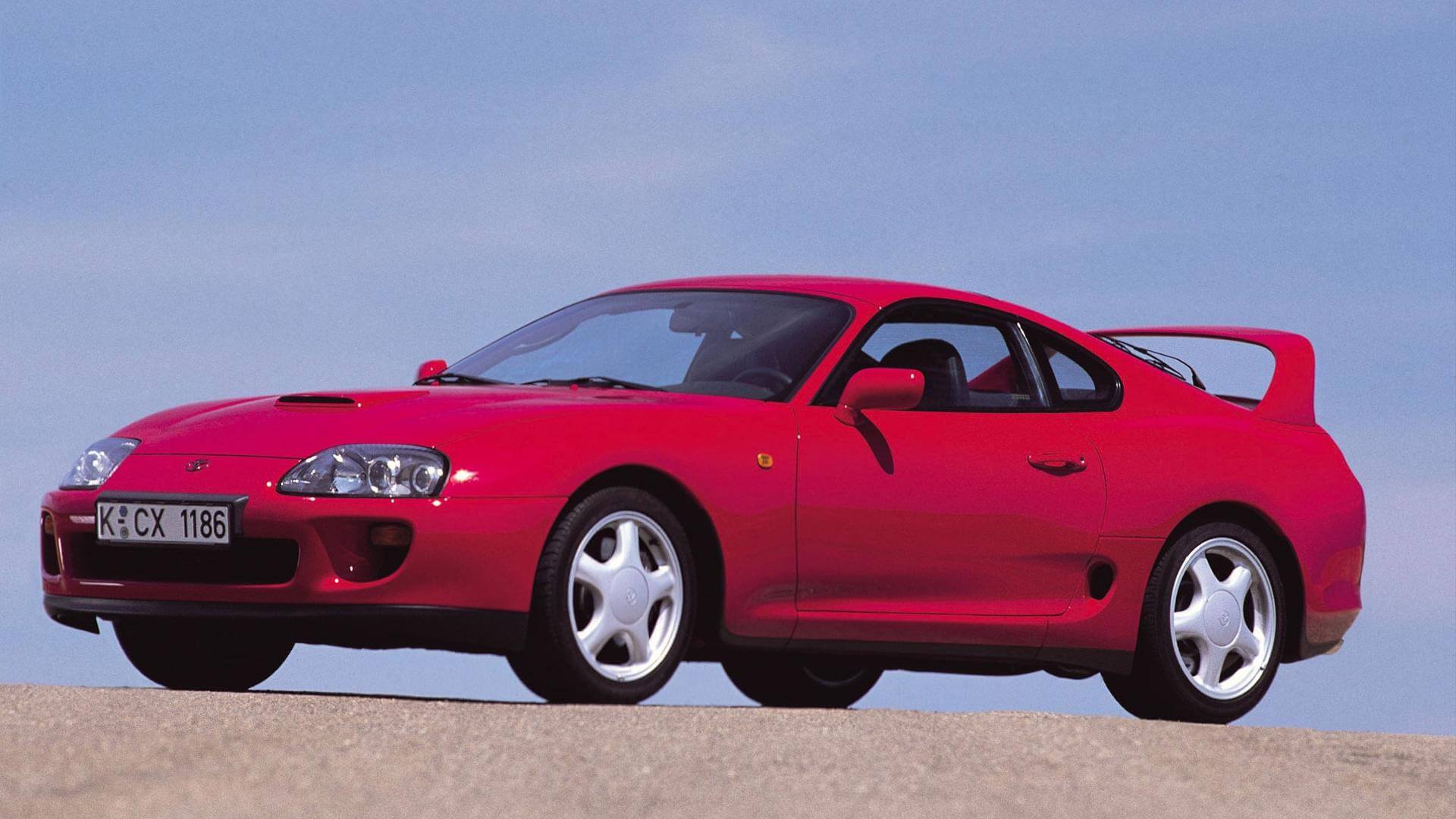
6. Toyota Supra
Best Japanese icon
- Production years
- 1978–2026
- Body type
- Coupe, Liftback
- Fuel
- Petrol
- Power output
- 81–320 kW (110–435 PS)
Our card covers the Supra from 1978 to 2002, but the A80 of 1993 to 2002 is the legend. Its 3.0-litre 2JZ-GTE straight-six with sequential twin turbos produced 206 kW (280 PS) in Japan and 243 kW (330 PS) in Europe, with strong pulling power from low revs. The tested top speed was 257 km/h, although cars were limited to 180 km/h in Japan and 250 km/h in other markets. It suits collectors and enthusiasts who want a Japanese performance icon. The drawback: the youngest A80 is now more than twenty years old, so condition and originality vary widely.
Pros
- 2JZ-GTE sequential twin-turbo six
- Up to 243 kW (330 PS) in Europe
- Strong low-rev torque
Cons
- The youngest A80 is more than 20 years old
Spec sheet: Toyota Supra A70 3.0 l 7M-GTEU 173 kW (235 PS)
Full review: Toyota Supra -
7. Subaru BRZ
Best value balance
- Production years
- 2012–present
- Body type
- Coupe
- Fuel
- Petrol
- Power output
- 147–173 kW (200–235 PS)
Developed jointly with Toyota and built at Subaru's Gunma plant, the first-generation BRZ (2012–2020) uses a 2.0-litre flat-four with 147 kW (200 PS) driving the rear wheels. The low boxer engine gives it a low centre of gravity, and modest grip and power make it easy to explore its balance at sensible speeds. It suits drivers who value feedback and handling over straight-line speed, including newcomers to rear-wheel drive. The drawback: modest torque means it is not fast in a straight line; the second generation's 2.4-litre engine with 170–173 kW (231–235 PS) addresses this.
Pros
- Rear-wheel drive and a low centre of gravity
- Joint Toyota–Subaru development
- Second generation with a 2.4-litre engine
Cons
- Modest straight-line pace (first generation)
Spec sheet: Subaru BRZ ZD8 2.4 l 173 kW (235 PS)
Full review: Subaru BRZ -
8. Alfa Romeo 4C Spider
Most exotic
- Production years
- 2015–2020
- Body type
- Convertible
- Fuel
- Petrol
- Power output
- 177 kW (241 PS)
The 4C is built around a carbon-fibre tub weighing only 65 kg, with aluminium subframes, a mid-mounted 1.75-litre turbocharged four-cylinder with 177 kW (240 PS) and a six-speed dual-clutch gearbox. The coupé was built at Maserati's Modena plant from 2013 and the Spider from 2015 to 2020; a European Spider weighs 1,080 kg. There is no power steering, which gives unusually direct feedback. It suits drivers who want an exotic, lightweight car with an open roof. The drawback: the unassisted steering is heavy at parking speeds, and the car can be tiring on long journeys.
Pros
- 65 kg carbon-fibre tub
- 177 kW (240 PS) mid-mounted turbo engine
- Built at Maserati's Modena plant
Cons
- No power steering: heavy at low speed
Spec sheet: Alfa Romeo 4C Spider 960 Base version 177 kW (241 PS)
Full review: Alfa Romeo 4C Spider




Data ranking: Power-to-weight: cars - all 301 models in our catalog with a figure, ranked by the numbers.
Catalog: All sports cars in the catalog - every model with specs, not only our picks.
How we chose
Selection. The list covers series-production sports cars. One-offs and concepts such as the Maybach Exelero and the Pininfarina Sergio and homologation specials such as the Porsche 911 GT1 were left out, as were cars we could not yet document reliably enough (Audi R8, Mazda RX-7, Acura NSX). We also moved supercars such as the Porsche Carrera GT, Lexus LFA and Dodge Viper ACR out of this list, and left out the Nissan Skyline, whose page covers saloons and coupés of every generation. In their place we added the Porsche Cayman, Honda S2000, Toyota Supra, BMW M4 Competition, Alfa Romeo 4C Spider, Lotus Elise and Subaru BRZ. Every car listed has a published model page on 1cars.
Data sources. Card facts come from the 1cars catalogue. Facts in the text – production years, engines, power, weights and build numbers – were checked against manufacturer data as reported by English-language Wikipedia. Power is given in kW first, followed by PS or, for figures quoted in the source as horsepower, hp.
Ranking. The order is editorial and reflects driving involvement, balance and usability rather than lap times or power. Prices are deliberately not given.
Frequently asked questions
What is the difference between a sports car and a supercar?
A sports car is built around driving enjoyment and is usually affordable to run as a weekend or daily car. A supercar adds extreme power and performance, usually at a much higher cost. See our list of the most powerful supercars for that end of the market.
Which sports car on this list is the most practical?
The BMW M4 Competition, with four seats and optional all-wheel drive, followed by the Porsche 911, whose rear seats suit children or luggage.
Is a mid-engined car better to drive?
A mid-mounted engine, as in the Porsche Cayman, Lotus Elise and Alfa Romeo 4C, concentrates mass near the centre of the car, which helps agility. Front-engined cars such as the Honda S2000 can achieve a similar balance by mounting the engine behind the front axle.
Why are there no prices in this list?
Prices depend on the country, age, mileage and condition of each car and change quickly. We only publish facts that can be checked, so compare current local listings and a full service history before you buy.