
 Lotus Elise
All generations, specs and history
Updated Published Sources (2) Report an error
By Felix Hartmann, Automotive Technology & EV Contributor Reviewed by Oleksandr Hnatiuk

- Built
- 1996–2021
- Generations
- 3 · S1 to S3
- Top power
- 186 kW (253 PS)
- New price
- from about €40,940 (2010)
Timeline
Elise generations
Click a generation for its own page


- Elise S1 1996–2000 · Roadster · 88–162 kW (120–220 PS)
- Elise S2 2000–2010 · Roadster · 90–163 kW (122–222 PS)
- Elise S3 2010–2021 · Roadster · 100–186 kW (136–253 PS)
Newest first · 3 generations since 1996
-
2010
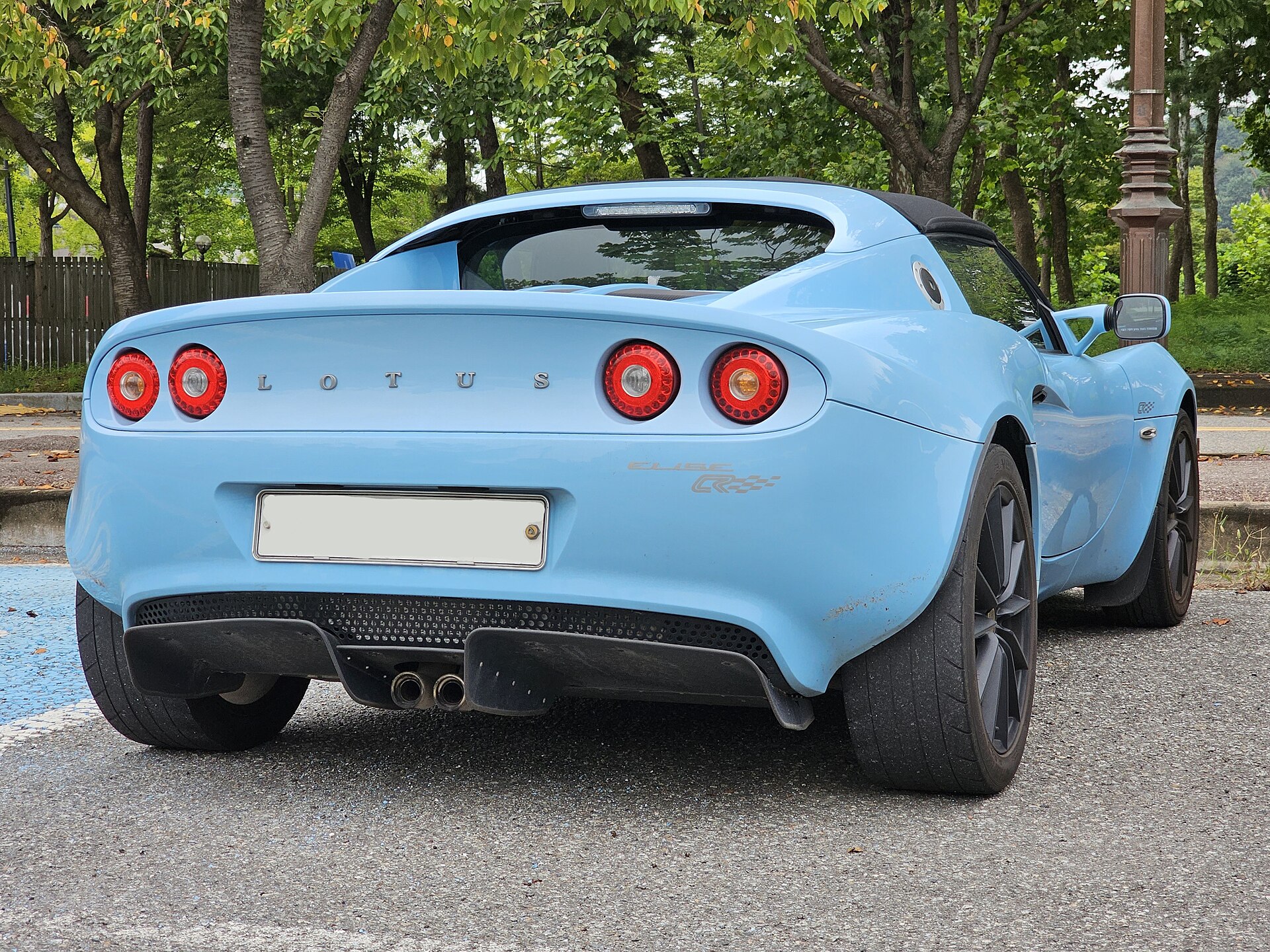
-
2000
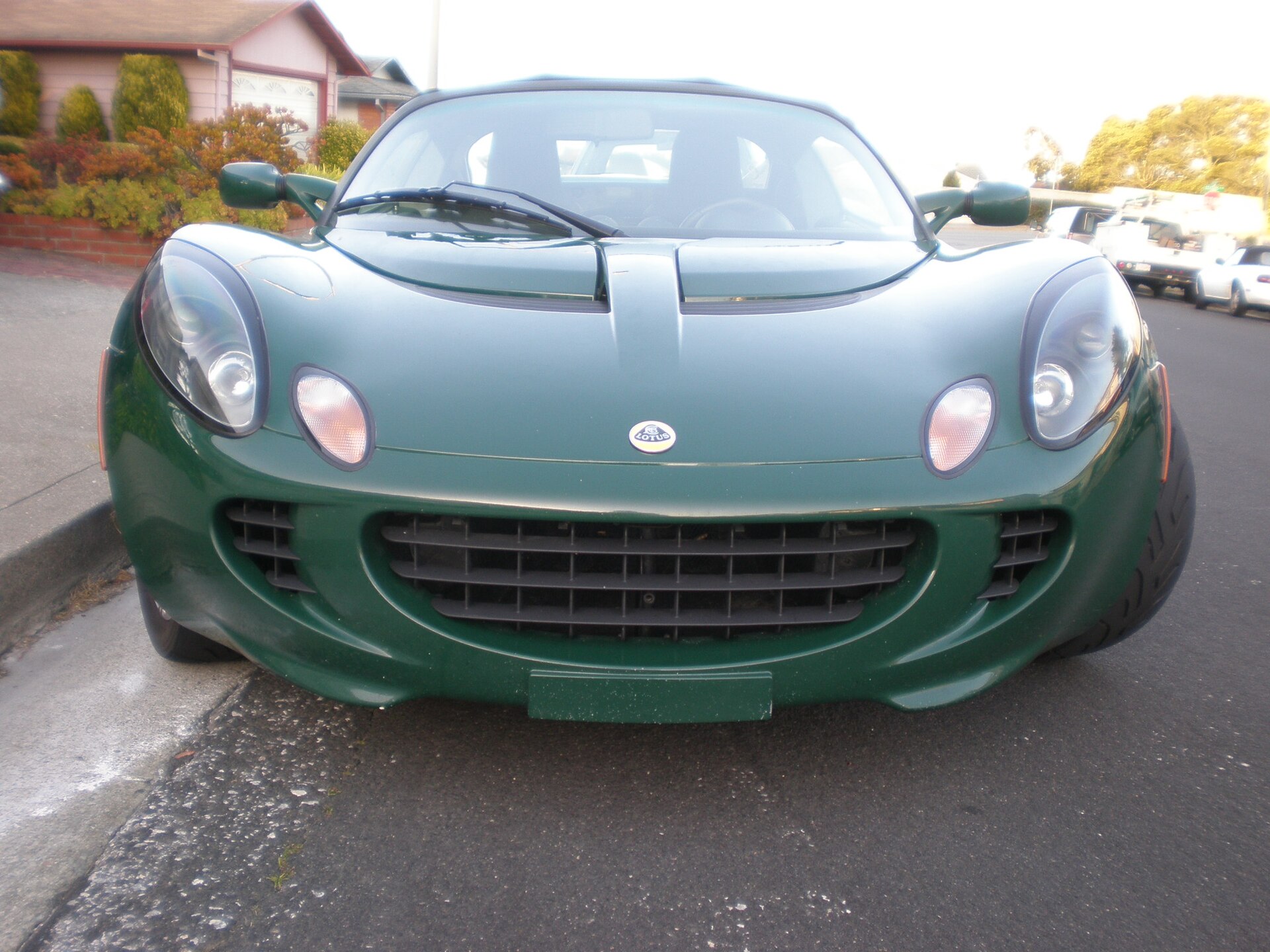
-
1996

All generations by year: Elise S3 (2010–2021) · Elise S2 (2000–2010) · Elise S1 (1996–2000)
Which one is mine?
Pick the year of first registration to see which generation it is.
Check by VINWhich Lotus Elise to buy
Our verdict · Felix Hartmann
A Series 1 is the purest and lightest Elise and has become a collectible; buy one with evidence of a head-gasket and cooling-system check, the K-series engine's weak point. A Series 2 or 3 with a Toyota engine is the easier car to live with, with reliable mechanicals and higher outputs, and it suits drivers who want regular track days. Check the aluminium tub for accident damage, which only a specialist should repair. Inspect the composite body and clam panels, and look for wear in the suspension and wheel bearings. Cars with documented track use are not a problem if they have been serviced properly. All Lotus models in our database are in the Lotus catalogue.
The Lotus Elise is a two-seat, mid-engined roadster built by Lotus at Hethel, England, from 1996 to 2021. Its bonded aluminium chassis kept the first car at 725 kg, so even a 88 kW (120 PS) engine made it quick. Three series and 35,124 cars later, the last Elise left the factory in 2021, replaced by the Emira.
In short
- Series 1 (1996–2001): Rover K-series 1.8, 88–107 kW (120–145 PS), 725 kg.
- Series 2 (2001–2011): new body, Rover engines and from 2005 Toyota units, up to 162 kW (220 PS) supercharged.
- Series 3 (2011–2021): Toyota 1.6 and supercharged 1.8 engines, Cup versions up to 186 kW (253 PS).
- Named after Elisa Artioli, granddaughter of Romano Artioli, who then owned Lotus and Bugatti.

Size at a glance
| Dimensions | Lotus Elise S2 |
|---|---|
| Length | 3,785 mm149.0 in |
| Width | 1,719 mm67.7 in |
| Height | 1,143 mm45.0 in |
| Wheelbase | 2,301 mm90.6 in |
| Boot | 115 L4.1 cu ft |
Specs by version
Engines
| Version | Engine | Power |
|---|---|---|
| S2 · 2000–2010 | ||
| S2 · Elise R / Elise S 1.8 (2ZZ-GE) | 1.8 l · 4 cyl · Petrol 2ZZ-GE | 141 kW 192 PS189 hp |
Performance
Show all 1 versions
| Version | 0–100 km/h |
|---|---|
| S2 · 2000–2010 | |
| S2 · Elise R / Elise S 1.8 (2ZZ-GE) | 5.0 s 0–62 mph |
Dimensions and weight
Show all 1 versions
| Version | Length | Width | Height | Wheelbase | Kerb weight | Boot |
|---|---|---|---|---|---|---|
| S2 · 2000–2010 | ||||||
| S2 · Elise R / Elise S 1.8 (2ZZ-GE) | 3,785 mm149.0 in | 1,719 mm67.7 in | 1,143 mm45.0 in | 2,301 mm90.6 in | 788 kg1,737 lb | 115 l4.1 cu ft |
Verified Manufacturer and type-approval data from our catalog · Sources and methodology
The Elise at a glance

| Fact | Value |
|---|---|
| Built | 1996–2021, Hethel, Norfolk, England (kits also assembled in Malaysia, 1997–2003) |
| Layout | Transverse mid-engine, rear-wheel drive, two-seat targa roadster |
| Chassis | Bonded and riveted extruded aluminium tub, composite body |
| Designer / chief engineer | Julian Thomson / Richard Rackham (Series 1) |
| Total production | 35,124 |
| Derivatives | Exige coupé, Opel Speedster/Vauxhall VX220, 340R; chassis basis for the Tesla Roadster |
| Successor | Lotus Emira |
Origins: a lightweight idea and a family name
Lotus began the project in early 1994, when the company belonged to Romano Artioli, the Italian businessman who had also revived Bugatti. He named the car after his granddaughter, Elisa. The engineers returned to Colin Chapman's founding idea of saving weight rather than adding power. The chassis was made of extruded aluminium sections bonded together with adhesive, which gave a light, very stiff tub able to carry a simple composite body.

The Elise was first shown at the 1995 Frankfurt motor show and went on sale in September 1996. Its success helped Lotus through a difficult period, and the platform became the base for most of the company's cars for two decades. The full background is in the history of Lotus.
Series 1 (1996–2001): the original
The first Elise used Rover's 1.8-litre K-series engine with 88 kW (120 PS), mounted transversely behind the cabin with a five-speed gearbox. It weighed only 725 kg and reached 60 mph in about 5.8 seconds. The cabin was spartan: thin padding, no carpets over the aluminium sills, a fixed passenger seat on early cars and a fabric roof that had to be assembled by hand. The high, wide sills that make the chassis so stiff also make getting in and out an acquired skill.

The 111S of 1999 added Rover's VVC variable valve timing for 107 kW (145 PS). Limited editions such as the Sport 135, Sport 160 and Sport 190 followed, together with the stripped-out 340R of 2000 and the Exige hardtop of the same year.
Series 2 (2001–2011): new body and Toyota power
Lotus announced the Series 2 on 9 October 2000 under the project name "Monza". Its sharper body was developed alongside the Opel Speedster and Vauxhall VX220, which Lotus built on the same Hethel line. At first it kept the 1.8 K-series with 89 kW (122 PS), and the 111S offered 119 kW (160 PS).

From 2005 Lotus switched to Toyota engines, among them the high-revving 1.8-litre 2ZZ-GE from the Celica, rated at 141 kW (192 PS). The Toyota units allowed the Elise to be sold in the United States from summer 2004. The supercharged Elise SC raised power to 162 kW (220 PS) and cut 0–60 mph to about 4.3 seconds. Weight rose to about 860–910 kg with the extra equipment and safety structure required by later regulations.
Series 3 (2011–2021): Cup cars and the Final Edition
The Series 3, unveiled in February 2010, brought new headlights, a revised nose and a lighter tail. The entry model used Toyota's 1.6-litre 1ZR-FAE engine with 100 kW (136 PS), and from 2012 a supercharged 1.8-litre 2ZR-FE took over the top versions.

| Version (Series 3) | Power | Weight | 0–60 mph / 0–100 km/h | Top speed |
|---|---|---|---|---|
| Elise 1.6 | 100 kW (136 PS) | - | - | - |
| Sport 220 | 162 kW (220 PS) | 914 kg | 4.6 s (0–60) | 233 km/h (145 mph) |
| Cup 250 (2016) | 181 kW (246 PS) | 884 kg | 3.9 s (0–60) | 248 km/h (154 mph) |
| Cup 260 (2017) | 186 kW (253 PS) | 862 kg | 3.8 s (0–60) | 243 km/h (151 mph) |
| Sprint 220 | 162 kW (220 PS) | 798 kg | 4.1 s (0–60) | - |
| Sport 240 Final Edition | 179 kW (243 PS) | 898 kg | 4.5 s (0–100) | - |
| Cup 250 Final Edition | 183 kW (248 PS) | 931 kg | 4.3 s (0–100) | 248 km/h |
In February 2021 Lotus announced the Final Edition models and the end of production. The last Elise, a gold Sport 240 Final Edition, was delivered to Elisa Artioli herself.
How the Elise compares with other roadsters
| Model | Layout | Weight compared with the Elise | Character |
|---|---|---|---|
| Lotus Elise S3 Sport 220 | Mid-engine | 914 kg | Lightest, most direct steering |
| Honda S2000 | Front-engine, RWD | Clearly heavier | High-revving, more comfortable |
| Porsche Boxster | Mid-engine | Much heavier | More power and refinement, higher price |
| Alfa Romeo 4C Spider | Mid-engine, carbon tub | Slightly heavier | Carbon chassis, turbo engine |
By our calculation, the Cup 260 carries about 4.6 kg per kW, close to the ratio of much more powerful sports cars. Any car's ratio can be worked out with the 1cars power-to-weight calculator, and other driver's cars are collected among the best sports cars.

The Elise's legacy
The Elise platform shaped Lotus for a generation: the Exige, the Europa S and the 2-Eleven all used versions of it. Lotus also supplied the chassis technology and assembled the gliders for the original Tesla Roadster, the first car from the electric-car maker. Today Lotus has moved on to the Emira and to electric models such as the Lotus Evija hypercar.

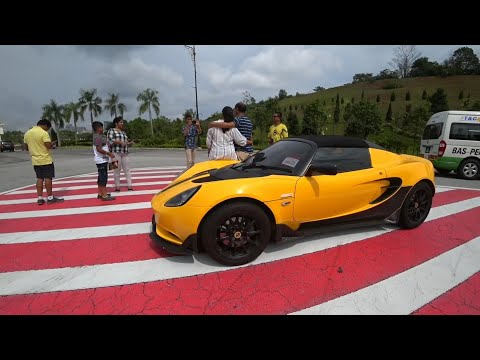
Lotus Elise evolution in numbers
Did you know?
- The Lotus Elise ran for 25 years, from 1996 to 2021, over 3 generations in our catalog.
- The longest-running generation is the Elise S3 (2010–2021): 11 years.
- The biggest jump in power came with the Elise S3: up to 186 kW (253 PS), 23 kW more than the Elise S2.
Most powerful version, kW
Figures from the 1cars catalog: power is the strongest version of each generation; generations without the figure are left out.
Lotus Elise: first vs latest generation
| Spec | Elise S1 | Elise S3 | Change |
|---|---|---|---|
| Years | 1996–2000 | 2010–2021 | 14 years apart |
| Most powerful version | 162 kW (220 PS) | 186 kW (253 PS) | +24 kW (+15%) |
Oldest and newest generation in the 1cars catalog. Power is the strongest version of each; other rows are shown only when both generations have the figure.
Image credits · Photos from Wikimedia Commons under free licences
- Lotus Elise S2 · Photo: BrokenSphere / Wikimedia Commons, CC BY-SA 3.0
- Lotus Elise S3 · Photo: Damian B Oh / Wikimedia Commons, CC BY-SA 4.0
Lotus Elise in our rankings
- No. 3 of 32 · Smallest convertibles and roadsters (3,785 mm)
- No. 3 of 25 · Lightest convertibles and roadsters (788 kg)
- No. 5 of 395 · Lightest cars (788 kg)
- No. 10 of 16 · Quickest convertibles and roadsters, 0–100 (5.0 s)
- No. 32 of 531 · Smallest cars (3,785 mm · top 7%)
- No. 121 of 1091 · Longest-running car nameplates (25 years · top 12%)
Lighter than 98% of ranked cars in the 1CARS catalog (No. 5 of 395).
Lotus Elise photos 14


FAQ
Why is it called the Lotus Elise?
The car is named after Elisa Artioli, granddaughter of Romano Artioli, who owned Lotus and Bugatti when the Elise was developed in the mid-1990s. Fittingly, she received the last Elise built in 2021.
How much does a Lotus Elise weigh?
The Series 1 weighed about 725 kg. Later cars grew heavier with more equipment and safety structure: a Series 3 Sport 220 weighs 914 kg, while the stripped Sprint 220 is just 798 kg.
What engine does the Lotus Elise use?
Early Elises used Rover's 1.8-litre K-series. From 2005 Lotus fitted Toyota engines: the 1.8 2ZZ-GE, the 1.6 1ZR-FAE and, from 2012, the supercharged 1.8 2ZR-FE with up to 186 kW (253 PS).
When did Lotus stop making the Elise?
Lotus ended Elise production in 2021 after announcing the Final Edition models in February that year. Over 25 years it built 35,124 cars. The Emira took over as the brand's petrol sports car.
Is the Lotus Elise a good daily car?
It can be used daily, but it is noisy, firm and awkward to get into, with little storage space. Most owners use it as a second car for weekends and track days, where its light weight is most rewarding.
Data sources
Data checked by an editor against the sources below.
- The text of this article (1cars archive)
- Wikipedia - Lotus Elise


