 Fiat Panda
All generations, specs and history
Published Sources (1) Report an error
By Felix Hartmann, Automotive Technology & EV Contributor
- Built
- 1980–present
- Generations
- 3
Timeline
Panda generations
Click a generation for its own page


169 and III overlapped in 2011–2012, so III sits on a second lane
- Panda I (Type 141) 1980–2003 · Hatchback
- Panda II (Type 169) 2003–2012 · Hatchback
- Panda III Current 2011–now · Hatchback
Newest first · 3 generations since 1980
-
2011
-
2003
-
1980
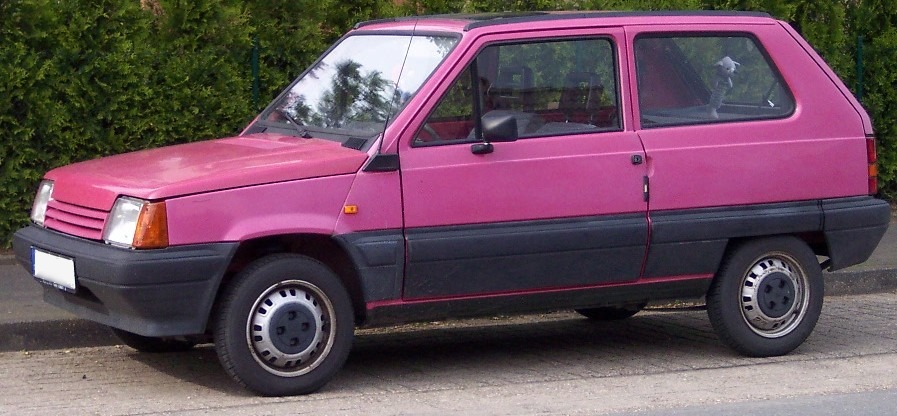
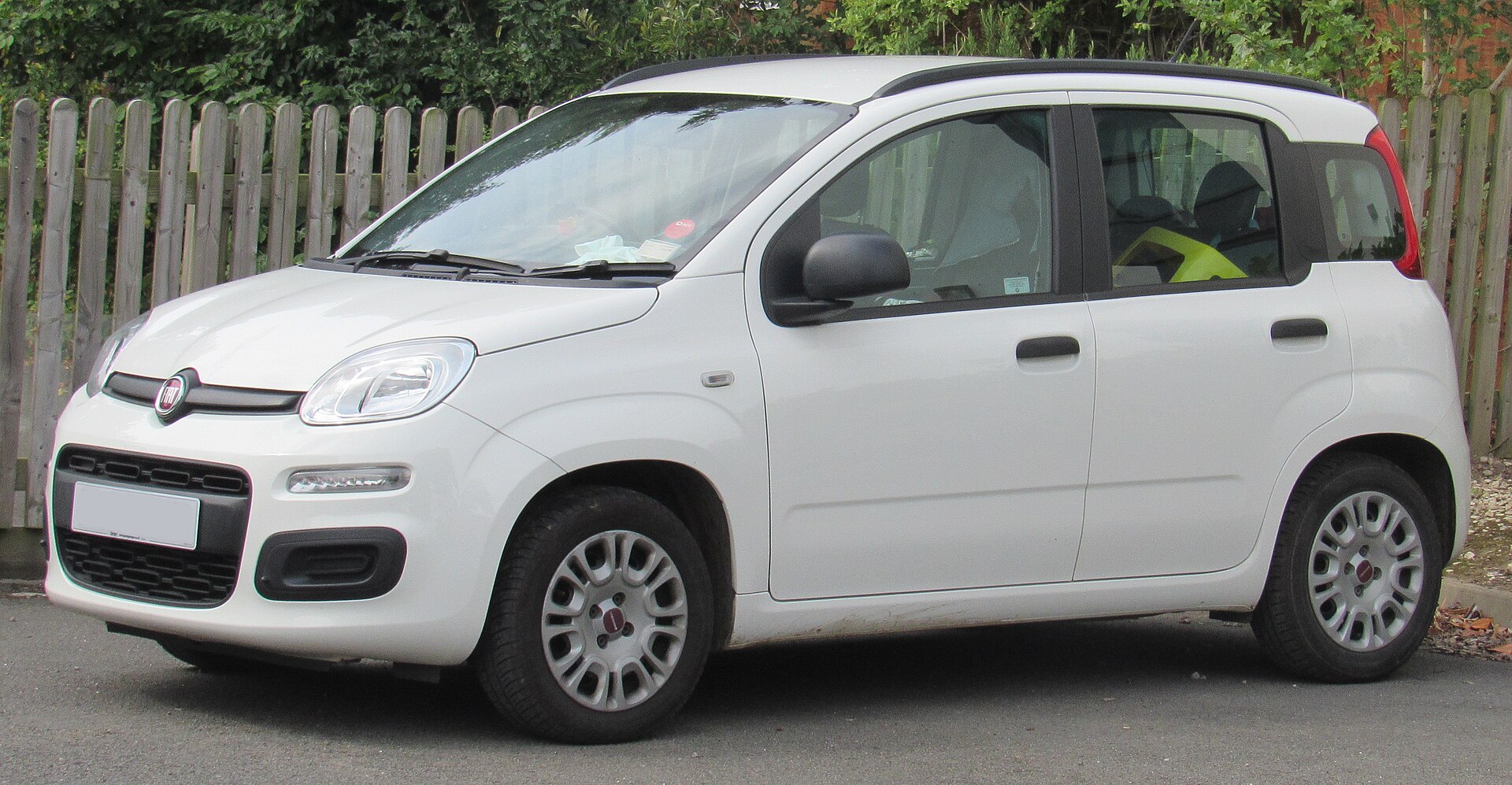
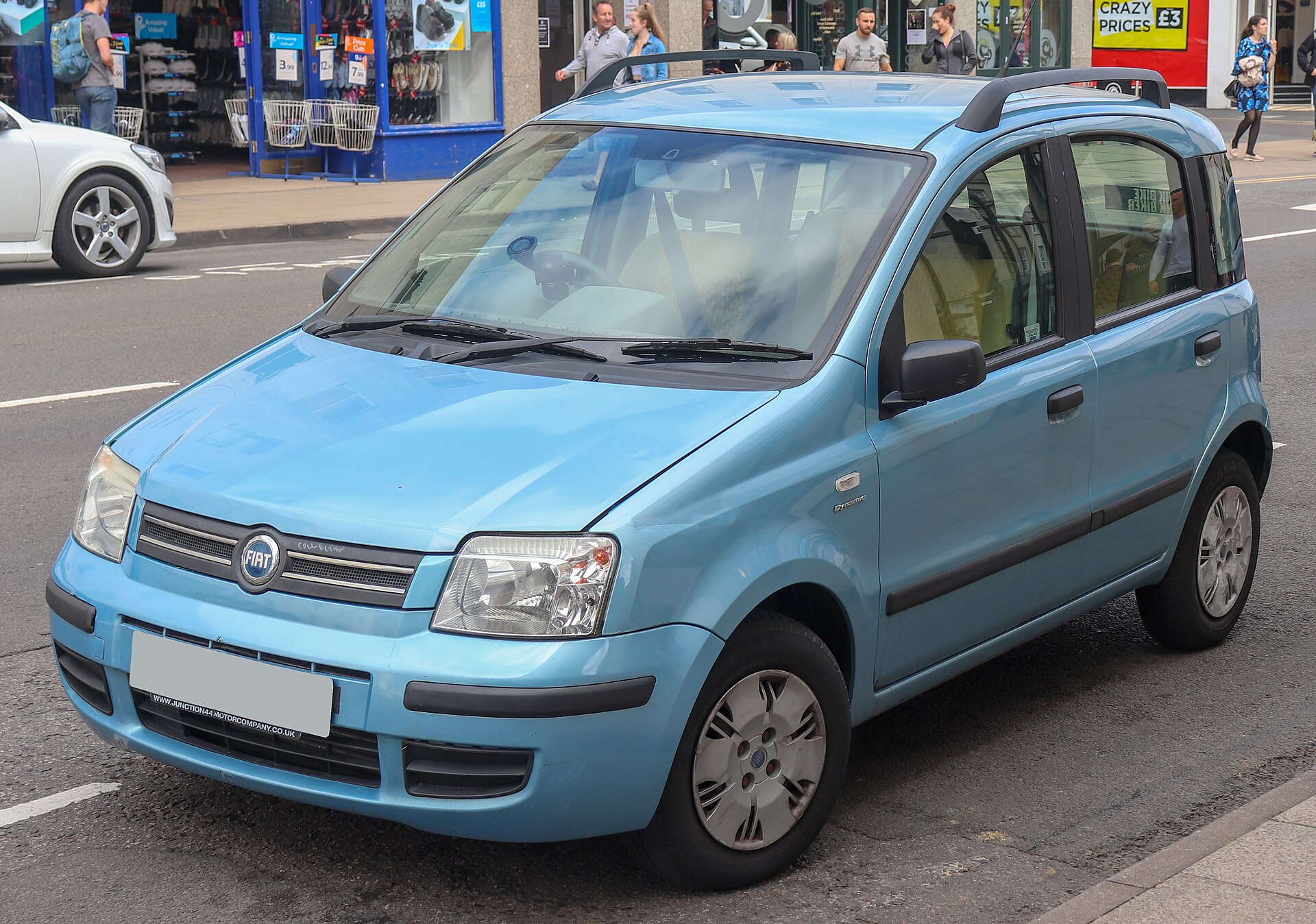
All generations by year: Panda III (2011–now) · Panda II (Type 169) (2003–2012) · Panda I (Type 141) (1980–2003)
Which one is mine?
Pick the year of first registration to see which generation it is.
- Panda III 2011–present
- 169 2003–2012
- 141 1980–2003
The Fiat Panda is a front- or all-wheel-drive five-door hatchback in the A segment, embodying the European approach to small cars: compact, practical and economical. The original Panda appeared in 1980, the second generation followed in 2003, and the third generation was shown in September 2011. This article focuses on the third generation and the update introduced in 2020 to mark the model's 40th anniversary. In 2024 Fiat added the larger, unrelated Grande Panda, while the third-generation car stayed on sale as the Pandina.
In short
- Three generations: 1980, 2003 and 2011; the current car was unveiled at the Frankfurt motor show in 2011.
- Engines include two-cylinder TwinAir Turbo units with 48 and 63 kW (65 and 85 PS), a four-cylinder with 51 kW (69 PS), a 1.3 diesel with 55 kW (75 PS) and, from 2020, a 1.0 FireFly mild hybrid with 51 kW (70 PS).
- The Panda 4x4 uses "torque on demand" all-wheel drive with electronic differential locking.
- The boot holds 225 litres, or 870 litres with the rear seat folded.
Fiat Panda at a glance
The Panda is a compact monocoque hatchback with a transverse engine, MacPherson struts at the front and a torsion-beam rear axle. More Fiat models are listed in our Fiat catalogue, and other articles about the model are collected in our Fiat Panda section.
Third generation (2011 onwards)
Exterior
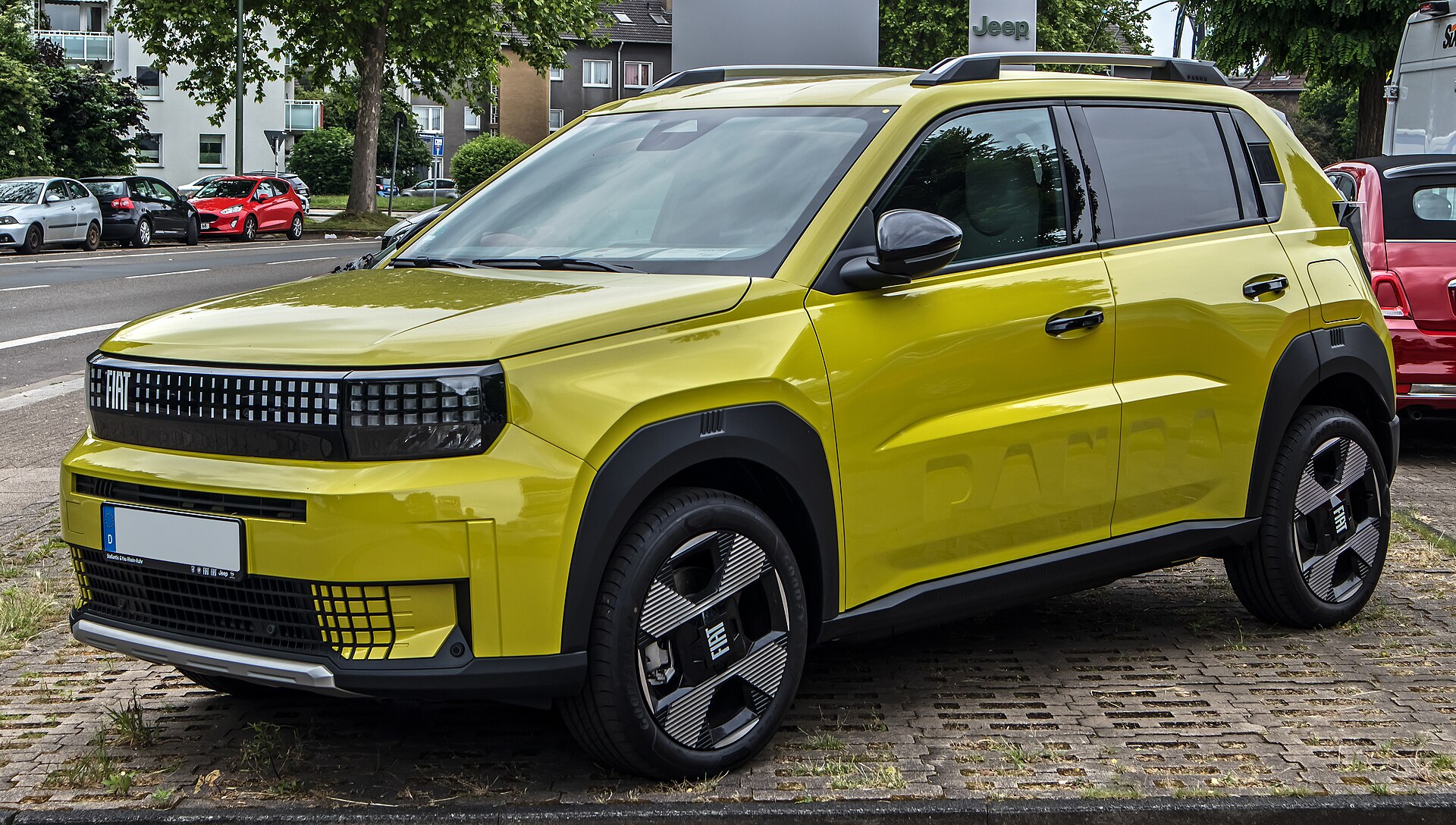
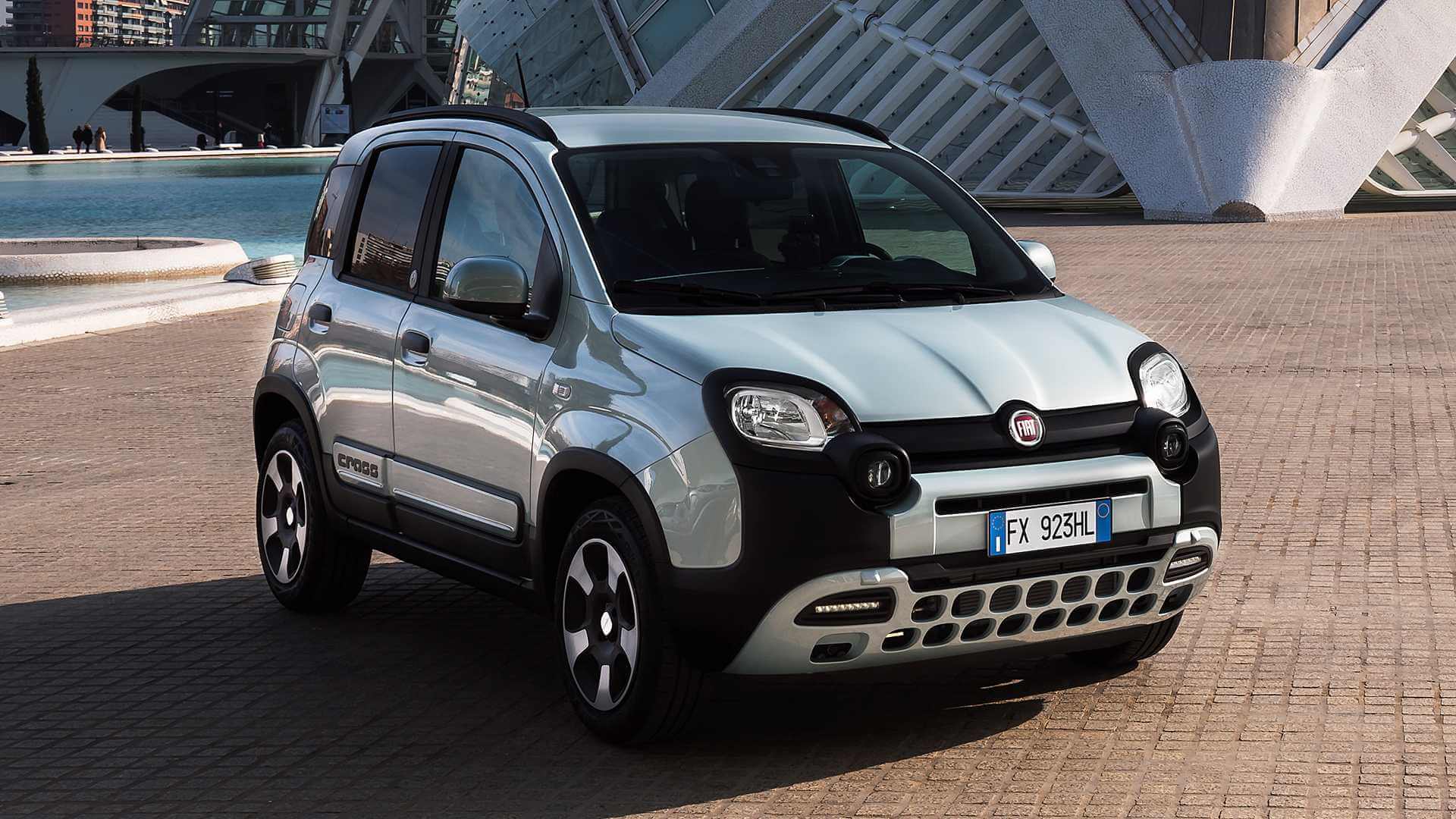
The third Panda was officially presented at the end of 2011 at the Frankfurt motor show. It brought many styling improvements while keeping the familiar look. The body is a rectangle with rounded edges, which helps make the most of the interior space. The front has friendly headlights, stylish running-light strips and a substantial bumper with a central oval air intake and small round fog lamps at the corners. A sculpted bonnet and plastic inserts that protect the paint give it more character than its predecessor. Despite the boxy shape, the drag coefficient is just 0.32, and torsional rigidity is 71,300 Nm per degree.
The side has large door openings, big wheel arches, a flat roofline and square windows neatly integrated into the rear pillars. Wheels are 14 or 15 inches, and ground clearance is an average 155 mm. There are no sharp edges or brutal lines - only curves and soft bulges - and the window line suggests a little house; the door handles show the design's age. At the rear, vertical tail lights sit in the pillars above a large tailgate and a neat bumper concealing a small exhaust, with a reversing light on the right and a fog lamp on the left. A third brake light and the aerial sit at the top of the tailgate. The tailgate opens to a height of more than two metres, so even tall people can stand underneath it.
Interior
The interior follows the exterior, with people-carrier-like features and no sharp corners. A large three-spoke steering wheel with an almost square hub faces conventional instruments: speedometer on the left, rev counter on the right and an information display in the centre showing fuel level, coolant temperature, odometer and trip-computer data. Steering-wheel buttons are reserved for more expensive versions, and a leather rim is optional. The front seats have decent side support and a wide range of adjustment for people of almost any build.
A TomTom navigation screen sits at the top of the centre console, in a slightly awkward position because it was added late in development. Below are air vents and the audio unit, then the climate controls, with four rotary knobs or buttons and displays when climate control is fitted. The gear lever sits high on the console with window switches on either side, and the space between the front seats holds cupholders and a quirky shovel-shaped handbrake lever. A large open shelf in front of the passenger recalls the first Panda, with a closed glovebox below it. The cabin has two-tone trim. Rear space is generous for the class, and the doors have storage pockets. The well-trimmed boot lacks nets or organisers and holds 225 litres, or 870 litres with the rear backrest folded, though the floor is not flat.
Engines and transmissions
| Engine | Fuel | Power (kW / PS) |
|---|---|---|
| TwinAir Turbo two-cylinder | Petrol | 48 kW / 65 PS |
| TwinAir Turbo two-cylinder | Petrol | 63 kW / 85 PS |
| Four-cylinder | Petrol | 51 kW / 69 PS |
| 1.3 four-cylinder | Diesel | 55 kW / 75 PS |
The original TwinAir design has long won experts' praise and is very economical, though it suffers from vibration, which engineers tackled with a balance shaft. Every engine moves the Panda comfortably around town. Depending on the engine, there is a five- or six-speed manual gearbox, or a simple single-clutch Dualogic automated manual.
The Panda 4x4 followed a little later with a "torque on demand" all-wheel-drive system: part-time four-wheel drive with two differentials, an electronically controlled clutch and electronic simulation of differential locking. It is aimed at buyers who want more capability and has its own rugged look.
Chassis
The suspension uses MacPherson struts at the front and a torsion beam at the rear. It is tuned to ride broken tarmac comfortably, but on corrugated surfaces the car can be pushed off line. Steering has hydraulic assistance, and the brakes are discs at the front and drums at the rear, with ABS.
Safety and equipment
The Panda's body is very stiff and uses advanced steel grades, with designed crumple zones. Safety equipment includes four airbags, ABS, EBD and brake assist, hill-start assist, ISOFIX anchorages, City Brake Control, which helps prevent frontal collisions at speeds of up to 30 km/h, three-point belts with pretensioners and central locking.
In Europe the third generation was offered as the Pop, Easy and Lounge. Even the base car had four airbags, ABS, EBD and hill descent control, manual air conditioning with a dust filter, start/stop, radio preparation with two speakers, 14-inch steel wheels, central locking, front electric windows, rear head restraints and body-coloured bumpers.
The 2020 update
Since its 2011 debut the Panda has never had a full facelift, only a series of small updates affecting specific versions. To mark its 40th anniversary in 2020, Fiat gave it a new front bumper, revised side skirts and new wheel designs. The budget Panda City Life gained its own sill trims, front bumper and 15-inch wheels (also used on the top Panda Cross), and 16-inch wheels with red details on the brake calipers and hubs are available.
The interior was not radically changed, but there is now a 7-inch touchscreen infotainment system with smartphone integration, DAB radio, Apple CarPlay and Android Auto, plus a phone storage slot behind the screen. The optional D-Fence air-purification system is new, as are a black headlining, dark grey upholstery combining synthetic leather and fabric with red stitching, tinted windows, an artificial-leather steering wheel and softer, more comfortable seats.
Mild hybrid powertrain
All front-wheel-drive Pandas now use a 1.0-litre three-cylinder FireFly mild-hybrid engine with 51 kW (70 PS), assisted by a 12-volt belt-driven starter-generator (BSG) that adds up to 3.6 kW. It is paired with a six-speed manual gearbox, and the BSG restarts the engine almost silently and without vibration in stop-start traffic. Compared with the Fire 1.2, CO2 emissions are up to 30% lower with similar performance and comfort. The Panda 4x4 uses a 0.9-litre two-cylinder petrol engine with 63 kW (85 PS) and 145 Nm, reaching 100 km/h in 11.2 seconds.
The updated Panda was due to reach dealers at the start of 2021, priced from €11,688, with the Panda Cross from €15,100.
Key specifications (third generation)
| Parameter | Value |
|---|---|
| Presented | September 2011, Frankfurt |
| Drag coefficient | 0.32 |
| Torsional rigidity | 71,300 Nm/degree |
| Power (kW / PS) | 48–63 kW / 65–85 PS |
| Ground clearance | 155 mm |
| Wheels | 14–16 in |
| Boot | 225 / 870 l |
Rivals
The Panda competes with A-segment city cars such as the Hyundai i10, Kia Picanto, Toyota Aygo, Volkswagen up! and Renault Twingo, so the choice comes down to personal needs and price. Buyers of the Panda typically focus on safety, economy and price.
Fiat Panda evolution in numbers
Did you know?
- The Fiat Panda has been around for 46 years: 3 generations in our catalog since 1980.
- The longest-running generation is the Panda I (Type 141) (1980–2003): 23 years.
Image credits · Photos from Wikimedia Commons under free licences
- Fiat Panda I (Type 141) · Photo: Fourohfour / Wikimedia Commons, CC BY-SA 3.0
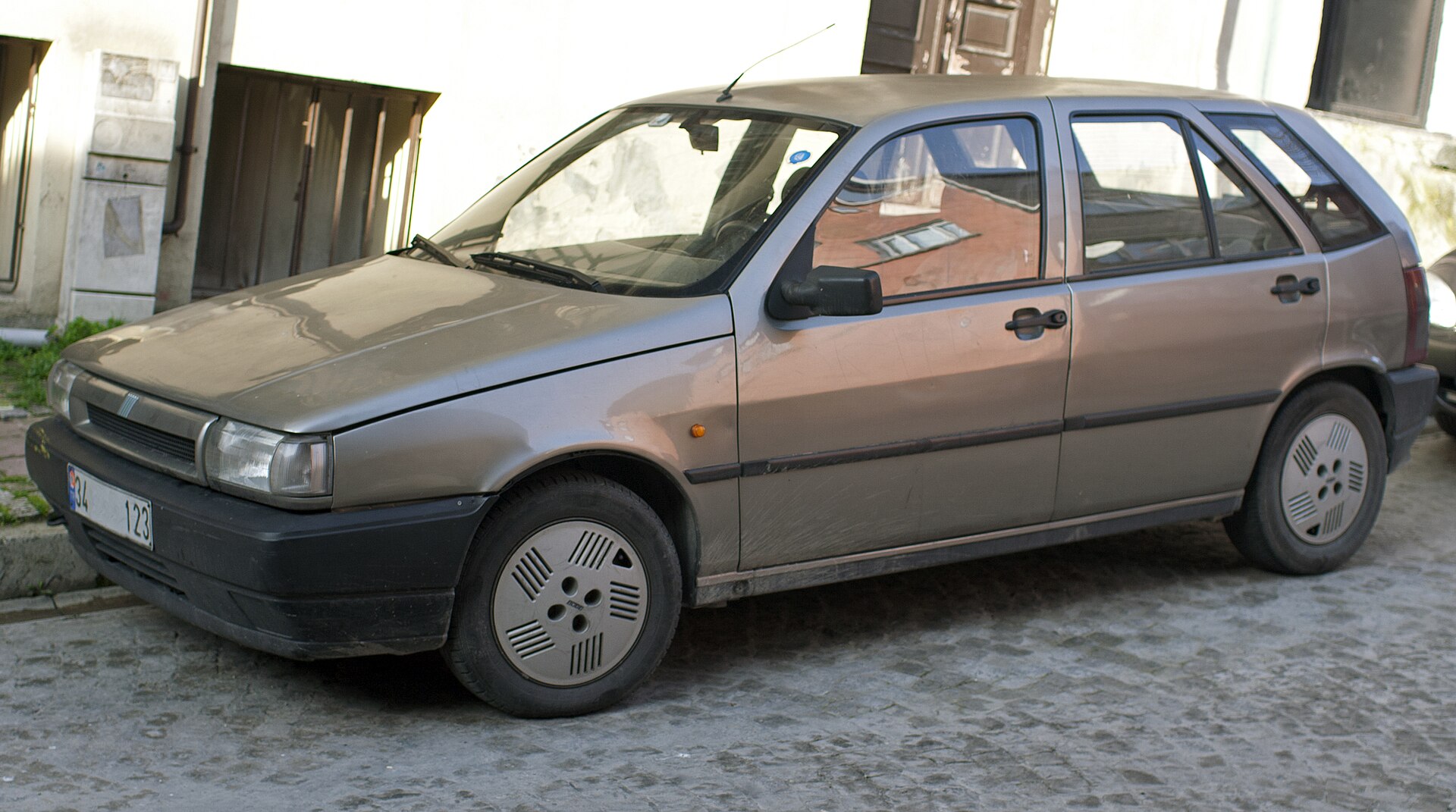
- Fiat Panda II (Type 169) · Photo: Vauxford / Wikimedia Commons, CC BY-SA 4.0
- Fiat Panda III · Photo: Makizox / Wikimedia Commons, CC BY-SA 4.0
Fiat Panda in our rankings
- No. 23 of 912 · Longest-running car nameplates (46 years · top 3%)
- No. 18 of 305 · Oldest car models still on sale (46 years · top 6%)
- No. 156 of 345 · Cars with the most generations (3 generations · top 68%)
In production longer than 97% of ranked nameplates in the 1CARS catalog (No. 23 of 912).
FAQ
When did the first Fiat Panda appear?
In 1980. The second generation followed in 2003 and the third in 2011.
What engine does the Fiat Panda mild hybrid have?
A 1.0-litre three-cylinder FireFly engine with 51 kW (70 PS) and a 12-volt belt-driven starter-generator.
Is there an all-wheel-drive Fiat Panda?
Yes. The Panda 4x4 uses "torque on demand" all-wheel drive; after the 2020 update it has a 0.9 two-cylinder with 63 kW (85 PS).
How big is the Fiat Panda boot?
225 litres, or 870 litres with the rear seat folded.
How much did the updated Fiat Panda cost?
At its launch in early 2021 it was priced from €11,688, with the Panda Cross from €15,100.
Data sources
Data checked by an editor against the sources below.