Cheapest cars to run 2026: nine new cars ranked by monthly cost
The cheapest car to run is rarely the one with the lowest fuel consumption. In ADAC's figures, depreciation is the largest single cost for every car below, ahead of fuel or electricity, insurance and tax, and servicing. ADAC, Germany's motoring club, adds all four up for every new car it lists, assuming five years of ownership and 15,000 km a year. The nine cars below have the lowest totals among the models with a 1cars model page, from €561 a month for a Volkswagen Polo.
Quick picks
- Cheapest overall: Volkswagen Polo 1.0 – €561 a month, 44.9 cents per km.
- Lowest insurance classes: SEAT Ibiza 1.0 MPI – classes 14/14/17.
- Lowest fuel use: Toyota Aygo X Hybrid – 3.7 l/100 km and €30 a year in tax.
- Longest warranty: Hyundai i20 – five years.
- Cheapest electric car to run: Tesla Model 3 – €92 a month for electricity and other running costs.
The table shows ADAC's monthly cost breakdown for one version of each car. Running costs include fuel or electricity and oil; fixed costs include insurance and tax; workshop costs include servicing, wear parts and tyres.
| Model (version) | Total per month | Per km | Depreciation | Running | Fixed | Workshop | List price, Germany |
|---|---|---|---|---|---|---|---|
| VW Polo (1.0 Trend) | €561 | 44.9 ct | €218 | €174 | €113 | €55 | €20,380 (2026) |
| SEAT Ibiza (1.0 MPI) | €573 | 45.9 ct | €241 | €168 | €113 | €49 | €19,910 (2025) |
| Toyota Aygo X (1.5 Hybrid) | €605 | 48.4 ct | €245 | €125 | €162 | €72 | €21,990 (2025) |
| Hyundai i20 (1.0 T-GDI Select) | €634 | 50.8 ct | €242 | €181 | €137 | €73 | €21,950 (2025) |
| Renault Clio (TCe 115 Evolution) | €638 | 51.1 ct | €229 | €179 | €172 | €57 | €19,900 (2026) |
| Peugeot 208 (1.2 Turbo 100 Style) | €640 | 51.3 ct | €267 | €164 | €140 | €67 | €24,480 (2026) |
| Opel Corsa (1.2 DI Turbo Edition) | €658 | 52.7 ct | €269 | €164 | €147 | €76 | €23,340 (2025) |
| Toyota Corolla (1.8 Hybrid Comfort) | €746 | 59.7 ct | €380 | €144 | €163 | €57 | €33,340 (2025) |
| Tesla Model 3 (RWD) | €789 | 63.1 ct | €444 | €92 | €163 | €90 | €36,990 (2025) |
ADAC calculates with the price of the car including the equipment it considers normal for the class, so the basis can be slightly above the list price. Buying used? The best small city cars include older models that cost far less to buy.
-
1. Volkswagen Polo VI
Cheapest overall
- Production years
- 2017–present
- Body type
- Sedan, Hatchback
- Fuel
- Petrol, Diesel
- Power output
- 48–147 kW (65–200 PS)
The Polo 1.0 Trend has the lowest total in this list: ADAC puts it at €561 a month or 44.9 cents per km. Depreciation of €218 a month is also the lowest here. The 1.0-litre petrol has 59 kW (80 PS), uses 5.4 l/100 km WLTP and costs €77 a year in German vehicle tax. Insurance type classes are 13 for liability, 16 for comprehensive and 18 for partial cover. The boot holds 351 litres. The drawback: with 80 PS it is slow on motorways, and fuel costs of €174 a month are among the highest here.
Pros
- ��561 a month, the lowest here
- Lowest depreciation at €218 a month
- Low insurance classes (13/16/18)
Cons
- Only 59 kW (80 PS)
Spec sheet: Volkswagen Polo VI 1.0 MPI 65 48 kW (65 PS)
Full review: Volkswagen Polo VI -
2. SEAT Ibiza 6F
Lowest insurance costs
- Production years
- 2017–present
- Body type
- Hatchback
- Fuel
- Petrol, Diesel, LPG / CNG
The Ibiza 1.0 MPI has the same 59 kW (80 PS) output as the Polo and one of the lowest list prices here, €19,910 in Germany. ADAC calculates €573 a month or 45.9 cents per km. Its insurance type classes of 14, 14 and 17 are the lowest in this list, and workshop costs of €49 a month are the lowest too. The engine uses 5.2 l/100 km WLTP and is taxed at €68 a year. The boot holds 355 litres. The drawback: it loses €241 a month in value, more than the Polo.
Full review: SEAT Ibiza 6FPros
- Lowest insurance classes here (14/14/17)
- ��49 a month workshop costs
- List price of €19,910
Cons
- Higher depreciation than the Polo
-
3. Toyota Aygo AB70
Lowest fuel costs
- Production years
- 2022–present
- Body type
- Crossover
- Fuel
- Petrol, Hybrid
- Power output
- 53–85 kW (72–116 PS)
The facelifted Aygo X comes with a 1.5-litre full hybrid and is the most frugal car here at 3.7 l/100 km WLTP. ADAC puts its running costs at €125 a month, the lowest of any combustion car in this list, and German vehicle tax at just €30 a year. The total is €605 a month or 48.4 cents per km. It costs from €21,990. The drawbacks: fixed costs are high at €162 a month because of insurance classes 18, 23 and 20, and Euro NCAP gave the Aygo X only four stars in 2025.
Pros
- 3.7 l/100 km WLTP
- ��125 a month running costs
- ��30 a year vehicle tax
Cons
- High insurance classes and four-star Euro NCAP (2025)
Spec sheet: Toyota Aygo AB70 1.0 l VVT-i 53 kW (72 PS)
Full review: Toyota Aygo AB70 -
4. Hyundai i20 BC3
Longest warranty
- Production years
- 2020–present
- Body type
- Hatchback
- Fuel
- Petrol, Hybrid
- Power output
- 62–88 kW (84–120 PS)
The facelifted i20 1.0 T-GDI Select costs €634 a month to run, or 50.8 cents per km, according to ADAC. The turbocharged three-cylinder has 66 kW (90 PS), uses 5.7 l/100 km WLTP and is taxed at €90 a year in Germany. What sets the i20 apart is its five-year vehicle warranty, together with five years of European roadside cover, which limits the risk of large repair bills. It costs from €21,950 and has a 352-litre boot. The drawbacks: fuel costs are the highest here at €181 a month, and Euro NCAP gave four stars in 2021.
Pros
- Five-year vehicle warranty
- Five-year Europe-wide mobility guarantee
- 352-litre boot
Cons
- ��181 a month fuel costs
Spec sheet: Hyundai i20 BC3 Petrol 62 kW (84 PS)
Full review: Hyundai i20 BC3 -
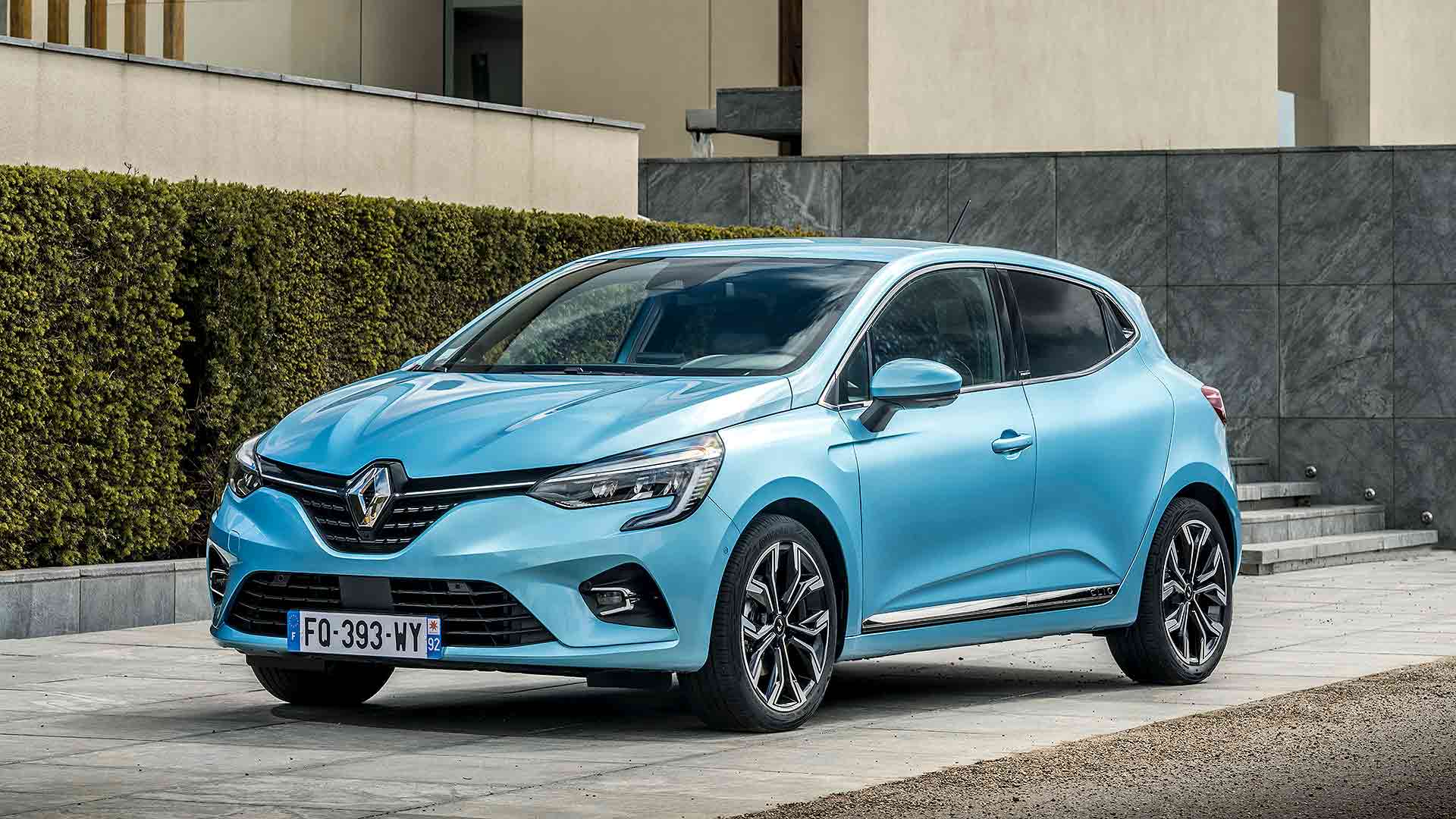
5. Renault Clio VI
Cheapest new design
- Production years
- 2025–present
- Body type
- Hatchback
- Fuel
- Petrol, Diesel, Hybrid
The sixth-generation Clio went on sale in Germany in January 2026. ADAC calculates €638 a month or 51.1 cents per km for the TCe 115 Evolution, which has 84 kW (115 PS), the most power of the cheap petrol cars here. It uses 5.1 l/100 km WLTP and costs from €19,900, the lowest list price in this table. Depreciation of €229 a month is the second lowest here. The drawbacks: fixed costs are the highest in this list at €172 a month because of insurance classes 18, 24 and 21, and Euro NCAP gave the new Clio four stars in 2025.
Full review: Renault Clio VIPros
- 84 kW (115 PS) for €19,900
- 5.1 l/100 km WLTP
- ��229 a month depreciation
Cons
- Highest fixed costs here at €172 a month
-
6. Peugeot 208 II
Best equipped
- Production years
- 2019–present
- Body type
- Hatchback
- Fuel
- Petrol, Diesel, Electric
- Power output
- 55–115 kW (75–156 PS)
The facelifted 208 1.2 Turbo 100 Style costs €640 a month or 51.3 cents per km, according to ADAC. Its 74 kW (101 PS) engine uses 5.1 l/100 km WLTP and is taxed at €66 a year. Insurance classes of 18, 20 and 21 are moderate, and the boot holds 352 litres. Its list price is €24,480 in Germany. The drawbacks: depreciation of €267 a month is among the highest of the small cars here.
Pros
- 5.1 l/100 km WLTP
- Moderate insurance classes
- 352-litre boot
Cons
- ��267 a month depreciation
Spec sheet: Peugeot 208 II PureTech 75 55 kW (75 PS)
Full review: Peugeot 208 II -
7. Opel Corsa F
Lower price than the 208
- Production years
- 2019–present
- Body type
- Hatchback
- Fuel
- Petrol, Diesel, Hybrid, Electric
The Corsa 1.2 DI Turbo Edition has 74 kW (100 PS), uses 5.1 l/100 km WLTP and is taxed at €66 a year. ADAC calculates €658 a month or 52.7 cents per km. Running costs of €164 a month match the 208, while the list price is lower at €23,340. The drawbacks: the 309-litre boot is the smallest here, and depreciation of €269 a month and workshop costs of €76 are the highest of the small petrol cars.
Full review: Opel Corsa FPros
- 5.1 l/100 km WLTP
- ��66 a year vehicle tax
- Running costs equal to the Peugeot 208
Cons
- 309-litre boot and €269 a month depreciation
-
8. Toyota Corolla E210
Cheapest family-size car to run
- Production years
- 2018–present
- Body type
- Sedan, Hatchback, Station wagon
- Fuel
- Petrol, Hybrid
- Power output
- 85–144 kW (116–196 PS)
For buyers who need more than a small car, the Corolla 1.8 Hybrid is the cheapest-running larger model here. ADAC calculates €746 a month or 59.7 cents per km. The 103 kW (140 PS) hybrid uses 4.4 l/100 km WLTP, so running costs are only €144 a month, and German tax is €46 a year. Workshop costs of €57 a month are as low as the Clio's. The drawbacks: it costs from €33,340, so depreciation is €380 a month, and the hatchback's boot holds just 361 litres.
Pros
- 4.4 l/100 km WLTP
- ��57 a month workshop costs
- ��46 a year vehicle tax
Cons
- ��380 a month depreciation; 361-litre boot
Spec sheet: Toyota Corolla E210 1.2 Turbo 85 kW (116 PS)
Full review: Toyota Corolla E210 -
9. Tesla Model 3
Cheapest electric car to run
- Production years
- 2016–present
- Body type
- Sedan
- Fuel
- Electric
- Power output
- 170–393 kW (231–534 PS)
The Model 3 shows how an electric car changes the cost structure. ADAC puts its running costs at only €92 a month, the lowest in this list, thanks to 12.2 kWh/100 km WLTP. German vehicle tax is €62 a year without the exemption for electric cars, and insurance classes are 18, 22 and 21. But depreciation of €444 a month pushes the total to €789, or 63.1 cents per km. The rear-wheel-drive version costs from €36,990. The drawback: it is the most expensive car to own in this list.
Pros
- ��92 a month running costs
- 12.2 kWh/100 km WLTP
- 594-litre boot
Cons
- ��444 a month depreciation
Spec sheet: Tesla Model 3 RWD (2023 refresh) 208 kW (283 PS)
Full review: Tesla Model 3




Data ranking: Most economical cars - all 256 models in our catalog with a figure, ranked by the numbers.
How we chose
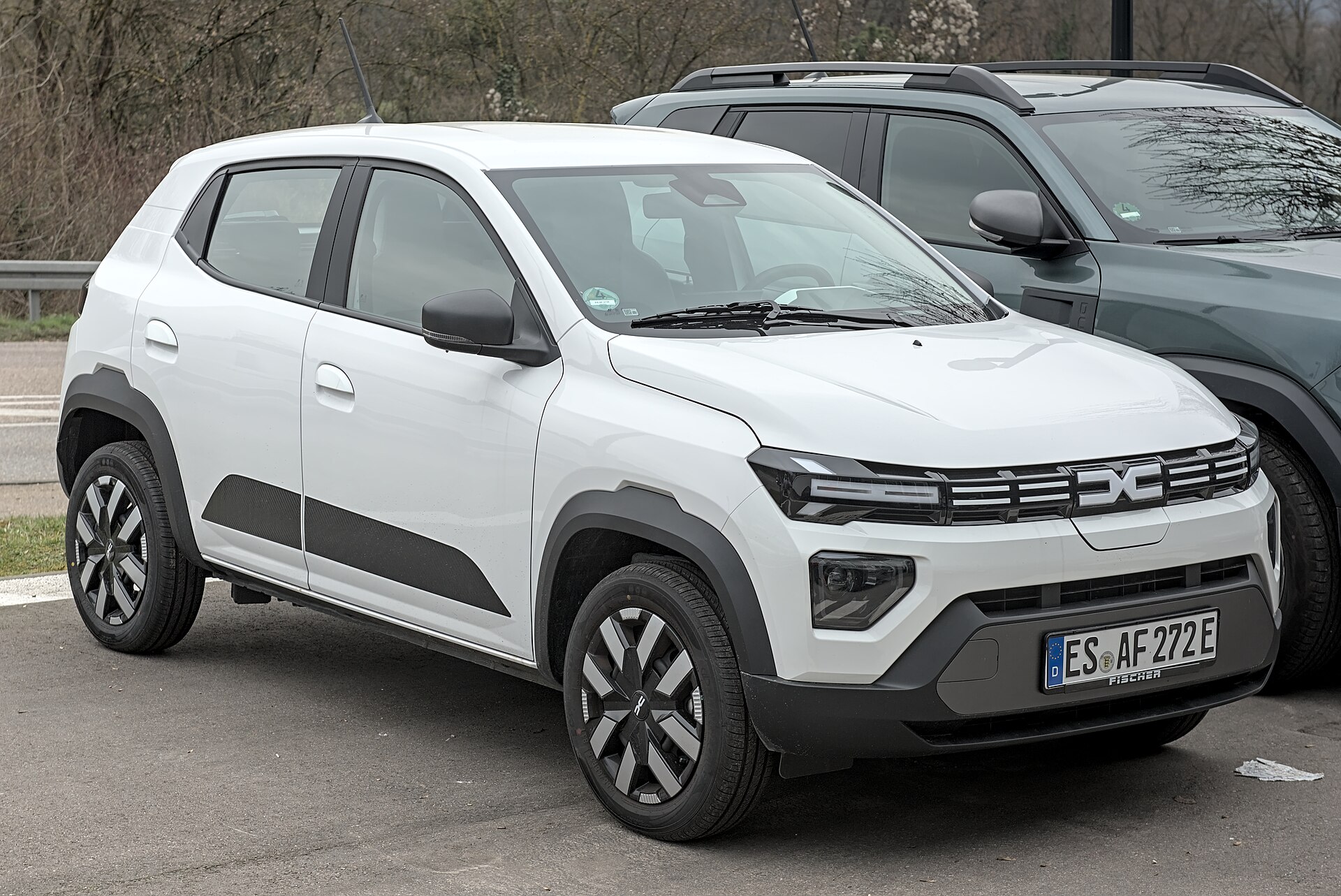
Selection. The list covers new cars sold in Germany in 2026 that have a published model page on 1cars and an ADAC cost calculation for the version shown. For each model the cheapest-running version was taken from the ADAC Autokatalog. ADAC's own small-car ranking of April 2026 puts the Dacia Spring, Fiat Pandina and Kia Picanto at the top of the city-car class; those models have no 1cars model page yet, so they are not ranked here. Electric cars such as the BYD Dolphin and Volkswagen ID.3 had no full ADAC cost figure for the current versions.
Data sources. Monthly and per-kilometre costs, the four cost groups, insurance type classes, annual vehicle tax, WLTP consumption, boot volumes and German list prices come from the ADAC Autokatalog pages for the named versions (accessed October 2026). The method comes from ADAC's cost-check article of 20 April 2026: five years of ownership, 15,000 km a year, depreciation without interest, the average fuel price of the last three months, and liability and comprehensive insurance at 50 per cent of the standard ADAC rate.
Ranking. The order follows ADAC's total cost per month. Costs in other countries differ, mainly because of taxes, insurance and energy prices, so use the figures to compare cars rather than to budget exactly. The 1cars pages for the Volkswagen Polo and Toyota Aygo X list every engine.
Frequently asked questions
What is the cheapest new car to run?
In this list, the Volkswagen Polo 1.0 Trend at €561 a month or 44.9 cents per km, according to ADAC, with the SEAT Ibiza 1.0 MPI close behind at €573. ADAC's own city-car ranking of April 2026 names the electric Dacia Spring as the cheapest of all.
What is the biggest running cost of a new car?
Depreciation. For the Polo it is €218 of the €561 monthly total, and for the Tesla Model 3 €444 of €789. Fuel and oil come second for petrol cars.
Is an electric car cheaper to run than a petrol car?
Its energy costs are lower: ADAC puts the Tesla Model 3's running costs at €92 a month, against €174 for the Polo. But the Model 3 costs more to buy and loses more value, so its total of €789 a month is higher.
Does a hybrid save money?
On fuel, yes. The Toyota Aygo X Hybrid uses 3.7 l/100 km WLTP, and ADAC puts its running costs at €125 a month, the lowest of the petrol cars here. Its higher insurance and tax costs keep the total at €605, above the Polo and Ibiza.
How does ADAC calculate running costs?
It assumes five years of ownership and 15,000 km a year. It includes depreciation, fuel or electricity, servicing, wear parts and tyres, liability and comprehensive insurance at half the standard rate, and vehicle tax.