
 Volkswagen Polo
All generations, specs and history
Updated Published Sources (7) Report an error
By Felix Hartmann, Automotive Technology & EV Contributor Reviewed by Oleksandr Hnatiuk

- Built
- 1975–present
- Generations
- 6
- Top power
- 147 kW (200 PS)
- Euro NCAP
- 5 stars · Polo VI
Timeline
Polo generations
Click a generation for its own page


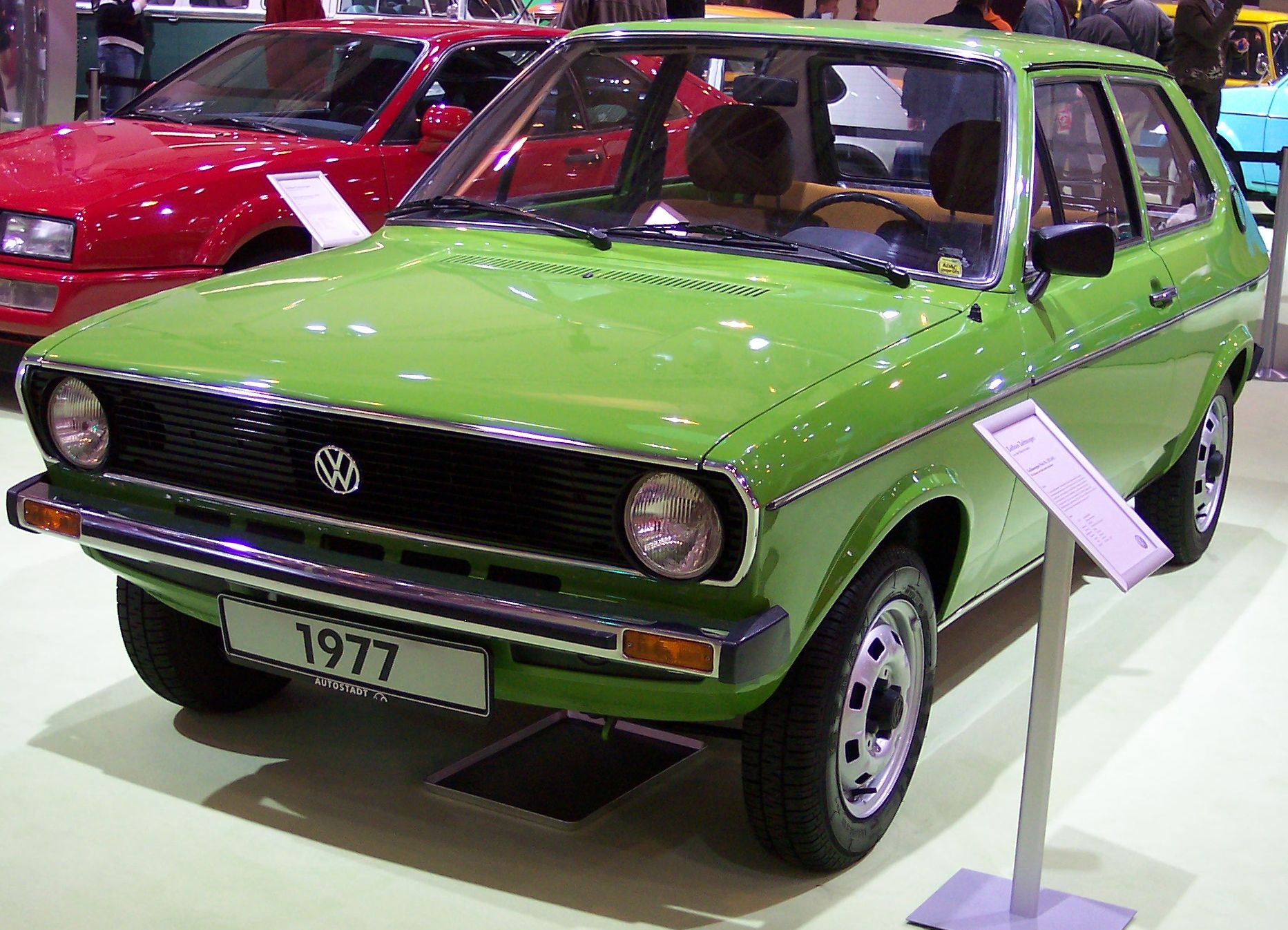
- Polo 86 1975–1981 · Sedan, Hatchback · 29–44 kW (39–60 PS)
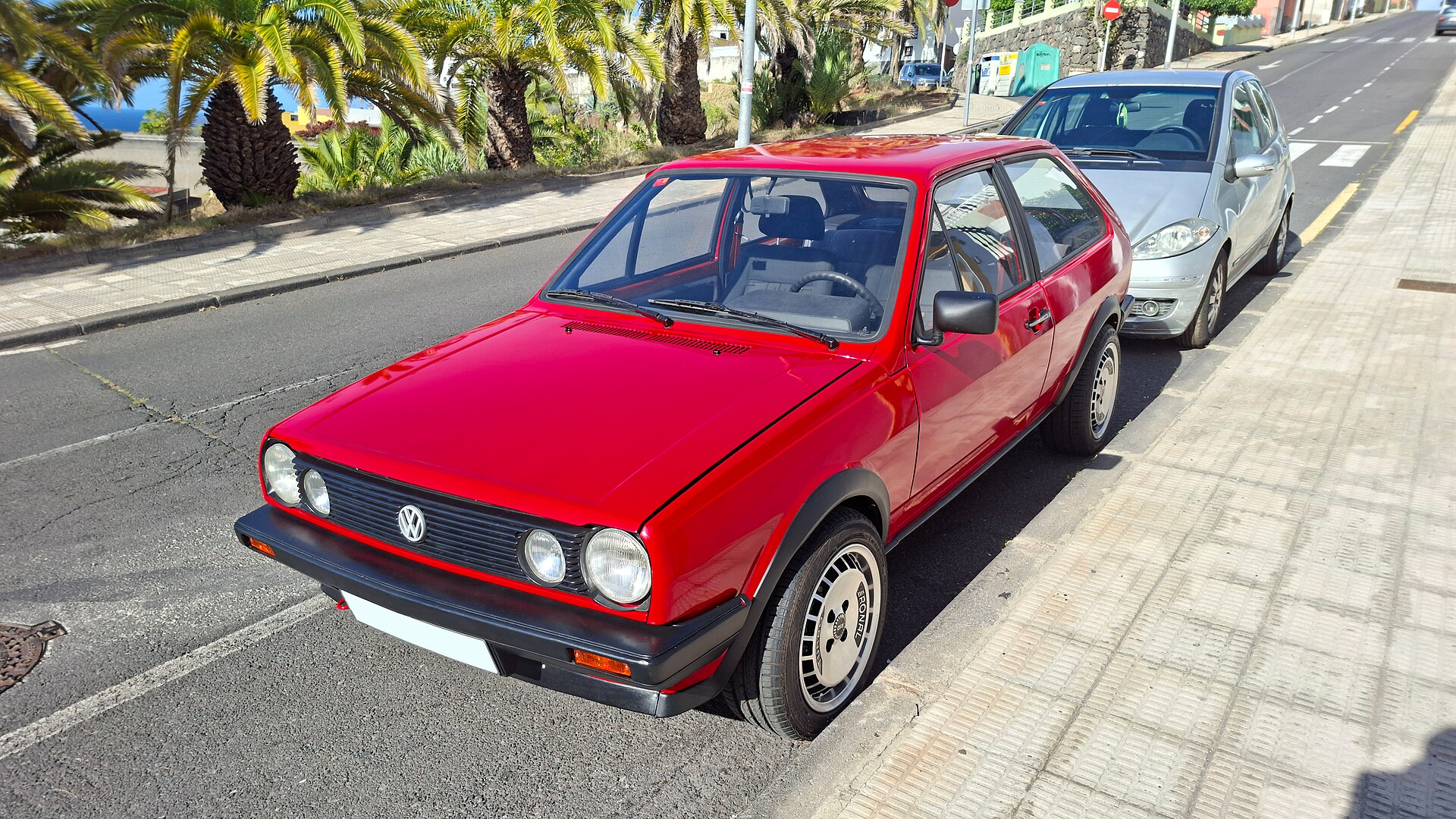
- Polo 86C 1981–1994 · Sedan, Hatchback · 33–85 kW (45–116 PS)
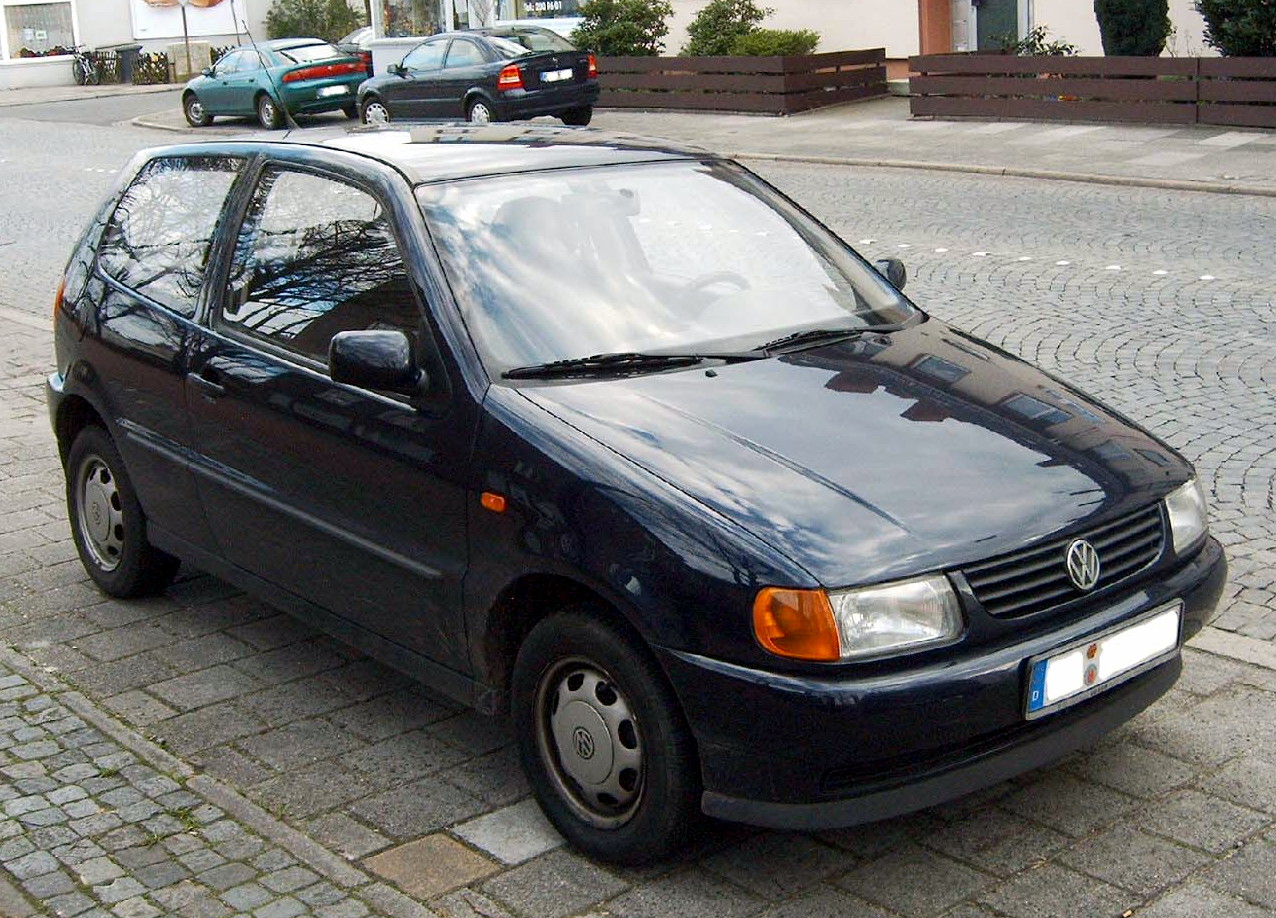
- Polo 6N 1994–2001 · Sedan, Hatchback · 37–88 kW (50–120 PS)
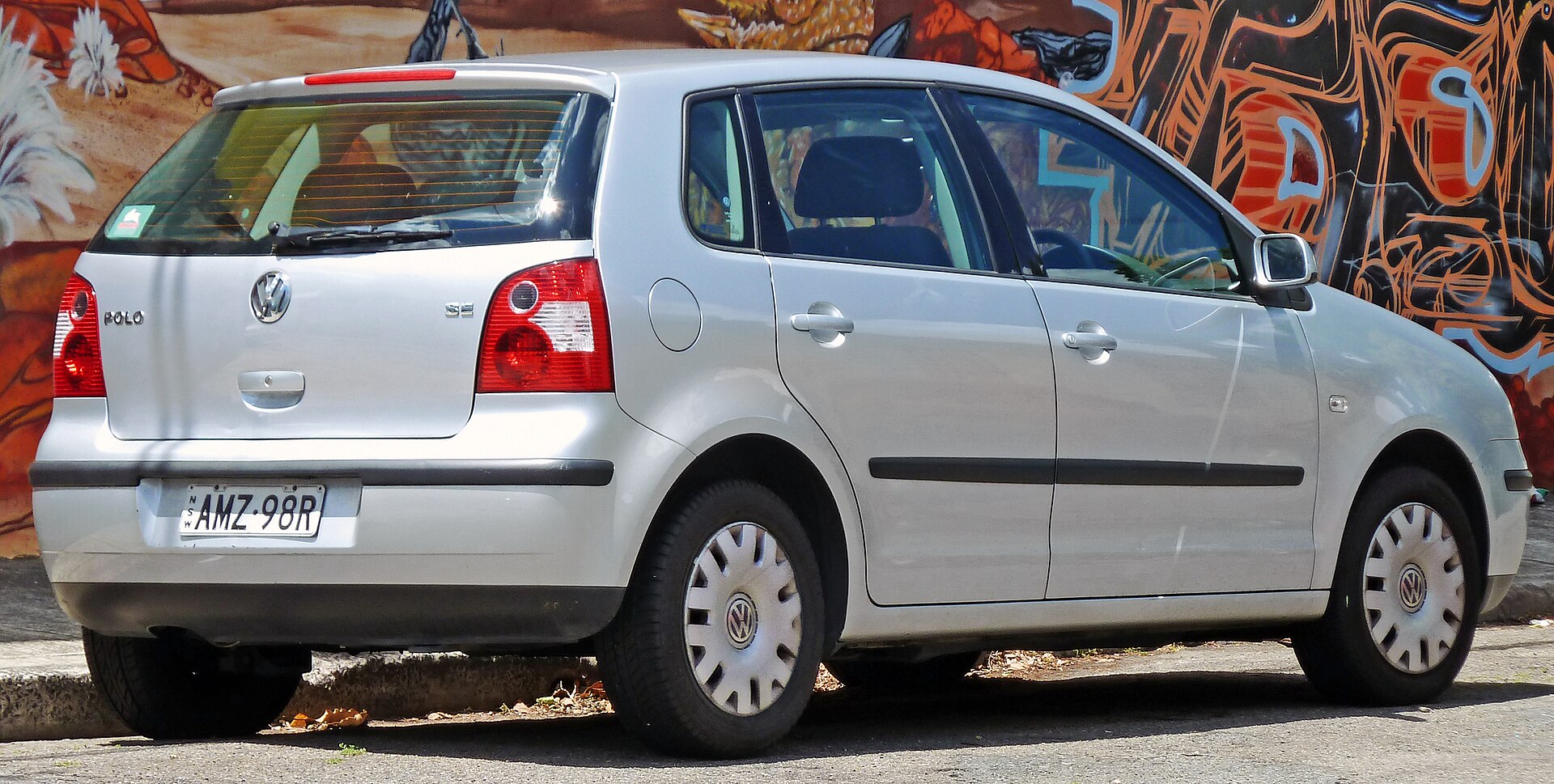
- Polo 9N 2001–2009 · Sedan, Hatchback · 40–110 kW (54–150 PS)
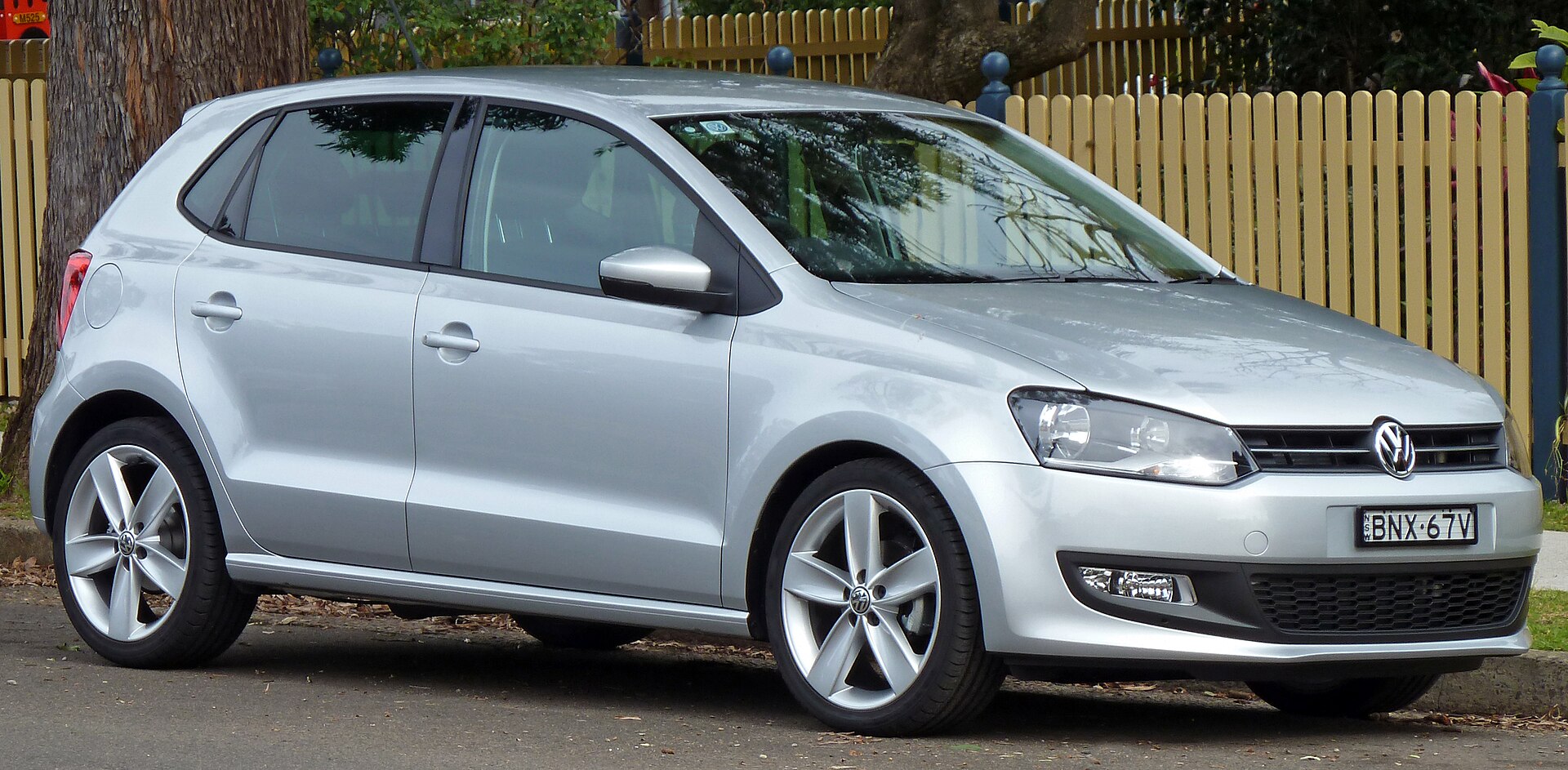
- Polo 6R 2009–2017 · Sedan, Hatchback
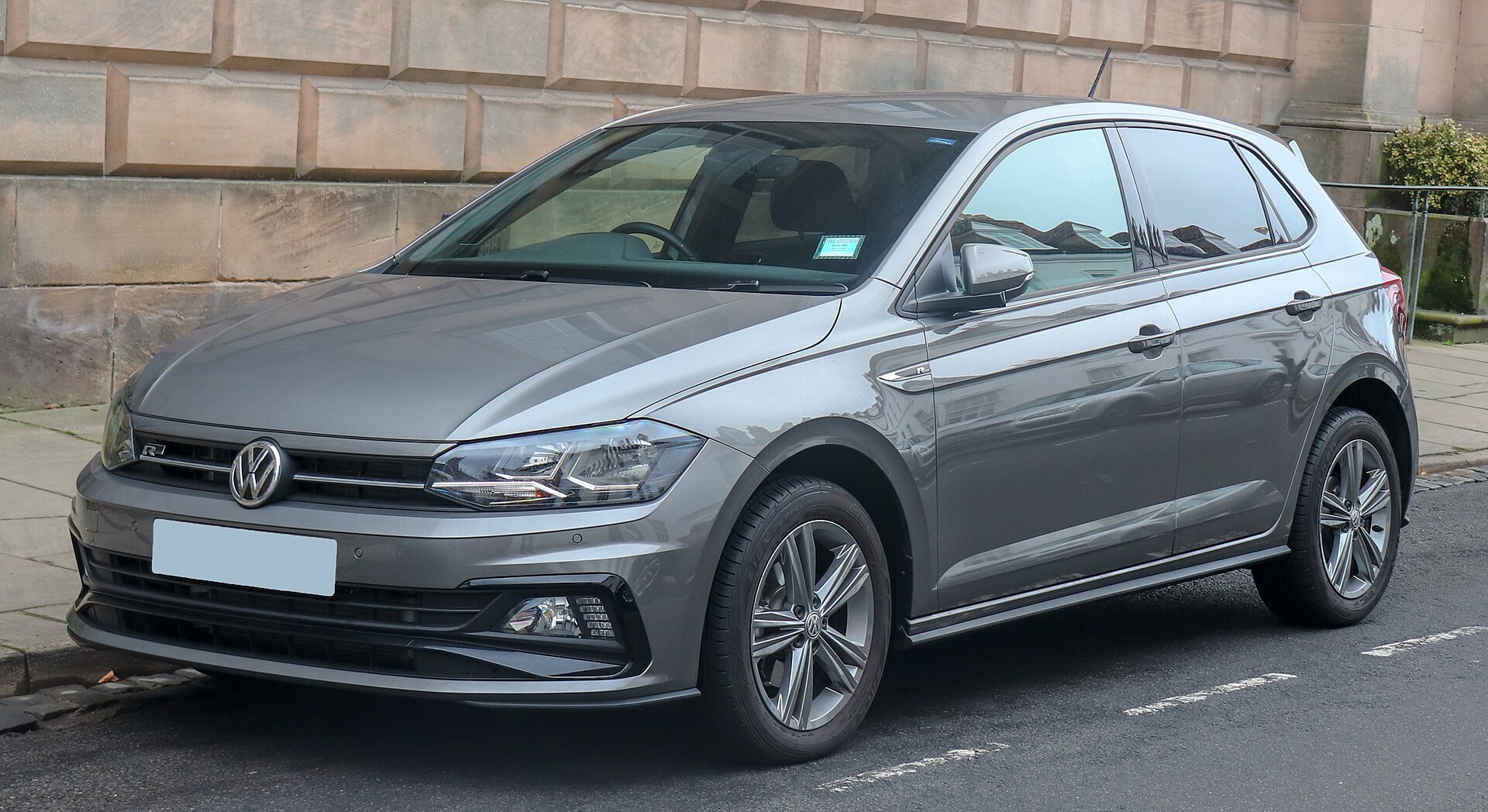
- Polo VI Current 2017–now · Sedan, Hatchback
Newest first · 6 generations since 1975
-
2017
-
2009
-
2001
-
1994
-
1981
-
1975
All generations by year: Polo VI (2017–now) · Polo 6R (2009–2017) · Polo 9N (2001–2009) · Polo 6N (1994–2001) · Polo 86C (1981–1994) · Polo 86 (1975–1981)
Which one is mine?
Pick the year of first registration to see which generation it is.
Check by VINWhich Polo to buy: verdict
Our verdict · Felix Hartmann
A Polo VI brings the 2017 five-star Euro NCAP result and the largest boot; check the steering joints, the DSG and that recalls have been done. A Polo V was also rated five stars (2009), but avoid early 1.2 and 1.4 TSI engines without proof of timing-chain work. Older Polos are classics: buy on condition.
The Volkswagen Polo is a front-wheel-drive supermini built in six generations since 1975, from the Audi 50-based Typ 86 to today's Polo VI (Typ AW). It has been built in Germany, Spain and South Africa, and in April 2026 gained an electric relative, the ID. Polo.
In short
- Six generations: 1975, 1981, 1994, 2001, 2009 and 2017; the Polo VI is still on sale.
- The first Polo was a cheaper, simpler version of the Audi 50.
- Pamplona in Spain built Polos from March 1984 to July 2024; Europe's cars now come from Kariega, South Africa.
- The electric ID. Polo was revealed on 29 April 2026 and will be sold alongside the petrol Polo.

Size at a glance
Hyundai i20 BC3
The Volkswagen Polo VI is 13 mm longer, 24 mm narrower and 12 mm lower than the Hyundai i20 BC3.
| Dimensions | Volkswagen Polo VI | Hyundai i20 BC3 | Difference |
|---|---|---|---|
| Length | 4,053 mm159.6 in | 4,040 mm159.1 in | +13 mm+0.5 in |
| Width | 1,751 mm68.9 in | 1,775 mm69.9 in | −24 mm−0.9 in |
| Height | 1,438 mm56.6 in | 1,450 mm57.1 in | −12 mm−0.5 in |
| Wheelbase | 2,564 mm100.9 in | 2,580 mm101.6 in | −16 mm−0.6 in |
| Boot | 351 L12.4 cu ft | 352 L12.4 cu ft | −1 L |
Lada Vesta
The Volkswagen Polo VI is 357 mm shorter, 13 mm narrower and 59 mm lower than the Lada Vesta.
| Dimensions | Volkswagen Polo VI | Lada Vesta | Difference |
|---|---|---|---|
| Length | 4,053 mm159.6 in | 4,410 mm173.6 in | −357 mm−14.1 in |
| Width | 1,751 mm68.9 in | 1,764 mm69.4 in | −13 mm−0.5 in |
| Height | 1,438 mm56.6 in | 1,497 mm58.9 in | −59 mm−2.3 in |
| Wheelbase | 2,564 mm100.9 in | 2,635 mm103.7 in | −71 mm−2.8 in |
| Boot | 351 L12.4 cu ft | 480 L17.0 cu ft | −129 L−4.6 cu ft |
Running cost
Fuel · Polo 1.0 TSI 95
about 1,150 EUR fuel a year at 15,000 km
4.4 l/100 km · petrol at 1.75 EUR/l · change mileage, fuel price or version
Specs by version
Engines
| Version | Engine | Power | Drive | Production years |
|---|---|---|---|---|
| Diesel · 2 versions | ||||
| Polo VI · 1.6 TDI 80 | Diesel | 59 kW 80 PS79 hp | Front-wheel drive | 2017 |
| Polo VI · 1.6 TDI 95 | Diesel | 70 kW 95 PS94 hp | Front-wheel drive | 2017 |
| Petrol · 3 versions | ||||
| Polo VI · 1.0 MPI 65 | Petrol | 48 kW 65 PS64 hp | Front-wheel drive | 2017 |
| Polo VI · 1.0 TSI 95 | Petrol | 70 kW 95 PS94 hp | Front-wheel drive | 2017 |
| Polo VI · GTI 2.0 TSI | 2.0 l · Petrol 1,984 cc | 147 kW 200 PS197 hp | Front-wheel drive | 2018 |
Performance
Show all 5 versions
| Version | 0–100 km/h | Top speed | Fuel consumption | CO₂ |
|---|---|---|---|---|
| Diesel · 2 versions | ||||
| Polo VI · 1.6 TDI 80 | 12.9 s 0–62 mph | 175 km/h109 mph | 3.7 l/100 km63.6 mpg US · 76.3 mpg UK | 97 g/km |
| Polo VI · 1.6 TDI 95 | 11.2 s 0–62 mph | 185 km/h115 mph | 3.7 l/100 km63.6 mpg US · 76.3 mpg UK | 97 g/km |
| Petrol · 3 versions | ||||
| Polo VI · 1.0 MPI 65 | 15.5 s 0–62 mph | 164 km/h102 mph | 4.7 l/100 km50.0 mpg US · 60.1 mpg UK | 108 g/km |
| Polo VI · 1.0 TSI 95 | 10.8 s 0–62 mph | 187 km/h116 mph | 4.4 l/100 km53.5 mpg US · 64.2 mpg UK | 101 g/km |
| Polo VI · GTI 2.0 TSI | - | - | 6.7 l/100 km35.1 mpg US · 42.2 mpg UK | 153 g/km |
Dimensions and weight
Show all 5 versions
| Version | Length | Width | Wheelbase | Kerb weight | Boot | Fuel tank |
|---|---|---|---|---|---|---|
| Diesel · 2 versions | ||||||
| Polo VI · 1.6 TDI 80 | 4,053 mm159.6 in | 1,751 mm68.9 in | 2,564 mm100.9 in | 1,280 kg2,822 lb | 351 l12.4 cu ft | 40 l10.6 gal US |
| Polo VI · 1.6 TDI 95 | 4,053 mm159.6 in | 1,751 mm68.9 in | 2,564 mm100.9 in | 1,280 kg2,822 lb | 351 l12.4 cu ft | 40 l10.6 gal US |
| Petrol · 3 versions | ||||||
| Polo VI · 1.0 MPI 65 | 4,053 mm159.6 in | 1,751 mm68.9 in | 2,564 mm100.9 in | 1,105 kg2,436 lb | 351 l12.4 cu ft | 40 l10.6 gal US |
| Polo VI · 1.0 TSI 95 | 4,053 mm159.6 in | 1,751 mm68.9 in | 2,564 mm100.9 in | 1,145 kg2,524 lb | 351 l12.4 cu ft | 40 l10.6 gal US |
| Polo VI · GTI 2.0 TSI | 4,053 mm159.6 in | 1,751 mm68.9 in | 2,564 mm100.9 in | 1,375 kg3,031 lb | 351 l12.4 cu ft | - |
Verified Manufacturer and type-approval data from our catalog · Sources and methodology
Safety
-
Polo VI · Euro NCAP 2022
-
6R · Euro NCAP 2009
Older protocol · Full Euro NCAP result
Stars from different years and organisations are not directly comparable: test protocols change every few years.
Volkswagen Polo at a glance
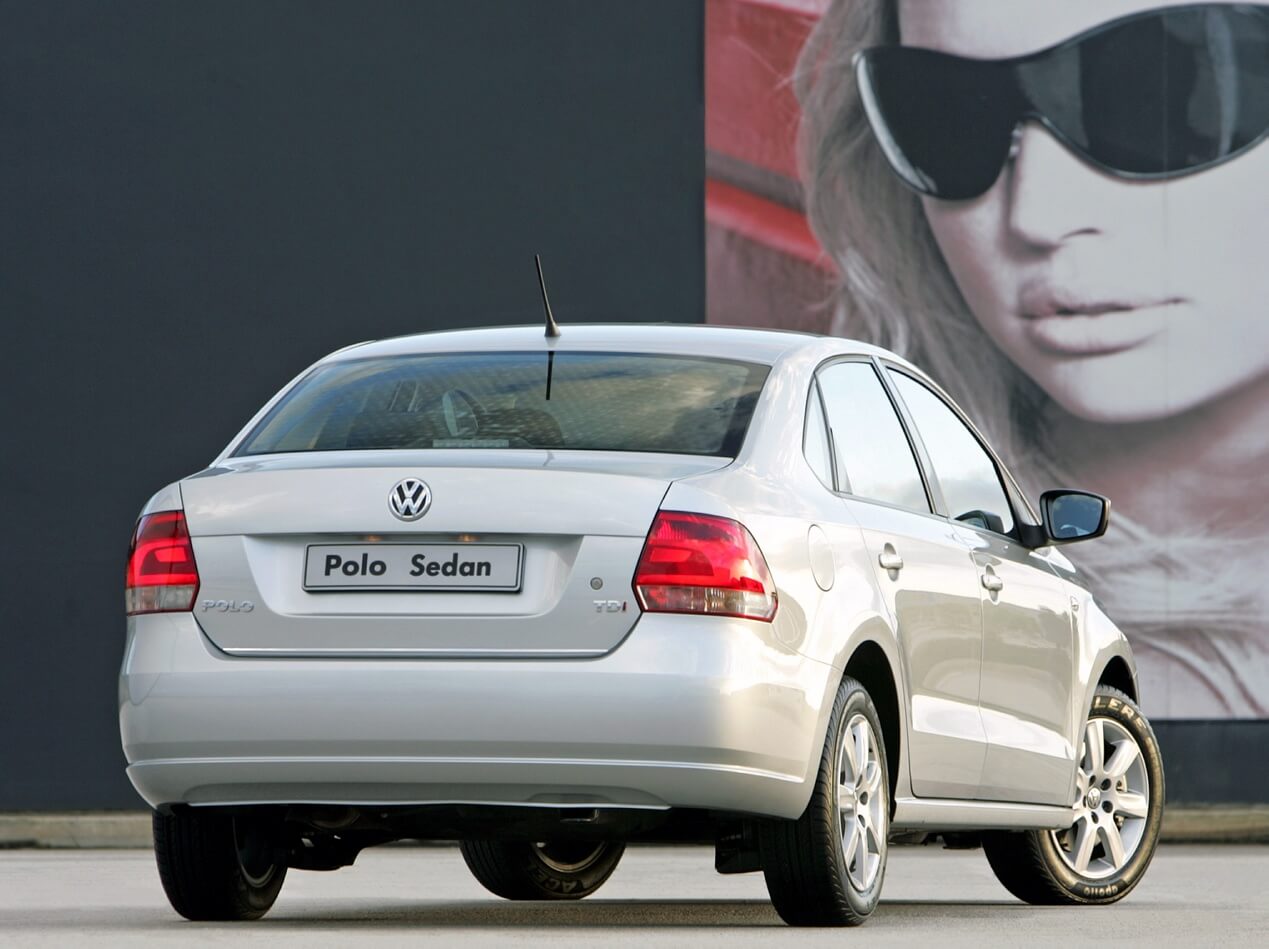
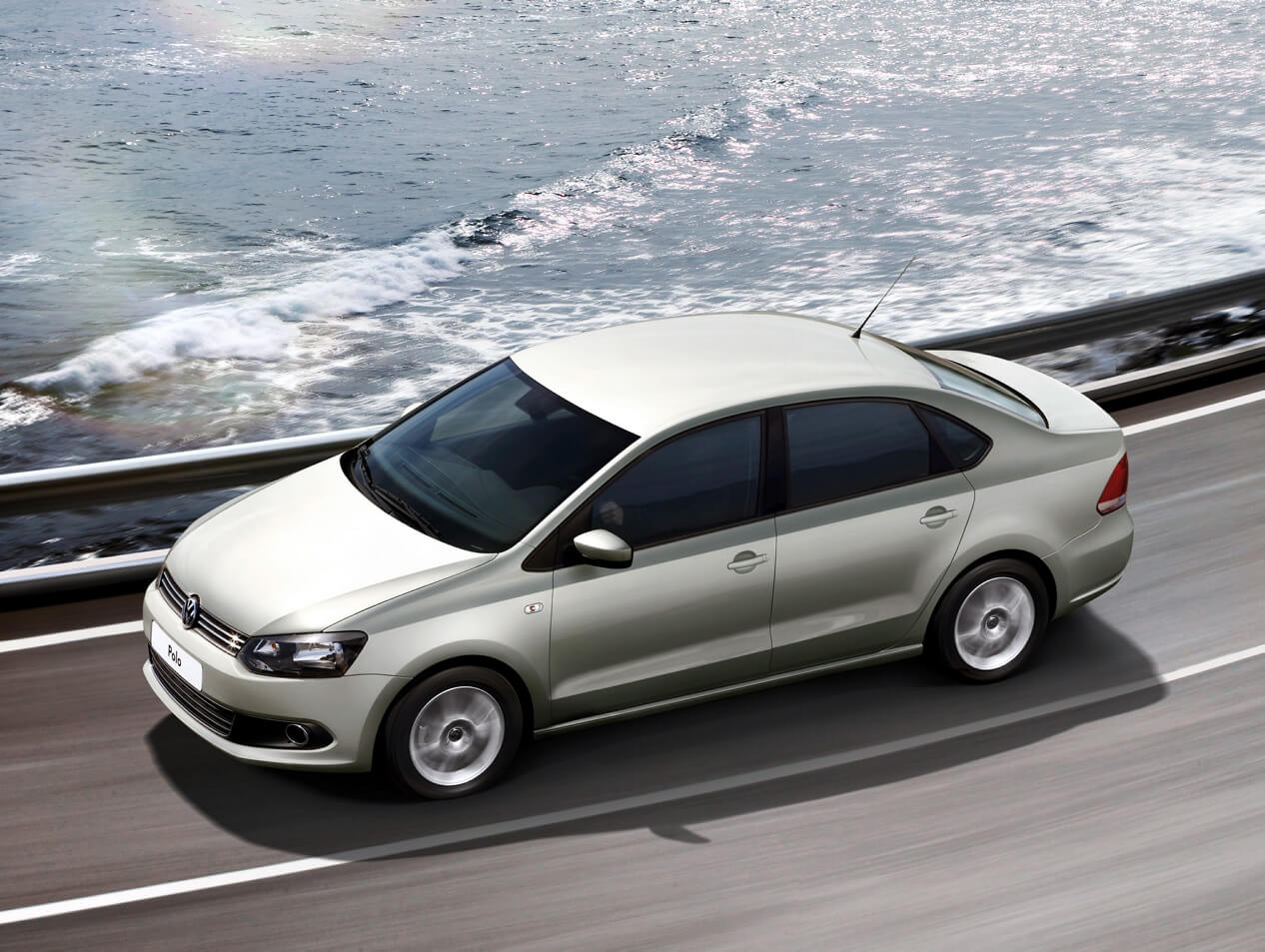
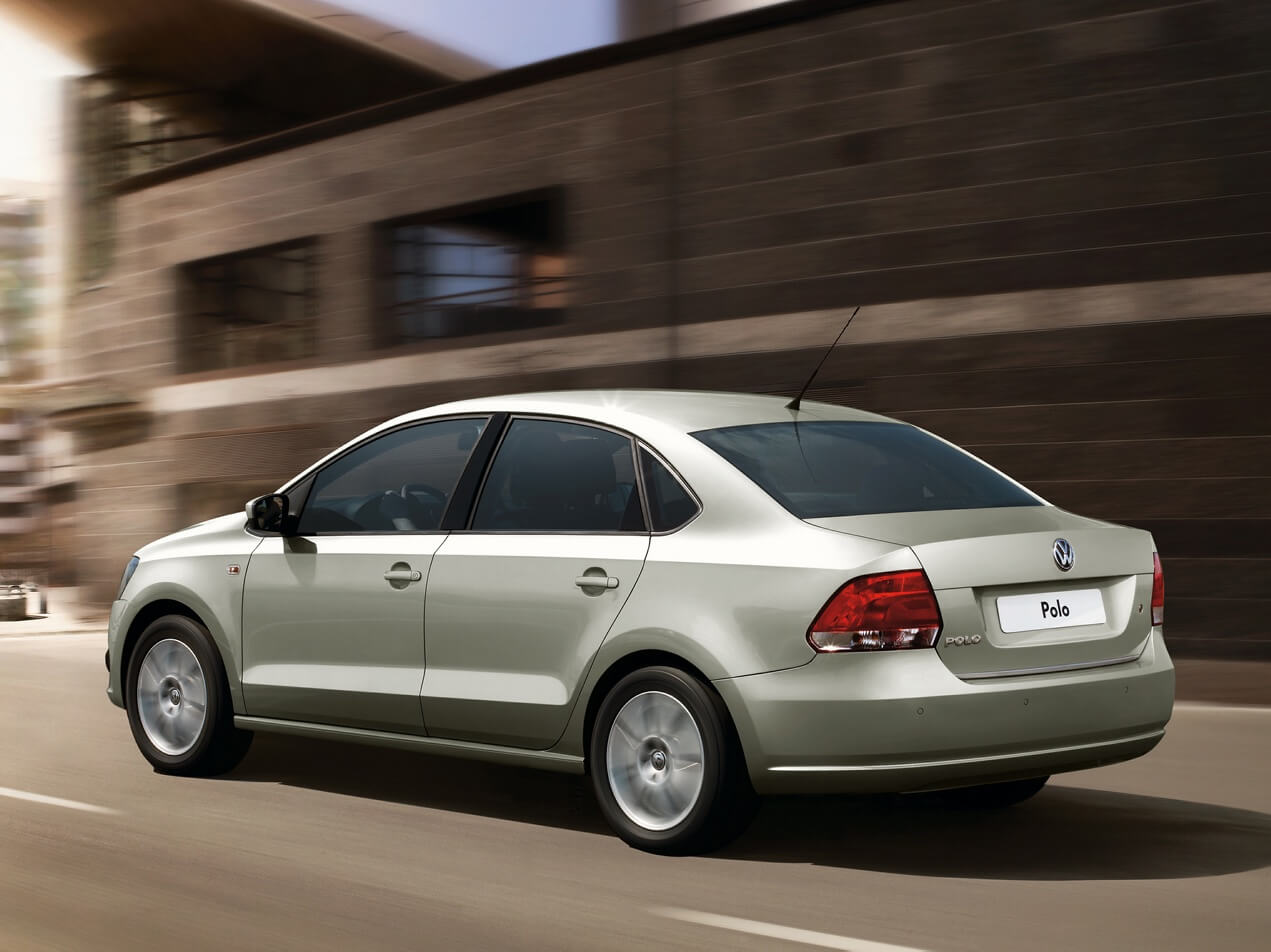
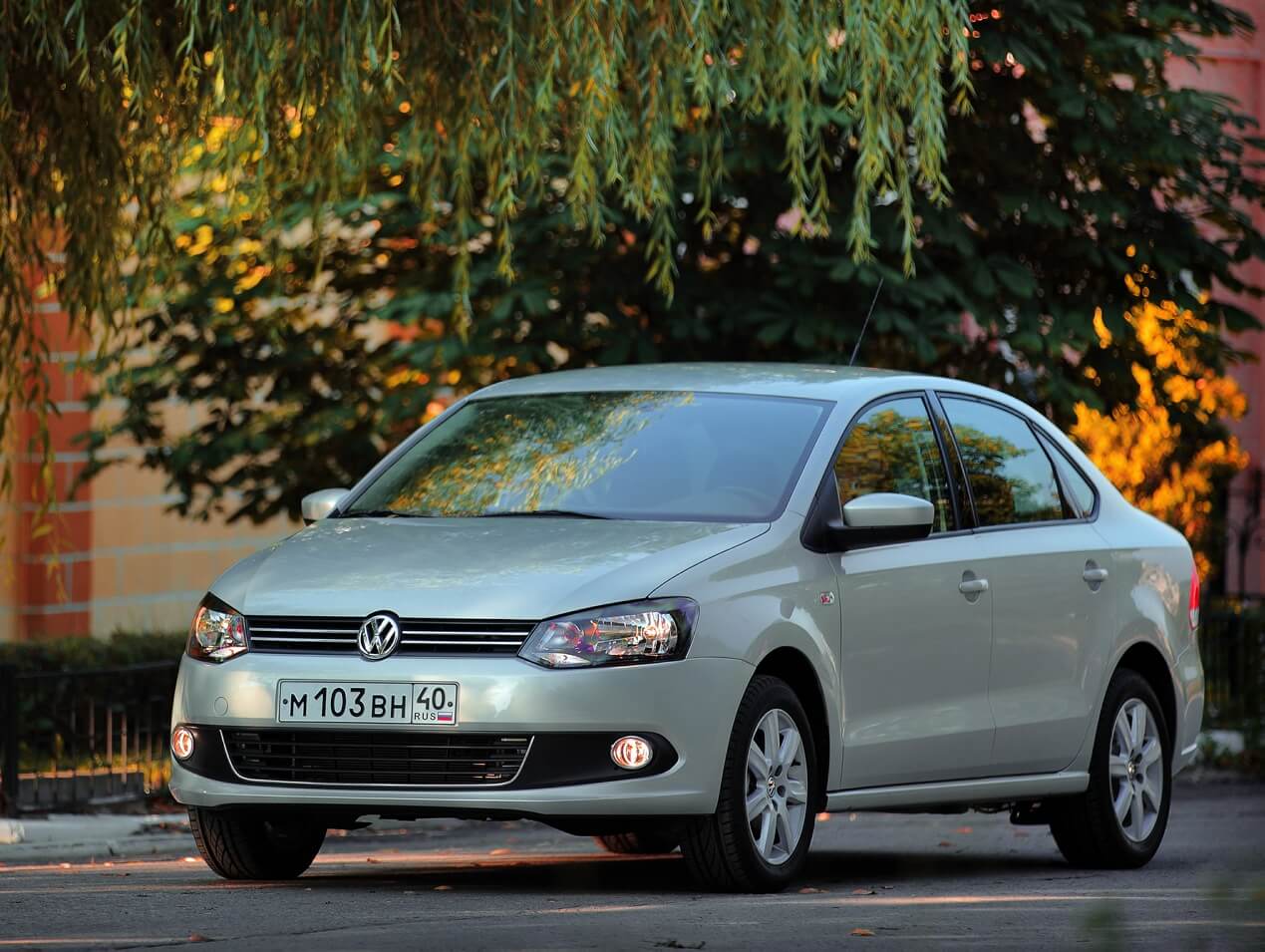
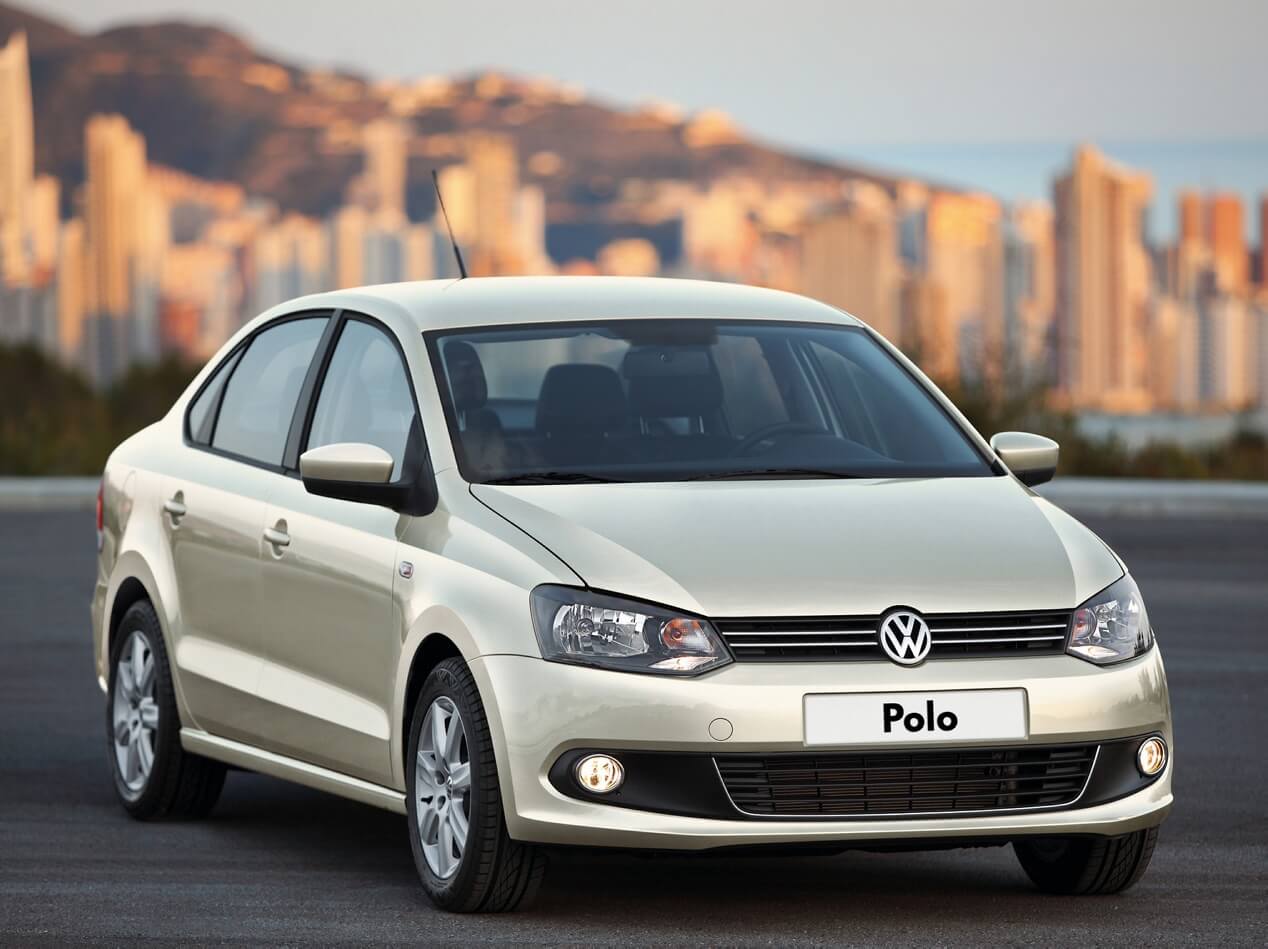
The Polo sits one size below the Volkswagen Golf and has front-wheel drive in every generation. The hatchback is the core body. Notchback versions (the Derby, the Polo Classic and, in some markets outside Europe, the Polo Sedan, Vento and Virtus) are a separate line not covered here.

Production started at Wolfsburg in March 1975. From 20 March 1984 the Polo was also built at Pamplona, which made about 8.4 million cars until 2 July 2024. Since July 2024 Europe's Polo has come from Kariega (formerly Uitenhage), South Africa, while Pamplona switched to electric models. For the wider story, see Volkswagen history and all Volkswagen models.
Volkswagen Polo generations (six)
The codes below are Volkswagen's factory designations, which are more reliable than the "Mk" numbers used in some English sources.

| Generation | Code | Years | Body styles | Engines | Power (kW / PS) |
|---|---|---|---|---|---|
| Polo I | Typ 86 | 1975–1981 | 3-door hatchback, Derby | 0.8–1.3 L petrol | about 29–44 / 40–60 |
| Polo II | Typ 86C (2F from Oct 1990) | 1981–1994 | hatchback, Coupé, notchback, Fox | 1.05–1.3 L petrol, G40; 1.3 diesel | petrol 29–85 / 40–115; diesel 33–35 / 45–48 |
| Polo III | Typ 6N (6N2 from Oct 1999) | 1994–2001 | 3/5-door hatchback, Classic, Variant | 1.0–1.6 L petrol, 1.4–1.9 L diesel | petrol 33–92 / 45–125; diesel 42–81 / 57–110 |
| Polo IV | Typ 9N (9N3 from 2005) | 2001–2009 | 3/5-door hatchback | 1.2–1.8 L petrol, 1.4 TDI, 1.9 SDI/TDI | 40–110 / 55–150 |
| Polo V | Typ 6R (6C from 2014) | 2009–2017 | 3/5-door hatchback, Cross Polo | TSI petrol, TDI diesel | diesel 55–77 kW; GTI 132–141 / 180–192 |
| Polo VI | Typ AW | 2017–present | 5-door hatchback only | 1.0–2.0 L petrol, CNG, 1.6 TDI | 48–152 / 65–207 |
Polo I (Typ 86, 1975–1981)
The first Polo was shown at Geneva on 13 March 1975, with deliveries from May. It was conceived as a cheaper Audi 50, and both cars came from the NSU K50 project. A Derby notchback followed in February 1977, and a February 1979 facelift brought plastic bumpers and a GT with 44 kW (60 PS). About 753,900 were built, so the Polo I is still a familiar name among classic cars of the 1970s.
Polo II (Typ 86C, 1981–1994)
The second Polo was launched at the IAA in September 1981. Alongside the upright-tailgate hatchback came a three-door Coupé with a sloping rear. The supercharged G40 Coupé, at first a limited series and a regular model from January 1991, produced 85 kW (115 PS), later 83 kW (113 PS) with a catalytic converter. The heavily revised "2F" of October 1990 ran until July 1994.
Polo III (Typ 6N, 1994–2001)
The Polo III arrived in September 1994 and added a five-door in 1995. The Classic notchback and the Variant estate (March 1997) were rebadged SEAT Córdoba models. The multicoloured Harlekin was a small special series of the mid-1990s. The 6N2 update followed in October 1999.
Polo IV (Typ 9N, 2001–2009)
The Polo IV was shown at the IAA in September 2001 and launched in November. It is quoted as 15.4 cm longer than the 6N, roughly the size of a Golf II, and shared its underpinnings with the SEAT Ibiza III and Škoda Fabia. The 9N3 facelift of 2005 brought a 1.8-litre turbo GTI; production ended in May 2009.
Polo V (Typ 6R / 6C, 2009–2017)
The five-door Polo V was revealed at Geneva in March 2009, the three-door at the IAA that September. Built on the PQ25 platform with the Audi A1 and SEAT Ibiza, it was named European Car of the Year 2010. The 6C facelift went on sale in April 2014. Some facelifted cars still carry "6R" in their papers, which can lead to wrong parts being ordered.
Polo VI (Typ AW, 2017–present)
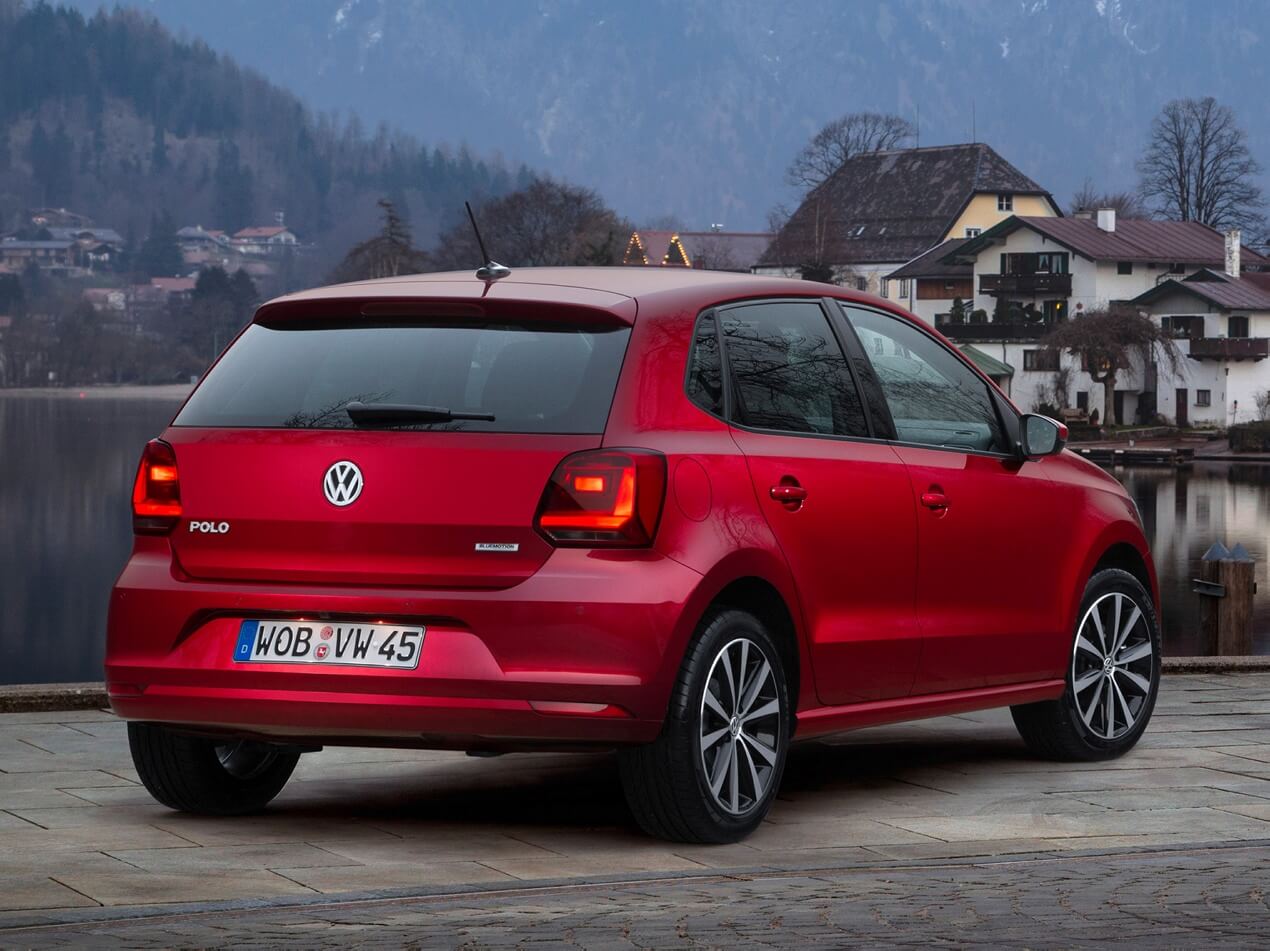
The Polo VI was presented in Berlin on 16 June 2017, with Pamplona production from 17 July. It moved to the MQB A0 platform, grew 80 mm longer and is five-door only. A facelift was presented on 21 April 2021.
Polo engines, transmissions and performance
Polo engines have grown from 29 kW (40 PS) to a 2.0-litre turbo with up to 152 kW (207 PS), but small petrol engines have formed the core of the range.

- Polo I–II: petrol fours from 0.8 to 1.3 litres; the Polo II added a 1.3 diesel and the economy Formel E.
- Polo III: a five-speed manual or four-speed automatic; a GTI with 88 kW (120 PS) was sold in Germany.
- Polo IV: a 1.2 three-cylinder with 40 or 47 kW (55 or 64 PS) and a 1.9 TDI that reached 96 kW (130 PS) in October 2003; the GTI made 110 kW (150 PS).
- Polo V: TSI petrol engines, such as the 1.2 TSI with 77 kW (105 PS), and diesel TDIs. The GTI is usually quoted at 132 kW (180 PS) with a 1.4 TSI, then 141 kW (192 PS) with a 1.8 TSI after the facelift.
- Polo VI: 1.0 MPI and TSI petrol engines from 48 to 85 kW (65 to 116 PS), a 1.5 TSI with 110 kW (150 PS) until 2021, a 1.6 TDI until around 2020, a CNG version until 2022 and a 2.0 TSI GTI with 147 kW (200 PS), later 152 kW (207 PS).
In rallying, the Polo R WRC carried Sébastien Ogier to four drivers' titles from 2013 to 2016.
Dimensions, interior space and boot capacity
The Polo has grown from 3,512 mm (138.3 in) for the Polo I to 4,053 mm (159.6 in) for the Polo VI. Boot space rose from 270 L (9.5 cu ft) in the Polo IV to 280 L (9.9 cu ft) in the Polo V and 351 L (12.4 cu ft) in the Polo VI.

Key specifications: Polo VI (Typ AW, from 2021 facelift)
| Parameter | Metric | Imperial |
|---|---|---|
| Platform | MQB A0 | - |
| Body | 5-door hatchback | - |
| Length | 4,053 mm | 159.6 in |
| Width (without mirrors) | 1,751 mm | 68.9 in |
| Wheelbase | 2,548 mm | 100.3 in |
| Boot, seats up | 351 L | 12.4 cu ft |
| Drag coefficient | 0.31 (1.0 TSI) | - |
| Engines | 1.0–2.0 L, 48–152 kW (65–207 PS) | - |
Polo fuel economy and running costs
The most frugal Polos were the Polo V BlueMotion diesels: 3.3 L/100 km (85.6 mpg UK) for the 1.2 TDI and 3.1 L/100 km (91.1 mpg UK) for the later 1.4 TDI. For the Polo VI, petrol figures of about 4.6–6.1 L/100 km are quoted, but they mix the older NEDC and stricter WLTP cycles.

Trims and equipment
Trim names changed with every generation and market. Notable versions include the GT (from 1979), the G40, the low-cost Fox (1984), the GTI (from the Polo III), the BlueMotion economy models and the Cross Polo, which gave the hatchback SUV-style trim.

Safety ratings (Euro NCAP)
Euro NCAP has published five Polo results, each tied to its test year and protocol.

| Test year | Generation | Result |
|---|---|---|
| 1997 | Polo III | 3 stars (car tested without airbags or belt-force limiters) |
| 2000 | Polo III | 4 stars (with airbags and belt-force limiters) |
| 2002 | Polo IV | 4 stars adult occupant; pedestrian 1 of 4 stars |
| 2009 | Polo V | 5 stars: adult 90%, child 86%, pedestrian 41%, safety assist 71% |
| 2017 | Polo VI | 5 stars: adult 96%, child 85%, pedestrian 76%, safety assist 59% |
The 2009 and 2017 percentages are not directly comparable because the protocol changed in between. The first two generations predate the programme.
Polo reliability and common problems by generation
AUTO BILD's TÜV check of 2 July 2026, which pools the Polo V and VI, puts them close to the average.

- Share without defects: 89.7% at 2–3 years (average 89.4%), 77.6% at 6–7 years (78.8%) and 56.0% at 12–13 years (56.0%).
- Polo VI: steering joints at 6–7 years fail about 20 times more often than average because of worn dust boots (shared with the SEAT Ibiza); jerky DSG gearboxes and slow or crashing infotainment are also reported. Recalls covered seat-belt buckles, the brake-booster check valve, airbags and rear-axle bolting.
- Polo V: brakes, exhaust silencers, shock absorbers, springs and rust on older cars; timing-chain problems on early 1.2 and 1.4 TSI engines; recalls for the starter solenoid, airbags and the EA189/EA288 diesel software.
We found no comparable data for older Polos.
Rivals: how the Polo compares
The Polo's rivals include the Ford Fiesta, Renault Clio, Peugeot 208 and Opel Corsa, but its closest rivals are Volkswagen Group cousins. The SEAT Ibiza has shared its platform since the Polo III, the Škoda Fabia since the Polo IV, and the Audi A1 since the Polo V.

ID. Polo: the electric Polo
The ID. Polo is Volkswagen's small electric hatchback, revealed on 29 April 2026. Volkswagen quotes up to 155 kW (211 PS), with a WLTP range of up to about 450 km (280 mi), and German pre-sales opened that day at €24,995 for the ID. Polo Trend. It joins earlier small electric hatchbacks such as the Renault Zoe and will be sold alongside the combustion-engined Polo.

Volkswagen Polo evolution in numbers
Did you know?
- The Volkswagen Polo has been around for 51 years: 6 generations in our catalog since 1975.
- The longest-running generation is the Polo 86C (1981–1994): 13 years.
- The biggest jump in power came with the Polo 86C: up to 85 kW (116 PS), 41 kW more than the Polo 86.
Most powerful version, kW
Figures from the 1cars catalog: power is the strongest version of each generation; generations without the figure are left out.
Volkswagen Polo: first vs latest generation
| Spec | Polo 86 | Polo VI | Change |
|---|---|---|---|
| Years | 1975–1981 | 2017–present | 42 years apart |
| Most powerful version | 44 kW (60 PS) | 147 kW (200 PS) | +103 kW (+234%) |
Oldest and newest generation in the 1cars catalog. Power is the strongest version of each; other rows are shown only when both generations have the figure.
Image credits · Photos from Wikimedia Commons under free licences
- Volkswagen Polo 86 · Photo: Stahlkocher / Wikimedia Commons, CC BY-SA 3.0
- Volkswagen Polo 86C · Photo: Novoklimov / Wikimedia Commons, CC0
- Volkswagen Polo 6N · Photo: Rami Tarawneh / Wikimedia Commons, CC BY-SA 2.5
- Volkswagen Polo 9N · Photo: OSX / Wikimedia Commons, Public domain
- Volkswagen Polo 6R · Photo: OSX / Wikimedia Commons, Public domain
- Volkswagen Polo VI · Photo: Vauxford / Wikimedia Commons, CC BY-SA 4.0
Rivals
Compare with…
Compare Volkswagen Polo with
- Ford Fiesta Sedan quick spec comparison
- Hyundai i20 quick spec comparison
- Hyundai Solaris quick spec comparison
-
Ended 2019
- Years
- 2008–2019
- Body
- Sedan
- Fuel
- Petrol, Diesel
- Power
- 63–92 kW (86–125 PS)
-
In production
- Years
- 2008–present
- Body
- Hatchback
- Fuel
- Petrol, Hybrid
- Power
- 62–88 kW (84–120 PS)
3 generations
- I
- GB
- BC3
-
Ended 2017
- Years
- 2011–2017
- Body
- Sedan, Hatchback
- Fuel
- Petrol
- Power
- 79–90 kW (107–122 PS)
-
In production
- Years
- 2015–present
- Body
- Sedan, Station wagon
- Fuel
- Petrol
- Power
- 78–107 kW (106–145 PS)


Volkswagen Polo in our rankings
- No. 9 of 54 · Most economical hatchbacks (3.7 l/100 km)
- No. 18 of 1082 · Longest-running car nameplates (51 years · top 2%)
- No. 14 of 379 · Oldest car models still on sale (51 years · top 4%)
- No. 12 of 297 · Most economical cars (3.7 l/100 km · top 5%)
- No. 46 of 391 · Lightest cars (1,105 kg · top 12%)
- No. 65 of 531 · Smallest cars (4,053 mm · top 13%)
In production longer than 98% of ranked nameplates in the 1CARS catalog (No. 18 of 1082).
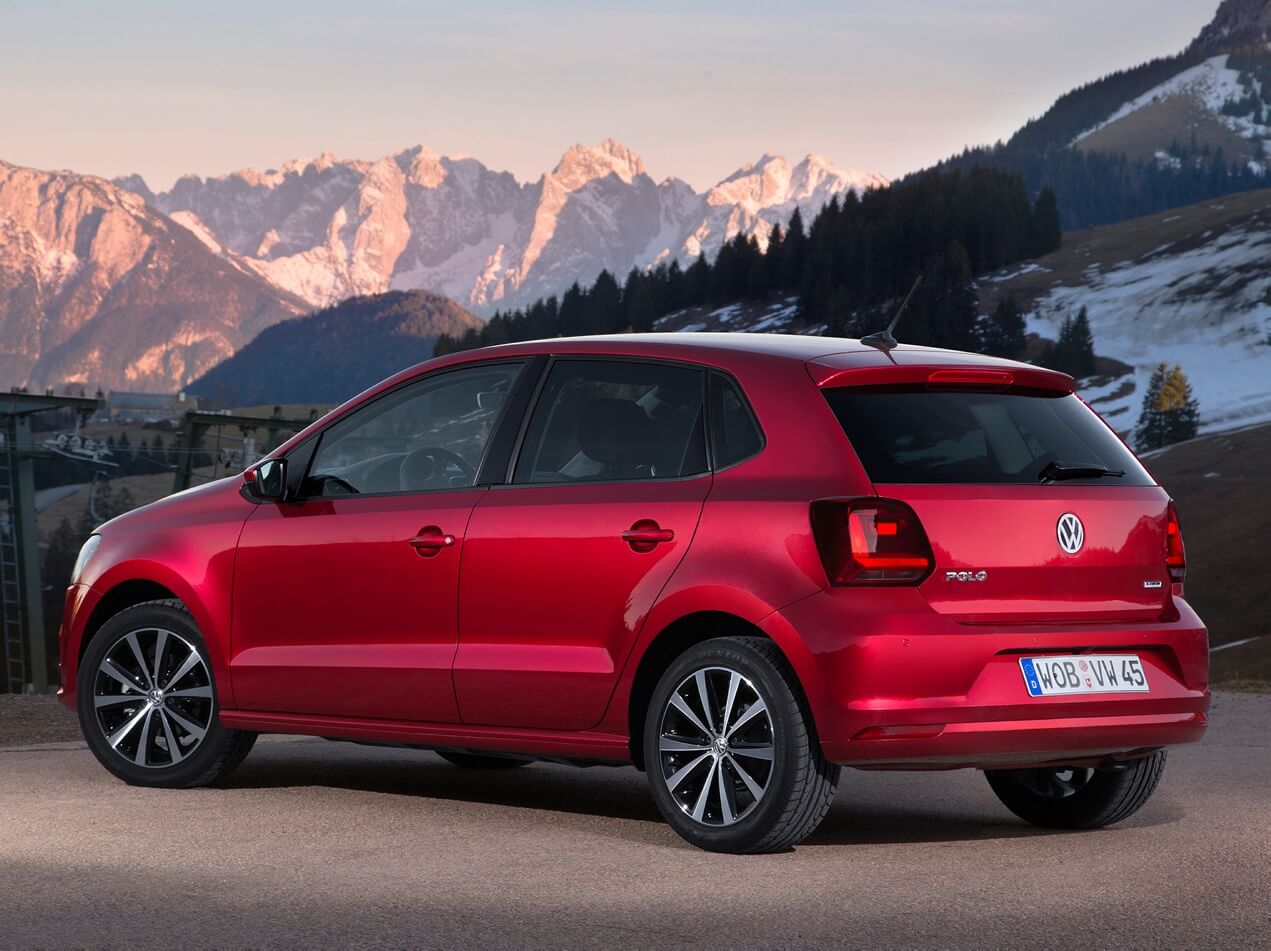
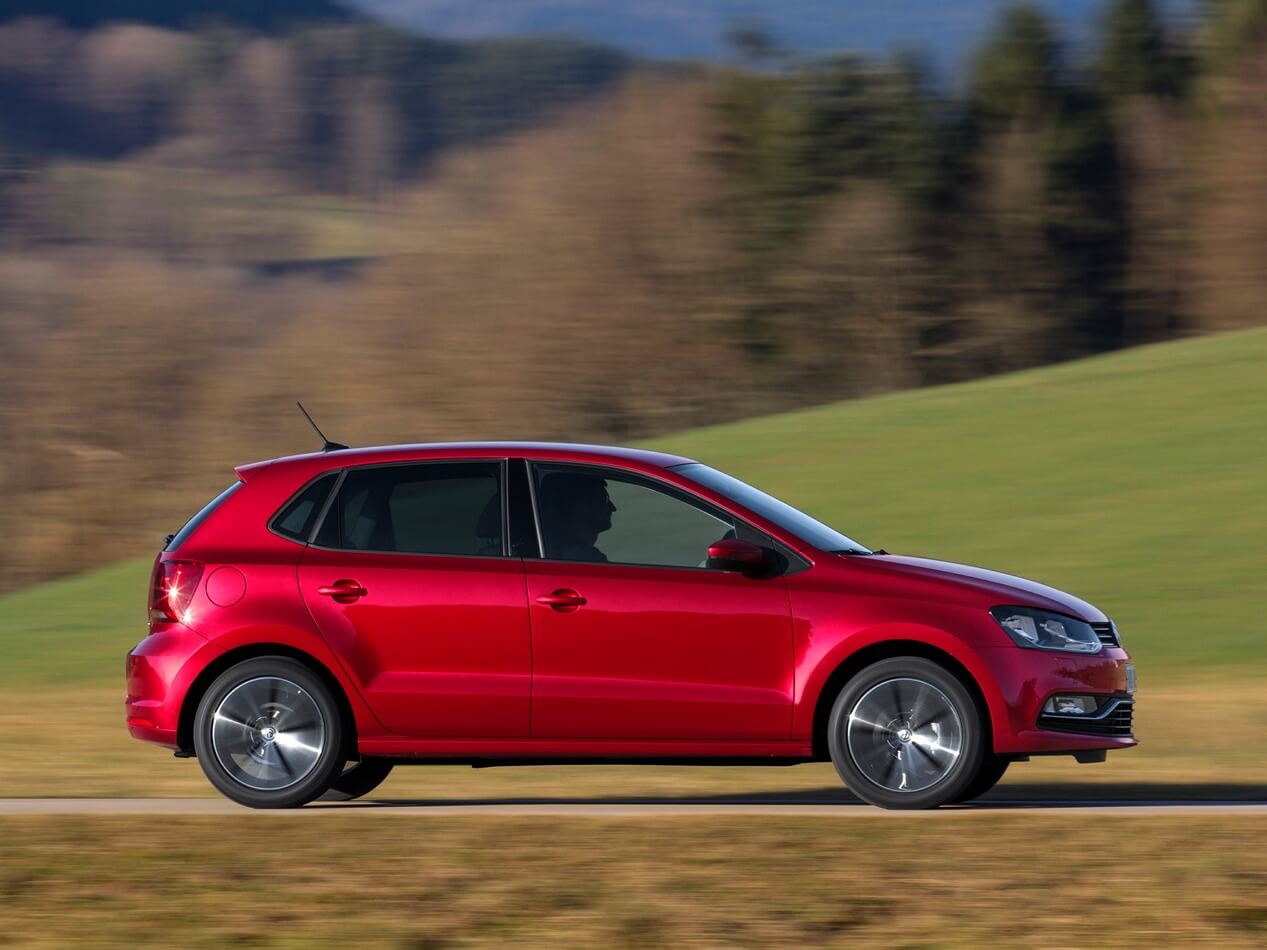
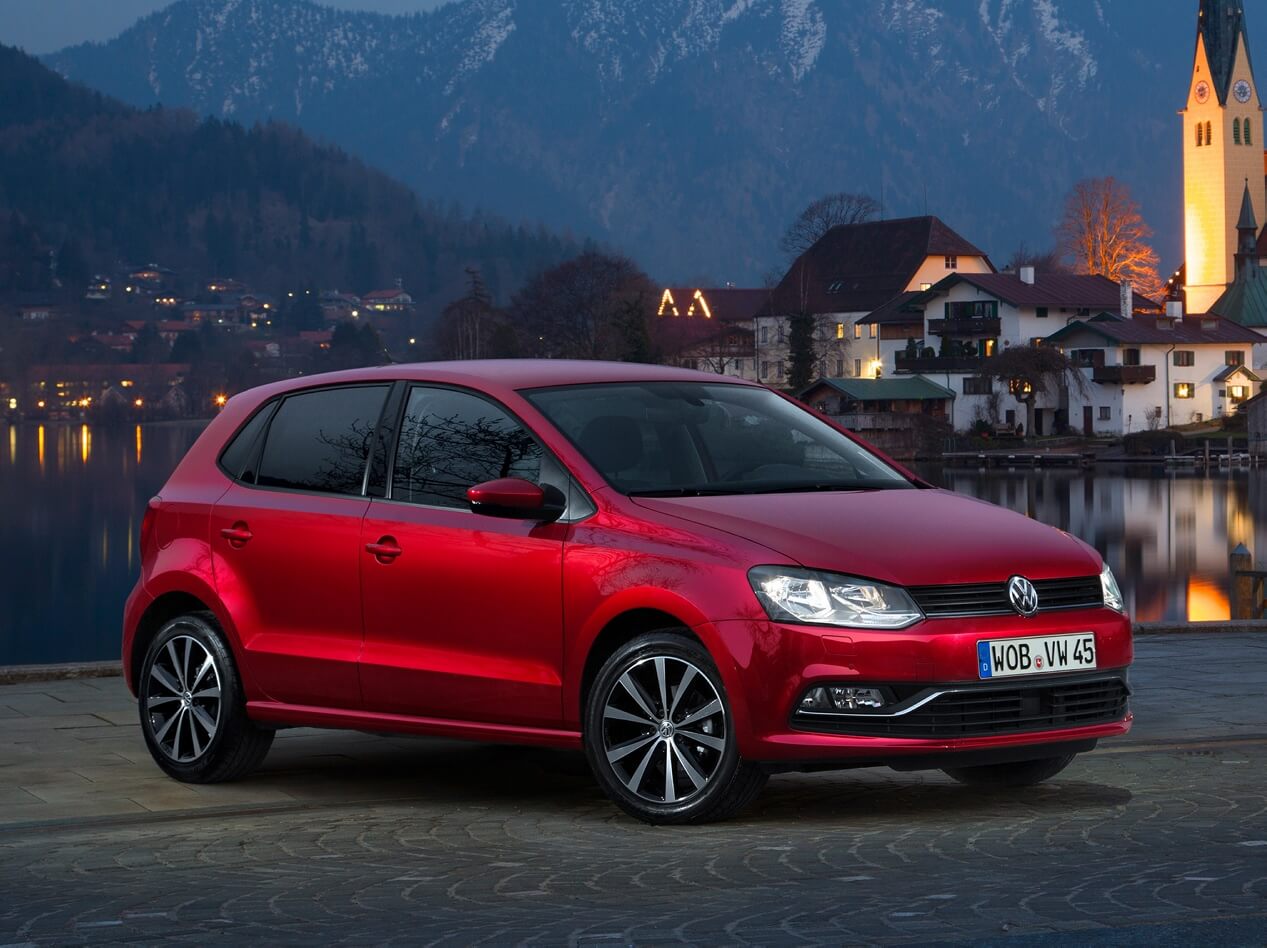
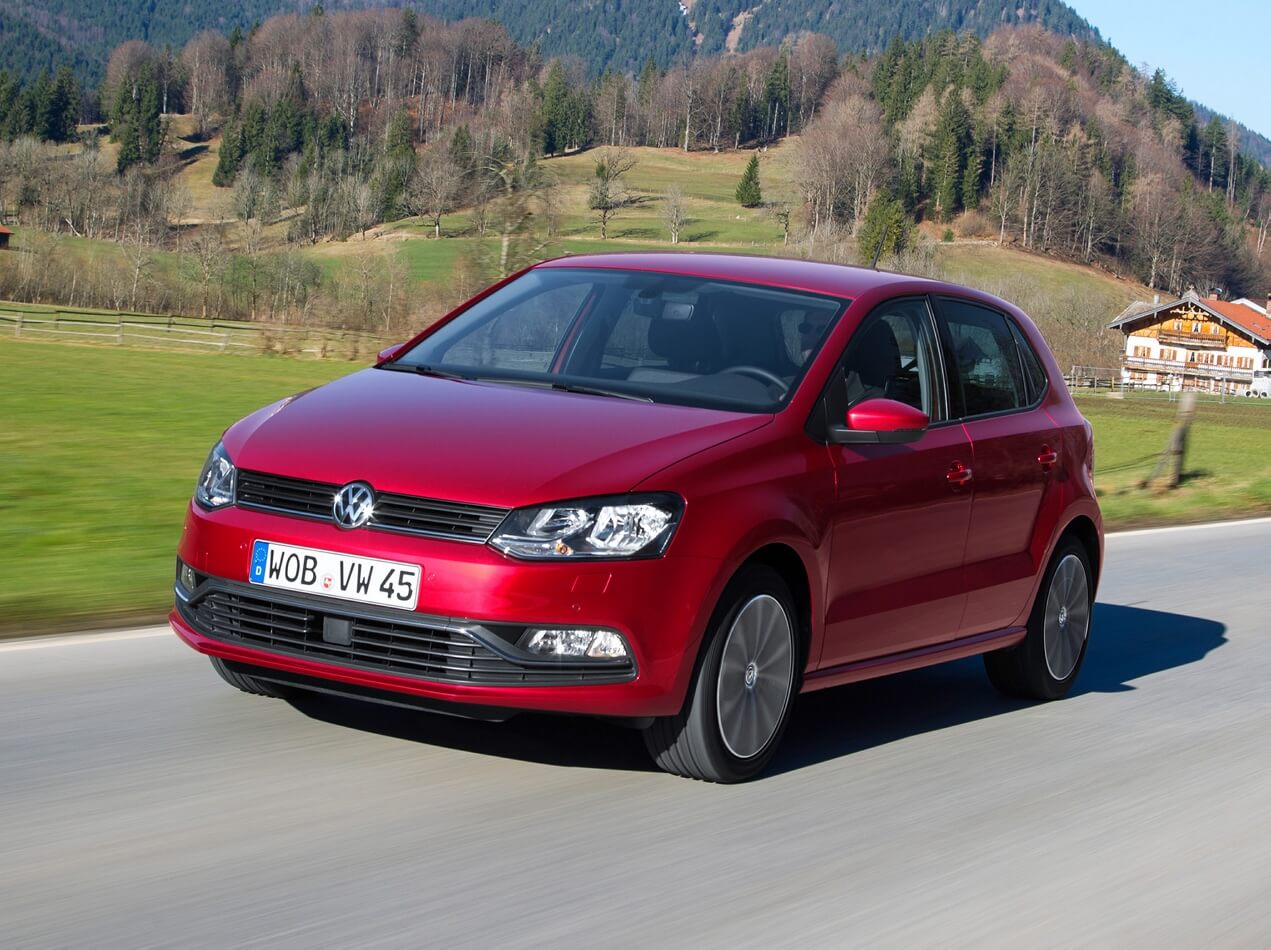
Volkswagen Polo photos 66








Volkswagen Polo videos 2

Volkswagen Polo video 1

Volkswagen Polo video 2
FAQ
How many generations of the Volkswagen Polo are there?
Six, launched in 1975, 1981, 1994, 2001, 2009 and 2017; the Polo VI is still on sale. The electric ID. Polo of 2026 is a separate model.
Which Volkswagen Polo generation is the most reliable?
No survey ranks all six. AUTO BILD's 2026 TÜV check puts the Polo V and VI close to the average.
What is the fuel consumption of the Volkswagen Polo?
Polo V BlueMotion diesels were rated at 3.1–3.3 L/100 km; petrol Polo VI figures of about 4.6–6.1 L/100 km mix NEDC and WLTP results.
Is the Volkswagen Polo available with all-wheel drive or as a hybrid?
No. Every Polo is front-wheel drive and our sources list no hybrid; the Polo VI offered CNG until 2022, and the ID. Polo is electric.
What are the main rivals of the Volkswagen Polo?
Mainly the Ford Fiesta, Renault Clio, Peugeot 208, Opel Corsa, SEAT Ibiza and Škoda Fabia.
Data sources
Data checked by an editor against the sources below.
- The text of this article (1cars archive)
- Wikipedia - VW Polo
- Wikipedia - Volkswagen Polo
- Euro NCAP - Vw Polo 2009
- Euro NCAP
- Wikipedia - Volkswagen Polo Mk6
- EEA CO₂ monitoring (European Environment Agency, CC BY 4.0)


