 Renault Logan
Specs, engines and history
Updated Published Sources (3) Report an error
By Oleksandr Hnatiuk, Automotive Editor & Used Car Specialist Reviewed by Felix Hartmann

- Built
- 2004–2025
- Top power
- 75 kW (102 PS)
The second-generation Logan (L52) is a budget four-door saloon built from 2012 to 2020, sold in Europe as the Dacia Logan and in South America, Egypt and other markets as the Renault Logan. Revealed at the 2012 Paris Motor Show, it shares its front end with the second Sandero and offers a 510-litre boot and 0.9 TCe, 1.2 and 1.5 dCi engines in Europe.
In short
- On sale in Romania from November 2012, priced from €6,690 at launch; 60% of the design work was done in Romania.
- Built in Romania (Mioveni), Morocco, Brazil, Colombia, Argentina and other countries.
- European engines: 0.9 TCe with 66 kW (90 PS), 1.2 16V petrol, 1.5 dCi diesel with up to 66 kW (90 PS); Easy-R automated gearbox from 2016.
- Facelift at the 2016 Paris Motor Show with Dacia's first LED daytime running lights; replaced by the third-generation Logan in September 2020.

Size at a glance
Lada Granta
The Renault Logan L52 is 101 mm longer, 33 mm wider and 17 mm taller than the Lada Granta.
| Dimensions | Renault Logan L52 | Lada Granta | Difference |
|---|---|---|---|
| Length | 4,348 mm171.2 in | 4,247 mm167.2 in | +101 mm+4.0 in |
| Width | 1,733 mm68.2 in | 1,700 mm66.9 in | +33 mm+1.3 in |
| Height | 1,517 mm59.7 in | 1,500 mm59.1 in | +17 mm+0.7 in |
| Wheelbase | 2,634 mm103.7 in | 2,476 mm97.5 in | +158 mm+6.2 in |
| Boot | - | 520 L18.4 cu ft | - |
ZAZ Chance
The Renault Logan L52 is 111 mm longer, 55 mm wider and 85 mm taller than the ZAZ Chance.
| Dimensions | Renault Logan L52 | ZAZ Chance | Difference |
|---|---|---|---|
| Length | 4,348 mm171.2 in | 4,237 mm166.8 in | +111 mm+4.4 in |
| Width | 1,733 mm68.2 in | 1,678 mm66.1 in | +55 mm+2.2 in |
| Height | 1,517 mm59.7 in | 1,432 mm56.4 in | +85 mm+3.3 in |
| Wheelbase | 2,634 mm103.7 in | 2,520 mm99.2 in | +114 mm+4.5 in |
Running cost
Fuel · Logan L52 0.9 66 kW (90 PS) Sedan
about 1,450 EUR fuel a year at 15,000 km
5.6 l/100 km · petrol at 1.75 EUR/l · change mileage, fuel price or version
Specs by version
Engines
| Version | Engine | Power | Gearbox | Drive |
|---|---|---|---|---|
| Diesel · 1 version | ||||
| 1.2 55 kW (75 PS) Sedan | 1.2 l · Diesel 1,200 cc | 55 kW 75 PS74 hp | - | Front-wheel drive |
| Petrol · 1 version | ||||
| 0.9 66 kW (90 PS) Sedan | 0.9 l · 3 cyl · Petrol 900 cc | 66 kW 90 PS89 hp | - | Front-wheel drive |
| Other · 2 versions | ||||
| 60 kW (82 PS) Sedan | - | 60 kW 82 PS80 hp | 5-sp | Front-wheel drive |
| 75 kW (102 PS) Sedan | - | 75 kW 102 PS101 hp | Automated manual | Front-wheel drive |
Performance
Show all 2 versions
| Version | 0–100 km/h | Top speed | Fuel consumption | CO₂ |
|---|---|---|---|---|
| 60 kW (82 PS) Sedan | 11.9 s 0–62 mph | 173 km/h107 mph | - | - |
| 0.9 66 kW (90 PS) Sedan | - | - | 5.6 l/100 km42.0 mpg US · 50.4 mpg UK | 139 g/km |
Dimensions and weight
Show all 4 versions
| Version | Length | Width | Height | Wheelbase |
|---|---|---|---|---|
| Diesel · 1 version | ||||
| 1.2 55 kW (75 PS) Sedan | 4,348 mm171.2 in | 1,733 mm68.2 in | 1,517 mm59.7 in | 2,634 mm103.7 in |
| Petrol · 1 version | ||||
| 0.9 66 kW (90 PS) Sedan | 4,348 mm171.2 in | 1,733 mm68.2 in | 1,517 mm59.7 in | 2,634 mm103.7 in |
| Other · 2 versions | ||||
| 60 kW (82 PS) Sedan | 4,348 mm171.2 in | 1,733 mm68.2 in | 1,517 mm59.7 in | 2,634 mm103.7 in |
| 75 kW (102 PS) Sedan | 4,348 mm171.2 in | 1,733 mm68.2 in | 1,517 mm59.7 in | 2,634 mm103.7 in |
Verified Manufacturer and type-approval data from our catalog · Sources and methodology
Renault Logan 2 at a glance
The Logan was created by Renault and Dacia as a modern, affordable family car for emerging markets, and the second generation kept that formula while improving design, quality and equipment. A practical MCV estate followed at the 2013 Geneva Motor Show, and the Stepway version arrived with the 2016 facelift. Renault's story is told in the history of Renault, and the related Renault Sandero and Renault Duster are in the Renault catalogue.

| Fact | Value |
|---|---|
| Generation | Second (L52) |
| Production | 2012–2020 (some plants later) |
| Names | Dacia Logan (Europe), Renault Logan (South America, Egypt and others), Renault Symbol (some markets) |
| Body | 4-door saloon; MCV estate |
| Layout | Front engine, front-wheel drive |
| Launch price | from €6,690 (Romania, November 2012) |
| Successor | Logan III (2020) |
Design and exterior
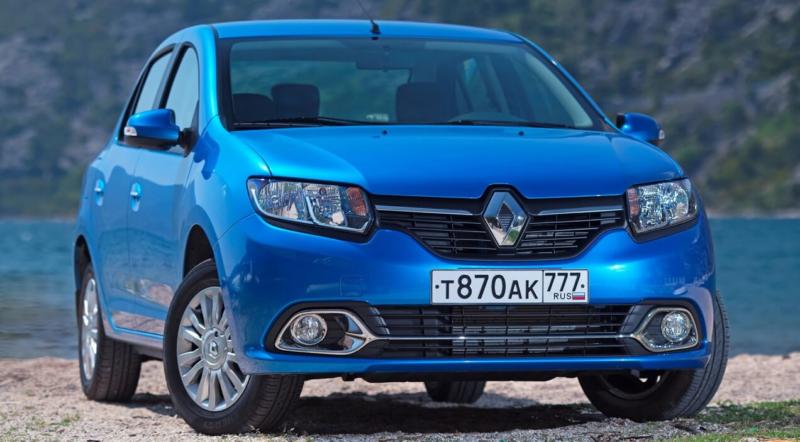
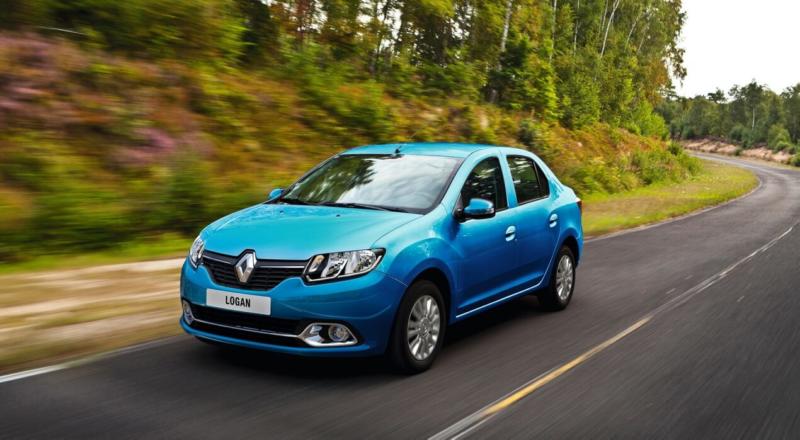
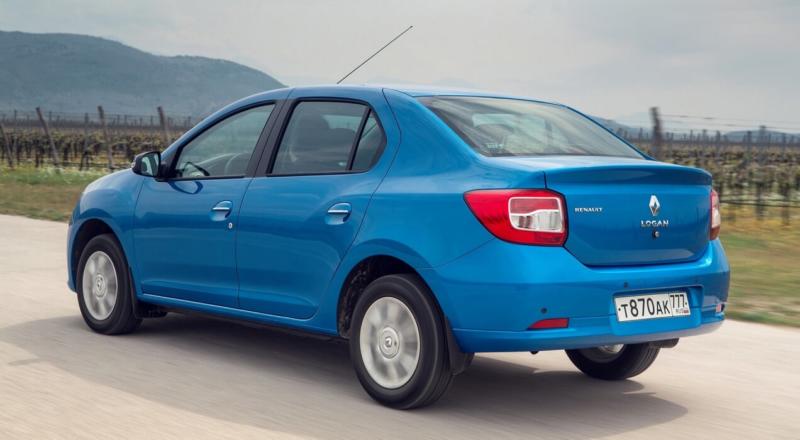
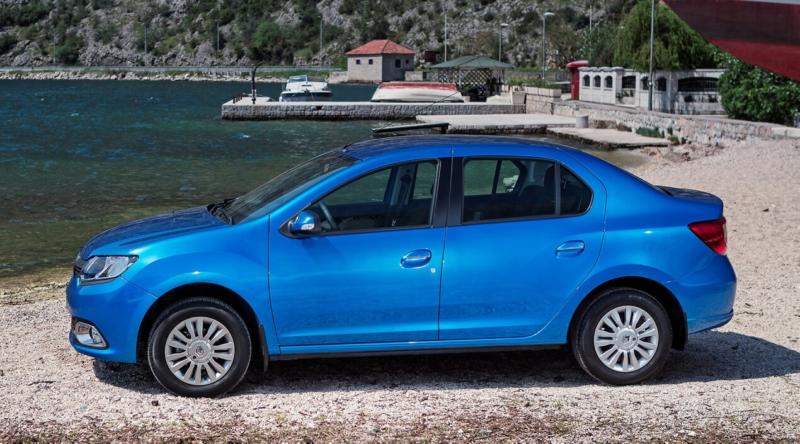
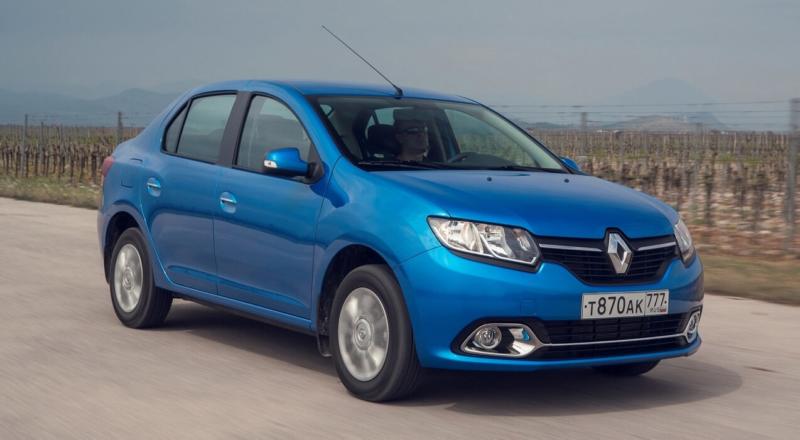
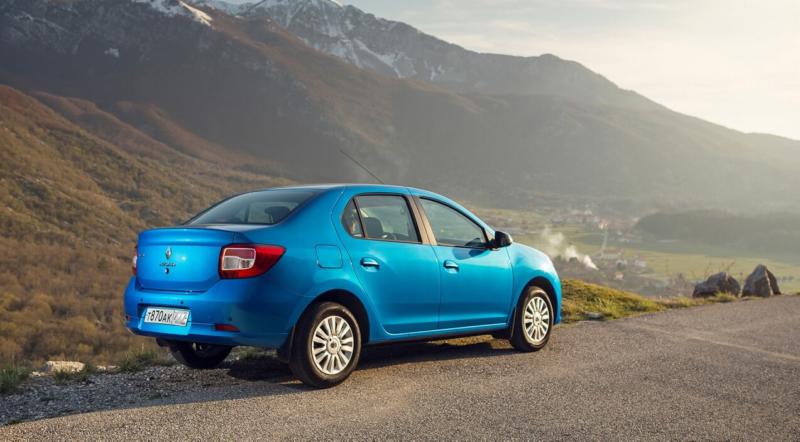
Compared with the boxy first Logan, the second generation looks more modern, with rectangular headlights, a grille with horizontal chrome-trimmed slats and a large Renault or Dacia badge, a large lower air intake and fog lights in black surrounds. The sides have more pronounced wheel arches, and the rear has a large boot lid with a small spoiler and horizontal tail lights. Some cost-saving details remain, such as visible bonnet hinges and a fuel cap that opens with the key. The 2016 facelift added LED daytime running lights, a Duster-style grille and a four-spoke steering wheel.

Engines and gearboxes
| Engine | Markets | Power | Torque | Gearbox |
|---|---|---|---|---|
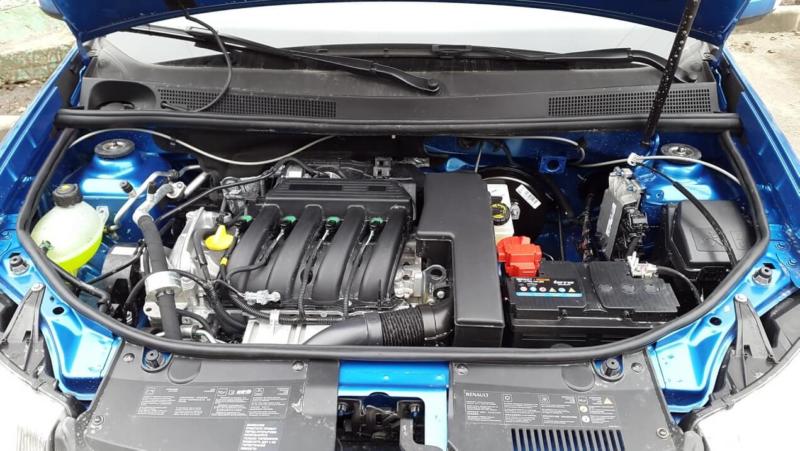
| 0.9 TCe three-cylinder turbo | Europe | 66 kW (90 PS) | 135 Nm | 5-speed manual, Easy-R from 2016 |
| 1.2 16V petrol | Europe | 55 kW (75 PS) | – | 5-speed manual |
| 1.5 dCi diesel | Europe | 55–66 kW (75–90 PS) | – | 5-speed manual, Easy-R |
| 1.6 8V petrol | other markets | 60 kW (82 PS) | – | 5-speed manual, Easy-R |
| 1.6 16V petrol | other markets | 75 kW (102 PS) | – | 5-speed manual, 4-speed automatic |
The 0.9 TCe gained start-stop in August 2015, and Euro 6 engines arrived from late 2014; an LPG version of the 1.2 was dropped because it did not meet Euro 6. An Eco button limits engine speed to 4,000 rpm to save fuel. With the 1.6 16V, the Logan reaches 100 km/h in about 10.5 seconds and 185 km/h; the 1.6 8V with the Easy-R uses about 7.2 L/100 km and includes hill-start assistance.

Chassis
The Logan uses MacPherson struts at the front and a semi-independent torsion beam at the rear. Front brakes are ventilated discs and rear brakes 8-inch drums, with a lever-operated handbrake. The rack-and-pinion steering was retuned for better stability at speed and has hydraulic assistance on most versions. Ground clearance is about 155–175 mm depending on the market, which helps on poor roads.

Dimensions and boot space

| Parameter | Metric | Imperial |
|---|---|---|
| Length | 4,346–4,380 mm | 171.1–172.4 in |
| Width | 1,733 mm | 68.2 in |
| Height | 1,517 mm | 59.7 in |
| Wheelbase | 2,634 mm | 103.7 in |
| Ground clearance | about 155–175 mm | 6.1–6.9 in |
| Kerb weight | about 1,100–1,130 kg | about 2,425–2,490 lb |
| Boot (saloon) | 510 L | 18.0 cu ft |
| Boot (MCV estate) | 573–1,518 L | 20.2–53.6 cu ft |
Interior and equipment
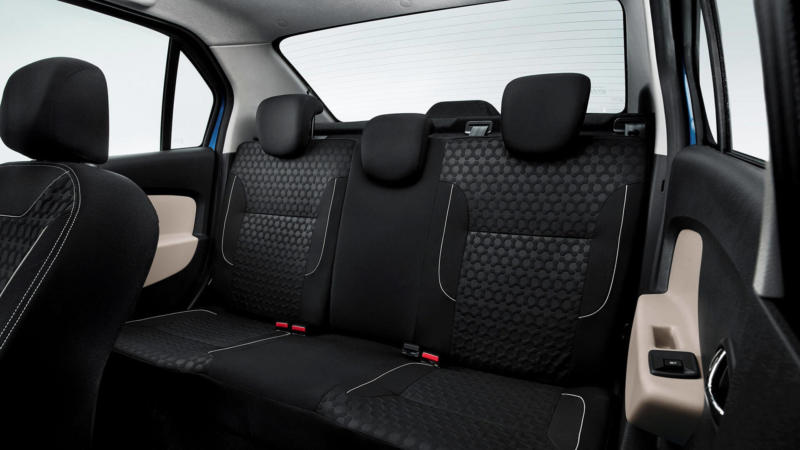
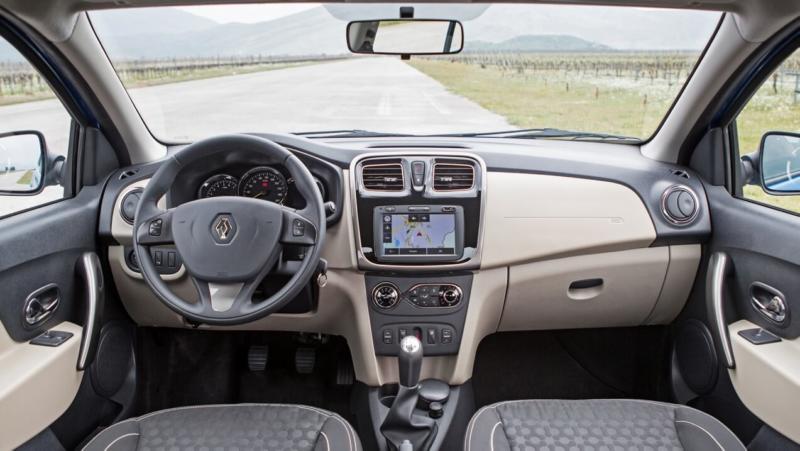
The cabin is simple but much better made than in the first Logan, with textured plastics, three chrome-ringed dials, a trip computer on better versions and window switches moved to the doors. The seats are soft with reasonable side support. Rear legroom increased, the bench seats three, and the backrest folds in sections; all three rear seats have ISOFIX mounts. Storage includes a 5.7-litre glovebox, bottle holders in all doors and a tray on top of the centre console. Top versions offered the MediaNav system with a 7-inch touchscreen, navigation and Bluetooth, air conditioning, electric windows, cruise control and a rear parking camera.

Safety
Depending on the market and trim, the Logan 2 has front and side airbags, ABS with brakeforce distribution and, on better versions, ESP. Daytime running lights switch on automatically, and the front bumper and bonnet are designed to absorb energy in a pedestrian impact. Safety varied widely between markets: Latin NCAP awarded South American versions with two airbags and no stability control only one star for adult protection in 2018, while an updated Logan with more equipment reached three stars in 2019.

Logan MCV estate and Stepway
The Logan MCV estate was presented at the 2013 Geneva Motor Show. It uses the same front end and wheelbase as the saloon but adds a longer rear with a near-vertical tailgate. Its boot holds 573 litres with five seats in use and up to 1,518 litres with the rear bench folded, which made the MCV one of the roomiest estates for its price. The 2016 facelift brought the MCV Stepway, a raised version with rugged plastic body protection. The MCV shares the saloon's engines, chassis and equipment, so the choice between them comes down to how much luggage space the buyer needs and whether the extra length suits their parking.

Rivals: how the Logan compares
The Logan 2 competed with budget saloons such as the Fiat Tipo saloon, Skoda Rapid, Volkswagen Polo saloon and Hyundai Accent. Its strengths are price, a huge boot for the class, simple engineering and low running costs; its weaknesses are basic materials, modest safety equipment on cheaper versions and a noisy cabin at speed. Renault's older small saloon, the Renault Symbol, and more models are listed among French cars.


Rivals
Compare with…
Compare Renault Logan with
- Chevrolet Cobalt quick spec comparison
- Lada Granta quick spec comparison
- Iran Khodro Samand quick spec comparison
-
In production
- Years
- 2011–present
- Body
- Sedan
- Fuel
- Petrol
- Power
- 64–77 kW (87–105 PS)
-
In production
- Years
- 2011–present
- Body
- Sedan, Hatchback
- Fuel
- Petrol
- Power
- 64–87 kW (87–118 PS)
-
Ended 2022
- Years
- 2001–2022
- Body
- Sedan
- Fuel
- Petrol, LPG / CNG
- Power
- 75–84 kW (102–114 PS)
-
Ended 2015
- Years
- 2009–2015
- Body
- Sedan, Hatchback
- Fuel
- Petrol
- Power
- 51–74 kW (69–101 PS)


Popular comparisons
Renault Logan in our rankings
- No. 48 of 304 · Lightest cars (1,150 kg · top 17%)
- No. 17 of 86 · Smallest sedans (4,348 mm · top 20%)
- No. 11 of 53 · Lightest sedans (1,150 kg · top 21%)
- No. 70 of 256 · Most economical cars (5.6 l/100 km · top 28%)
- No. 13 of 49 · Most economical sedans (5.6 l/100 km · top 29%)
- No. 134 of 420 · Smallest cars (4,348 mm · top 32%)
Lighter than 83% of ranked cars in the 1CARS catalog (No. 48 of 304).
Renault Logan photos 18


FAQ
Is the Renault Logan 2 the same as the Dacia Logan?
Yes. The second-generation Logan was sold as the Dacia Logan in Europe and as the Renault Logan in South America, Egypt and other markets. Some markets called it the Renault Symbol.
What engines does the Renault Logan 2 have?
European cars have a 0.9 TCe three-cylinder turbo with 66 kW (90 PS), a 1.2 petrol and 1.5 dCi diesels. Other markets used 1.6 petrol engines with 60–75 kW (82–102 PS).
How big is the Logan 2 boot?
The saloon's boot holds 510 litres, one of the largest in its class. The MCV estate offers 573 litres with the rear seats up and up to 1,518 litres with them folded.
When was the Logan 2 produced?
The second-generation Logan was revealed at the 2012 Paris Motor Show and built from 2012 to 2020, with a facelift in 2016. The third generation replaced it in September 2020.
Does the Logan 2 have an automatic gearbox?
Yes. From late 2016 it was offered with the Easy-R automated manual gearbox, and in some markets the 1.6 16V petrol engine came with a conventional four-speed automatic.
Data sources
Data checked by an editor against the sources below.
- The text of this article (1cars archive)
- Wikipedia - Dacia Logan
- EEA CO₂ monitoring (European Environment Agency, CC BY 4.0)